Management Of Bronchial Asthma
Dr Irfan Ahmad Khan
Outline
Introduction
Pathophysiology
Clinical presentation
Drug treatment
Recent advances
Introduction
Introduction
 Asthma is a chronic inflammatory disorder of the
airways that is characterized:
 clinically by recurrent episodes of wheezing,
breathlessness, chest tightness, and cough,
particularly at night/early morning.
 physiologically by widespread, reversible
narrowing of the bronchial airways and a marked
increase in bronchial responsiveness.
Classification
 A heterogenous disorder.
 Atopic /extrinsic /allergic ( 70%)∼ – IgE
mediated immune responses to environmental
antigens.
 Non-atopic/ intrinsic /non-allergic( 30%)∼ –
triggered by non immune stimuli. Patients have
negative skin test to common inhalant allergens
and normal serum concentrations of IgE. Asthma
may be triggered by aspirin, pulmonary
infections, cold, exercise, psychological stress or
inhaled irritants.
The ultimate humoral and
cellular mediators of airway
obstruction are common to both
atopic and non-atopic variants of
asthma, and hence they are
treated in a similar way.
Pathophysiology
Pathophysiology
 1. Chronic inflammation
 2. Airway Hyperresponsiveness
1. Inflammation
 Chronic inflammatory state
 Involves respiratory mucosa from trachea to
terminal bronchioles, predominantly in the
bronchi.
 Activation of mast cell,infiltration of eosinophils
& T-helper type 2 (Th2) lymphocytes
 T-helper type 2 (Th2) response -interleukin 4 (IL-
4), IL-5, and IL-13.
Inflammation…
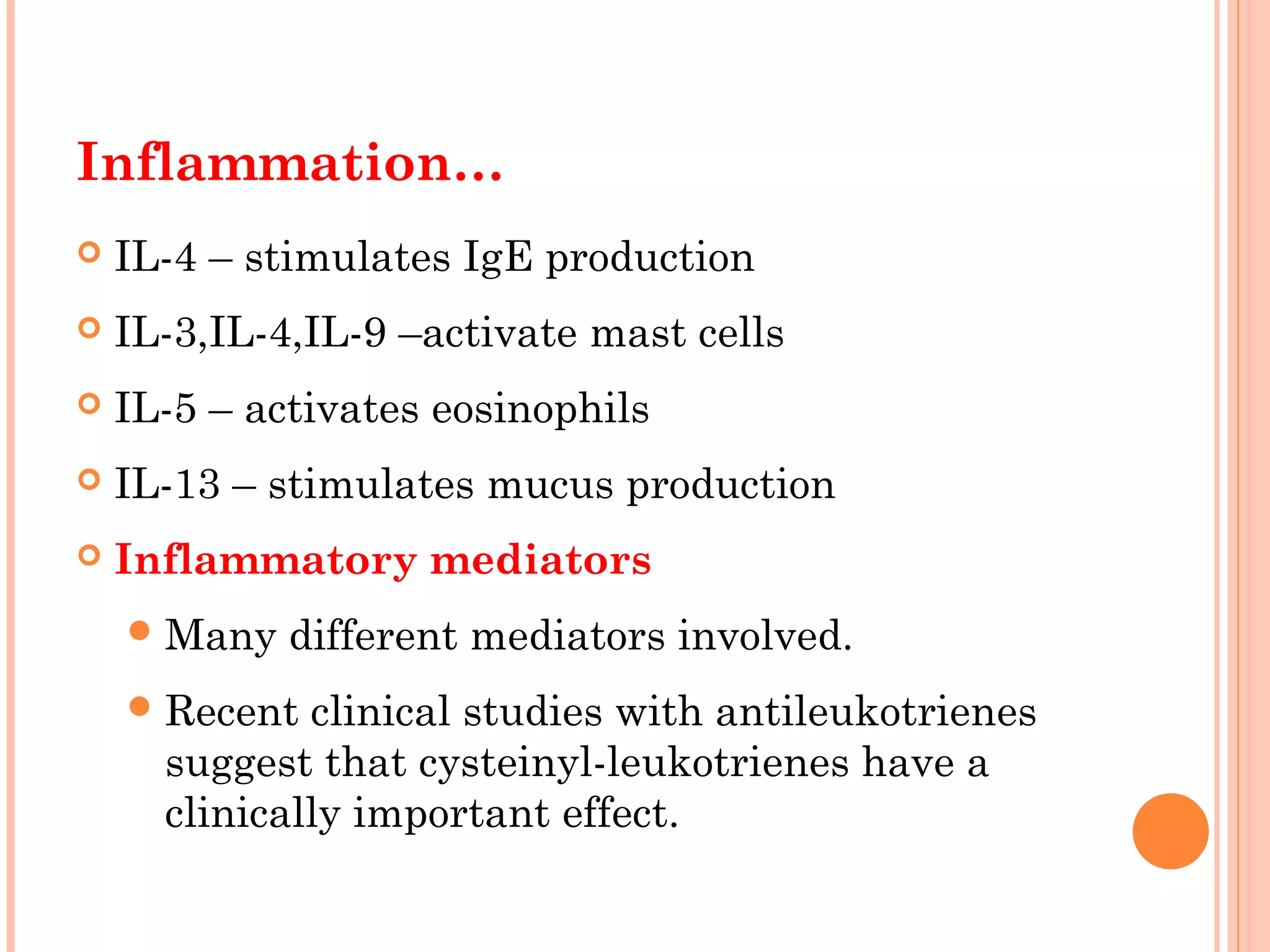
 IL-4 – stimulates IgE production
 IL-3,IL-4,IL-9 –activate mast cells
 IL-5 – activates eosinophils
 IL-13 – stimulates mucus production
 Inflammatory mediators
Many different mediators involved.
Recent clinical studies with antileukotrienes
suggest that cysteinyl-leukotrienes have a
clinically important effect.
Inflammation…
Inflammation…
 Exact cause of airway inflammation is unknown.
 Thought to be an interplay between endogenous and
environmental factors.
 Endogenous factors –
 Atopy –
 Genetic predisposition to IgE mediated type I hypersensitivity
 An excessive TH2 reaction against environmental antigens
 The major risk factor for asthma
 Asthma is commonly associated with other atopic diseases – allergic
rhinitis(80%), atopic dermatitis, urticaria, etc.
 Genetics
 Polymorphism of gene on chr. 5q
 ADAM-33,DPP-10 ,GPRA gene
Inflammation…
 Environmental factors
 Viral infections – RSV, Mycoplasma, Chlamydia
 Hygeine hypothesis - proposes that lack of
infections in early childhood preserves the TH2 cell ,
whereas exposure to infections and endotoxin results
in a shift toward a predominant protective TH1
response.
 Air pollution
 Allergens – house dust mite
2. Airway Hyperresponsiveness (AHR)
 The excessive bronchoconstrictor response to
multiple inhaled triggers that would have no
effect on normal airways.
 Characteristic physiologic abnormality of
asthma.
 e.g. concentration of a bronchial spasmogen
(methacholine/histamine), needed to produce a
20% increase in airway resistance in asthmatics
is often only 1% to 2% of the equally effective
concentration in healthy control subjects.
Asthma Triggers
 Allergens
 Virus Infections
 Drugs
 Exercise
 Food
 Air pollutants
 Physical factors
 GERD
 Stress
 Occupational factors
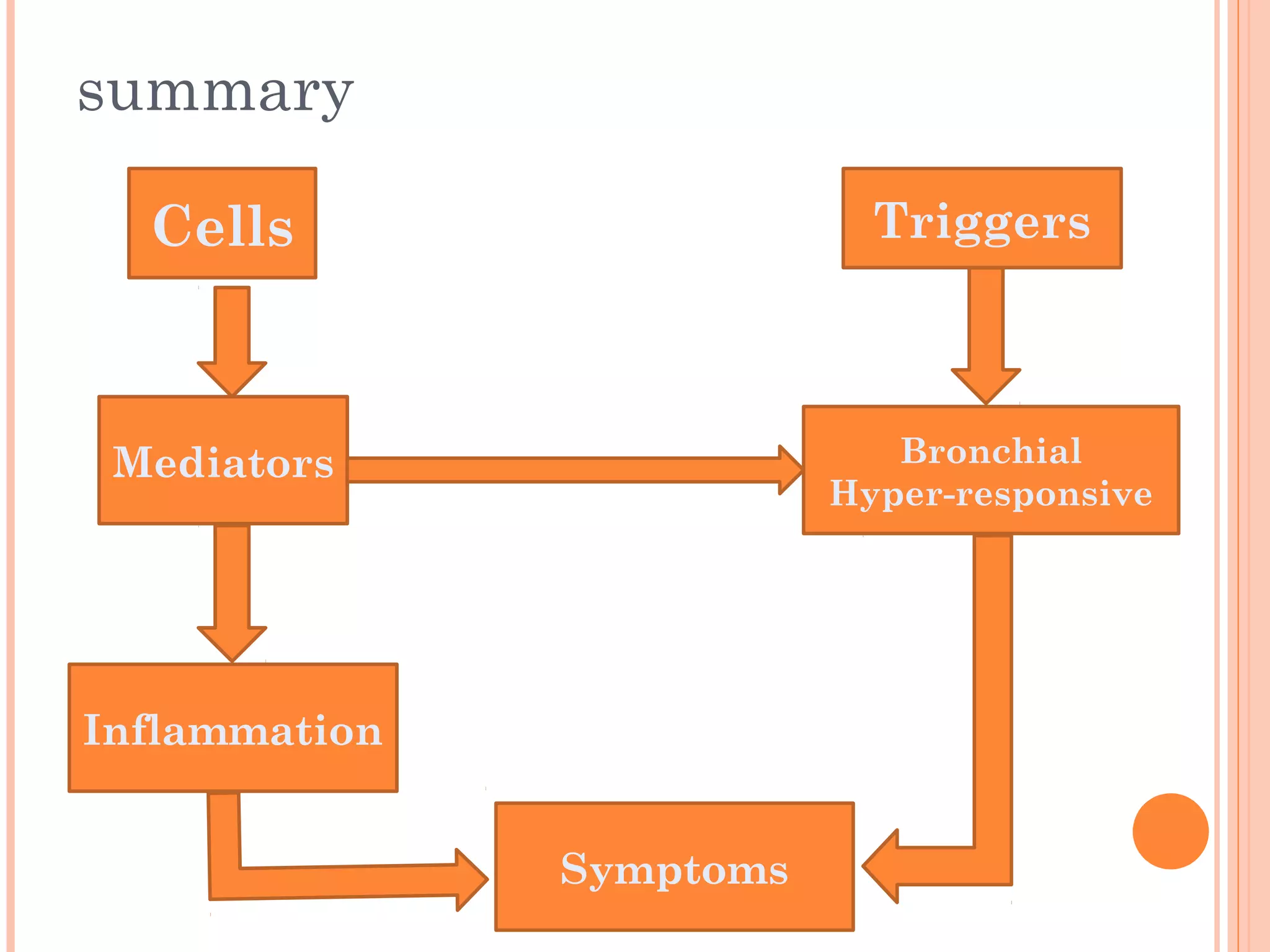
summary
Cells
Mediators
Inflammation
Symptoms
Triggers
Bronchial
Hyper-responsive
Clinical presentation
 Wheezing, dyspnea and cough.
 Variable – both spontaneously and with therapy.
 Tenaceous mucus production.
 Symptoms worse at night.
 Nonproductive cough
 Limitation of activity
Signs
 ↑ respiratory rate,with use of accessory muscles
 Hyper-resonant percussion note
 Expiratory rhonchi,expiration>inspiration.
 During very severe attacks,airflow may be insufficient to produce
rhonchiSILENT CHEST
 No findings when asthma is under control or b/w attacks
Investigations
 Pulmonary function testsSpirometry
– estimate degree of obstuction
– ↓FEV1, ↓FEV1/FVC, ↓PEF.
– >12% increase in FEV1, 15 minutes after β2 agonist inhalation.
– Morning dipping in PEF(chronic bronchitis)
 AHR – histamine / methacholine provocation test > 20% fall in
FEV1
 CXR – hyperinflation, pneumothorax,emphysema
 Arterial blood-gas analysishypoxia & hypocarbia(severe acute
asthmahypercarbia)
 Skin hypersensitivity test
 Sputum & blood eosinophilia
 Elevated serum IgE levels
Drug treatment
Classification of drugs
 Bronchodilators – rapid relief, by relaxation of
airway smooth muscle
 β2 Agonists
 Anticholinergic Agents
 Methylxanthines
 Controllers – inhibit the inflammatory process
 Glucocorticoids
 Leukotrienes pathway inhibitors
 Cromones
 Anti-IgE therapy
β2 Agonists in asthma
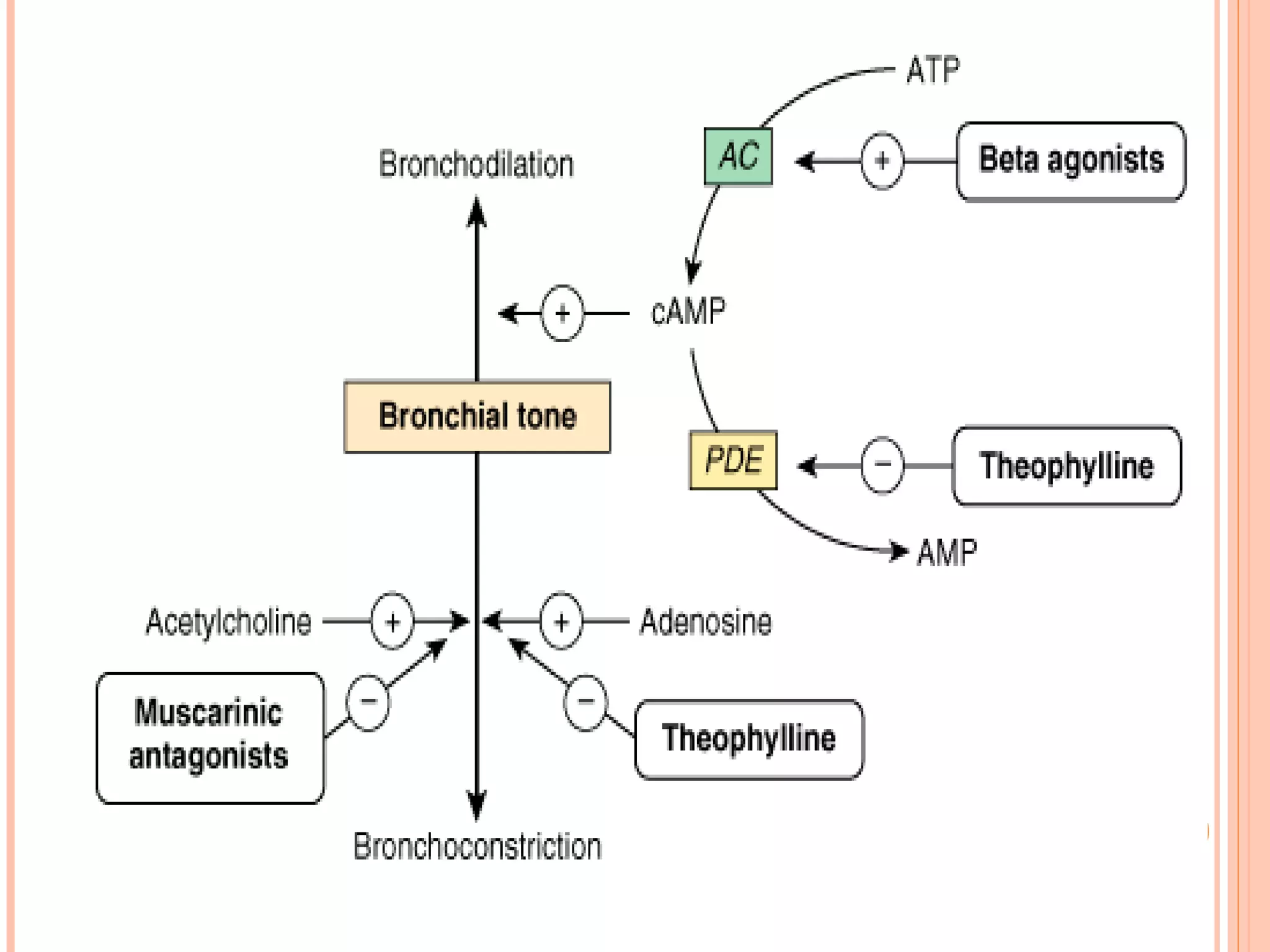
 Potent bronchodilators.(TOC)
 Usually given by inhalation route.
 MOA:
 Relaxation of airway smooth muscle
 Non-bronchodilator effects
 Inhibition of mast cell mediator release
 Reduction in plasma exudation
 Increased mucociliary transport
 Inhibition of sensory nerve activation
 Inflammatory cells express β2 receptors but these are rapidly
downregulated.
 No effect on airway inflammation and AHR.
β2 Agonists in asthma
 Short-Acting β2 Agonists
 Albuterol /salbutamol
 Levalbuterol, the (R)-enantiomer of albuterol
 Metaproterenol
 Terbutaline
 Pirbuterol
 Bambuterol
 Long-Acting β2Agonists
 Salmeterol
 Formoterol
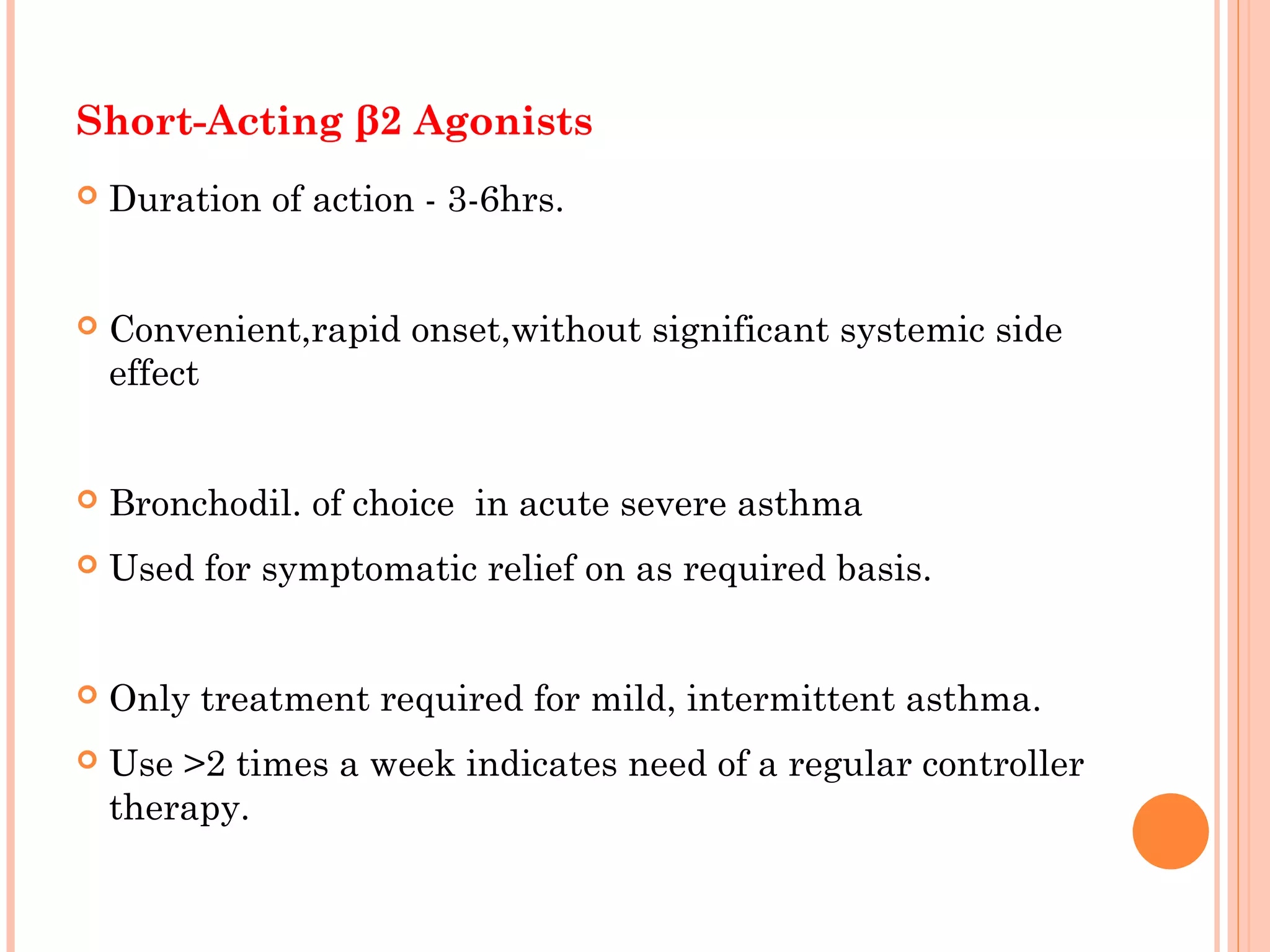
Short-Acting β2 Agonists
 Duration of action - 3-6hrs.
 Convenient,rapid onset,without significant systemic side
effect
 Bronchodil. of choice in acute severe asthma
 Used for symptomatic relief on as required basis.
 Only treatment required for mild, intermittent asthma.
 Use >2 times a week indicates need of a regular controller
therapy.
Long-Acting β2Agonists
 Duration of action - >12 hrs.
 Used in combination with inhaled corticosteroid (ICS)therapy.
 Improve asthma control and reduce frequency of exacerbations.
 Allow asthma to be controlled at lower dose of ICS.
 Fixed dose combination of corticosteroid with long acting β2 agonist
have proved to be highly effective.
 e.g. salmeterol+fluticasone, formoterol + budesonide.
Long-Acting β2Agonists
 Should not be used as monotherapy (increased
mortality).
 Combination has complementary synergistic action
 Not effective for acute bronchospasm.
 Salmeterol slow onset,2 puffs of 25μg 2-3 a day
 Formoterol rapid onset,2 puffs of 6μg 2-3 a day
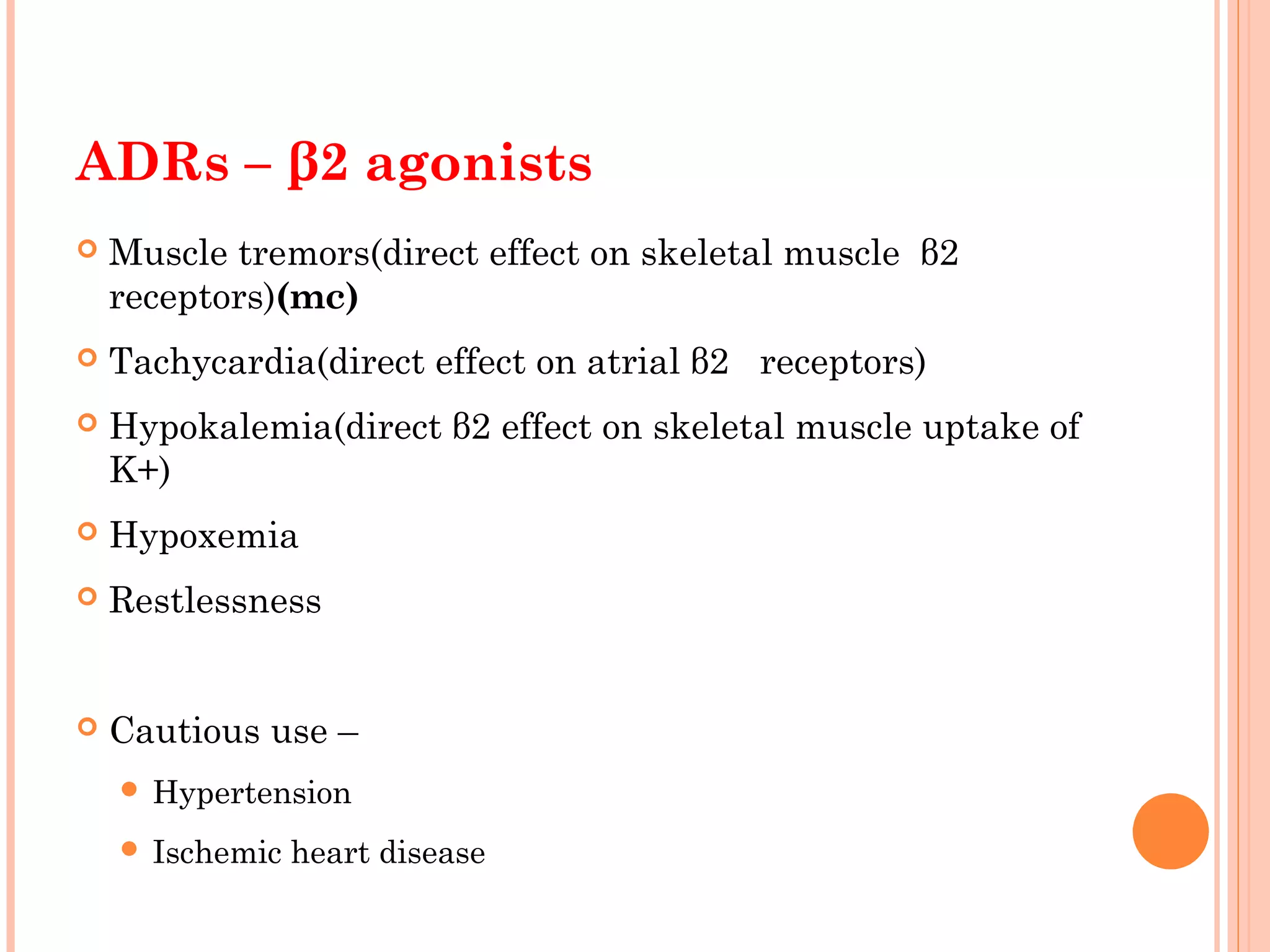
ADRs – β2 agonists
 Muscle tremors(direct effect on skeletal muscle β2
receptors)(mc)
 Tachycardia(direct effect on atrial β2 receptors)
 Hypokalemia(direct β2 effect on skeletal muscle uptake of
K+)
 Hypoxemia
 Restlessness
 Cautious use –
 Hypertension
 Ischemic heart disease
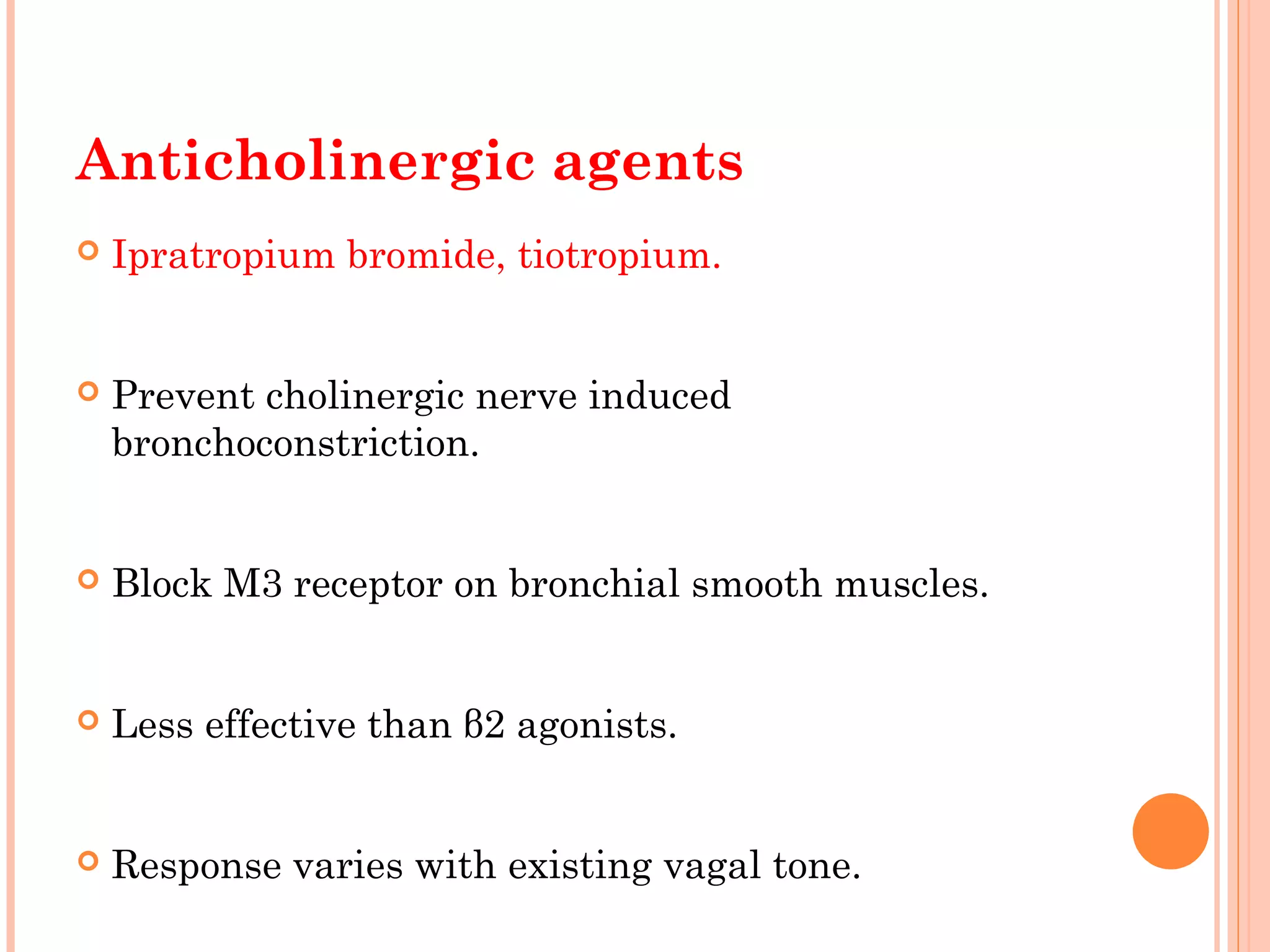
Anticholinergic agents
 Ipratropium bromide, tiotropium.
 Prevent cholinergic nerve induced
bronchoconstriction.
 Block M3 receptor on bronchial smooth muscles.
 Less effective than β2 agonists.
 Response varies with existing vagal tone.
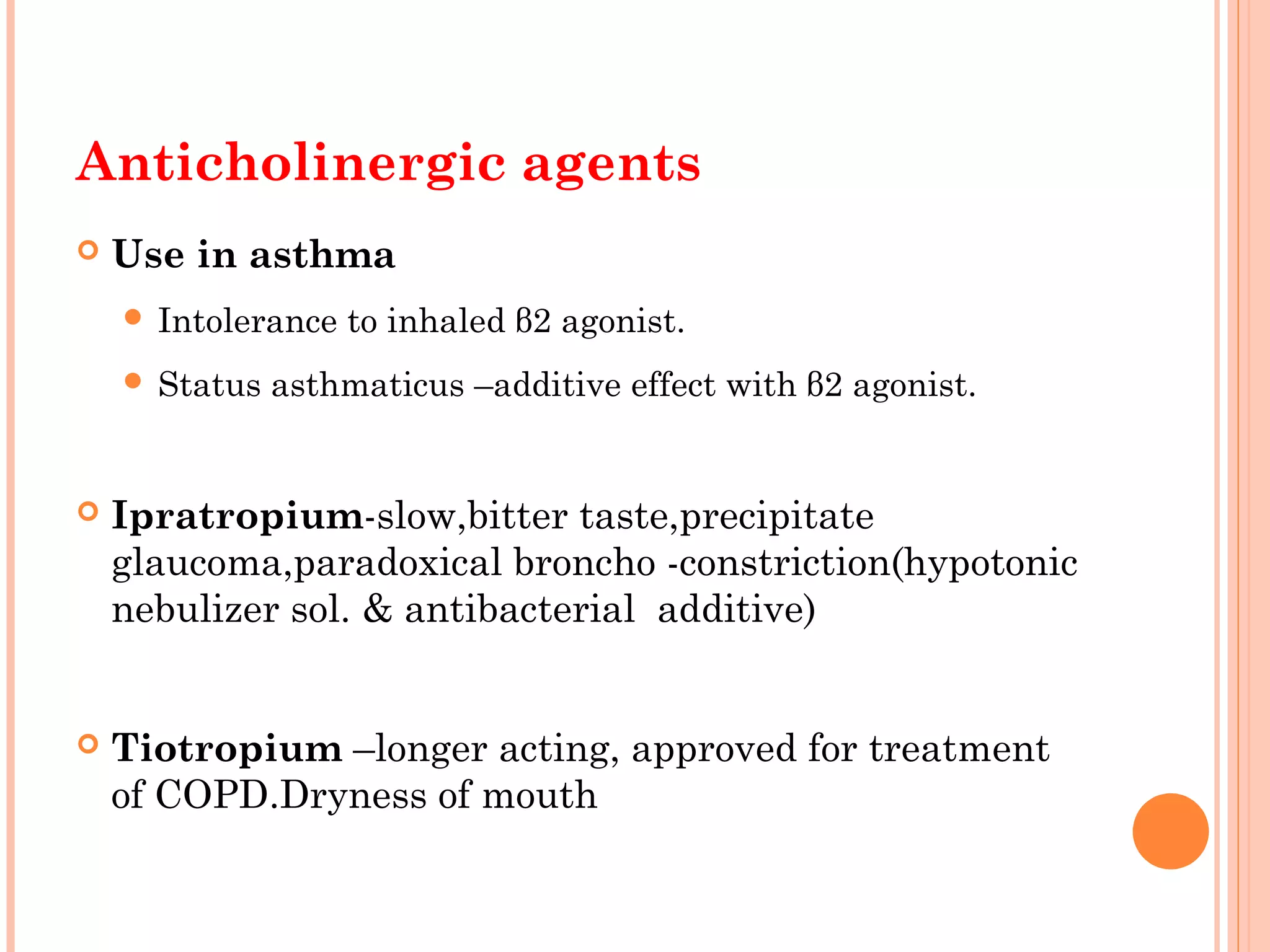
Anticholinergic agents
 Use in asthma
 Intolerance to inhaled β2 agonist.
 Status asthmaticus –additive effect with β2 agonist.
 Ipratropium-slow,bitter taste,precipitate
glaucoma,paradoxical broncho -constriction(hypotonic
nebulizer sol. & antibacterial additive)
 Tiotropium –longer acting, approved for treatment
of COPD.Dryness of mouth
Methylxanthines
 Medium potency bronchodilator
 Theophylline, theobromine, caffeine
 Recently interest has declined in this class of drugs:
Side effects
Need for plasma drug levels
Pharmacokinetics
Availability of other effective drugs
 Still widely used drugs especially in developing countries due to
their lower cost.
 Availability of slow release tablets – stable plasma levels
Methylxanthines
 Mechanism of action
a) Inhibition of several members of the phosphodiesterase (PDE)
enzyme family
b) Inhibition of cell-surface receptors for adenosine
c) IL-10 release-anti inflammatory action
d) Prevents translocation of NF-kB into nucleus
e) Activation of histone deacetylation. (HDAC2)
Bcl-2
Methylxanthines
 Theophylline base is poorly soluble in water.
 Soluble salts of theophylline:
 Aminophylline -85%
 Etophylline – 80%
 Oxtriphylline -64%
Methylxanthines-
Pharmacokinetics
 Narrow therapeutic window
 Therapeutic range -5–20 mg/L
 Given i.v./orally
 The plasma clearance of theophylline varies:
↑ clearance
 Enzyme induction(mainly CYP1A2) by co-administered
drugs(e.g.rifampicin,ethanol)
 Smoking via CYP1A2 induction
 High –protein,low –carbohydrate diet
 Childhood
↓ clearance
 CYPinhibition(cimetidine,erythromycin,allopurinol,ciprofloxacin,zileut
on,zafirlukast)
 CHF
 Liver ds.
 Pneumonia
 Viral infection & vaccination
 High-carbohyrate diet
 Old age
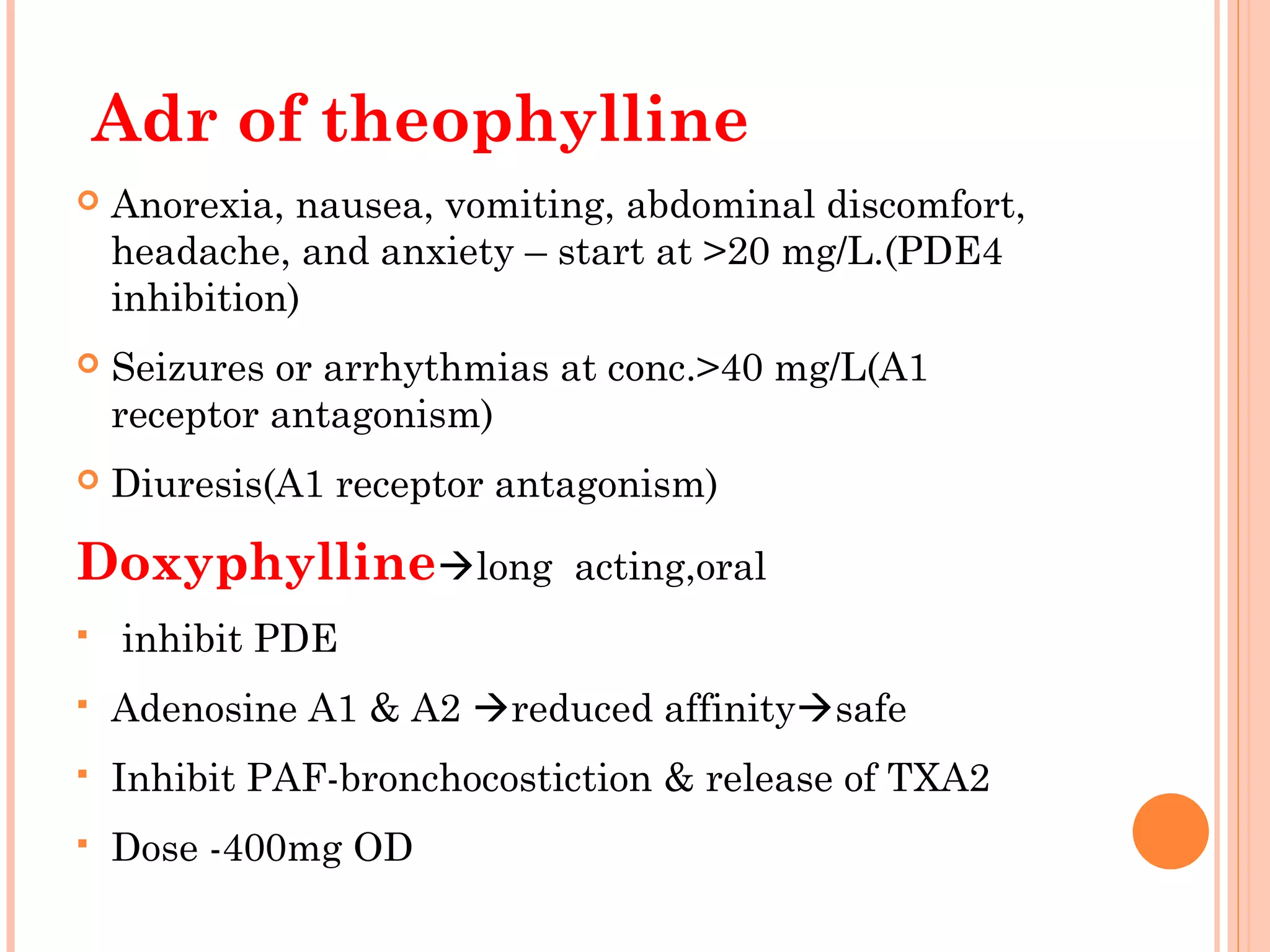
Adr of theophylline
 Anorexia, nausea, vomiting, abdominal discomfort,
headache, and anxiety – start at >20 mg/L.(PDE4
inhibition)
 Seizures or arrhythmias at conc.>40 mg/L(A1
receptor antagonism)
 Diuresis(A1 receptor antagonism)
Doxyphyllinelong acting,oral
 inhibit PDE
 Adenosine A1 & A2 reduced affinitysafe
 Inhibit PAF-bronchocostiction & release of TXA2
 Dose -400mg OD
Methylxanthines
 Roflumilast, cilomilast, and tofimilast- more
selective inhibitors of PDE4.
 Effective for asthma control but not used at
present due to their toxicities of nausea,
headache, and diarrhea.
 Administration of these compounds by inhalation
is being considered.
Corticosteroids – asthma
 Effective drugs for treatment of asthma.
 Development of inhaled corticosteroids is a major
advance in asthma therapy.
 Used prophylactically as a controller therapy.
 Reduce the need for rescue β2 agonist.
 Benefit starts in 1week but continues upto
several months.
 If asthma not controlled at low dose of ICS then
addition of long acting β2 agonist is more
effective than doubling steroid dose.
Corticosteroids – MOA in asthma
 Broad antiinflammatory effects:
 Marked inhibition of infiltration of airways by inflammatory
cells.
 Modulation of cytokine and chemokine production
 Inhibition of eicosanoid synthesis (by inhibiting PLA2)
 Decreased vascular permeability.
 Potentiate effect of β2 agonist.
 They do not relax airway smooth muscle directly but
reduce bronchial reactivity and reduce the frequency of
asthma exacerbations if taken regularly.
theophylline
theophylline
Inhaled corticosteroids( ICS)
Use of β2Agonists >2 times a week indicates need of a ICS
 Beclomethasone
 Budesonide
 Fluticasone
 Triamcinolone
 Flunisolide
 Ciclesonide
 greatly enhance the therapeutic index of the drugs.
ADR of inhaled corticosteroids
 Oropharyngeal candidiasis, dysphonia –
frequent at high doses. Reduced by using spacer
device.
 Decreased bone mineral density.
 Hypothalamic-pituitary-adrenal axis
suppression- >2000µg/d of beclomethasone.
 Skin thinning, purpura- dose related effect.
 Growth retardation in children
 Ciclesonide - recently approved corticosteroid,
a prodrug activated by esterases in bronchial
epithelial cells. Claimed to have lesser systemic
side effects.
Systemic steroids in asthma
 Indication
 Acute exacerbation(lung function <30% predicted)
 Chronic severe asthma
 A 5-10 day course of prednisolone 30-45mg/d is
used.
 1% of patients may require regular maintenance
therapy.
 Single morning dose
Leukotrienes pathway inhibitors
 Two approaches to interrupt the leukotriene
pathway have been pursued
 Inhibition of 5-lipoxygenase, thereby preventing
leukotriene synthesis. Zileuton.
 Inhibition of the binding of LTD4 to its receptor on
target tissues, thereby preventing its action.
Zafirlukast, montelukast.
 Oral route.
ADR
 Liver toxicity
 Churg –Strauss synd.(vasculitis with eosinophilia)
Membrane
phospholipid
PLA2Corticosteroid
Leukotrienes pathway inhibitors
 They are less effective than ICSs in controlling
asthma
 Use in asthma
 Patients unable to manipulate inhaler devices.
 Aspirin induced asthma.
 Mild asthma – alternative to ICS.
 Moderate to severe asthma – may allow
reduction of ICS dose.
Cromones
 Cromolyn sodium & nedocromil sodium
 On chronic use (four times daily) reduce the
overall level of bronchial reactivity.
 These drugs have no effect on airway smooth
muscle tone and are ineffective in reversing
asthmatic bronchospasm; they are only of value
when taken prophylactically.
 Inhalation route
Cromones
 Exact mechanism of action unknown
 Alteration in the function of delayed chloride
channels in the cell membrane, inhibiting cell
activation.
 Mast cells - inhibition of mediator release
 Eosinophils - inhibition of the inflammatory response
to inhalation of allergens.
 Inhibits parasympathetic & cough reflex
Cromones
 Uses
 Asthma - Prevention of asthmatic attacks in mild
to moderate asthma
 Adverse effects
 Well tolerated drugs
 Minor side effects- throat irritation, cough, and
mouth dryness, rarely, chest tightness, and
wheezing.
Anti-IgE therapy
 Omalizumab - recombinant humanized
monoclonal antibody targeted against IgE.
 MOA - IgE bound to omalizumab cannot bind to
IgE receptors on mast cells and basophils, thereby
preventing the allergic reaction at a very early step
in the process.
 Pharmacokinetics
 single subcutaneous injection every 2 to 4 weeks.
 Peak serum levels after 7 to 8 days.
Omalizumab
 Use in asthma
 Persons >12 years of age with moderate-to-severe
persistent asthma.
 Omalizumab is not an acute bronchodilator and
should not be used as a rescue medication or as a
treatment of status asthmaticus.
 Expensive drug
 Has to be given under direct medical supervision
due to the risk of anaphylaxis.
Classificationglobal initiative for asthma-
gina severity grades
Grade Symptoms Night-time Symptoms
Mild
intermittent
Symptoms ≤ 2 times/week ≤ 2 times/month
Mild
persistent
Symptoms ≥ 2 times/week
but ≤ 1/day
≥ 2 times/month
Moderate
persistent
Daily Symptoms ≥ 1/week
Severe
persistent
Continued Symptoms
Limited physical activity
Frequent
Stepwise approach to asthma
Aerosol delivery of drugs
 Topical application of drugs to lungs.
 Least systemic delivery
 Poor absorbtion from GIT
 High first pass metabolism
 Therpeutic index of drugs is Increased.
 Drug particles of 2-5µ are produced.
 Devices - Metered dose inhalers, nebulisers, dry
powder inhaler.
Disposition of inhaled drugs
Status asthmaticus(severe acute asthma)
 Severe airway obstuction
 Symptoms persist despite initial standard acute
asthma therapy.
 Severe dyspnoea & unproductive cough
 Pt. adopts upright position fixing shoulder girdle to
assist accessory muscles of respiration
 Sweating,central cyanosis ,tachycardia
 URTImc precipitant
Treatment of Status asthmaticus
 High conc. of oxygen through facemask
 Nebulised salbutamol(5mg) in oxygen given
immediately
 Ipratopium bromide(0.5mg) + salbutamol(5mg)
nebulised in oxygen,who don’t respond within 15-30 min
 Terbutaline s.c.(0.25-0.5mg) or i.v.
(0.1μg/kg/min)excessive coughing or too weak to
inspire adequately.
 Hydrocortisone hemisuccinate 100mg i.v.stat, followed
by 100-200mg 4-8 hrly infusion.
 ET intubation & mechanical ventilation if above Tt fails
Recent advances
 Ultra long acting β2 agonist – Indacaterol, Carmoterol (phase II).
 New bronchodil.MgSO4,K+ channel opener
 CRTh2 antagonist
 Endothelin antagonist
 Inducible NO synthase inhibitors
 Inhibition of chemokine receptors( CCR3).
 Antibodies for IL-4,5 and13.
 Inhibition of IL-4,5 production- suplatast tosilate.
 NF-κB inhibitors.
 Mitogen-Activated Protein Kinase Inhibitors
 Lumiliximab –antibody against low affinity IgE receptor(CD
23). Phase I.
Thank you
Effects of inflammation
 Airway epithelium – damage and shedding may
lead to AHR.
 Smooth muscle – hyperplasia and hypertrophy
 Vessels – increased in number, blood flow is
increased.
 Mucus hypersecretion
 Nerves –sensitization of nerve terminals and
reflex activation of cholinergic nerves.
 Fibrosis – subepithelial.

Bronchial asthma

  • 1.
    Management Of BronchialAsthma Dr Irfan Ahmad Khan
  • 2.
  • 3.
  • 4.
    Introduction  Asthma isa chronic inflammatory disorder of the airways that is characterized:  clinically by recurrent episodes of wheezing, breathlessness, chest tightness, and cough, particularly at night/early morning.  physiologically by widespread, reversible narrowing of the bronchial airways and a marked increase in bronchial responsiveness.
  • 5.
    Classification  A heterogenousdisorder.  Atopic /extrinsic /allergic ( 70%)∼ – IgE mediated immune responses to environmental antigens.  Non-atopic/ intrinsic /non-allergic( 30%)∼ – triggered by non immune stimuli. Patients have negative skin test to common inhalant allergens and normal serum concentrations of IgE. Asthma may be triggered by aspirin, pulmonary infections, cold, exercise, psychological stress or inhaled irritants.
  • 6.
    The ultimate humoraland cellular mediators of airway obstruction are common to both atopic and non-atopic variants of asthma, and hence they are treated in a similar way.
  • 7.
  • 8.
    Pathophysiology  1. Chronicinflammation  2. Airway Hyperresponsiveness
  • 9.
    1. Inflammation  Chronicinflammatory state  Involves respiratory mucosa from trachea to terminal bronchioles, predominantly in the bronchi.  Activation of mast cell,infiltration of eosinophils & T-helper type 2 (Th2) lymphocytes  T-helper type 2 (Th2) response -interleukin 4 (IL- 4), IL-5, and IL-13.
  • 10.
    Inflammation…  IL-4 –stimulates IgE production  IL-3,IL-4,IL-9 –activate mast cells  IL-5 – activates eosinophils  IL-13 – stimulates mucus production  Inflammatory mediators Many different mediators involved. Recent clinical studies with antileukotrienes suggest that cysteinyl-leukotrienes have a clinically important effect.
  • 11.
  • 13.
    Inflammation…  Exact causeof airway inflammation is unknown.  Thought to be an interplay between endogenous and environmental factors.  Endogenous factors –  Atopy –  Genetic predisposition to IgE mediated type I hypersensitivity  An excessive TH2 reaction against environmental antigens  The major risk factor for asthma  Asthma is commonly associated with other atopic diseases – allergic rhinitis(80%), atopic dermatitis, urticaria, etc.  Genetics  Polymorphism of gene on chr. 5q  ADAM-33,DPP-10 ,GPRA gene
  • 14.
    Inflammation…  Environmental factors Viral infections – RSV, Mycoplasma, Chlamydia  Hygeine hypothesis - proposes that lack of infections in early childhood preserves the TH2 cell , whereas exposure to infections and endotoxin results in a shift toward a predominant protective TH1 response.  Air pollution  Allergens – house dust mite
  • 15.
    2. Airway Hyperresponsiveness(AHR)  The excessive bronchoconstrictor response to multiple inhaled triggers that would have no effect on normal airways.  Characteristic physiologic abnormality of asthma.  e.g. concentration of a bronchial spasmogen (methacholine/histamine), needed to produce a 20% increase in airway resistance in asthmatics is often only 1% to 2% of the equally effective concentration in healthy control subjects.
  • 16.
    Asthma Triggers  Allergens Virus Infections  Drugs  Exercise  Food  Air pollutants  Physical factors  GERD  Stress  Occupational factors
  • 18.
  • 19.
  • 20.
    Clinical presentation  Wheezing,dyspnea and cough.  Variable – both spontaneously and with therapy.  Tenaceous mucus production.  Symptoms worse at night.  Nonproductive cough  Limitation of activity Signs  ↑ respiratory rate,with use of accessory muscles  Hyper-resonant percussion note  Expiratory rhonchi,expiration>inspiration.  During very severe attacks,airflow may be insufficient to produce rhonchiSILENT CHEST  No findings when asthma is under control or b/w attacks
  • 21.
    Investigations  Pulmonary functiontestsSpirometry – estimate degree of obstuction – ↓FEV1, ↓FEV1/FVC, ↓PEF. – >12% increase in FEV1, 15 minutes after β2 agonist inhalation. – Morning dipping in PEF(chronic bronchitis)  AHR – histamine / methacholine provocation test > 20% fall in FEV1  CXR – hyperinflation, pneumothorax,emphysema  Arterial blood-gas analysishypoxia & hypocarbia(severe acute asthmahypercarbia)  Skin hypersensitivity test  Sputum & blood eosinophilia  Elevated serum IgE levels
  • 22.
  • 23.
    Classification of drugs Bronchodilators – rapid relief, by relaxation of airway smooth muscle  β2 Agonists  Anticholinergic Agents  Methylxanthines  Controllers – inhibit the inflammatory process  Glucocorticoids  Leukotrienes pathway inhibitors  Cromones  Anti-IgE therapy
  • 24.
    β2 Agonists inasthma  Potent bronchodilators.(TOC)  Usually given by inhalation route.  MOA:  Relaxation of airway smooth muscle  Non-bronchodilator effects  Inhibition of mast cell mediator release  Reduction in plasma exudation  Increased mucociliary transport  Inhibition of sensory nerve activation  Inflammatory cells express β2 receptors but these are rapidly downregulated.  No effect on airway inflammation and AHR.
  • 26.
    β2 Agonists inasthma  Short-Acting β2 Agonists  Albuterol /salbutamol  Levalbuterol, the (R)-enantiomer of albuterol  Metaproterenol  Terbutaline  Pirbuterol  Bambuterol  Long-Acting β2Agonists  Salmeterol  Formoterol
  • 27.
    Short-Acting β2 Agonists Duration of action - 3-6hrs.  Convenient,rapid onset,without significant systemic side effect  Bronchodil. of choice in acute severe asthma  Used for symptomatic relief on as required basis.  Only treatment required for mild, intermittent asthma.  Use >2 times a week indicates need of a regular controller therapy.
  • 28.
    Long-Acting β2Agonists  Durationof action - >12 hrs.  Used in combination with inhaled corticosteroid (ICS)therapy.  Improve asthma control and reduce frequency of exacerbations.  Allow asthma to be controlled at lower dose of ICS.  Fixed dose combination of corticosteroid with long acting β2 agonist have proved to be highly effective.  e.g. salmeterol+fluticasone, formoterol + budesonide.
  • 29.
    Long-Acting β2Agonists  Shouldnot be used as monotherapy (increased mortality).  Combination has complementary synergistic action  Not effective for acute bronchospasm.  Salmeterol slow onset,2 puffs of 25μg 2-3 a day  Formoterol rapid onset,2 puffs of 6μg 2-3 a day
  • 30.
    ADRs – β2agonists  Muscle tremors(direct effect on skeletal muscle β2 receptors)(mc)  Tachycardia(direct effect on atrial β2 receptors)  Hypokalemia(direct β2 effect on skeletal muscle uptake of K+)  Hypoxemia  Restlessness  Cautious use –  Hypertension  Ischemic heart disease
  • 31.
    Anticholinergic agents  Ipratropiumbromide, tiotropium.  Prevent cholinergic nerve induced bronchoconstriction.  Block M3 receptor on bronchial smooth muscles.  Less effective than β2 agonists.  Response varies with existing vagal tone.
  • 32.
    Anticholinergic agents  Usein asthma  Intolerance to inhaled β2 agonist.  Status asthmaticus –additive effect with β2 agonist.  Ipratropium-slow,bitter taste,precipitate glaucoma,paradoxical broncho -constriction(hypotonic nebulizer sol. & antibacterial additive)  Tiotropium –longer acting, approved for treatment of COPD.Dryness of mouth
  • 33.
    Methylxanthines  Medium potencybronchodilator  Theophylline, theobromine, caffeine  Recently interest has declined in this class of drugs: Side effects Need for plasma drug levels Pharmacokinetics Availability of other effective drugs  Still widely used drugs especially in developing countries due to their lower cost.  Availability of slow release tablets – stable plasma levels
  • 34.
    Methylxanthines  Mechanism ofaction a) Inhibition of several members of the phosphodiesterase (PDE) enzyme family b) Inhibition of cell-surface receptors for adenosine c) IL-10 release-anti inflammatory action d) Prevents translocation of NF-kB into nucleus e) Activation of histone deacetylation. (HDAC2)
  • 36.
  • 37.
    Methylxanthines  Theophylline baseis poorly soluble in water.  Soluble salts of theophylline:  Aminophylline -85%  Etophylline – 80%  Oxtriphylline -64%
  • 38.
    Methylxanthines- Pharmacokinetics  Narrow therapeuticwindow  Therapeutic range -5–20 mg/L  Given i.v./orally  The plasma clearance of theophylline varies:
  • 39.
    ↑ clearance  Enzymeinduction(mainly CYP1A2) by co-administered drugs(e.g.rifampicin,ethanol)  Smoking via CYP1A2 induction  High –protein,low –carbohydrate diet  Childhood ↓ clearance  CYPinhibition(cimetidine,erythromycin,allopurinol,ciprofloxacin,zileut on,zafirlukast)  CHF  Liver ds.  Pneumonia  Viral infection & vaccination  High-carbohyrate diet  Old age
  • 40.
    Adr of theophylline Anorexia, nausea, vomiting, abdominal discomfort, headache, and anxiety – start at >20 mg/L.(PDE4 inhibition)  Seizures or arrhythmias at conc.>40 mg/L(A1 receptor antagonism)  Diuresis(A1 receptor antagonism) Doxyphyllinelong acting,oral  inhibit PDE  Adenosine A1 & A2 reduced affinitysafe  Inhibit PAF-bronchocostiction & release of TXA2  Dose -400mg OD
  • 41.
    Methylxanthines  Roflumilast, cilomilast,and tofimilast- more selective inhibitors of PDE4.  Effective for asthma control but not used at present due to their toxicities of nausea, headache, and diarrhea.  Administration of these compounds by inhalation is being considered.
  • 42.
    Corticosteroids – asthma Effective drugs for treatment of asthma.  Development of inhaled corticosteroids is a major advance in asthma therapy.  Used prophylactically as a controller therapy.  Reduce the need for rescue β2 agonist.  Benefit starts in 1week but continues upto several months.  If asthma not controlled at low dose of ICS then addition of long acting β2 agonist is more effective than doubling steroid dose.
  • 43.
    Corticosteroids – MOAin asthma  Broad antiinflammatory effects:  Marked inhibition of infiltration of airways by inflammatory cells.  Modulation of cytokine and chemokine production  Inhibition of eicosanoid synthesis (by inhibiting PLA2)  Decreased vascular permeability.  Potentiate effect of β2 agonist.  They do not relax airway smooth muscle directly but reduce bronchial reactivity and reduce the frequency of asthma exacerbations if taken regularly.
  • 44.
  • 46.
    Inhaled corticosteroids( ICS) Useof β2Agonists >2 times a week indicates need of a ICS  Beclomethasone  Budesonide  Fluticasone  Triamcinolone  Flunisolide  Ciclesonide  greatly enhance the therapeutic index of the drugs.
  • 47.
    ADR of inhaledcorticosteroids  Oropharyngeal candidiasis, dysphonia – frequent at high doses. Reduced by using spacer device.  Decreased bone mineral density.  Hypothalamic-pituitary-adrenal axis suppression- >2000µg/d of beclomethasone.  Skin thinning, purpura- dose related effect.  Growth retardation in children
  • 48.
     Ciclesonide -recently approved corticosteroid, a prodrug activated by esterases in bronchial epithelial cells. Claimed to have lesser systemic side effects.
  • 49.
    Systemic steroids inasthma  Indication  Acute exacerbation(lung function <30% predicted)  Chronic severe asthma  A 5-10 day course of prednisolone 30-45mg/d is used.  1% of patients may require regular maintenance therapy.  Single morning dose
  • 50.
    Leukotrienes pathway inhibitors Two approaches to interrupt the leukotriene pathway have been pursued  Inhibition of 5-lipoxygenase, thereby preventing leukotriene synthesis. Zileuton.  Inhibition of the binding of LTD4 to its receptor on target tissues, thereby preventing its action. Zafirlukast, montelukast.  Oral route. ADR  Liver toxicity  Churg –Strauss synd.(vasculitis with eosinophilia)
  • 51.
  • 52.
    Leukotrienes pathway inhibitors They are less effective than ICSs in controlling asthma  Use in asthma  Patients unable to manipulate inhaler devices.  Aspirin induced asthma.  Mild asthma – alternative to ICS.  Moderate to severe asthma – may allow reduction of ICS dose.
  • 53.
    Cromones  Cromolyn sodium& nedocromil sodium  On chronic use (four times daily) reduce the overall level of bronchial reactivity.  These drugs have no effect on airway smooth muscle tone and are ineffective in reversing asthmatic bronchospasm; they are only of value when taken prophylactically.  Inhalation route
  • 54.
    Cromones  Exact mechanismof action unknown  Alteration in the function of delayed chloride channels in the cell membrane, inhibiting cell activation.  Mast cells - inhibition of mediator release  Eosinophils - inhibition of the inflammatory response to inhalation of allergens.  Inhibits parasympathetic & cough reflex
  • 55.
    Cromones  Uses  Asthma- Prevention of asthmatic attacks in mild to moderate asthma  Adverse effects  Well tolerated drugs  Minor side effects- throat irritation, cough, and mouth dryness, rarely, chest tightness, and wheezing.
  • 56.
    Anti-IgE therapy  Omalizumab- recombinant humanized monoclonal antibody targeted against IgE.  MOA - IgE bound to omalizumab cannot bind to IgE receptors on mast cells and basophils, thereby preventing the allergic reaction at a very early step in the process.  Pharmacokinetics  single subcutaneous injection every 2 to 4 weeks.  Peak serum levels after 7 to 8 days.
  • 58.
    Omalizumab  Use inasthma  Persons >12 years of age with moderate-to-severe persistent asthma.  Omalizumab is not an acute bronchodilator and should not be used as a rescue medication or as a treatment of status asthmaticus.  Expensive drug  Has to be given under direct medical supervision due to the risk of anaphylaxis.
  • 59.
    Classificationglobal initiative forasthma- gina severity grades Grade Symptoms Night-time Symptoms Mild intermittent Symptoms ≤ 2 times/week ≤ 2 times/month Mild persistent Symptoms ≥ 2 times/week but ≤ 1/day ≥ 2 times/month Moderate persistent Daily Symptoms ≥ 1/week Severe persistent Continued Symptoms Limited physical activity Frequent
  • 60.
  • 61.
    Aerosol delivery ofdrugs  Topical application of drugs to lungs.  Least systemic delivery  Poor absorbtion from GIT  High first pass metabolism  Therpeutic index of drugs is Increased.  Drug particles of 2-5µ are produced.  Devices - Metered dose inhalers, nebulisers, dry powder inhaler.
  • 62.
  • 63.
    Status asthmaticus(severe acuteasthma)  Severe airway obstuction  Symptoms persist despite initial standard acute asthma therapy.  Severe dyspnoea & unproductive cough  Pt. adopts upright position fixing shoulder girdle to assist accessory muscles of respiration  Sweating,central cyanosis ,tachycardia  URTImc precipitant
  • 64.
    Treatment of Statusasthmaticus  High conc. of oxygen through facemask  Nebulised salbutamol(5mg) in oxygen given immediately  Ipratopium bromide(0.5mg) + salbutamol(5mg) nebulised in oxygen,who don’t respond within 15-30 min  Terbutaline s.c.(0.25-0.5mg) or i.v. (0.1μg/kg/min)excessive coughing or too weak to inspire adequately.  Hydrocortisone hemisuccinate 100mg i.v.stat, followed by 100-200mg 4-8 hrly infusion.  ET intubation & mechanical ventilation if above Tt fails
  • 65.
    Recent advances  Ultralong acting β2 agonist – Indacaterol, Carmoterol (phase II).  New bronchodil.MgSO4,K+ channel opener  CRTh2 antagonist  Endothelin antagonist  Inducible NO synthase inhibitors  Inhibition of chemokine receptors( CCR3).  Antibodies for IL-4,5 and13.  Inhibition of IL-4,5 production- suplatast tosilate.  NF-κB inhibitors.  Mitogen-Activated Protein Kinase Inhibitors  Lumiliximab –antibody against low affinity IgE receptor(CD 23). Phase I.
  • 66.
  • 67.
    Effects of inflammation Airway epithelium – damage and shedding may lead to AHR.  Smooth muscle – hyperplasia and hypertrophy  Vessels – increased in number, blood flow is increased.  Mucus hypersecretion  Nerves –sensitization of nerve terminals and reflex activation of cholinergic nerves.  Fibrosis – subepithelial.

Editor's Notes

  • #2 &amp;lt;number&amp;gt;
  • #4 &amp;lt;number&amp;gt;
  • #5 &amp;lt;number&amp;gt;
  • #6 &amp;lt;number&amp;gt;
  • #7 &amp;lt;number&amp;gt;
  • #8 &amp;lt;number&amp;gt;
  • #9 &amp;lt;number&amp;gt;
  • #10 &amp;lt;number&amp;gt;
  • #11 &amp;lt;number&amp;gt;
  • #12 &amp;lt;number&amp;gt;
  • #14 &amp;lt;number&amp;gt;
  • #15 &amp;lt;number&amp;gt;
  • #16 &amp;lt;number&amp;gt;
  • #17 &amp;lt;number&amp;gt;
  • #18 &amp;lt;number&amp;gt;
  • #20 &amp;lt;number&amp;gt;
  • #21 &amp;lt;number&amp;gt;
  • #22 &amp;lt;number&amp;gt;
  • #23 &amp;lt;number&amp;gt;
  • #24 &amp;lt;number&amp;gt;
  • #25 &amp;lt;number&amp;gt;
  • #27 &amp;lt;number&amp;gt;
  • #28 &amp;lt;number&amp;gt;
  • #29 &amp;lt;number&amp;gt;
  • #30 &amp;lt;number&amp;gt;
  • #31 &amp;lt;number&amp;gt;
  • #32 &amp;lt;number&amp;gt;
  • #33 &amp;lt;number&amp;gt;
  • #34 &amp;lt;number&amp;gt;
  • #35 &amp;lt;number&amp;gt;
  • #36 &amp;lt;number&amp;gt;
  • #38 &amp;lt;number&amp;gt;
  • #39 &amp;lt;number&amp;gt;
  • #42 &amp;lt;number&amp;gt;
  • #43 &amp;lt;number&amp;gt;
  • #44 &amp;lt;number&amp;gt;
  • #47 &amp;lt;number&amp;gt;
  • #48 &amp;lt;number&amp;gt;
  • #49 &amp;lt;number&amp;gt;
  • #50 &amp;lt;number&amp;gt;
  • #51 &amp;lt;number&amp;gt;
  • #53 &amp;lt;number&amp;gt;
  • #54 &amp;lt;number&amp;gt;
  • #55 &amp;lt;number&amp;gt;
  • #56 &amp;lt;number&amp;gt;
  • #57 &amp;lt;number&amp;gt;
  • #58 &amp;lt;number&amp;gt;
  • #59 &amp;lt;number&amp;gt;
  • #61 &amp;lt;number&amp;gt;
  • #62 &amp;lt;number&amp;gt;
  • #63 &amp;lt;number&amp;gt;
  • #66 &amp;lt;number&amp;gt;
  • #67 &amp;lt;number&amp;gt;
  • #68 &amp;lt;number&amp;gt;