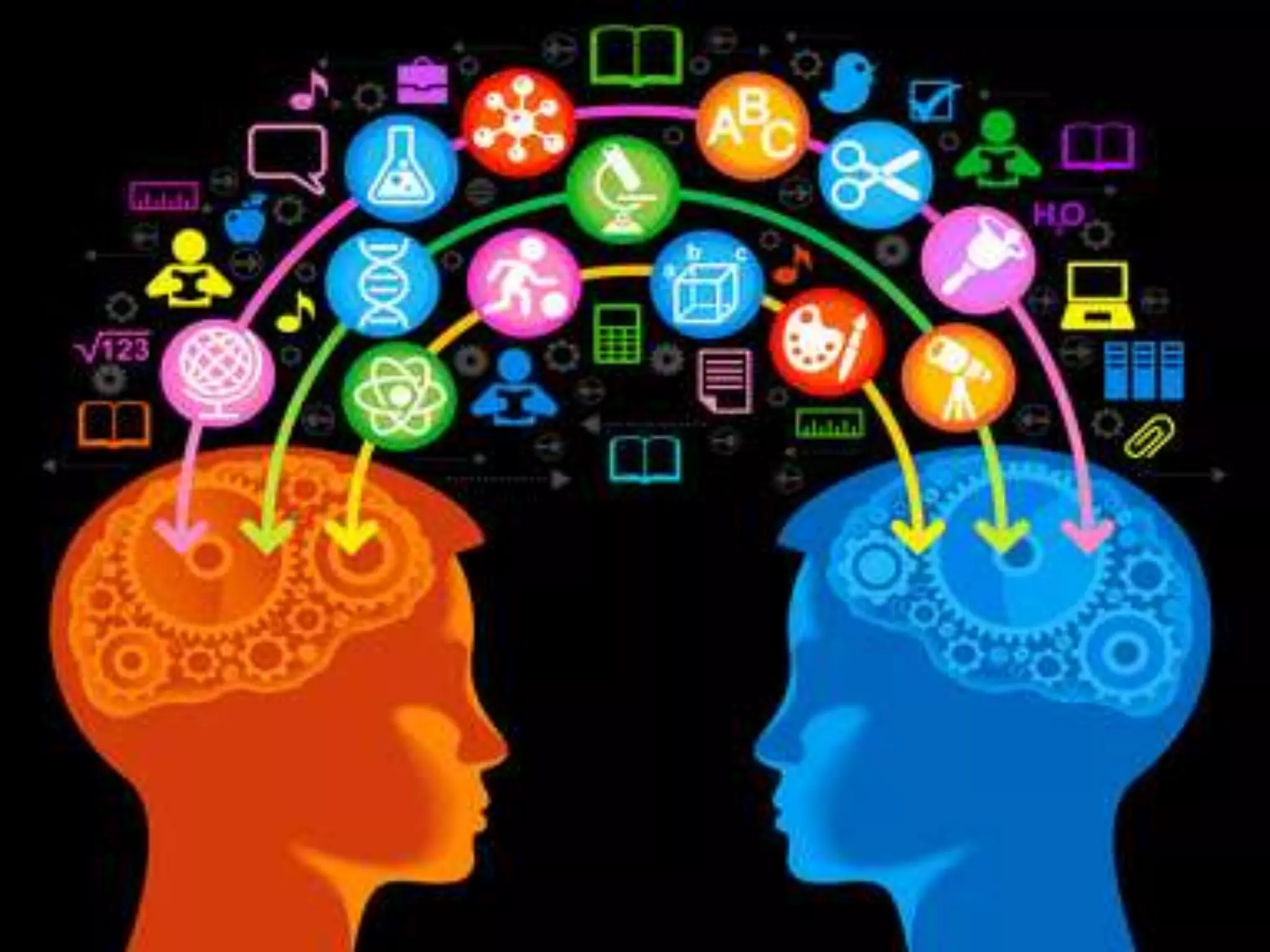
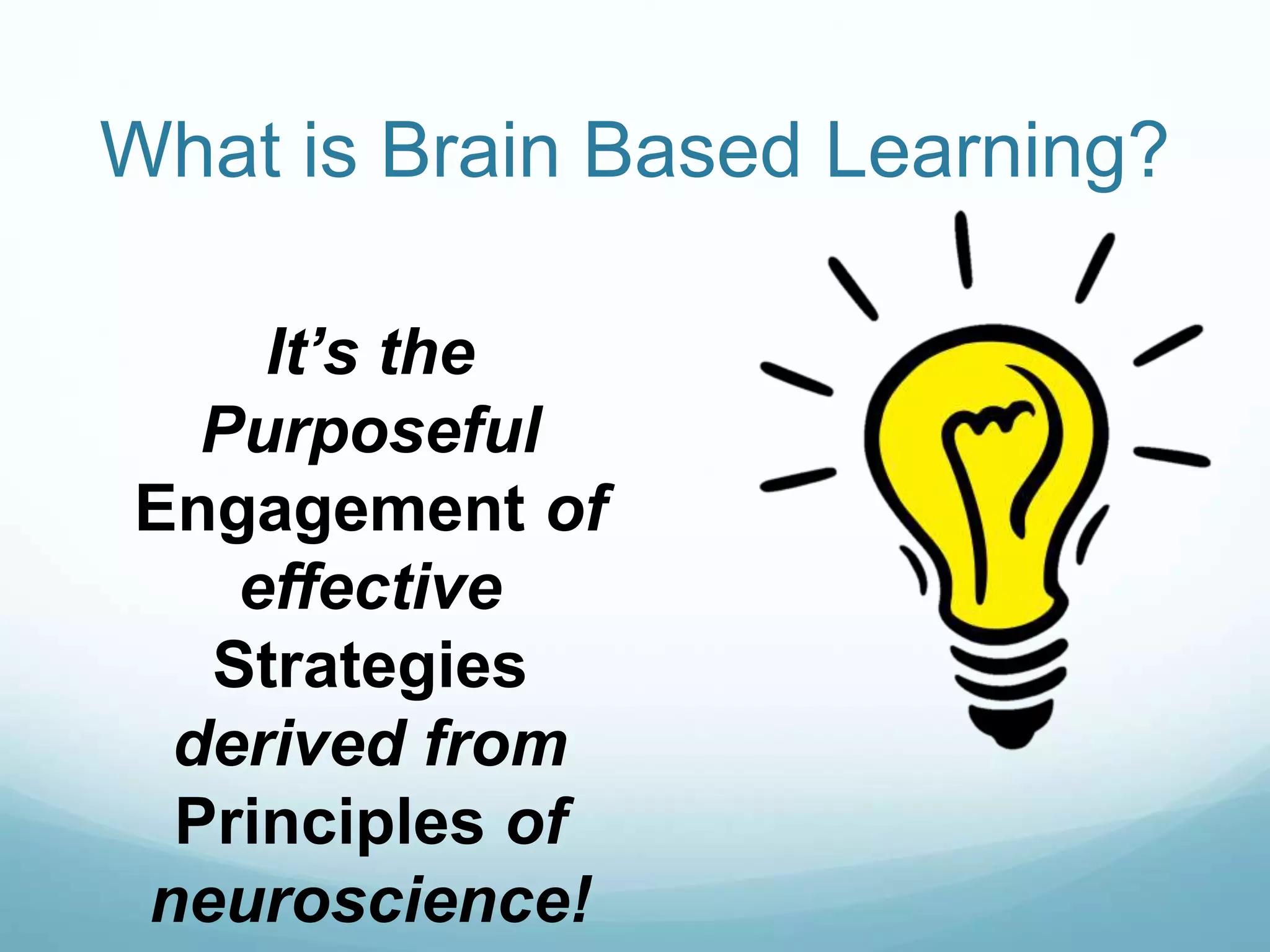
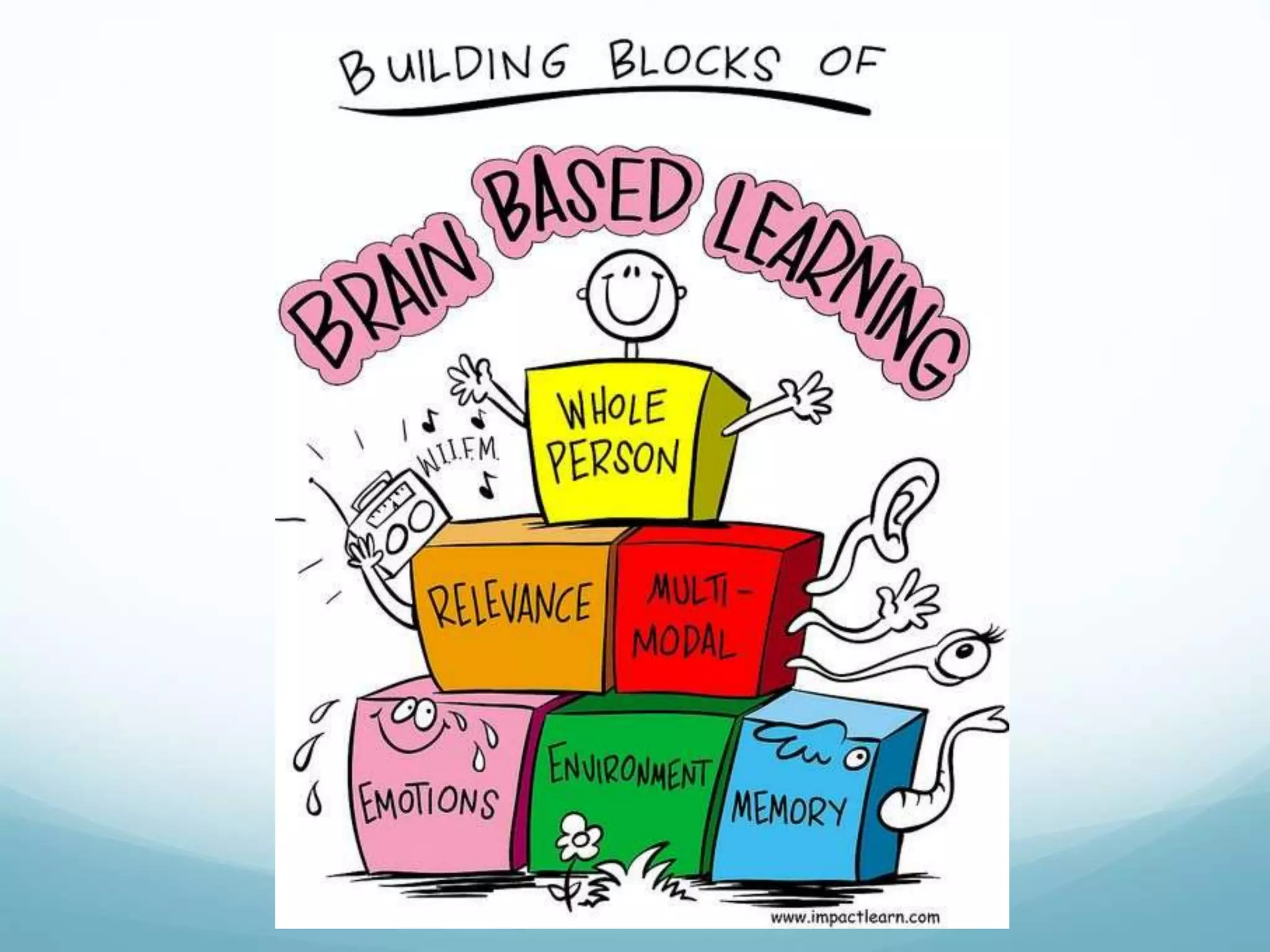
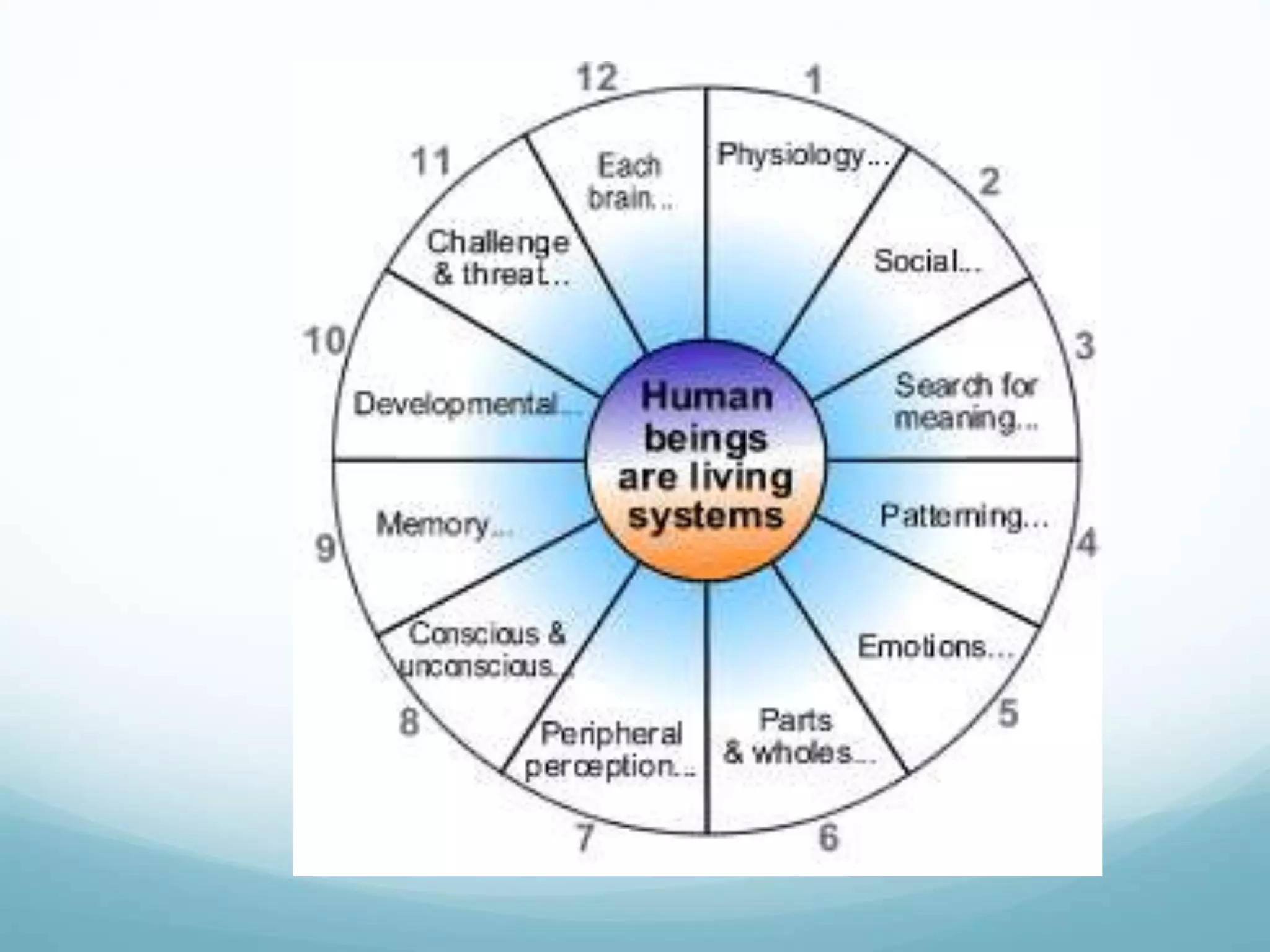
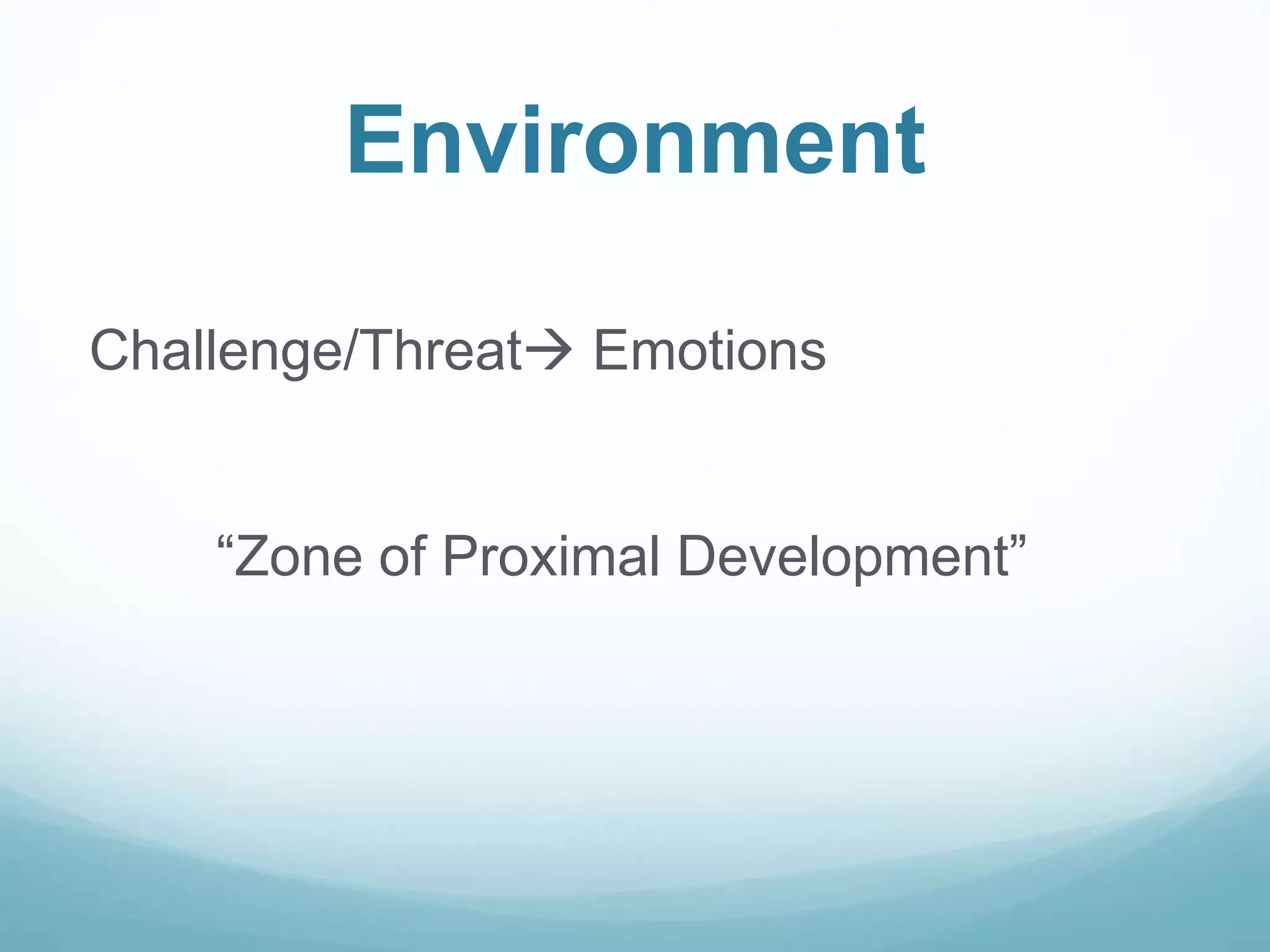
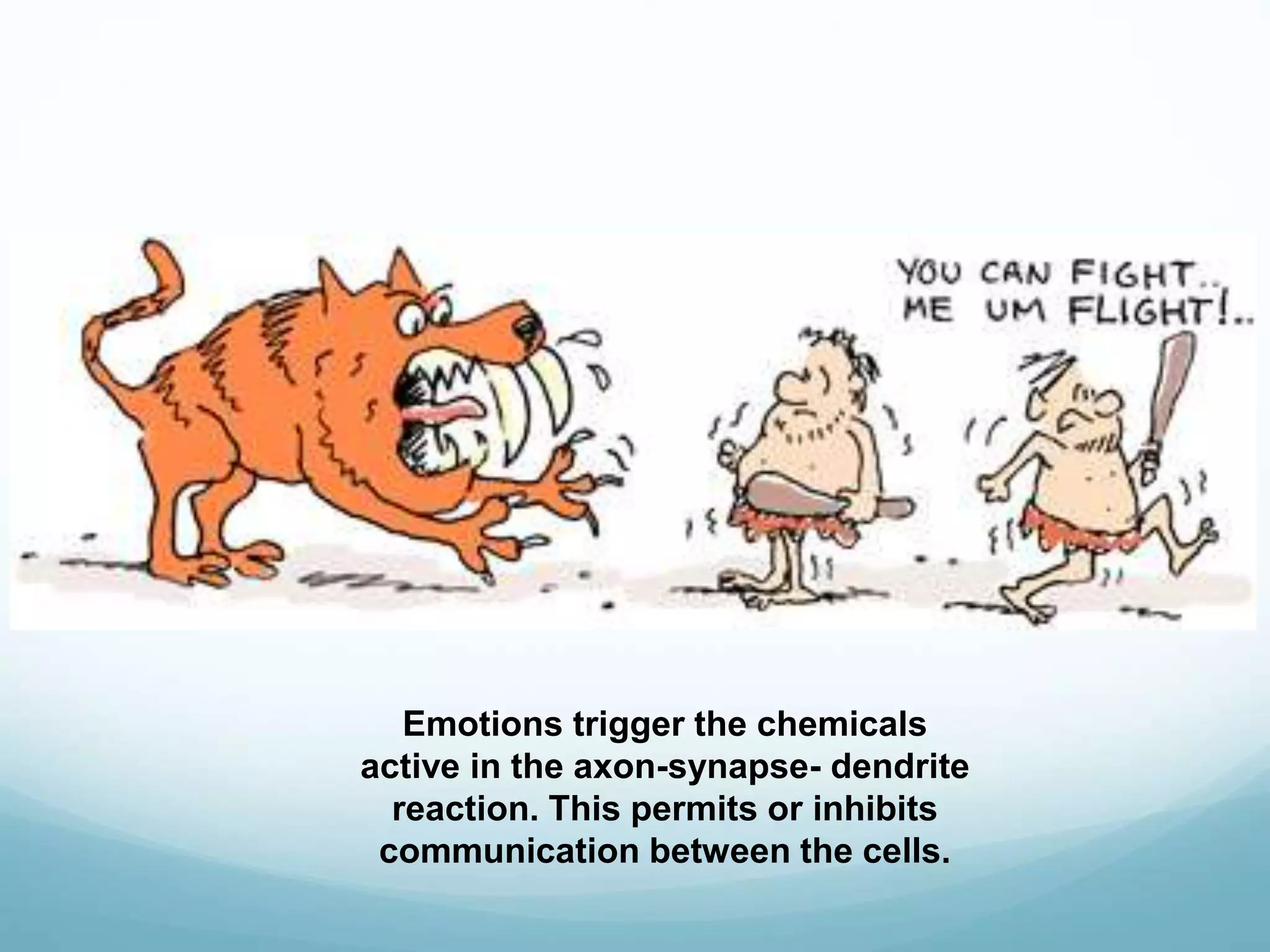
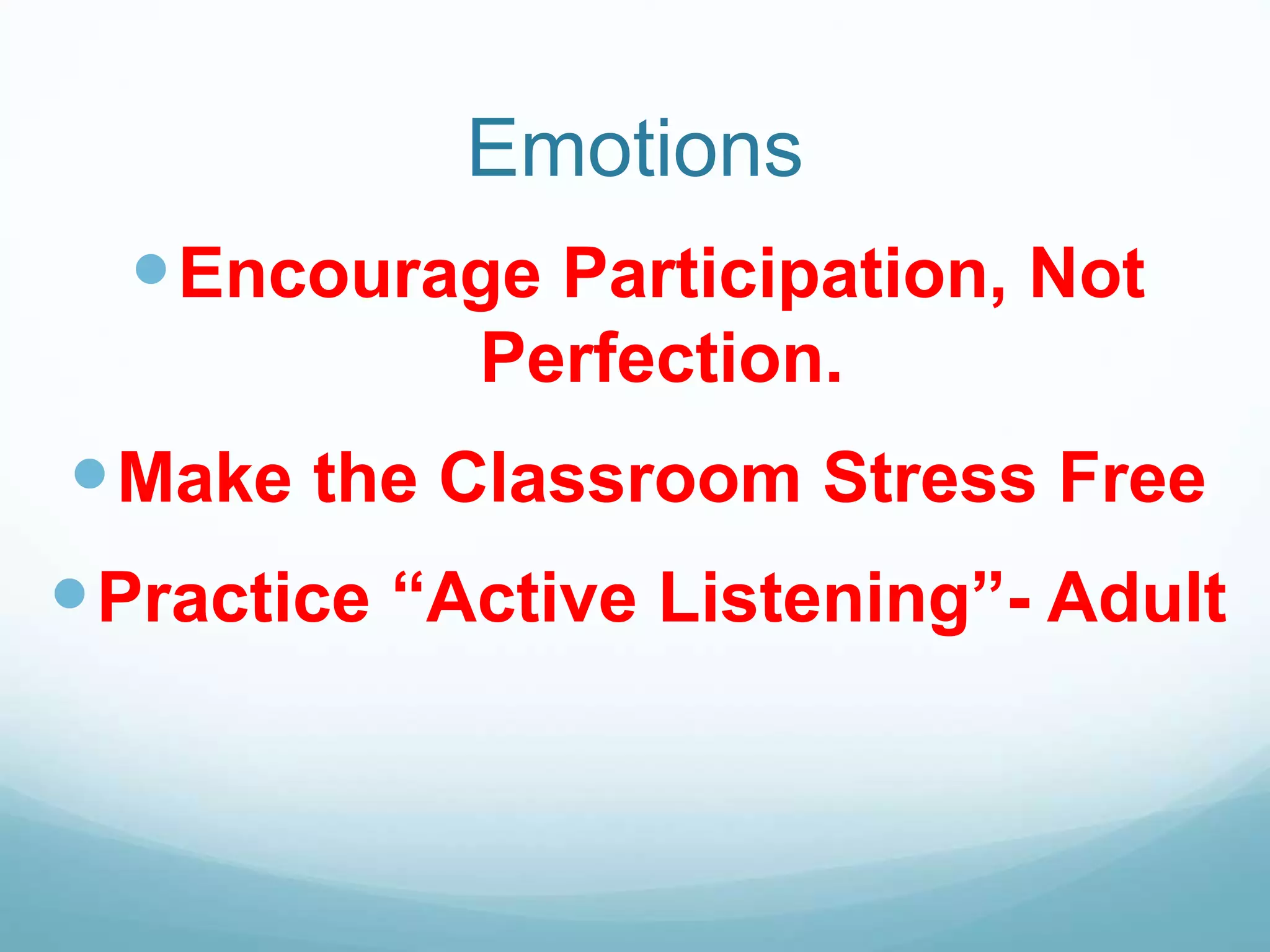
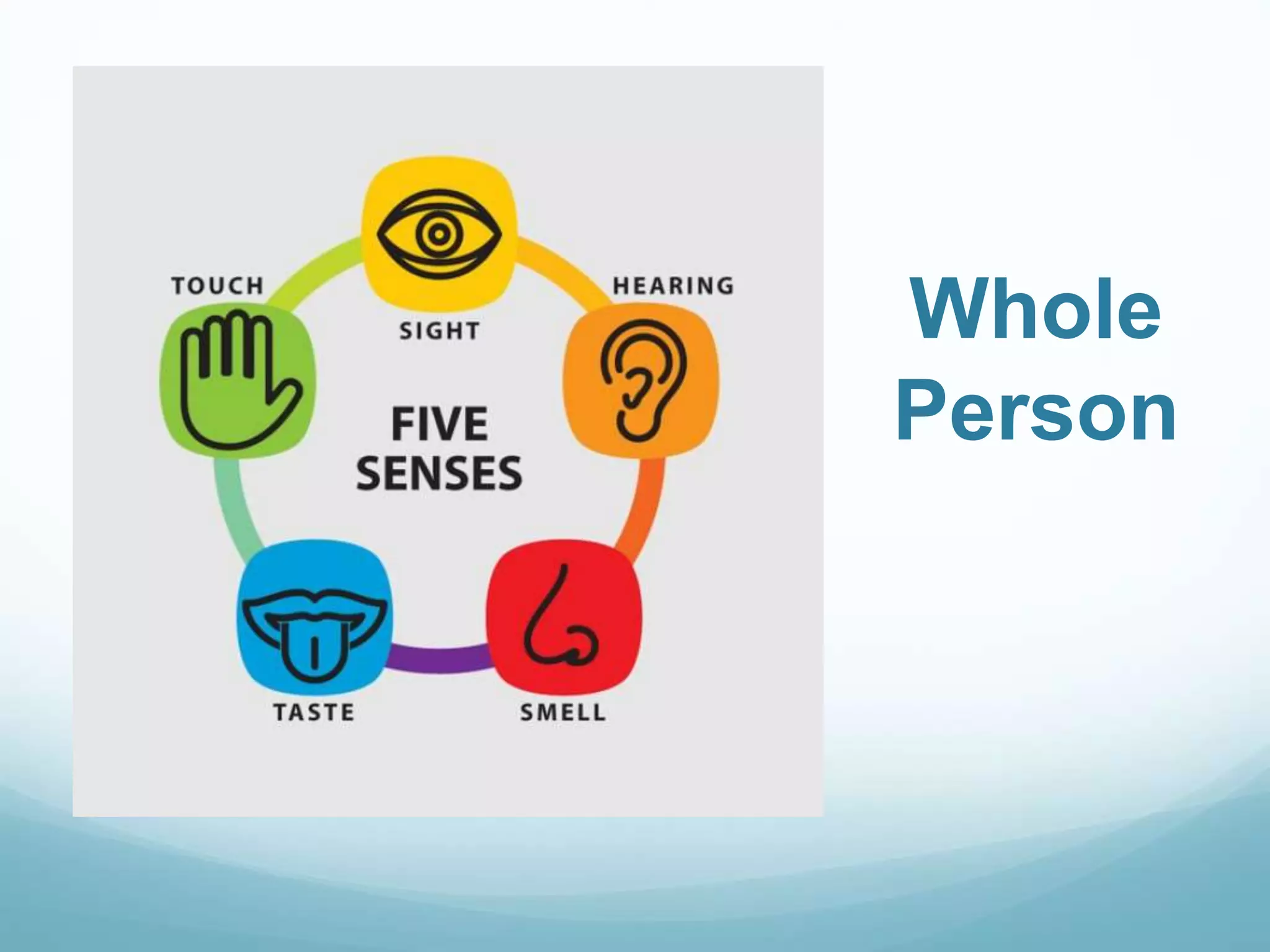
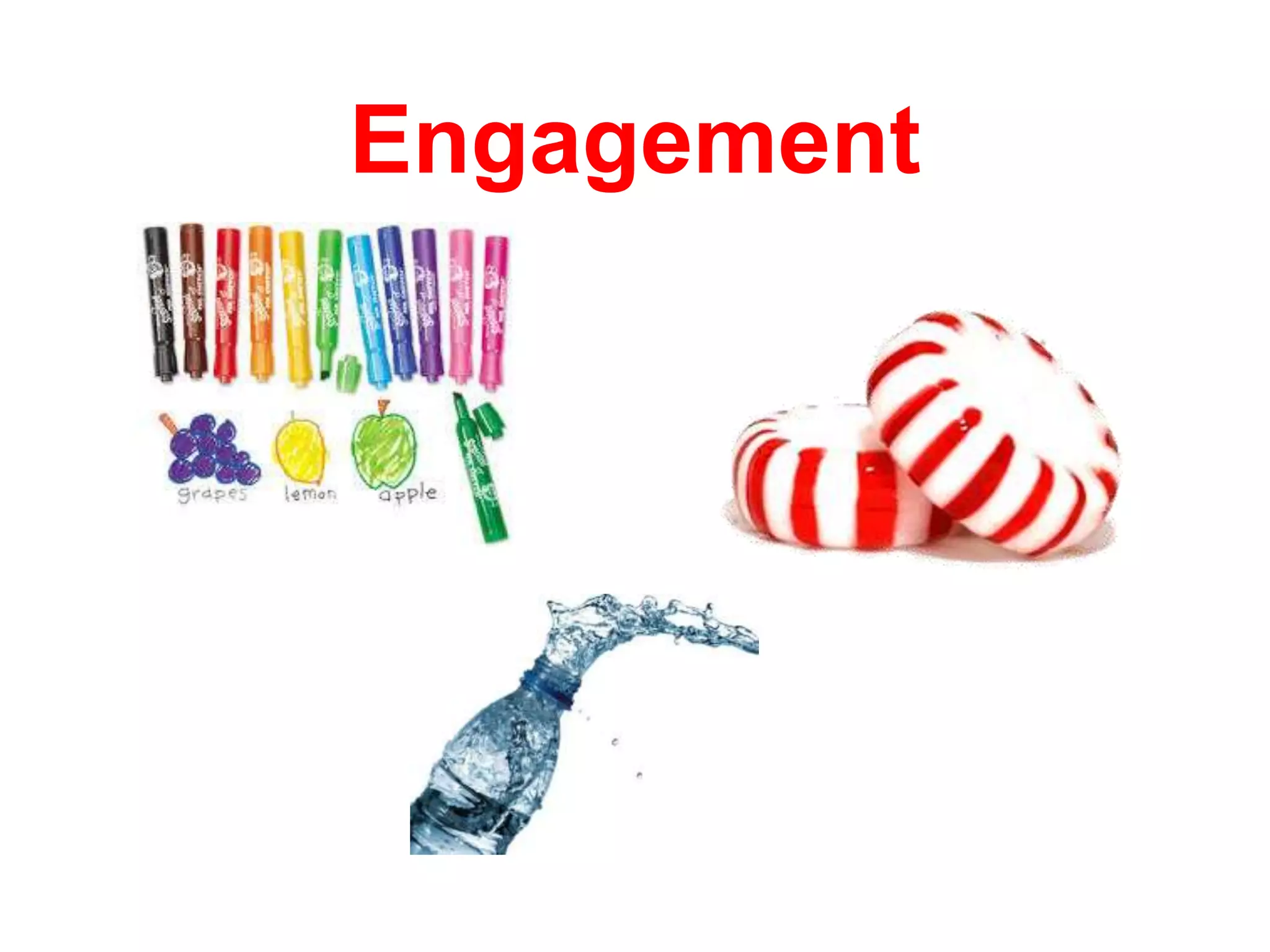
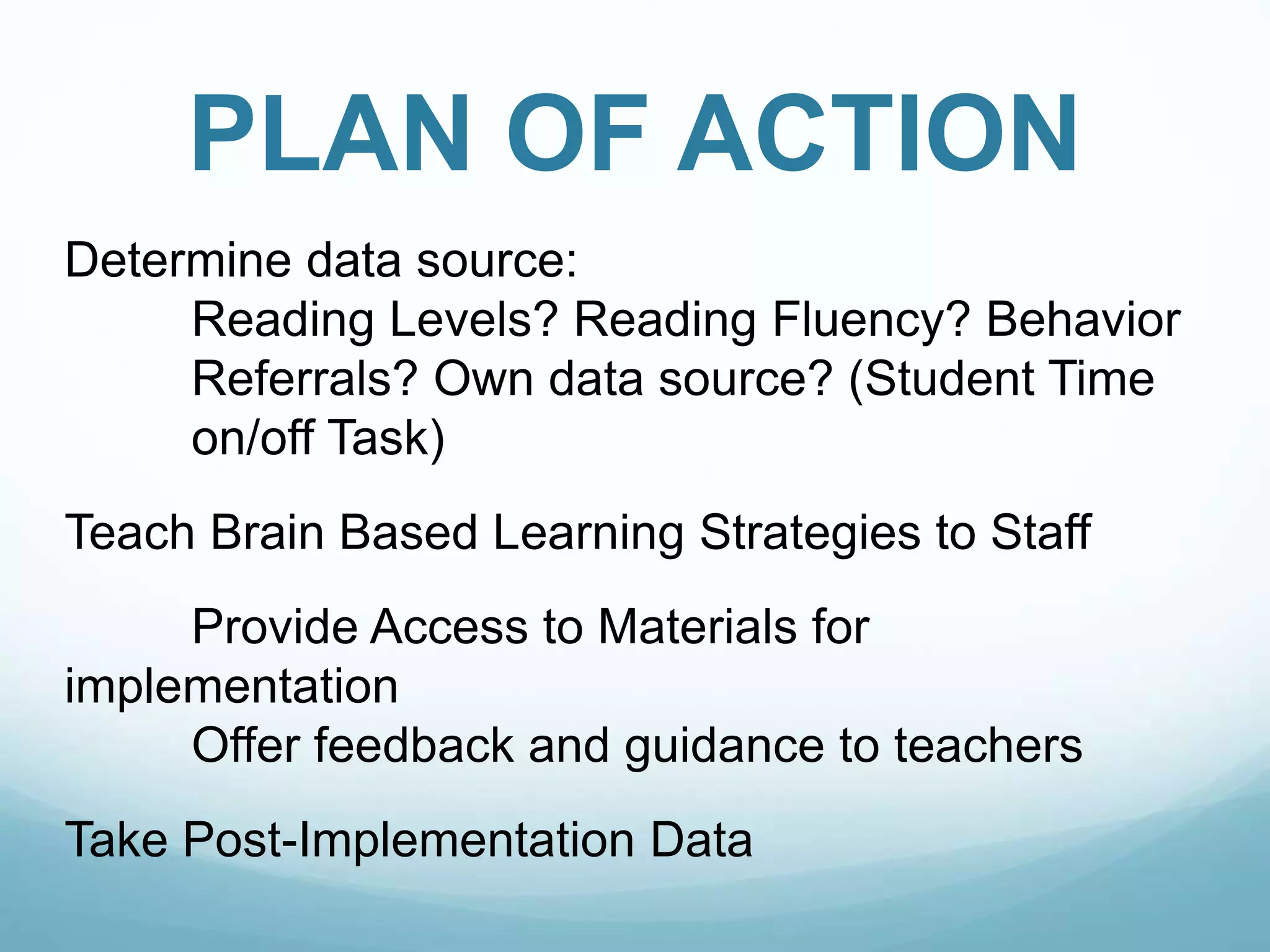
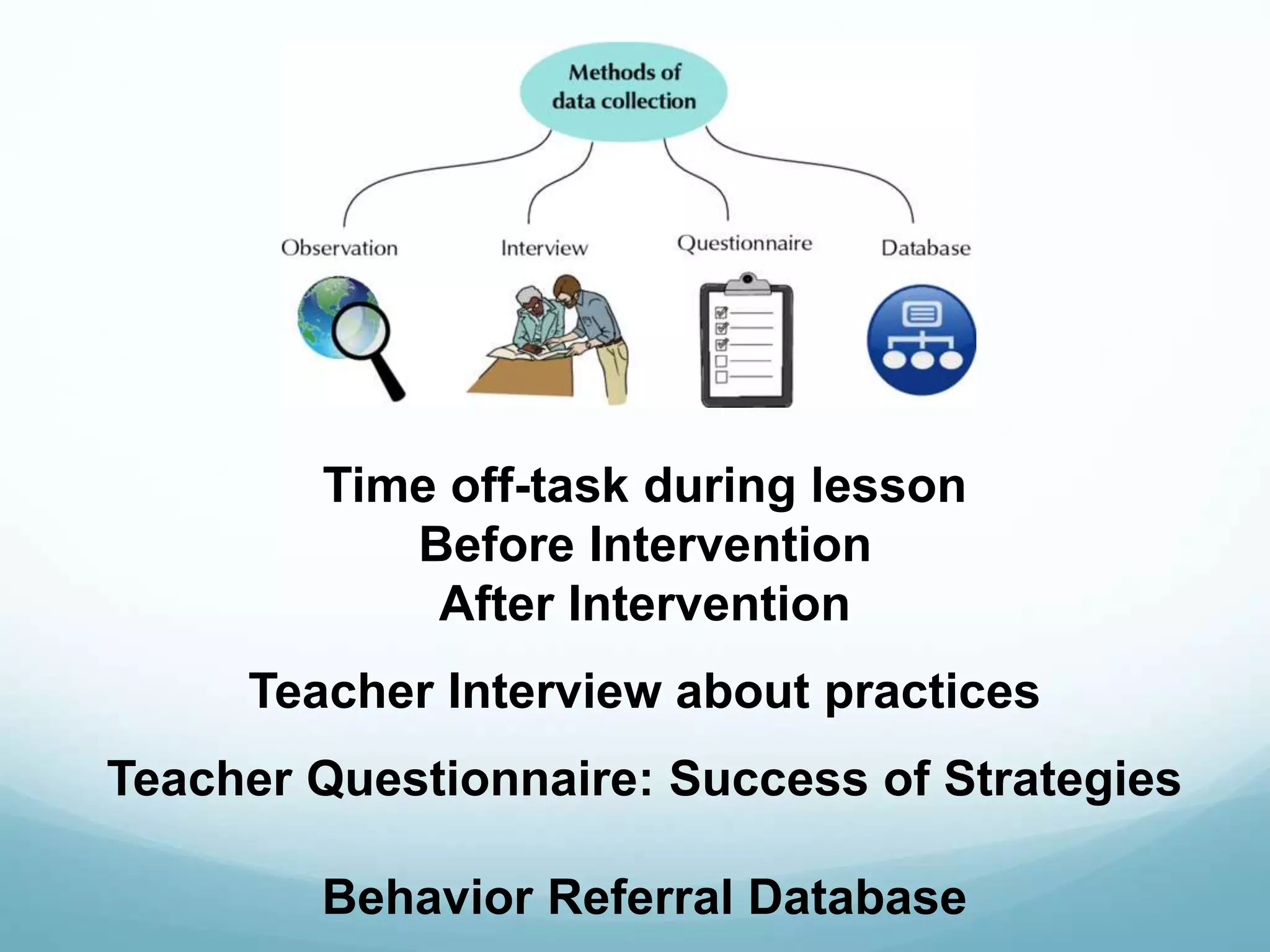
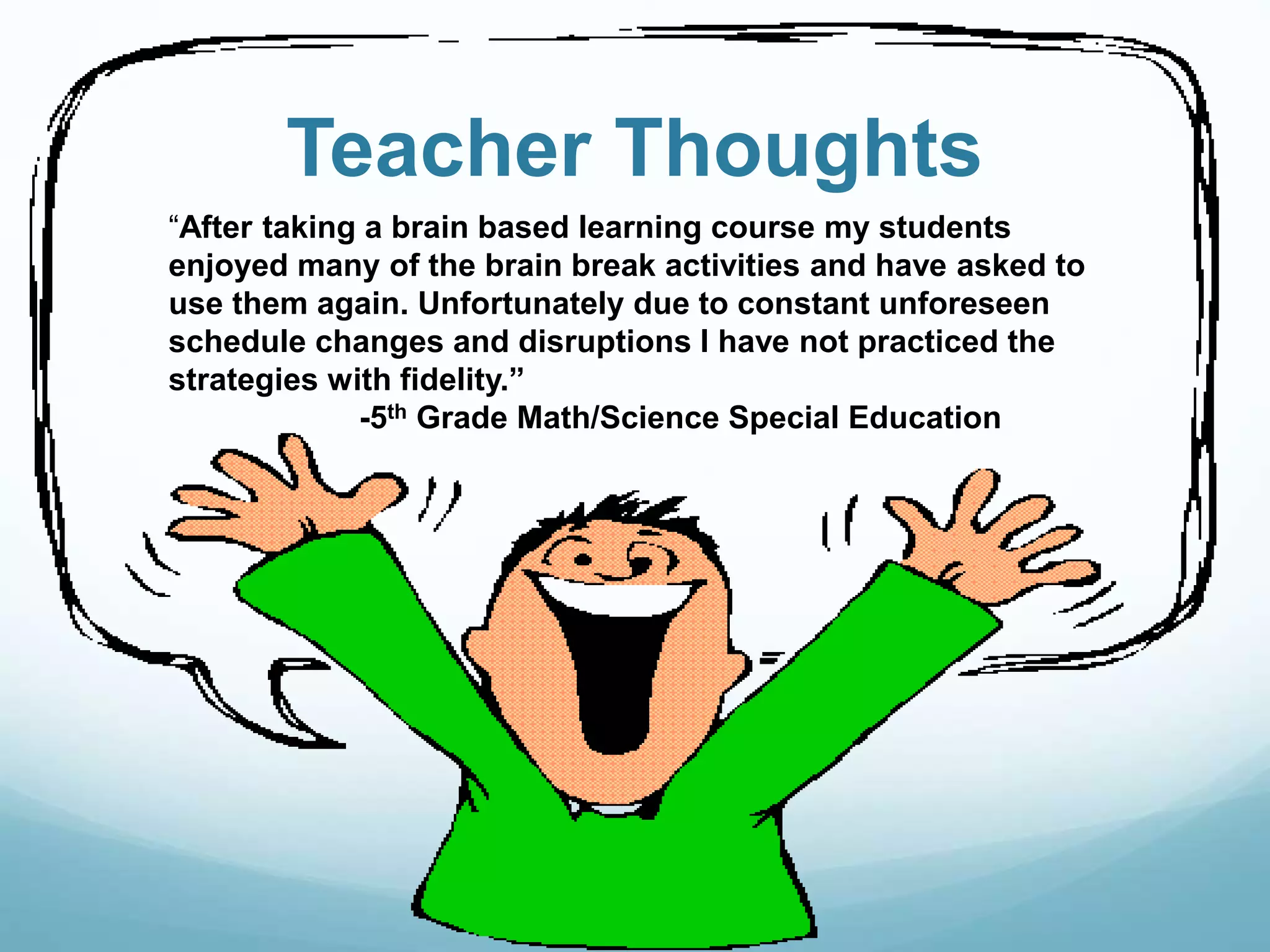
Brain-based learning strategies aim to engage students through principles derived from neuroscience. These strategies can improve learning for students with emotional disabilities by creating an environment that encourages participation over perfection and makes the classroom stress-free. Data should be collected before and after implementing brain-based strategies to assess their impact on factors like time off-task, behavior referrals, and teacher perceptions. However, reliably implementing strategies with fidelity can be challenging due to unforeseen schedule changes and disruptions. Resources for brain-based learning provide games, leadership practices, and strategies to engage students holistically.






![Resources
Biffle, C. (2015). Whole brain teaching: 122 amazing games!: Challenging kids,
classroom management, writing, reading, math, Common Core/state tests.
Yucaipa, CA: Whole Brain Teaching LLC.
Dickmann, M. H., Stanford-Blair, N., & Rosati-Bojar, A. (2004). Leading with the
brain in mind: 101 brain-compatible practices for leaders. Thousand Oaks, CA:
Corwin Press.
http://www.elementarymatters.com/2012/02/ten-brain-based-learning-
strategies.html?m=1&crlt.pid=camp.58WX3uIMjB0m
http://www.edutopia.org/neuroscience-brain-based-learning-emotional-safety
http://www.polk-
fl.net/staff/teachers/reading/documents/Read180Day2/Tuesday2/PracticalA%20_
Moore/PracticalA%20_Moore%20[Compatibility%20Mode].pdf](https://image.slidesharecdn.com/brainbaseactionresearch-160503025548/75/Brain-Based-Learning-22-2048.jpg)


