By
Udaya Varadarajan
MSLIS 2016-2018
Book Indexing
Index
An index is an ‘ordered arrangement of entries ...
designed to enable users to locate information in a
document or specific documents in a collection’ (ISO
999, 1996). A document may be a book, an issue or
volume of a magazine or journal, audiotape, film,
computer file, or any other information source
Definition
Book indexing
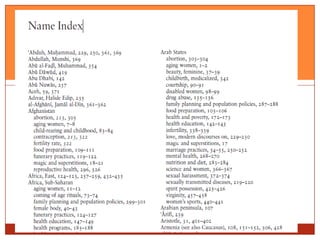
Book indexers create indexes to provide access to
detailed contents of books. Back-of-book indexes are
made for all types of non-fiction books,
including textbooks, multi-volume works, technical
reports and annual reports. Books that are online, PDF
books, and eBooks also need indexes. These link
directly to points in the text.
Definition (cont..)
•Need to be organized so that information access is
easy.
•To solve the problem of information retrieval.
•With codex forms indexing took a step forward and
book indexing was practical
•After the invention of printing press, decent book
indexes came around.
Brief History
•Increasing in book printing led to increase need for book
indexes.
•16th century brought evolution in better quality book
indexing
•19th century demand for improved bibliographic access
which led Otlet and Fontaine set up International Institute
of Bibliography.
•Book index evolved to have sub terms and cross reference
Brief History(cont.)
•Minimize the time and effort in finding information.
•Maximize the searching success.
•Added value to the document.
•Increased usage of documents
Purpose of Index
•Book reviewers often look for the inclusion of an
index as a sign of quality.
•Indexes increases sales , both online and in the
store.
•The library market expects a non fiction book to
have an index.
•
Purpose of Book Index
•Book indexing will continue to exist as long as the books
exist.
•They are usually found at the back of the book.
•Usually non fiction books like textbook contains the terms
so that information retrieval is easy.
•Index reveals more about a book than the Table of
Contents.
Conclusion
•CLEVELAND, ANA, D. "TYPES OF INDEXES AND
ABSTRACTS." INTRODUCTION TO INDEXING AND ABSTRACTING. BY
DONALD CLEVELAND. 3RD ED. CHENNAI: RAIN TREE, N.D. N. PAG.
PRINT.
• HTTP://WWW.ACCESSPOINTSINDEXING.COM/ID30.HTML
•HTTP://CPYNEBOOKINDEXING.COM/ABOUT-INDEXES/HISTORY-OF-
BOOK-INDEXING/#5
•HTTP://WWW.INDEXERS.ORG.UK/INDEX.PHP?ID=234
•HTTPS://WWW.ANZSI.ORG/RESOURCES/ABOUT-INDEXERS-AND-
INDEXING/TYPES-INDEXING/
Reference
Thank you

Book indexing

  • 1.
  • 2.
    Index An index isan ‘ordered arrangement of entries ... designed to enable users to locate information in a document or specific documents in a collection’ (ISO 999, 1996). A document may be a book, an issue or volume of a magazine or journal, audiotape, film, computer file, or any other information source Definition
  • 3.
    Book indexing Book indexerscreate indexes to provide access to detailed contents of books. Back-of-book indexes are made for all types of non-fiction books, including textbooks, multi-volume works, technical reports and annual reports. Books that are online, PDF books, and eBooks also need indexes. These link directly to points in the text. Definition (cont..)
  • 5.
    •Need to beorganized so that information access is easy. •To solve the problem of information retrieval. •With codex forms indexing took a step forward and book indexing was practical •After the invention of printing press, decent book indexes came around. Brief History
  • 6.
    •Increasing in bookprinting led to increase need for book indexes. •16th century brought evolution in better quality book indexing •19th century demand for improved bibliographic access which led Otlet and Fontaine set up International Institute of Bibliography. •Book index evolved to have sub terms and cross reference Brief History(cont.)
  • 7.
    •Minimize the timeand effort in finding information. •Maximize the searching success. •Added value to the document. •Increased usage of documents Purpose of Index
  • 8.
    •Book reviewers oftenlook for the inclusion of an index as a sign of quality. •Indexes increases sales , both online and in the store. •The library market expects a non fiction book to have an index. • Purpose of Book Index
  • 9.
    •Book indexing willcontinue to exist as long as the books exist. •They are usually found at the back of the book. •Usually non fiction books like textbook contains the terms so that information retrieval is easy. •Index reveals more about a book than the Table of Contents. Conclusion
  • 10.
    •CLEVELAND, ANA, D."TYPES OF INDEXES AND ABSTRACTS." INTRODUCTION TO INDEXING AND ABSTRACTING. BY DONALD CLEVELAND. 3RD ED. CHENNAI: RAIN TREE, N.D. N. PAG. PRINT. • HTTP://WWW.ACCESSPOINTSINDEXING.COM/ID30.HTML •HTTP://CPYNEBOOKINDEXING.COM/ABOUT-INDEXES/HISTORY-OF- BOOK-INDEXING/#5 •HTTP://WWW.INDEXERS.ORG.UK/INDEX.PHP?ID=234 •HTTPS://WWW.ANZSI.ORG/RESOURCES/ABOUT-INDEXERS-AND- INDEXING/TYPES-INDEXING/ Reference
  • 11.