Download to read offline

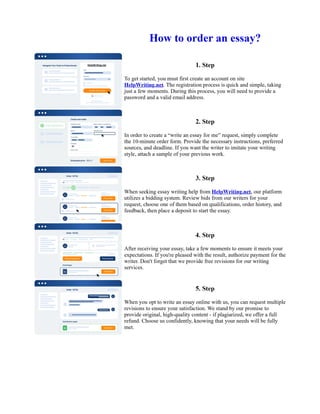
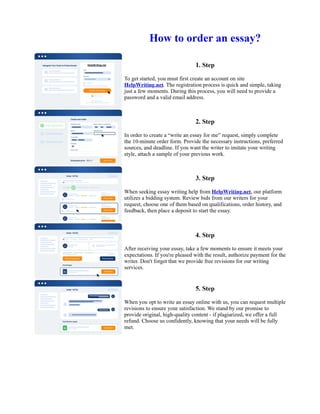
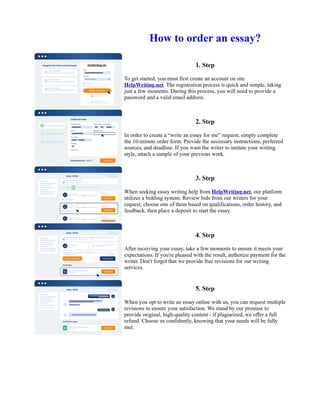
![Virtual Teams and Virtual Project Management
Like it or not, the marketplace is becoming global and many companies are taking note. The world
is represented by a technological environment that changes at unprecedented speeds; seemingly
overnight. The Internet and collaborative software have made it easier and faster to communicate
across vast distances. Many companies have switched to complex and flexible organizational
structures that allow them to operate competitively in a world shaped by globalization and the
information revolution. Downsizing, outsourcing, and employee empowerment have become facts
of life in the climate of many organizations, while job security is rapidly becoming a thing of the
past. The survival of many organizations depends on the ability of the ... Show more content on
Helpwriting.net ...
This reduction or elimination of expenses associated with travel, lodging, etc., results in a huge
savings for the company. The list could go and on, but the point is, there is definitely a growing
demand for and benefit of virtual teams.
Obstacles
The benefits and lucrative potential of Virtual Project Management are many, but like all good
things, come at a price in the form of new management complications. Fostering open and
meaningful communication, gaining the trust and respect of remote members, and building trust
between members is the greatest challenge to the virtual PM. It is difficult for virtual team members
to get to know each other well; consequently, they tend to communicate poorly because they often
are less than comfortable with each other. [1] Communication is paramount in any project. Dennis S.
and Michelle L. Reina define three types of communication that project managers must address for
virtual work to be possible: contractual, communication, and competence trust. [4]
Contractual trust – this is essentially doing what you say you will do. The virtual PM needs to
manage expectations, establish clear boundaries, delegate appropriately, honor agreements, and,
above all, be consistent in their words and actions. This kind of trust is especially frail in today 's
workplaces because of the legacy of layoffs, downsizing, and reorganization that reengineering and
economic problems have brought to the modern
... Get more on HelpWriting.net ...](https://image.slidesharecdn.com/bestpracticesofmanagingvirtualsoftwaredevelopmentteams-231114215731-adad7419/85/Best-Practices-Of-Managing-Virtual-Software-Development-Teams-21-320.jpg)
![A Review On Virtual Team
REVIEW OF
"VIRTUAL TEAM"
AJAYI IBITOLA TOMISIN
Griffith School of Engineering, Griffith University, Gold Coast, QLD4222, Australia
This paper presents a review of virtual team. It defines the virtual team, present opportunities in
virtual team, discusses its managerial and technological issues, lists the advantages & disadvantages
of virtual teams and recommends for the future.
1. Introduction
1.1. Overview of virtual team A virtual team whether across the street or across the world is a team
whose members simultaneously work together to a common purpose while physically apart[1].
2. The Literature Review
A virtual team is a team in which its team members work together efficiently more over technology
than face to face.Virtual ... Show more content on Helpwriting.net ...
– There is increase in the globalization of trade and commercial activities.
– In virtual teams, one can work for longer time instead of the face to face 8hrs.
– The use of ICT in the virtual teams could increase the information gathering rate
– The variety in team members gives room for brainstorming innovative solutions and fresh
conversations
– Most workers in virtual team are chosen based on skills and knowledge
4. Issues in virtual Teams In virtual teams, issues can be classified as either management issues or
technological issues[3].
4.1 Managerial issues
Managerial issues have a broad impact on virtual team process. This aspect deals with the
managerial concerns of the virtual team[4]. It includes:
– Developing a team VT require initial face to face meeting to develop a sense of team for their
members.
– Reinforcing project objectives There is need for frequent reinstatement of goals to team to ensure
every member remains focused on the common objectives and goals of the project.
– Visiting remote participants Visiting team individuals during the course of the projects to deliver
evaluation and retain the
... Get more on HelpWriting.net ...](https://image.slidesharecdn.com/bestpracticesofmanagingvirtualsoftwaredevelopmentteams-231114215731-adad7419/85/Best-Practices-Of-Managing-Virtual-Software-Development-Teams-97-320.jpg)


Virtual teams have several advantages over traditional colocated teams, including reduced costs from eliminating travel expenses, a larger pool of talent to draw from regardless of location, and the ability to operate across time zones to facilitate around-the-clock work. However, virtual teams also face significant challenges like difficulties building trust and communication breakdowns when members are geographically dispersed and rely primarily on technology to collaborate. Effective practices for managing virtual teams include establishing clear expectations, facilitating informal social interactions to build relationships, and providing training to develop skills for virtual collaboration.


