Basics of Cyber
Security
Nikunj Thakkar
About me
● Co-founder & CEO, DataOne Innovation Labs
● Lead, Gujarat Chapter, Headstart Network Foundation
● Jt. Secretary, DAIICT Alumni Association
● Currently building Shoppr.ai - A Customer Science platform
for E-Commerce Entrepreneurs
What are we going to talk about?
● What is CyberSpace?
● Cyber Security Challenges
● Evolution of Cyber Security
● Indian Cyber Situation
● Recent Cyber Attacks in India
● 10 Steps to Cyber Security
What is Cyberspace?
The interdependent network of information technology
infrastructures, which includes the Internet, telecommunications
networks, computer systems, and embedded processors and
controllers.
First coined in William Gibson’s novel “Neuromancer”, the term Cyberspace is used to
describe the range of information resources available through computer networks.
The Networked World - 1977
Source: http://bpastudio.csudh.edu/fac/lpress/history/arpamaps/arpanetmar77.jpg
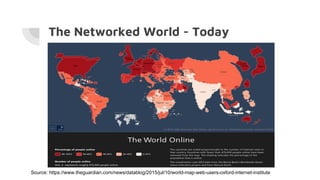
The Networked World - Today
Source: https://www.theguardian.com/news/datablog/2015/jul/10/world-map-web-users-oxford-internet-institute
Rapid Development in Information
Technology
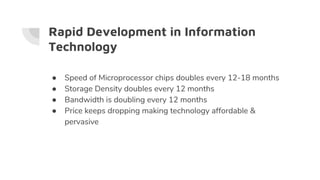
● Speed of Microprocessor chips doubles every 12-18 months
● Storage Density doubles every 12 months
● Bandwidth is doubling every 12 months
● Price keeps dropping making technology affordable &
pervasive
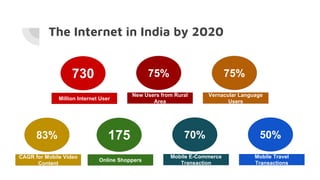
The Internet in India by 2020
730
Million Internet User
75%
New Users from Rural
Area
75%
Vernacular Language
Users
83%
CAGR for Mobile Video
Content
175
Online Shoppers
70%
Mobile E-Commerce
Transaction
50%
Mobile Travel
Transactions
The Cyberspace
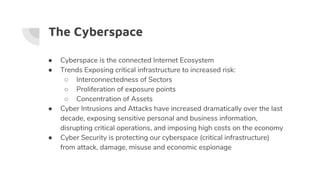
● Cyberspace is the connected Internet Ecosystem
● Trends Exposing critical infrastructure to increased risk:
○ Interconnectedness of Sectors
○ Proliferation of exposure points
○ Concentration of Assets
● Cyber Intrusions and Attacks have increased dramatically over the last
decade, exposing sensitive personal and business information,
disrupting critical operations, and imposing high costs on the economy
● Cyber Security is protecting our cyberspace (critical infrastructure)
from attack, damage, misuse and economic espionage
Cyber Security Challenges
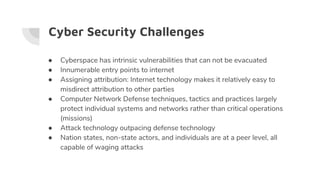
● Cyberspace has intrinsic vulnerabilities that can not be evacuated
● Innumerable entry points to internet
● Assigning attribution: Internet technology makes it relatively easy to
misdirect attribution to other parties
● Computer Network Defense techniques, tactics and practices largely
protect individual systems and networks rather than critical operations
(missions)
● Attack technology outpacing defense technology
● Nation states, non-state actors, and individuals are at a peer level, all
capable of waging attacks
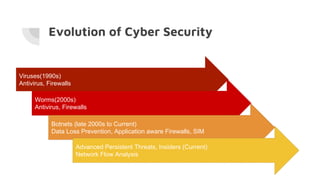
Evolution of Cyber Security
Viruses(1990s)
Antivirus, Firewalls
Worms(2000s)
Antivirus, Firewalls
Botnets (late 2000s to Current)
Data Loss Prevention, Application aware Firewalls, SIM
Advanced Persistent Threats, Insiders (Current)
Network Flow Analysis
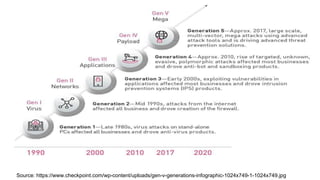
Source: https://www.checkpoint.com/wp-content/uploads/gen-v-generations-infographic-1024x749-1-1024x749.jpg
Indian Cyber Situation
● India ranks 3rd in terms of the highest number of internet users in the
world after USA and China, the number has grown 6 - fold between
2012 - 2017 with a compound annual growth rate of 44%
● India secures a spot amongst the top 10 spam - sending countries in
the world alongside USA
● India was ranked among the top five countries to be affected by
cybercrime, according to a recent report by online security firm
”Symantec Corp”.
Recent Cyber Attacks in India
Through a phishing email sent to an employee, hackers accessed the credentials
to execute a fund transfer, swindling Union Bank of India of $171 million, Prompt
action helped the bank recover almost the entire money
July 2016:
UNION
BANK OF
INDIA HEIST
The global ransomware attack took its toll in India with several thousands
computers getting locked down by ransom - seeking hackers. The attack also
impacted systems belonging to the Andhra Pradesh police and state utilities of
West Bengal
May 2017:
WANNACRY
RANSOMWA
RE
Recent Cyber Attacks in India
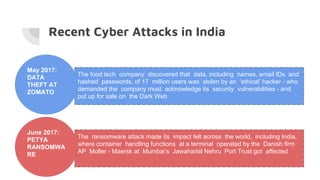
The food tech company discovered that data, including names, email IDs and
hashed passwords, of 17 million users was stolen by an ‘ethical’ hacker - who
demanded the company must acknowledge its security vulnerabilities - and
put up for sale on the Dark Web
May 2017:
DATA
THEFT AT
ZOMATO
The ransomware attack made its impact felt across the world, including India,
where container handling functions at a terminal operated by the Danish firm
AP Moller - Maersk at Mumbai’s Jawaharlal Nehru Port Trust got affected
June 2017:
PETYA
RANSOMWA
RE
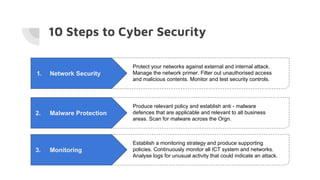
10 Steps to Cyber Security
1. Network Security
Protect your networks against external and internal attack.
Manage the network primer. Filter out unauthorised access
and malicious contents. Monitor and test security controls.
2. Malware Protection
Produce relevant policy and establish anti - malware
defences that are applicable and relevant to all business
areas. Scan for malware across the Orgn.
3. Monitoring
Establish a monitoring strategy and produce supporting
policies. Continuously monitor all ICT system and networks.
Analyse logs for unusual activity that could indicate an attack.
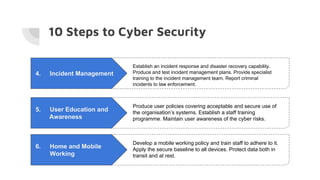
10 Steps to Cyber Security
4. Incident Management
Establish an incident response and disaster recovery capability.
Produce and test incident management plans. Provide specialist
training to the incident management team. Report criminal
incidents to law enforcement.
5. User Education and
Awareness
Produce user policies covering acceptable and secure use of
the organisation’s systems. Establish a staff training
programme. Maintain user awareness of the cyber risks.
6. Home and Mobile
Working
Develop a mobile working policy and train staff to adhere to it.
Apply the secure baseline to all devices. Protect data both in
transit and at rest.
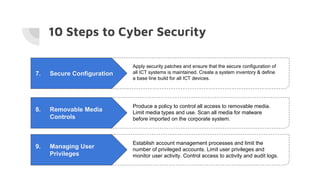
10 Steps to Cyber Security
7. Secure Configuration
Apply security patches and ensure that the secure configuration of
all ICT systems is maintained. Create a system inventory & define
a base line build for all ICT devices.
8. Removable Media
Controls
Produce a policy to control all access to removable media.
Limit media types and use. Scan all media for malware
before imported on the corporate system.
9. Managing User
Privileges
Establish account management processes and limit the
number of privileged accounts. Limit user privileges and
monitor user activity. Control access to activity and audit logs.
10 Steps to Cyber Security
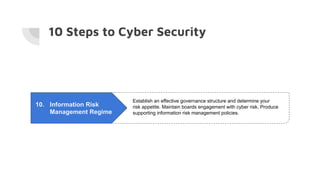
10. Information Risk
Management Regime
Establish an effective governance structure and determine your
risk appetite. Maintain boards engagement with cyber risk. Produce
supporting information risk management policies.
Thank you :)

Basics of Cyber Security

  • 1.
  • 2.
    About me ● Co-founder& CEO, DataOne Innovation Labs ● Lead, Gujarat Chapter, Headstart Network Foundation ● Jt. Secretary, DAIICT Alumni Association ● Currently building Shoppr.ai - A Customer Science platform for E-Commerce Entrepreneurs
  • 3.
    What are wegoing to talk about? ● What is CyberSpace? ● Cyber Security Challenges ● Evolution of Cyber Security ● Indian Cyber Situation ● Recent Cyber Attacks in India ● 10 Steps to Cyber Security
  • 4.
    What is Cyberspace? Theinterdependent network of information technology infrastructures, which includes the Internet, telecommunications networks, computer systems, and embedded processors and controllers. First coined in William Gibson’s novel “Neuromancer”, the term Cyberspace is used to describe the range of information resources available through computer networks.
  • 5.
    The Networked World- 1977 Source: http://bpastudio.csudh.edu/fac/lpress/history/arpamaps/arpanetmar77.jpg
  • 6.
    The Networked World- Today Source: https://www.theguardian.com/news/datablog/2015/jul/10/world-map-web-users-oxford-internet-institute
  • 7.
    Rapid Development inInformation Technology ● Speed of Microprocessor chips doubles every 12-18 months ● Storage Density doubles every 12 months ● Bandwidth is doubling every 12 months ● Price keeps dropping making technology affordable & pervasive
  • 8.
    The Internet inIndia by 2020 730 Million Internet User 75% New Users from Rural Area 75% Vernacular Language Users 83% CAGR for Mobile Video Content 175 Online Shoppers 70% Mobile E-Commerce Transaction 50% Mobile Travel Transactions
  • 9.
    The Cyberspace ● Cyberspaceis the connected Internet Ecosystem ● Trends Exposing critical infrastructure to increased risk: ○ Interconnectedness of Sectors ○ Proliferation of exposure points ○ Concentration of Assets ● Cyber Intrusions and Attacks have increased dramatically over the last decade, exposing sensitive personal and business information, disrupting critical operations, and imposing high costs on the economy ● Cyber Security is protecting our cyberspace (critical infrastructure) from attack, damage, misuse and economic espionage
  • 10.
    Cyber Security Challenges ●Cyberspace has intrinsic vulnerabilities that can not be evacuated ● Innumerable entry points to internet ● Assigning attribution: Internet technology makes it relatively easy to misdirect attribution to other parties ● Computer Network Defense techniques, tactics and practices largely protect individual systems and networks rather than critical operations (missions) ● Attack technology outpacing defense technology ● Nation states, non-state actors, and individuals are at a peer level, all capable of waging attacks
  • 11.
    Evolution of CyberSecurity Viruses(1990s) Antivirus, Firewalls Worms(2000s) Antivirus, Firewalls Botnets (late 2000s to Current) Data Loss Prevention, Application aware Firewalls, SIM Advanced Persistent Threats, Insiders (Current) Network Flow Analysis
  • 12.
  • 13.
    Indian Cyber Situation ●India ranks 3rd in terms of the highest number of internet users in the world after USA and China, the number has grown 6 - fold between 2012 - 2017 with a compound annual growth rate of 44% ● India secures a spot amongst the top 10 spam - sending countries in the world alongside USA ● India was ranked among the top five countries to be affected by cybercrime, according to a recent report by online security firm ”Symantec Corp”.
  • 14.
    Recent Cyber Attacksin India Through a phishing email sent to an employee, hackers accessed the credentials to execute a fund transfer, swindling Union Bank of India of $171 million, Prompt action helped the bank recover almost the entire money July 2016: UNION BANK OF INDIA HEIST The global ransomware attack took its toll in India with several thousands computers getting locked down by ransom - seeking hackers. The attack also impacted systems belonging to the Andhra Pradesh police and state utilities of West Bengal May 2017: WANNACRY RANSOMWA RE
  • 15.
    Recent Cyber Attacksin India The food tech company discovered that data, including names, email IDs and hashed passwords, of 17 million users was stolen by an ‘ethical’ hacker - who demanded the company must acknowledge its security vulnerabilities - and put up for sale on the Dark Web May 2017: DATA THEFT AT ZOMATO The ransomware attack made its impact felt across the world, including India, where container handling functions at a terminal operated by the Danish firm AP Moller - Maersk at Mumbai’s Jawaharlal Nehru Port Trust got affected June 2017: PETYA RANSOMWA RE
  • 16.
    10 Steps toCyber Security 1. Network Security Protect your networks against external and internal attack. Manage the network primer. Filter out unauthorised access and malicious contents. Monitor and test security controls. 2. Malware Protection Produce relevant policy and establish anti - malware defences that are applicable and relevant to all business areas. Scan for malware across the Orgn. 3. Monitoring Establish a monitoring strategy and produce supporting policies. Continuously monitor all ICT system and networks. Analyse logs for unusual activity that could indicate an attack.
  • 17.
    10 Steps toCyber Security 4. Incident Management Establish an incident response and disaster recovery capability. Produce and test incident management plans. Provide specialist training to the incident management team. Report criminal incidents to law enforcement. 5. User Education and Awareness Produce user policies covering acceptable and secure use of the organisation’s systems. Establish a staff training programme. Maintain user awareness of the cyber risks. 6. Home and Mobile Working Develop a mobile working policy and train staff to adhere to it. Apply the secure baseline to all devices. Protect data both in transit and at rest.
  • 18.
    10 Steps toCyber Security 7. Secure Configuration Apply security patches and ensure that the secure configuration of all ICT systems is maintained. Create a system inventory & define a base line build for all ICT devices. 8. Removable Media Controls Produce a policy to control all access to removable media. Limit media types and use. Scan all media for malware before imported on the corporate system. 9. Managing User Privileges Establish account management processes and limit the number of privileged accounts. Limit user privileges and monitor user activity. Control access to activity and audit logs.
  • 19.
    10 Steps toCyber Security 10. Information Risk Management Regime Establish an effective governance structure and determine your risk appetite. Maintain boards engagement with cyber risk. Produce supporting information risk management policies.
  • 20.