Welcome to Preschool
     3 and 4
    Marmara
  Daily programme
PYP UNITS OF INQUIRY
• WHO WE ARE-How I have grown and changed
• HOW WE EXPRESS OURSELVES- Productions
  and creativity
• HOW THE WORLD WORKS-
• Inventions
• SHARING THE PLANET- Plants
INTEGRATED SUBJECTS
• LITERACY: Expanding English Vocabulary, Pre-
  emergent reading and writing, communication skills.
• MATHEMATICS-
  Number, patterns, shapes, colours, measurement.
• ARTS: Visual, musical, Dramatic movement
• SCIENCE:exploration of our world
• SOCIAL STUDIES: Who we are
• PHYSICAL EDUCATION: Movement and spatial
  awareness.
ESSENTIAL AGREEMENTS
•   Be caring and open-minded
•   Be principled
•   Be safe
•   Be a communicator: use your words
•   Be a listener and a thinker
Learning Through Play

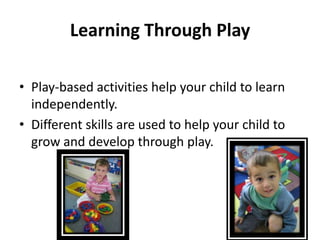
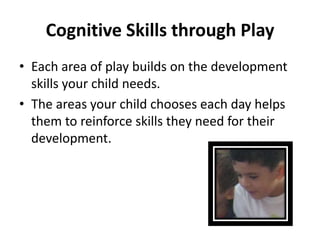
• Play-based activities help your child to learn
  independently.
• Different skills are used to help your child to
  grow and develop through play.
Cognitive Skills through Play
• Each area of play builds on the development
  skills your child needs.
• The areas your child chooses each day helps
  them to reinforce skills they need for their
  development.
Benefits of play
•   Importance of play
•   Why should we let our children play?
•   How does play help my child to learn?
•   Play is the work of childhood.
•   Play is interaction with the real world.
•   Play is how a child learns.
•   Play allows children to develop in
    physical, social, emotional and cognitive
    development.
How does my child learn through
                 play?
•   Discovery
•   Inquiry
•   Problem solving
•   Cooperation
•   Persistence
•   Oral language
•   Creativity
Play in First Language
• Allows children to formulate ideas in their first
  language.
• If your child has a good grounding in their first
  language they will transfer skills to another
  language easily and quickly.
• Children will learn at different rates.
• Children will express themselves in a new
  language when they are ready.
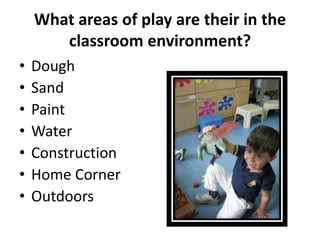
What areas of play are their in the
       classroom environment?
•   Dough
•   Sand
•   Paint
•   Water
•   Construction
•   Home Corner
•   Outdoors
What are the specific skills my child
           learns in play?
• Physical
• Cognitive
• Language
• Emotional
• Social
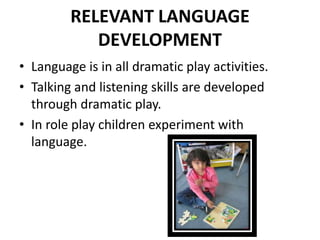
RELEVANT LANGUAGE
            DEVELOPMENT
• Language is in all dramatic play activities.
• Talking and listening skills are developed
  through dramatic play.
• In role play children experiment with
  language.
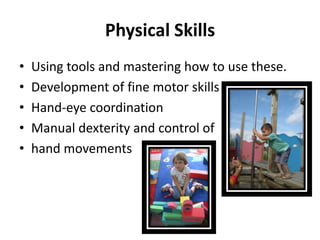
Physical Skills
•   Using tools and mastering how to use these.
•   Development of fine motor skills
•   Hand-eye coordination
•   Manual dexterity and control of
•   hand movements
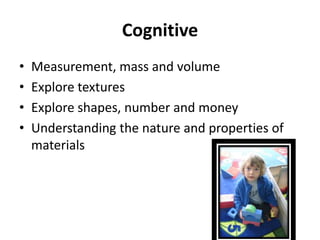
Cognitive
•   Measurement, mass and volume
•   Explore textures
•   Explore shapes, number and money
•   Understanding the nature and properties of
    materials
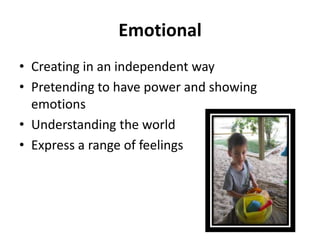
Emotional
• Creating in an independent way
• Pretending to have power and showing
  emotions
• Understanding the world
• Express a range of feelings
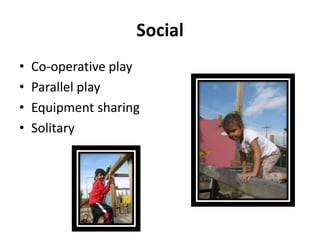
Social
•   Co-operative play
•   Parallel play
•   Equipment sharing
•   Solitary
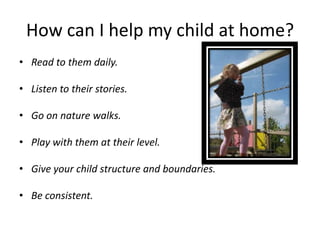
How can I help my child at home?
• Read to them daily.

• Listen to their stories.

• Go on nature walks.

• Play with them at their level.

• Give your child structure and boundaries.

• Be consistent.
HOUSEKEEPING
•   Phone tree
•   Child illness
•   IICS website
•   Room parent: Susanna Ravasi
•   Snack
•   Cupcake days
•   Arrivals and dismissals
Questions

Back to school presentation charaine

  • 1.
    Welcome to Preschool 3 and 4 Marmara Daily programme
  • 2.
    PYP UNITS OFINQUIRY • WHO WE ARE-How I have grown and changed • HOW WE EXPRESS OURSELVES- Productions and creativity • HOW THE WORLD WORKS- • Inventions • SHARING THE PLANET- Plants
  • 3.
    INTEGRATED SUBJECTS • LITERACY:Expanding English Vocabulary, Pre- emergent reading and writing, communication skills. • MATHEMATICS- Number, patterns, shapes, colours, measurement. • ARTS: Visual, musical, Dramatic movement • SCIENCE:exploration of our world • SOCIAL STUDIES: Who we are • PHYSICAL EDUCATION: Movement and spatial awareness.
  • 4.
    ESSENTIAL AGREEMENTS • Be caring and open-minded • Be principled • Be safe • Be a communicator: use your words • Be a listener and a thinker
  • 5.
    Learning Through Play •Play-based activities help your child to learn independently. • Different skills are used to help your child to grow and develop through play.
  • 6.
    Cognitive Skills throughPlay • Each area of play builds on the development skills your child needs. • The areas your child chooses each day helps them to reinforce skills they need for their development.
  • 7.
    Benefits of play • Importance of play • Why should we let our children play? • How does play help my child to learn? • Play is the work of childhood. • Play is interaction with the real world. • Play is how a child learns. • Play allows children to develop in physical, social, emotional and cognitive development.
  • 8.
    How does mychild learn through play? • Discovery • Inquiry • Problem solving • Cooperation • Persistence • Oral language • Creativity
  • 9.
    Play in FirstLanguage • Allows children to formulate ideas in their first language. • If your child has a good grounding in their first language they will transfer skills to another language easily and quickly. • Children will learn at different rates. • Children will express themselves in a new language when they are ready.
  • 10.
    What areas ofplay are their in the classroom environment? • Dough • Sand • Paint • Water • Construction • Home Corner • Outdoors
  • 11.
    What are thespecific skills my child learns in play? • Physical • Cognitive • Language • Emotional • Social
  • 12.
    RELEVANT LANGUAGE DEVELOPMENT • Language is in all dramatic play activities. • Talking and listening skills are developed through dramatic play. • In role play children experiment with language.
  • 13.
    Physical Skills • Using tools and mastering how to use these. • Development of fine motor skills • Hand-eye coordination • Manual dexterity and control of • hand movements
  • 14.
    Cognitive • Measurement, mass and volume • Explore textures • Explore shapes, number and money • Understanding the nature and properties of materials
  • 15.
    Emotional • Creating inan independent way • Pretending to have power and showing emotions • Understanding the world • Express a range of feelings
  • 16.
    Social • Co-operative play • Parallel play • Equipment sharing • Solitary
  • 17.
    How can Ihelp my child at home? • Read to them daily. • Listen to their stories. • Go on nature walks. • Play with them at their level. • Give your child structure and boundaries. • Be consistent.
  • 18.
    HOUSEKEEPING • Phone tree • Child illness • IICS website • Room parent: Susanna Ravasi • Snack • Cupcake days • Arrivals and dismissals
  • 19.

Editor's Notes

  • #13 Dramatic play allows children to form narratives and these narratives are the basis of reading and writing. Dramatic play allows children to acuqire languageas well as new vocabulary they are introduced to in school. Specific vocabulary and use of language is dependent on the type of imaginative play offered to the children
  • #14 Another skill your child will develop through play is physical.In clay Pounding and stretching dough and learning how to manipulate this. This allows the muscles in your child to strengthen which later helps their fine and gross motor skills.
  • #15 Children are able to look at the different types of materials they use daily. They also become aware of the qualities of materials and the shapes using textures. We look at the
  • #17 Group skills allow cooperation and social development for children PLAY YOU TUBE videoChildren an also play in solitary/ this is normal and allows them the time to e both restful and also to feel that they are being in controlCooperatvie allows pairs of children to interact and also to allow groups to build together