
















The Next Big Thing in Mobile - AR
@HariGottipati
#phxmobiPhoenix Mobile Festival 2016
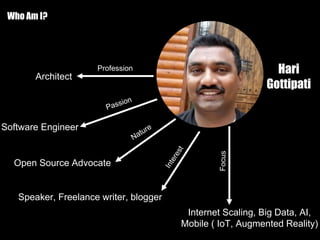
Profession
Architect
Software Engineer
Open Source Advocate
Speaker, Freelance writer, blogger
Internet Scaling, Big Data, AI,
Mobile ( IoT, Augmented Reality)
Who Am I?
Hari
Gottipati
Image credits : Google Images
Agenda
• Why the sudden hype?
• What is AR?
• AR types
• AR use cases
• AR toolkits
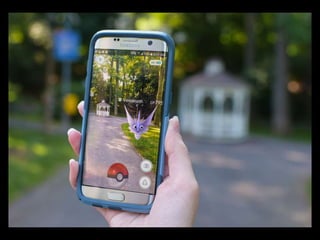
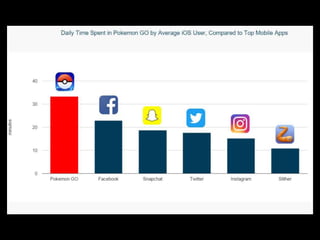
Are you familiar with this?
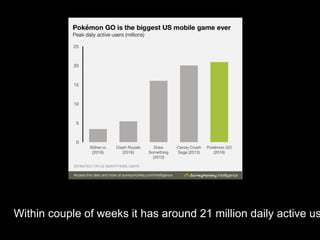
Within couple of weeks it has around 21 million daily active us
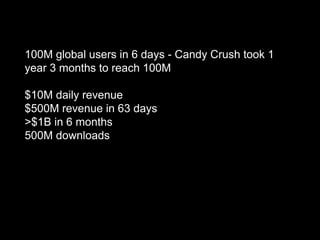
100M global users in 6 days - Candy Crush took 1
year 3 months to reach 100M
$10M daily revenue
$500M revenue in 63 days
>$1B in 6 months
500M downloads
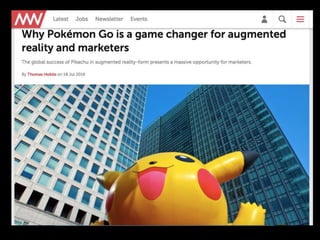
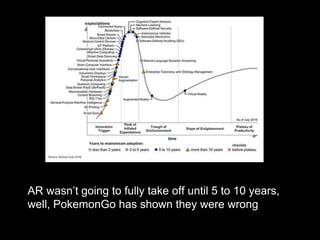
AR wasn’t going to fully take off until 5 to 10 years,
well, PokemonGo has shown they were wrong
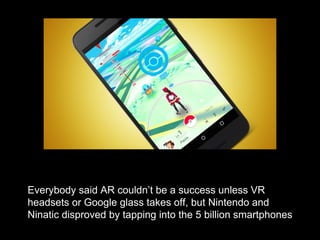
Everybody said AR couldn’t be a success unless VR
headsets or Google glass takes off, but Nintendo and
Ninatic disproved by tapping into the 5 billion smartphones
What is AR?
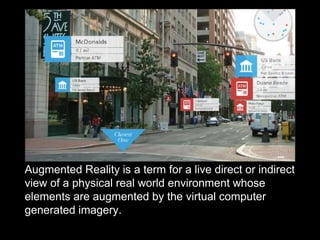
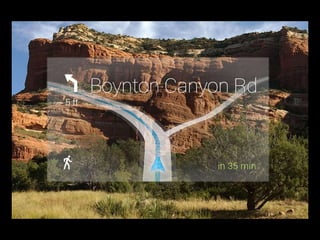
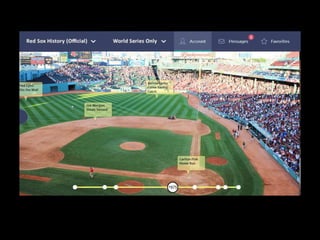
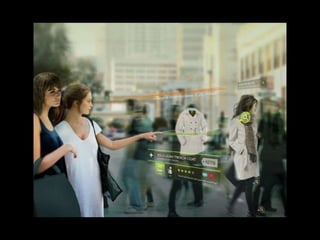
Augmented Reality is a term for a live direct or indirect
view of a physical real world environment whose
elements are augmented by the virtual computer
generated imagery.
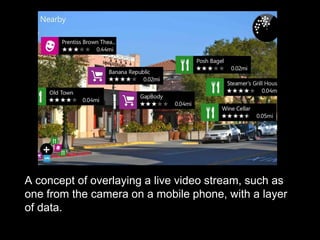
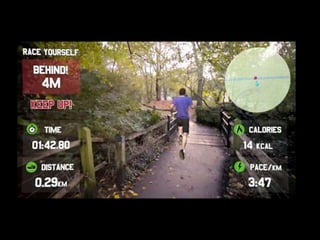
A concept of overlaying a live video stream, such as
one from the camera on a mobile phone, with a layer
of data.
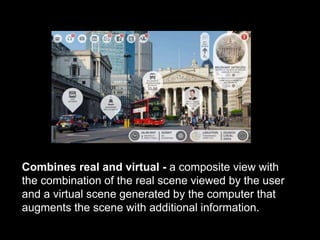
Combines real and virtual - a composite view with
the combination of the real scene viewed by the user
and a virtual scene generated by the computer that
augments the scene with additional information.
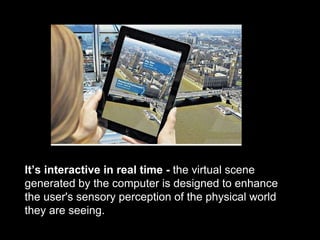
It’s interactive in real time - the virtual scene
generated by the computer is designed to enhance
the user's sensory perception of the physical world
they are seeing.
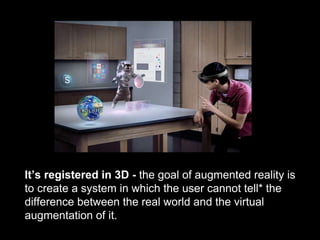
It’s registered in 3D - the goal of augmented reality is
to create a system in which the user cannot tell* the
difference between the real world and the virtual
augmentation of it.
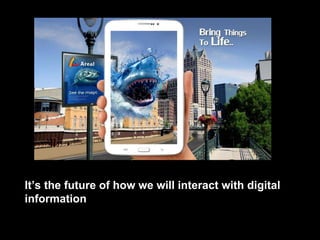
It’s the future of how we will interact with digital
information
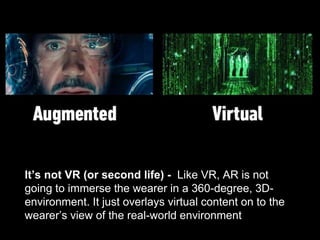
It’s not VR (or second life) - Like VR, AR is not
going to immerse the wearer in a 360-degree, 3D-
environment. It just overlays virtual content on to the
wearer’s view of the real-world environment
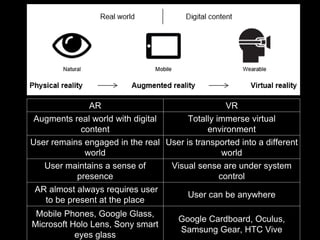
AR VR
Augments real world with digital
content
Totally immerse virtual
environment
User remains engaged in the real
world
User is transported into a different
world
User maintains a sense of
presence
Visual sense are under system
control
AR almost always requires user
to be present at the place
User can be anywhere
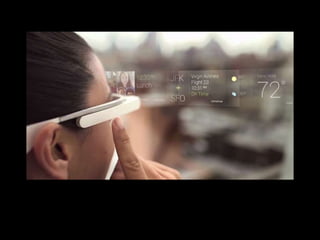
Mobile Phones, Google Glass,
Microsoft Holo Lens, Sony smart
eyes glass
Google Cardboard, Oculus,
Samsung Gear, HTC Vive
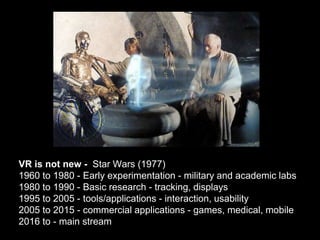
VR is not new - Star Wars (1977)
1960 to 1980 - Early experimentation - military and academic labs
1980 to 1990 - Basic research - tracking, displays
1995 to 2005 - tools/applications - interaction, usability
2005 to 2015 - commercial applications - games, medical, mobile
2016 to - main stream
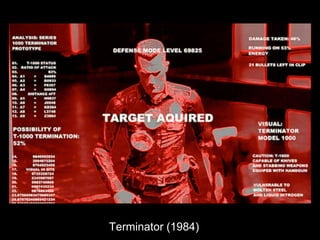
Terminator (1984)
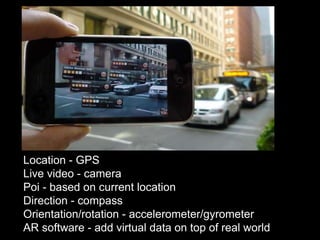
How it works
Location - GPS
Live video - camera
Poi - based on current location
Direction - compass
Orientation/rotation - accelerometer/gyrometer
AR software - add virtual data on top of real world
AR Types
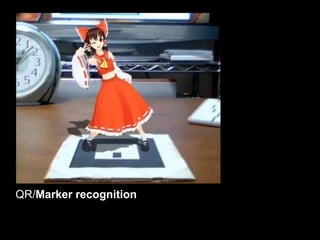
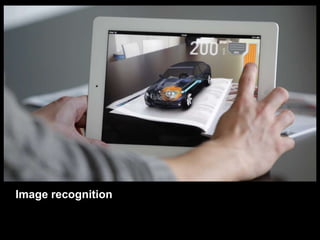
Recognition based
QR/Marker recognition
Image recognition
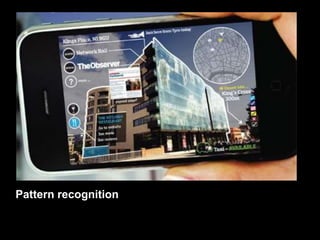
Pattern recognition
Detect position relative to the world around without
using GPS or other external signals
Uses Intel RealSense camera
Create user experiences that include indoor
navigation, 3D mapping, physical space
measurement and environmental recognition
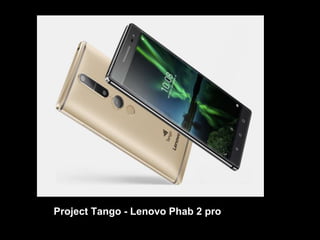
Project Tango
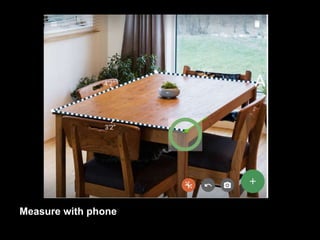
Measure with phone
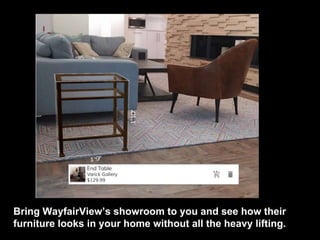
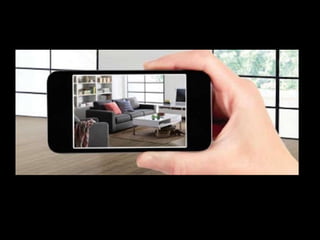
Bring WayfairView’s showroom to you and see how their
furniture looks in your home without all the heavy lifting.
Project Tango - Lenovo Phab 2 pro
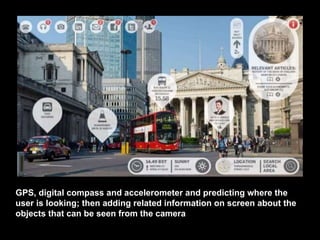
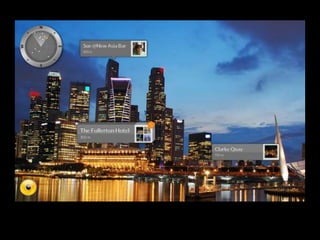
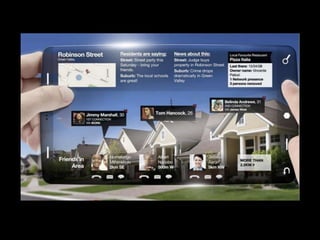
GPS based
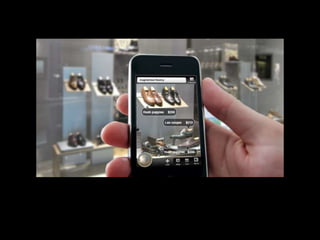
GPS, digital compass and accelerometer and predicting where the
user is looking; then adding related information on screen about the
objects that can be seen from the camera
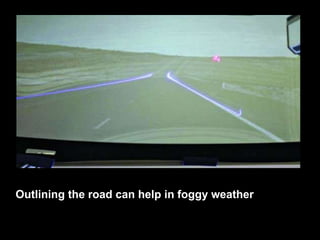
Outline AR
Outlining the road can help in foggy weather
110 stories app
Projection AR
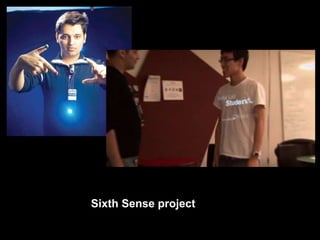
Sixth Sense project
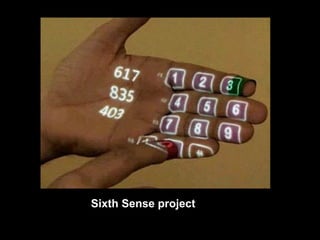
Sixth Sense project
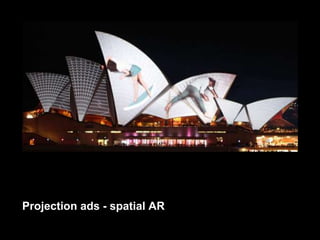
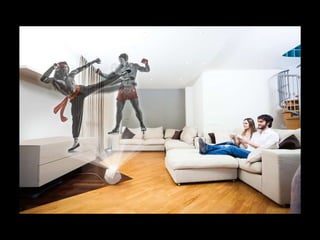
Projection ads - spatial AR
Holograms
Michael Jackson via Hologram
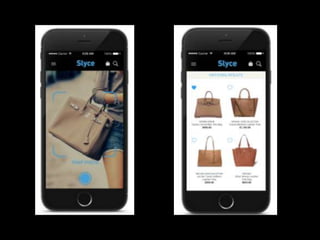
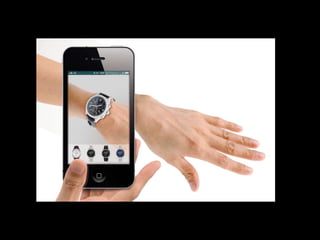
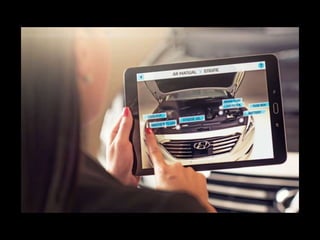
AR use cases
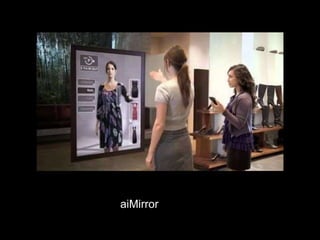
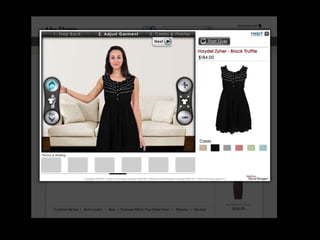
aiMirror
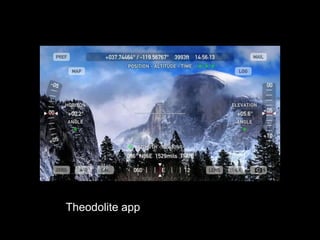
Theodolite app
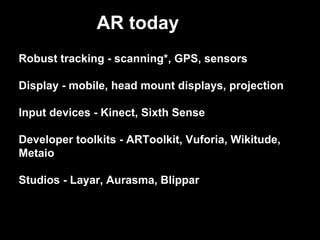
Robust tracking - scanning*, GPS, sensors
Display - mobile, head mount displays, projection
Input devices - Kinect, Sixth Sense
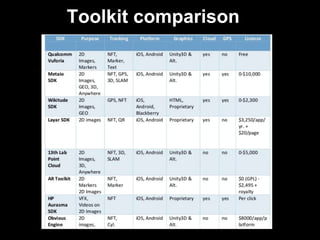
Developer toolkits - ARToolkit, Vuforia, Wikitude,
Metaio
Studios - Layar, Aurasma, Blippar
AR today
Toolkit comparison
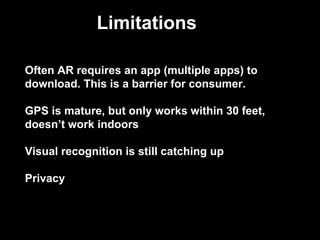
Often AR requires an app (multiple apps) to
download. This is a barrier for consumer.
GPS is mature, but only works within 30 feet,
doesn’t work indoors
Visual recognition is still catching up
Privacy
Limitations
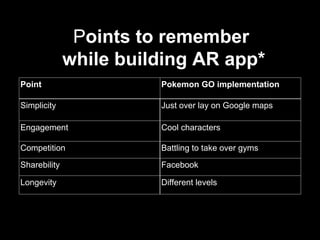
Points to remember
while building AR app*
Point Pokemon GO implementation
Simplicity Just over lay on Google maps
Engagement Cool characters
Competition Battling to take over gyms
Sharebility Facebook
Longevity Different levels
https://www.youtube.com/watch?v=lK_cdkpazjI
http://www.3dexcite.com/en/work/references/augmente
d-reality-presentation
https://youtu.be/PKMCB5v8pt0
Videos
harigottipati@twitter/facebook/linkedin
#TheFutureIsHere
Thank you!!!

Augmented Reality - the next big thing in mobile