Designing and
conducting
summative
evaluationsGARY HOWARD
BACKGROUND
Summative assessments are utilized to assess understudy learning toward the
finish of a unit or course and frequently decide course reviews, or if nothing
else convey incredible incentive towards that assurance. Summative
assessments devices most ordinarily used are mid-term or end-of-term exams
to decide the level at which understudies accomplished the desires for their
learning as endorsed by the teacher and to distinguish instructional zones
that may require extra consideration.
Objectives
 Define the purpose of summative evaluation
 Design a summative evaluation to examine organizational benefits of
instruction they have implemented
 Describe the TWO phases of summative evaluation and the decisions
resulting from each phase
 Contrast Formative and summative evaluation by purpose and design
Summative evaluation
 Refers to the assessment of participants where the focus is on the outcome
of a program. This contrasts with formative assessment, which summarizes
the participants' development at a particular time.
 Summative evaluation looks at the impact of an intervention on the target
group. This type of evaluation is arguably what is considered most often as
'evaluation' by project staff and funding bodies- that is, finding out what
the project achieved.
Summative Evaluation
 Determining the extent to which a student has achieved the course
objectives
 Can occur during a term as well as at the end of the instruction
 Summative assessment methods are the most traditional ways of
evaluating student work
Summative Evaluation exa,ple
 clink link
 https://www.youtube.com/watch?v=1ahnYCMqhR4
 https://study.com/academy/lesson/standardized-assessments-formative-
vs-summative-evaluations.html
Two Main Phases of SummativeTwo
Main Phases of Summative Evaluation
 Field trial phase
 Expert Judgement phase
Expert Judgement Phas
 Congruence Analysis is the he master judgment stage comprises of playing
out a coinciding investigation comprising of a substance examination,
outline investigation, utility and plausibility examination, and current client
investigation. As each stage is directed a no, no go, choice is made.
Assuming no, at that point the materials are sent back with criticism for
additionally plan and advancement. This stage is led with the instructional
originator, the topic specialists and frequently an outer analyst. Target
students are not associated with this phase of assessment.
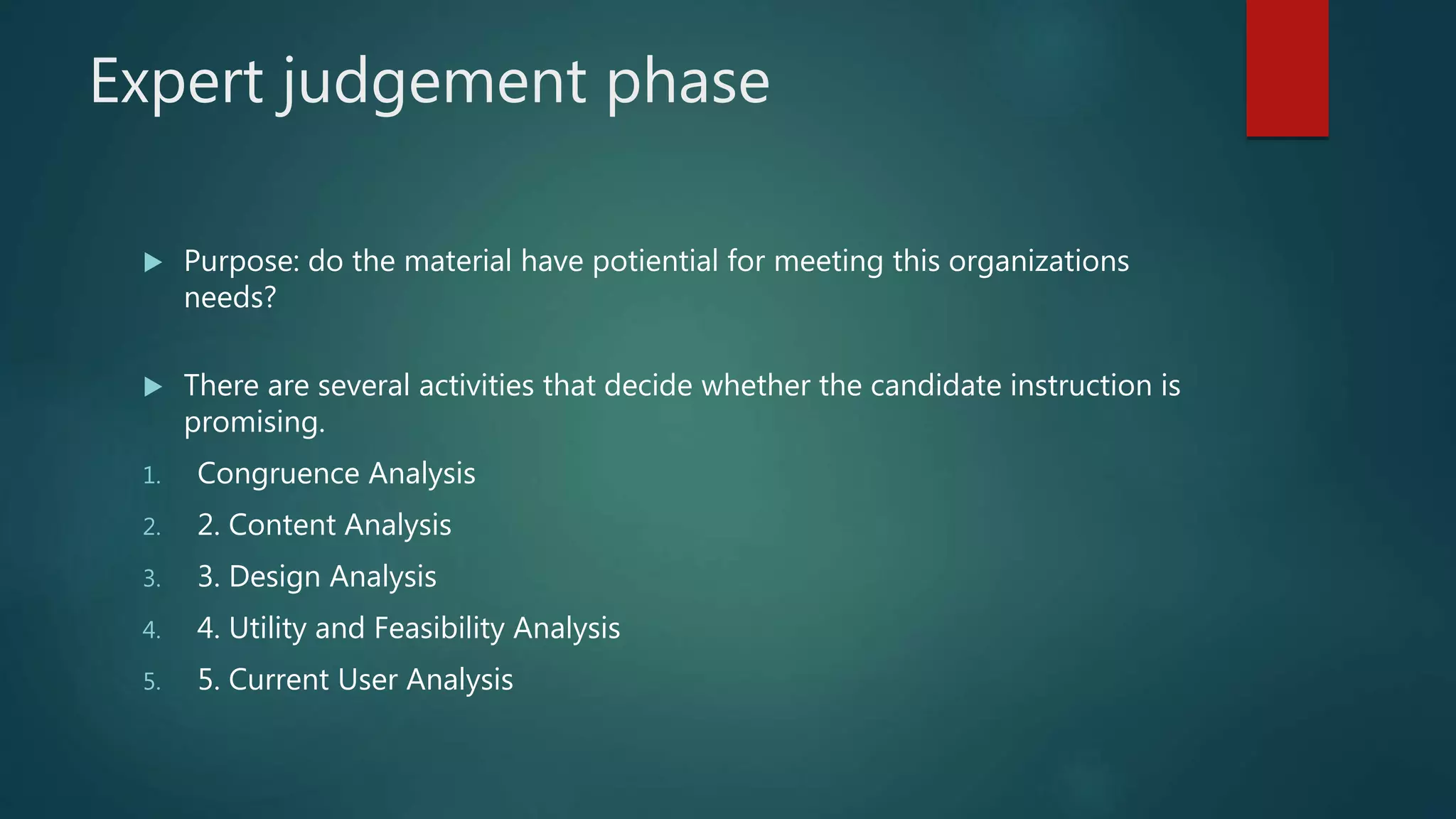
Expert judgement phase
 Purpose: do the material have potiential for meeting this organizations
needs?
 There are several activities that decide whether the candidate instruction is
promising.
1. Congruence Analysis
2. 2. Content Analysis
3. 3. Design Analysis
4. 4. Utility and Feasibility Analysis
5. 5. Current User Analysis
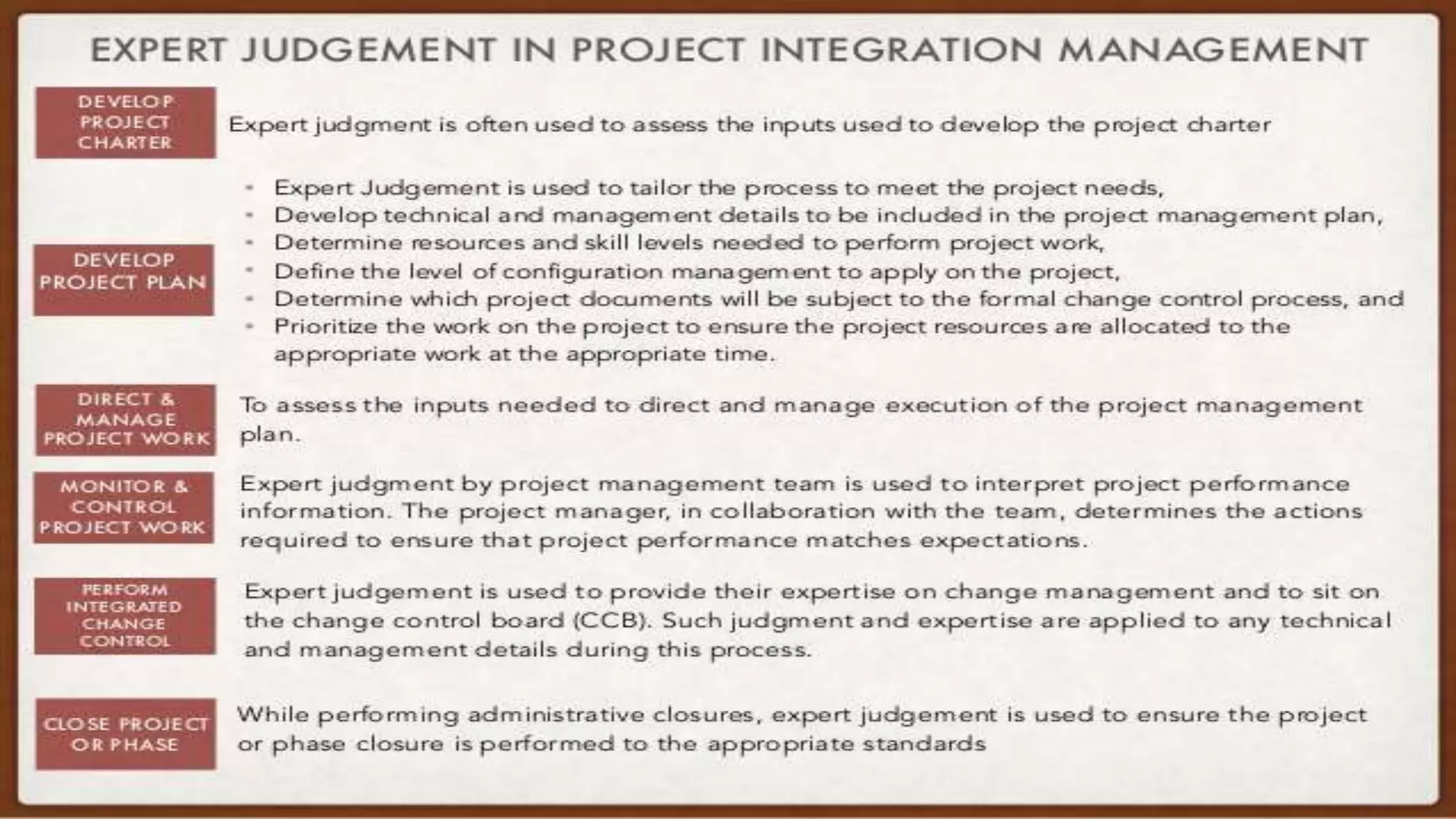
Expert judgement phase
These experts provide expertise
to ensure the project or phase
closure is performed to the
appropriate standards
Field trial phase
 Analysis
1. Are the instructor and managers attitudes good?
2. Are costs related to time opersonnel equipment and resources reasonable
Field Trial PhaseField Trial Phase
 Are the materials effective with target learners in the prescribed setting?
Outcomes Analysis:
1.Impact on Learners
2.Impact on Job
3.Impact on Organization
Summary
 As a change agent, you must constantly evaluate the strategy consistently
to ensure that the organizational is feasible. Objectives and decide the
value or legitimacy in an instructive setting is imperative. All around
planned assessments likewise give data that can help clarify the discoveries
that are watched. In nowadays of change, teachers are persistently looked
with the difficulties of assessing their advancements and deciding if
advance is being made or expressed objectives have, truth be told, been
come to.
 Gary Howard
 coachghoward@gmail.com
 Apt 501

Assign 10

  • 1.
  • 2.
    BACKGROUND Summative assessments areutilized to assess understudy learning toward the finish of a unit or course and frequently decide course reviews, or if nothing else convey incredible incentive towards that assurance. Summative assessments devices most ordinarily used are mid-term or end-of-term exams to decide the level at which understudies accomplished the desires for their learning as endorsed by the teacher and to distinguish instructional zones that may require extra consideration.
  • 3.
    Objectives  Define thepurpose of summative evaluation  Design a summative evaluation to examine organizational benefits of instruction they have implemented  Describe the TWO phases of summative evaluation and the decisions resulting from each phase  Contrast Formative and summative evaluation by purpose and design
  • 4.
    Summative evaluation  Refersto the assessment of participants where the focus is on the outcome of a program. This contrasts with formative assessment, which summarizes the participants' development at a particular time.  Summative evaluation looks at the impact of an intervention on the target group. This type of evaluation is arguably what is considered most often as 'evaluation' by project staff and funding bodies- that is, finding out what the project achieved.
  • 6.
    Summative Evaluation  Determiningthe extent to which a student has achieved the course objectives  Can occur during a term as well as at the end of the instruction  Summative assessment methods are the most traditional ways of evaluating student work
  • 8.
    Summative Evaluation exa,ple clink link  https://www.youtube.com/watch?v=1ahnYCMqhR4  https://study.com/academy/lesson/standardized-assessments-formative- vs-summative-evaluations.html
  • 9.
    Two Main Phasesof SummativeTwo Main Phases of Summative Evaluation  Field trial phase  Expert Judgement phase
  • 10.
    Expert Judgement Phas Congruence Analysis is the he master judgment stage comprises of playing out a coinciding investigation comprising of a substance examination, outline investigation, utility and plausibility examination, and current client investigation. As each stage is directed a no, no go, choice is made. Assuming no, at that point the materials are sent back with criticism for additionally plan and advancement. This stage is led with the instructional originator, the topic specialists and frequently an outer analyst. Target students are not associated with this phase of assessment.
  • 11.
    Expert judgement phase Purpose: do the material have potiential for meeting this organizations needs?  There are several activities that decide whether the candidate instruction is promising. 1. Congruence Analysis 2. 2. Content Analysis 3. 3. Design Analysis 4. 4. Utility and Feasibility Analysis 5. 5. Current User Analysis
  • 12.
    Expert judgement phase Theseexperts provide expertise to ensure the project or phase closure is performed to the appropriate standards
  • 14.
    Field trial phase Analysis 1. Are the instructor and managers attitudes good? 2. Are costs related to time opersonnel equipment and resources reasonable
  • 15.
    Field Trial PhaseFieldTrial Phase  Are the materials effective with target learners in the prescribed setting? Outcomes Analysis: 1.Impact on Learners 2.Impact on Job 3.Impact on Organization
  • 16.
    Summary  As achange agent, you must constantly evaluate the strategy consistently to ensure that the organizational is feasible. Objectives and decide the value or legitimacy in an instructive setting is imperative. All around planned assessments likewise give data that can help clarify the discoveries that are watched. In nowadays of change, teachers are persistently looked with the difficulties of assessing their advancements and deciding if advance is being made or expressed objectives have, truth be told, been come to.
  • 17.
     Gary Howard coachghoward@gmail.com  Apt 501