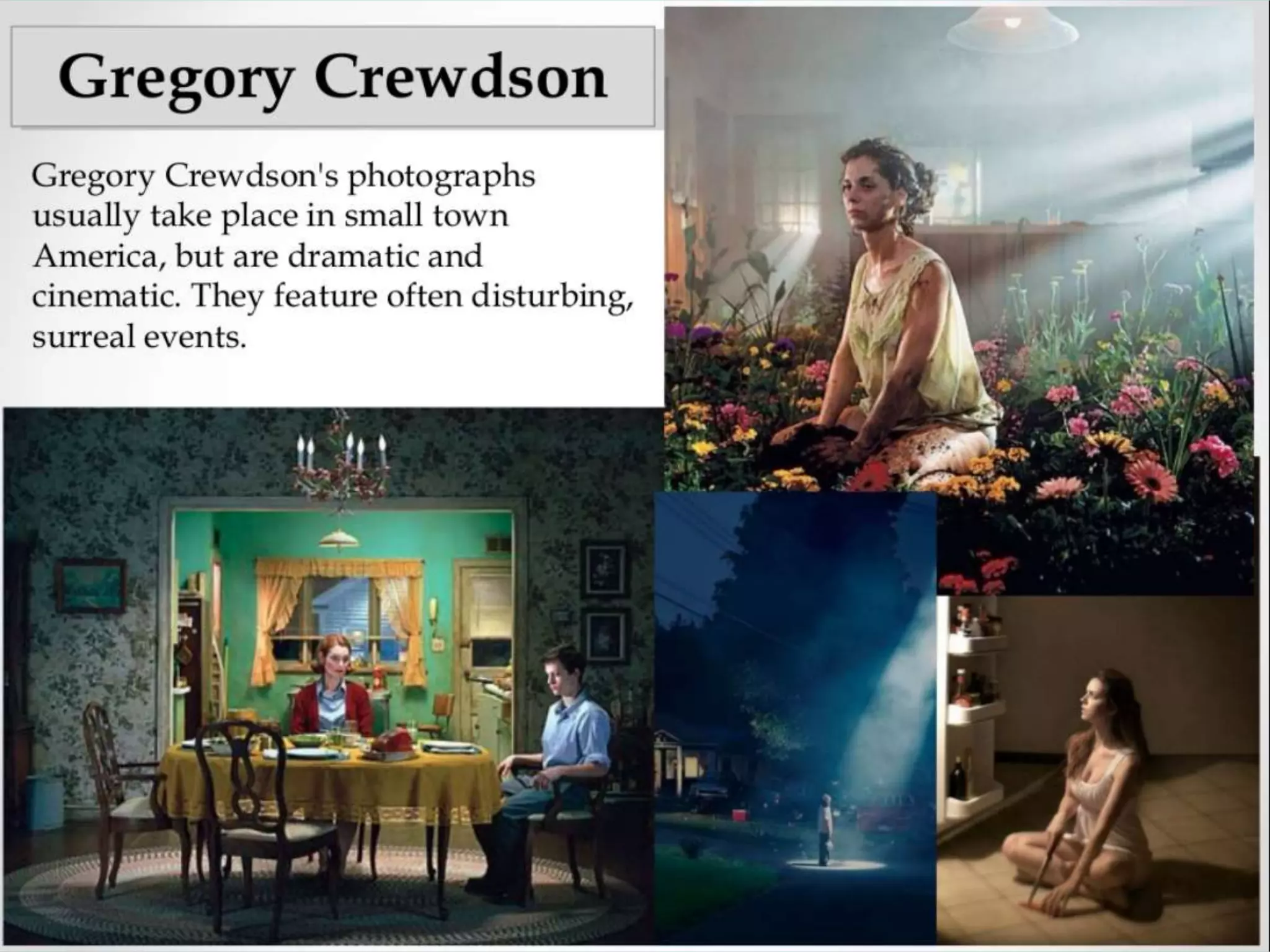
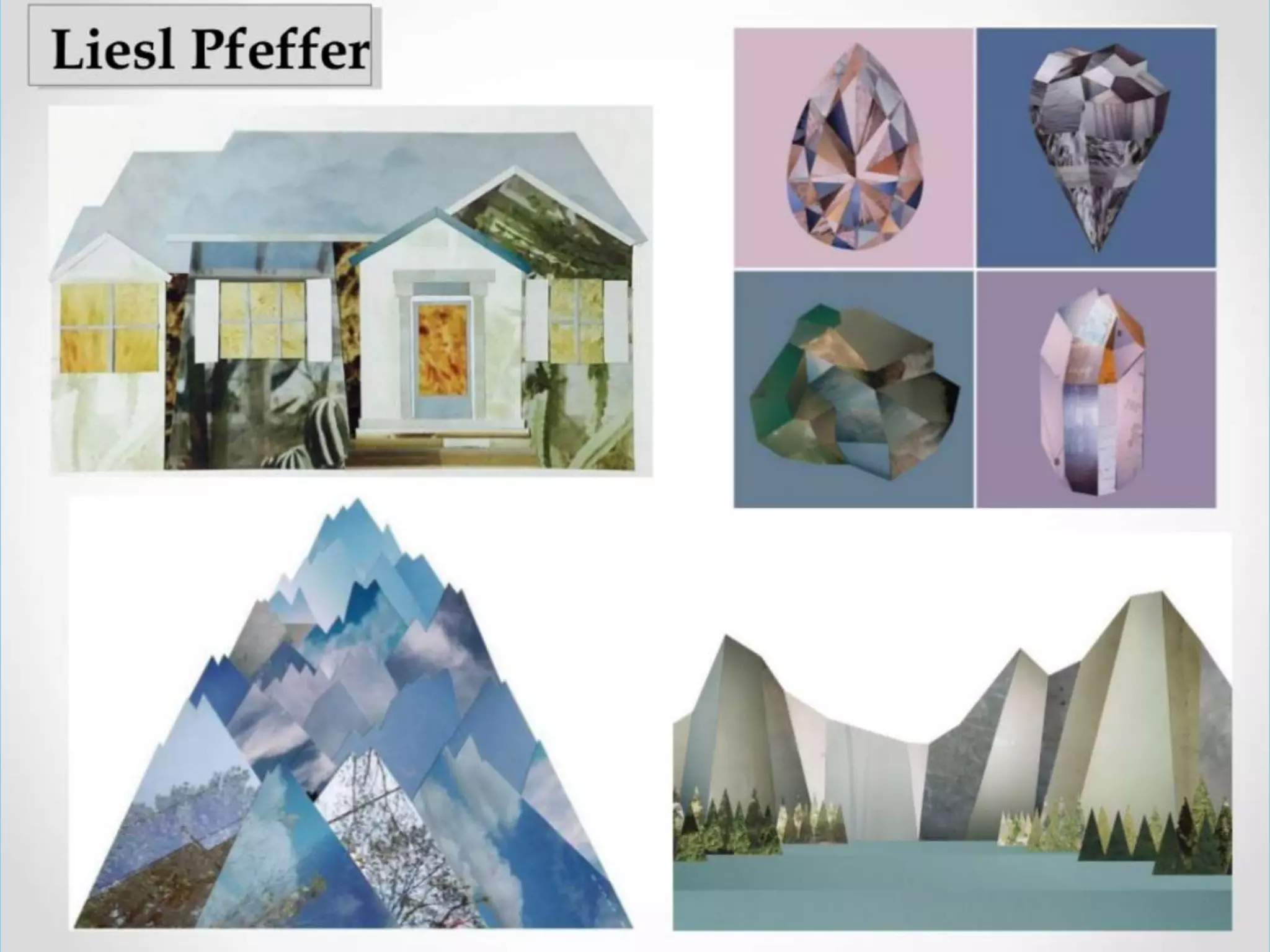
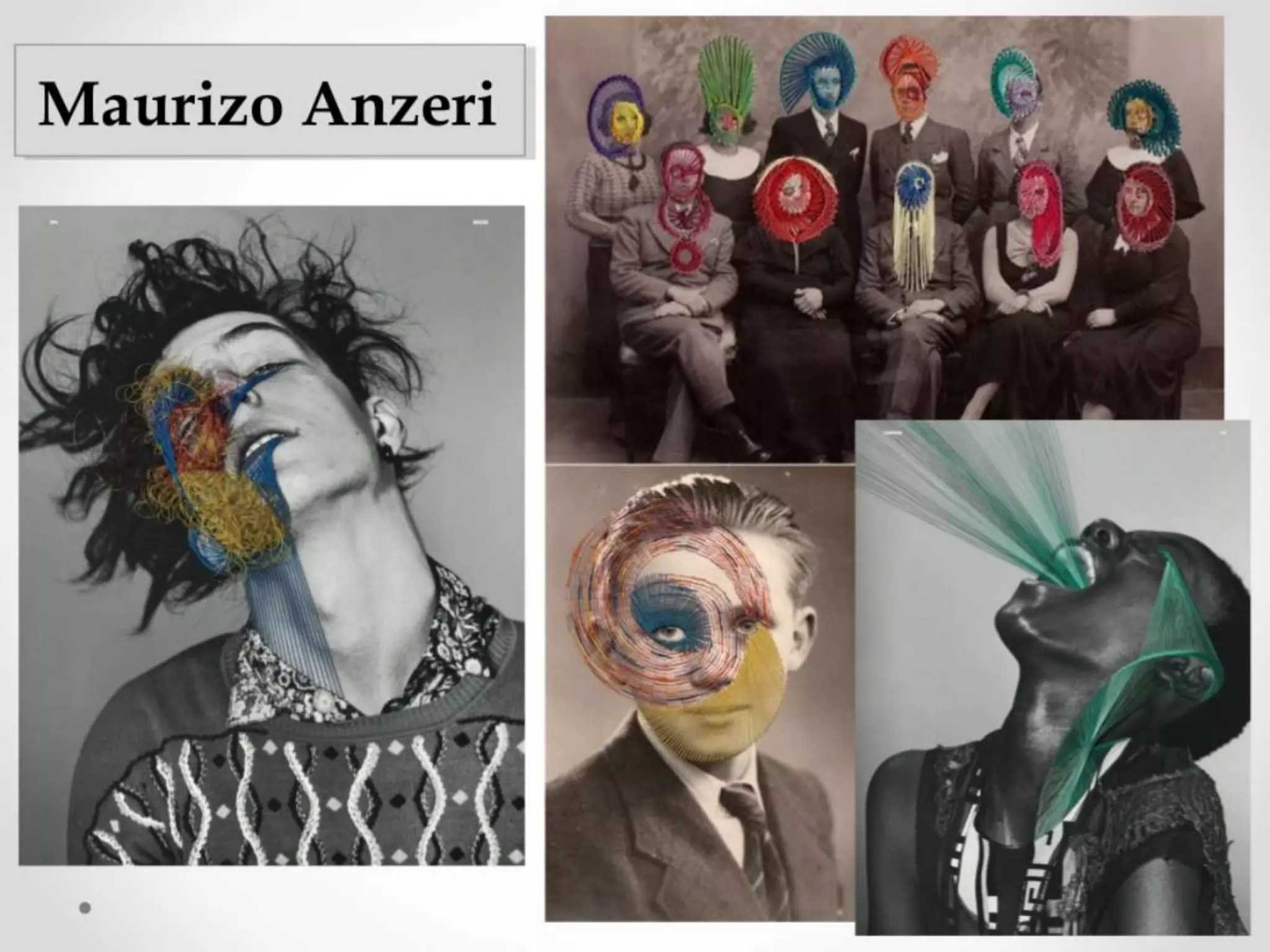
There is also a “Transformation Exam
Unit” Pinterest board in which you need
to create your own Pinterest board from.
Expected outcomes
A01 – DEVELOP
Make sure all set class tasks are completed. By the end of the unit, you must have analysed 5 images
by photographers relevant to your ideas using the Form, Process, Content structure we followed
within the last project. Use your research to inform your development (links to your own work). A
good response does not mean an exact copy.
AO2 – EXPERIMENT
After the initial tasks, start by taking 3 sets of different observations in response to 3 ideas based on
your own research. It is important to show refinement of ideas and techniques throughout the
project. Make sure annotation considers subject, concept, approach, technique, formal elements etc
as appropriate. You MUST include your contact sheets for each idea/refinement, edits and
enlargements.
AO3 – RECORD
I expect to see a minimum of 8 sets of observations/recordings over the duration of the unit.
Remember that you must always show good technical and compositional understanding in your
work, along with a clear explanation of ideas. This is where you can gain marks for technical control
so remember to consider composition, white balance, depth of field, exposure etc whilst taking your
photographs and during editing.
AO4 – REALISE
Develop and refine your best ideas further working towards an exhibition outcome, which will be
completed during your examination period (10-hours) at the beginning of the Summer Term.
Lucas Simoes
Images are made by burning photographs,
layering pictures together and cutting out precise
patterns to reveal what is underneath.
The identities of the subjects are blurred, and
some seem confused or even damaged.
Marlo Pascual Sometimes the newly ‘objectified’ image is
propped up by a rock. “I want it to be
physically imposing, like theatrical props,”
Pascual says, reminding us that the
photographs she uses are already
constructions – positioned, framed, posed, lit.
Joseph Parra
Oneself- references the 'fractured,
multiple, and twisted ways we often view
ourselves’.
This work is sculptural, giving the
photographs a presence and body.
Space and composition on the actual
paper can signify meaning
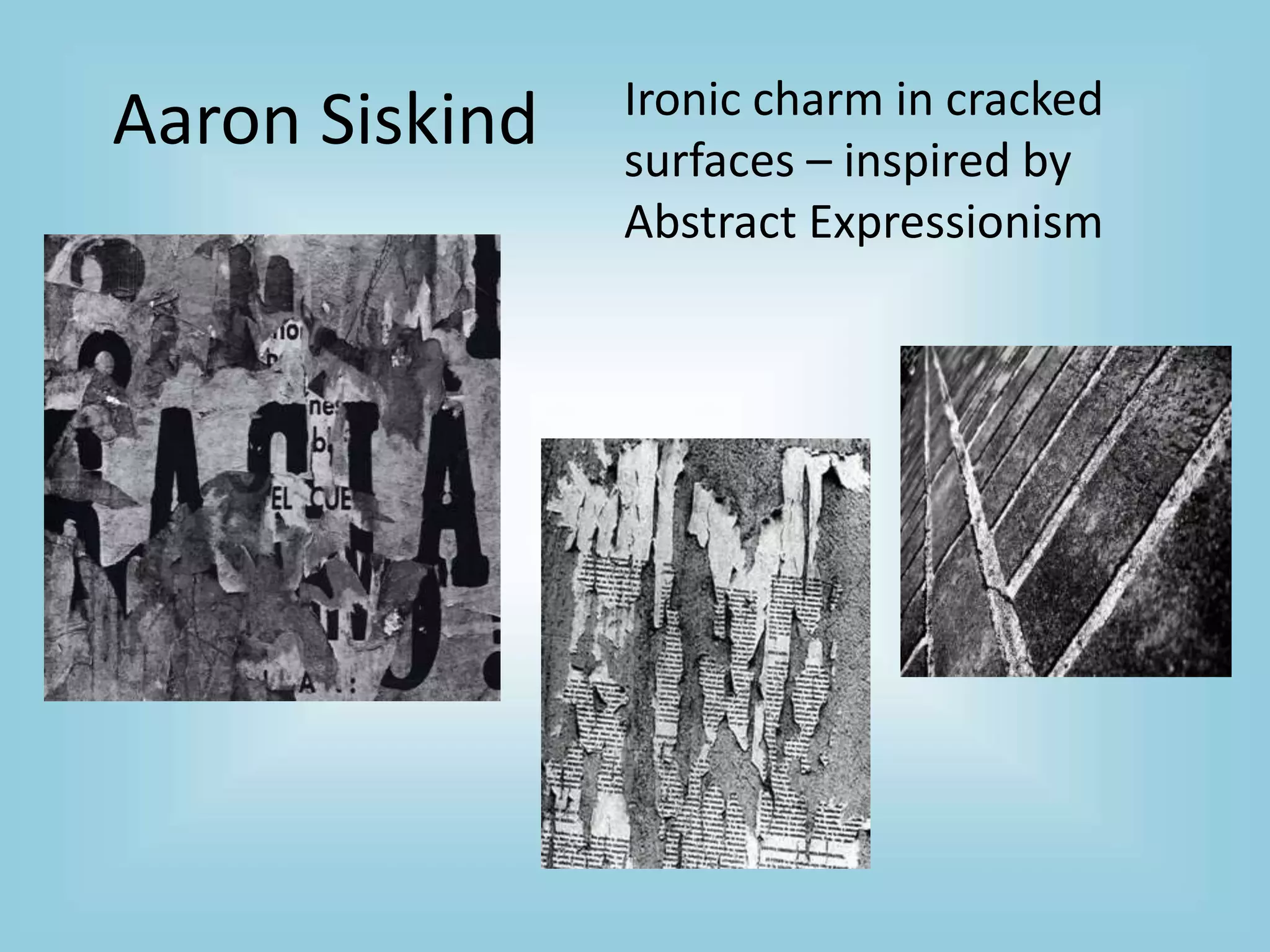
Aaron Siskind Ironic charm in cracked
surfaces – inspired by
Abstract Expressionism
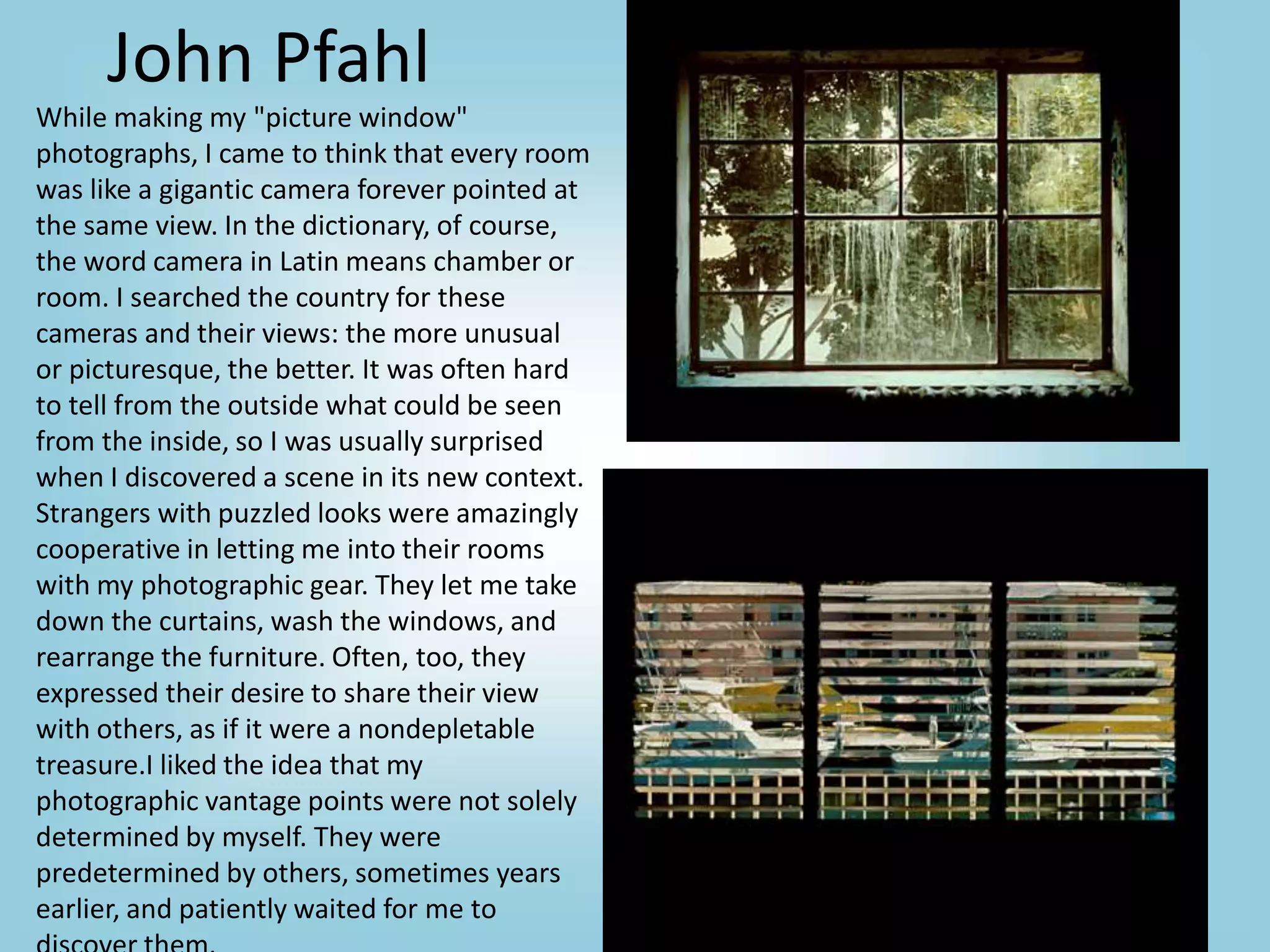
John Pfahl
While making my "picture window"
photographs, I came to think that every room
was like a gigantic camera forever pointed at
the same view. In the dictionary, of course,
the word camera in Latin means chamber or
room. I searched the country for these
cameras and their views: the more unusual
or picturesque, the better. It was often hard
to tell from the outside what could be seen
from the inside, so I was usually surprised
when I discovered a scene in its new context.
Strangers with puzzled looks were amazingly
cooperative in letting me into their rooms
with my photographic gear. They let me take
down the curtains, wash the windows, and
rearrange the furniture. Often, too, they
expressed their desire to share their view
with others, as if it were a nondepletable
treasure.I liked the idea that my
photographic vantage points were not solely
determined by myself. They were
predetermined by others, sometimes years
earlier, and patiently waited for me to
William Henry Fox
Talbot –
Latticed window
at Lacock Abbey,
August 1835
The oldest
photographic
image ever found
Photographs of
objects
meticulously
deconstructed,
altering their
purpose and
maneuvering
them from
useful and with
meaning to
objects that
are purely
visual
Cornelia Parker Twenty Years of Tarnish
(wedding Presents) – pun
to connote failing
relationships – transform
the value of objects
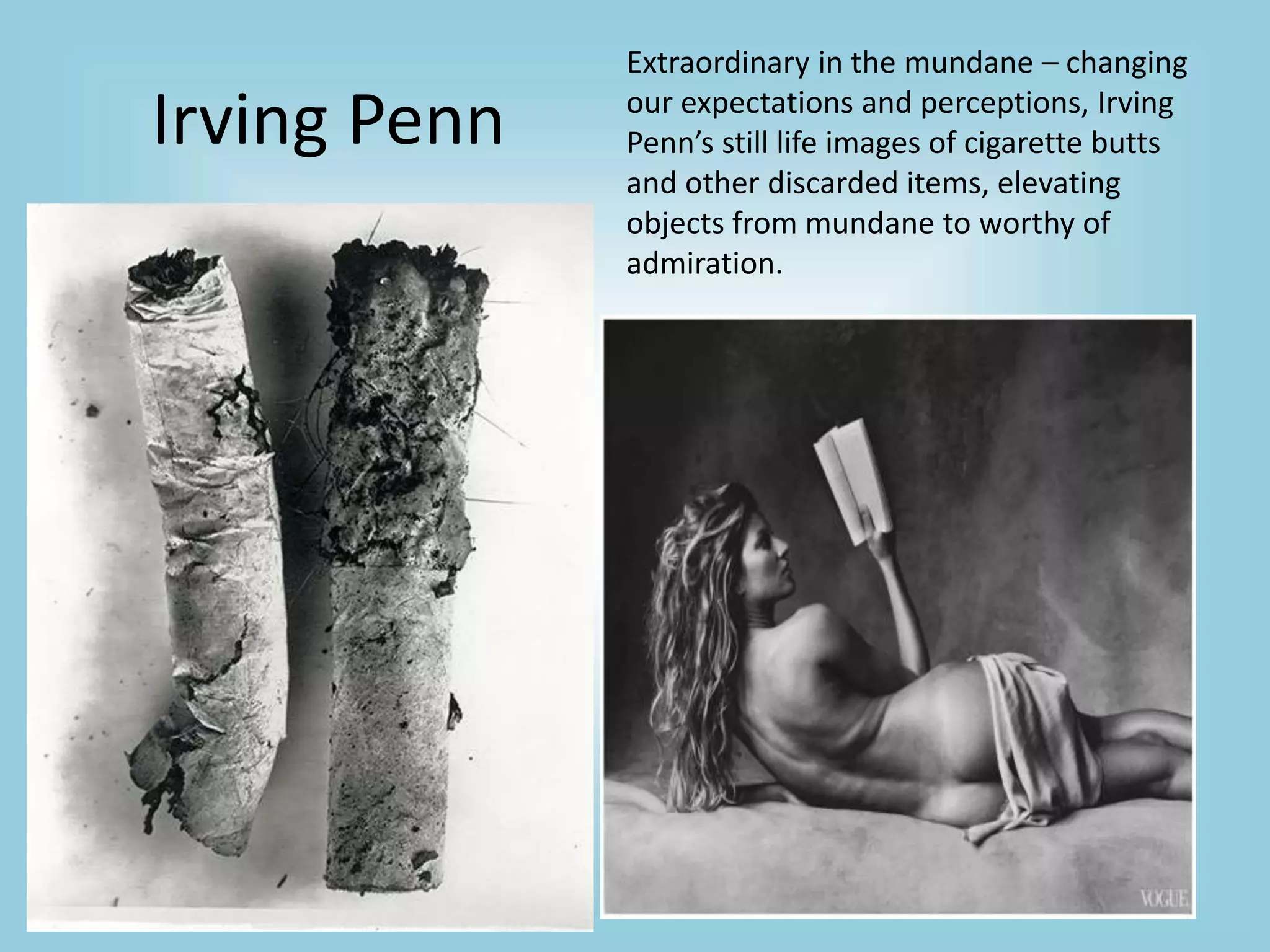
Irving Penn
Extraordinary in the mundane – changing
our expectations and perceptions, Irving
Penn’s still life images of cigarette butts
and other discarded items, elevating
objects from mundane to worthy of
admiration.
Shirin Neshat Within these images, four distinctive
and incongruent elements occupy the
limited space, and they combine
within the framework to create a
threatening message: the softness of
the veil’s fabric, the rigidity of the
gun’s metal, the fluidity of the black
ink, and the young women’s flesh
appear to coexist amidst physical and
material differences. The written
calligraphy invokes the Iranian
woman’s silence and her inability to
have a voice. Because Neshat’s
residence in the West allows her the
freedom of expression, she covers the
entire visible surface of her female
figure with her chosen words.
However, Neshat’s chosen words are
in total compliance with the militancy
of the veiled Iranian women in that
they are poetic words supporting
Iranian martyrs of the Iran-Iraq war.
Transformations to our
world.
Our world is forever
changing and altering.
You as a photographer
don’t just have to
document this
transformation itself, you
could think of ways to
represent man-kinds
incessant need to
continue developing and
adapting the world
around us to suit our
needs.
Martin Parr
Photographer obsessed with
representing the effect
recession has on the British
Culture and how our identity
has transformed as a nation
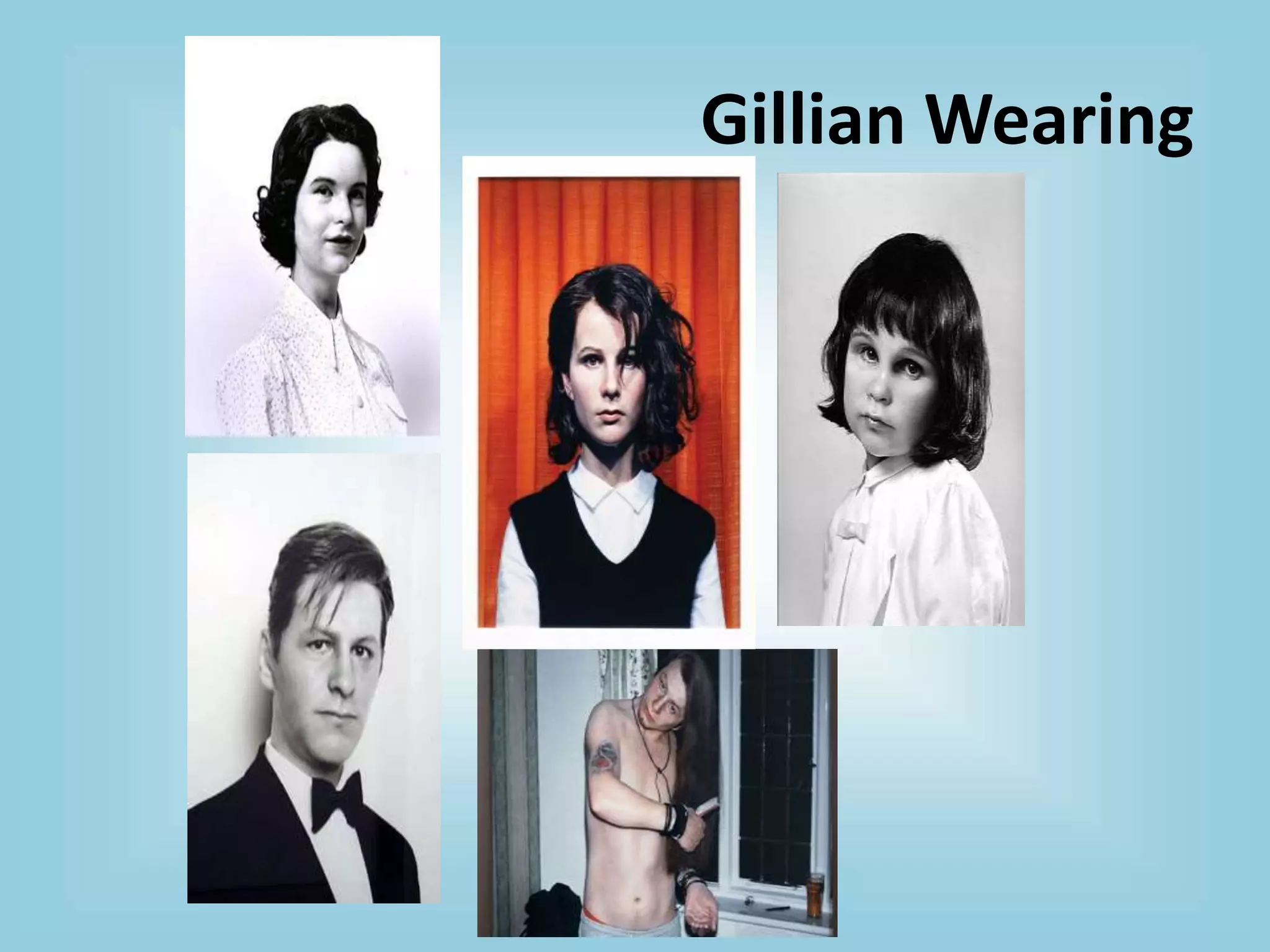
Gillian Wearing
Optical illusions
Our eyes provide us with a vital
connection to the world around us.
We tend to be somewhat cautious
about what we read and hear, but
often people only “believe what they
can see”.
However, our eyes can play tricks on
us, and as visual manipulators we can
play tricks on our audience.
Could you create a series of images
that incorporate optical illusions which
force the audience into a position of
doubt?
Erwin Blumenfeld – plays with perception
and toys with our expectations

AS Transformation exam 2016

  • 1.
    There is alsoa “Transformation Exam Unit” Pinterest board in which you need to create your own Pinterest board from.
  • 2.
    Expected outcomes A01 –DEVELOP Make sure all set class tasks are completed. By the end of the unit, you must have analysed 5 images by photographers relevant to your ideas using the Form, Process, Content structure we followed within the last project. Use your research to inform your development (links to your own work). A good response does not mean an exact copy. AO2 – EXPERIMENT After the initial tasks, start by taking 3 sets of different observations in response to 3 ideas based on your own research. It is important to show refinement of ideas and techniques throughout the project. Make sure annotation considers subject, concept, approach, technique, formal elements etc as appropriate. You MUST include your contact sheets for each idea/refinement, edits and enlargements. AO3 – RECORD I expect to see a minimum of 8 sets of observations/recordings over the duration of the unit. Remember that you must always show good technical and compositional understanding in your work, along with a clear explanation of ideas. This is where you can gain marks for technical control so remember to consider composition, white balance, depth of field, exposure etc whilst taking your photographs and during editing. AO4 – REALISE Develop and refine your best ideas further working towards an exhibition outcome, which will be completed during your examination period (10-hours) at the beginning of the Summer Term.
  • 3.
    Lucas Simoes Images aremade by burning photographs, layering pictures together and cutting out precise patterns to reveal what is underneath. The identities of the subjects are blurred, and some seem confused or even damaged.
  • 4.
    Marlo Pascual Sometimesthe newly ‘objectified’ image is propped up by a rock. “I want it to be physically imposing, like theatrical props,” Pascual says, reminding us that the photographs she uses are already constructions – positioned, framed, posed, lit.
  • 5.
    Joseph Parra Oneself- referencesthe 'fractured, multiple, and twisted ways we often view ourselves’. This work is sculptural, giving the photographs a presence and body.
  • 6.
    Space and compositionon the actual paper can signify meaning
  • 8.
    Aaron Siskind Ironiccharm in cracked surfaces – inspired by Abstract Expressionism
  • 9.
    John Pfahl While makingmy "picture window" photographs, I came to think that every room was like a gigantic camera forever pointed at the same view. In the dictionary, of course, the word camera in Latin means chamber or room. I searched the country for these cameras and their views: the more unusual or picturesque, the better. It was often hard to tell from the outside what could be seen from the inside, so I was usually surprised when I discovered a scene in its new context. Strangers with puzzled looks were amazingly cooperative in letting me into their rooms with my photographic gear. They let me take down the curtains, wash the windows, and rearrange the furniture. Often, too, they expressed their desire to share their view with others, as if it were a nondepletable treasure.I liked the idea that my photographic vantage points were not solely determined by myself. They were predetermined by others, sometimes years earlier, and patiently waited for me to
  • 10.
    William Henry Fox Talbot– Latticed window at Lacock Abbey, August 1835 The oldest photographic image ever found
  • 11.
    Photographs of objects meticulously deconstructed, altering their purposeand maneuvering them from useful and with meaning to objects that are purely visual
  • 12.
    Cornelia Parker TwentyYears of Tarnish (wedding Presents) – pun to connote failing relationships – transform the value of objects
  • 13.
    Irving Penn Extraordinary inthe mundane – changing our expectations and perceptions, Irving Penn’s still life images of cigarette butts and other discarded items, elevating objects from mundane to worthy of admiration.
  • 17.
    Shirin Neshat Withinthese images, four distinctive and incongruent elements occupy the limited space, and they combine within the framework to create a threatening message: the softness of the veil’s fabric, the rigidity of the gun’s metal, the fluidity of the black ink, and the young women’s flesh appear to coexist amidst physical and material differences. The written calligraphy invokes the Iranian woman’s silence and her inability to have a voice. Because Neshat’s residence in the West allows her the freedom of expression, she covers the entire visible surface of her female figure with her chosen words. However, Neshat’s chosen words are in total compliance with the militancy of the veiled Iranian women in that they are poetic words supporting Iranian martyrs of the Iran-Iraq war.
  • 20.
    Transformations to our world. Ourworld is forever changing and altering. You as a photographer don’t just have to document this transformation itself, you could think of ways to represent man-kinds incessant need to continue developing and adapting the world around us to suit our needs.
  • 22.
    Martin Parr Photographer obsessedwith representing the effect recession has on the British Culture and how our identity has transformed as a nation
  • 24.
  • 27.
    Optical illusions Our eyesprovide us with a vital connection to the world around us. We tend to be somewhat cautious about what we read and hear, but often people only “believe what they can see”. However, our eyes can play tricks on us, and as visual manipulators we can play tricks on our audience. Could you create a series of images that incorporate optical illusions which force the audience into a position of doubt?
  • 28.
    Erwin Blumenfeld –plays with perception and toys with our expectations