




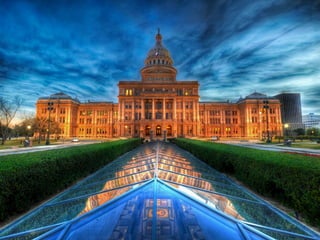
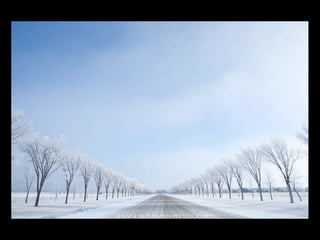
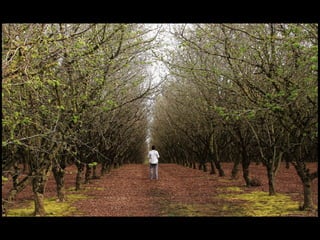
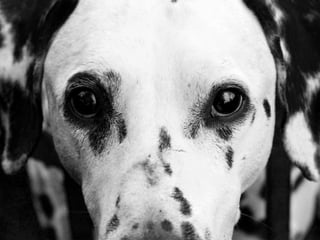





COMPOSITION
Composition concerns the placement or
arrangement of the elements in an image
The artist determines what the center
of interest of the art work will be, and
composes the elements accordingly
What are the points of interest in this shot?
Where am I intentionally placing them?
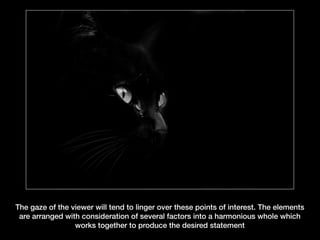
The gaze of the viewer will tend to linger over these points of interest. The elements
are arranged with consideration of several factors into a harmonious whole which
works together to produce the desired statement
Composition
Elements
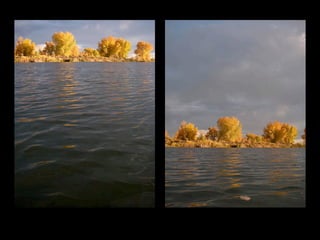
FRAME
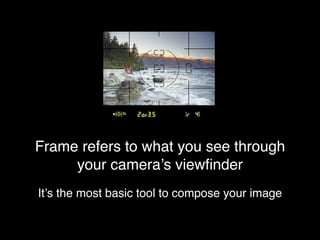
Frame refers to what you see through
your camera’s viewfinder
It’s the most basic tool to compose your image
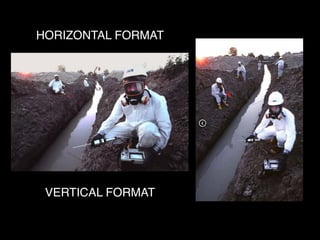
HORIZONTAL FORMAT

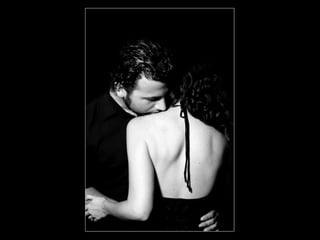
VERTICAL FORMAT
WHEN TO USE HORIZONTAL
✓
✓
✓
✓

When the subject is horizontal
When your subject is wider than tall
To allow the subject to “move” horizontally
To convey a sense of space
WHEN TO USE VERTICAL
✓
✓
✓
✓

When the subject is vertical
When your subject is taller than it is wide
To allow the subject to “move” vertically
To focus attention
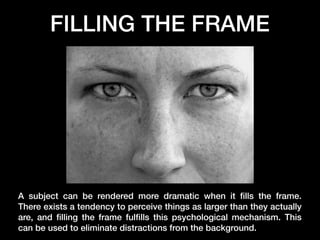
FILLING THE FRAME

A subject can be rendered more dramatic when it fills the frame.
There exists a tendency to perceive things as larger than they actually
are, and filling the frame fulfills this psychological mechanism. This
can be used to eliminate distractions from the background.
VANTAGE POINT
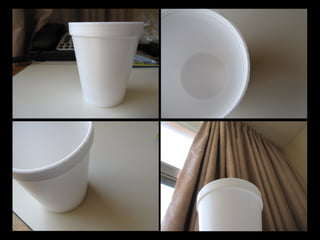
Vantage point refers to the angle,
place or point from which
something can be viewed
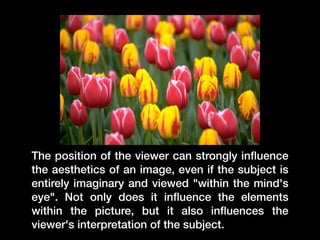
The position of the viewer can strongly influence
the aesthetics of an image, even if the subject is
entirely imaginary and viewed "within the mind's
eye". Not only does it influence the elements
within the picture, but it also influences the
viewer's interpretation of the subject.
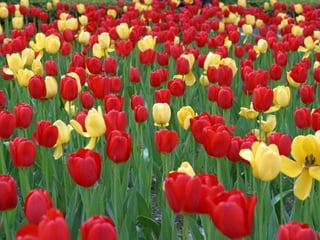
Most pictures are shot from the same vantage point

Between five and six feet above the ground. This is
the average height of the human body
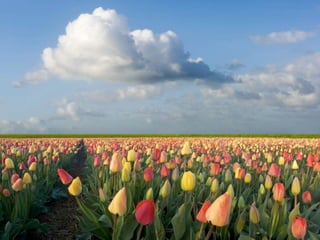
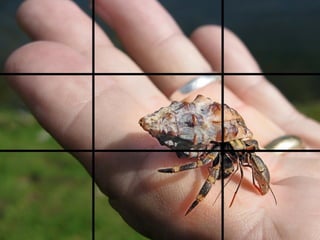
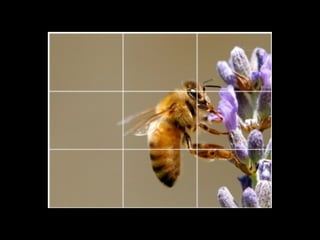
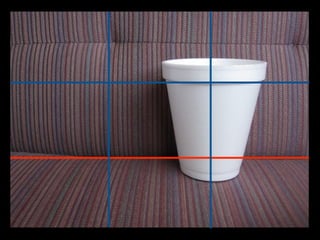
RULE OF THIRDS
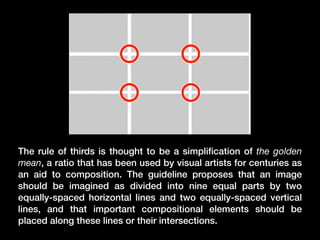
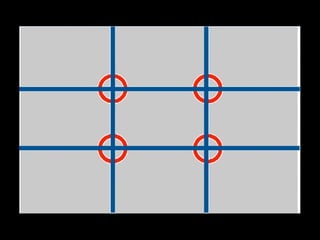
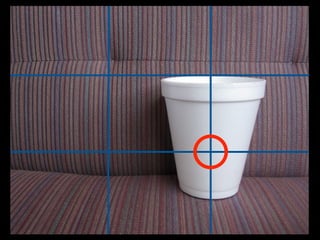
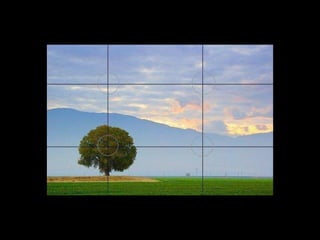
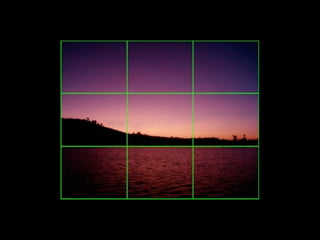
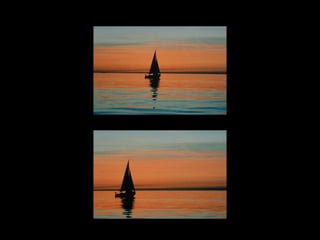
The rule of thirds is thought to be a simplification of the golden
mean, a ratio that has been used by visual artists for centuries as
an aid to composition. The guideline proposes that an image
should be imagined as divided into nine equal parts by two
equally-spaced horizontal lines and two equally-spaced vertical
lines, and that important compositional elements should be
placed along these lines or their intersections.
OTHER
COMPOSITION
ELEMENTS
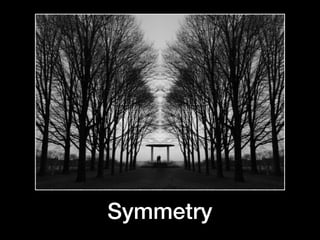
Symmetry
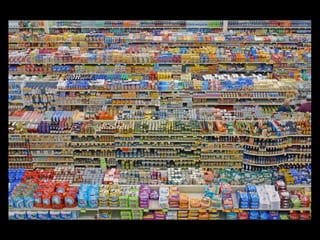
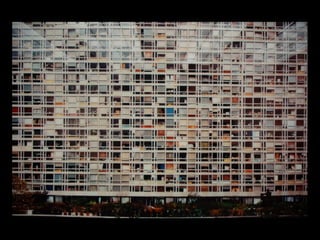
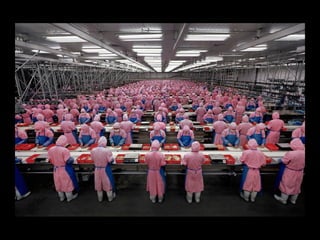
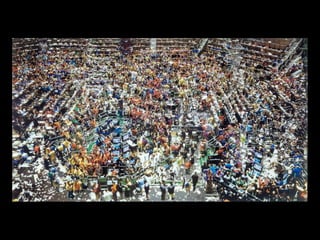
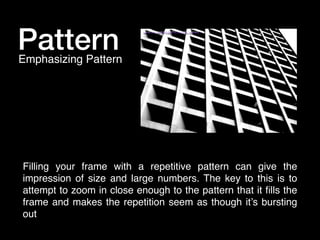
Pattern

Emphasizing Pattern

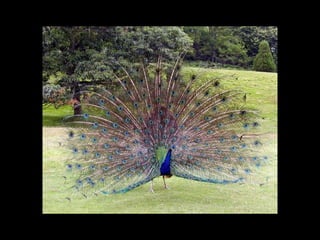
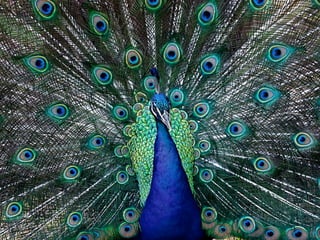
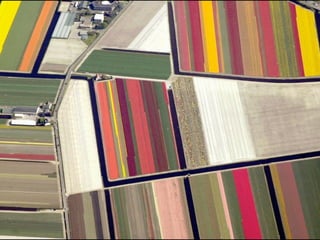
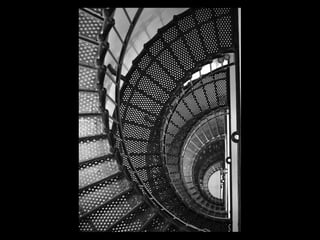
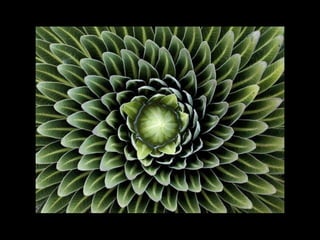
Filling your frame with a repetitive pattern can give the
impression of size and large numbers. The key to this is to
attempt to zoom in close enough to the pattern that it fills the
frame and makes the repetition seem as though it’s bursting
out
Pattern
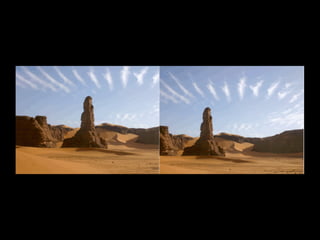
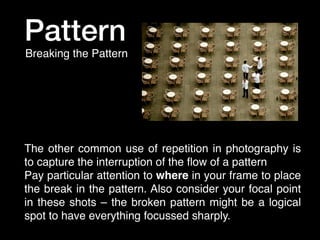
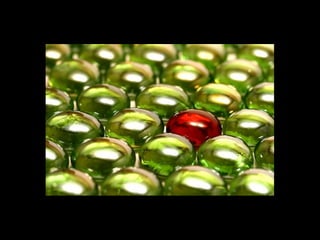
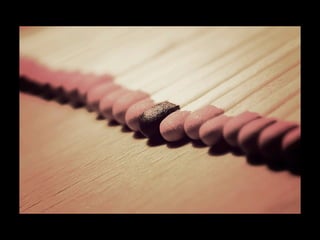
Breaking the Pattern

The other common use of repetition in photography is
to capture the interruption of the flow of a pattern
Pay particular attention to where in your frame to place
the break in the pattern. Also consider your focal point
in these shots – the broken pattern might be a logical
spot to have everything focussed sharply.
Lines
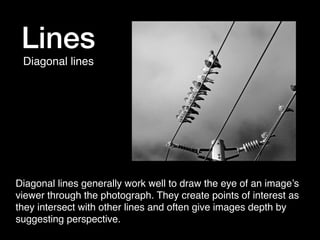
Diagonal lines

Diagonal lines generally work well to draw the eye of an image’s
viewer through the photograph. They create points of interest as
they intersect with other lines and often give images depth by
suggesting perspective.
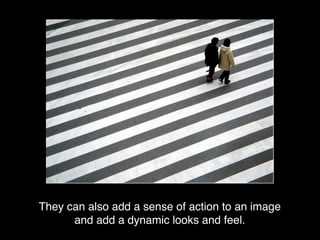
They can also add a sense of action to an image
and add a dynamic looks and feel.
Lines
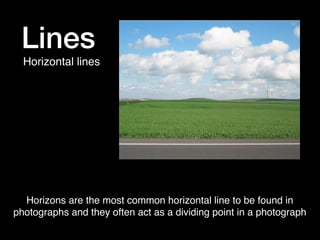
Horizontal lines

Horizons are the most common horizontal line to be found in
photographs and they often act as a dividing point in a photograph
Lines
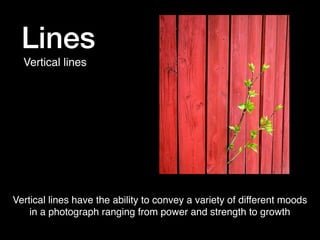
Vertical lines

Vertical lines have the ability to convey a variety of different moods
in a photograph ranging from power and strength to growth
Lines

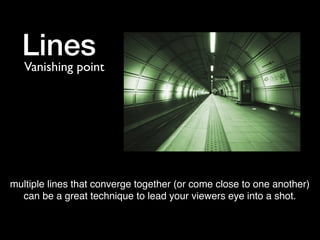
Vanishing point

multiple lines that converge together (or come close to one another)
can be a great technique to lead your viewers eye into a shot.
QUESTIONS?
Mentor
Photographer
Mentorship is a personal developmental
relationship in which a more experienced
or more knowledgeable person helps to
guide a less experienced or less
knowledgeable person.
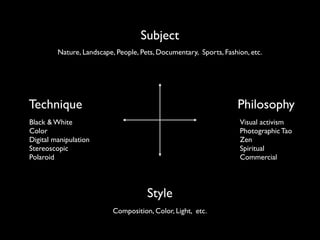
Subject
Nature, Landscape, People, Pets, Documentary, Sports, Fashion, etc.

Technique

Philosophy

Black & White
Color
Digital manipulation
Stereoscopic
Polaroid

Visual activism
Photographic Tao
Zen
Spiritual
Commercial

Style
Composition, Color, Light, etc.
TWO EXAMPLES
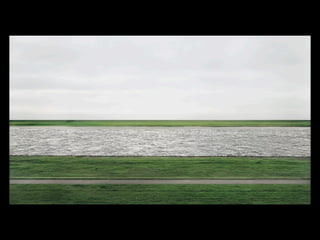
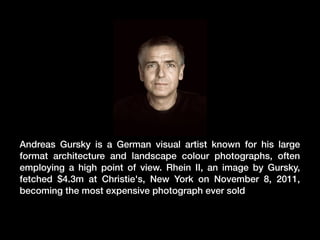
Andreas Gursky is a German visual artist known for his large
format architecture and landscape colour photographs, often
employing a high point of view. Rhein II, an image by Gursky,
fetched $4.3m at Christie's, New York on November 8, 2011,
becoming the most expensive photograph ever sold
Gursky’s work is characterized by the tension between the clarity and
formal nature of his photographs and the ambiguous intent and
meaning they present, occasioned by their insertion into a ‘high-art’
environment. Through all his work runs a sense of impersonality, a
depiction of the structures and patterns of collective existence, often
represented by the unitary behaviour of large crowds. His images of the
stock exchanges of North America and East Asia are exemplary in the
way that he uses crowds to create a type of picture comparable in
formal terms to the ‘all-over’ compositions of the Abstract Expressionist
painters.
Before the 1990s, Gursky did not digitally manipulate his images.[5] In
the years since, Gursky has been frank about his reliance on computers
to edit and enhance his pictures, creating an art of spaces larger than
the subjects photographed
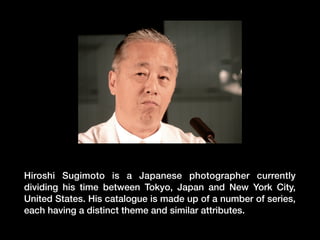
Hiroshi Sugimoto is a Japanese photographer currently
dividing his time between Tokyo, Japan and New York City,
United States. His catalogue is made up of a number of series,
each having a distinct theme and similar attributes.
Sugimoto has spoken of his work as an expression of ‘time exposed’,
or photographs serving as a time capsule for a series of events in
time. His work also focuses on transience of life, and the conflict
between life and death.
Sugimoto is also deeply influenced by the writings and works of
Marcel Duchamp, as well as the Dadaist and Surrealist movements as
a whole. He has also expressed a great deal of interest in late 20th
century modern architecture.
His use of an 8×10 large-format camera and extremely long exposures
have garnered Sugimoto a reputation as a photographer of the highest
technical ability. He is equally acclaimed for the conceptual and
philosophical aspects of his work.
Theatres
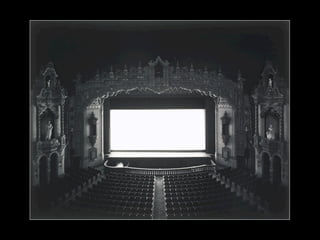
In 1978, Sugimoto's Theatres series involved photographing old
American movie palaces and drive-ins with a folding 4x5
camera and tripod, opening his camera shutter and exposing
the film for the duration of the entire feature-length movie, the
film projector providing the sole lighting. The luminescent
screen in the centre of the composition, the architectural details
and the seats of the theatre are the only subjects that register
owing to the long exposure of each photograph, while the
unique lighting gives the works a surreal look, as a part of
Sugimoto's attempt to reveal time in photography.
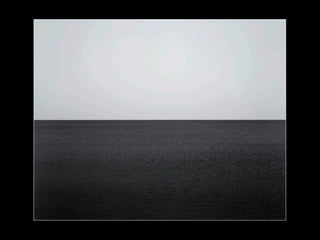
Seascapes
In 1980 he began working on an ongoing series of photographs
of the sea and its horizon, Seascapes, in locations all over the
world, using an old-fashioned large-format camera to make
exposures of varying duration (up to three hours). The blackand-white pictures are all exactly the same size, bifurcated
exactly in half by the horizon line.
Composition

Composition

  • 1.
  • 2.
    Composition concerns theplacement or arrangement of the elements in an image The artist determines what the center of interest of the art work will be, and composes the elements accordingly
  • 3.
    What are thepoints of interest in this shot? Where am I intentionally placing them?
  • 4.
    The gaze ofthe viewer will tend to linger over these points of interest. The elements are arranged with consideration of several factors into a harmonious whole which works together to produce the desired statement
  • 5.
  • 6.
  • 7.
    Frame refers towhat you see through your camera’s viewfinder It’s the most basic tool to compose your image
  • 8.
  • 9.
    WHEN TO USEHORIZONTAL ✓ ✓ ✓ ✓ When the subject is horizontal When your subject is wider than tall To allow the subject to “move” horizontally To convey a sense of space
  • 11.
    WHEN TO USEVERTICAL ✓ ✓ ✓ ✓ When the subject is vertical When your subject is taller than it is wide To allow the subject to “move” vertically To focus attention
  • 13.
    FILLING THE FRAME Asubject can be rendered more dramatic when it fills the frame. There exists a tendency to perceive things as larger than they actually are, and filling the frame fulfills this psychological mechanism. This can be used to eliminate distractions from the background.
  • 16.
  • 18.
    Vantage point refersto the angle, place or point from which something can be viewed
  • 19.
    The position ofthe viewer can strongly influence the aesthetics of an image, even if the subject is entirely imaginary and viewed "within the mind's eye". Not only does it influence the elements within the picture, but it also influences the viewer's interpretation of the subject.
  • 20.
    Most pictures areshot from the same vantage point Between five and six feet above the ground. This is the average height of the human body
  • 25.
  • 26.
    The rule ofthirds is thought to be a simplification of the golden mean, a ratio that has been used by visual artists for centuries as an aid to composition. The guideline proposes that an image should be imagined as divided into nine equal parts by two equally-spaced horizontal lines and two equally-spaced vertical lines, and that important compositional elements should be placed along these lines or their intersections.
  • 37.
  • 38.
  • 43.
    Pattern Emphasizing Pattern Filling yourframe with a repetitive pattern can give the impression of size and large numbers. The key to this is to attempt to zoom in close enough to the pattern that it fills the frame and makes the repetition seem as though it’s bursting out
  • 47.
    Pattern Breaking the Pattern Theother common use of repetition in photography is to capture the interruption of the flow of a pattern Pay particular attention to where in your frame to place the break in the pattern. Also consider your focal point in these shots – the broken pattern might be a logical spot to have everything focussed sharply.
  • 51.
    Lines Diagonal lines Diagonal linesgenerally work well to draw the eye of an image’s viewer through the photograph. They create points of interest as they intersect with other lines and often give images depth by suggesting perspective.
  • 52.
    They can alsoadd a sense of action to an image and add a dynamic looks and feel.
  • 53.
    Lines Horizontal lines Horizons arethe most common horizontal line to be found in photographs and they often act as a dividing point in a photograph
  • 55.
    Lines Vertical lines Vertical lineshave the ability to convey a variety of different moods in a photograph ranging from power and strength to growth
  • 56.
    Lines Vanishing point multiple linesthat converge together (or come close to one another) can be a great technique to lead your viewers eye into a shot.
  • 59.
  • 60.
  • 61.
    Mentorship is apersonal developmental relationship in which a more experienced or more knowledgeable person helps to guide a less experienced or less knowledgeable person.
  • 62.
    Subject Nature, Landscape, People,Pets, Documentary, Sports, Fashion, etc. Technique Philosophy Black & White Color Digital manipulation Stereoscopic Polaroid Visual activism Photographic Tao Zen Spiritual Commercial Style Composition, Color, Light, etc.
  • 63.
  • 64.
    Andreas Gursky isa German visual artist known for his large format architecture and landscape colour photographs, often employing a high point of view. Rhein II, an image by Gursky, fetched $4.3m at Christie's, New York on November 8, 2011, becoming the most expensive photograph ever sold
  • 65.
    Gursky’s work ischaracterized by the tension between the clarity and formal nature of his photographs and the ambiguous intent and meaning they present, occasioned by their insertion into a ‘high-art’ environment. Through all his work runs a sense of impersonality, a depiction of the structures and patterns of collective existence, often represented by the unitary behaviour of large crowds. His images of the stock exchanges of North America and East Asia are exemplary in the way that he uses crowds to create a type of picture comparable in formal terms to the ‘all-over’ compositions of the Abstract Expressionist painters. Before the 1990s, Gursky did not digitally manipulate his images.[5] In the years since, Gursky has been frank about his reliance on computers to edit and enhance his pictures, creating an art of spaces larger than the subjects photographed
  • 71.
    Hiroshi Sugimoto isa Japanese photographer currently dividing his time between Tokyo, Japan and New York City, United States. His catalogue is made up of a number of series, each having a distinct theme and similar attributes.
  • 72.
    Sugimoto has spokenof his work as an expression of ‘time exposed’, or photographs serving as a time capsule for a series of events in time. His work also focuses on transience of life, and the conflict between life and death. Sugimoto is also deeply influenced by the writings and works of Marcel Duchamp, as well as the Dadaist and Surrealist movements as a whole. He has also expressed a great deal of interest in late 20th century modern architecture. His use of an 8×10 large-format camera and extremely long exposures have garnered Sugimoto a reputation as a photographer of the highest technical ability. He is equally acclaimed for the conceptual and philosophical aspects of his work.
  • 73.
    Theatres In 1978, Sugimoto'sTheatres series involved photographing old American movie palaces and drive-ins with a folding 4x5 camera and tripod, opening his camera shutter and exposing the film for the duration of the entire feature-length movie, the film projector providing the sole lighting. The luminescent screen in the centre of the composition, the architectural details and the seats of the theatre are the only subjects that register owing to the long exposure of each photograph, while the unique lighting gives the works a surreal look, as a part of Sugimoto's attempt to reveal time in photography.
  • 75.
    Seascapes In 1980 hebegan working on an ongoing series of photographs of the sea and its horizon, Seascapes, in locations all over the world, using an old-fashioned large-format camera to make exposures of varying duration (up to three hours). The blackand-white pictures are all exactly the same size, bifurcated exactly in half by the horizon line.