Renaissance Period (1400-1600
 Was the period of economic progress. The period
stirred enthusiasm for the study of ancient philosophy
and artistic values.
 Characterized by accurate anatomy, scientific
perspective, and deeper landscape.
 Painters depicted real- life figures and their sculptures
were naturalistic portraits of human beings.
 Architecture during this period was characterized by its
symmetry and balance.
 Renaissance held up the ideal of the well- rounded
man, knowledgeable in a number of fields such as
philosophy, science, arts, including, painting and
music- who applies his knowledge to productive and
creative activity.
 Renaissance was a period of artistic experimentation.
It brought man into full view just like the human figure
in Greek Art.
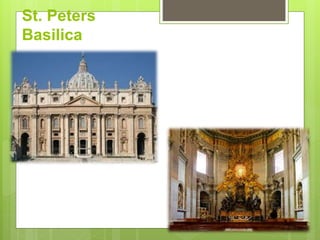
 The greatest cathedral building was of the age was
the rebuilding of St. Peter’s Basilica in Rome.
St. Peters
Basilica
FAMOUS
RENAISSANCE
ARTWORKS AND
ARTISTS
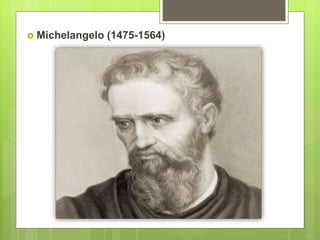
Michelangelo di Lodovico
Buonarroti Simoni (1475-1564)
 An italian sculptor, painter, architect, and poet. He as
considered the greatest living artist in his lifetime, and
ever since then he was considered as one of the
greatest artists of all time.
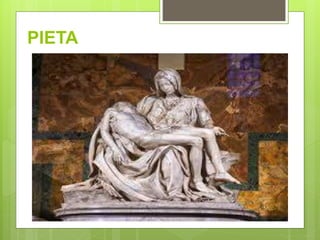
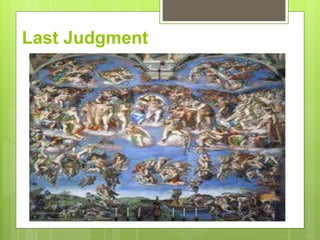
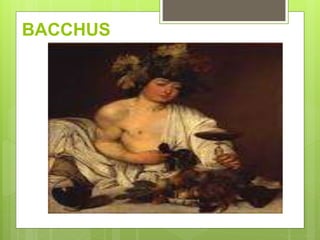
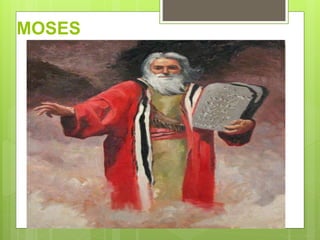
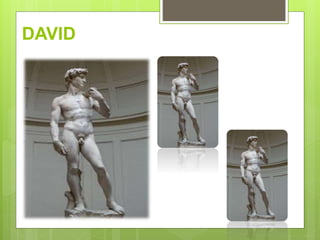
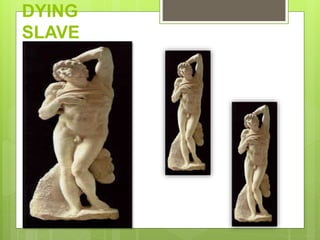
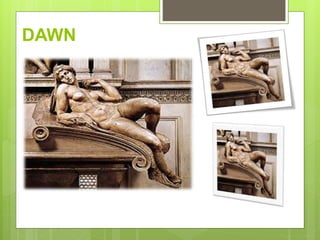
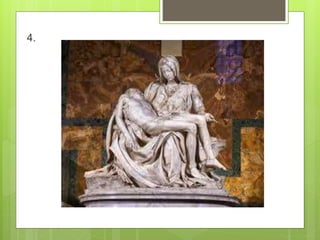
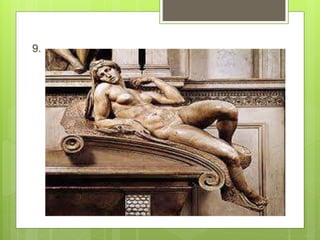
 His outstanding works as sculptor were the following:
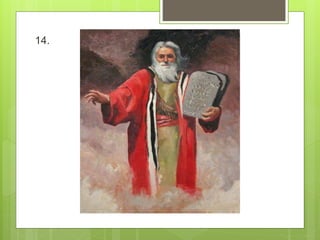
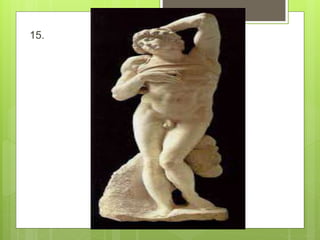
Pieta, Bacchus, Moses, David, Dying Slave, Dawn and
Dusk and Last Judgment.
 Michelangelo (1475-1564)
PIETA
Last Judgment
BACCHUS
MOSES
DAVID
DYING
SLAVE
DAWN
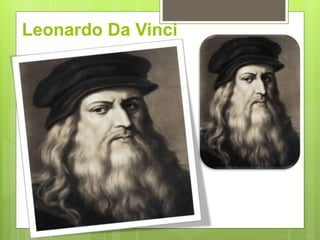
LEONARDO DI SER PIERO DA
VINCI (1452-1519)
 Was a painter, architect, scientist, and mathematician.
He was popularized in present times through the novel
and movie “Da Vinci Code”
 He is known as ultimate “Renaissance Man” because
of his intellect. Interest, talent and his expression of
humanist and classical values.
 He is widely considered to be one of the greatest
painters of all time and perhaps the most diversely
talented person to have ever lived.
Leonardo Da Vinci
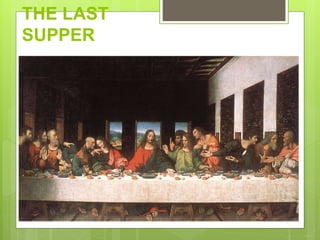
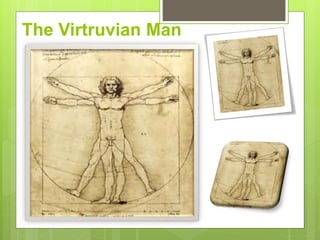
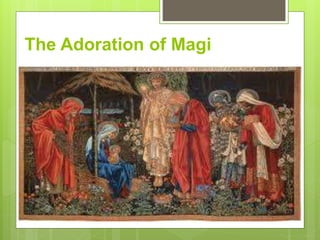
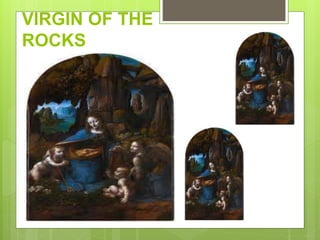
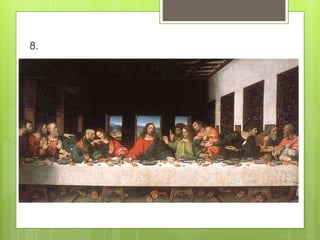
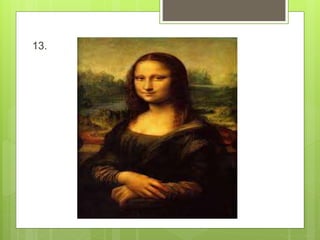
 His well known works were: the Last Supper, Mona
Lisa, the Vitruvian Man, The Adoration of Magi, the
Virgin of the Rocks.
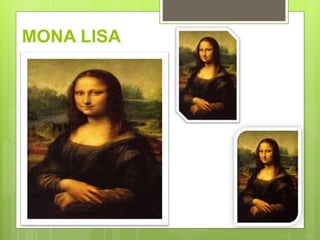
 Mona Lisa stems from description by Renaissance
art historian Giorgio Vasari, who wrote,” Leonardo
undertook to paint for Francesco del Giocondo the
Portrait of Mona Lisa, his wife.” Mona, in Italian, is a
polite form of address originating as Madonna-
similar to Ma’am, ”Madame,” or “My Lady” in English.
This became Madonna and its contraction Mona. The
title of the Painting, through traditionally spelled
”Mona” is allso commonly spelled in Modern Italian
as “Mona Lisa”.
MONA LISA
THE LAST
SUPPER
The Virtruvian Man
The Adoration of Magi
VIRGIN OF THE
ROCKS
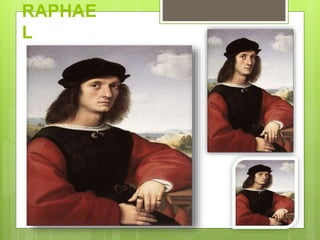
RAFFAELLO SANZIO DA URBINO
(RAPHAEL) (1483-1520)
 Was an italian painter and architect of High
Renaissance period.
 His work was admired for its clarity of form and ease
of composition and for its visual achievement of the
interpreting the Divine and incorporating Christian
doctrines.
 His main contributions to art were his unique
draftsmanship and compositional skills.
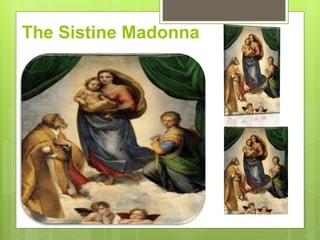
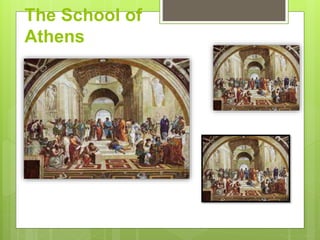
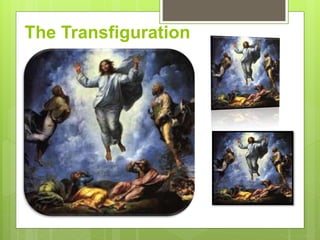
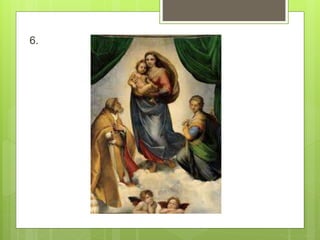
 His works were: the Sistine Madonna, the School of
Athens, the Transfiguration.
RAPHAE
L
The Sistine Madonna
The School of
Athens
The Transfiguration
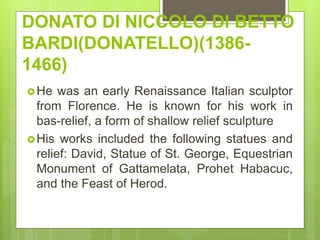
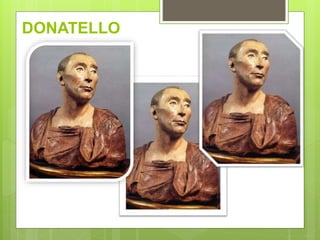
DONATO DI NICCOLO DI BETTO
BARDI(DONATELLO)(1386-
1466)
He was an early Renaissance Italian sculptor
from Florence. He is known for his work in
bas-relief, a form of shallow relief sculpture
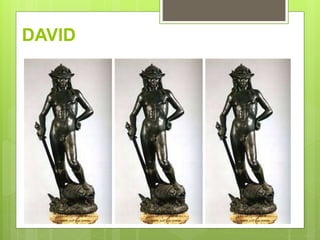
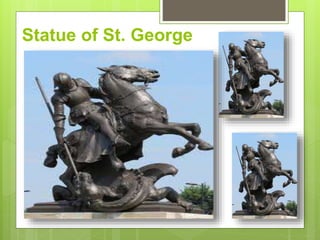
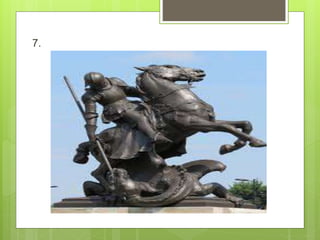
His works included the following statues and
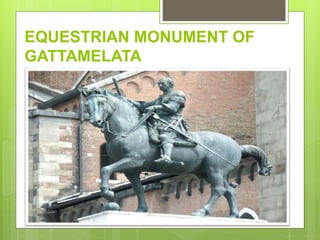
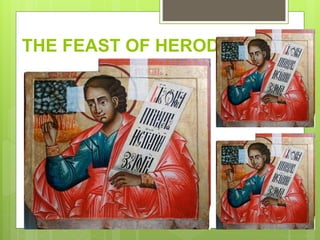
relief: David, Statue of St. George, Equestrian
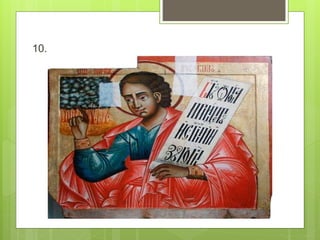
Monument of Gattamelata, Prohet Habacuc,
and the Feast of Herod.
DONATELLO
DAVID
Statue of St. George
EQUESTRIAN MONUMENT OF
GATTAMELATA
THE FEAST OF HEROD
 Baroque was derived from the Portuguese word
barocco which means “irregular shaped pearl or
stone.” it describes a fairly complex idiom and focuses
on painting, sculpture, as well as architecture.
 Baroque art above all reflects the tensions of the age
notably the desire of the Catholic Church in Rome to
reassert itself in the wake of the Protestant
Reformation which is almost the same with catholic
Reformation Art of the Period.
 Was the period of artistic styles in exaggerated
motion, drama, tension, and grandeur. The style in
Rome, Italy, and spread to most of Europe.
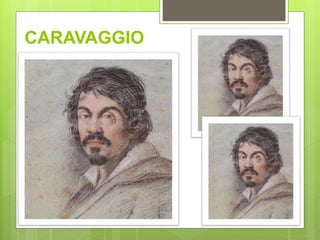
MICHELANGELO MERISI or
AMERIGI DA CARAVAGGIO (1571-
1610)
 He was better known as Caravaggio. He was an
Italian artist who wanted to deviate from the classical
masters of the Renaissance.
 He was an outcast in his society, because of his own
actions and the lack of modesty and reverence for
religious subjects in his own paintings.
 Perhaps he started out as a specialist in his paintings
of still life, especially of fruits.
CARAVAGGIO
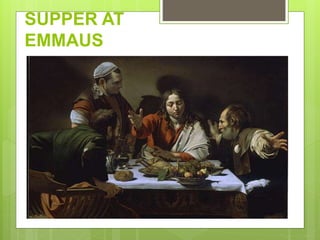
SUPPER AT
EMMAUS
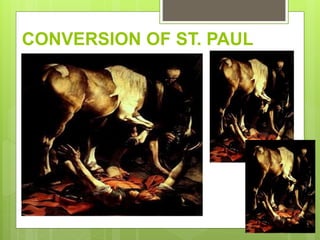
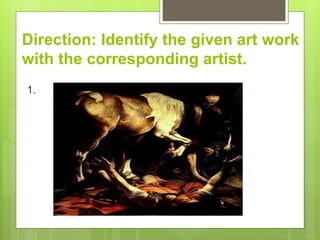
CONVERSION OF ST. PAUL
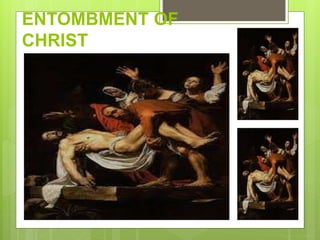
ENTOMBMENT OF
CHRIST
GIAN LORENZO BERNINI (1598-
1680)
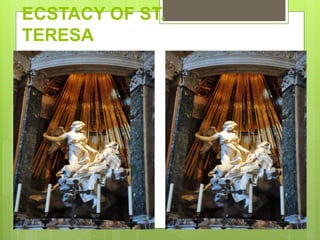
Wan an Italian artist and the first Baroque
artist. He practiced architecture and sculpture,
painting, stage design, and was also a
playwright. He was also the last in the list of
the dazzling universal geniuses.
As a prodigy, his first artworks date from his 8th
birthday.
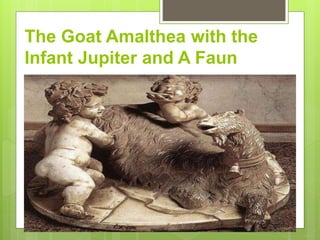
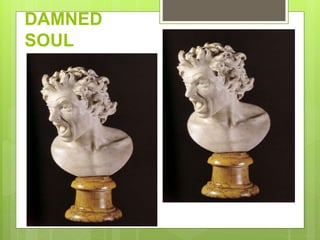
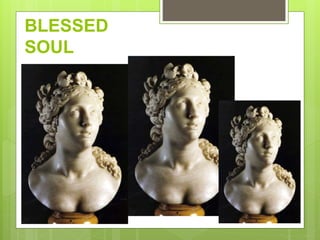
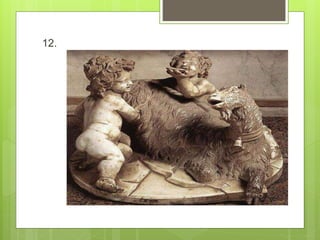
Among his works were: The goat Amalthea
with Infant Jupiter and Faun, Damned Soul
and the Blessed soul.
The Goat Amalthea with the
Infant Jupiter and A Faun
DAMNED
SOUL
BLESSED
SOUL
ECSTACY OF ST.
TERESA
PETER PAUL
RUBENS
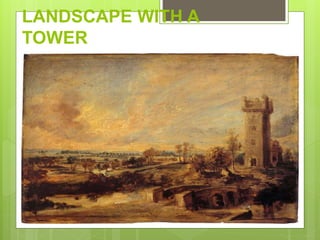
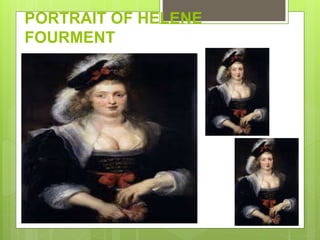
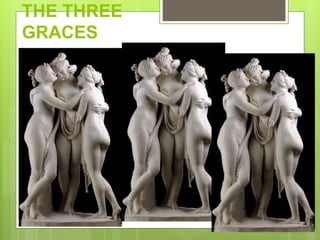
Rubens was flemish Baroque painter. He was
well known for his paintings of mythical and
figurative subjects, landscapes, portraits, and
Counter-subjects, landscapes, portraits, and
Counter- Reformation altarpieces.
His commissioned works were creatures, and
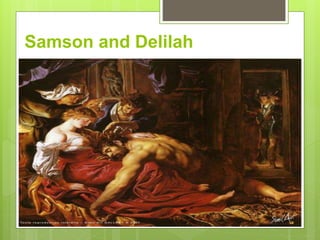
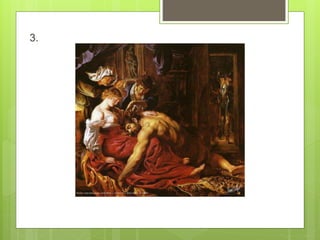
hunt scenes. His famous works were: Samson
and Delilah, Landscape with a Tower, Portrait
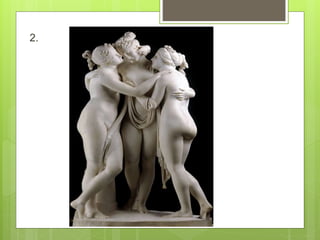
of Helene Fourment, and The Three Graces.
Samson and Delilah
LANDSCAPE WITH A
TOWER
PORTRAIT OF HELENE
FOURMENT
THE THREE
GRACES
REMBRANDT HARMENZOON VAN
RIJN (1606-1669)
Was a brilliant Dutch realist, painter, and
etcher. He is generally considered as one of
the greatest etcher. He is generally considered
as one of the greatest painters and printmakers
in European art.
He followed no particular faith, but was
interested in spiritual values and often chooses
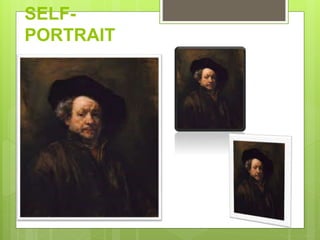
religious subjects.
No artist has painted himself as often as did
Rembrandt.
SELF-
PORTRAIT
DIEGO VELASQUEZ (1599-
1660)
He was one of the finest masters of
composition and one of the most important
painters in Spanish Golden Age.
He worked out solutions to pictorial problems
of design that transcend the style of any
period.
He was the case of a painter who discovered
his avocation almost at the very start of his
career.
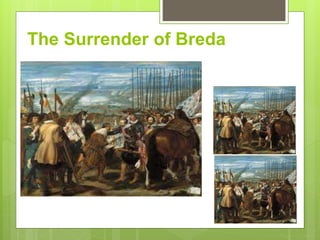
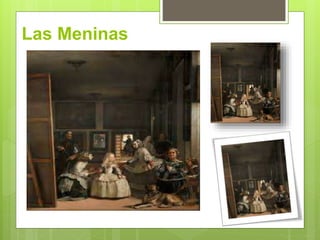
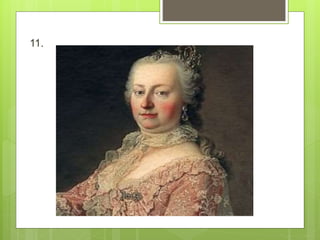
His works were: The Surrender of Breda, Las
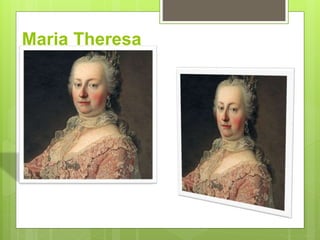
Meninas, Los Barachos and Maria Theresa.
The Surrender of Breda
Las Meninas
Maria Theresa
Direction: Identify the given art work
with the corresponding artist.
1.
2.
3.
4.
5.
6.
7.
8.
9.
10.
11.
12.
13.
14.
15.

Arts 2nd q G9 renaissance.pdf

  • 2.
    Renaissance Period (1400-1600 Was the period of economic progress. The period stirred enthusiasm for the study of ancient philosophy and artistic values.  Characterized by accurate anatomy, scientific perspective, and deeper landscape.  Painters depicted real- life figures and their sculptures were naturalistic portraits of human beings.  Architecture during this period was characterized by its symmetry and balance.
  • 3.
     Renaissance heldup the ideal of the well- rounded man, knowledgeable in a number of fields such as philosophy, science, arts, including, painting and music- who applies his knowledge to productive and creative activity.  Renaissance was a period of artistic experimentation. It brought man into full view just like the human figure in Greek Art.  The greatest cathedral building was of the age was the rebuilding of St. Peter’s Basilica in Rome.
  • 4.
  • 5.
  • 6.
    Michelangelo di Lodovico BuonarrotiSimoni (1475-1564)  An italian sculptor, painter, architect, and poet. He as considered the greatest living artist in his lifetime, and ever since then he was considered as one of the greatest artists of all time.  His outstanding works as sculptor were the following: Pieta, Bacchus, Moses, David, Dying Slave, Dawn and Dusk and Last Judgment.
  • 7.
  • 8.
  • 9.
  • 10.
  • 11.
  • 12.
  • 13.
  • 14.
  • 15.
    LEONARDO DI SERPIERO DA VINCI (1452-1519)  Was a painter, architect, scientist, and mathematician. He was popularized in present times through the novel and movie “Da Vinci Code”  He is known as ultimate “Renaissance Man” because of his intellect. Interest, talent and his expression of humanist and classical values.  He is widely considered to be one of the greatest painters of all time and perhaps the most diversely talented person to have ever lived.
  • 16.
  • 17.
     His wellknown works were: the Last Supper, Mona Lisa, the Vitruvian Man, The Adoration of Magi, the Virgin of the Rocks.  Mona Lisa stems from description by Renaissance art historian Giorgio Vasari, who wrote,” Leonardo undertook to paint for Francesco del Giocondo the Portrait of Mona Lisa, his wife.” Mona, in Italian, is a polite form of address originating as Madonna- similar to Ma’am, ”Madame,” or “My Lady” in English. This became Madonna and its contraction Mona. The title of the Painting, through traditionally spelled ”Mona” is allso commonly spelled in Modern Italian as “Mona Lisa”.
  • 18.
  • 19.
  • 20.
  • 21.
  • 22.
  • 23.
    RAFFAELLO SANZIO DAURBINO (RAPHAEL) (1483-1520)  Was an italian painter and architect of High Renaissance period.  His work was admired for its clarity of form and ease of composition and for its visual achievement of the interpreting the Divine and incorporating Christian doctrines.  His main contributions to art were his unique draftsmanship and compositional skills.  His works were: the Sistine Madonna, the School of Athens, the Transfiguration.
  • 24.
  • 25.
  • 26.
  • 27.
  • 28.
    DONATO DI NICCOLODI BETTO BARDI(DONATELLO)(1386- 1466) He was an early Renaissance Italian sculptor from Florence. He is known for his work in bas-relief, a form of shallow relief sculpture His works included the following statues and relief: David, Statue of St. George, Equestrian Monument of Gattamelata, Prohet Habacuc, and the Feast of Herod.
  • 29.
  • 30.
  • 31.
  • 32.
  • 33.
  • 35.
     Baroque wasderived from the Portuguese word barocco which means “irregular shaped pearl or stone.” it describes a fairly complex idiom and focuses on painting, sculpture, as well as architecture.  Baroque art above all reflects the tensions of the age notably the desire of the Catholic Church in Rome to reassert itself in the wake of the Protestant Reformation which is almost the same with catholic Reformation Art of the Period.  Was the period of artistic styles in exaggerated motion, drama, tension, and grandeur. The style in Rome, Italy, and spread to most of Europe.
  • 37.
    MICHELANGELO MERISI or AMERIGIDA CARAVAGGIO (1571- 1610)  He was better known as Caravaggio. He was an Italian artist who wanted to deviate from the classical masters of the Renaissance.  He was an outcast in his society, because of his own actions and the lack of modesty and reverence for religious subjects in his own paintings.  Perhaps he started out as a specialist in his paintings of still life, especially of fruits.
  • 38.
  • 39.
  • 40.
  • 41.
  • 42.
    GIAN LORENZO BERNINI(1598- 1680) Wan an Italian artist and the first Baroque artist. He practiced architecture and sculpture, painting, stage design, and was also a playwright. He was also the last in the list of the dazzling universal geniuses. As a prodigy, his first artworks date from his 8th birthday. Among his works were: The goat Amalthea with Infant Jupiter and Faun, Damned Soul and the Blessed soul.
  • 43.
    The Goat Amaltheawith the Infant Jupiter and A Faun
  • 44.
  • 45.
  • 46.
  • 47.
    PETER PAUL RUBENS Rubens wasflemish Baroque painter. He was well known for his paintings of mythical and figurative subjects, landscapes, portraits, and Counter-subjects, landscapes, portraits, and Counter- Reformation altarpieces. His commissioned works were creatures, and hunt scenes. His famous works were: Samson and Delilah, Landscape with a Tower, Portrait of Helene Fourment, and The Three Graces.
  • 48.
  • 49.
  • 50.
  • 51.
  • 52.
    REMBRANDT HARMENZOON VAN RIJN(1606-1669) Was a brilliant Dutch realist, painter, and etcher. He is generally considered as one of the greatest etcher. He is generally considered as one of the greatest painters and printmakers in European art. He followed no particular faith, but was interested in spiritual values and often chooses religious subjects. No artist has painted himself as often as did Rembrandt.
  • 53.
  • 54.
    DIEGO VELASQUEZ (1599- 1660) Hewas one of the finest masters of composition and one of the most important painters in Spanish Golden Age. He worked out solutions to pictorial problems of design that transcend the style of any period. He was the case of a painter who discovered his avocation almost at the very start of his career. His works were: The Surrender of Breda, Las Meninas, Los Barachos and Maria Theresa.
  • 55.
  • 56.
  • 57.
  • 60.
    Direction: Identify thegiven art work with the corresponding artist. 1.
  • 61.
  • 62.
  • 63.
  • 64.
  • 65.
  • 66.
  • 67.
  • 68.
  • 69.
  • 70.
  • 71.
  • 72.
  • 73.
  • 74.