Dr .Raviraj
Introduction 
 Calcium is one of the most abundant mineral in the 
human body and it has many important biological 
functions 
 1000-2000 g of Ca is present normally in human 
body 
 99% - in the skeleton 
 Remaining amount -distributed in the ECF and 
other soft tissues 
 Influx and efflux of calcium across the skeletal 
system occurs daily ,mediated by coupled 
osteoblastic and osteoclastic activity
 Distribution of calcium outside skeletal system 
 In Blood , total Ca conc is normally 8.5-10.5 mg/dl, 
of which approx 50% is ionized 
 Remainder is bound ionically to negatively charged 
proteins- Predominantly albumin and 
immunoglobulins or lossely complexed with PO4 , 
citrate ,SO4 and other anions
 Protein binding of calcium 
 Influenced by pH. 
 Metabolic acidosisdecrease protein binding  
increase ionized calcium. 
 Metabolic alkalosis increase protein binding 
decrease ionized calcium. 
 Fall in pH by o.1 increases serum calcium by 0.1 
mmol/L
 As ionized form is the active form of calcium, serum calcium 
levels should be adjusted for abnormal serum albumin levels. 
 Corrected calcium 
 For every 1-g/dL drop in serum albumin below 4 
g/dL, measured serum calcium decreases by 0.8 
mg/dL. 
 Corrected calcium = 
Measured Ca + [0.8 x (4 - measured albumin)] 
(Calcium in mg/dl; albumin in g/dl)
 FUNCTIONS of Calcium 
 Muscle contraction 
 Neuromuscular / nerve conduction 
 Intracellular signalling 
 Bone formation 
 Coagulation 
 Enzyme regulation 
 Maintainance of plasma membrane stability
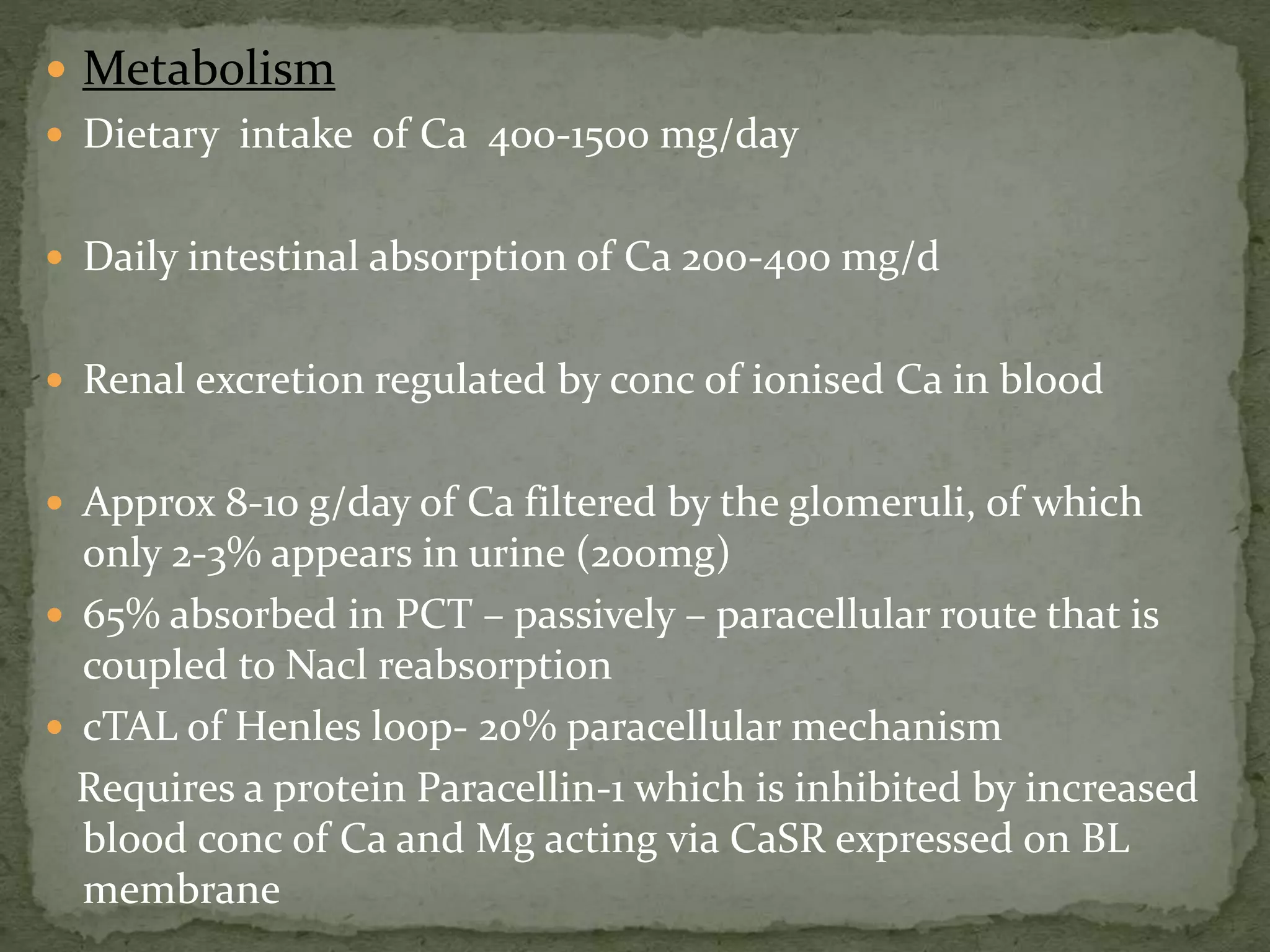
 Metabolism 
 Dietary intake of Ca 400-1500 mg/day 
 Daily intestinal absorption of Ca 200-400 mg/d 
 Renal excretion regulated by conc of ionised Ca in blood 
 Approx 8-10 g/day of Ca filtered by the glomeruli, of which 
only 2-3% appears in urine (200mg) 
 65% absorbed in PCT – passively – paracellular route that is 
coupled to Nacl reabsorption 
 cTAL of Henles loop- 20% paracellular mechanism 
Requires a protein Paracellin-1 which is inhibited by increased 
blood conc of Ca and Mg acting via CaSR expressed on BL 
membrane
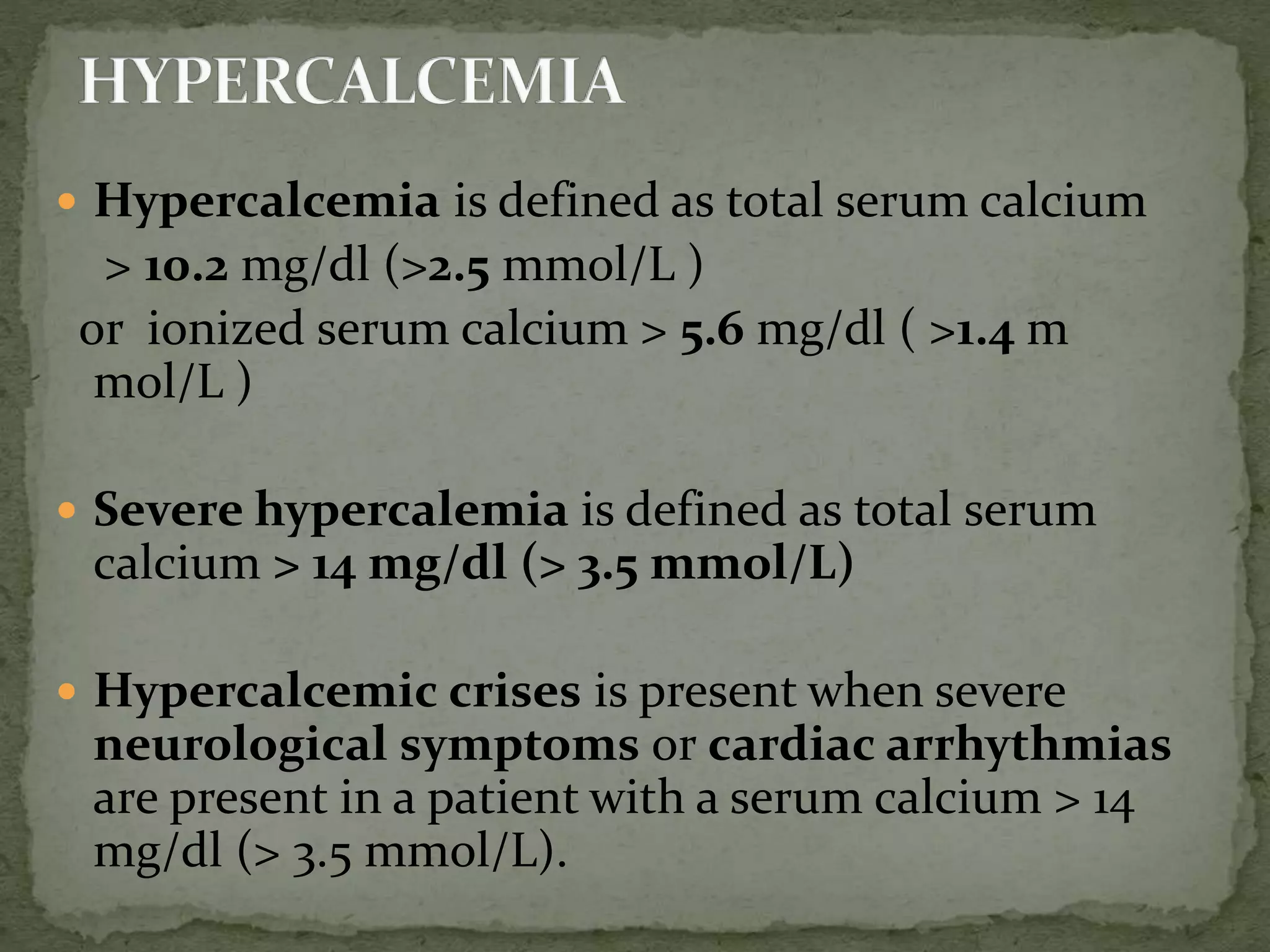
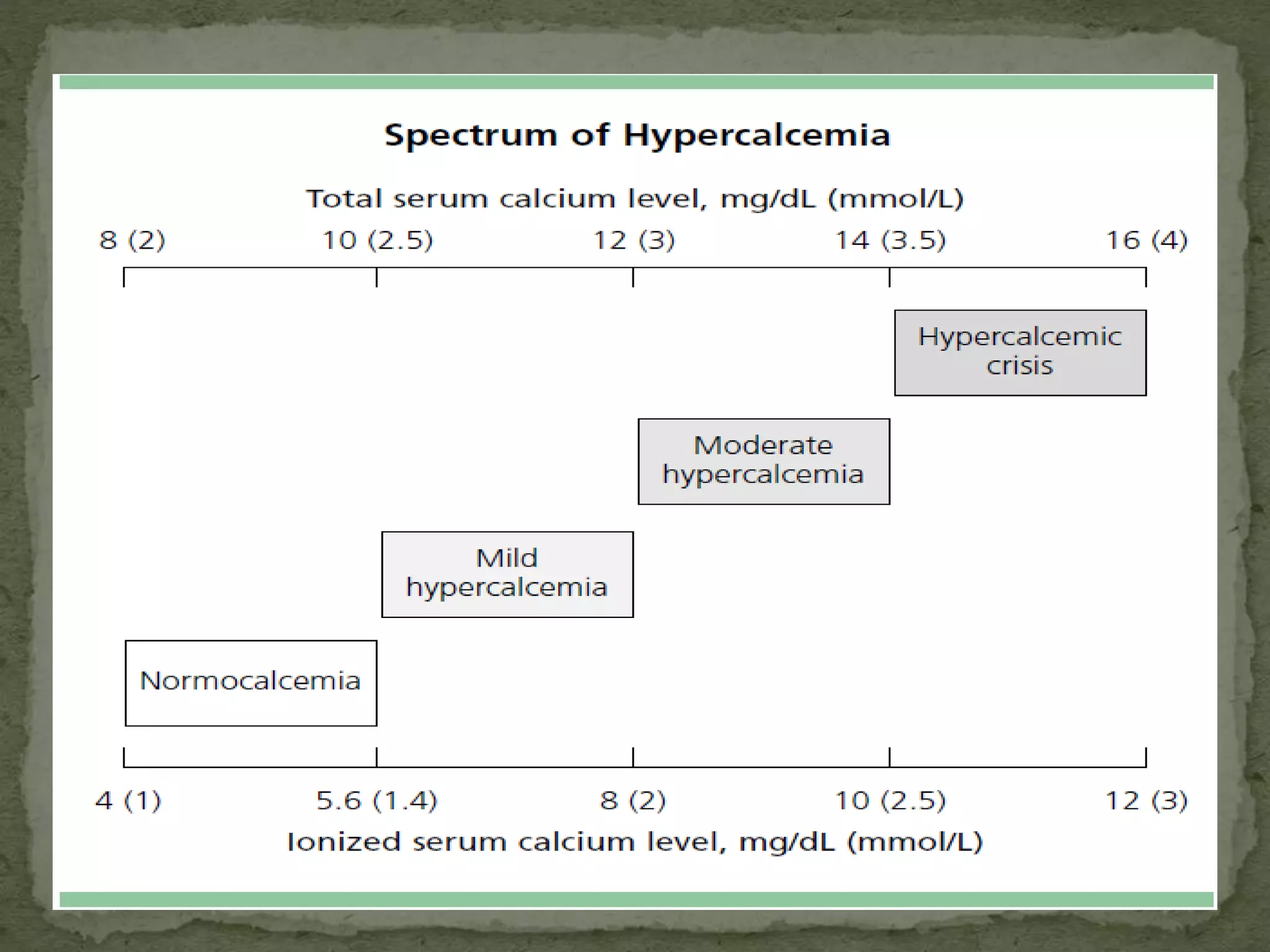
 Hypercalcemia is defined as total serum calcium 
> 10.2 mg/dl (>2.5 mmol/L ) 
or ionized serum calcium > 5.6 mg/dl ( >1.4 m 
mol/L ) 
 Severe hypercalemia is defined as total serum 
calcium > 14 mg/dl (> 3.5 mmol/L) 
 Hypercalcemic crises is present when severe 
neurological symptoms or cardiac arrhythmias 
are present in a patient with a serum calcium > 14 
mg/dl (> 3.5 mmol/L).
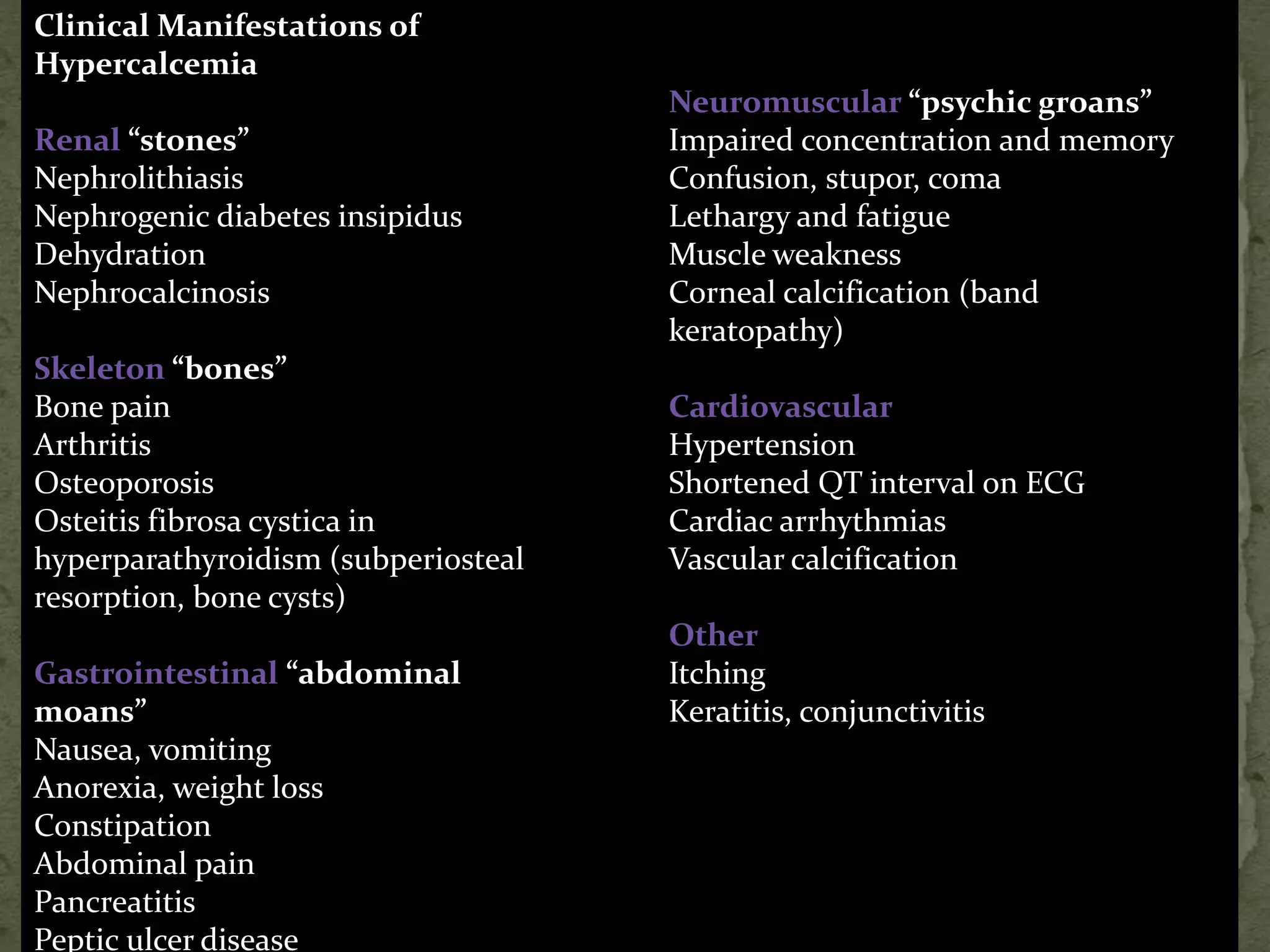
Clinical Manifestations of 
Hypercalcemia 
Renal “stones” 
Nephrolithiasis 
Nephrogenic diabetes insipidus 
Dehydration 
Nephrocalcinosis 
Skeleton “bones” 
Bone pain 
Arthritis 
Osteoporosis 
Osteitis fibrosa cystica in 
hyperparathyroidism (subperiosteal 
resorption, bone cysts) 
Gastrointestinal “abdominal 
moans” 
Nausea, vomiting 
Anorexia, weight loss 
Constipation 
Abdominal pain 
Pancreatitis 
Peptic ulcer disease 
Neuromuscular “psychic groans” 
Impaired concentration and memory 
Confusion, stupor, coma 
Lethargy and fatigue 
Muscle weakness 
Corneal calcification (band 
keratopathy) 
Cardiovascular 
Hypertension 
Shortened QT interval on ECG 
Cardiac arrhythmias 
Vascular calcification 
Other 
Itching 
Keratitis, conjunctivitis
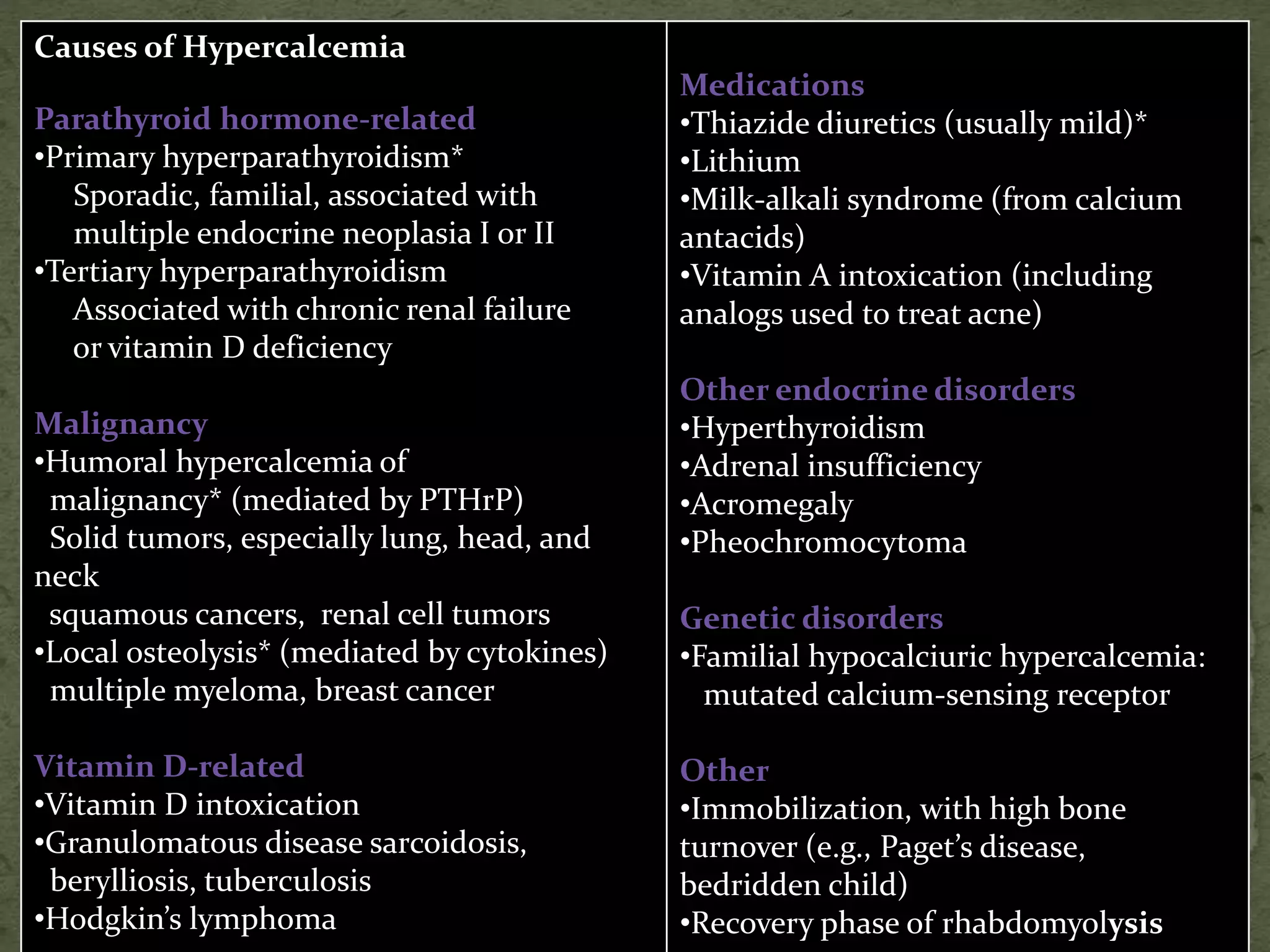
Causes of Hypercalcemia 
Parathyroid hormone-related 
•Primary hyperparathyroidism* 
Sporadic, familial, associated with 
multiple endocrine neoplasia I or II 
•Tertiary hyperparathyroidism 
Associated with chronic renal failure 
or vitamin D deficiency 
Malignancy 
•Humoral hypercalcemia of 
malignancy* (mediated by PTHrP) 
Solid tumors, especially lung, head, and 
neck 
squamous cancers, renal cell tumors 
•Local osteolysis* (mediated by cytokines) 
multiple myeloma, breast cancer 
Vitamin D-related 
•Vitamin D intoxication 
•Granulomatous disease sarcoidosis, 
berylliosis, tuberculosis 
•Hodgkin’s lymphoma 
Medications 
•Thiazide diuretics (usually mild)* 
•Lithium 
•Milk-alkali syndrome (from calcium 
antacids) 
•Vitamin A intoxication (including 
analogs used to treat acne) 
Other endocrine disorders 
•Hyperthyroidism 
•Adrenal insufficiency 
•Acromegaly 
•Pheochromocytoma 
Genetic disorders 
•Familial hypocalciuric hypercalcemia: 
mutated calcium-sensing receptor 
Other 
•Immobilization, with high bone 
turnover (e.g., Paget’s disease, 
bedridden child) 
•Recovery phase of rhabdomyolysis
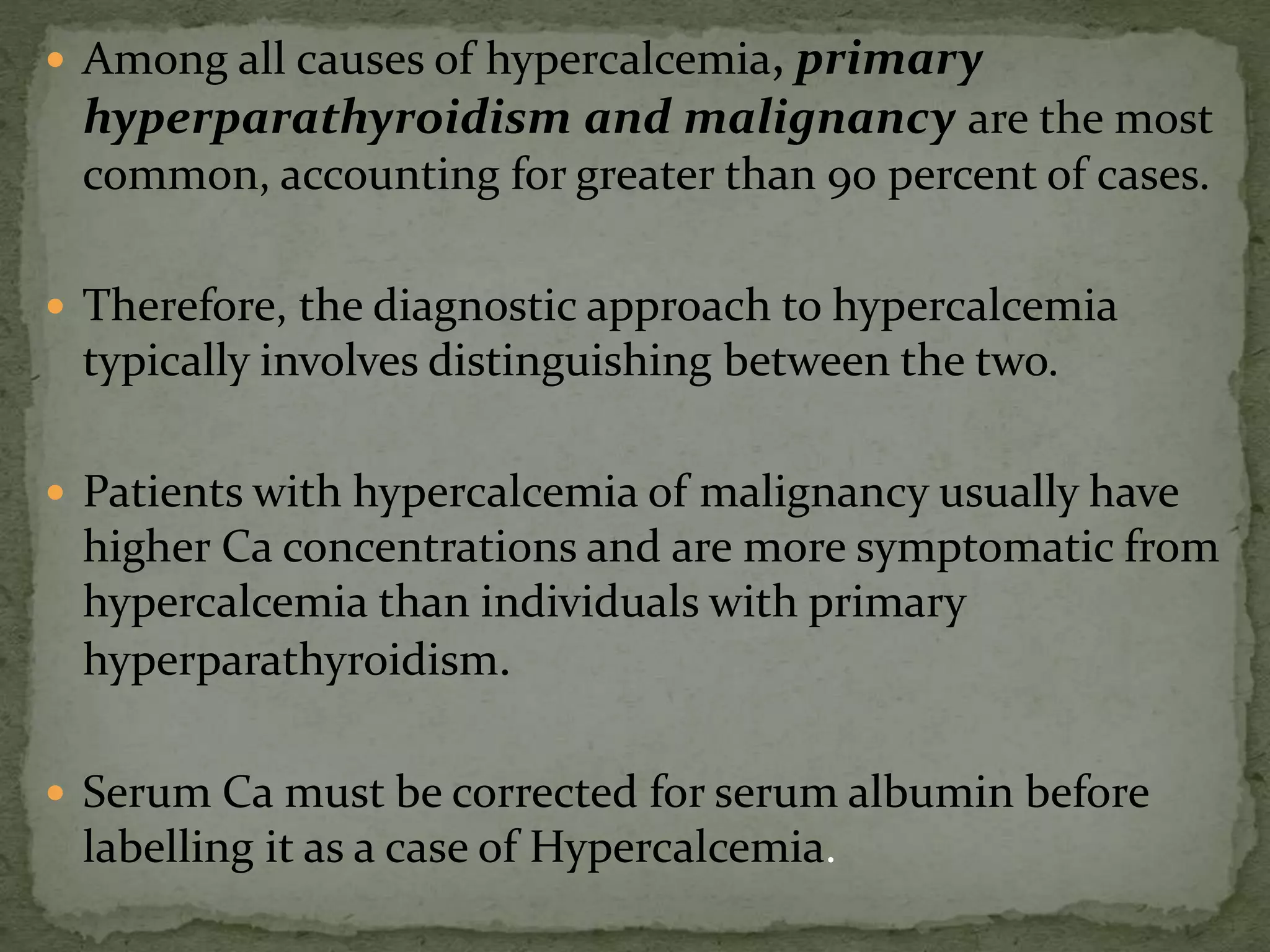
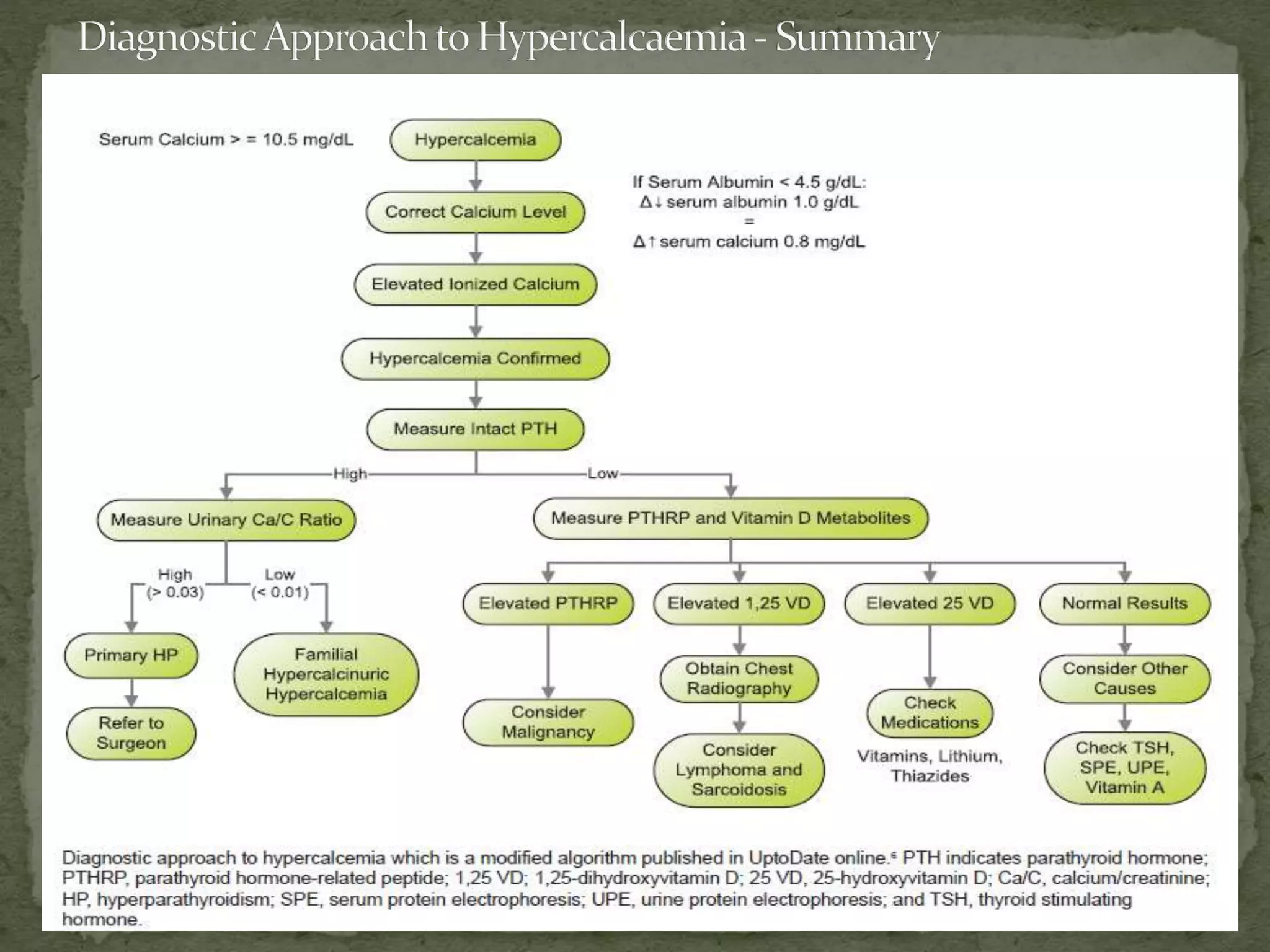
 Among all causes of hypercalcemia, primary 
hyperparathyroidism and malignancy are the most 
common, accounting for greater than 90 percent of cases. 
 Therefore, the diagnostic approach to hypercalcemia 
typically involves distinguishing between the two. 
 Patients with hypercalcemia of malignancy usually have 
higher Ca concentrations and are more symptomatic from 
hypercalcemia than individuals with primary 
hyperparathyroidism. 
 Serum Ca must be corrected for serum albumin before 
labelling it as a case of Hypercalcemia.
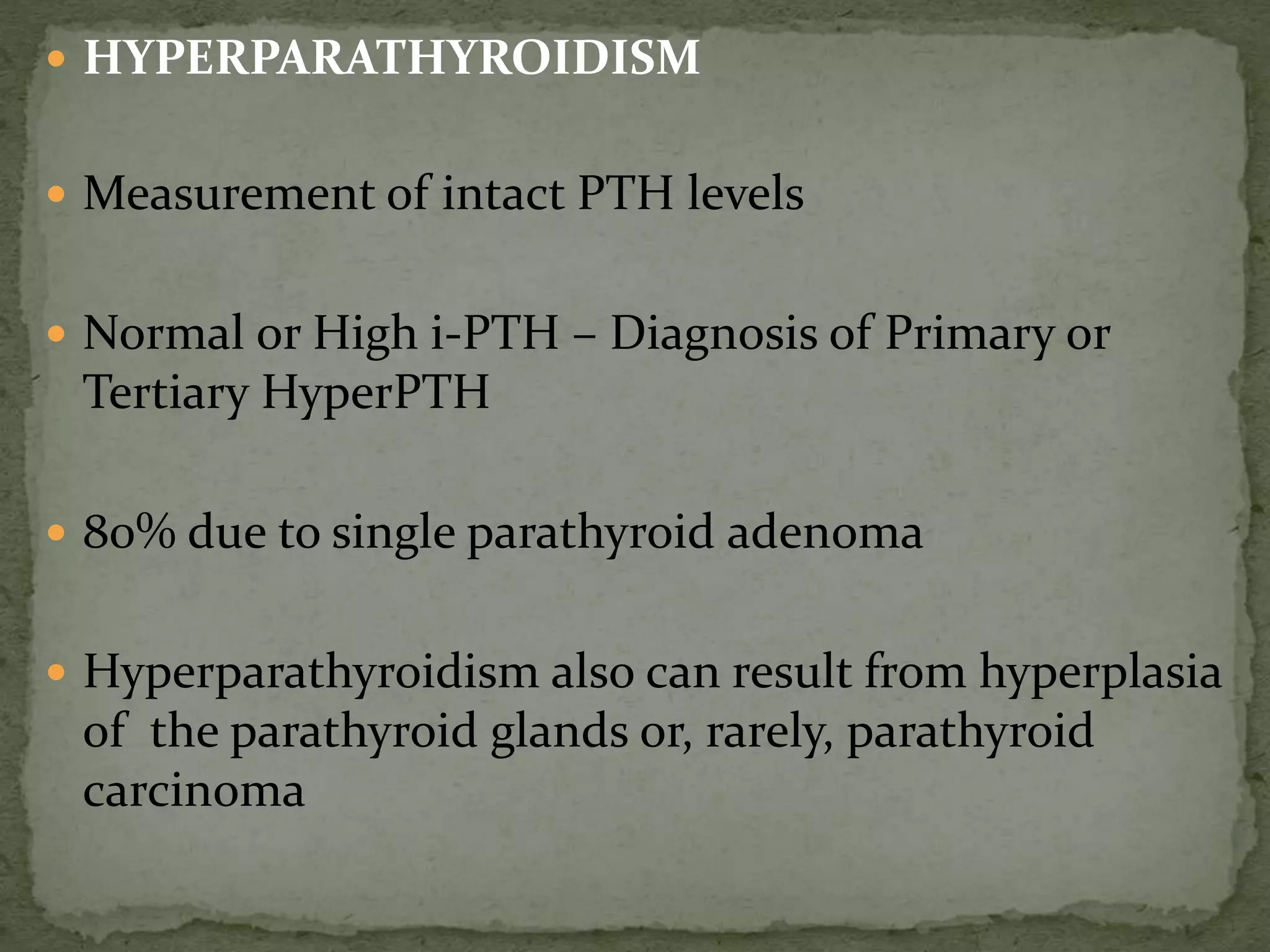
 HYPERPARATHYROIDISM 
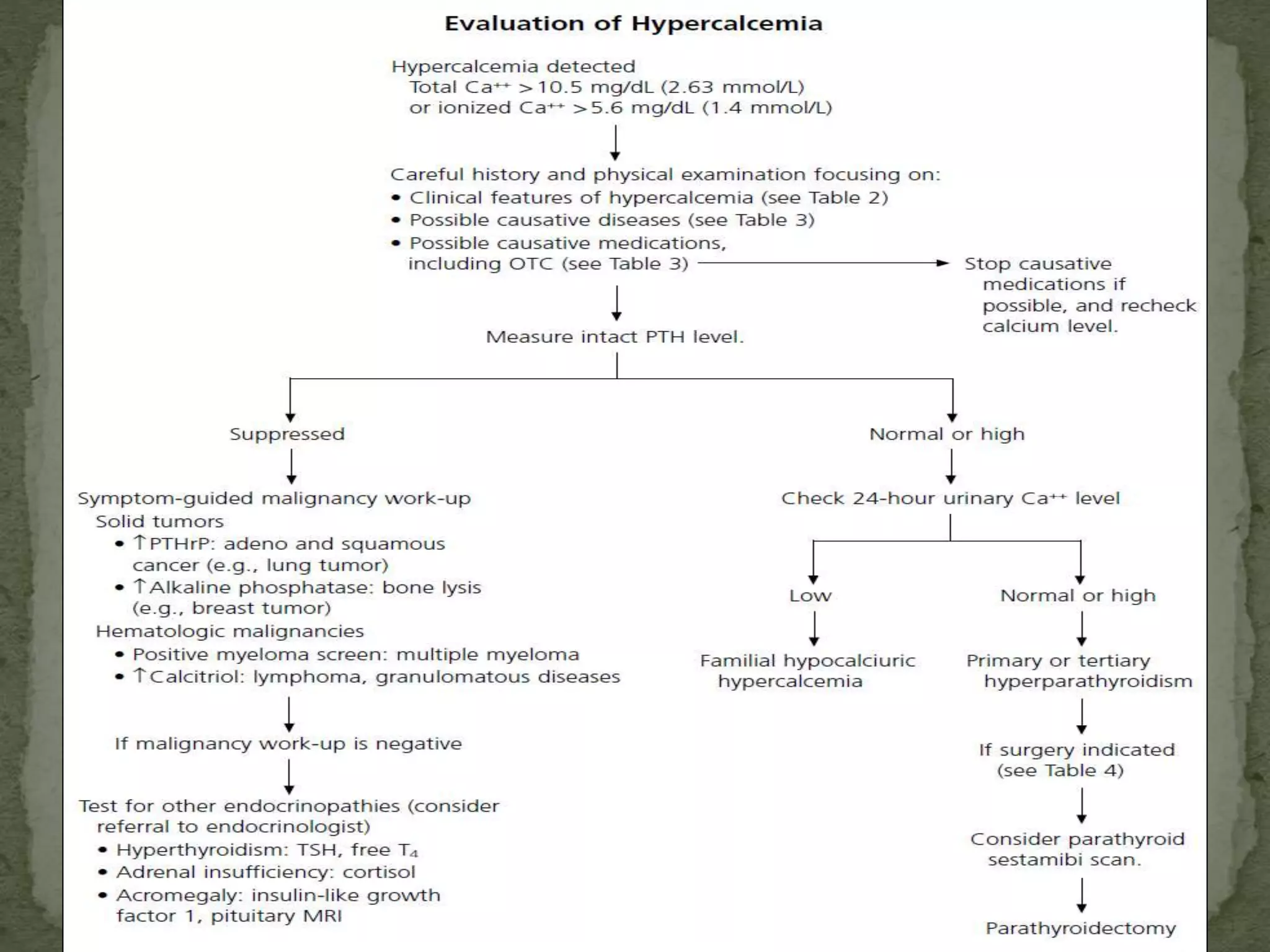
 Measurement of intact PTH levels 
 Normal or High i-PTH – Diagnosis of Primary or 
Tertiary HyperPTH 
 80% due to single parathyroid adenoma 
 Hyperparathyroidism also can result from hyperplasia 
of the parathyroid glands or, rarely, parathyroid 
carcinoma
 80 % cases: asymptomatic, diagnosed on routine lab 
finding of increased serum calcium 
 20-25% cases: chronic course with mild or 
intermittent hypercalcemia, recurrent renal stones, 
complication of nephrolithiasis 
 5-10% have severe and symptomatic hypercalcemia 
and overt osteitis fibrosa cystica; in these patients the 
parathyroid tumor is usually large (greater than 5.0 
g).
 The diagnosis of PHPT is established by laboratory testing 
showing 
*hypercalcemia, 
* normal or elevated PTH, 
* hypercalciuria, 
* hypophosphatemia, 
*-phosphaturia, and 
*increased urinary excretion of cyclic adenosine 
monophosphate. 
 Chronic renal failure generally causes hypocalcemia. 
 If untreated, prolonged high phosphate and low vitamin D 
levels can lead to increased PTH secretion and subsequent 
hypercalcemia ie Tertiary hyperparathyroidism.
 VITAMIN D-MEDIATED CAUSES 
 Oral Vit D supplements consists of 25 OH Vit D2 
 Ealvated levels of 25 OH Vit D levels are usually due to 
OTC medications (value >150 ng/mL (374 nmol/L) 
 On the other hand, increased levels of 
1,25-dihydroxyvitamin D may be induced by 
 direct intake of this metabolite, 
 extrarenal production in granulomatous diseases or 
lymphoma, or 
 increased renal production that can be induced by 
primary hyperparathyroidism but not by PTHrp
 In patients with elevated 1,25-dihydroxyvitamin D, 
chest radiograph (looking for malignancy or 
sarcoidosis) may be helpful 
 Hypercalcemia mediated by excessive vitamin D 
responds to a short course of glucocorticoids if the 
underlying disease is treated.
 HYPERCALCEMIA OF MALIGNANCY 
 Humoral hypercalcemia of malignancy is one of the most 
common causes of non-PTH-mediated hypercalcemia. 
 It should be particularly suspected if there is clinical 
evidence of malignancy, usually a solid tumor, and the 
hypercalcemia is of relatively recent onset. 
 Have an elevated serum concentration of PTH-related 
protein (PTHrp) which mimics the bone and renal effects 
of PTH 
 Low Levels of PTH and 1,25-dihydroxyvitamin D
 Multiple myeloma and metastatic breast cancer can 
present as Hypercalcemia due to extensive bone lysis 
 Elavated ALP in these cases 
 Hodgkin’s lymphoma causes hypercalcemia through 
increased production of calcitriol
 FAMILIAL HYPOCALCIURIC HYPERCALCEMIA 
 Familial hypocalciuric hypercalcemia16 (FHH) is an 
autosomal-dominant condition 
 caused by a mutation in the calcium sensing 
receptor gene (CaSR) 
 Moderate hypercalcemia from an early age but relatively 
low urinary calcium excretion. 
 PTH levels can be normal or only mildly elevated despite 
the hypercalcemia 
 24 hr urinary calcium is low in Pts with FHH 
compared to Primary HPTH 
(or Low urinary calcium/creatinine of <0.01)
 Other Causes of Hypercalcemia 
 Thiazide diuretics: 
 Enhance ca reabsorption in the distal tubule 
↓urinary ca excretion. 
Rarely causes Ca in N persons, but lead to Ca in pts 
with underlying  bone resorption (eg in 
hyperparathyroidism) 
Mild hypercalcaemia,↓/N PTH 
 Lithium therapy: 
 Increased PTH secretion  Increasing set point of 
PTH, hence higher [Ca] to switch off PTH 
 Lab inv : high Ca, PTH, low urinary 24(h) calcium
 Milk Alkali Syndrome 
Consumption of large amounts of calcium carbonate 
via calcium-containing antacids can lead to 
hypercalcemia, alkalosis, and renal insufficiency 
 Thyroid disorders 
 Phaeochromocytoma 
 Pagets disease
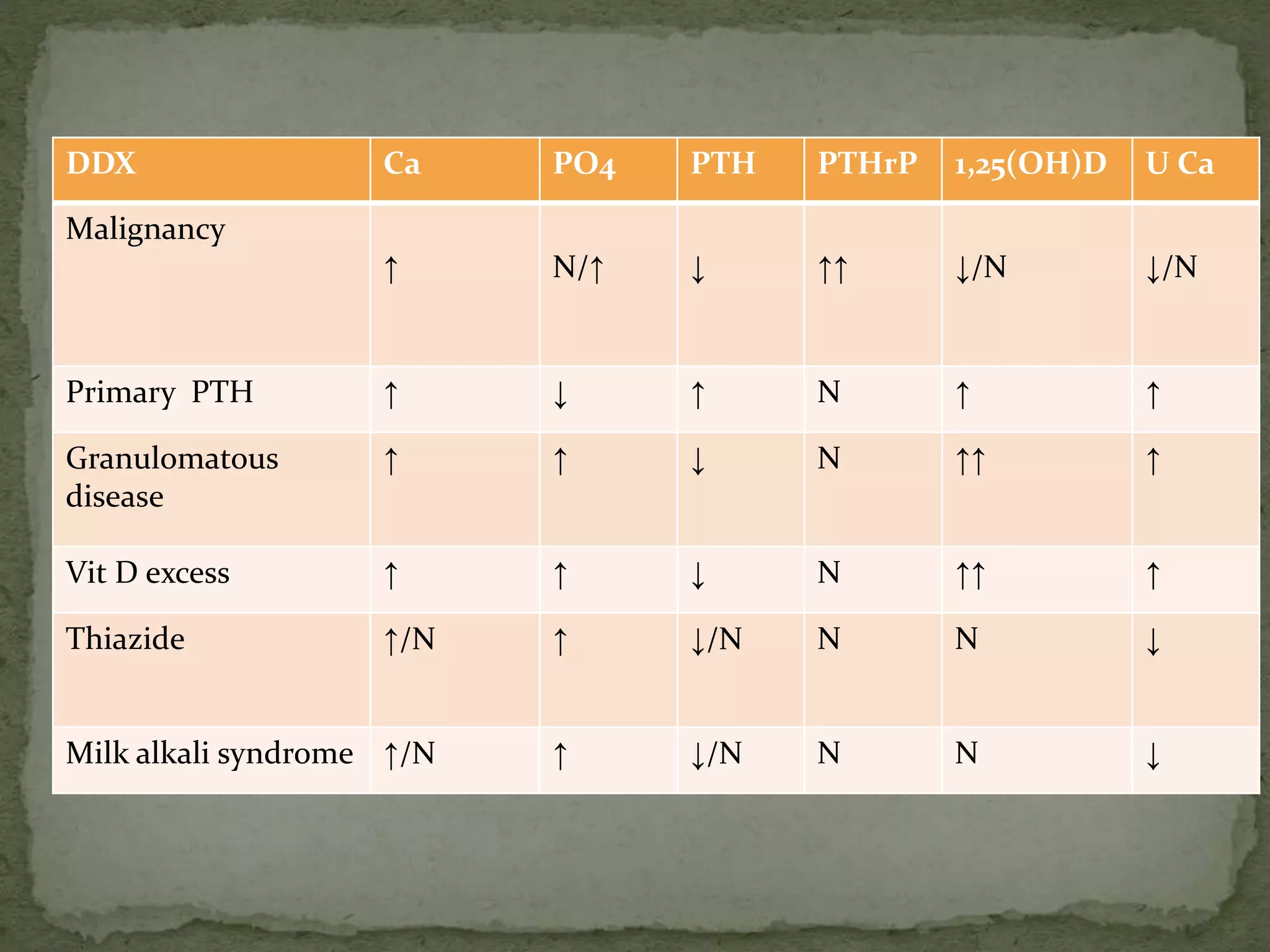
DDX Ca PO4 PTH PTHrP 1,25(OH)D U Ca 
Malignancy 
↑ N/↑ ↓ ↑↑ ↓/N ↓/N 
Primary PTH ↑ ↓ ↑ N ↑ ↑ 
Granulomatous 
disease 
↑ ↑ ↓ N ↑↑ ↑ 
Vit D excess ↑ ↑ ↓ N ↑↑ ↑ 
Thiazide ↑/N ↑ ↓/N N N ↓ 
Milk alkali syndrome ↑/N ↑ ↓/N N N ↓
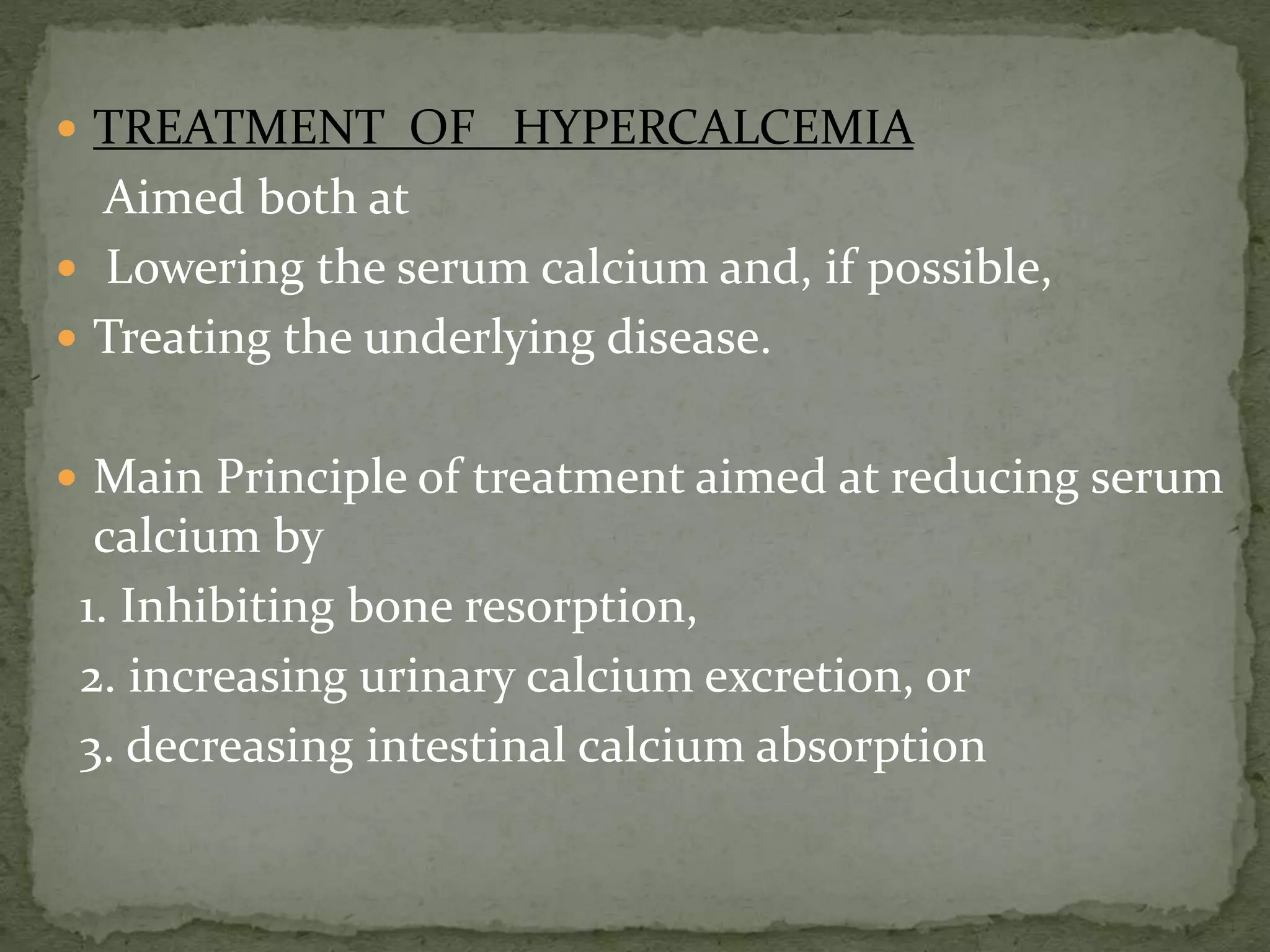
 TREATMENT OF HYPERCALCEMIA 
Aimed both at 
 Lowering the serum calcium and, if possible, 
 Treating the underlying disease. 
 Main Principle of treatment aimed at reducing serum 
calcium by 
1. Inhibiting bone resorption, 
2. increasing urinary calcium excretion, or 
3. decreasing intestinal calcium absorption
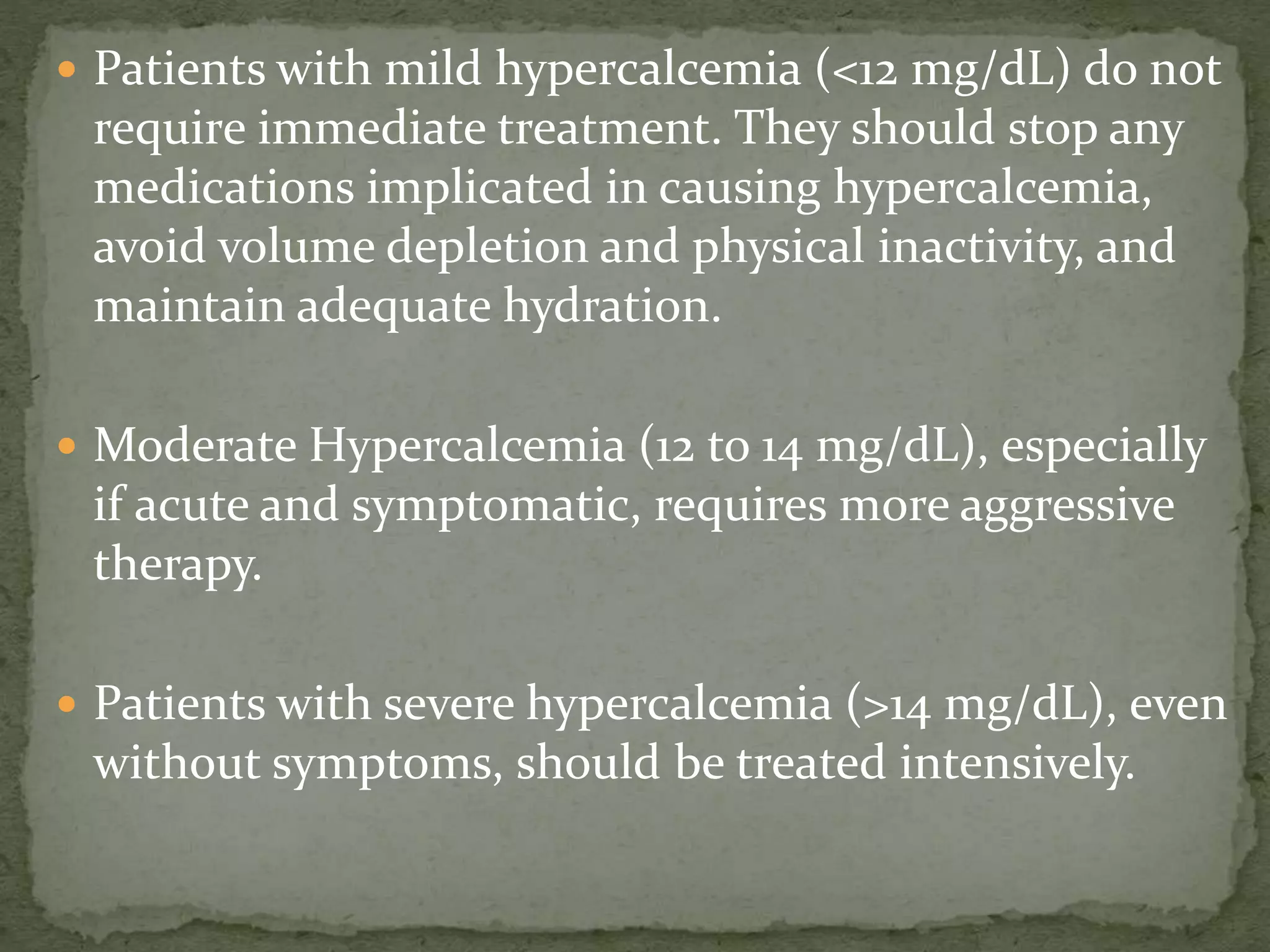
 Patients with mild hypercalcemia (<12 mg/dL) do not 
require immediate treatment. They should stop any 
medications implicated in causing hypercalcemia, 
avoid volume depletion and physical inactivity, and 
maintain adequate hydration. 
 Moderate Hypercalcemia (12 to 14 mg/dL), especially 
if acute and symptomatic, requires more aggressive 
therapy. 
 Patients with severe hypercalcemia (>14 mg/dL), even 
without symptoms, should be treated intensively.
 SALINE HYDRATION 
 Correction of the ECF volume is the first and the most 
important step in the treatment of severe hypercalcemia 
from any cause. 
 Volume repletion can lower calcium concentration by 
approximately 1 to 3 mg/dL by increasing GFR and 
decreasing sodium and calcium reabsorption in 
proximal and distal tubules. 
 . A reasonable regimen, in the absence of edema, is 
the administration of isotonic saline at an initial rate 
of 200 to 300 mL/hour that is then adjusted to 
maintain the urine output at 100 to 150 mL/hour
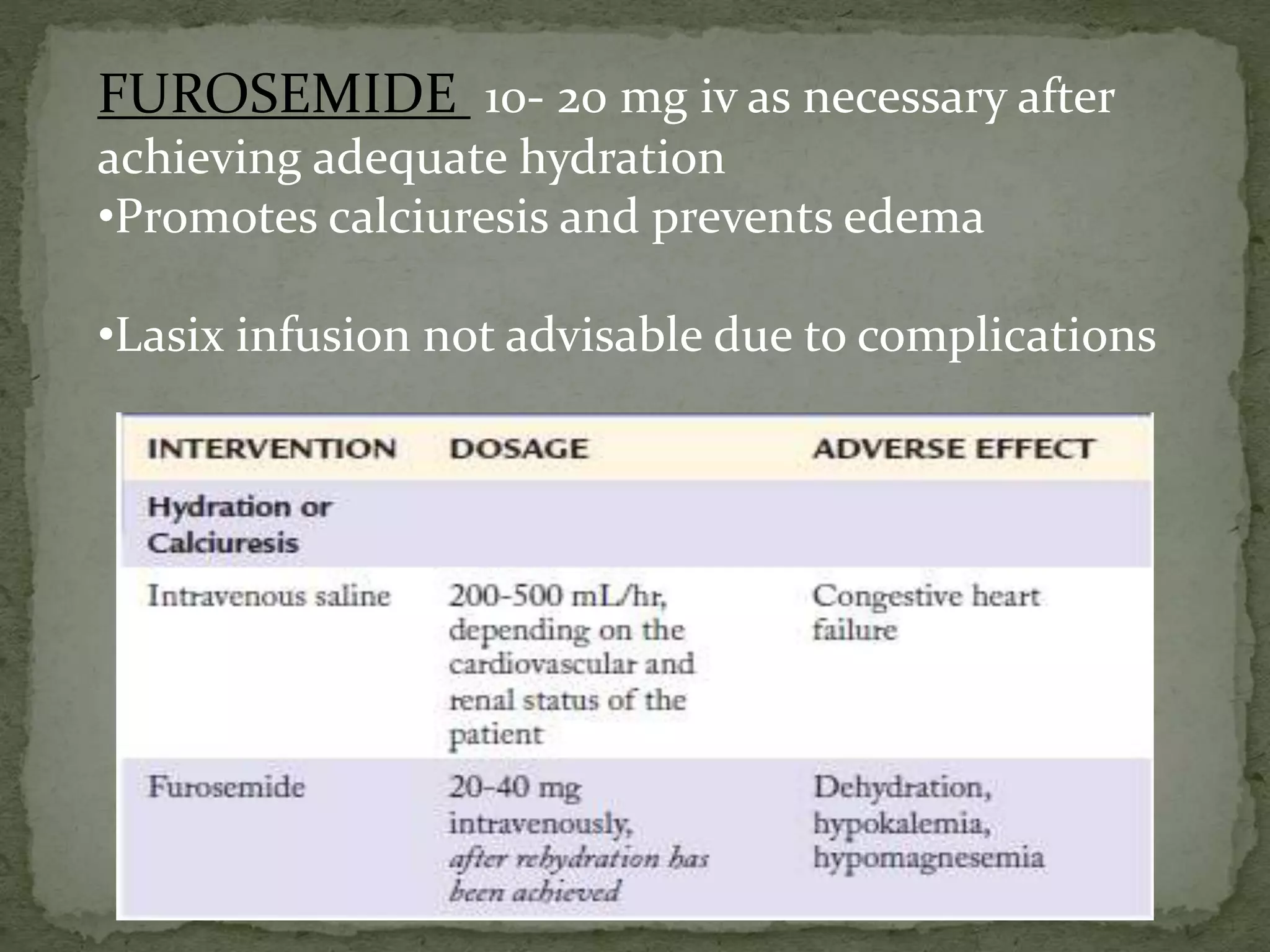
FUROSEMIDE 10- 20 mg iv as necessary after 
achieving adequate hydration 
•Promotes calciuresis and prevents edema 
•Lasix infusion not advisable due to complications
CALCITONIN 
 Is Beneficial in symptomatic patients with serum 
calcium >14 mg/L (3.5 mmol/L), 
 along with hydration and bisphosphonates.’ 
 It works rapidly, lowering the serum calcium 
concentration by a maximum of 1 to 2 mg/dL (0.3 to 
0.5 mmol/L) beginning within four to six hours 
 It Acts by increasing Renal calcium excretion and, 
by decreasing bone resorption via interference with 
osteoclast function
 DOSING: 
Salmon calcitonin 4 IU/kg im or s/c every 12 hours; 
doses can be increased up to 6 to 8 international 
units/kg every six hours 
 efficacy of calcitonin is limited to the first 48 hours, 
even with repeated doses, due development of 
tachyphylaxis, perhaps due to receptor 
downregulation
 BISPHOSPHONATES — 
 Are nonhydrolyzable analogs of inorganic 
pyrophosphate that adsorb to the surface of bone 
hydroxyapatite and inhibit calcium release by interfering 
with osteoclast-mediated bone resorption 
 They are effective in treating hypercalcemia resulting 
from excessive bone resorption of any cause 
 Maximum effect occurs in 2-4 days, 
so usually given in conjunction with saline and/or 
calcitonin, which reduce calcium concentration 
more rapidly.
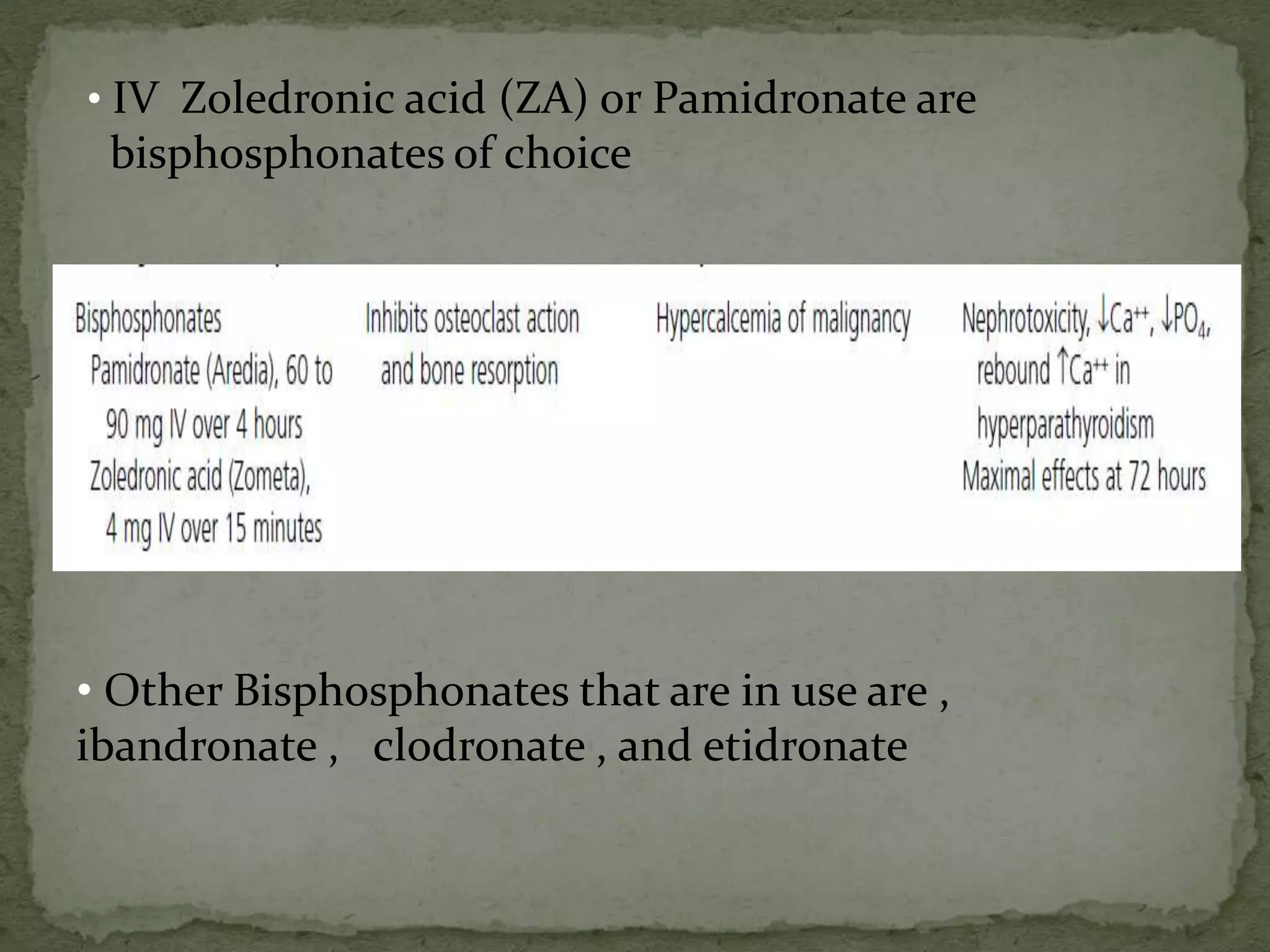
• IV Zoledronic acid (ZA) or Pamidronate are 
bisphosphonates of choice 
• Other Bisphosphonates that are in use are , 
ibandronate , clodronate , and etidronate
 Common complications of Bisphosphonate use are 
hypocalcemia, hypophosphatemia, impaired renal 
function, nephrotic syndrome, osteonecrosis of the 
jaw(Repetitive iv) 
 GLUCOCORTICOIDS: 
 Increased calcitriol production occurs in patients with 
chronic granulomatous diseases (eg, sarcoidosis) and in 
occasional patients with lymphoma. 
 eg, prednisone in a dose of 20 to 40 mg/day- reduces 
serum Ca concentrations within 2-5 days by decreasing 
calcitriol production by the activated mononuclear cells 
in the lung and lymph nodes.
GALLIUM NITRATE - 
 It Inhibits osteoclastic bone resorption, in part via 
inhibition of an ATPase dependent proton pump on the 
osteoclast ruffled membrane, without being directly cytotoxic 
to bone cells . 
 It also inhibits PTH secretion from parathyroid cells in vitro 
 Complications- Nephrotoxic and Bone Marrow suppresion 
DIALYSIS - 
 In severely hypercalcemic patients who are comatose, 
have ECG changes, in severe renal failure, or cannot 
receive aggressive hydration, hemodialysis with a low- or 
no-calcium dialysate is an effective treatment. 
 Continuous renal replacement therapy can also be used 
to treat severe hypercalcemia. 
 The effect of dialysis is transitory, and it must be 
followed by other measures.
 Calcimimetic agent (cinacalcet ) reduces the 
serum Ca concentration in patients with severe 
hypercalcemia due to parathyroid carcinoma and in 
hemodialysis patients with an elevated calcium-phosphorous 
product and secondary 
hyperparathyroidism 
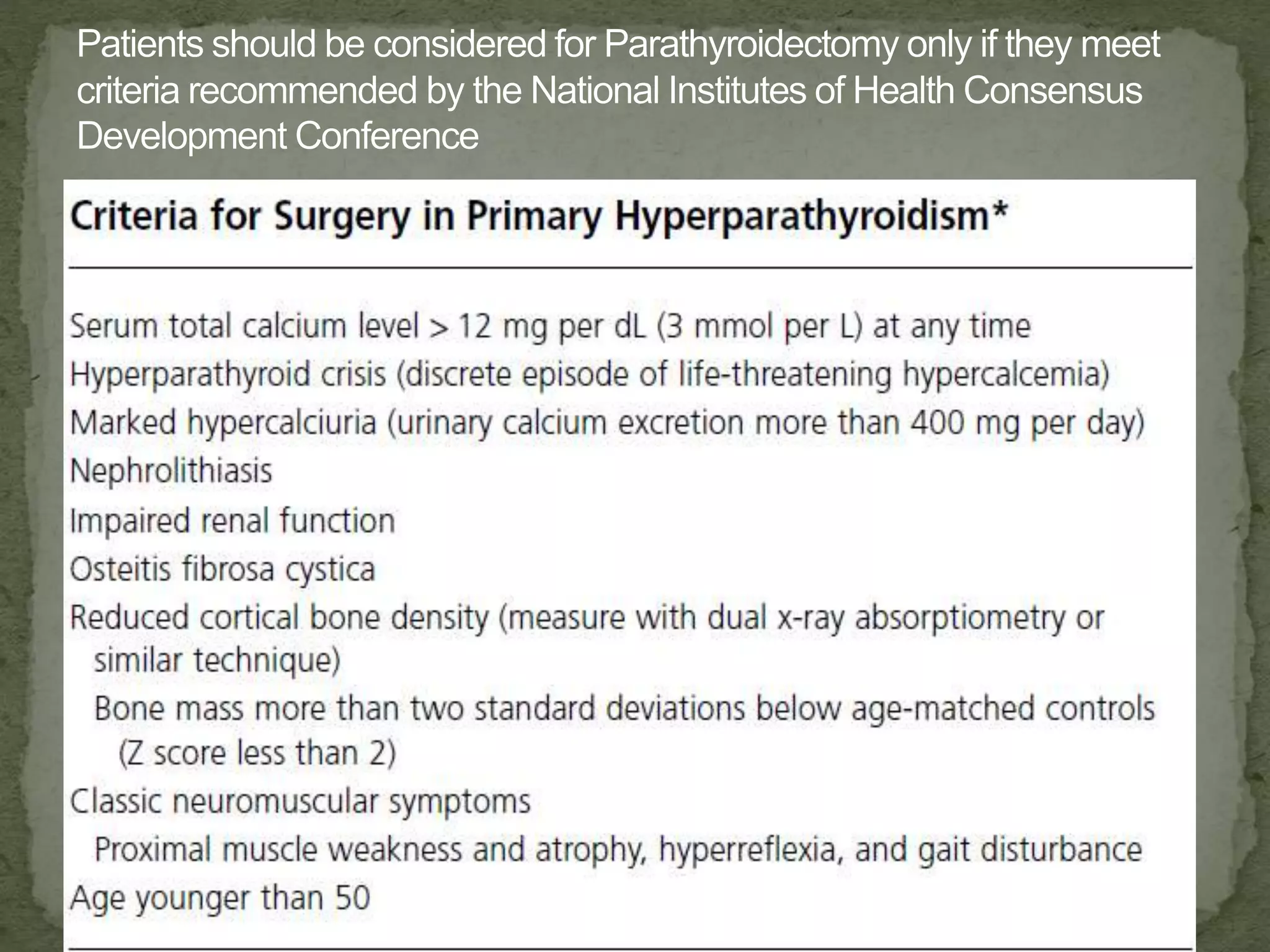
 Parathyroidectomy curative in Hypercalcemic 
crisis resulting from Primary Hyperparathyroidism
 THANK YOU
Approach to Hypercalcemia

Approach to Hypercalcemia

  • 1.
  • 2.
    Introduction  Calciumis one of the most abundant mineral in the human body and it has many important biological functions  1000-2000 g of Ca is present normally in human body  99% - in the skeleton  Remaining amount -distributed in the ECF and other soft tissues  Influx and efflux of calcium across the skeletal system occurs daily ,mediated by coupled osteoblastic and osteoclastic activity
  • 3.
     Distribution ofcalcium outside skeletal system  In Blood , total Ca conc is normally 8.5-10.5 mg/dl, of which approx 50% is ionized  Remainder is bound ionically to negatively charged proteins- Predominantly albumin and immunoglobulins or lossely complexed with PO4 , citrate ,SO4 and other anions
  • 4.
     Protein bindingof calcium  Influenced by pH.  Metabolic acidosisdecrease protein binding  increase ionized calcium.  Metabolic alkalosis increase protein binding decrease ionized calcium.  Fall in pH by o.1 increases serum calcium by 0.1 mmol/L
  • 5.
     As ionizedform is the active form of calcium, serum calcium levels should be adjusted for abnormal serum albumin levels.  Corrected calcium  For every 1-g/dL drop in serum albumin below 4 g/dL, measured serum calcium decreases by 0.8 mg/dL.  Corrected calcium = Measured Ca + [0.8 x (4 - measured albumin)] (Calcium in mg/dl; albumin in g/dl)
  • 6.
     FUNCTIONS ofCalcium  Muscle contraction  Neuromuscular / nerve conduction  Intracellular signalling  Bone formation  Coagulation  Enzyme regulation  Maintainance of plasma membrane stability
  • 7.
     Metabolism Dietary intake of Ca 400-1500 mg/day  Daily intestinal absorption of Ca 200-400 mg/d  Renal excretion regulated by conc of ionised Ca in blood  Approx 8-10 g/day of Ca filtered by the glomeruli, of which only 2-3% appears in urine (200mg)  65% absorbed in PCT – passively – paracellular route that is coupled to Nacl reabsorption  cTAL of Henles loop- 20% paracellular mechanism Requires a protein Paracellin-1 which is inhibited by increased blood conc of Ca and Mg acting via CaSR expressed on BL membrane
  • 11.
     Hypercalcemia isdefined as total serum calcium > 10.2 mg/dl (>2.5 mmol/L ) or ionized serum calcium > 5.6 mg/dl ( >1.4 m mol/L )  Severe hypercalemia is defined as total serum calcium > 14 mg/dl (> 3.5 mmol/L)  Hypercalcemic crises is present when severe neurological symptoms or cardiac arrhythmias are present in a patient with a serum calcium > 14 mg/dl (> 3.5 mmol/L).
  • 13.
    Clinical Manifestations of Hypercalcemia Renal “stones” Nephrolithiasis Nephrogenic diabetes insipidus Dehydration Nephrocalcinosis Skeleton “bones” Bone pain Arthritis Osteoporosis Osteitis fibrosa cystica in hyperparathyroidism (subperiosteal resorption, bone cysts) Gastrointestinal “abdominal moans” Nausea, vomiting Anorexia, weight loss Constipation Abdominal pain Pancreatitis Peptic ulcer disease Neuromuscular “psychic groans” Impaired concentration and memory Confusion, stupor, coma Lethargy and fatigue Muscle weakness Corneal calcification (band keratopathy) Cardiovascular Hypertension Shortened QT interval on ECG Cardiac arrhythmias Vascular calcification Other Itching Keratitis, conjunctivitis
  • 14.
    Causes of Hypercalcemia Parathyroid hormone-related •Primary hyperparathyroidism* Sporadic, familial, associated with multiple endocrine neoplasia I or II •Tertiary hyperparathyroidism Associated with chronic renal failure or vitamin D deficiency Malignancy •Humoral hypercalcemia of malignancy* (mediated by PTHrP) Solid tumors, especially lung, head, and neck squamous cancers, renal cell tumors •Local osteolysis* (mediated by cytokines) multiple myeloma, breast cancer Vitamin D-related •Vitamin D intoxication •Granulomatous disease sarcoidosis, berylliosis, tuberculosis •Hodgkin’s lymphoma Medications •Thiazide diuretics (usually mild)* •Lithium •Milk-alkali syndrome (from calcium antacids) •Vitamin A intoxication (including analogs used to treat acne) Other endocrine disorders •Hyperthyroidism •Adrenal insufficiency •Acromegaly •Pheochromocytoma Genetic disorders •Familial hypocalciuric hypercalcemia: mutated calcium-sensing receptor Other •Immobilization, with high bone turnover (e.g., Paget’s disease, bedridden child) •Recovery phase of rhabdomyolysis
  • 16.
     Among allcauses of hypercalcemia, primary hyperparathyroidism and malignancy are the most common, accounting for greater than 90 percent of cases.  Therefore, the diagnostic approach to hypercalcemia typically involves distinguishing between the two.  Patients with hypercalcemia of malignancy usually have higher Ca concentrations and are more symptomatic from hypercalcemia than individuals with primary hyperparathyroidism.  Serum Ca must be corrected for serum albumin before labelling it as a case of Hypercalcemia.
  • 17.
     HYPERPARATHYROIDISM Measurement of intact PTH levels  Normal or High i-PTH – Diagnosis of Primary or Tertiary HyperPTH  80% due to single parathyroid adenoma  Hyperparathyroidism also can result from hyperplasia of the parathyroid glands or, rarely, parathyroid carcinoma
  • 18.
     80 %cases: asymptomatic, diagnosed on routine lab finding of increased serum calcium  20-25% cases: chronic course with mild or intermittent hypercalcemia, recurrent renal stones, complication of nephrolithiasis  5-10% have severe and symptomatic hypercalcemia and overt osteitis fibrosa cystica; in these patients the parathyroid tumor is usually large (greater than 5.0 g).
  • 19.
     The diagnosisof PHPT is established by laboratory testing showing *hypercalcemia, * normal or elevated PTH, * hypercalciuria, * hypophosphatemia, *-phosphaturia, and *increased urinary excretion of cyclic adenosine monophosphate.  Chronic renal failure generally causes hypocalcemia.  If untreated, prolonged high phosphate and low vitamin D levels can lead to increased PTH secretion and subsequent hypercalcemia ie Tertiary hyperparathyroidism.
  • 20.
     VITAMIN D-MEDIATEDCAUSES  Oral Vit D supplements consists of 25 OH Vit D2  Ealvated levels of 25 OH Vit D levels are usually due to OTC medications (value >150 ng/mL (374 nmol/L)  On the other hand, increased levels of 1,25-dihydroxyvitamin D may be induced by  direct intake of this metabolite,  extrarenal production in granulomatous diseases or lymphoma, or  increased renal production that can be induced by primary hyperparathyroidism but not by PTHrp
  • 21.
     In patientswith elevated 1,25-dihydroxyvitamin D, chest radiograph (looking for malignancy or sarcoidosis) may be helpful  Hypercalcemia mediated by excessive vitamin D responds to a short course of glucocorticoids if the underlying disease is treated.
  • 22.
     HYPERCALCEMIA OFMALIGNANCY  Humoral hypercalcemia of malignancy is one of the most common causes of non-PTH-mediated hypercalcemia.  It should be particularly suspected if there is clinical evidence of malignancy, usually a solid tumor, and the hypercalcemia is of relatively recent onset.  Have an elevated serum concentration of PTH-related protein (PTHrp) which mimics the bone and renal effects of PTH  Low Levels of PTH and 1,25-dihydroxyvitamin D
  • 23.
     Multiple myelomaand metastatic breast cancer can present as Hypercalcemia due to extensive bone lysis  Elavated ALP in these cases  Hodgkin’s lymphoma causes hypercalcemia through increased production of calcitriol
  • 24.
     FAMILIAL HYPOCALCIURICHYPERCALCEMIA  Familial hypocalciuric hypercalcemia16 (FHH) is an autosomal-dominant condition  caused by a mutation in the calcium sensing receptor gene (CaSR)  Moderate hypercalcemia from an early age but relatively low urinary calcium excretion.  PTH levels can be normal or only mildly elevated despite the hypercalcemia  24 hr urinary calcium is low in Pts with FHH compared to Primary HPTH (or Low urinary calcium/creatinine of <0.01)
  • 25.
     Other Causesof Hypercalcemia  Thiazide diuretics:  Enhance ca reabsorption in the distal tubule ↓urinary ca excretion. Rarely causes Ca in N persons, but lead to Ca in pts with underlying  bone resorption (eg in hyperparathyroidism) Mild hypercalcaemia,↓/N PTH  Lithium therapy:  Increased PTH secretion  Increasing set point of PTH, hence higher [Ca] to switch off PTH  Lab inv : high Ca, PTH, low urinary 24(h) calcium
  • 26.
     Milk AlkaliSyndrome Consumption of large amounts of calcium carbonate via calcium-containing antacids can lead to hypercalcemia, alkalosis, and renal insufficiency  Thyroid disorders  Phaeochromocytoma  Pagets disease
  • 28.
    DDX Ca PO4PTH PTHrP 1,25(OH)D U Ca Malignancy ↑ N/↑ ↓ ↑↑ ↓/N ↓/N Primary PTH ↑ ↓ ↑ N ↑ ↑ Granulomatous disease ↑ ↑ ↓ N ↑↑ ↑ Vit D excess ↑ ↑ ↓ N ↑↑ ↑ Thiazide ↑/N ↑ ↓/N N N ↓ Milk alkali syndrome ↑/N ↑ ↓/N N N ↓
  • 29.
     TREATMENT OFHYPERCALCEMIA Aimed both at  Lowering the serum calcium and, if possible,  Treating the underlying disease.  Main Principle of treatment aimed at reducing serum calcium by 1. Inhibiting bone resorption, 2. increasing urinary calcium excretion, or 3. decreasing intestinal calcium absorption
  • 30.
     Patients withmild hypercalcemia (<12 mg/dL) do not require immediate treatment. They should stop any medications implicated in causing hypercalcemia, avoid volume depletion and physical inactivity, and maintain adequate hydration.  Moderate Hypercalcemia (12 to 14 mg/dL), especially if acute and symptomatic, requires more aggressive therapy.  Patients with severe hypercalcemia (>14 mg/dL), even without symptoms, should be treated intensively.
  • 31.
     SALINE HYDRATION  Correction of the ECF volume is the first and the most important step in the treatment of severe hypercalcemia from any cause.  Volume repletion can lower calcium concentration by approximately 1 to 3 mg/dL by increasing GFR and decreasing sodium and calcium reabsorption in proximal and distal tubules.  . A reasonable regimen, in the absence of edema, is the administration of isotonic saline at an initial rate of 200 to 300 mL/hour that is then adjusted to maintain the urine output at 100 to 150 mL/hour
  • 32.
    FUROSEMIDE 10- 20mg iv as necessary after achieving adequate hydration •Promotes calciuresis and prevents edema •Lasix infusion not advisable due to complications
  • 33.
    CALCITONIN  IsBeneficial in symptomatic patients with serum calcium >14 mg/L (3.5 mmol/L),  along with hydration and bisphosphonates.’  It works rapidly, lowering the serum calcium concentration by a maximum of 1 to 2 mg/dL (0.3 to 0.5 mmol/L) beginning within four to six hours  It Acts by increasing Renal calcium excretion and, by decreasing bone resorption via interference with osteoclast function
  • 34.
     DOSING: Salmoncalcitonin 4 IU/kg im or s/c every 12 hours; doses can be increased up to 6 to 8 international units/kg every six hours  efficacy of calcitonin is limited to the first 48 hours, even with repeated doses, due development of tachyphylaxis, perhaps due to receptor downregulation
  • 35.
     BISPHOSPHONATES —  Are nonhydrolyzable analogs of inorganic pyrophosphate that adsorb to the surface of bone hydroxyapatite and inhibit calcium release by interfering with osteoclast-mediated bone resorption  They are effective in treating hypercalcemia resulting from excessive bone resorption of any cause  Maximum effect occurs in 2-4 days, so usually given in conjunction with saline and/or calcitonin, which reduce calcium concentration more rapidly.
  • 36.
    • IV Zoledronicacid (ZA) or Pamidronate are bisphosphonates of choice • Other Bisphosphonates that are in use are , ibandronate , clodronate , and etidronate
  • 37.
     Common complicationsof Bisphosphonate use are hypocalcemia, hypophosphatemia, impaired renal function, nephrotic syndrome, osteonecrosis of the jaw(Repetitive iv)  GLUCOCORTICOIDS:  Increased calcitriol production occurs in patients with chronic granulomatous diseases (eg, sarcoidosis) and in occasional patients with lymphoma.  eg, prednisone in a dose of 20 to 40 mg/day- reduces serum Ca concentrations within 2-5 days by decreasing calcitriol production by the activated mononuclear cells in the lung and lymph nodes.
  • 38.
    GALLIUM NITRATE -  It Inhibits osteoclastic bone resorption, in part via inhibition of an ATPase dependent proton pump on the osteoclast ruffled membrane, without being directly cytotoxic to bone cells .  It also inhibits PTH secretion from parathyroid cells in vitro  Complications- Nephrotoxic and Bone Marrow suppresion DIALYSIS -  In severely hypercalcemic patients who are comatose, have ECG changes, in severe renal failure, or cannot receive aggressive hydration, hemodialysis with a low- or no-calcium dialysate is an effective treatment.  Continuous renal replacement therapy can also be used to treat severe hypercalcemia.  The effect of dialysis is transitory, and it must be followed by other measures.
  • 39.
     Calcimimetic agent(cinacalcet ) reduces the serum Ca concentration in patients with severe hypercalcemia due to parathyroid carcinoma and in hemodialysis patients with an elevated calcium-phosphorous product and secondary hyperparathyroidism  Parathyroidectomy curative in Hypercalcemic crisis resulting from Primary Hyperparathyroidism
  • 41.