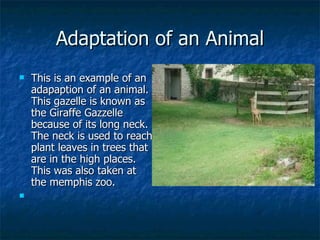
Adaptation of an Animal This is an example of an adapaption of an animal. This gazelle is known as the Giraffe Gazzelle because of its long neck. The neck is used to reach plant leaves in trees that are in the high places. This was also taken at the memphis zoo.
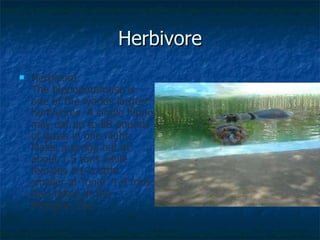
Herbivore Herbivore: The hippopotamuse is one of the worlds largest herbivores. A single hippo may eat up to 88 pounds of grass in one night. Males average out at about 1.5 tons while females are a little smaller at "only" 1.4 tons. Also taken at the Memphis Zoo
Species Species - a group of organisms capable of interbreeding and producing fertile offspring of both genders. This group of meerkats is an example of a species, this was taken at the Memphis Zoo.
Glycogen Glycogen is found in most grain products. Our main source of energy comes from it and it is made out of Glucose. Our liver and muscle cells are made up of much of Glycogen. Glycogen can also be found in a variety of insects throughout the earth. This image was taken at the Memphis Zoo.
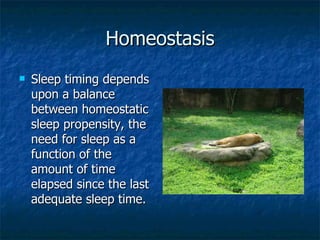
Homeostasis Sleep timing depends upon a balance between homeostatic sleep propensity, the need for sleep as a function of the amount of time elapsed since the last adequate sleep time.
Carbohydrates The potatoes is another great source of Carbohydrates. This was taken at Miss Cordelias, a local grocery store next to my house in Mud island.
Long Day Plants   Long Day Plant - A long-day plant requires fewer than a certain number of hours of darkness in each 24-hour period to induce flowering. These plants typically flower in the late spring or early summer as days are getting longer.
3 rd  Level Carnivores These jaguars are examples of 3 rd  level Carnivores. Carnivores at the third level feed on herbivores. This was taken at the Memphis zoo.
Amniotic Egg The type of egg produced by reptiles, birds, and egg-laying mammals , in which the embryo develops inside an amnion. This was taken at my refrigerator.
Anther and Filament- Stamen The stamen is the male organ of a flower.  Each stamen has a stalk called the filament  and, on top of the filament, an anther. This was taken at the Memphis Zoo – Zoological Center.
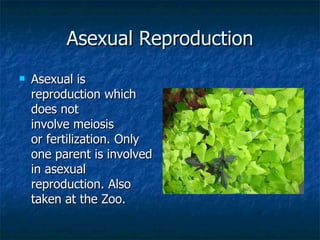
Asexual Reproduction Asexual is reproduction which does not involve meiosis or fertilization. Only one parent is involved in asexual reproduction. Also taken at the Zoo.
ATP ATP is a nucleotide that contains a large amount of chemical energy stored in its high-energy phosphate bonds. Animals and Humans both produce ATP. Taken at Zoo.
Autotroph Autotrophs are the producers in a food chain, such as plants on land or algae in water. Produce energy via Photosynthesis. Taken in my backyard.
Biome A major ecological community of organisms adapted to a particular climatic or environmental condition on a large geographic area in which they occur. Taken with my phone at the Shelby Forest Lake.
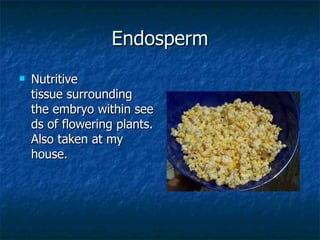
Endosperm Nutritive tissue surrounding the embryo within seeds of flowering plants. Also taken at my house.
Enzyme A catalyst or a chemical produced by cells to speed up specific chemical reaction. Taken on my Kitchen Counter.
Ethylene    In plants, it prevents cells from elongating and promotes leaf Abscission, while sometimes being responsible for the ripening of fruit. Taken at the park behind my house.
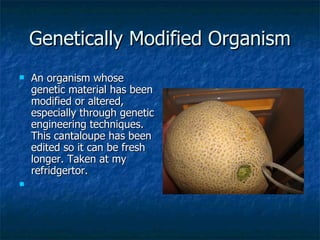
Genetically Modified Organism An organism whose genetic material has been modified or altered, especially through genetic engineering techniques. This cantaloupe has been edited so it can be fresh longer. Taken at my refridgertor.
Hydrogen Bonding A low-energy attractive force between hydrogen and another element. It is what makes  the properties of water, proteins, and other compounds. Taken at my refrigerator.
Meristem  Undifferentiated tissue from which new cells are formed, as at the tip of a stem or root. This Bamboo was taken at the Memphis Zoo.
Modified Root of a plant These carrots were taken at the Farmers Market. They are examples of modified roots of a plan since they grow before the leaves at the top do and are eaten.
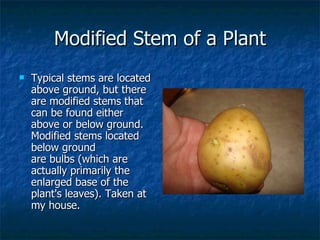
Modified Stem of a Plant Typical stems are located above ground, but there are modified stems that can be found either above or below ground. Modified stems located below ground are bulbs (which are actually primarily the enlarged base of the plant's leaves). Taken at my house.
Phloem Tissue forming part of the plant vascular system, responsible for the transport of organic materials, especially sucrose, from the leaves to the rest of the plant. This tree was taken at Shelby Farms.
Phylum  This tuna, which is part of the level below kingdom and above class, is an example of  Phylum, which is a group of animals that have notochords at some time in their life cycle. Taken on my kitchen counter.
Pollen  The microspores of seed plants, the powdery mass of microspores shed   from anthers. Taken at the Botanic Gardens in Memphis.
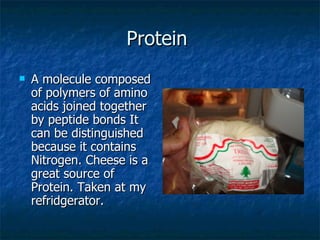
Protein  A molecule composed of polymers of amino acids joined together by peptide bonds It can be distinguished because it contains Nitrogen. Cheese is a great source of Protein. Taken at my refridgerator.
Radial Symmetry A due proportion of the several parts of a body to each other; This was taken by me in the Spring at a Nature Park in Nashville.
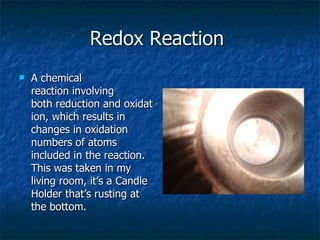
Redox Reaction  A chemical reaction involving both reduction and oxidation, which results in changes in oxidation numbers of atoms included in the reaction. This was taken in my living room, it’s a Candle Holder that’s rusting at the bottom.
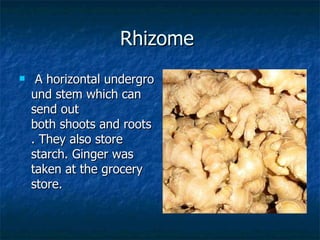
Rhizome    A horizontal underground stem which can send out both shoots and roots. They also store starch. Ginger was taken at the grocery store.  Rhizome
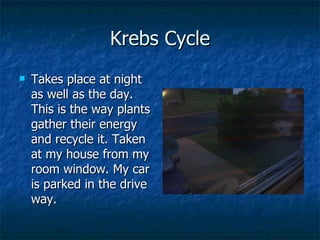
Krebs Cycle Takes place at night as well as the day. This is the way plants gather their energy and recycle it. Taken at my house from my room window. My car is parked in the drive way.
Modified Leaf of a Plant Modified leaf is an adaptation of plant meant for its own survival and adapted due to its environmental stress. Taken on my Kitchen Counter.
Gymnosperm Cone  This was taken last fall at my Middle Schools fall festival. Gymnosperm is a group of spermatophyte seed-bearing plants with ovules on scales, which are usually arranged in cone-like structures.
Xylem  The xylem is responsible for the transport of water and soluble mineral nutrients from the roots throughout the plant. It is also used to replace water lost during transpiration and photosynthesis. This yeast was taken at my Kitchen Counter.
Seed Dispersal  Seeds are dispersed by animals, wind, and water. This was taken at the Memphis zoo, DIFFERENT THAN THE OTHER PICTURE TAKEN AT DIFFERENT LOCATION!
Population  A group of organisms of one species that interbreed and live in the same place at the same time. This was taken of me at the Football game last year.
Predation  Predators are those animals that live by preying on other organisms for food. Many predators hunt and eventually kill their prey, such as lion preying upon a buffalo. Taken at the Memphis Zoo.
Mating Behavior The panda’s at the memphis zoo were mated too each other in two thousand and four. This was also taken at the Memphis Zoo.
Mutualism  Mutualism  is a biological interaction between two organisms, where each individual derives a fitness benefit, for example increased survivorship. Similar interactions within a species are known as co-operation. Fish tank was taken at my friend, Tyler’s house.
Lipids  This Big Mac from McDonalds is a great source of Lipids, Fatty Acids, and Cholesterol.
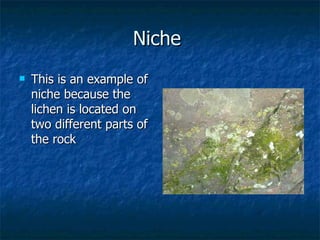
Lichen The bottom right corner is a great example of Lichen building up on Rock Sediment.
Genetic Variation in a Population Me and Carl obviously contain many genetic variations, He’s quite large, and I’m about average. He has different skin tone, and as I do.
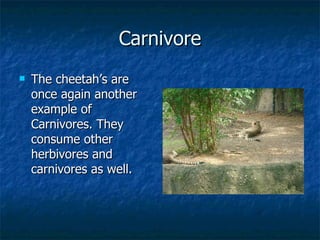
Carnivore The cheetah’s are once again another example of Carnivores. They consume other herbivores and carnivores as well.
Calvin Cycle The  Calvin cycle  (or  Calvin-Benson-Bassham cycle , light-independent reaction, or carbon fixation) is a series of biochemical reactions that take place in the stroma of chloroplasts in photosynthetic organisms. This grass field is a perfect example, taken from my trip in England at a large farm land.
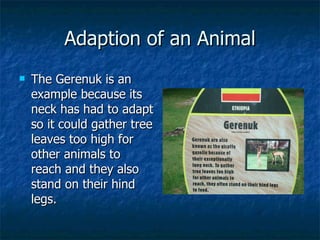
Adaption of an Animal The Gerenuk is an example because its neck has had to adapt so it could gather tree leaves too high for other animals to reach and they also stand on their hind legs.
Family  This is an example of Family. Its my mom, sister, brother, and cousin. Even though we are all different, we share some of the same traits.
Heterotrophs This Falcon in my hand is an example of Hetertrophism. Heterotrophs are known as consumers in food chains and obtain organic carbon by eating other heterotrophs or autotroph
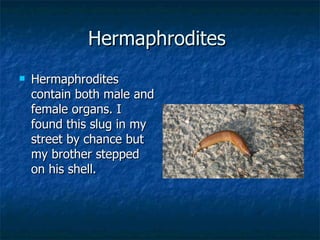
Hermaphrodites  Hermaphrodites contain both male and female organs. I found this slug in my street by chance but my brother stepped on his shell.
Niche  This is an example of niche because the lichen is located on two different parts of the rock
Frond  A  frond  is a large leaf. with many divisions to it, and the term is typically used for the leaves of palms, ferns or cycads
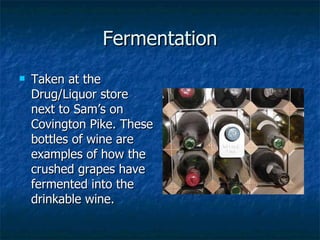
Fermentation Taken at the Drug/Liquor store next to Sam’s on Covington Pike. These bottles of wine are examples of how the crushed grapes have fermented into the drinkable wine.

AP Biome Project

  • 1.
    Adaptation of anAnimal This is an example of an adapaption of an animal. This gazelle is known as the Giraffe Gazzelle because of its long neck. The neck is used to reach plant leaves in trees that are in the high places. This was also taken at the memphis zoo.
  • 2.
    Herbivore Herbivore: Thehippopotamuse is one of the worlds largest herbivores. A single hippo may eat up to 88 pounds of grass in one night. Males average out at about 1.5 tons while females are a little smaller at "only" 1.4 tons. Also taken at the Memphis Zoo
  • 3.
    Species Species - agroup of organisms capable of interbreeding and producing fertile offspring of both genders. This group of meerkats is an example of a species, this was taken at the Memphis Zoo.
  • 4.
    Glycogen Glycogen isfound in most grain products. Our main source of energy comes from it and it is made out of Glucose. Our liver and muscle cells are made up of much of Glycogen. Glycogen can also be found in a variety of insects throughout the earth. This image was taken at the Memphis Zoo.
  • 5.
    Homeostasis Sleep timingdepends upon a balance between homeostatic sleep propensity, the need for sleep as a function of the amount of time elapsed since the last adequate sleep time.
  • 6.
    Carbohydrates The potatoesis another great source of Carbohydrates. This was taken at Miss Cordelias, a local grocery store next to my house in Mud island.
  • 7.
    Long Day Plants  Long Day Plant - A long-day plant requires fewer than a certain number of hours of darkness in each 24-hour period to induce flowering. These plants typically flower in the late spring or early summer as days are getting longer.
  • 8.
    3 rd Level Carnivores These jaguars are examples of 3 rd level Carnivores. Carnivores at the third level feed on herbivores. This was taken at the Memphis zoo.
  • 9.
    Amniotic Egg Thetype of egg produced by reptiles, birds, and egg-laying mammals , in which the embryo develops inside an amnion. This was taken at my refrigerator.
  • 10.
    Anther and Filament-Stamen The stamen is the male organ of a flower. Each stamen has a stalk called the filament and, on top of the filament, an anther. This was taken at the Memphis Zoo – Zoological Center.
  • 11.
    Asexual Reproduction Asexualis reproduction which does not involve meiosis or fertilization. Only one parent is involved in asexual reproduction. Also taken at the Zoo.
  • 12.
    ATP ATP isa nucleotide that contains a large amount of chemical energy stored in its high-energy phosphate bonds. Animals and Humans both produce ATP. Taken at Zoo.
  • 13.
    Autotroph Autotrophs arethe producers in a food chain, such as plants on land or algae in water. Produce energy via Photosynthesis. Taken in my backyard.
  • 14.
    Biome A majorecological community of organisms adapted to a particular climatic or environmental condition on a large geographic area in which they occur. Taken with my phone at the Shelby Forest Lake.
  • 15.
    Endosperm Nutritive tissue surroundingthe embryo within seeds of flowering plants. Also taken at my house.
  • 16.
    Enzyme A catalyst or a chemical producedby cells to speed up specific chemical reaction. Taken on my Kitchen Counter.
  • 17.
    Ethylene  In plants, it prevents cells from elongating and promotes leaf Abscission, while sometimes being responsible for the ripening of fruit. Taken at the park behind my house.
  • 18.
    Genetically Modified OrganismAn organism whose genetic material has been modified or altered, especially through genetic engineering techniques. This cantaloupe has been edited so it can be fresh longer. Taken at my refridgertor.
  • 19.
    Hydrogen Bonding Alow-energy attractive force between hydrogen and another element. It is what makes the properties of water, proteins, and other compounds. Taken at my refrigerator.
  • 20.
    Meristem Undifferentiatedtissue from which new cells are formed, as at the tip of a stem or root. This Bamboo was taken at the Memphis Zoo.
  • 21.
    Modified Root ofa plant These carrots were taken at the Farmers Market. They are examples of modified roots of a plan since they grow before the leaves at the top do and are eaten.
  • 22.
    Modified Stem ofa Plant Typical stems are located above ground, but there are modified stems that can be found either above or below ground. Modified stems located below ground are bulbs (which are actually primarily the enlarged base of the plant's leaves). Taken at my house.
  • 23.
    Phloem Tissue forming partof the plant vascular system, responsible for the transport of organic materials, especially sucrose, from the leaves to the rest of the plant. This tree was taken at Shelby Farms.
  • 24.
    Phylum Thistuna, which is part of the level below kingdom and above class, is an example of Phylum, which is a group of animals that have notochords at some time in their life cycle. Taken on my kitchen counter.
  • 25.
    Pollen The microspores of seed plants,the powdery mass of microspores shed  from anthers. Taken at the Botanic Gardens in Memphis.
  • 26.
    Protein A molecule composedof polymers of amino acids joined together by peptide bonds It can be distinguished because it contains Nitrogen. Cheese is a great source of Protein. Taken at my refridgerator.
  • 27.
    Radial Symmetry Adue proportion of the several parts of a body to each other; This was taken by me in the Spring at a Nature Park in Nashville.
  • 28.
    Redox Reaction A chemical reaction involving both reduction and oxidation, which results in changes in oxidation numbers of atoms included in the reaction. This was taken in my living room, it’s a Candle Holder that’s rusting at the bottom.
  • 29.
    Rhizome  A horizontal underground stem which can send out both shoots and roots. They also store starch. Ginger was taken at the grocery store. Rhizome
  • 30.
    Krebs Cycle Takesplace at night as well as the day. This is the way plants gather their energy and recycle it. Taken at my house from my room window. My car is parked in the drive way.
  • 31.
    Modified Leaf ofa Plant Modified leaf is an adaptation of plant meant for its own survival and adapted due to its environmental stress. Taken on my Kitchen Counter.
  • 32.
    Gymnosperm Cone This was taken last fall at my Middle Schools fall festival. Gymnosperm is a group of spermatophyte seed-bearing plants with ovules on scales, which are usually arranged in cone-like structures.
  • 33.
    Xylem Thexylem is responsible for the transport of water and soluble mineral nutrients from the roots throughout the plant. It is also used to replace water lost during transpiration and photosynthesis. This yeast was taken at my Kitchen Counter.
  • 34.
    Seed Dispersal Seeds are dispersed by animals, wind, and water. This was taken at the Memphis zoo, DIFFERENT THAN THE OTHER PICTURE TAKEN AT DIFFERENT LOCATION!
  • 35.
    Population Agroup of organisms of one species that interbreed and live in the same place at the same time. This was taken of me at the Football game last year.
  • 36.
    Predation Predatorsare those animals that live by preying on other organisms for food. Many predators hunt and eventually kill their prey, such as lion preying upon a buffalo. Taken at the Memphis Zoo.
  • 37.
    Mating Behavior Thepanda’s at the memphis zoo were mated too each other in two thousand and four. This was also taken at the Memphis Zoo.
  • 38.
    Mutualism Mutualism is a biological interaction between two organisms, where each individual derives a fitness benefit, for example increased survivorship. Similar interactions within a species are known as co-operation. Fish tank was taken at my friend, Tyler’s house.
  • 39.
    Lipids ThisBig Mac from McDonalds is a great source of Lipids, Fatty Acids, and Cholesterol.
  • 40.
    Lichen The bottomright corner is a great example of Lichen building up on Rock Sediment.
  • 41.
    Genetic Variation ina Population Me and Carl obviously contain many genetic variations, He’s quite large, and I’m about average. He has different skin tone, and as I do.
  • 42.
    Carnivore The cheetah’sare once again another example of Carnivores. They consume other herbivores and carnivores as well.
  • 43.
    Calvin Cycle The Calvin cycle  (or  Calvin-Benson-Bassham cycle , light-independent reaction, or carbon fixation) is a series of biochemical reactions that take place in the stroma of chloroplasts in photosynthetic organisms. This grass field is a perfect example, taken from my trip in England at a large farm land.
  • 44.
    Adaption of anAnimal The Gerenuk is an example because its neck has had to adapt so it could gather tree leaves too high for other animals to reach and they also stand on their hind legs.
  • 45.
    Family Thisis an example of Family. Its my mom, sister, brother, and cousin. Even though we are all different, we share some of the same traits.
  • 46.
    Heterotrophs This Falconin my hand is an example of Hetertrophism. Heterotrophs are known as consumers in food chains and obtain organic carbon by eating other heterotrophs or autotroph
  • 47.
    Hermaphrodites Hermaphroditescontain both male and female organs. I found this slug in my street by chance but my brother stepped on his shell.
  • 48.
    Niche Thisis an example of niche because the lichen is located on two different parts of the rock
  • 49.
    Frond A frond  is a large leaf. with many divisions to it, and the term is typically used for the leaves of palms, ferns or cycads
  • 50.
    Fermentation Taken atthe Drug/Liquor store next to Sam’s on Covington Pike. These bottles of wine are examples of how the crushed grapes have fermented into the drinkable wine.