From Components to Real-User Transactions to the Business: An Integrated approach to ITIL-aligned Capacity ManagementSeptember 2011Rich Fronheiser, Metron-Athene, Inc.
AgendaA brief overview of ITIL Capacity ManagementThe need for both component data and transaction data to do effective Capacity ManagementMonitor your business transactionsComponent data, business data and a framework for Capacity Management reporting, analysis, and planningAn integrated solution for Capacity Management
What is ITIL (v3)?Good practice for IT Service ManagementBased on the Service Management LifecycleService StrategyService DesignService TransitionService OperationContinual Service Improvement
ITIL Capacity ManagementGoalPurposeObjectivesScope
ITIL Capacity ManagementThree levels of Capacity ManagementBusinessServiceComponentRequirements most often flow “top-down” and data and information “bottom-up”
Capacity Management ActivitiesIterative activitiesMonitoring, Analysis, Tuning, ImplementationDemand ManagementModelingApplication sizingModelingStoring data in the CMISCompleting the Capacity Plan
Capacity Management: Basic questions that need answersWhat is the expected business growth next year, and how will it affect our IT infrastructure?Which infrastructure items (servers and logical components) are serving which business applications and services?How will the relationship between the underlying components affect services levels and in a wider context the business that uses them?Which infrastructure components can be consolidated without degrading service levels?
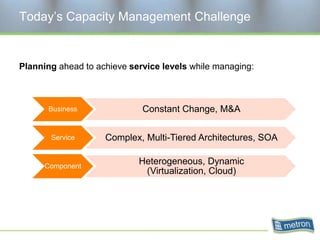
Today’s Capacity Management ChallengePlanning ahead to achieve service levels while managing:
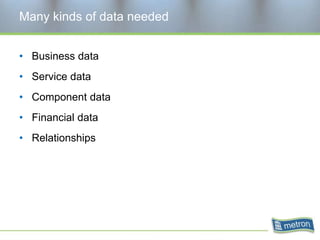
Many kinds of data neededBusiness dataService data Component dataFinancial data Relationships
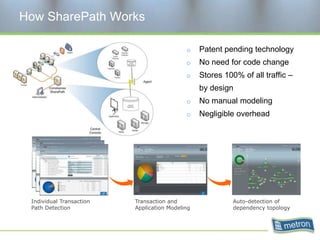
Sharepath from CorrelsenseAllows you to monitor all real-user transactions in productionAllows you to capture statistics from all the hops in the infrastructureBuilds a map that shows the relationships between IT components even in very complicated environmentsProvides statistics for many different functions in an organization, including Capacity Management
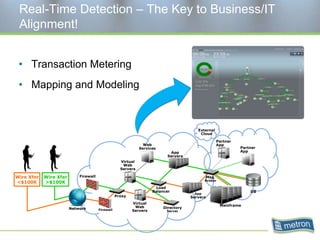
Real-Time Detection – The Key to Business/IT Alignment!Transaction MeteringMapping and ModelingExternalCloudPartner AppWeb ServicesPartner AppApp ServersVirtualWeb ServersWire Xfer>$100KWire Xfer<$100KFirewallMsg. BrokerLoad BalancerDBApp ServersProxyVirtualWeb ServersMainframeDirectoryServerNetworkFirewall
How SharePath WorksPatent pending technologyNo need for code changeStores 100% of all traffic – by designNo manual modelingNegligible overhead Individual Transaction Path DetectionTransaction and Application ModelingAuto-detection of dependency topology
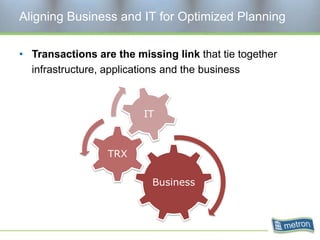
Aligning Business and IT for Optimized PlanningTransactions are the missing link that tie together infrastructure, applications and the business
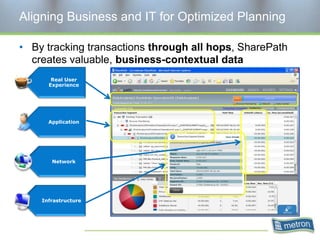
Aligning Business and IT for Optimized PlanningBy tracking transactions through all hops, SharePath creates valuable, business-contextual data
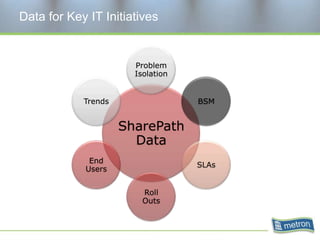
Data for Key IT Initiatives
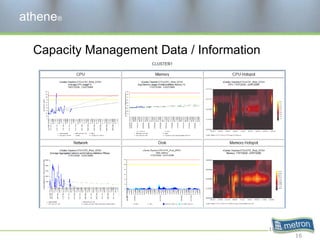
athene®10/18/2011Capacity Management Data / Information16
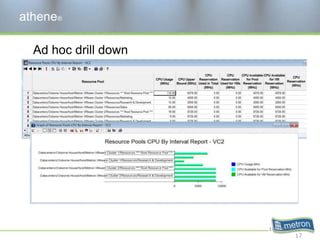
athene®10/18/2011Ad hoc drill down17
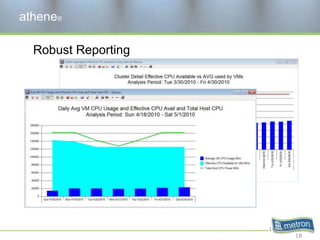
athene®10/18/2011Robust Reporting18
athene®Component data can be captured or imported from many different platforms and sourcesBusiness data can be imported into a central database for use within Planning (trending and modeling) applicationsData can be captured and stored at all three levels of ITIL Capacity Management – let’s see how Sharepathdata can be used within Athene to provide an enterprise-wide Capacity Management solution
Athene/Sharepath Demo
IntroductionHow does SharePath integrate with Athene?How can it be used in the real-world?What value does it add?
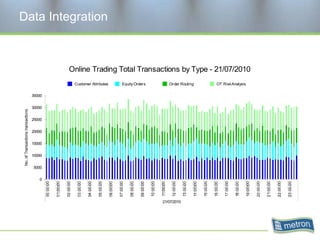
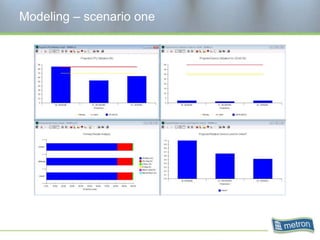
ScenarioTwo applicationsOnline TradingeBankingHosted on multiple servers (UNIX & Linux)
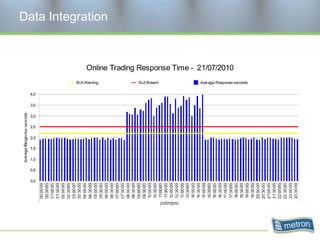
Data Integration
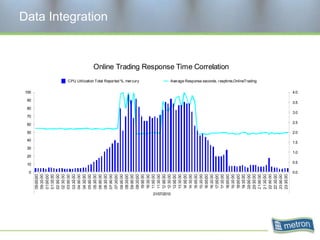
Data Integration
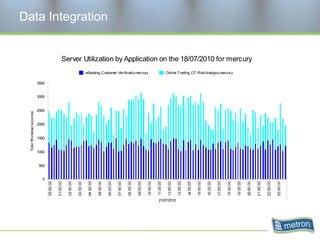
Data Integration
Data Integration
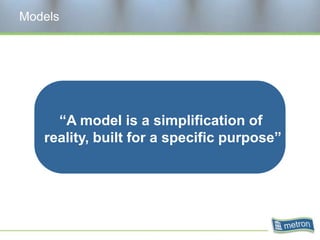
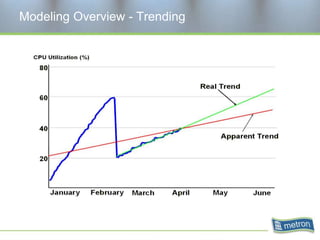
“A model is a simplification of reality, built for a specific purpose”Models
Modeling Overview - Trending
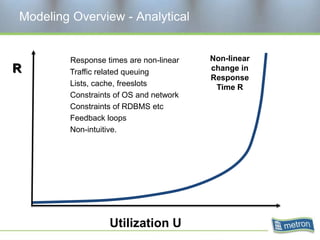
Non-linear change in Response Time RResponse times are non-linear Traffic related queuing Lists, cache, freeslots Constraints of OS and network Constraints of RDBMS etc Feedback loops Non-intuitive.RUtilization UModeling Overview - Analytical
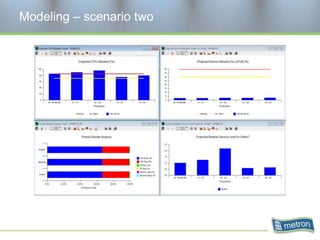
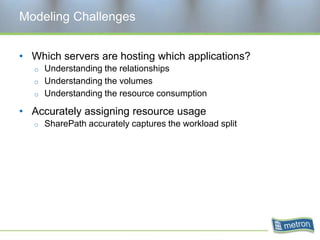
Modeling ChallengesWhich servers are hosting which applications?Understanding the relationshipsUnderstanding the volumesUnderstanding the resource consumptionAccurately assigning resource usageSharePath accurately captures the workload split
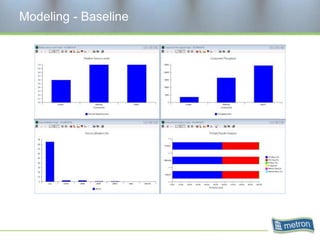
Modeling - Baseline
Modeling – scenario one
Modeling – scenario two
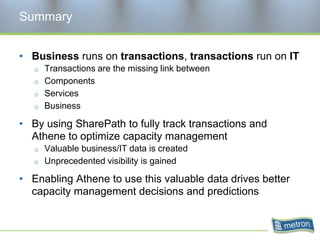
SummaryBusiness runs on transactions, transactions run on ITTransactions are the missing link betweenComponentsServicesBusinessBy using SharePath to fully track transactions and Athene to optimize capacity management Valuable business/IT data is createdUnprecedented visibility is gainedEnabling Athene to use this valuable data drives better capacity management decisions and predictions

An Integrated Approach to ITIL Aligned Capacity Management

  • 1.
    From Components toReal-User Transactions to the Business: An Integrated approach to ITIL-aligned Capacity ManagementSeptember 2011Rich Fronheiser, Metron-Athene, Inc.
  • 2.
    AgendaA brief overviewof ITIL Capacity ManagementThe need for both component data and transaction data to do effective Capacity ManagementMonitor your business transactionsComponent data, business data and a framework for Capacity Management reporting, analysis, and planningAn integrated solution for Capacity Management
  • 3.
    What is ITIL(v3)?Good practice for IT Service ManagementBased on the Service Management LifecycleService StrategyService DesignService TransitionService OperationContinual Service Improvement
  • 4.
  • 5.
    ITIL Capacity ManagementThreelevels of Capacity ManagementBusinessServiceComponentRequirements most often flow “top-down” and data and information “bottom-up”
  • 6.
    Capacity Management ActivitiesIterativeactivitiesMonitoring, Analysis, Tuning, ImplementationDemand ManagementModelingApplication sizingModelingStoring data in the CMISCompleting the Capacity Plan
  • 7.
    Capacity Management: Basicquestions that need answersWhat is the expected business growth next year, and how will it affect our IT infrastructure?Which infrastructure items (servers and logical components) are serving which business applications and services?How will the relationship between the underlying components affect services levels and in a wider context the business that uses them?Which infrastructure components can be consolidated without degrading service levels?
  • 8.
    Today’s Capacity ManagementChallengePlanning ahead to achieve service levels while managing:
  • 9.
    Many kinds ofdata neededBusiness dataService data Component dataFinancial data Relationships
  • 10.
    Sharepath from CorrelsenseAllowsyou to monitor all real-user transactions in productionAllows you to capture statistics from all the hops in the infrastructureBuilds a map that shows the relationships between IT components even in very complicated environmentsProvides statistics for many different functions in an organization, including Capacity Management
  • 11.
    Real-Time Detection –The Key to Business/IT Alignment!Transaction MeteringMapping and ModelingExternalCloudPartner AppWeb ServicesPartner AppApp ServersVirtualWeb ServersWire Xfer>$100KWire Xfer<$100KFirewallMsg. BrokerLoad BalancerDBApp ServersProxyVirtualWeb ServersMainframeDirectoryServerNetworkFirewall
  • 12.
    How SharePath WorksPatentpending technologyNo need for code changeStores 100% of all traffic – by designNo manual modelingNegligible overhead Individual Transaction Path DetectionTransaction and Application ModelingAuto-detection of dependency topology
  • 13.
    Aligning Business andIT for Optimized PlanningTransactions are the missing link that tie together infrastructure, applications and the business
  • 14.
    Aligning Business andIT for Optimized PlanningBy tracking transactions through all hops, SharePath creates valuable, business-contextual data
  • 15.
    Data for KeyIT Initiatives
  • 16.
  • 17.
  • 18.
  • 19.
    athene®Component data canbe captured or imported from many different platforms and sourcesBusiness data can be imported into a central database for use within Planning (trending and modeling) applicationsData can be captured and stored at all three levels of ITIL Capacity Management – let’s see how Sharepathdata can be used within Athene to provide an enterprise-wide Capacity Management solution
  • 20.
  • 21.
    IntroductionHow does SharePathintegrate with Athene?How can it be used in the real-world?What value does it add?
  • 22.
  • 23.
  • 24.
  • 25.
  • 26.
  • 27.
    “A model isa simplification of reality, built for a specific purpose”Models
  • 28.
  • 29.
    Non-linear change inResponse Time RResponse times are non-linear Traffic related queuing Lists, cache, freeslots Constraints of OS and network Constraints of RDBMS etc Feedback loops Non-intuitive.RUtilization UModeling Overview - Analytical
  • 30.
    Modeling ChallengesWhich serversare hosting which applications?Understanding the relationshipsUnderstanding the volumesUnderstanding the resource consumptionAccurately assigning resource usageSharePath accurately captures the workload split
  • 31.
  • 32.
  • 33.
  • 34.
    SummaryBusiness runs ontransactions, transactions run on ITTransactions are the missing link betweenComponentsServicesBusinessBy using SharePath to fully track transactions and Athene to optimize capacity management Valuable business/IT data is createdUnprecedented visibility is gainedEnabling Athene to use this valuable data drives better capacity management decisions and predictions

Editor's Notes