
American Romanticism
Society’s Impact on the Individual Writer
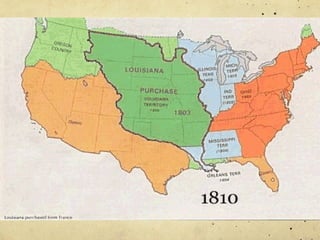
Changes in America
Louisiana Purchase
Manifest Destiny
Mexican-American War
Conflicts in Emotion
Patriotism vs. individualism
Should we support our nation no matter what?
Urban vs. untamed
Contrast between settled cities and new wilderness
Wealthy vs. enslaved
Expansion and industrialization led to financial gains,
but slavery for African Americans
Writers reacted by turning to
nature and to the self for
simplicity, truth, and beauty
Early Romantics
William Cullen Bryant, Washington Irving
Reacted to Puritanism
Aimed to capture the energy and character of their
growing country
Saw limits to reason and celebrated human nature
Optimistic
Fireside Poets
Henry Wadsworth Longfellow, Oliver Wendell Holmes
Uplifting and romantically engaging
Family custom: reading poetry around a fire
Celebrated individualism, nature, social reform
The Transcendentalists
What does
“transcendentalism” mean?
There is an ideal spiritual state which “transcends” the physical
and empirical.
It is a loose collection of eclectic ideas about literature, philosophy,
religion, social reform, and the general state of American culture.
Had different meanings for each person involved in the
movement.
What did transcendentalists
believe?
There is an ideal spiritual state, which “transcends” the physical and
empirical (gained by experience).
Basic Premise #1
An individual is the spiritual center of the universe, and in
an individual can be found the clue to nature, history and,
ultimately, the world itself. It is not a rejection of the
existence of God, but a preference to explain an individual
and the world in terms of an individual.
Basic Premise #2
The structure of the universe literally duplicates the
structure of the individual self—all knowledge, therefore,
begins with self-knowledge. This is similar to Aristotle's
dictum "know thyself."
Basic Premise #3
Transcendentalists accepted the concept of nature as a
living mystery, full of signs; nature is symbolic.
Basic Premise #4
The belief that individual virtue and happiness depend upon self-
realization—this depends upon the reconciliation of two universal
psychological tendencies:
The desire to embrace the whole world—to know and become one
with the world.
The desire to withdraw, remain unique and separate—an egotistical
existence.
Who were the
Transcendentalists?
Ralph Waldo Emerson
Henry David Thoreau
The Dark Romantics
Does every individual have a dark side?
The Dark Romantics
Inspired by nature
Fascinated with the supernatural
Didn’t have the same faith in the goodness of
humankind
Aware of human capacity for evil
Freedom of imagination led them to:
Explore inner life and motivation of characters
Include fantastic or supernatural elements in their
writing
You may recognize them as…
Edgar Allan Poe
Nathaniel Hawthorne

American Romanticism

  • 1.
  • 2.
    Changes in America LouisianaPurchase Manifest Destiny Mexican-American War
  • 4.
    Conflicts in Emotion Patriotismvs. individualism Should we support our nation no matter what? Urban vs. untamed Contrast between settled cities and new wilderness Wealthy vs. enslaved Expansion and industrialization led to financial gains, but slavery for African Americans
  • 5.
    Writers reacted byturning to nature and to the self for simplicity, truth, and beauty
  • 6.
    Early Romantics William CullenBryant, Washington Irving Reacted to Puritanism Aimed to capture the energy and character of their growing country Saw limits to reason and celebrated human nature Optimistic
  • 7.
    Fireside Poets Henry WadsworthLongfellow, Oliver Wendell Holmes Uplifting and romantically engaging Family custom: reading poetry around a fire Celebrated individualism, nature, social reform
  • 8.
  • 9.
    What does “transcendentalism” mean? Thereis an ideal spiritual state which “transcends” the physical and empirical. It is a loose collection of eclectic ideas about literature, philosophy, religion, social reform, and the general state of American culture. Had different meanings for each person involved in the movement.
  • 10.
    What did transcendentalists believe? Thereis an ideal spiritual state, which “transcends” the physical and empirical (gained by experience).
  • 11.
    Basic Premise #1 Anindividual is the spiritual center of the universe, and in an individual can be found the clue to nature, history and, ultimately, the world itself. It is not a rejection of the existence of God, but a preference to explain an individual and the world in terms of an individual.
  • 12.
    Basic Premise #2 Thestructure of the universe literally duplicates the structure of the individual self—all knowledge, therefore, begins with self-knowledge. This is similar to Aristotle's dictum "know thyself."
  • 13.
    Basic Premise #3 Transcendentalistsaccepted the concept of nature as a living mystery, full of signs; nature is symbolic.
  • 14.
    Basic Premise #4 Thebelief that individual virtue and happiness depend upon self- realization—this depends upon the reconciliation of two universal psychological tendencies: The desire to embrace the whole world—to know and become one with the world. The desire to withdraw, remain unique and separate—an egotistical existence.
  • 15.
    Who were the Transcendentalists? RalphWaldo Emerson Henry David Thoreau
  • 16.
    The Dark Romantics Doesevery individual have a dark side?
  • 17.
    The Dark Romantics Inspiredby nature Fascinated with the supernatural Didn’t have the same faith in the goodness of humankind Aware of human capacity for evil
  • 18.
    Freedom of imaginationled them to: Explore inner life and motivation of characters Include fantastic or supernatural elements in their writing You may recognize them as… Edgar Allan Poe Nathaniel Hawthorne