MUSIC GENRESHISTORY ELEMENTS
Music may be defined according to various
criteria including
organization, pleasantness, intent, social
construction, perceptual processes and
engagement, universal aspects or family
resemblances, and through contrast or negative
definition.
"Musical language" may be used to mean style or
genre, while music may be treated as language
without being called such, as in Fred Lerdahl or
others' analysis of musical grammar.
Many definitions of
music implicitly hold
that music is a
communicative
activity which
conveys to the
listener
moods, emotions, t
houghts, impressio
ns, or
philosophical, sexu
al, or political
concepts or
positions.
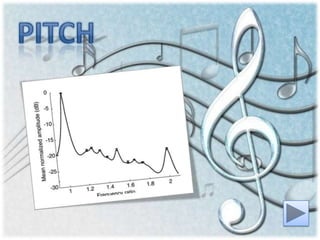
The pitch is the relative lowness or highness that we
hear in a sound. The pitch of a sound is based on the
frequency of vibration and the size of the vibrating
object. The slower the vibration and the bigger the
vibrating object, the lower the pitch; the faster the
vibration and the smaller the vibrating object, the
higher the pitch. For example, the pitch of a double
bass is lower than that of the violin because the
double bass has longer strings. Pitch may be definite
(i.e. piano) or indefinite (i.e. Cymbals).
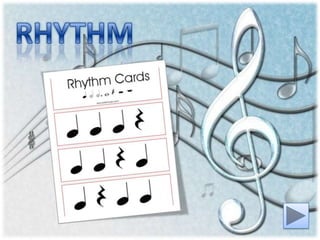
It may be defined as the pattern or
placement of sounds in time and beats in
music. Roger Kamien in his book Music:
An Appreciation defines rhythm as "the
particular arrangement of note lengths in a
piece of music." Rhythm is shaped by
meter; it has certain elements such as
beat and tempo.
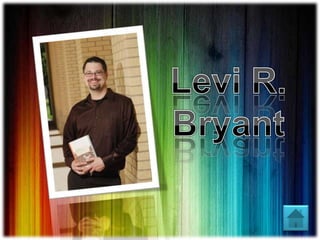
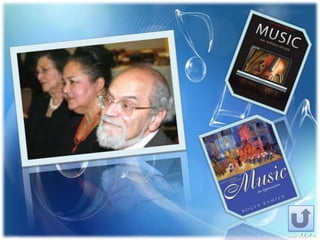
He is a retired professor emeritus of
musicology in the Hebrew University of
Jerusalem, Israel. He is the author of the book
Music: An Appreciation, which is a book
intended to show students the basics and the
importance of music.
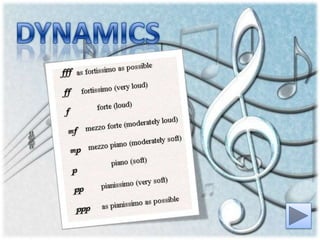
Dynamics normally refers to the volume
of a sound or note, but can also refer to
every aspect of the execution of a given
piece, either stylistic (staccato, legato
etc.) or functional (velocity). The term is
also applied to the written or printed
musical notation used to indicate
dynamics. Dynamics are relative and do
not indicate specific volume levels.
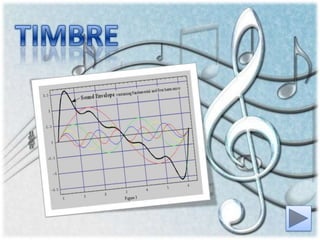
Also known as tone color; it refers
to the quality of sound that
distinguishes one voice or
instrument from another. Timbre
may range anywhere from dull to
lush, from dark to bright.
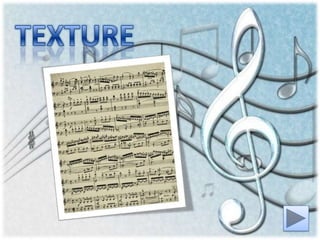
Musical texture refers to the number
of layers as well as the type of layers
used in a composition and how these
layers are related. Texture may be
monophonic (single melodic
line), polyphonic (two or more melodic
lines) and homophonic (a main
melody accompanied by chords).
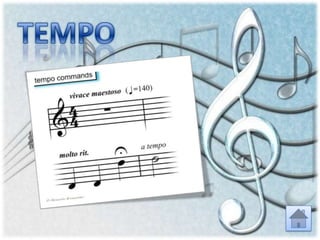
The tempo is the Italian word at the
beginning of a music piece
that indicates how slow or fast t
he piece should be played. This is
called the tempo
which is effective throughout the
duration of the music
unless the composer indicates
otherwise
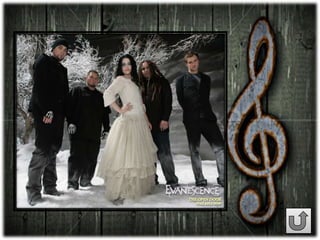
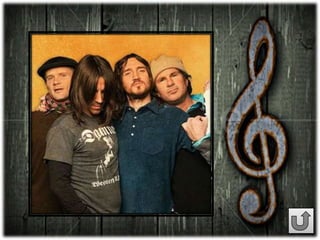
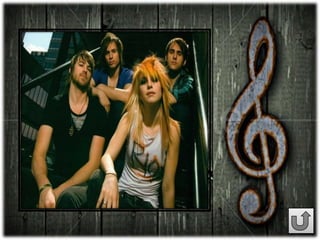
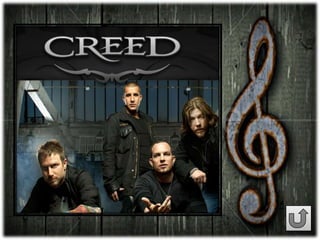
Some alternative rock bands:
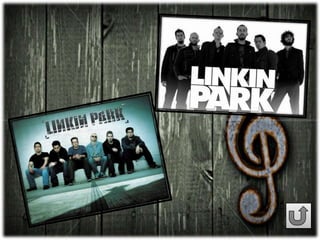
1. Linkin park
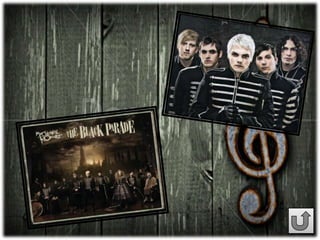
2. My Chemical Romance
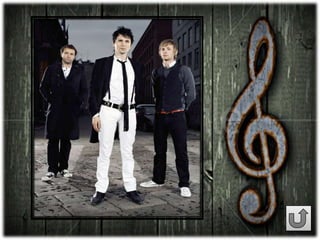
3. Muse
4. Evanescence
5. Red Hot Chili Peppers
6. Paramore
7. Creed
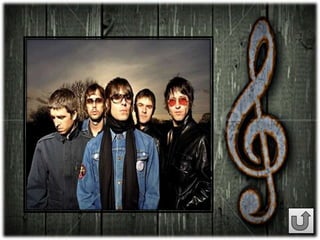
8. Oasis
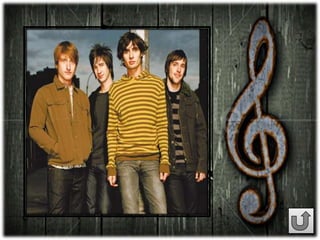
9.The All American Rejects
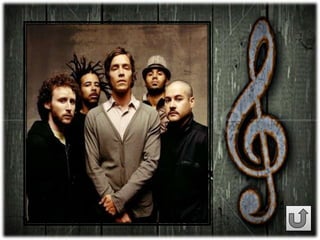
10. Incubus
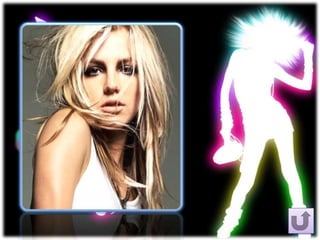
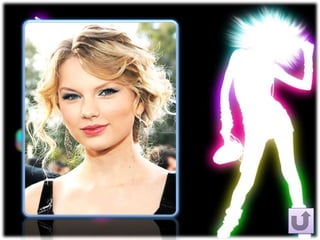
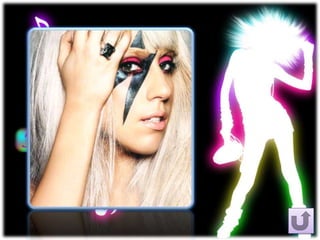
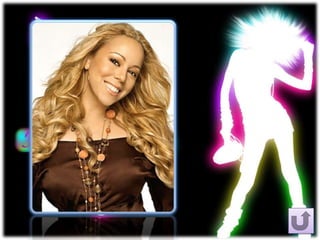
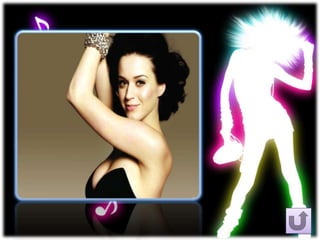
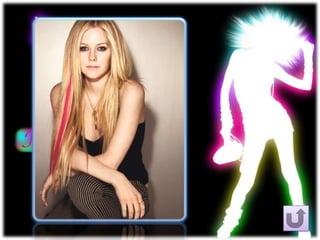
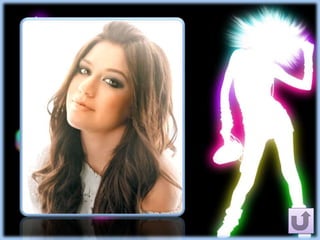
Pop Art i st :
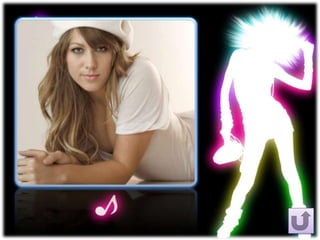
1. Col bi e Cai l l at
2. Chr i st i na Agui l er a
3. Br i t ney Spear s
4. Tayl or Swi f t
5. Lady Gaga
6. Mar i ah Car ey
7. Kat y Per r y
8. Avr i l Lavi gne
9. Kel l y Cl ar kson
Char i ce Pempengco
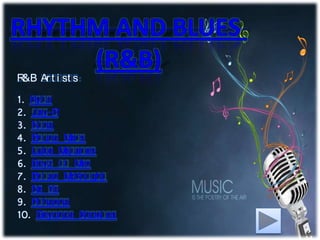
R&B Ar t i st s
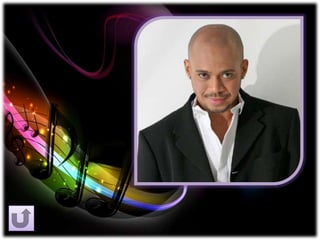
1. Kyl a
2. Jay-R
3. Ni na
4. Br uno Mar s
5. Luke Mej ar es
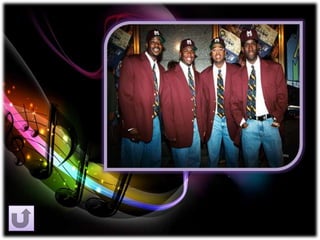
6. Boyz I I Men
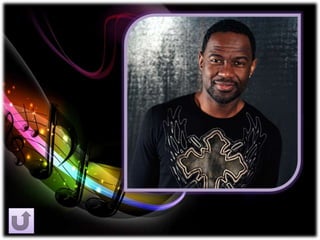
7. Br i an McKni ght
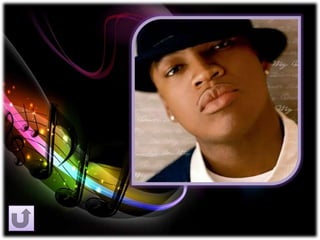
8. Ne Yo
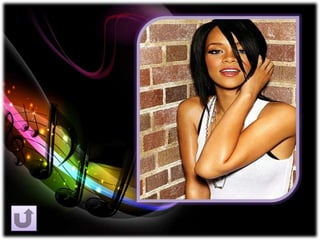
9. Ri hanna
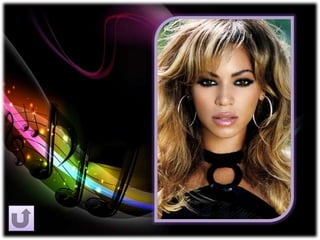
10. Beyonce Knowl es
Jazz Ar t i st s:
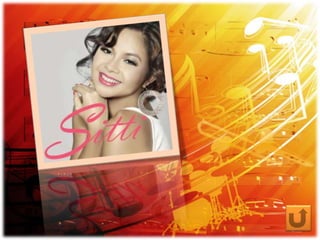
1. Si t t i Navar r o
2. Ri char d Poon
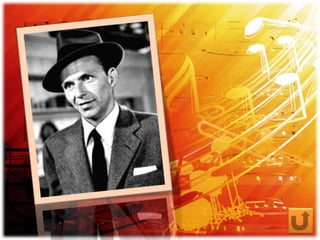
3. Fr ank Si nat r a
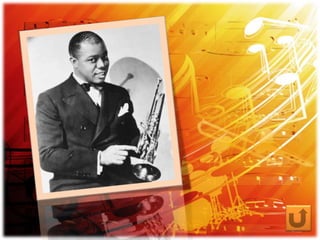
4. Loui s Ar mst r ong
5. Nat Ki ng Col e
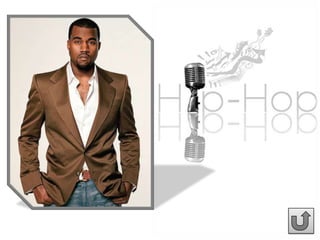
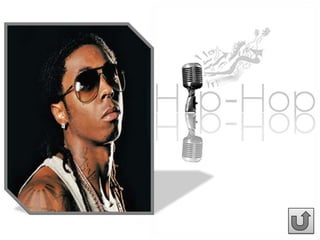
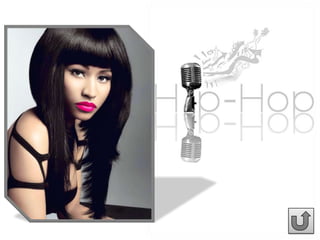
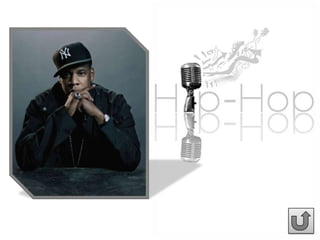
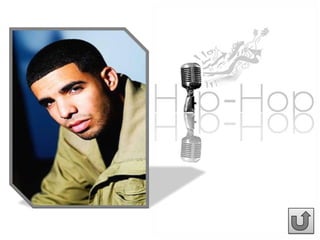
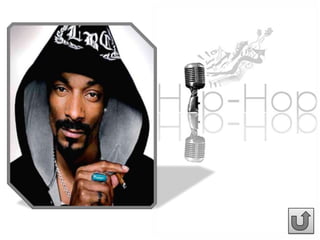
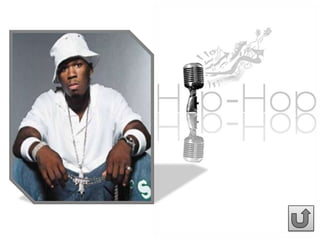
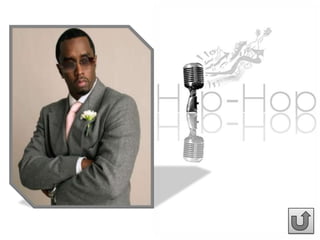
Hi phop Ar t i st s:
1. Emi nem
2. Kanye West
3. Li l Wayne
4. Ni cki Mi naj
5. Jay-Z
6. Dr ake
7. Snoop Doog
8. Cent
9. Di ddy/ P. Di ddy/ Sean Jean Combs
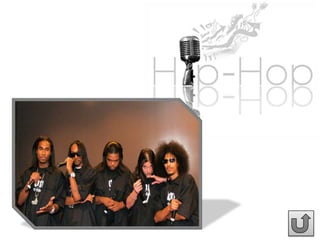
10. Bone Thugs-N-Har mony
All About Music
All About Music
All About Music
All About Music
All About Music
All About Music
All About Music
All About Music
All About Music
All About Music
All About Music

All About Music

  • 4.
  • 6.
    Music may bedefined according to various criteria including organization, pleasantness, intent, social construction, perceptual processes and engagement, universal aspects or family resemblances, and through contrast or negative definition.
  • 7.
    "Musical language" maybe used to mean style or genre, while music may be treated as language without being called such, as in Fred Lerdahl or others' analysis of musical grammar. Many definitions of music implicitly hold that music is a communicative activity which conveys to the listener moods, emotions, t houghts, impressio ns, or philosophical, sexu al, or political concepts or positions.
  • 14.
    The pitch isthe relative lowness or highness that we hear in a sound. The pitch of a sound is based on the frequency of vibration and the size of the vibrating object. The slower the vibration and the bigger the vibrating object, the lower the pitch; the faster the vibration and the smaller the vibrating object, the higher the pitch. For example, the pitch of a double bass is lower than that of the violin because the double bass has longer strings. Pitch may be definite (i.e. piano) or indefinite (i.e. Cymbals).
  • 16.
    It may bedefined as the pattern or placement of sounds in time and beats in music. Roger Kamien in his book Music: An Appreciation defines rhythm as "the particular arrangement of note lengths in a piece of music." Rhythm is shaped by meter; it has certain elements such as beat and tempo.
  • 18.
    He is aretired professor emeritus of musicology in the Hebrew University of Jerusalem, Israel. He is the author of the book Music: An Appreciation, which is a book intended to show students the basics and the importance of music.
  • 20.
    Dynamics normally refersto the volume of a sound or note, but can also refer to every aspect of the execution of a given piece, either stylistic (staccato, legato etc.) or functional (velocity). The term is also applied to the written or printed musical notation used to indicate dynamics. Dynamics are relative and do not indicate specific volume levels.
  • 22.
    Also known astone color; it refers to the quality of sound that distinguishes one voice or instrument from another. Timbre may range anywhere from dull to lush, from dark to bright.
  • 24.
    Musical texture refersto the number of layers as well as the type of layers used in a composition and how these layers are related. Texture may be monophonic (single melodic line), polyphonic (two or more melodic lines) and homophonic (a main melody accompanied by chords).
  • 26.
    The tempo isthe Italian word at the beginning of a music piece that indicates how slow or fast t he piece should be played. This is called the tempo which is effective throughout the duration of the music unless the composer indicates otherwise
  • 28.
    Some alternative rockbands: 1. Linkin park 2. My Chemical Romance 3. Muse 4. Evanescence 5. Red Hot Chili Peppers 6. Paramore 7. Creed 8. Oasis 9.The All American Rejects 10. Incubus
  • 40.
    Pop Art ist : 1. Col bi e Cai l l at 2. Chr i st i na Agui l er a 3. Br i t ney Spear s 4. Tayl or Swi f t 5. Lady Gaga 6. Mar i ah Car ey 7. Kat y Per r y 8. Avr i l Lavi gne 9. Kel l y Cl ar kson Char i ce Pempengco
  • 52.
    R&B Ar ti st s 1. Kyl a 2. Jay-R 3. Ni na 4. Br uno Mar s 5. Luke Mej ar es 6. Boyz I I Men 7. Br i an McKni ght 8. Ne Yo 9. Ri hanna 10. Beyonce Knowl es
  • 64.
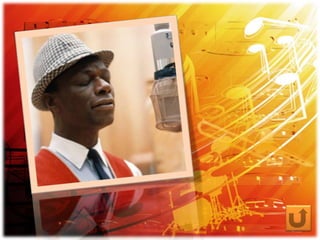
    Jazz Ar ti st s: 1. Si t t i Navar r o 2. Ri char d Poon 3. Fr ank Si nat r a 4. Loui s Ar mst r ong 5. Nat Ki ng Col e
  • 71.
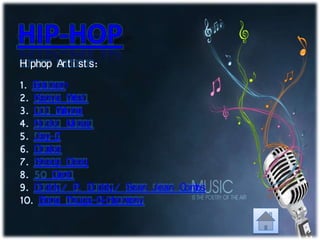
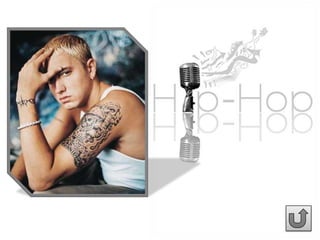
    Hi phop Art i st s: 1. Emi nem 2. Kanye West 3. Li l Wayne 4. Ni cki Mi naj 5. Jay-Z 6. Dr ake 7. Snoop Doog 8. Cent 9. Di ddy/ P. Di ddy/ Sean Jean Combs 10. Bone Thugs-N-Har mony