
INTRODUCTION


First indication came in 1981 from New York and LA,of a sudden outbreak
of two very rare diseases, Kaposi sarcoma and Pneumocystis carini
pneumonia in young adults who were homosexuals or addicted to injected
narcotics. This condition was named AIDS.



Discovered independently by Luc Montagnier of France and Robert Gallo
of the US in 1983-84



AIDS in India was 1st detected in commercial sex workers in
Tamil Nadu in 1986& has been growing very fast since then.



Causative agent- Human Immunodeficiency Virus(HIV), lentivirus
subgroup of family retroviridae.



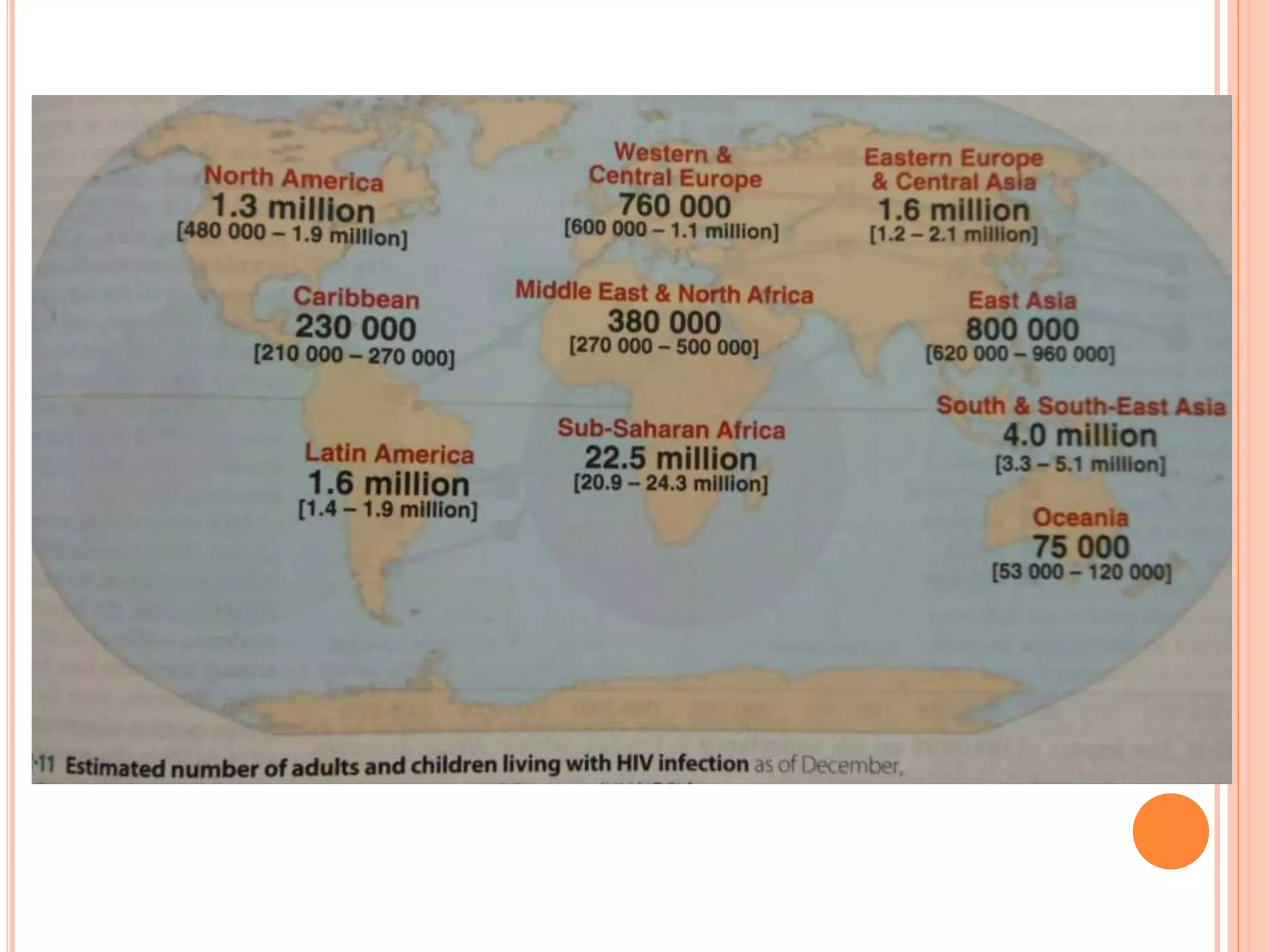
AIDS is a global pandemic



2007-33.2 million individuals living with AIDS
ROUTES OF TRANSMISSION



Sexual route



IV drug use



Mother to baby



Body fluids
HUMAN IMMUNODEFICIENCY VIRUS





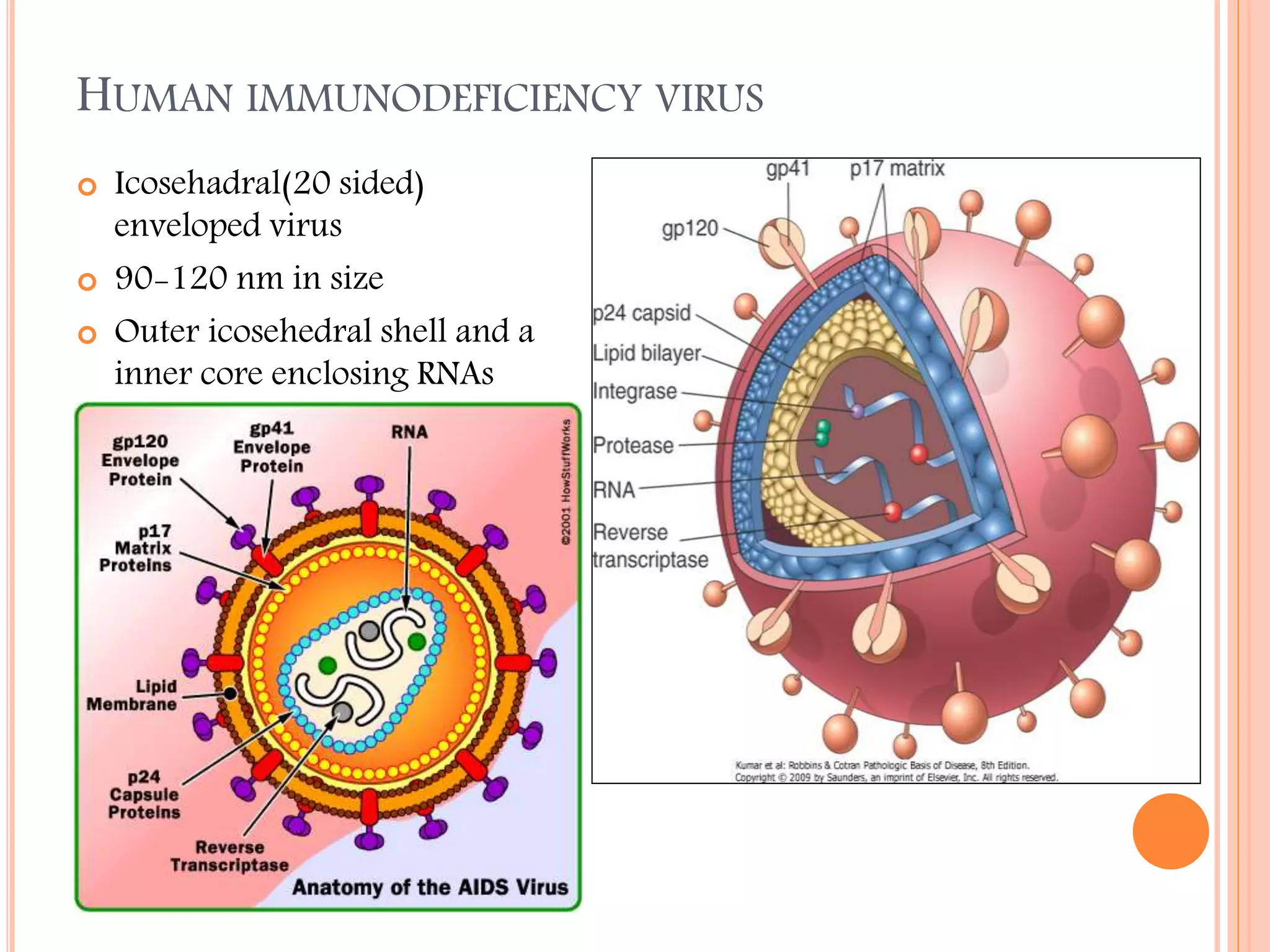
Icosehadral(20 sided)
enveloped virus
90-120 nm in size
Outer icosehedral shell and a
inner core enclosing RNAs


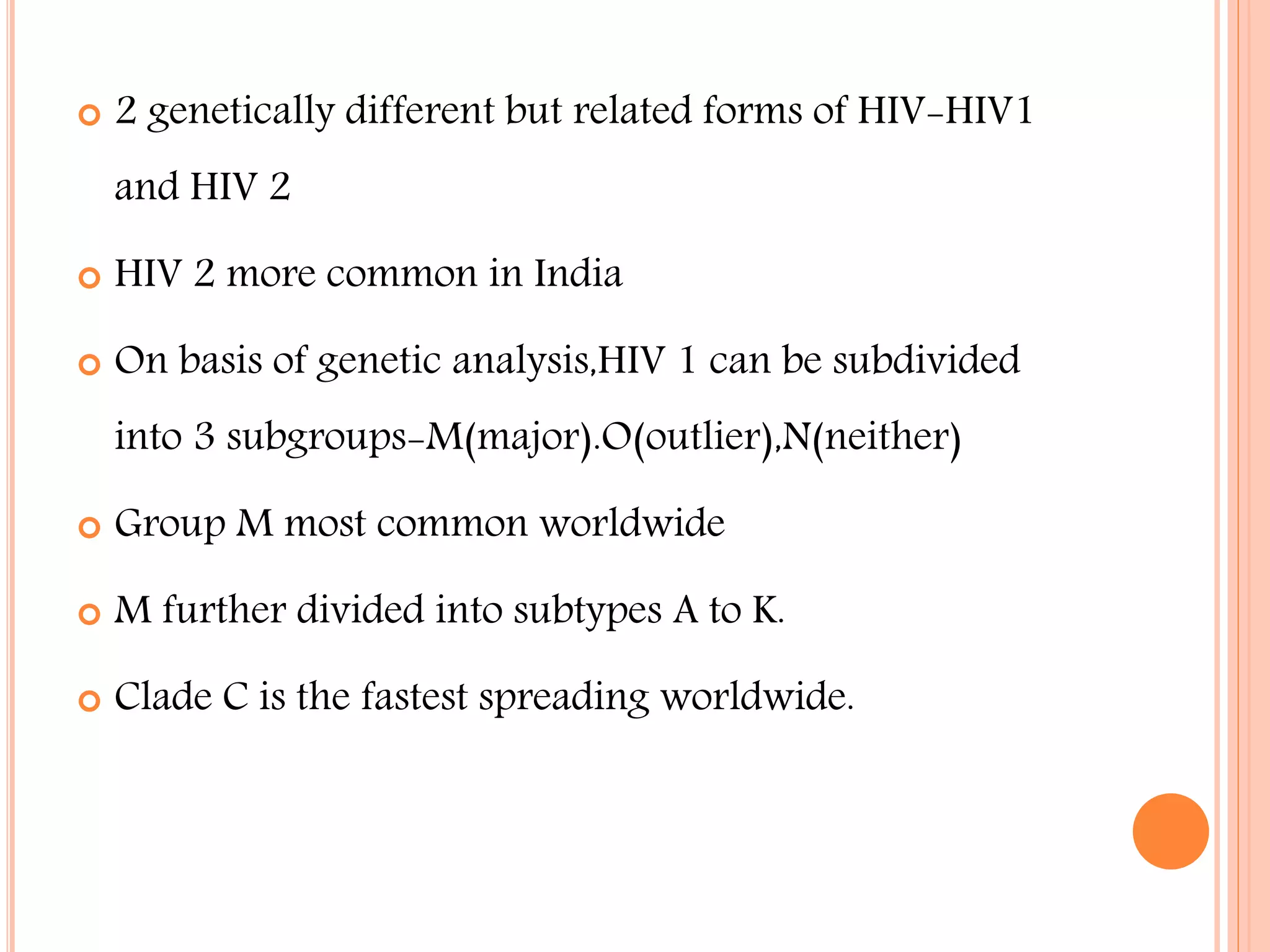
2 genetically different but related forms of HIV-HIV1
and HIV 2



HIV 2 more common in India



On basis of genetic analysis,HIV 1 can be subdivided
into 3 subgroups-M(major).O(outlier),N(neither)



Group M most common worldwide



M further divided into subtypes A to K.



Clade C is the fastest spreading worldwide.
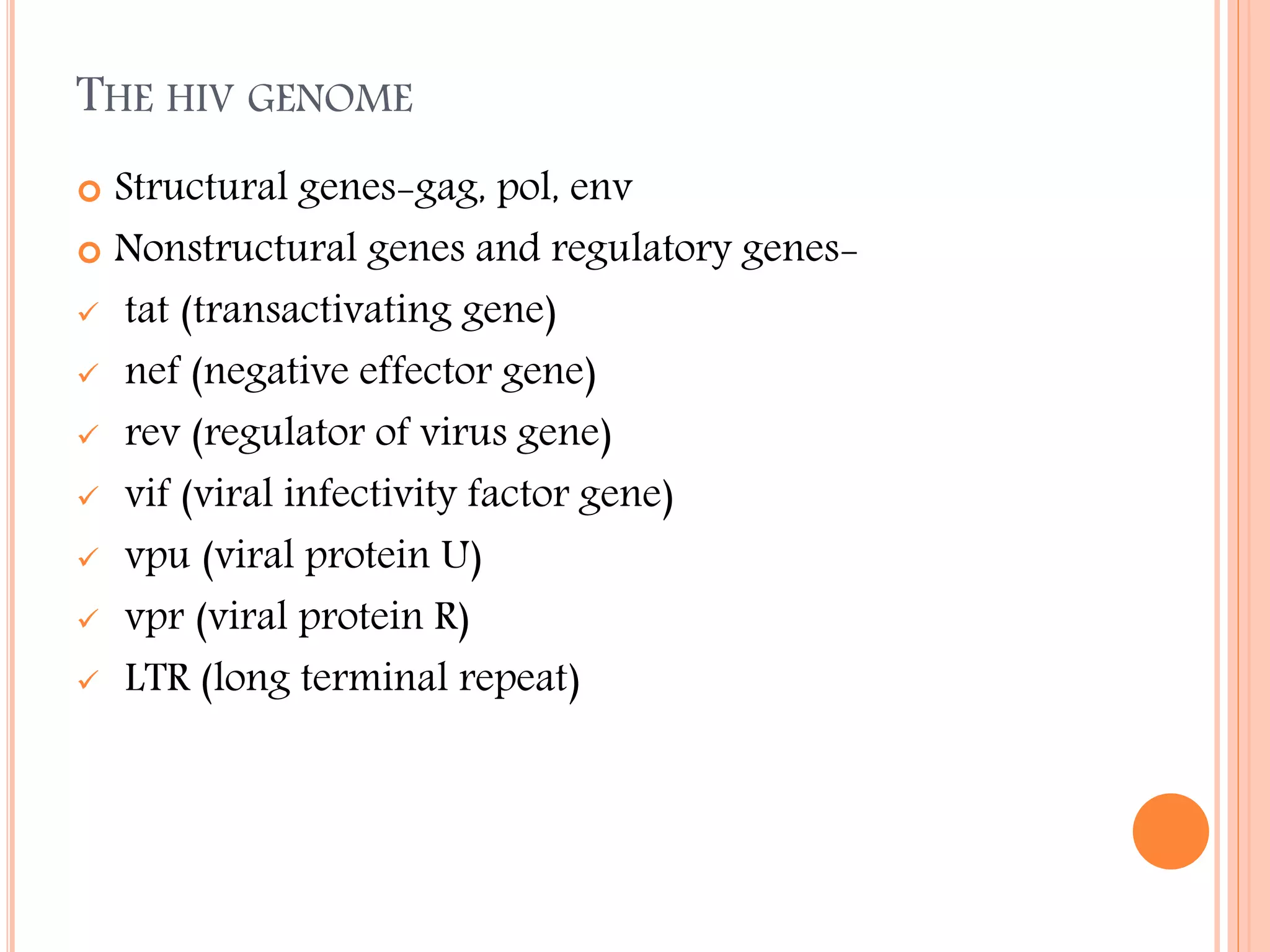
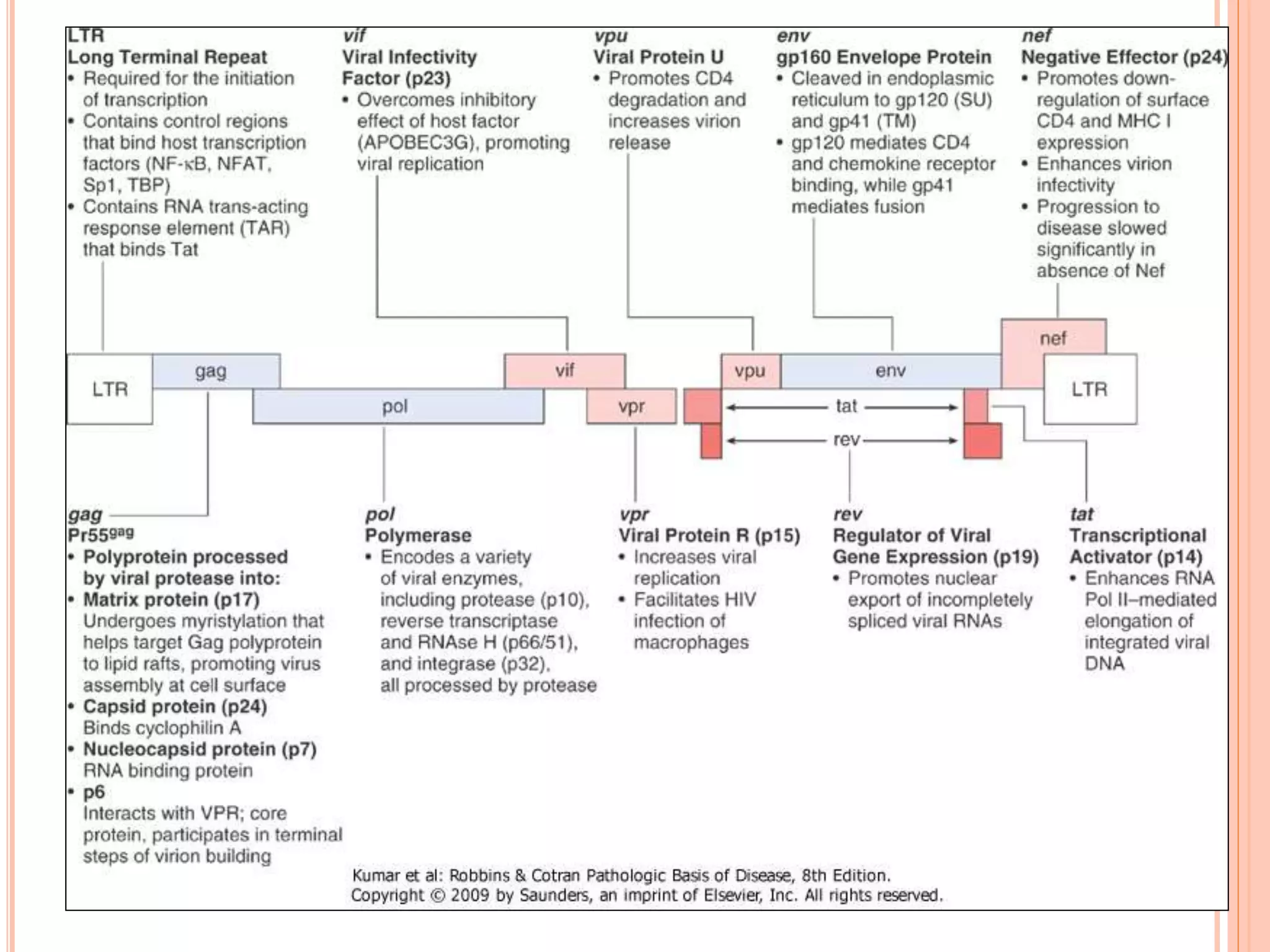
THE HIV GENOME
Structural genes-gag, pol, env
 Nonstructural genes and regulatory genes tat (transactivating gene)
 nef (negative effector gene)
 rev (regulator of virus gene)
 vif (viral infectivity factor gene)
 vpu (viral protein U)
 vpr (viral protein R)
 LTR (long terminal repeat)

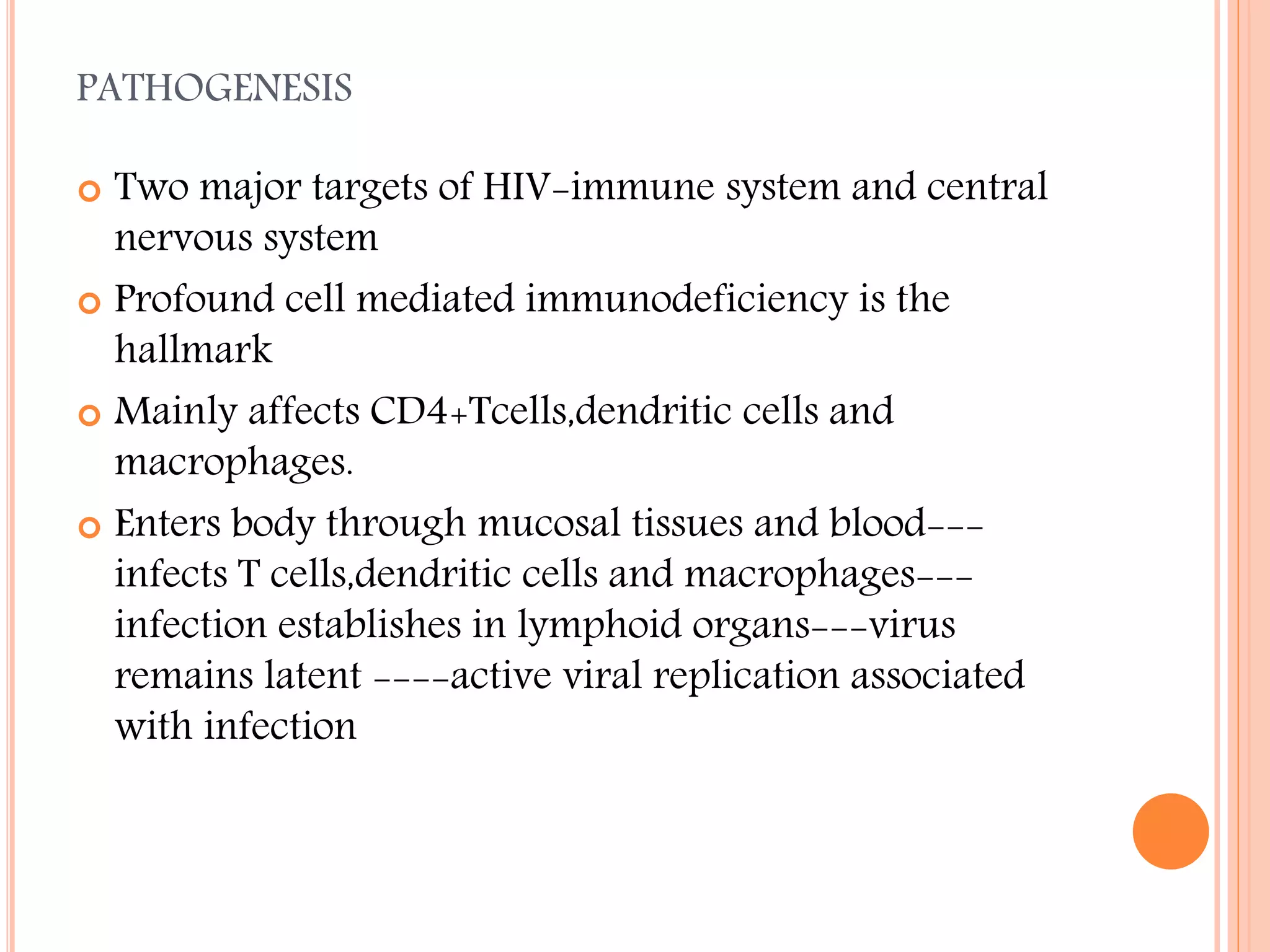
PATHOGENESIS
Two major targets of HIV-immune system and central
nervous system
 Profound cell mediated immunodeficiency is the
hallmark
 Mainly affects CD4+Tcells,dendritic cells and
macrophages.
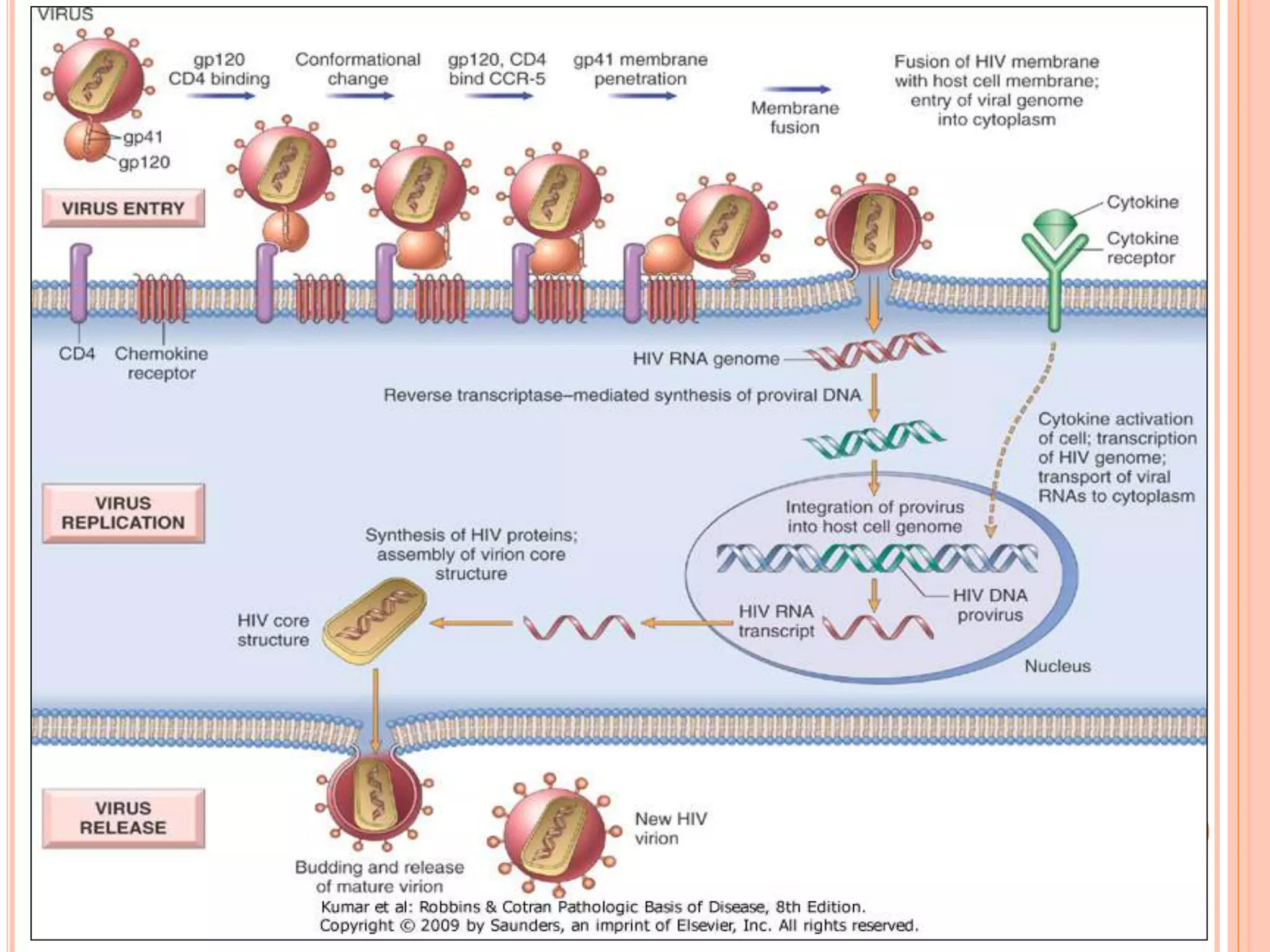
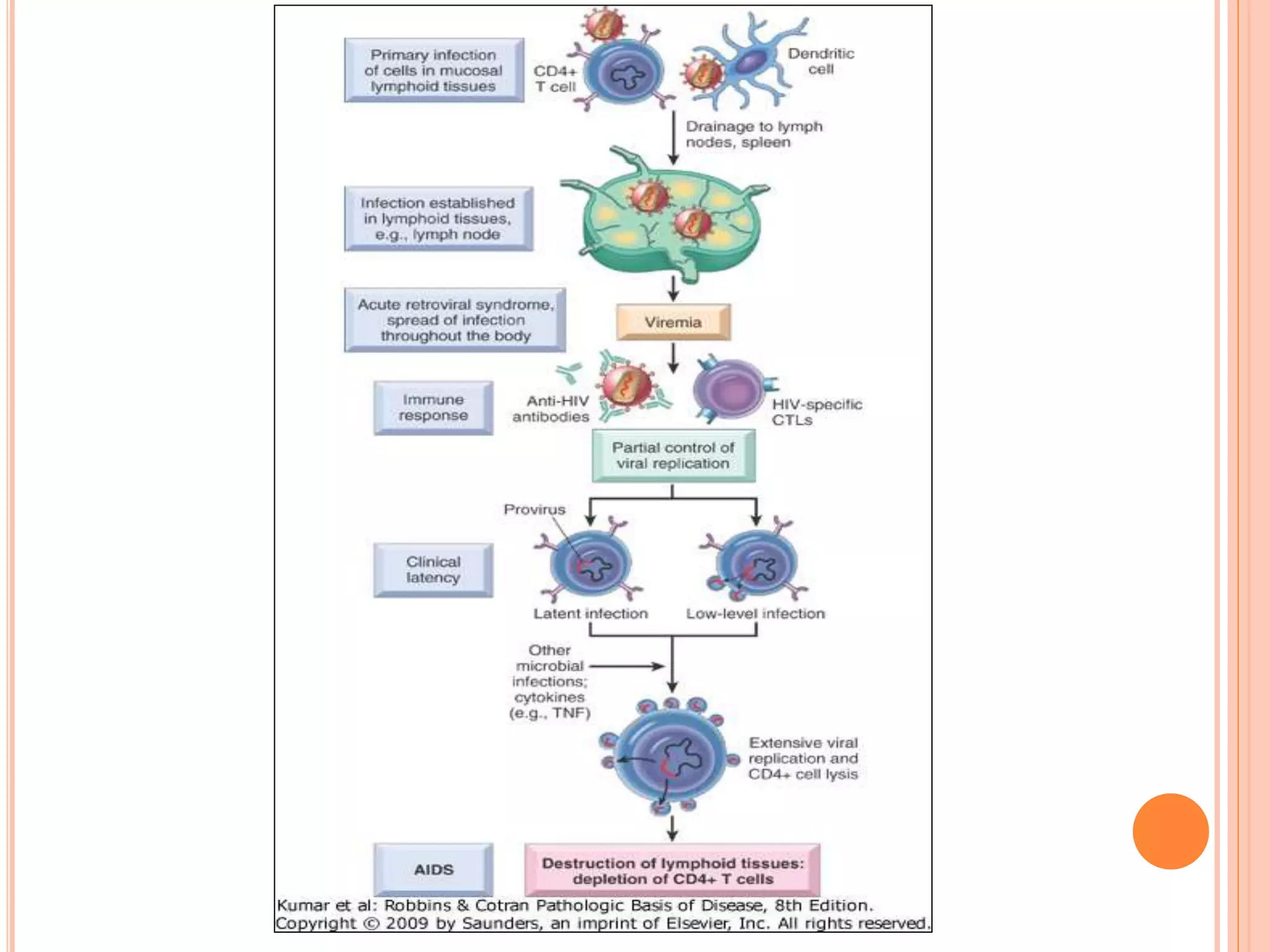
 Enters body through mucosal tissues and blood--infects T cells,dendritic cells and macrophages--infection establishes in lymphoid organs---virus
remains latent ----active viral replication associated
with infection

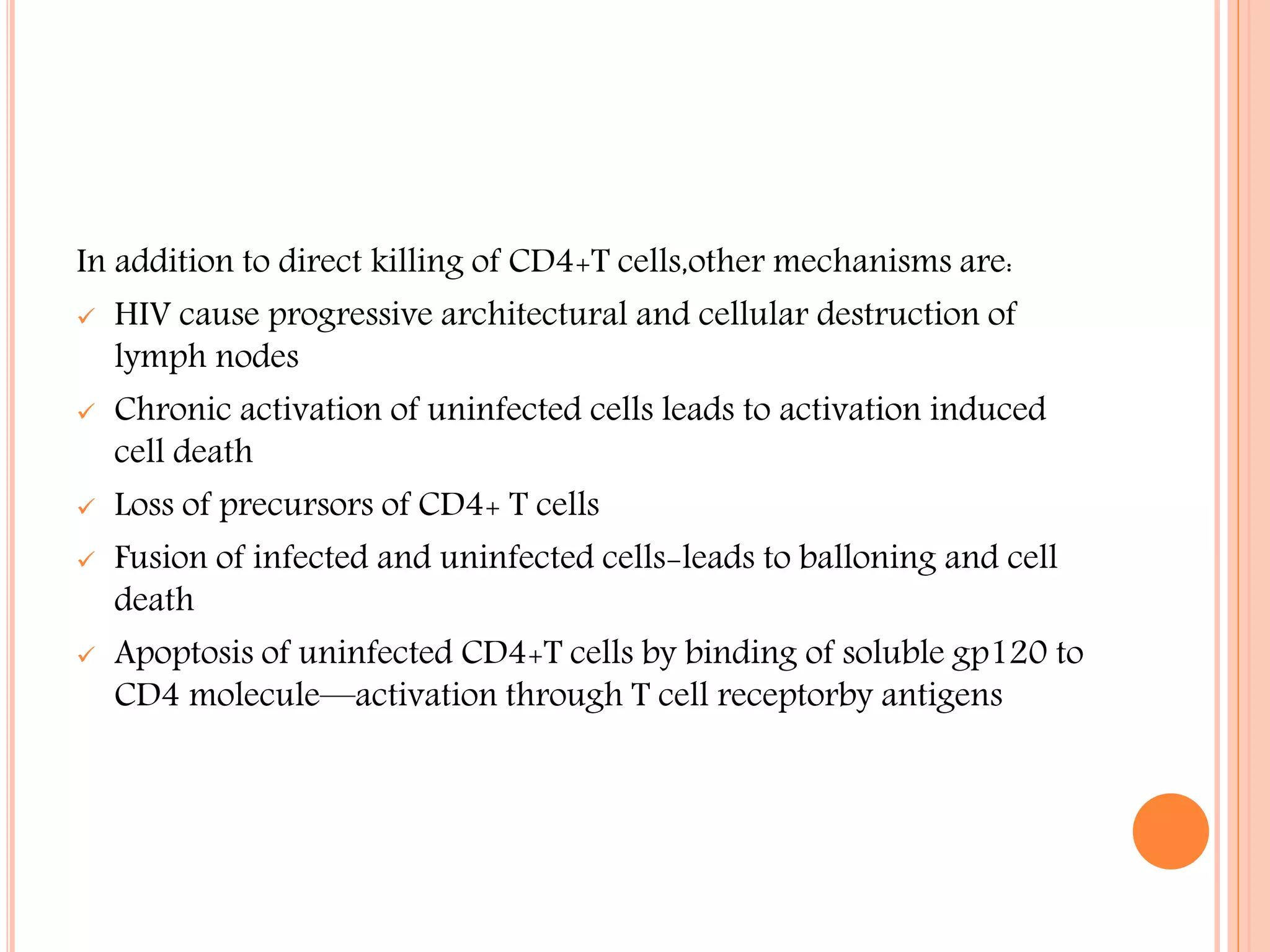
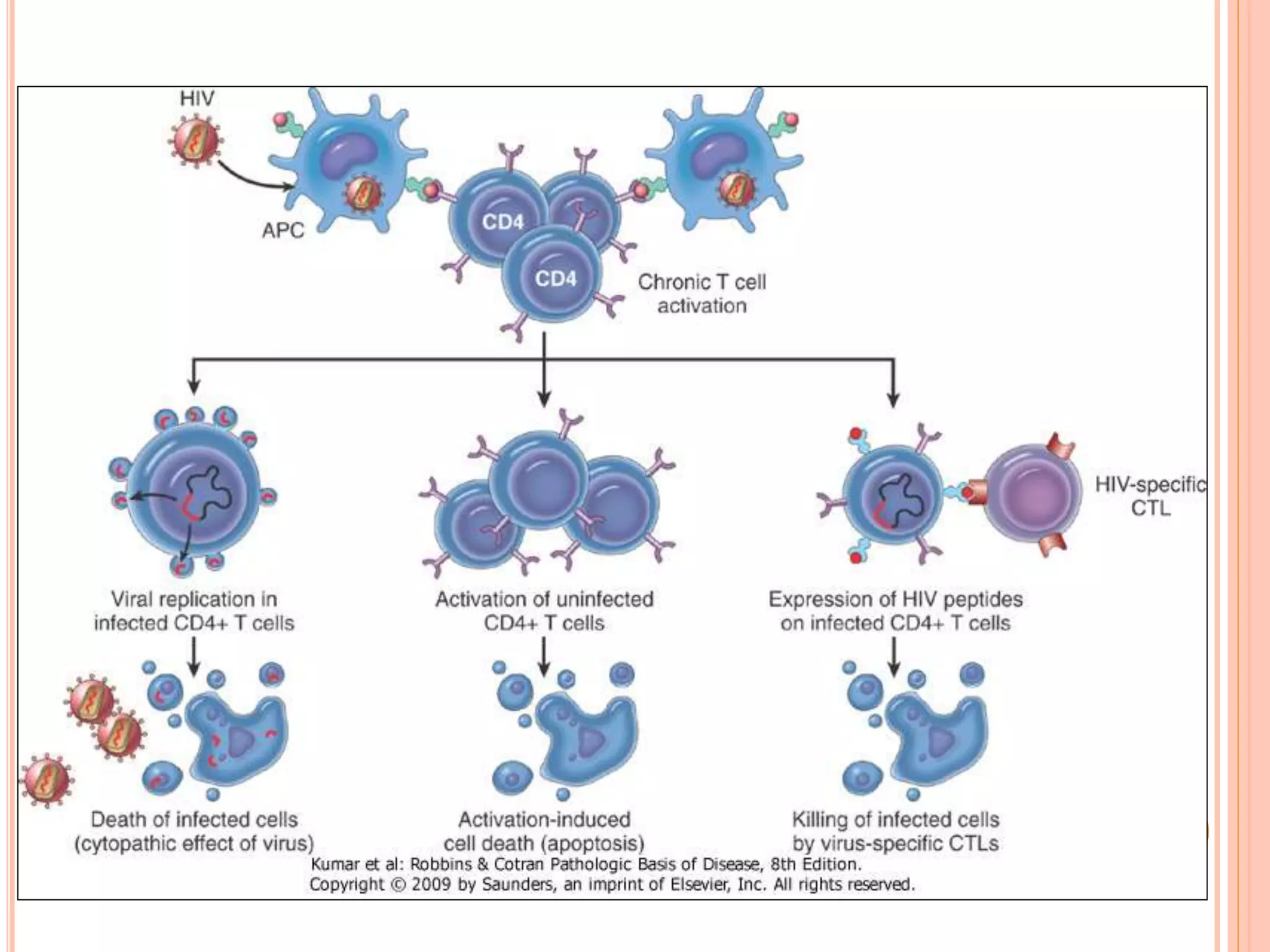
In addition to direct killing of CD4+T cells,other mechanisms are:
 HIV cause progressive architectural and cellular destruction of
lymph nodes
 Chronic activation of uninfected cells leads to activation induced
cell death
 Loss of precursors of CD4+ T cells
 Fusion of infected and uninfected cells-leads to balloning and cell
death
 Apoptosis of uninfected CD4+T cells by binding of soluble gp120 to
CD4 molecule—activation through T cell receptorby antigens
INFECTION OF NON T CELLS


Macrophages



HIV1 can infect and multiply in terminally differentiated macrophages
They are reservoirs of infection



Dendritic cells





Mucosal dendritic cells transport to regional lymph nodes
Follicular ones are potent reservoir



B cells





Polyclonal activation ---germinal centre B cell hyperplasia, BM
plasmacytosis, hypergammaglobulinimia, formation of circulating immune
complexes
MAJOR ABNORMALITIES OF IMMUNE SYSTEM


Decreased T cell function:



Preferential loss of activated and memory T cells
Decreased delayed type hypersensitivity
Susceptibility to opportunistic infection
Susceptibility to neoplasm



Polyclonal B cell activation :








Hypergammaglobulinimia,circulating immune complexes
Inability to mount immune response to new antigens



Altered monocyte/macrophage function:







Decreased chemotaxis and phagocytosis
Decrease class II MHC expression
Diminished capacity to present antigen to T cells
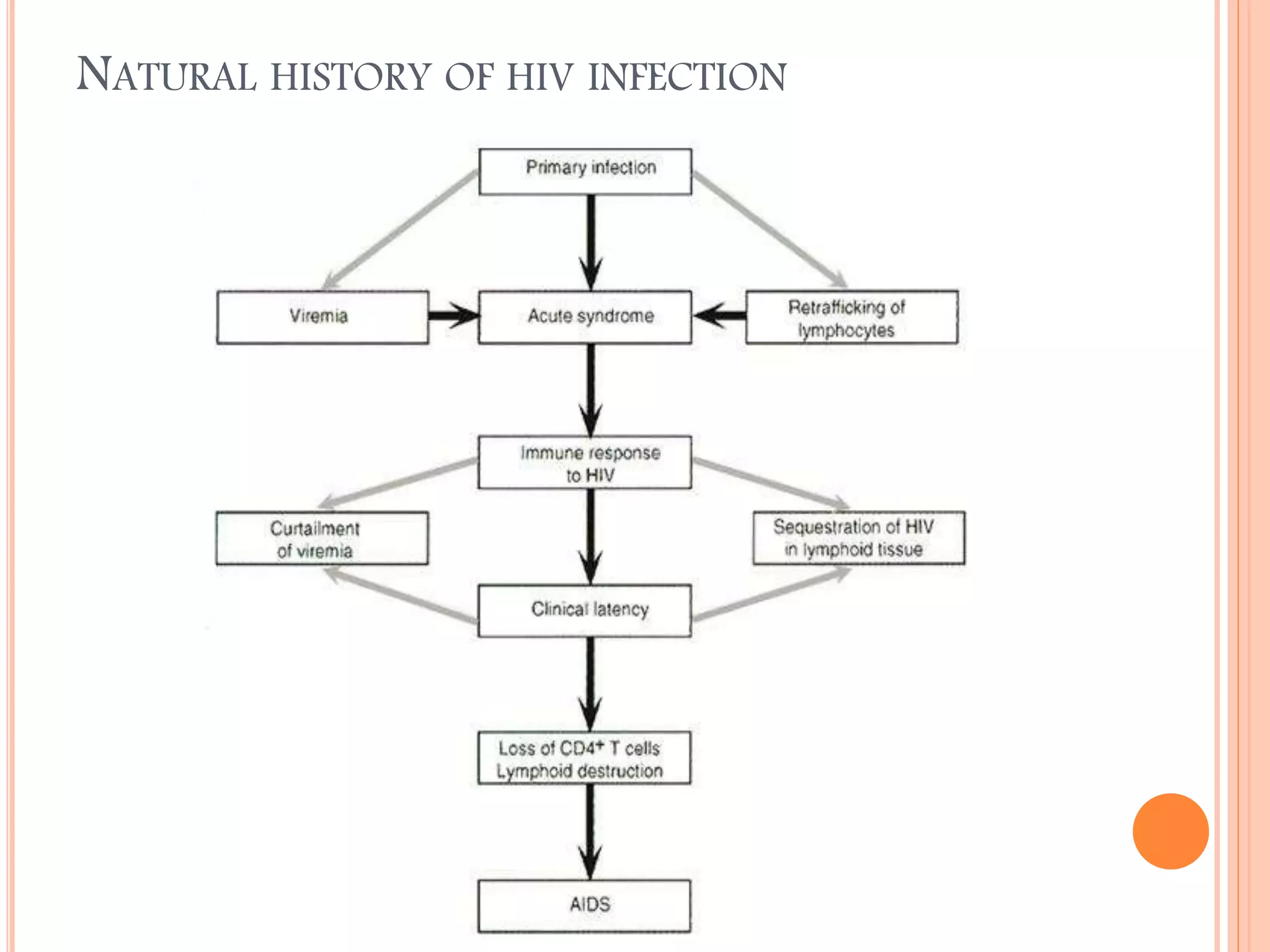
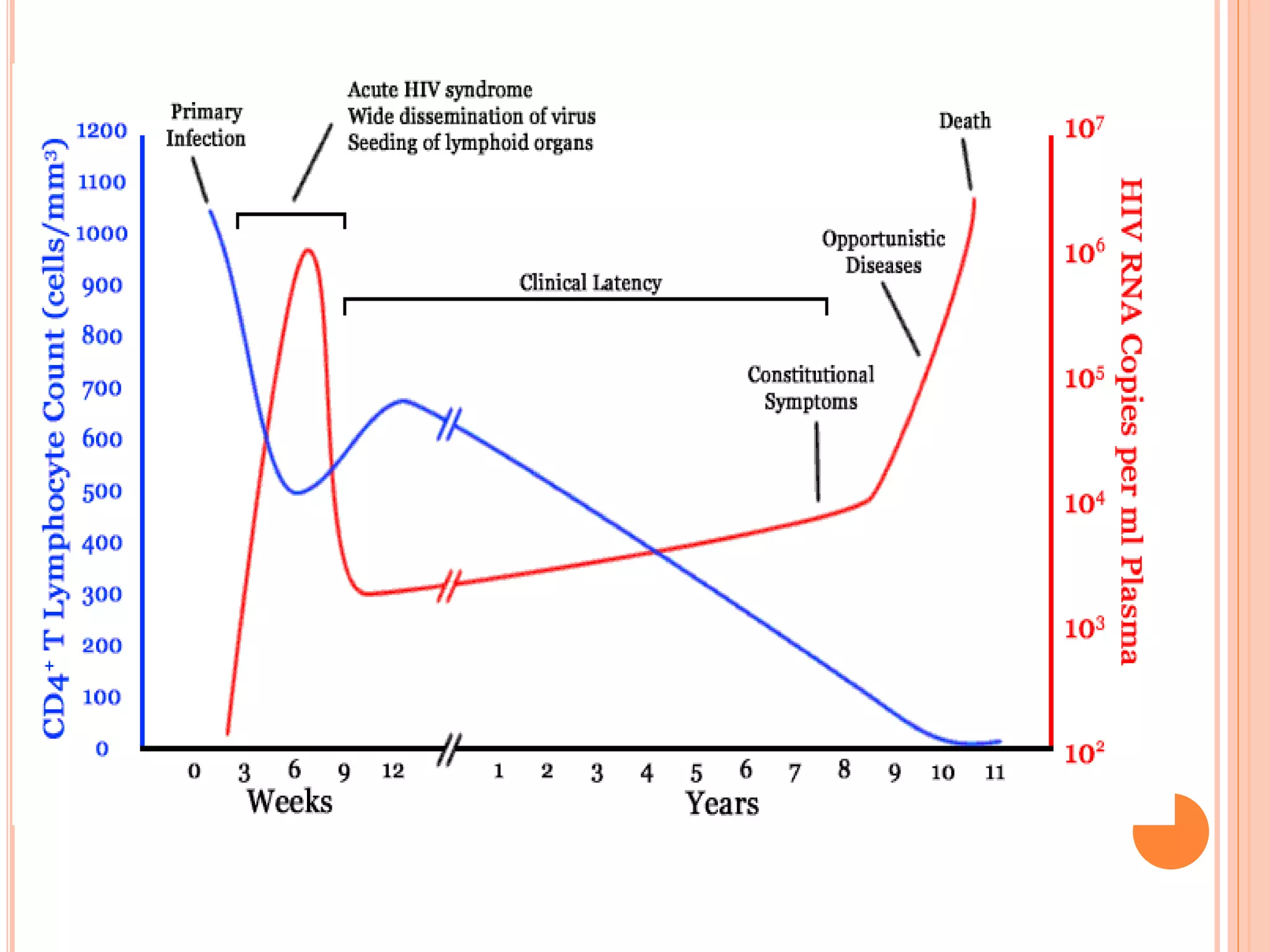
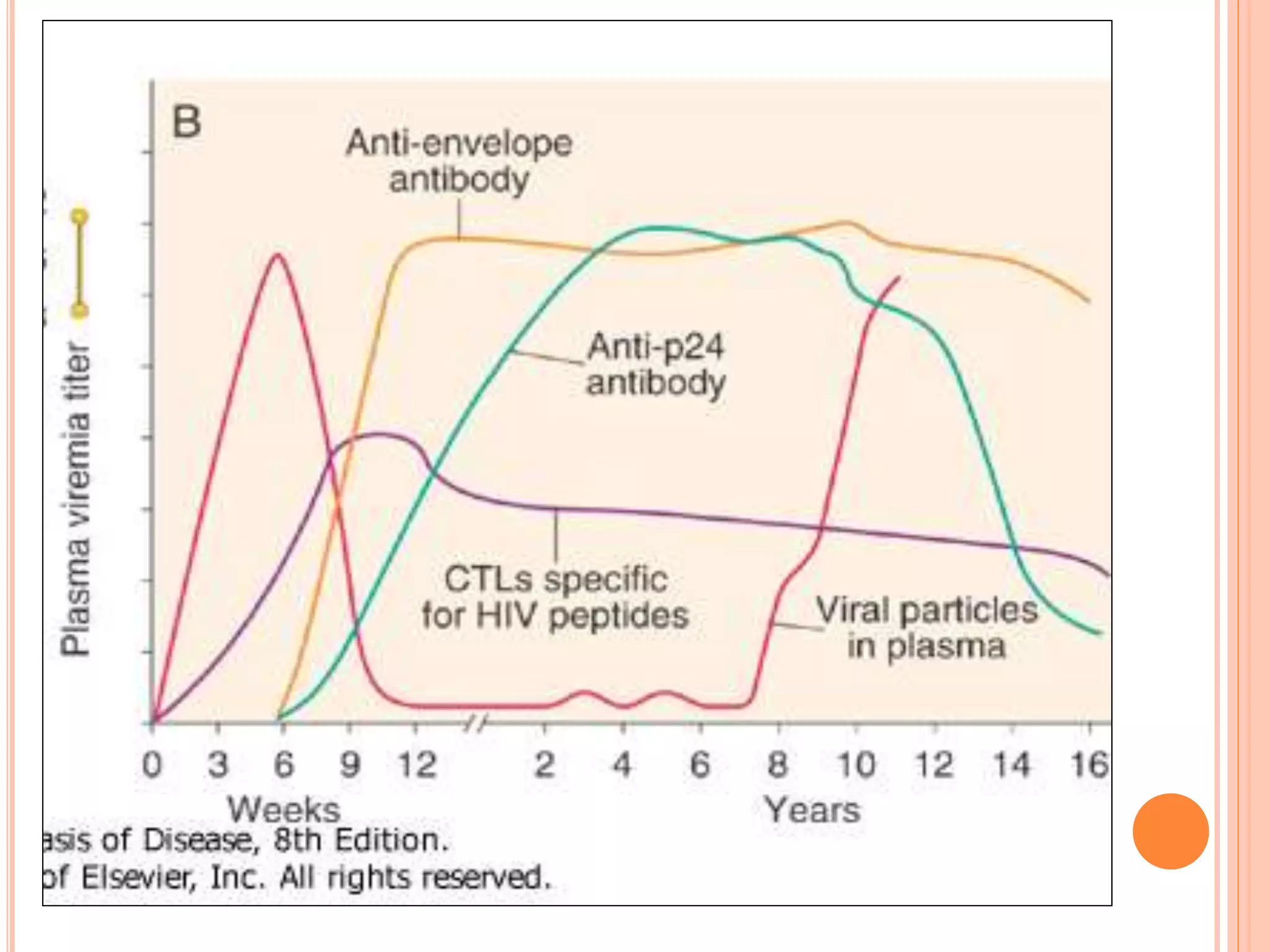
NATURAL HISTORY OF HIV INFECTION
T CE
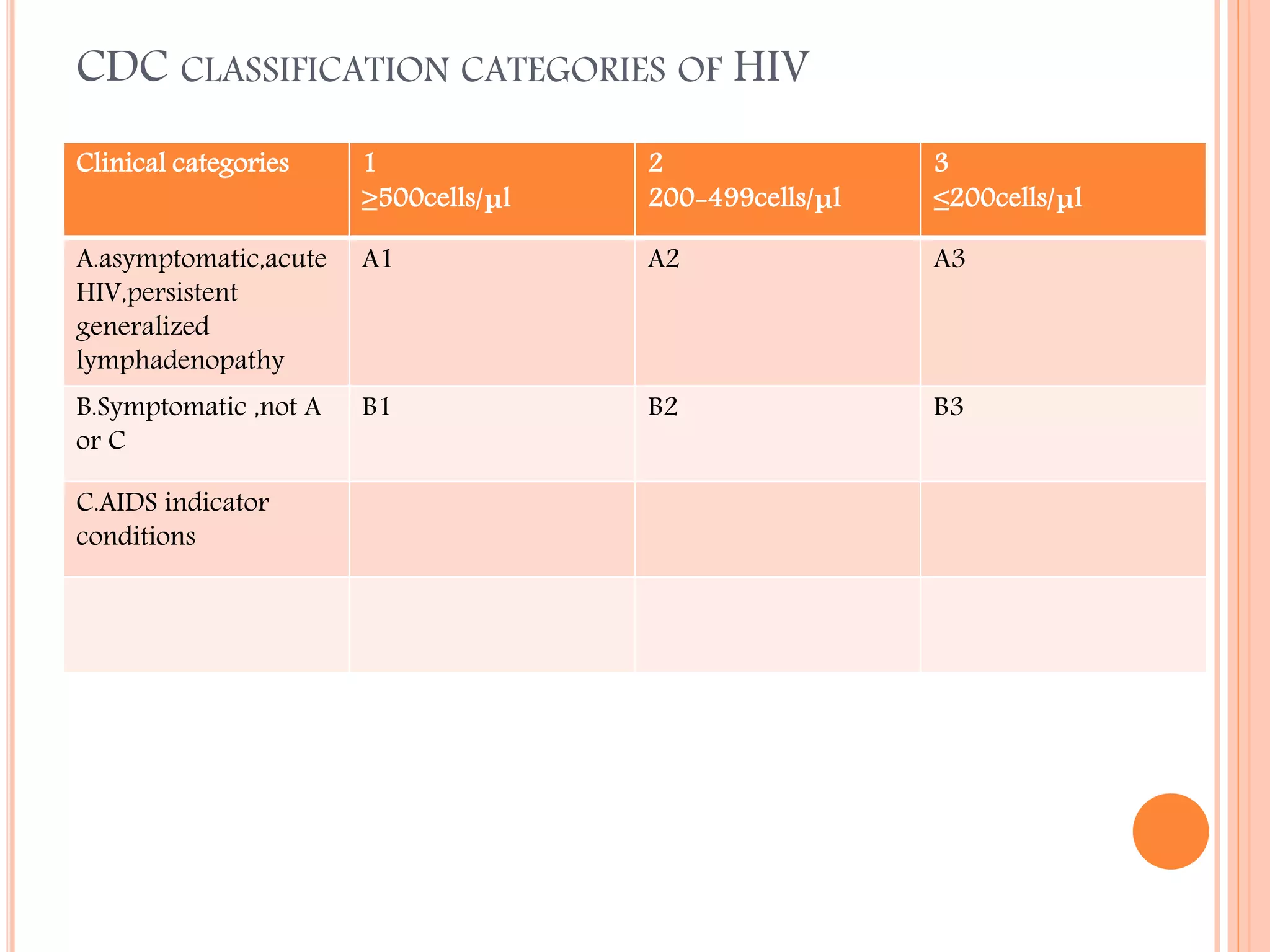
CDC CLASSIFICATION CATEGORIES OF HIV
Clinical categories

1
≥500cells/μl

2
200-499cells/μl

3
≤200cells/μl

A.asymptomatic,acute
HIV,persistent
generalized
lymphadenopathy

A1

A2

A3

B.Symptomatic ,not A
or C

B1

B2

B3

C.AIDS indicator
conditions
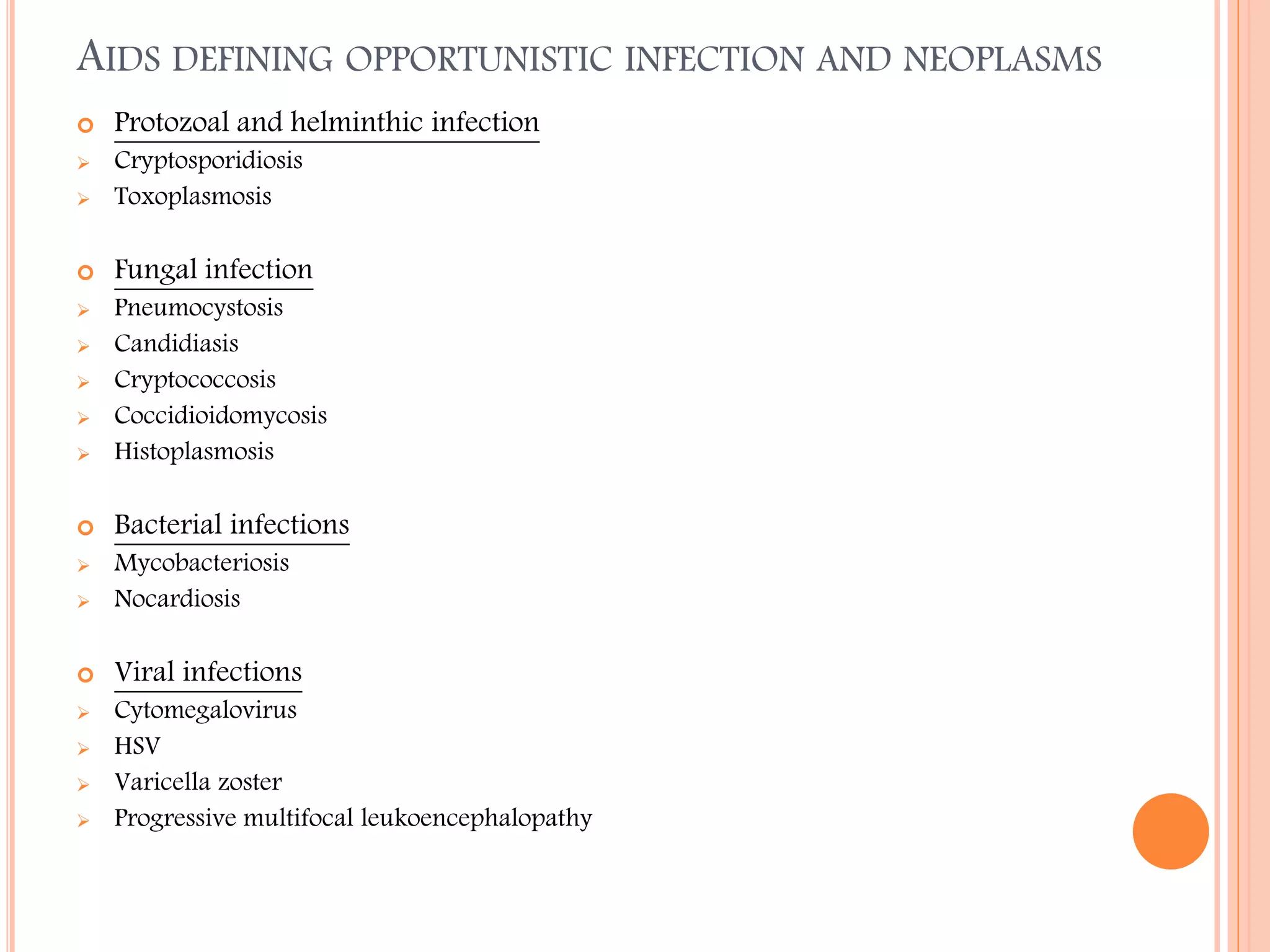
AIDS DEFINING OPPORTUNISTIC INFECTION AND NEOPLASMS


Protozoal and helminthic infection



Cryptosporidiosis
Toxoplasmosis



Fungal infection





Pneumocystosis
Candidiasis
Cryptococcosis
Coccidioidomycosis
Histoplasmosis



Bacterial infections








Mycobacteriosis
Nocardiosis



Viral infections








Cytomegalovirus
HSV
Varicella zoster
Progressive multifocal leukoencephalopathy
NEOPLASMS


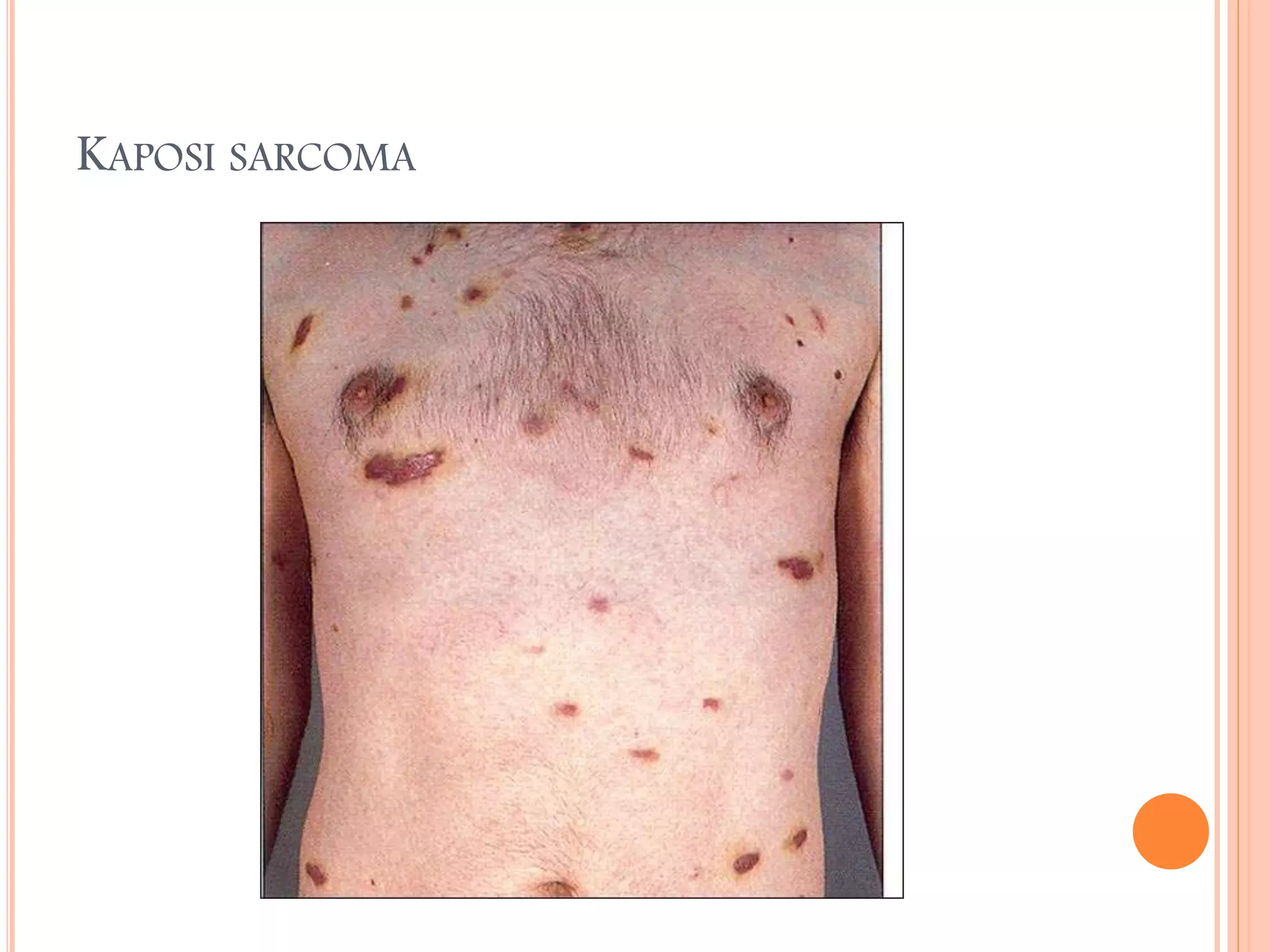
Kaposi’s sarcoma



Non-hodgkin B cell lymphoma



Cervical cancer in women



Anal cancer in men

25-40% of HIV patients develop malignancy
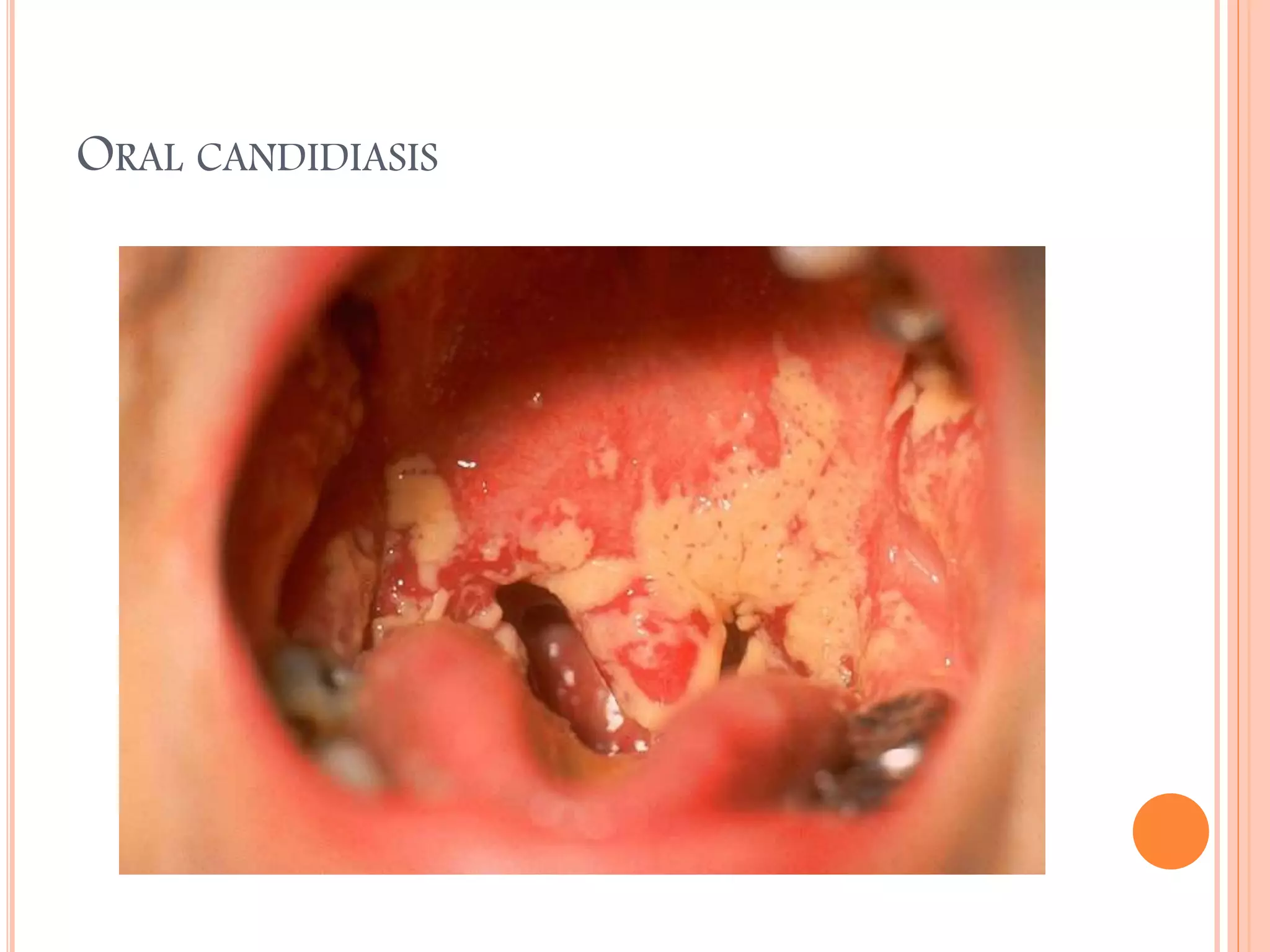
ORAL CANDIDIASIS
KAPOSI SARCOMA
EXPANDED WHO CASE DEFINITION FOR AIDS
An adult or adolescent(>12yrs) is considered to have AIDS if a test for HIV Ab
gives +ve result,and one or more of the following conditions are present


≥10% body wt loss or cachexia with diarrhoea or fever or both,intermittent or
constant,for atleast 1 month,not known to be due to a condition unrelated to
HIV infection



Cryptococcal meningitis



Pulmonary/extrapulmonary TB



Kaposi’s sarcoma



Neurological impairment



Candidiasis of esophagus



Clinically diagnosed life threatening or recurrent episodes of pneumonia with
or without etiological confirmation



Invasive cervical cancer
LABORATORY INVESTIGATIONS


Hematological investigations- anaemia of chronic
disease,neutropenia,lymphopenia(CD4+Tcell),thromb ocytopenia.Raised ESR.



p/s: atypical lymphocytes having a plasmacytoid appearance.



CD4+:CD8+T cells- ratio is reversed



Hypergammaglobulinemia : IgG & IgA levels raised



Lymph node biopsy -follicular hyperplasia



CSF- lymphocytic pleocytosis
HIV POSITIVITY


The presence of antibodies against HIV in human body is termed
HIV positivity & the person is called HIV positive



It takes 6-12 weeks after infection for antibodies to rise to
detectable levels.



So,there is a window period during which infected person may
transmit the infection despite being seronegative.



During this window period p24 antigen capture assays are useful
LABORATORY DIAGNOSIS OF HIV INFECTION



Methods utilized to detect:


Antibody



Antigen



Viral nucleic acid



Virus in culture
ELISA


Antibodies detected in ELISA include those directed against: p24, gp120,
gp160 and gp41, detected first in infection and appear in most individuals
Standard blood screening test



Sensitivity->99.5%





4th generation EIA test combine detection of Abs to HIV with detection of
p24 Ag for HIV



False positive EIA-



Abs to class II Ag



Auto antibodies



Hepatic disease



Recent influenza



Acute viral infections



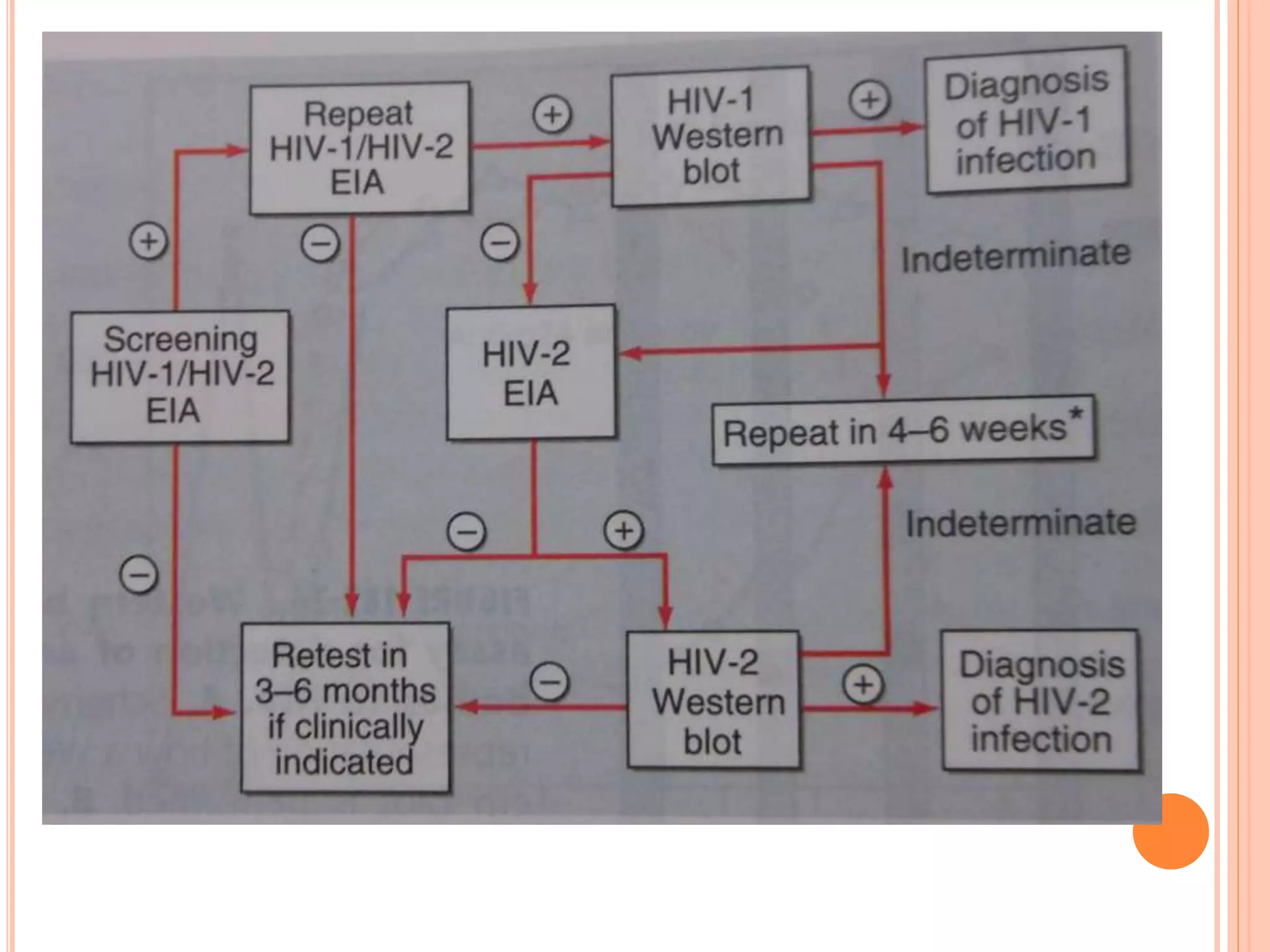
So EIA confirmed by western blot, p24 Ag capture assay or HIV RNA tests.
WESTERN BLOT



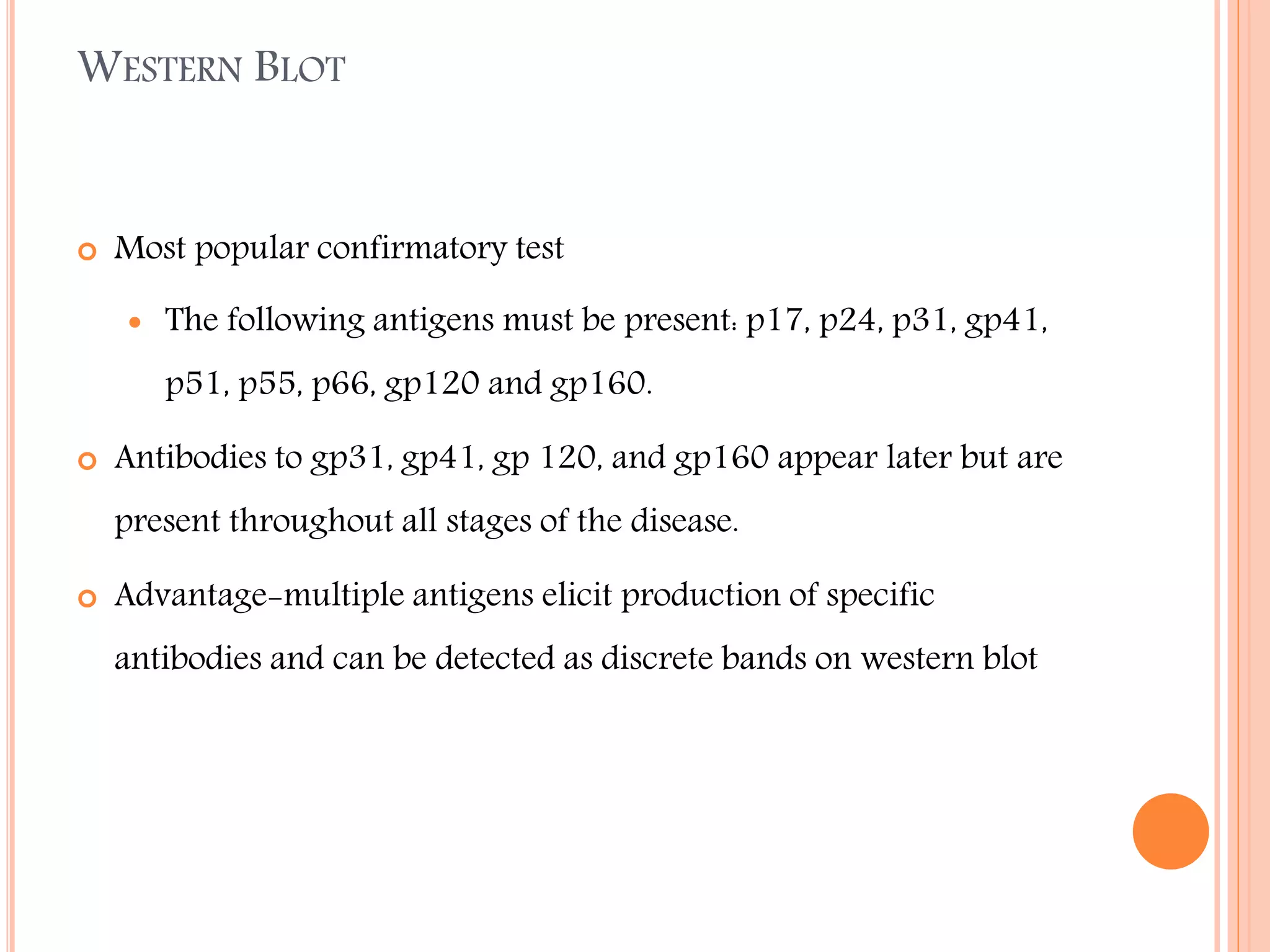
Most popular confirmatory test


The following antigens must be present: p17, p24, p31, gp41,
p51, p55, p66, gp120 and gp160.



Antibodies to gp31, gp41, gp 120, and gp160 appear later but are
present throughout all stages of the disease.



Advantage-multiple antigens elicit production of specific
antibodies and can be detected as discrete bands on western blot
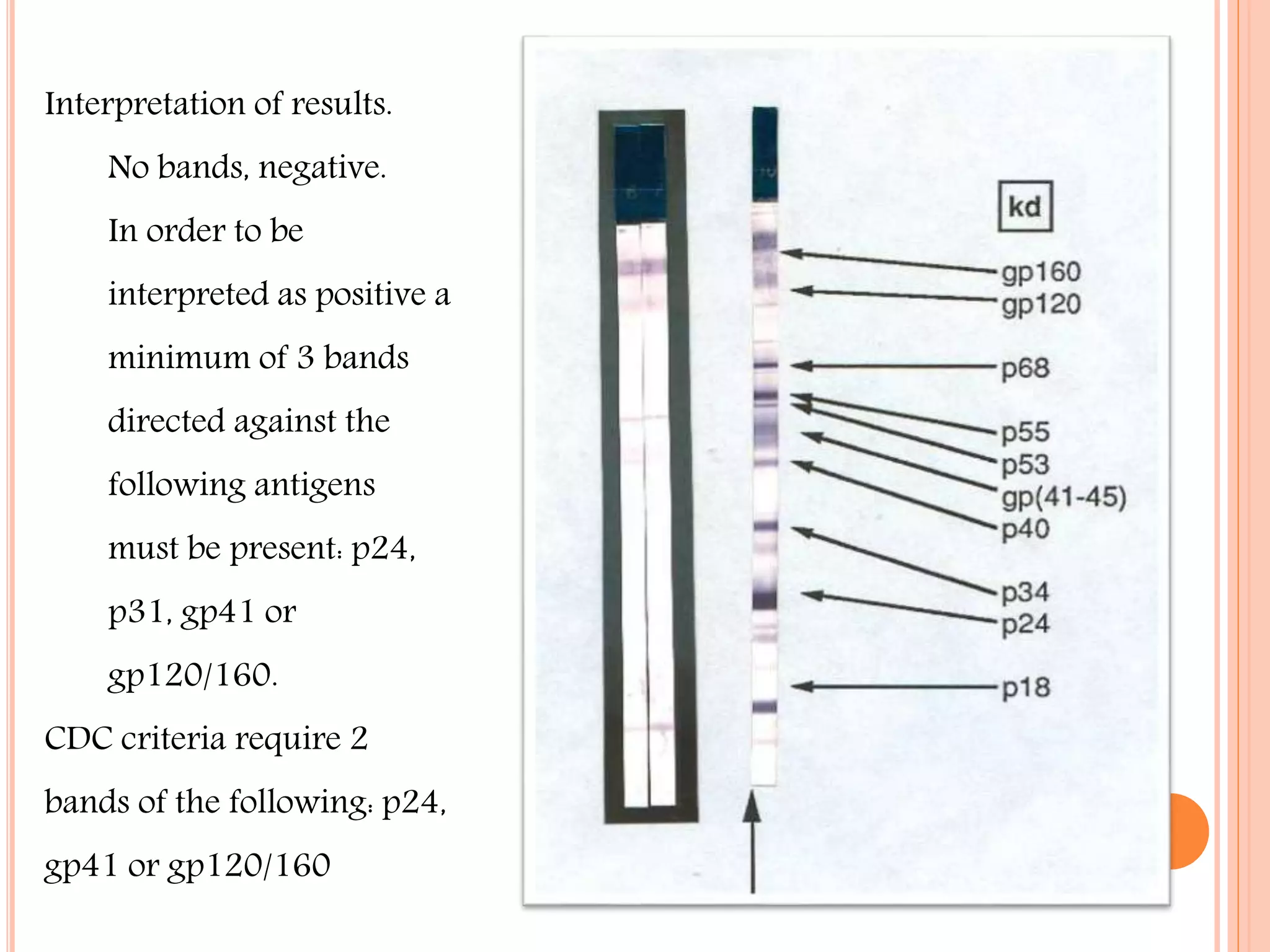
Interpretation of results.
No bands, negative.
In order to be

interpreted as positive a
minimum of 3 bands
directed against the
following antigens
must be present: p24,
p31, gp41 or
gp120/160.
CDC criteria require 2
bands of the following: p24,
gp41 or gp120/160
INDIRECT IMMUNOFLOURESCENCE


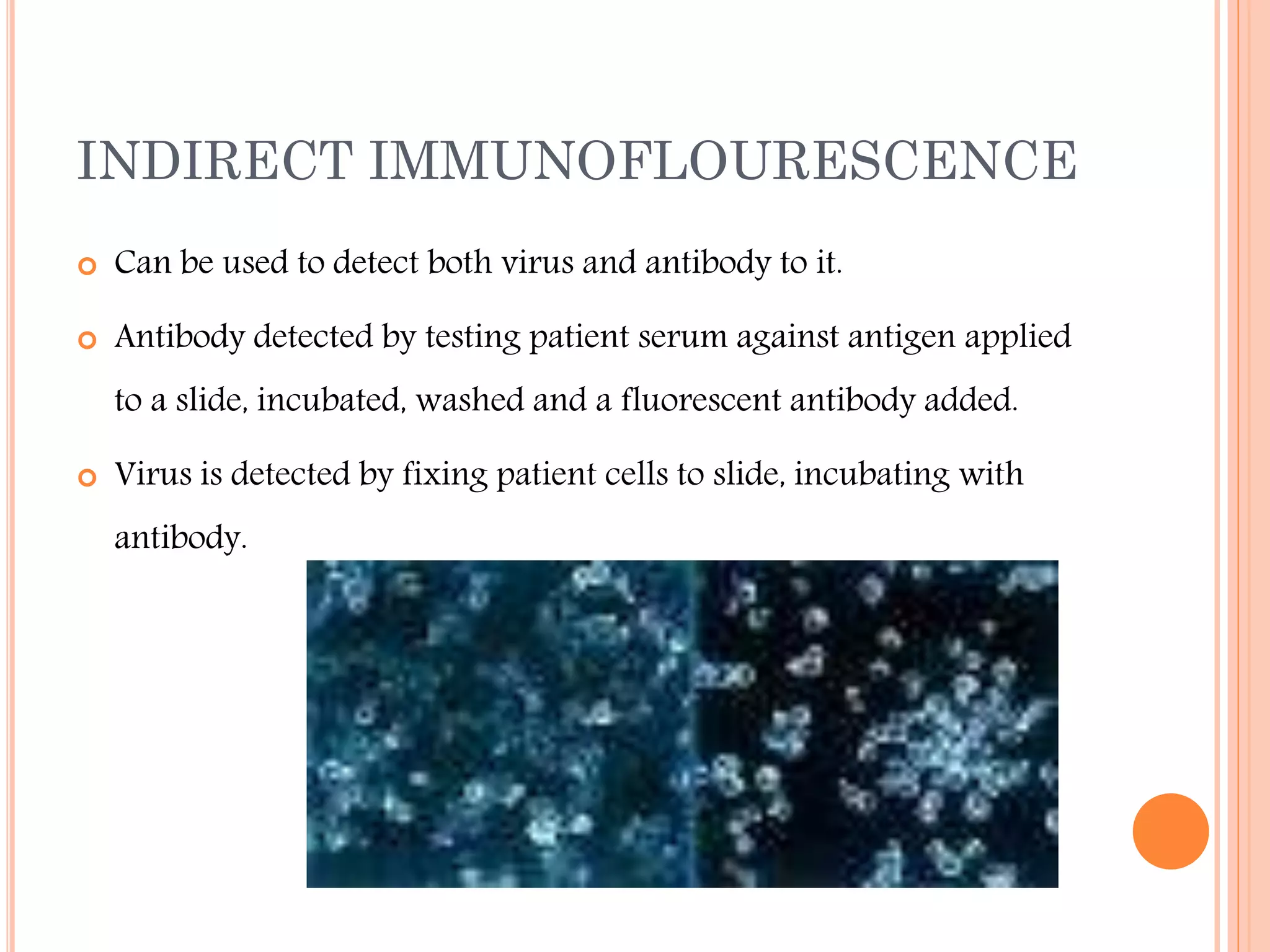
Can be used to detect both virus and antibody to it.



Antibody detected by testing patient serum against antigen applied
to a slide, incubated, washed and a fluorescent antibody added.



Virus is detected by fixing patient cells to slide, incubating with
antibody.
P24 ANTIGEN CAPTURE ASSAY



The p24-antigen screening assay is an EIA performed on serum or plasma.



P24 antigen only present for short time, disappears when antibody to p24
appears.



Greatest use as a screening test for persons suspected to have acute HIV

syndrome.


Test not recommended for routine screening as appearance and rate of
rise are unpredictable.



Sensitivity lower than ELISA.


Most useful for the following:


early infection suspected in seronegative patient



newborns



CSF



monitoring disease progress
CD4+ T CELL COUNT


Most widely used predictor of HIV progression.



Risk of progression to an AIDS opportunistic infection or
malignancy is high with CD4+T cell<200 cells/mcl



Percentage may be more reliable than CD4 count



Risk of progression to an AIDS opportunistic infection or
malignancy is high with percentage <20% in absence of treatment


Routine blood donor screening is done by nucleic acid testing.



3 assays are used where measurement of anti HIV Ab may be misleading—



RT-PCR



Branched DNA



Nucleic acid sequence based amplification (NASBA)



USE-



Diagnosis



Initial prognosis



Determining need for therapy



Monitoring effects of therapy
VIRUS ISOLATION


Virus isolation can be used to definitively diagnose HIV.



Best sample is peripheral blood, but can use CSF, saliva, cervical
secretions, semen, tears or material from organ biopsy.



Cell growth in culture is stimulated, amplifies number of cells
releasing virus.



Cultures incubated one month, infection confirmed by detecting
reverse transcriptase or p24 antigen in supernatant
VIRAL LOAD TEST











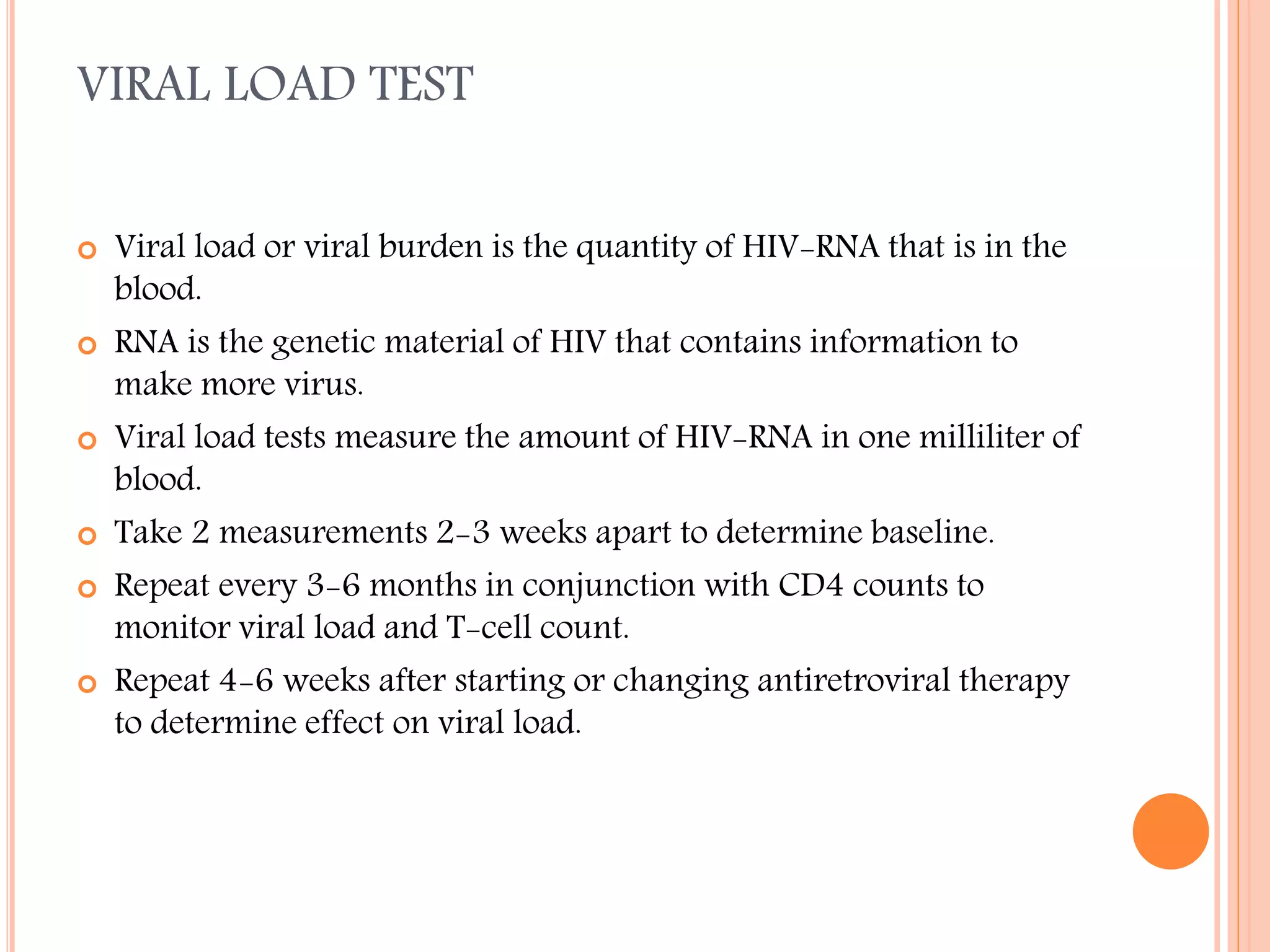
Viral load or viral burden is the quantity of HIV-RNA that is in the
blood.
RNA is the genetic material of HIV that contains information to
make more virus.
Viral load tests measure the amount of HIV-RNA in one milliliter of
blood.
Take 2 measurements 2-3 weeks apart to determine baseline.
Repeat every 3-6 months in conjunction with CD4 counts to
monitor viral load and T-cell count.
Repeat 4-6 weeks after starting or changing antiretroviral therapy
to determine effect on viral load.
TESTING OF NEONATES


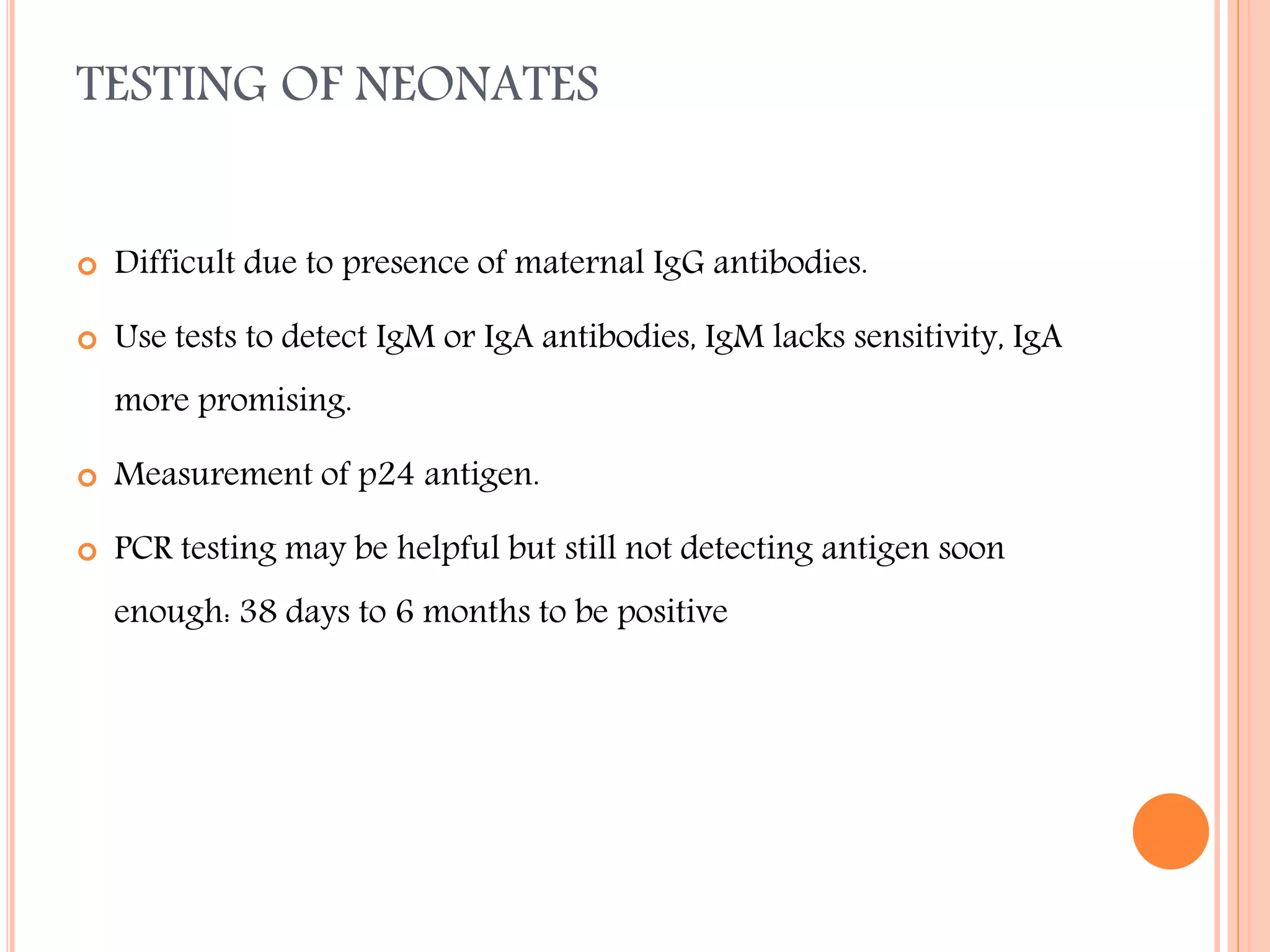
Difficult due to presence of maternal IgG antibodies.



Use tests to detect IgM or IgA antibodies, IgM lacks sensitivity, IgA
more promising.



Measurement of p24 antigen.



PCR testing may be helpful but still not detecting antigen soon
enough: 38 days to 6 months to be positive
TESTING IN PREGNANT MOTHER


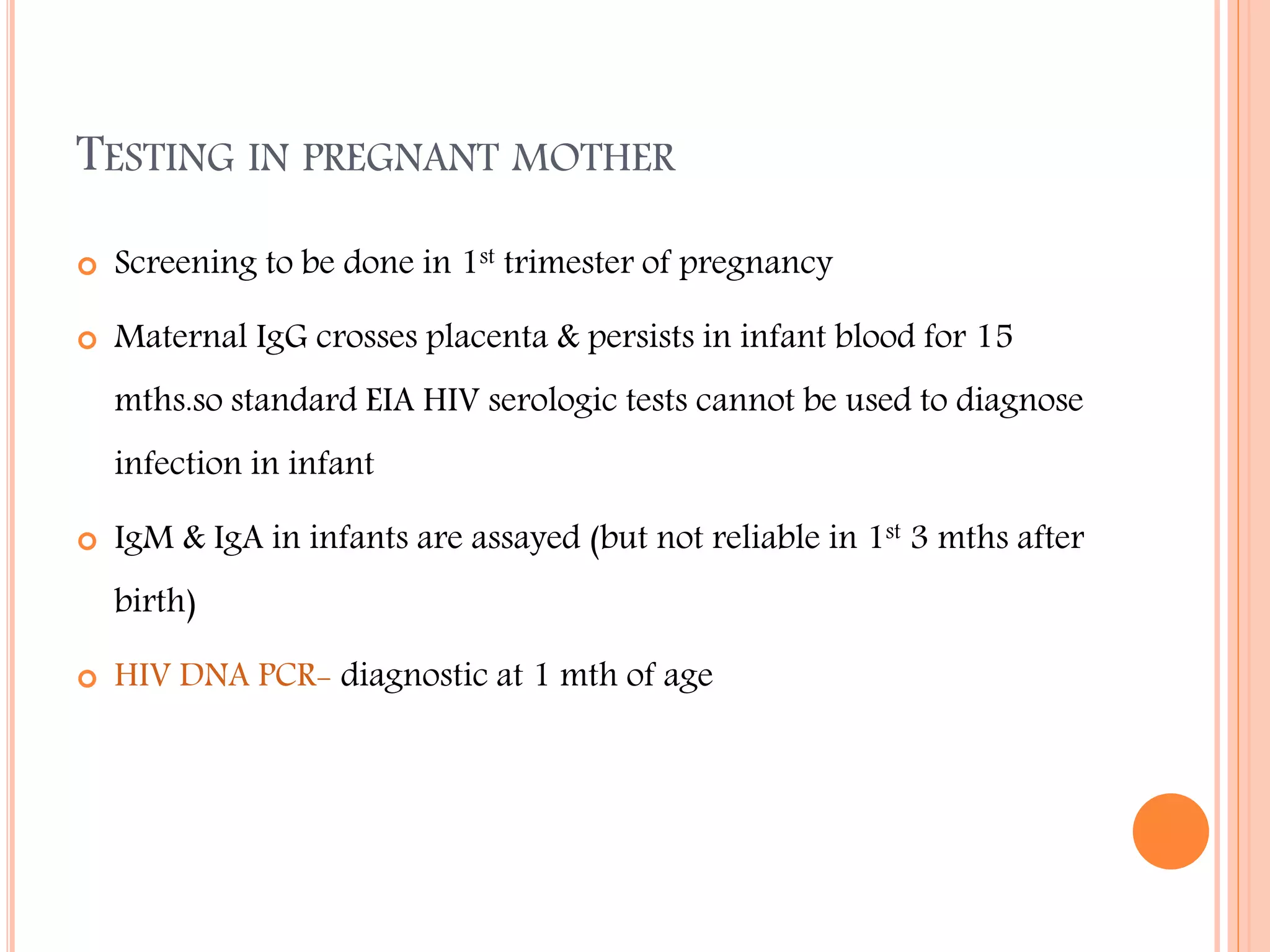
Screening to be done in 1st trimester of pregnancy



Maternal IgG crosses placenta & persists in infant blood for 15
mths.so standard EIA HIV serologic tests cannot be used to diagnose
infection in infant



IgM & IgA in infants are assayed (but not reliable in 1st 3 mths after
birth)



HIV DNA PCR- diagnostic at 1 mth of age
TREATMENT


Antiretroviral drugs target-protease,integrase,reverse transcriptase.



Highly active anti retroviral therapy( HAART )



Four approved classes of drugs in the HAART regimens
 Nucleoside and nucleotide reverse transcriptase inhibitors
 Non-nucleoside reverse transcriptase inhibitors
 Protease inhibitors
 Fusion inhibitors

Major causes of morbidity are-cancer,accelerated cardiovascular
diseases,kidney diseases and liver diseases.
PREVENTION


Monogamous Relationship



Protected Sex



Sterile needles



Proper screening of blood products before transfusion
THANK YOU

Aids

  • 2.
    INTRODUCTION  First indication camein 1981 from New York and LA,of a sudden outbreak of two very rare diseases, Kaposi sarcoma and Pneumocystis carini pneumonia in young adults who were homosexuals or addicted to injected narcotics. This condition was named AIDS.  Discovered independently by Luc Montagnier of France and Robert Gallo of the US in 1983-84  AIDS in India was 1st detected in commercial sex workers in Tamil Nadu in 1986& has been growing very fast since then.  Causative agent- Human Immunodeficiency Virus(HIV), lentivirus subgroup of family retroviridae.  AIDS is a global pandemic  2007-33.2 million individuals living with AIDS
  • 4.
    ROUTES OF TRANSMISSION  Sexualroute  IV drug use  Mother to baby  Body fluids
  • 5.
    HUMAN IMMUNODEFICIENCY VIRUS    Icosehadral(20sided) enveloped virus 90-120 nm in size Outer icosehedral shell and a inner core enclosing RNAs
  • 6.
     2 genetically differentbut related forms of HIV-HIV1 and HIV 2  HIV 2 more common in India  On basis of genetic analysis,HIV 1 can be subdivided into 3 subgroups-M(major).O(outlier),N(neither)  Group M most common worldwide  M further divided into subtypes A to K.  Clade C is the fastest spreading worldwide.
  • 7.
    THE HIV GENOME Structuralgenes-gag, pol, env  Nonstructural genes and regulatory genes tat (transactivating gene)  nef (negative effector gene)  rev (regulator of virus gene)  vif (viral infectivity factor gene)  vpu (viral protein U)  vpr (viral protein R)  LTR (long terminal repeat) 
  • 9.
    PATHOGENESIS Two major targetsof HIV-immune system and central nervous system  Profound cell mediated immunodeficiency is the hallmark  Mainly affects CD4+Tcells,dendritic cells and macrophages.  Enters body through mucosal tissues and blood--infects T cells,dendritic cells and macrophages--infection establishes in lymphoid organs---virus remains latent ----active viral replication associated with infection 
  • 11.
    In addition todirect killing of CD4+T cells,other mechanisms are:  HIV cause progressive architectural and cellular destruction of lymph nodes  Chronic activation of uninfected cells leads to activation induced cell death  Loss of precursors of CD4+ T cells  Fusion of infected and uninfected cells-leads to balloning and cell death  Apoptosis of uninfected CD4+T cells by binding of soluble gp120 to CD4 molecule—activation through T cell receptorby antigens
  • 13.
    INFECTION OF NONT CELLS  Macrophages  HIV1 can infect and multiply in terminally differentiated macrophages They are reservoirs of infection  Dendritic cells   Mucosal dendritic cells transport to regional lymph nodes Follicular ones are potent reservoir  B cells   Polyclonal activation ---germinal centre B cell hyperplasia, BM plasmacytosis, hypergammaglobulinimia, formation of circulating immune complexes
  • 14.
    MAJOR ABNORMALITIES OFIMMUNE SYSTEM  Decreased T cell function:  Preferential loss of activated and memory T cells Decreased delayed type hypersensitivity Susceptibility to opportunistic infection Susceptibility to neoplasm  Polyclonal B cell activation :     Hypergammaglobulinimia,circulating immune complexes Inability to mount immune response to new antigens  Altered monocyte/macrophage function:     Decreased chemotaxis and phagocytosis Decrease class II MHC expression Diminished capacity to present antigen to T cells
  • 15.
    NATURAL HISTORY OFHIV INFECTION
  • 18.
  • 19.
    CDC CLASSIFICATION CATEGORIESOF HIV Clinical categories 1 ≥500cells/μl 2 200-499cells/μl 3 ≤200cells/μl A.asymptomatic,acute HIV,persistent generalized lymphadenopathy A1 A2 A3 B.Symptomatic ,not A or C B1 B2 B3 C.AIDS indicator conditions
  • 20.
    AIDS DEFINING OPPORTUNISTICINFECTION AND NEOPLASMS  Protozoal and helminthic infection  Cryptosporidiosis Toxoplasmosis  Fungal infection   Pneumocystosis Candidiasis Cryptococcosis Coccidioidomycosis Histoplasmosis  Bacterial infections      Mycobacteriosis Nocardiosis  Viral infections      Cytomegalovirus HSV Varicella zoster Progressive multifocal leukoencephalopathy
  • 21.
    NEOPLASMS  Kaposi’s sarcoma  Non-hodgkin Bcell lymphoma  Cervical cancer in women  Anal cancer in men 25-40% of HIV patients develop malignancy
  • 22.
  • 23.
  • 24.
    EXPANDED WHO CASEDEFINITION FOR AIDS An adult or adolescent(>12yrs) is considered to have AIDS if a test for HIV Ab gives +ve result,and one or more of the following conditions are present  ≥10% body wt loss or cachexia with diarrhoea or fever or both,intermittent or constant,for atleast 1 month,not known to be due to a condition unrelated to HIV infection  Cryptococcal meningitis  Pulmonary/extrapulmonary TB  Kaposi’s sarcoma  Neurological impairment  Candidiasis of esophagus  Clinically diagnosed life threatening or recurrent episodes of pneumonia with or without etiological confirmation  Invasive cervical cancer
  • 25.
    LABORATORY INVESTIGATIONS  Hematological investigations-anaemia of chronic disease,neutropenia,lymphopenia(CD4+Tcell),thromb ocytopenia.Raised ESR.  p/s: atypical lymphocytes having a plasmacytoid appearance.  CD4+:CD8+T cells- ratio is reversed  Hypergammaglobulinemia : IgG & IgA levels raised  Lymph node biopsy -follicular hyperplasia  CSF- lymphocytic pleocytosis
  • 26.
    HIV POSITIVITY  The presenceof antibodies against HIV in human body is termed HIV positivity & the person is called HIV positive  It takes 6-12 weeks after infection for antibodies to rise to detectable levels.  So,there is a window period during which infected person may transmit the infection despite being seronegative.  During this window period p24 antigen capture assays are useful
  • 27.
    LABORATORY DIAGNOSIS OFHIV INFECTION  Methods utilized to detect:  Antibody  Antigen  Viral nucleic acid  Virus in culture
  • 28.
    ELISA  Antibodies detected inELISA include those directed against: p24, gp120, gp160 and gp41, detected first in infection and appear in most individuals Standard blood screening test  Sensitivity->99.5%   4th generation EIA test combine detection of Abs to HIV with detection of p24 Ag for HIV  False positive EIA-  Abs to class II Ag  Auto antibodies  Hepatic disease  Recent influenza  Acute viral infections  So EIA confirmed by western blot, p24 Ag capture assay or HIV RNA tests.
  • 29.
    WESTERN BLOT  Most popularconfirmatory test  The following antigens must be present: p17, p24, p31, gp41, p51, p55, p66, gp120 and gp160.  Antibodies to gp31, gp41, gp 120, and gp160 appear later but are present throughout all stages of the disease.  Advantage-multiple antigens elicit production of specific antibodies and can be detected as discrete bands on western blot
  • 30.
    Interpretation of results. Nobands, negative. In order to be interpreted as positive a minimum of 3 bands directed against the following antigens must be present: p24, p31, gp41 or gp120/160. CDC criteria require 2 bands of the following: p24, gp41 or gp120/160
  • 31.
    INDIRECT IMMUNOFLOURESCENCE  Can beused to detect both virus and antibody to it.  Antibody detected by testing patient serum against antigen applied to a slide, incubated, washed and a fluorescent antibody added.  Virus is detected by fixing patient cells to slide, incubating with antibody.
  • 32.
    P24 ANTIGEN CAPTUREASSAY  The p24-antigen screening assay is an EIA performed on serum or plasma.  P24 antigen only present for short time, disappears when antibody to p24 appears.  Greatest use as a screening test for persons suspected to have acute HIV syndrome.  Test not recommended for routine screening as appearance and rate of rise are unpredictable.  Sensitivity lower than ELISA.
  • 33.
     Most useful forthe following:  early infection suspected in seronegative patient  newborns  CSF  monitoring disease progress
  • 34.
    CD4+ T CELLCOUNT  Most widely used predictor of HIV progression.  Risk of progression to an AIDS opportunistic infection or malignancy is high with CD4+T cell<200 cells/mcl  Percentage may be more reliable than CD4 count  Risk of progression to an AIDS opportunistic infection or malignancy is high with percentage <20% in absence of treatment
  • 35.
     Routine blood donorscreening is done by nucleic acid testing.  3 assays are used where measurement of anti HIV Ab may be misleading—  RT-PCR  Branched DNA  Nucleic acid sequence based amplification (NASBA)  USE-  Diagnosis  Initial prognosis  Determining need for therapy  Monitoring effects of therapy
  • 36.
    VIRUS ISOLATION  Virus isolationcan be used to definitively diagnose HIV.  Best sample is peripheral blood, but can use CSF, saliva, cervical secretions, semen, tears or material from organ biopsy.  Cell growth in culture is stimulated, amplifies number of cells releasing virus.  Cultures incubated one month, infection confirmed by detecting reverse transcriptase or p24 antigen in supernatant
  • 37.
    VIRAL LOAD TEST       Viralload or viral burden is the quantity of HIV-RNA that is in the blood. RNA is the genetic material of HIV that contains information to make more virus. Viral load tests measure the amount of HIV-RNA in one milliliter of blood. Take 2 measurements 2-3 weeks apart to determine baseline. Repeat every 3-6 months in conjunction with CD4 counts to monitor viral load and T-cell count. Repeat 4-6 weeks after starting or changing antiretroviral therapy to determine effect on viral load.
  • 38.
    TESTING OF NEONATES  Difficultdue to presence of maternal IgG antibodies.  Use tests to detect IgM or IgA antibodies, IgM lacks sensitivity, IgA more promising.  Measurement of p24 antigen.  PCR testing may be helpful but still not detecting antigen soon enough: 38 days to 6 months to be positive
  • 39.
    TESTING IN PREGNANTMOTHER  Screening to be done in 1st trimester of pregnancy  Maternal IgG crosses placenta & persists in infant blood for 15 mths.so standard EIA HIV serologic tests cannot be used to diagnose infection in infant  IgM & IgA in infants are assayed (but not reliable in 1st 3 mths after birth)  HIV DNA PCR- diagnostic at 1 mth of age
  • 41.
    TREATMENT  Antiretroviral drugs target-protease,integrase,reversetranscriptase.  Highly active anti retroviral therapy( HAART )  Four approved classes of drugs in the HAART regimens  Nucleoside and nucleotide reverse transcriptase inhibitors  Non-nucleoside reverse transcriptase inhibitors  Protease inhibitors  Fusion inhibitors Major causes of morbidity are-cancer,accelerated cardiovascular diseases,kidney diseases and liver diseases.
  • 42.
    PREVENTION  Monogamous Relationship  Protected Sex  Sterileneedles  Proper screening of blood products before transfusion
  • 43.