From Scalpel to
Algorithm
How AI is Revolutionizing
Medical Education,
Research and Clinical
Practice
Vaikunthan Rajaratnam
Hand Surgeon, Medical Educator and
Instructional Designer
Disclaimer
I am not an AI expert, nor do I
possess coding knowledge
specific to the underlying
mechanisms of AI models; my
expertise lies in the utilisation
of these models, such as
ChatGPT, based on my
extensive experience as a user
within the fields of healthcare,
medical education, and related
research, rather than their
technical development or
underlying algorithms.
Introduction to AI in
Healthcare:
Opportunities and
Challenges
AI technologies have the potential to
revolutionize healthcare by enhancing
diagnosis, treatment planning, and research.
AI won't replace you, but someone
empowered by AI undoubtedly will
Understanding AI, Generative AI, and ChatGPT
• AI (Artificial Intelligence)
• refers to the simulation of human intelligence in
machines that are programmed to think, learn, and
make decisions
• Applications: Includes machine learning, natural
language processing, robotics, computer vision, etc.
• Generative AI
• subset of AI that focuses on creating new data
instances that are similar to a set of training
examples.
• Techniques: Examples include Generative Adversarial
Networks (GANs), Variational Autoencoders (VAEs),
etc.
• ChatGPT (Generative Pretrained Transformer):
• State-of-the-art language models developed by
OpenAI. It utilises the Transformer architecture to
generate human-like text based on given prompts.
• Usage: Widely used in natural language understanding
tasks, chatbots, content creation, and more.
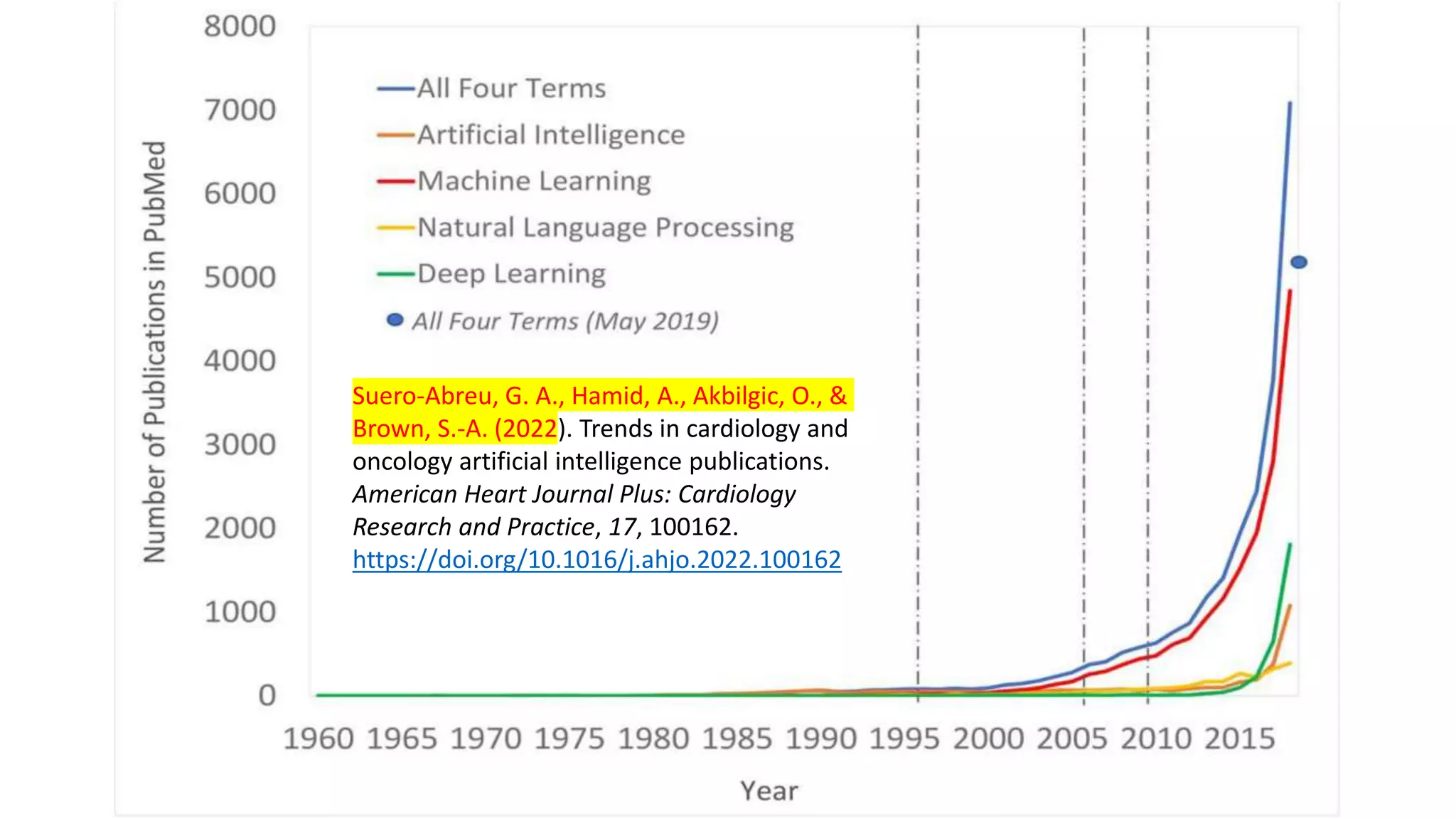
Suero-Abreu, G. A., Hamid, A., Akbilgic, O., &
Brown, S.-A. (2022). Trends in cardiology and
oncology artificial intelligence publications.
American Heart Journal Plus: Cardiology
Research and Practice, 17, 100162.
https://doi.org/10.1016/j.ahjo.2022.100162
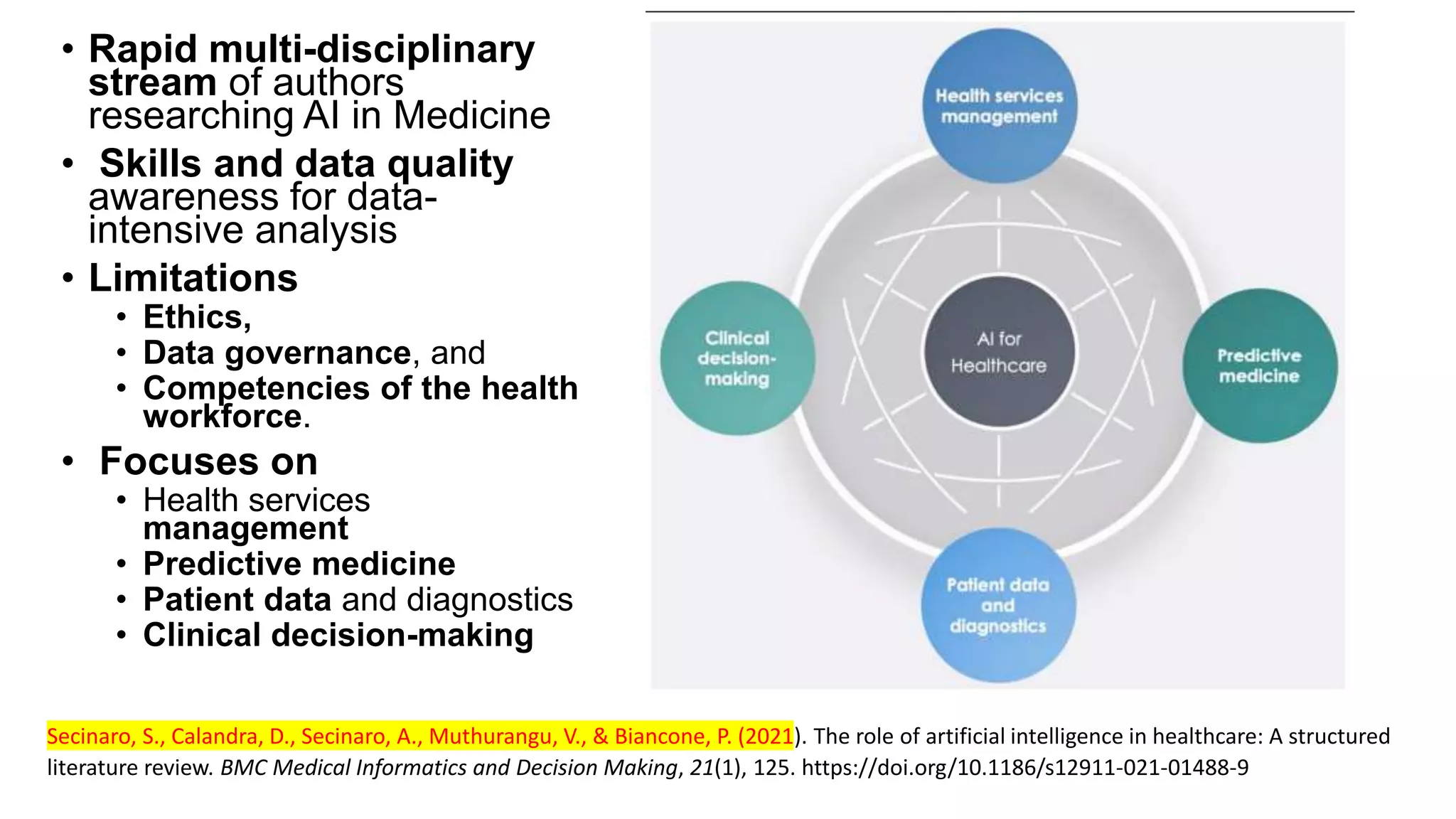
• Rapid multi-disciplinary
stream of authors
researching AI in Medicine
• Skills and data quality
awareness for data-
intensive analysis
• Limitations
• Ethics,
• Data governance, and
• Competencies of the health
workforce.
• Focuses on
• Health services
management
• Predictive medicine
• Patient data and diagnostics
• Clinical decision-making
Secinaro, S., Calandra, D., Secinaro, A., Muthurangu, V., & Biancone, P. (2021). The role of artificial intelligence in healthcare: A structured
literature review. BMC Medical Informatics and Decision Making, 21(1), 125. https://doi.org/10.1186/s12911-021-01488-9
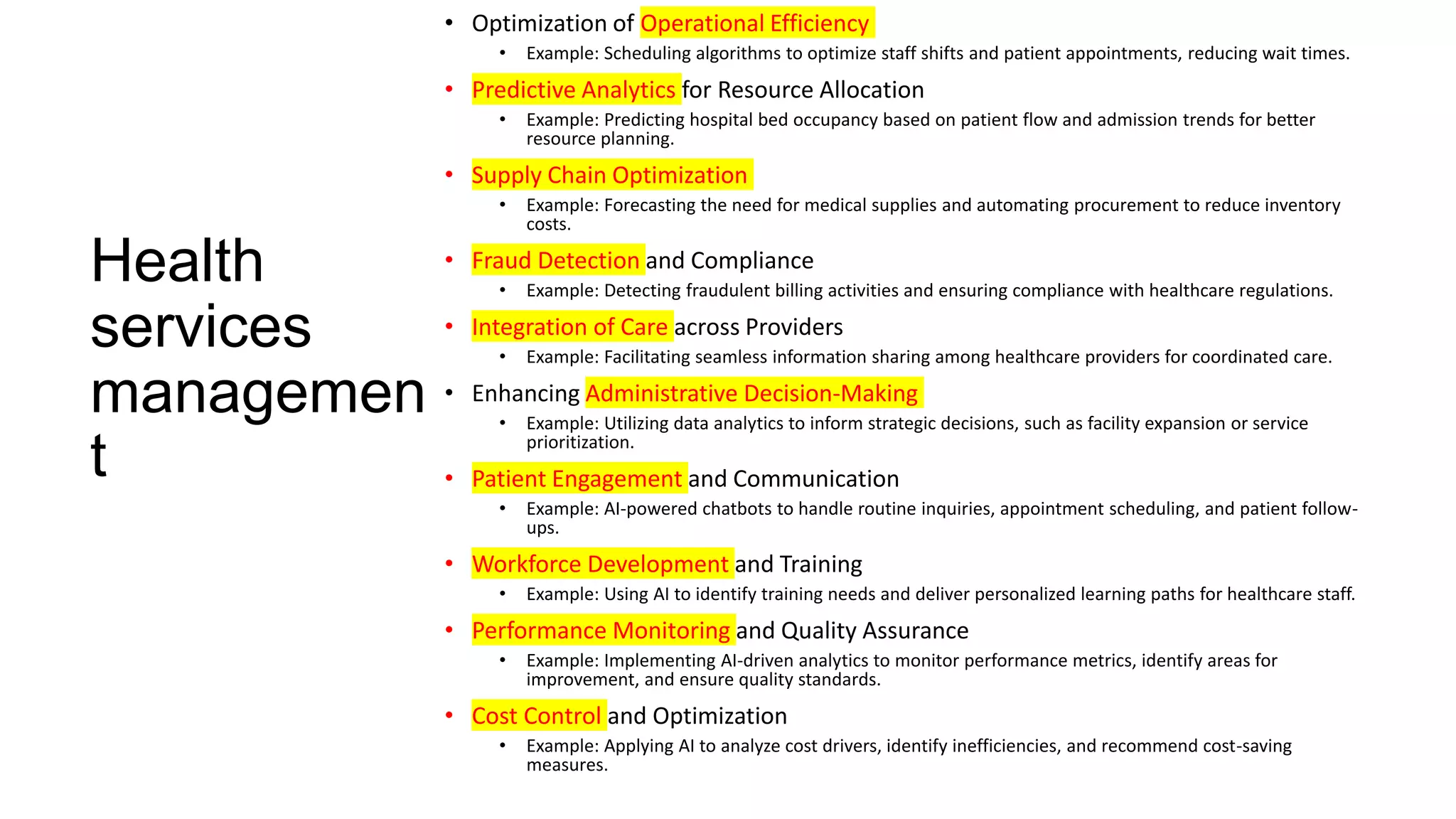
Health
services
managemen
t
• Optimization of Operational Efficiency
• Example: Scheduling algorithms to optimize staff shifts and patient appointments, reducing wait times.
• Predictive Analytics for Resource Allocation
• Example: Predicting hospital bed occupancy based on patient flow and admission trends for better
resource planning.
• Supply Chain Optimization
• Example: Forecasting the need for medical supplies and automating procurement to reduce inventory
costs.
• Fraud Detection and Compliance
• Example: Detecting fraudulent billing activities and ensuring compliance with healthcare regulations.
• Integration of Care across Providers
• Example: Facilitating seamless information sharing among healthcare providers for coordinated care.
• Enhancing Administrative Decision-Making
• Example: Utilizing data analytics to inform strategic decisions, such as facility expansion or service
prioritization.
• Patient Engagement and Communication
• Example: AI-powered chatbots to handle routine inquiries, appointment scheduling, and patient follow-
ups.
• Workforce Development and Training
• Example: Using AI to identify training needs and deliver personalized learning paths for healthcare staff.
• Performance Monitoring and Quality Assurance
• Example: Implementing AI-driven analytics to monitor performance metrics, identify areas for
improvement, and ensure quality standards.
• Cost Control and Optimization
• Example: Applying AI to analyze cost drivers, identify inefficiencies, and recommend cost-saving
measures.
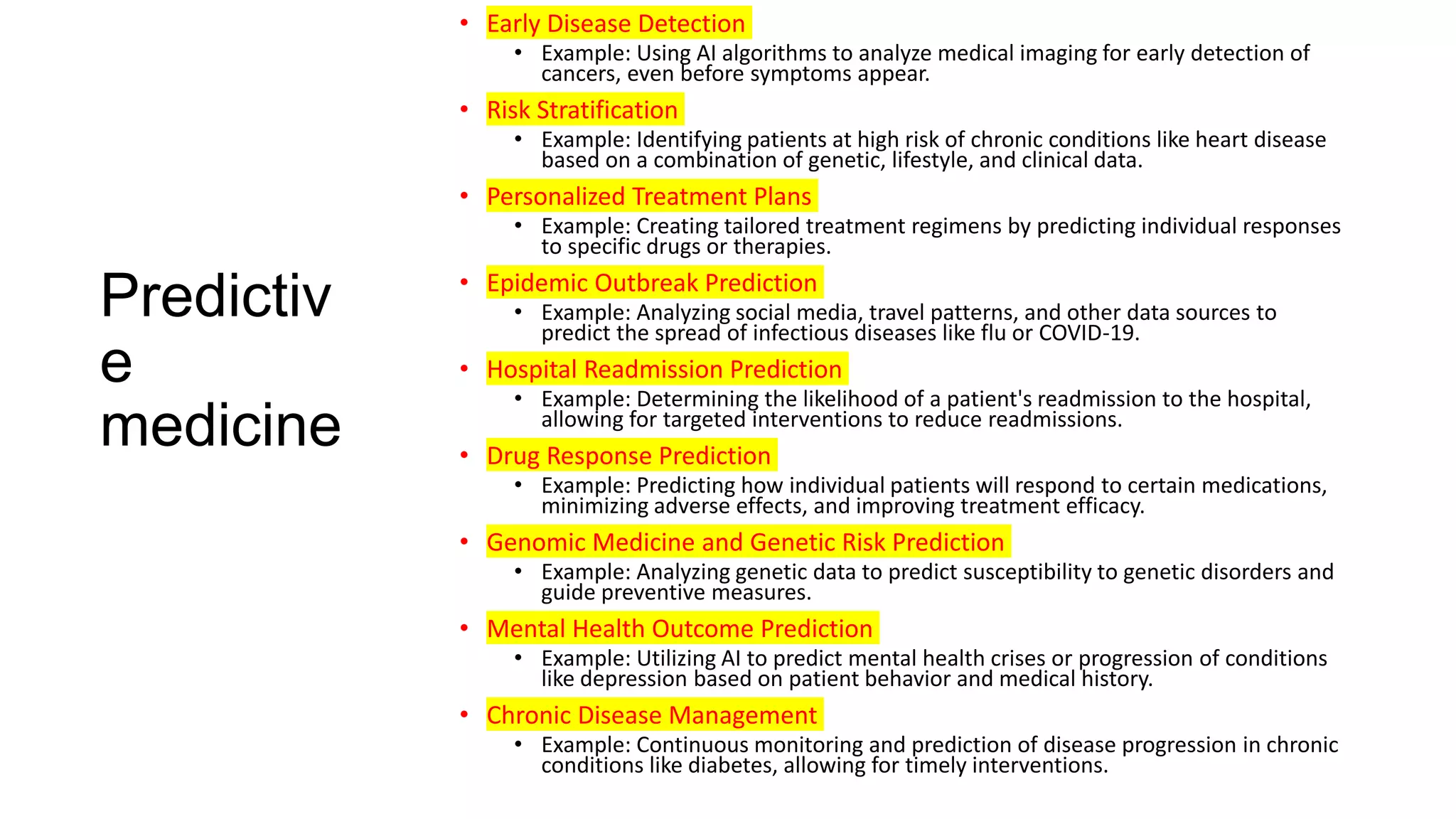
Predictiv
e
medicine
• Early Disease Detection
• Example: Using AI algorithms to analyze medical imaging for early detection of
cancers, even before symptoms appear.
• Risk Stratification
• Example: Identifying patients at high risk of chronic conditions like heart disease
based on a combination of genetic, lifestyle, and clinical data.
• Personalized Treatment Plans
• Example: Creating tailored treatment regimens by predicting individual responses
to specific drugs or therapies.
• Epidemic Outbreak Prediction
• Example: Analyzing social media, travel patterns, and other data sources to
predict the spread of infectious diseases like flu or COVID-19.
• Hospital Readmission Prediction
• Example: Determining the likelihood of a patient's readmission to the hospital,
allowing for targeted interventions to reduce readmissions.
• Drug Response Prediction
• Example: Predicting how individual patients will respond to certain medications,
minimizing adverse effects, and improving treatment efficacy.
• Genomic Medicine and Genetic Risk Prediction
• Example: Analyzing genetic data to predict susceptibility to genetic disorders and
guide preventive measures.
• Mental Health Outcome Prediction
• Example: Utilizing AI to predict mental health crises or progression of conditions
like depression based on patient behavior and medical history.
• Chronic Disease Management
• Example: Continuous monitoring and prediction of disease progression in chronic
conditions like diabetes, allowing for timely interventions.
Patient data
and
diagnostics
• Automated Data Analysis and Interpretation
• Example: Using AI to analyze complex laboratory results, such as genetic sequencing, to identify patterns and
anomalies.
• Real-Time Monitoring and Alerting
• Example: Continuously tracking vital signs and alerting medical staff to potential issues, such as deterioration in a
patient's condition.
• Enhanced Medical Imaging Interpretation
• Example: Applying AI algorithms to interpret radiological images, such as X-rays and MRIs, with increased accuracy
and speed.
• Predictive Analytics for Personalized Care
• Example: Analyzing patient data to predict individual responses to treatments, enabling more personalized and
effective care plans.
• Data Integration and Holistic Patient Views
• Example: Aggregating data from various sources (e.g., EMRs, wearables) to provide a comprehensive view of a
patient's health status.
• Telemedicine and Remote Diagnostics
• Example: Utilizing AI-powered tools to diagnose and manage patients in remote locations, increasing healthcare
accessibility.
• Natural Language Processing for Clinical Notes
• Example: Extracting valuable information from unstructured clinical notes through AI, enhancing data usability.
• Genomic and Precision Medicine
• Example: Integrating genomic data with clinical information to provide precise diagnoses and personalized treatment
recommendations.
• Chronic Condition Management and Monitoring
• Example: Using AI to diagnose and monitor chronic conditions, such as diabetes, through continuous data analysis.
• Ethical and Security Considerations in Data Handling
• Example: Implementing AI-driven security protocols to ensure patient data privacy and compliance with
regulations.
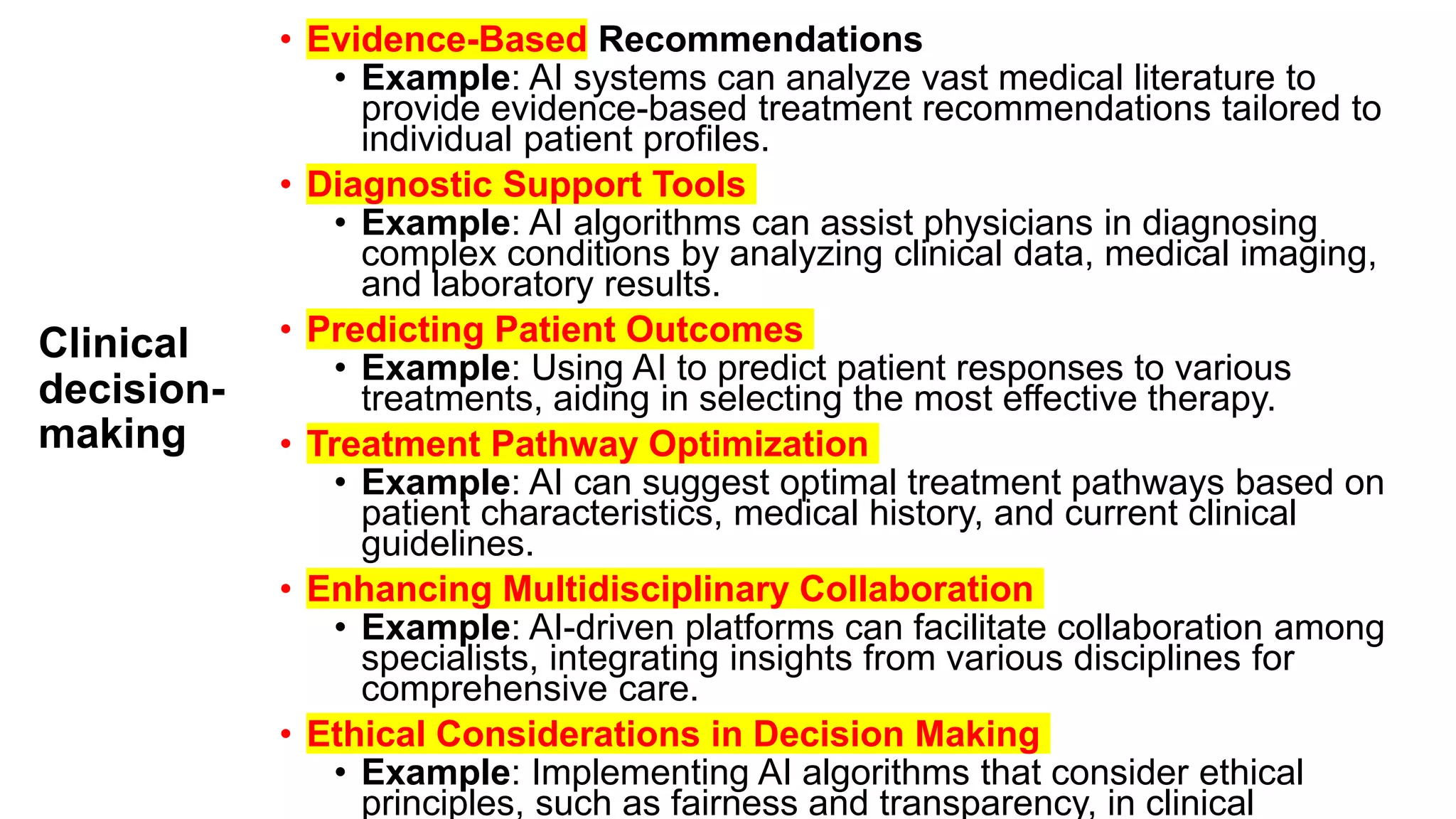
Clinical
decision-
making
• Evidence-Based Recommendations
• Example: AI systems can analyze vast medical literature to
provide evidence-based treatment recommendations tailored to
individual patient profiles.
• Diagnostic Support Tools
• Example: AI algorithms can assist physicians in diagnosing
complex conditions by analyzing clinical data, medical imaging,
and laboratory results.
• Predicting Patient Outcomes
• Example: Using AI to predict patient responses to various
treatments, aiding in selecting the most effective therapy.
• Treatment Pathway Optimization
• Example: AI can suggest optimal treatment pathways based on
patient characteristics, medical history, and current clinical
guidelines.
• Enhancing Multidisciplinary Collaboration
• Example: AI-driven platforms can facilitate collaboration among
specialists, integrating insights from various disciplines for
comprehensive care.
• Ethical Considerations in Decision Making
• Example: Implementing AI algorithms that consider ethical
principles, such as fairness and transparency, in clinical
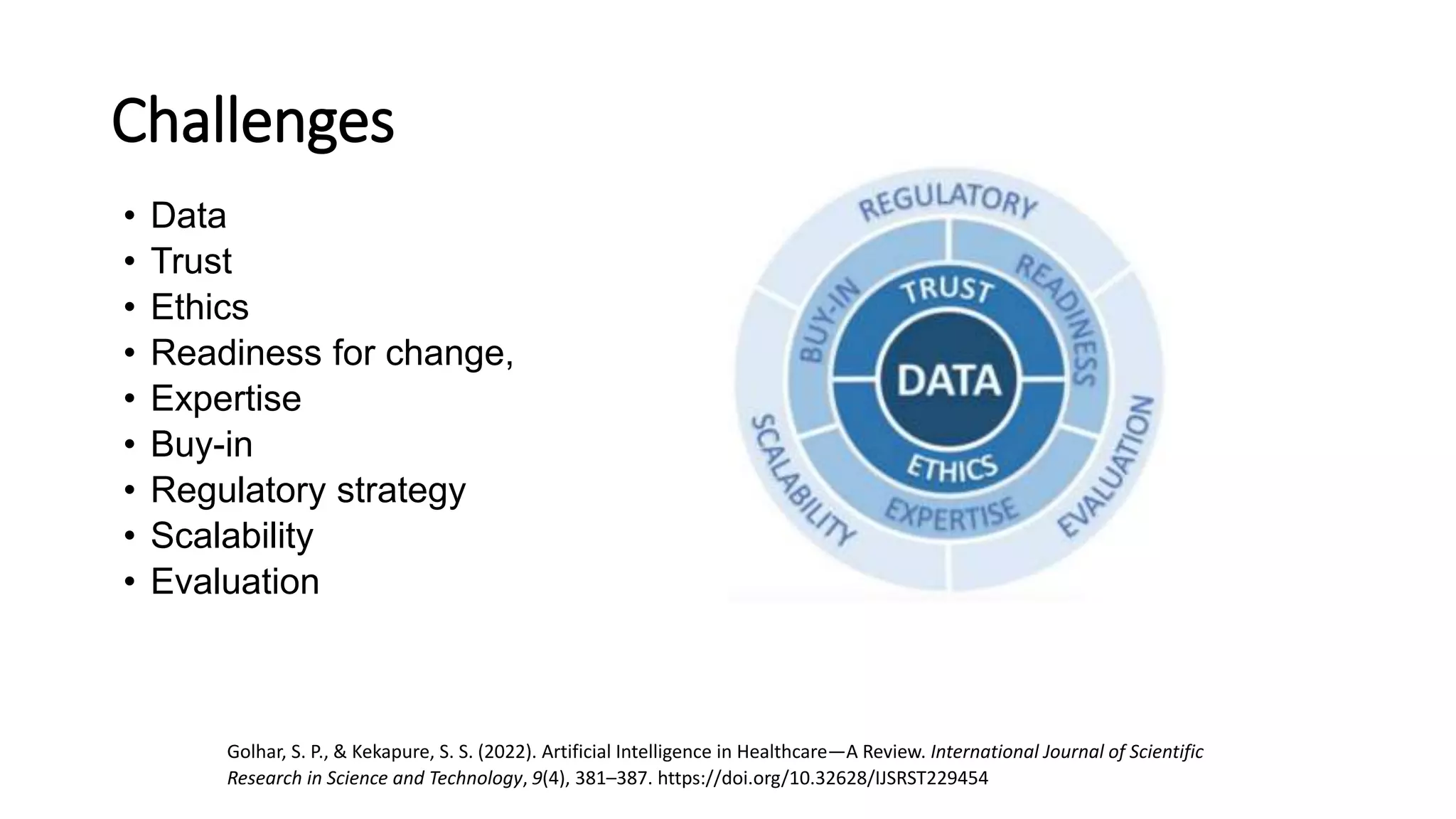
Challenges
• Data
• Trust
• Ethics
• Readiness for change,
• Expertise
• Buy-in
• Regulatory strategy
• Scalability
• Evaluation
Golhar, S. P., & Kekapure, S. S. (2022). Artificial Intelligence in Healthcare—A Review. International Journal of Scientific
Research in Science and Technology, 9(4), 381–387. https://doi.org/10.32628/IJSRST229454
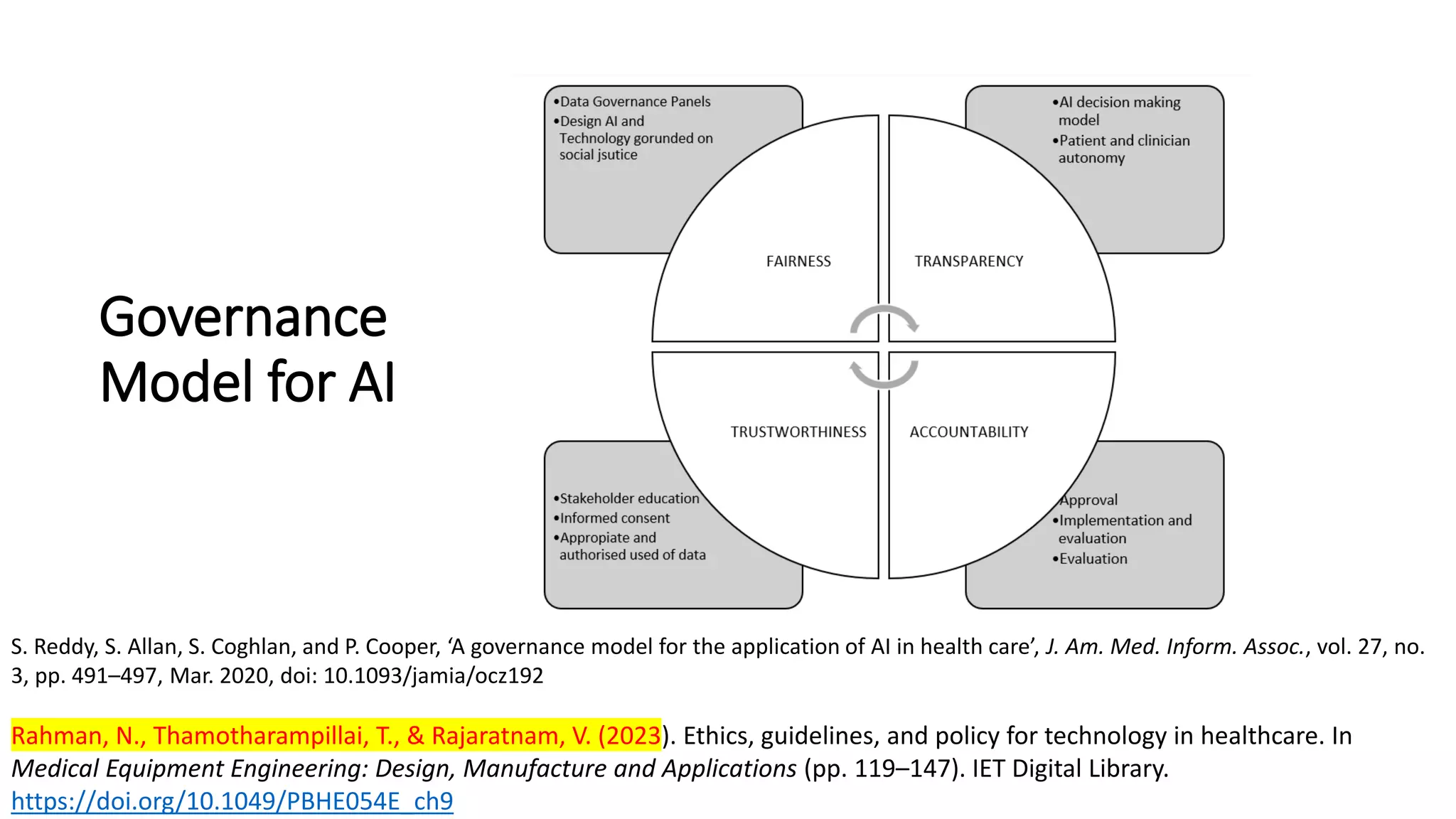
Governance
Model for AI
S. Reddy, S. Allan, S. Coghlan, and P. Cooper, ‘A governance model for the application of AI in health care’, J. Am. Med. Inform. Assoc., vol. 27, no.
3, pp. 491–497, Mar. 2020, doi: 10.1093/jamia/ocz192
Rahman, N., Thamotharampillai, T., & Rajaratnam, V. (2023). Ethics, guidelines, and policy for technology in healthcare. In
Medical Equipment Engineering: Design, Manufacture and Applications (pp. 119–147). IET Digital Library.
https://doi.org/10.1049/PBHE054E_ch9
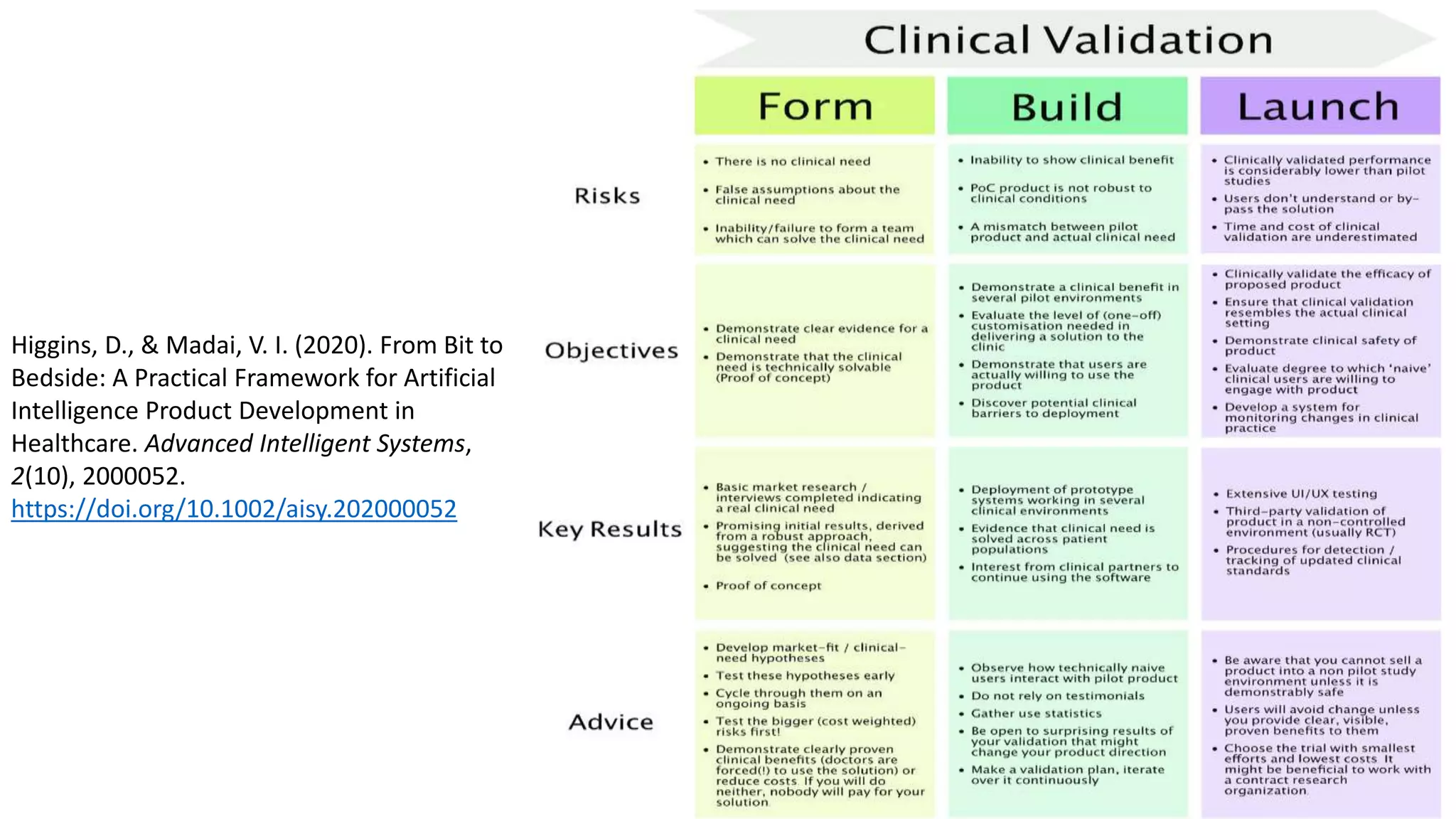
Higgins, D., & Madai, V. I. (2020). From Bit to
Bedside: A Practical Framework for Artificial
Intelligence Product Development in
Healthcare. Advanced Intelligent Systems,
2(10), 2000052.
https://doi.org/10.1002/aisy.202000052
What is ChatGPT?
• Understanding Language
• Reads and comprehends human-written text.
• Generating Text
• Writes human-like text, from answers to creative content.
• Conversation
• Capable of engaging in text-based conversations with users.
• Applications
• Used in virtual assistants, education, content creation, and more.
• Not a Human
• Generates text through algorithms, without feelings or
consciousness.
AI for Clinical Decision-Making and Patient Care
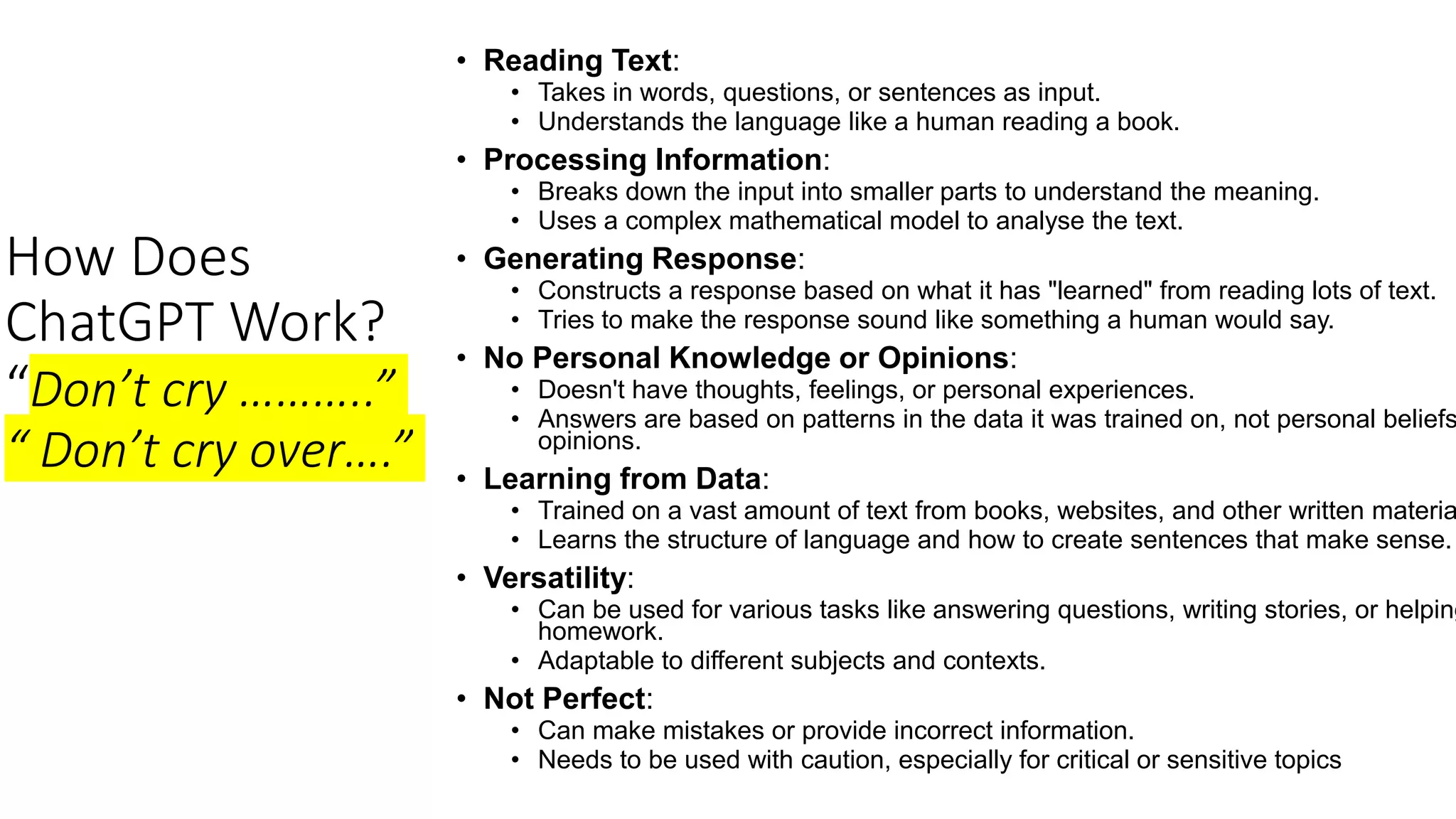
How Does
ChatGPT Work?
“Don’t cry ………..”
“ Don’t cry over….”
• Reading Text:
• Takes in words, questions, or sentences as input.
• Understands the language like a human reading a book.
• Processing Information:
• Breaks down the input into smaller parts to understand the meaning.
• Uses a complex mathematical model to analyse the text.
• Generating Response:
• Constructs a response based on what it has "learned" from reading lots of text.
• Tries to make the response sound like something a human would say.
• No Personal Knowledge or Opinions:
• Doesn't have thoughts, feelings, or personal experiences.
• Answers are based on patterns in the data it was trained on, not personal beliefs
opinions.
• Learning from Data:
• Trained on a vast amount of text from books, websites, and other written materia
• Learns the structure of language and how to create sentences that make sense.
• Versatility:
• Can be used for various tasks like answering questions, writing stories, or helping
homework.
• Adaptable to different subjects and contexts.
• Not Perfect:
• Can make mistakes or provide incorrect information.
• Needs to be used with caution, especially for critical or sensitive topics
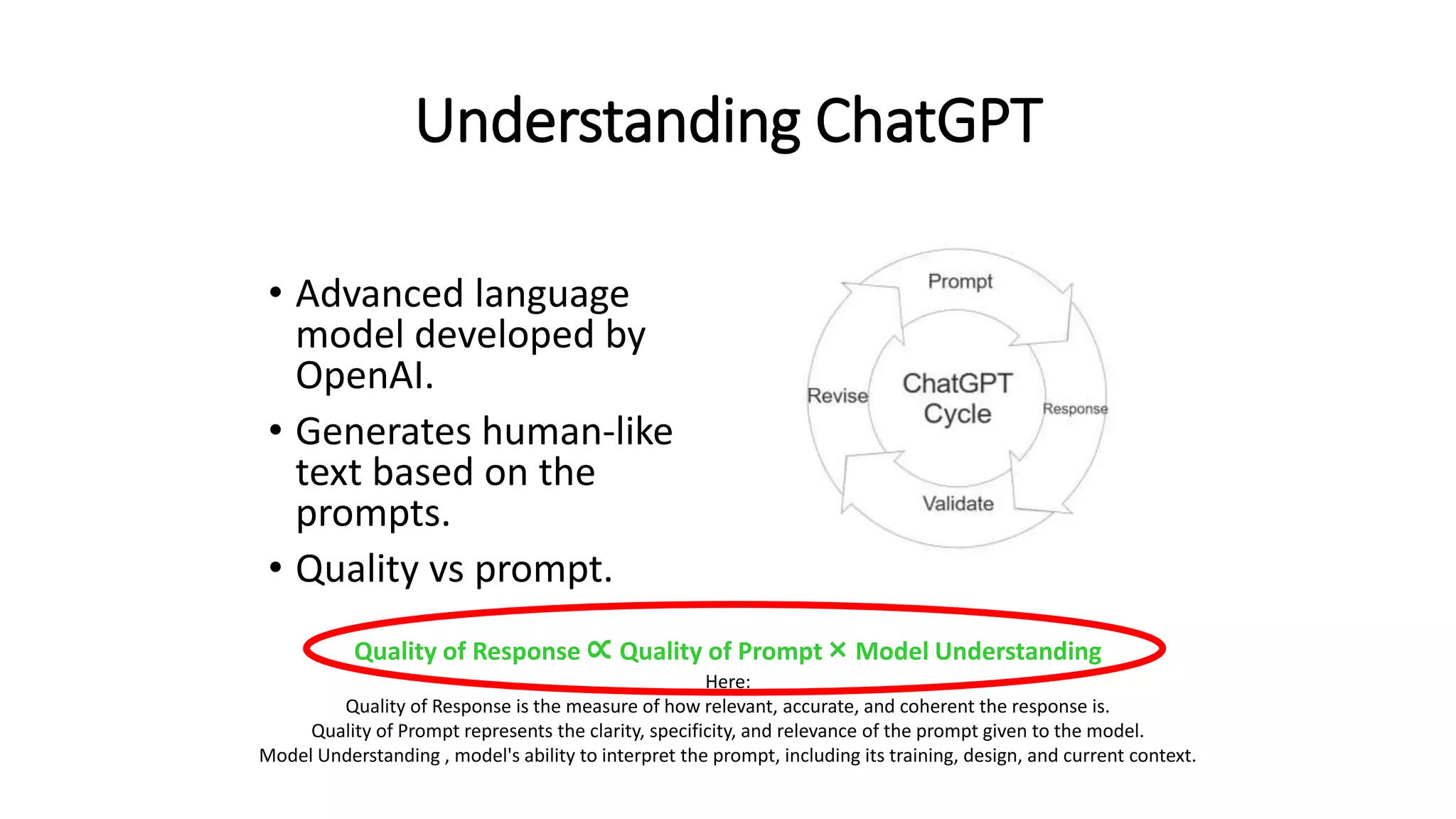
Understanding ChatGPT
• Advanced language
model developed by
OpenAI.
• Generates human-like
text based on the
prompts.
• Quality vs prompt.
Quality of Response ∝ Quality of Prompt × Model Understanding
Here:
Quality of Response is the measure of how relevant, accurate, and coherent the response is.
Quality of Prompt represents the clarity, specificity, and relevance of the prompt given to the model.
Model Understanding , model's ability to interpret the prompt, including its training, design, and current context.
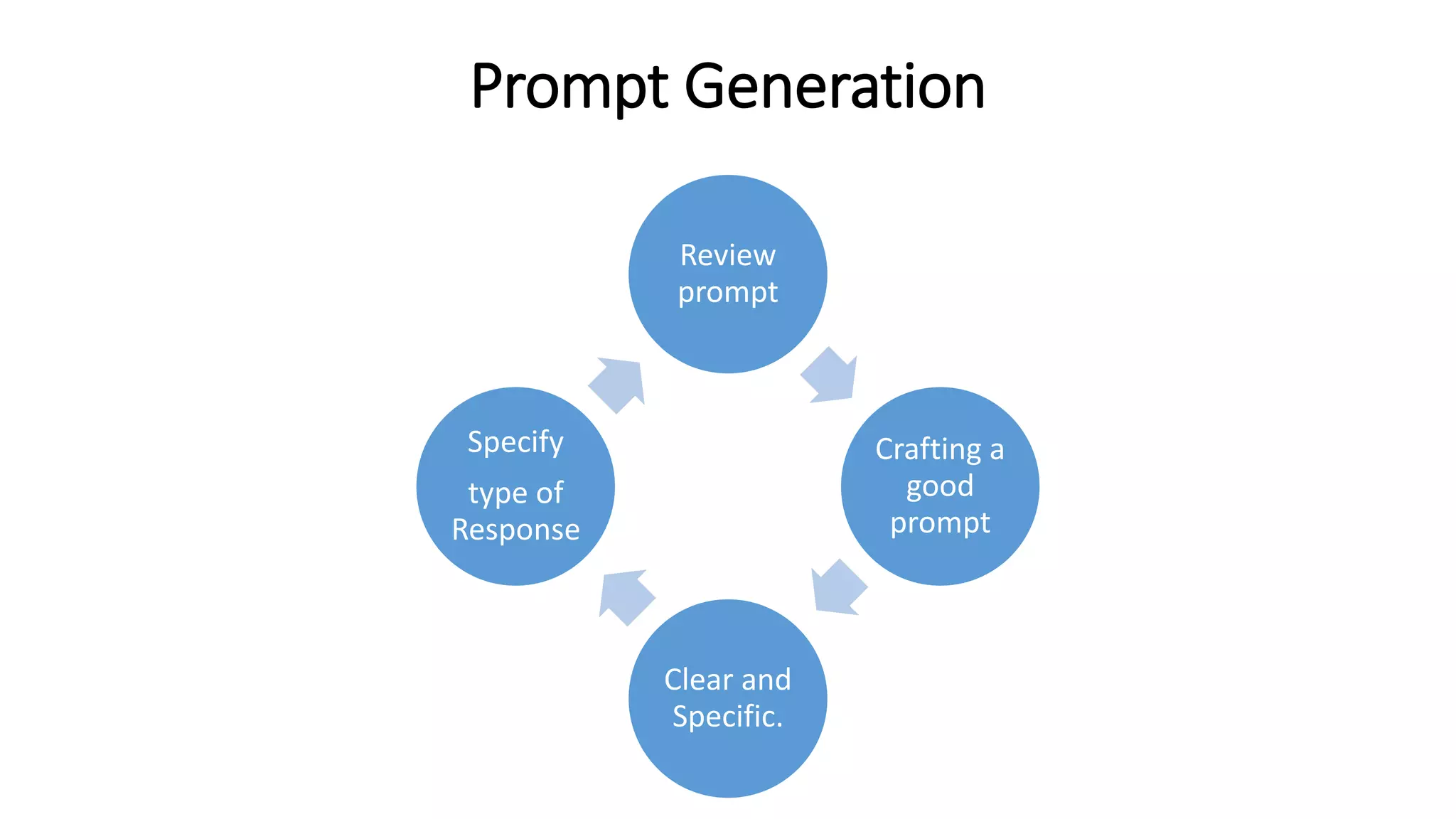
Prompt Generation
Review
prompt
Crafting a
good
prompt
Clear and
Specific.
Specify
type of
Response
Prompt Engineering
• Define the Objective:
• Identify the specific information or assistance
• Be Clear and Precise:
• Use clear language and avoid ambiguity.
• Include essential details without over-
complicating the prompt.
• Consider Context:
• Provide relevant background or context to guide
the response.
• Set the Tone and Style:
• Specify the desired tone (formal, casual) or style
(e.g., summary, explanation) if it matters for your
use case.
• Ask Direct Questions:
• If seeking specific information, formulate your
prompt as a direct question.
• Self Reflective
• Avoid Bias and Leading Questions:
• Craft the prompt neutrally to prevent biased or
skewed responses.
• Test and Refine:
• Experiment with different phrasings and observe
how slight changes can affect the response.
• Refine the prompt
• Consider Ethical and Privacy Concerns:
• Ethical guidelines and does not request or reveal
sensitive or private information.
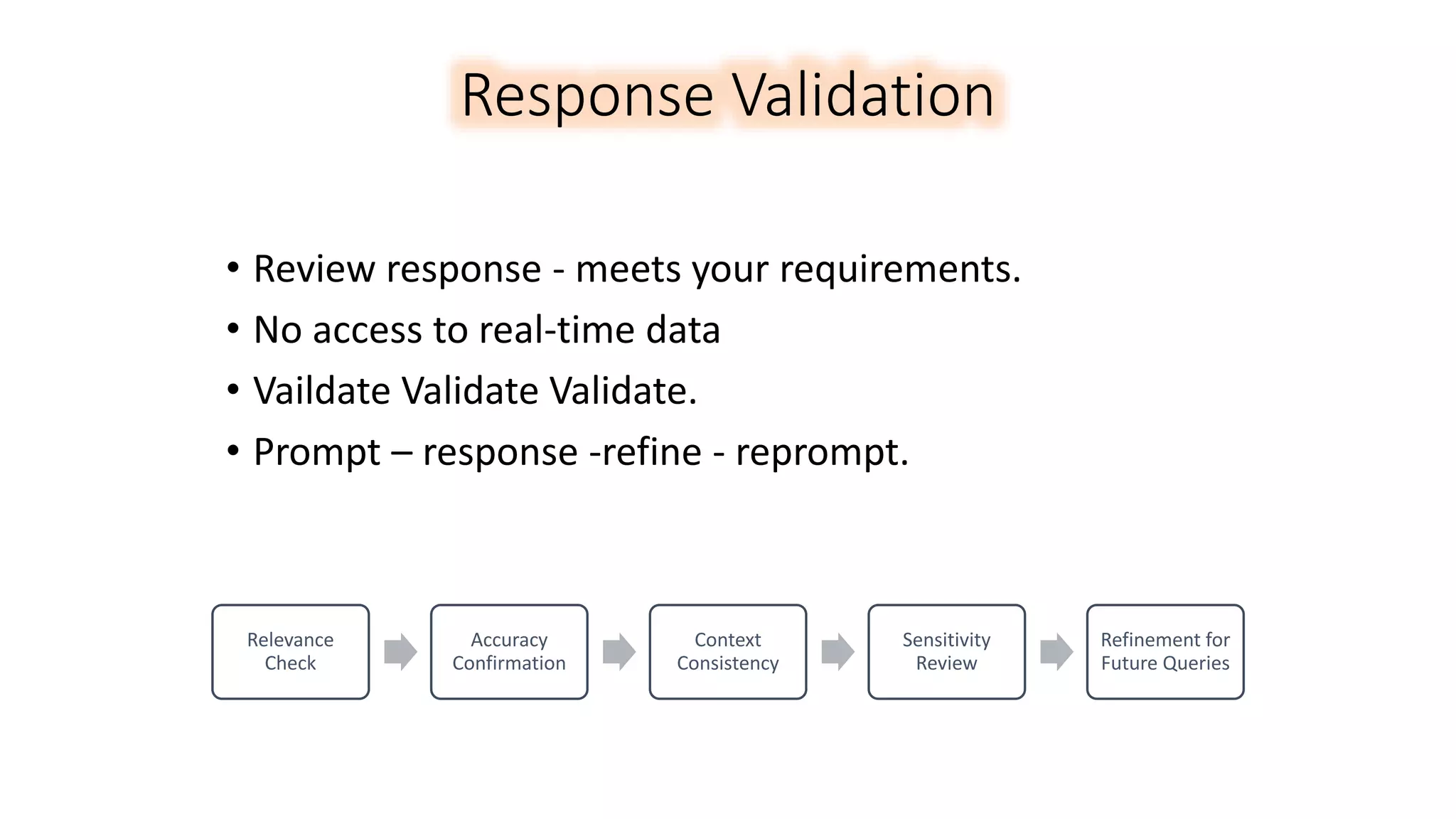
Response Validation
• Review response - meets your requirements.
• No access to real-time data
• Vaildate Validate Validate.
• Prompt – response -refine - reprompt.
Relevance
Check
Accuracy
Confirmation
Context
Consistency
Sensitivity
Review
Refinement for
Future Queries
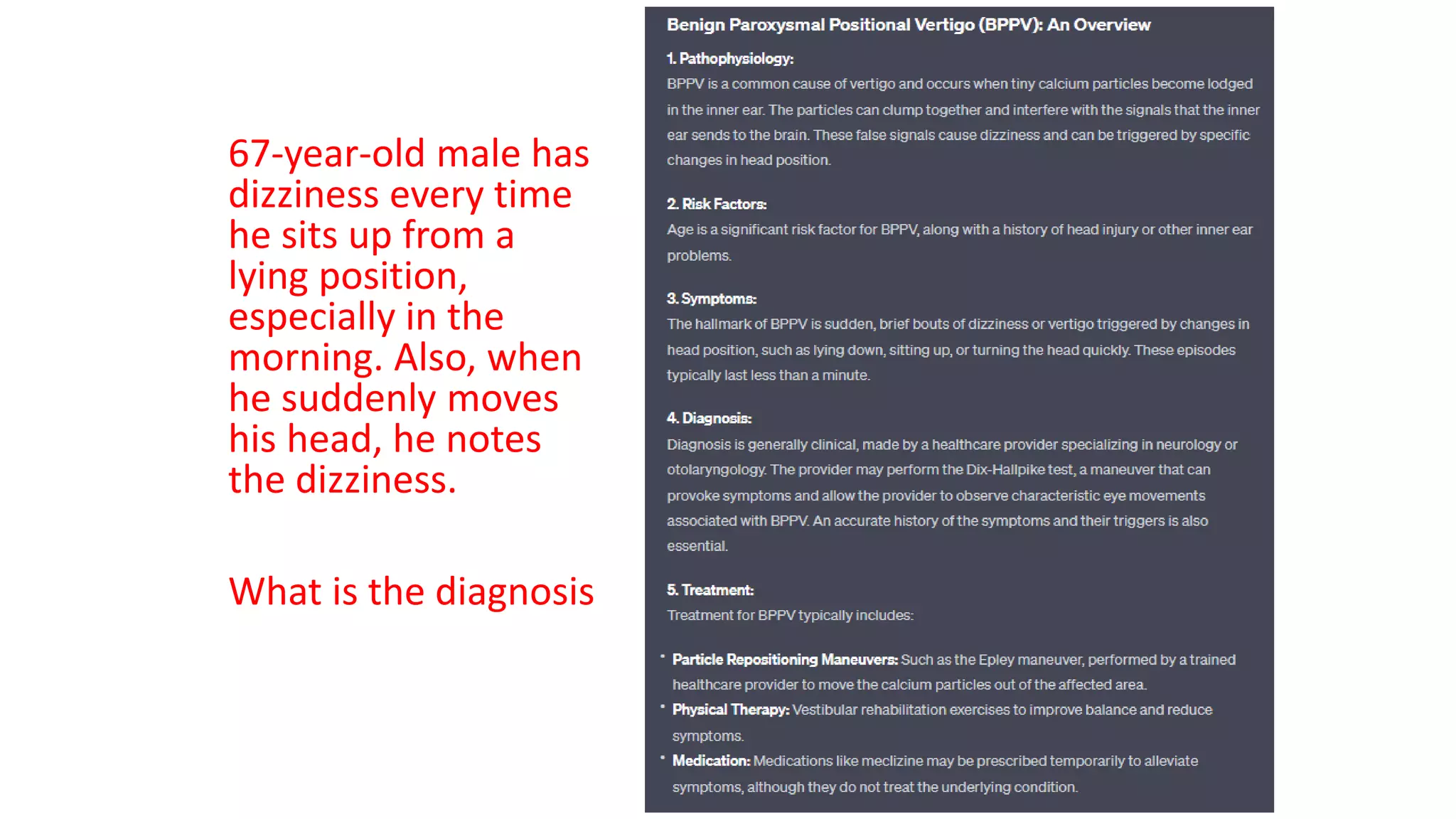
67-year-old male has
dizziness every time
he sits up from a
lying position,
especially in the
morning. Also, when
he suddenly moves
his head, he notes
the dizziness.
What is the diagnosis
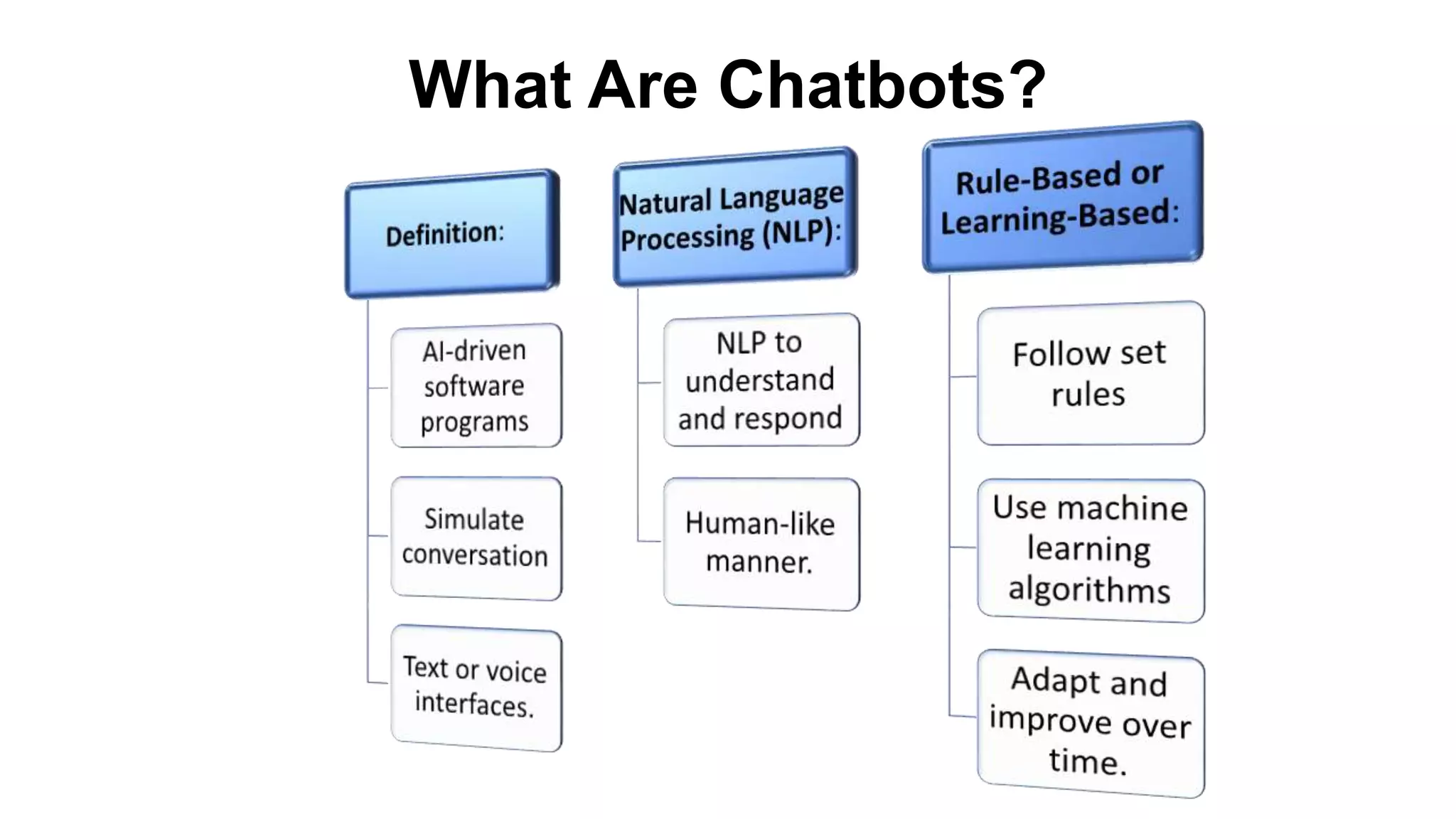
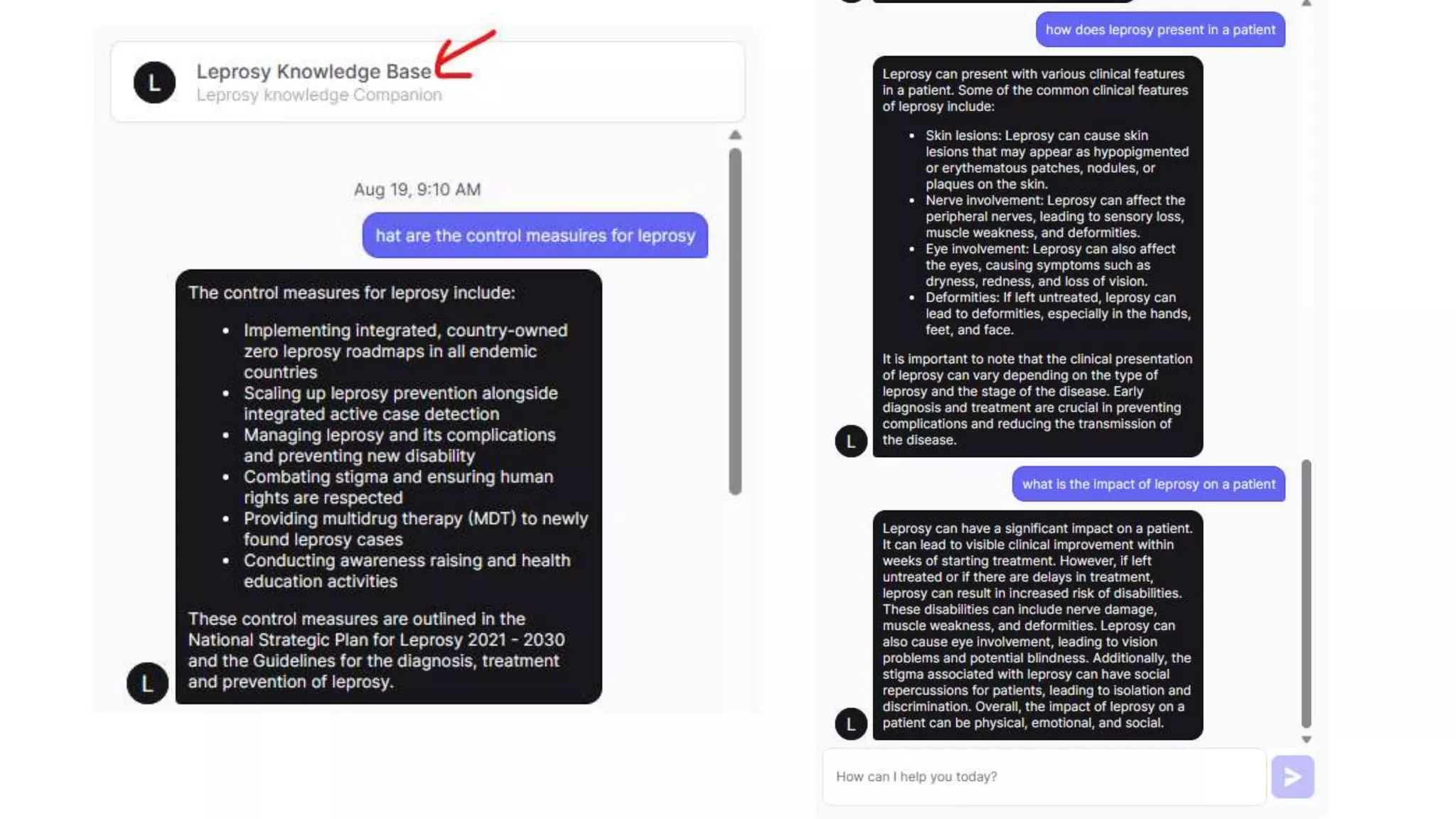
What Are Chatbots?
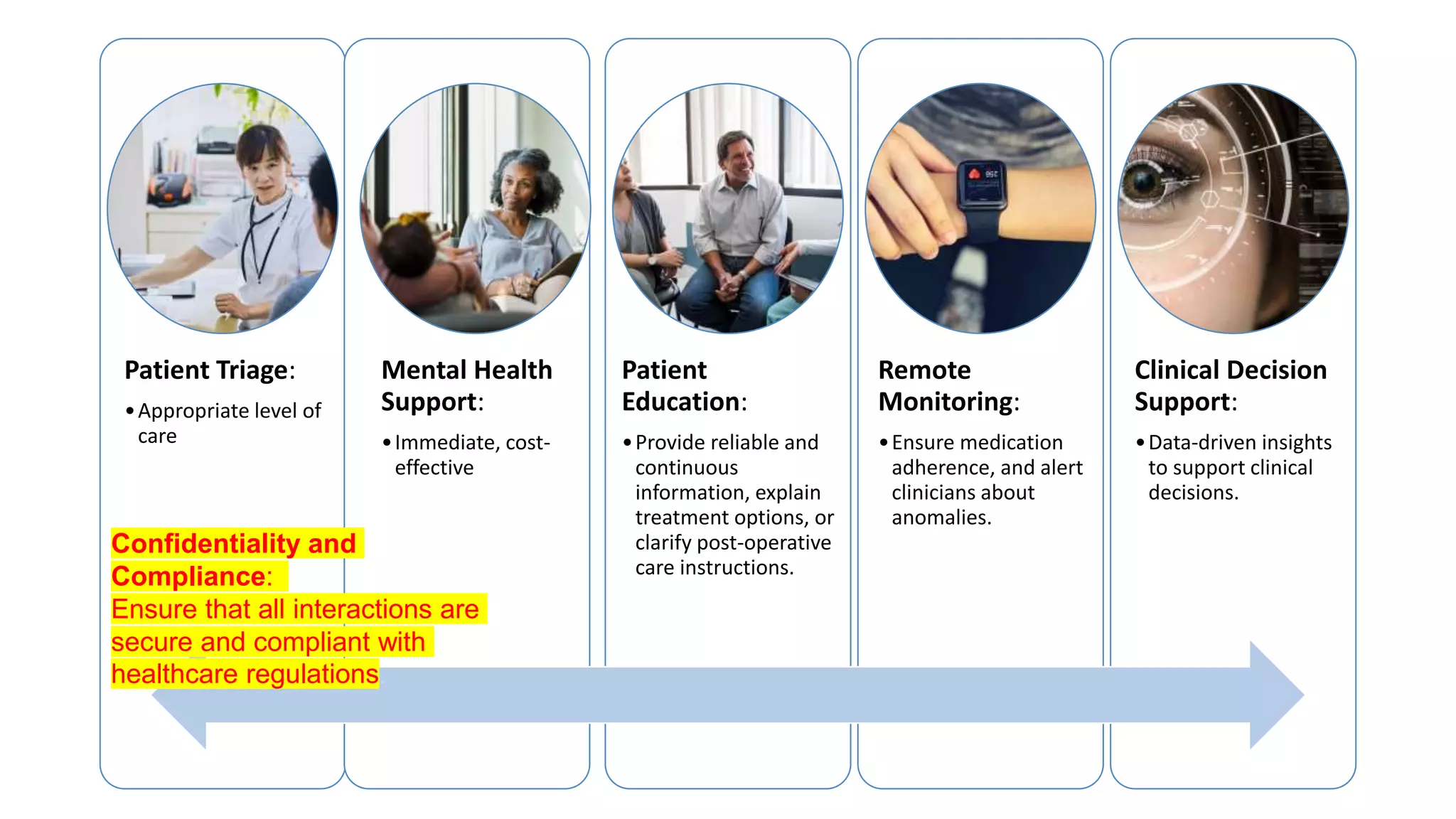
Patient Triage:
•Appropriate level of
care
Mental Health
Support:
•Immediate, cost-
effective
Patient
Education:
•Provide reliable and
continuous
information, explain
treatment options, or
clarify post-operative
care instructions.
Remote
Monitoring:
•Ensure medication
adherence, and alert
clinicians about
anomalies.
Clinical Decision
Support:
•Data-driven insights
to support clinical
decisions.
Confidentiality and
Compliance:
Ensure that all interactions are
secure and compliant with
healthcare regulations.
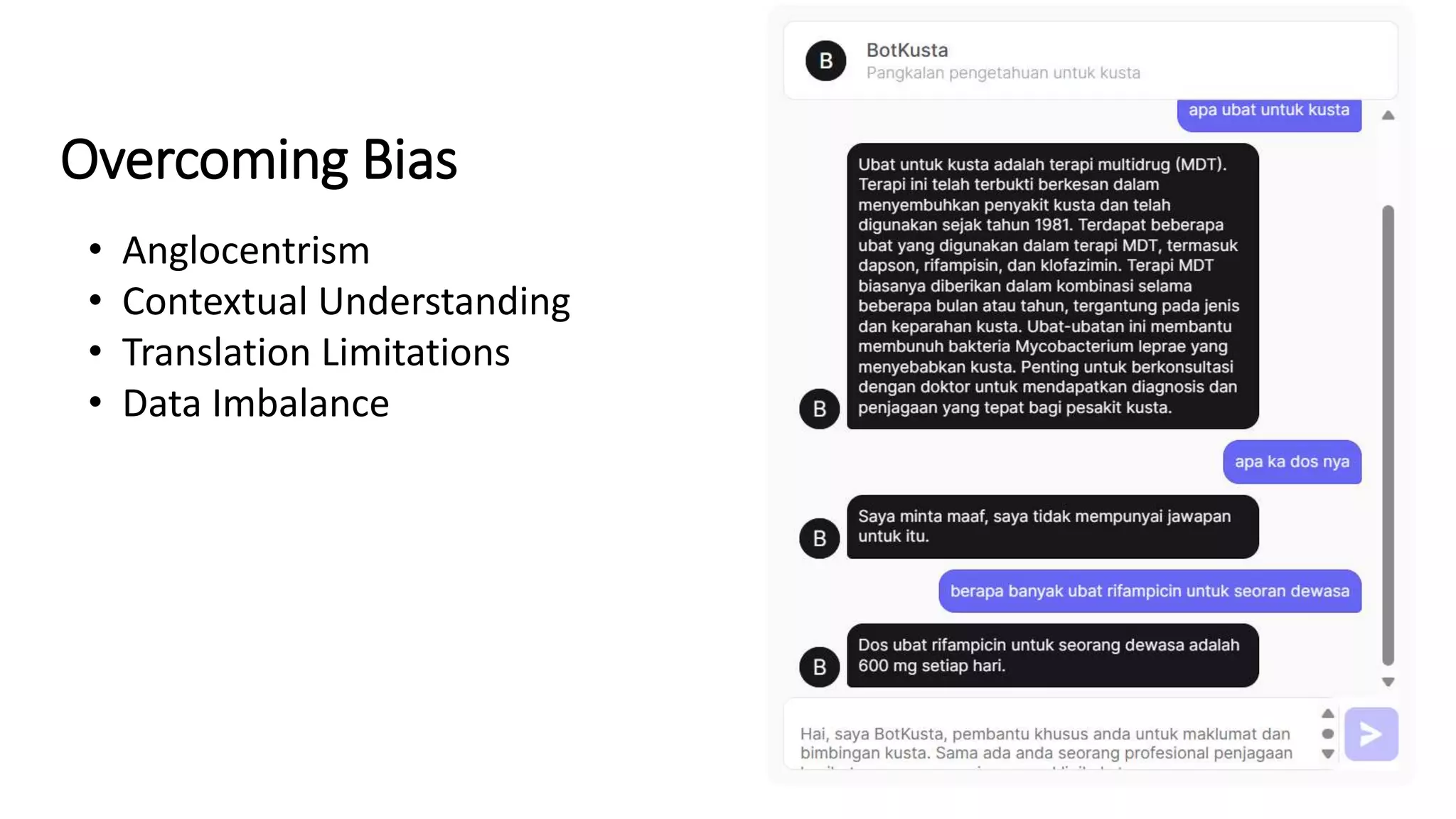
Overcoming Bias
• Anglocentrism
• Contextual Understanding
• Translation Limitations
• Data Imbalance
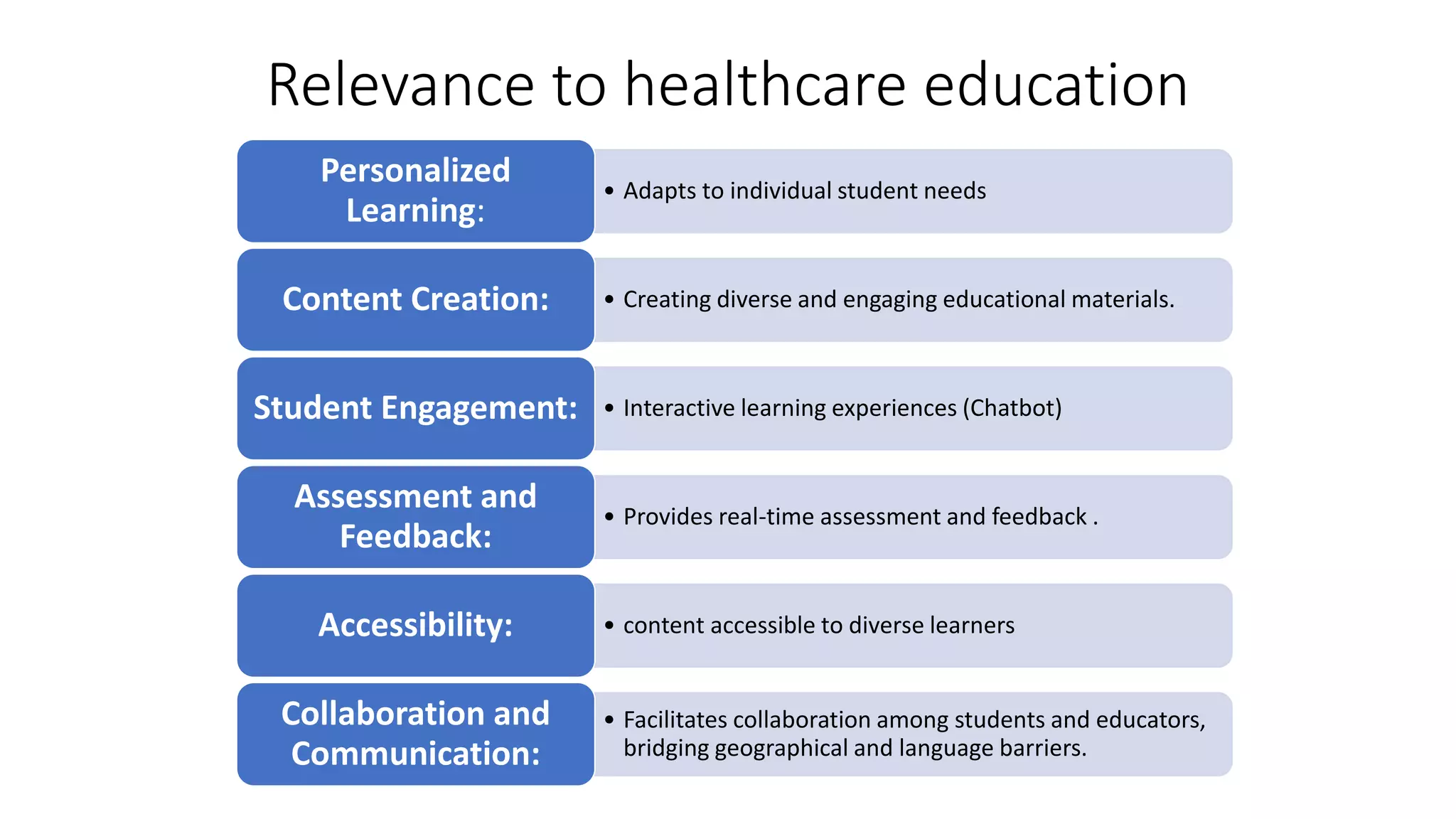
Relevance to healthcare education
• Adapts to individual student needs
Personalized
Learning:
• Creating diverse and engaging educational materials.
Content Creation:
• Interactive learning experiences (Chatbot)
Student Engagement:
• Provides real-time assessment and feedback .
Assessment and
Feedback:
• content accessible to diverse learners
Accessibility:
• Facilitates collaboration among students and educators,
bridging geographical and language barriers.
Collaboration and
Communication:
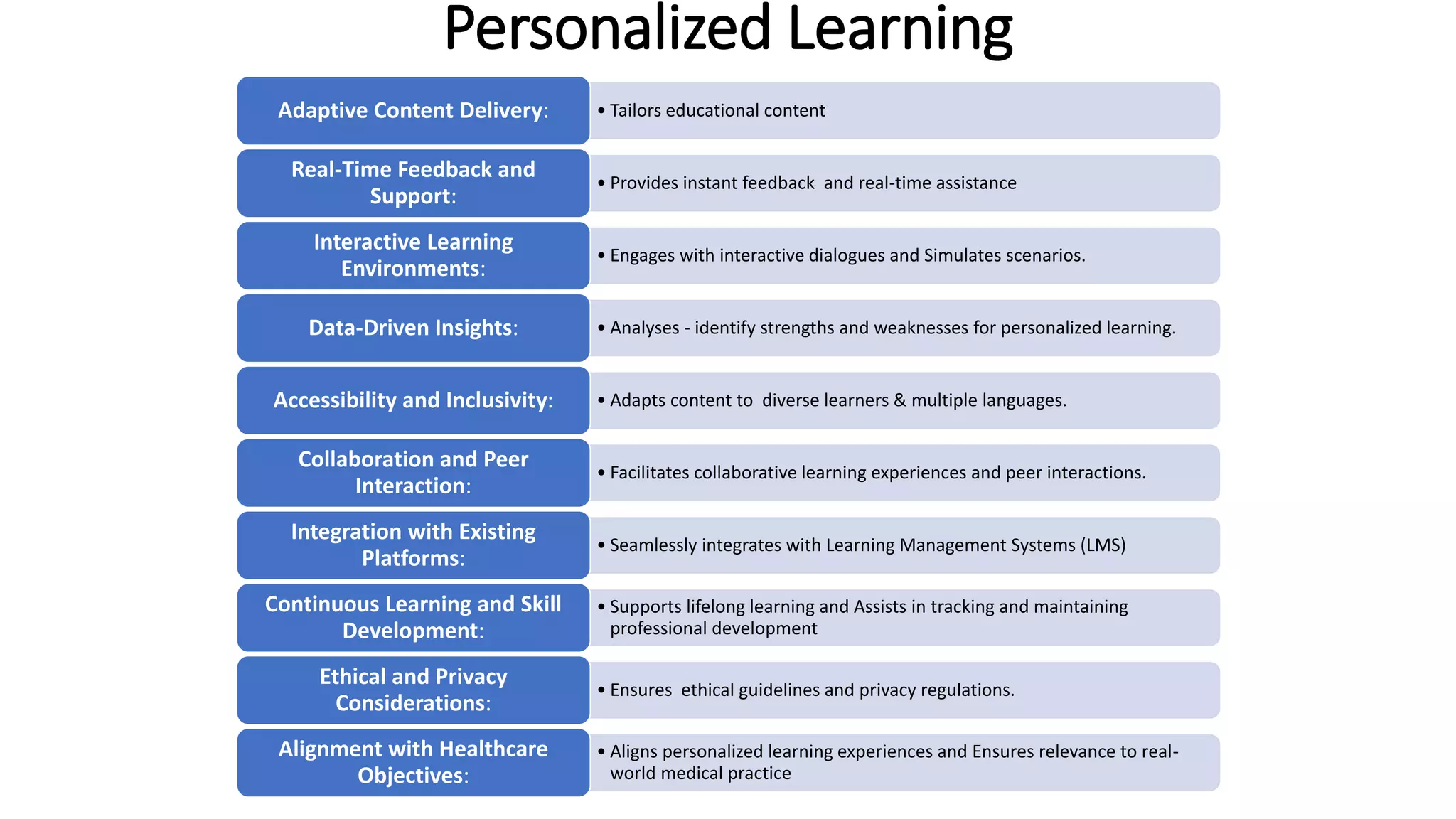
Personalized Learning
• Tailors educational content
Adaptive Content Delivery:
• Provides instant feedback and real-time assistance
Real-Time Feedback and
Support:
• Engages with interactive dialogues and Simulates scenarios.
Interactive Learning
Environments:
• Analyses - identify strengths and weaknesses for personalized learning.
Data-Driven Insights:
• Adapts content to diverse learners & multiple languages.
Accessibility and Inclusivity:
• Facilitates collaborative learning experiences and peer interactions.
Collaboration and Peer
Interaction:
• Seamlessly integrates with Learning Management Systems (LMS)
Integration with Existing
Platforms:
• Supports lifelong learning and Assists in tracking and maintaining
professional development
Continuous Learning and Skill
Development:
• Ensures ethical guidelines and privacy regulations.
Ethical and Privacy
Considerations:
• Aligns personalized learning experiences and Ensures relevance to real-
world medical practice
Alignment with Healthcare
Objectives:
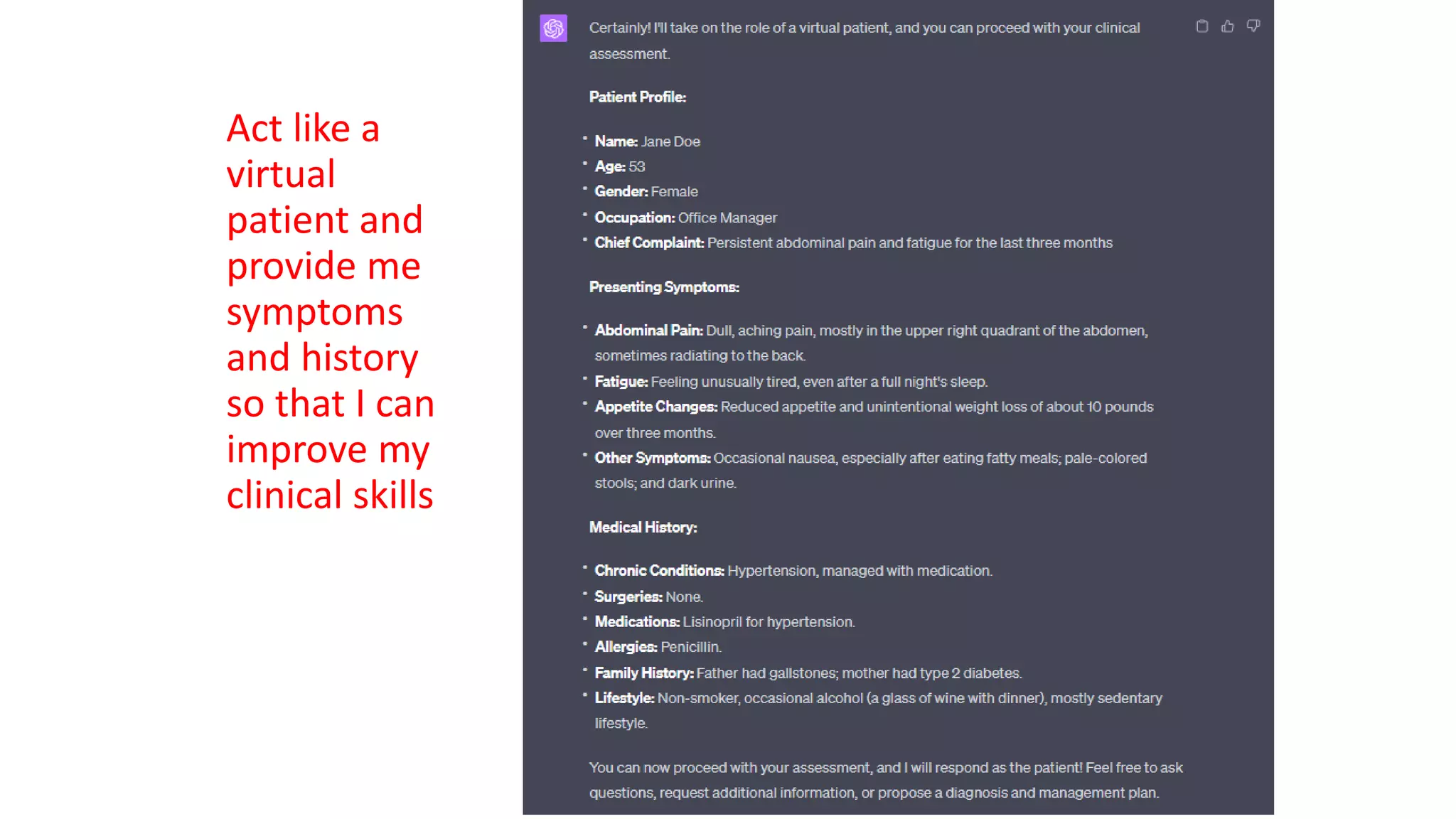
Act like a
virtual
patient and
provide me
symptoms
and history
so that I can
improve my
clinical skills
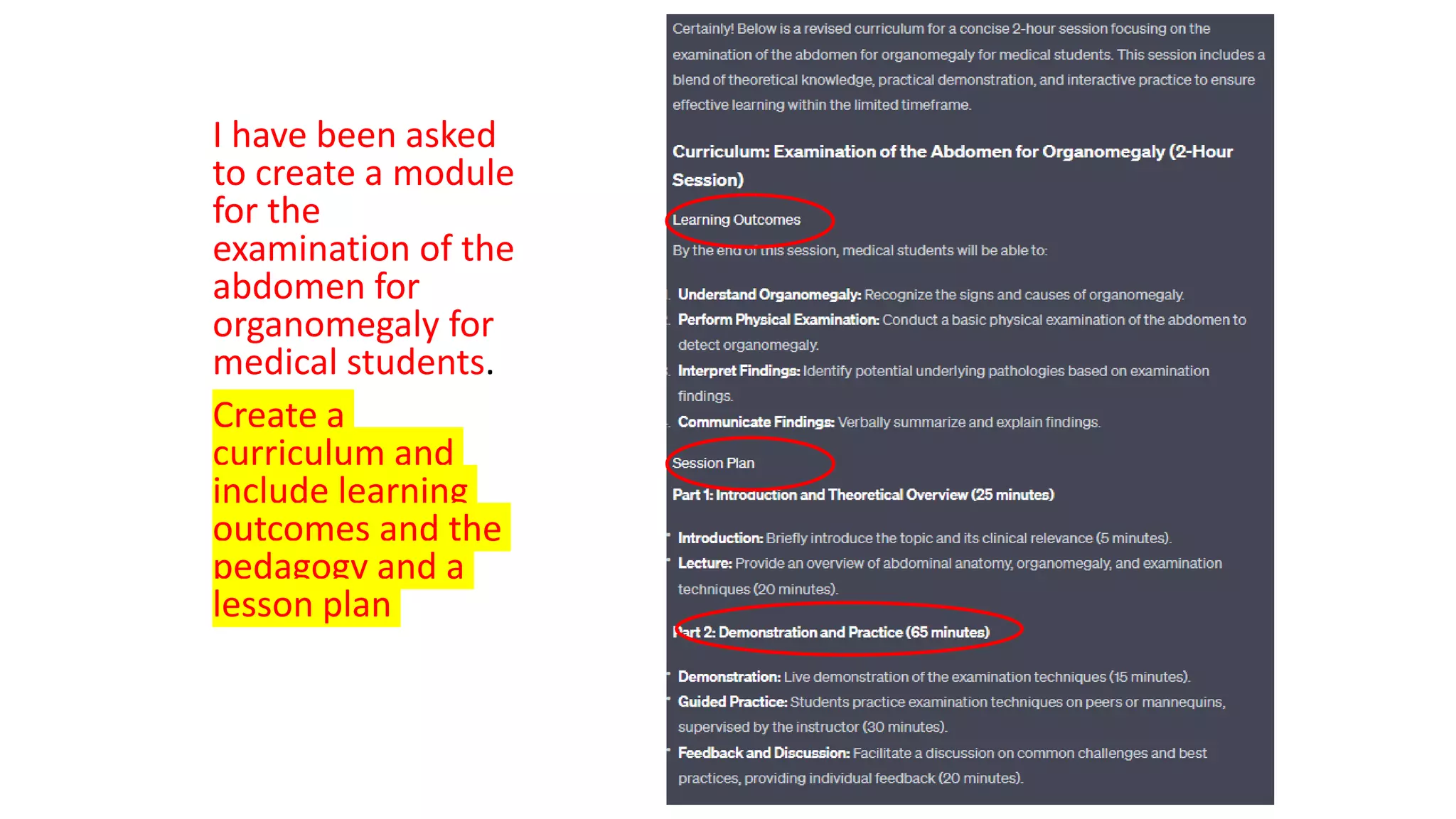
I have been asked
to create a module
for the
examination of the
abdomen for
organomegaly for
medical students.
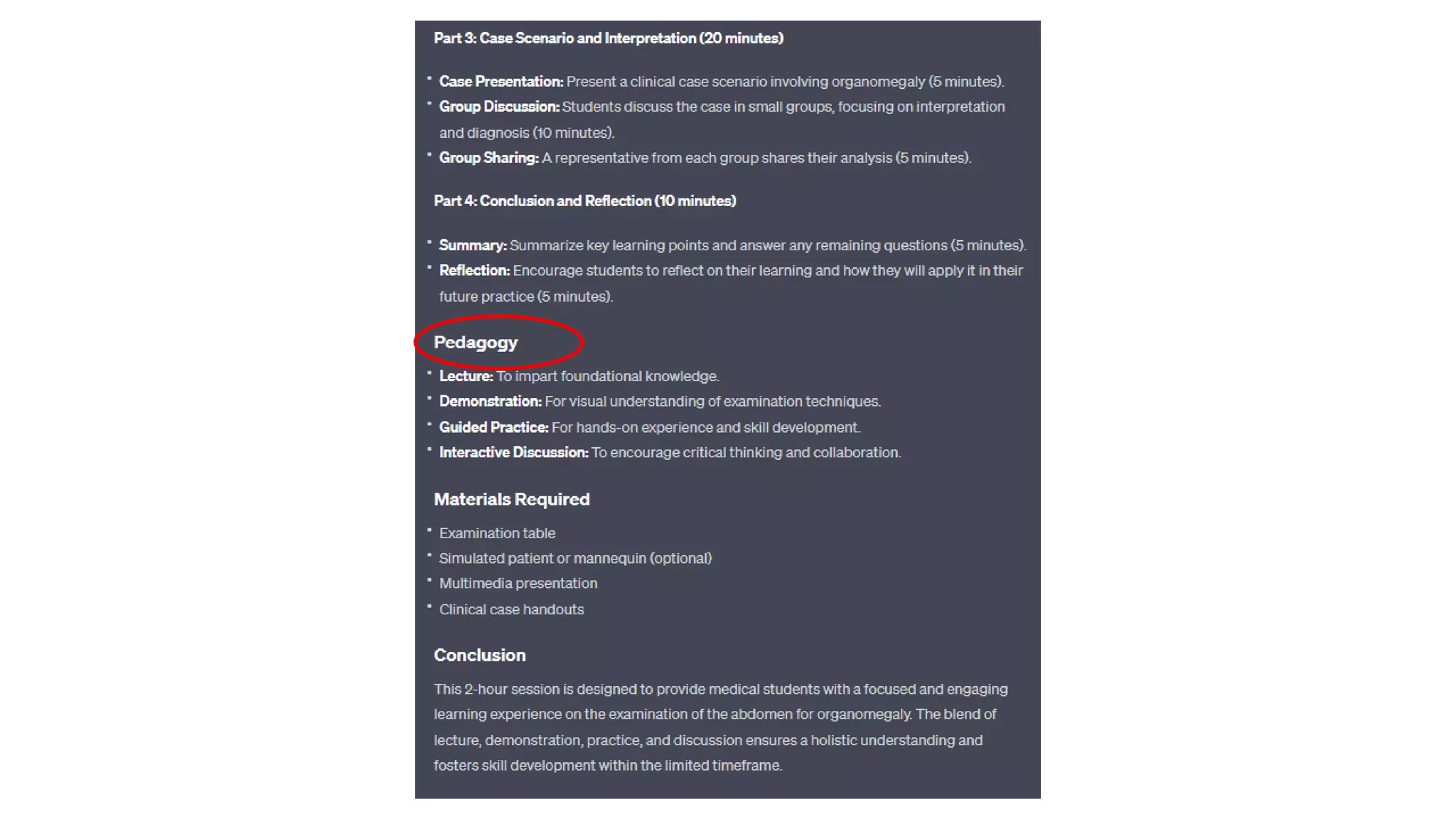
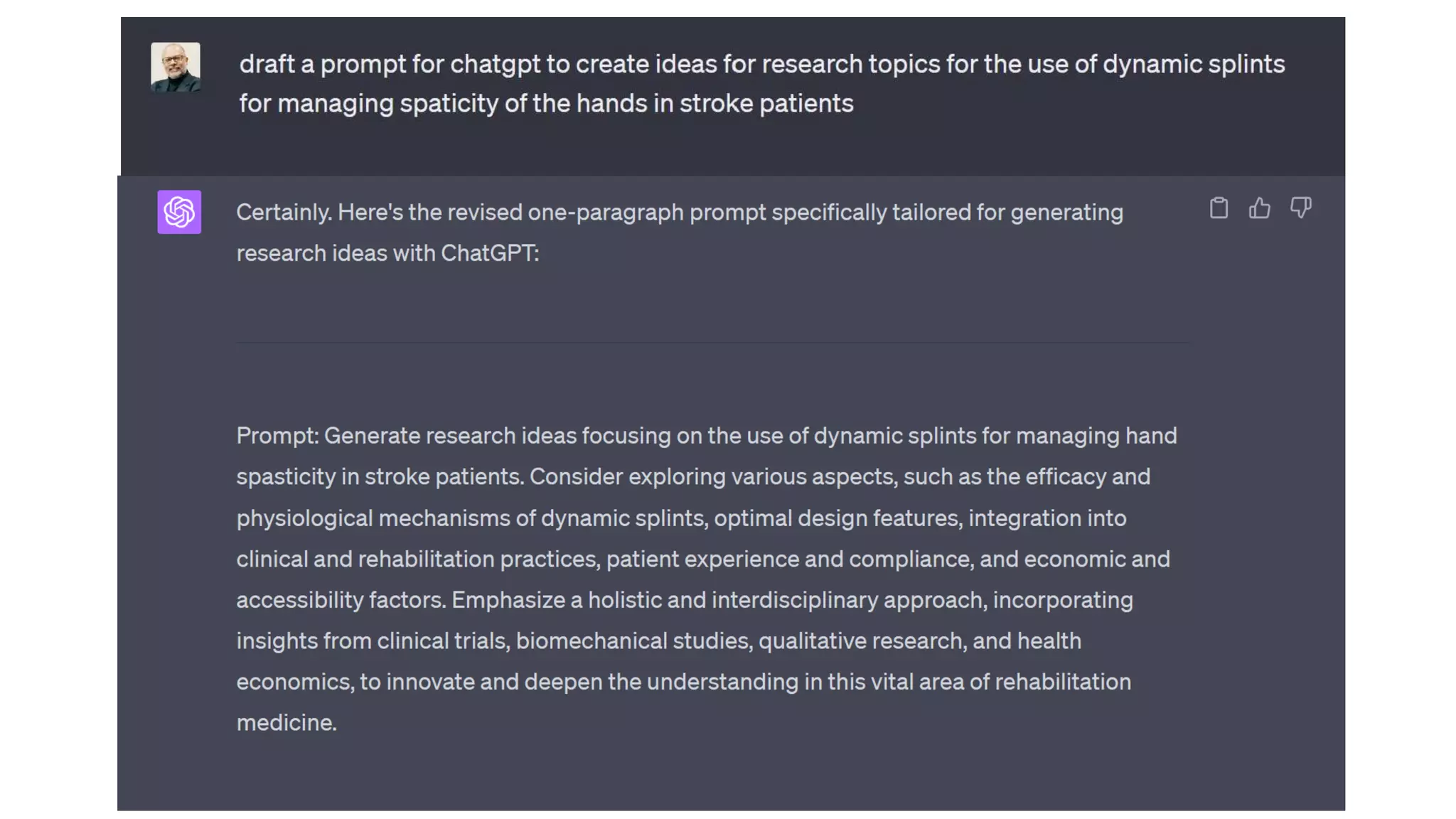
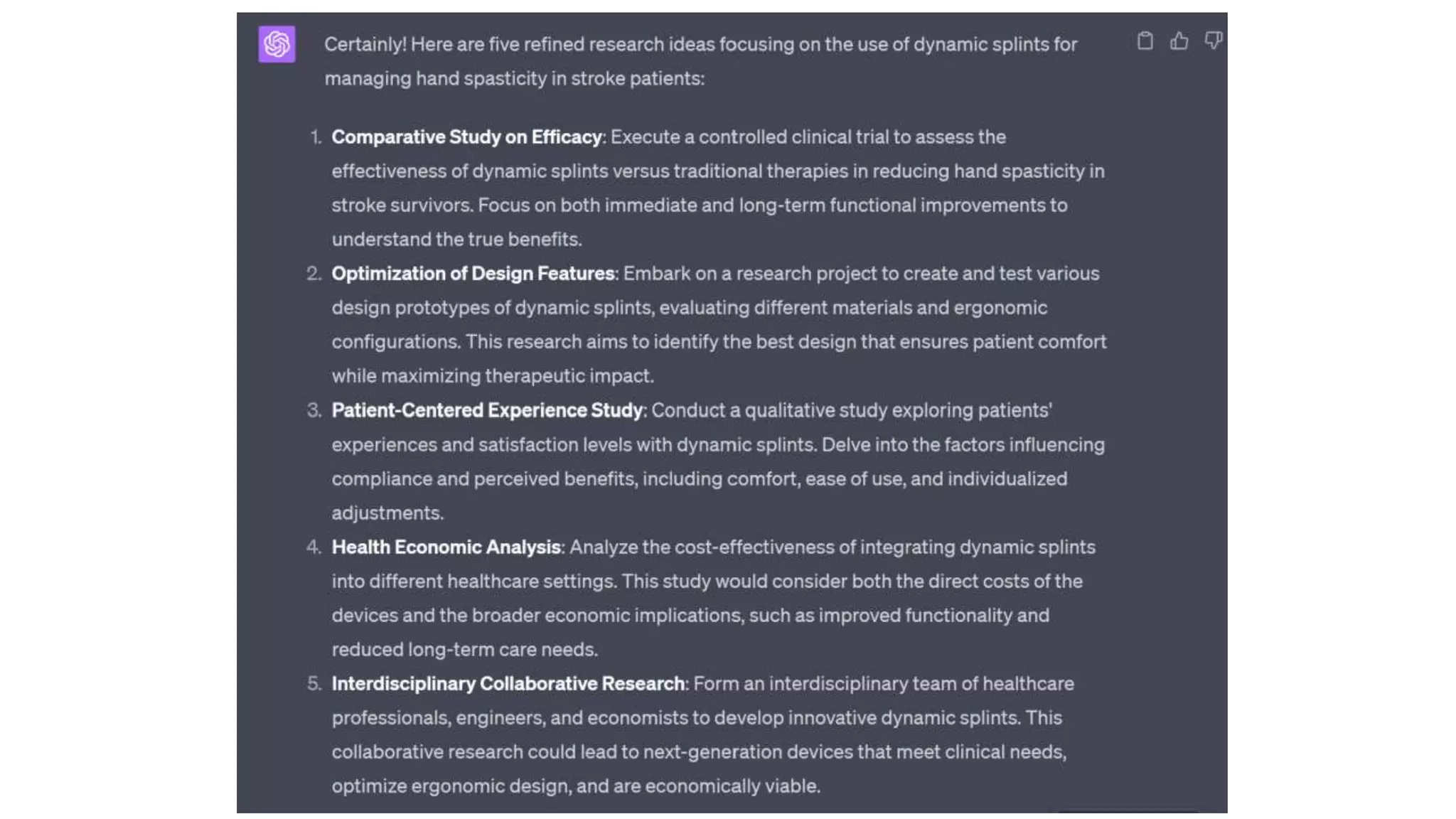
Create a
curriculum and
include learning
outcomes and the
pedagogy and a
lesson plan
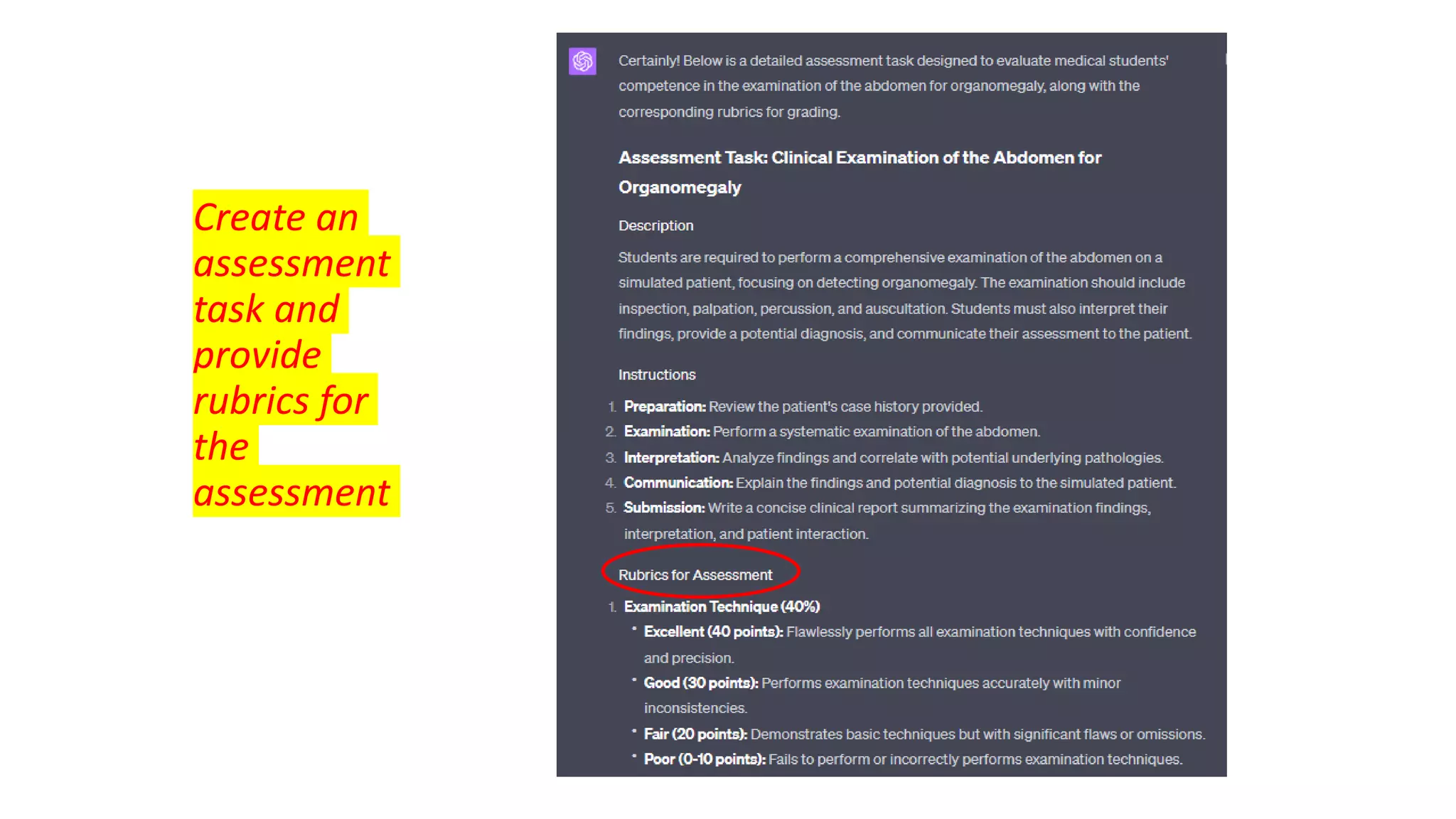
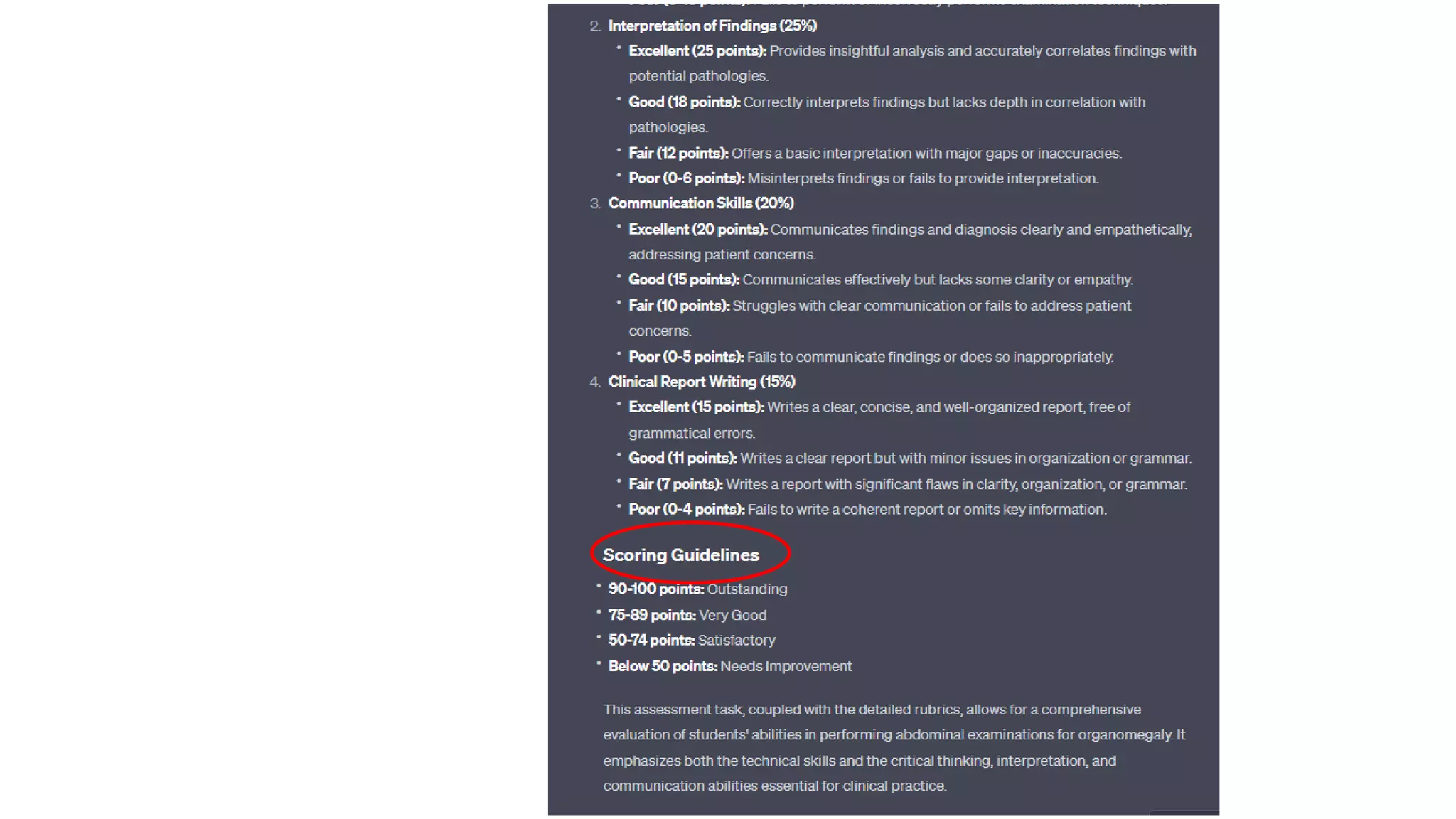
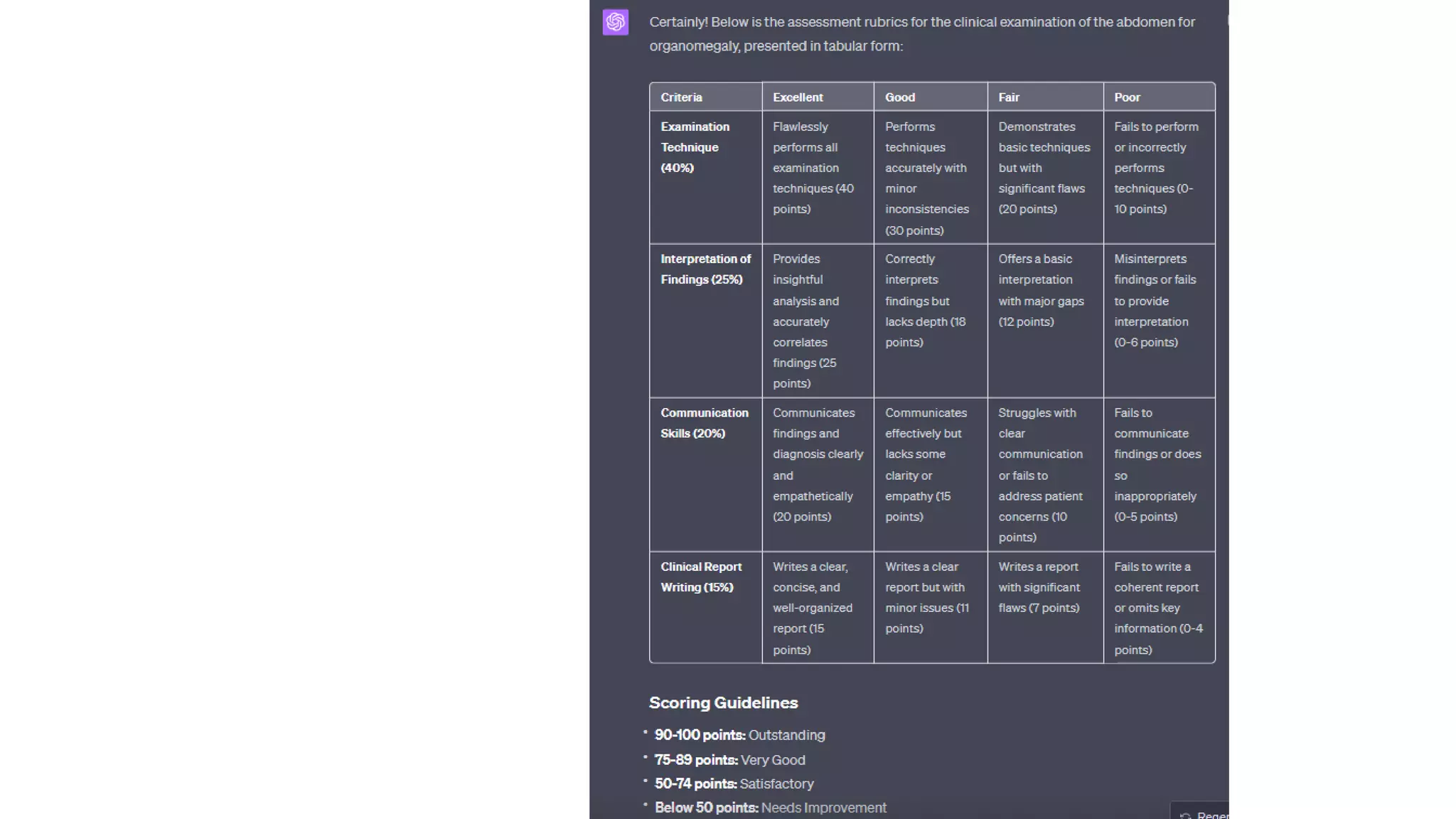
Create an
assessment
task and
provide
rubrics for
the
assessment
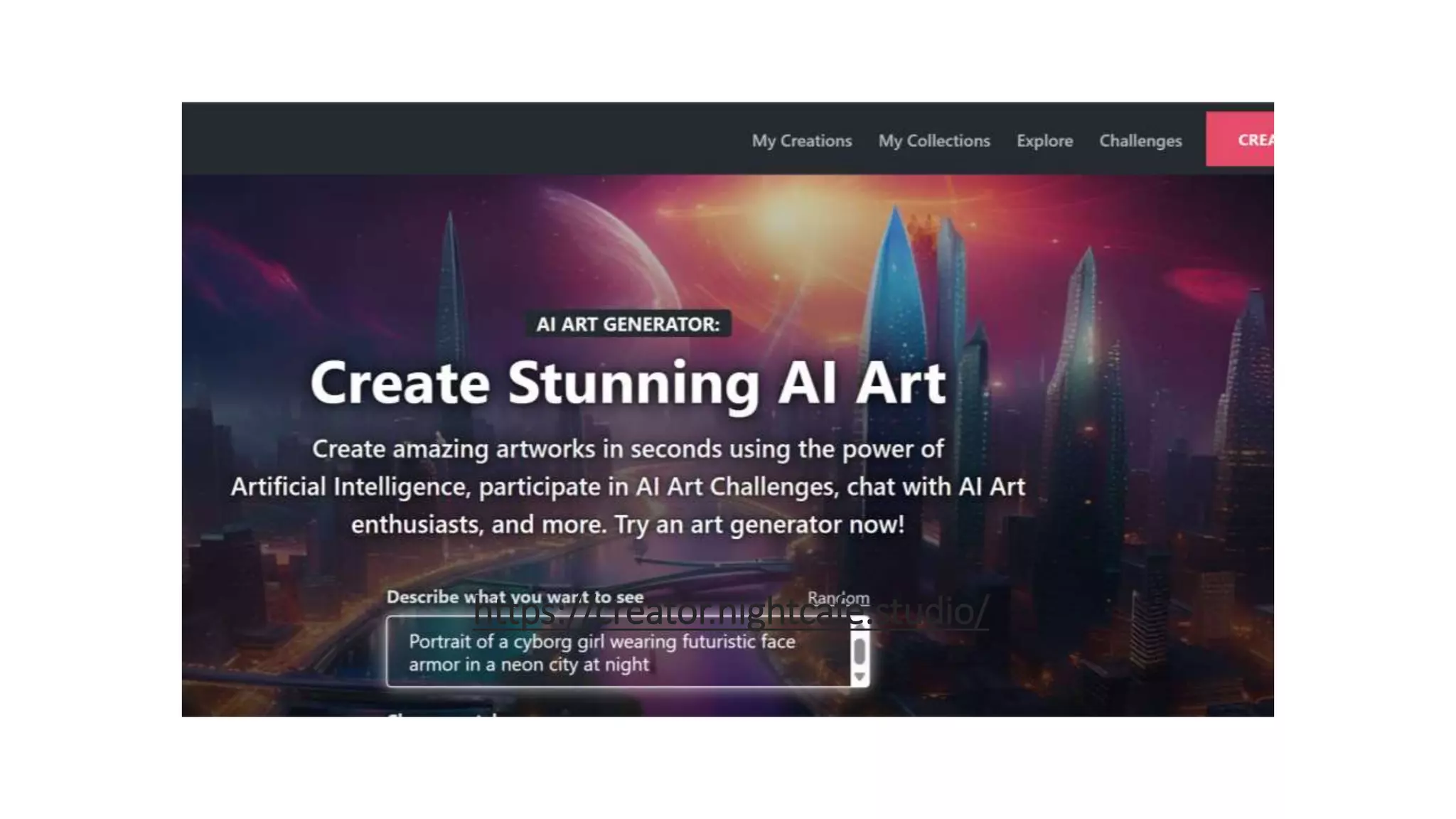
https://creator.nightcafe.studio/
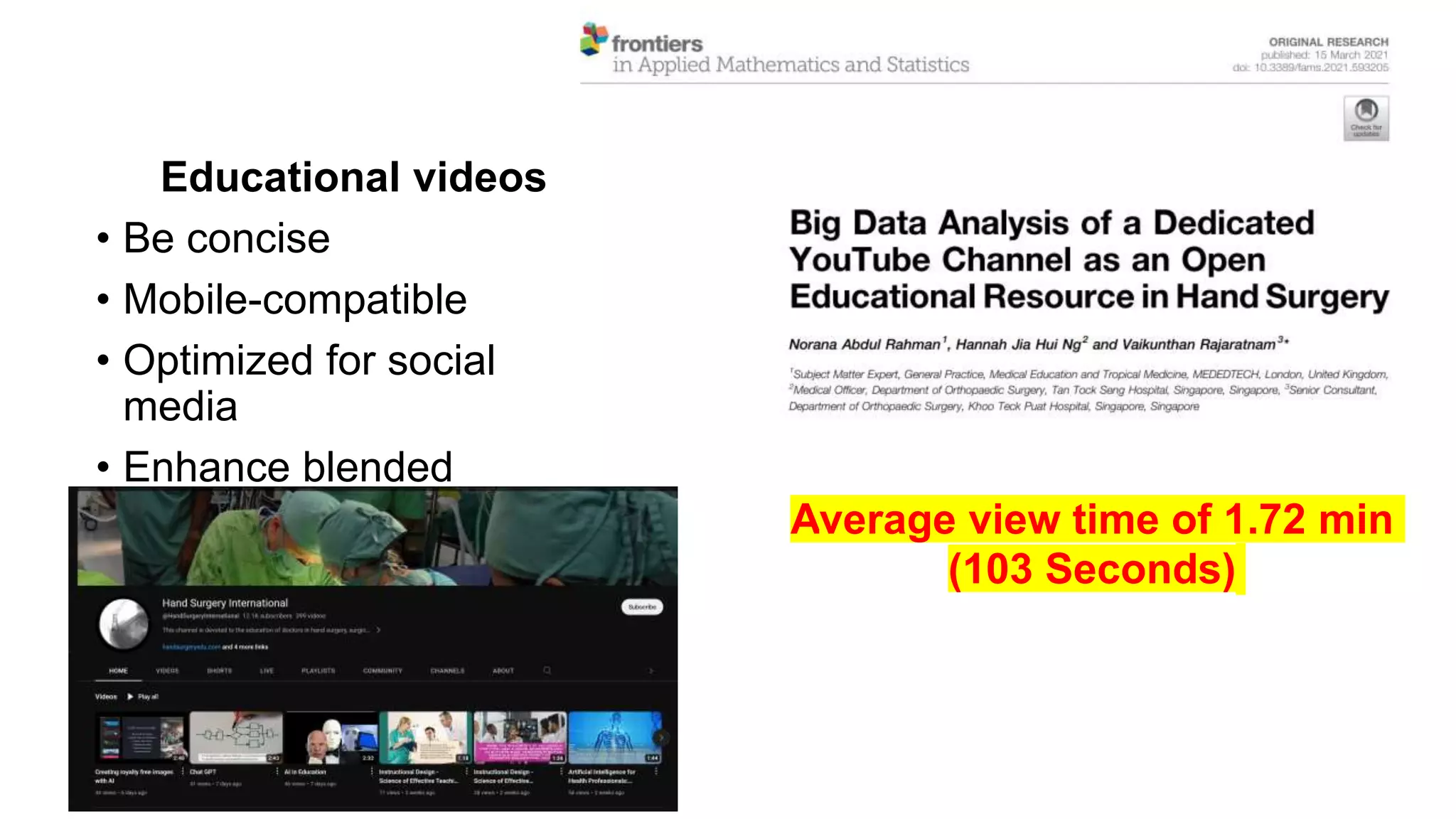
Educational videos
• Be concise
• Mobile-compatible
• Optimized for social
media
• Enhance blended
learning Average view time of 1.72 min
(103 Seconds)
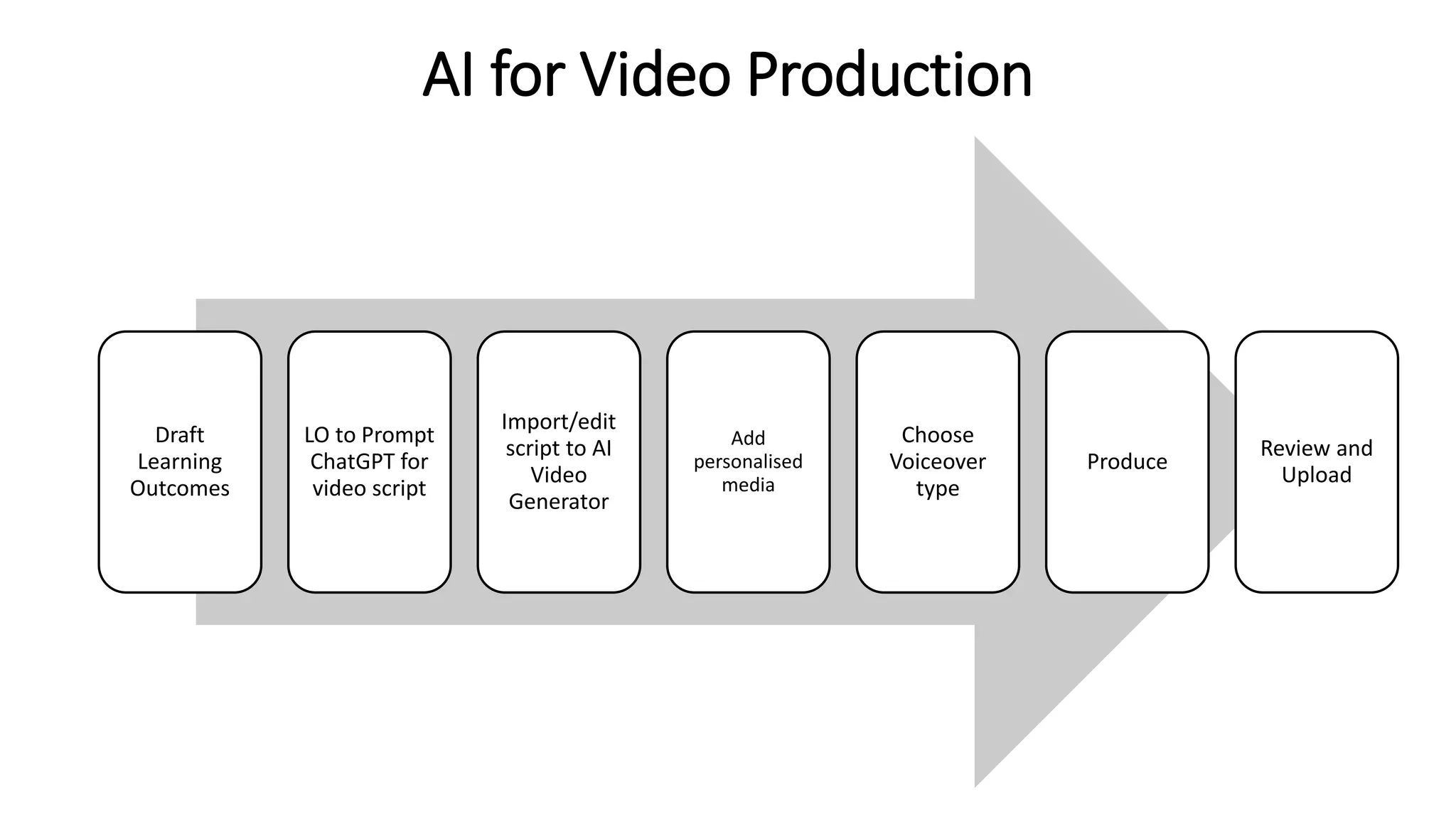
AI for Video Production
Draft
Learning
Outcomes
LO to Prompt
ChatGPT for
video script
Import/edit
script to AI
Video
Generator
Add
personalised
media
Choose
Voiceover
type
Produce
Review and
Upload
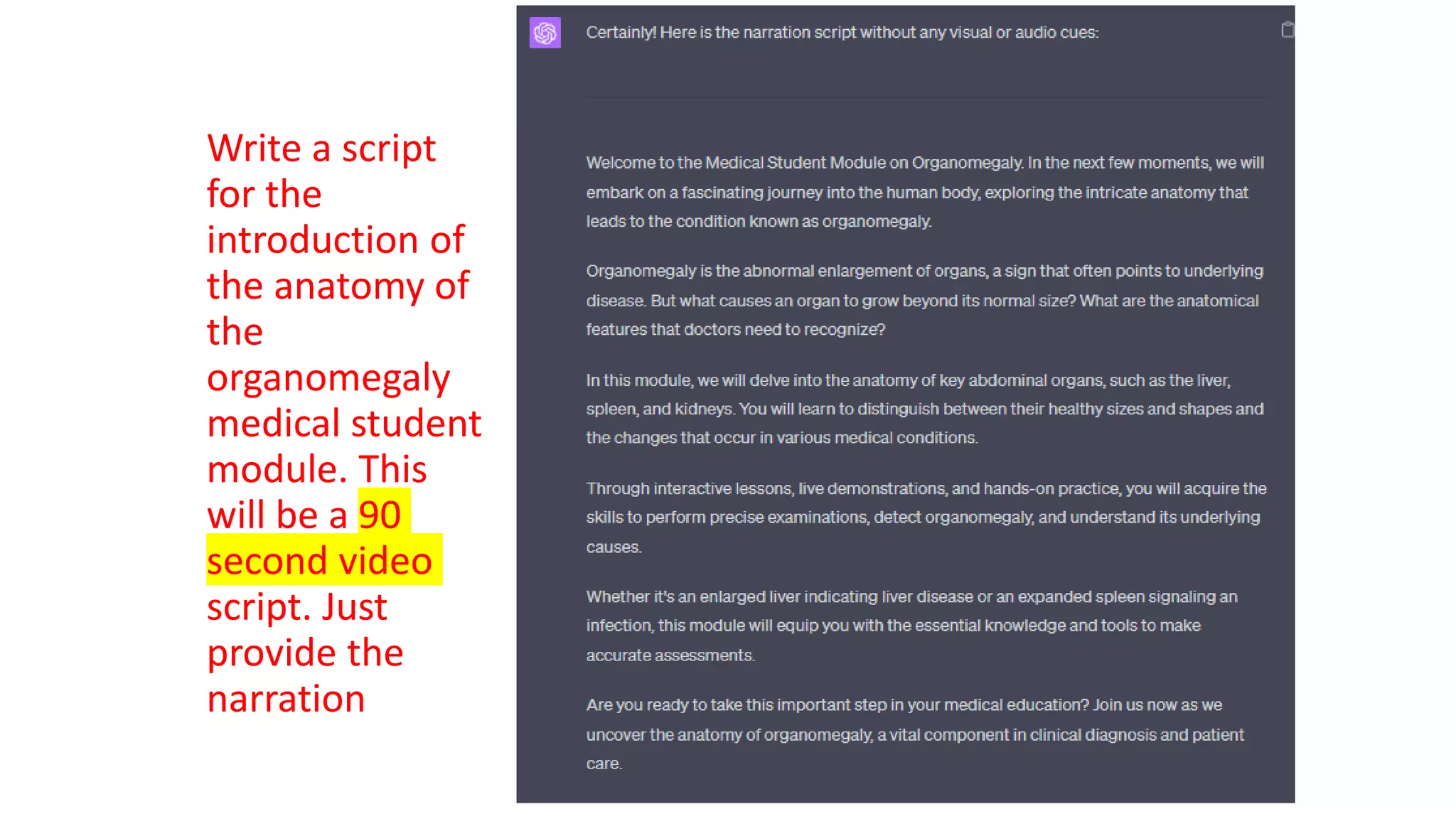
Write a script
for the
introduction of
the anatomy of
the
organomegaly
medical student
module. This
will be a 90
second video
script. Just
provide the
narration
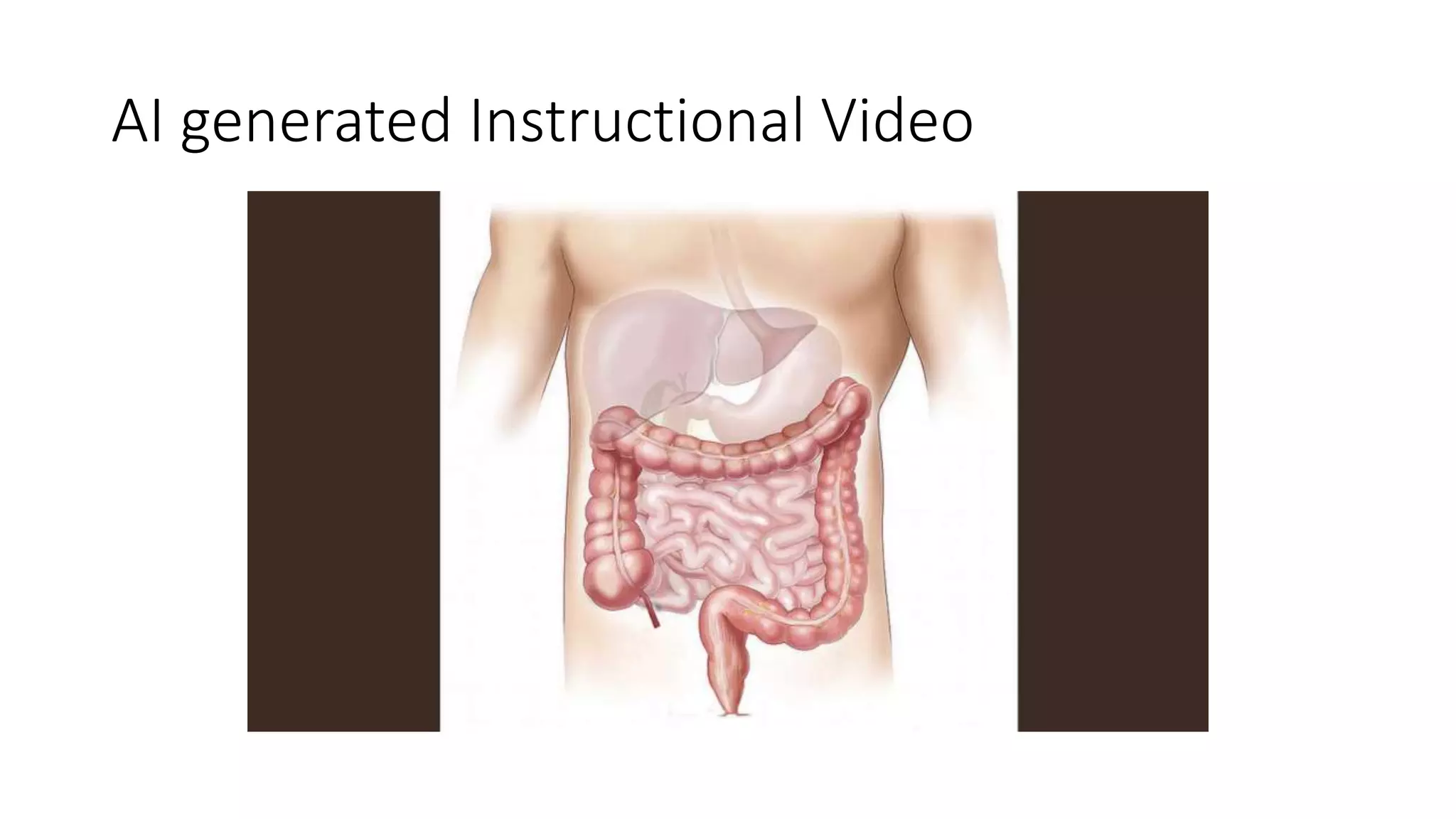
AI generated Instructional Video
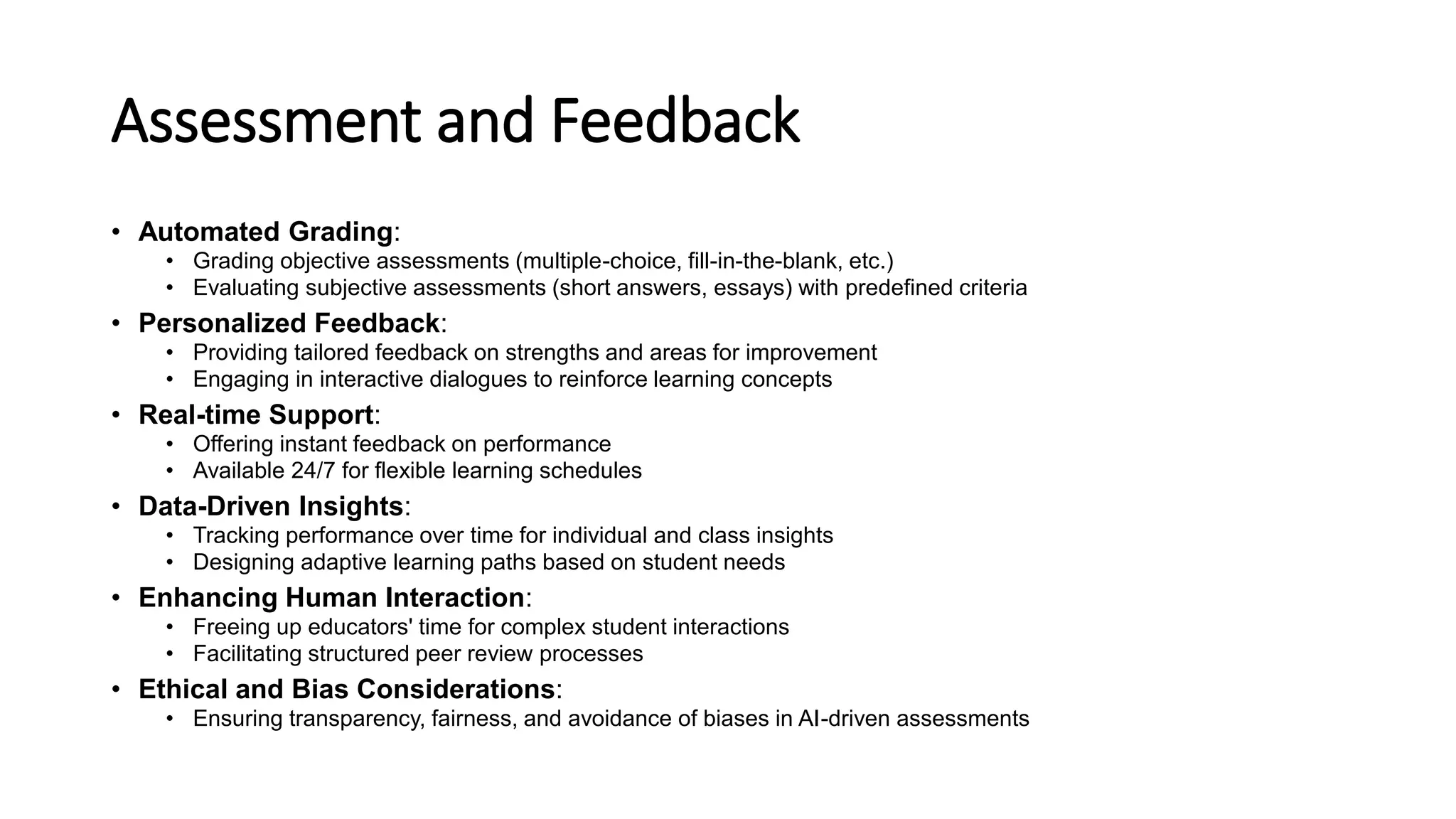
Assessment and Feedback
• Automated Grading:
• Grading objective assessments (multiple-choice, fill-in-the-blank, etc.)
• Evaluating subjective assessments (short answers, essays) with predefined criteria
• Personalized Feedback:
• Providing tailored feedback on strengths and areas for improvement
• Engaging in interactive dialogues to reinforce learning concepts
• Real-time Support:
• Offering instant feedback on performance
• Available 24/7 for flexible learning schedules
• Data-Driven Insights:
• Tracking performance over time for individual and class insights
• Designing adaptive learning paths based on student needs
• Enhancing Human Interaction:
• Freeing up educators' time for complex student interactions
• Facilitating structured peer review processes
• Ethical and Bias Considerations:
• Ensuring transparency, fairness, and avoidance of biases in AI-driven assessments
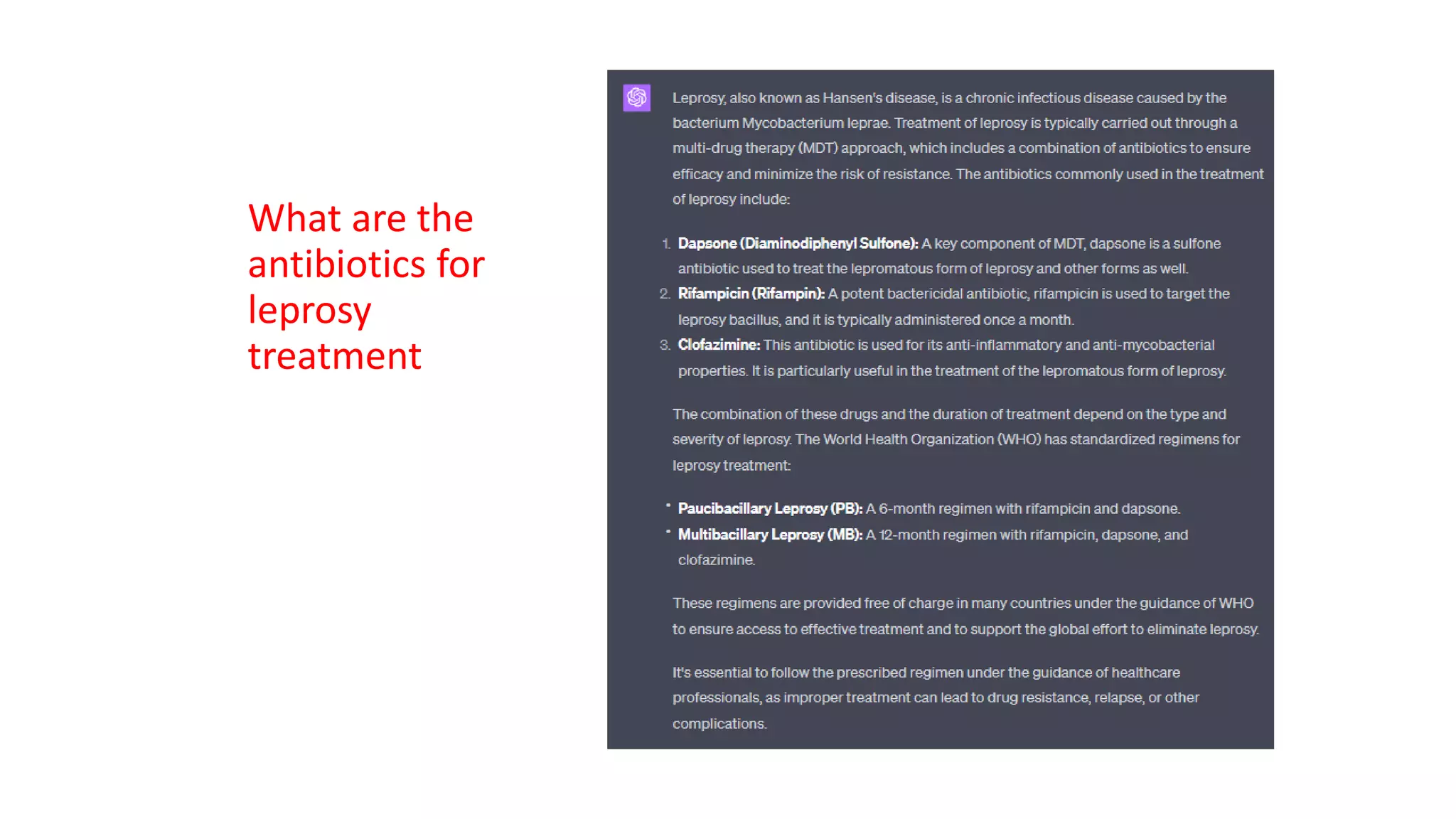
What are the
antibiotics for
leprosy
treatment
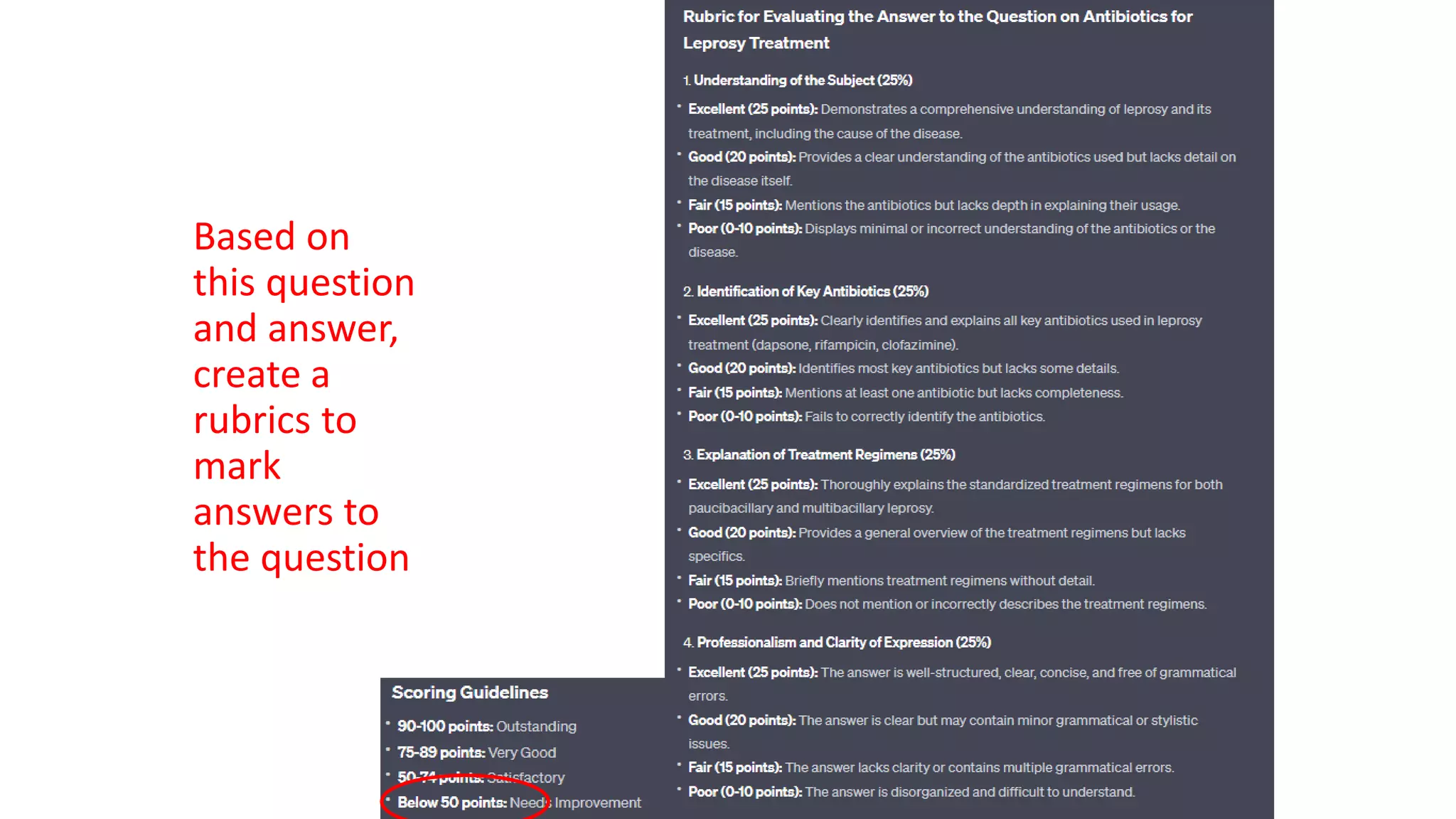
Based on
this question
and answer,
create a
rubrics to
mark
answers to
the question
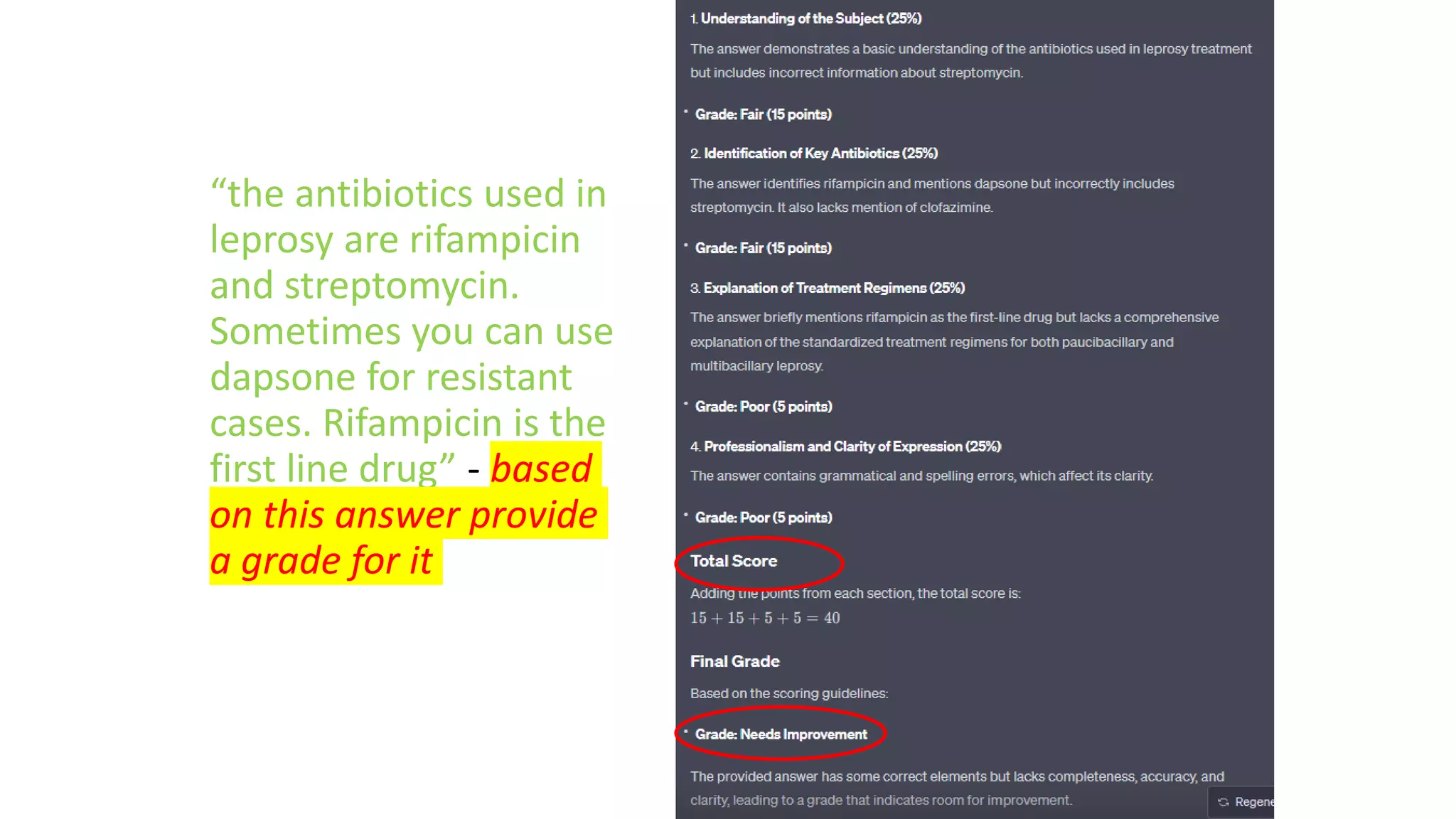
“the antibiotics used in
leprosy are rifampicin
and streptomycin.
Sometimes you can use
dapsone for resistant
cases. Rifampicin is the
first line drug” - based
on this answer provide
a grade for it
AI Tools for RESEARCH
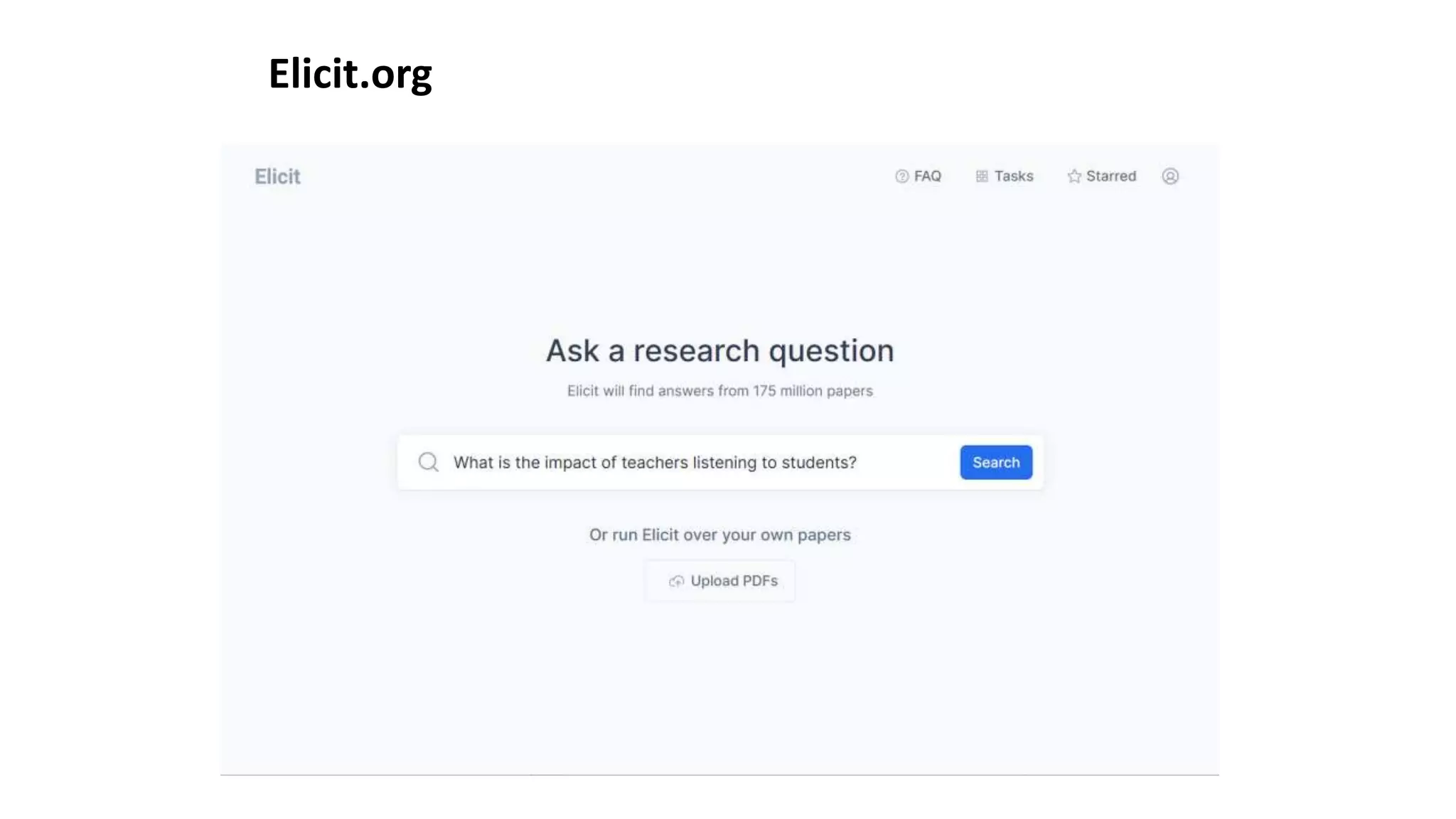
• Elicit for Literature Search
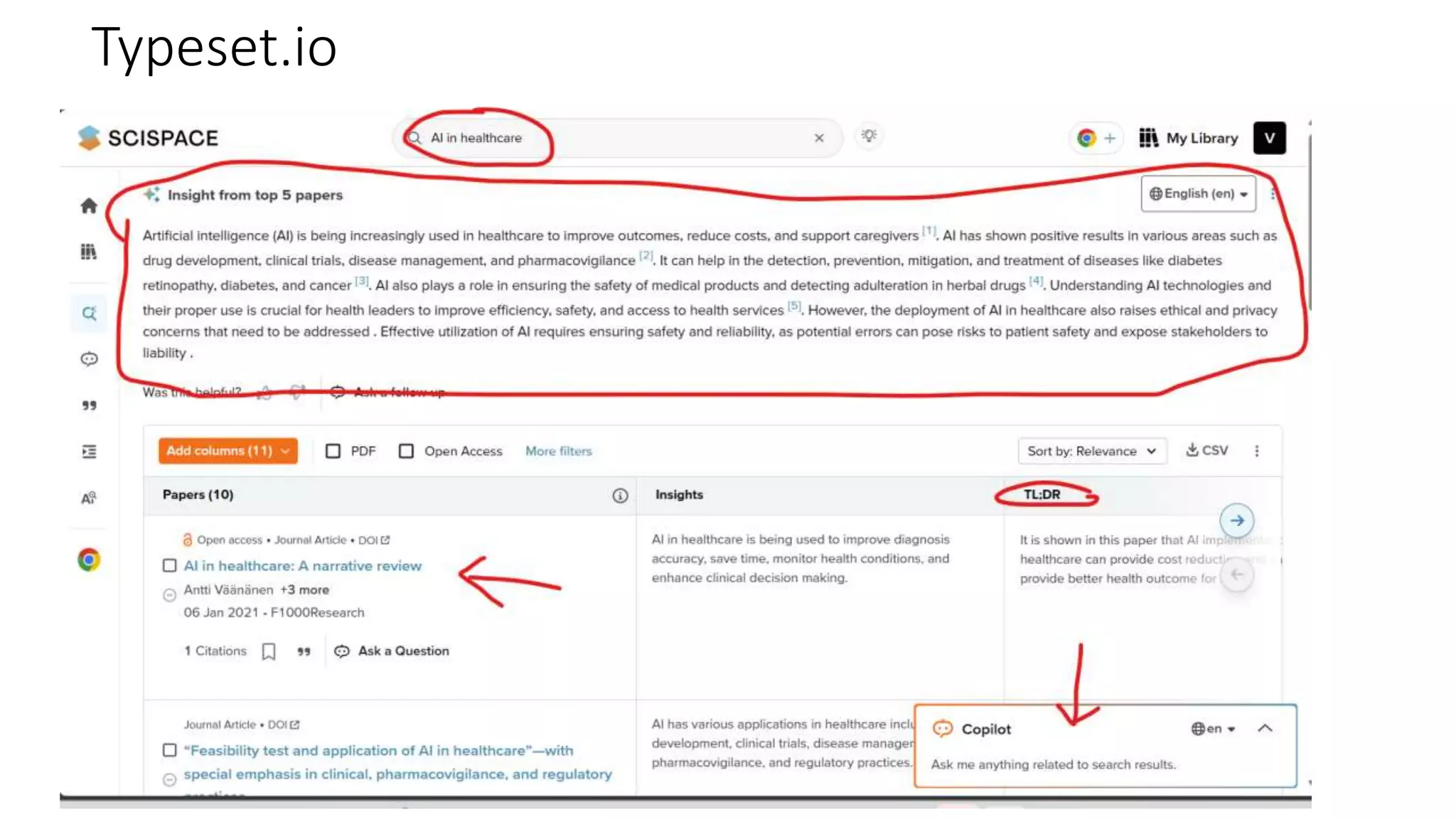
• Scholarcy and Typeset for data extraction and summary
• Genei.io for summarisation and key points highlighting
• Keyword generation with ChatGPT ( targeted prompt engineering)
Elicit.org
Typeset.io
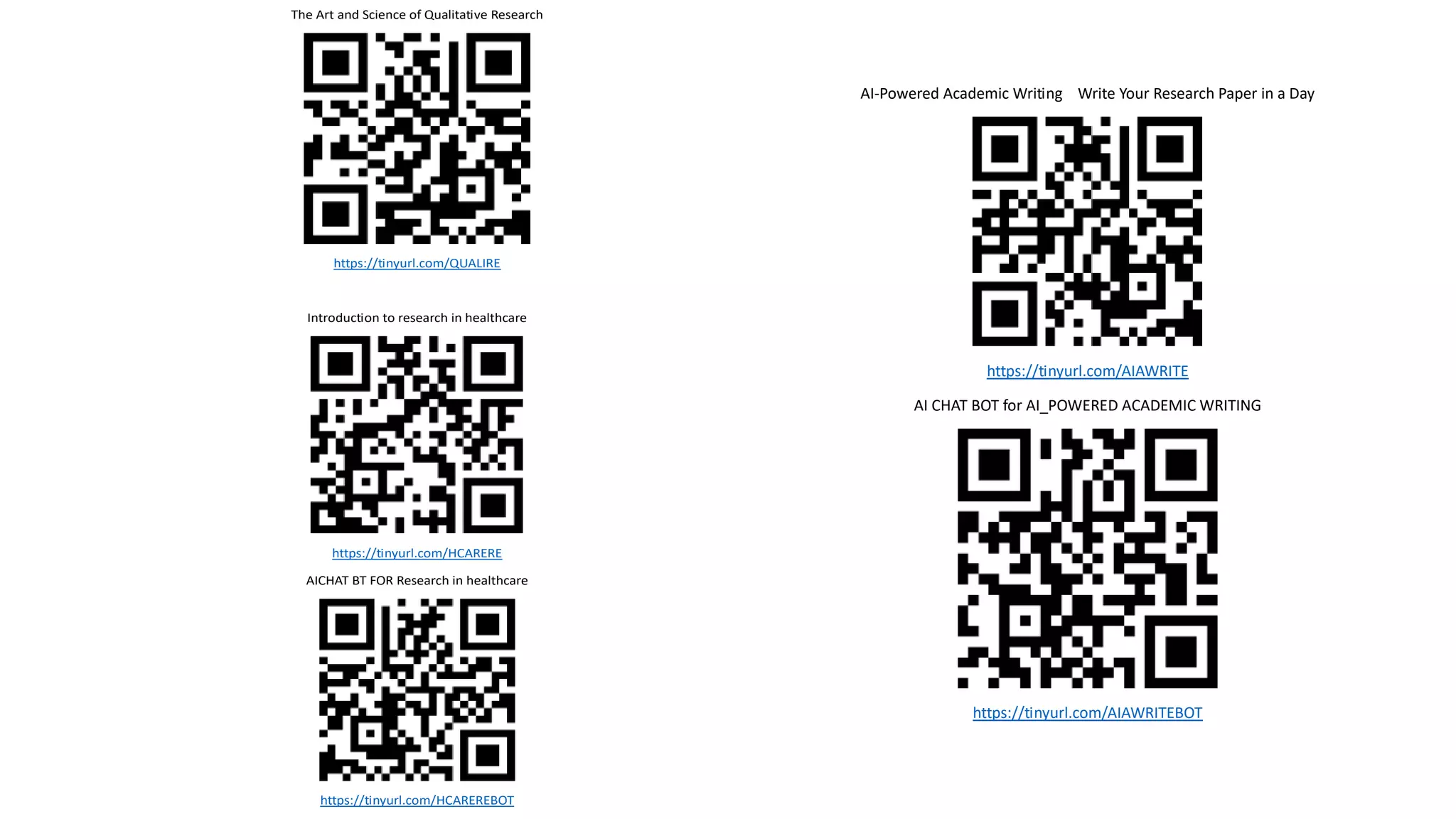
The Art and Science of Qualitative Research
https://tinyurl.com/QUALIRE
Introduction to research in healthcare
https://tinyurl.com/HCARERE
AICHAT BT FOR Research in healthcare
https://tinyurl.com/HCAREREBOT
AI-Powered Academic Writing Write Your Research Paper in a Day
https://tinyurl.com/AIAWRITE
AI CHAT BOT for AI_POWERED ACADEMIC WRITING
https://tinyurl.com/AIAWRITEBOT

AI in Practice for Healthcare

  • 1.
    From Scalpel to Algorithm HowAI is Revolutionizing Medical Education, Research and Clinical Practice Vaikunthan Rajaratnam Hand Surgeon, Medical Educator and Instructional Designer
  • 2.
    Disclaimer I am notan AI expert, nor do I possess coding knowledge specific to the underlying mechanisms of AI models; my expertise lies in the utilisation of these models, such as ChatGPT, based on my extensive experience as a user within the fields of healthcare, medical education, and related research, rather than their technical development or underlying algorithms.
  • 3.
    Introduction to AIin Healthcare: Opportunities and Challenges AI technologies have the potential to revolutionize healthcare by enhancing diagnosis, treatment planning, and research. AI won't replace you, but someone empowered by AI undoubtedly will
  • 4.
    Understanding AI, GenerativeAI, and ChatGPT • AI (Artificial Intelligence) • refers to the simulation of human intelligence in machines that are programmed to think, learn, and make decisions • Applications: Includes machine learning, natural language processing, robotics, computer vision, etc. • Generative AI • subset of AI that focuses on creating new data instances that are similar to a set of training examples. • Techniques: Examples include Generative Adversarial Networks (GANs), Variational Autoencoders (VAEs), etc. • ChatGPT (Generative Pretrained Transformer): • State-of-the-art language models developed by OpenAI. It utilises the Transformer architecture to generate human-like text based on given prompts. • Usage: Widely used in natural language understanding tasks, chatbots, content creation, and more.
  • 5.
    Suero-Abreu, G. A.,Hamid, A., Akbilgic, O., & Brown, S.-A. (2022). Trends in cardiology and oncology artificial intelligence publications. American Heart Journal Plus: Cardiology Research and Practice, 17, 100162. https://doi.org/10.1016/j.ahjo.2022.100162
  • 6.
    • Rapid multi-disciplinary streamof authors researching AI in Medicine • Skills and data quality awareness for data- intensive analysis • Limitations • Ethics, • Data governance, and • Competencies of the health workforce. • Focuses on • Health services management • Predictive medicine • Patient data and diagnostics • Clinical decision-making Secinaro, S., Calandra, D., Secinaro, A., Muthurangu, V., & Biancone, P. (2021). The role of artificial intelligence in healthcare: A structured literature review. BMC Medical Informatics and Decision Making, 21(1), 125. https://doi.org/10.1186/s12911-021-01488-9
  • 7.
    Health services managemen t • Optimization ofOperational Efficiency • Example: Scheduling algorithms to optimize staff shifts and patient appointments, reducing wait times. • Predictive Analytics for Resource Allocation • Example: Predicting hospital bed occupancy based on patient flow and admission trends for better resource planning. • Supply Chain Optimization • Example: Forecasting the need for medical supplies and automating procurement to reduce inventory costs. • Fraud Detection and Compliance • Example: Detecting fraudulent billing activities and ensuring compliance with healthcare regulations. • Integration of Care across Providers • Example: Facilitating seamless information sharing among healthcare providers for coordinated care. • Enhancing Administrative Decision-Making • Example: Utilizing data analytics to inform strategic decisions, such as facility expansion or service prioritization. • Patient Engagement and Communication • Example: AI-powered chatbots to handle routine inquiries, appointment scheduling, and patient follow- ups. • Workforce Development and Training • Example: Using AI to identify training needs and deliver personalized learning paths for healthcare staff. • Performance Monitoring and Quality Assurance • Example: Implementing AI-driven analytics to monitor performance metrics, identify areas for improvement, and ensure quality standards. • Cost Control and Optimization • Example: Applying AI to analyze cost drivers, identify inefficiencies, and recommend cost-saving measures.
  • 8.
    Predictiv e medicine • Early DiseaseDetection • Example: Using AI algorithms to analyze medical imaging for early detection of cancers, even before symptoms appear. • Risk Stratification • Example: Identifying patients at high risk of chronic conditions like heart disease based on a combination of genetic, lifestyle, and clinical data. • Personalized Treatment Plans • Example: Creating tailored treatment regimens by predicting individual responses to specific drugs or therapies. • Epidemic Outbreak Prediction • Example: Analyzing social media, travel patterns, and other data sources to predict the spread of infectious diseases like flu or COVID-19. • Hospital Readmission Prediction • Example: Determining the likelihood of a patient's readmission to the hospital, allowing for targeted interventions to reduce readmissions. • Drug Response Prediction • Example: Predicting how individual patients will respond to certain medications, minimizing adverse effects, and improving treatment efficacy. • Genomic Medicine and Genetic Risk Prediction • Example: Analyzing genetic data to predict susceptibility to genetic disorders and guide preventive measures. • Mental Health Outcome Prediction • Example: Utilizing AI to predict mental health crises or progression of conditions like depression based on patient behavior and medical history. • Chronic Disease Management • Example: Continuous monitoring and prediction of disease progression in chronic conditions like diabetes, allowing for timely interventions.
  • 9.
    Patient data and diagnostics • AutomatedData Analysis and Interpretation • Example: Using AI to analyze complex laboratory results, such as genetic sequencing, to identify patterns and anomalies. • Real-Time Monitoring and Alerting • Example: Continuously tracking vital signs and alerting medical staff to potential issues, such as deterioration in a patient's condition. • Enhanced Medical Imaging Interpretation • Example: Applying AI algorithms to interpret radiological images, such as X-rays and MRIs, with increased accuracy and speed. • Predictive Analytics for Personalized Care • Example: Analyzing patient data to predict individual responses to treatments, enabling more personalized and effective care plans. • Data Integration and Holistic Patient Views • Example: Aggregating data from various sources (e.g., EMRs, wearables) to provide a comprehensive view of a patient's health status. • Telemedicine and Remote Diagnostics • Example: Utilizing AI-powered tools to diagnose and manage patients in remote locations, increasing healthcare accessibility. • Natural Language Processing for Clinical Notes • Example: Extracting valuable information from unstructured clinical notes through AI, enhancing data usability. • Genomic and Precision Medicine • Example: Integrating genomic data with clinical information to provide precise diagnoses and personalized treatment recommendations. • Chronic Condition Management and Monitoring • Example: Using AI to diagnose and monitor chronic conditions, such as diabetes, through continuous data analysis. • Ethical and Security Considerations in Data Handling • Example: Implementing AI-driven security protocols to ensure patient data privacy and compliance with regulations.
  • 10.
    Clinical decision- making • Evidence-Based Recommendations •Example: AI systems can analyze vast medical literature to provide evidence-based treatment recommendations tailored to individual patient profiles. • Diagnostic Support Tools • Example: AI algorithms can assist physicians in diagnosing complex conditions by analyzing clinical data, medical imaging, and laboratory results. • Predicting Patient Outcomes • Example: Using AI to predict patient responses to various treatments, aiding in selecting the most effective therapy. • Treatment Pathway Optimization • Example: AI can suggest optimal treatment pathways based on patient characteristics, medical history, and current clinical guidelines. • Enhancing Multidisciplinary Collaboration • Example: AI-driven platforms can facilitate collaboration among specialists, integrating insights from various disciplines for comprehensive care. • Ethical Considerations in Decision Making • Example: Implementing AI algorithms that consider ethical principles, such as fairness and transparency, in clinical
  • 11.
    Challenges • Data • Trust •Ethics • Readiness for change, • Expertise • Buy-in • Regulatory strategy • Scalability • Evaluation Golhar, S. P., & Kekapure, S. S. (2022). Artificial Intelligence in Healthcare—A Review. International Journal of Scientific Research in Science and Technology, 9(4), 381–387. https://doi.org/10.32628/IJSRST229454
  • 12.
    Governance Model for AI S.Reddy, S. Allan, S. Coghlan, and P. Cooper, ‘A governance model for the application of AI in health care’, J. Am. Med. Inform. Assoc., vol. 27, no. 3, pp. 491–497, Mar. 2020, doi: 10.1093/jamia/ocz192 Rahman, N., Thamotharampillai, T., & Rajaratnam, V. (2023). Ethics, guidelines, and policy for technology in healthcare. In Medical Equipment Engineering: Design, Manufacture and Applications (pp. 119–147). IET Digital Library. https://doi.org/10.1049/PBHE054E_ch9
  • 13.
    Higgins, D., &Madai, V. I. (2020). From Bit to Bedside: A Practical Framework for Artificial Intelligence Product Development in Healthcare. Advanced Intelligent Systems, 2(10), 2000052. https://doi.org/10.1002/aisy.202000052
  • 14.
    What is ChatGPT? •Understanding Language • Reads and comprehends human-written text. • Generating Text • Writes human-like text, from answers to creative content. • Conversation • Capable of engaging in text-based conversations with users. • Applications • Used in virtual assistants, education, content creation, and more. • Not a Human • Generates text through algorithms, without feelings or consciousness. AI for Clinical Decision-Making and Patient Care
  • 15.
    How Does ChatGPT Work? “Don’tcry ………..” “ Don’t cry over….” • Reading Text: • Takes in words, questions, or sentences as input. • Understands the language like a human reading a book. • Processing Information: • Breaks down the input into smaller parts to understand the meaning. • Uses a complex mathematical model to analyse the text. • Generating Response: • Constructs a response based on what it has "learned" from reading lots of text. • Tries to make the response sound like something a human would say. • No Personal Knowledge or Opinions: • Doesn't have thoughts, feelings, or personal experiences. • Answers are based on patterns in the data it was trained on, not personal beliefs opinions. • Learning from Data: • Trained on a vast amount of text from books, websites, and other written materia • Learns the structure of language and how to create sentences that make sense. • Versatility: • Can be used for various tasks like answering questions, writing stories, or helping homework. • Adaptable to different subjects and contexts. • Not Perfect: • Can make mistakes or provide incorrect information. • Needs to be used with caution, especially for critical or sensitive topics
  • 16.
    Understanding ChatGPT • Advancedlanguage model developed by OpenAI. • Generates human-like text based on the prompts. • Quality vs prompt. Quality of Response ∝ Quality of Prompt × Model Understanding Here: Quality of Response is the measure of how relevant, accurate, and coherent the response is. Quality of Prompt represents the clarity, specificity, and relevance of the prompt given to the model. Model Understanding , model's ability to interpret the prompt, including its training, design, and current context.
  • 17.
  • 18.
    Prompt Engineering • Definethe Objective: • Identify the specific information or assistance • Be Clear and Precise: • Use clear language and avoid ambiguity. • Include essential details without over- complicating the prompt. • Consider Context: • Provide relevant background or context to guide the response. • Set the Tone and Style: • Specify the desired tone (formal, casual) or style (e.g., summary, explanation) if it matters for your use case. • Ask Direct Questions: • If seeking specific information, formulate your prompt as a direct question. • Self Reflective • Avoid Bias and Leading Questions: • Craft the prompt neutrally to prevent biased or skewed responses. • Test and Refine: • Experiment with different phrasings and observe how slight changes can affect the response. • Refine the prompt • Consider Ethical and Privacy Concerns: • Ethical guidelines and does not request or reveal sensitive or private information.
  • 19.
    Response Validation • Reviewresponse - meets your requirements. • No access to real-time data • Vaildate Validate Validate. • Prompt – response -refine - reprompt. Relevance Check Accuracy Confirmation Context Consistency Sensitivity Review Refinement for Future Queries
  • 20.
    67-year-old male has dizzinessevery time he sits up from a lying position, especially in the morning. Also, when he suddenly moves his head, he notes the dizziness. What is the diagnosis
  • 21.
  • 22.
    Patient Triage: •Appropriate levelof care Mental Health Support: •Immediate, cost- effective Patient Education: •Provide reliable and continuous information, explain treatment options, or clarify post-operative care instructions. Remote Monitoring: •Ensure medication adherence, and alert clinicians about anomalies. Clinical Decision Support: •Data-driven insights to support clinical decisions. Confidentiality and Compliance: Ensure that all interactions are secure and compliant with healthcare regulations.
  • 25.
    Overcoming Bias • Anglocentrism •Contextual Understanding • Translation Limitations • Data Imbalance
  • 26.
    Relevance to healthcareeducation • Adapts to individual student needs Personalized Learning: • Creating diverse and engaging educational materials. Content Creation: • Interactive learning experiences (Chatbot) Student Engagement: • Provides real-time assessment and feedback . Assessment and Feedback: • content accessible to diverse learners Accessibility: • Facilitates collaboration among students and educators, bridging geographical and language barriers. Collaboration and Communication:
  • 27.
    Personalized Learning • Tailorseducational content Adaptive Content Delivery: • Provides instant feedback and real-time assistance Real-Time Feedback and Support: • Engages with interactive dialogues and Simulates scenarios. Interactive Learning Environments: • Analyses - identify strengths and weaknesses for personalized learning. Data-Driven Insights: • Adapts content to diverse learners & multiple languages. Accessibility and Inclusivity: • Facilitates collaborative learning experiences and peer interactions. Collaboration and Peer Interaction: • Seamlessly integrates with Learning Management Systems (LMS) Integration with Existing Platforms: • Supports lifelong learning and Assists in tracking and maintaining professional development Continuous Learning and Skill Development: • Ensures ethical guidelines and privacy regulations. Ethical and Privacy Considerations: • Aligns personalized learning experiences and Ensures relevance to real- world medical practice Alignment with Healthcare Objectives:
  • 28.
    Act like a virtual patientand provide me symptoms and history so that I can improve my clinical skills
  • 30.
    I have beenasked to create a module for the examination of the abdomen for organomegaly for medical students. Create a curriculum and include learning outcomes and the pedagogy and a lesson plan
  • 32.
  • 35.
  • 37.
    Educational videos • Beconcise • Mobile-compatible • Optimized for social media • Enhance blended learning Average view time of 1.72 min (103 Seconds)
  • 38.
    AI for VideoProduction Draft Learning Outcomes LO to Prompt ChatGPT for video script Import/edit script to AI Video Generator Add personalised media Choose Voiceover type Produce Review and Upload
  • 39.
    Write a script forthe introduction of the anatomy of the organomegaly medical student module. This will be a 90 second video script. Just provide the narration
  • 40.
  • 41.
    Assessment and Feedback •Automated Grading: • Grading objective assessments (multiple-choice, fill-in-the-blank, etc.) • Evaluating subjective assessments (short answers, essays) with predefined criteria • Personalized Feedback: • Providing tailored feedback on strengths and areas for improvement • Engaging in interactive dialogues to reinforce learning concepts • Real-time Support: • Offering instant feedback on performance • Available 24/7 for flexible learning schedules • Data-Driven Insights: • Tracking performance over time for individual and class insights • Designing adaptive learning paths based on student needs • Enhancing Human Interaction: • Freeing up educators' time for complex student interactions • Facilitating structured peer review processes • Ethical and Bias Considerations: • Ensuring transparency, fairness, and avoidance of biases in AI-driven assessments
  • 42.
    What are the antibioticsfor leprosy treatment
  • 43.
    Based on this question andanswer, create a rubrics to mark answers to the question
  • 44.
    “the antibiotics usedin leprosy are rifampicin and streptomycin. Sometimes you can use dapsone for resistant cases. Rifampicin is the first line drug” - based on this answer provide a grade for it
  • 45.
    AI Tools forRESEARCH • Elicit for Literature Search • Scholarcy and Typeset for data extraction and summary • Genei.io for summarisation and key points highlighting • Keyword generation with ChatGPT ( targeted prompt engineering)
  • 48.
  • 49.
  • 50.
    The Art andScience of Qualitative Research https://tinyurl.com/QUALIRE Introduction to research in healthcare https://tinyurl.com/HCARERE AICHAT BT FOR Research in healthcare https://tinyurl.com/HCAREREBOT AI-Powered Academic Writing Write Your Research Paper in a Day https://tinyurl.com/AIAWRITE AI CHAT BOT for AI_POWERED ACADEMIC WRITING https://tinyurl.com/AIAWRITEBOT

Editor's Notes
  • #14 The clinical domain refers to identifying real‐world clinical needs and validating these needs throughout the life cycle of the project. Herein, the major risks, objectives and key results, and practical advice, across the three time‐phases of development, are presented. IF THIS IMAGE HAS BEEN PROVIDED BY OR IS OWNED BY A THIRD PARTY, AS INDICATED IN THE CAPTION LINE, THEN FURTHER PERMISSION MAY BE NEEDED BEFORE ANY FURTHER USE. PLEASE CONTACT WILEY'S PERMISSIONS DEPARTMENT ON PERMISSIONS@WILEY.COM OR USE THE RIGHTSLINK SERVICE BY CLICKING ON THE 'REQUEST PERMISSIONS' LINK ACCOMPANYING THIS ARTICLE. WILEY OR AUTHOR OWNED IMAGES MAY BE USED FOR NON-COMMERCIAL PURPOSES, SUBJECT TO PROPER CITATION OF THE ARTICLE, AUTHOR, AND PUBLISHER.