Pre & Post Conference EDLM  Ed Carreiro, Linda Deady, Amy Gracia, Maria Torres
Start With Trust   What are the Factors in Trust? Tendency to Trust History and Experience With Other Person View of Person’s Ability to Carry Out Job Differences – Similarities Power and Authority Organizational Environment
Create a Trust Improvement Plan Act with integrity – Walk your walk Protect the interests of the people who aren’t present LISTEN Be Sensitive and Respectful Take the Leap Make realistic commitments and keep them Judge substance, not image Offer status reports and forecasts Confront tough issues Display your talents Set high expectations Rigorously evaluate people
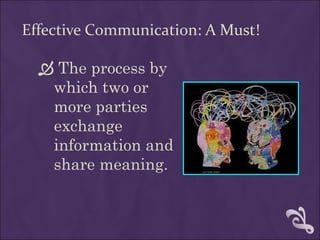
Effective Communication: A Must! The process by which two or more parties exchange information and share meaning.
Good Communication = Good Leadership Listen & Respond with Empathy Keys to Effective  Listening Respond With  Empathy Non-Verbal   Communication How? How? How?
What is Your Communication Style?? Why your communication style affects the outcome. The Survey!
Communication Style Score Sheet Circle your answers and then total up the number in each column .
What Does It All Mean?? Technical Sympathetic Expressive bold
Outline of the Entire Process Planning the Conference Teacher’s Intentions for the Lesson Teacher’s learning topic & information to be collect Role of the coach or administrator Observation Data Collection on selected topic only Post Conference Recalling the lesson  Facilitating Analysis & Self Assessment Projecting Alternatives
Pre-Observation Conference: Techniques, Skills, & Questions Goal Setting Identify the teacher’s concerns about instruction Translate those concerns into observable behaviors Identify procedures for improving teacher instruction Assist the teacher in setting self improvement goals
Pre-observation Questions Have a specific set of questions to be asked during the pre- observation conference.
Before The Observation – The Plan Know what data you will collect  Clarify the instructional context  Agree on a signal to leave Make arrangements for your seating position  Have a seating chart to make notes on students
During the Observation Take descriptive notes based on the Pre-conference agreement about necessary data Record descriptions of Non –Verbal behaviors, but be objective Be cognizant of the time and flow of the class Use the margins for thoughts or comments DO NOT INTERVENE – unless there is a  safety issue… Stay for the allotted time according to the Pre-conference agreement
Post Observation Thank the teacher Recall the Lesson or Event Facilitate Analysis & Self Assessment (compare intention with data) Project Alternatives As the conference comes to a close, the teacher and administrator reflect on the observation and conferencing process and how they are working together.
Resources Sweeny, Barry  Techniques of Conducting Effective Pre and Post- Observation Effective Communication: Communication Styles Survey Creating a Trust Improvement Plan

9020 presentation

  • 1.
    Pre & PostConference EDLM Ed Carreiro, Linda Deady, Amy Gracia, Maria Torres
  • 2.
    Start With Trust What are the Factors in Trust? Tendency to Trust History and Experience With Other Person View of Person’s Ability to Carry Out Job Differences – Similarities Power and Authority Organizational Environment
  • 3.
    Create a TrustImprovement Plan Act with integrity – Walk your walk Protect the interests of the people who aren’t present LISTEN Be Sensitive and Respectful Take the Leap Make realistic commitments and keep them Judge substance, not image Offer status reports and forecasts Confront tough issues Display your talents Set high expectations Rigorously evaluate people
  • 4.
    Effective Communication: AMust! The process by which two or more parties exchange information and share meaning.
  • 5.
    Good Communication =Good Leadership Listen & Respond with Empathy Keys to Effective Listening Respond With Empathy Non-Verbal Communication How? How? How?
  • 6.
    What is YourCommunication Style?? Why your communication style affects the outcome. The Survey!
  • 7.
    Communication Style ScoreSheet Circle your answers and then total up the number in each column .
  • 8.
    What Does ItAll Mean?? Technical Sympathetic Expressive bold
  • 9.
    Outline of theEntire Process Planning the Conference Teacher’s Intentions for the Lesson Teacher’s learning topic & information to be collect Role of the coach or administrator Observation Data Collection on selected topic only Post Conference Recalling the lesson Facilitating Analysis & Self Assessment Projecting Alternatives
  • 10.
    Pre-Observation Conference: Techniques,Skills, & Questions Goal Setting Identify the teacher’s concerns about instruction Translate those concerns into observable behaviors Identify procedures for improving teacher instruction Assist the teacher in setting self improvement goals
  • 11.
    Pre-observation Questions Havea specific set of questions to be asked during the pre- observation conference.
  • 12.
    Before The Observation– The Plan Know what data you will collect Clarify the instructional context Agree on a signal to leave Make arrangements for your seating position Have a seating chart to make notes on students
  • 13.
    During the ObservationTake descriptive notes based on the Pre-conference agreement about necessary data Record descriptions of Non –Verbal behaviors, but be objective Be cognizant of the time and flow of the class Use the margins for thoughts or comments DO NOT INTERVENE – unless there is a safety issue… Stay for the allotted time according to the Pre-conference agreement
  • 14.
    Post Observation Thankthe teacher Recall the Lesson or Event Facilitate Analysis & Self Assessment (compare intention with data) Project Alternatives As the conference comes to a close, the teacher and administrator reflect on the observation and conferencing process and how they are working together.
  • 15.
    Resources Sweeny, Barry Techniques of Conducting Effective Pre and Post- Observation Effective Communication: Communication Styles Survey Creating a Trust Improvement Plan