
REFUSE, REDUCE, RECYCLE,
REUSE, RECOVERY
Akash Tikhe
akashtk92@gmail.com
RECYCLING
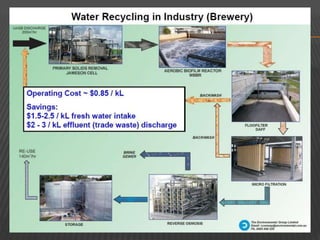
 Recycled water, is former wastewater that is treated to remove
solids and certain impurities, and used in sustainable landscaping
irrigation or to recharge groundwater aquifers.
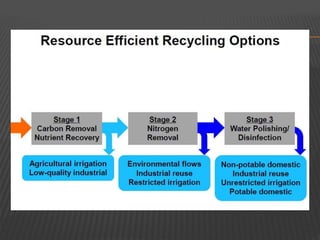
 Recycled water can be use for agricultural and landscape
irrigation, industrial processes, toilet flushing, and to recharge
ground water basins.
USE OF RECYCLED WATER
 Agriculture
 Landscape
 Public parks
 Golf course irrigation
 Cooling water for power plants and oil refineries
 Processing water for mills, plants
 Toilet flushing
 Dust control
 Construction activities
 Concrete mixing
 Artificial lakes
REUSE
 Water reuse describes the process whereby wastewater treated to
an appropriate standard, is reused for a variety of beneficial
purposes. The treated water ready to be reused is termed recycled
or reclaimed water.
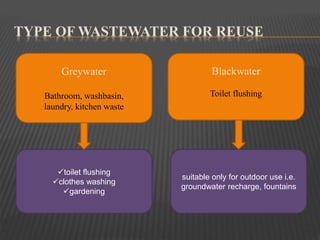
TYPE OF WASTEWATER FOR REUSE
Greywater
Bathroom, washbasin,
laundry, kitchen waste
Blackwater
Toilet flushing
toilet flushing
clothes washing
gardening
suitable only for outdoor use i.e.
groundwater recharge, fountains
REUSE OF GREYWATER
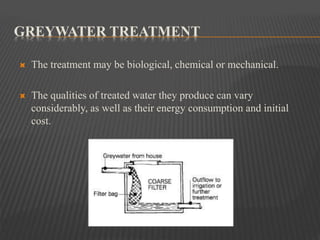
GREYWATER TREATMENT
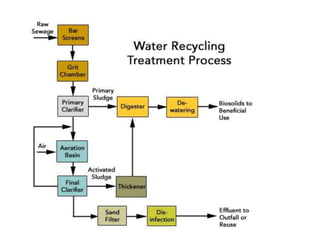
 The treatment may be biological, chemical or mechanical.
 The qualities of treated water they produce can vary
considerably, as well as their energy consumption and initial
cost.
DISINFECTION
 Disinfection is required for indoor re-use of greywater, which
requires regular maintenance.
 Chlorine is most commonly used for disinfection. However, it has
adverse environmental impacts.
 Alternatives disinfectant can be ultraviolet (UV) or ozone.
RELIANCE PETROLEUM LIMITED, JAMNAGAR
Wastewater Reclamation Plant
(capacity=48,000 m³/d)
LTDS
(oily condensates &
contaminated storm waters)
TDS <500 mg/l
Chloride <300 mg/l
HTDS
(oily wastewater & contains
dissolved salts such as NaCI,
neutralized spent caustic and
contaminated cooling water
TDS – 1000 to 2000 mg/l
cooling tower
for local green belt
development
irrigation
Cooling tower
Primary treatment
API-separator and
dissolved air flotation for
oil removal
ASP
&
Biotowers with plastic
packings
Dual media FiltersGranular Activated Carbon
Biological treatment
Tertiary FiltrationAdvance treatment
Effluent Treatment
Plant
ADVANTAGES
 Use less water resources.
 Irrigate your gardens during drought water restrictions.
 Cut down the amount of pollution going into our waterways.
 Help save money on new infrastructure for water provision and
wastewater treatment.
ISSUES
 Reusing greywater for washing clothes may cause
discoloration of clothing due to dissolved organic material.
This can be avoided by installing an activated carbon filter.
 It cannot be stored untreated for longer than a few hours as it
begins to turn septic and smell.
 It can contain significant numbers of pathogens which spread
disease.
 The mode of living in home i.e. holiday home that have
intermittent use
ISSUES
 Seasonal variation in generation of wastewater
 In order to re-use greywater indoors for toilet flushing and
clothes washing you will need to firstly:
 Separate greywater and blackwater waste streams.
 Install a greywater treatment and disinfection
 Financial cost of installing and maintaining a re-use system
REDUCE
 Take a short shower
 Use appropriate shower head
 Wash full load for laundry
 Regular maintenance and repairing of water leakages
 Choose recycled product
 Avoid using dishwasher
 Water the lawn early in the morning
 Avoid using running tap in wash basin while brushing and
shaving
 Avoid unnecessary flushing
REDUCTION OF WASTEWATER IN INDUSTRIES
Key steps of Wastewater Management
Step 1: Analyze manufacturing processes; gain an understanding
of how wastewater is produced.
Step 2: Develop a pollution prevention program based on the
gained knowledge from analyzing the manufacturing process.
Step 3: Choice of candidate treatment technology for proper
process control and waste minimization.
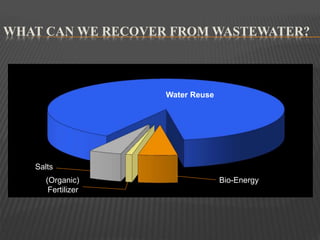
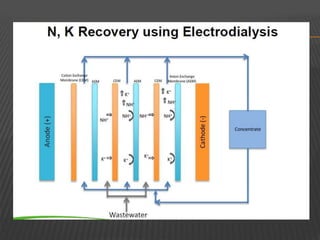
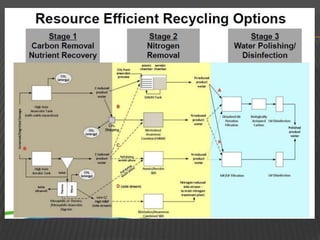
WHAT CAN WE RECOVER FROM WASTEWATER?
Water Reuse
Bio-Energy
Salts
((Organic)
Fertilizer
THANK YOU

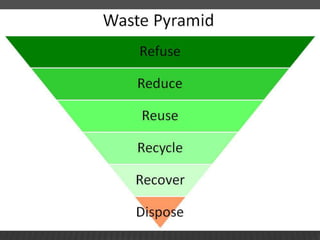
5 R- Reduce, Reuse, Recycle, Refuse, Recover

  • 1.
    REFUSE, REDUCE, RECYCLE, REUSE,RECOVERY Akash Tikhe akashtk92@gmail.com
  • 2.
    RECYCLING  Recycled water,is former wastewater that is treated to remove solids and certain impurities, and used in sustainable landscaping irrigation or to recharge groundwater aquifers.  Recycled water can be use for agricultural and landscape irrigation, industrial processes, toilet flushing, and to recharge ground water basins.
  • 4.
    USE OF RECYCLEDWATER  Agriculture  Landscape  Public parks  Golf course irrigation  Cooling water for power plants and oil refineries  Processing water for mills, plants  Toilet flushing  Dust control  Construction activities  Concrete mixing  Artificial lakes
  • 6.
    REUSE  Water reusedescribes the process whereby wastewater treated to an appropriate standard, is reused for a variety of beneficial purposes. The treated water ready to be reused is termed recycled or reclaimed water.
  • 7.
    TYPE OF WASTEWATERFOR REUSE Greywater Bathroom, washbasin, laundry, kitchen waste Blackwater Toilet flushing toilet flushing clothes washing gardening suitable only for outdoor use i.e. groundwater recharge, fountains
  • 8.
  • 9.
    GREYWATER TREATMENT  Thetreatment may be biological, chemical or mechanical.  The qualities of treated water they produce can vary considerably, as well as their energy consumption and initial cost.
  • 10.
    DISINFECTION  Disinfection isrequired for indoor re-use of greywater, which requires regular maintenance.  Chlorine is most commonly used for disinfection. However, it has adverse environmental impacts.  Alternatives disinfectant can be ultraviolet (UV) or ozone.
  • 11.
    RELIANCE PETROLEUM LIMITED,JAMNAGAR Wastewater Reclamation Plant (capacity=48,000 m³/d) LTDS (oily condensates & contaminated storm waters) TDS <500 mg/l Chloride <300 mg/l HTDS (oily wastewater & contains dissolved salts such as NaCI, neutralized spent caustic and contaminated cooling water TDS – 1000 to 2000 mg/l cooling tower for local green belt development irrigation Cooling tower Primary treatment API-separator and dissolved air flotation for oil removal ASP & Biotowers with plastic packings Dual media FiltersGranular Activated Carbon Biological treatment Tertiary FiltrationAdvance treatment Effluent Treatment Plant
  • 12.
    ADVANTAGES  Use lesswater resources.  Irrigate your gardens during drought water restrictions.  Cut down the amount of pollution going into our waterways.  Help save money on new infrastructure for water provision and wastewater treatment.
  • 13.
    ISSUES  Reusing greywaterfor washing clothes may cause discoloration of clothing due to dissolved organic material. This can be avoided by installing an activated carbon filter.  It cannot be stored untreated for longer than a few hours as it begins to turn septic and smell.  It can contain significant numbers of pathogens which spread disease.  The mode of living in home i.e. holiday home that have intermittent use
  • 14.
    ISSUES  Seasonal variationin generation of wastewater  In order to re-use greywater indoors for toilet flushing and clothes washing you will need to firstly:  Separate greywater and blackwater waste streams.  Install a greywater treatment and disinfection  Financial cost of installing and maintaining a re-use system
  • 15.
    REDUCE  Take ashort shower  Use appropriate shower head  Wash full load for laundry  Regular maintenance and repairing of water leakages  Choose recycled product  Avoid using dishwasher  Water the lawn early in the morning  Avoid using running tap in wash basin while brushing and shaving  Avoid unnecessary flushing
  • 16.
    REDUCTION OF WASTEWATERIN INDUSTRIES Key steps of Wastewater Management Step 1: Analyze manufacturing processes; gain an understanding of how wastewater is produced. Step 2: Develop a pollution prevention program based on the gained knowledge from analyzing the manufacturing process. Step 3: Choice of candidate treatment technology for proper process control and waste minimization.
  • 17.
    WHAT CAN WERECOVER FROM WASTEWATER? Water Reuse Bio-Energy Salts ((Organic) Fertilizer
  • 23.

Editor's Notes

  • #15 In order to re-use greywater indoors for toilet flushing and clothes washing you will need to firstly: Separate greywater and blackwater waste streams. Install a greywater treatment and disinfection system that is approved in your State, so it provides a suitable level of treatment and meets local regulations.
  • #17 By a systematic review of a company's processes and operations designed to identify and provide information about opportunities to reduce waste, reduce pollution and improve operational efficiency.