Digital Citizenship Curricula, K-12
Frederick S. Lane
AETN – ArkansasIDEAS
Conway, AR
8 July 2014
Lecture Overview
• Introduction
• Curriculum Goals
• Pre-K Concepts
• Elementary School (Gr. 1-5)
• Middle School (Gr. 6-8)
• High School (Gr. 9-12)
Background and Expertise
• Attorney and Author of 7 Books
• Focus on the Impact of Technology on
Law, Society & Privacy
• Numerous Lectures to School Districts,
Administrators,Teachers, PTOs & PTAs,
and Students
• 10 yrs on Burlington VT School Board
• Computer Forensics Expert and
Consultant
Sticky Fingers, Shiny Tablets
Kids Will Not Wait
• In 2013, 75% of Kids <8 Had Access to a
“Smart” Device
• 38% of Kids <2 Have Used a Smart
Device for Media Consumption
• 17% of Kids <8 Have Used a Smart
Device Daily
• Screen Time on Smart Devices for <8
Kids Increased from :43 in 2011 to 1:07
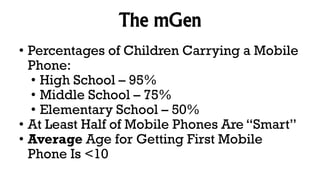
The mGen
• Percentages of Children Carrying a Mobile
Phone:
• High School – 95%
• Middle School – 75%
• Elementary School – 50%
• At Least Half of Mobile Phones Are “Smart”
• Average Age for Getting First Mobile
Phone Is <10
Curriculum Goals
• Enhancement of “Traditional”
Learning
• Digital Competency
• Digital Literacy
• Digital Safety
• Digital Citizenship
Enhancement of Traditional Learning
• Entertaining Introduction of Concepts
• Access to Vast Quantities of Information
• Programs and Apps to Inspire Creativity
• Development of Skills Critical to 21st
Century Adulthood
• Family Life
• Employment
• Citizenship
Pre-K Concepts
• Limited Exposure to Devices
• Curated Content
• Introduction to Basic Concepts:
• Alphabet, Numbers, etc.
• Music
• Interactive Videos, Photos, Animation
Elementary School (Gr. 1-5)
• Significant Adoption of Devices
Between Ages 6 and 10
• Integration into Learning
Environment
• Distinguish Between Device as
Object and Device as Tool
Elementary School (Gr. 1-5)
• Device as Object:
• Ownership of Device
• Respect Other’s Property
• Care and Handling
• Observance of School Rules
Elementary School (Gr. 1-5)
• Device as Tool:
• Introduction of Research Concepts
• Crossing the Information Highway
Safely
• Avoiding Cybercliques
• Introduction to Concept of Privacy
• Innocence Lost?
Middle School (Gr. 6-8)
• Arguably the Most Challenging Digital
Education Environment:
• Accelerating Intellectual Development
• Sophisticated Device Users
• Often Risky Online Behavior
• Complicated Social Relationships
• Hormones
Middle School (Gr. 6-8)
• Concepts for Digital Literacy:
• Anyone Can Publish on the Internet
• Learning to Evaluate Sources
• Intellectual Property Concepts
• Understanding Plagiarism
• Digital Honor Codes
Middle School (Gr. 6-8)
• Digital Safety: Cybertraps for theYoung
• Online Exposure of Personal Info
• Cyberbullying
• Cyberharrassment
• Identity Theft
• Sexting
Middle School (Gr. 6-8)
• Digital Citizenship for Middle Schoolers:
• Protecting Personal Privacy
• Respecting Boundaries
• Understanding Acceptable Uses
• Digital Advocacy
• Consequences of Electronic
Misbehavior
High School (Gr. 9-12)
• Digital Devices Now Completely
Woven into Fabric of Lives
• Balance Issues
• Proto-Digital Adulthood
• Potential Consequences More Severe
and Long-Lasting
High School (Gr. 9-12)
• Reinforcement of Digital Literacy Concepts:
• Advanced Research Techniques – Going
Beyond Google
• Application of Critical Thinking to Online
Sources
• Establishing Credibility Online
• Criminal/Civil Concepts of Intellectual
Property Theft
• Digital Honor Codes
High School (Gr. 9-12)
• Longer Term Consequences for Electronic
Misconduct:
• Damage to Academic Record
• Removal from Teams, Clubs, etc.
• Impact on College Acceptance
• Loss of Scholarships
• Impediment to Grad School,
Employment, Marriage(?)
• Physical Safety Issues
High School (Gr. 9-12)
• Digital Citizenship for High Schoolers:
• Developing and Protecting a “Brand”
• Understanding Networking
• Social Involvement and Awareness
• Issue and Policy Advocacy
• Establishing a Cyberethical
Framework
Contact Information
• E-Mail:
• FSLane3@gmail.com
• Telephone:
• 802-318-4604
• Twitter
• @Cybertraps, @FSL3
• LinkedIn:
• www.linkedin.com/in/fredericklane/
• SlideShare.net
• www.slideshare.net/FSL3
Digital Citizenship Curricula, K-12
Frederick S. Lane
AETN – ArkansasIDEAS
Conway, AR
8 July 2014

2014-07-08 Digital Citizenship Curricula, K-12

  • 1.
    Digital Citizenship Curricula,K-12 Frederick S. Lane AETN – ArkansasIDEAS Conway, AR 8 July 2014
  • 2.
    Lecture Overview • Introduction •Curriculum Goals • Pre-K Concepts • Elementary School (Gr. 1-5) • Middle School (Gr. 6-8) • High School (Gr. 9-12)
  • 3.
    Background and Expertise •Attorney and Author of 7 Books • Focus on the Impact of Technology on Law, Society & Privacy • Numerous Lectures to School Districts, Administrators,Teachers, PTOs & PTAs, and Students • 10 yrs on Burlington VT School Board • Computer Forensics Expert and Consultant
  • 4.
  • 5.
    Kids Will NotWait • In 2013, 75% of Kids <8 Had Access to a “Smart” Device • 38% of Kids <2 Have Used a Smart Device for Media Consumption • 17% of Kids <8 Have Used a Smart Device Daily • Screen Time on Smart Devices for <8 Kids Increased from :43 in 2011 to 1:07
  • 6.
    The mGen • Percentagesof Children Carrying a Mobile Phone: • High School – 95% • Middle School – 75% • Elementary School – 50% • At Least Half of Mobile Phones Are “Smart” • Average Age for Getting First Mobile Phone Is <10
  • 7.
    Curriculum Goals • Enhancementof “Traditional” Learning • Digital Competency • Digital Literacy • Digital Safety • Digital Citizenship
  • 8.
    Enhancement of TraditionalLearning • Entertaining Introduction of Concepts • Access to Vast Quantities of Information • Programs and Apps to Inspire Creativity • Development of Skills Critical to 21st Century Adulthood • Family Life • Employment • Citizenship
  • 9.
    Pre-K Concepts • LimitedExposure to Devices • Curated Content • Introduction to Basic Concepts: • Alphabet, Numbers, etc. • Music • Interactive Videos, Photos, Animation
  • 10.
    Elementary School (Gr.1-5) • Significant Adoption of Devices Between Ages 6 and 10 • Integration into Learning Environment • Distinguish Between Device as Object and Device as Tool
  • 11.
    Elementary School (Gr.1-5) • Device as Object: • Ownership of Device • Respect Other’s Property • Care and Handling • Observance of School Rules
  • 12.
    Elementary School (Gr.1-5) • Device as Tool: • Introduction of Research Concepts • Crossing the Information Highway Safely • Avoiding Cybercliques • Introduction to Concept of Privacy • Innocence Lost?
  • 13.
    Middle School (Gr.6-8) • Arguably the Most Challenging Digital Education Environment: • Accelerating Intellectual Development • Sophisticated Device Users • Often Risky Online Behavior • Complicated Social Relationships • Hormones
  • 14.
    Middle School (Gr.6-8) • Concepts for Digital Literacy: • Anyone Can Publish on the Internet • Learning to Evaluate Sources • Intellectual Property Concepts • Understanding Plagiarism • Digital Honor Codes
  • 15.
    Middle School (Gr.6-8) • Digital Safety: Cybertraps for theYoung • Online Exposure of Personal Info • Cyberbullying • Cyberharrassment • Identity Theft • Sexting
  • 16.
    Middle School (Gr.6-8) • Digital Citizenship for Middle Schoolers: • Protecting Personal Privacy • Respecting Boundaries • Understanding Acceptable Uses • Digital Advocacy • Consequences of Electronic Misbehavior
  • 17.
    High School (Gr.9-12) • Digital Devices Now Completely Woven into Fabric of Lives • Balance Issues • Proto-Digital Adulthood • Potential Consequences More Severe and Long-Lasting
  • 18.
    High School (Gr.9-12) • Reinforcement of Digital Literacy Concepts: • Advanced Research Techniques – Going Beyond Google • Application of Critical Thinking to Online Sources • Establishing Credibility Online • Criminal/Civil Concepts of Intellectual Property Theft • Digital Honor Codes
  • 19.
    High School (Gr.9-12) • Longer Term Consequences for Electronic Misconduct: • Damage to Academic Record • Removal from Teams, Clubs, etc. • Impact on College Acceptance • Loss of Scholarships • Impediment to Grad School, Employment, Marriage(?) • Physical Safety Issues
  • 20.
    High School (Gr.9-12) • Digital Citizenship for High Schoolers: • Developing and Protecting a “Brand” • Understanding Networking • Social Involvement and Awareness • Issue and Policy Advocacy • Establishing a Cyberethical Framework
  • 21.
    Contact Information • E-Mail: •FSLane3@gmail.com • Telephone: • 802-318-4604 • Twitter • @Cybertraps, @FSL3 • LinkedIn: • www.linkedin.com/in/fredericklane/ • SlideShare.net • www.slideshare.net/FSL3
  • 22.
    Digital Citizenship Curricula,K-12 Frederick S. Lane AETN – ArkansasIDEAS Conway, AR 8 July 2014