Making the Invisible Visible:
Understanding the Demographic and Economic
 Forces that Shape Land Use and Development


                               Abby Thorne-Lyman
                    Congress for the New Urbanism
                                      June 11, 2009
Presentation Overview


 Why are demographic and economic forces
  important?
 How to evaluate a local economy
 Bringing transportation into the story
 Lessons learned for comprehensive planning
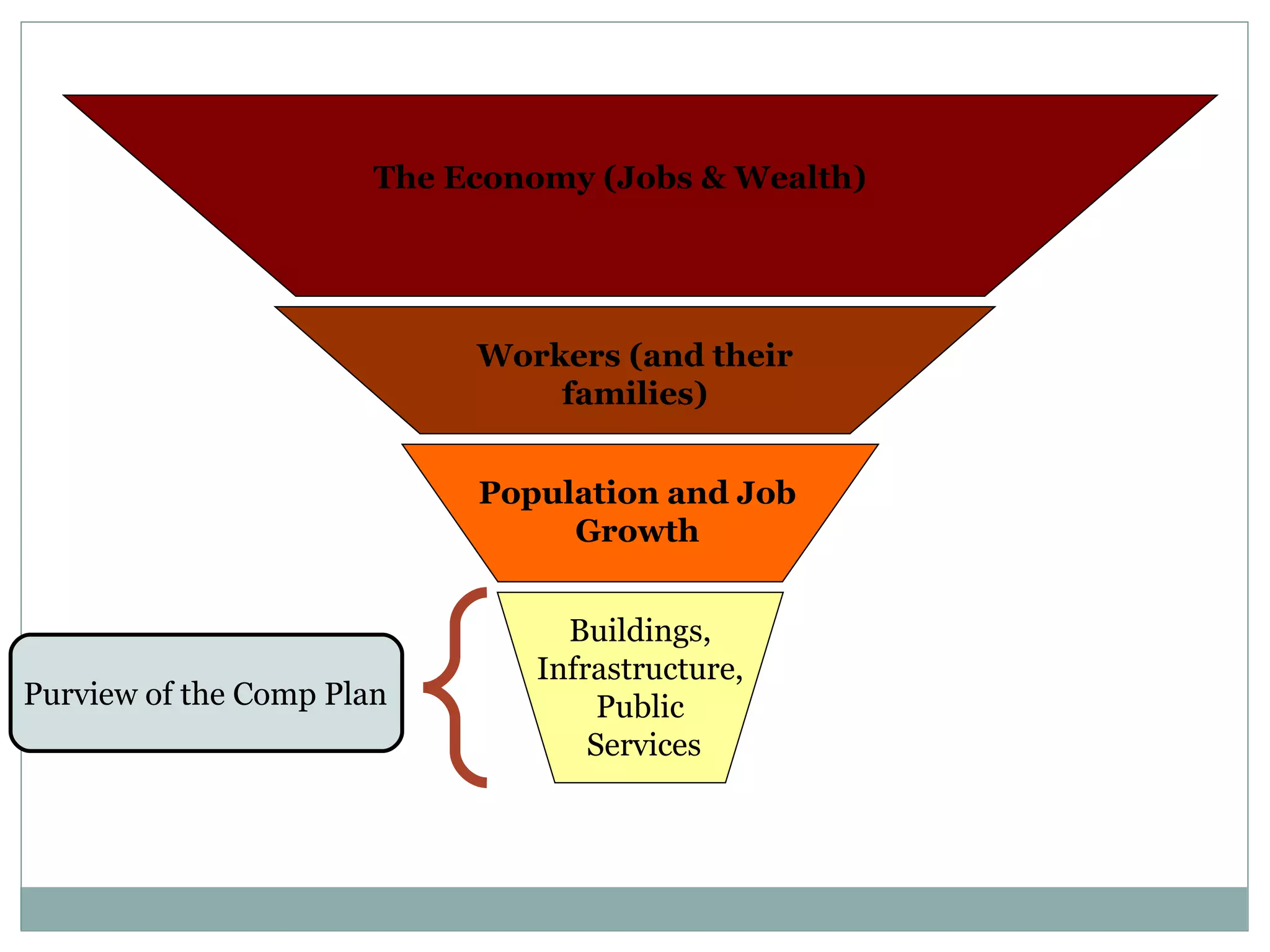
Why Are Demographic and
Economic Forces Important
The Economy (Jobs & Wealth)


                            Workers (and their
                                families)


                            Population and Job
                                 Growth


                                 Buildings,
                               Infrastructure,
Purview of the Comp Plan            Public
                                   Services
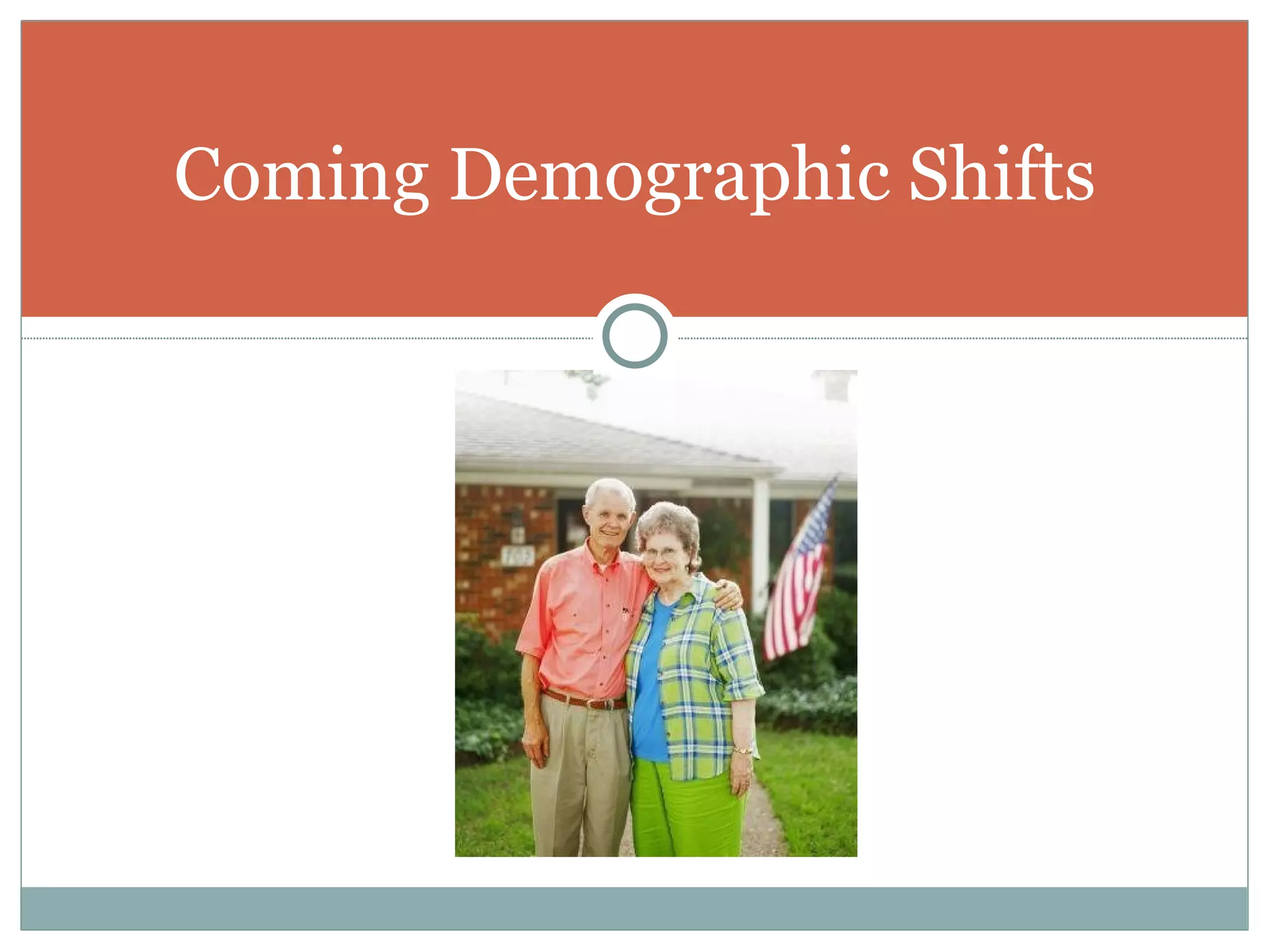
Coming Demographic Shifts
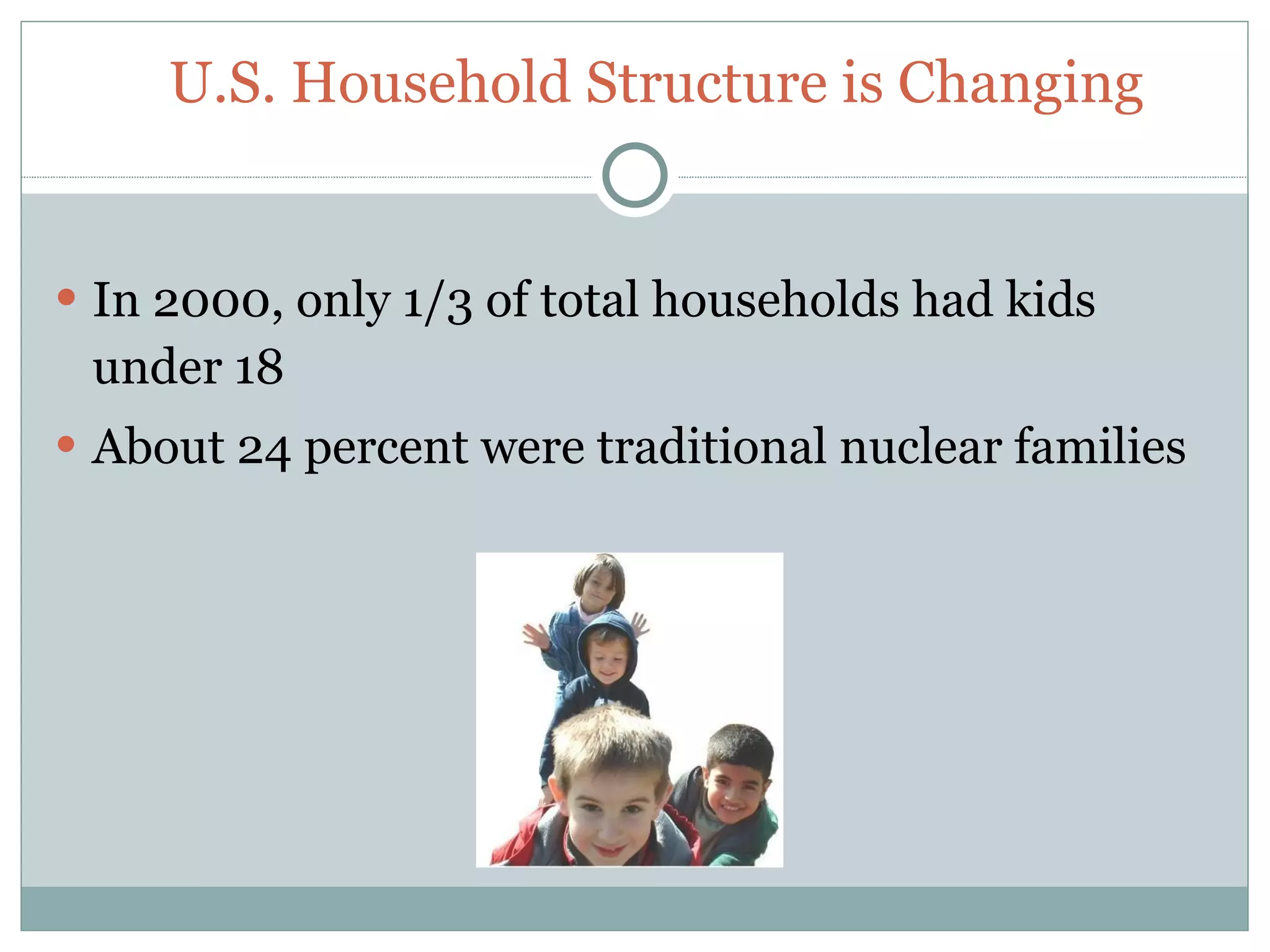
U.S. Household Structure is Changing


 In 2000, only 1/3 of total households had kids
 under 18
 About 24 percent were traditional nuclear families
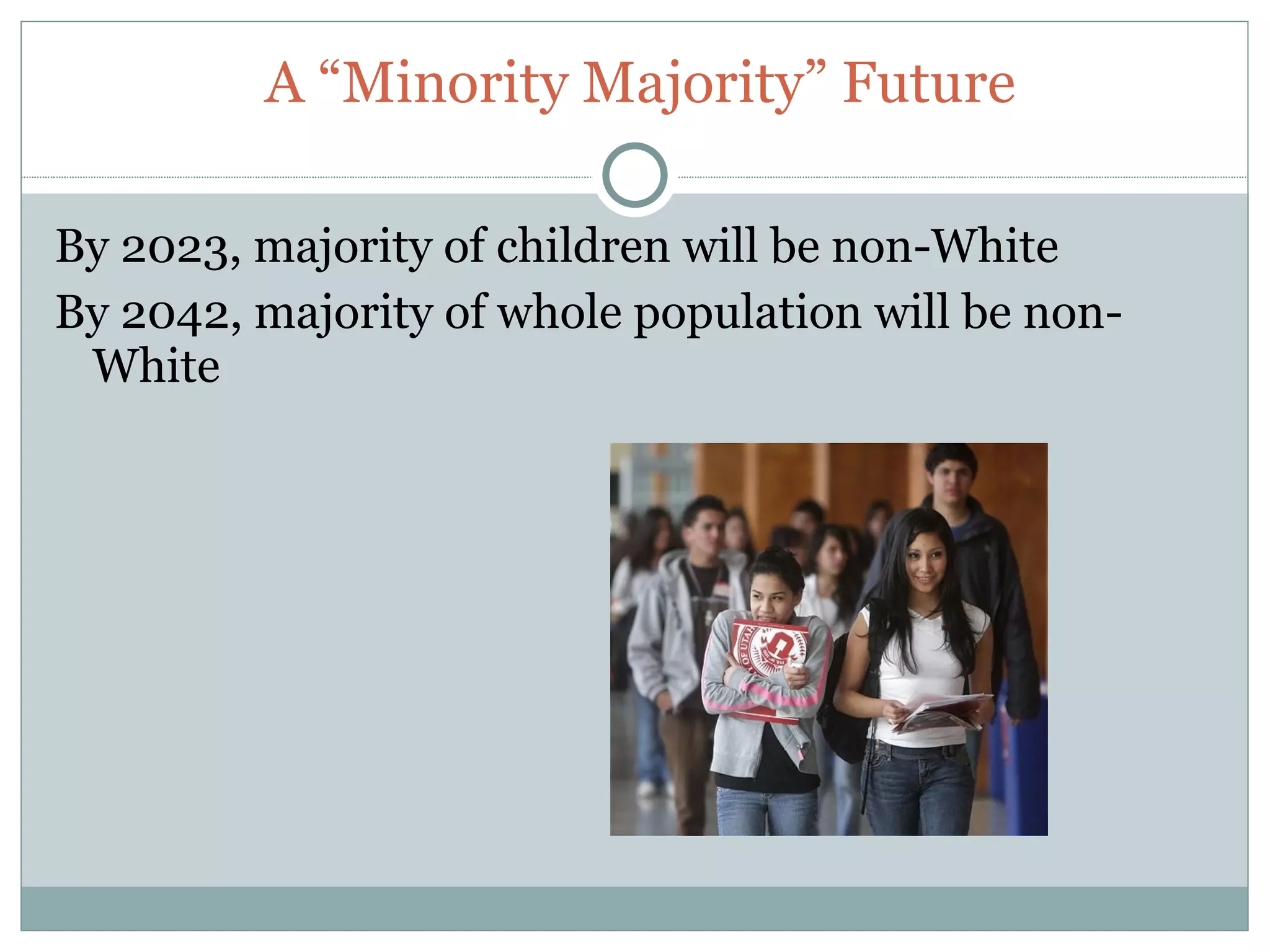
A “Minority Majority” Future

By 2023, majority of children will be non-White
By 2042, majority of whole population will be non-
 White
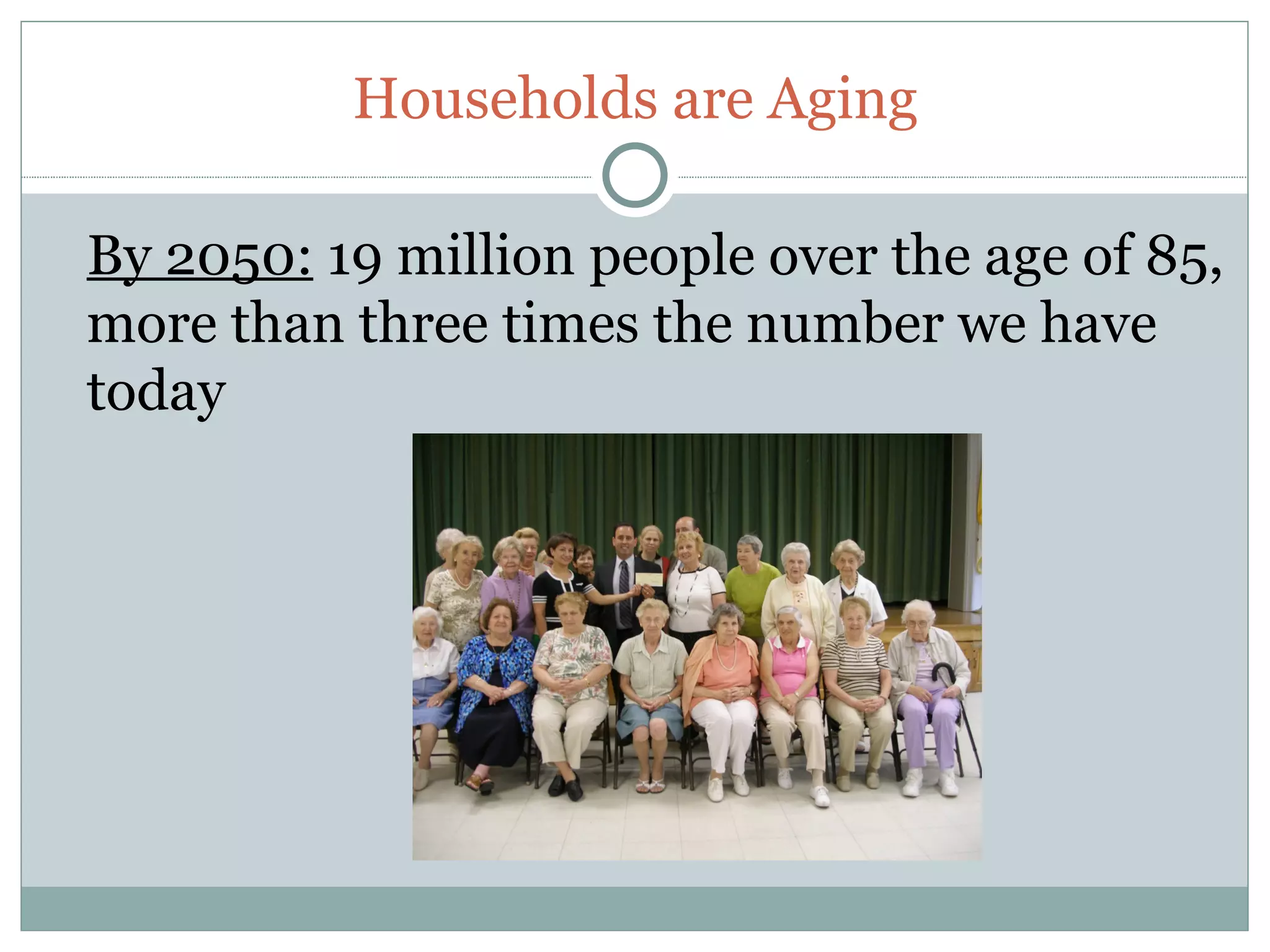
Households are Aging

By 2050: 19 million people over the age of 85,
more than three times the number we have
today
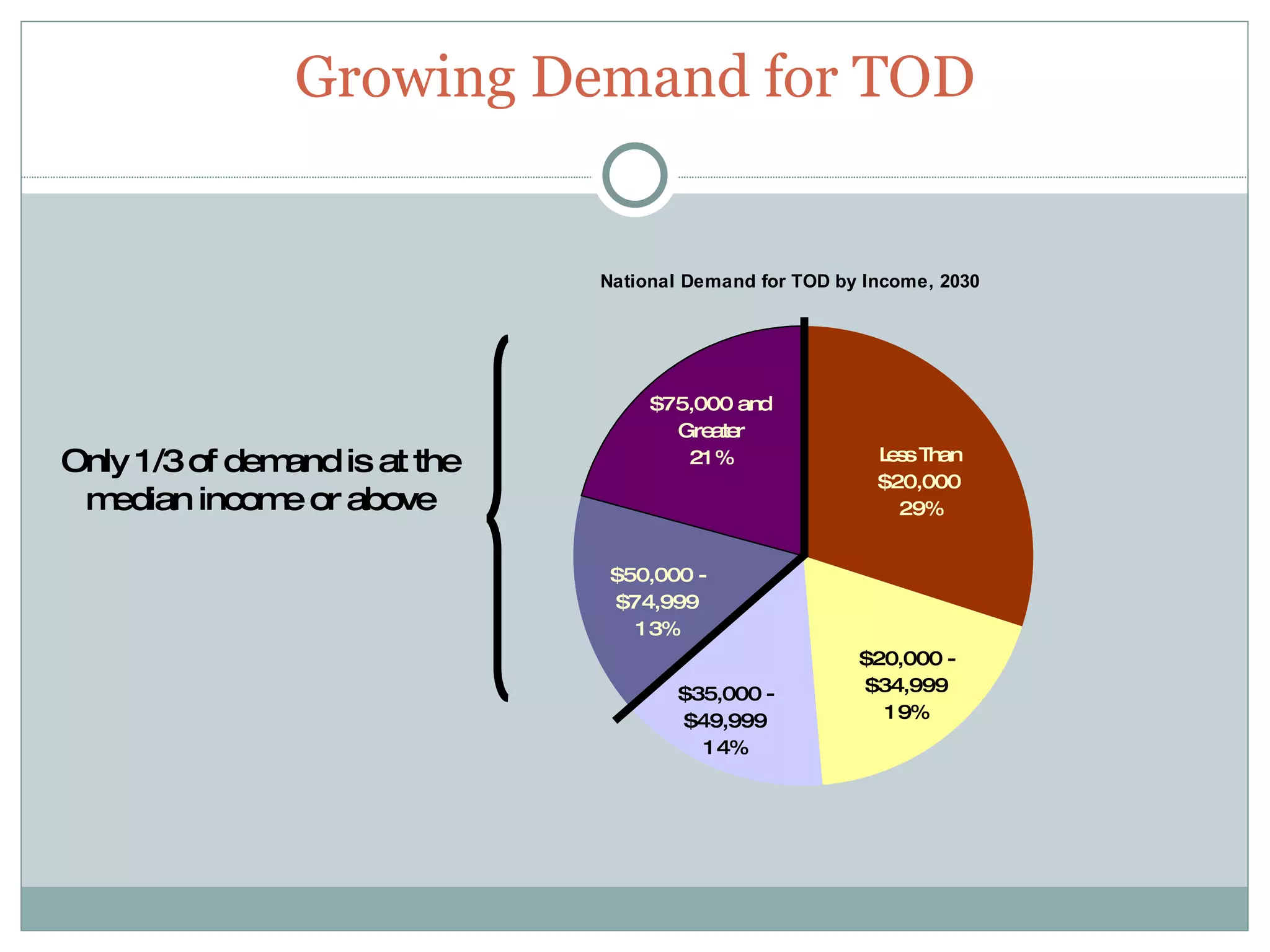
Growing Demand for TOD


                               National Demand for TOD by Income, 2030


                                    $75,000 and
                                      Gre r
                                         ate
Only 1/3 of demand is at the           21 %                L s Than
                                                            es
                                                           $20,000
 m edian incom or above
               e                                             29%


                                $50,000 -
                                $74,999
                                  1 3%
                                                         $20,000 -
                                      $35,000 -          $34,999
                                      $49,999              1 9%
                                        1 4%
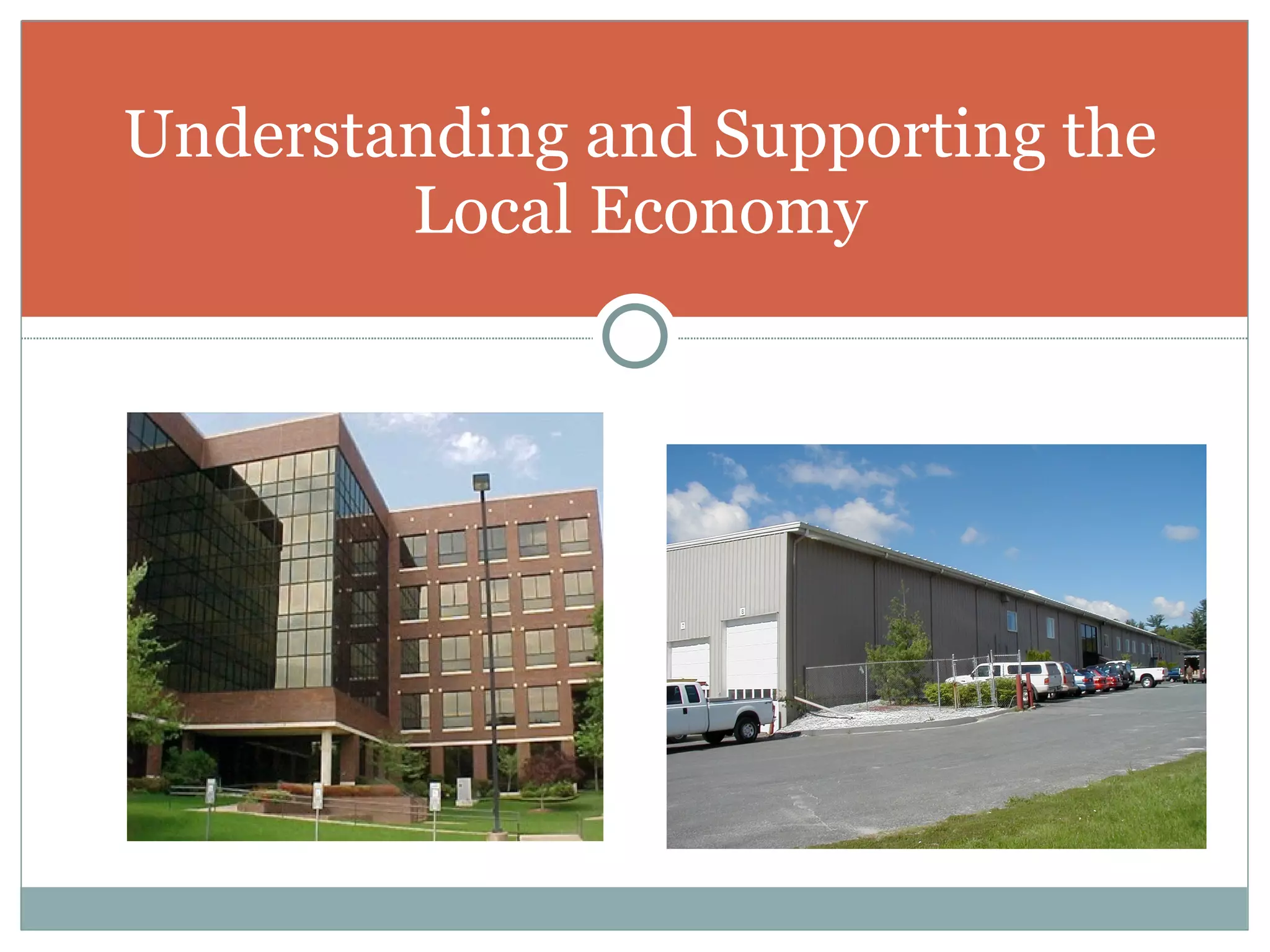
Understanding and Supporting the
        Local Economy
Local Economic Activity Provides:

 Quality of Life for Community Residents
 (jobs/income, services, enrichment)
 Tax Base for the Community (property taxes, sales
 tax, etc.)
 Metropolitan Competitiveness and Prosperity
 (providing jobs, workers, or both to regional
 economic “niches”)
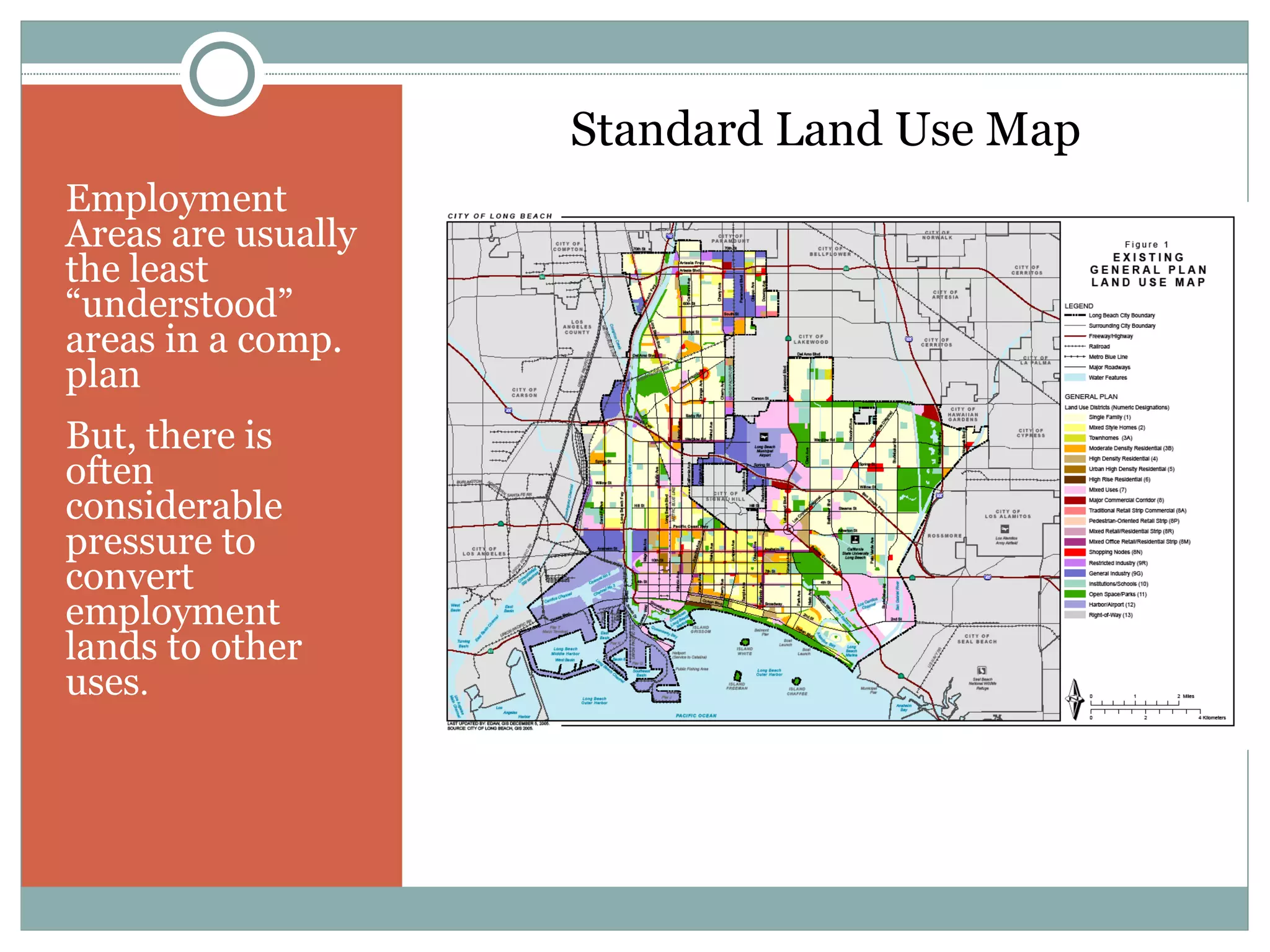
Standard Land Use Map
Employment
Areas are usually
the least
“understood”
areas in a comp.
plan
But, there is
often
considerable
pressure to
convert
employment
lands to other
uses.
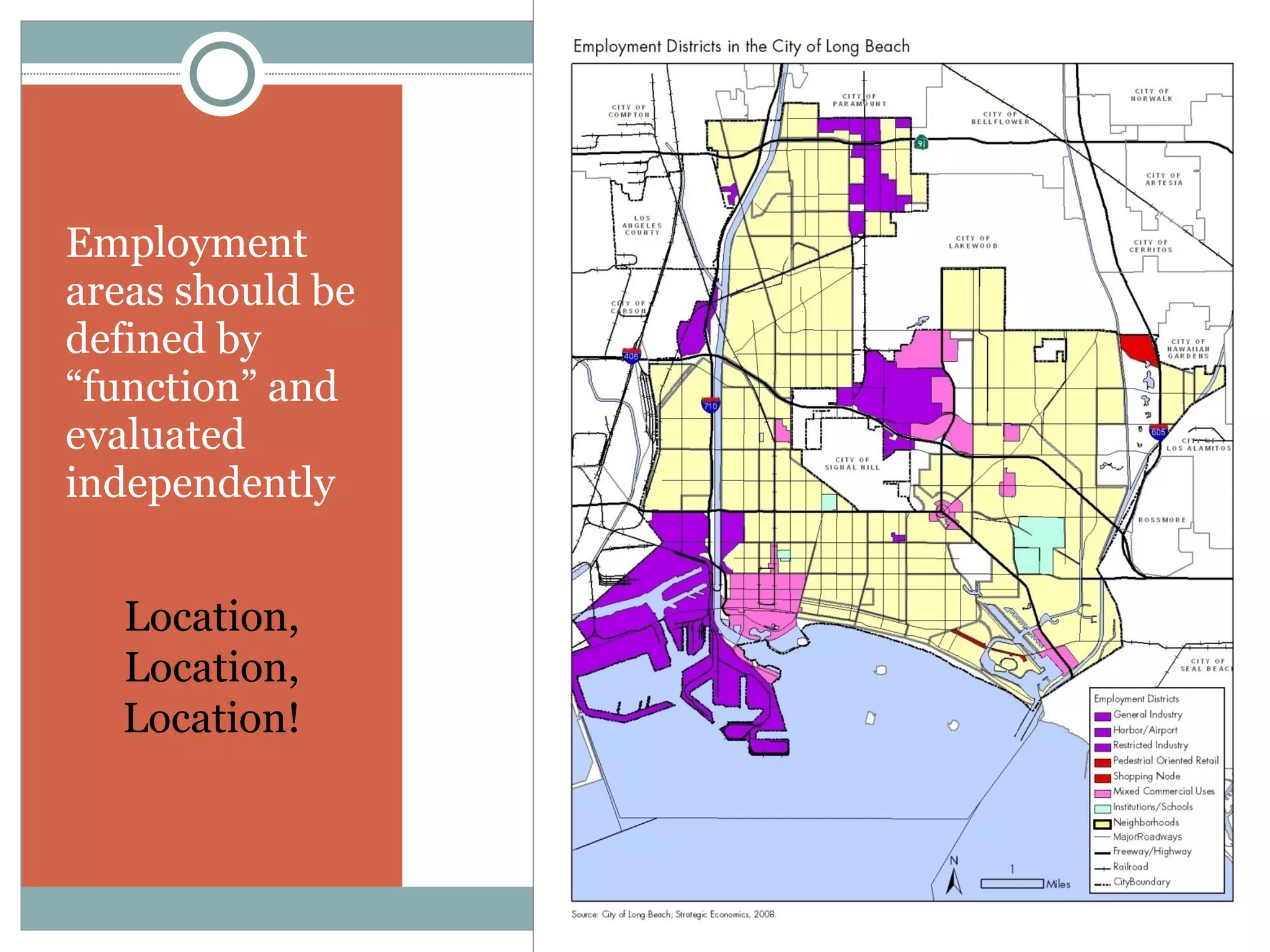
Employment
areas should be
defined by
“function” and
evaluated
independently


  Location,
  Location,
  Location!
Understand
    Your
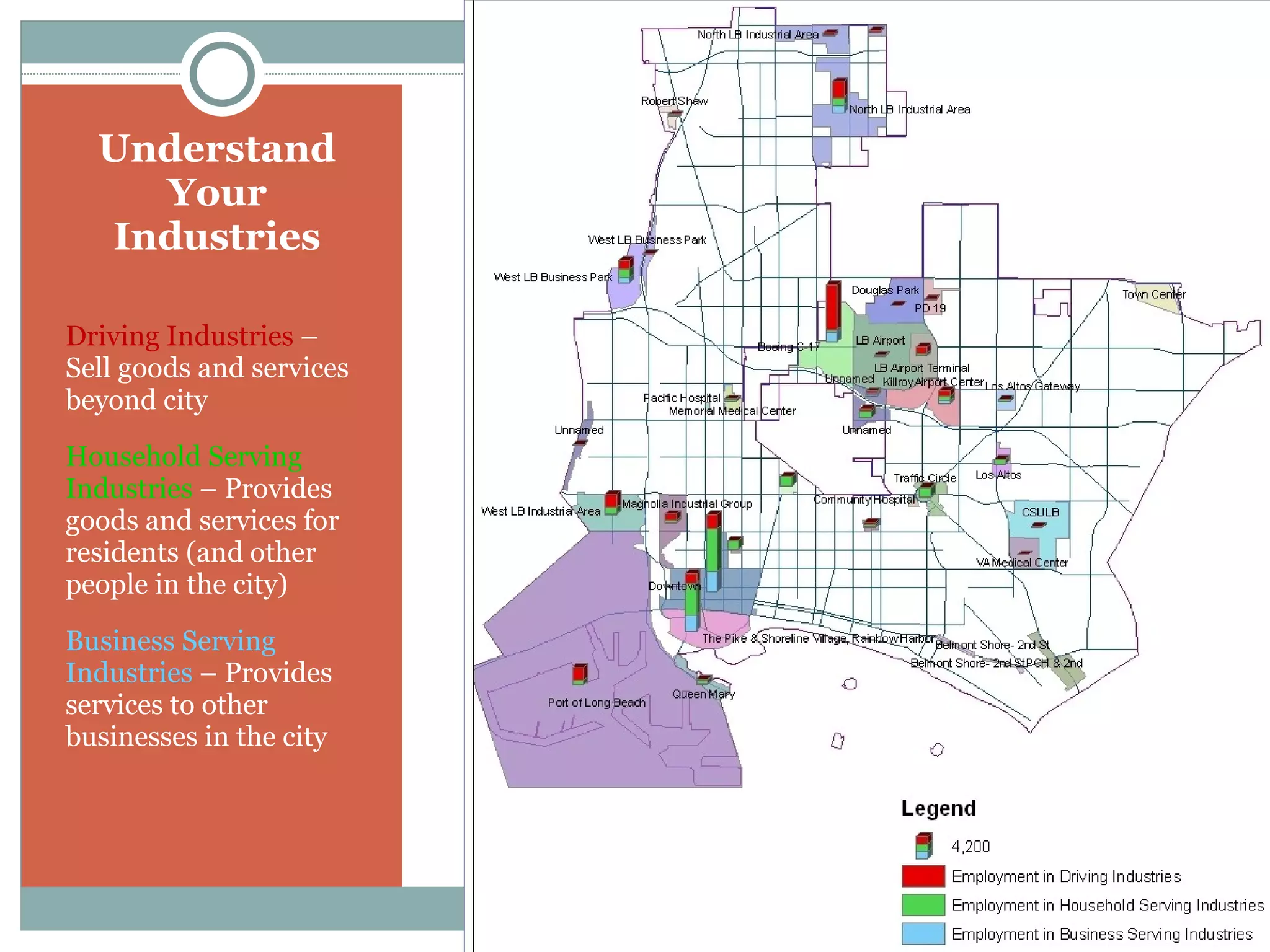
  Industries

Driving Industries –
Sell goods and services
beyond city

Household Serving
Industries – Provides
goods and services for
residents (and other
people in the city)

Business Serving
Industries – Provides
services to other
businesses in the city
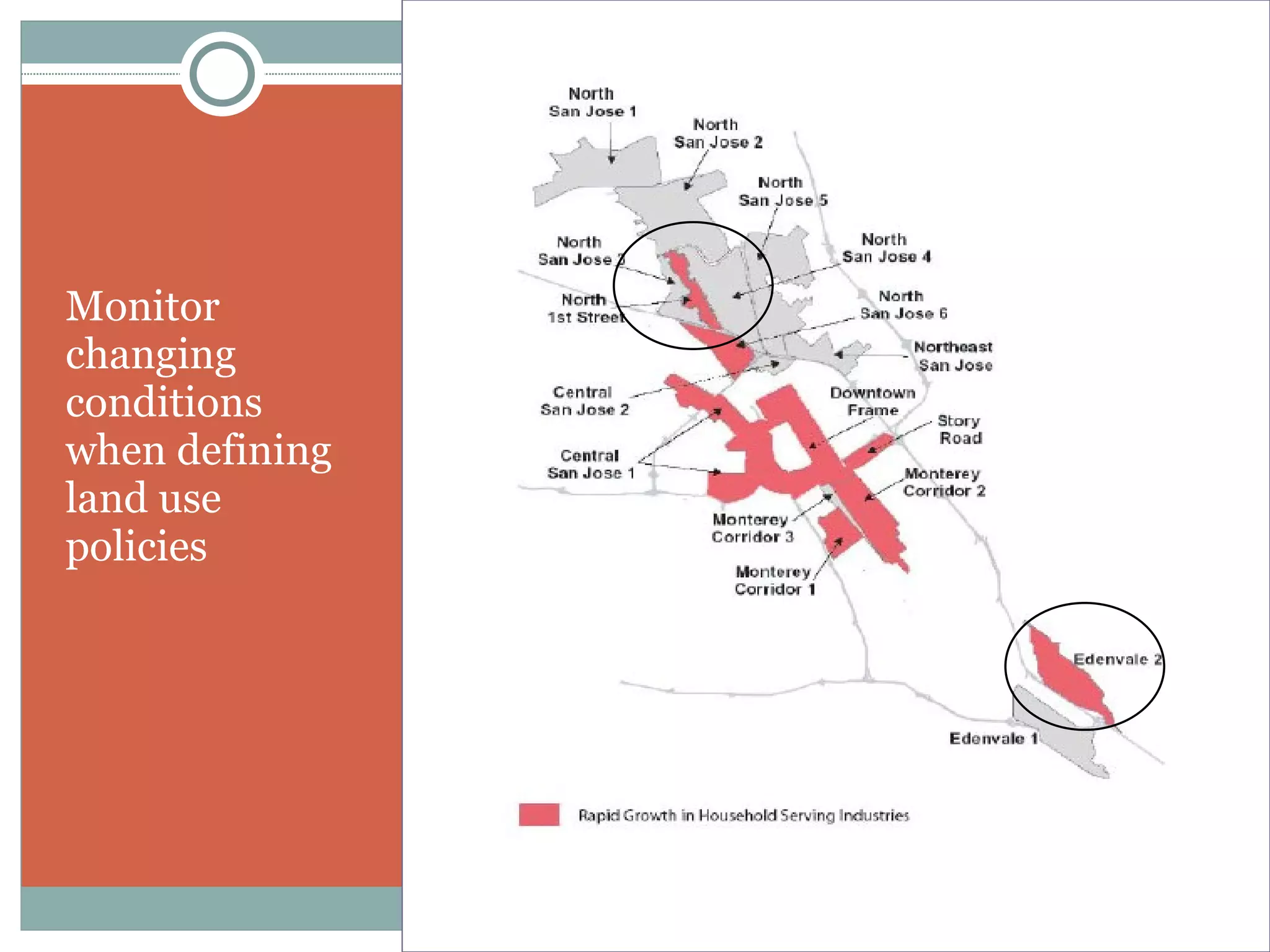
Monitor
changing
conditions
when defining
land use
policies
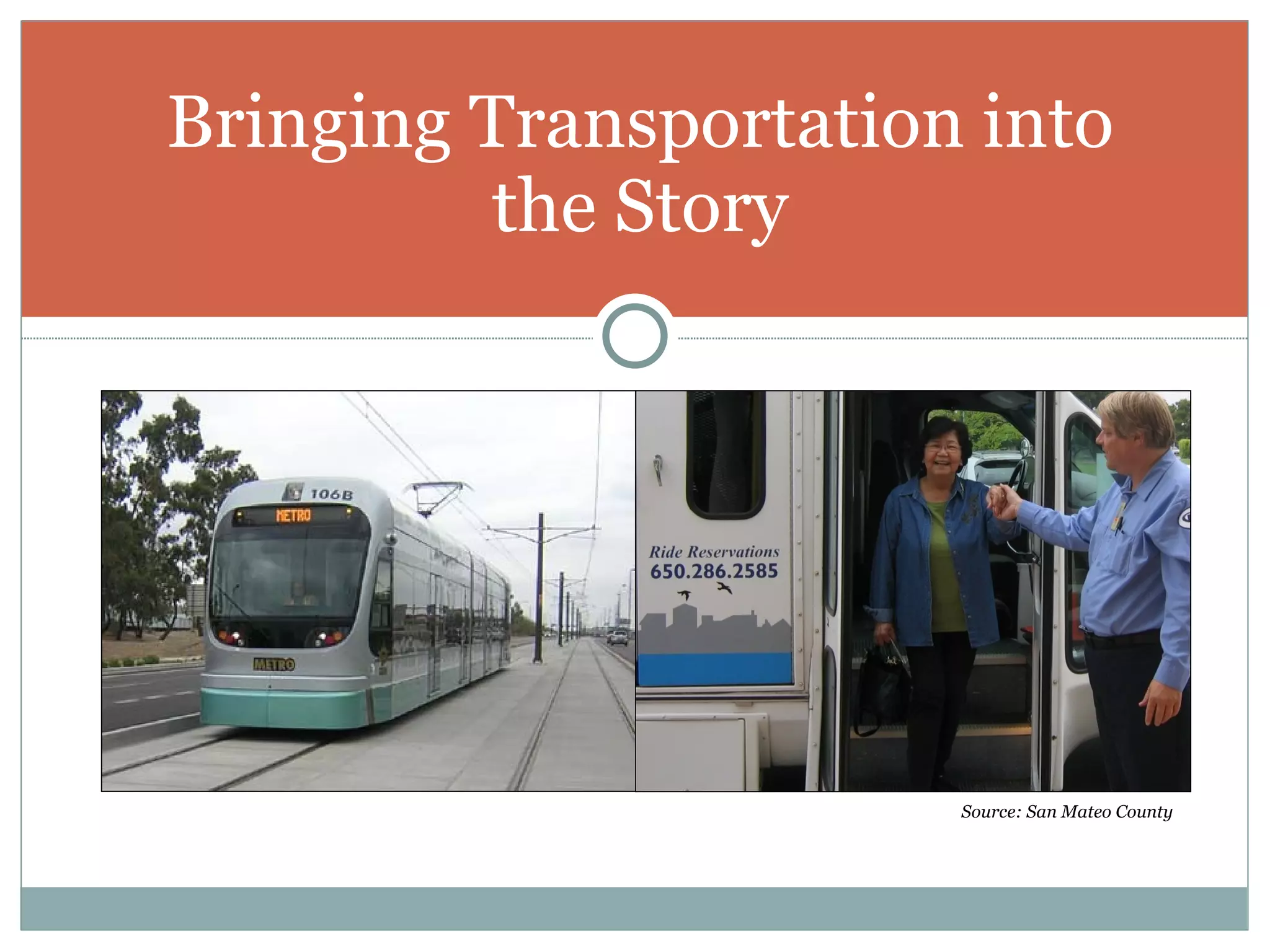
Bringing Transportation into
         the Story


                       Source: San Mateo County
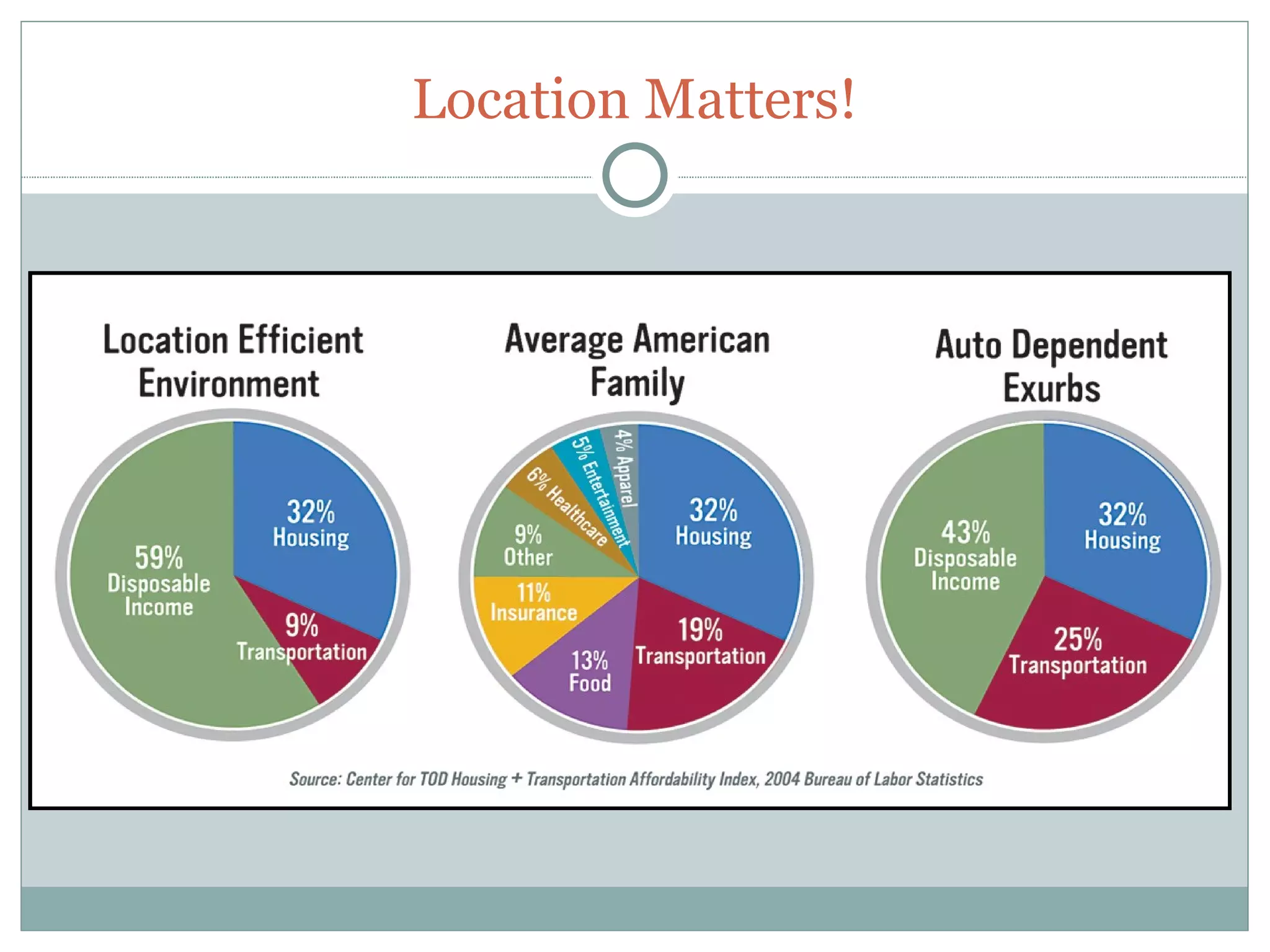
Location Matters!
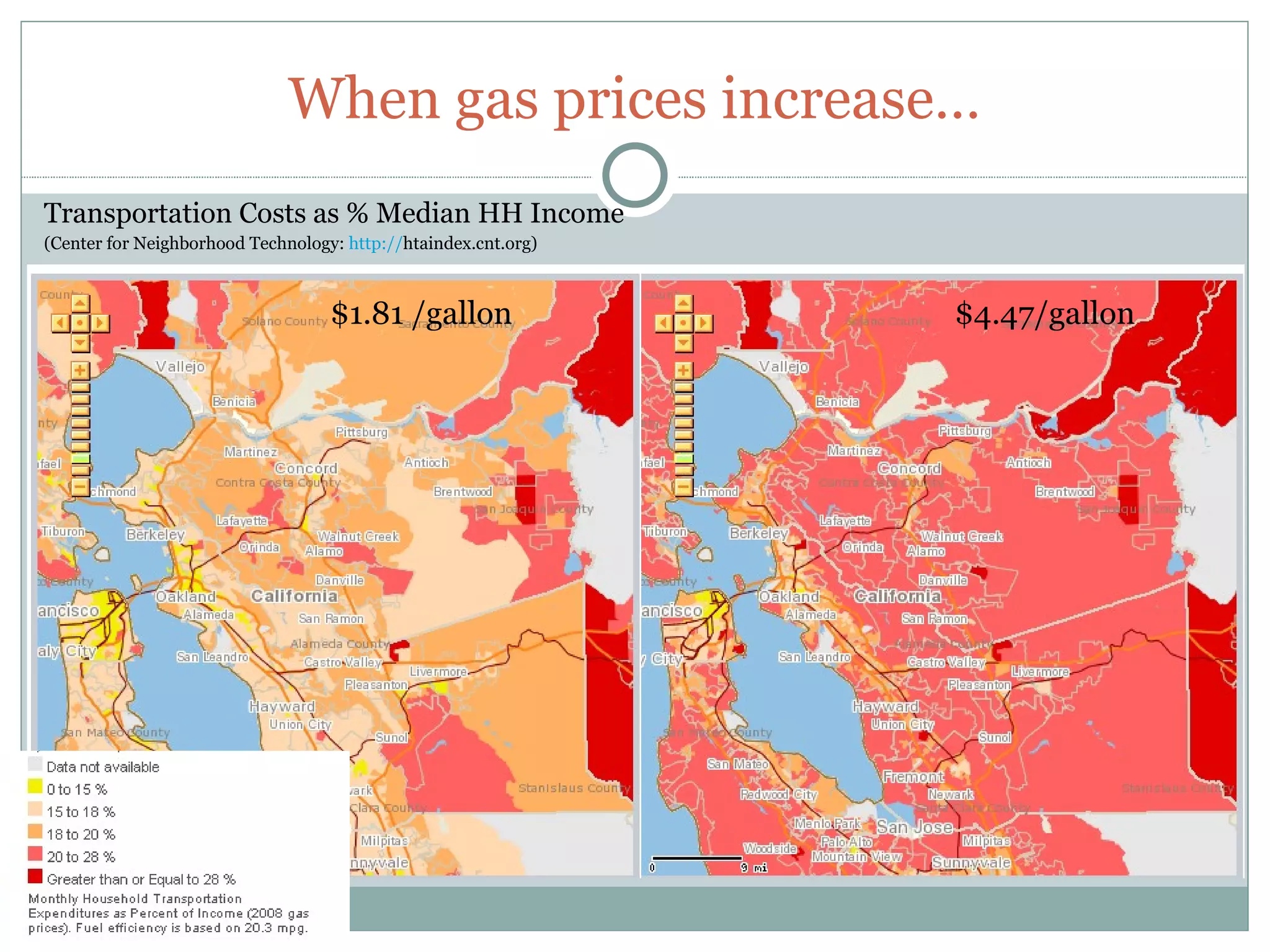
When gas prices increase…
Transportation Costs as % Median HH Income
(Center for Neighborhood Technology: http://htaindex.cnt.org)


                                   $1.81 /gallon                $4.47/gallon
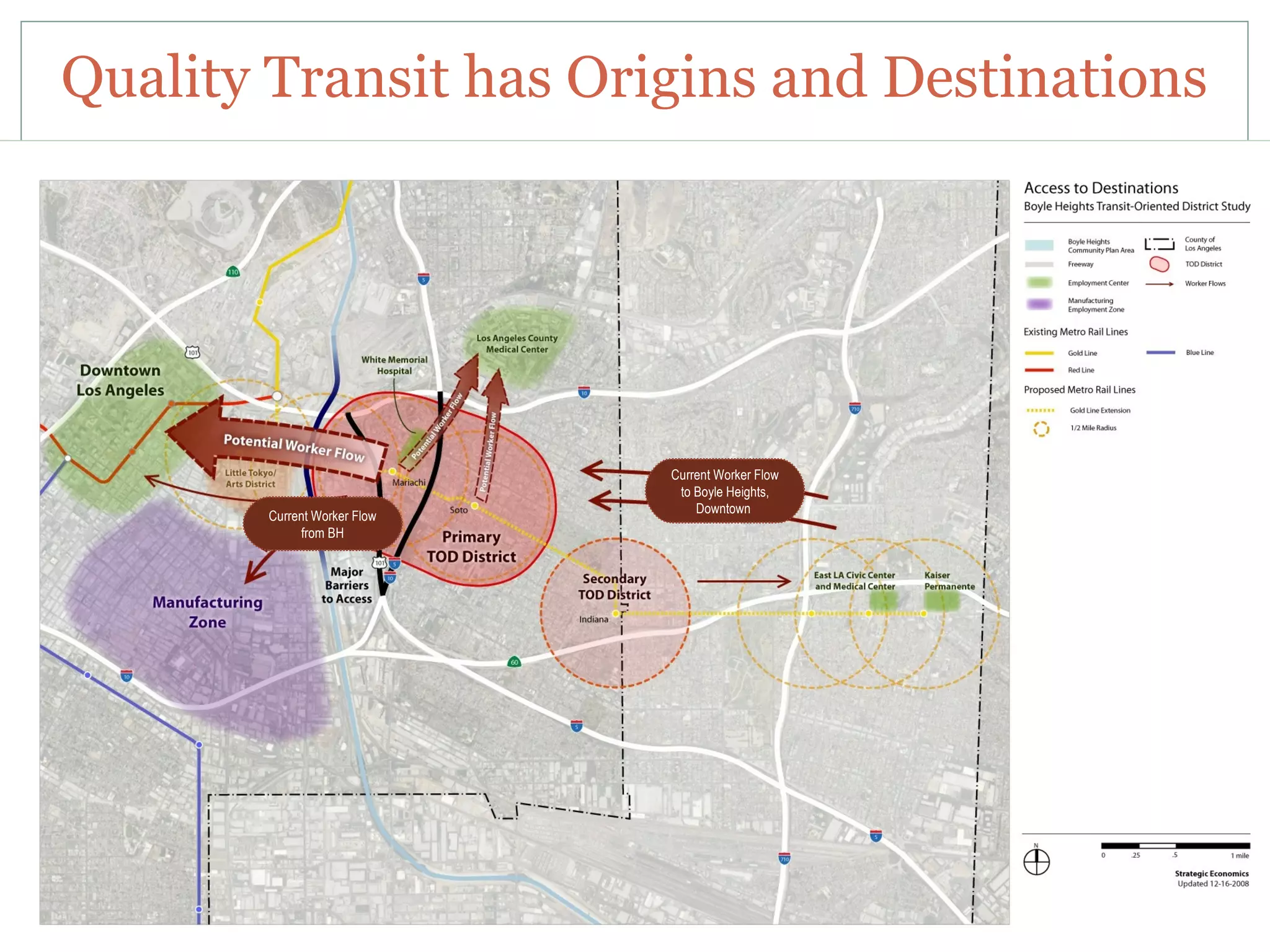
Quality Transit has Origins and Destinations

 Map


                              Current Worker Flow
                               to Boyle Heights,
                                  Downtown
        Current Worker Flow
             from BH
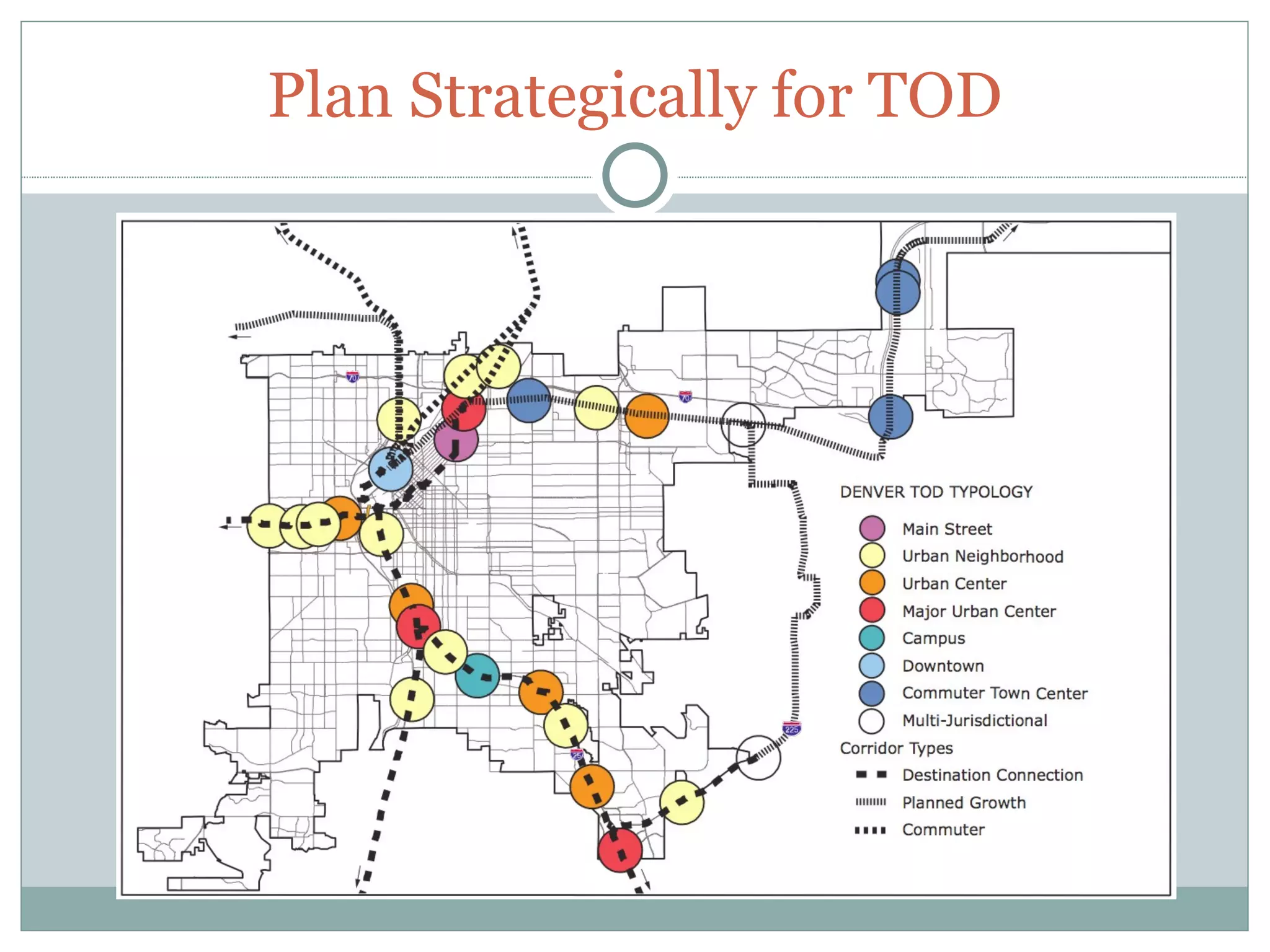
Plan Strategically for TOD
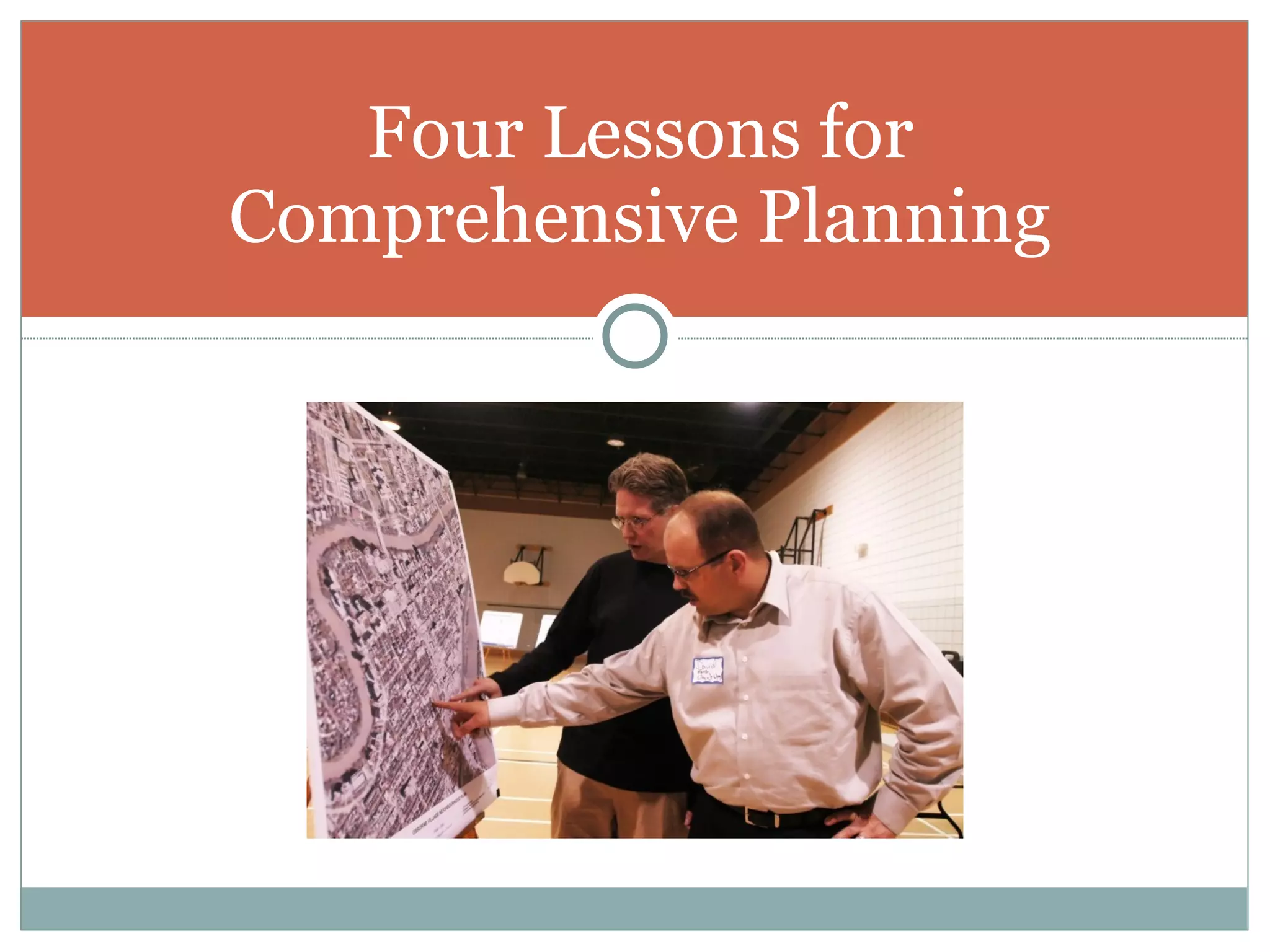
Four Lessons for
Comprehensive Planning
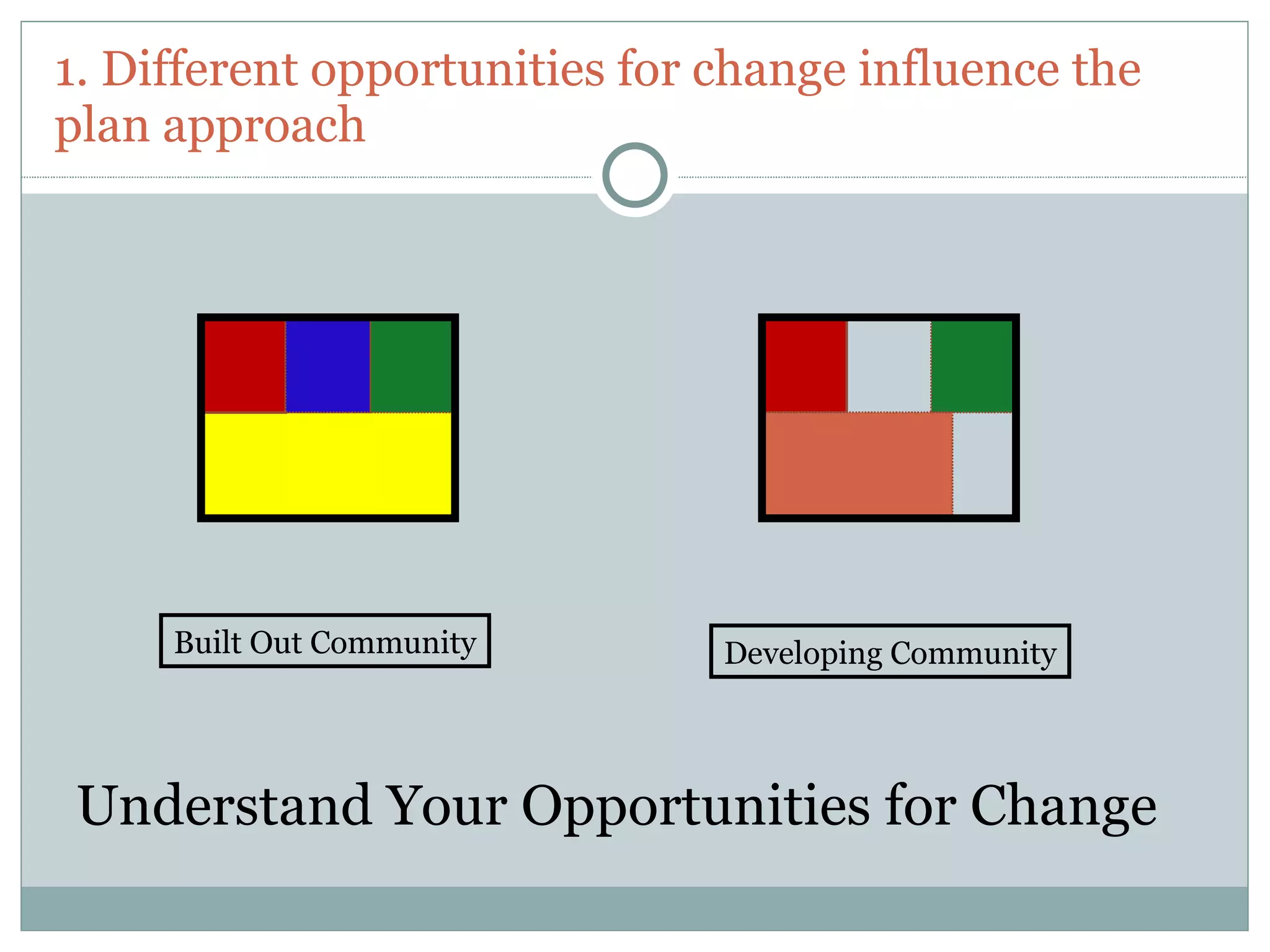
1. Different opportunities for change influence the
plan approach


     Built Out Community       Developing Community


 Understand Your Opportunities for Change
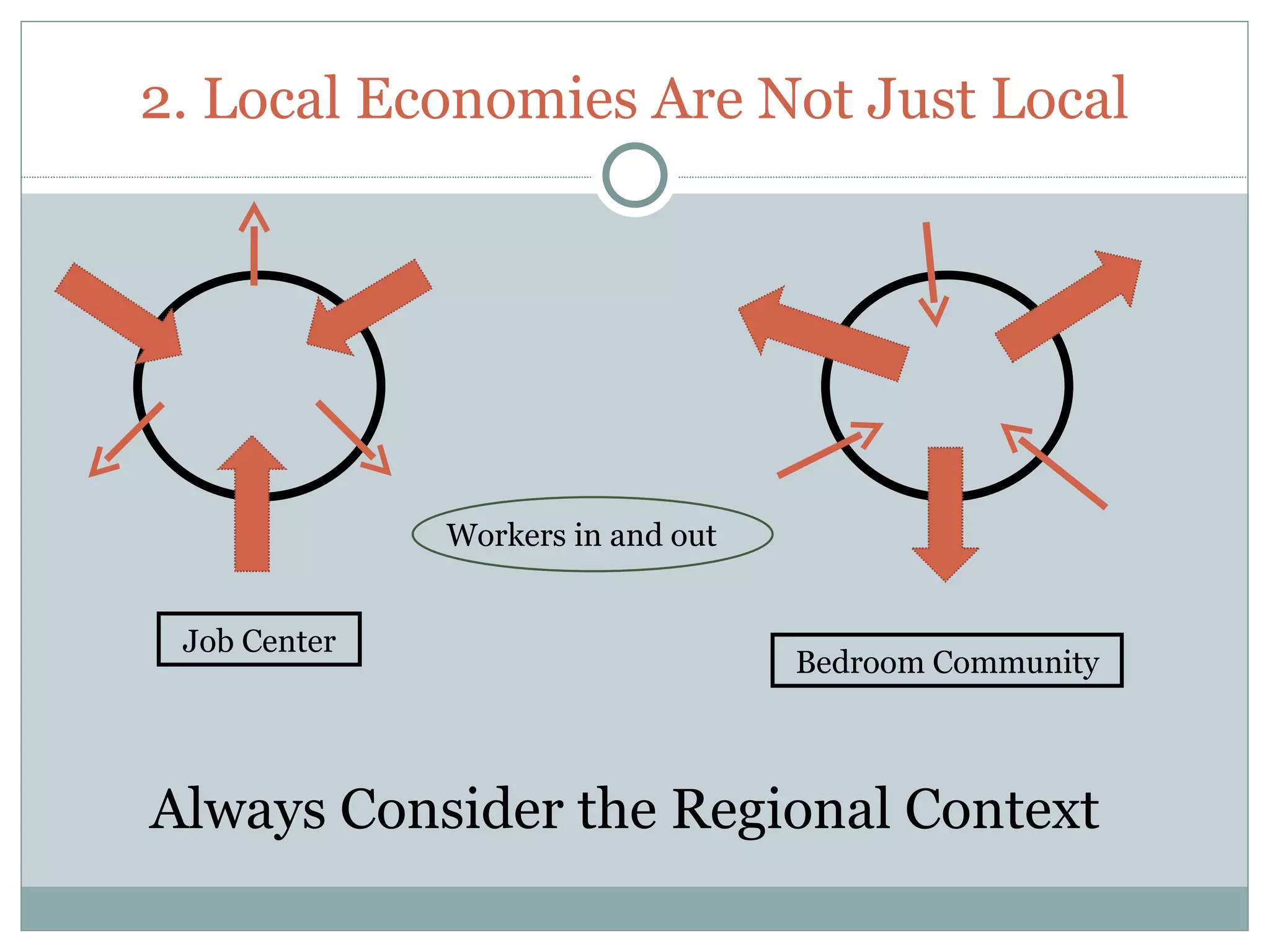
2. Local Economies Are Not Just Local


              Workers in and out


 Job Center
                                   Bedroom Community


Always Consider the Regional Context
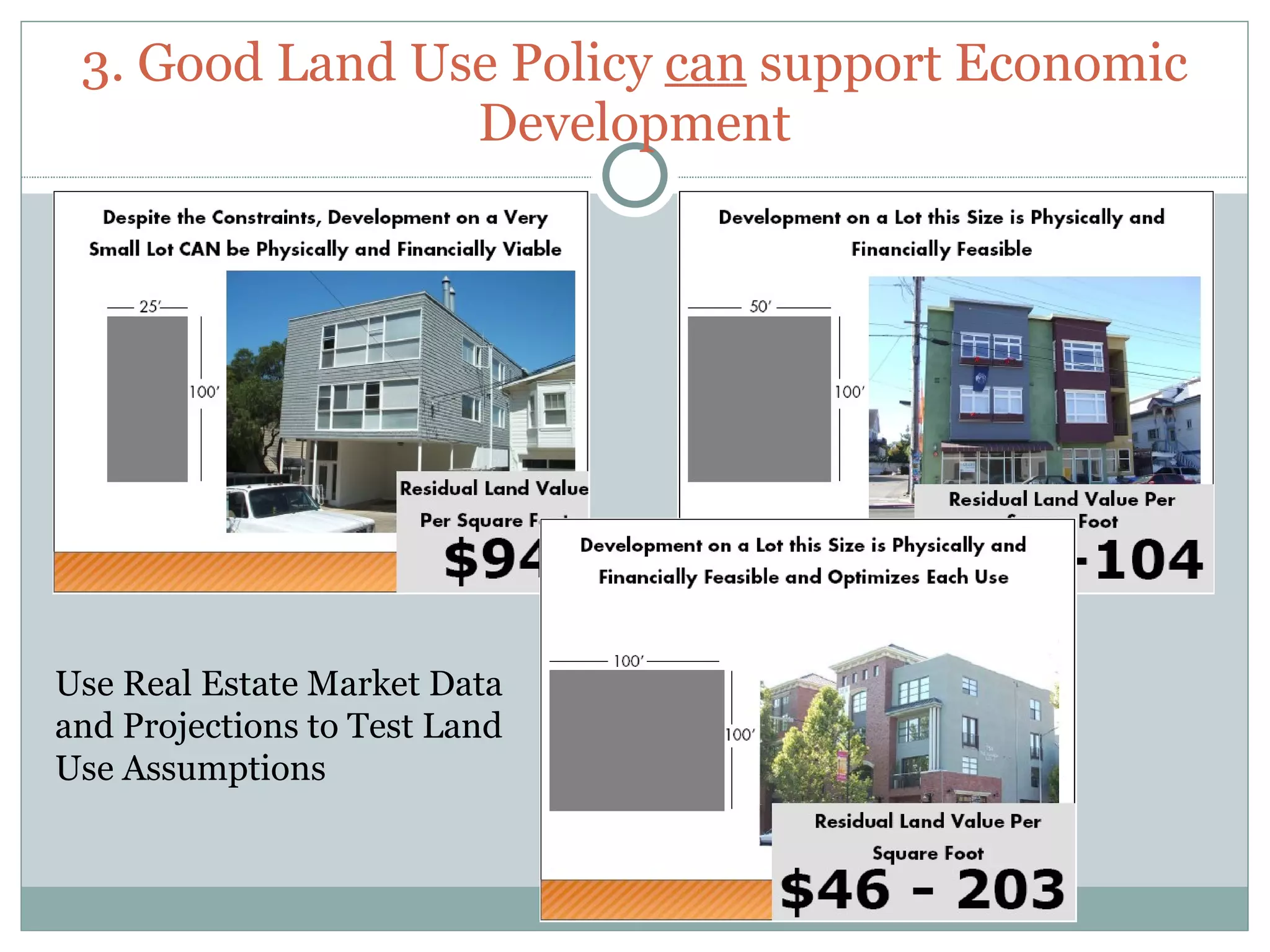
3. Good Land Use Policy can support Economic
                Development


Use Real Estate Market Data
and Projections to Test Land
Use Assumptions
4. Plan for Diversity


This applies to every aspect of your
            community

2 Making The Invisible Visible - Abigail Thorne-Lyman

  • 1.
    Making the InvisibleVisible: Understanding the Demographic and Economic Forces that Shape Land Use and Development Abby Thorne-Lyman Congress for the New Urbanism June 11, 2009
  • 2.
    Presentation Overview  Whyare demographic and economic forces important?  How to evaluate a local economy  Bringing transportation into the story  Lessons learned for comprehensive planning
  • 3.
    Why Are Demographicand Economic Forces Important
  • 4.
    The Economy (Jobs& Wealth) Workers (and their families) Population and Job Growth Buildings, Infrastructure, Purview of the Comp Plan Public Services
  • 5.
  • 6.
    U.S. Household Structureis Changing  In 2000, only 1/3 of total households had kids under 18  About 24 percent were traditional nuclear families
  • 7.
    A “Minority Majority”Future By 2023, majority of children will be non-White By 2042, majority of whole population will be non- White
  • 8.
    Households are Aging By2050: 19 million people over the age of 85, more than three times the number we have today
  • 9.
    Growing Demand forTOD National Demand for TOD by Income, 2030 $75,000 and Gre r ate Only 1/3 of demand is at the 21 % L s Than es $20,000 m edian incom or above e 29% $50,000 - $74,999 1 3% $20,000 - $35,000 - $34,999 $49,999 1 9% 1 4%
  • 10.
  • 11.
    Local Economic ActivityProvides:  Quality of Life for Community Residents (jobs/income, services, enrichment)  Tax Base for the Community (property taxes, sales tax, etc.)  Metropolitan Competitiveness and Prosperity (providing jobs, workers, or both to regional economic “niches”)
  • 12.
    Standard Land UseMap Employment Areas are usually the least “understood” areas in a comp. plan But, there is often considerable pressure to convert employment lands to other uses.
  • 13.
    Employment areas should be definedby “function” and evaluated independently Location, Location, Location!
  • 14.
    Understand Your Industries Driving Industries – Sell goods and services beyond city Household Serving Industries – Provides goods and services for residents (and other people in the city) Business Serving Industries – Provides services to other businesses in the city
  • 15.
  • 16.
    Bringing Transportation into the Story Source: San Mateo County
  • 17.
  • 18.
    When gas pricesincrease… Transportation Costs as % Median HH Income (Center for Neighborhood Technology: http://htaindex.cnt.org) $1.81 /gallon $4.47/gallon
  • 19.
    Quality Transit hasOrigins and Destinations  Map Current Worker Flow to Boyle Heights, Downtown Current Worker Flow from BH
  • 20.
  • 21.
  • 22.
    1. Different opportunitiesfor change influence the plan approach Built Out Community Developing Community Understand Your Opportunities for Change
  • 23.
    2. Local EconomiesAre Not Just Local Workers in and out Job Center Bedroom Community Always Consider the Regional Context
  • 24.
    3. Good LandUse Policy can support Economic Development Use Real Estate Market Data and Projections to Test Land Use Assumptions
  • 25.
    4. Plan forDiversity This applies to every aspect of your community