Dr.noura H:Abdirahman
GIT SYSTEM Disease /Disorder
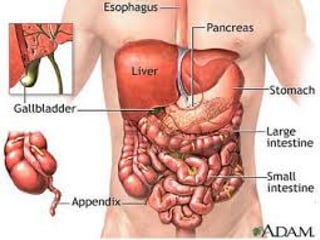
THE ABDOMEN


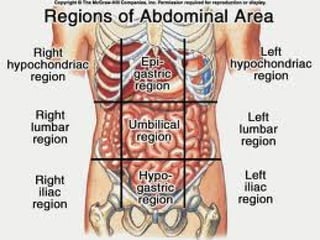
The abdomen is divided for
descriptieve puposes in to nine
regeions by the intersection of
imaginary planes, two horiczontal
and two sagital .
The upper horizontal plane lies at the
level of the first lumber vertebra ,
midway between the suprasternal
notch and the sysmphysis pubis, the
lower plane passes through the upper
border of the iliac crest.
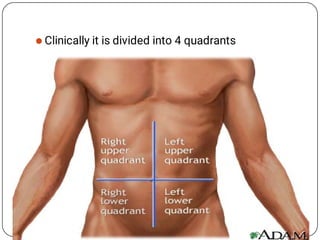
 Clinically it is divided into 4 quadrants
SYMPTOMS AND SIGNS OF
GASTROINTESTINAL DISEASES







Some important symptoms are:
Abdominal pain
Nausea and vomiting
Heart burn
Altered bowel habits (diarrhea,
constipation)
Abdominal distension
Bleeding
Jaundice
ACUTE GASTRITIS

a)
Definition :inflammation of stomach lining
from irritation of gastric mucosa(normally
protected from gastric acid and enzymes by
mucosa barrier ).
Types
Acute Gastritis
1) Disruptin of mucosa barrier allowing
hydrochloric acid an pepsin to have contact
with gastric tissue leads to irritation,
inflammation, superficial erosion.
2) Gastric mucosa rapidly regenerates self
limited disorder.
Causes of acute gastritis
a)Irritants include aspirin and other
NSAIDS corticosteriods, alcohol
and caffeine .
b)Ingestion of corrosive substance:
alkali or acid .
C) Effects from radiation therapy ,
certain chemotherapeutic agents .
Manifestations
A) Mild: anoxia, mild epigastric
discomfort , belching .
B) More severe : abdominal pain ,
nausea vomiting .
C) Erosive : not associated with
pain bleeding occurs two or
more days post stress events .
Chronic gastritis



Progressive disorder beginning with
superficial inflammation and leads to
atrophy of gastric tissue .
It has two types
1) Autoimmune Gastritis (Type A
Gastritis)
This is characterized by the involvement
of fundus and body of the stomach.
Circulating autoantibodies are found
against parietal cells and intrinsic factor.
This type of gastritis is generally
asymptomatic.
2) Helicobacter Pylori Gastritis (Type B
Gastritis)
its more common and occurs with the aging
caused by chronic infection of mucosa by
H.pylori associated with risk of peptic
ulcer disease and gastric cancer .
Diagnosis test
a. Gastric analysis :asses hydrochloric acid
secretion
b.Hemoglobin ,hematocrit ,red blood cell
indices :anemia including iron deficiency.
Cont..
C.Serum vitamin B12 level : determines
pernicious anemia .
d. Upper endoscopy : identify area of
bleeding .
Treatment
Stop drugs (Nsaids ,steriod )
Stop smoking .
Anti-acids (Malox syrup ,Almunuim
hydroxide )
Proton pump inhibitors (Omeprazole)
Oral manifestation of Gastritis




Patients with gastric acid reflux may
develop
Foul taste (dysgeusia)
Increased dental sensitivity
Dental erosion
Pulpitis.
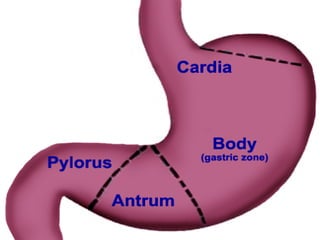
Uncommon Types of Gastritis
Other types of gastritis are
granulomatous gastritis
(tuberculosis,sarcoidosis,
candidiasis, syphilis, Crohn’s
disease),eosinophilic gastritis
and lymphocytic gastritis.
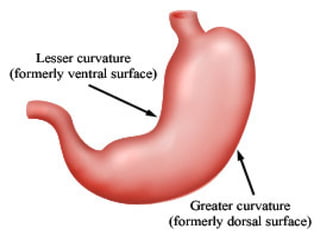
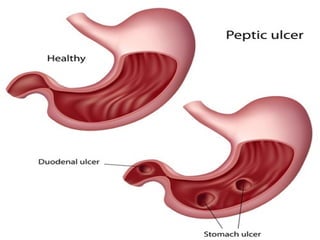
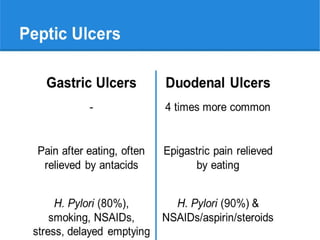
Peptic ulcer
Definition
Breaks in mucus lining of GI tract when it
comes in to contact with gastric juice .
Sites of ulcer formation
a. Duodenal ulcers : most common
affect mostly males ages 30-55 ulcer
found near the pyloris.
b. Gastric ulcers: affect older persons
ages 55-70 found on the lesser
curvature and associated with
increased incidence of gastric cancer .
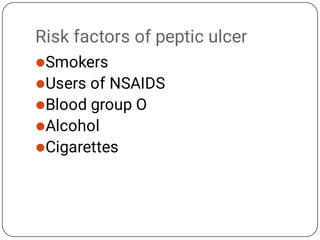
Risk factors of peptic ulcer





Smokers
Users of NSAIDS
Blood group O
Alcohol
Cigarettes
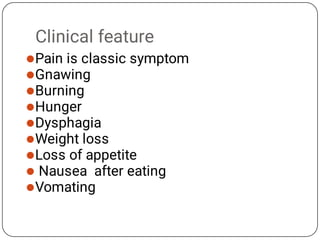
Clinical feature









Pain is classic symptom
Gnawing
Burning
Hunger
Dysphagia
Weight loss
Loss of appetite
Nausea after eating
Vomating
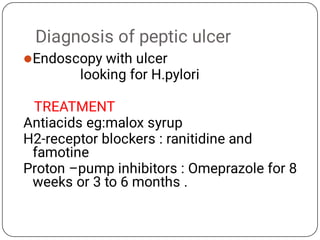
Diagnosis of peptic ulcer
Endoscopy with ulcer
looking for H.pylori
TREATMENT
Antiacids eg:malox syrup
H2-receptor blockers : ranitidine and
famotine
Proton –pump inhibitors : Omeprazole for 8
weeks or 3 to 6 months .
Complication




GI hemorrhages
Perforation
Ulcer penetration (into pancreas,
liver)
Gastric outlet obstruction
WHAT IS THE DIFFERENCE
BETWEEN GASTRITIS AND
PUPTIC ULCER ?
Gastric carcinoma
There are two types of gastric carcinoma
1.Intestinal –type adenocarcinoma
It arises from gastric mucous cells that
have undergone intestinal metaplasia
due to chronic gastritis .
Chronic gastritis may be caused by
H.pylori or it maybe autoimmune
associated with perniciuos anemia .
It occurs primarily after ago 50yrs .
Cont....


2. Diffuse adenocarcinoma
It arises from native gastric mucus
cells, and not associated with
chronic gastritis .
It occurs at an earlier age.
Risk factors
1.
2.
A. Intestinal –type adenocarcinoma
Chronic gastritis
Nitrite
B. Diffuse carcinoma
1.Risk factors unknown
2.Slight increased associated with blood
group A.
3.Infection with H.pulori
Spread of cancer



Blood steam spread
Lymphatic spread
Transcoelemic spread
Clinical features


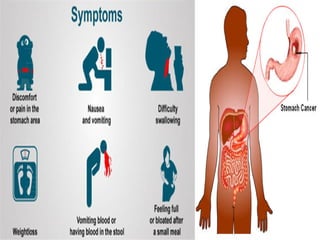
Early gastric carcinoma is a
symptomatic .
Advanced gastric carcinoma :
Abdominal discomfort
weight loss
Dysphagia
Gastric outlet obstruction
Investigation


Low Hb (anemia).
Endoscopy.
management
In early carcinoma : good for
surgical removal .
Advanced : poor
Case Scenario
When you are in the borama general
hospital you meet patient that
complain anoxia, mild epigastric
discomfort , belching ,
abdominal pain , nausea ,
vomiting what is the diagnosis
of this case ?
DIARRHEA
Diarrhea are increased stool mass
frequency or fluidity .
DYSENTRY
Low volume ,painful bloody diarrhea
are known dysentery.
Types of diarrhea



Acute ( 2 weeks)
Persistent (2-4 weeks)
Chronic ( 4 weeks)
Acute diarrhea

1.
2.
Acute diarrhea is caused mainly by
infections (90%). It may also be
caused by drugs, ischemia, toxins
and other conditions.
CAUSES
Infectious
Non-infectious
Clinical Manifestations





Fever.
Abdominal pain .
Bloody diarrhea (dysentery).
Inflammatory type such as sheigellosis,
salmonellosis, E. coli.
Watery non-bloody diarrhea with nausea,
vomiting and abdominal bloating .
Dysentery
Dysentery is defined as diarrhea
due to acute inflammation of the
large intestine characterized by the
presence of blood and mucus in the
stool.
Two types of dysentery
1. Bacillary dysentery
2. Amoebic dysentery
Causes


Important causes of bacillary
dysentery are :
1.sheigella.
2.E. coli .
Amoebic dysentery is caused
by
1.E. histolytica.
Clinical features of dysentery






Diarrhea.
Fever.
Abdominal pain.
Tenesmus .
Stools are usually small and contain
blood .
The colon is tender to palpate.
Diagnosis depends on stool
examination and culture.
Treatment


Amoebiasis dysentery are
commonly used for treatment
Antiparasitic medications such as
metronidazole .
Bacillary dysentery are treated
Antibiotics like ciprofloxacin.
Complication of dysentery





Coma
Liver abscess.
Hepatitis
Peptic ulcer
Perforation
Food poising



Food poisoning is
gastroenteritis of infective or
non-infective origin.
The important infective
causes are S. Aureus ,
salmonella, and E. coli.
Non-infective causes are
allergy to sea foods, fish or
fungal toxins.
Sign and symptom of food poising





Nausea
Vomiting
Watery diarrhea
Abdominal pain and cramps
Fever
Treatment of food poisoning `



Replacement of lost fluids. Fluids and
electrolytes — minerals such as sodium,
potassium and calcium that maintain the
balance of fluids in the body.
Antibiotics. Food poisoning caused by
listeria needs to be treated with
intravenous antibiotics .
During pregnancy, prompt antibiotic
treatment may help keep the infection
from affecting the baby.
Risk factor




Older adults.
Pregnant women.
Infants and young children.
People with chronic disease.
Complication


The most common serious
complication of food poisoning is
dehydration .
Infants, older adults and people
with suppressed immune systems
or chronic illnesses may become
severely dehydrated when they
lose more fluids than they can
replace.
Case
A 22years old woman comes to
you in your dental practice. She
has multiple symptoms which
are Diarrhea, Fever, abdominal
pain,tenesmus,Stools are usually
small and contain blood or
purulent material, The colon is
tender to palpate.
What is the diagnosis ?
Malabsorption


Disorders of digestion and diminished
absorption of dietary nutrients (one or more)
are referred as malabsorption syndromes.
Various diseases with varied etiologies can
lead to malabsorption and may present with
different clinical manifestations.
Normal digestion and absorption may be
divided into three phases and malabsorption
can result from abnormalities in one or more of
these phases
Phases of malabsorption

1. Intraluminal Phase
There is inadequate hydrolysis and
solubilization of dietary nutrients
(protein, fat and carbohydrates) leading
to malabsorption. This is mainly due to
insufficient bile or pancreatic enzymes.
The important causes are pancreatic
diseases, biliary obstruction, cholestatic
liver diseases and decreased
enterohepatic circulation of bile salts.
Cont..

2.Mucosal Phase
The damage to the intestinal epithelium or
resection of a part of small intestine diminishes
the surface area for absorption. The brush
border enzyme defects may also lead to
malabsorption.
3. Absorptive Phase
Lymphatic obstruction prevents proper uptake
and transport of absorbed lipoproteins and
chylomicrons. Increased pressure in lymphatics
may cause leakage of absorbed nutrients back
into the intestinal lumen leading to steatorrhea
and protein loosing enteropathy.
Causes of malabsorption










Biliary blockage .
Bowel resection .
Cancers, such as lymphoma or pancreatic
cancer .
Celiac disease .
Certain medications, including tetracycline,
diet drugs, and some antacids
Crohn’s disease
Food intolerances
Liver disease .
Parasite infections
Whipple disease
Clinical manifestations











Diarrhea
weight loss
Abdominal pain or cramping
Abdominal swelling, distension or
bloating
Bulky stools
Vomiting
Dry skin
Easy bleeding
Fractures
Growth impairment
Muscle weakness
Treatment


Treatment for malabsorption
includes the following:
Hospitalization to replenish
fluids and nutrients
Treatment of the cause of
malabsorption
Possible complication of
malabsorption





Anaemia
Gallstones
Kidney stones.
Osteoporosis and bone disease
Malnutrition and vitamin
deficiencies ..
Haemorrhoids (piles)


Hemorrhoids also called piles,
are swollen and inflamed veins in
anus and lower rectum.
Hemorrhoids may result from
straining during bowel
movements or from the increased
pressure on these veins during
pregnancy, among other causes.
Causes of hemorrhoids







The veins around anus tend to stretch under
pressure and may swell. Swollen veins
(hemorrhoids) can develop from an increase in
pressure in the lower rectum. Factors that might
cause increased pressure include:
Straining during bowel movements
Sitting for long periods of time on the toilet
Chronic diarrhea or constipation
Obesity
Pregnancy
Low-fiber diet
Sign and symptom






Painless bleeding during bowel
movements
Itching or irritation in anal
region.
Pain or discomfort.
Swelling around anus.
A lump near anus, which may
be sensitive or painful.
Leakage of feces.
Examination


In early cases no abnormality out
side the anal verge .
In late cases prolapsing piles can be
seen .
COMPLICATION
1.Profuse bleeding and anemia
2.Thrombosis
3.Ulceration
Management

•
•
Primary haemorrhoids
First and second degree conservative
treatment.
Third and fourth degree is
recommended .
For secondary haemorrhoids
treatment is direct to the cause.
Early cases high fiber deit,small doses
of laxatives and avoidance of staining
2- GI SYSTرتيتيتييايابابتيتبتتفنفنEM.pdf

2- GI SYSTرتيتيتييايابابتيتبتتفنفنEM.pdf

  • 1.
  • 3.
    THE ABDOMEN   The abdomenis divided for descriptieve puposes in to nine regeions by the intersection of imaginary planes, two horiczontal and two sagital . The upper horizontal plane lies at the level of the first lumber vertebra , midway between the suprasternal notch and the sysmphysis pubis, the lower plane passes through the upper border of the iliac crest.
  • 7.
     Clinically itis divided into 4 quadrants
  • 8.
    SYMPTOMS AND SIGNSOF GASTROINTESTINAL DISEASES        Some important symptoms are: Abdominal pain Nausea and vomiting Heart burn Altered bowel habits (diarrhea, constipation) Abdominal distension Bleeding Jaundice
  • 9.
    ACUTE GASTRITIS  a) Definition :inflammationof stomach lining from irritation of gastric mucosa(normally protected from gastric acid and enzymes by mucosa barrier ). Types Acute Gastritis 1) Disruptin of mucosa barrier allowing hydrochloric acid an pepsin to have contact with gastric tissue leads to irritation, inflammation, superficial erosion. 2) Gastric mucosa rapidly regenerates self limited disorder.
  • 10.
    Causes of acutegastritis a)Irritants include aspirin and other NSAIDS corticosteriods, alcohol and caffeine . b)Ingestion of corrosive substance: alkali or acid . C) Effects from radiation therapy , certain chemotherapeutic agents .
  • 11.
    Manifestations A) Mild: anoxia,mild epigastric discomfort , belching . B) More severe : abdominal pain , nausea vomiting . C) Erosive : not associated with pain bleeding occurs two or more days post stress events .
  • 12.
    Chronic gastritis    Progressive disorderbeginning with superficial inflammation and leads to atrophy of gastric tissue . It has two types 1) Autoimmune Gastritis (Type A Gastritis) This is characterized by the involvement of fundus and body of the stomach. Circulating autoantibodies are found against parietal cells and intrinsic factor. This type of gastritis is generally asymptomatic.
  • 14.
    2) Helicobacter PyloriGastritis (Type B Gastritis) its more common and occurs with the aging caused by chronic infection of mucosa by H.pylori associated with risk of peptic ulcer disease and gastric cancer . Diagnosis test a. Gastric analysis :asses hydrochloric acid secretion b.Hemoglobin ,hematocrit ,red blood cell indices :anemia including iron deficiency.
  • 15.
    Cont.. C.Serum vitamin B12level : determines pernicious anemia . d. Upper endoscopy : identify area of bleeding . Treatment Stop drugs (Nsaids ,steriod ) Stop smoking . Anti-acids (Malox syrup ,Almunuim hydroxide ) Proton pump inhibitors (Omeprazole)
  • 16.
    Oral manifestation ofGastritis     Patients with gastric acid reflux may develop Foul taste (dysgeusia) Increased dental sensitivity Dental erosion Pulpitis.
  • 17.
    Uncommon Types ofGastritis Other types of gastritis are granulomatous gastritis (tuberculosis,sarcoidosis, candidiasis, syphilis, Crohn’s disease),eosinophilic gastritis and lymphocytic gastritis.
  • 18.
    Peptic ulcer Definition Breaks inmucus lining of GI tract when it comes in to contact with gastric juice . Sites of ulcer formation a. Duodenal ulcers : most common affect mostly males ages 30-55 ulcer found near the pyloris. b. Gastric ulcers: affect older persons ages 55-70 found on the lesser curvature and associated with increased incidence of gastric cancer .
  • 22.
    Risk factors ofpeptic ulcer      Smokers Users of NSAIDS Blood group O Alcohol Cigarettes
  • 23.
    Clinical feature          Pain isclassic symptom Gnawing Burning Hunger Dysphagia Weight loss Loss of appetite Nausea after eating Vomating
  • 24.
    Diagnosis of pepticulcer Endoscopy with ulcer looking for H.pylori TREATMENT Antiacids eg:malox syrup H2-receptor blockers : ranitidine and famotine Proton –pump inhibitors : Omeprazole for 8 weeks or 3 to 6 months .
  • 25.
    Complication     GI hemorrhages Perforation Ulcer penetration(into pancreas, liver) Gastric outlet obstruction
  • 26.
    WHAT IS THEDIFFERENCE BETWEEN GASTRITIS AND PUPTIC ULCER ?
  • 27.
    Gastric carcinoma There aretwo types of gastric carcinoma 1.Intestinal –type adenocarcinoma It arises from gastric mucous cells that have undergone intestinal metaplasia due to chronic gastritis . Chronic gastritis may be caused by H.pylori or it maybe autoimmune associated with perniciuos anemia . It occurs primarily after ago 50yrs .
  • 28.
    Cont....   2. Diffuse adenocarcinoma Itarises from native gastric mucus cells, and not associated with chronic gastritis . It occurs at an earlier age.
  • 29.
    Risk factors 1. 2. A. Intestinal–type adenocarcinoma Chronic gastritis Nitrite B. Diffuse carcinoma 1.Risk factors unknown 2.Slight increased associated with blood group A. 3.Infection with H.pulori
  • 30.
    Spread of cancer    Bloodsteam spread Lymphatic spread Transcoelemic spread
  • 31.
    Clinical features   Early gastriccarcinoma is a symptomatic . Advanced gastric carcinoma : Abdominal discomfort weight loss Dysphagia Gastric outlet obstruction
  • 33.
    Investigation   Low Hb (anemia). Endoscopy. management Inearly carcinoma : good for surgical removal . Advanced : poor
  • 34.
    Case Scenario When youare in the borama general hospital you meet patient that complain anoxia, mild epigastric discomfort , belching , abdominal pain , nausea , vomiting what is the diagnosis of this case ?
  • 35.
    DIARRHEA Diarrhea are increasedstool mass frequency or fluidity . DYSENTRY Low volume ,painful bloody diarrhea are known dysentery.
  • 36.
    Types of diarrhea    Acute( 2 weeks) Persistent (2-4 weeks) Chronic ( 4 weeks)
  • 37.
    Acute diarrhea  1. 2. Acute diarrheais caused mainly by infections (90%). It may also be caused by drugs, ischemia, toxins and other conditions. CAUSES Infectious Non-infectious
  • 38.
    Clinical Manifestations      Fever. Abdominal pain. Bloody diarrhea (dysentery). Inflammatory type such as sheigellosis, salmonellosis, E. coli. Watery non-bloody diarrhea with nausea, vomiting and abdominal bloating .
  • 39.
    Dysentery Dysentery is definedas diarrhea due to acute inflammation of the large intestine characterized by the presence of blood and mucus in the stool. Two types of dysentery 1. Bacillary dysentery 2. Amoebic dysentery
  • 40.
    Causes   Important causes ofbacillary dysentery are : 1.sheigella. 2.E. coli . Amoebic dysentery is caused by 1.E. histolytica.
  • 41.
    Clinical features ofdysentery       Diarrhea. Fever. Abdominal pain. Tenesmus . Stools are usually small and contain blood . The colon is tender to palpate. Diagnosis depends on stool examination and culture.
  • 42.
    Treatment   Amoebiasis dysentery are commonlyused for treatment Antiparasitic medications such as metronidazole . Bacillary dysentery are treated Antibiotics like ciprofloxacin.
  • 43.
    Complication of dysentery      Coma Liverabscess. Hepatitis Peptic ulcer Perforation
  • 44.
    Food poising    Food poisoningis gastroenteritis of infective or non-infective origin. The important infective causes are S. Aureus , salmonella, and E. coli. Non-infective causes are allergy to sea foods, fish or fungal toxins.
  • 45.
    Sign and symptomof food poising      Nausea Vomiting Watery diarrhea Abdominal pain and cramps Fever
  • 46.
    Treatment of foodpoisoning `    Replacement of lost fluids. Fluids and electrolytes — minerals such as sodium, potassium and calcium that maintain the balance of fluids in the body. Antibiotics. Food poisoning caused by listeria needs to be treated with intravenous antibiotics . During pregnancy, prompt antibiotic treatment may help keep the infection from affecting the baby.
  • 47.
    Risk factor     Older adults. Pregnantwomen. Infants and young children. People with chronic disease.
  • 48.
    Complication   The most commonserious complication of food poisoning is dehydration . Infants, older adults and people with suppressed immune systems or chronic illnesses may become severely dehydrated when they lose more fluids than they can replace.
  • 49.
    Case A 22years oldwoman comes to you in your dental practice. She has multiple symptoms which are Diarrhea, Fever, abdominal pain,tenesmus,Stools are usually small and contain blood or purulent material, The colon is tender to palpate. What is the diagnosis ?
  • 50.
    Malabsorption   Disorders of digestionand diminished absorption of dietary nutrients (one or more) are referred as malabsorption syndromes. Various diseases with varied etiologies can lead to malabsorption and may present with different clinical manifestations. Normal digestion and absorption may be divided into three phases and malabsorption can result from abnormalities in one or more of these phases
  • 51.
    Phases of malabsorption  1.Intraluminal Phase There is inadequate hydrolysis and solubilization of dietary nutrients (protein, fat and carbohydrates) leading to malabsorption. This is mainly due to insufficient bile or pancreatic enzymes. The important causes are pancreatic diseases, biliary obstruction, cholestatic liver diseases and decreased enterohepatic circulation of bile salts.
  • 52.
    Cont..  2.Mucosal Phase The damageto the intestinal epithelium or resection of a part of small intestine diminishes the surface area for absorption. The brush border enzyme defects may also lead to malabsorption. 3. Absorptive Phase Lymphatic obstruction prevents proper uptake and transport of absorbed lipoproteins and chylomicrons. Increased pressure in lymphatics may cause leakage of absorbed nutrients back into the intestinal lumen leading to steatorrhea and protein loosing enteropathy.
  • 53.
    Causes of malabsorption           Biliaryblockage . Bowel resection . Cancers, such as lymphoma or pancreatic cancer . Celiac disease . Certain medications, including tetracycline, diet drugs, and some antacids Crohn’s disease Food intolerances Liver disease . Parasite infections Whipple disease
  • 54.
    Clinical manifestations            Diarrhea weight loss Abdominalpain or cramping Abdominal swelling, distension or bloating Bulky stools Vomiting Dry skin Easy bleeding Fractures Growth impairment Muscle weakness
  • 55.
    Treatment   Treatment for malabsorption includesthe following: Hospitalization to replenish fluids and nutrients Treatment of the cause of malabsorption
  • 56.
    Possible complication of malabsorption      Anaemia Gallstones Kidneystones. Osteoporosis and bone disease Malnutrition and vitamin deficiencies ..
  • 57.
    Haemorrhoids (piles)   Hemorrhoids alsocalled piles, are swollen and inflamed veins in anus and lower rectum. Hemorrhoids may result from straining during bowel movements or from the increased pressure on these veins during pregnancy, among other causes.
  • 58.
    Causes of hemorrhoids        Theveins around anus tend to stretch under pressure and may swell. Swollen veins (hemorrhoids) can develop from an increase in pressure in the lower rectum. Factors that might cause increased pressure include: Straining during bowel movements Sitting for long periods of time on the toilet Chronic diarrhea or constipation Obesity Pregnancy Low-fiber diet
  • 59.
    Sign and symptom       Painlessbleeding during bowel movements Itching or irritation in anal region. Pain or discomfort. Swelling around anus. A lump near anus, which may be sensitive or painful. Leakage of feces.
  • 60.
    Examination   In early casesno abnormality out side the anal verge . In late cases prolapsing piles can be seen . COMPLICATION 1.Profuse bleeding and anemia 2.Thrombosis 3.Ulceration
  • 61.
    Management  • • Primary haemorrhoids First andsecond degree conservative treatment. Third and fourth degree is recommended . For secondary haemorrhoids treatment is direct to the cause. Early cases high fiber deit,small doses of laxatives and avoidance of staining