Downloaded 302 times

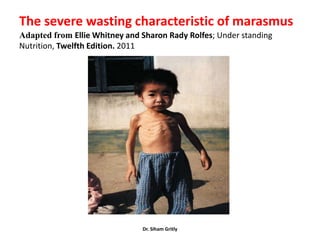
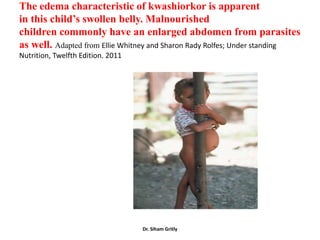

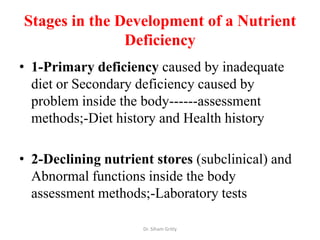
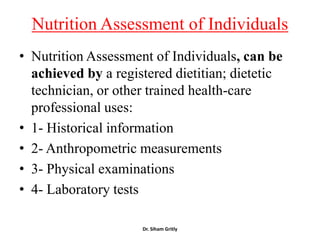
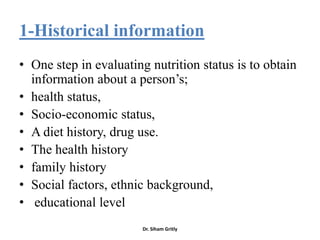
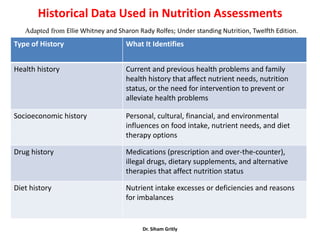

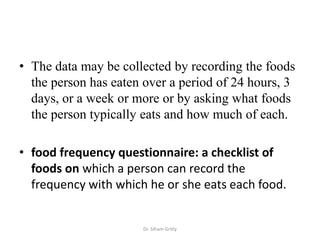
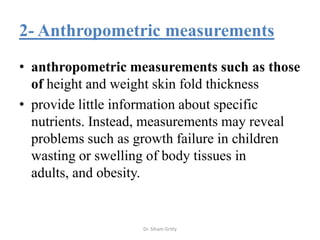
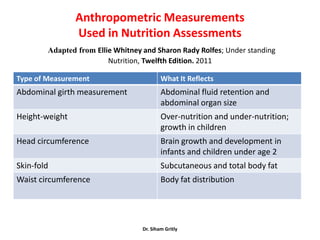
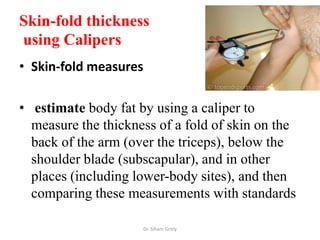
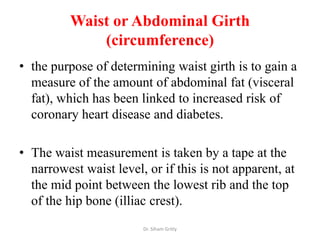
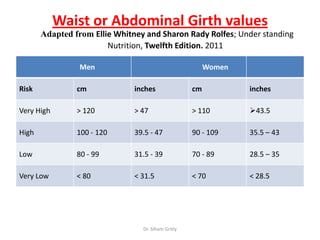
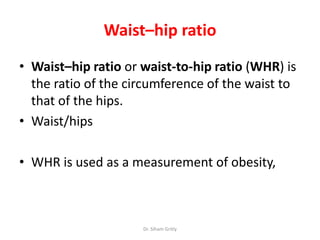
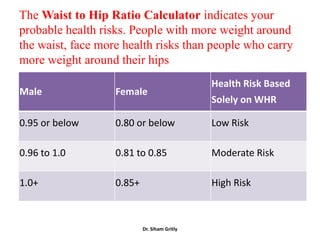
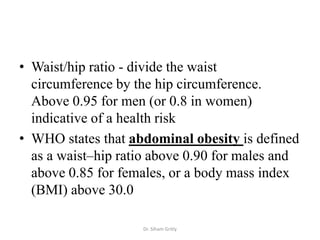
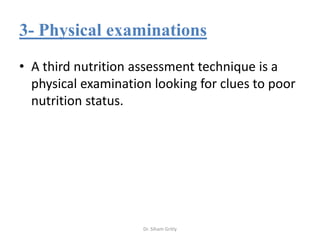
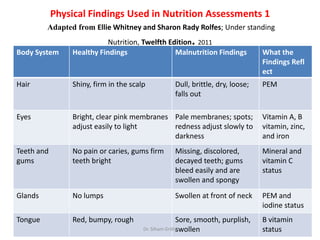
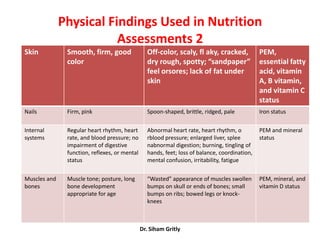
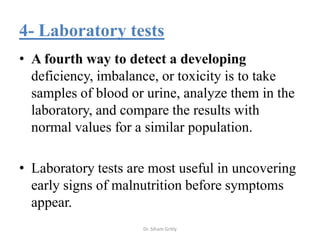
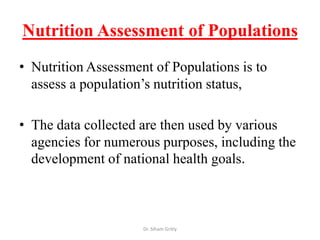
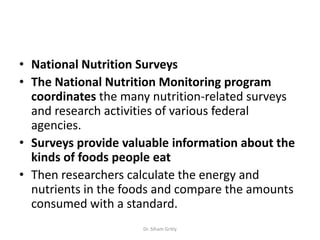
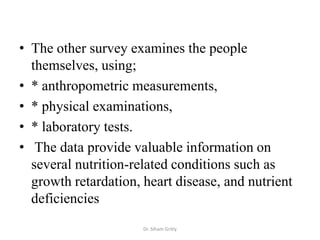
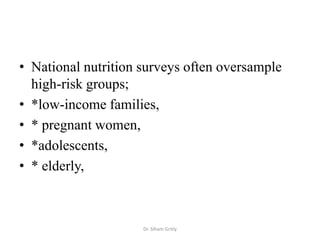

Nutrition assessment involves collecting information through health histories, socioeconomic histories, drug histories, diet histories, anthropometric measurements, physical examinations, and laboratory tests. This data is used to analyze an individual's or population's nutrition status and identify under-nutrition, over-nutrition, or nutrient deficiencies. Common anthropometric measurements include height, weight, skin folds, waist circumference, and waist-to-hip ratio. Physical examinations look for signs of malnutrition. Laboratory tests of blood and urine can uncover early signs of deficiencies before symptoms appear. National nutrition surveys assess populations to inform health goals and identify at-risk groups.


![Assessment of Nutritional Status by Dr.Faryal Shaikh [ August 30th, 2025 ]] f...](https://cdn.slidesharecdn.com/ss_thumbnails/assessmentofnutritionalstatusbydr-251120113500-143fc093-thumbnail.jpg?width=640&height=640&fit=bounds)


