
DOING
PHILOSOPHY
MELINA V. KAHULUGAN
CONTENT STANDARD: The learner understands
the meaning and process of doing philosophy
Performance Standards: The learner reflects on a
concrete experience in a philosophical way.
Learning Competencies/ Objectives:
Distinguish a holistic perspective from a partial
point of view (PPT11/12-Ib-1.1)
#Tanda_Ko_Pa
–Where did Philosophy begun according
to Aristotle?
–What is the aim of Philosophy and why
do you think it is the purpose of
Philosophy?
Six Blind Men and the
Elephant
(By: John Godfrey Saxe)
Activity: Poem Reading
It was six men of Indostan
To learning much inclined,
Who went to see the Elephant
Though all of them were blind,
That each by observation
Might satisfy his mind.
The First approach’d the Elephant,
And happening to fall
Against his broad and sturdy side,
At once began to bawl:
“God bless me, but the Elephant
Is very like a wall!”
The Second, feeling the tusk,
Cried, -“Ho! What have we here
So very round and smooth and sharp?
To me ‘tis might clear,
This wonder of an Elephant
Is very like a spear!”
TheThird approach’d the animal, And
happening to take
The squirming trunk within his hands,
Thus boldly up and spake:
“I see,” -quoth he- “The Elephant
Is very like a snake!”
The Fourth reached out an eager
hand, and felt about the knee:
“What most this wondrous beast is
like, is mighty plain,” –quoth he,-
“Tis clear enough the Elephant
Is very like a tree!”
The Fifth, who chanced to touch the ear,
Said- “E’en the blindest man
Can tell what this resembles most;
Deny the fact who can,
This marvel of an Elephant
Is very like a fan!”
The Sixth no sooner had begun
About the beast to grope,
Then, seizing on the swinging tail
That fell within his scope,
“I see,” –quoth he,- “the Elephant
Is very like a rope!”
And so these men of Indostan
Disputed loud and long,
Each in his own opinion
Exceeding stiff and strong,
Though each was partly in the right,
And all were in the wrong!
MORAL,
So, oft in theologic wars
The disputants, I ween,
Rail on in utter ignorance
Of what each other mean;
And prate about an Elephant
Not one of them has seen
Blind Men and the Elephant – A
Picture of Relativism and Tolerance
The Blind Men and the Elephant is a famous Indian fable
that tells the story of six blind sojourners that come across
different parts of an elephant in their life journeys. In turn,
each blind man creates his own version of reality from that
limited experience and perspective. In philosophy
departments throughout the world, the Blind Men and the
Elephant has become the poster child for moral relativism
and religious tolerance.
Blind Men and the Elephant –
Philosophical Parable
The Blind Men and the Elephant is an ancient parable used
today as a warning for people that promote absolute truth
or exclusive religious claims. The simple reason is that our
sensory perceptions and life experiences can lead to limited
access and overreaching misinterpretations. How can a
person with a limited touch of truth turn that into the one
and only version of all reality?
Analysis:
1.Did anyone among the blind
men give the correct answer?
Why or why not?
Analysis:
2. In the context of the
elephant story, what do you
think is a holistic perspective?
What is a partial point of view?
Analysis:
3. What is the importance of
a holistic perspective as
pointed out by the poet John
Godfrey Saxe?
Analysis:
4. In the last stanza, the poet
related the legend to the religious
wars during his time. What do
your think is the poet trying to say
in this poem?
Discussion & Debrief Point
“Philosophy is thinking about how we think”
Doing Philosophy
–pursuit of wisdom
–loving wisdom
–thinking about thinking
Philosophy is different from:
opinion
point of view
preference
ideology
belief
advocacy
Eichman in Jerusalem: A Report on the
Banality of Evil
Eichman was an unreflective person, unable to think for
himself and definitely unable “to think from the
standpoint of somebody else.”
Thoughtlessness leads to evil… it doesn’t let us see
things from others’ perspective.
Thinking… requires taking another standpoint, reflecting
on how you might be harming others, and asking if you
can live with what you are doing.
The Meaning of Philosophy
It is the science that by natural
light of reason studies the first
causes or highest principles of
all things.
Science
The investigation is systematic. It follows
certain steps or it employs certain
procedures. In other words, it is an
organized body of knowledge just like any
other science
Natural Light of Reason
Philosophy investigates things, not by using any other
laboratory instrument or investigative tools, neither on
the basis of supernatural revelation, otherwise it
becomes theology: instead, the philosopher uses his
natural capacity to think or simply, human reason alone
or the so-called unaided reason.
Study of All Things
The reason is that philosophy is not one
dimensional or partial. In short, a philosopher
does not limit himself to a particular object of
inquiry. He questions almost anything, if not
everything. It is multidimensional or holistic.
First Cause or Highest Principle
Principle of Identity – whatever is is; and whatever
is not is not; everything is what it is. Everything is
its own being, and not being is not being.
Principle of Non-Contradiction – it is impossible for
a thing to be and not to be at the same time, and
at the same respect.
Principle of Excluded Middle – a thing is
either is or is not; everything must be either
be or not be; between being and not-being,
there is no middle ground possible.
Principle of Sufficient Reason – nothing
exists without a sufficient reason for its
being and existence
What are the practical uses of Philosophy in
our lives?
 Philosophy requires a person to engage in analysis and
interpretation of concepts, definitions, arguments and
problems.
 Problem-solving and decision making are important aspects in
life which can benefit from a knowledge of philosophy.
 A philosopher is also a good communicator who can clearly
and adequately present his or her ideas.
 Knowledge of philosophy can contribution to self-
development.
True or False
1. Philosophy is the pursuit of wisdom
2. Philosophy is the same as opinion and idea.
3. Thoughtlessness leads to futility
4. Philosophy investigate things with the basis of
supernatural revelation.
5. Relativism is a view that ethical truths depend
on the individuals and the group holding them.
ASSESSMENT:
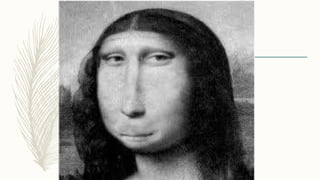
In 3 minutes, Write your
reflection about each picture
to be flashed on screen.
Follow up activity:
–Each group will do the thematic of
qualitative research by consolidating
the result of your answer.
–Reporting of output
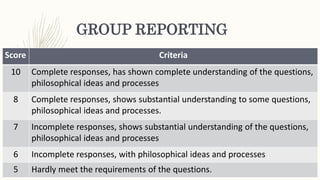
GROUP REPORTING
Score Criteria
10 Complete responses, has shown complete understanding of the questions,
philosophical ideas and processes
8 Complete responses, shows substantial understanding to some questions,
philosophical ideas and processes.
7 Incomplete responses, shows substantial understanding of the questions,
philosophical ideas and processes
6 Incomplete responses, with philosophical ideas and processes
5 Hardly meet the requirements of the questions.
References
https://www.allaboutphilosophy.org/blind-men-and-the-elephant.htm
https://www.slideshare.net/PrmSalsag/000-holistic-perspective-revised

1.1 Doing Philosophy

  • 1.
  • 2.
    CONTENT STANDARD: Thelearner understands the meaning and process of doing philosophy Performance Standards: The learner reflects on a concrete experience in a philosophical way. Learning Competencies/ Objectives: Distinguish a holistic perspective from a partial point of view (PPT11/12-Ib-1.1)
  • 3.
    #Tanda_Ko_Pa –Where did Philosophybegun according to Aristotle? –What is the aim of Philosophy and why do you think it is the purpose of Philosophy?
  • 4.
    Six Blind Menand the Elephant (By: John Godfrey Saxe) Activity: Poem Reading
  • 5.
    It was sixmen of Indostan To learning much inclined, Who went to see the Elephant Though all of them were blind, That each by observation Might satisfy his mind.
  • 6.
    The First approach’dthe Elephant, And happening to fall Against his broad and sturdy side, At once began to bawl: “God bless me, but the Elephant Is very like a wall!”
  • 7.
    The Second, feelingthe tusk, Cried, -“Ho! What have we here So very round and smooth and sharp? To me ‘tis might clear, This wonder of an Elephant Is very like a spear!”
  • 8.
    TheThird approach’d theanimal, And happening to take The squirming trunk within his hands, Thus boldly up and spake: “I see,” -quoth he- “The Elephant Is very like a snake!”
  • 9.
    The Fourth reachedout an eager hand, and felt about the knee: “What most this wondrous beast is like, is mighty plain,” –quoth he,- “Tis clear enough the Elephant Is very like a tree!”
  • 10.
    The Fifth, whochanced to touch the ear, Said- “E’en the blindest man Can tell what this resembles most; Deny the fact who can, This marvel of an Elephant Is very like a fan!”
  • 11.
    The Sixth nosooner had begun About the beast to grope, Then, seizing on the swinging tail That fell within his scope, “I see,” –quoth he,- “the Elephant Is very like a rope!”
  • 12.
    And so thesemen of Indostan Disputed loud and long, Each in his own opinion Exceeding stiff and strong, Though each was partly in the right, And all were in the wrong!
  • 13.
    MORAL, So, oft intheologic wars The disputants, I ween, Rail on in utter ignorance Of what each other mean; And prate about an Elephant Not one of them has seen
  • 14.
    Blind Men andthe Elephant – A Picture of Relativism and Tolerance The Blind Men and the Elephant is a famous Indian fable that tells the story of six blind sojourners that come across different parts of an elephant in their life journeys. In turn, each blind man creates his own version of reality from that limited experience and perspective. In philosophy departments throughout the world, the Blind Men and the Elephant has become the poster child for moral relativism and religious tolerance.
  • 15.
    Blind Men andthe Elephant – Philosophical Parable The Blind Men and the Elephant is an ancient parable used today as a warning for people that promote absolute truth or exclusive religious claims. The simple reason is that our sensory perceptions and life experiences can lead to limited access and overreaching misinterpretations. How can a person with a limited touch of truth turn that into the one and only version of all reality?
  • 16.
    Analysis: 1.Did anyone amongthe blind men give the correct answer? Why or why not?
  • 17.
    Analysis: 2. In thecontext of the elephant story, what do you think is a holistic perspective? What is a partial point of view?
  • 18.
    Analysis: 3. What isthe importance of a holistic perspective as pointed out by the poet John Godfrey Saxe?
  • 19.
    Analysis: 4. In thelast stanza, the poet related the legend to the religious wars during his time. What do your think is the poet trying to say in this poem?
  • 20.
    Discussion & DebriefPoint “Philosophy is thinking about how we think” Doing Philosophy –pursuit of wisdom –loving wisdom –thinking about thinking
  • 21.
    Philosophy is differentfrom: opinion point of view preference ideology belief advocacy
  • 22.
    Eichman in Jerusalem:A Report on the Banality of Evil Eichman was an unreflective person, unable to think for himself and definitely unable “to think from the standpoint of somebody else.” Thoughtlessness leads to evil… it doesn’t let us see things from others’ perspective. Thinking… requires taking another standpoint, reflecting on how you might be harming others, and asking if you can live with what you are doing.
  • 23.
    The Meaning ofPhilosophy It is the science that by natural light of reason studies the first causes or highest principles of all things.
  • 24.
    Science The investigation issystematic. It follows certain steps or it employs certain procedures. In other words, it is an organized body of knowledge just like any other science
  • 25.
    Natural Light ofReason Philosophy investigates things, not by using any other laboratory instrument or investigative tools, neither on the basis of supernatural revelation, otherwise it becomes theology: instead, the philosopher uses his natural capacity to think or simply, human reason alone or the so-called unaided reason.
  • 26.
    Study of AllThings The reason is that philosophy is not one dimensional or partial. In short, a philosopher does not limit himself to a particular object of inquiry. He questions almost anything, if not everything. It is multidimensional or holistic.
  • 27.
    First Cause orHighest Principle Principle of Identity – whatever is is; and whatever is not is not; everything is what it is. Everything is its own being, and not being is not being. Principle of Non-Contradiction – it is impossible for a thing to be and not to be at the same time, and at the same respect.
  • 28.
    Principle of ExcludedMiddle – a thing is either is or is not; everything must be either be or not be; between being and not-being, there is no middle ground possible. Principle of Sufficient Reason – nothing exists without a sufficient reason for its being and existence
  • 29.
    What are thepractical uses of Philosophy in our lives?  Philosophy requires a person to engage in analysis and interpretation of concepts, definitions, arguments and problems.  Problem-solving and decision making are important aspects in life which can benefit from a knowledge of philosophy.  A philosopher is also a good communicator who can clearly and adequately present his or her ideas.  Knowledge of philosophy can contribution to self- development.
  • 30.
    True or False 1.Philosophy is the pursuit of wisdom 2. Philosophy is the same as opinion and idea. 3. Thoughtlessness leads to futility 4. Philosophy investigate things with the basis of supernatural revelation. 5. Relativism is a view that ethical truths depend on the individuals and the group holding them.
  • 31.
    ASSESSMENT: In 3 minutes,Write your reflection about each picture to be flashed on screen.
  • 35.
    Follow up activity: –Eachgroup will do the thematic of qualitative research by consolidating the result of your answer. –Reporting of output
  • 36.
    GROUP REPORTING Score Criteria 10Complete responses, has shown complete understanding of the questions, philosophical ideas and processes 8 Complete responses, shows substantial understanding to some questions, philosophical ideas and processes. 7 Incomplete responses, shows substantial understanding of the questions, philosophical ideas and processes 6 Incomplete responses, with philosophical ideas and processes 5 Hardly meet the requirements of the questions.
  • 37.

Editor's Notes

  • #4 The teacher will draw lots by group for this review.
  • #6 Blind Men and the Elephant – A Picture of Relativism and Tolerance The Blind Men and the Elephant is a famous Indian fable that tells the story of six blind sojourners that come across different parts of an elephant in their life journeys. In turn, each blind man creates his own version of reality from that limited experience and perspective. In philosophy departments throughout the world, the Blind Men and the Elephant has become the poster child for moral relativism and religious tolerance.
  • #9 Squirming – to twist like a worm Spake – archaic past of speak
  • #12 Grope – to search for something by reaching or touching usually with your fingers in an awkward way.
  • #14 Blind Men and the Elephant – Philosophical Parable The Blind Men and the Elephant is an ancient parable used today as a warning for people that promote absolute truth or exclusive religious claims. The simple reason is that our sensory perceptions and life experiences can lead to limited access and overreaching misinterpretations. How can a person with a limited touch of truth turn that into the one and only version of all reality?
  • #21 P1: explore the wisdom that the world has P2. by exploring it, this means loving wisdom adhering to what is the truth about the world P3: doing philosophy is thinking about thinking (process) Pursuit – pagtugis, occupation
  • #23 P1: selfishness P2. laziness leads to nonemphatic P3: that is what we call wisdom Banality – ordinary, uninteresting
  • #24 P1: Wisdom is the goal of Philosophy Greek word “filos” (love) and “sofia” (wisdom) “Love of wisdom” the love of exercising one’s curiosity and intelligence The process of asking questions and finding answers
  • #25 O A S A D (Objective, Accuracy, Systematic, Analytic, Determinate
  • #28 Assign groups to discuss these
  • #31 T F T F T