INTERSUBJECTIVITY:
HUMAN
RELATIONS!
Loreto C. Jugo Jr. LPT, SST II
Busao National High School
Busao, Maribojoc, Bohol
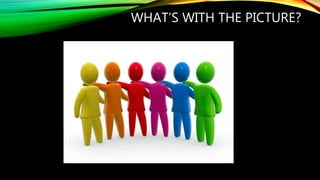
WHAT’S WITH THE PICTURE?
FROM A PHILOSOPHER:
“It is said that man experiences his world.
What does that mean? Man travels over the
surface of things and experiences them. He
extracts knowledge about their constitution
from them: he wins an experience from them.
He experiences what belongs to the things.”
- Martin Buber
STARTING POINT:
“Humans have the natural and universal
tendency to relate, to establish
attachments and seek close relationship
with other people. Our human nature
drives us to reach out to other people and
interact with them in meaningful ways.”
HOW DO WE RELATE WITH OTHERS?
“Our ability to engage in meaningful interactions with
other people, our surroundings, and everything around us
is rooted in our capacity for. . .
1. Self-awareness
2. Transcendence
Before we begin to relate with others, we must first to
know the “SELF” as what the famous Socrates will say,
“Know Yourself”.
If you began to know yourself by then you will know the
“OTHER”
WHAT IS INTERSUBJECTIVITY?
1.“The interaction between the self and
the other.”
2.“It is sharing the subjective states by
two or more individuals.”
3.“A unique relationship between distinct
subject.”
WHAT IS A SUBJECT?
The term subjective... -based on
feelings or opinions rather than
facts -relating to the way a person
experiences something in his or
her own.
(A human person is a SUBJECT)
WHAT DO WE NEED TO KNOW IN
INTERSUBJECTIVITY?
1.We want to know what it takes to
experience the “other” as “the other”
2. How the experience of “the other” may
be needed for the development of self-
awareness.
WHAT’S THE DIFFERENCE BETWEEN
“OTHER” AND “THE OTHER”
1. “Other” = human being, an object outside of you;
a. Trees
b. Animals
c. Etc.
2. “The Other” = human person, same being, subject
a. Your Classmate
b. Your Teacher
c. Parents
d. Friends
e. Enemies
That’s why if you’re looking for a partner is life,
you’re looking for a SIGNIFICANT OTHER!
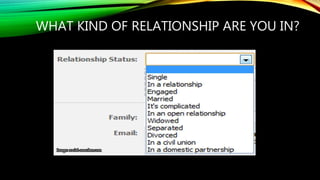
WHAT KIND OF RELATIONSHIP ARE YOU IN?
A closer look at everyday interactions reveals
instances where the self interacts with the other:
1. The simple awareness of the existence of the
other.
2. The awareness of the self as being seen by
others.
What’s the difference between the two?
NOW LET US EVALUATE THE VIDEO!
Guide Questions:
1. How does human relation being showed in the
video?
2. How does discrimination affects genuine human
relation?
3. Have you been discriminated? Give one example.
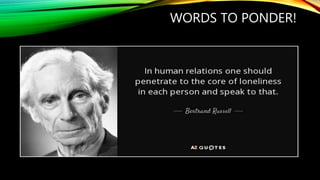
WORDS TO PONDER!
EVALUATING LEARNING:

Intersubjectivity: Human Relations

  • 1.
    INTERSUBJECTIVITY: HUMAN RELATIONS! Loreto C. JugoJr. LPT, SST II Busao National High School Busao, Maribojoc, Bohol
  • 2.
  • 3.
  • 4.
  • 5.
  • 6.
  • 7.
  • 8.
    FROM A PHILOSOPHER: “Itis said that man experiences his world. What does that mean? Man travels over the surface of things and experiences them. He extracts knowledge about their constitution from them: he wins an experience from them. He experiences what belongs to the things.” - Martin Buber
  • 9.
    STARTING POINT: “Humans havethe natural and universal tendency to relate, to establish attachments and seek close relationship with other people. Our human nature drives us to reach out to other people and interact with them in meaningful ways.”
  • 10.
    HOW DO WERELATE WITH OTHERS? “Our ability to engage in meaningful interactions with other people, our surroundings, and everything around us is rooted in our capacity for. . . 1. Self-awareness 2. Transcendence Before we begin to relate with others, we must first to know the “SELF” as what the famous Socrates will say, “Know Yourself”. If you began to know yourself by then you will know the “OTHER”
  • 11.
    WHAT IS INTERSUBJECTIVITY? 1.“Theinteraction between the self and the other.” 2.“It is sharing the subjective states by two or more individuals.” 3.“A unique relationship between distinct subject.”
  • 12.
    WHAT IS ASUBJECT? The term subjective... -based on feelings or opinions rather than facts -relating to the way a person experiences something in his or her own. (A human person is a SUBJECT)
  • 13.
    WHAT DO WENEED TO KNOW IN INTERSUBJECTIVITY? 1.We want to know what it takes to experience the “other” as “the other” 2. How the experience of “the other” may be needed for the development of self- awareness.
  • 14.
    WHAT’S THE DIFFERENCEBETWEEN “OTHER” AND “THE OTHER” 1. “Other” = human being, an object outside of you; a. Trees b. Animals c. Etc. 2. “The Other” = human person, same being, subject a. Your Classmate b. Your Teacher c. Parents d. Friends e. Enemies That’s why if you’re looking for a partner is life, you’re looking for a SIGNIFICANT OTHER!
  • 15.
    WHAT KIND OFRELATIONSHIP ARE YOU IN?
  • 16.
    A closer lookat everyday interactions reveals instances where the self interacts with the other: 1. The simple awareness of the existence of the other. 2. The awareness of the self as being seen by others. What’s the difference between the two?
  • 17.
    NOW LET USEVALUATE THE VIDEO! Guide Questions: 1. How does human relation being showed in the video? 2. How does discrimination affects genuine human relation? 3. Have you been discriminated? Give one example.
  • 18.
  • 19.