Chapter-10
CELL CYCLE AND CELL
DIVISION
Presented by
B.Prabhakar
Principal
JNV. Panchmahal (Guj)
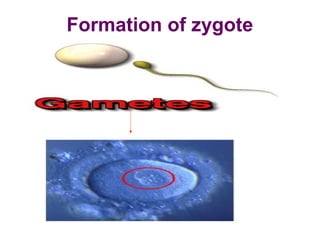
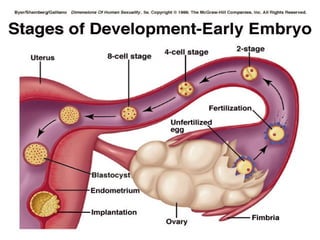
Formation of zygote
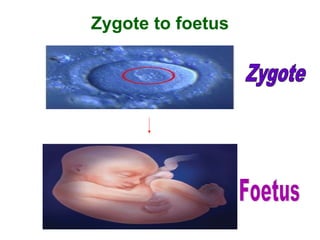
Zygote to foetus
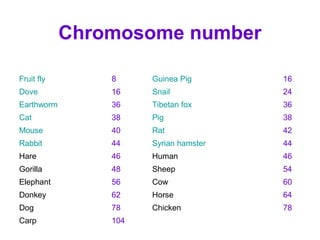
Chromosome number
Fruit fly 8 Guinea Pig 16
Dove 16 Snail 24
Earthworm 36 Tibetan fox 36
Cat 38 Pig 38
Mouse 40 Rat 42
Rabbit 44 Syrian hamster 44
Hare 46 Human 46
Gorilla 48 Sheep 54
Elephant 56 Cow 60
Donkey 62 Horse 64
Dog 78 Chicken 78
Carp 104
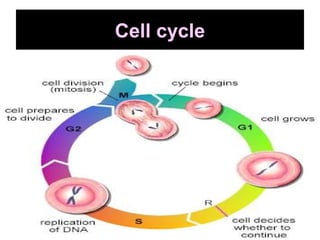
Cell cycle
Phases of cell cycle
• 1. Interphase
• 2 Mitosis
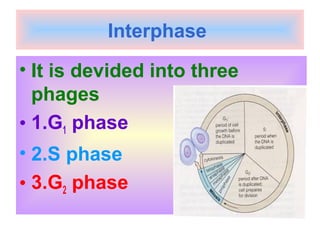
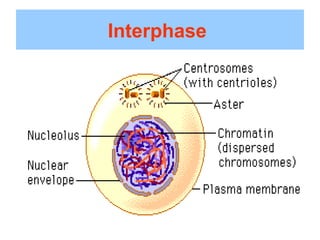
Interphase
• It is devided into three
phages
• 1.G1 phase
• 2.S phase
• 3.G2 phase
Interphase
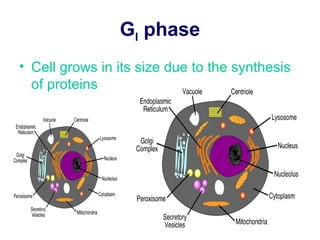
GI phase
• Cell grows in its size due to the synthesis
of proteins
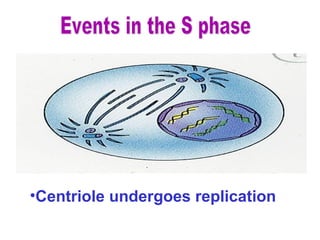
•Centriole undergoes replication
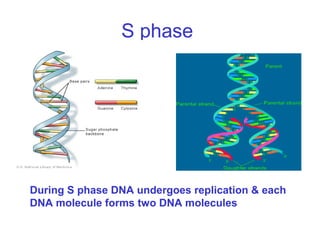
S phase
During S phase DNA undergoes replication & each
DNA molecule forms two DNA molecules
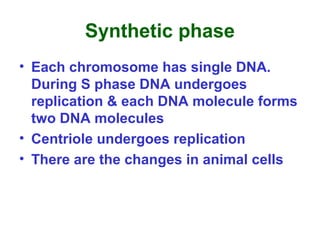
Synthetic phase
• Each chromosome has single DNA.
During S phase DNA undergoes
replication & each DNA molecule forms
two DNA molecules
• Centriole undergoes replication
• There are the changes in animal cells
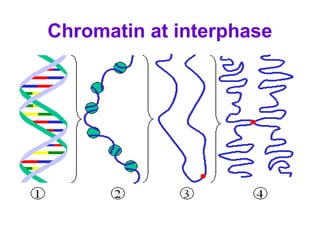
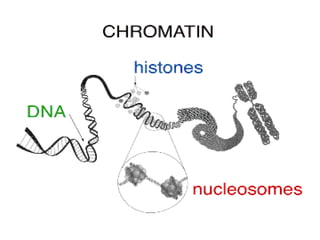
Chromatin at interphase
Events in the S phase in plants
• Only DNA replication takes place
G2 PHASE
• Proteins are synthesized in
preparation for mitosis
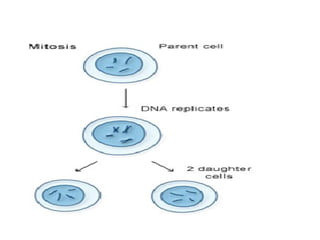
Mitosis
• It has two steps
• 1.Karyokinensis
• It is the division of nucleus
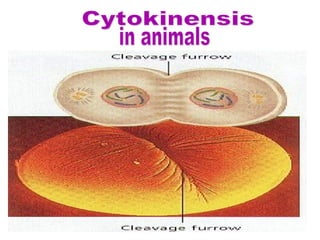
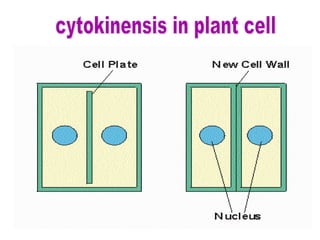
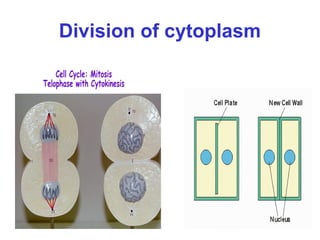
• 2.Cytokinensis
• It is the division of the cytoplasm
karyokinensis
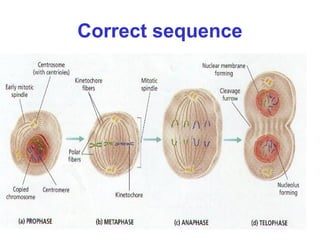
• It has four phases
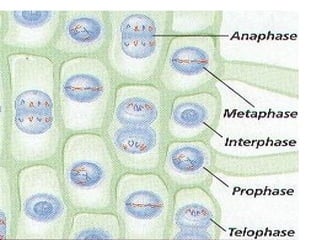
• 1. Prophase
• 2. Metaphase
• 3. Anaphase
• 4. Telophase
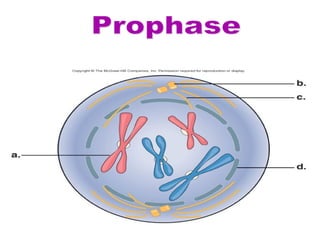
Prophase
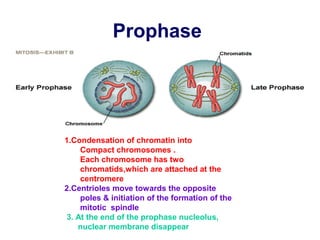
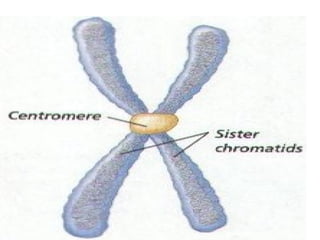
1.Condensation of chromatin into
Compact chromosomes .
Each chromosome has two
chromatids,which are attached at the
centromere
2.Centrioles move towards the opposite
poles & initiation of the formation of the
mitotic spindle
3. At the end of the prophase nucleolus,
nuclear membrane disappear
Events in prophase
• 1.Condensation of chromatin into
Compact chromosomes .
Each chromosome has two
chromatids,which are attached at the
centromere
• 2.Centrioles move towards the opposite
poles & initiation of the formation of the
mitotic spindle
3. At the end of the prophase nucleolus,
nuclear membrane disappear
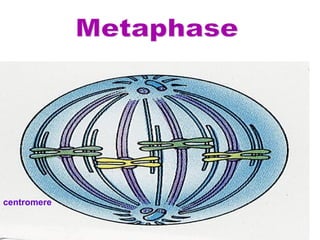
centromere
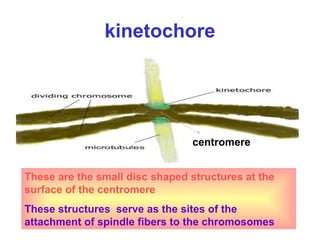
kinetochore
These are the small disc shaped structures at the
surface of the centromere
These structures serve as the sites of the
attachment of spindle fibers to the chromosomes
centromere
Key features of Metaphase
• Chromosomes are spread through out
the cytoplasm of the cell due to the
disintegration of the nuclear membrane
• Condensation of the chromosomes is
completed & they can be clearly seen
under the microscope
• Chromosomes move towards center of
the cell &they lie at the equatorial plate
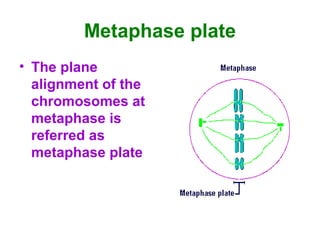
Metaphase plate
• The plane
alignment of the
chromosomes at
metaphase is
referred as
metaphase plate
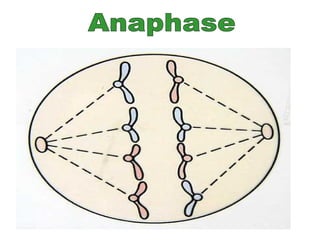
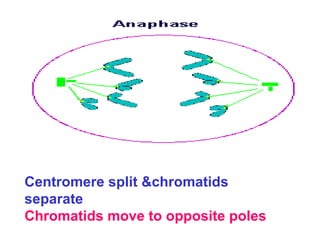
Centromere split &chromatids
separate
Chromatids move to opposite poles
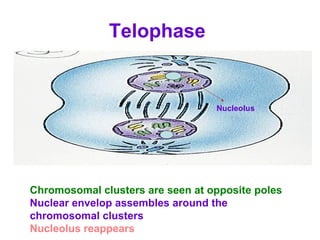
Telophase
Nucleolus
Chromosomal clusters are seen at opposite poles
Nuclear envelop assembles around the
chromosomal clusters
Nucleolus reappears
Division of cytoplasm
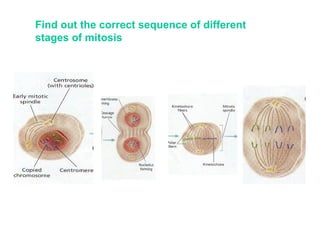
Find out the correct sequence of different
stages of mitosis
Correct sequence
Questions
• Q1.Generally cell has single nucleus.Why some cells
have many nuclei?
• A.Nuclear division is not followed by cytoplasmic
division
• Q2.Human cell which is undergoing mitosis has 46
chromosomes. How many chromosomes will the cell
have at GIphase, after S phase,after M phase
• A. In all phases 46 chromosomes
• Q3 A cell has 14 DNA molecules. How many DNA
molecules does the cell consist in G1phase,G2 phase
respectively
• A. GI phase- 14
• G2 phase -28
10. Cell  Cycle and Cell Division

10. Cell Cycle and Cell Division

  • 1.
    Chapter-10 CELL CYCLE ANDCELL DIVISION Presented by B.Prabhakar Principal JNV. Panchmahal (Guj)
  • 2.
  • 3.
  • 7.
    Chromosome number Fruit fly8 Guinea Pig 16 Dove 16 Snail 24 Earthworm 36 Tibetan fox 36 Cat 38 Pig 38 Mouse 40 Rat 42 Rabbit 44 Syrian hamster 44 Hare 46 Human 46 Gorilla 48 Sheep 54 Elephant 56 Cow 60 Donkey 62 Horse 64 Dog 78 Chicken 78 Carp 104
  • 9.
  • 10.
    Phases of cellcycle • 1. Interphase • 2 Mitosis
  • 11.
    Interphase • It isdevided into three phages • 1.G1 phase • 2.S phase • 3.G2 phase
  • 12.
  • 13.
    GI phase • Cellgrows in its size due to the synthesis of proteins
  • 14.
  • 15.
    S phase During Sphase DNA undergoes replication & each DNA molecule forms two DNA molecules
  • 16.
    Synthetic phase • Eachchromosome has single DNA. During S phase DNA undergoes replication & each DNA molecule forms two DNA molecules • Centriole undergoes replication • There are the changes in animal cells
  • 17.
  • 19.
    Events in theS phase in plants • Only DNA replication takes place
  • 20.
    G2 PHASE • Proteinsare synthesized in preparation for mitosis
  • 21.
    Mitosis • It hastwo steps • 1.Karyokinensis • It is the division of nucleus • 2.Cytokinensis • It is the division of the cytoplasm
  • 22.
    karyokinensis • It hasfour phases • 1. Prophase • 2. Metaphase • 3. Anaphase • 4. Telophase
  • 23.
    Prophase 1.Condensation of chromatininto Compact chromosomes . Each chromosome has two chromatids,which are attached at the centromere 2.Centrioles move towards the opposite poles & initiation of the formation of the mitotic spindle 3. At the end of the prophase nucleolus, nuclear membrane disappear
  • 25.
    Events in prophase •1.Condensation of chromatin into Compact chromosomes . Each chromosome has two chromatids,which are attached at the centromere • 2.Centrioles move towards the opposite poles & initiation of the formation of the mitotic spindle 3. At the end of the prophase nucleolus, nuclear membrane disappear
  • 28.
  • 29.
    kinetochore These are thesmall disc shaped structures at the surface of the centromere These structures serve as the sites of the attachment of spindle fibers to the chromosomes centromere
  • 30.
    Key features ofMetaphase • Chromosomes are spread through out the cytoplasm of the cell due to the disintegration of the nuclear membrane • Condensation of the chromosomes is completed & they can be clearly seen under the microscope • Chromosomes move towards center of the cell &they lie at the equatorial plate
  • 31.
    Metaphase plate • Theplane alignment of the chromosomes at metaphase is referred as metaphase plate
  • 33.
  • 34.
    Telophase Nucleolus Chromosomal clusters areseen at opposite poles Nuclear envelop assembles around the chromosomal clusters Nucleolus reappears
  • 40.
  • 41.
    Find out thecorrect sequence of different stages of mitosis
  • 42.
  • 43.
    Questions • Q1.Generally cellhas single nucleus.Why some cells have many nuclei? • A.Nuclear division is not followed by cytoplasmic division • Q2.Human cell which is undergoing mitosis has 46 chromosomes. How many chromosomes will the cell have at GIphase, after S phase,after M phase • A. In all phases 46 chromosomes • Q3 A cell has 14 DNA molecules. How many DNA molecules does the cell consist in G1phase,G2 phase respectively • A. GI phase- 14 • G2 phase -28