Picture source from «Gorgeous animals»: http://gorgeousanimals.com/baby-lion-tiger-and-monkey-take-a-snuggle-break-at-animal-kindergarten/
“Did you know that there are hundreds of thousands of young people 
across Europe and the rest of the world with medical needs, and that the 
majority recover and go on to lead full and normal lives? 
Hospital schools and home tuition programmes ensure 
that students not only keep up with their education, 
but that they can go on to achieve magnificent things.“ 
Sometimes with the support of ICT.
The issue of HHE 
(Home and Hospital Education) 
 Providing education to children and youngsters with 
medical or psychological needs: a world-wide problem 
 Every country has its own solution for it. 
  Need for an international confrontation on this 
subject 
 In some countries there are online/digital solutions 
that may help the schools and the family to guarantee 
the right to education also to these children.
Monkey in my chair 
AUSTRALIA 
 MissingSchool developed the “Monkey in My Chair” 
programme for kids having treatment for cancer. 
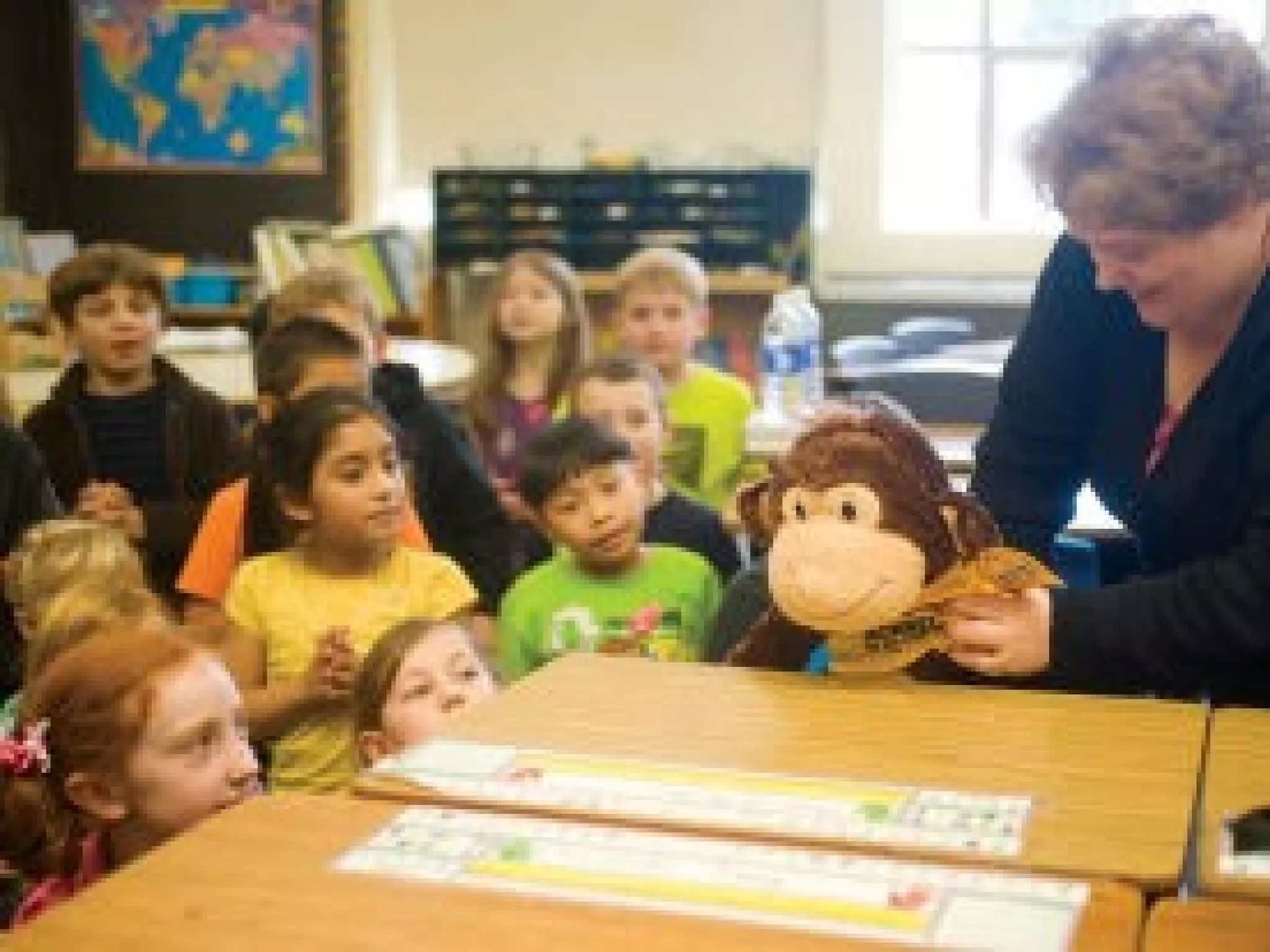
 The kids receive a Monkey, who can go to school when the kid 
is too sick to attend, and sit in the kid’s place in the classroom. 
 In addition to each "Monkey Kit," each child will be given online 
access to Monkey Message, an online component that allows 
the sharing of pictures and documents to ensure the line of 
communication stays open between the patient and the 
classroom. 
 http://www.monkeyinmychair.org/program/
MISSING PICTURE
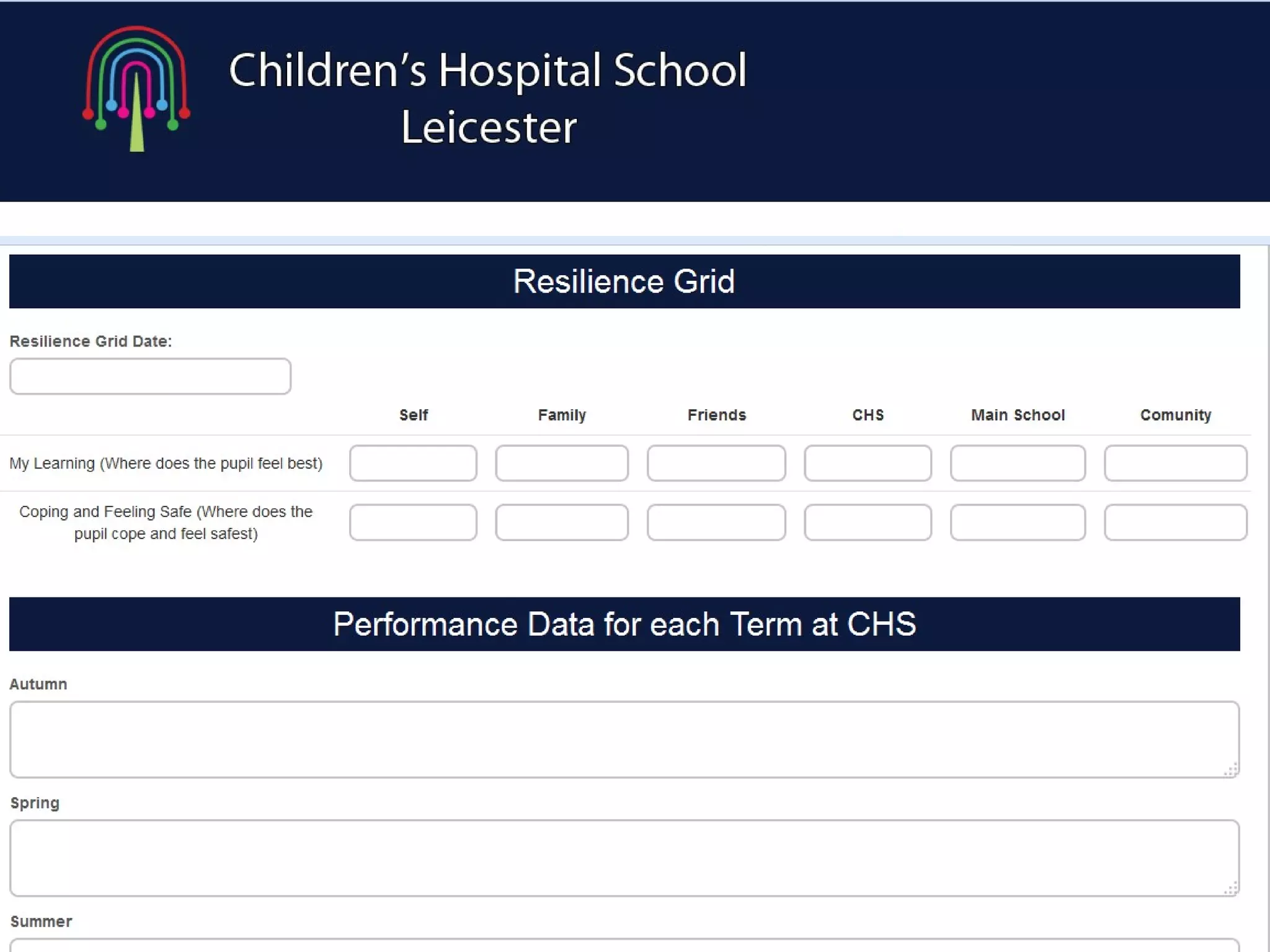
Pupil Passport 
UK 
 Willow Bank School (WBS, Part of the Hospital 
School in Leicester) use a pupil ‘Passport’ as a 
way of collecting and using significant data on 
pupils. 
 It’s an on-line form which enables schools and 
medical personnel to contribute to the 
information about the pupil’s medical and 
educational history. 
 https://secureform.egress.com/childrenshospital
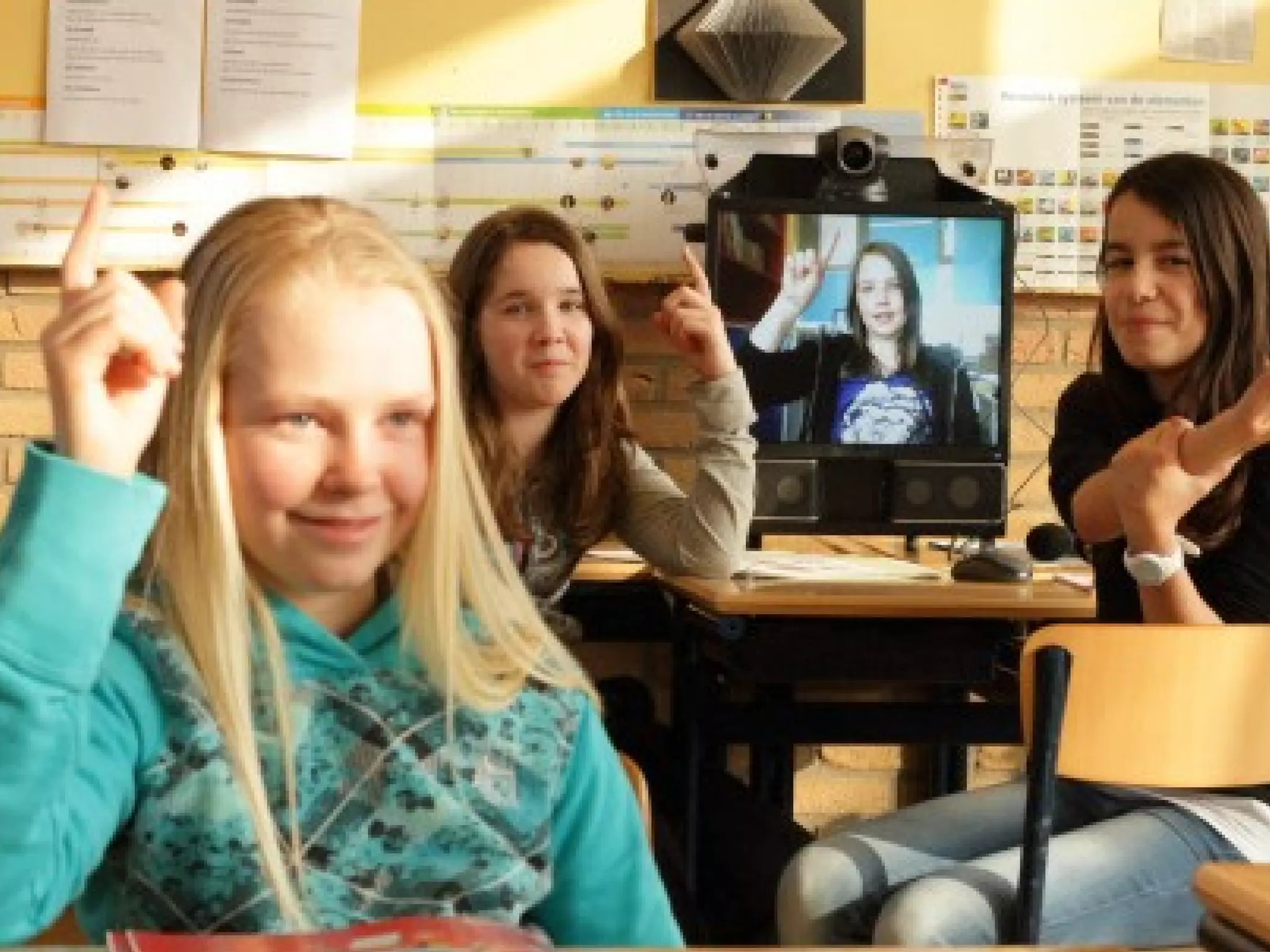
Webchair 
GERMANY/NL/BELGIUM 
 The webchair is a Mobile Device (mostly a 
notebook) with a camera in classroom. 
 So students who are isolated (eg. quarantine) 
are able to steer its camera and interact with 
classmates and teachers. 
 http://www.webchair.com/
Educational Robotics 
ITALY 
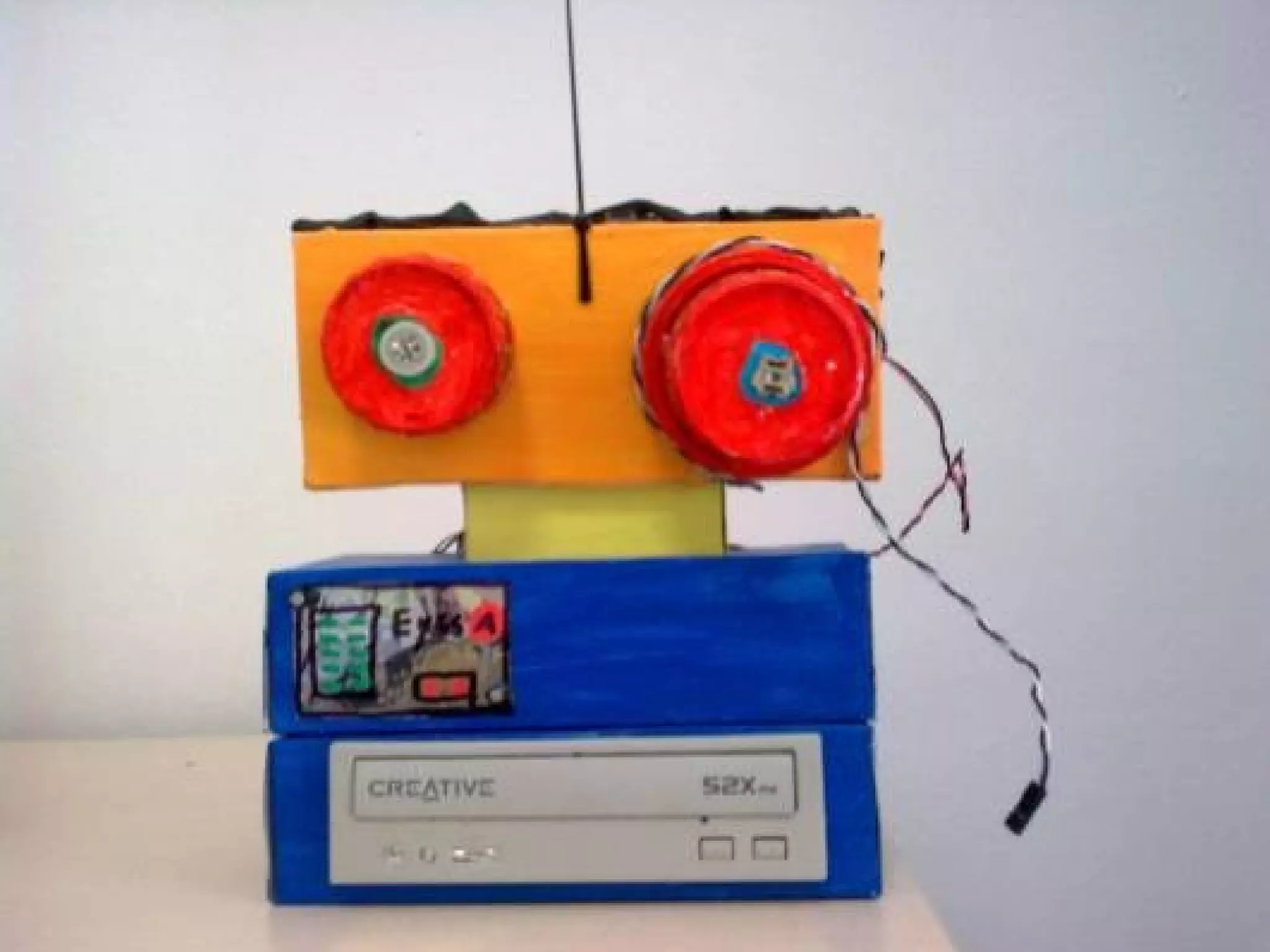
 In the Gaslini Children Hospital in Genova they 
use the principles of 'Educational Robotics' in a 
hospital context. 
 This means that a team of teachers and experts 
from the Robotics School of the CNR (National 
Research Centre) teach the students with 
medical needs how to build little robots. 
 http://pso.istruzione.it/index.php/robot-realizzati-dai-bambini- 
in-ospedale
Aventura Tok Tok 
SPAIN 
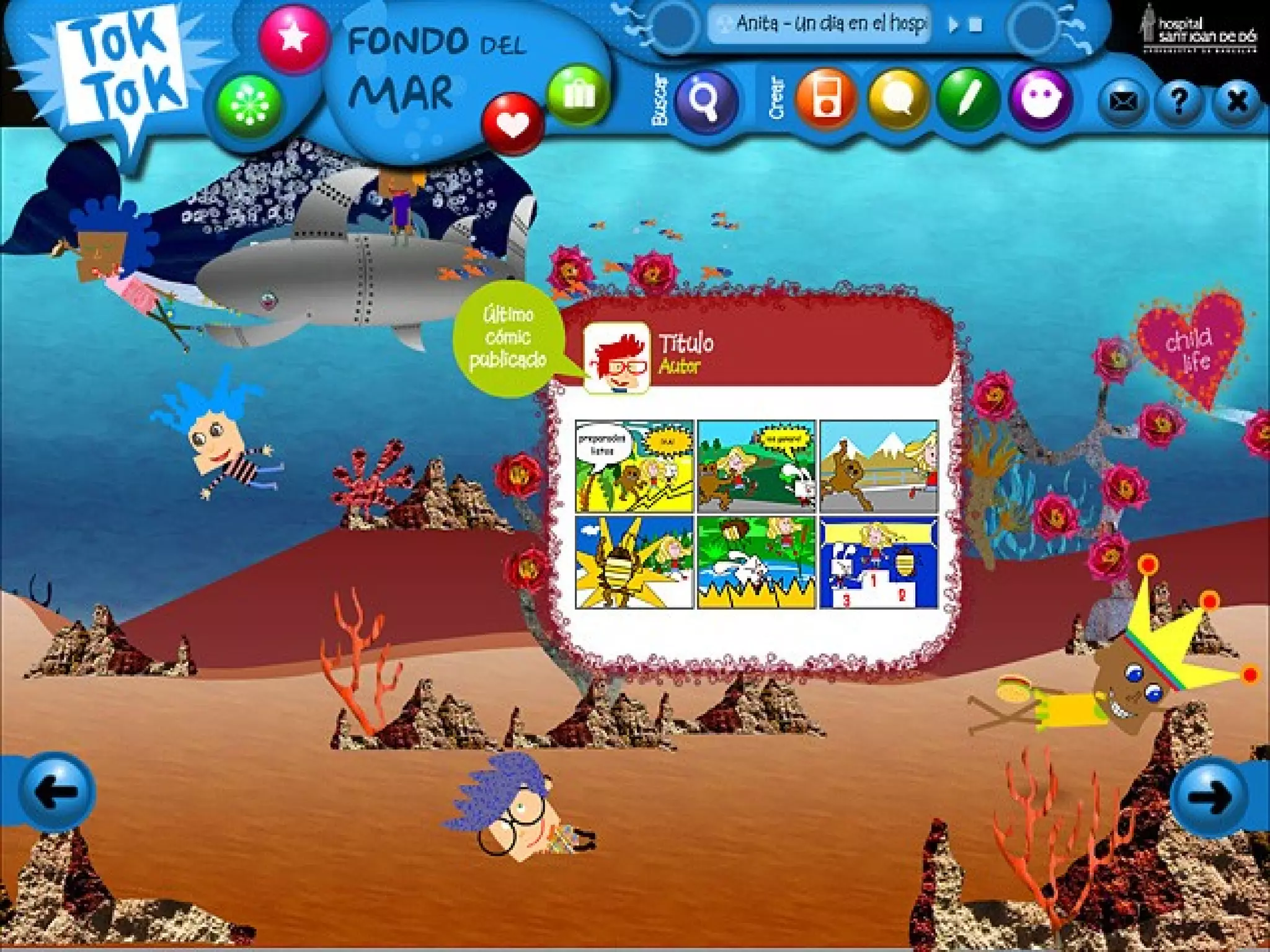
 This tool, not specifically designed for HHE, 
allows the creation of virtual network, 
promoting the interaction between hospitalised 
kids. 
 They can then publish their own works 
(characters, environments…) and to broadcast 
them to the rest of the platform users. 
 http://santosmiguel.me/project/aventura-tok-tok/
Innovative practices in HHE: finally an EU funded projects 
THE USE OF ICT TO SUPPORT 
LEARNING AT HOME AND IN THE 
HOSPITAL
LeHo 
Learning at Home and in the Hospital 
Online Educa Berlin 2014 
Presentation by Matteo Uggeri
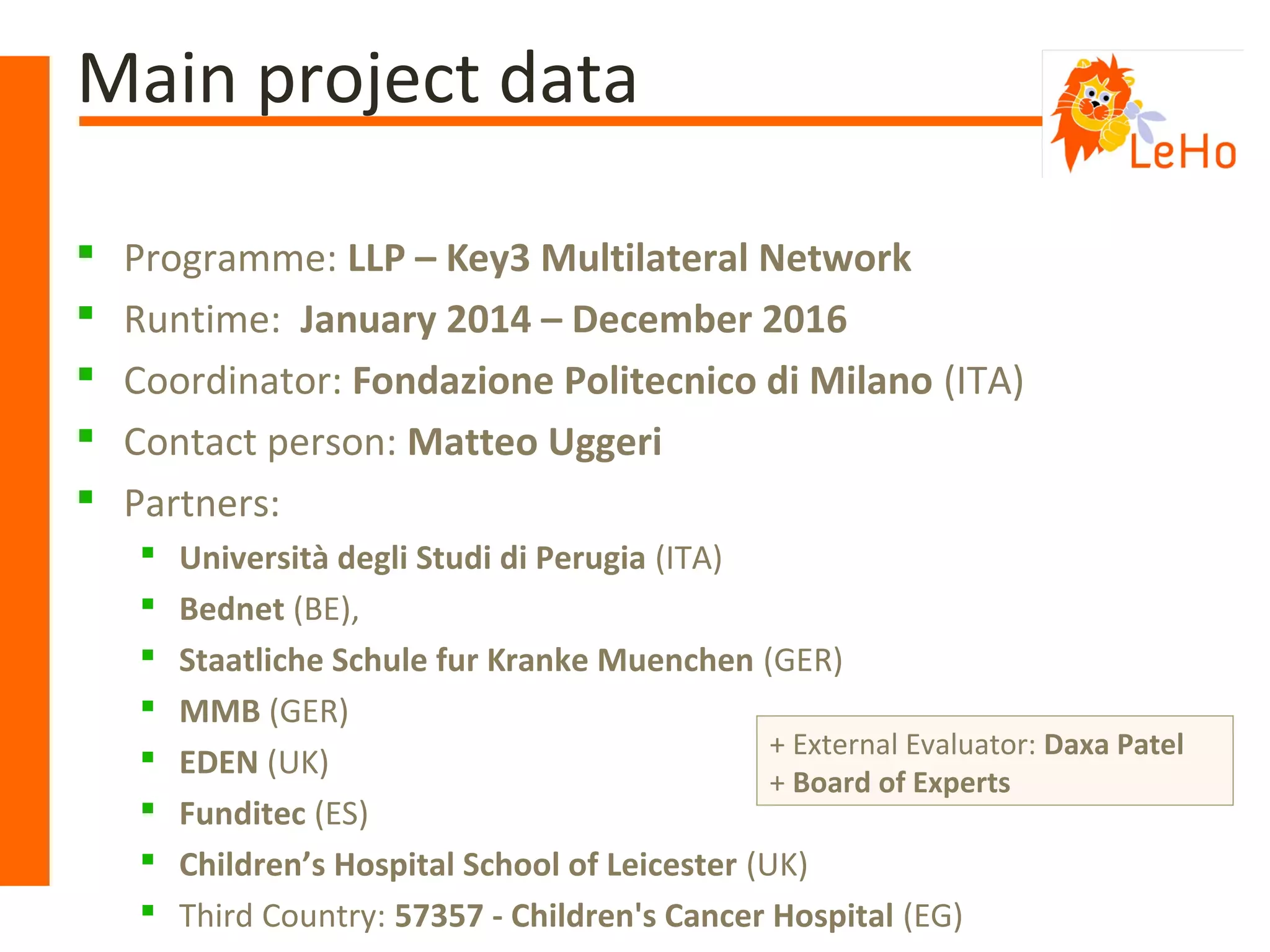
Main project data 
 Programme: LLP – Key3 Multilateral Network 
 Runtime: January 2014 – December 2016 
 Coordinator: Fondazione Politecnico di Milano (ITA) 
 Contact person: Matteo Uggeri 
 Partners: 
 Università degli Studi di Perugia (ITA) 
 Bednet (BE), 
 Staatliche Schule fur Kranke Muenchen (GER) 
 MMB (GER) 
 EDEN (UK) 
 Funditec (ES) 
 Children’s Hospital School of Leicester (UK) 
 Third Country: 57357 - Children's Cancer Hospital (EG) 
+ External Evaluator: Daxa Patel 
+ Board of Experts
Aims of this project 
 Outline key educational factors & good 
practices needed by ill students; 
 Explore and design ICT-based solutions which 
will enable children in hospital, in home 
therapy, or who attend school part-time, to 
access education. 
 Verify how technology can impact on the 
methodology and pedagogy in Home and 
Hospital Education (HHE).
Not only for ill people 
 Moreover, the initiatives adopted in the HHE, 
which represents an educational extreme 
are designed to be innovative and to improve 
education in difficult contexts. 
 
 They may also be effectively applied in 
‘normal’ didactical situations.
See you on the LeHo Hub 
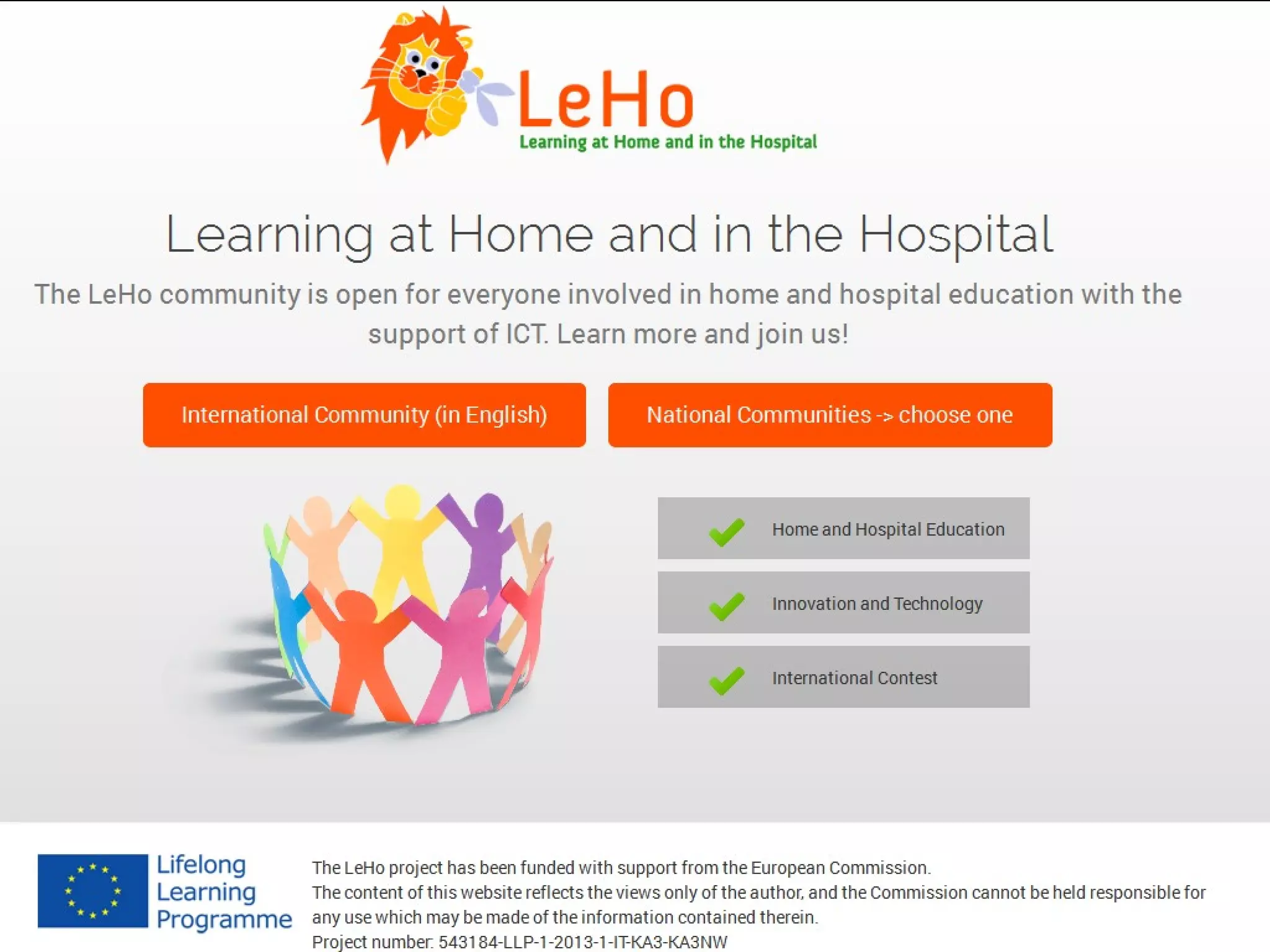
 www.lehoproject.eu 
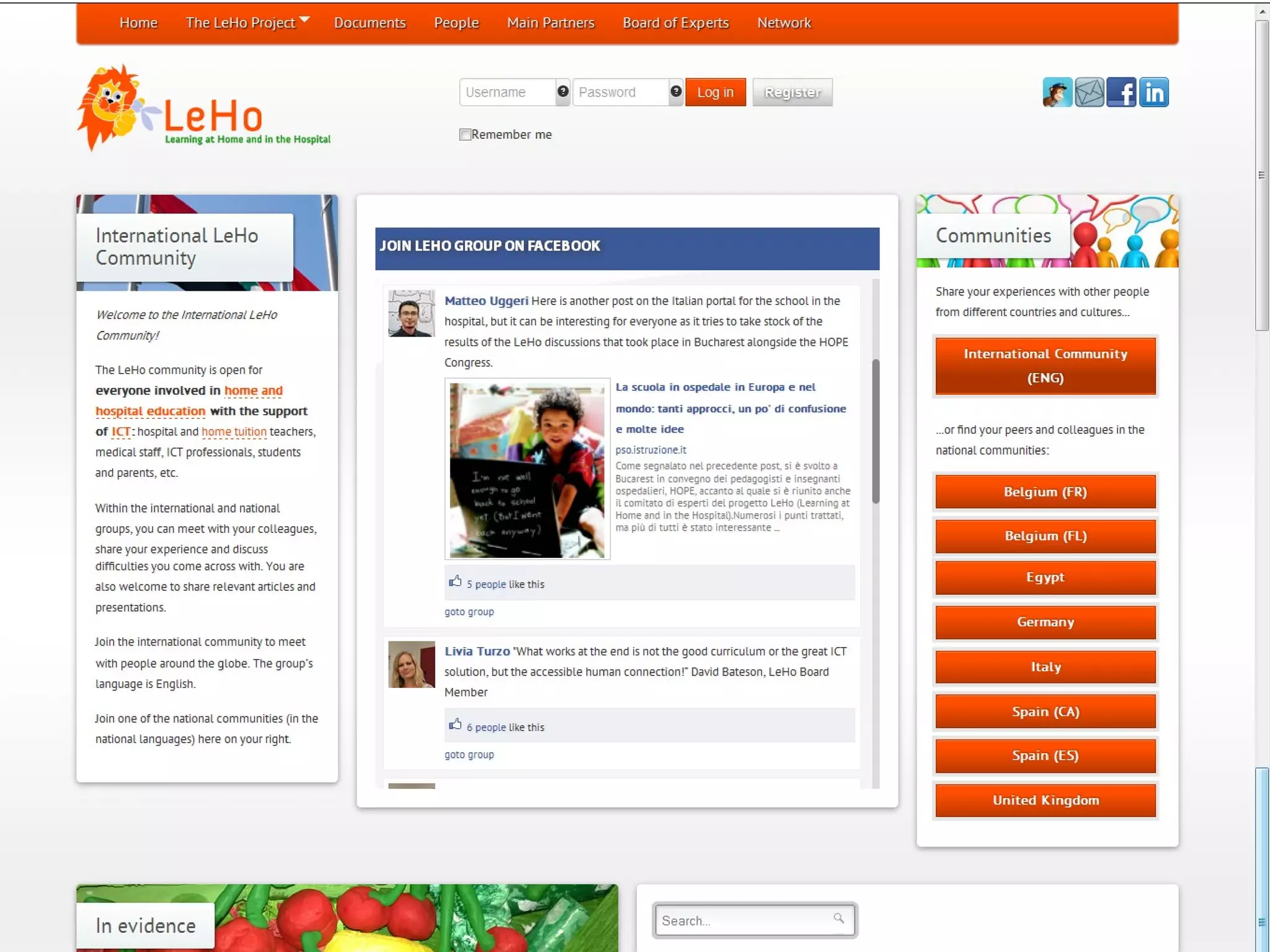
 The LeHo community is open for everyone involved in home 
and hospital education with the support of ICT: hospital and 
home tuition teachers, medical staff, ICT professionals, students 
and parents, etc. 
 Within the international and national groups, you can meet 
with your colleagues, share your experience and discuss 
difficulties you come across with. 
 You are also welcome to share relevant articles and 
presentations.
Thanks 
 Matteo Uggeri 
 matteo.uggeri@polimi.it 
 Fondazione Politecnico di Milano 
 Digital Learning & Collaboration Area 
http://www.facebook.com/fpmdigitallearning/

The use of ICTto support Home and in the Hospital Education (HHE)

  • 1.
    Picture source from«Gorgeous animals»: http://gorgeousanimals.com/baby-lion-tiger-and-monkey-take-a-snuggle-break-at-animal-kindergarten/
  • 2.
    “Did you knowthat there are hundreds of thousands of young people across Europe and the rest of the world with medical needs, and that the majority recover and go on to lead full and normal lives? Hospital schools and home tuition programmes ensure that students not only keep up with their education, but that they can go on to achieve magnificent things.“ Sometimes with the support of ICT.
  • 3.
    The issue ofHHE (Home and Hospital Education)  Providing education to children and youngsters with medical or psychological needs: a world-wide problem  Every country has its own solution for it.   Need for an international confrontation on this subject  In some countries there are online/digital solutions that may help the schools and the family to guarantee the right to education also to these children.
  • 5.
    Monkey in mychair AUSTRALIA  MissingSchool developed the “Monkey in My Chair” programme for kids having treatment for cancer.  The kids receive a Monkey, who can go to school when the kid is too sick to attend, and sit in the kid’s place in the classroom.  In addition to each "Monkey Kit," each child will be given online access to Monkey Message, an online component that allows the sharing of pictures and documents to ensure the line of communication stays open between the patient and the classroom.  http://www.monkeyinmychair.org/program/
  • 6.
  • 7.
    Pupil Passport UK  Willow Bank School (WBS, Part of the Hospital School in Leicester) use a pupil ‘Passport’ as a way of collecting and using significant data on pupils.  It’s an on-line form which enables schools and medical personnel to contribute to the information about the pupil’s medical and educational history.  https://secureform.egress.com/childrenshospital
  • 9.
    Webchair GERMANY/NL/BELGIUM The webchair is a Mobile Device (mostly a notebook) with a camera in classroom.  So students who are isolated (eg. quarantine) are able to steer its camera and interact with classmates and teachers.  http://www.webchair.com/
  • 11.
    Educational Robotics ITALY  In the Gaslini Children Hospital in Genova they use the principles of 'Educational Robotics' in a hospital context.  This means that a team of teachers and experts from the Robotics School of the CNR (National Research Centre) teach the students with medical needs how to build little robots.  http://pso.istruzione.it/index.php/robot-realizzati-dai-bambini- in-ospedale
  • 13.
    Aventura Tok Tok SPAIN  This tool, not specifically designed for HHE, allows the creation of virtual network, promoting the interaction between hospitalised kids.  They can then publish their own works (characters, environments…) and to broadcast them to the rest of the platform users.  http://santosmiguel.me/project/aventura-tok-tok/
  • 14.
    Innovative practices inHHE: finally an EU funded projects THE USE OF ICT TO SUPPORT LEARNING AT HOME AND IN THE HOSPITAL
  • 15.
    LeHo Learning atHome and in the Hospital Online Educa Berlin 2014 Presentation by Matteo Uggeri
  • 16.
    Main project data  Programme: LLP – Key3 Multilateral Network  Runtime: January 2014 – December 2016  Coordinator: Fondazione Politecnico di Milano (ITA)  Contact person: Matteo Uggeri  Partners:  Università degli Studi di Perugia (ITA)  Bednet (BE),  Staatliche Schule fur Kranke Muenchen (GER)  MMB (GER)  EDEN (UK)  Funditec (ES)  Children’s Hospital School of Leicester (UK)  Third Country: 57357 - Children's Cancer Hospital (EG) + External Evaluator: Daxa Patel + Board of Experts
  • 17.
    Aims of thisproject  Outline key educational factors & good practices needed by ill students;  Explore and design ICT-based solutions which will enable children in hospital, in home therapy, or who attend school part-time, to access education.  Verify how technology can impact on the methodology and pedagogy in Home and Hospital Education (HHE).
  • 18.
    Not only forill people  Moreover, the initiatives adopted in the HHE, which represents an educational extreme are designed to be innovative and to improve education in difficult contexts.   They may also be effectively applied in ‘normal’ didactical situations.
  • 19.
    See you onthe LeHo Hub  www.lehoproject.eu  The LeHo community is open for everyone involved in home and hospital education with the support of ICT: hospital and home tuition teachers, medical staff, ICT professionals, students and parents, etc.  Within the international and national groups, you can meet with your colleagues, share your experience and discuss difficulties you come across with.  You are also welcome to share relevant articles and presentations.
  • 22.
    Thanks  MatteoUggeri  matteo.uggeri@polimi.it  Fondazione Politecnico di Milano  Digital Learning & Collaboration Area http://www.facebook.com/fpmdigitallearning/