Basic Principles of GMP
Sanitation and Hygiene
Wash & dry hands before
entering production areas
Use the
disinfectant
soap provided
Wash your
hands, nails
and wrists
Use your elbow
to turn faucets on
and off
Dry your hands
with single use
paper towel
1
2
3
4
Questions and Answers
• How frequently should you wash your hands?
– Have you read PR02 PROCEDURE FOR CLEANING
HANDS IN THE PRODUCTION AREA?
Questions and Answers
• Before entering a Production area
• Before and after going to the toilet
• Before and after eating or drinking
– Why before and after?
• When moving from one work area to another
• After any work that gets your hands dirty
• Before you go home
– Why before going home?
Personal Hygiene
• Illness or open lesions
– May affect the quality of products
– Report to your supervisor
– Do not handle raw materials, packaging, work in
process or finished products
• Direct contact between product and operator
– Avoid contact with raw materials, primary
packaging, work in process and bulk
Protection of product from
contamination
• Wear clean clothes appropriate to the type of work
• Store used clothes separately whilst awaiting cleaning
• Have clean area clothes laundered at the prescribed
intervals
– Have you read PR01 PROCEDURE FOR DRESS CODE AND
CLEANING HANDS IN PRODUCTION AND WAREHOUSE
AREAS?
Click here to see what
clothes you must wear
Personal Hygiene
• Personal hygiene procedures and wearing
protective clothing apply to everyone entering
into production areas
Questions and Answers
Who must wear protective clothing
when entering production areas?
Full-time employees Yes or No?
Temporary workers Yes or No?
Maintenance workers Yes or No?
Visitors Yes or No?
Managers Yes or No?
Quality Assurance inspectors Yes or No?
Smoking,
Eating & drinking
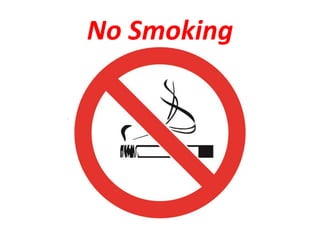
• Smoking, eating and drinking are not allowed
in production or quality control areas.
– You may only smoke, eat or drink in the
designated refreshment areas.
• No chewing (e.g. gum) or keeping food or
drinks in production or quality control areas is
allowed.
No Smoking
No Eating or Drinking
Premises
• Walls, floors, ceilings, ledges, drains, air
supply, dust extraction must be cleaned to
prevent the build up of dust and dirt
• Cleaning programme
• Cleaning records
• Choice of cleaning materials and chemicals
– Cleaning solutions carefully prepared
– Expiry dated
Cleaning Chemicals
• 919 Degreaser.
• F10 Super Concentrated XD Disinfectant
• 73% Alcohol
– Has an expiry date of one month from the date of
preparation, after which it must not be used.
• Cleaning reagents are diluted using tap water
and in accordance with the manufacturer’s
instructions.
Premises
• Protection from insects, birds, rats and mice
• Protection from the weather
Avoid
Cross-contamination
• Prevent the generation and spread of dust,
particles, product residue
• Proper air control
– Supply (coming in)
– Extraction (taken out)
– Quality
Avoid
Cross-contamination
• Ventilation systems
– Pressure differentials
• Airlocks
• Clothing
– Do not move between primary and secondary areas
without changing clothing
• Doors
• Cleaning
• Campaign production
Cleaning
• Remove dirt
• Remove micro-organisms
• Remove cleaning chemical residues
– Final rinse with purified water
• Cleanliness status labels and logbooks
• Check for cleanliness
Questions & Answers
• How long should a “cleaned” status label last
for?
– 1 hour
– 1 shift
– 1 day
– 1 month
– 1 year
Maintenance and Repair
• Should present no risk to product
• If possible, planned maintenance when area
or equipment is not required
• Maintenance work to be followed by thorough
clean down and disinfection before
production re-starts
• Area clearance by QA
Questions & Answers
• What should happen if a clearance check is
required when no QA personnel are on duty?
– A supervisor can complete a clearance check
– A skilled worker can complete a clearance check
– Any worker who has been trained can complete a
clearance check
Answer the following questions by putting an 
in the box with the answer you think is correct on
your Assessment of Training form.
Only one answer is correct.
Why should you wash your hands
before eating or drinking?
1. To prevent contaminating the product.
2. To prevent contaminating your food or drink.
3. You do not need to wash your hands before
eating or drinking.
Who must wear protective clothing
when entering production areas?
1. Only production workers.
2. Only visitors.
3. Everybody.
Where are you allowed to
smoke, eat or drink?
1. Only in designated areas.
2. In Production and Quality Control areas.
3. In offices.
Do you have to complete
cleaning records after cleaning?
1. No
2. Yes, immediately after cleaning.
3. Yes, at the end of the shift.
What are the clothing requirements
for secondary packaging?
1 2 3

Ian's basic principles of gmp training presentation

  • 1.
    Basic Principles ofGMP Sanitation and Hygiene
  • 2.
    Wash & dryhands before entering production areas Use the disinfectant soap provided Wash your hands, nails and wrists Use your elbow to turn faucets on and off Dry your hands with single use paper towel 1 2 3 4
  • 3.
    Questions and Answers •How frequently should you wash your hands? – Have you read PR02 PROCEDURE FOR CLEANING HANDS IN THE PRODUCTION AREA?
  • 4.
    Questions and Answers •Before entering a Production area • Before and after going to the toilet • Before and after eating or drinking – Why before and after? • When moving from one work area to another • After any work that gets your hands dirty • Before you go home – Why before going home?
  • 5.
    Personal Hygiene • Illnessor open lesions – May affect the quality of products – Report to your supervisor – Do not handle raw materials, packaging, work in process or finished products • Direct contact between product and operator – Avoid contact with raw materials, primary packaging, work in process and bulk
  • 6.
    Protection of productfrom contamination • Wear clean clothes appropriate to the type of work • Store used clothes separately whilst awaiting cleaning • Have clean area clothes laundered at the prescribed intervals – Have you read PR01 PROCEDURE FOR DRESS CODE AND CLEANING HANDS IN PRODUCTION AND WAREHOUSE AREAS? Click here to see what clothes you must wear
  • 7.
    Personal Hygiene • Personalhygiene procedures and wearing protective clothing apply to everyone entering into production areas
  • 8.
    Questions and Answers Whomust wear protective clothing when entering production areas? Full-time employees Yes or No? Temporary workers Yes or No? Maintenance workers Yes or No? Visitors Yes or No? Managers Yes or No? Quality Assurance inspectors Yes or No?
  • 9.
    Smoking, Eating & drinking •Smoking, eating and drinking are not allowed in production or quality control areas. – You may only smoke, eat or drink in the designated refreshment areas. • No chewing (e.g. gum) or keeping food or drinks in production or quality control areas is allowed.
  • 10.
  • 11.
    No Eating orDrinking
  • 12.
    Premises • Walls, floors,ceilings, ledges, drains, air supply, dust extraction must be cleaned to prevent the build up of dust and dirt • Cleaning programme • Cleaning records • Choice of cleaning materials and chemicals – Cleaning solutions carefully prepared – Expiry dated
  • 13.
    Cleaning Chemicals • 919Degreaser. • F10 Super Concentrated XD Disinfectant • 73% Alcohol – Has an expiry date of one month from the date of preparation, after which it must not be used. • Cleaning reagents are diluted using tap water and in accordance with the manufacturer’s instructions.
  • 14.
    Premises • Protection frominsects, birds, rats and mice • Protection from the weather
  • 15.
    Avoid Cross-contamination • Prevent thegeneration and spread of dust, particles, product residue • Proper air control – Supply (coming in) – Extraction (taken out) – Quality
  • 16.
    Avoid Cross-contamination • Ventilation systems –Pressure differentials • Airlocks • Clothing – Do not move between primary and secondary areas without changing clothing • Doors • Cleaning • Campaign production
  • 17.
    Cleaning • Remove dirt •Remove micro-organisms • Remove cleaning chemical residues – Final rinse with purified water • Cleanliness status labels and logbooks • Check for cleanliness
  • 18.
    Questions & Answers •How long should a “cleaned” status label last for? – 1 hour – 1 shift – 1 day – 1 month – 1 year
  • 19.
    Maintenance and Repair •Should present no risk to product • If possible, planned maintenance when area or equipment is not required • Maintenance work to be followed by thorough clean down and disinfection before production re-starts • Area clearance by QA
  • 20.
    Questions & Answers •What should happen if a clearance check is required when no QA personnel are on duty? – A supervisor can complete a clearance check – A skilled worker can complete a clearance check – Any worker who has been trained can complete a clearance check
  • 21.
    Answer the followingquestions by putting an  in the box with the answer you think is correct on your Assessment of Training form. Only one answer is correct.
  • 22.
    Why should youwash your hands before eating or drinking? 1. To prevent contaminating the product. 2. To prevent contaminating your food or drink. 3. You do not need to wash your hands before eating or drinking.
  • 23.
    Who must wearprotective clothing when entering production areas? 1. Only production workers. 2. Only visitors. 3. Everybody.
  • 24.
    Where are youallowed to smoke, eat or drink? 1. Only in designated areas. 2. In Production and Quality Control areas. 3. In offices.
  • 25.
    Do you haveto complete cleaning records after cleaning? 1. No 2. Yes, immediately after cleaning. 3. Yes, at the end of the shift.
  • 26.
    What are theclothing requirements for secondary packaging? 1 2 3