LIGHTWEIGHT
  CONCRETE
DEFINITION
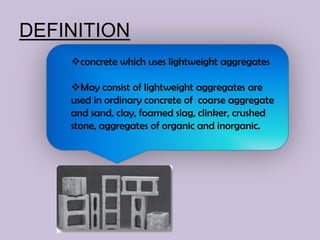
    concrete which uses lightweight aggregates

    May consist of lightweight aggregates are
    used in ordinary concrete of coarse aggregate
    and sand, clay, foamed slag, clinker, crushed
    stone, aggregates of organic and inorganic.
Methods of preparation of
  lightweight concrete

                                        2.Without providing
                                        concrete smoother
     1.Preparation of porous            (rough concrete)
            concrete


                         3.Providing lightweight
                         aggregate concrete
1.PREPARATION OF POROUS
            CONCRETE

a) Lightweight concrete obtained by
inserting gas bubbles or air into the mixture
of plastic cement (mixed with fine sand)

b) Lightweight concrete did not contain
stones included as porous mortar.
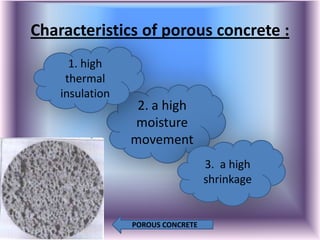
Characteristics of porous concrete :
      1. high
     thermal
    insulation
                  2. a high
                 moisture
                 movement
                                   3. a high
                                   shrinkage


                 POROUS CONCRETE
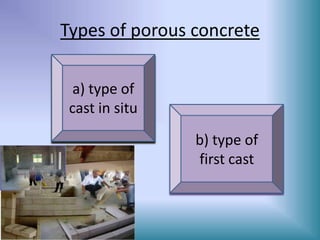
Types of porous concrete

  a) type of
 cast in situ
                b) type of
                first cast
Aggregates used shall comply with
    the following conditions:

 a) At least                    c) Stone did
   95% of                        not diffuse
 aggregates                     through the
 must be via    b) The stone      BS 4mm
 the 18mm      aggregate used       sieve.
  BS sieve.       shall not
               exceed 10% by
                 10 mm BS
                    sieve.
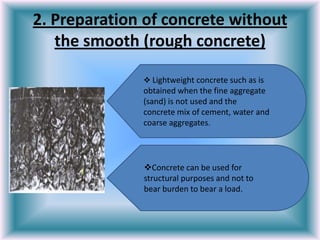
2. Preparation of concrete without
   the smooth (rough concrete)

               Lightweight concrete such as is
              obtained when the fine aggregate
              (sand) is not used and the
              concrete mix of cement, water and
              coarse aggregates.


              Concrete can be used for
              structural purposes and not to
              bear burden to bear a load.
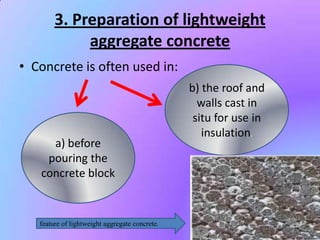
3. Preparation of lightweight
             aggregate concrete
• Concrete is often used in:
                                                b) the roof and
                                                  walls cast in
                                                 situ for use in
                                                   insulation.
     a) before
    pouring the
   concrete block


   feature of lightweight aggregate concrete.
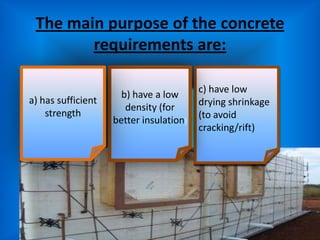
The main purpose of the concrete
        requirements are:

                                         c) have low
                      b) have a low
a) has sufficient                        drying shrinkage
                       density (for
    strength                             (to avoid
                    better insulation)
                                         cracking/rift)
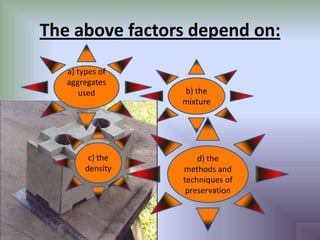
The above factors depend on:
   a) types of
   aggregates
      used        b) the
                  mixture


         c) the       d) the
        density   methods and
                  techniques of
                   preservation
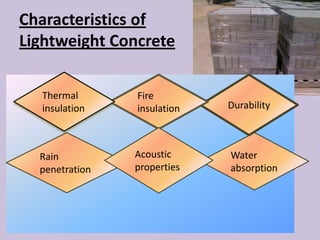
Characteristics of
Lightweight Concrete

  Thermal       Fire
  insulation    insulation   Durability


  Rain          Acoustic     Water
  penetration   properties   absorption
Thermal insulation

Thermal insulation efficiency is defined as resistance
to heat flow either through conduction, or radiation.

Lightweight concrete has a high heat insulation
resistance.

such as porous concrete walls 150mm to provide four
times better insulation than 225mm thick brick wall.
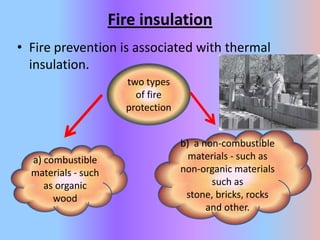
Fire insulation
• Fire prevention is associated with thermal
  insulation.
                       two types
                         of fire
                       protection


                                    b) a non-combustible
  a) combustible                      materials - such as
  materials - such                  non-organic materials
     as organic                            such as
       wood                          stone, bricks, rocks
                                          and other.
Durability
It is defined as the ability to bear the effects of environment
such as the effects of chemical, physical stress and mechanical
effects. The intended effect of the chemical, including ground
water containing sulfate, air pollution and reactive liquid spills.

Physical stress is the shrinkage, the stresses of
temperature, cooled, and others. If all the physical stress will
cause cracks in the structure of lightweight concrete.

Mechanical effect is the impact and costs are excessive. The
situation in the steel structure unit should be protected from
rusting.
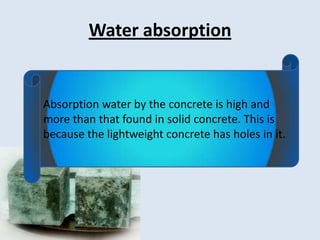
Water absorption


Absorption water by the concrete is high and
more than that found in solid concrete. This is
because the lightweight concrete has holes in it.
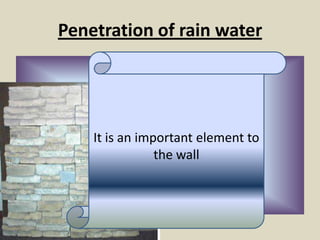
Penetration of rain water


    It is an important element to
                the wall
Acoustic properties


The key factor is the density of
the sound insulation material.
Therefore, for sound
insulation, lightweight concrete
can not show the desired
characteristics.
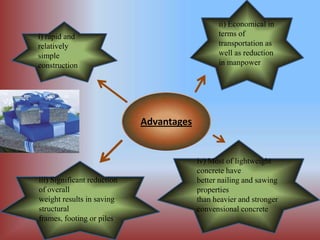
ii) Economical in
i) rapid and                                    terms of
relatively                                      transportation as
simple                                          well as reduction
construction                                    in manpower


                             Advantages


                                          iv) Most of lightweight
                                          concrete have
iii) Significant reduction                better nailing and sawing
of overall                                properties
weight results in saving                  than heavier and stronger
structural                                convensional concrete
frames, footing or piles
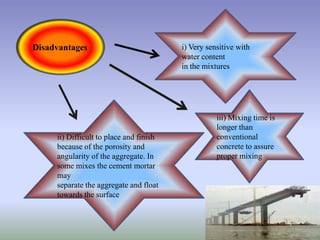
Disadvantages                            i) Very sensitive with
                                         water content
                                         in the mixtures


                                                    iii) Mixing time is
                                                    longer than
     ii) Difficult to place and finish              conventional
     because of the porosity and                    concrete to assure
     angularity of the aggregate. In                proper mixing
     some mixes the cement mortar
     may
     separate the aggregate and float
     towards the surface
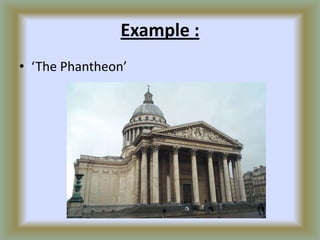
Example :
• ‘The Phantheon’
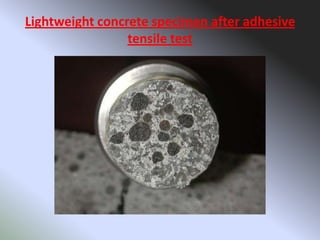
Lightweight concrete specimen after adhesive
                 tensile test
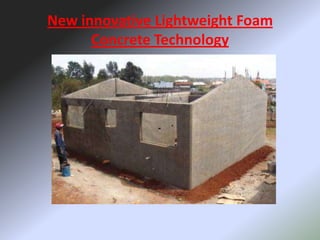
New innovative Lightweight Foam
      Concrete Technology
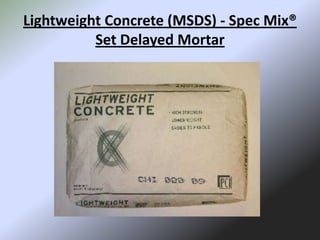
Lightweight Concrete (MSDS) - Spec Mix®
          Set Delayed Mortar

lightweight concrete

  • 1.
  • 2.
    DEFINITION concrete which uses lightweight aggregates May consist of lightweight aggregates are used in ordinary concrete of coarse aggregate and sand, clay, foamed slag, clinker, crushed stone, aggregates of organic and inorganic.
  • 3.
    Methods of preparationof lightweight concrete 2.Without providing concrete smoother 1.Preparation of porous (rough concrete) concrete 3.Providing lightweight aggregate concrete
  • 4.
    1.PREPARATION OF POROUS CONCRETE a) Lightweight concrete obtained by inserting gas bubbles or air into the mixture of plastic cement (mixed with fine sand) b) Lightweight concrete did not contain stones included as porous mortar.
  • 5.
    Characteristics of porousconcrete : 1. high thermal insulation 2. a high moisture movement 3. a high shrinkage POROUS CONCRETE
  • 6.
    Types of porousconcrete a) type of cast in situ b) type of first cast
  • 7.
    Aggregates used shallcomply with the following conditions: a) At least c) Stone did 95% of not diffuse aggregates through the must be via b) The stone BS 4mm the 18mm aggregate used sieve. BS sieve. shall not exceed 10% by 10 mm BS sieve.
  • 8.
    2. Preparation ofconcrete without the smooth (rough concrete)  Lightweight concrete such as is obtained when the fine aggregate (sand) is not used and the concrete mix of cement, water and coarse aggregates. Concrete can be used for structural purposes and not to bear burden to bear a load.
  • 9.
    3. Preparation oflightweight aggregate concrete • Concrete is often used in: b) the roof and walls cast in situ for use in insulation. a) before pouring the concrete block feature of lightweight aggregate concrete.
  • 10.
    The main purposeof the concrete requirements are: c) have low b) have a low a) has sufficient drying shrinkage density (for strength (to avoid better insulation) cracking/rift)
  • 11.
    The above factorsdepend on: a) types of aggregates used b) the mixture c) the d) the density methods and techniques of preservation
  • 12.
    Characteristics of Lightweight Concrete Thermal Fire insulation insulation Durability Rain Acoustic Water penetration properties absorption
  • 13.
    Thermal insulation Thermal insulationefficiency is defined as resistance to heat flow either through conduction, or radiation. Lightweight concrete has a high heat insulation resistance. such as porous concrete walls 150mm to provide four times better insulation than 225mm thick brick wall.
  • 14.
    Fire insulation • Fireprevention is associated with thermal insulation. two types of fire protection b) a non-combustible a) combustible materials - such as materials - such non-organic materials as organic such as wood stone, bricks, rocks and other.
  • 15.
    Durability It is definedas the ability to bear the effects of environment such as the effects of chemical, physical stress and mechanical effects. The intended effect of the chemical, including ground water containing sulfate, air pollution and reactive liquid spills. Physical stress is the shrinkage, the stresses of temperature, cooled, and others. If all the physical stress will cause cracks in the structure of lightweight concrete. Mechanical effect is the impact and costs are excessive. The situation in the steel structure unit should be protected from rusting.
  • 16.
    Water absorption Absorption waterby the concrete is high and more than that found in solid concrete. This is because the lightweight concrete has holes in it.
  • 17.
    Penetration of rainwater It is an important element to the wall
  • 18.
    Acoustic properties The keyfactor is the density of the sound insulation material. Therefore, for sound insulation, lightweight concrete can not show the desired characteristics.
  • 19.
    ii) Economical in i)rapid and terms of relatively transportation as simple well as reduction construction in manpower Advantages iv) Most of lightweight concrete have iii) Significant reduction better nailing and sawing of overall properties weight results in saving than heavier and stronger structural convensional concrete frames, footing or piles
  • 20.
    Disadvantages i) Very sensitive with water content in the mixtures iii) Mixing time is longer than ii) Difficult to place and finish conventional because of the porosity and concrete to assure angularity of the aggregate. In proper mixing some mixes the cement mortar may separate the aggregate and float towards the surface
  • 21.
  • 22.
    Lightweight concrete specimenafter adhesive tensile test
  • 23.
    New innovative LightweightFoam Concrete Technology
  • 24.
    Lightweight Concrete (MSDS)- Spec Mix® Set Delayed Mortar