World Diabetes Day: 2018-2019
Dr. Bhalendu Vaishnav
• Professor and Head, Department of Medicine,
Pramukhswami Medical College
• Dean, Faculty of Medicine, Sardar Patel University
• Chairperson, Sri Aurobindo Chair of Integral Studies,
Sardar Patel university
Diabetes Concerns Every Family
I: Diabetes in The World
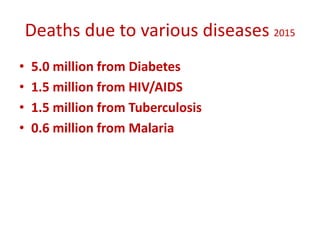
Deaths due to various diseases 2015
• 5.0 million from Diabetes
• 1.5 million from HIV/AIDS
• 1.5 million from Tuberculosis
• 0.6 million from Malaria
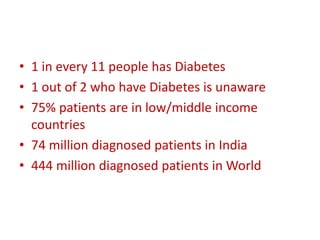
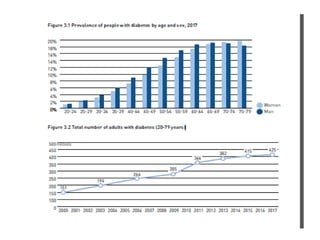
• 1 in every 11 people has Diabetes
• 1 out of 2 who have Diabetes is unaware
• 75% patients are in low/middle income
countries
• 74 million diagnosed patients in India
• 444 million diagnosed patients in World
Diabetes in the World:
• Briefly, Diabetes and all NCDs have increased
due to unbalanced evolution of the mankind.
• Imbalance in physical, mental, psychological
and spiritual development
• Disease scenarios are changing, so too must
healthcare paradigms..
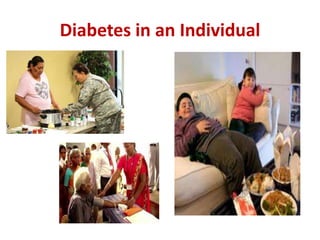
Diabetes in an Individual
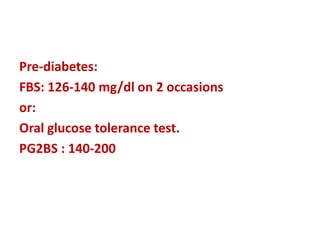
Pre-diabetes:
FBS: 126-140 mg/dl on 2 occasions
or:
Oral glucose tolerance test.
PG2BS : 140-200
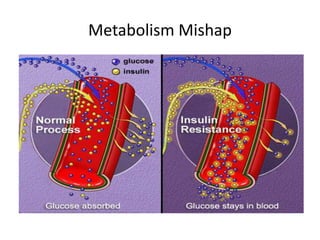
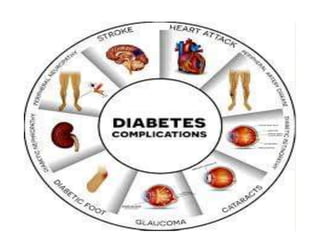
Metabolism Mishap
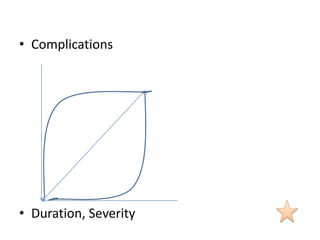
• Complications
• Duration, Severity
Managing Diabetes
in
Individuals
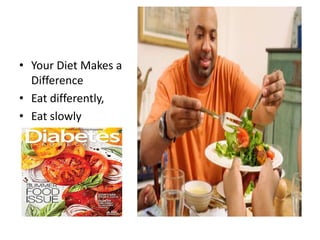
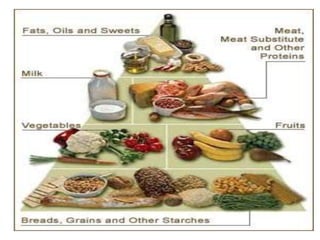
• Your Diet Makes a
Difference
• Eat differently,
• Eat slowly
Diet Recommendations:
1. Choose: Water, coffee or tea instead of fruit
juice, soda or other sugar sweetened beverages
2. Eat: A least three servings of vegetables and
fresh fruit every day
3. Choose: Whole-grain bread, brown rice, instead
of white bread, rice.
4. Choose: Unsaturated fats (olive oil, corn oil or
sunflower oil) instead of saturated fats (butter,
ghee)
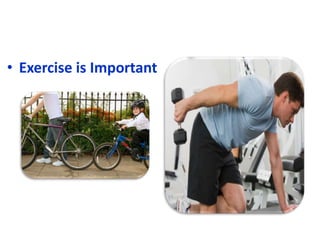
• Exercise is Important
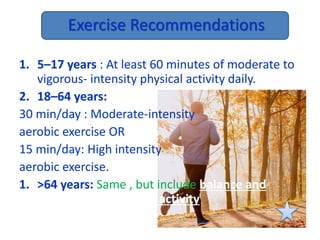
Exercise Recommendations
1. 5–17 years : At least 60 minutes of moderate to
vigorous- intensity physical activity daily.
2. 18–64 years:
30 min/day : Moderate-intensity
aerobic exercise OR
15 min/day: High intensity
aerobic exercise.
1. >64 years: Same , but include balance and
muscle strengthening activity
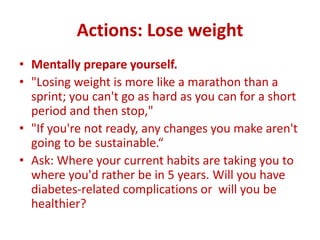
Actions: Lose weight
• Mentally prepare yourself.
• "Losing weight is more like a marathon than a
sprint; you can't go as hard as you can for a short
period and then stop,"
• "If you're not ready, any changes you make aren't
going to be sustainable.“
• Ask: Where your current habits are taking you to
where you'd rather be in 5 years. Will you have
diabetes-related complications or will you be
healthier?
Actions: Lose weight
• If you lose just 7% of your body weight, it can
make a huge difference
• The first step is to eat healthier food with
fewer calories.
• Start by keeping track of your weight, eating
habits, and physical activities.
DO work with your emotions
• Many people overeat when they're worried or
depressed.
• "Stress is a huge factor. It actually raises your
blood sugar levels,“
DON'T keep your goal a secret.
• Having a strong support system can make all the
difference. That can include friends, family, co-
workers, or people who are working toward the
same goal.
DO more than diet
• Watching what you eat is a good start.
• Exercise also matters a lot.
• "Your muscles play a large role in using and
storing sugar, so keeping them strong is really
important for maintaining healthy blood sugar
levels,"
• Be active as much as possible throughout the
day.
Actions: Get good Sleep
• The right amount of shut-eye helps keep your
blood sugar at healthy levels.
• About 7 or 8 hours a night is ideal.
• For better sleep, keep regular sleep hours, and
stick to a calm, quiet bedtime routine.
Actions: Don’t Smoke
• Smokers are 30% to 40% more likely to get
type 2 diabetes than nonsmokers.
• And if you get diabetes and still smoke, your
symptoms may be worse and your blood sugar
may be harder to control.
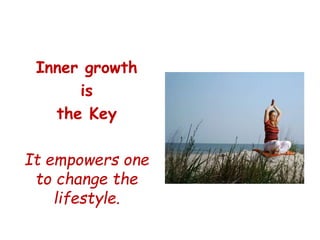
Inner growth
is
the Key
It empowers one
to change the
lifestyle.
Actions: Individuals and Family
• When we see a patient, we think what
has happened?
• When a family member sees patient, he
thinks ‘Why ‘ it has happened?
• Reducing one’s family’s risk starts at home.
• When a family eats healthy meals and
exercises together, all family members benefit
and encourage behaviours that could help
prevent type 2 diabetes in the family.
• If you have diabetes in your family, learn
about the risks, the warning signs to look out
for and what you can do to prevent diabetes
and its complications.
If you or anyone in your family is
• overweight,
• over 45, and
• doesn’t exercise.
It makes one more likely to have type 2 diabetes
and heart disease.
Root cause analysis
Is Diabetes a physical disease alone?
If not, treatment also cannot be physical
alone…
It is rooted in lifestyles ( styles of our life)
…inertia, habits, stress, fear, tension….
Approach for Diabetes Control
There are four main focus areas
• Discover pre-diabetes
• Discover diabetes
• Prevent diabetes
• Manage diabetes
• All health professionals should have the
knowledge and skills to help individuals and
families manage diabetes.
• Education and on-going support should be
accessible to all individuals and families to
help manage diabetes.
• Essential diabetes medicines and care must be
accessible and affordable for every family.
Macro-level Interventions
• Advocacy
• Knowledge: What to Do
• Skills and behaviours: How to Do
• Attitudes: What to Do
• Education
• Planning, development, promotion and
participation of HE measures
• Community participation
World Diabetes Day campaign has to spread
meaningfully and enhance the above measures.
Language around diabetes
A social media campaign aimed at encouraging
people to talk about diabetes complications,
Challenging healthcare professionals to change
the language they use when communicating
with people with diabetes.
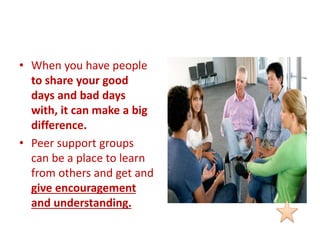
• When you have people
to share your good
days and bad days
with, it can make a big
difference.
• Peer support groups
can be a place to learn
from others and get and
give encouragement
and understanding.
Make a Difference!
• Start Your Education
Now
• Take Time
• Encourage Self-Care
• Make Changes
Together
• Suggest Working in
groups
• Find Support for
Yourself
DOs
• Do use the term prediabetes.
• Do ask for the patient’s questions, concerns, and feelings.
• Do emphasize the significance of having prediabetes. Explain how
this is different from type 2 diabetes, and offer hope for preventing
or delaying the diagnosis of type 2 diabetes. Ask what questions or
concerns the patient has.
• Do expect that people can change their behaviors no matter where
they start.
• Do strongly refer to another team member, community program
• Do use the Teach-back” method to quickly assess a patient’s
understanding.
Don’ts
• Don’t use the terms “borderline diabetes,” “touch of sugar,” ..
• Don’t assume all patients will understand this message in the same
way. Some patients hear “diabetes” and will be stressed, others will
hear only “pre” and feel tremendous relief.
• Don’t tell the patient there isn’t much that can be done. Don’t say or
imply that these changes are easy to make.
• Don’t assume older adults won’t make lifestyle changes
• Don’t tell the patient to lose weight and increase their physical
activity without offering specific resources, behavioral strategies,
support, and follow-up.
1. Goal: 0% increase by 2025, 30% reduction by
2025
2. The ‘Style’ of the life can be changed by the
changing the ‘Goal’ of life.
3. An Integral approach alone can truly help.
Thank You

world diabetes day awareness lecture note

  • 1.
    World Diabetes Day:2018-2019 Dr. Bhalendu Vaishnav • Professor and Head, Department of Medicine, Pramukhswami Medical College • Dean, Faculty of Medicine, Sardar Patel University • Chairperson, Sri Aurobindo Chair of Integral Studies, Sardar Patel university
  • 2.
  • 4.
    I: Diabetes inThe World
  • 5.
    Deaths due tovarious diseases 2015 • 5.0 million from Diabetes • 1.5 million from HIV/AIDS • 1.5 million from Tuberculosis • 0.6 million from Malaria
  • 6.
    • 1 inevery 11 people has Diabetes • 1 out of 2 who have Diabetes is unaware • 75% patients are in low/middle income countries • 74 million diagnosed patients in India • 444 million diagnosed patients in World
  • 10.
    Diabetes in theWorld: • Briefly, Diabetes and all NCDs have increased due to unbalanced evolution of the mankind. • Imbalance in physical, mental, psychological and spiritual development • Disease scenarios are changing, so too must healthcare paradigms..
  • 11.
    Diabetes in anIndividual
  • 14.
    Pre-diabetes: FBS: 126-140 mg/dlon 2 occasions or: Oral glucose tolerance test. PG2BS : 140-200
  • 15.
  • 16.
  • 18.
  • 19.
    • Your DietMakes a Difference • Eat differently, • Eat slowly
  • 20.
    Diet Recommendations: 1. Choose:Water, coffee or tea instead of fruit juice, soda or other sugar sweetened beverages 2. Eat: A least three servings of vegetables and fresh fruit every day 3. Choose: Whole-grain bread, brown rice, instead of white bread, rice. 4. Choose: Unsaturated fats (olive oil, corn oil or sunflower oil) instead of saturated fats (butter, ghee)
  • 22.
    • Exercise isImportant
  • 23.
    Exercise Recommendations 1. 5–17years : At least 60 minutes of moderate to vigorous- intensity physical activity daily. 2. 18–64 years: 30 min/day : Moderate-intensity aerobic exercise OR 15 min/day: High intensity aerobic exercise. 1. >64 years: Same , but include balance and muscle strengthening activity
  • 24.
    Actions: Lose weight •Mentally prepare yourself. • "Losing weight is more like a marathon than a sprint; you can't go as hard as you can for a short period and then stop," • "If you're not ready, any changes you make aren't going to be sustainable.“ • Ask: Where your current habits are taking you to where you'd rather be in 5 years. Will you have diabetes-related complications or will you be healthier?
  • 25.
    Actions: Lose weight •If you lose just 7% of your body weight, it can make a huge difference • The first step is to eat healthier food with fewer calories. • Start by keeping track of your weight, eating habits, and physical activities.
  • 26.
    DO work withyour emotions • Many people overeat when they're worried or depressed. • "Stress is a huge factor. It actually raises your blood sugar levels,“ DON'T keep your goal a secret. • Having a strong support system can make all the difference. That can include friends, family, co- workers, or people who are working toward the same goal.
  • 27.
    DO more thandiet • Watching what you eat is a good start. • Exercise also matters a lot. • "Your muscles play a large role in using and storing sugar, so keeping them strong is really important for maintaining healthy blood sugar levels," • Be active as much as possible throughout the day.
  • 28.
    Actions: Get goodSleep • The right amount of shut-eye helps keep your blood sugar at healthy levels. • About 7 or 8 hours a night is ideal. • For better sleep, keep regular sleep hours, and stick to a calm, quiet bedtime routine.
  • 29.
    Actions: Don’t Smoke •Smokers are 30% to 40% more likely to get type 2 diabetes than nonsmokers. • And if you get diabetes and still smoke, your symptoms may be worse and your blood sugar may be harder to control.
  • 30.
    Inner growth is the Key Itempowers one to change the lifestyle.
  • 31.
    Actions: Individuals andFamily • When we see a patient, we think what has happened? • When a family member sees patient, he thinks ‘Why ‘ it has happened?
  • 33.
    • Reducing one’sfamily’s risk starts at home. • When a family eats healthy meals and exercises together, all family members benefit and encourage behaviours that could help prevent type 2 diabetes in the family. • If you have diabetes in your family, learn about the risks, the warning signs to look out for and what you can do to prevent diabetes and its complications.
  • 34.
    If you oranyone in your family is • overweight, • over 45, and • doesn’t exercise. It makes one more likely to have type 2 diabetes and heart disease.
  • 35.
    Root cause analysis IsDiabetes a physical disease alone? If not, treatment also cannot be physical alone… It is rooted in lifestyles ( styles of our life) …inertia, habits, stress, fear, tension….
  • 36.
    Approach for DiabetesControl There are four main focus areas • Discover pre-diabetes • Discover diabetes • Prevent diabetes • Manage diabetes
  • 37.
    • All healthprofessionals should have the knowledge and skills to help individuals and families manage diabetes. • Education and on-going support should be accessible to all individuals and families to help manage diabetes. • Essential diabetes medicines and care must be accessible and affordable for every family.
  • 38.
    Macro-level Interventions • Advocacy •Knowledge: What to Do • Skills and behaviours: How to Do • Attitudes: What to Do • Education • Planning, development, promotion and participation of HE measures • Community participation World Diabetes Day campaign has to spread meaningfully and enhance the above measures.
  • 40.
    Language around diabetes Asocial media campaign aimed at encouraging people to talk about diabetes complications, Challenging healthcare professionals to change the language they use when communicating with people with diabetes.
  • 41.
    • When youhave people to share your good days and bad days with, it can make a big difference. • Peer support groups can be a place to learn from others and get and give encouragement and understanding.
  • 42.
    Make a Difference! •Start Your Education Now • Take Time • Encourage Self-Care • Make Changes Together • Suggest Working in groups • Find Support for Yourself
  • 43.
    DOs • Do usethe term prediabetes. • Do ask for the patient’s questions, concerns, and feelings. • Do emphasize the significance of having prediabetes. Explain how this is different from type 2 diabetes, and offer hope for preventing or delaying the diagnosis of type 2 diabetes. Ask what questions or concerns the patient has. • Do expect that people can change their behaviors no matter where they start. • Do strongly refer to another team member, community program • Do use the Teach-back” method to quickly assess a patient’s understanding.
  • 44.
    Don’ts • Don’t usethe terms “borderline diabetes,” “touch of sugar,” .. • Don’t assume all patients will understand this message in the same way. Some patients hear “diabetes” and will be stressed, others will hear only “pre” and feel tremendous relief. • Don’t tell the patient there isn’t much that can be done. Don’t say or imply that these changes are easy to make. • Don’t assume older adults won’t make lifestyle changes • Don’t tell the patient to lose weight and increase their physical activity without offering specific resources, behavioral strategies, support, and follow-up.
  • 45.
    1. Goal: 0%increase by 2025, 30% reduction by 2025 2. The ‘Style’ of the life can be changed by the changing the ‘Goal’ of life. 3. An Integral approach alone can truly help.
  • 46.