CommunityVisioning Workshops
Heartland 2050 is hosting a series of exciting public
meetings across the region in October and
November to explore our future and learn fromyou.
To find the workshop nearest you,
visit the project website:
Heartland2050.org
Why create
a regional vision?
A Regional Vision for the Omaha Metro
A regional vision will
help the community
members and
decision makers
understand the long-
term consequences
of the choices they
make now and plan
better for the future
What is Scenario Planning?
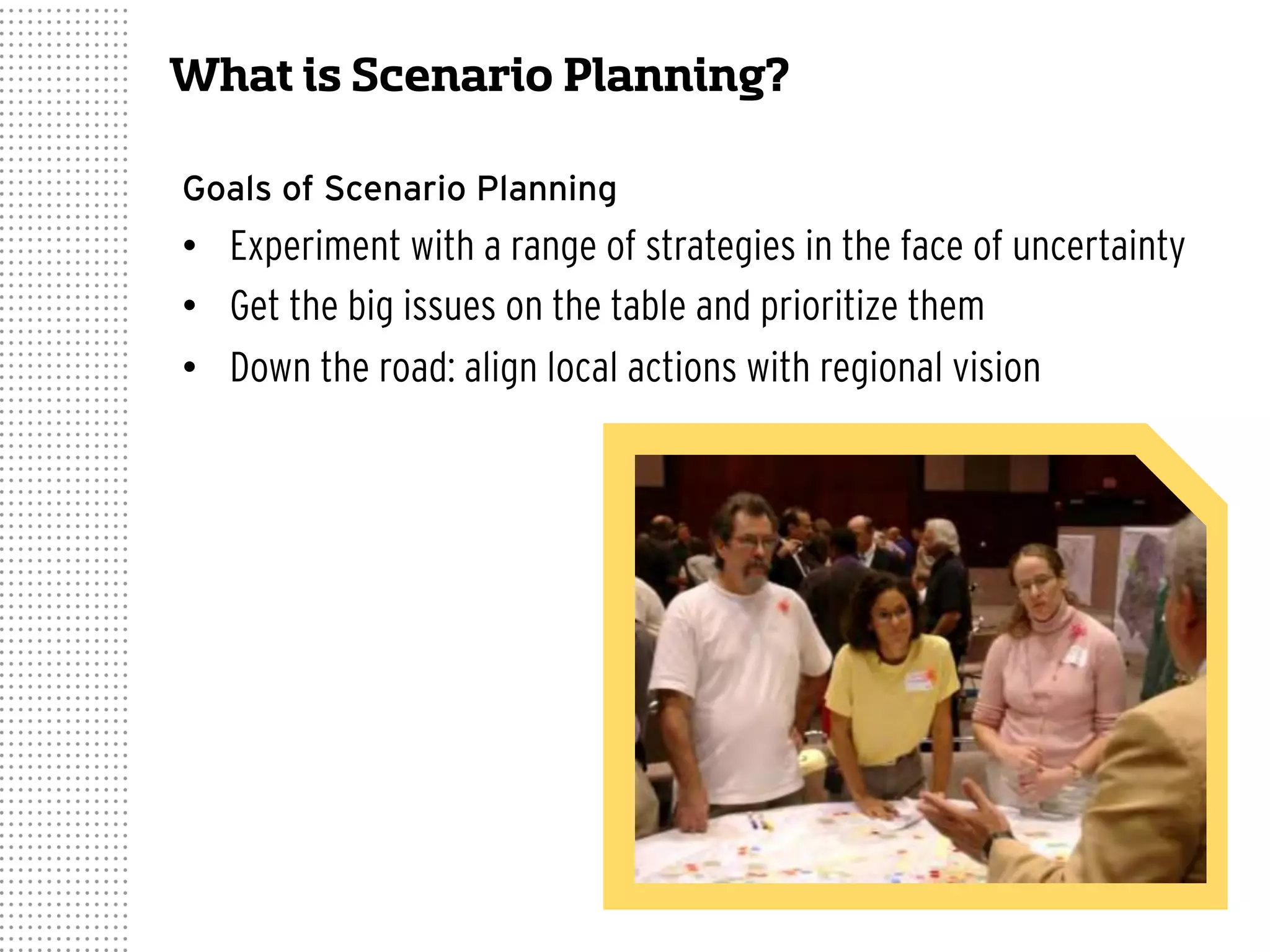
Goals of Scenario Planning
•  Experiment with a range of strategies in the face of uncertainty
•  Get the big issues on the table and prioritize them
•  Down the road: align local actions with regional vision
What is Scenario Planning?
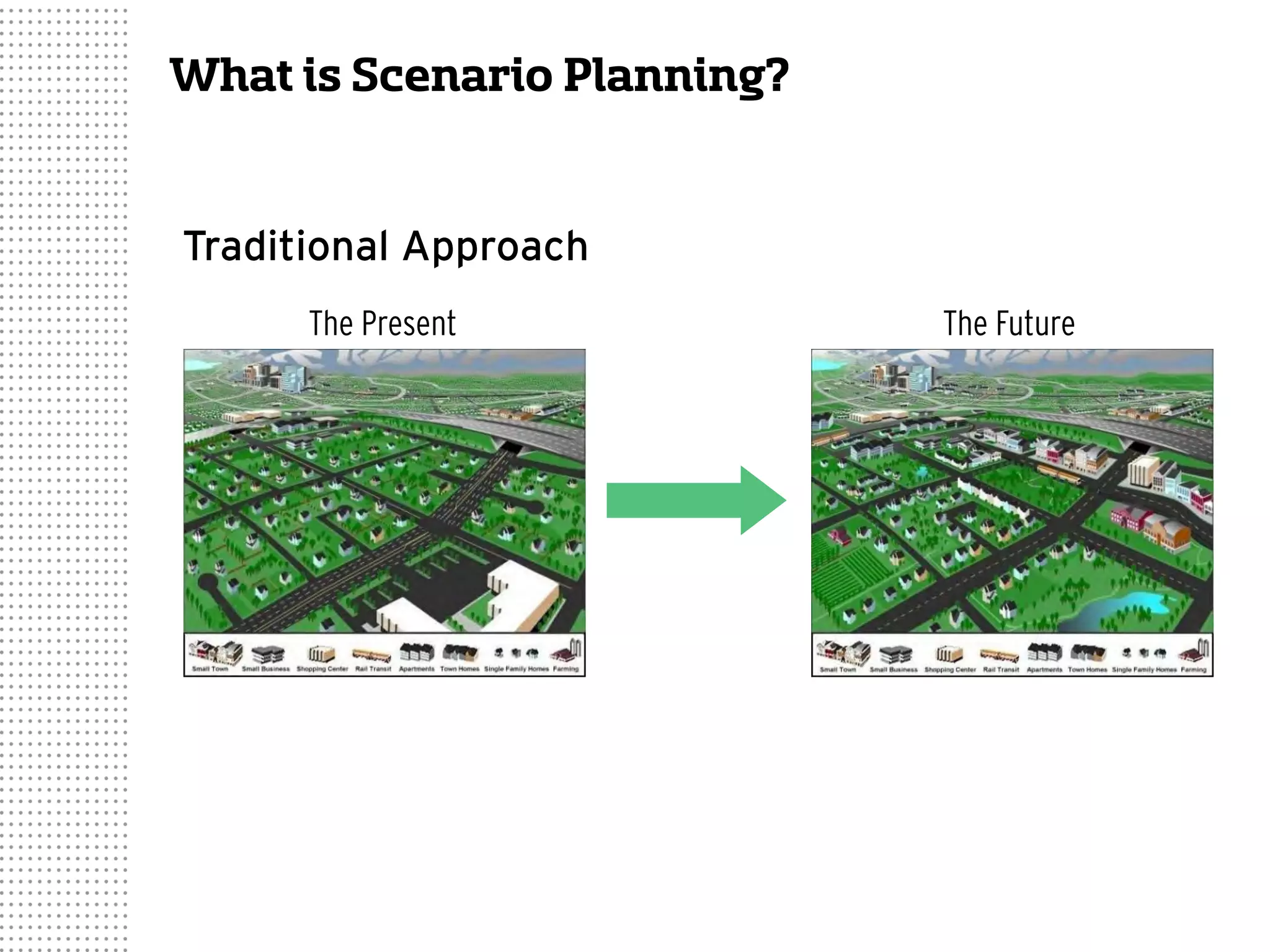
Traditional Approach
The Present The Future
What is Scenario Planning?
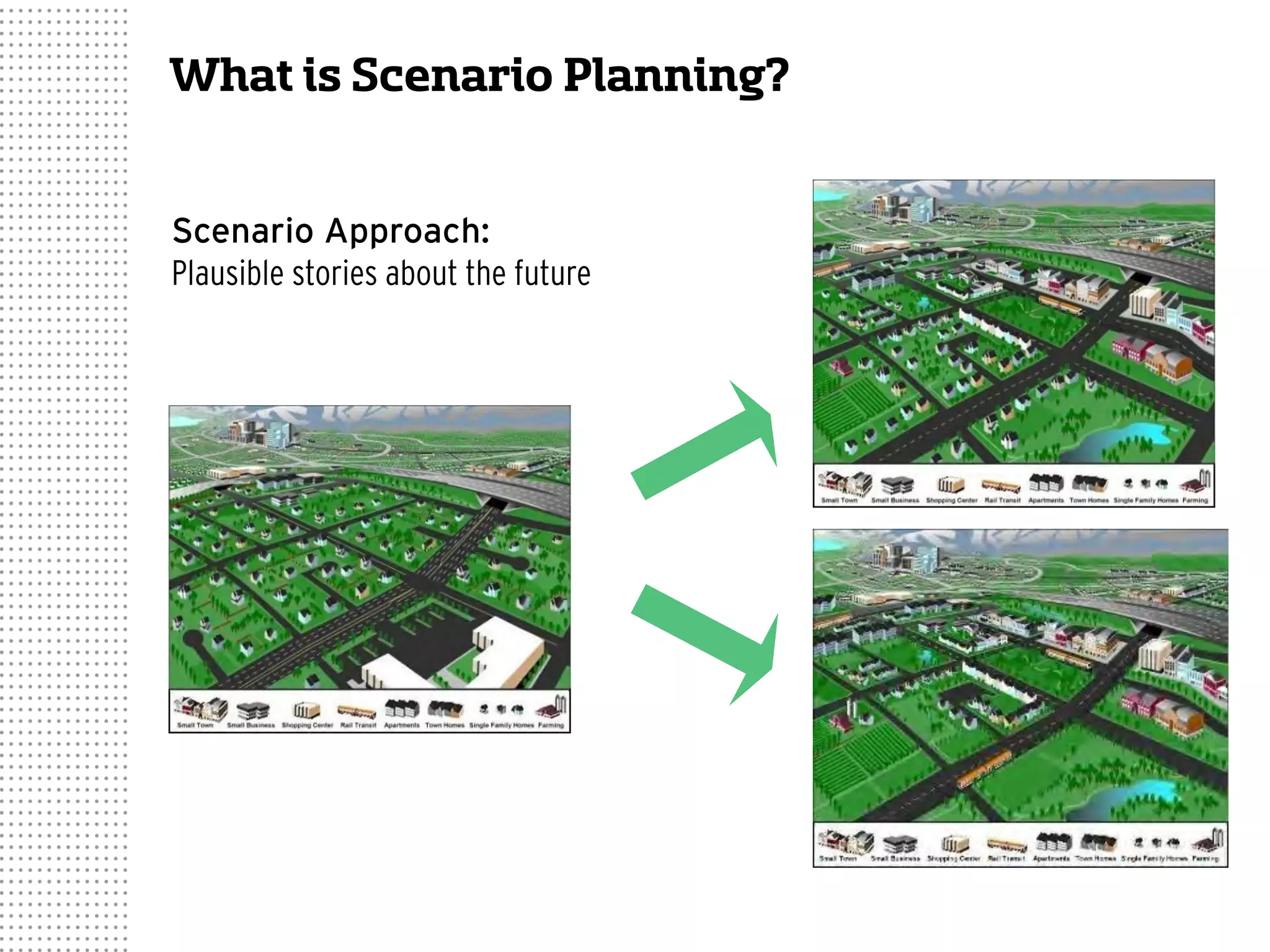
Scenario Approach:
Plausible stories about the future
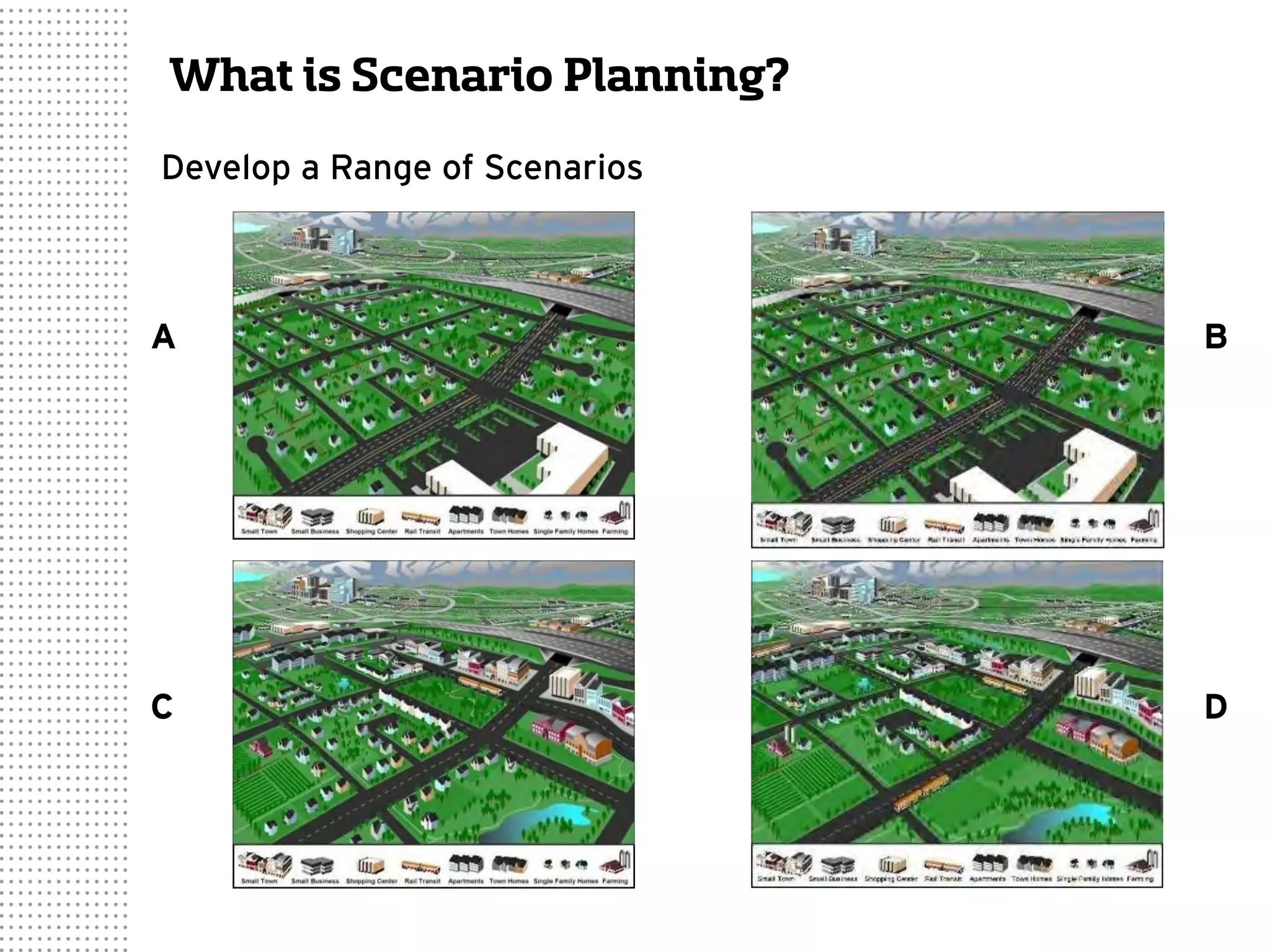
Develop a Range of Scenarios
A B
C D
What is Scenario Planning?
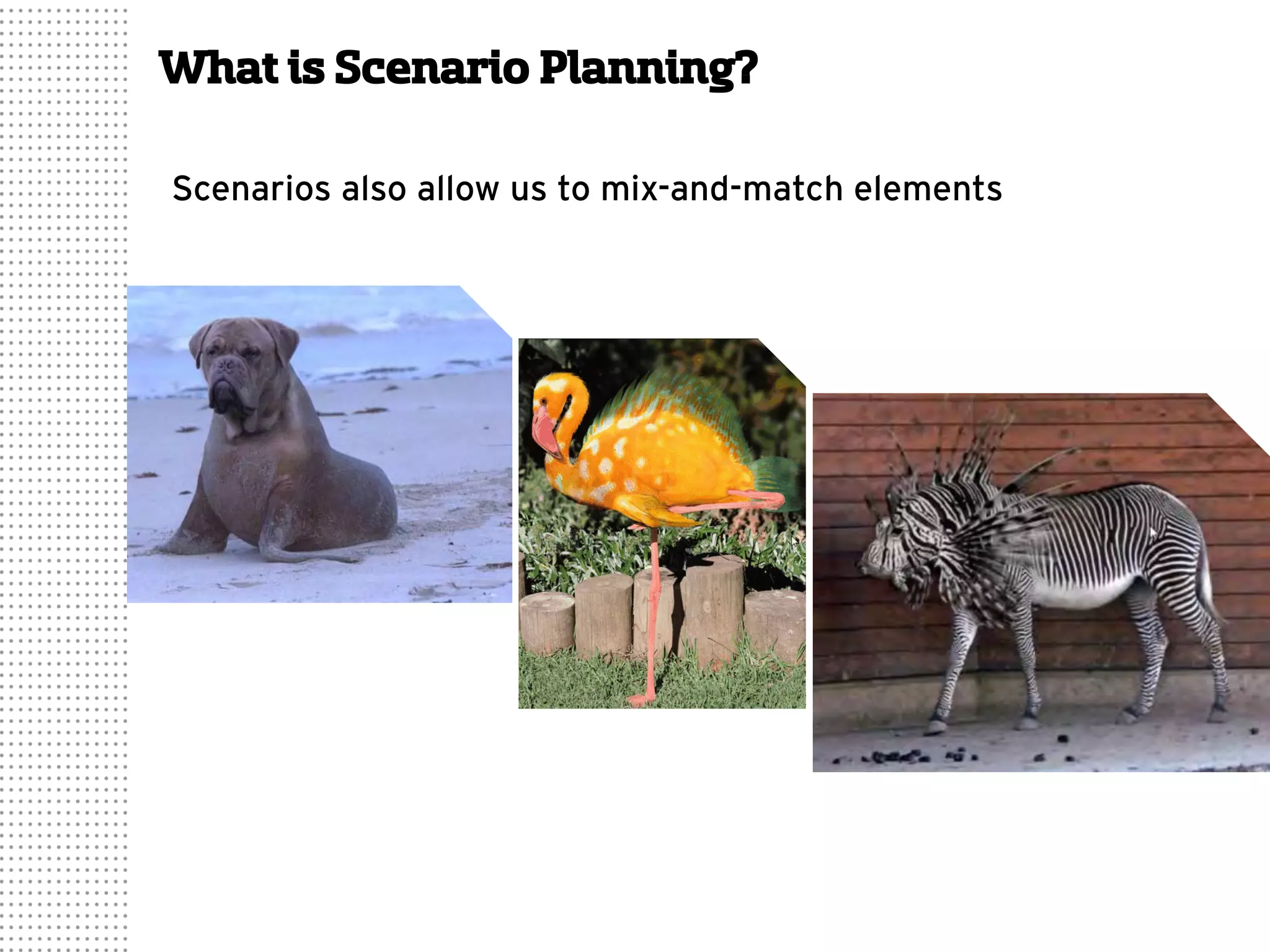
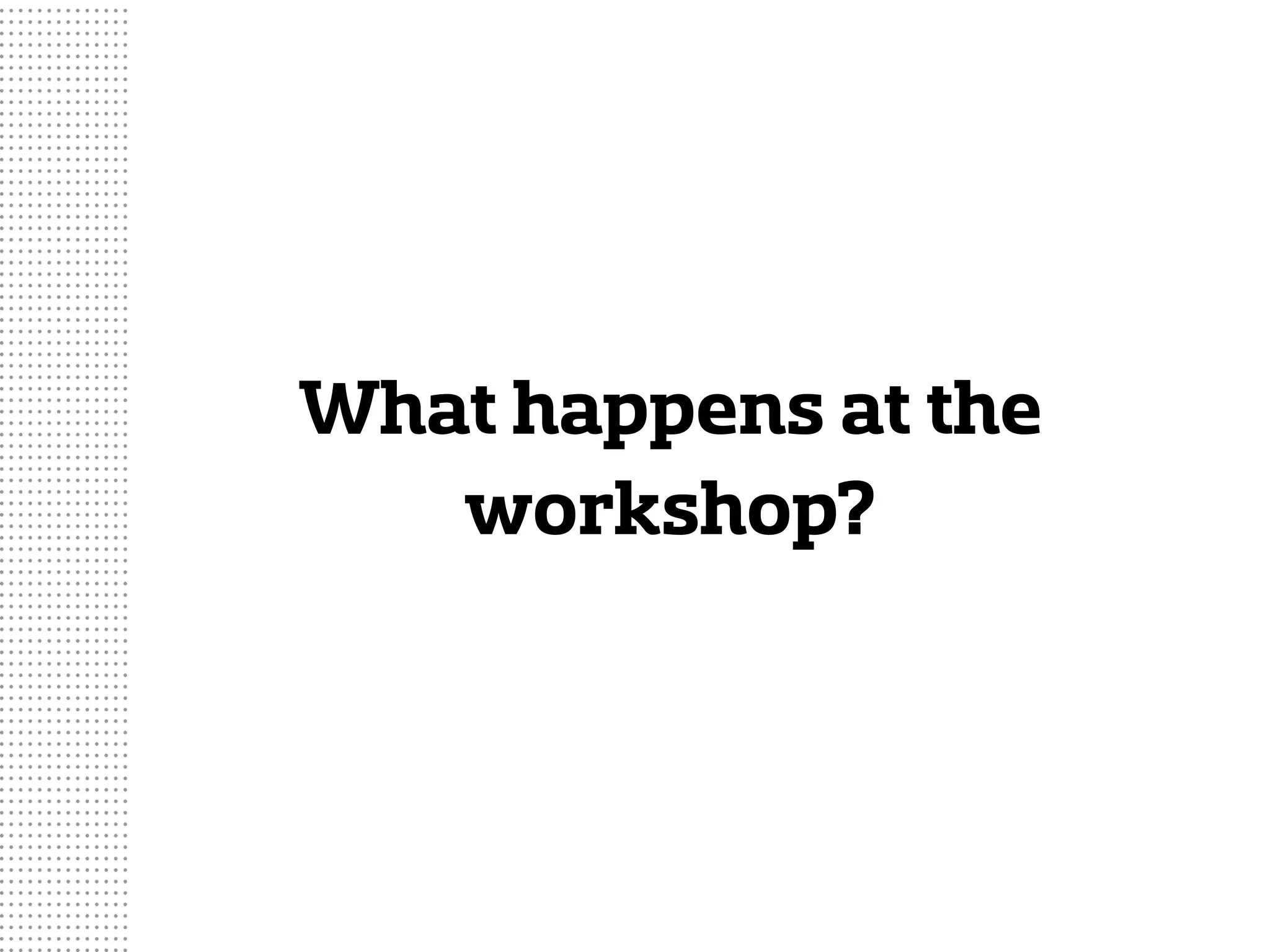
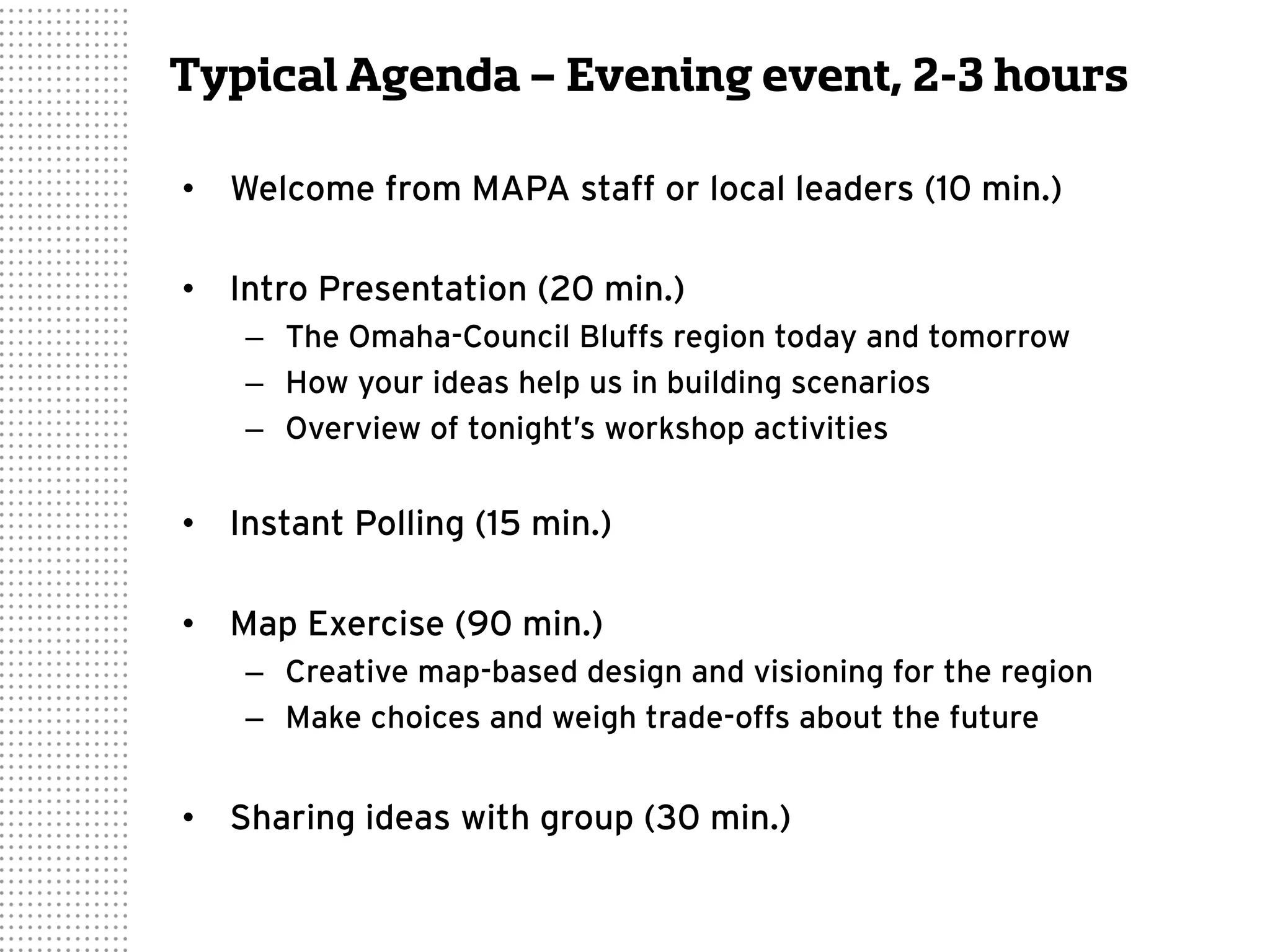
Scenarios also allow us to mix-and-match
elements
What is Scenario Planning?
Scenarios also allow us to mix-and-match elements
What happens at the
workshop?
Typical Agenda – Evening event, 2-3 hours
•  Welcome from MAPA staff or local leaders (10 min.)
•  Intro Presentation (20 min.)
–  The Omaha-Council Bluffs region today and tomorrow
–  How your ideas help us in building scenarios
–  Overview of tonight’s workshop activities
•  Instant Polling (15 min.)
•  Map Exercise (90 min.)
–  Creative map-based design and visioning for the region
–  Make choices and weigh trade-offs about the future
•  Sharing ideas with group (30 min.)
Instant Polling
Warm-up Questions
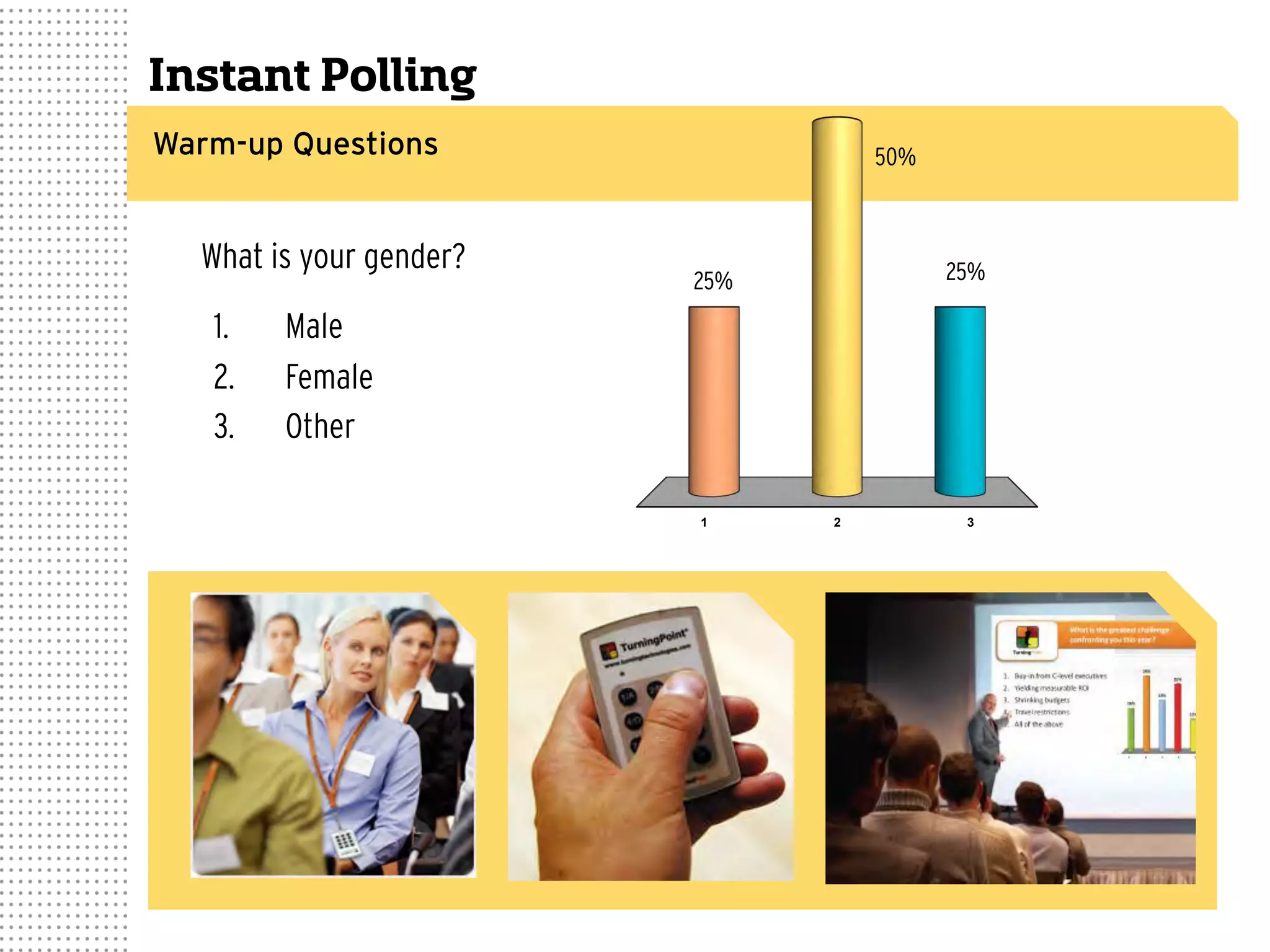
What is your gender?
1 2 3
25%
50%
25%
1.  Male
2.  Female
3.  Other
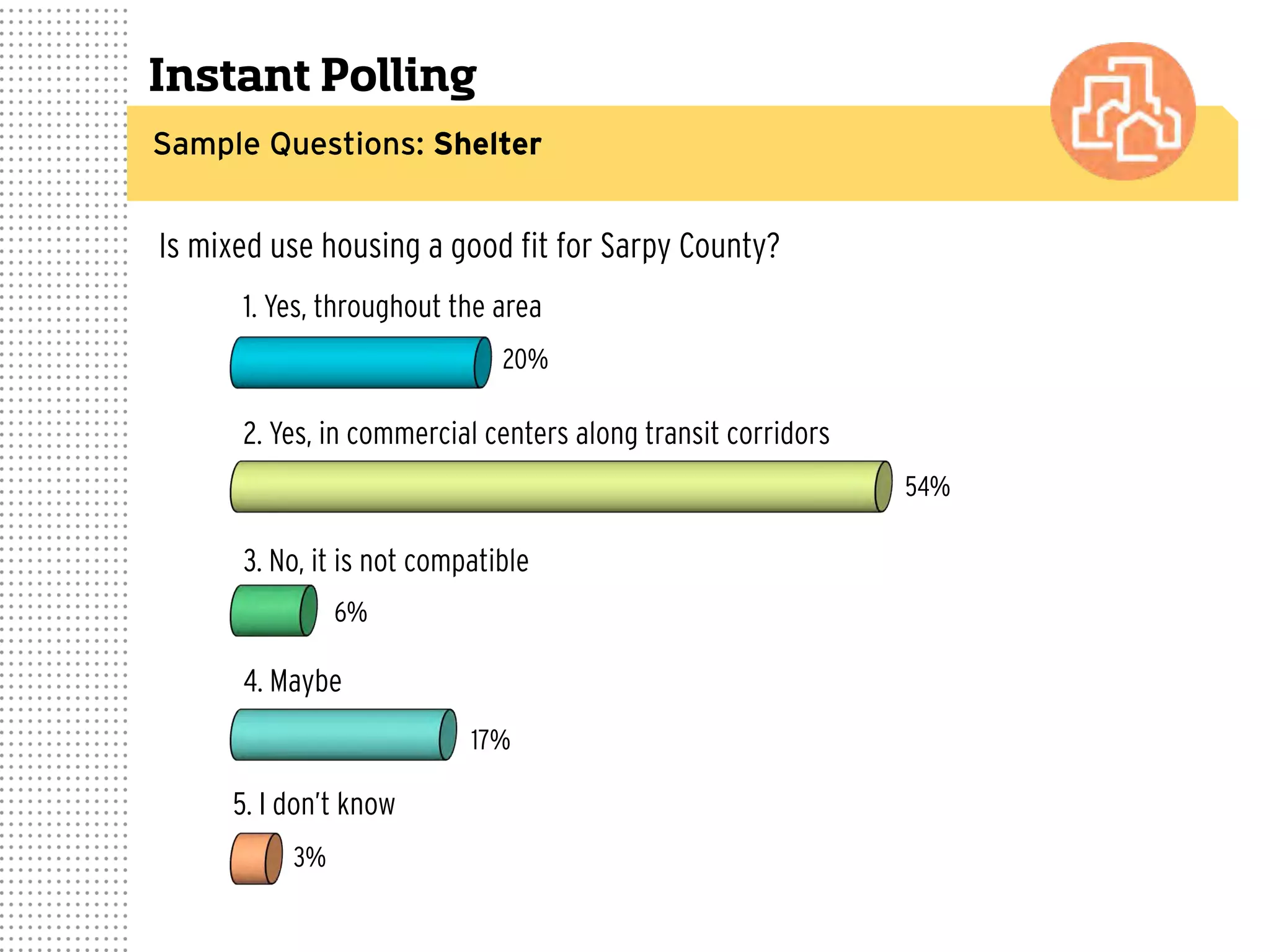
Instant Polling
Sample Questions: Shelter
3%
17%
6%
54%
20%
1. Yes, throughout the area
2. Yes, in commercial centers along transit corridors
3. No, it is not compatible
4. Maybe
5. I don’t know
Is mixed use housing a good fit for Sarpy County?
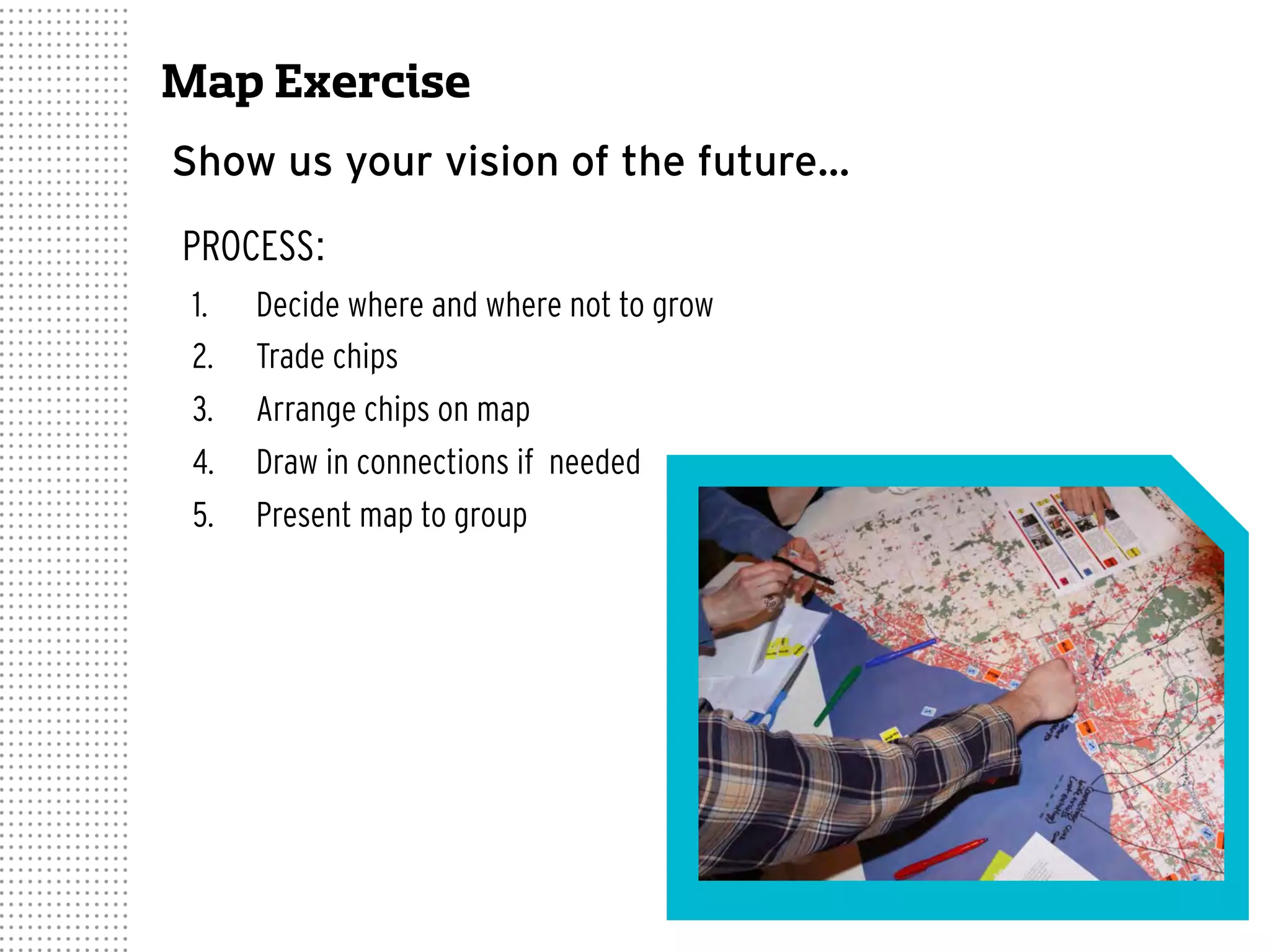
PROCESS:
Show us your vision of the future…
1.  Decide where and where not to grow
2.  Trade chips
3.  Arrange chips on map
4.  Draw in connections if needed
5.  Present map to group
Map Exercise
Map Exercise
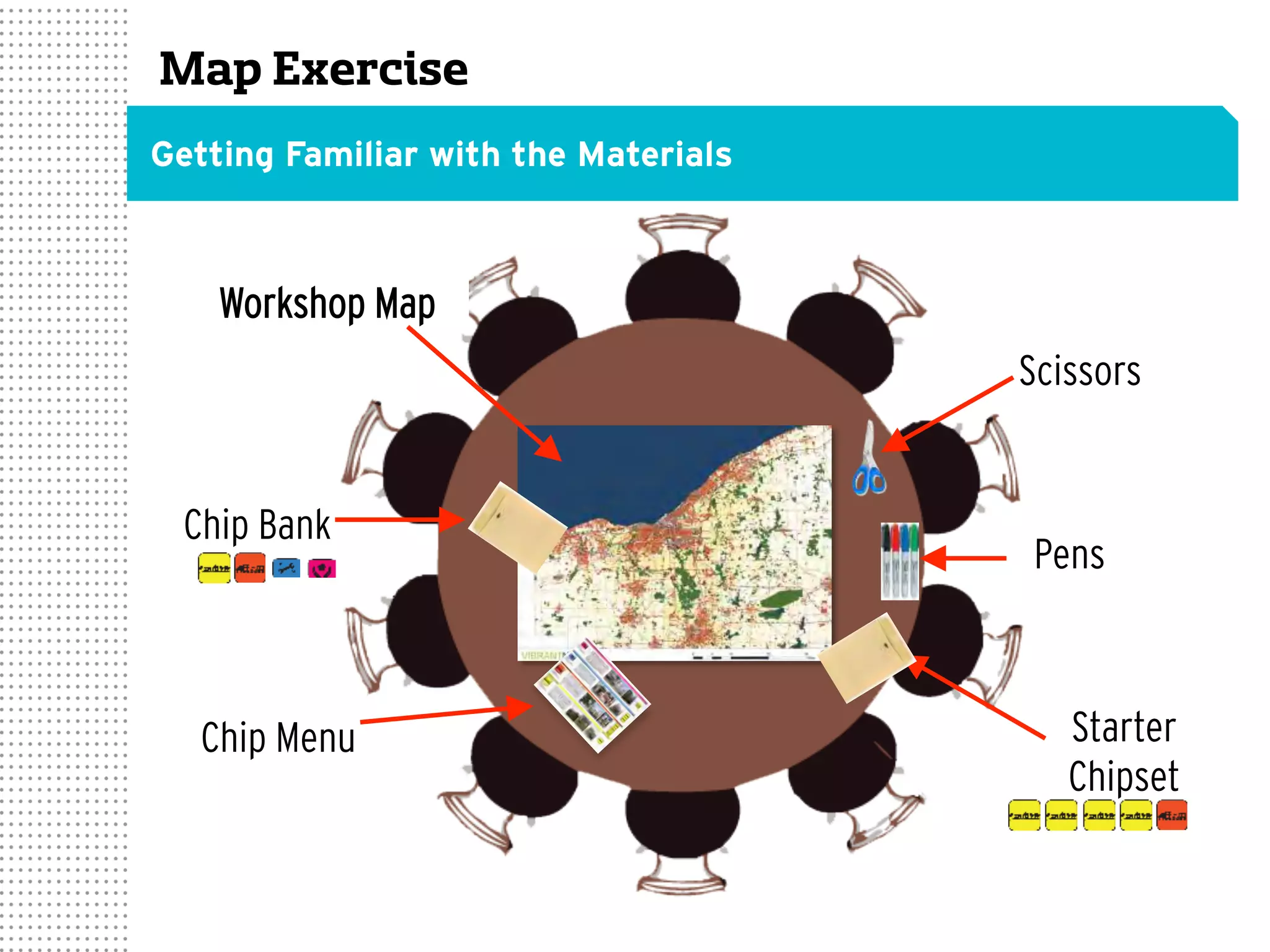
Starter
Chipset
Pens
Scissors
Workshop Map
Chip Bank
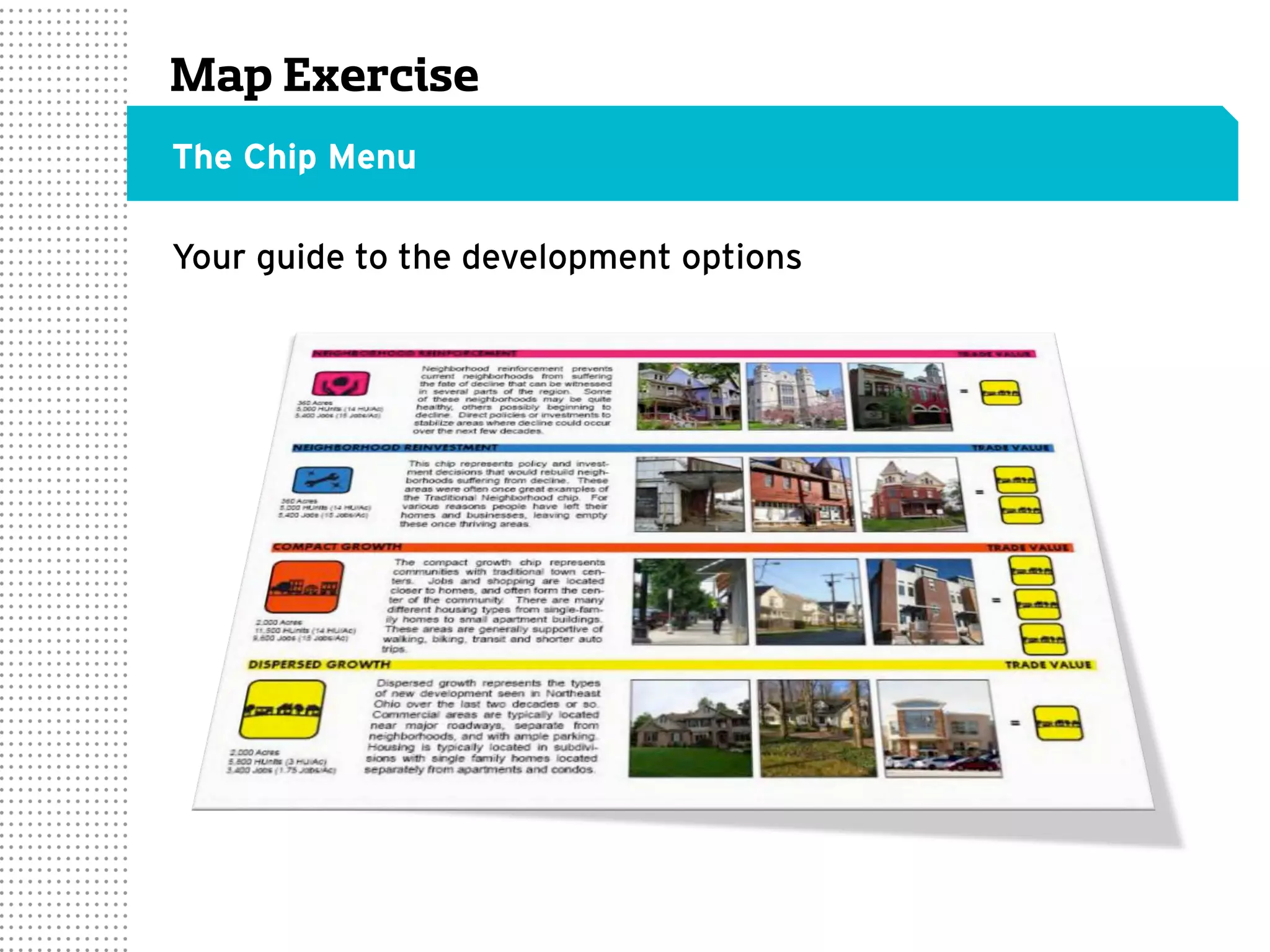
Chip Menu
Getting Familiar with the Materials
Map Exercise
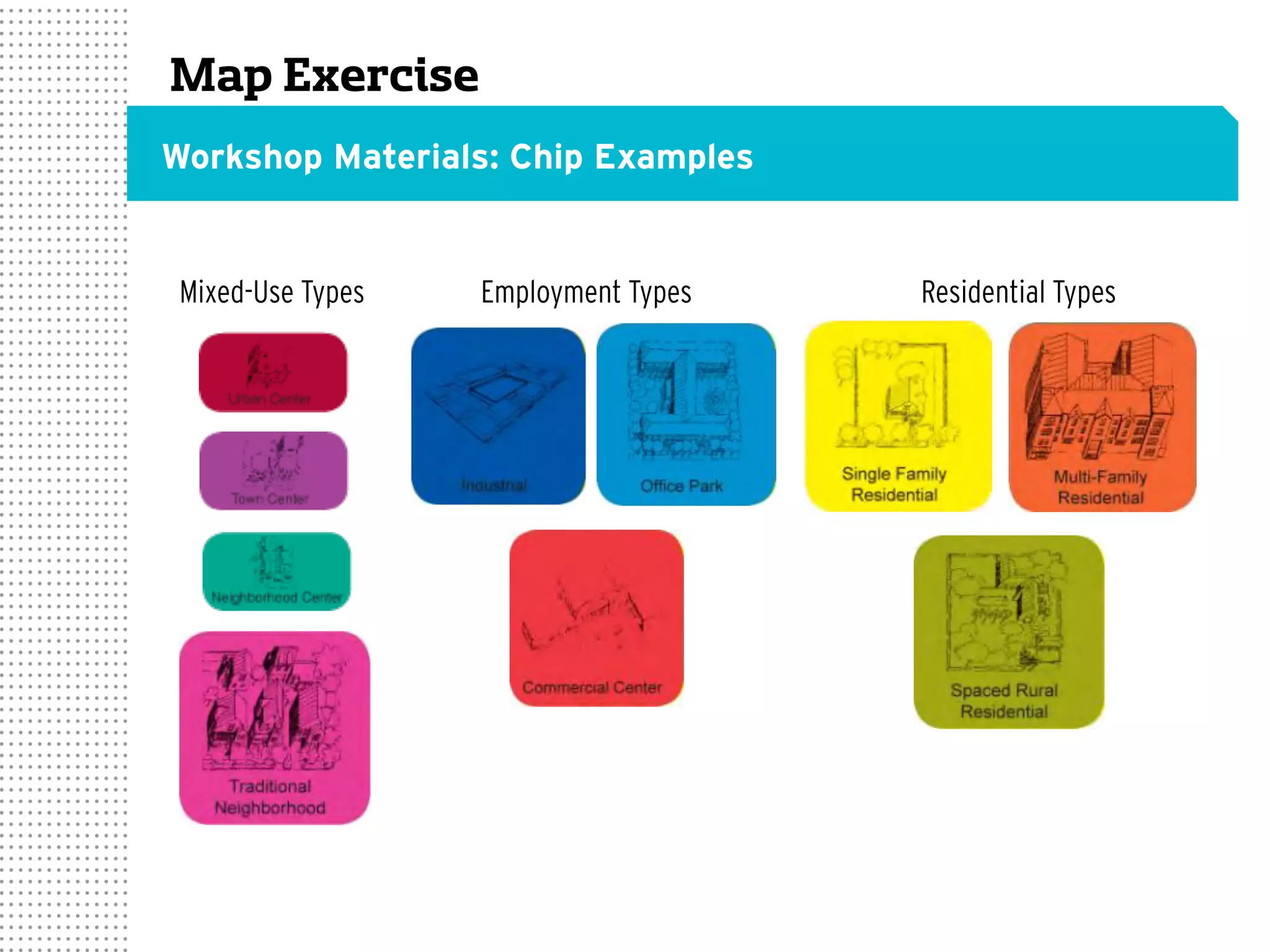
Workshop Materials: Chip Examples
Employment Types Residential TypesMixed-Use Types
Map Exercise
The Chip Menu
Your guide to the development options
Map Exercise
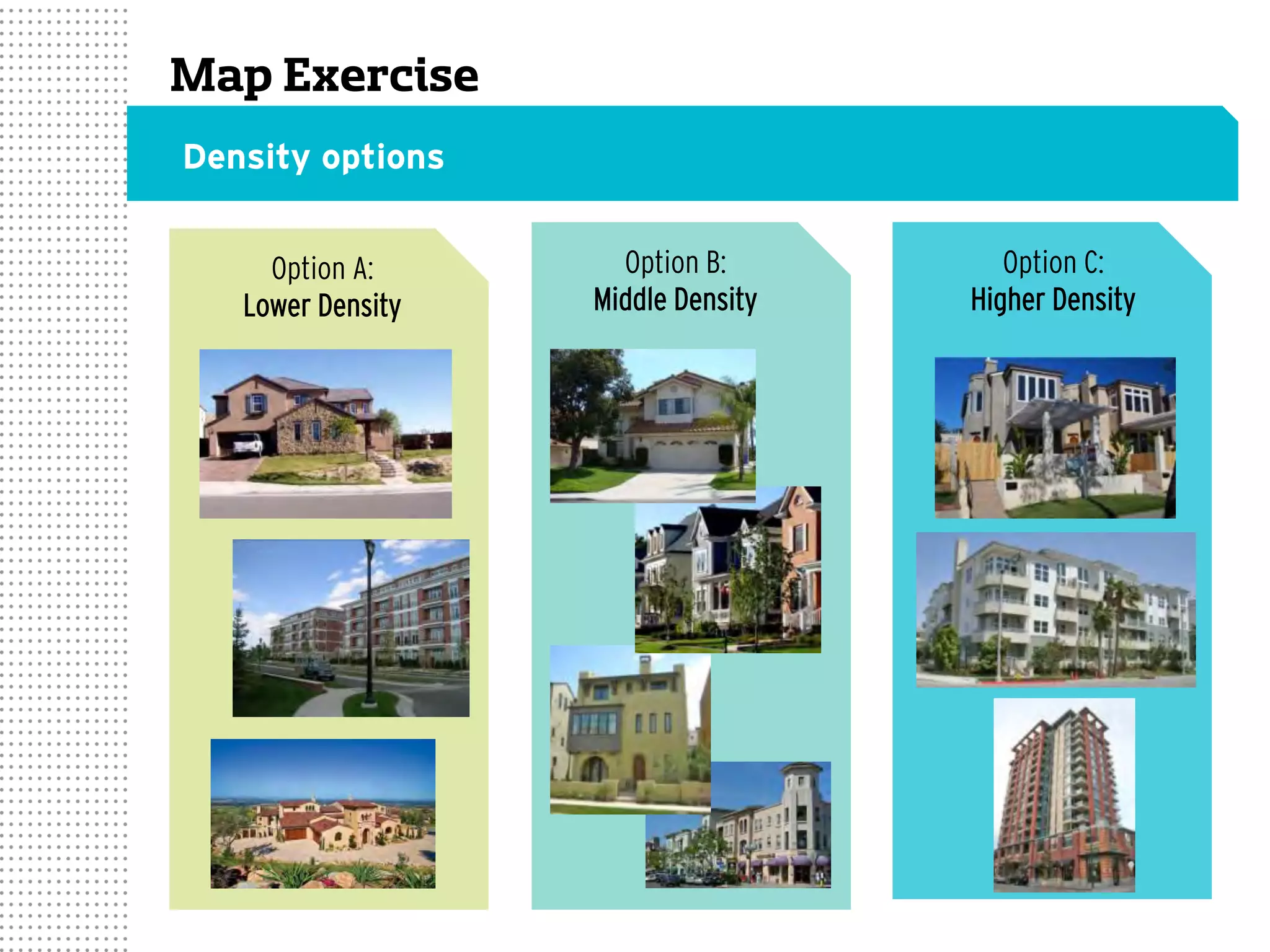
Density options
Option C:
Higher Density
Option B:
Middle Density
Option A:
Lower Density
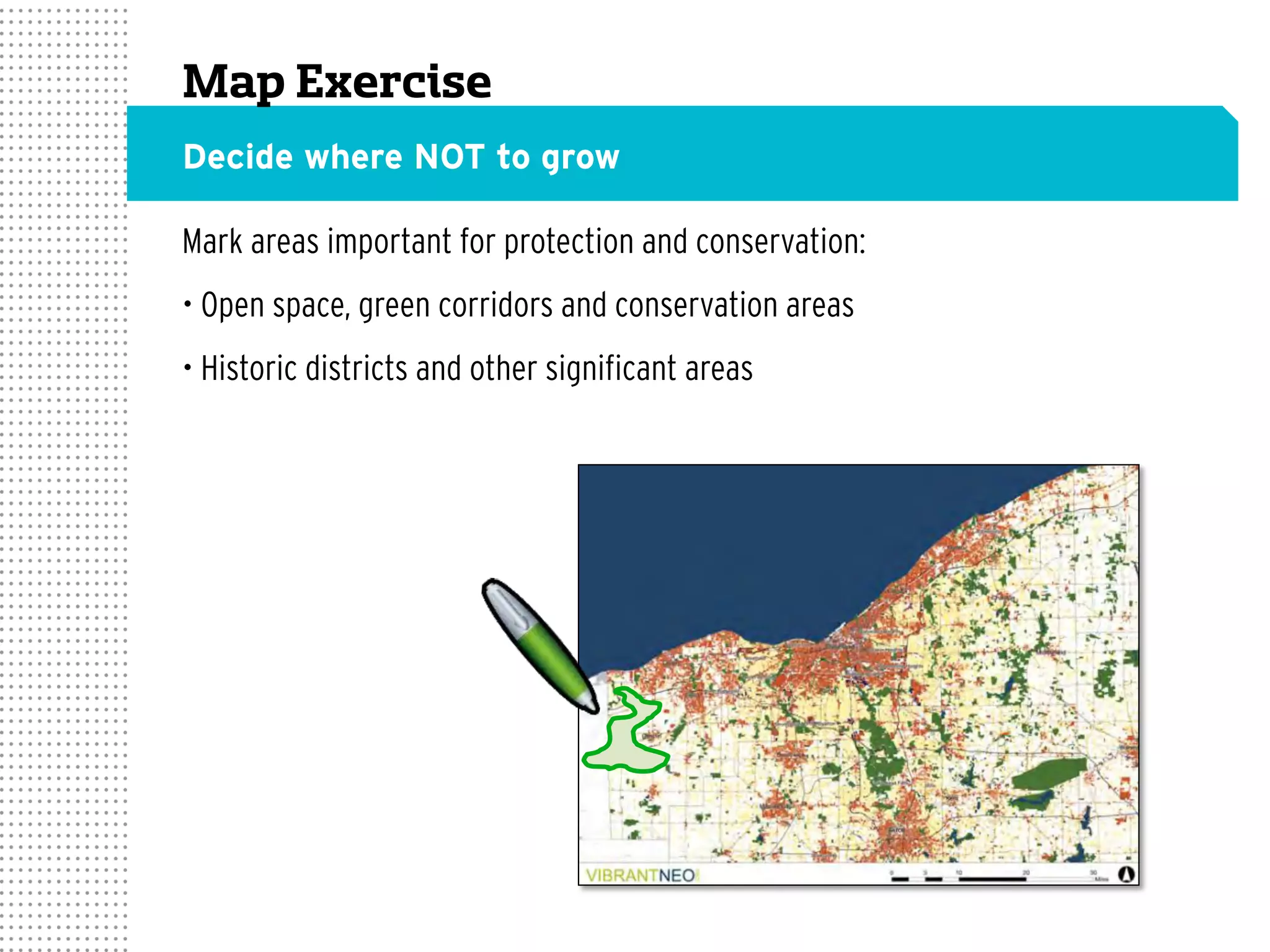
Mark areas important for protection and conservation:
• Open space, green corridors and conservation areas
• Historic districts and other significant areas
Map Exercise
Decide where NOT to grow
Map Exercise
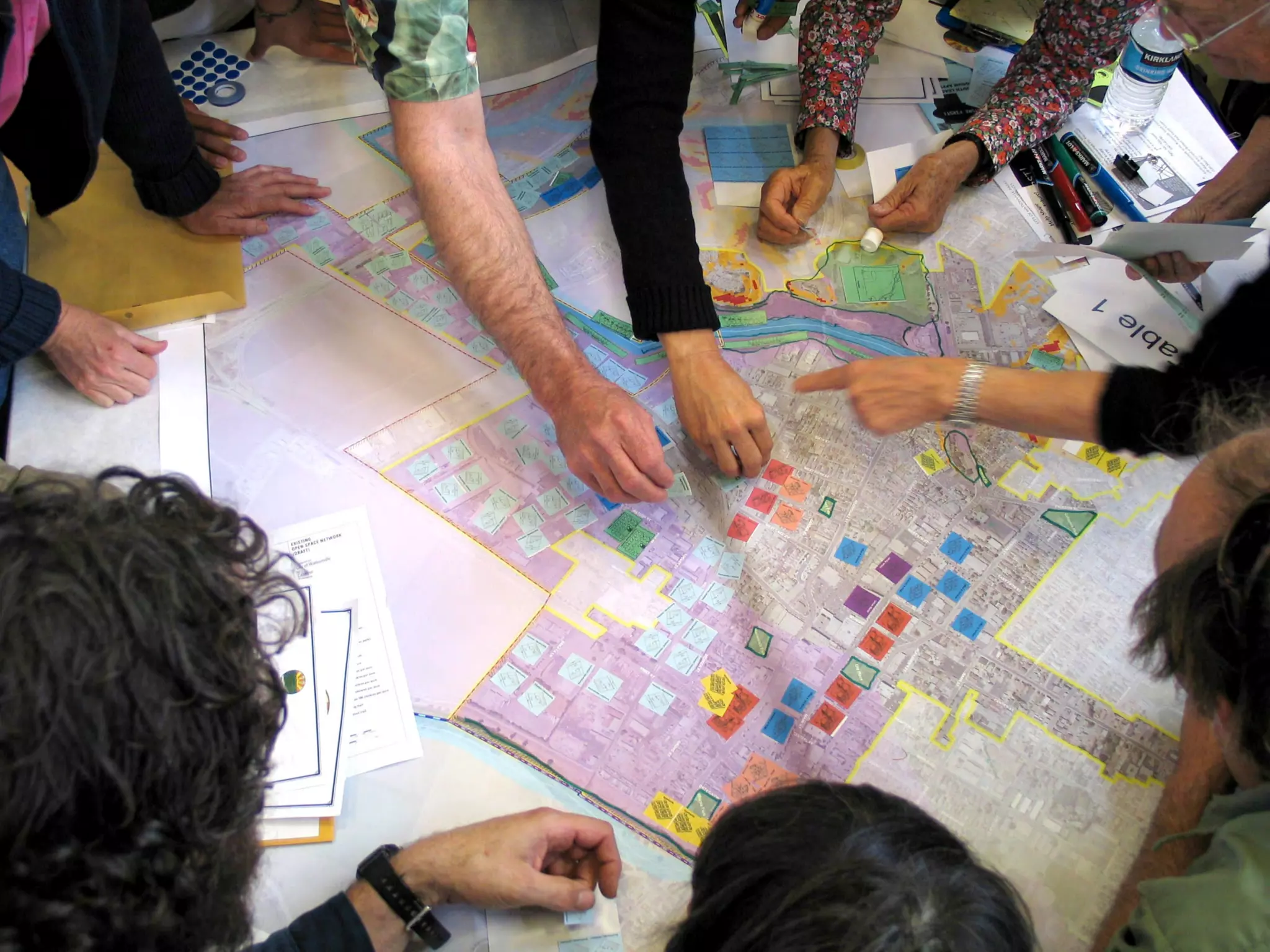
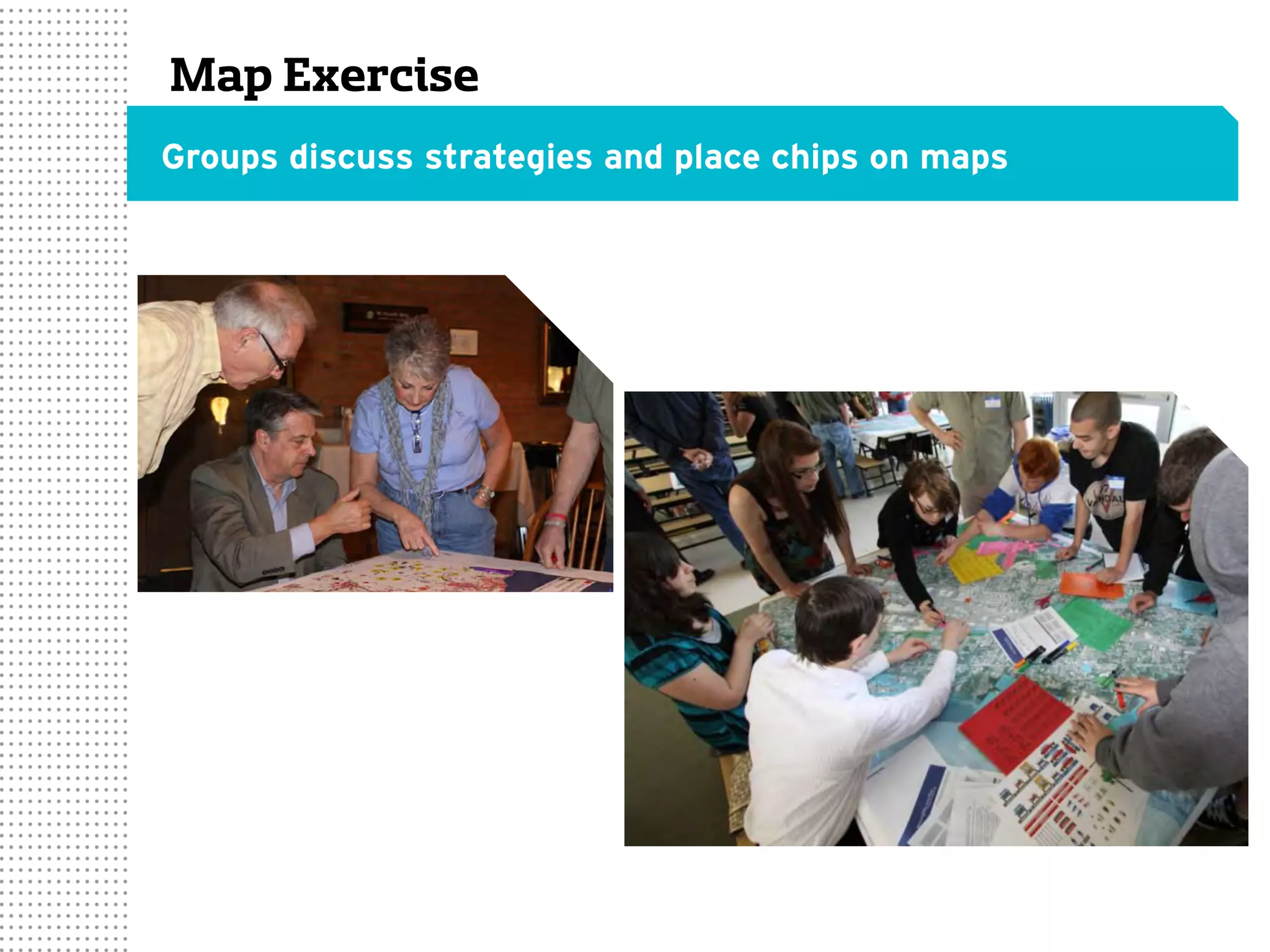
Groups discuss strategies and place chips on maps
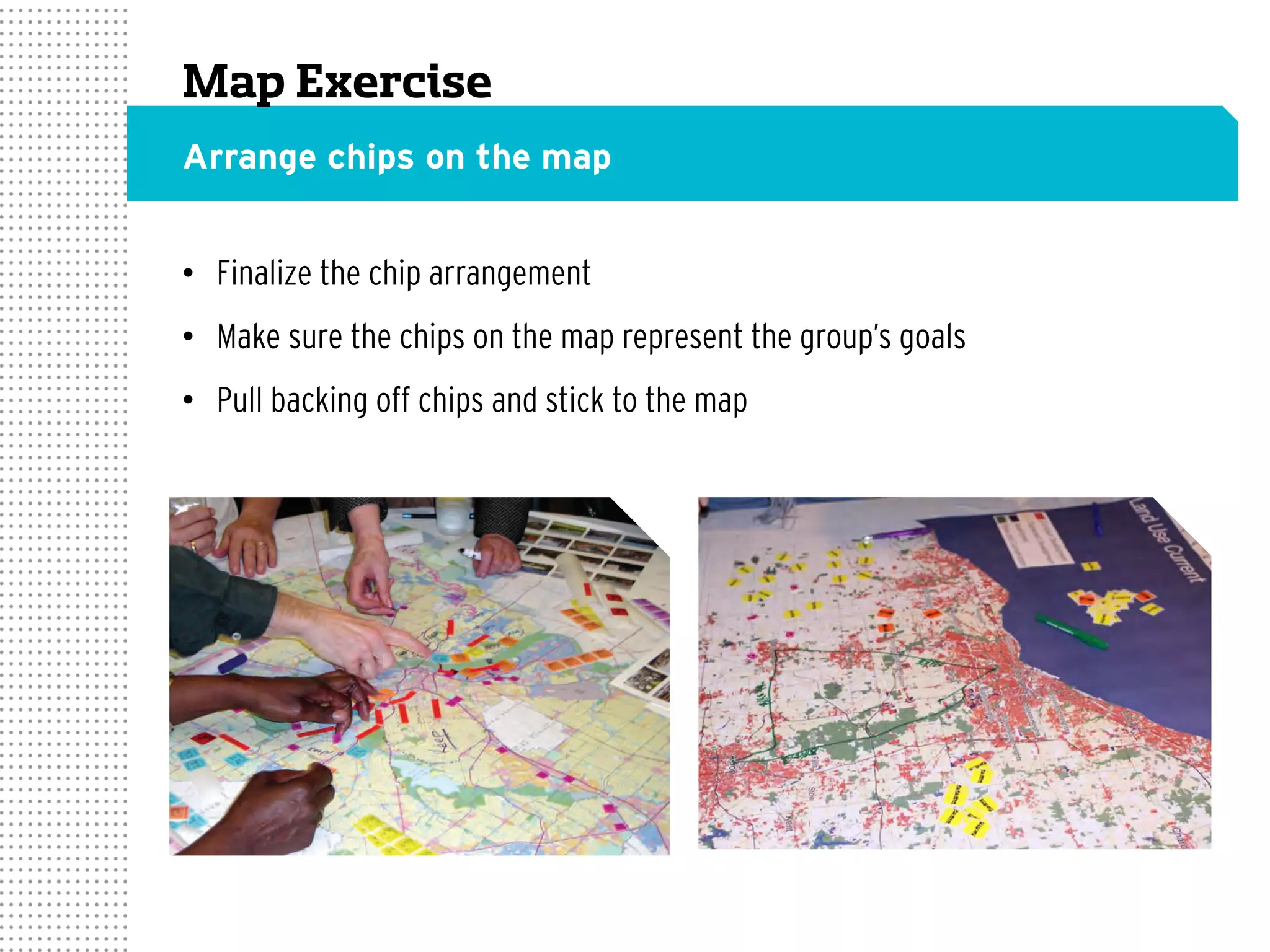
•  Finalize the chip arrangement
•  Make sure the chips on the map represent the group’s goals
•  Pull backing off chips and stick to the map
Map Exercise
Arrange chips on the map
Map Exercise
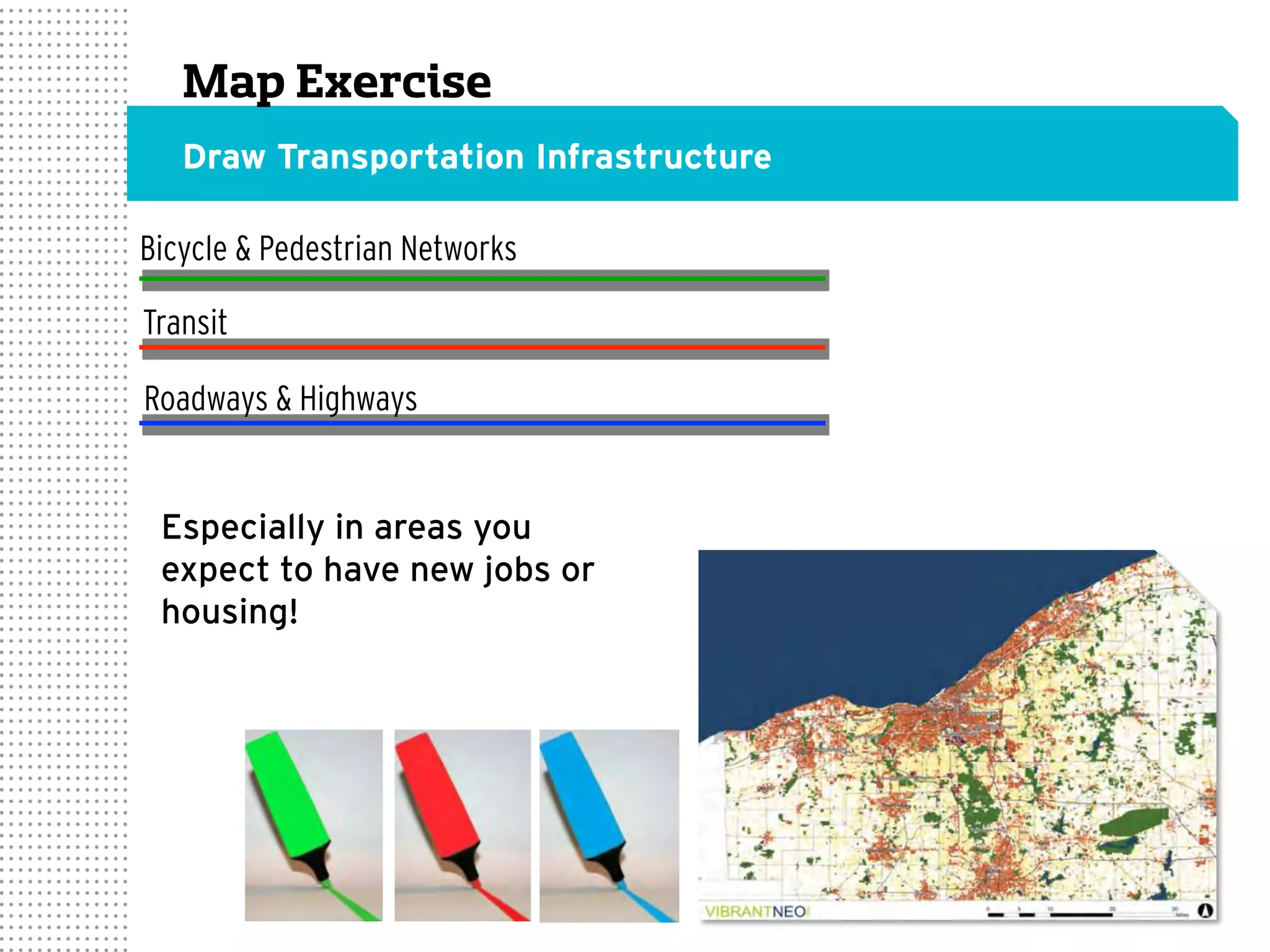
Draw Transportation Infrastructure
Bicycle & Pedestrian Networks
Transit
Roadways & Highways
Especially in areas you
expect to have new jobs or
housing!
Map Exercise
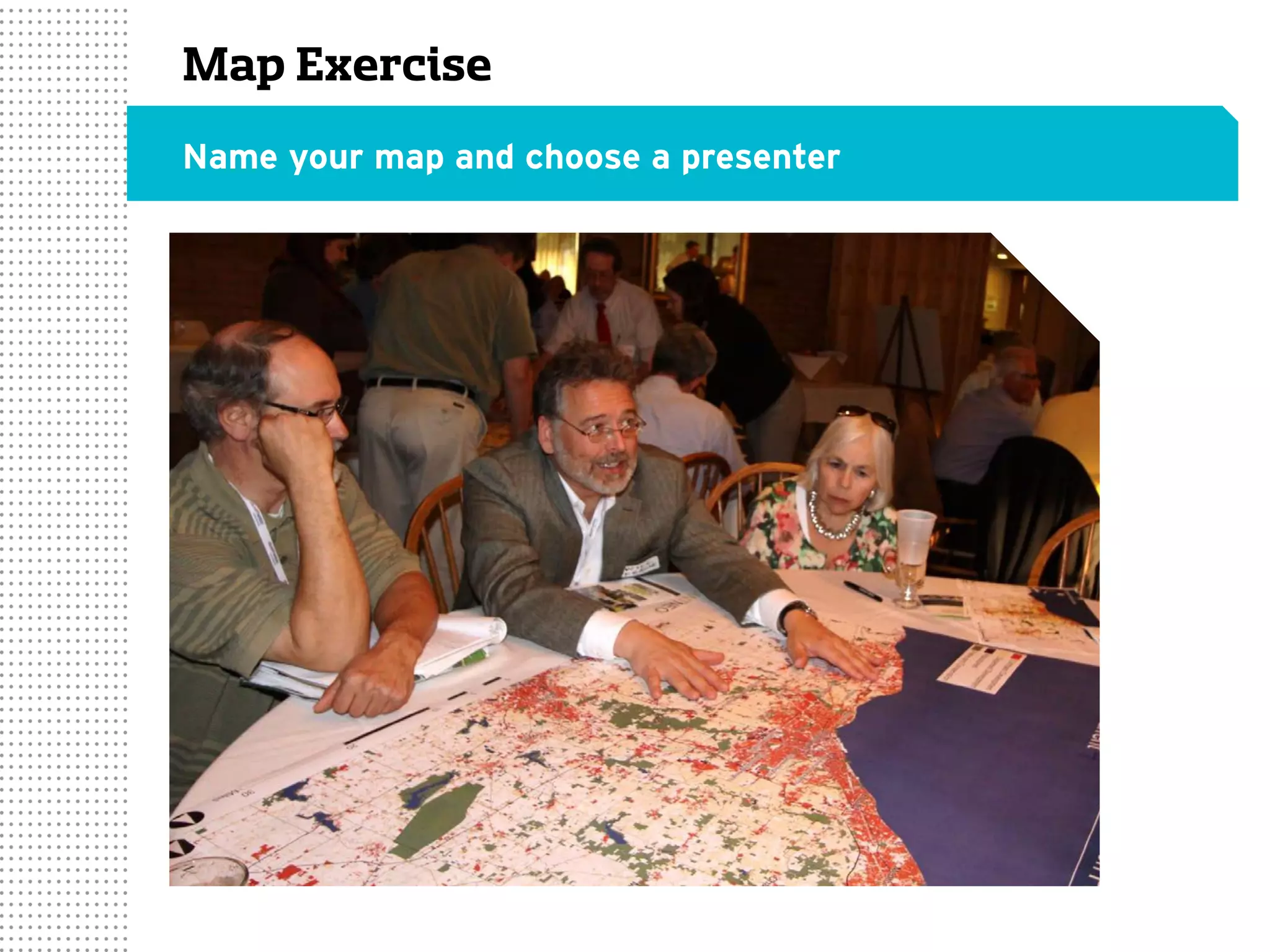
Name your map and choose a presenter
Map Exercise
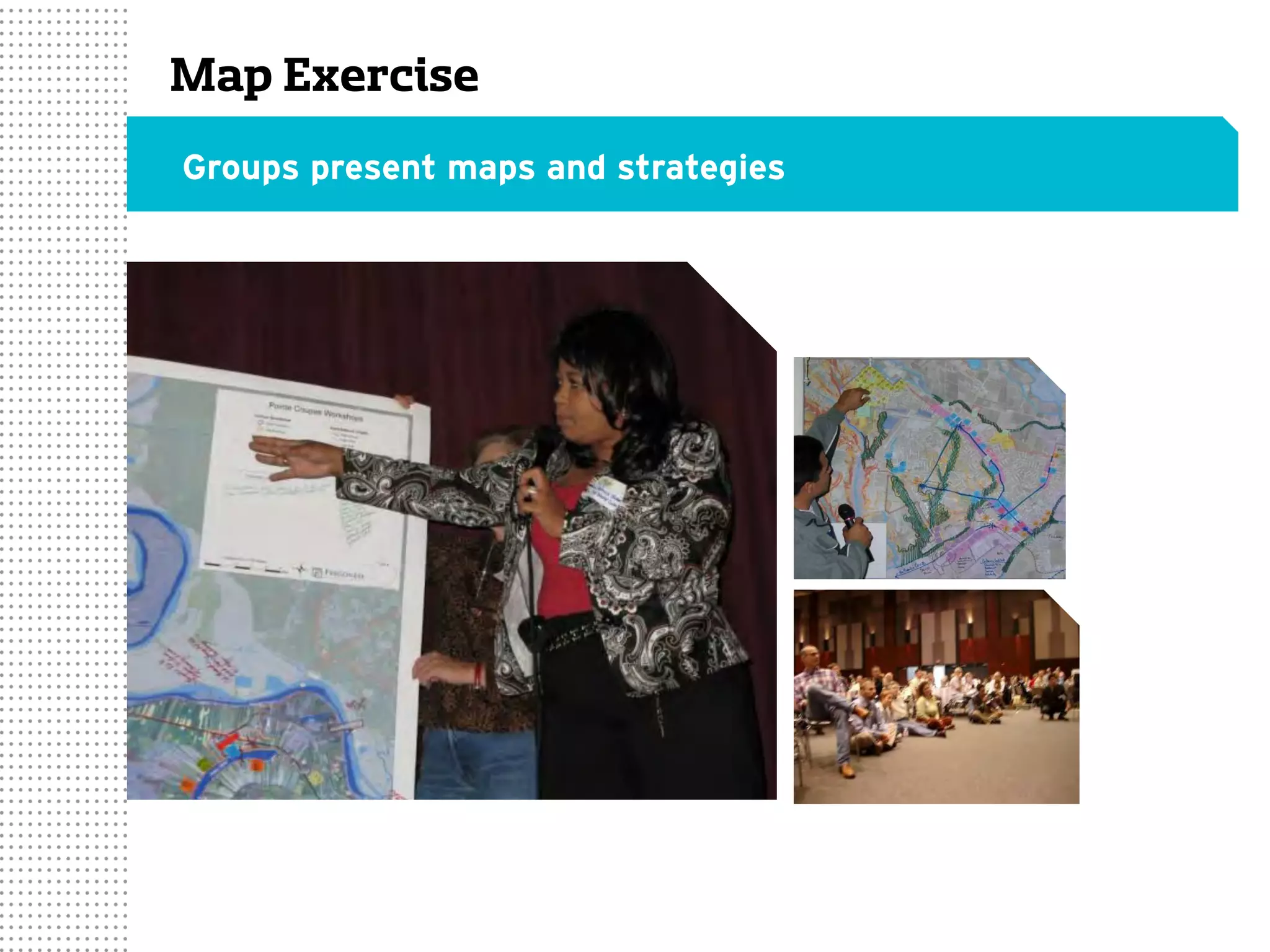
Groups present maps and strategies
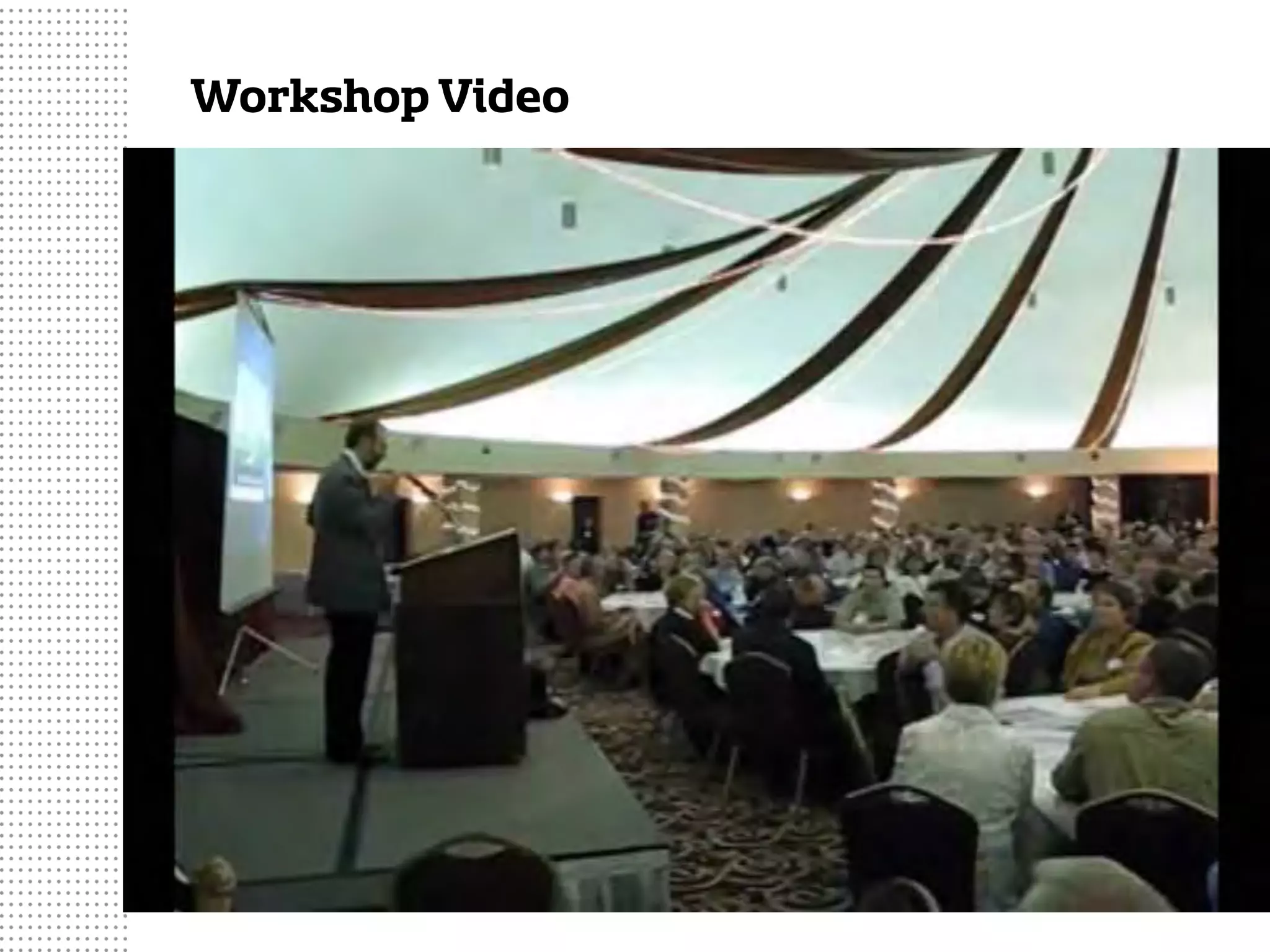
Workshop Video
What happens
after the workshop?
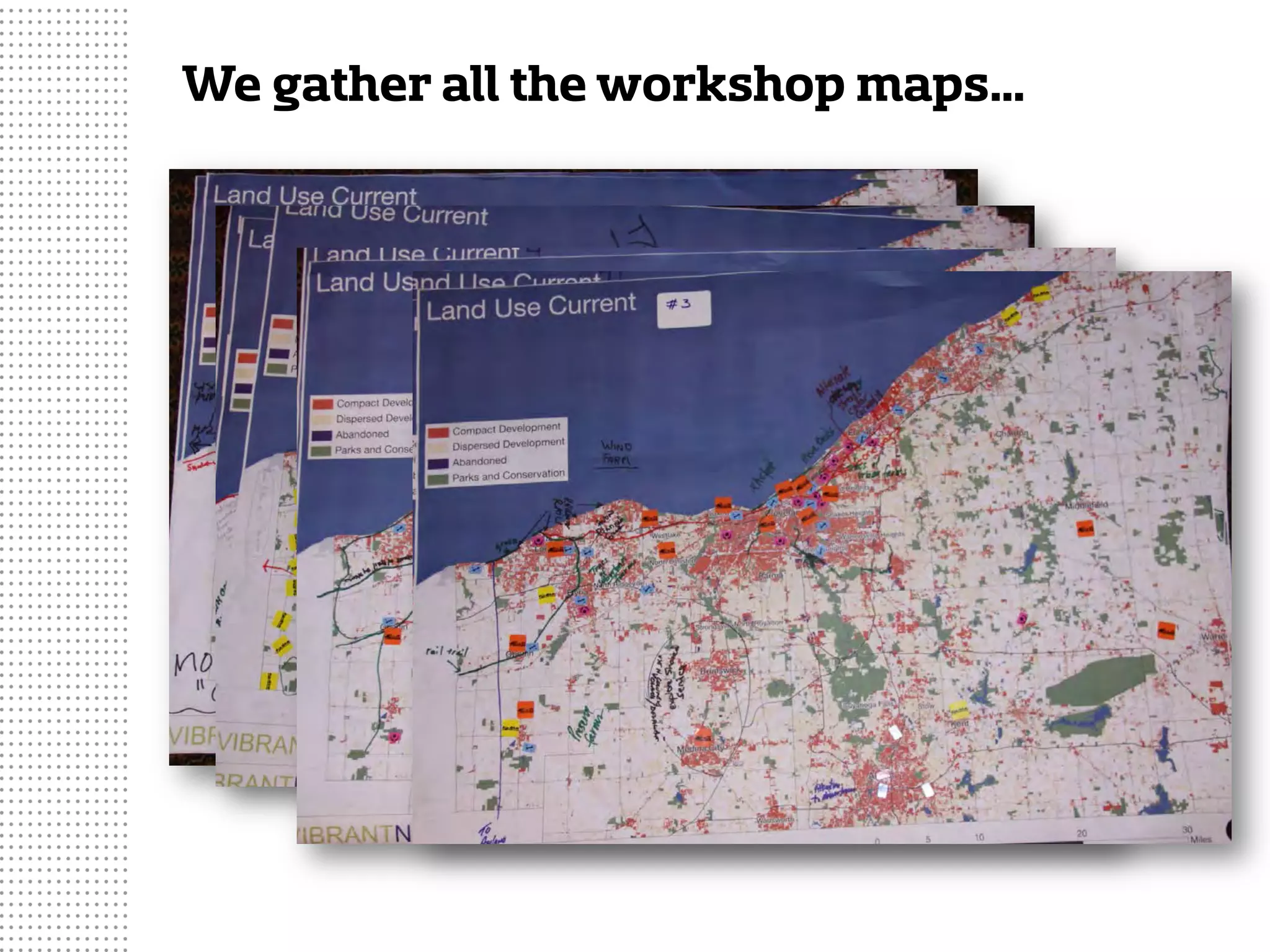
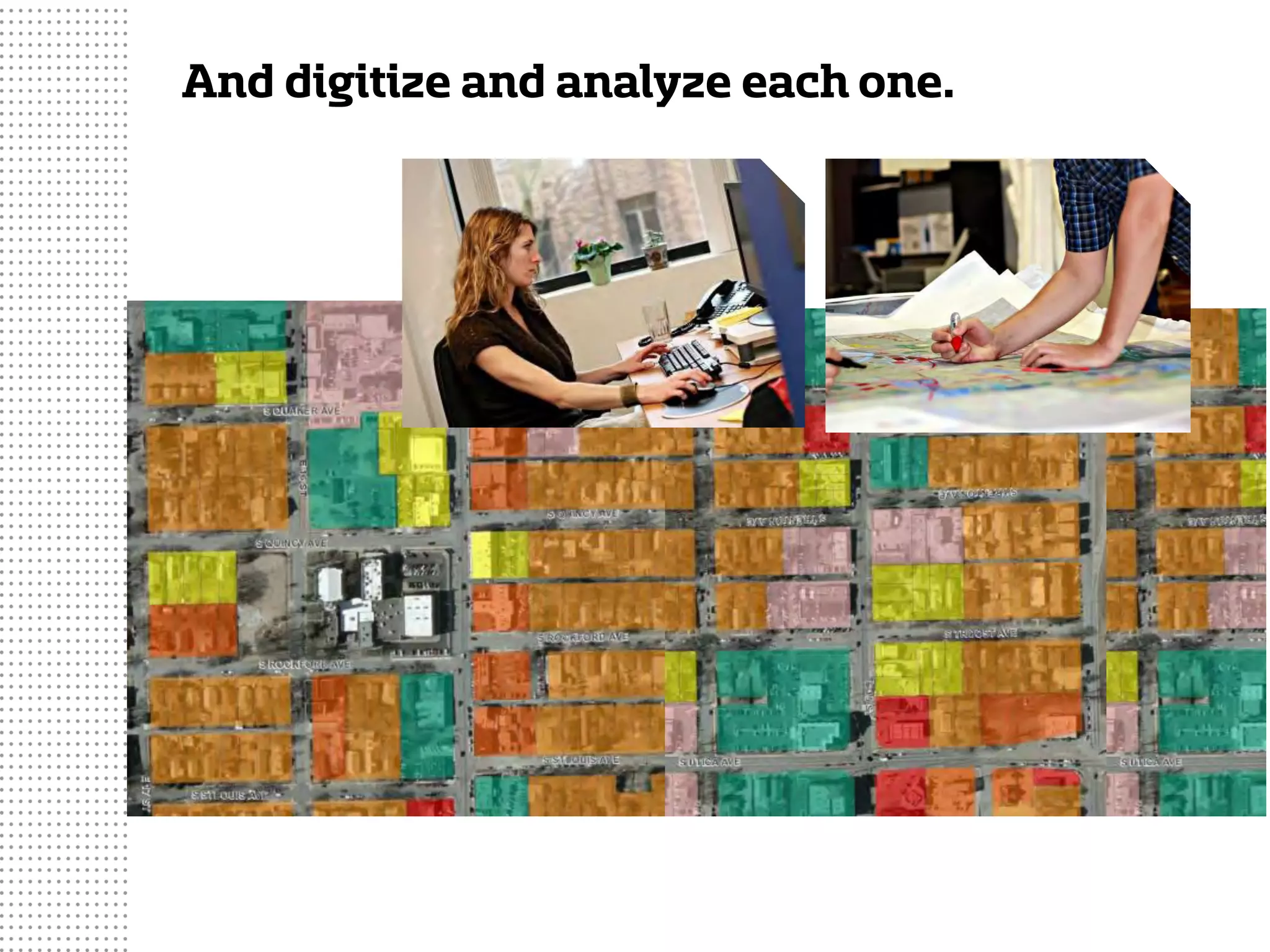
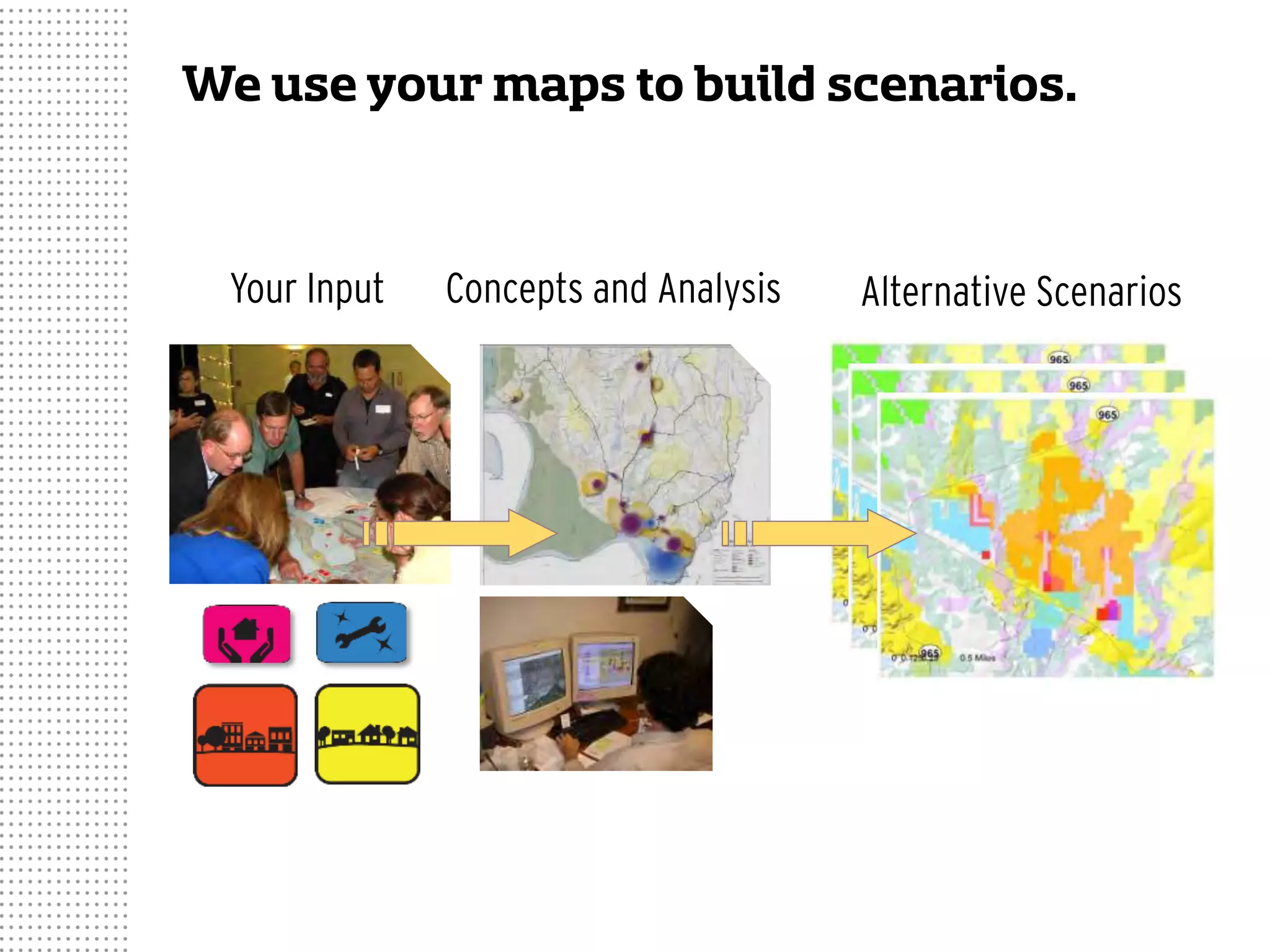
We gather all the workshop maps…
And digitize and analyze each one.
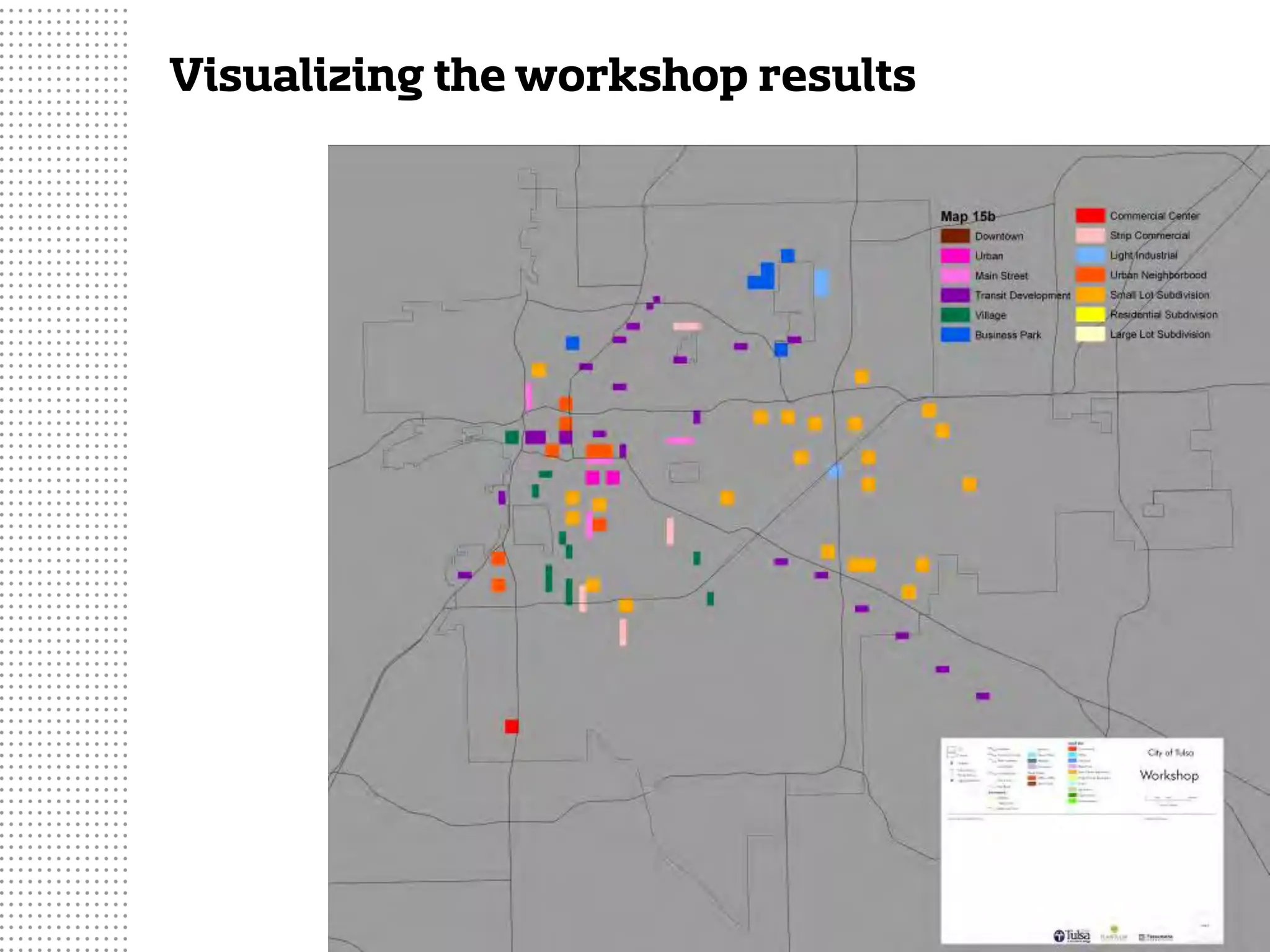
Visualizing the workshop results
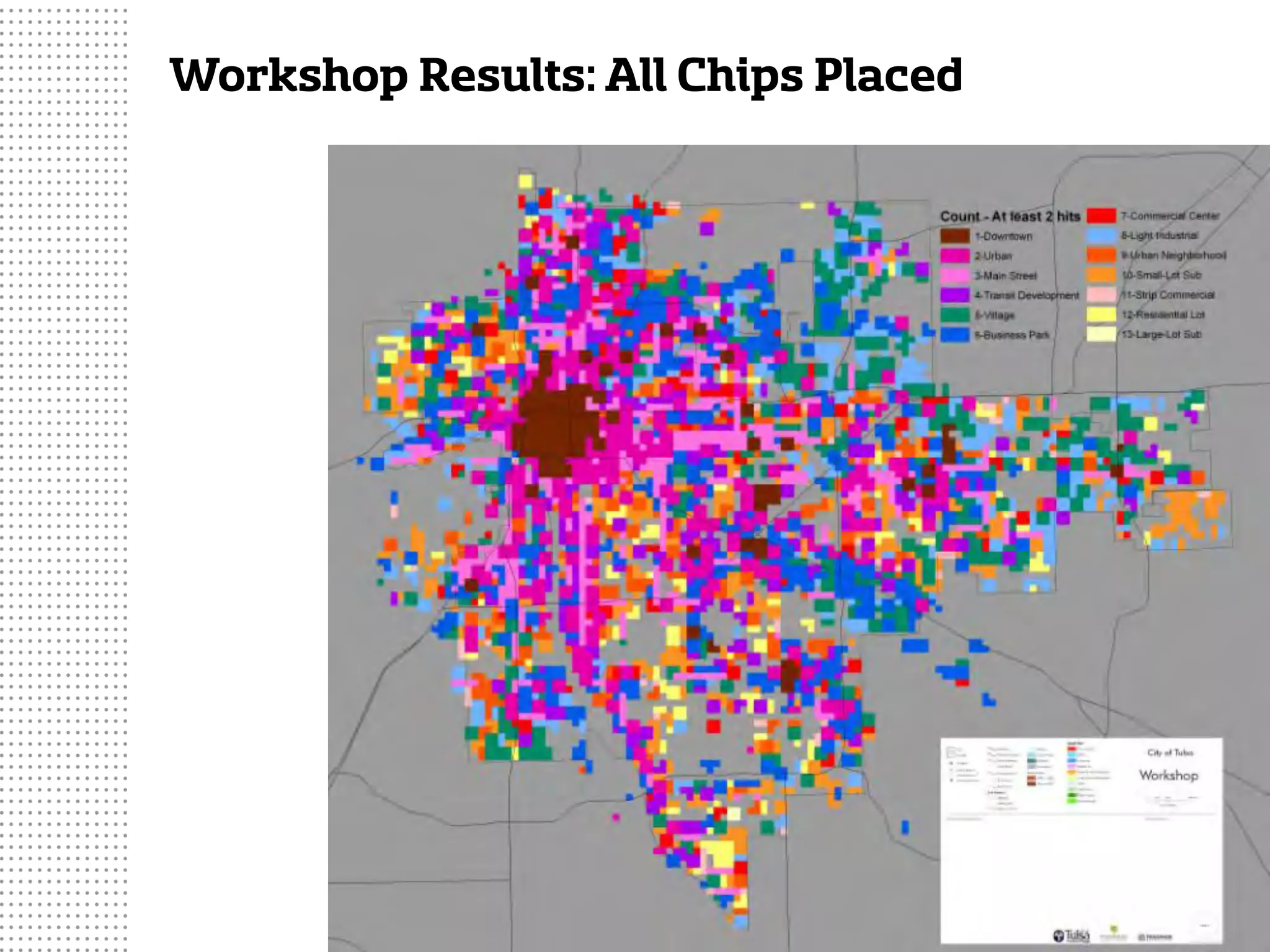
Workshop Results: All Chips Placed
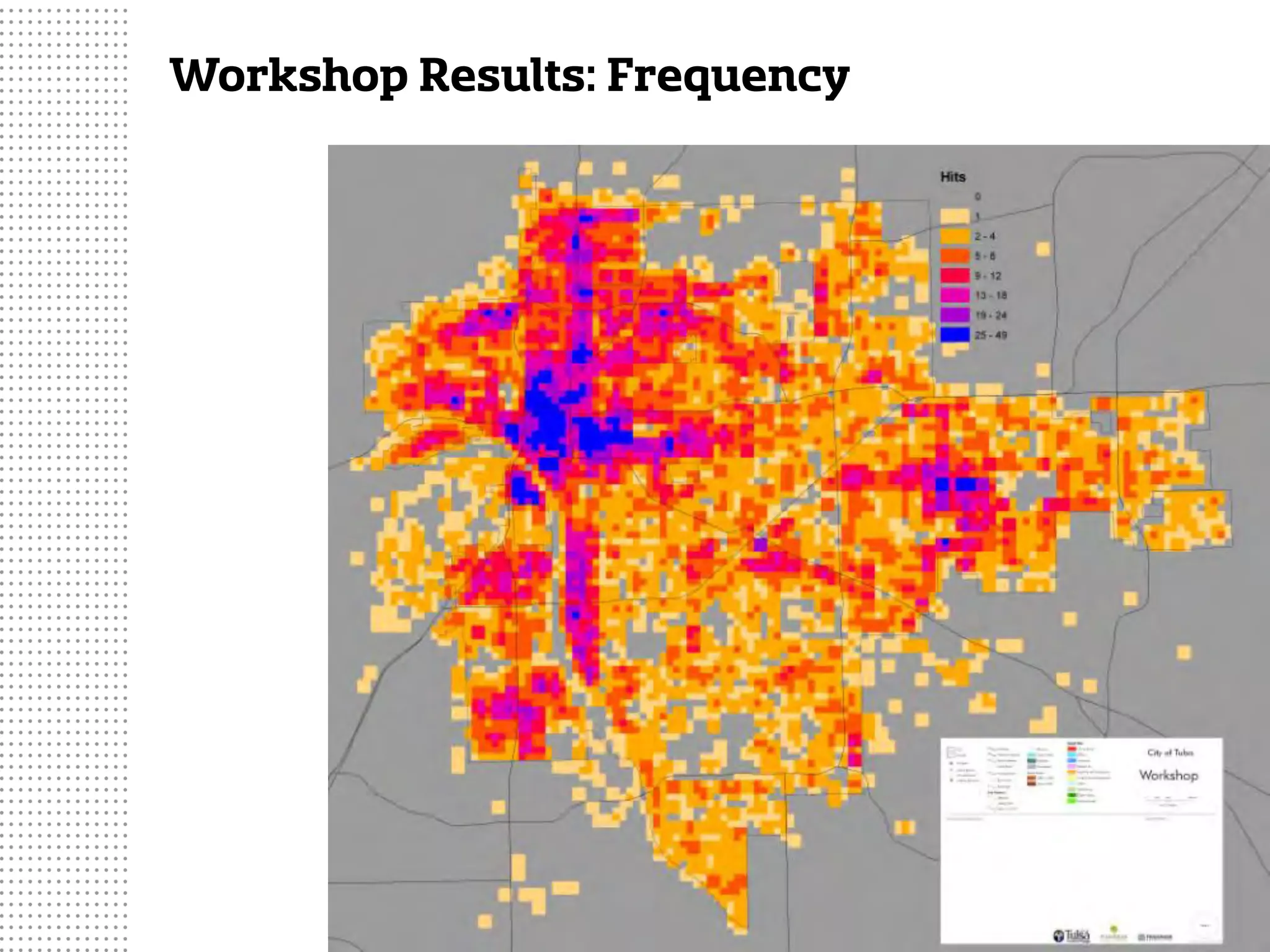
Workshop Results: Frequency
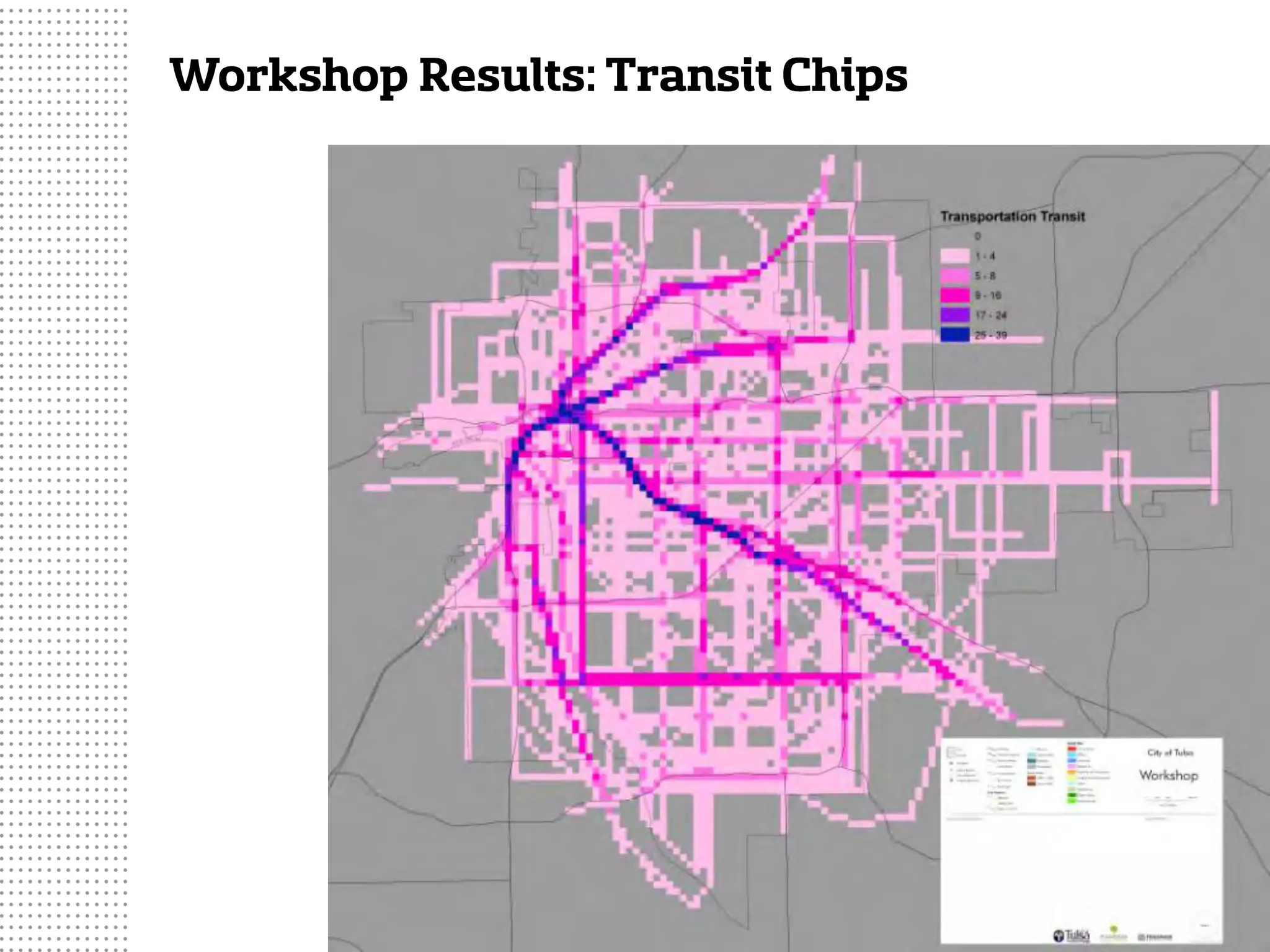
Workshop Results: Transit Chips
Your Input Concepts and Analysis Alternative Scenarios
We use your maps to build scenarios.
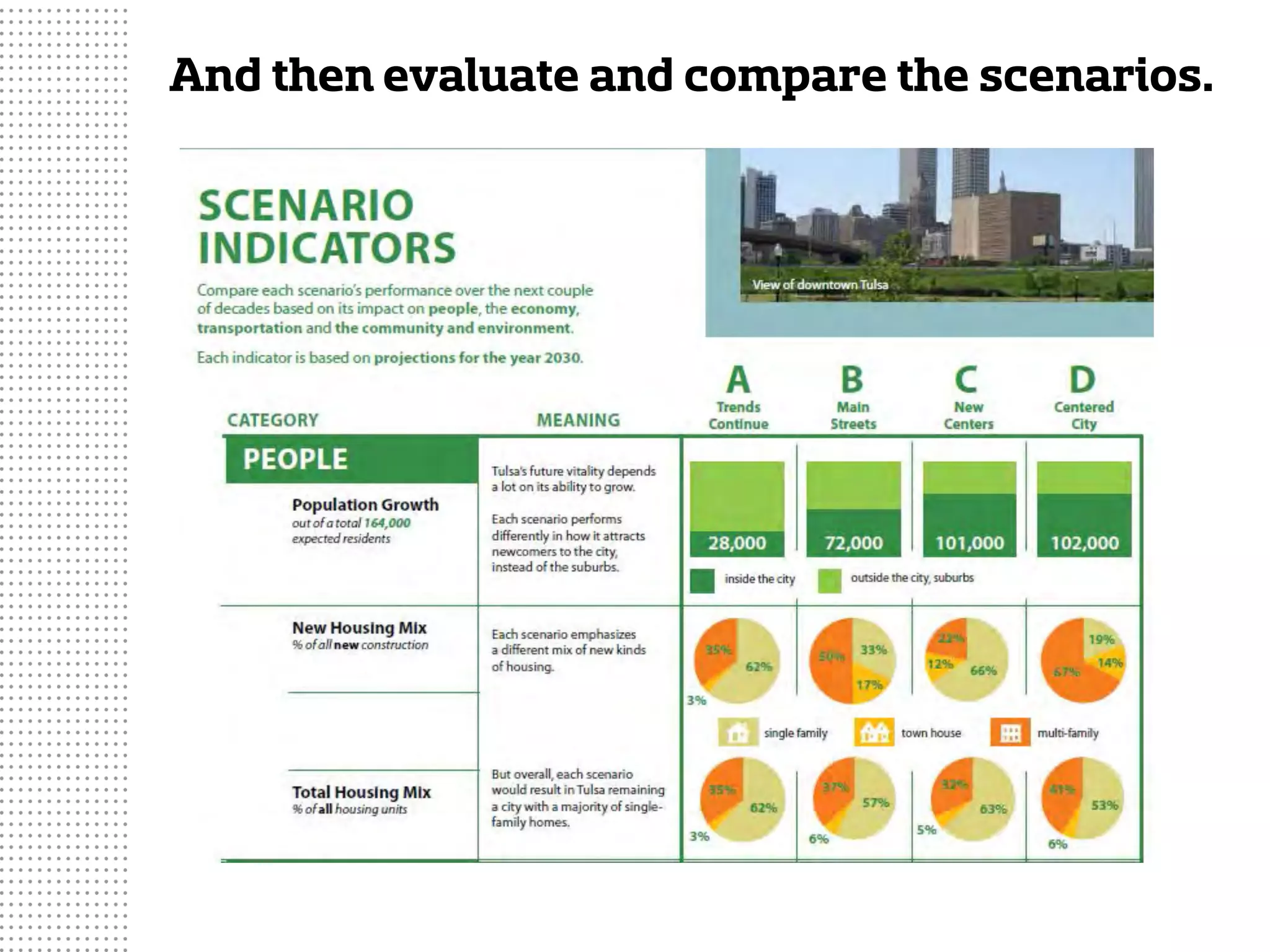
And then evaluate and compare the scenarios.
Residents are asked to choose the best path
forward - public preferences shape the Vision.
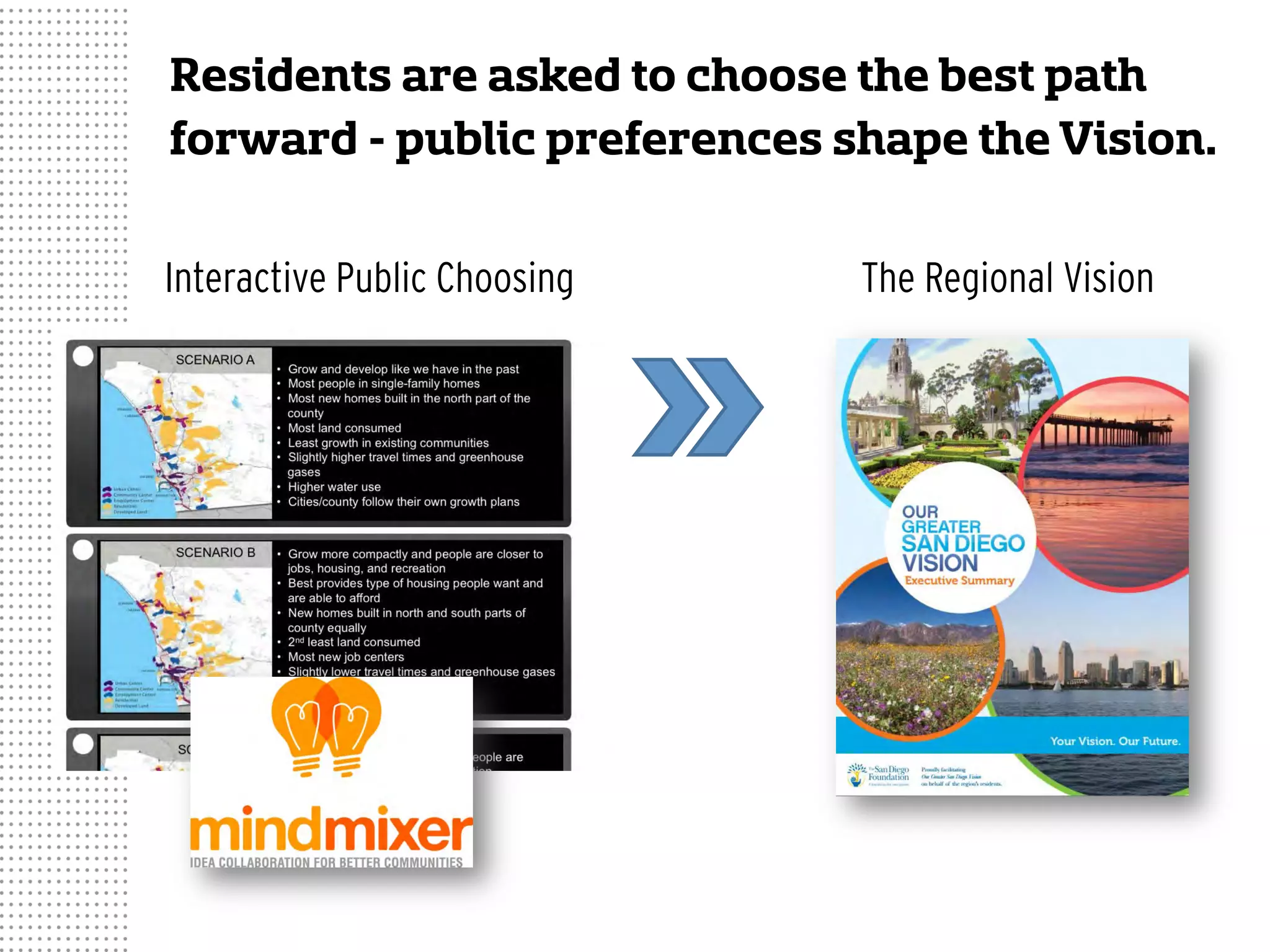
Interactive Public Choosing The Regional Vision
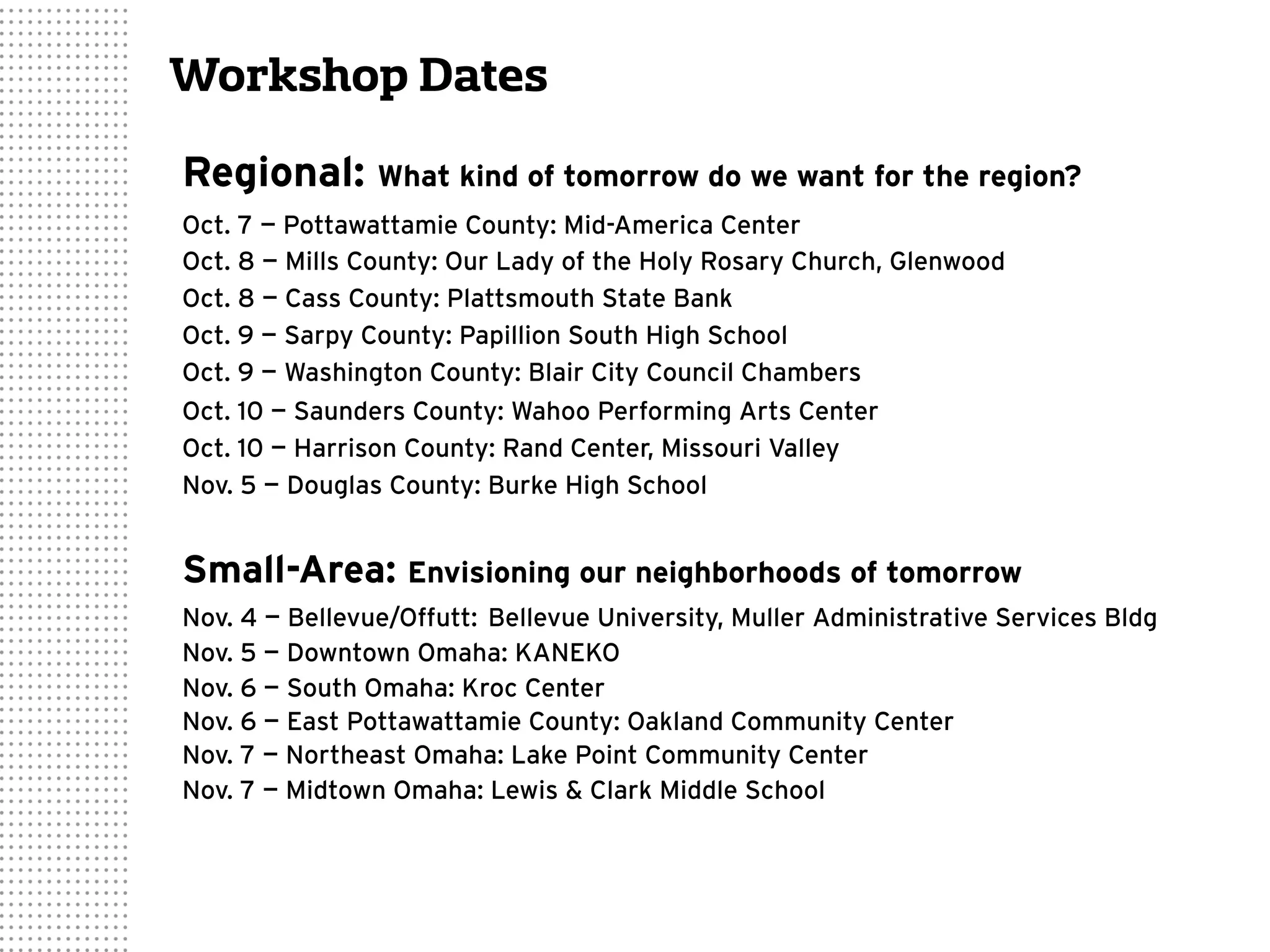
Workshop Dates
Regional: What kind of tomorrow do we want for the region?
Oct. 7 — Pottawattamie County: Mid-America Center
Oct. 8 — Mills County: Our Lady of the Holy Rosary Church, Glenwood
Oct. 8 — Cass County: Plattsmouth State Bank
Oct. 9 — Sarpy County: Papillion South High School
Oct. 9 — Washington County: Blair City Council Chambers
Oct. 10 — Saunders County: Wahoo Performing Arts Center
Oct. 10 — Harrison County: Rand Center, Missouri Valley
Nov. 5 — Douglas County: Burke High School
Small-Area: Envisioning our neighborhoods of tomorrow
Nov. 4 — Bellevue/Offutt: Bellevue University, Muller Administrative Services Bldg
Nov. 5 — Downtown Omaha: KANEKO
Nov. 6 — South Omaha: Kroc Center
Nov. 6 — East Pottawattamie County: Oakland Community Center
Nov. 7 — Northeast Omaha: Lake Point Community Center
Nov. 7 — Midtown Omaha: Lewis & Clark Middle School
Growing Responsibly. Together.

Community Visioning Workshop Preview

  • 1.
    CommunityVisioning Workshops Heartland 2050is hosting a series of exciting public meetings across the region in October and November to explore our future and learn fromyou. To find the workshop nearest you, visit the project website: Heartland2050.org
  • 2.
  • 3.
    A Regional Visionfor the Omaha Metro A regional vision will help the community members and decision makers understand the long- term consequences of the choices they make now and plan better for the future
  • 4.
  • 5.
    What is ScenarioPlanning? Goals of Scenario Planning •  Experiment with a range of strategies in the face of uncertainty •  Get the big issues on the table and prioritize them •  Down the road: align local actions with regional vision
  • 6.
    What is ScenarioPlanning? Traditional Approach The Present The Future
  • 7.
    What is ScenarioPlanning? Scenario Approach: Plausible stories about the future
  • 8.
    Develop a Rangeof Scenarios A B C D What is Scenario Planning?
  • 9.
    Scenarios also allowus to mix-and-match elements What is Scenario Planning? Scenarios also allow us to mix-and-match elements
  • 10.
    What happens atthe workshop?
  • 11.
    Typical Agenda –Evening event, 2-3 hours •  Welcome from MAPA staff or local leaders (10 min.) •  Intro Presentation (20 min.) –  The Omaha-Council Bluffs region today and tomorrow –  How your ideas help us in building scenarios –  Overview of tonight’s workshop activities •  Instant Polling (15 min.) •  Map Exercise (90 min.) –  Creative map-based design and visioning for the region –  Make choices and weigh trade-offs about the future •  Sharing ideas with group (30 min.)
  • 12.
    Instant Polling Warm-up Questions Whatis your gender? 1 2 3 25% 50% 25% 1.  Male 2.  Female 3.  Other
  • 13.
    Instant Polling Sample Questions:Shelter 3% 17% 6% 54% 20% 1. Yes, throughout the area 2. Yes, in commercial centers along transit corridors 3. No, it is not compatible 4. Maybe 5. I don’t know Is mixed use housing a good fit for Sarpy County?
  • 14.
    PROCESS: Show us yourvision of the future… 1.  Decide where and where not to grow 2.  Trade chips 3.  Arrange chips on map 4.  Draw in connections if needed 5.  Present map to group Map Exercise
  • 16.
    Map Exercise Starter Chipset Pens Scissors Workshop Map ChipBank Chip Menu Getting Familiar with the Materials
  • 17.
    Map Exercise Workshop Materials:Chip Examples Employment Types Residential TypesMixed-Use Types
  • 18.
    Map Exercise The ChipMenu Your guide to the development options
  • 19.
    Map Exercise Density options OptionC: Higher Density Option B: Middle Density Option A: Lower Density
  • 20.
    Mark areas importantfor protection and conservation: • Open space, green corridors and conservation areas • Historic districts and other significant areas Map Exercise Decide where NOT to grow
  • 21.
    Map Exercise Groups discussstrategies and place chips on maps
  • 22.
    •  Finalize thechip arrangement •  Make sure the chips on the map represent the group’s goals •  Pull backing off chips and stick to the map Map Exercise Arrange chips on the map
  • 23.
    Map Exercise Draw TransportationInfrastructure Bicycle & Pedestrian Networks Transit Roadways & Highways Especially in areas you expect to have new jobs or housing!
  • 24.
    Map Exercise Name yourmap and choose a presenter
  • 25.
    Map Exercise Groups presentmaps and strategies
  • 26.
  • 27.
  • 28.
    We gather allthe workshop maps…
  • 29.
    And digitize andanalyze each one.
  • 30.
  • 31.
  • 32.
  • 33.
  • 34.
    Your Input Conceptsand Analysis Alternative Scenarios We use your maps to build scenarios.
  • 35.
    And then evaluateand compare the scenarios.
  • 36.
    Residents are askedto choose the best path forward - public preferences shape the Vision. Interactive Public Choosing The Regional Vision
  • 37.
    Workshop Dates Regional: Whatkind of tomorrow do we want for the region? Oct. 7 — Pottawattamie County: Mid-America Center Oct. 8 — Mills County: Our Lady of the Holy Rosary Church, Glenwood Oct. 8 — Cass County: Plattsmouth State Bank Oct. 9 — Sarpy County: Papillion South High School Oct. 9 — Washington County: Blair City Council Chambers Oct. 10 — Saunders County: Wahoo Performing Arts Center Oct. 10 — Harrison County: Rand Center, Missouri Valley Nov. 5 — Douglas County: Burke High School Small-Area: Envisioning our neighborhoods of tomorrow Nov. 4 — Bellevue/Offutt: Bellevue University, Muller Administrative Services Bldg Nov. 5 — Downtown Omaha: KANEKO Nov. 6 — South Omaha: Kroc Center Nov. 6 — East Pottawattamie County: Oakland Community Center Nov. 7 — Northeast Omaha: Lake Point Community Center Nov. 7 — Midtown Omaha: Lewis & Clark Middle School
  • 38.