Dani Herro
Clemson University
 September, 2012
My background….

  Technology Resource Teacher
                   The Research
          K-6 Technology Integration
  UW-Madison Research – WOW/Augmented Reality
• Augmented RealitySocial Media, Web 2.0, Games Research
          Dissertation - (Squire)
• Instructional Technology Administrator
   WOW (Steinkuehler)
• New Media Literacies (Jenkins etsustainable programs
          Curriculum and Instruction – al.)
• Assistant Professor Digital Media and Learning
   Dissertation (Herro)
          Research-to-practice with digital media
• Games+Learning+Society
• Whitepapers, Reports & Trends
The (overlapping) game-changers
    •   broadband
    •   social media
    •   virtual spaces/games
    •   mobile devices
    •   cloud computing
INNOVATIVE
GAME-CHANGERS
              Mobiles +
            Personalization


                              Game-based
                                learning


                  Cloud
                Computing
• The big picture - why change
  practice?

• Examples in context - what
  does it look like?

• The process – where did we
  start?
Why change?
• The Digital Promise
• The Digital Generation
• Relevance - the rapid shift to hybrid/online and cloud
  based computing
• Heavy research basis
• Wisconsin DPI Requirements and Adoption
• societal requirements/norms/workforce
• WE are NOT like our students - brain research
• Obsolete, traditional, traditional skills with increased
  emphasis.....21st Century Skills
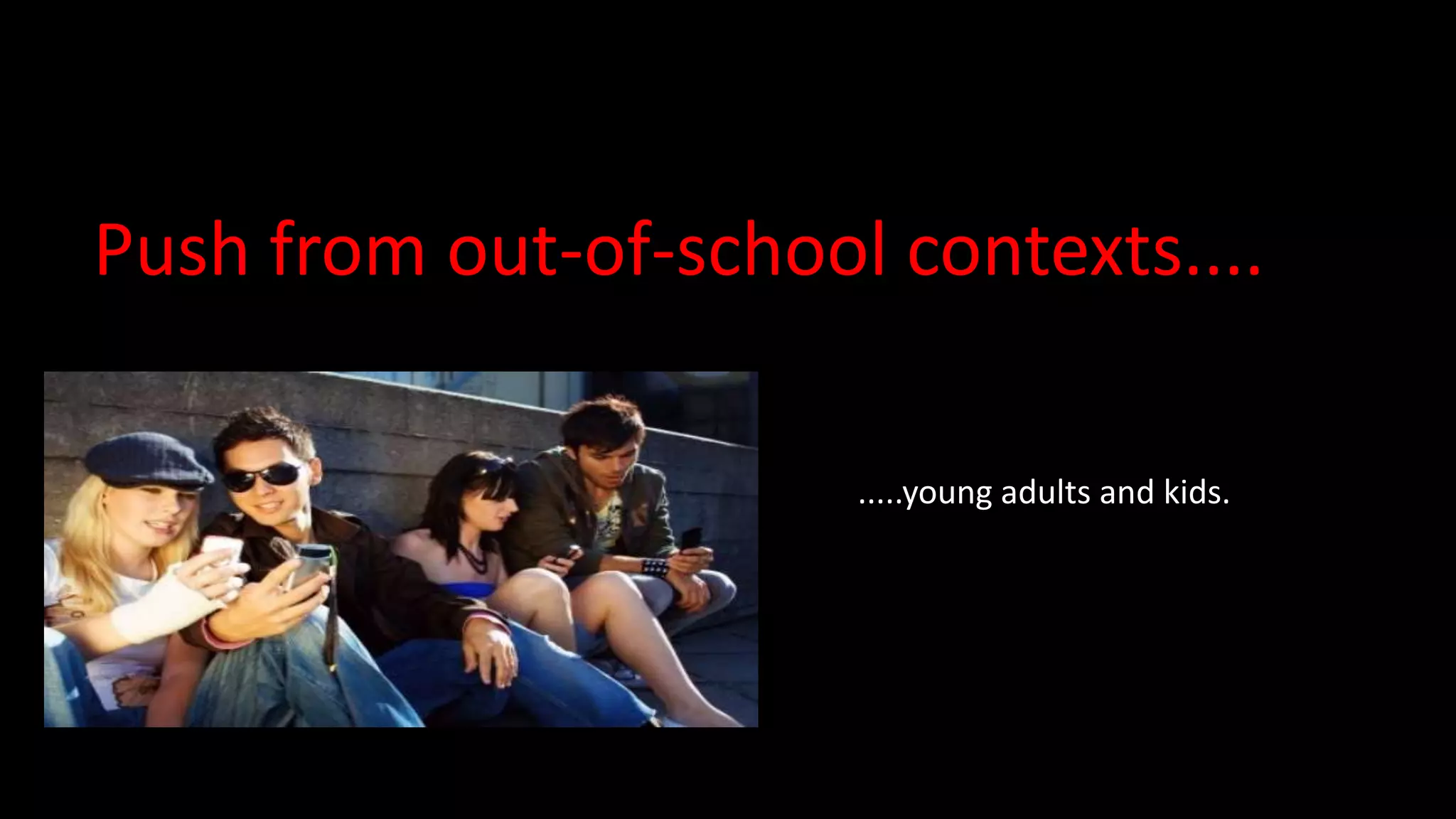
Push from out-of-school contexts....

                       .....young adults and kids.
THE TENSION……

Internet use in the wild vs. Internet
use in classrooms
(Web 2.0) Internet Use Outside
Internet Use in Classrooms
                                                                      Classrooms
    Content retrieval & consumption                                      Content creation & production

      Access mediated by teacher                                              Access unmediated

 Production as evidence of consumption                                 Production as genuine contribution
Enculturation into pre-ordained “culture”                         Enculturation into affinity group cultures

             Text privileged                                             Multimodal systems privileged

      Teacher as guide on the side                                     Distributed and collective expertise

                Individual                                                        Collaborative

          User standardization                                                 User customization


    Linear, logical, static progression                          Non-linear, logical, dynamic progression

                                          Herro & Steinkuehler, 2010
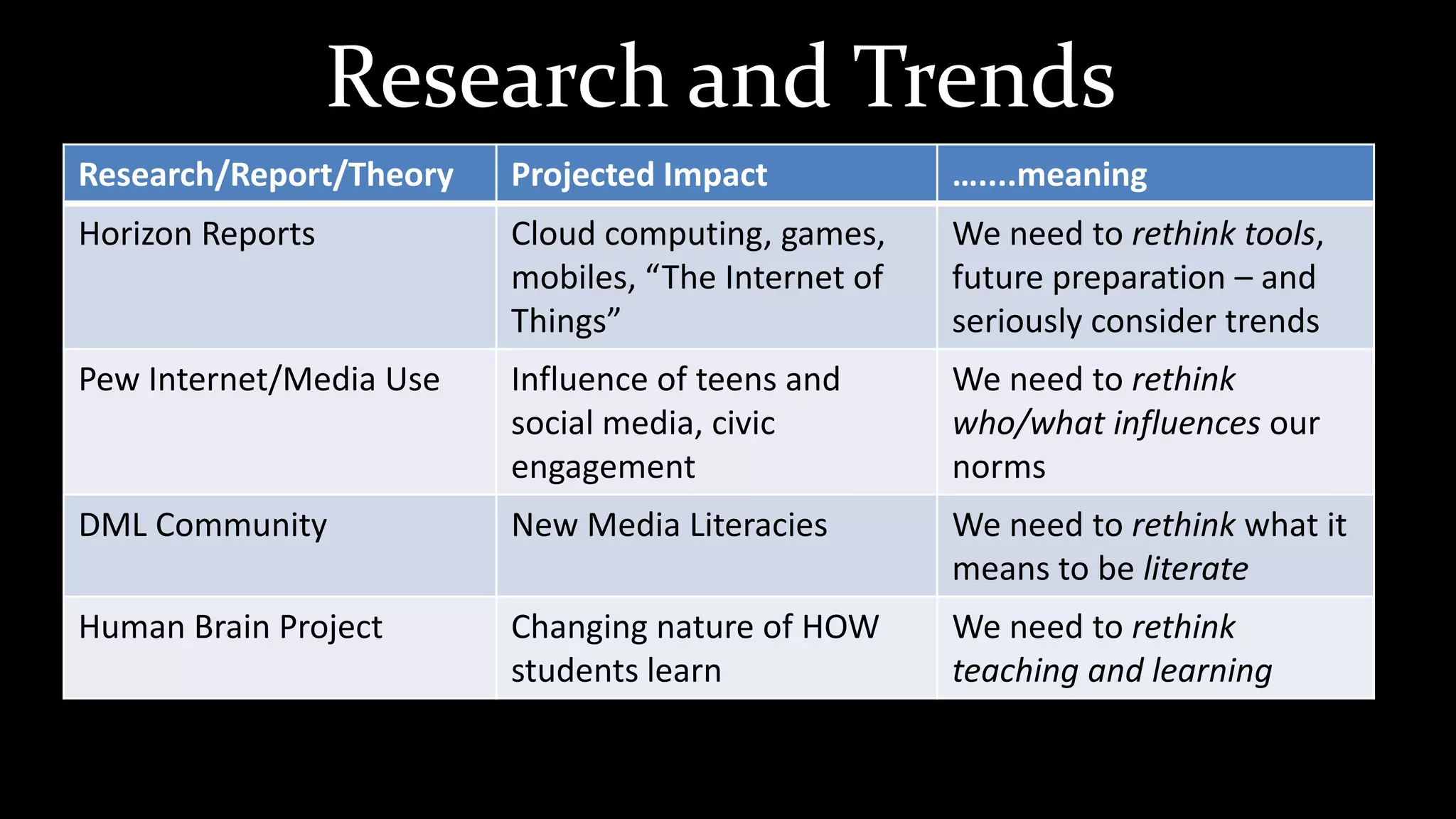
Research and Trends
Research/Report/Theory   Projected Impact            …....meaning
Horizon Reports          Cloud computing, games,     We need to rethink tools,
                         mobiles, “The Internet of   future preparation – and
                         Things”                     seriously consider trends
Pew Internet/Media Use   Influence of teens and      We need to rethink
                         social media, civic         who/what influences our
                         engagement                  norms
DML Community            New Media Literacies        We need to rethink what it
                                                     means to be literate
Human Brain Project      Changing nature of HOW      We need to rethink
                         students learn              teaching and learning
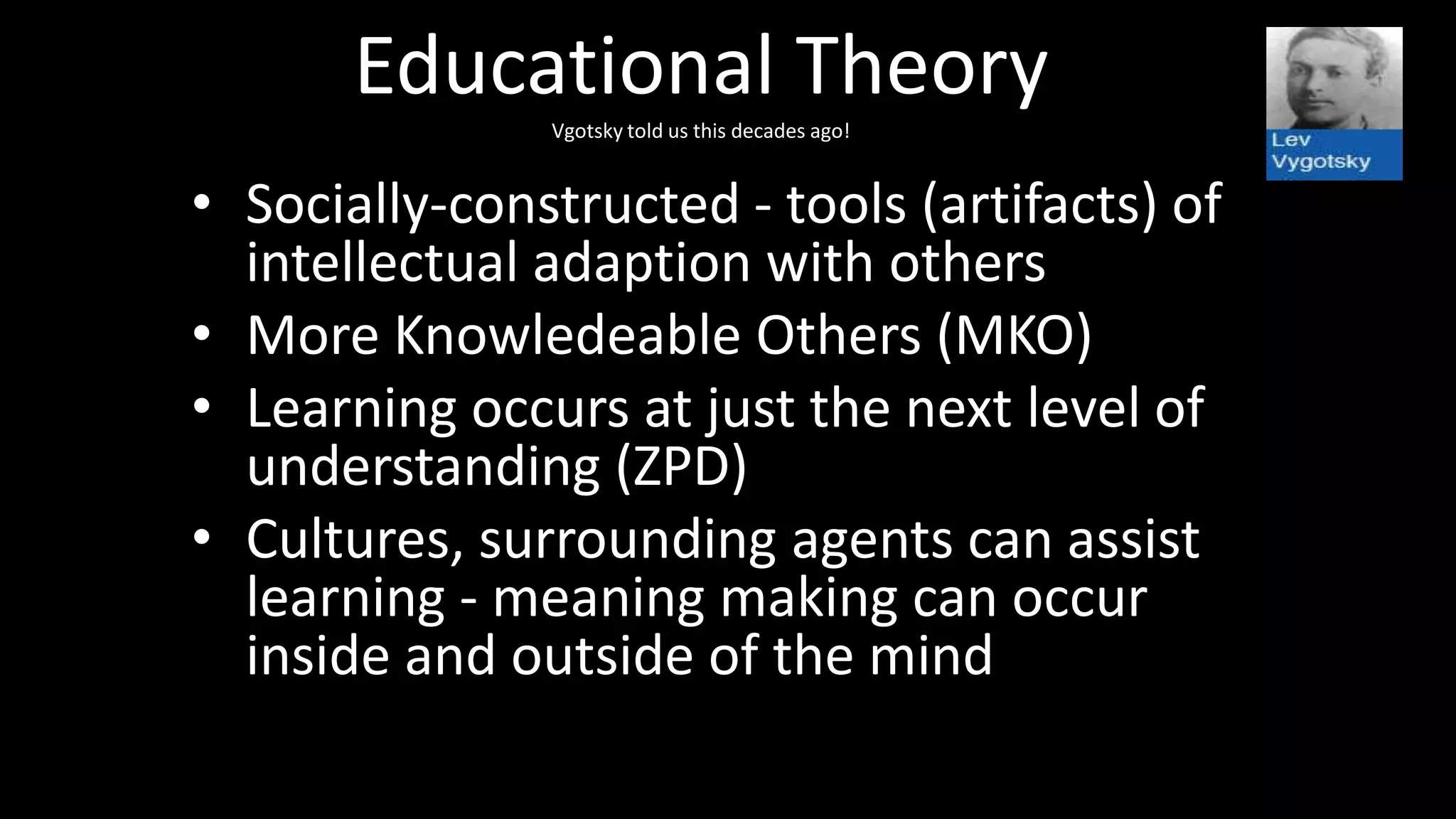
Educational Theory
               Vgotsky told us this decades ago!


• Socially-constructed - tools (artifacts) of
  intellectual adaption with others
• More Knowledeable Others (MKO)
• Learning occurs at just the next level of
  understanding (ZPD)
• Cultures, surrounding agents can assist
  learning - meaning making can occur
  inside and outside of the mind
New media literacies (Jenkins et. al., 2006)
• “set of cultural competencies and social skills”
• simulation, appropriation, judgment, transmedi
  a
  navigation, negotiation, play, multitasking, perfo
  rmance, collective intelligence, distributed
  cognition, networking
What does innovation look like in K-
              12?
Framing the *technology-push*
            in K-12

 The (new) Structure             Organic Growth
  *migration to new content         Curricular
                                   Connections

  The (new) Content             Curricular Growth

  *includes new structures
                              Purposeful Connections
reading fluency, skill
building, digital
storytelling, artifacts for
writers
workshop, playlists as
„dated
assessments‟, digital
read-alouds and audio
instruction
Touring with
                                              Technology
Curriculum: Research social studies related locales, co-write a short script, multimodal
information dropped in “pins”
Tools: Internet, Google Earth, Flip Video, Pixlr, Sony Vegas - video editing
Techno Savvy
Blogger
The Podcasting Unit
Script-writing
Google Groups
     http://mrsprunty.blogspot.com/
Hybrid, Fully Online Courses
• Capacity to connect structure and content
• Web page with log in portal - tools
• Blackboard as Learning Management System;
  Google Apps to augment
• Continual data collection, assessment, feedback
• Courses customized to individual learning and
  pacing
• LEARNING via PROFILE + PERSONAL + MOBILE
Teaching and Learning
  with Google Apps
The Principal – Efficiency/Relevance

Staff evaluations - observations - Google Doc/comments

Scheduling - 7th/8th grade elective choices - now paperless - Google Forms
- sent to parents

Announcements - Google Doc shared with staff, no administrative assistant
time

Book Studies organized via Google Forms

Tools as a matter of doing business....relevant and efficient
iGoogle Desktop
Calendar*Gmail*Docs*Google Translator*Reader*Twitter*Articles/Scholar
The Gaming Course


Gmail
Sites
Docs
Presentations
Google App Inventor
Purposeful - threading gaming in
          curriculum
Why gaming?
The world our students live in
Games as…
Identity
Interaction
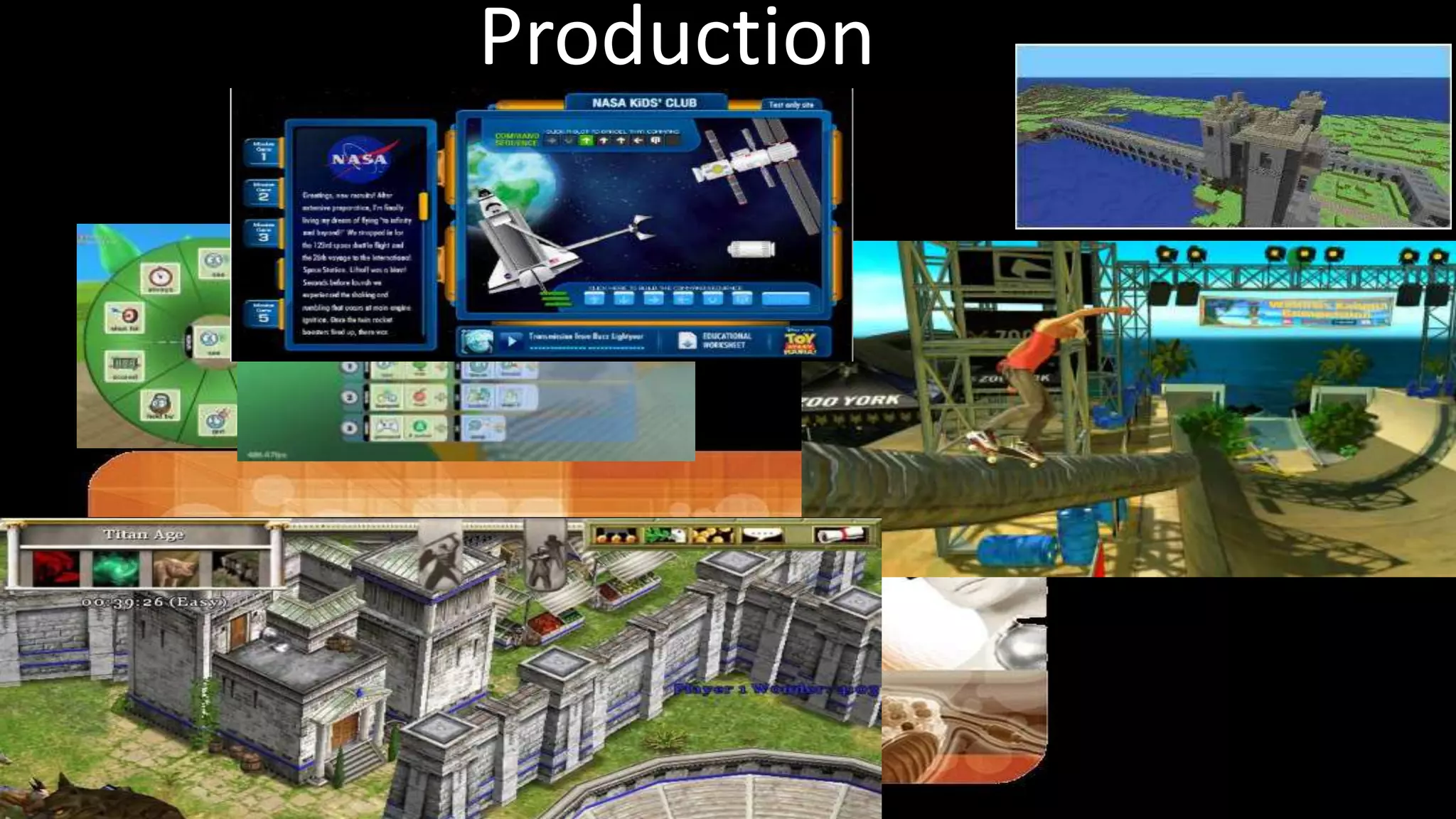
Production
Risk-Taking
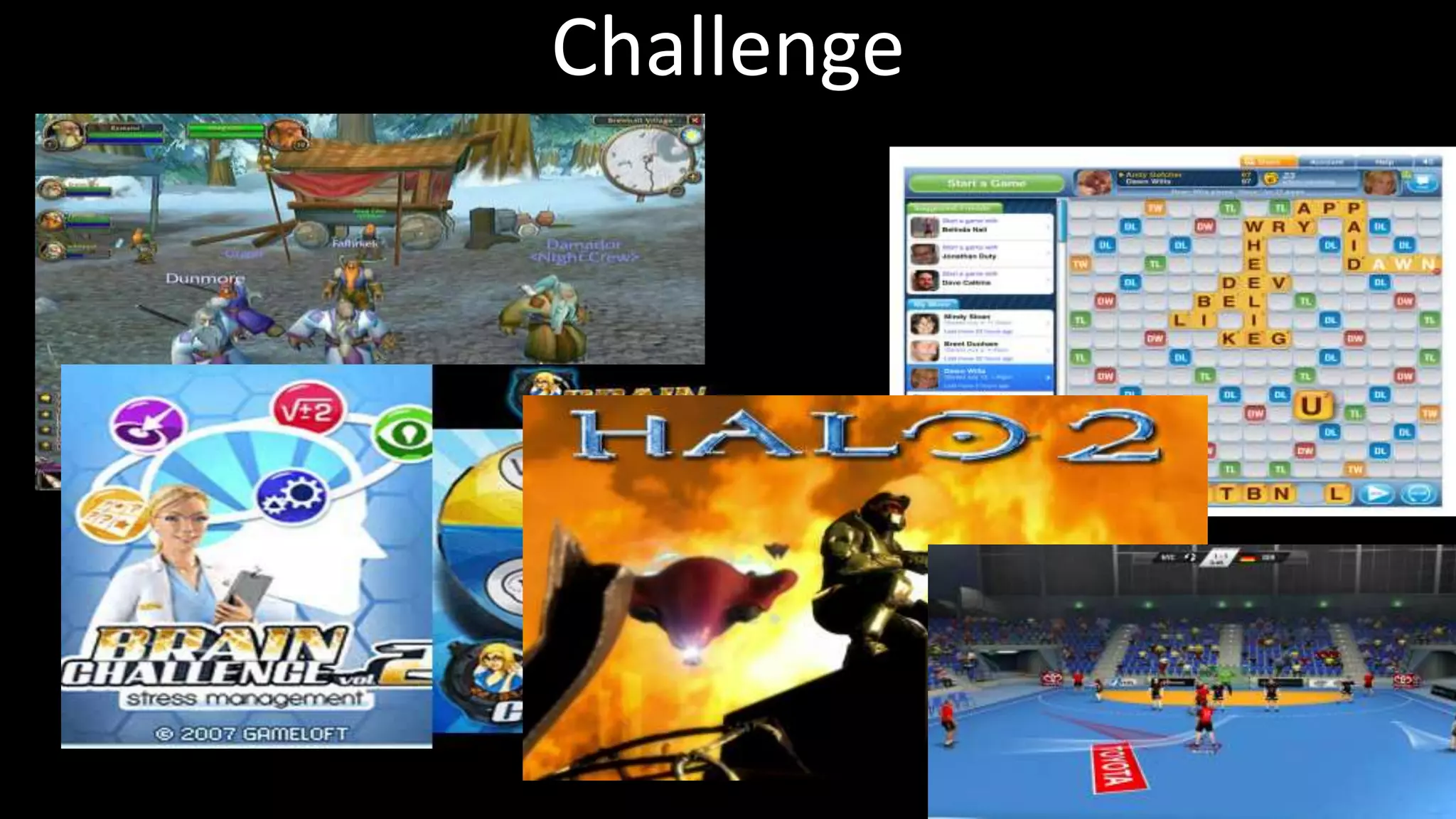
Challenge
This is about game design.
“Good game designers are practical theoreticians
of learning, since what makes games deep is that
players are exercising their learning muscles......”
(Gee, 2005)


                           ~mechanics, dynamics, aesthetics~
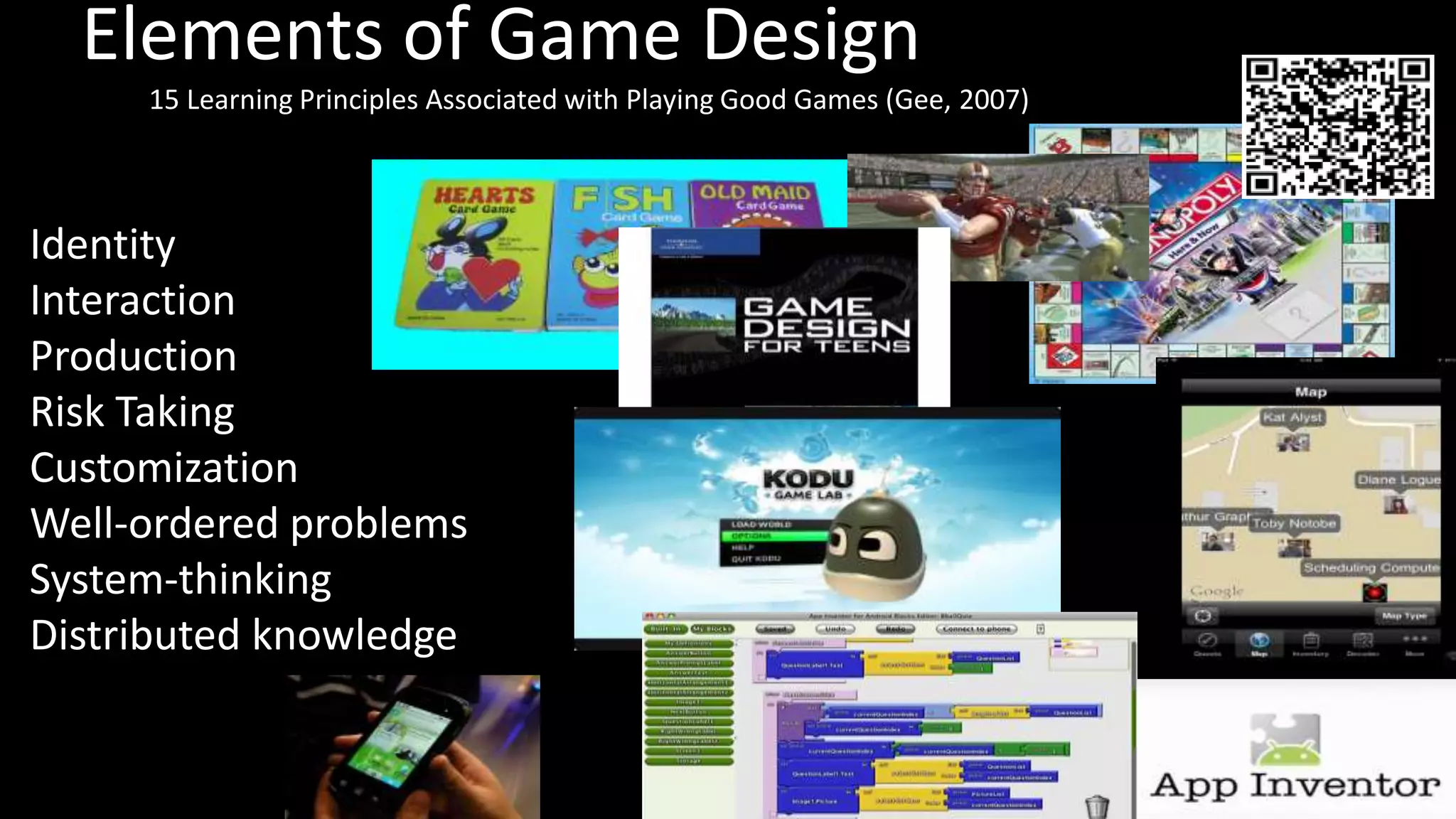
Elements of Game Design
     15 Learning Principles Associated with Playing Good Games (Gee, 2007)


Identity
Interaction
Production
Risk Taking
Customization
Well-ordered problems
System-thinking
Distributed knowledge
Where might you start?
not with technology, but instead
understanding the (very different) learner,
(dramatically different) shift in the
definition of literacy, and RELEVANCE in
opportunities you provide.
The backend...what did we do first?
 •   garner support (pilot)
 •   meet with Tech Support
 •   call other districts for „best practices‟
 •   read privacy laws - archiving practices
 •   parent communications - registration packet
 •   consider sustainability – PD
 •   evaluations – staff/student
ENSURING SUCCESS AND
                                SUSTAINABILITY

         Focus on
         Research


Perspective      Content
of Students     over tools
Training and Professional Development
 • model your expectations
   (administrators, course
   instructors, trainers, teachers)
 • offer multiple entry points and flexibility
 • form cohorts - this is about sharing and
   participating
 • embrace CHANGE, this is the 21st century
Training/PD schedule
Academic year – Administrative/Business Office
Training - before monthly meetings
Professional Development - embedded in grad classes
Summer Training - geared to high school - 3 or 4 hour
Technology Boot Camp – workshops
Technology Coach – reallocated position
What NOT to do
            or...how are we sure to fail
• Focus solely on technology - pedagogy and instruction
  must be considered first
• Use technology as a starting point - instead of technology
  for efficiency and to meet REQUIRED skills and
  opportunities for INCREASED learning
• Little or no attention to DESIGN, CREATIVITY,
  COLLABORATION, MEDIA or INFORMATION Fluency
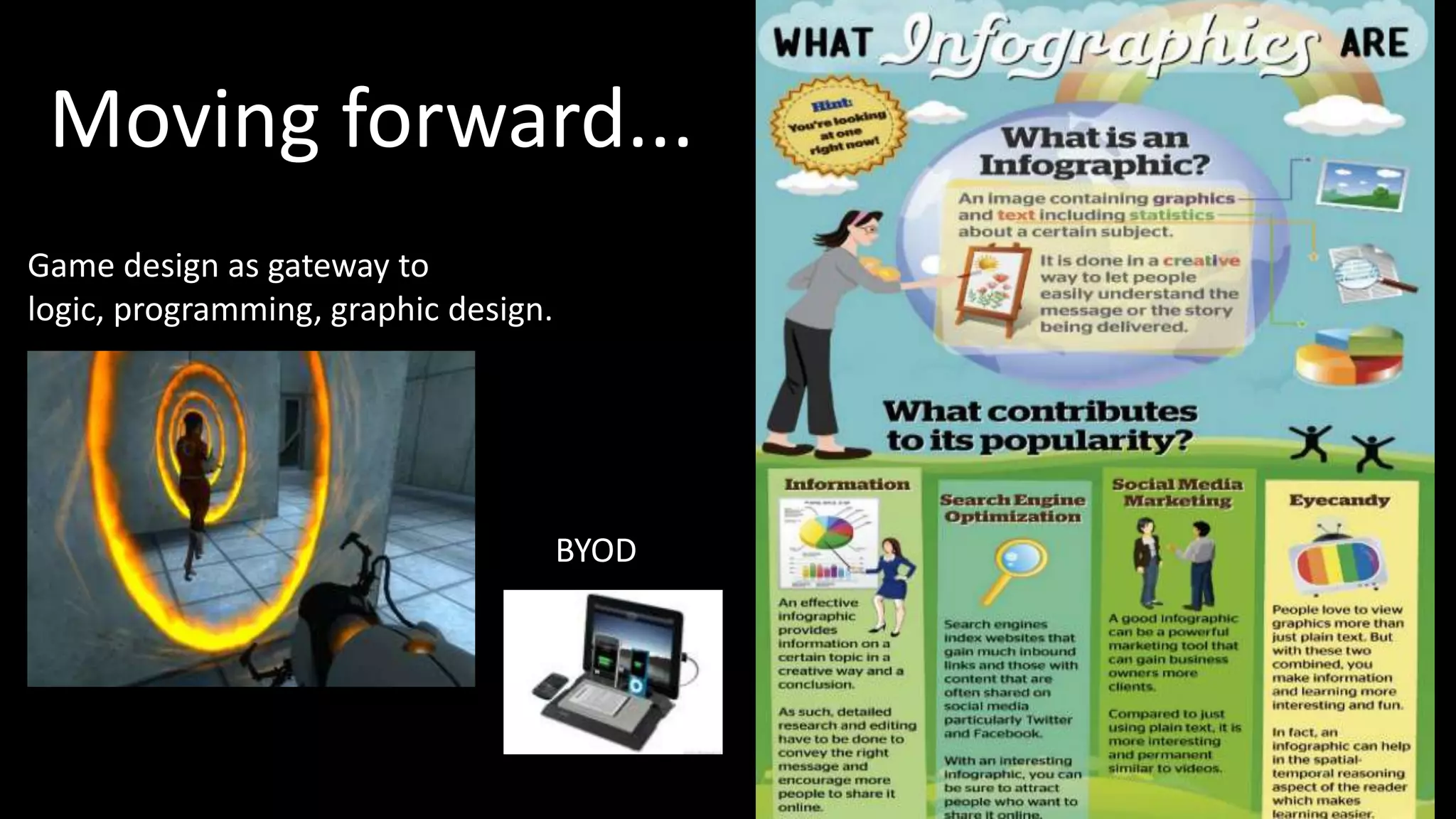
Moving forward...
Game design as gateway to
logic, programming, graphic design.


                                      BYOD
daniherro@gmail.com
dherro@clemson.edu


    @daniherro

WhoZNext - PDS 2012

  • 1.
  • 2.
    My background…. Technology Resource Teacher The Research K-6 Technology Integration UW-Madison Research – WOW/Augmented Reality • Augmented RealitySocial Media, Web 2.0, Games Research Dissertation - (Squire) • Instructional Technology Administrator WOW (Steinkuehler) • New Media Literacies (Jenkins etsustainable programs Curriculum and Instruction – al.) • Assistant Professor Digital Media and Learning Dissertation (Herro) Research-to-practice with digital media • Games+Learning+Society • Whitepapers, Reports & Trends
  • 3.
    The (overlapping) game-changers • broadband • social media • virtual spaces/games • mobile devices • cloud computing
  • 4.
    INNOVATIVE GAME-CHANGERS Mobiles + Personalization Game-based learning Cloud Computing
  • 5.
    • The bigpicture - why change practice? • Examples in context - what does it look like? • The process – where did we start?
  • 6.
    Why change? • TheDigital Promise • The Digital Generation • Relevance - the rapid shift to hybrid/online and cloud based computing • Heavy research basis • Wisconsin DPI Requirements and Adoption • societal requirements/norms/workforce • WE are NOT like our students - brain research • Obsolete, traditional, traditional skills with increased emphasis.....21st Century Skills
  • 7.
    Push from out-of-schoolcontexts.... .....young adults and kids.
  • 10.
    THE TENSION…… Internet usein the wild vs. Internet use in classrooms
  • 11.
    (Web 2.0) InternetUse Outside Internet Use in Classrooms Classrooms Content retrieval & consumption Content creation & production Access mediated by teacher Access unmediated Production as evidence of consumption Production as genuine contribution Enculturation into pre-ordained “culture” Enculturation into affinity group cultures Text privileged Multimodal systems privileged Teacher as guide on the side Distributed and collective expertise Individual Collaborative User standardization User customization Linear, logical, static progression Non-linear, logical, dynamic progression Herro & Steinkuehler, 2010
  • 12.
    Research and Trends Research/Report/Theory Projected Impact …....meaning Horizon Reports Cloud computing, games, We need to rethink tools, mobiles, “The Internet of future preparation – and Things” seriously consider trends Pew Internet/Media Use Influence of teens and We need to rethink social media, civic who/what influences our engagement norms DML Community New Media Literacies We need to rethink what it means to be literate Human Brain Project Changing nature of HOW We need to rethink students learn teaching and learning
  • 13.
    Educational Theory Vgotsky told us this decades ago! • Socially-constructed - tools (artifacts) of intellectual adaption with others • More Knowledeable Others (MKO) • Learning occurs at just the next level of understanding (ZPD) • Cultures, surrounding agents can assist learning - meaning making can occur inside and outside of the mind
  • 14.
    New media literacies(Jenkins et. al., 2006) • “set of cultural competencies and social skills” • simulation, appropriation, judgment, transmedi a navigation, negotiation, play, multitasking, perfo rmance, collective intelligence, distributed cognition, networking
  • 15.
    What does innovationlook like in K- 12?
  • 16.
    Framing the *technology-push* in K-12 The (new) Structure Organic Growth *migration to new content Curricular Connections The (new) Content Curricular Growth *includes new structures Purposeful Connections
  • 17.
    reading fluency, skill building,digital storytelling, artifacts for writers workshop, playlists as „dated assessments‟, digital read-alouds and audio instruction
  • 18.
    Touring with Technology Curriculum: Research social studies related locales, co-write a short script, multimodal information dropped in “pins” Tools: Internet, Google Earth, Flip Video, Pixlr, Sony Vegas - video editing
  • 19.
    Techno Savvy Blogger The PodcastingUnit Script-writing Google Groups http://mrsprunty.blogspot.com/
  • 20.
    Hybrid, Fully OnlineCourses • Capacity to connect structure and content • Web page with log in portal - tools • Blackboard as Learning Management System; Google Apps to augment • Continual data collection, assessment, feedback • Courses customized to individual learning and pacing • LEARNING via PROFILE + PERSONAL + MOBILE
  • 21.
    Teaching and Learning with Google Apps
  • 22.
    The Principal –Efficiency/Relevance Staff evaluations - observations - Google Doc/comments Scheduling - 7th/8th grade elective choices - now paperless - Google Forms - sent to parents Announcements - Google Doc shared with staff, no administrative assistant time Book Studies organized via Google Forms Tools as a matter of doing business....relevant and efficient
  • 24.
  • 26.
  • 27.
    Purposeful - threadinggaming in curriculum
  • 28.
  • 29.
    The world ourstudents live in
  • 30.
  • 31.
  • 32.
  • 33.
  • 34.
  • 35.
  • 36.
    This is aboutgame design. “Good game designers are practical theoreticians of learning, since what makes games deep is that players are exercising their learning muscles......” (Gee, 2005) ~mechanics, dynamics, aesthetics~
  • 37.
    Elements of GameDesign 15 Learning Principles Associated with Playing Good Games (Gee, 2007) Identity Interaction Production Risk Taking Customization Well-ordered problems System-thinking Distributed knowledge
  • 38.
    Where might youstart? not with technology, but instead understanding the (very different) learner, (dramatically different) shift in the definition of literacy, and RELEVANCE in opportunities you provide.
  • 39.
    The backend...what didwe do first? • garner support (pilot) • meet with Tech Support • call other districts for „best practices‟ • read privacy laws - archiving practices • parent communications - registration packet • consider sustainability – PD • evaluations – staff/student
  • 40.
    ENSURING SUCCESS AND SUSTAINABILITY Focus on Research Perspective Content of Students over tools
  • 41.
    Training and ProfessionalDevelopment • model your expectations (administrators, course instructors, trainers, teachers) • offer multiple entry points and flexibility • form cohorts - this is about sharing and participating • embrace CHANGE, this is the 21st century
  • 42.
    Training/PD schedule Academic year– Administrative/Business Office Training - before monthly meetings Professional Development - embedded in grad classes Summer Training - geared to high school - 3 or 4 hour Technology Boot Camp – workshops Technology Coach – reallocated position
  • 43.
    What NOT todo or...how are we sure to fail • Focus solely on technology - pedagogy and instruction must be considered first • Use technology as a starting point - instead of technology for efficiency and to meet REQUIRED skills and opportunities for INCREASED learning • Little or no attention to DESIGN, CREATIVITY, COLLABORATION, MEDIA or INFORMATION Fluency
  • 44.
    Moving forward... Game designas gateway to logic, programming, graphic design. BYOD
  • 45.

Editor's Notes

  • #2 Internet accessibility, virtual and game-based environments, mobile devices, and emerging technologies are shifting expectations and practice in K-12 schools. Efforts are underway to innovate in progressive schools which include: personalized learning, virtual classrooms and courses, leveraging cloud computing, mobile devices to build literacy, and collaboratively solving problems in gaming/simulated environments. Drawing on experiences as a classroom teacher, Instructional Technology Administrator, and educational researcher, this session chronicles the movement from research and trends with digital media to sustainable in-school practices. Student and teacher examples illustrate the potential of these powerful IT tools, and provide a window into what's possible in preparing students for global citizenship.