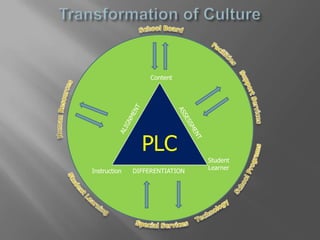
Transforming the CultureDistributed Leadership and Continuous Improvement
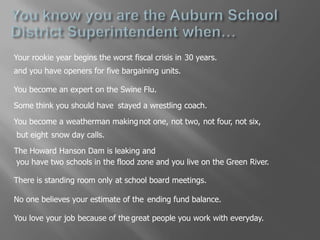
You know you are the Auburn School District Superintendent when…Your rookie year begins the worst fiscal crisis in30 years.and you have openers for five bargaining units.You become an expert on theSwine Flu.Some think you should havestayed a wrestling coach.You become a weatherman makingnot one,not two,not six,not four,but eightsnow day calls.The Howard Hanson Dam is leaking and you have two schools in the flood zone and you live on the Green River.There is standing room onlyat school board meetings.No one believes your estimate of theending fund balance.You love your job because of thegreat people you work with everyday.
National and State Fiscal CrisisWorst Fiscal Crisis Since Great Depression
9 Billion Dollar Shortfall
Washington State Biennium Revenue Shortfall 5 Billion
Elimination of I-728 and K-4 Enhancement
ARRA CLIFF 2012
Pension Tsunami
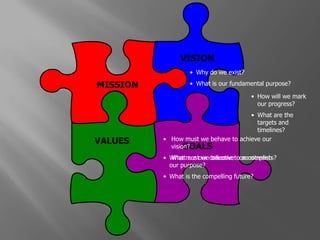
Retro 2010-2011 CutsVISIONMISSIONVALUESGOALSWhy do we exist?
What is our fundamental purpose?
How will we mark our progress?
What are the targets and timelines?
How must we behave to achieve our vision?
What are our collective commitments?
What must we become to accomplish our purpose?
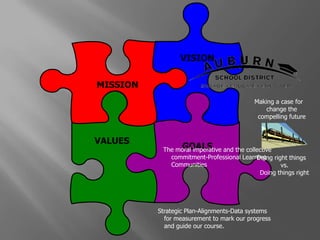
What is the compelling future?VISIONMISSIONVALUESGOALSMaking a case for change the compelling futureThe moral imperative and the collective commitment-Professional Learning CommunitiesDoing right thingsvs.Doing things rightStrategic Plan-Alignments-Data systems for measurement to mark our progress and guide our course.
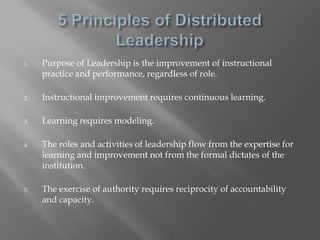
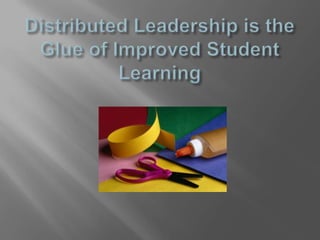
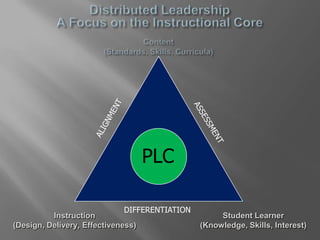
5 Principles of Distributed LeadershipPurpose of Leadership is the improvement of instructional practice and performance, regardless of role.Instructional improvement requires continuous learning.Learning requires modeling.The roles and activities of leadership flow from the expertise for learning and improvement not from the formal dictates of the institution.The exercise of authority requires reciprocity of accountability and capacity.
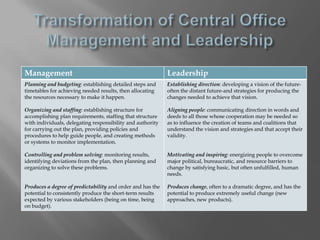
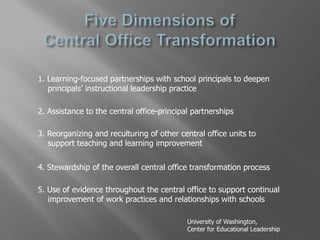
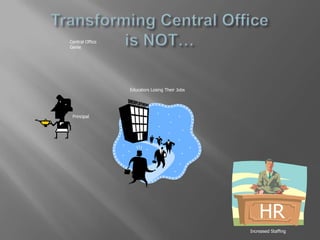
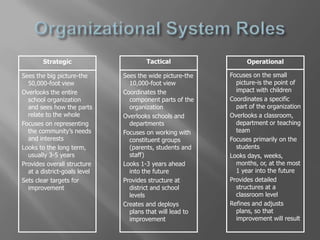
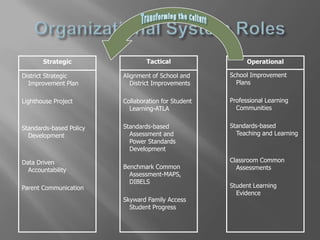
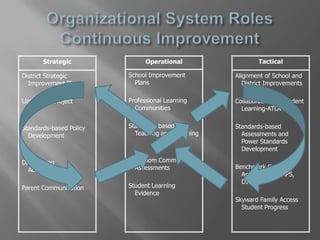
Transformation of Central OfficeManagement and Leadership

West sideregionalsuptdrherrendistricttransformation 1 28-11

  • 1.
    Transforming the CultureDistributedLeadership and Continuous Improvement
  • 2.
    You know youare the Auburn School District Superintendent when…Your rookie year begins the worst fiscal crisis in30 years.and you have openers for five bargaining units.You become an expert on theSwine Flu.Some think you should havestayed a wrestling coach.You become a weatherman makingnot one,not two,not six,not four,but eightsnow day calls.The Howard Hanson Dam is leaking and you have two schools in the flood zone and you live on the Green River.There is standing room onlyat school board meetings.No one believes your estimate of theending fund balance.You love your job because of thegreat people you work with everyday.
  • 3.
    National and StateFiscal CrisisWorst Fiscal Crisis Since Great Depression
  • 4.
  • 5.
    Washington State BienniumRevenue Shortfall 5 Billion
  • 6.
    Elimination of I-728and K-4 Enhancement
  • 7.
  • 8.
  • 9.
  • 10.
    What is ourfundamental purpose?
  • 11.
    How will wemark our progress?
  • 12.
    What are thetargets and timelines?
  • 13.
    How must webehave to achieve our vision?
  • 14.
    What are ourcollective commitments?
  • 15.
    What must webecome to accomplish our purpose?
  • 16.
    What is thecompelling future?VISIONMISSIONVALUESGOALSMaking a case for change the compelling futureThe moral imperative and the collective commitment-Professional Learning CommunitiesDoing right thingsvs.Doing things rightStrategic Plan-Alignments-Data systems for measurement to mark our progress and guide our course.
  • 17.
    5 Principles ofDistributed LeadershipPurpose of Leadership is the improvement of instructional practice and performance, regardless of role.Instructional improvement requires continuous learning.Learning requires modeling.The roles and activities of leadership flow from the expertise for learning and improvement not from the formal dictates of the institution.The exercise of authority requires reciprocity of accountability and capacity.
  • 18.
    Transformation of CentralOfficeManagement and Leadership