I. Websites And Its Types
II. Ethical Issues On Internet
III. Browser
IV. Search Engines
V. Hands On Internet Surfing
VI. Domain Name
VII. IP Address
VIII. E-mail
IX. Instant Messaging
X. Social Networks
XI. Content
XII. Streaming
XIII. E-Commerce
XIV. Distance Learning
 A group of World Wide Web pages usually
containing hyperlinks to each other and
made available online by an individual,
company, educational institution,
government, or organization.
 A website is a set of data and information
about a particular subject which
is available on the Internet.
 Originally, websites were purely informational. Before the web was
opened to the public, educational and research institutions and
government agencies were able to make information available to
each other via text-only websites. Now that we have the World Wide
Web, there are more types of websites than you can shake a stick at.
Here we will discuss the basic types, noting that we will not include
all and that there are hybrids of all those we will discuss.
Basic Website Types:
1. Personal Websites
2. Photo Sharing Websites
3. Writers / Authors Websites
4. Community Building Websites
5. Mobile Device Websites
6. Blogs
7. Informational Websites
8. Online Business Brochure/Catalog
9. Directory Websites
10. E-commerce Websites
 Intellectual property issues (copyright, public domain,
fair use, Creative Commons licenses), distinguishing
plagiarism from copyright infringement, libel, public
disclosure of private information, third-party
contributions to your website, and the legal matters
surrounding online collaborations. Those of you who
manage programs in which volunteers act as agents
of your institution will want to spend time helping
volunteers understand the basics of both intellectual
property and libel laws, and monitoring their online
activities.
 A browser is an application program that provides a
way to look at and interact with all the information on
the World Wide Web. The word "browser" seems to
have originated prior to the Web as a generic term for
user interfaces that let you browse (navigate through
and read) text files online.
 The first Web browser, called WorldWideWeb, was
created in 1990. That browser's name was changed
to Nexus to avoid confusion with the developing
information space known as the World Wide Web.
 A search engine is a web site that collects
and organizes content from all over the
internet. Those wishing to locate something
would enter a query about what they'd like to
find and the engine provides links to content
that matches what they want.
 Google.com has become the most widely
used search engine on the Internet.
 To navigate through the World Wide
Web or Internet, usually by clicking
with a mouse. The term also has a generic mea
ning of spending time on the Internet.
 Exploration of the World Wide Web by following
one interesting link to another, usually without a
definite objective or search strategy. In
comparison, browsing is exploration with a
definite objective but without a planned search
strategy, and search is exploration definite in
both objective and strategy.
 Domain names are used to identify one or more IP
addresses. For example, the domain
name microsoft.com represents about a dozen IP
addresses. Domain names are used in URLs to
identify particular Web pages. For example, in the
URL http://www.pcwebopedia.com/index.html, the
domain name is pcwebopedia.com.
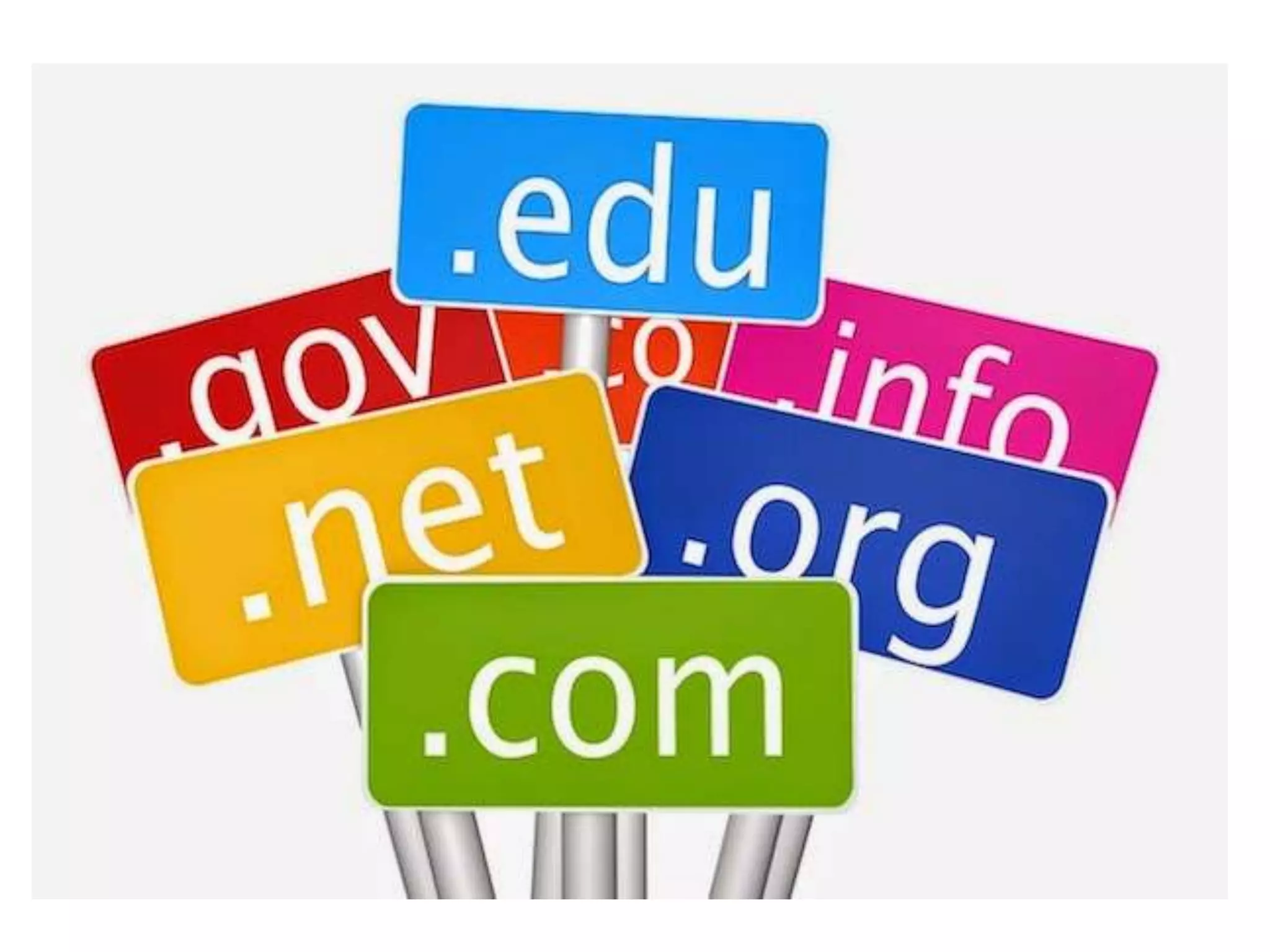
 Every domain name has a suffix that indicates
which top level domain (TLD) it belongs to. There are
only a limited number of such domains. For example:
 .gov - Government agencies
 An Internet Protocol address (IP address) is a logical
numeric address that is assigned to every single
computer, printer, switch, router or any other device
that is part of a TCP/IP-based network.
 The IP address is the core component on which the
networking architecture is built; no network exists
without it. An IP address is a logical address that is
used to uniquely identify every node in the network.
Because IP addresses are logical, they can change.
They are similar to addresses in a town or city
because the IP address gives the network node an
address so that it can communicate with other nodes
or networks, just like mail is sent to friends and
relatives.
 Email is short for 'electronic mail'. Similar to a
letter, it is sent via the internet to a recipient. An
email address is required to receive email, and
that address is unique to the user. Some
people use internet-based applications and
some use programs on their computer to
access and store emails.
 It's quick – your recipient receives your email
as soon as they go online and collect their mail.
 It's secure.
 It's low cost.
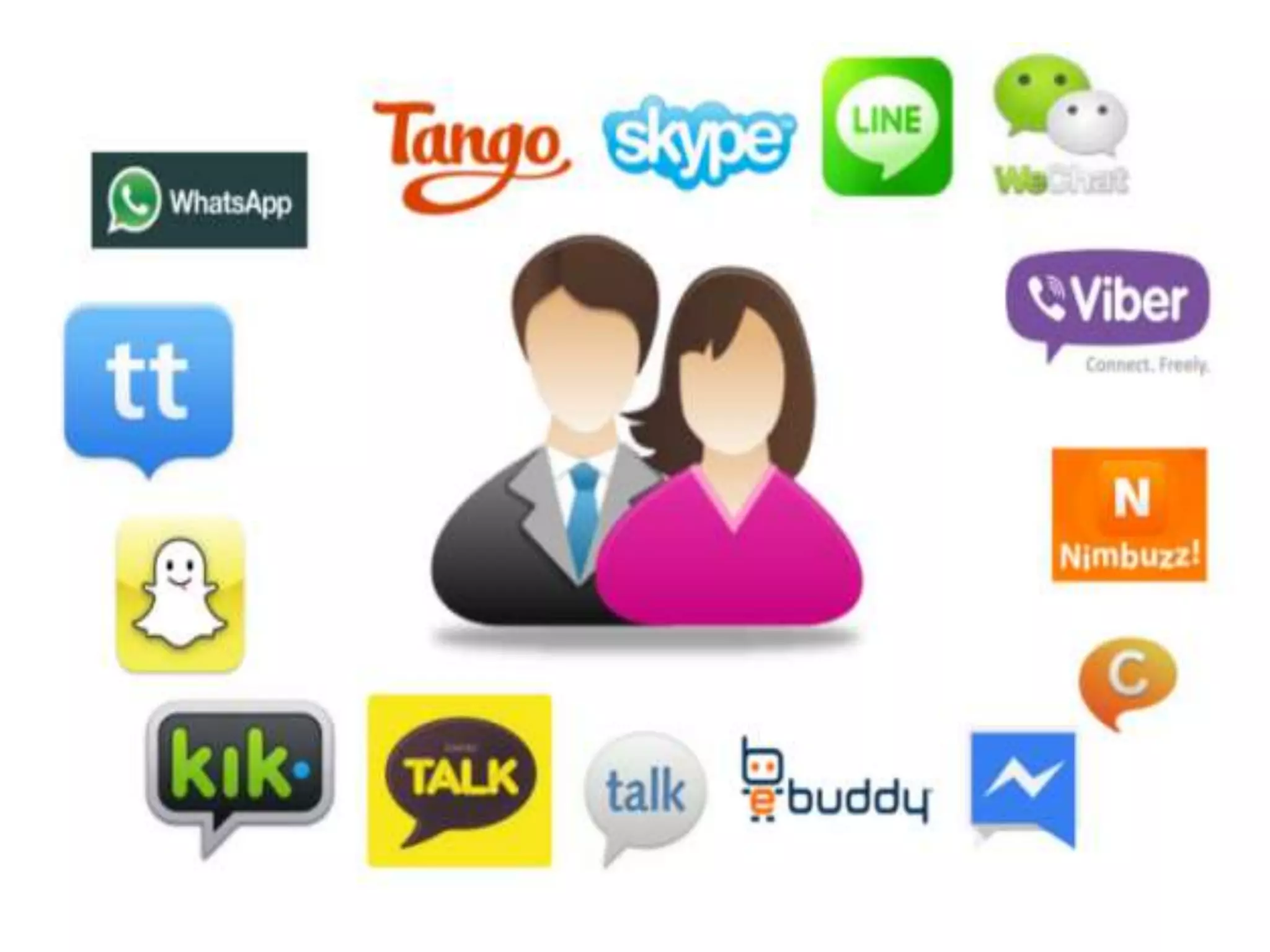
 Instant messaging, often shortened to IM or
IM'ing, is the exchange of near real-time
messages through a stand-alone application or
embedded software. Unlike chat rooms with
many users engaging in multiple and
overlapping conversations, IM sessions usually
take place between two users in a private,
back-and-forth style of communication.
 Typically, the instant messaging system alerts
you whenever somebody on your private list is
online. You can then initiate a chat session with
that particular individual.
 A social network is a website that allows people with
similar interests to come together and share information,
photos and videos.
 People engaged in social networking may be doing so as
a personal or a business endeavor. Those who engage
on social network sites as a personal endeavor interact
by using various forms of media to discuss their lives and
interests. The most popular social networks for this type
of familiar interaction include Facebook,
Google+ and Twitter. Although these and other social
networks may be used for business purposes --
especially marketing -- social networks exist specifically
for enterprise social networking.
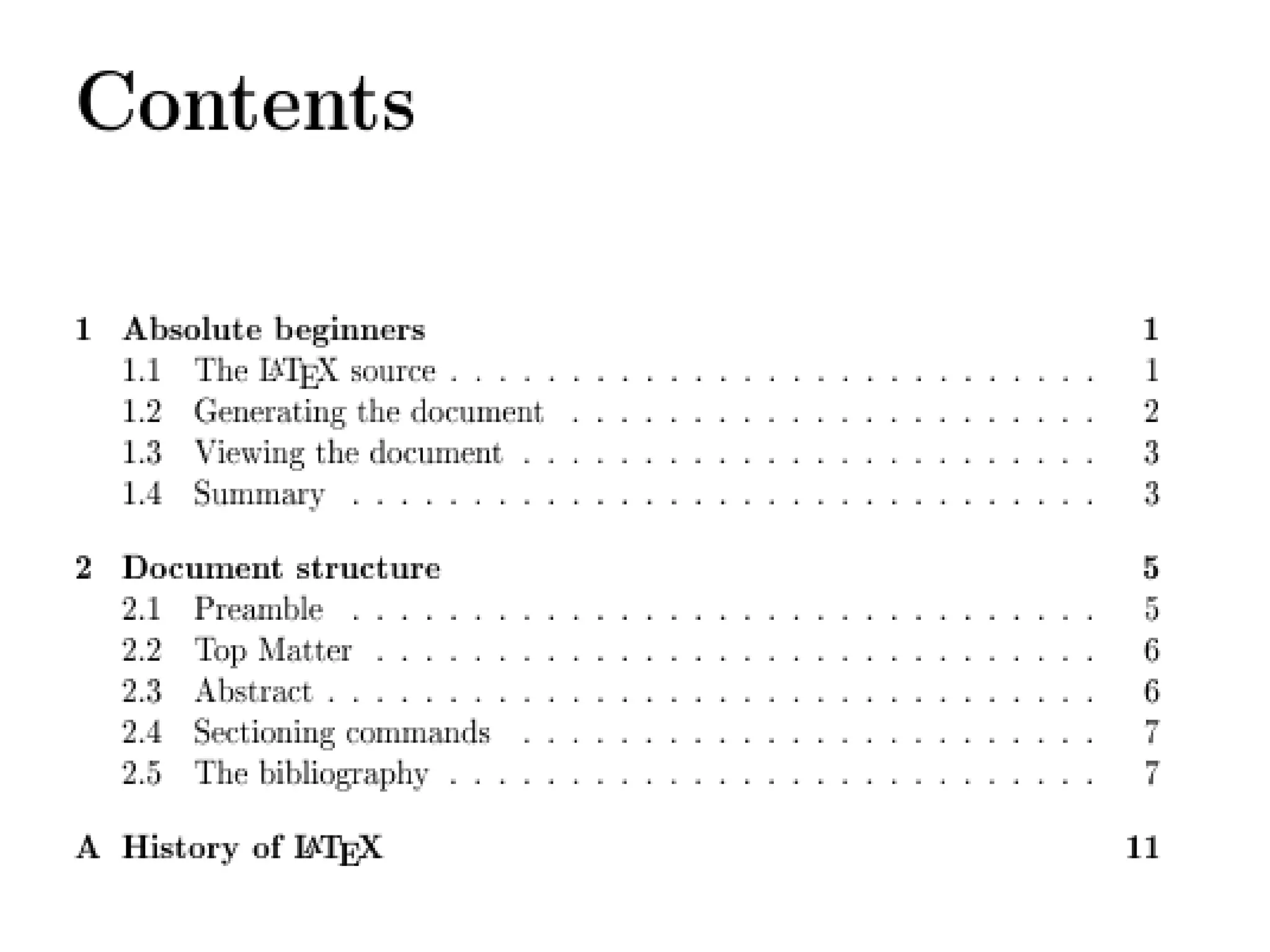
 Text matter of a document or publication in any
form. Content is both information and
communication: the sum total of the freshness,
readability, relevancy, and usefulness of the
information presented, and the manner in
which it is presented.
 Essence of a communicated message or
discourse, as comprehended or received by its
intended audience.
 Glue' that makes a website 'sticky' makes
visitors return, and keeps them from leaving.
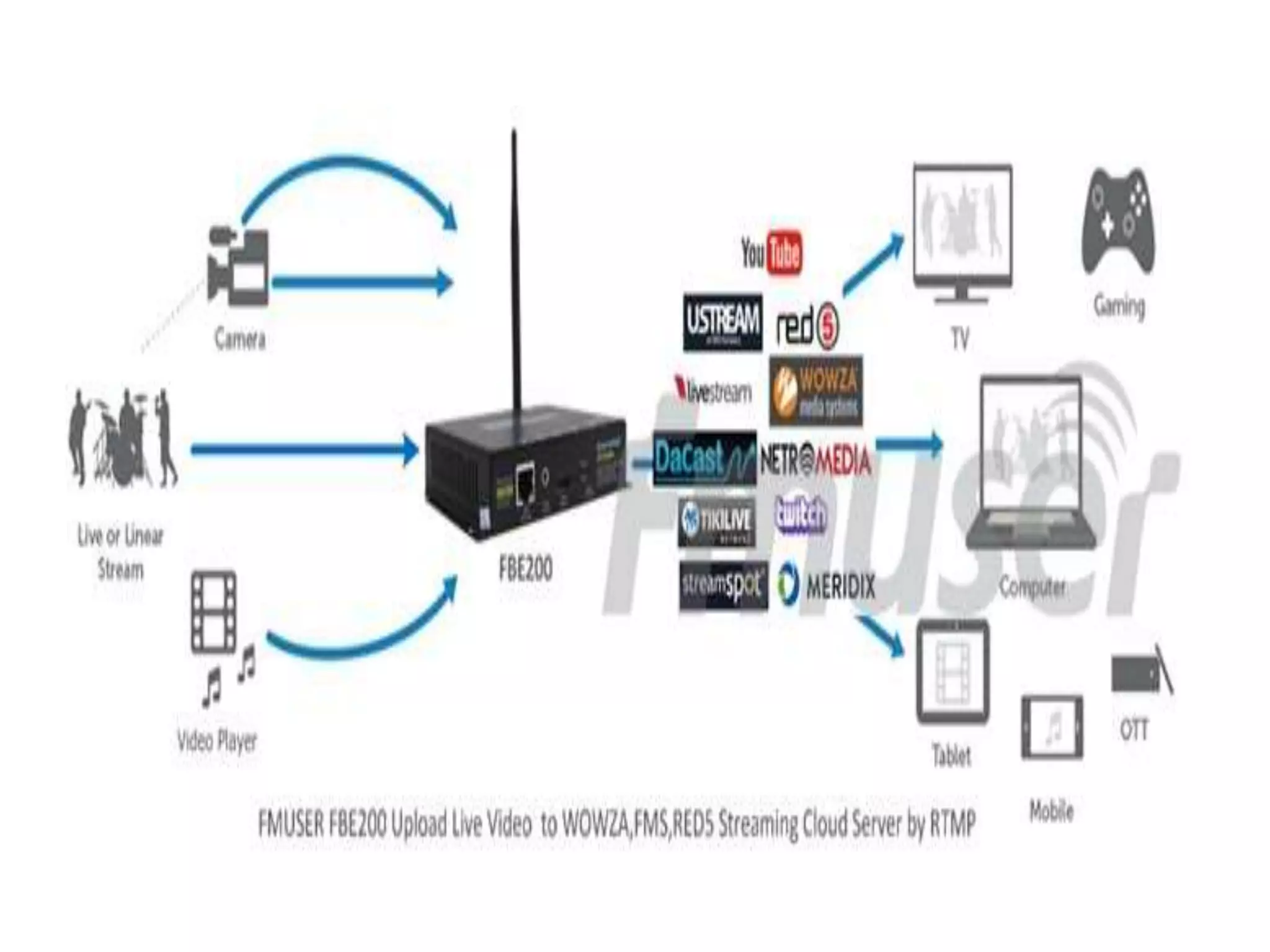
 Streaming or media streaming is a technique for
transferring data so that it can be processed as a
steady and continuous stream. Streaming
technologies are becoming increasingly important
with the growth of the Internet because most users
do not have fast enough access to download
large multimedia files quickly. With streaming,
the client browser or plug-in can start displaying the
data before the entire file has been transmitted.
 For streaming to work, the client side receiving the
data must be able to collect the data and send it as
a steady stream to the application that is processing
the data and converting it to sound or pictures.
 The buying and selling of products and services by
businesses and consumers through an
electronic medium, without using any paper documents.
E-commerce is widely considered the buying and
selling of products over the internet, but
any transaction that is completed solely through
electronic measures can be considered e-commerce. E-
commerce is subdivided into three categories: business
to business or B2B (Cisco), business to consumer or
B2C (Amazon), and consumer to consumer or C2C
(eBay). also called electronic commerce.
 Distance learning, sometimes called e-learning, is a
formalized teaching and learning system
specifically designed to be carried out remotely by
using electronic communication. Because distance
learning is less expensive to support and is not
constrained by geographic considerations, it offers
opportunities in situations where traditional
education has difficulty operating. Students with
scheduling or distance problems can benefit, as
can employees, because distance education can be
more flexible in terms of time and can be delivered
virtually anywhere.
website, browser,Domain name, Email, Social networks,Ecommerce

website, browser,Domain name, Email, Social networks,Ecommerce

  • 2.
    I. Websites AndIts Types II. Ethical Issues On Internet III. Browser IV. Search Engines V. Hands On Internet Surfing VI. Domain Name VII. IP Address VIII. E-mail IX. Instant Messaging X. Social Networks XI. Content XII. Streaming XIII. E-Commerce XIV. Distance Learning
  • 3.
     A groupof World Wide Web pages usually containing hyperlinks to each other and made available online by an individual, company, educational institution, government, or organization.  A website is a set of data and information about a particular subject which is available on the Internet.
  • 4.
     Originally, websiteswere purely informational. Before the web was opened to the public, educational and research institutions and government agencies were able to make information available to each other via text-only websites. Now that we have the World Wide Web, there are more types of websites than you can shake a stick at. Here we will discuss the basic types, noting that we will not include all and that there are hybrids of all those we will discuss. Basic Website Types: 1. Personal Websites 2. Photo Sharing Websites 3. Writers / Authors Websites 4. Community Building Websites 5. Mobile Device Websites 6. Blogs 7. Informational Websites 8. Online Business Brochure/Catalog 9. Directory Websites 10. E-commerce Websites
  • 6.
     Intellectual propertyissues (copyright, public domain, fair use, Creative Commons licenses), distinguishing plagiarism from copyright infringement, libel, public disclosure of private information, third-party contributions to your website, and the legal matters surrounding online collaborations. Those of you who manage programs in which volunteers act as agents of your institution will want to spend time helping volunteers understand the basics of both intellectual property and libel laws, and monitoring their online activities.
  • 8.
     A browseris an application program that provides a way to look at and interact with all the information on the World Wide Web. The word "browser" seems to have originated prior to the Web as a generic term for user interfaces that let you browse (navigate through and read) text files online.  The first Web browser, called WorldWideWeb, was created in 1990. That browser's name was changed to Nexus to avoid confusion with the developing information space known as the World Wide Web.
  • 10.
     A searchengine is a web site that collects and organizes content from all over the internet. Those wishing to locate something would enter a query about what they'd like to find and the engine provides links to content that matches what they want.  Google.com has become the most widely used search engine on the Internet.
  • 12.
     To navigatethrough the World Wide Web or Internet, usually by clicking with a mouse. The term also has a generic mea ning of spending time on the Internet.  Exploration of the World Wide Web by following one interesting link to another, usually without a definite objective or search strategy. In comparison, browsing is exploration with a definite objective but without a planned search strategy, and search is exploration definite in both objective and strategy.
  • 14.
     Domain namesare used to identify one or more IP addresses. For example, the domain name microsoft.com represents about a dozen IP addresses. Domain names are used in URLs to identify particular Web pages. For example, in the URL http://www.pcwebopedia.com/index.html, the domain name is pcwebopedia.com.  Every domain name has a suffix that indicates which top level domain (TLD) it belongs to. There are only a limited number of such domains. For example:  .gov - Government agencies
  • 16.
     An InternetProtocol address (IP address) is a logical numeric address that is assigned to every single computer, printer, switch, router or any other device that is part of a TCP/IP-based network.  The IP address is the core component on which the networking architecture is built; no network exists without it. An IP address is a logical address that is used to uniquely identify every node in the network. Because IP addresses are logical, they can change. They are similar to addresses in a town or city because the IP address gives the network node an address so that it can communicate with other nodes or networks, just like mail is sent to friends and relatives.
  • 18.
     Email isshort for 'electronic mail'. Similar to a letter, it is sent via the internet to a recipient. An email address is required to receive email, and that address is unique to the user. Some people use internet-based applications and some use programs on their computer to access and store emails.  It's quick – your recipient receives your email as soon as they go online and collect their mail.  It's secure.  It's low cost.
  • 20.
     Instant messaging,often shortened to IM or IM'ing, is the exchange of near real-time messages through a stand-alone application or embedded software. Unlike chat rooms with many users engaging in multiple and overlapping conversations, IM sessions usually take place between two users in a private, back-and-forth style of communication.  Typically, the instant messaging system alerts you whenever somebody on your private list is online. You can then initiate a chat session with that particular individual.
  • 22.
     A socialnetwork is a website that allows people with similar interests to come together and share information, photos and videos.  People engaged in social networking may be doing so as a personal or a business endeavor. Those who engage on social network sites as a personal endeavor interact by using various forms of media to discuss their lives and interests. The most popular social networks for this type of familiar interaction include Facebook, Google+ and Twitter. Although these and other social networks may be used for business purposes -- especially marketing -- social networks exist specifically for enterprise social networking.
  • 24.
     Text matterof a document or publication in any form. Content is both information and communication: the sum total of the freshness, readability, relevancy, and usefulness of the information presented, and the manner in which it is presented.  Essence of a communicated message or discourse, as comprehended or received by its intended audience.  Glue' that makes a website 'sticky' makes visitors return, and keeps them from leaving.
  • 26.
     Streaming ormedia streaming is a technique for transferring data so that it can be processed as a steady and continuous stream. Streaming technologies are becoming increasingly important with the growth of the Internet because most users do not have fast enough access to download large multimedia files quickly. With streaming, the client browser or plug-in can start displaying the data before the entire file has been transmitted.  For streaming to work, the client side receiving the data must be able to collect the data and send it as a steady stream to the application that is processing the data and converting it to sound or pictures.
  • 28.
     The buyingand selling of products and services by businesses and consumers through an electronic medium, without using any paper documents. E-commerce is widely considered the buying and selling of products over the internet, but any transaction that is completed solely through electronic measures can be considered e-commerce. E- commerce is subdivided into three categories: business to business or B2B (Cisco), business to consumer or B2C (Amazon), and consumer to consumer or C2C (eBay). also called electronic commerce.
  • 30.
     Distance learning,sometimes called e-learning, is a formalized teaching and learning system specifically designed to be carried out remotely by using electronic communication. Because distance learning is less expensive to support and is not constrained by geographic considerations, it offers opportunities in situations where traditional education has difficulty operating. Students with scheduling or distance problems can benefit, as can employees, because distance education can be more flexible in terms of time and can be delivered virtually anywhere.