Industrial Activity and Geographic
Location
Economic Geography
 Economic geographers investigate the
reasons behind the location of an
economic activity
Location Theory
 Attempts to explain the pattern of the
location of an economic activity in terms
of influential factors
The Location Decision (1)
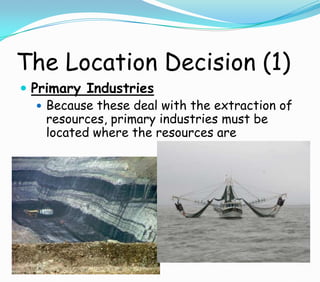
 Primary Industries
 Because these deal with the extraction of
resources, primary industries must be
located where the resources are
The Location Decision (1)
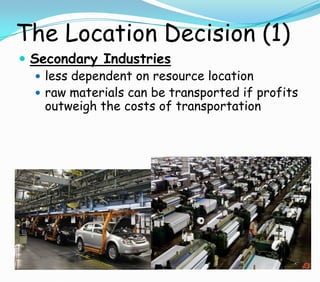
 Secondary Industries
 less dependent on resource location
 raw materials can be transported if profits
outweigh the costs of transportation
The Location Decision (2)
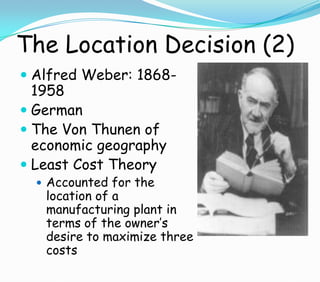
 Alfred Weber: 1868-
1958
 German
 The Von Thunen of
economic geography
 Least Cost Theory
 Accounted for the
location of a
manufacturing plant in
terms of the owner’s
desire to maximize three
costs
The Location Decision (3)
Transportation (most important)
 moving raw materials to factory and finished
goods to market
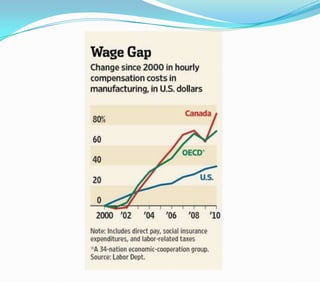
Labor
 High labor costs reduce margin of profit
 current economic boom on Pacific rim
Agglomeration
 number of similar enterprises clustered in the
same area
 Shared talents, services and facilities
 when excessive, can lead to high rents, rising
wages, circulation problems
Weber
 Some argued that Weber’s model did not
adequately account for variations in costs
over time
 Substitution principle: when one cost
decreases can endure higher costs in
another area (fixed vs variable costs)
 Model suggests that one particular site
(point vs area) would be optimal but the
business could flourish in more than one
area
 Taxation policies are not accounted for by
Weber
Factors of Industrial Location
(1)
Transportation
 Raw materials to factory and finished
products to market
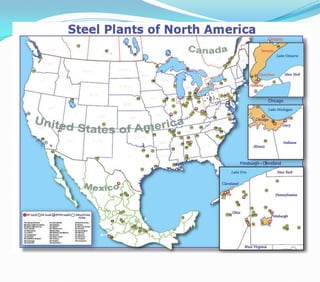
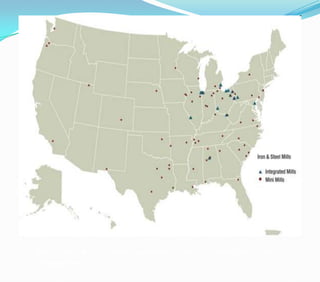
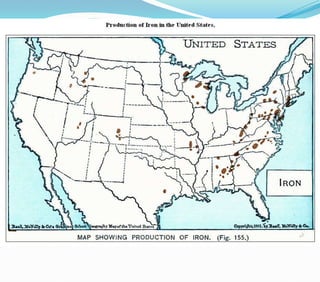
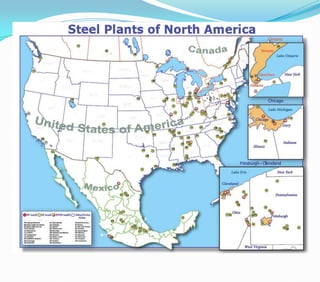
 steel plants along Atlantic seaboard because
iron shipped in from Venezuela
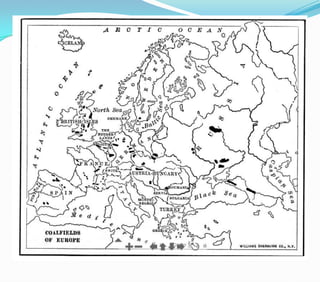
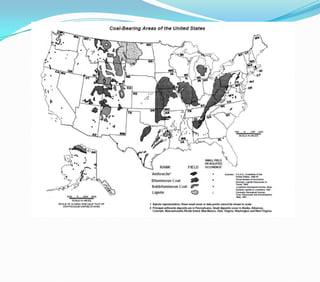
 Europe’s coal and iron ore regions
 Iron smelters built near coal fields
 Japan’s colonial expansion into E Asia
(China/Korea) due to raw materials
 European colonization for
resources, periphery to core
http://www.epa.gov/sectors/sectorinfo/sectorprofiles/ironste
el/map.html
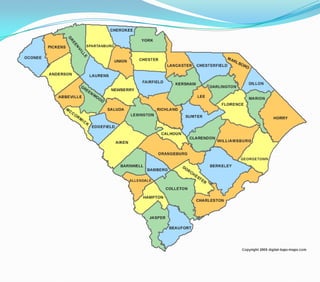
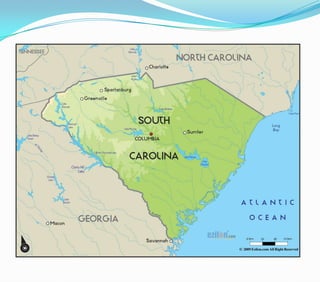
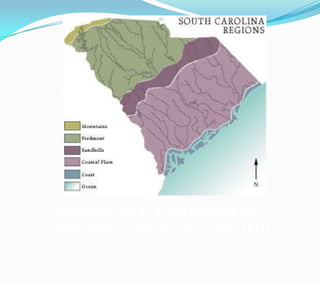
Piedmont: foot of the mountains;
from Italian pied (foot) monte (hill)
Factors of Industrial Location
(1)
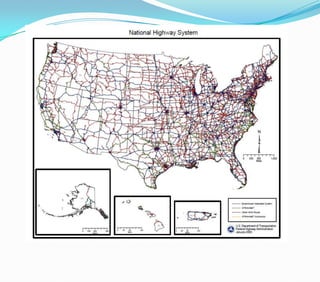
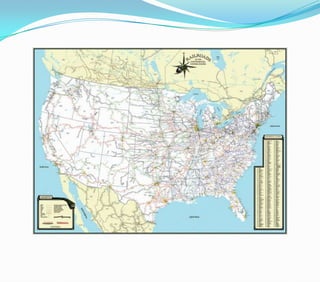
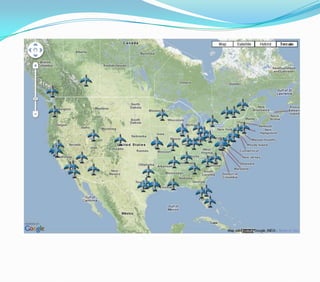
Transportation
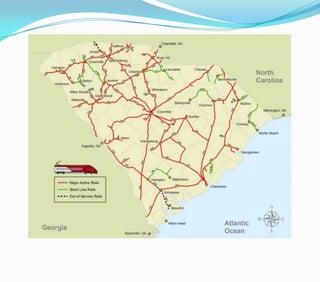
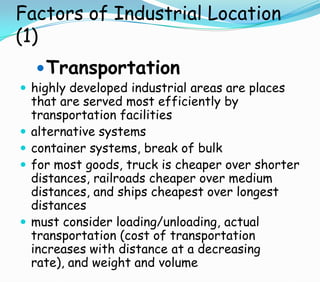
 highly developed industrial areas are places
that are served most efficiently by
transportation facilities
 alternative systems
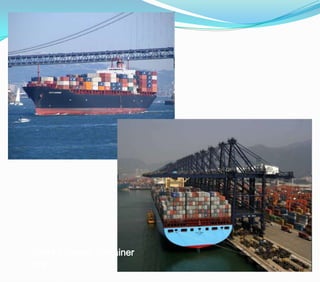
 container systems, break of bulk
 for most goods, truck is cheaper over shorter
distances, railroads cheaper over medium
distances, and ships cheapest over longest
distances
 must consider loading/unloading, actual
transportation (cost of transportation
increases with distance at a decreasing
rate), and weight and volume
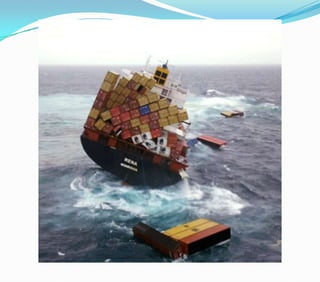
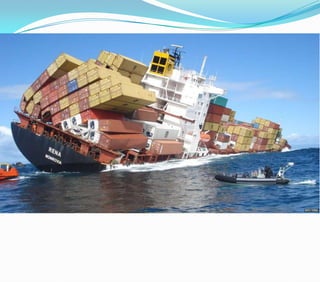
World’s largest container
ship
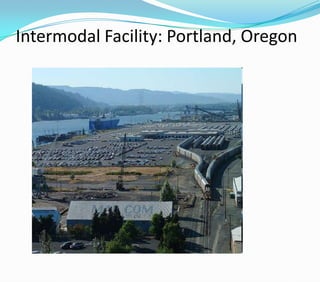
Intermodal Facility: Portland, Oregon
Factors of Industrial Location
(2)
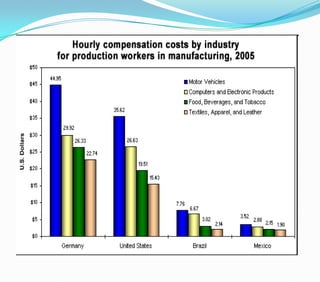
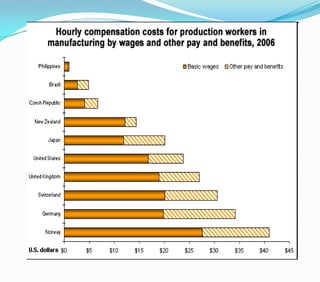
Labor
 a large, low-wage trainable labor force
will attract manufacturers
 Japan’s postwar success based on skills
and low wages of workforce, low quality
high quantity initially
 China emerged with large labor force
in 80’s
 Taiwan and South Korea emerged to
challenge Japan in mid ‘90’s due to
cheaper labor
 Four Tigers today
See page 377 in book
Factors of Industrial Location
(3)
Infrastructure
 transportation, telephone, utilities, banks,
postal, hotel
 China-inadequate local and regional
infrastructure
 Vietnam-inadequate
power, water, transportation
Factors of Industrial Location
(4)
Energy
 used to be much more important than
it is today
 early British textile mills had to locate
near water power
 rarely a problem today, except
industries needing a huge amount of
energy--- metal processing and
chemical industries may locate near
hydropower (TVA or Pacific
Northwest)
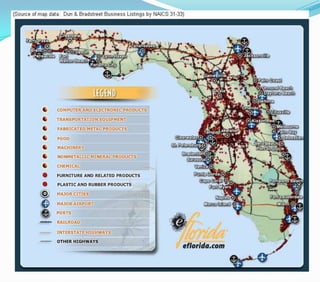
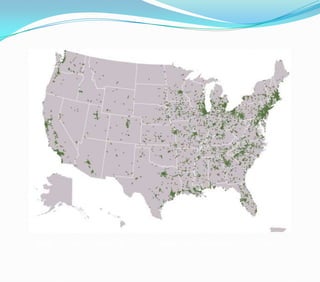
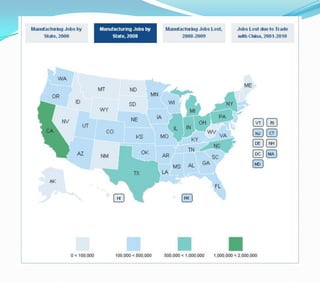
Map showing location of chemical manufacturing facilities.
Other Factors
 agglomeration
 political stability
 regional receptiveness to investment
 taxation policies
 environmental conditions (Hollywood)
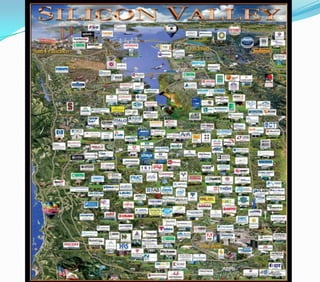
Silicon Valley
 High Tech Heaven, headquartered in San
Jose California, 50 miles south of San
Francisco
 Stanford University
 Silicon is main ingredient in computer
chip making
 2nd most abundant element in Earth’s crust
(ubiquitous)
 IBM, Netscape, Apple, Yahoo!, Intel, Sony,
Microsoft
Weber Notes 2014

Weber Notes 2014

  • 1.
    Industrial Activity andGeographic Location
  • 2.
    Economic Geography  Economicgeographers investigate the reasons behind the location of an economic activity
  • 3.
    Location Theory  Attemptsto explain the pattern of the location of an economic activity in terms of influential factors
  • 4.
    The Location Decision(1)  Primary Industries  Because these deal with the extraction of resources, primary industries must be located where the resources are
  • 5.
    The Location Decision(1)  Secondary Industries  less dependent on resource location  raw materials can be transported if profits outweigh the costs of transportation
  • 6.
    The Location Decision(2)  Alfred Weber: 1868- 1958  German  The Von Thunen of economic geography  Least Cost Theory  Accounted for the location of a manufacturing plant in terms of the owner’s desire to maximize three costs
  • 7.
    The Location Decision(3) Transportation (most important)  moving raw materials to factory and finished goods to market Labor  High labor costs reduce margin of profit  current economic boom on Pacific rim Agglomeration  number of similar enterprises clustered in the same area  Shared talents, services and facilities  when excessive, can lead to high rents, rising wages, circulation problems
  • 9.
    Weber  Some arguedthat Weber’s model did not adequately account for variations in costs over time  Substitution principle: when one cost decreases can endure higher costs in another area (fixed vs variable costs)  Model suggests that one particular site (point vs area) would be optimal but the business could flourish in more than one area  Taxation policies are not accounted for by Weber
  • 11.
    Factors of IndustrialLocation (1) Transportation  Raw materials to factory and finished products to market  steel plants along Atlantic seaboard because iron shipped in from Venezuela  Europe’s coal and iron ore regions  Iron smelters built near coal fields  Japan’s colonial expansion into E Asia (China/Korea) due to raw materials  European colonization for resources, periphery to core
  • 14.
  • 20.
    Piedmont: foot ofthe mountains; from Italian pied (foot) monte (hill)
  • 22.
    Factors of IndustrialLocation (1) Transportation  highly developed industrial areas are places that are served most efficiently by transportation facilities  alternative systems  container systems, break of bulk  for most goods, truck is cheaper over shorter distances, railroads cheaper over medium distances, and ships cheapest over longest distances  must consider loading/unloading, actual transportation (cost of transportation increases with distance at a decreasing rate), and weight and volume
  • 27.
  • 30.
  • 31.
    Factors of IndustrialLocation (2) Labor  a large, low-wage trainable labor force will attract manufacturers  Japan’s postwar success based on skills and low wages of workforce, low quality high quantity initially  China emerged with large labor force in 80’s  Taiwan and South Korea emerged to challenge Japan in mid ‘90’s due to cheaper labor  Four Tigers today
  • 34.
    See page 377in book
  • 40.
    Factors of IndustrialLocation (3) Infrastructure  transportation, telephone, utilities, banks, postal, hotel  China-inadequate local and regional infrastructure  Vietnam-inadequate power, water, transportation
  • 41.
    Factors of IndustrialLocation (4) Energy  used to be much more important than it is today  early British textile mills had to locate near water power  rarely a problem today, except industries needing a huge amount of energy--- metal processing and chemical industries may locate near hydropower (TVA or Pacific Northwest)
  • 42.
    Map showing locationof chemical manufacturing facilities.
  • 43.
    Other Factors  agglomeration political stability  regional receptiveness to investment  taxation policies  environmental conditions (Hollywood)
  • 44.
    Silicon Valley  HighTech Heaven, headquartered in San Jose California, 50 miles south of San Francisco  Stanford University  Silicon is main ingredient in computer chip making  2nd most abundant element in Earth’s crust (ubiquitous)  IBM, Netscape, Apple, Yahoo!, Intel, Sony, Microsoft