WATER
USE IN LANDSCAPING
SUBMITTED BY :
NISHA KM. YADAV
KARTIK
B.ARCH 5TH SEM
The important design
characteristics of the water consist
in its movement, sound, and
reflection.
WATER IMPORTANCE IN
LANDSCAPE
The water belongs to the most important
aesthetic sources.
Its existence (natural or artificial) improves
drastically the aesthetic effect.
The water has been connected with the life
and beauty.
The aquatic element is of crucial
importance for the quality of life and the
sustainability of ecosystems and also for the
attractiveness of landscapes which include
water elements
Water provides scenic values “not only the
sight but the sounds of water evoke a sense
of pleasure.
Stream and water bodies are punctuated
marks in reading the landscape.
Water-use for landscape elements as:
• functionality
• grading, runoff, soil preparation
• plant selection
• irrigation systems
• maintenance
• recreational
Design of any landscape needs to take
water availability, water use & water
necessities into consideration when
developing a plan to maximize the
available water and minimize its waste.
This involve supply, irrigation and
drainage.
WATER USE IN LANDSCAPE
Irrigation
Drainage
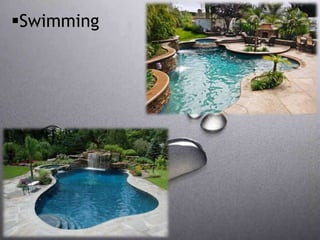
Swimming
Boating
Fountains
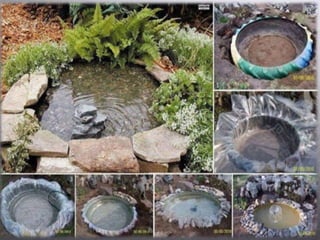
Pond
THANK YOU

Water..landscape architecture

  • 1.
    WATER USE IN LANDSCAPING SUBMITTEDBY : NISHA KM. YADAV KARTIK B.ARCH 5TH SEM
  • 2.
    The important design characteristicsof the water consist in its movement, sound, and reflection. WATER IMPORTANCE IN LANDSCAPE
  • 3.
    The water belongsto the most important aesthetic sources. Its existence (natural or artificial) improves drastically the aesthetic effect. The water has been connected with the life and beauty. The aquatic element is of crucial importance for the quality of life and the sustainability of ecosystems and also for the attractiveness of landscapes which include water elements
  • 4.
    Water provides scenicvalues “not only the sight but the sounds of water evoke a sense of pleasure. Stream and water bodies are punctuated marks in reading the landscape.
  • 5.
    Water-use for landscapeelements as: • functionality • grading, runoff, soil preparation • plant selection • irrigation systems • maintenance • recreational
  • 6.
    Design of anylandscape needs to take water availability, water use & water necessities into consideration when developing a plan to maximize the available water and minimize its waste. This involve supply, irrigation and drainage.
  • 7.
    WATER USE INLANDSCAPE Irrigation
  • 9.
  • 10.
  • 11.
  • 12.
  • 14.
  • 17.