Waist Circumference and Cardiometabolic
Risk
A Consensus Statement from Shaping America’s Health: Association for
Weight Management and Obesity Prevention; NAASO, The Obesity
Society; the American Society for Nutrition; and the American Diabetes
Association
SAMUEL KLEIN, MD
1
DAVID B. ALLISON, PHD
2
STEVEN B. HEYMSFIELD, MD
3
DAVID E. KELLEY, MD
4
RUDOLPH L. LEIBEL, MD
5
CATHY NONAS, MS, RD, CDE
6
RICHARD KAHN, PHD
7
O
besity is an important risk factor for
cardiometabolic diseases, including
diabetes, hypertension, dyslipide-
mia, and coronary heart disease (CHD).
Several leading national and international
institutions, including the World Health
Organization (WHO) and the National
Institutes of Health, have provided guide-
lines for classifying weight status based on
BMI (1,2). Data from epidemiological
studies demonstrate a direct correlation
between BMI and the risk of medical com-
plications and mortality rate (e.g., 3,4).
Men and women who have a BMI Ն30
kg/m2
are considered obese and are gen-
erally at higher risk for adverse health
events than are those who are considered
overweight (BMI between 25.0 and 29.9
kg/m2
) or lean (BMI between 18.5 and
24.9 kg/m2
). Therefore, BMI has become
the “gold standard” for identifying pa-
tients at increased risk for adiposity-
related adverse health outcomes.
Body fat distribution is also an impor-
tant risk factor for obesity-related dis-
eases. Excess abdominal fat (also known
as central or upper-body fat) is associated
with an increased risk of cardiometabolic
disease. However, precise measurement
of abdominal fat content requires the use
of expensive radiological imaging tech-
niques. Therefore, waist circumference
(WC) is often used as a surrogate marker
of abdominal fat mass, because WC cor-
relates with abdominal fat mass (subcuta-
neous and intra-abdominal) (5) and is
associated with cardiometabolic disease
risk (6). Men and women who have waist
circumferences greater than 40 inches
(102 cm) and 35 inches (88 cm), respec-
tively, are considered to be at increased
risk for cardiometabolic disease (7).
These cut points were derived from a re-
gression curve that identified the waist
circumference values associated with a
BMI Ն30 kg/m2
in primarily Caucasian
men and women living in north Glasgow
(8).
An expert panel, organized by the Na-
tional Heart, Lung and Blood Institute,
has recommended that WC be measured
as part of the initial assessment and be
used to monitor the efficacy of weight loss
therapy in overweight and obese patients
who have a BMI Ͻ35 kg/m2
(7). How-
ever, measurement of WC has not been
widely adopted in clinical practice, and
the anatomical, metabolic, and clinical
implications of WC data can be confus-
ing. Therefore, Shaping America’s Health:
Association for Weight Management and
Obesity Prevention; NAASO: The Obesity
Society; and the American Diabetes Asso-
ciation convened a panel, comprised of
members with expertise in obesity man-
agement, obesity-related epidemiology,
adipose tissue metabolic pathophysiol-
ogy, statistics, and nutrition science to re-
view the published scientific literature
and hear presentations from other experts
in these fields. The Consensus Panel met
from December 17 to 20, 2006, in Wash-
● ● ● ● ● ● ● ● ● ● ● ● ● ● ● ● ● ● ● ● ● ● ● ● ● ● ● ● ● ● ● ● ● ● ● ● ● ● ● ● ● ● ● ● ● ● ● ● ●
From the 1
Division of Geriatrics and Nutritional Science, Center for Human Nutrition, Washington Uni-
versity School of Medicine, St. Louis, Missouri; the 2
Clinical Nutrition Research Unit, University of Alabama
at Birmingham, Birmingham, Alabama; the 3
Clinical Research Department, Metabolism, Merck Pharmaceu-
tical Company, Rahway, New Jersey; the 4
Obesity and Nutrition Research Center, University of Pittsburgh,
Pittsburgh, Pennsylvania; the 5
Naomi Berrie Diabetes Center, Columbia University, New York, New York;
the 6
Obesity and Diabetes Programs, North General Hospital, New York, New York; and the 7
American
Diabetes Association, Alexandria, Virginia.
Address correspondence and reprint requests to Samuel Klein, MD, Washington University School of
Medicine, 660 South Euclid Ave., Campus Box 8031, St. Louis, MO 63110. E-mail: sklein@wustl.edu.
Approved for publication 7 March 2007.
D.B.A. has received research grants from Frito-Lay and OMP; has served as a consultant to Kraft Foods,
Pfizer, Bristol-Myers Squibb, and Bio Era; and has received financial support from Lilly, Pfizer, Merck
Pharmaceutical Company, Unilever, Coca-Cola, General Mills, International Life Sciences Institute, Glaxo-
SmithKline, OMP, Jansen Pharmaceuticals, and Frito-Lay. S.K. has received research grants from Sanofi-
Aventis, Merck, and Takeda for clinical trials; has served as a consultant to Sanofi-Aventis, Amylin
Pharmaceuticals, EnteroMedics, Dannon-Yakult, and Merck Pharmaceutical Company. S.B.H. is an em-
ployee of Merck Pharmaceutical Company. D.E.K. has received research grants from Novartis Pharmaceu-
ticals, Sanofi-Aventis, and Pfizer; has served as a consultant/advisor to Novartis Pharmaceuticals, Sanofi-
Aventis, Pfizer, Merck Pharmaceutical Company, and GlaxoSmithKline; and has been on speaker’s bureaus
for Novartis Pharmaceuticals, Sanofi-Aventis, and Merck Pharmaceutical Company. R.L.L. has received
research grants from GlaxoSmithKline and has been a consultant/advisor to Amylin Pharmaceuticals, Merck
Pharmaceutical Company, Arisaph Pharmaceuticals, and Genaera Corporation. C.N. has been a consultant/
advisor to Amylin Pharmaceuticals, GlaxoSmithKline, and Slim Fast.
Abbreviations: CHD, coronary heart disease; CT, computed tomography; IAAT, intra-abdominal adi-
pose tissue; MRI, magnetic resonance imaging; NHANES III, National Health and Nutrition Examination
Survey III; SAAT, subcutaneous abdominal adipose tissue; WC, waist circumference; WHO, World Health
Organization.
A table elsewhere in this issue shows conventional and Syste`me International (SI) units and conversion
factors for many substances.
DOI: 10.2337/dc07-9921
© 2007 by NAASO and the American Diabetes Association.
The costs of publication of this article were defrayed in part by the payment of page charges. This article must therefore be hereby
marked “advertisement” in accordance with 18 U.S.C. Section 1734 solely to indicate this fact.
R e v i e w s / C o m m e n t a r i e s / A D A S t a t e m e n t s
C O N S E N S U S S T A T E M E N T
DIABETES CARE, VOLUME 30, NUMBER 6, JUNE 2007 1647
ington, DC, and was charged to provide
answers to the following four questions:
1. What does waist circumference
measure?
2. What are the biological mecha-
nisms responsible for the associa-
tion between waist circumference
and cardiometabolic risk?
3. What is the power of waist cir-
cumference to predict adverse car-
diometabolic outcomes? How
does the predictive power of waist
circumference compare with that
of BMI? Does measuring waist cir-
cumference in addition to BMI im-
prove predictability?
4. Should waist circumference be
measured in clinical practice?
QUESTION 1: What does waist
circumference measure?
Measurement technique. Waist cir-
cumference is actually a perimeter, which
provides an estimate of body girth at the
level of the abdomen. Different anatomi-
cal landmarks have been used to deter-
mine the exact location for measuring WC
in different clinical studies, including: 1)
midpoint between the lowest rib and the
iliac crest; 2) the umbilicus; 3) narrowest
(minimum) or widest (maximum) waist
circumference; 4) just below the lowest
rib; and 5) just above the iliac crest. The
specific site used to measure WC influ-
ences the absolute WC value that is ob-
tained (9). The most commonly used sites
reported in studies that evaluated the re-
lationship between morbidity or mortal-
ity rate and WC were at the midpoint
between the lowest rib and the iliac crest
(29%), umbilicus (28%), and narrowest
waist circumference (22%). Although
sites that use an easily identifiable and re-
producible landmark (e.g., just above the
bony landmark of the lilac crest) might be
more precise and easier to use than other
sites, we are not aware of data from any
studies that demonstrate an advantage of
one measurement site over others.
Waist circumference measurements
should be made around a patient’s bare
midriff, after the patient exhales while
standing without shoes, both feet touch-
ing, and arms hanging freely. The measur-
ing tape should be made of a material that
is not easily stretched, such as fiberglass.
The tape should be placed perpendicular
to the long axis of the body and horizontal
to the floor and applied with sufficient
tension to conform to the measurement
surface. In a research setting, WC mea-
surements are typically taken three times
and recorded to the nearest 0.1 cm. Al-
though specific techniques have been rec-
ommended for measuring WC in the
clinical setting (2,10), there is no uni-
formly accepted approach. Training tech-
nicians and even patients to use an
appropriate technique for measuring WC
is essential to obtain reliable data; special
tape measures, instructional manuals,
and videotapes are available for this pur-
pose (11).
The reproducibility of WC measure-
ments at all sites is high for both men and
women (e.g., iliac crest site, intra-class
correlation coefficient, r ϭ 0.998 and r ϭ
0.999, respectively) (9,12,13). The corre-
lation between technician- and self-
measured WC after proper training can
also be high for both men (r ϭ 0.95) and
women (0.89), respectively (14). How-
ever, self-reported measurements are
prone to a systematic bias, and there is a
nontrivial underestimate of self-measured
WC at all anatomic sites (15).
Anatomical relationships. Adipose tis-
sue consists of adipocytes, inflammatory
cells, and vascular, connective, and neu-
ral tissues. Adipose tissue is distributed
throughout the body, as large homoge-
neous discrete compartments and as
small numbers of cells “marbling” or ad-
jacent to other tissues. Most adipose tis-
sue (ϳ85% of total adipose tissue mass) is
located under the skin (subcutaneous
fat), and a smaller amount (ϳ15%) is lo-
cated within the abdomen (intra-
abdominal fat) in lean and obese persons
(Table 1) (16). The relative contribution
of intra-abdominal fat mass to total body
fat is influenced by sex, age, race/
ethnicity, physical activity, and total adi-
posity. The term “visceral fat” is
commonly used to describe intra-
abdominal fat and includes both intra-
peritoneal fat (mesenteric and omental
fat), which drains directly into the portal
circulation, and retroperitoneal fat, which
drains into the systemic circulation.
Magnetic resonance imaging (MRI)
and computed tomography (CT) are con-
sidered the gold-standard methods for
determining the quantity of subcutaneous
abdominal adipose tissue (SAAT) and in-
tra-abdominal adipose tissue (IAAT) (17).
Most MRI and CT methods involve acqui-
sition of cross-sectional abdominal im-
ages, which are then analyzed for fat
content. A single slice is often acquired at
the L4-L5 intervertebral level to estimate
SAAT and IAAT volume, expressed as
cm3
. However, L4-L5 imaging does not
provide the best estimate of total IAAT
mass, which is more reliably estimated
several centimeters cephalad of the L4-L5
intervertebral space (17,18). In addition,
measurement site influences the relation-
ship between IAAT volume and cardio-
metabolic risk; the association between
IAAT volume and presence of the meta-
bolic syndrome is greater when IAAT vol-
ume is determined at the L1-L2 than at the
L4-L5 level (19). Currently, there is no
universally accepted site for measuring
IAAT and SAAT.
The relationship between WC,
weight, and BMI can be conceptualized
by using simple geometric relationships
that consider the body as a cylinder; WC
is the cylinder’s circumference, height is
its length, and weight is a measure of
mass. Therefore, BMI provides informa-
tion about body volume and mass, and
WC provides information about body
shape. In general, BMI and WC are highly
correlated, typically with r values in the
range of 0.80–0.95 (20), and WC reflects
both SAAT and IAAT volumes (21). The
relationships among WC, BMI, and adi-
pose tissue compartments in primarily
Caucasian and African-American men
and women are shown in Table 2 (18).
These data demonstrate that both BMI
and WC are strongly correlated with total
body adipose tissue mass but that WC is a
better predictor of IAAT than is BMI.
Assessment of WC provides a mea-
sure of fat distribution that cannot be ob-
tained by measuring BMI. However, there
is no standardized approach for measur-
ing WC and different anatomical land-
marks have been used to measure WC in
different studies. Moreover, the measure-
ment site that provides the best correla-
tion with disease risk and best reflects
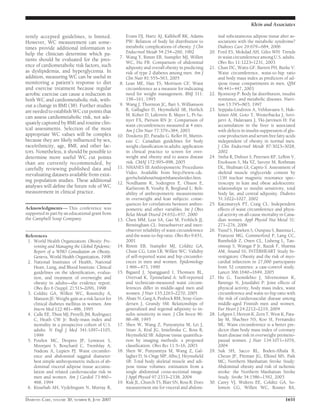
Table 1—Distribution of adipose tissue mass
in lean and obese men
Lean
men
Obese
men
BMI (kg/m2
) 23 37
Body weight (kg) 71 116
Body fat (%) 15 32
Total body fat (kg) 10 37
Total subcutaneous fat (kg) 9 32
Abdominal fat (kg) 4.3 12.3
Subcutaneous (kg) 2.4 7.2
Intra-abdominal (kg) 1.9 5.1
Intraperitoneal (kg) 1.1 3.5
Retroperitoneal (kg) 0.8 1.6
Adapted from reference 16.
Consensus Statement
1648 DIABETES CARE, VOLUME 30, NUMBER 6, JUNE 2007
changes in abdominal adipose tissue mass
has not been established. Nonetheless,
the precision of WC measurement is high
at any given landmark. Even self-
measurement can be highly reproducible
when performed by properly trained sub-
jects, although self-measurement results
in an underestimation of true WC. Mea-
surement of WC cannot determine the in-
dividual contributions of SAAT and IAAT
to abdominal girth, which require imag-
ing by MRI or CT. The value of these scan-
ning techniques in clinical practice has
not been determined.
QUESTION 2: What are the
biological mechanisms responsible
for the association between waist
circumference and metabolic and
cardiometabolic risk?
It is not known whether the storage of an
absolute or relative excess amount of tri-
glycerides in abdominal fat depots is di-
rectly responsible for increased disease
risk or whether such deposition is simply
associated with other processes that cause
risk, or both. In addition, WC values pro-
vide a measure of both SAAT and IAAT
masses. Therefore, the relationship be-
tween WC and cardiometabolic risk can-
not determine whether risk is associated
with SAAT, IAAT, or both.
The mechanism(s) responsible for the
relationship between excess abdominal
fat distribution and cardiometabolic dis-
ease is not known, but several hypotheses
have been proposed. One of the earliest
hypotheses that implicated IAAT as a met-
abolic risk factor suggested that activation
of the central nervous system–adrenal
axis by environmental stressors caused
both the preferential deposition of adi-
pose tissue in the trunk and the cardio-
vascular and metabolic disorders
associated with that deposition (22).
More recently, it has been suggested that a
limited ability of subcutaneous fat depots
to store excess energy results in “over-
flow” of chemical energy to IAAT and “ec-
topic” sites, such as liver and skeletal
muscle. Excessive ectopic fat accumula-
tion then causes metabolic dysfunction in
those organs. In fact, increased intrahe-
patic fat is associated with dyslipidemia
and hepatic insulin resistance (23), and
increased intramyocellular fat is associ-
ated with skeletal muscle insulin resis-
tance (24). In this paradigm, IAAT is
primarily a marker of the magnitude of
overflow of fatty acids from subcutaneous
depots. Therefore, increased WC could be a
discernible marker of a system-wide im-
pairment in energy storage regulation, in
which an increase in IAAT reflects a re-
duced capacity for energy storage in other
adipose tissues. A third hypothesis pro-
poses a direct effect of omental and mesen-
teric adipose tissue depots on insulin
resistance, lipoprotein metabolism, and
blood pressure. Metabolic products of
omental and mesenteric adipose tissue de-
pots are released into the portal vein, which
provides direct delivery to the liver. Lipoly-
sisofomentalandmesentericadiposetissue
triglycerides release free fatty acids that can
induce hepatic insulin resistance and
provide substrate for lipoprotein synthesis
and neutral lipid storage in hepatocytes. In
addition, specific proteins and hormones
produced by omental and mesenteric adi-
pose tissue, such as inflammatory adipo-
kines, angiotensinogen, and cortisol
(generated by local activity of 11 ␤-hydrox-
ysteroid dehydrogenase), can also contrib-
ute to cardiometabolic disease. A fourth
hypothesis is that genes that predispose to
preferential deposition of fat in abdominal
depots independently cause cardiometa-
bolic disease.
These hypotheses are not mutually
exclusive, and it is possible that all, and
other unknown mechanisms, are in-
volved in the association between abdom-
inal fat mass and adverse metabolic
consequences.
QUESTION 3: What is the power of
waist circumference to predict
adverse cardiometabolic outcomes?
How does the predictive power of
waist circumference compare with
that of BMI? Does waist
circumference measurement in
addition to BMI improve
predictability?
The importance of WC in predicting car-
diometabolic risk factors (e.g., elevated
blood pressure, dyslipidemia, and hyper-
glycemia) and adverse outcomes (e.g., di-
abetes, CHD, and death rate) has been
examined in many large epidemiological
studies (7,24–33). Specific relative risks
between WC and these outcomes vary,
depending on the population sampled
and the outcome measured. The relation-
ship between WC and clinical outcome is
consistently strong for diabetes risk, and
WC is a stronger predictor of diabetes
than is BMI. The relative risk of develop-
ing diabetes between subjects in the high-
est and lowest categories of reported WC
often exceeds 10 and remains statistically
significant after adjusting for BMI. These
data demonstrate that WC can identify
persons who are at greater cardiometa-
bolic risk than those identified by BMI
alone. Values for WC are also consistently
related to the risk of developing CHD,
and the relative risk of developing CHD
between subjects in the highest and low-
est categories of WC ranges from 1.5 to
2.5 and remains statistically significant af-
ter adjusting for BMI. Values for WC are
usually strongly associated with all-cause
and selected cause-specific mortality
rates. Data from several studies support
the notion that WC is an important pre-
dictor of diabetes, CHD, and mortality
rate, independent of traditional clinical
tests, such as blood pressure, blood glu-
cose, and lipoproteins (7,26). However,
there is not yet a compelling body of evi-
dence demonstrating that WC provides
clinically meaningful information that is
independent of well-known cardiometa-
bolic risk factors.
The relationships between WC and
health outcomes are affected by demo-
graphic variables, including sex, race/
ethnicity, and age. WC is an important
predictor of health outcomes in men and
women; Caucasians, African Americans,
Asians, and Hispanics; and adults of all
age-groups. In fact, the relationship be-
Table 2—Relationships among waist circumference, BMI, and adipose tissue compartments in
men and women
Men Women
BMI
Waist
circumference BMI
Waist
circumference
Total adipose tissue 0.82 0.87 0.91 0.87
Percent body fat 0.70 0.79 0.86 0.82
Total subcutaneous
adipose tissue
0.82 0.83 0.91 0.86
Total intra-abdominal
adipose tissue
0.59 0.79 0.69 0.77
Data are correlation coefficients. Adapted from reference 18.
Klein and Associates
DIABETES CARE, VOLUME 30, NUMBER 6, JUNE 2007 1649
tween WC and health outcome changes
much less with increasing age than does
the relationship between BMI and health
outcome (31). However, it is not known
whether WC can provide a better assess-
ment of health risk in one sex, racial/
ethnic group, or age category than
another.
The shape of the relationship between
WC and health outcomes (e.g., linear,
monotonic, step-function, or U-shaped)
influences the WC value that can most
efficiently distinguish between “normal”
and “abnormal” and serve as a basis for
considering clinical action. Data from
most studies suggest that the shape of the
relationship between WC and health out-
come lends itself to identifying clinically
meaningful cut point values because risk
often accelerates monotonically above,
and can be relatively flat below, a specific
WC value. Optimum WC cut points will
likely vary according to the population
studied, the health outcome of interest,
and demographic factors.
Data from most clinical weight loss
and exercise training trials have shown
that reductions in WC occur concomi-
tantly with reductions in obesity-related
cardiometabolic risk factors and disease.
However, these results do not prove that
the reduction in WC was responsible for
the beneficial effect on health outcome.
Additional studies are needed to evaluate
the effect of decreasing WC on cardio-
metabolic outcomes.
QUESTION 4: Should waist
circumference be measured in
clinical practice?
The panel concluded that determining
whether waist circumference should be
measured in clinical practice depends on
the responses to the following four key
questions:
1. Can waist circumference be reli-
ably measured? Answer: Yes.
Health care personnel and even pa-
tients themselves, who are given appro-
priate training in technique, can provide
highly reproducible measurements of
WC in men and women. However, it is
not know whether measurement of one
anatomical site is a better indicator of car-
diometabolic risk than measurement at
other sites.
2. Does waist circumference provide:
a) good prediction of diabetes, CHD, and
mortality rate? Answer: Yes; b) incremen-
tal value in predicting diabetes, CHD, and
mortality rate above and beyond that pro-
vided by BMI? Answer: Yes; c) sufficient
incremental value in these predictions
above and beyond that offered by BMI
and commonly evaluated cardiometa-
bolic risk factors, such as blood glucose
concentration, lipid profile and blood
pressure? Answer: Uncertain.
Data from many large population
studies have found waist circumference to
be a strong correlate of clinical outcome,
particularly diabetes, and to be indepen-
dent of BMI. In addition, data from a lim-
ited number of studies demonstrates that
WC remains a predictor of diabetes,
CHD, and mortality rate, even after ad-
justing for BMI and several other cardio-
metabolic risk factors. Additional studies
are needed to confirm that WC remains
an independent predictor of risk.
3. Do the current definitions used to
determine a high WC identify a nontrivial
number of patients who are at increased
cardiometabolic risk, but who would not
otherwise be identified by having a BMI
Ն25 kg/m2
and an assessment of com-
monly evaluated cardiometabolic risk fac-
tors? Answer: Yes.
The recommended WC thresholds
for increased cardiometabolic risk in men
(Ͼ40 inches [102 cm]) and women (Ͼ35
inches [88 cm]) were derived from WC
values that correlated with a BMI Ն30
kg/m2
(2). The National Health and Nu-
trition Examination Survey III (NHANES
III) found that about 14% of women and
about 1% of men had a “high” WC but a
normal BMI (18.5–24.9 kg/m2
) (36). In
addition, ϳ70% of women who were
overweight (BMI 25.0–29.9 kg/m2
) had a
WC Ͼ35 inches and ϳ25% of men who
were overweight had a WC Ͼ40 inches.
An estimate based on data available from
the WHO Monica Project, conducted in
more than 32,000 men and women from
Europe, Australia, and New Zealand, sug-
gest that about 10% of participants who
had BMI values Ͻ30 kg/m2
had a WC
above the recommended cut points for in-
creased risk (36). It is not known what
portion of subjects who had a large WC
would have been identified as having in-
creased cardiometabolic risk based on
findings from a standard medical evalua-
tion. Therefore, the optimal WC criteria
needed to identify patients at increased
risk of metabolic disease, who would oth-
erwise not be identified by evaluating BMI
and/or other standard cardiometabolic
risk factors, is not known and will likely
require adjustments based on BMI, sex,
age, and race/ethnicity.
4. Would assessment of WC in pa-
tients who have a BMI Ն25 kg/m2
affect
clinical management if NHLBI obesity
treatment guidelines are followed? An-
swer: Probably not.
Measurement of WC in clinical prac-
tice is not trivial, because providing this
assessment competes for the limited time
available in a busy office practice and re-
quires specific training to ensure that re-
liable data are obtained. Therefore, waist
circumference should only be measured if
it can provide additional information that
influences patient management. Based on
NHANES III data, 99.9% of men and
98.4% of women would have received the
same treatment recommendations pro-
posed by the NHLBI Expert Panel by eval-
uating BMI and other cardiovascular risk
factors, without an assessment of WC
(37). However, it is likely that different
WC cut point values could provide more
useful clinical information. For example,
an analysis of data obtained from the
NHANES III and the Canadian Heart
Health Surveys found that BMI-specific
WC cut points provided a better indicator
of cardiometabolic risk than the recom-
mended WC thresholds (35). For nor-
mal-weight (BMI 18.5–24.9 kg/m2
),
overweight (BMI 25.0–29.9 kg/m2
), class
I obesity (BMI 30.0–34.9 kg/m2
), and
class II/class III obesity (BMI Ն35.0 kg/
m2
), the optimal WC cut points were 87,
98, 109, and 124 cm in men and 79, 92,
103, and 115 cm in women, respectively.
Therefore, it is possible that WC measure-
ment could be an effective clinical tool for
identifying “metabolically obese, lean”
patients who might benefit from lifestyle
therapy but would not have been consid-
ered for treatment because of a normal
BMI. Waist circumference could also
identify “metabolically normal, obese”
subjects who do not require aggressive
obesity therapy because they do not have
a marked increase in cardiometabolic
risk.
CONCLUSIONS
Waist circumference provides a unique
indicator of body fat distribution, which
can identify patients who are at increased
risk for obesity-related cardiometabolic
disease, above and beyond the measure-
ment of BMI. However, the current WC
cut points recommended to determine
health risk (2) were derived by regression
from an “obese” BMI and are unlikely to
affect clinical management when BMI and
other obesity-related cardiometabolic risk
factors are already being determined.
Therefore, the clinical usefulness of mea-
suring WC, when risk is based on the cur-
Consensus Statement
1650 DIABETES CARE, VOLUME 30, NUMBER 6, JUNE 2007
rently accepted guidelines, is limited.
However, WC measurement can some-
times provide additional information to
help the clinician determine which pa-
tients should be evaluated for the pres-
ence of cardiometabolic risk factors, such
as dyslipidemia, and hyperglycemia. In
addition, measuring WC can be useful in
monitoring a patient’s response to diet
and exercise treatment because regular
aerobic exercise can cause a reduction in
both WC and cardiometabolic risk, with-
out a change in BMI (38). Further studies
are needed to establish WC cut points that
can assess cardiometabolic risk, not ade-
quately captured by BMI and routine clin-
ical assessments. Selection of the most
appropriate WC values will be complex
because they are likely influenced by sex,
race/ethnicity, age, BMI, and other fac-
tors. Nonetheless, it should be possible to
determine more useful WC cut points
than are currently recommended, by
carefully reviewing published data and
reevaluating datasets available from exist-
ing population studies. These additional
analyses will define the future role of WC
measurement in clinical practice.
Acknowledgments— This conference was
supported in part by an educational grant from
the Campbell Soup Company.
References
1. World Health Organization: Obesity: Pre-
venting and Managing the Global Epidemic:
Report of a WHO Consultation on Obesity.
Geneva, World Health Organization, 1998
2. National Institutes of Health, National
Heart, Lung, and Blood Institute: Clinical
guidelines on the identification, evalua-
tion, and treatment of overweight and
obesity in adults—the evidence report.
Obes Res 6 (Suppl. 2):51S–209S, 1998
3. Colditz GA, Willett WC, Rotnitzky A,
Manson JE: Weight gain as a risk factor for
clinical diabetes mellitus in women. Ann
Intern Med 122:481–486, 1995
4. Calle EE, Thun MJ, Petrelli JM, Rodriguez
C, Heath CW Jr: Body-mass index and
mortality in a prospective cohort of U.S.
adults. N Engl J Med 341:1097–1105,
1999
5. Pouliot MC, Despres JP, Lemieux S,
Moorjani S, Bouchard C, Tremblay A,
Nadeau A, Lupien PJ: Waist circumfer-
ence and abdominal saggital diameter:
best simple anthropometric indices of ab-
dominal visceral adipose tissue accumu-
lation and related cardiovascular risk in
men and women. Am J Cardiol 73:460–
468, 1994
6. Kissebah AH, Vydelingum N, Murray R,
Evans DJ, Hartz AJ, Kalkhoff RK, Adams
PW: Relation of body fat distribution to
metabolic complications of obesity. J Clin
Endocrinol Metab 54:254–260, 1982
7. Wang Y, Rimm EB, Stampfer MJ, Willett
WC, Hu FB: Comparison of abdominal
adiposity and overall obesity in predicting
risk of type 2 diabetes among men. Am J
Clin Nutr 81:555–563, 2005
8. Lean ME, Han TS, Morrison CE: Waist
circumference as a measure for indicating
need for weight management. BMJ 311:
158–161, 1995
9. Wang J, Thornton JC, Bari S, Williamson
B, Gallagher D, Heymsfield SB, Horlick
M, Kolter D, Laferrere B, Mayer L, Pi-Su-
nyer FX, Pierson RN Jr: Comparison of
waist circumferences measured at 4 sites.
Am J Clin Nutr 77:379–384, 2003
10. Douketis JD, Paradis G, Keller H, Martin-
eau C: Canadian guidelines for body
weight classification in adults: application
in clinical practice to screen for over-
weight and obesity and to assess disease
risk. CMAJ 172:995–998, 2005
11. NHANES III Anthropometric Procedures
Video. Available from http://www.cdc.
gov/nchs/about/major/nhanes/avideo.htm.
12. Nordhamn K, Sodergren E, Olsson E,
Karlstrom B, Vessby B, Berglund L: Reli-
ability of anthropometric measurements
in overweight and lean subjects: conse-
quences for correlations between anthro-
pometric and other variables. Int J Obes
Relat Metab Disord 24:652–657, 2000
13. Chen MM, Lear SA, Gao M, Frohlich JJ,
Birmingham CL: Intraobserver and inter-
observer reliability of waist circumference
and the waist-to-hip ratio. Obes Res 9:651,
2001
14. Rimm EB, Stampfer MJ, Colditz GA,
Chute CG, Litin LB, Willett WC: Validity
of self-reported waist and hip circumfer-
ences in men and women. Epidemiology
1:466–473, 1990
15. Bigaard J, Spanggaard I, Thomsen BL,
Overvad K, Tjonneland A: Self-reported
and technician-measured waist circum-
ferences differ in middle-aged men and
women. J Nutr 135:2263–2270, 2005
16. Abate N, Garg A, Peshock RM, Stray-Gun-
dersen J, Grundy SM: Relationships of
generalized and regional adiposity to in-
sulin sensitivity in men. J Clin Invest 96:
88–98, 1995
17. Shen W, Wang Z, Punyanyita M, Lei J,
Sinav A, Kral JG, Imielinska C, Ross R,
Heymsfield SB: Adipose tissue quantifica-
tion by imaging methods: a proposed
classification. Obes Res 11:5–16, 2003
18. Shen W, Punyanitya M, Wang Z, Gal-
lagher D, St-Onge MP, Albu J, Heymsfield
SB: Total body skeletal muscle and adi-
pose tissue volumes: estimation from a
single abdominal cross-sectional image.
J Appl Physiol 97:2333–2338, 2004
19. Kuk JL, Church TS, Blair SN, Ross R: Does
measurement site for visceral and abdom-
inal subcutaneous adipose tissue alter as-
sociations with the metabolic syndrome?
Diabetes Care 29:679–684, 2006
20. Ford ES, Mokdad AH, Giles WH: Trends
in waist circumference among U.S. adults.
Obes Res 11:1223–1231, 2003
21. Chan DC, Watts GF, Barrett PH, Burke V:
Waist circumference, waist-to-hip ratio
and body mass index as predictors of ad-
ipose tissue compartments in men. QJM
96:441–447, 2003
22. Bjorntorp P: Body fat distribution, insulin
resistance, and metabolic diseases. Nutri-
tion 13:795–803, 1997
23. Seppala-Lindroos A, Vehkavaara S, Hak-
kinen AM, Goto T, Westerbacka J, Sovi-
jarvi A, Halavaara J, Yki-Jarvinen H: Fat
accumulation in the liver is associated
with defects in insulin suppression of glu-
cose production and serum free fatty acids
independent of obesity in normal men.
J Clin Endocrinol Metab 87:3023–3028,
2002
24. Sinha R, Dufour S, Petersen KF, LeBon V,
Enoksson S, Ma YZ, Savoye M, Rothman
DL, Shulman GI, Caprio S: Assessment of
skeletal muscle triglyceride content by
(1)H nuclear magnetic resonance spec-
troscopy in lean and obese adolescents:
relationships to insulin sensitivity, total
body fat, and central adiposity. Diabetes
51:1022–1027, 2002
25. Katzmarzyk PT, Craig CL: Independent
effects of waist circumference and physi-
cal activity on all-cause mortality in Cana-
dian women. Appl Physiol Nut Metal 31:
271–276, 2006
26. Yusuf S, Hawken S, Ounpuu S, Bautista L,
Franzosi MG, Commerford P, Lang CC,
Rumboldt Z, Onen CL, Lisheng L, Tan-
omsup S, Wangai P Jr, Razak F, Sharma
AM, Anand SS; INTERHEART Study In-
vestigators: Obesity and the risk of myo-
cardial infarction in 27,000 participants
from 52 countries: a case-control study.
Lancet 366:1640–1649, 2005
27. Hu G, Tuomilehto J, Silventoinen K,
Barengo N, Jousilahti P: Joint effects of
physical activity, body mass index, waist
circumference and waist-to-hip ratio with
the risk of cardiovascular disease among
middle-aged Finnish men and women.
Eur Heart J 24:2212–2219, 2004
28. Lofgren I, Herron K, Zern T, West K, Pata-
lay M, Shachter NS, Koo SI, Fernandez
ML: Waist circumference is a better pre-
dictor than body mass index of coronary
heart disease risk in overweight premeno-
pausal women. J Nutr 134:1071–1076,
2004
29. Suk SH, Sacco RL, Boden-Albala B,
Cheun JF, Pittman JG, Elkind MS, Paik
MC; Northern Manhattan Stroke Study:
Abdominal obesity and risk of ischemic
stroke: the Northern Manhattan Stroke
Study. Stroke 34:1586–1592, 2003
30. Carey VJ, Walters EE, Colditz GA, So-
lomon CG, Willett WC, Rosner BA,
Klein and Associates
DIABETES CARE, VOLUME 30, NUMBER 6, JUNE 2007 1651
Speizer FE, Manson JE: Body fat distribu-
tion and risk of non-insulin-dependent
diabetes mellitus in women: the Nurses’
Health Study. Am J Epidemiol 145:614–
619, 1997
31. Visscher TL, Seidell JC, Molarius A, van
der Kuip D, Hofman A, Witteman JC: A
comparison of body mass index, waist-
hip ratio and waist circumference as pre-
dictors of all-cause mortality among the
elderly: the Rotterdam study. Int J Obes
Relat Metab Disord 25:1730–1735, 2001
32. Folsom AR, Kushi LH, Anderson KE,
Mink PJ, Olson JE, Hong CP, Sellers TA,
Lazovich D, Prineas RJ: Associations of
general and abdominal obesity with mul-
tiple health outcomes in older women:
the Iowa Women’s Health Study. Arch In-
tern Med 160:2117–2128, 2000
33. Hu FB, Willett WC, Li T, Stampfer MJ,
Colditz GA, Manson JE: Adiposity as
compared with physical activity in pre-
dicting mortality among women. N Engl
J Med 351:2694–2703, 2004
34. Baik I, Ascherio A, Rimm EB, Giovan-
nucci E, Spiegelman D, Stampfer MJ, Wil-
lett WC: Adiposity and mortality in men.
Am J Epidemiol 152:264–271, 2000
35. Ardern CI, Janssen I, Ross R, Katzmarzyk
PT: Development of health-related waist
circumference thresholds within BMI cat-
egories. Obes Res 12:1094–1103, 2004
36. Meisinger C, Doring A, Thorand B, Heier
M, Lowel H: Body fat distribution and risk
of type 2 diabetes in the general popula-
tion: are there differences between men
and women? The MONICA/KORA Augs-
burg cohort study. Am J Clin Nutr 84:483–
489, 2006
37. Kiernan M, Winkleby MA: Identifying pa-
tients for weight-loss treatment: an empir-
ical evaluation of the NHLBI Obesity
Education Initiative Expert Panel treat-
ment recommendations. Arch Intern Med
160:2169–2176, 2000
38. Dekker MJ, Lee S, Hudson R, Kilpatrick K,
Graham TE, Ross R, Robinson LE: An exer-
cise intervention without weight loss de-
creases circulating interleukin-6 in lean and
obesemenwithandwithouttype2diabetes
mellitus. Metabolism 56:332–338, 2007
Consensus Statement
1652 DIABETES CARE, VOLUME 30, NUMBER 6, JUNE 2007

Waist circumference

  • 1.
    Waist Circumference andCardiometabolic Risk A Consensus Statement from Shaping America’s Health: Association for Weight Management and Obesity Prevention; NAASO, The Obesity Society; the American Society for Nutrition; and the American Diabetes Association SAMUEL KLEIN, MD 1 DAVID B. ALLISON, PHD 2 STEVEN B. HEYMSFIELD, MD 3 DAVID E. KELLEY, MD 4 RUDOLPH L. LEIBEL, MD 5 CATHY NONAS, MS, RD, CDE 6 RICHARD KAHN, PHD 7 O besity is an important risk factor for cardiometabolic diseases, including diabetes, hypertension, dyslipide- mia, and coronary heart disease (CHD). Several leading national and international institutions, including the World Health Organization (WHO) and the National Institutes of Health, have provided guide- lines for classifying weight status based on BMI (1,2). Data from epidemiological studies demonstrate a direct correlation between BMI and the risk of medical com- plications and mortality rate (e.g., 3,4). Men and women who have a BMI Ն30 kg/m2 are considered obese and are gen- erally at higher risk for adverse health events than are those who are considered overweight (BMI between 25.0 and 29.9 kg/m2 ) or lean (BMI between 18.5 and 24.9 kg/m2 ). Therefore, BMI has become the “gold standard” for identifying pa- tients at increased risk for adiposity- related adverse health outcomes. Body fat distribution is also an impor- tant risk factor for obesity-related dis- eases. Excess abdominal fat (also known as central or upper-body fat) is associated with an increased risk of cardiometabolic disease. However, precise measurement of abdominal fat content requires the use of expensive radiological imaging tech- niques. Therefore, waist circumference (WC) is often used as a surrogate marker of abdominal fat mass, because WC cor- relates with abdominal fat mass (subcuta- neous and intra-abdominal) (5) and is associated with cardiometabolic disease risk (6). Men and women who have waist circumferences greater than 40 inches (102 cm) and 35 inches (88 cm), respec- tively, are considered to be at increased risk for cardiometabolic disease (7). These cut points were derived from a re- gression curve that identified the waist circumference values associated with a BMI Ն30 kg/m2 in primarily Caucasian men and women living in north Glasgow (8). An expert panel, organized by the Na- tional Heart, Lung and Blood Institute, has recommended that WC be measured as part of the initial assessment and be used to monitor the efficacy of weight loss therapy in overweight and obese patients who have a BMI Ͻ35 kg/m2 (7). How- ever, measurement of WC has not been widely adopted in clinical practice, and the anatomical, metabolic, and clinical implications of WC data can be confus- ing. Therefore, Shaping America’s Health: Association for Weight Management and Obesity Prevention; NAASO: The Obesity Society; and the American Diabetes Asso- ciation convened a panel, comprised of members with expertise in obesity man- agement, obesity-related epidemiology, adipose tissue metabolic pathophysiol- ogy, statistics, and nutrition science to re- view the published scientific literature and hear presentations from other experts in these fields. The Consensus Panel met from December 17 to 20, 2006, in Wash- ● ● ● ● ● ● ● ● ● ● ● ● ● ● ● ● ● ● ● ● ● ● ● ● ● ● ● ● ● ● ● ● ● ● ● ● ● ● ● ● ● ● ● ● ● ● ● ● ● From the 1 Division of Geriatrics and Nutritional Science, Center for Human Nutrition, Washington Uni- versity School of Medicine, St. Louis, Missouri; the 2 Clinical Nutrition Research Unit, University of Alabama at Birmingham, Birmingham, Alabama; the 3 Clinical Research Department, Metabolism, Merck Pharmaceu- tical Company, Rahway, New Jersey; the 4 Obesity and Nutrition Research Center, University of Pittsburgh, Pittsburgh, Pennsylvania; the 5 Naomi Berrie Diabetes Center, Columbia University, New York, New York; the 6 Obesity and Diabetes Programs, North General Hospital, New York, New York; and the 7 American Diabetes Association, Alexandria, Virginia. Address correspondence and reprint requests to Samuel Klein, MD, Washington University School of Medicine, 660 South Euclid Ave., Campus Box 8031, St. Louis, MO 63110. E-mail: sklein@wustl.edu. Approved for publication 7 March 2007. D.B.A. has received research grants from Frito-Lay and OMP; has served as a consultant to Kraft Foods, Pfizer, Bristol-Myers Squibb, and Bio Era; and has received financial support from Lilly, Pfizer, Merck Pharmaceutical Company, Unilever, Coca-Cola, General Mills, International Life Sciences Institute, Glaxo- SmithKline, OMP, Jansen Pharmaceuticals, and Frito-Lay. S.K. has received research grants from Sanofi- Aventis, Merck, and Takeda for clinical trials; has served as a consultant to Sanofi-Aventis, Amylin Pharmaceuticals, EnteroMedics, Dannon-Yakult, and Merck Pharmaceutical Company. S.B.H. is an em- ployee of Merck Pharmaceutical Company. D.E.K. has received research grants from Novartis Pharmaceu- ticals, Sanofi-Aventis, and Pfizer; has served as a consultant/advisor to Novartis Pharmaceuticals, Sanofi- Aventis, Pfizer, Merck Pharmaceutical Company, and GlaxoSmithKline; and has been on speaker’s bureaus for Novartis Pharmaceuticals, Sanofi-Aventis, and Merck Pharmaceutical Company. R.L.L. has received research grants from GlaxoSmithKline and has been a consultant/advisor to Amylin Pharmaceuticals, Merck Pharmaceutical Company, Arisaph Pharmaceuticals, and Genaera Corporation. C.N. has been a consultant/ advisor to Amylin Pharmaceuticals, GlaxoSmithKline, and Slim Fast. Abbreviations: CHD, coronary heart disease; CT, computed tomography; IAAT, intra-abdominal adi- pose tissue; MRI, magnetic resonance imaging; NHANES III, National Health and Nutrition Examination Survey III; SAAT, subcutaneous abdominal adipose tissue; WC, waist circumference; WHO, World Health Organization. A table elsewhere in this issue shows conventional and Syste`me International (SI) units and conversion factors for many substances. DOI: 10.2337/dc07-9921 © 2007 by NAASO and the American Diabetes Association. The costs of publication of this article were defrayed in part by the payment of page charges. This article must therefore be hereby marked “advertisement” in accordance with 18 U.S.C. Section 1734 solely to indicate this fact. R e v i e w s / C o m m e n t a r i e s / A D A S t a t e m e n t s C O N S E N S U S S T A T E M E N T DIABETES CARE, VOLUME 30, NUMBER 6, JUNE 2007 1647
  • 2.
    ington, DC, andwas charged to provide answers to the following four questions: 1. What does waist circumference measure? 2. What are the biological mecha- nisms responsible for the associa- tion between waist circumference and cardiometabolic risk? 3. What is the power of waist cir- cumference to predict adverse car- diometabolic outcomes? How does the predictive power of waist circumference compare with that of BMI? Does measuring waist cir- cumference in addition to BMI im- prove predictability? 4. Should waist circumference be measured in clinical practice? QUESTION 1: What does waist circumference measure? Measurement technique. Waist cir- cumference is actually a perimeter, which provides an estimate of body girth at the level of the abdomen. Different anatomi- cal landmarks have been used to deter- mine the exact location for measuring WC in different clinical studies, including: 1) midpoint between the lowest rib and the iliac crest; 2) the umbilicus; 3) narrowest (minimum) or widest (maximum) waist circumference; 4) just below the lowest rib; and 5) just above the iliac crest. The specific site used to measure WC influ- ences the absolute WC value that is ob- tained (9). The most commonly used sites reported in studies that evaluated the re- lationship between morbidity or mortal- ity rate and WC were at the midpoint between the lowest rib and the iliac crest (29%), umbilicus (28%), and narrowest waist circumference (22%). Although sites that use an easily identifiable and re- producible landmark (e.g., just above the bony landmark of the lilac crest) might be more precise and easier to use than other sites, we are not aware of data from any studies that demonstrate an advantage of one measurement site over others. Waist circumference measurements should be made around a patient’s bare midriff, after the patient exhales while standing without shoes, both feet touch- ing, and arms hanging freely. The measur- ing tape should be made of a material that is not easily stretched, such as fiberglass. The tape should be placed perpendicular to the long axis of the body and horizontal to the floor and applied with sufficient tension to conform to the measurement surface. In a research setting, WC mea- surements are typically taken three times and recorded to the nearest 0.1 cm. Al- though specific techniques have been rec- ommended for measuring WC in the clinical setting (2,10), there is no uni- formly accepted approach. Training tech- nicians and even patients to use an appropriate technique for measuring WC is essential to obtain reliable data; special tape measures, instructional manuals, and videotapes are available for this pur- pose (11). The reproducibility of WC measure- ments at all sites is high for both men and women (e.g., iliac crest site, intra-class correlation coefficient, r ϭ 0.998 and r ϭ 0.999, respectively) (9,12,13). The corre- lation between technician- and self- measured WC after proper training can also be high for both men (r ϭ 0.95) and women (0.89), respectively (14). How- ever, self-reported measurements are prone to a systematic bias, and there is a nontrivial underestimate of self-measured WC at all anatomic sites (15). Anatomical relationships. Adipose tis- sue consists of adipocytes, inflammatory cells, and vascular, connective, and neu- ral tissues. Adipose tissue is distributed throughout the body, as large homoge- neous discrete compartments and as small numbers of cells “marbling” or ad- jacent to other tissues. Most adipose tis- sue (ϳ85% of total adipose tissue mass) is located under the skin (subcutaneous fat), and a smaller amount (ϳ15%) is lo- cated within the abdomen (intra- abdominal fat) in lean and obese persons (Table 1) (16). The relative contribution of intra-abdominal fat mass to total body fat is influenced by sex, age, race/ ethnicity, physical activity, and total adi- posity. The term “visceral fat” is commonly used to describe intra- abdominal fat and includes both intra- peritoneal fat (mesenteric and omental fat), which drains directly into the portal circulation, and retroperitoneal fat, which drains into the systemic circulation. Magnetic resonance imaging (MRI) and computed tomography (CT) are con- sidered the gold-standard methods for determining the quantity of subcutaneous abdominal adipose tissue (SAAT) and in- tra-abdominal adipose tissue (IAAT) (17). Most MRI and CT methods involve acqui- sition of cross-sectional abdominal im- ages, which are then analyzed for fat content. A single slice is often acquired at the L4-L5 intervertebral level to estimate SAAT and IAAT volume, expressed as cm3 . However, L4-L5 imaging does not provide the best estimate of total IAAT mass, which is more reliably estimated several centimeters cephalad of the L4-L5 intervertebral space (17,18). In addition, measurement site influences the relation- ship between IAAT volume and cardio- metabolic risk; the association between IAAT volume and presence of the meta- bolic syndrome is greater when IAAT vol- ume is determined at the L1-L2 than at the L4-L5 level (19). Currently, there is no universally accepted site for measuring IAAT and SAAT. The relationship between WC, weight, and BMI can be conceptualized by using simple geometric relationships that consider the body as a cylinder; WC is the cylinder’s circumference, height is its length, and weight is a measure of mass. Therefore, BMI provides informa- tion about body volume and mass, and WC provides information about body shape. In general, BMI and WC are highly correlated, typically with r values in the range of 0.80–0.95 (20), and WC reflects both SAAT and IAAT volumes (21). The relationships among WC, BMI, and adi- pose tissue compartments in primarily Caucasian and African-American men and women are shown in Table 2 (18). These data demonstrate that both BMI and WC are strongly correlated with total body adipose tissue mass but that WC is a better predictor of IAAT than is BMI. Assessment of WC provides a mea- sure of fat distribution that cannot be ob- tained by measuring BMI. However, there is no standardized approach for measur- ing WC and different anatomical land- marks have been used to measure WC in different studies. Moreover, the measure- ment site that provides the best correla- tion with disease risk and best reflects Table 1—Distribution of adipose tissue mass in lean and obese men Lean men Obese men BMI (kg/m2 ) 23 37 Body weight (kg) 71 116 Body fat (%) 15 32 Total body fat (kg) 10 37 Total subcutaneous fat (kg) 9 32 Abdominal fat (kg) 4.3 12.3 Subcutaneous (kg) 2.4 7.2 Intra-abdominal (kg) 1.9 5.1 Intraperitoneal (kg) 1.1 3.5 Retroperitoneal (kg) 0.8 1.6 Adapted from reference 16. Consensus Statement 1648 DIABETES CARE, VOLUME 30, NUMBER 6, JUNE 2007
  • 3.
    changes in abdominaladipose tissue mass has not been established. Nonetheless, the precision of WC measurement is high at any given landmark. Even self- measurement can be highly reproducible when performed by properly trained sub- jects, although self-measurement results in an underestimation of true WC. Mea- surement of WC cannot determine the in- dividual contributions of SAAT and IAAT to abdominal girth, which require imag- ing by MRI or CT. The value of these scan- ning techniques in clinical practice has not been determined. QUESTION 2: What are the biological mechanisms responsible for the association between waist circumference and metabolic and cardiometabolic risk? It is not known whether the storage of an absolute or relative excess amount of tri- glycerides in abdominal fat depots is di- rectly responsible for increased disease risk or whether such deposition is simply associated with other processes that cause risk, or both. In addition, WC values pro- vide a measure of both SAAT and IAAT masses. Therefore, the relationship be- tween WC and cardiometabolic risk can- not determine whether risk is associated with SAAT, IAAT, or both. The mechanism(s) responsible for the relationship between excess abdominal fat distribution and cardiometabolic dis- ease is not known, but several hypotheses have been proposed. One of the earliest hypotheses that implicated IAAT as a met- abolic risk factor suggested that activation of the central nervous system–adrenal axis by environmental stressors caused both the preferential deposition of adi- pose tissue in the trunk and the cardio- vascular and metabolic disorders associated with that deposition (22). More recently, it has been suggested that a limited ability of subcutaneous fat depots to store excess energy results in “over- flow” of chemical energy to IAAT and “ec- topic” sites, such as liver and skeletal muscle. Excessive ectopic fat accumula- tion then causes metabolic dysfunction in those organs. In fact, increased intrahe- patic fat is associated with dyslipidemia and hepatic insulin resistance (23), and increased intramyocellular fat is associ- ated with skeletal muscle insulin resis- tance (24). In this paradigm, IAAT is primarily a marker of the magnitude of overflow of fatty acids from subcutaneous depots. Therefore, increased WC could be a discernible marker of a system-wide im- pairment in energy storage regulation, in which an increase in IAAT reflects a re- duced capacity for energy storage in other adipose tissues. A third hypothesis pro- poses a direct effect of omental and mesen- teric adipose tissue depots on insulin resistance, lipoprotein metabolism, and blood pressure. Metabolic products of omental and mesenteric adipose tissue de- pots are released into the portal vein, which provides direct delivery to the liver. Lipoly- sisofomentalandmesentericadiposetissue triglycerides release free fatty acids that can induce hepatic insulin resistance and provide substrate for lipoprotein synthesis and neutral lipid storage in hepatocytes. In addition, specific proteins and hormones produced by omental and mesenteric adi- pose tissue, such as inflammatory adipo- kines, angiotensinogen, and cortisol (generated by local activity of 11 ␤-hydrox- ysteroid dehydrogenase), can also contrib- ute to cardiometabolic disease. A fourth hypothesis is that genes that predispose to preferential deposition of fat in abdominal depots independently cause cardiometa- bolic disease. These hypotheses are not mutually exclusive, and it is possible that all, and other unknown mechanisms, are in- volved in the association between abdom- inal fat mass and adverse metabolic consequences. QUESTION 3: What is the power of waist circumference to predict adverse cardiometabolic outcomes? How does the predictive power of waist circumference compare with that of BMI? Does waist circumference measurement in addition to BMI improve predictability? The importance of WC in predicting car- diometabolic risk factors (e.g., elevated blood pressure, dyslipidemia, and hyper- glycemia) and adverse outcomes (e.g., di- abetes, CHD, and death rate) has been examined in many large epidemiological studies (7,24–33). Specific relative risks between WC and these outcomes vary, depending on the population sampled and the outcome measured. The relation- ship between WC and clinical outcome is consistently strong for diabetes risk, and WC is a stronger predictor of diabetes than is BMI. The relative risk of develop- ing diabetes between subjects in the high- est and lowest categories of reported WC often exceeds 10 and remains statistically significant after adjusting for BMI. These data demonstrate that WC can identify persons who are at greater cardiometa- bolic risk than those identified by BMI alone. Values for WC are also consistently related to the risk of developing CHD, and the relative risk of developing CHD between subjects in the highest and low- est categories of WC ranges from 1.5 to 2.5 and remains statistically significant af- ter adjusting for BMI. Values for WC are usually strongly associated with all-cause and selected cause-specific mortality rates. Data from several studies support the notion that WC is an important pre- dictor of diabetes, CHD, and mortality rate, independent of traditional clinical tests, such as blood pressure, blood glu- cose, and lipoproteins (7,26). However, there is not yet a compelling body of evi- dence demonstrating that WC provides clinically meaningful information that is independent of well-known cardiometa- bolic risk factors. The relationships between WC and health outcomes are affected by demo- graphic variables, including sex, race/ ethnicity, and age. WC is an important predictor of health outcomes in men and women; Caucasians, African Americans, Asians, and Hispanics; and adults of all age-groups. In fact, the relationship be- Table 2—Relationships among waist circumference, BMI, and adipose tissue compartments in men and women Men Women BMI Waist circumference BMI Waist circumference Total adipose tissue 0.82 0.87 0.91 0.87 Percent body fat 0.70 0.79 0.86 0.82 Total subcutaneous adipose tissue 0.82 0.83 0.91 0.86 Total intra-abdominal adipose tissue 0.59 0.79 0.69 0.77 Data are correlation coefficients. Adapted from reference 18. Klein and Associates DIABETES CARE, VOLUME 30, NUMBER 6, JUNE 2007 1649
  • 4.
    tween WC andhealth outcome changes much less with increasing age than does the relationship between BMI and health outcome (31). However, it is not known whether WC can provide a better assess- ment of health risk in one sex, racial/ ethnic group, or age category than another. The shape of the relationship between WC and health outcomes (e.g., linear, monotonic, step-function, or U-shaped) influences the WC value that can most efficiently distinguish between “normal” and “abnormal” and serve as a basis for considering clinical action. Data from most studies suggest that the shape of the relationship between WC and health out- come lends itself to identifying clinically meaningful cut point values because risk often accelerates monotonically above, and can be relatively flat below, a specific WC value. Optimum WC cut points will likely vary according to the population studied, the health outcome of interest, and demographic factors. Data from most clinical weight loss and exercise training trials have shown that reductions in WC occur concomi- tantly with reductions in obesity-related cardiometabolic risk factors and disease. However, these results do not prove that the reduction in WC was responsible for the beneficial effect on health outcome. Additional studies are needed to evaluate the effect of decreasing WC on cardio- metabolic outcomes. QUESTION 4: Should waist circumference be measured in clinical practice? The panel concluded that determining whether waist circumference should be measured in clinical practice depends on the responses to the following four key questions: 1. Can waist circumference be reli- ably measured? Answer: Yes. Health care personnel and even pa- tients themselves, who are given appro- priate training in technique, can provide highly reproducible measurements of WC in men and women. However, it is not know whether measurement of one anatomical site is a better indicator of car- diometabolic risk than measurement at other sites. 2. Does waist circumference provide: a) good prediction of diabetes, CHD, and mortality rate? Answer: Yes; b) incremen- tal value in predicting diabetes, CHD, and mortality rate above and beyond that pro- vided by BMI? Answer: Yes; c) sufficient incremental value in these predictions above and beyond that offered by BMI and commonly evaluated cardiometa- bolic risk factors, such as blood glucose concentration, lipid profile and blood pressure? Answer: Uncertain. Data from many large population studies have found waist circumference to be a strong correlate of clinical outcome, particularly diabetes, and to be indepen- dent of BMI. In addition, data from a lim- ited number of studies demonstrates that WC remains a predictor of diabetes, CHD, and mortality rate, even after ad- justing for BMI and several other cardio- metabolic risk factors. Additional studies are needed to confirm that WC remains an independent predictor of risk. 3. Do the current definitions used to determine a high WC identify a nontrivial number of patients who are at increased cardiometabolic risk, but who would not otherwise be identified by having a BMI Ն25 kg/m2 and an assessment of com- monly evaluated cardiometabolic risk fac- tors? Answer: Yes. The recommended WC thresholds for increased cardiometabolic risk in men (Ͼ40 inches [102 cm]) and women (Ͼ35 inches [88 cm]) were derived from WC values that correlated with a BMI Ն30 kg/m2 (2). The National Health and Nu- trition Examination Survey III (NHANES III) found that about 14% of women and about 1% of men had a “high” WC but a normal BMI (18.5–24.9 kg/m2 ) (36). In addition, ϳ70% of women who were overweight (BMI 25.0–29.9 kg/m2 ) had a WC Ͼ35 inches and ϳ25% of men who were overweight had a WC Ͼ40 inches. An estimate based on data available from the WHO Monica Project, conducted in more than 32,000 men and women from Europe, Australia, and New Zealand, sug- gest that about 10% of participants who had BMI values Ͻ30 kg/m2 had a WC above the recommended cut points for in- creased risk (36). It is not known what portion of subjects who had a large WC would have been identified as having in- creased cardiometabolic risk based on findings from a standard medical evalua- tion. Therefore, the optimal WC criteria needed to identify patients at increased risk of metabolic disease, who would oth- erwise not be identified by evaluating BMI and/or other standard cardiometabolic risk factors, is not known and will likely require adjustments based on BMI, sex, age, and race/ethnicity. 4. Would assessment of WC in pa- tients who have a BMI Ն25 kg/m2 affect clinical management if NHLBI obesity treatment guidelines are followed? An- swer: Probably not. Measurement of WC in clinical prac- tice is not trivial, because providing this assessment competes for the limited time available in a busy office practice and re- quires specific training to ensure that re- liable data are obtained. Therefore, waist circumference should only be measured if it can provide additional information that influences patient management. Based on NHANES III data, 99.9% of men and 98.4% of women would have received the same treatment recommendations pro- posed by the NHLBI Expert Panel by eval- uating BMI and other cardiovascular risk factors, without an assessment of WC (37). However, it is likely that different WC cut point values could provide more useful clinical information. For example, an analysis of data obtained from the NHANES III and the Canadian Heart Health Surveys found that BMI-specific WC cut points provided a better indicator of cardiometabolic risk than the recom- mended WC thresholds (35). For nor- mal-weight (BMI 18.5–24.9 kg/m2 ), overweight (BMI 25.0–29.9 kg/m2 ), class I obesity (BMI 30.0–34.9 kg/m2 ), and class II/class III obesity (BMI Ն35.0 kg/ m2 ), the optimal WC cut points were 87, 98, 109, and 124 cm in men and 79, 92, 103, and 115 cm in women, respectively. Therefore, it is possible that WC measure- ment could be an effective clinical tool for identifying “metabolically obese, lean” patients who might benefit from lifestyle therapy but would not have been consid- ered for treatment because of a normal BMI. Waist circumference could also identify “metabolically normal, obese” subjects who do not require aggressive obesity therapy because they do not have a marked increase in cardiometabolic risk. CONCLUSIONS Waist circumference provides a unique indicator of body fat distribution, which can identify patients who are at increased risk for obesity-related cardiometabolic disease, above and beyond the measure- ment of BMI. However, the current WC cut points recommended to determine health risk (2) were derived by regression from an “obese” BMI and are unlikely to affect clinical management when BMI and other obesity-related cardiometabolic risk factors are already being determined. Therefore, the clinical usefulness of mea- suring WC, when risk is based on the cur- Consensus Statement 1650 DIABETES CARE, VOLUME 30, NUMBER 6, JUNE 2007
  • 5.
    rently accepted guidelines,is limited. However, WC measurement can some- times provide additional information to help the clinician determine which pa- tients should be evaluated for the pres- ence of cardiometabolic risk factors, such as dyslipidemia, and hyperglycemia. In addition, measuring WC can be useful in monitoring a patient’s response to diet and exercise treatment because regular aerobic exercise can cause a reduction in both WC and cardiometabolic risk, with- out a change in BMI (38). Further studies are needed to establish WC cut points that can assess cardiometabolic risk, not ade- quately captured by BMI and routine clin- ical assessments. Selection of the most appropriate WC values will be complex because they are likely influenced by sex, race/ethnicity, age, BMI, and other fac- tors. Nonetheless, it should be possible to determine more useful WC cut points than are currently recommended, by carefully reviewing published data and reevaluating datasets available from exist- ing population studies. These additional analyses will define the future role of WC measurement in clinical practice. Acknowledgments— This conference was supported in part by an educational grant from the Campbell Soup Company. References 1. World Health Organization: Obesity: Pre- venting and Managing the Global Epidemic: Report of a WHO Consultation on Obesity. Geneva, World Health Organization, 1998 2. National Institutes of Health, National Heart, Lung, and Blood Institute: Clinical guidelines on the identification, evalua- tion, and treatment of overweight and obesity in adults—the evidence report. Obes Res 6 (Suppl. 2):51S–209S, 1998 3. Colditz GA, Willett WC, Rotnitzky A, Manson JE: Weight gain as a risk factor for clinical diabetes mellitus in women. Ann Intern Med 122:481–486, 1995 4. Calle EE, Thun MJ, Petrelli JM, Rodriguez C, Heath CW Jr: Body-mass index and mortality in a prospective cohort of U.S. adults. N Engl J Med 341:1097–1105, 1999 5. Pouliot MC, Despres JP, Lemieux S, Moorjani S, Bouchard C, Tremblay A, Nadeau A, Lupien PJ: Waist circumfer- ence and abdominal saggital diameter: best simple anthropometric indices of ab- dominal visceral adipose tissue accumu- lation and related cardiovascular risk in men and women. Am J Cardiol 73:460– 468, 1994 6. Kissebah AH, Vydelingum N, Murray R, Evans DJ, Hartz AJ, Kalkhoff RK, Adams PW: Relation of body fat distribution to metabolic complications of obesity. J Clin Endocrinol Metab 54:254–260, 1982 7. Wang Y, Rimm EB, Stampfer MJ, Willett WC, Hu FB: Comparison of abdominal adiposity and overall obesity in predicting risk of type 2 diabetes among men. Am J Clin Nutr 81:555–563, 2005 8. Lean ME, Han TS, Morrison CE: Waist circumference as a measure for indicating need for weight management. BMJ 311: 158–161, 1995 9. Wang J, Thornton JC, Bari S, Williamson B, Gallagher D, Heymsfield SB, Horlick M, Kolter D, Laferrere B, Mayer L, Pi-Su- nyer FX, Pierson RN Jr: Comparison of waist circumferences measured at 4 sites. Am J Clin Nutr 77:379–384, 2003 10. Douketis JD, Paradis G, Keller H, Martin- eau C: Canadian guidelines for body weight classification in adults: application in clinical practice to screen for over- weight and obesity and to assess disease risk. CMAJ 172:995–998, 2005 11. NHANES III Anthropometric Procedures Video. Available from http://www.cdc. gov/nchs/about/major/nhanes/avideo.htm. 12. Nordhamn K, Sodergren E, Olsson E, Karlstrom B, Vessby B, Berglund L: Reli- ability of anthropometric measurements in overweight and lean subjects: conse- quences for correlations between anthro- pometric and other variables. Int J Obes Relat Metab Disord 24:652–657, 2000 13. Chen MM, Lear SA, Gao M, Frohlich JJ, Birmingham CL: Intraobserver and inter- observer reliability of waist circumference and the waist-to-hip ratio. Obes Res 9:651, 2001 14. Rimm EB, Stampfer MJ, Colditz GA, Chute CG, Litin LB, Willett WC: Validity of self-reported waist and hip circumfer- ences in men and women. Epidemiology 1:466–473, 1990 15. Bigaard J, Spanggaard I, Thomsen BL, Overvad K, Tjonneland A: Self-reported and technician-measured waist circum- ferences differ in middle-aged men and women. J Nutr 135:2263–2270, 2005 16. Abate N, Garg A, Peshock RM, Stray-Gun- dersen J, Grundy SM: Relationships of generalized and regional adiposity to in- sulin sensitivity in men. J Clin Invest 96: 88–98, 1995 17. Shen W, Wang Z, Punyanyita M, Lei J, Sinav A, Kral JG, Imielinska C, Ross R, Heymsfield SB: Adipose tissue quantifica- tion by imaging methods: a proposed classification. Obes Res 11:5–16, 2003 18. Shen W, Punyanitya M, Wang Z, Gal- lagher D, St-Onge MP, Albu J, Heymsfield SB: Total body skeletal muscle and adi- pose tissue volumes: estimation from a single abdominal cross-sectional image. J Appl Physiol 97:2333–2338, 2004 19. Kuk JL, Church TS, Blair SN, Ross R: Does measurement site for visceral and abdom- inal subcutaneous adipose tissue alter as- sociations with the metabolic syndrome? Diabetes Care 29:679–684, 2006 20. Ford ES, Mokdad AH, Giles WH: Trends in waist circumference among U.S. adults. Obes Res 11:1223–1231, 2003 21. Chan DC, Watts GF, Barrett PH, Burke V: Waist circumference, waist-to-hip ratio and body mass index as predictors of ad- ipose tissue compartments in men. QJM 96:441–447, 2003 22. Bjorntorp P: Body fat distribution, insulin resistance, and metabolic diseases. Nutri- tion 13:795–803, 1997 23. Seppala-Lindroos A, Vehkavaara S, Hak- kinen AM, Goto T, Westerbacka J, Sovi- jarvi A, Halavaara J, Yki-Jarvinen H: Fat accumulation in the liver is associated with defects in insulin suppression of glu- cose production and serum free fatty acids independent of obesity in normal men. J Clin Endocrinol Metab 87:3023–3028, 2002 24. Sinha R, Dufour S, Petersen KF, LeBon V, Enoksson S, Ma YZ, Savoye M, Rothman DL, Shulman GI, Caprio S: Assessment of skeletal muscle triglyceride content by (1)H nuclear magnetic resonance spec- troscopy in lean and obese adolescents: relationships to insulin sensitivity, total body fat, and central adiposity. Diabetes 51:1022–1027, 2002 25. Katzmarzyk PT, Craig CL: Independent effects of waist circumference and physi- cal activity on all-cause mortality in Cana- dian women. Appl Physiol Nut Metal 31: 271–276, 2006 26. Yusuf S, Hawken S, Ounpuu S, Bautista L, Franzosi MG, Commerford P, Lang CC, Rumboldt Z, Onen CL, Lisheng L, Tan- omsup S, Wangai P Jr, Razak F, Sharma AM, Anand SS; INTERHEART Study In- vestigators: Obesity and the risk of myo- cardial infarction in 27,000 participants from 52 countries: a case-control study. Lancet 366:1640–1649, 2005 27. Hu G, Tuomilehto J, Silventoinen K, Barengo N, Jousilahti P: Joint effects of physical activity, body mass index, waist circumference and waist-to-hip ratio with the risk of cardiovascular disease among middle-aged Finnish men and women. Eur Heart J 24:2212–2219, 2004 28. Lofgren I, Herron K, Zern T, West K, Pata- lay M, Shachter NS, Koo SI, Fernandez ML: Waist circumference is a better pre- dictor than body mass index of coronary heart disease risk in overweight premeno- pausal women. J Nutr 134:1071–1076, 2004 29. Suk SH, Sacco RL, Boden-Albala B, Cheun JF, Pittman JG, Elkind MS, Paik MC; Northern Manhattan Stroke Study: Abdominal obesity and risk of ischemic stroke: the Northern Manhattan Stroke Study. Stroke 34:1586–1592, 2003 30. Carey VJ, Walters EE, Colditz GA, So- lomon CG, Willett WC, Rosner BA, Klein and Associates DIABETES CARE, VOLUME 30, NUMBER 6, JUNE 2007 1651
  • 6.
    Speizer FE, MansonJE: Body fat distribu- tion and risk of non-insulin-dependent diabetes mellitus in women: the Nurses’ Health Study. Am J Epidemiol 145:614– 619, 1997 31. Visscher TL, Seidell JC, Molarius A, van der Kuip D, Hofman A, Witteman JC: A comparison of body mass index, waist- hip ratio and waist circumference as pre- dictors of all-cause mortality among the elderly: the Rotterdam study. Int J Obes Relat Metab Disord 25:1730–1735, 2001 32. Folsom AR, Kushi LH, Anderson KE, Mink PJ, Olson JE, Hong CP, Sellers TA, Lazovich D, Prineas RJ: Associations of general and abdominal obesity with mul- tiple health outcomes in older women: the Iowa Women’s Health Study. Arch In- tern Med 160:2117–2128, 2000 33. Hu FB, Willett WC, Li T, Stampfer MJ, Colditz GA, Manson JE: Adiposity as compared with physical activity in pre- dicting mortality among women. N Engl J Med 351:2694–2703, 2004 34. Baik I, Ascherio A, Rimm EB, Giovan- nucci E, Spiegelman D, Stampfer MJ, Wil- lett WC: Adiposity and mortality in men. Am J Epidemiol 152:264–271, 2000 35. Ardern CI, Janssen I, Ross R, Katzmarzyk PT: Development of health-related waist circumference thresholds within BMI cat- egories. Obes Res 12:1094–1103, 2004 36. Meisinger C, Doring A, Thorand B, Heier M, Lowel H: Body fat distribution and risk of type 2 diabetes in the general popula- tion: are there differences between men and women? The MONICA/KORA Augs- burg cohort study. Am J Clin Nutr 84:483– 489, 2006 37. Kiernan M, Winkleby MA: Identifying pa- tients for weight-loss treatment: an empir- ical evaluation of the NHLBI Obesity Education Initiative Expert Panel treat- ment recommendations. Arch Intern Med 160:2169–2176, 2000 38. Dekker MJ, Lee S, Hudson R, Kilpatrick K, Graham TE, Ross R, Robinson LE: An exer- cise intervention without weight loss de- creases circulating interleukin-6 in lean and obesemenwithandwithouttype2diabetes mellitus. Metabolism 56:332–338, 2007 Consensus Statement 1652 DIABETES CARE, VOLUME 30, NUMBER 6, JUNE 2007