Volcanoes
Continuation …..
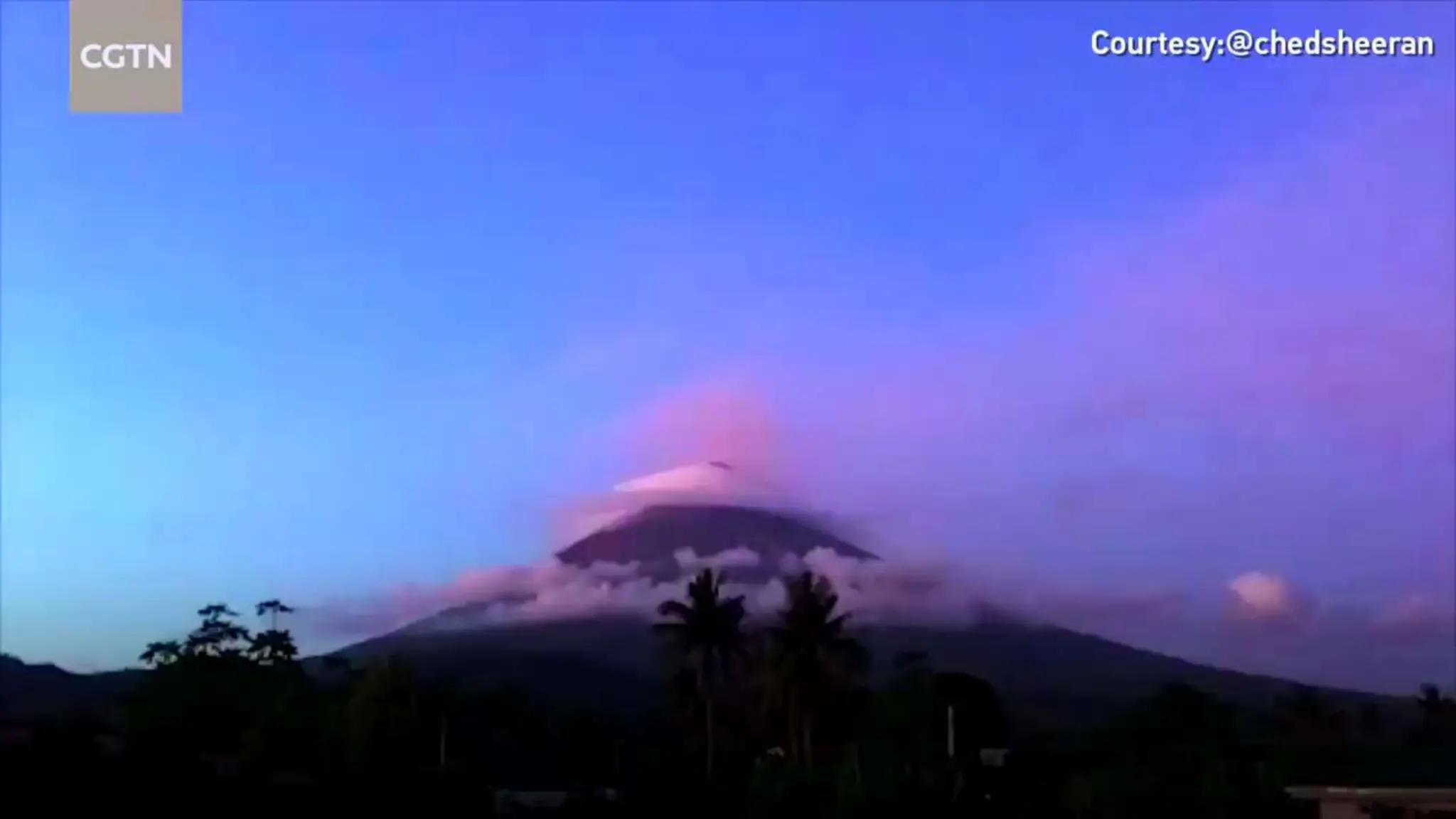
1. What can you say about the video clip?
2. Do you think there are also volcanoes that do not erupt?
3. What do you call those volcanoes that are erupting? How about volcanoes
that seemed to erupt and became quiet for a long period of time?
Guide question
Active and Inactive volcano
Objective:Classify volcanoes as
active or inactive
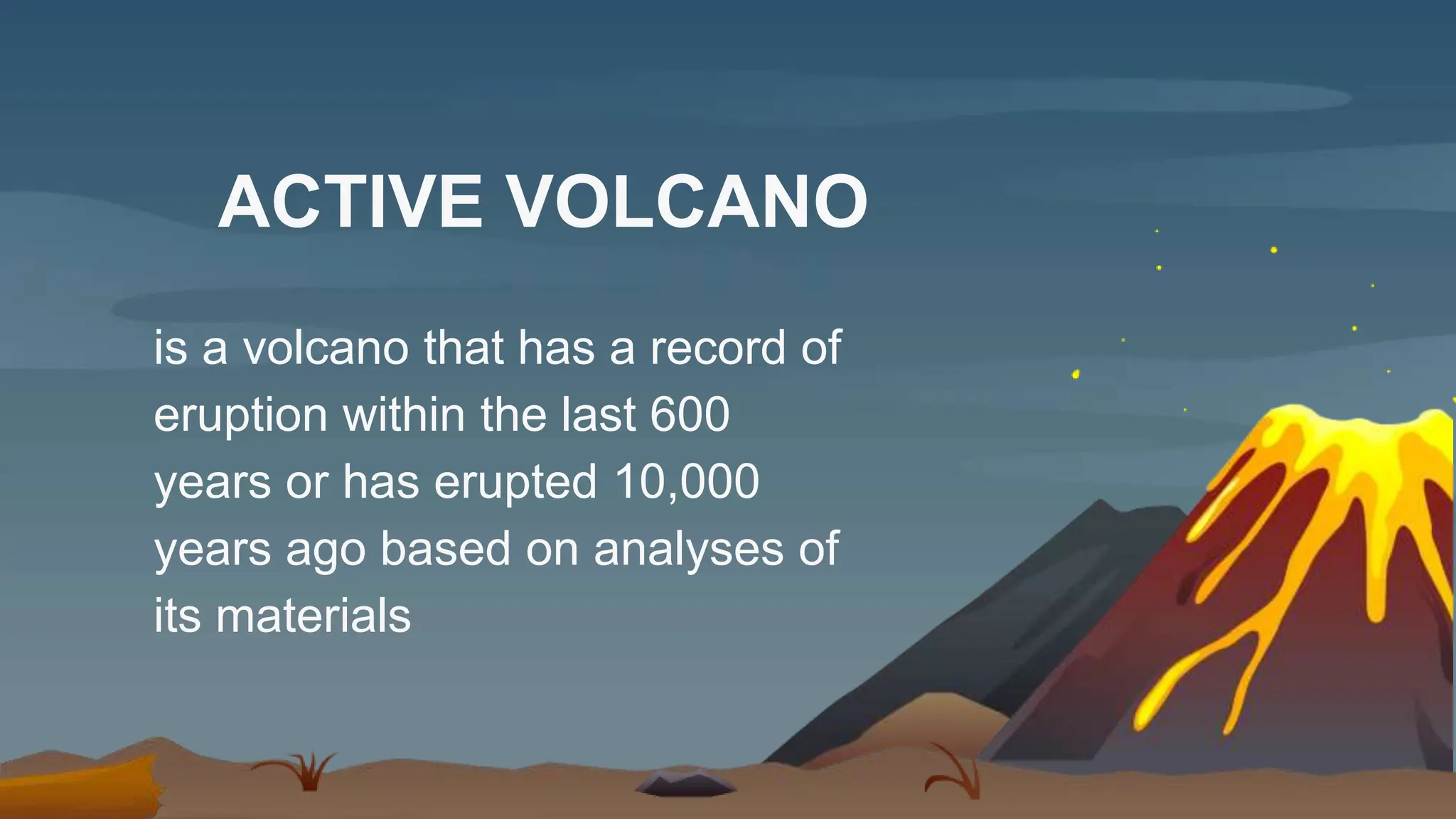
ACTIVE VOLCANO
is a volcano that has a record of
eruption within the last 600
years or has erupted 10,000
years ago based on analyses of
its materials
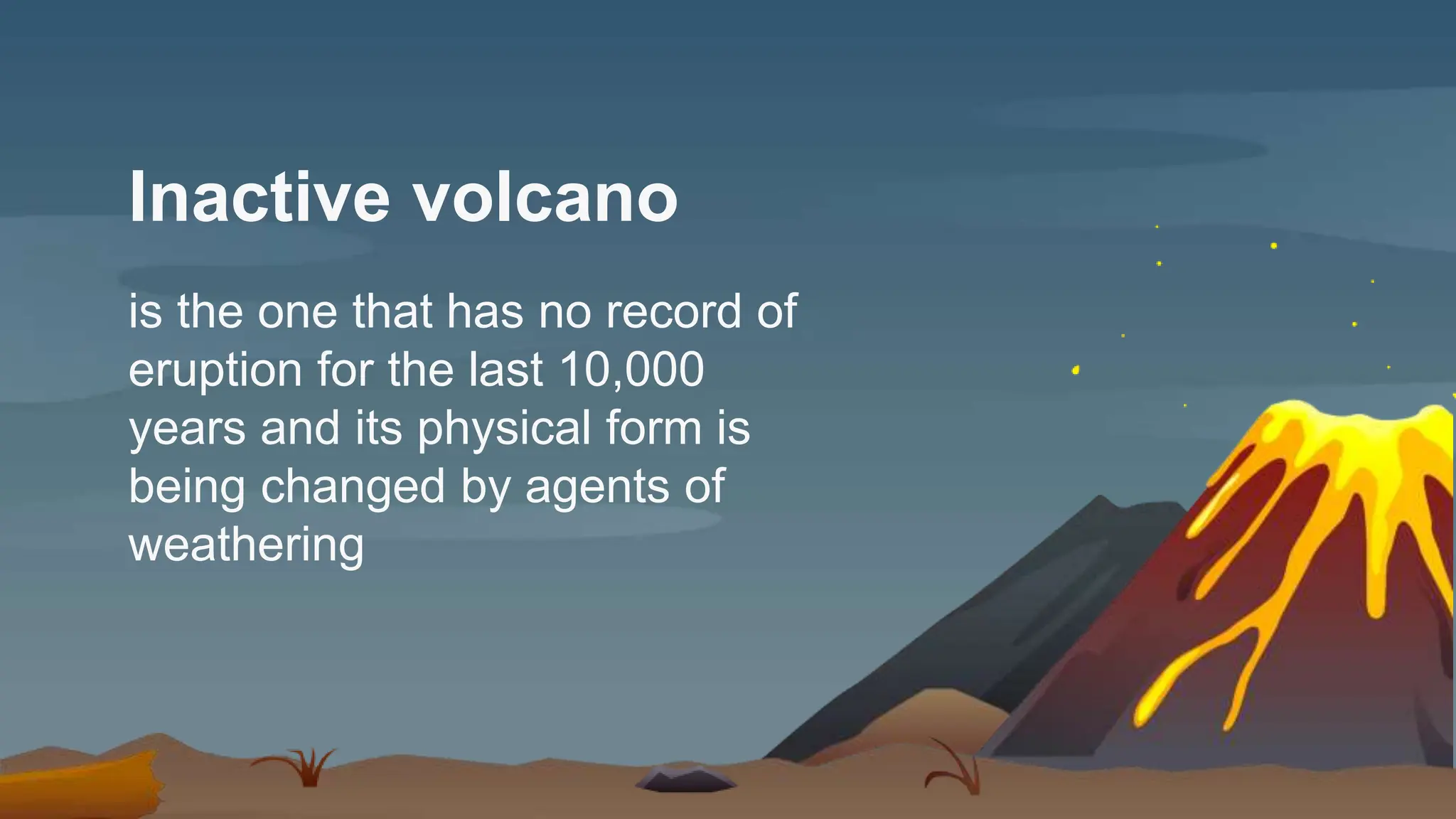
Inactive volcano
is the one that has no record of
eruption for the last 10,000
years and its physical form is
being changed by agents of
weathering
There are more than a hundred volcanoes in our
country, twenty-four are active, and the others are
inactive.
Some of the most active are:
• Mayon in Albay, the most active and
dangerous volcano in the country
• Taal in Batangas, the second most active
volcano
• Kanlaon in Negros island
• Bulusan in Sorsogon
• Pinatubo in Zambales, which had a massive
eruption in 1991
• Hibok-Hibok in Camiguin
• Banahaw in Laguna and Quezon
• Biliran in Leyte
Inactive :
Philippines is a home to more than a hundred
volcanoes which are situated in different parts of our
country. Volcano is a vent, hill or mountain from
which molten or hot rocks with gaseous material
have been ejected. It is also defined as craters,
depressions, hills or mountains formed from the
ejected materials accumulated on the earth’s
surface. Volcanoes can be classified in several
ways. The Philippine Institute of Volcanology and
Seismology (PHIVOLCS) have adapted a system by
which Philippine volcanoes can be classified as
active or inactive.
An active volcano is a volcano that has a record of
eruption within the last 600 years or has erupted
10,000 years ago based on analyses of its
materials, while an inactive volcano is the one
that has no record of eruption for the last 10,000
years and its physical form is being changed by
agents of weathering and erosion through
formation of deep and long gullies. There are
more than a hundred volcanoes in our country,
twenty-four are active, and the others are
Quiz #2
Directions: Write the word TRUE if the statement is
correct, if otherwise write FALSE.
1. PHIVOLCS classifies volcanoes as active or inactive based
on their eruptive history.
2. Inactive volcanoes have no historical records of eruption.
3. Mayon, Taal, and Kanlaon are some inactive volcanoes in
the Philippines.
4. Mayon volcano is an example of shield volcano.
5. Shield volcanoes are formed from non-viscous lava which
can form a broad and slightly domed structure.
Fill in the missing words to complete the paragraph.
Use only the words ACTIVE or INACTIVE.
Philippines is along the Pacific Ring of Fire, that is
why we are home of many active volcanoes.
PHIVOLCS classifies volcanoes as (1)_____, and
(2)_____ volcanoes. Mount Pinatubo, Mount Mayon,
and Mount Taal are some (3)_____ volcanoes among
the hundred numbers in our country. These
volcanoes show numerous records of eruptions.
While Mount Arayat, Mount Cabaluyan, and Mount
Cocoro are classified as (4)_____ volcanoes due to
zero record of volcanic activity for the past 10,000
years. After knowing this lesson, I should be more
(5)_____ in participating in awareness campaigns
There are three types of volcanoes based on the shape of
their cones. These are shield, cinder, and (6)_____. A
(7)_____ volcano is like a warrior’s shield, and was
formed by the accumulation of non-viscous lava. On the
other hand, a (8)_____ cone volcano was built from
ejected lava fragments. It is characterized as steep
slope and wide crater. A (9) _____ cone or also called
stratovolcano is large, nearly perfect sloped structure. It
was formed from the alternate solidification of both lava
and pyroclastic deposits. Mayon volcano is a perfect
example of (10)_____ volcano.
Using the words CINDER, COMPOSITE and SHIELD complete the given paragraph below.
volcanoes-active-inactivediffenerettypes.pptx

volcanoes-active-inactivediffenerettypes.pptx

  • 1.
  • 3.
    1. What canyou say about the video clip? 2. Do you think there are also volcanoes that do not erupt? 3. What do you call those volcanoes that are erupting? How about volcanoes that seemed to erupt and became quiet for a long period of time? Guide question
  • 4.
  • 5.
  • 6.
    ACTIVE VOLCANO is avolcano that has a record of eruption within the last 600 years or has erupted 10,000 years ago based on analyses of its materials
  • 7.
    Inactive volcano is theone that has no record of eruption for the last 10,000 years and its physical form is being changed by agents of weathering
  • 8.
    There are morethan a hundred volcanoes in our country, twenty-four are active, and the others are inactive. Some of the most active are: • Mayon in Albay, the most active and dangerous volcano in the country • Taal in Batangas, the second most active volcano • Kanlaon in Negros island • Bulusan in Sorsogon • Pinatubo in Zambales, which had a massive eruption in 1991 • Hibok-Hibok in Camiguin • Banahaw in Laguna and Quezon • Biliran in Leyte
  • 9.
  • 10.
    Philippines is ahome to more than a hundred volcanoes which are situated in different parts of our country. Volcano is a vent, hill or mountain from which molten or hot rocks with gaseous material have been ejected. It is also defined as craters, depressions, hills or mountains formed from the ejected materials accumulated on the earth’s surface. Volcanoes can be classified in several ways. The Philippine Institute of Volcanology and Seismology (PHIVOLCS) have adapted a system by which Philippine volcanoes can be classified as active or inactive.
  • 11.
    An active volcanois a volcano that has a record of eruption within the last 600 years or has erupted 10,000 years ago based on analyses of its materials, while an inactive volcano is the one that has no record of eruption for the last 10,000 years and its physical form is being changed by agents of weathering and erosion through formation of deep and long gullies. There are more than a hundred volcanoes in our country, twenty-four are active, and the others are
  • 13.
    Quiz #2 Directions: Writethe word TRUE if the statement is correct, if otherwise write FALSE. 1. PHIVOLCS classifies volcanoes as active or inactive based on their eruptive history. 2. Inactive volcanoes have no historical records of eruption. 3. Mayon, Taal, and Kanlaon are some inactive volcanoes in the Philippines. 4. Mayon volcano is an example of shield volcano. 5. Shield volcanoes are formed from non-viscous lava which can form a broad and slightly domed structure.
  • 14.
    Fill in themissing words to complete the paragraph. Use only the words ACTIVE or INACTIVE. Philippines is along the Pacific Ring of Fire, that is why we are home of many active volcanoes. PHIVOLCS classifies volcanoes as (1)_____, and (2)_____ volcanoes. Mount Pinatubo, Mount Mayon, and Mount Taal are some (3)_____ volcanoes among the hundred numbers in our country. These volcanoes show numerous records of eruptions. While Mount Arayat, Mount Cabaluyan, and Mount Cocoro are classified as (4)_____ volcanoes due to zero record of volcanic activity for the past 10,000 years. After knowing this lesson, I should be more (5)_____ in participating in awareness campaigns
  • 15.
    There are threetypes of volcanoes based on the shape of their cones. These are shield, cinder, and (6)_____. A (7)_____ volcano is like a warrior’s shield, and was formed by the accumulation of non-viscous lava. On the other hand, a (8)_____ cone volcano was built from ejected lava fragments. It is characterized as steep slope and wide crater. A (9) _____ cone or also called stratovolcano is large, nearly perfect sloped structure. It was formed from the alternate solidification of both lava and pyroclastic deposits. Mayon volcano is a perfect example of (10)_____ volcano. Using the words CINDER, COMPOSITE and SHIELD complete the given paragraph below.