Using Social Media for Learning
Sue Beckingham |@suebecks
Keynote at Staffordshire University
SIGMA Network for Excellence in Mathematics and Statistics Support
How much data
do we create
every day?
There are 2.5 quintillion bytes
of data created each day.
Over the last two years alone
90 percent of the data in the
world was generated.
IBM 2013
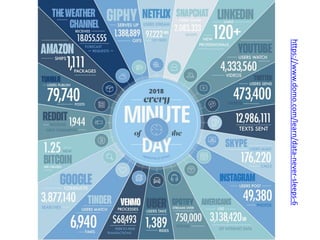
https://www.domo.com/learn/data-never-sleeps-6
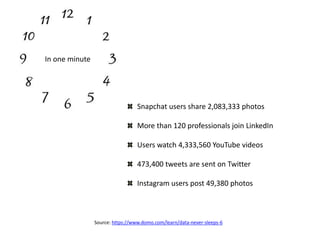
In one minute
Snapchat users share 2,083,333 photos
More than 120 professionals join LinkedIn
Users watch 4,333,560 YouTube videos
473,400 tweets are sent on Twitter
Instagram users post 49,380 photos
Source: https://www.domo.com/learn/data-never-sleeps-6
Google now processes over 67,000 search queries every second on average
http://www.internetlivestats.com/one-second/#google-band
Source: http://www.internetlivestats.com/google-search-statistics/
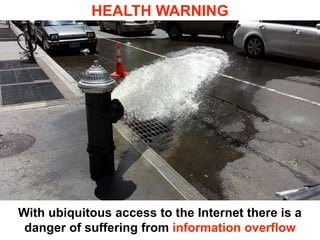
With ubiquitous access to the Internet there is a
danger of suffering from information overflow
HEALTH WARNING
"It's not information
overload. It's filter failure"
Clay Shirky
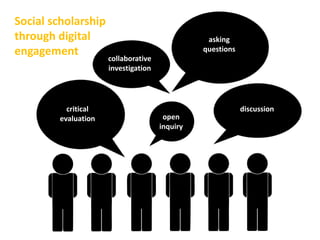
discussioncritical
evaluation
collaborative
investigation
asking
questions
open
inquiry
Social scholarship
through digital
engagement
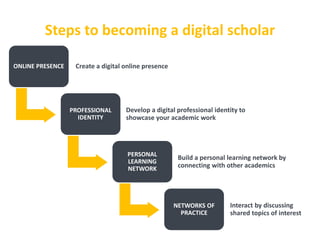
ONLINE PRESENCE Create a digital online presence
PROFESSIONAL
IDENTITY
Develop a digital professional identity to
showcase your academic work
PERSONAL
LEARNING
NETWORK
Build a personal learning network by
connecting with other academics
NETWORKS OF
PRACTICE
Interact by discussing
shared topics of interest
Steps to becoming a digital scholar
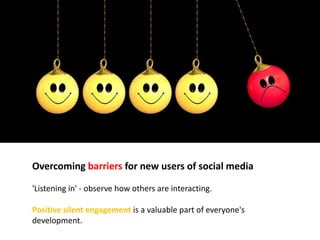
Overcoming barriers for new users of social media
'Listening in' - observe how others are interacting.
Positive silent engagement is a valuable part of everyone's
development.
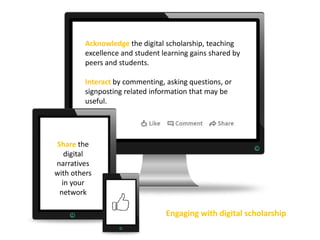
Acknowledge the digital scholarship, teaching
excellence and student learning gains shared by
peers and students.
Interact by commenting, asking questions, or
signposting related information that may be
useful.
Share the
digital
narratives
with others
in your
network
Engaging with digital scholarship
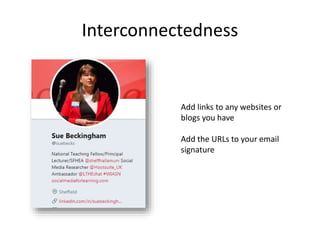
Interconnectedness
Add links to any websites or
blogs you have
Add the URLs to your email
signature
Building a network
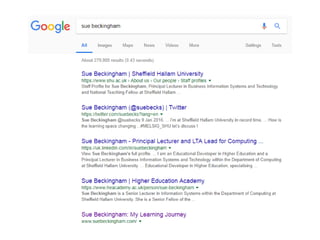
'Google yourself'
SMASH
Student led special interest group to develop the
use of social media for learning
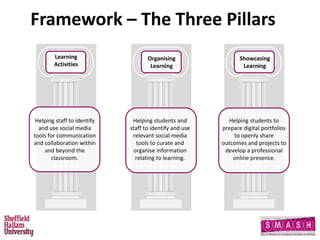
Framework – The Three Pillars
Helping staff to identify
and use social media
tools for communication
and collaboration within
and beyond the
classroom.
Learning
Activities
Showcasing
Learning
Helping students to
prepare digital portfolios
to openly share
outcomes and projects to
develop a professional
online presence.
Organising
Learning
Helping students and
staff to identify and use
relevant social media
tools to curate and
organise information
relating to learning.
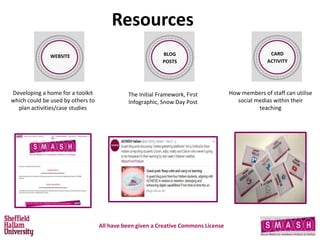
Resources
The Initial Framework, First
Infographic, Snow Day Post
All have been given a Creative Commons License
Developing a home for a toolkit
which could be used by others to
plan activities/case studies
How members of staff can utilise
social medias within their
teaching
WEBSITE BLOG
POSTS
CARD
ACTIVITY
– Nerantzi and Beckingham 2014
The 5 C
Framework
connect, communicate, curate,
collaborate and create
Connect
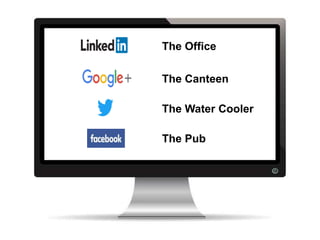
The Office
The Canteen
The Water Cooler
The Pub
Communicate
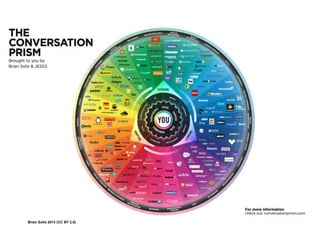
Brian Solis 2013 (CC BY 2.0)
Curate
Collaborate
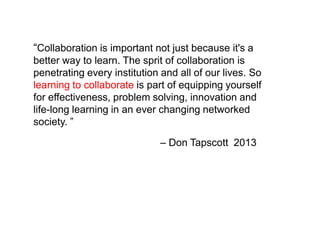
– Don Tapscott 2013
“Collaboration is important not just because it's a
better way to learn. The sprit of collaboration is
penetrating every institution and all of our lives. So
learning to collaborate is part of equipping yourself
for effectiveness, problem solving, innovation and
life-long learning in an ever changing networked
society. ”
Create
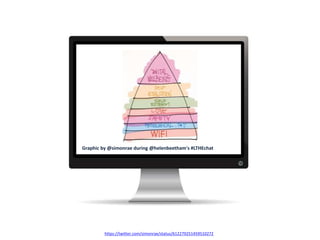
Graphic by @simonrae during @helenbeetham's #LTHEchat
https://twitter.com/simonrae/status/612279251459510272
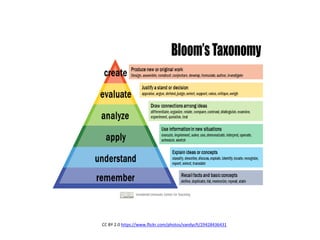
CC BY 2.0 https://www.flickr.com/photos/vandycft/29428436431
Learning and Teaching in HE Chat
https://lthechat.com/
Bring Your Own Device for Learning
https://byod4learning.wordpress.com/
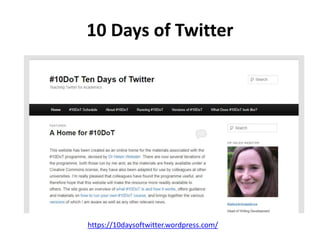
10 Days of Twitter
https://10daysoftwitter.wordpress.com/
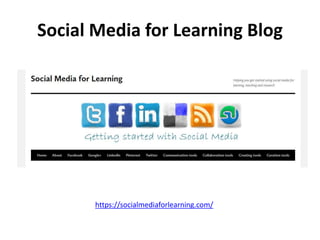
Social Media for Learning Blog
https://socialmediaforlearning.com/
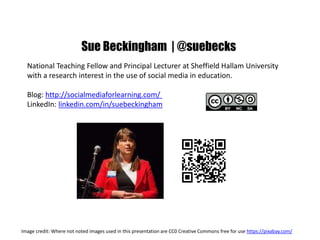
Sue Beckingham | @suebecks
National Teaching Fellow and Principal Lecturer at Sheffield Hallam University
with a research interest in the use of social media in education.
Blog: http://socialmediaforlearning.com/
LinkedIn: linkedin.com/in/suebeckingham
Image credit: Where not noted images used in this presentation are CC0 Creative Commons free for use https://pixabay.com/

Using social media for learning

  • 1.
    Using Social Mediafor Learning Sue Beckingham |@suebecks Keynote at Staffordshire University SIGMA Network for Excellence in Mathematics and Statistics Support
  • 2.
    How much data dowe create every day?
  • 3.
    There are 2.5quintillion bytes of data created each day. Over the last two years alone 90 percent of the data in the world was generated. IBM 2013
  • 4.
  • 5.
    In one minute Snapchatusers share 2,083,333 photos More than 120 professionals join LinkedIn Users watch 4,333,560 YouTube videos 473,400 tweets are sent on Twitter Instagram users post 49,380 photos Source: https://www.domo.com/learn/data-never-sleeps-6
  • 6.
    Google now processesover 67,000 search queries every second on average http://www.internetlivestats.com/one-second/#google-band Source: http://www.internetlivestats.com/google-search-statistics/
  • 7.
    With ubiquitous accessto the Internet there is a danger of suffering from information overflow HEALTH WARNING
  • 8.
    "It's not information overload.It's filter failure" Clay Shirky
  • 9.
  • 10.
    ONLINE PRESENCE Createa digital online presence PROFESSIONAL IDENTITY Develop a digital professional identity to showcase your academic work PERSONAL LEARNING NETWORK Build a personal learning network by connecting with other academics NETWORKS OF PRACTICE Interact by discussing shared topics of interest Steps to becoming a digital scholar
  • 11.
    Overcoming barriers fornew users of social media 'Listening in' - observe how others are interacting. Positive silent engagement is a valuable part of everyone's development.
  • 12.
    Acknowledge the digitalscholarship, teaching excellence and student learning gains shared by peers and students. Interact by commenting, asking questions, or signposting related information that may be useful. Share the digital narratives with others in your network Engaging with digital scholarship
  • 13.
    Interconnectedness Add links toany websites or blogs you have Add the URLs to your email signature
  • 14.
  • 15.
  • 17.
    SMASH Student led specialinterest group to develop the use of social media for learning
  • 18.
    Framework – TheThree Pillars Helping staff to identify and use social media tools for communication and collaboration within and beyond the classroom. Learning Activities Showcasing Learning Helping students to prepare digital portfolios to openly share outcomes and projects to develop a professional online presence. Organising Learning Helping students and staff to identify and use relevant social media tools to curate and organise information relating to learning.
  • 19.
    Resources The Initial Framework,First Infographic, Snow Day Post All have been given a Creative Commons License Developing a home for a toolkit which could be used by others to plan activities/case studies How members of staff can utilise social medias within their teaching WEBSITE BLOG POSTS CARD ACTIVITY
  • 20.
    – Nerantzi andBeckingham 2014 The 5 C Framework connect, communicate, curate, collaborate and create
  • 21.
  • 22.
    The Office The Canteen TheWater Cooler The Pub
  • 23.
  • 24.
    Brian Solis 2013(CC BY 2.0)
  • 25.
  • 27.
  • 28.
    – Don Tapscott2013 “Collaboration is important not just because it's a better way to learn. The sprit of collaboration is penetrating every institution and all of our lives. So learning to collaborate is part of equipping yourself for effectiveness, problem solving, innovation and life-long learning in an ever changing networked society. ”
  • 29.
  • 30.
    Graphic by @simonraeduring @helenbeetham's #LTHEchat https://twitter.com/simonrae/status/612279251459510272
  • 31.
    CC BY 2.0https://www.flickr.com/photos/vandycft/29428436431
  • 32.
    Learning and Teachingin HE Chat https://lthechat.com/
  • 33.
    Bring Your OwnDevice for Learning https://byod4learning.wordpress.com/
  • 34.
    10 Days ofTwitter https://10daysoftwitter.wordpress.com/
  • 35.
    Social Media forLearning Blog https://socialmediaforlearning.com/
  • 36.
    Sue Beckingham |@suebecks National Teaching Fellow and Principal Lecturer at Sheffield Hallam University with a research interest in the use of social media in education. Blog: http://socialmediaforlearning.com/ LinkedIn: linkedin.com/in/suebeckingham Image credit: Where not noted images used in this presentation are CC0 Creative Commons free for use https://pixabay.com/

Editor's Notes

  • #4 https://www.ibm.com/blogs/insights-on-business/consumer-products/2-5-quintillion-bytes-of-data-created-every-day-how-does-cpg-retail-manage-it/
  • #20 Tweet by @ACHIEVE_Hallam: https://twitter.com/ACHIEVE_Hallam/status/970994129705500673 Tweet by Simon Horrocks: https://twitter.com/horrocks_simon/status/943067775932796928
  • #23 LinkedIn 500 million 40 million students/recent grads https://press.linkedin.com/about-linkedin Twitter 313 million active users https://about.twitter.com/company Facebook 1.23 billion https://newsroom.fb.com/company-info/
  • #25 https://conversationprism.com/ https://www.flickr.com/photos/briansolis/9241526804/ (CC BY 2.0)
  • #31 In 2015 Helen led a Twitter chat on Digital Wellbeing. Simon Rae a retired Lecture in professional development and active member of this LTHEchat community created this doodle, an adaption of Maslow's hierarchy of needs. You'll see the addition of wellbeing and Wi-Fi are important additional components. Below Wi-Fi we might want to add battery. Tweet by Simon Rae https://twitter.com/simonrae/status/612279251459510272