Welcome 1st and 2nd 
Year Students 
University of Kentucky 
College of Dentistry
Planning for the Future as a 
Dental Student 
Or- 
Planning? I have to survive 
written boards first!
Our Speaker Credentials 
Keith Bowman, BA, Registered Rep, CLU, CLTC, MDRT 
23 years in the insurance/financial services business 
BSC, University of Louisville 
Series 6 and 63 licensed by SEC as a Registered Representative 
CLU – Chartered Life Underwriter, less than 3% of all agents. 
CLTC – Certified in Long Term Care 
MDRT – Million Dollar Round Table 
Top 1% of all agents nationwide in production and ethical standards 
Cynthia Bowman, MA, LUTCF 
14 years in the insurance business 
BA and MA, University of Louisville. 
LUTCF – Life Underwriter Training Charter Fellow 
David Bowman, BA 
6 years in the insurance business 
Graduated Cum Laude from WKU with a business degree 
Seeking CFP-Chartered Financial Planner 
Brandon Bowman, BA 
2 years in the insurance business 
Graduated Magna Cum Laude from WKU with a business degree 
Seeking CIC – Certified Insurance Counselor
Our Philosophy 
 To provide superior information, service and products 
to dental professionals about the types of insurance 
and financial services that they will need to use 
during the course of their dental career. 
 To support the dental community by providing 
instruction to dental students, and organizations, 
volunteering with dental societies, and providing 
sponsorships for dental organizations. 
 To be a resource nationwide for dental professionals 
in the areas of insurance and investments.
Specific Areas of Instruction 
 Types of insurances and investment vehicles. 
 In depth understanding of the types of insurance 
 How to read an insurance contract 
 How to understand insurance riders 
 At what point in a dental career these products may be 
important and why. 
 In depth understanding of the types of investment services that 
are available. 
 What to consider before you invest. 
 How to understand retirement plans in the dental office and 
how to choose appropriate plans. 
 How to understand and assess benefits in your personal dental 
contract. 
 To provide experts in Risk Management in the dental office to 
schools, dentists, and dental organizations
Our Dental School Curriculum 
We offer a 4 year commitment to our 
dental schools to provide education 
about insurance and investments 
based on the increased need of each 
appropriate class level
1st/2nd year dental students 
 A brief overview of common insurance 
and investment products 
 How to determine insurance needs 
 What to consider before you invest
3rd year dental students 
 Review of common insurances and investment 
products. 
 Student Liability during Externships 
 Basics of Risk Management
4th year dental students-Lunch #1 
 In depth analysis of insurance contracts for the new 
dentist. 
 Personal risks in the dental profession and why insurance 
is used. 
 How to read personal and group disability insurance 
contracts. 
 Insurance language and how it can change your coverage. 
 Insurance needed to back up a practice loan. 
 Insurance in Buy-Sell agreements. 
 Benefits provided to you by employers 
 Benefits you provide to employees
4th Year Dental Students-Lunch 2 
 In depth analysis of insurance contracts for the new 
dentist- continued. 
 Types of Malpractice contracts 
 Provisions of personal malpractice contracts 
 Personal vs Group malpractice contracts 
 General Liability-what it is and how to read the contract 
 Contents and building insurance options 
 Flood and earthquake rider coverage 
 Worker’s Compensation-who it covers and when it’s needed
Items to consider for First and 
Second Year Students 
 Did you or your spouse earn money in 
2014 or will you earn any in 2015? 
 Are you married? 
 Do you have children? 
 Do you own your home? 
 Do you carry Health Insurance?
What if I answered “Yes” 
You may or may not need to consider 
some insurance or investments 
products 
Before you consider any financial 
products-you need to understand what 
these products are, what they are 
designed to do and if they fit YOUR 
needs.
Basic Insurance and 
Investments 
 Disability Insurance 
 Malpractice Insurance 
 Health Insurance 
 Life Insurance 
 Retirement Plans
Disability Insurance 
 Insurance that provides a tax free 
benefit in the event that you cannot 
work due to sickness or injury 
 Generally cannot be used unless you 
have a job or job specific education. 
 Generally does not apply to dental 
students until 4th year
Malpractice Insurance 
 Provides coverage for injury to a patient for 
any service or procedure you or your 
employees provide or fail to provide. 
 Is provided by the school while a student is 
enrolled in an accredited dental program 
 Student policies may be required by upper 
classmen who do externships. Generally this 
is not covered by the University
Health Insurance 
 The Affordable Care Act (Obamacare) 
 Mandated coverage for individuals 
 Cannot be denied coverage or rated higher 
due to medical history 
 Plans separated into metallic tiers 
 Broze, Silver, Gold and Platinum 
 University offered plan
Healthcare Exchange Marketplace 
 Kentucky has state-run exchange 
 Open enrollment on Nov 15th for Jan 1st effective 
date 
 Compare carriers and prices 
 See if you qualify for government subsidies or 
payment assistance 
 See if you qualify for Medicaid/KCHIP 
 Coverage is still available off-market 
 But cannot qualify for subsidies
Life Insurance 
 Insurance that provides money to a 
named beneficiary in the event of your 
death
Reasons to Leave Money to a Beneficiary 
 Pay for a Funeral 
 Pay Death Taxes and Other Estate Settlement 
Costs 
 Pay Off a Home Mortgage 
 Create a College Fund for Children 
 Pay Off Loans 
 Create a Retirement Fund for a Spouse 
 Leave money to a charity
Basic Types of Life Insurance 
 Life insurance comes in many shapes 
and sizes 
 Two basic categories: 
 Term Insurance 
 Permanent Insurance
Term vs Perm 
 Term Insurance 
 Advantages: 
 Initial term premiums are generally lower than 
those for permanent insurance 
 Lower premiums might allow you to buy higher 
coverage at a younger age when your need for 
protection is often greatest 
 Good for short term need, such as protection 
for outstanding mortgages or car loans
Term vs Perm 
 Disadvantages: 
 Premiums increase as you grow older 
 Coverage may terminate at the end of the 
term, or may become too expensive to 
continue 
 There are no cash values or paid up insurance 
options 
 If you miss a payment, your policy is usually 
cancelled
Retirement Planning 
 Vehicle used to put money away to use 
at retirement. 
 Many different types of products 
 Usually tax advantages for investing 
 Usually penalties for withdrawal before 
retirement
Types of Retirement Plans 
 ROTH and Traditional IRA’s 
 401K’s 
 SIMPLE IRA’s 
 SEP’s 
 Defined Benefit Plans 
 Tax Deferred Annuities 
 SLIRPS
Retirement Basics- 
What to Consider Before I Invest 
 Earned Income availability 
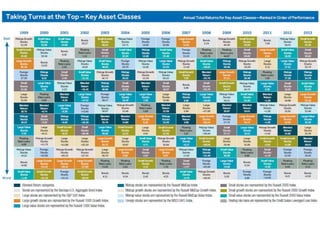
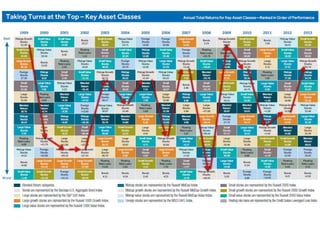
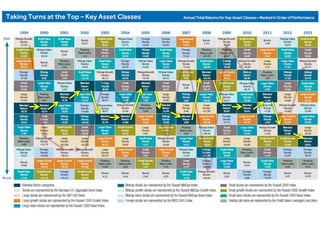
 Diversification 
 Risk Tolerance 
 Time/Value/Money 
 Dollar Cost Averaging
Risk Tolerance 
 Age 
 Time Horizon 
 Purpose of Investment 
 Personal Risk Profile
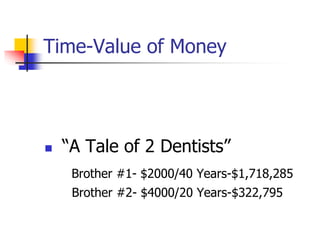
Time-Value of Money 
 “A Tale of 2 Dentists” 
Brother #1- $2000/40 Years-$1,718,285 
Brother #2- $4000/20 Years-$322,795
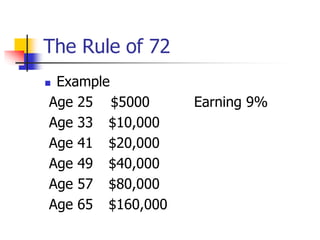
The Rule of 72 
 Example 
Age 25 $5000 Earning 9% 
Age 33 $10,000 
Age 41 $20,000 
Age 49 $40,000 
Age 57 $80,000 
Age 65 $160,000
DOLLAR COST AVERAGING
Questions 
Contact Information: 
Bowman Insurance & Benefit Services 
502-638-2969 
888-905-4258 
Email: Bowmaninsurance@ymail.com 
Web Site: www.bowmaninsuranceandbenfits.com

UK Brief Overview

  • 1.
    Welcome 1st and2nd Year Students University of Kentucky College of Dentistry
  • 2.
    Planning for theFuture as a Dental Student Or- Planning? I have to survive written boards first!
  • 3.
    Our Speaker Credentials Keith Bowman, BA, Registered Rep, CLU, CLTC, MDRT 23 years in the insurance/financial services business BSC, University of Louisville Series 6 and 63 licensed by SEC as a Registered Representative CLU – Chartered Life Underwriter, less than 3% of all agents. CLTC – Certified in Long Term Care MDRT – Million Dollar Round Table Top 1% of all agents nationwide in production and ethical standards Cynthia Bowman, MA, LUTCF 14 years in the insurance business BA and MA, University of Louisville. LUTCF – Life Underwriter Training Charter Fellow David Bowman, BA 6 years in the insurance business Graduated Cum Laude from WKU with a business degree Seeking CFP-Chartered Financial Planner Brandon Bowman, BA 2 years in the insurance business Graduated Magna Cum Laude from WKU with a business degree Seeking CIC – Certified Insurance Counselor
  • 4.
    Our Philosophy To provide superior information, service and products to dental professionals about the types of insurance and financial services that they will need to use during the course of their dental career.  To support the dental community by providing instruction to dental students, and organizations, volunteering with dental societies, and providing sponsorships for dental organizations.  To be a resource nationwide for dental professionals in the areas of insurance and investments.

  • 5.
    Specific Areas ofInstruction  Types of insurances and investment vehicles.  In depth understanding of the types of insurance  How to read an insurance contract  How to understand insurance riders  At what point in a dental career these products may be important and why.  In depth understanding of the types of investment services that are available.  What to consider before you invest.  How to understand retirement plans in the dental office and how to choose appropriate plans.  How to understand and assess benefits in your personal dental contract.  To provide experts in Risk Management in the dental office to schools, dentists, and dental organizations
  • 6.
    Our Dental SchoolCurriculum We offer a 4 year commitment to our dental schools to provide education about insurance and investments based on the increased need of each appropriate class level
  • 7.
    1st/2nd year dentalstudents  A brief overview of common insurance and investment products  How to determine insurance needs  What to consider before you invest
  • 8.
    3rd year dentalstudents  Review of common insurances and investment products.  Student Liability during Externships  Basics of Risk Management
  • 9.
    4th year dentalstudents-Lunch #1  In depth analysis of insurance contracts for the new dentist.  Personal risks in the dental profession and why insurance is used.  How to read personal and group disability insurance contracts.  Insurance language and how it can change your coverage.  Insurance needed to back up a practice loan.  Insurance in Buy-Sell agreements.  Benefits provided to you by employers  Benefits you provide to employees
  • 10.
    4th Year DentalStudents-Lunch 2  In depth analysis of insurance contracts for the new dentist- continued.  Types of Malpractice contracts  Provisions of personal malpractice contracts  Personal vs Group malpractice contracts  General Liability-what it is and how to read the contract  Contents and building insurance options  Flood and earthquake rider coverage  Worker’s Compensation-who it covers and when it’s needed
  • 11.
    Items to considerfor First and Second Year Students  Did you or your spouse earn money in 2014 or will you earn any in 2015?  Are you married?  Do you have children?  Do you own your home?  Do you carry Health Insurance?
  • 12.
    What if Ianswered “Yes” You may or may not need to consider some insurance or investments products Before you consider any financial products-you need to understand what these products are, what they are designed to do and if they fit YOUR needs.
  • 13.
    Basic Insurance and Investments  Disability Insurance  Malpractice Insurance  Health Insurance  Life Insurance  Retirement Plans
  • 14.
    Disability Insurance Insurance that provides a tax free benefit in the event that you cannot work due to sickness or injury  Generally cannot be used unless you have a job or job specific education.  Generally does not apply to dental students until 4th year
  • 15.
    Malpractice Insurance Provides coverage for injury to a patient for any service or procedure you or your employees provide or fail to provide.  Is provided by the school while a student is enrolled in an accredited dental program  Student policies may be required by upper classmen who do externships. Generally this is not covered by the University
  • 16.
    Health Insurance The Affordable Care Act (Obamacare)  Mandated coverage for individuals  Cannot be denied coverage or rated higher due to medical history  Plans separated into metallic tiers  Broze, Silver, Gold and Platinum  University offered plan
  • 17.
    Healthcare Exchange Marketplace  Kentucky has state-run exchange  Open enrollment on Nov 15th for Jan 1st effective date  Compare carriers and prices  See if you qualify for government subsidies or payment assistance  See if you qualify for Medicaid/KCHIP  Coverage is still available off-market  But cannot qualify for subsidies
  • 18.
    Life Insurance Insurance that provides money to a named beneficiary in the event of your death
  • 19.
    Reasons to LeaveMoney to a Beneficiary  Pay for a Funeral  Pay Death Taxes and Other Estate Settlement Costs  Pay Off a Home Mortgage  Create a College Fund for Children  Pay Off Loans  Create a Retirement Fund for a Spouse  Leave money to a charity
  • 20.
    Basic Types ofLife Insurance  Life insurance comes in many shapes and sizes  Two basic categories:  Term Insurance  Permanent Insurance
  • 21.
    Term vs Perm  Term Insurance  Advantages:  Initial term premiums are generally lower than those for permanent insurance  Lower premiums might allow you to buy higher coverage at a younger age when your need for protection is often greatest  Good for short term need, such as protection for outstanding mortgages or car loans
  • 22.
    Term vs Perm  Disadvantages:  Premiums increase as you grow older  Coverage may terminate at the end of the term, or may become too expensive to continue  There are no cash values or paid up insurance options  If you miss a payment, your policy is usually cancelled
  • 23.
    Retirement Planning Vehicle used to put money away to use at retirement.  Many different types of products  Usually tax advantages for investing  Usually penalties for withdrawal before retirement
  • 24.
    Types of RetirementPlans  ROTH and Traditional IRA’s  401K’s  SIMPLE IRA’s  SEP’s  Defined Benefit Plans  Tax Deferred Annuities  SLIRPS
  • 25.
    Retirement Basics- Whatto Consider Before I Invest  Earned Income availability  Diversification  Risk Tolerance  Time/Value/Money  Dollar Cost Averaging
  • 29.
    Risk Tolerance Age  Time Horizon  Purpose of Investment  Personal Risk Profile
  • 30.
    Time-Value of Money  “A Tale of 2 Dentists” Brother #1- $2000/40 Years-$1,718,285 Brother #2- $4000/20 Years-$322,795
  • 31.
    The Rule of72  Example Age 25 $5000 Earning 9% Age 33 $10,000 Age 41 $20,000 Age 49 $40,000 Age 57 $80,000 Age 65 $160,000
  • 32.
  • 33.
  • 36.
    Questions Contact Information: Bowman Insurance & Benefit Services 502-638-2969 888-905-4258 Email: Bowmaninsurance@ymail.com Web Site: www.bowmaninsuranceandbenfits.com

Editor's Notes

  • #4 The next 2 slides are designed to inform students of our education and experience background. They are not to be interpreted as solicitation-but to assure both the students and the University that we are qualified to provide education about insurance and financial products. Many agents do not have the experience and extra accreditations to provide this knowledge.
  • #25 Short description of each