What you can learn from
franchising
The world’s most successful business model
The association business model
Education
Industry expertise, accreditation

Networking
Branding
Political influence
Evolution of franchising
Isaac Singer in the 1850s
After WWII

Affluent
Mobile
Television was great for branding

McDonald’s, Holiday Inn, 7 Eleven
Why businesses franchise
Not as expensive as chains
Fast

Leverage talent
Why do people buy a franchise?
Brand to attract customers
Operating system to keep customers

Expertise to grow market share
Is franchising successful?
2.3 trillion dollars in gross sale
50% retail sales

50% real estate sales
85% of hotel rooms
Anyone who owns a successful pizza
parlor…
So what?
It’s about managing a network
We can learn from parallel industries
The state of associations
Sense of nervousness
Uneasy about their role
World changes fast, networks slow

Associations struggle to be relevant
Easy to create a network
Easy to offer training, communication

Americans are busier than ever
Engage in unified thinking

Lead with a vision – we’re successful
when…
Effective communications
Recruit/retain the right people
A Vision of Quality
Trend in franchising and business
Products, services, customer experience
Why?
A brief history of business

Making commodities available

Industrial revolution…affordable
Globalization and transparency are
generating quality
Franchises focused on a quality
experience?
Coffee is basically… = 3c
Grind, package, ship = 15c

Serve in a diner = $1.59
Cool name, logo, location, wi-fi,
staff, ambiance, furniture, grande
and venti = $3.50 to $5.00 or
more
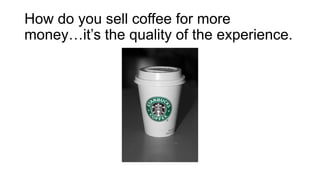
How do you sell coffee for more
money…it’s the quality of the experience.
Why is quality so important?
Quality is expected
Higher margins

Competition
Time
It’s hard to focus on quality when you
manage a network
Lot of voices
Pulled in a different directions
Hard to get them to do things
Why it’s difficult to achieve quality…
Squeaky wheels w/ complaints
and bad ideas – put in memo
Make promises we don’t have to
make

We ask the wrong way – if it’s free
they always say “yes”
Committees and boards not in the
game…they say “yes”
Why it’s hard…
Work on problems that don’t
really matter
All things to all people…
We want to justify royalty/dues
And we end up piling stuff on top
of stuff on top of stuff…
Until we aren’t doing anything well
Nothing we do is quality
Peter Drucker: If you want something new, you
have to stop doing something old.
“We have one third of the staff and we still try to do the same things we always
did…”
• Ipad
• Ipod
• Iphone
• Laptops
• Desktops
To help our members be more successful
STOP

ACCELERATE
ADD
What can we stop?
If you were starting from scratch, what
would the business look like?
Because we’ve always done it
What do members not come to, read, or
show interest in?
What can others do better?
What is too complex to communicate?

Resources exceed the benefits
Hard to stop
What should we accelerate?
What are our strengths?
What do people like, come
to, read?
What do our surveys tell us?
What activities line up with the
trends in industry and world?
Where do we get the most bang
for our resources?
To help our members, what should we
add?
Be relentless in becoming the
industry expert
Surveys are a starting point but
never anonymous

Focus groups of 5 or 6
What do our members complain
about?

What do their customers complain
about?
What should we add?
What expertise do they need?
What can you leverage?
What networking do they need?
How can technology help us?
What segments can we help?
What government issues are
emerging?
What other associations are
successful? Why?
Bring in someone from outside…
Leading with a vision
What expertise do they need?
What can you leverage?
What networking do they need?
How can technology help us?
What segments can we help?
What government issues are
emerging?
What other associations are
successful? Why?
Bring in someone from outside…
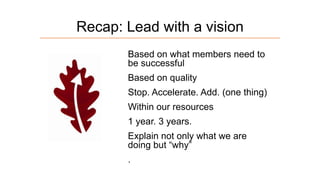
Recap: Lead with a vision
Based on what members need to
be successful
Based on quality
Stop. Accelerate. Add. (one thing)

Within our resources
1 year. 3 years.
Explain not only what we are
doing but “why”
.
Communication
Complexity is the enemy of communication
Communication
1. How to persuade
2. Forming a coalition

3. A communication plan
4. Overcoming resistance
Don’t have a hammer, need persuasion
State position clearly
Present the supporting facts

Draw conclusions
Right?
Dr. Jay Conger, Director of the Leadership Institute at the University of
Southern California Business School:
“The

reality is that following this process is one
sure-fire way to fail at persuasion.”
What emotions do you use to persuade?
Threats
Opportunities

Hope
Happiness
Success

Scarcity – the take away
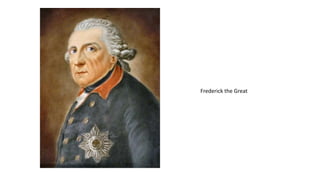
Frederick the Great
Emotion not logic in your communication
If it’s just the facts they’re not going to do it
2. Build support
We respond to our peers
Cultivate relationships

Influencers willing to go public
Explain your ideas, your vision
Understand it, excited by it

Bring in an outside authority
3. Communications Plan
Have a plan
You, not us – 5:1
Big ideas face to face
Webinars second best
Include the idea in everything
70% at least 6x

Have spotters in the field
Use video
Quality of communication
Consider the newsletter and blogs you sign up for?
Don’t over-communicate
Newsletter or webinar – then when important
Your website is the hub
4. Overcoming resistance to a new idea
Jack Welch:
10% are natural change agents
75% can be led

15% won’t budge
Anticipate the resistance
Use influencers
Be flexible

Reward early adopters
Celebrate early successes
Awards and recognition

People are followers
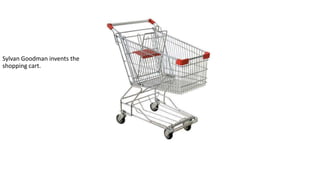
Sylvan Goodman invents the
shopping cart.
Ataturk
Recruitment and Retention
You can never stop adding
customers
Have a recruitment mindset
Targeted numbers
What is a recruit worth

Know your emotional triggers
Recruitment and Retention
Go public with member
recruitment
Focus on renewals
Hire an intern or PT
Recruit the right people

Fewer members for more money
The network is engaged in Unified
Thinking
Buy into the vision
Helping members be successful

Quality
Stop, Accelerate, Add
Communicate effectively, emotion

Recruiting the right people
Sailboats are safe in harbor, but
that's not what sailboats are for

2013 Education Symposium & Expo - Think Like A Franchise

  • 1.
    What you canlearn from franchising The world’s most successful business model
  • 2.
    The association businessmodel Education Industry expertise, accreditation Networking Branding Political influence
  • 3.
    Evolution of franchising IsaacSinger in the 1850s After WWII Affluent Mobile Television was great for branding McDonald’s, Holiday Inn, 7 Eleven
  • 4.
    Why businesses franchise Notas expensive as chains Fast Leverage talent
  • 5.
    Why do peoplebuy a franchise? Brand to attract customers Operating system to keep customers Expertise to grow market share
  • 6.
    Is franchising successful? 2.3trillion dollars in gross sale 50% retail sales 50% real estate sales 85% of hotel rooms Anyone who owns a successful pizza parlor…
  • 7.
    So what? It’s aboutmanaging a network We can learn from parallel industries
  • 8.
    The state ofassociations Sense of nervousness Uneasy about their role World changes fast, networks slow Associations struggle to be relevant Easy to create a network Easy to offer training, communication Americans are busier than ever
  • 9.
    Engage in unifiedthinking Lead with a vision – we’re successful when… Effective communications Recruit/retain the right people
  • 10.
    A Vision ofQuality Trend in franchising and business Products, services, customer experience Why?
  • 11.
    A brief historyof business Making commodities available Industrial revolution…affordable Globalization and transparency are generating quality
  • 12.
    Franchises focused ona quality experience? Coffee is basically… = 3c Grind, package, ship = 15c Serve in a diner = $1.59 Cool name, logo, location, wi-fi, staff, ambiance, furniture, grande and venti = $3.50 to $5.00 or more
  • 13.
    How do yousell coffee for more money…it’s the quality of the experience.
  • 14.
    Why is qualityso important? Quality is expected Higher margins Competition Time
  • 15.
    It’s hard tofocus on quality when you manage a network Lot of voices Pulled in a different directions Hard to get them to do things
  • 16.
    Why it’s difficultto achieve quality… Squeaky wheels w/ complaints and bad ideas – put in memo Make promises we don’t have to make We ask the wrong way – if it’s free they always say “yes” Committees and boards not in the game…they say “yes”
  • 17.
    Why it’s hard… Workon problems that don’t really matter All things to all people… We want to justify royalty/dues And we end up piling stuff on top of stuff on top of stuff… Until we aren’t doing anything well Nothing we do is quality
  • 18.
    Peter Drucker: Ifyou want something new, you have to stop doing something old. “We have one third of the staff and we still try to do the same things we always did…”
  • 19.
    • Ipad • Ipod •Iphone • Laptops • Desktops
  • 20.
    To help ourmembers be more successful STOP ACCELERATE ADD
  • 21.
    What can westop? If you were starting from scratch, what would the business look like? Because we’ve always done it What do members not come to, read, or show interest in? What can others do better? What is too complex to communicate? Resources exceed the benefits Hard to stop
  • 22.
    What should weaccelerate? What are our strengths? What do people like, come to, read? What do our surveys tell us? What activities line up with the trends in industry and world? Where do we get the most bang for our resources?
  • 23.
    To help ourmembers, what should we add? Be relentless in becoming the industry expert Surveys are a starting point but never anonymous Focus groups of 5 or 6 What do our members complain about? What do their customers complain about?
  • 24.
    What should weadd? What expertise do they need? What can you leverage? What networking do they need? How can technology help us? What segments can we help? What government issues are emerging? What other associations are successful? Why? Bring in someone from outside…

  • 25.
    Leading with avision What expertise do they need? What can you leverage? What networking do they need? How can technology help us? What segments can we help? What government issues are emerging? What other associations are successful? Why? Bring in someone from outside…
  • 26.
    Recap: Lead witha vision Based on what members need to be successful Based on quality Stop. Accelerate. Add. (one thing) Within our resources 1 year. 3 years. Explain not only what we are doing but “why” .
  • 27.
    Communication Complexity is theenemy of communication
  • 28.
    Communication 1. How topersuade 2. Forming a coalition 3. A communication plan 4. Overcoming resistance
  • 29.
    Don’t have ahammer, need persuasion State position clearly Present the supporting facts Draw conclusions Right?
  • 30.
    Dr. Jay Conger,Director of the Leadership Institute at the University of Southern California Business School: “The reality is that following this process is one sure-fire way to fail at persuasion.”
  • 32.
    What emotions doyou use to persuade? Threats Opportunities Hope Happiness Success Scarcity – the take away
  • 33.
  • 34.
    Emotion not logicin your communication If it’s just the facts they’re not going to do it
  • 35.
    2. Build support Werespond to our peers Cultivate relationships Influencers willing to go public Explain your ideas, your vision Understand it, excited by it Bring in an outside authority
  • 36.
    3. Communications Plan Havea plan You, not us – 5:1 Big ideas face to face Webinars second best Include the idea in everything 70% at least 6x Have spotters in the field Use video
  • 37.
    Quality of communication Considerthe newsletter and blogs you sign up for? Don’t over-communicate Newsletter or webinar – then when important Your website is the hub
  • 38.
    4. Overcoming resistanceto a new idea Jack Welch: 10% are natural change agents 75% can be led 15% won’t budge
  • 39.
    Anticipate the resistance Useinfluencers Be flexible Reward early adopters Celebrate early successes Awards and recognition People are followers
  • 40.
    Sylvan Goodman inventsthe shopping cart.
  • 41.
  • 42.
    Recruitment and Retention Youcan never stop adding customers Have a recruitment mindset Targeted numbers What is a recruit worth Know your emotional triggers
  • 43.
    Recruitment and Retention Gopublic with member recruitment Focus on renewals Hire an intern or PT Recruit the right people Fewer members for more money
  • 44.
    The network isengaged in Unified Thinking Buy into the vision Helping members be successful Quality Stop, Accelerate, Add Communicate effectively, emotion Recruiting the right people
  • 45.
    Sailboats are safein harbor, but that's not what sailboats are for