MOLECULAR BIOLOGY
Presented by-
ANUKRITTI MEHRA
MSc. BIOTECHNOLOGY YEAR 1 SEMESTER 2
DEPARTMENT OF BIOTECHNOLOGY
ROLL NO.- BT 2204
Chromatin is a mass of genetic material
composed of DNA & Proteins that
condenses to form chromosomes during
eukaryotic cell division.
Chromatin is located in nucleus of the
cells.
CHROMATINFUNCTION:
To compress the DNA into a compact unit(
Less voluminous) and can fit with in
the nucleus.
 It consists of his tones and DNA.
Dynamic structure of Chromatin-
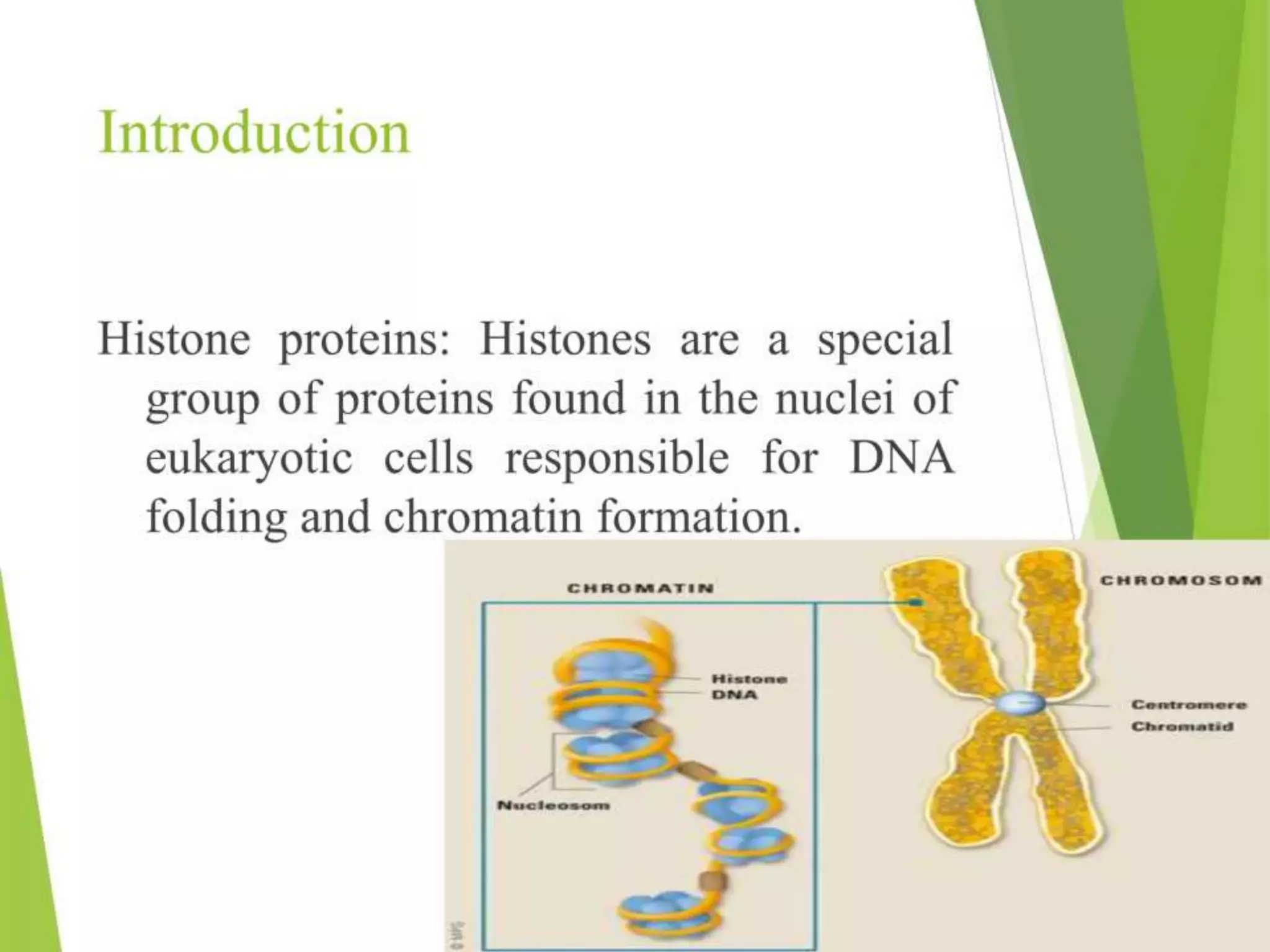
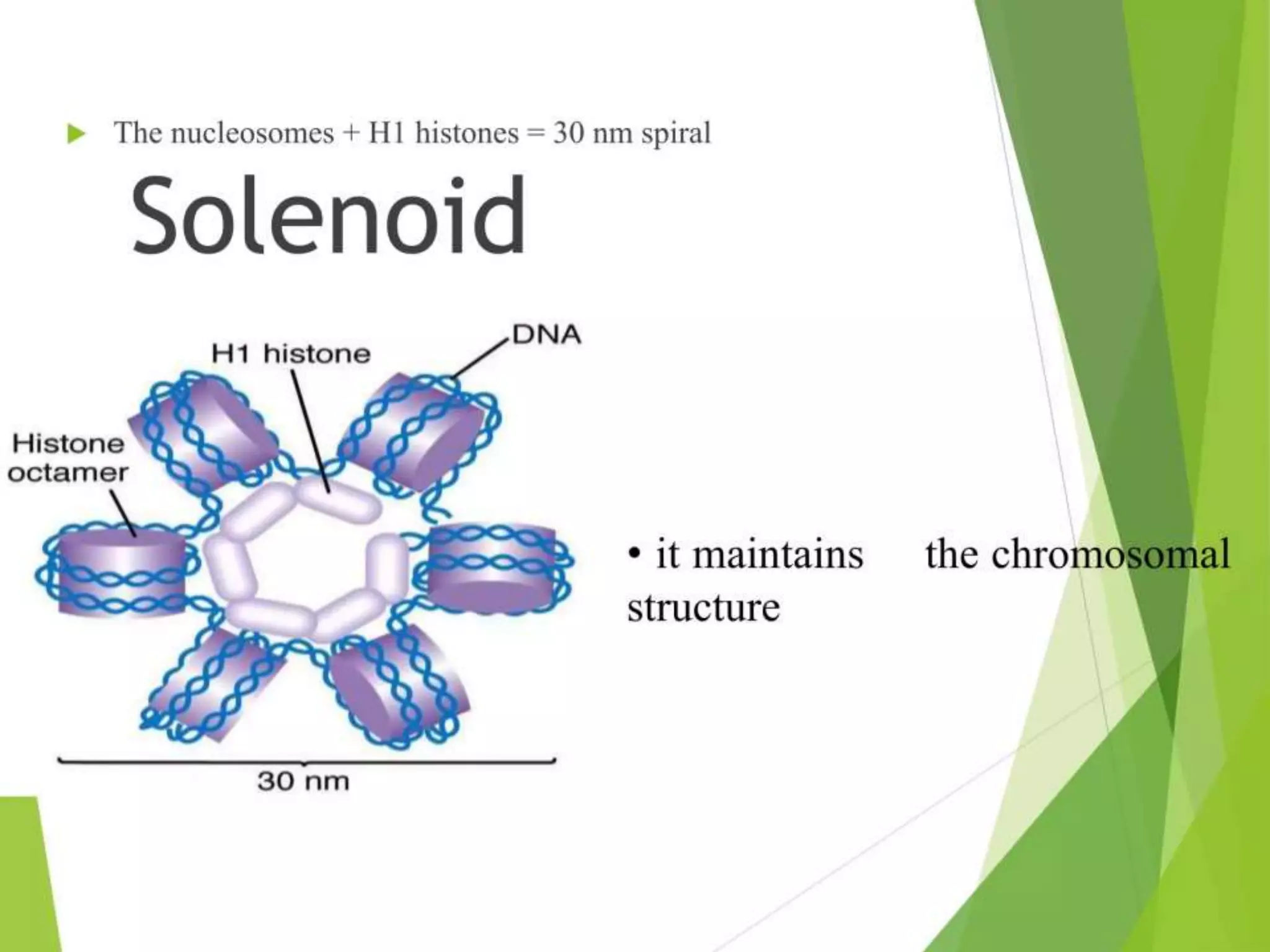
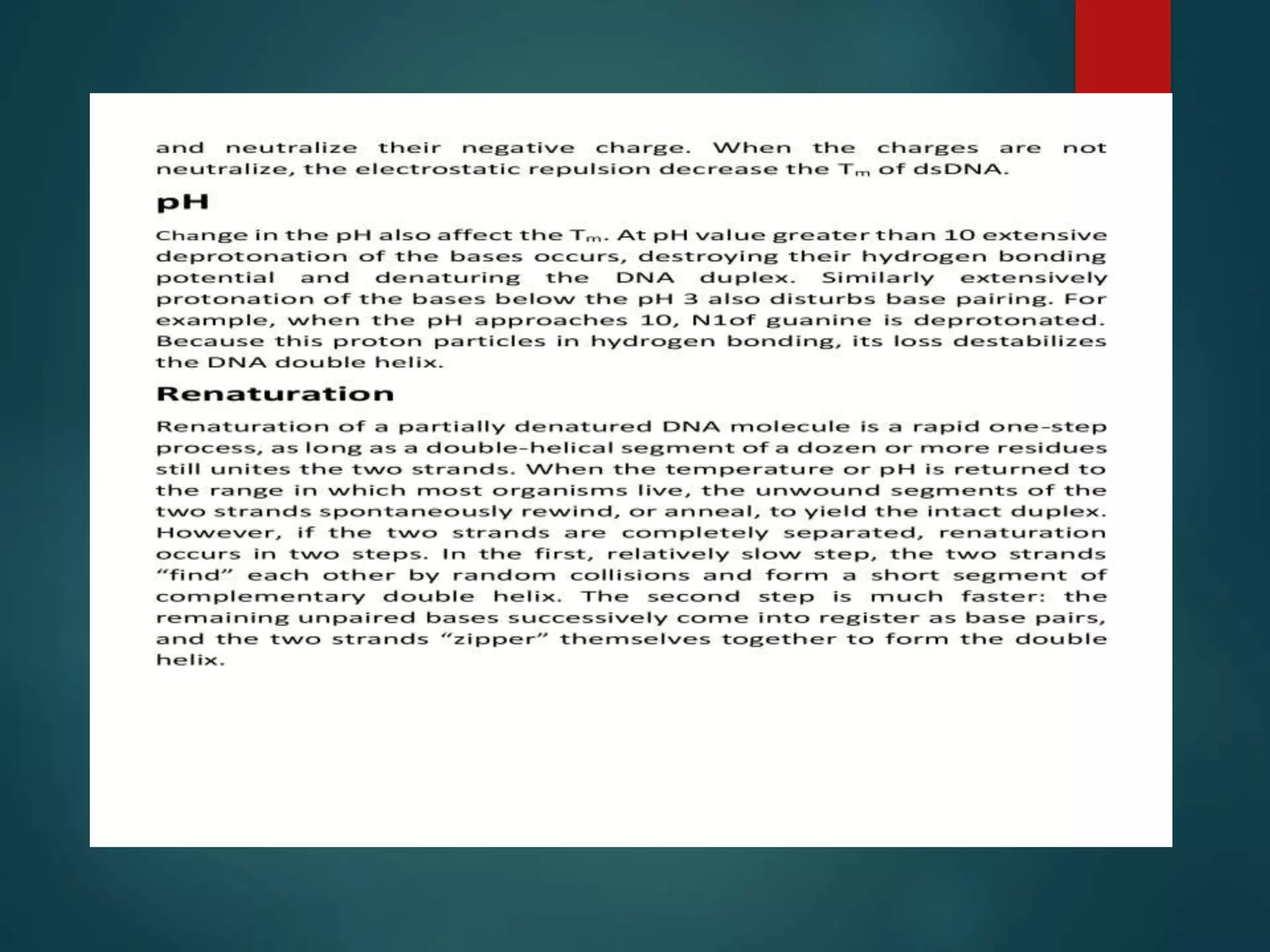
Histones help to organize DNA into structures called
Nucleosides.
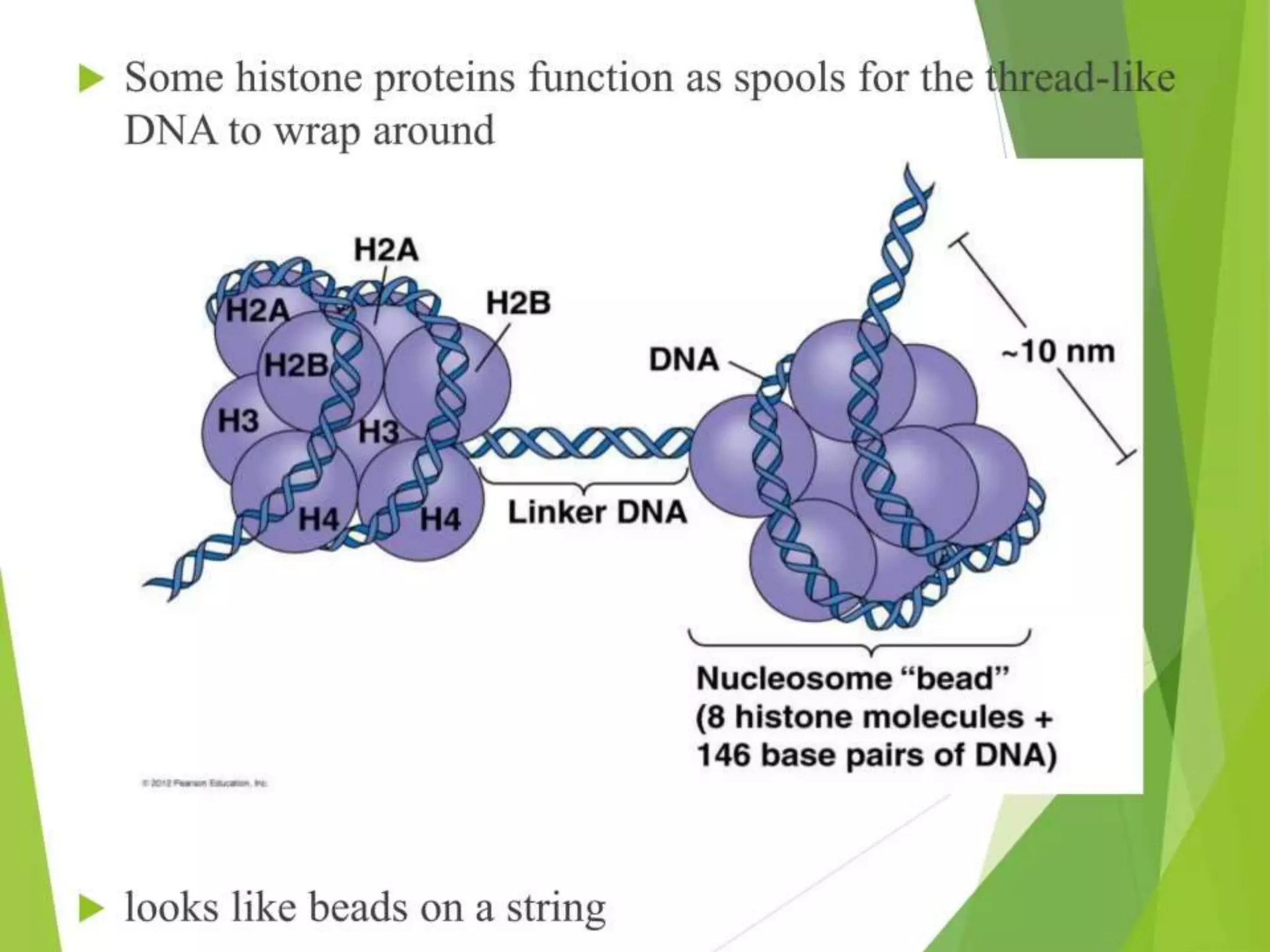
A Nucleosome consists of a DNA sequence of about 150
base pairs that is wrapped around set of 8 histones.
The Functional unit of chromatin is nucleosome.
 nucleosome further folded to form a chromatin fibers.
The chromatin fibers coiled and it condensed to
form chromosomes.
Chromatin is responsible for DNA replication,
transcription, DNA repair, genetic recombination and cell
division.
TYPES OF CHROMATIN:
Euchromati
n
Heterochromatin
EUCHROMATIN: During interphase of the cell cycle, cell is
not dividing but undergoes a period of growth, the chromatin
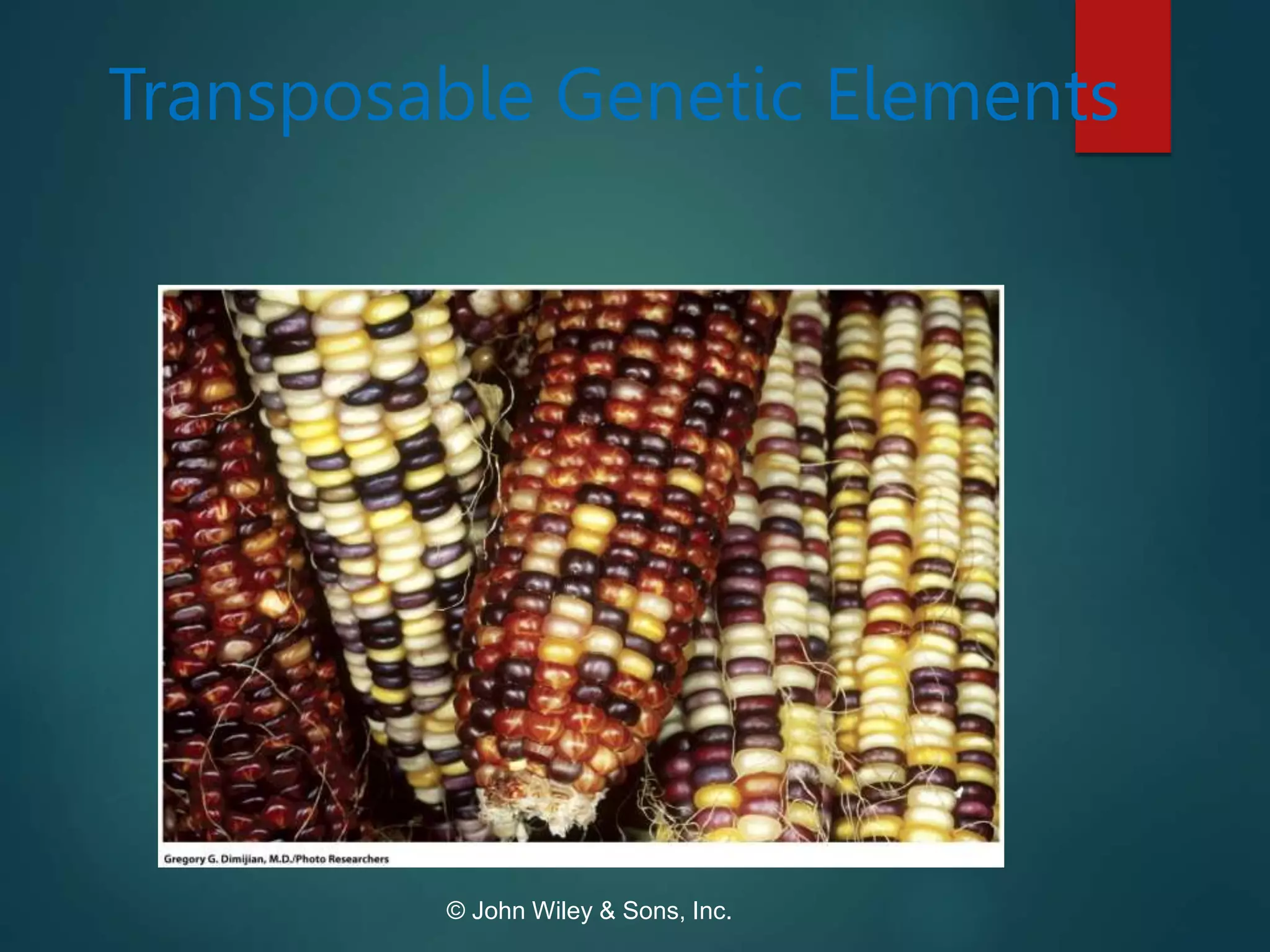
Transposable Genetic Elements
© John Wiley & Sons, Inc.
Transposable elements:
• General features of transposable elements
• Prokaryotic transposable elements
• Eukaryotic transposable elements
Transposable element: mobile genetic elements of a chromosome that
have the capacity to move from one location to another in the
genome.
• Normal and universal components of prokaryote and eukaryote
genomes.
Prokaryotes-transpose to/from cell’s chromosome, plasmid, or a
phage chromosome.
Eukaryotes-transpose to/from same or a different chromosome.
• Nonhomologous recombination: transposable elements insert into
DNA that has no sequence homology with the transposon.
• Transposable elements cause genetics changes and make important
contributions to the evolution of genomes:
•Insert into genes.
•Insert into regulatory sequences; modify gene expression.
•Produce chromosomal mutations.
Transposable elements:
Two classes of transposable elements/mechanisms of movement:
1. Encode proteins that (1) move DNA directly to a new position or (2)
replicate DNA and integrate replicated DNA elsewhere in the
genome (prokaryotes and eukaryotes).
2. Retrotransposons encode reverse transcriptase and make DNA
copies of RNA transcripts; new DNA copies integrate at different
sites (eukaryotes only).
Transposable elements in prokaryotes:
Two examples:
1. Insertion sequence (IS) elements
2. Transposons (Tn)
Insertion sequence (IS)
elements:
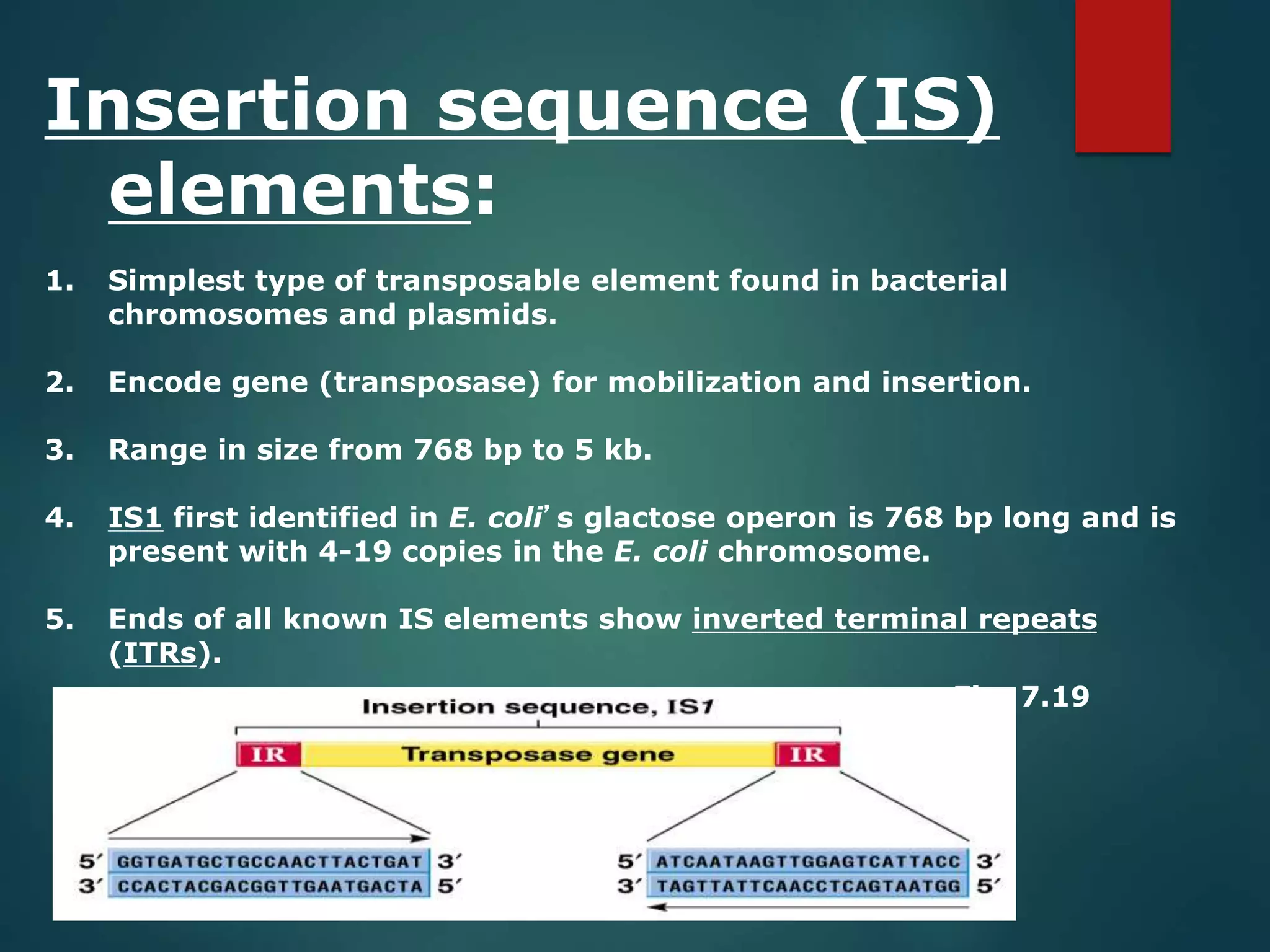
1. Simplest type of transposable element found in bacterial
chromosomes and plasmids.
2. Encode gene (transposase) for mobilization and insertion.
3. Range in size from 768 bp to 5 kb.
4. IS1 first identified in E. coli’s glactose operon is 768 bp long and is
present with 4-19 copies in the E. coli chromosome.
5. Ends of all known IS elements show inverted terminal repeats
(ITRs).
Fig. 7.19
Insertion sequence (IS) elements:
Integration of an IS element may:
• Disrupt coding sequences or regulatory regions.
• Alter expression of nearby genes.
• Cause deletions and inversions in adjacent DNA.
• Result in crossing-over.
Transposition of insertion sequence (IS) elements:
1. Original copy remains in place; new copy inserts randomly.
2. Transposition requires transposase, coded by the IS element.
3. IS element otherwise uses host enzymes for replication.
4. Transposition initiates when transposase recognizes ITRs.
5. Site of integration = target site.
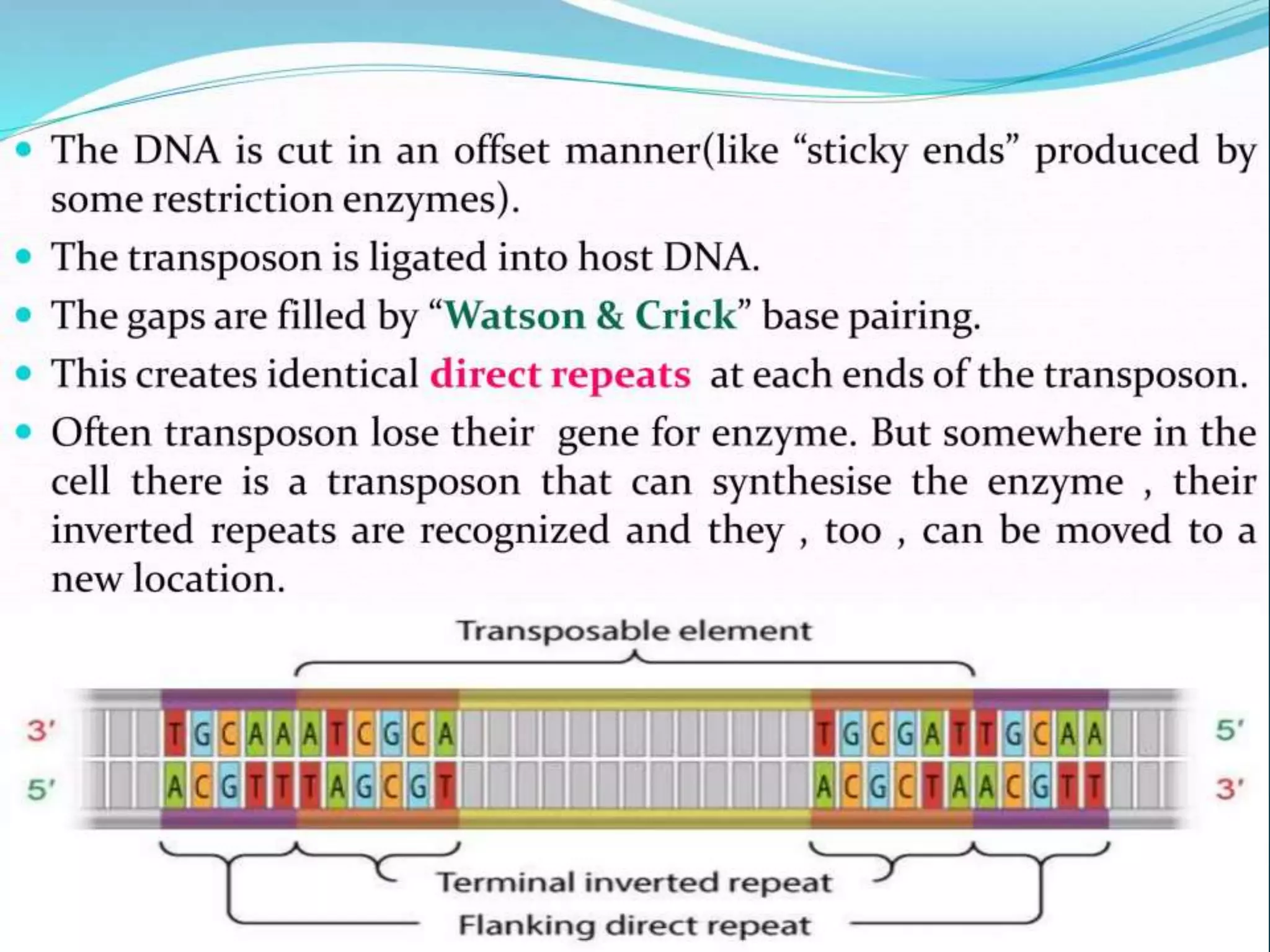
6. Staggered cuts are made in DNA at target site by transposase, IS
element inserts, DNA polymerase and ligase fill the gaps (note---
transposase behaves like a restriction enzyme).
7. Small direct repeats (~5 bp) flanking the target site are created.
Fig. 7.20, Integration of IS element in chromosomal DNA.
Transposons (Tn):
• Similar to IS elements but are more complex structurally and carry
additional genes
• 2 types of transposons:
1. Composite transposons
2. Noncomposite transposons
Composite transposons (Tn):
• Carry genes (example might be a gene for antibiotic resistance)
flanked on both sides by IS elements.
• Tn10 is 9.3 kb and includes 6.5 kb of central DNA (includes a gene
for tetracycline resistance) and 1.4 kb inverted IS elements.
• IS elements supply transposase and ITR recognition signals.
Fig. 7.21a
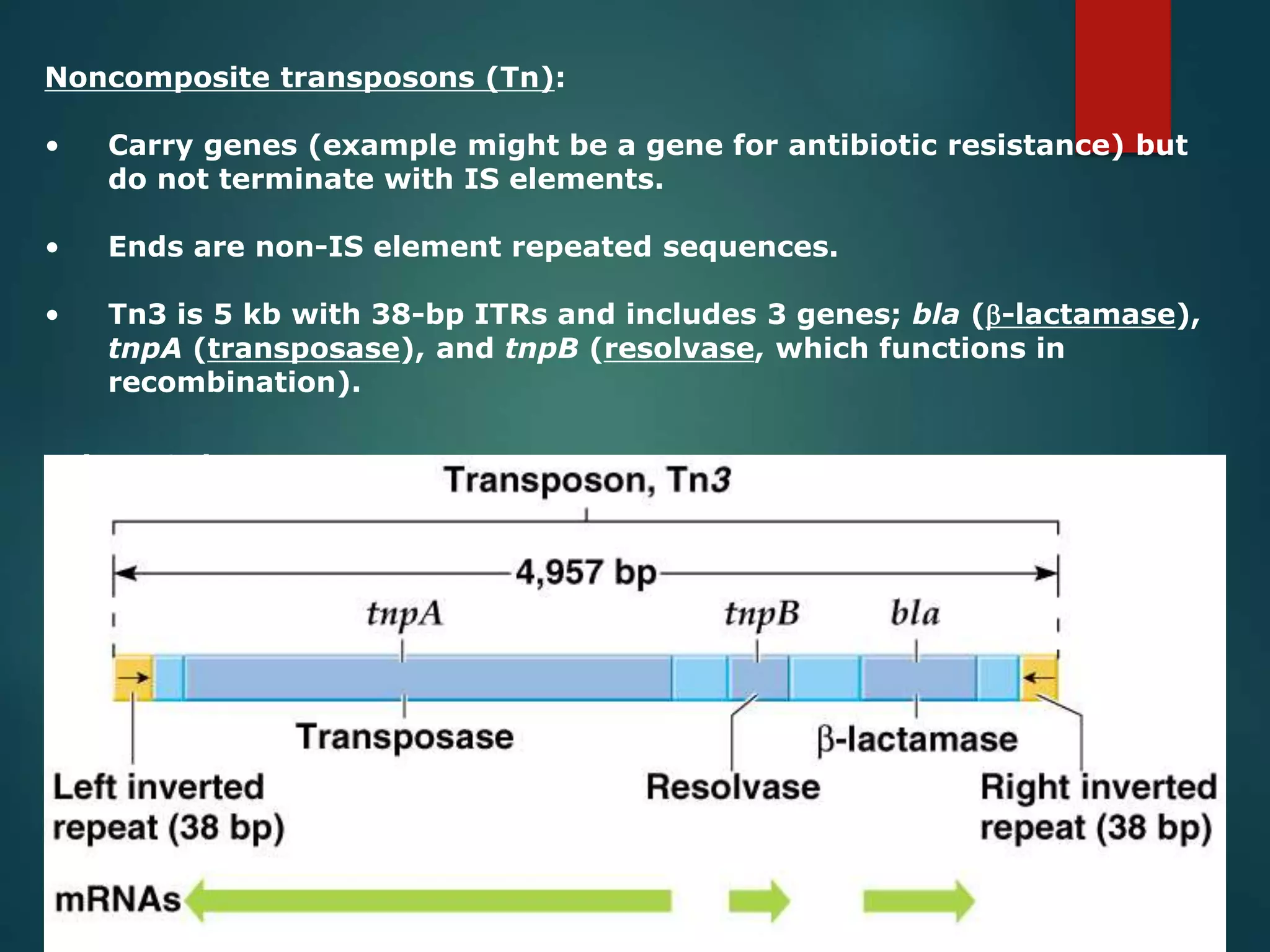
Noncomposite transposons (Tn):
• Carry genes (example might be a gene for antibiotic resistance) but
do not terminate with IS elements.
• Ends are non-IS element repeated sequences.
• Tn3 is 5 kb with 38-bp ITRs and includes 3 genes; bla (-lactamase),
tnpA (transposase), and tnpB (resolvase, which functions in
recombination).
Fig. 7.21b
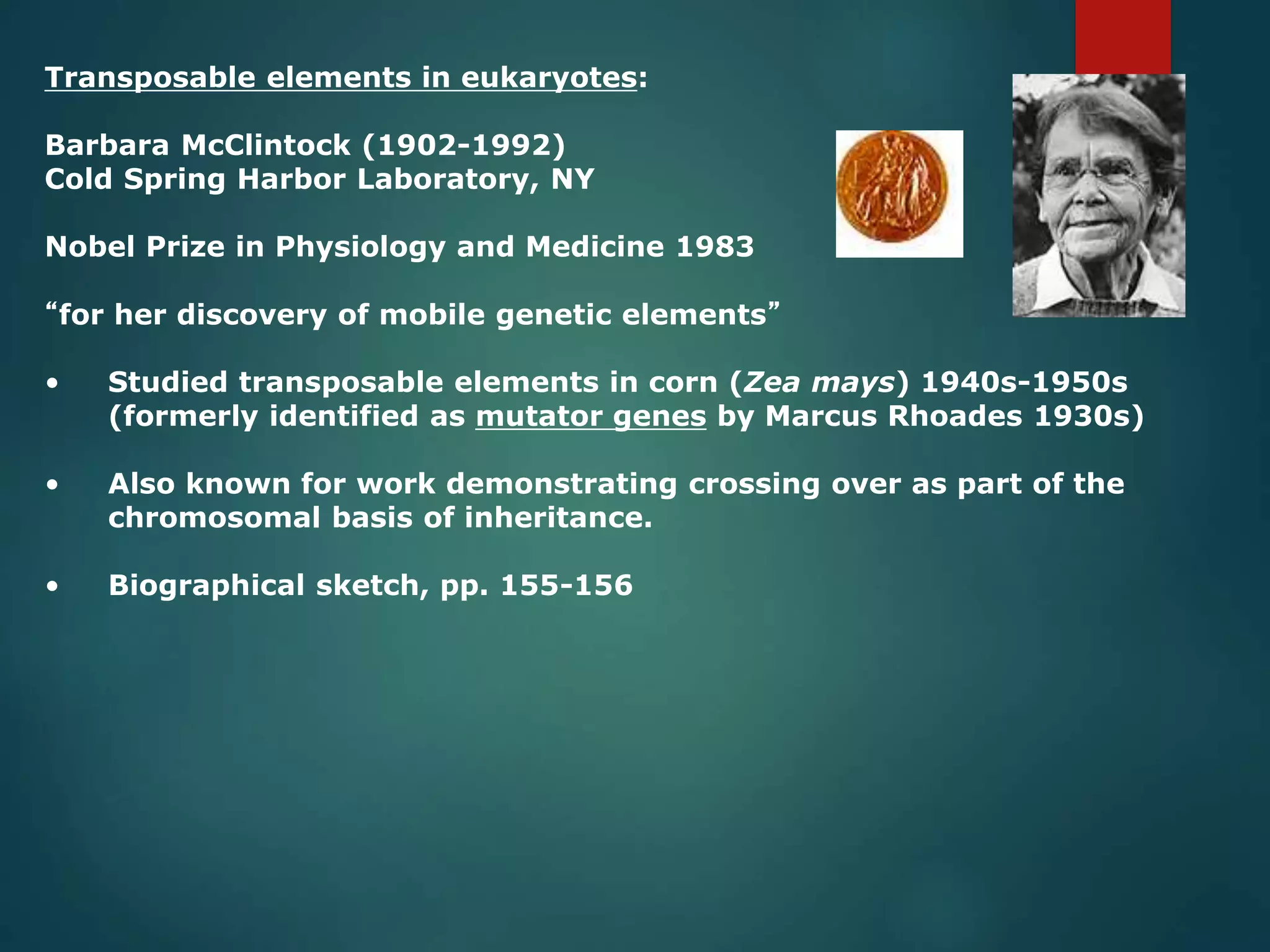
Transposable elements in eukaryotes:
Barbara McClintock (1902-1992)
Cold Spring Harbor Laboratory, NY
Nobel Prize in Physiology and Medicine 1983
“for her discovery of mobile genetic elements”
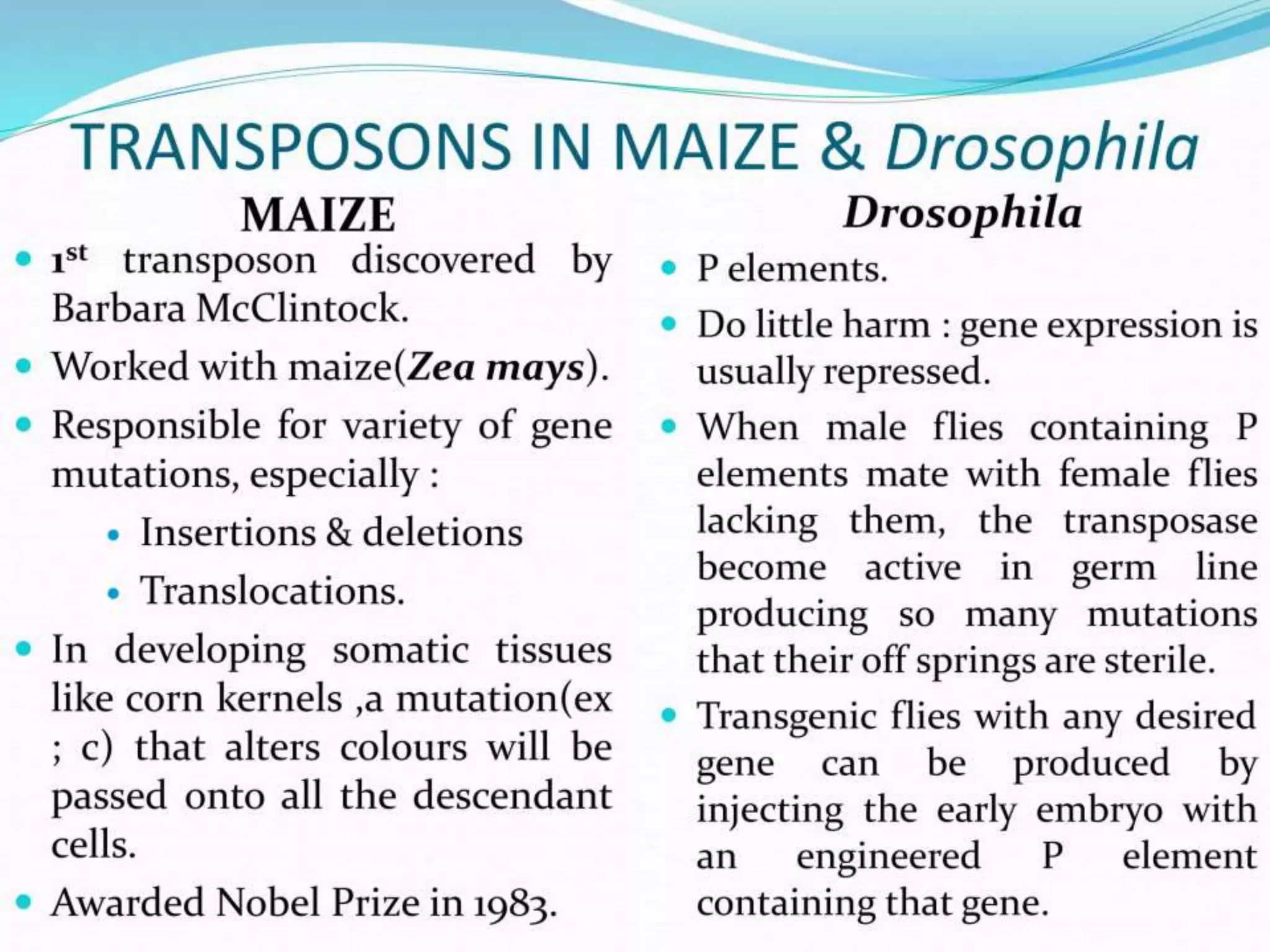
• Studied transposable elements in corn (Zea mays) 1940s-1950s
(formerly identified as mutator genes by Marcus Rhoades 1930s)
• Also known for work demonstrating crossing over as part of the
chromosomal basis of inheritance.
• Biographical sketch, pp. 155-156
General properties of plant transposons:
• Possess ITR sequences and generate short repeats at target sites.
• May activate or repress target genes, cause chromosome
mutations, and disrupt genes.
• Two types:
• Autonomous elements transpose themselves; possess
transposition gene.
• Nonautonomous elements do not transpose themselves; lack
transposition gene and rely on presence of another Tn
• McClintock demonstrated purple spots in otherwise white corn (Zea
mays) kernels are results of transposable elements.
McClintock’s discovery of transposons in corn:
• c/c = white kernels and C/- = purple kernels
• Kernal color alleles/traits are “unstable”.
• If reversion of c to C occurs in a cell, cell will produce purple
pigment and a spot.
• Earlier in development reversion occurs, the larger the spot.
• McClintock concluded “c” allele results from a non-autonomous
transposon called “Ds” inserted into the “C” gene (Ds =
dissassociation).
• Autonomous transposon “Ac” controls “Ds” transposon (Ac =
activator).
Transposon effects on corn kernel color.
McClintock’s discovery of transposons in corn (cont.):
• Ac element is autonomous/Ds element is
nonautonomous.
• Ac is 4,563 bp with 11 bp ITRs and 1 transcription unit
encoding an 807 amino acid transposase.
• Ac activates Ds; Ds varies in length and sequence, but
possesses same ITRs as Ac.
• Many Ds elements are deleted or rearranged version of
Ac; Ds element derived from Ac.
• Ac/Ds are developmentally regulated; Ac/Ds
transpose only during chromosome replication and do
not leave copies behind.
Ac transposition mechanism during chromosome
replication.
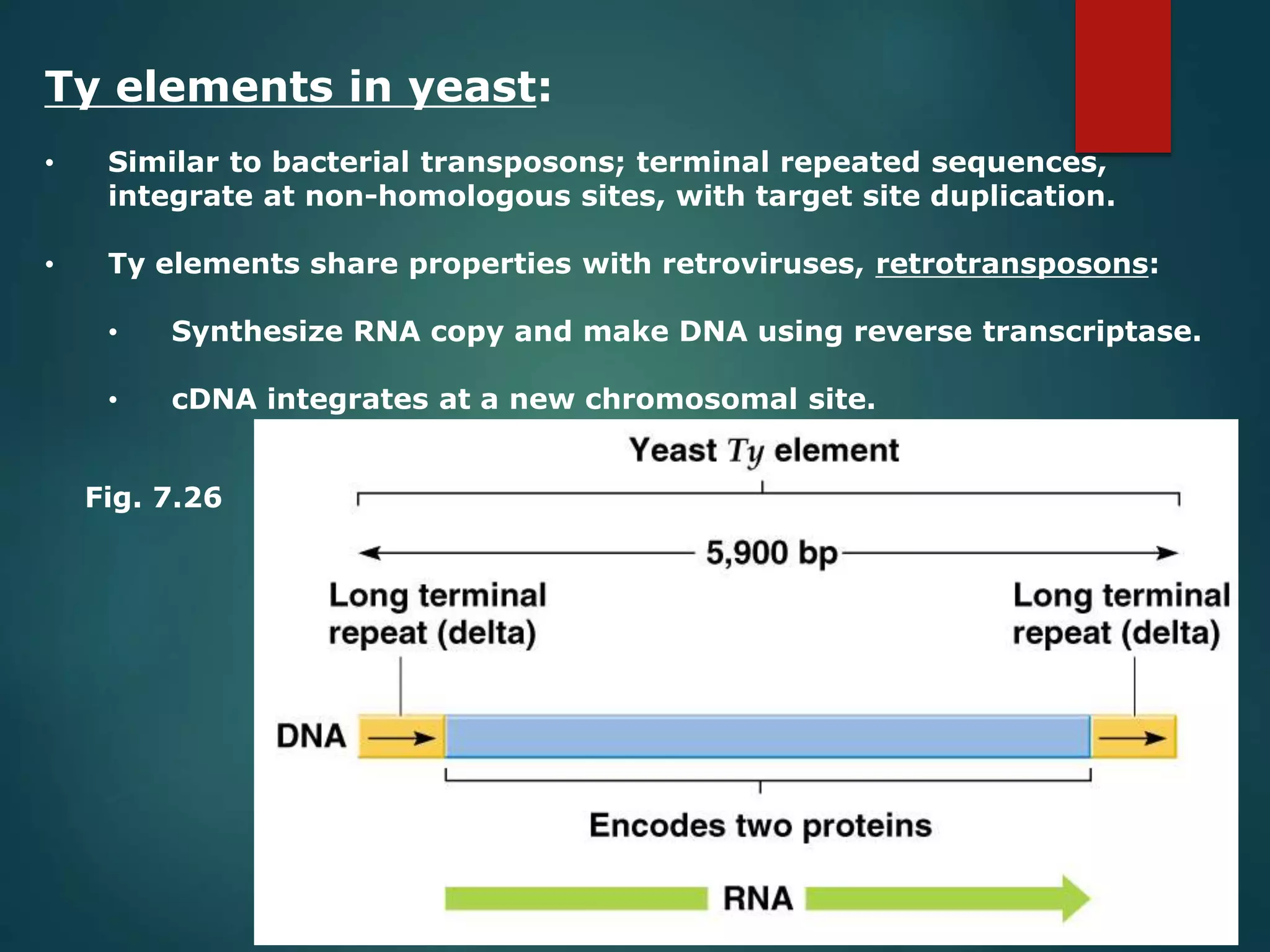
Ty elements in yeast:
• Similar to bacterial transposons; terminal repeated sequences,
integrate at non-homologous sites, with target site duplication.
• Ty elements share properties with retroviruses, retrotransposons:
• Synthesize RNA copy and make DNA using reverse transcriptase.
• cDNA integrates at a new chromosomal site.
Fig. 7.26
Human retrotransposons:
Alu1 SINEs (short-interspersed sequences)
• ~300 bp long, repeated 300,000-500,000X.
• Flanked by 7-20 bp direct repeats.
• Some are transcribed, thought to move by RNA intermediate.
• AluI SINEs detected in neurofibromatosis (OMIM1622200) intron;
results in loss of an exon and non-functional protein.
L-1 LINEs (long-interspersed sequences)
• 6.5 kb element, repeated 50,000-100,000X (~5% of genome).
• Contain ORFs with homology to reverse transcriptases; lacks LTRs.
• Some cases of hemophilia (OMIM-306700) known to result from
newly transposed L1 insertions.
Applications:-
1:Plant molecular biology
2:Identifying cancerous genes
Thank You

Transposons is.pptx

  • 1.
    MOLECULAR BIOLOGY Presented by- ANUKRITTIMEHRA MSc. BIOTECHNOLOGY YEAR 1 SEMESTER 2 DEPARTMENT OF BIOTECHNOLOGY ROLL NO.- BT 2204
  • 2.
    Chromatin is amass of genetic material composed of DNA & Proteins that condenses to form chromosomes during eukaryotic cell division. Chromatin is located in nucleus of the cells. CHROMATINFUNCTION: To compress the DNA into a compact unit( Less voluminous) and can fit with in the nucleus.  It consists of his tones and DNA. Dynamic structure of Chromatin-
  • 3.
    Histones help toorganize DNA into structures called Nucleosides. A Nucleosome consists of a DNA sequence of about 150 base pairs that is wrapped around set of 8 histones. The Functional unit of chromatin is nucleosome.  nucleosome further folded to form a chromatin fibers. The chromatin fibers coiled and it condensed to form chromosomes. Chromatin is responsible for DNA replication, transcription, DNA repair, genetic recombination and cell division. TYPES OF CHROMATIN: Euchromati n Heterochromatin EUCHROMATIN: During interphase of the cell cycle, cell is not dividing but undergoes a period of growth, the chromatin
  • 28.
    Transposable Genetic Elements ©John Wiley & Sons, Inc.
  • 29.
    Transposable elements: • Generalfeatures of transposable elements • Prokaryotic transposable elements • Eukaryotic transposable elements
  • 30.
    Transposable element: mobilegenetic elements of a chromosome that have the capacity to move from one location to another in the genome. • Normal and universal components of prokaryote and eukaryote genomes. Prokaryotes-transpose to/from cell’s chromosome, plasmid, or a phage chromosome. Eukaryotes-transpose to/from same or a different chromosome. • Nonhomologous recombination: transposable elements insert into DNA that has no sequence homology with the transposon. • Transposable elements cause genetics changes and make important contributions to the evolution of genomes: •Insert into genes. •Insert into regulatory sequences; modify gene expression. •Produce chromosomal mutations.
  • 31.
    Transposable elements: Two classesof transposable elements/mechanisms of movement: 1. Encode proteins that (1) move DNA directly to a new position or (2) replicate DNA and integrate replicated DNA elsewhere in the genome (prokaryotes and eukaryotes). 2. Retrotransposons encode reverse transcriptase and make DNA copies of RNA transcripts; new DNA copies integrate at different sites (eukaryotes only).
  • 32.
    Transposable elements inprokaryotes: Two examples: 1. Insertion sequence (IS) elements 2. Transposons (Tn)
  • 33.
    Insertion sequence (IS) elements: 1.Simplest type of transposable element found in bacterial chromosomes and plasmids. 2. Encode gene (transposase) for mobilization and insertion. 3. Range in size from 768 bp to 5 kb. 4. IS1 first identified in E. coli’s glactose operon is 768 bp long and is present with 4-19 copies in the E. coli chromosome. 5. Ends of all known IS elements show inverted terminal repeats (ITRs). Fig. 7.19
  • 34.
    Insertion sequence (IS)elements: Integration of an IS element may: • Disrupt coding sequences or regulatory regions. • Alter expression of nearby genes. • Cause deletions and inversions in adjacent DNA. • Result in crossing-over.
  • 35.
    Transposition of insertionsequence (IS) elements: 1. Original copy remains in place; new copy inserts randomly. 2. Transposition requires transposase, coded by the IS element. 3. IS element otherwise uses host enzymes for replication. 4. Transposition initiates when transposase recognizes ITRs. 5. Site of integration = target site. 6. Staggered cuts are made in DNA at target site by transposase, IS element inserts, DNA polymerase and ligase fill the gaps (note--- transposase behaves like a restriction enzyme). 7. Small direct repeats (~5 bp) flanking the target site are created.
  • 36.
    Fig. 7.20, Integrationof IS element in chromosomal DNA.
  • 37.
    Transposons (Tn): • Similarto IS elements but are more complex structurally and carry additional genes • 2 types of transposons: 1. Composite transposons 2. Noncomposite transposons
  • 38.
    Composite transposons (Tn): •Carry genes (example might be a gene for antibiotic resistance) flanked on both sides by IS elements. • Tn10 is 9.3 kb and includes 6.5 kb of central DNA (includes a gene for tetracycline resistance) and 1.4 kb inverted IS elements. • IS elements supply transposase and ITR recognition signals. Fig. 7.21a
  • 39.
    Noncomposite transposons (Tn): •Carry genes (example might be a gene for antibiotic resistance) but do not terminate with IS elements. • Ends are non-IS element repeated sequences. • Tn3 is 5 kb with 38-bp ITRs and includes 3 genes; bla (-lactamase), tnpA (transposase), and tnpB (resolvase, which functions in recombination). Fig. 7.21b
  • 40.
    Transposable elements ineukaryotes: Barbara McClintock (1902-1992) Cold Spring Harbor Laboratory, NY Nobel Prize in Physiology and Medicine 1983 “for her discovery of mobile genetic elements” • Studied transposable elements in corn (Zea mays) 1940s-1950s (formerly identified as mutator genes by Marcus Rhoades 1930s) • Also known for work demonstrating crossing over as part of the chromosomal basis of inheritance. • Biographical sketch, pp. 155-156
  • 41.
    General properties ofplant transposons: • Possess ITR sequences and generate short repeats at target sites. • May activate or repress target genes, cause chromosome mutations, and disrupt genes. • Two types: • Autonomous elements transpose themselves; possess transposition gene. • Nonautonomous elements do not transpose themselves; lack transposition gene and rely on presence of another Tn • McClintock demonstrated purple spots in otherwise white corn (Zea mays) kernels are results of transposable elements.
  • 42.
    McClintock’s discovery oftransposons in corn: • c/c = white kernels and C/- = purple kernels • Kernal color alleles/traits are “unstable”. • If reversion of c to C occurs in a cell, cell will produce purple pigment and a spot. • Earlier in development reversion occurs, the larger the spot. • McClintock concluded “c” allele results from a non-autonomous transposon called “Ds” inserted into the “C” gene (Ds = dissassociation). • Autonomous transposon “Ac” controls “Ds” transposon (Ac = activator).
  • 44.
    Transposon effects oncorn kernel color.
  • 45.
    McClintock’s discovery oftransposons in corn (cont.): • Ac element is autonomous/Ds element is nonautonomous. • Ac is 4,563 bp with 11 bp ITRs and 1 transcription unit encoding an 807 amino acid transposase. • Ac activates Ds; Ds varies in length and sequence, but possesses same ITRs as Ac. • Many Ds elements are deleted or rearranged version of Ac; Ds element derived from Ac. • Ac/Ds are developmentally regulated; Ac/Ds transpose only during chromosome replication and do not leave copies behind.
  • 46.
    Ac transposition mechanismduring chromosome replication.
  • 47.
    Ty elements inyeast: • Similar to bacterial transposons; terminal repeated sequences, integrate at non-homologous sites, with target site duplication. • Ty elements share properties with retroviruses, retrotransposons: • Synthesize RNA copy and make DNA using reverse transcriptase. • cDNA integrates at a new chromosomal site. Fig. 7.26
  • 48.
    Human retrotransposons: Alu1 SINEs(short-interspersed sequences) • ~300 bp long, repeated 300,000-500,000X. • Flanked by 7-20 bp direct repeats. • Some are transcribed, thought to move by RNA intermediate. • AluI SINEs detected in neurofibromatosis (OMIM1622200) intron; results in loss of an exon and non-functional protein. L-1 LINEs (long-interspersed sequences) • 6.5 kb element, repeated 50,000-100,000X (~5% of genome). • Contain ORFs with homology to reverse transcriptases; lacks LTRs. • Some cases of hemophilia (OMIM-306700) known to result from newly transposed L1 insertions.
  • 50.
  • 51.