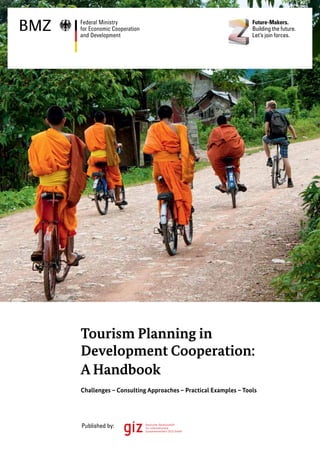
Tourism Planning in 
Development Cooperation: 
A Handbook 
Challenges – Consulting Approaches – Practical Examples – Tools 
Published by:
2 
Tourism is one of the largest revenue-generating industries worldwide and has many 
linkages to key elements of German development cooperation. The high employment 
intensity in tourism offers considerable potential for poverty alleviation, especially 
for women. In addition, the tourism industry is closely linked to other sectors, such as 
the manufacturing industry, agriculture and the service sector. These linkages create 
broad multiplier effects which stimulate local economies and also provide many new 
sources of income for the local population. Besides stimulating economic growth, 
tourism can also contribute to the conservation of biodiversity, as without the large 
number of visitors many national parks and protected areas would no longer be able 
to survive financially. Sustainable tourism in developing countries also offers the 
opportunity to educate travellers about the objectives of development cooperation 
policies and the challenges at the destinations, and thus to raise general awareness of 
the necessity of global, sustainable and human rights–based development. 
However, an industry of this size also has inherent risks: in recent years tourism activ-ities 
have been criticized – and not without reason – for their negative impact on local 
populations and their natural environment. To be able to realize the tourism indus-try’s 
potential for sustainable development, governments, the private sector and civil 
society must work together constructively. Efforts must be made to bring the cultural 
and economic benefits of international tourism to the people in developing countries, 
and to reduce the negative impacts of tourism on the people, the environment and 
the climate. 
To achieve this objective, the Federal Ministry for Economic Cooperation and Devel-opment 
(BMZ) promotes the development of sustainable forms of tourism that are 
socially, culturally, ecologically and ethically responsible as well as economically suc-cessful. 
The BMZ strategy paper on the contribution of tourism to sustainable devel-opment 
and to the achievement of the Millennium Development Goals reflects the 
importance of tourism with regard to the issues of development policy. The GIZ Sector 
Project “Sustainable Development through Tourism”, commissioned by BMZ, develops 
methods, tools and approaches to achieve our common objectives. This handbook, 
which is a collection of these tools that also provides various examples from practice, 
is intended as a contribution to the operationalization of the strategies and objectives 
set out in the strategy paper. 
My thanks to all those involved in the development of this Handbook. 
Susanne Dorasil 
Head of the Economic Policy and Financial Sector Division at the German Federal 
Ministry of Economic Cooperation and Development 
FOREWORD | 
Foreword 
3
4 
Table of Contents 
List of Figures and Illustrations 7 
List of Tables 7 
Practical Tips 7 
List of Abbreviations 8 
Part 1: 
Introduction and Background 10 
WHAT IS THIS HANDBOOK FOR? 10 
TOURISM FACTS AND FIGURES 12 
TOURISM DEVELOPMENT WORLDWIDE 12 
THE IMPORTANCE OF TOURISM FOR DEVELOPING AND EMERGING COUNTRIES 14 
TOURISM IN THE GERMAN DEVELOPMENT COOPERATION 16 
THE ROLE OF TOURISM IN THE DEVELOPMENT POLICY 16 
The BMZ Strategy Paper 17 
SYNTHESIS OF CURRENT ACTIVITIES AND PROCESSES 18 
Areas of Activity and Projects in Tourism 18 
International Processes and Germany´s Contribution 18 
Part 2: 
Challenges – Consulting Approaches – 
Practical Examples – Tools 21 
AREA OF ACTIVITY: SUSTAINABLE ECONOMIC DEVELOPMENT & 
INCLUSIVE EMPLOYMENT PROMOTION 22 
OVERVIEW AND CHALLENGES 22 
Tourism as a Driver of Economic Growth and Employment Creation 22 
The Value Chain Approach 24 
Corporate Social Responsibility in Tourism 25 
Training and Development in Tourism 28 
KEY QUESTIONS AND CONSULTING APPROACHES 28 
How Can the Socioeconomic Effects of Tourism on a Region Be Assessed? 28 
What Can Tourism Enterprises Do to Increase Their Contribution to 
Sustainable Economic Development? 30 
What Can Be Done to Facilitate Access to Direct and Indirect Employment 
Opportunities in Tourism for the Local Population? 35 
PRACTICAL EXAMPLES AND TOOLS 36 
5 
TABLE OF CONTENTS 
AREA OF ACTIVITY: COMMUNITY & LOCAL DEVELOPMENT 44 
OVERVIEW AND CHALLENGES 44 
Community- and Local-Level Tourism Promotion 44 
The Community-based Tourism Approach 44 
Critical Evaluation 44 
KEY QUESTIONS AND CONSULTING APPROACHES 46 
How Can We Determine Whether a Community or Municipal Area Is 
Suitable for Tourism Development? 46 
What Aspects of Tourism Development in Communities and Municipal 
Areas Must Be Given Special Consideration? 47 
What Can Be Done to Facilitate Access to the (International) Market for 
a Community or Municipal Area? 49 
PRACTICAL EXAMPLES AND TOOLS 54 
AREA OF ACTIVITY: PROTECTION & VALORIZATION OF BIODIVERSITY 58 
OVERVIEW AND CHALLENGES 58 
Biodiversity Protection and Conservation in the Partner Countries 58 
The Role of Biodiversity for Tourism 58 
Ecological Impacts of Tourism 59 
Tourism Development in Protected and Natural Areas 59 
KEY QUESTIONS AND CONSULTING APPROACHES 60 
What Can Be Done to Ensure That the Tourism Sector Uses Protected Areas in a Sustainable Way? 60 
What Economic Opportunities Does Tourism Provide for Protected Areas? 60 
How Can Sustainable Tourism Be Used to Curb Poaching? 66 
PRACTICAL EXAMPLES AND TOOLS 69 
AREA OF ACTIVITY: RESOURCE AND ENERGY EFFICIENCY & 
CLIMATE PROTECTION IN TOURISM 73 
OVERVIEW AND CHALLENGES 73 
Environmental Policy and Development 74 
Environmental Management and Tourism 74 
KEY QUESTIONS AND CONSULTING APPROACHES 77 
What Can Be Done to Improve the Environmental Balance of Tourism Enterprises? 77 
What Can Tourism Destinations Do to Contribute to Resource Protection or to 
Adapt to Climate Change? 80 
PRACTICAL EXAMPLES AND TOOLS 82
6 
AREA OF ACTIVITY: GOOD GOVERNANCE & POLITICAL FRAMEWORKS 88 
OVERVIEW AND CHALLENGES 88 
Promotion of Good Governance in the Partner Countries 88 
The Importance of Good Governance for Tourism 89 
Links between Good Governance and Tourism 90 
KEY QUESTIONS AND CONSULTING APPROACHES 91 
What Control Mechanisms Does the State Have to Support Sustainable Tourism Policies? 91 
What Institutional Frameworks Are Needed for Sustainable Tourism Policy? 93 
How Does Residential Tourism Influence Sustainable Tourism Development? 94 
PRACTICAL EXAMPLES AND TOOLS 98 
Part 3: 
Bibliography 102 
Literature and Articles 102 
BMZ Strategy Papers 108 
Factsheets on GIZ Services 108 
Unpublished Sources 109 
Internet Sources and Links 110 
Editorial Information 112 
LIST OF FIGURES AND ILLUSTRATIONS + LIST OF TABLES + PRACTICAL TIPS | 7 
PRACTICAL TIPS IV • P. 48 
Strategic Approaches to Assessing the Suitability of Com-munities/ 
Municipal Areas for Tourism Development (Rapid 
Destination Assessment) 
PRACTICAL TIPS V • P. 50 
Strategic Approaches to Tourism Development in Com-munities/ 
Municipal Areas (Strategic Community Tourism 
Development) 
PRACTICAL TIPS VI • P. 52 
Strategic Approaches to Tourism Marketing for Communi-ties/ 
Municipal Areas 
PRACTICAL TIPS VII • P. 61 
Strategic Approaches to Visitor Management in Protected 
Areas 
PRACTICAL TIPS VIII • P. 62 
Strategic Approaches to the Sustainable Valorization of 
Ecosystem Services and Protected Areas through Tourism 
PRACTICAL TIPS IX • P. 68 
Strategic Approaches to Curbing Poaching through 
Sustainable Tourism 
PRACTICAL TIPS X • P. 78 
Strategic Approaches to Improving the Environmental 
Balance of Tourism Enterprises (Environmental Manage-ment 
Approaches) 
PRACTICAL TIPS XI • P. 81 
Strategic Approaches to Resource Protection and Climate 
Change Adaptation in Tourism Destinations (Climate 
Change Mitigation and Adaptation) 
PRACTICAL TIPS XII • P. 92 
Strategic Approaches State Actors Can Take to Control the 
Development and Implementation of Sustainable Tourism 
Policies 
PRACTICAL TIPS XIII • P. 95 
Strategic Approaches to the Institutional Development of 
Sustainable Tourism Policy 
PRACTICAL TIPS XIV • P. 97 
Strategic Approaches to the Sustainable Management of 
Residential Tourism 
LIST OF FIGURES AND ILLUSTRATIONS 
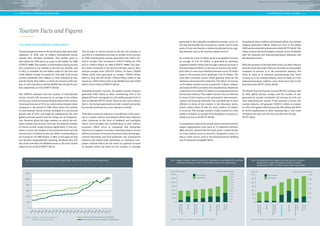
FIGURE 1 • P. 12 
International Tourist Arrivals and Receipts 1990–2012 
FIGURE 2 • P. 13 
Largest Economic Sectors in Terms of Contribution to the 
Global GDP and Share of the World Economy in 2011 
FIGURE 3 • P. 13 
Contribution of the Largest Economic Sectors in Terms 
of Employment Creation Worldwide and Share of World 
Employment in 2011 
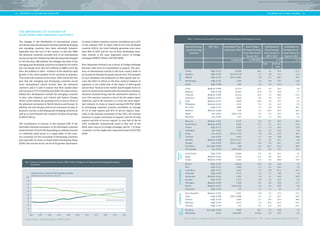
FIGURE 4 • P. 14 
Trends in International Tourism Arrivals 1980–2030: A 
Comparison of Advanced and Emerging/Developing 
Economies 
FIGURE 5 • P. 25 
The Tourism Value Chain 
LIST OF TABLES 
TABLE 1 • P. 15 
Tourism as an Economic Factor in Selected Developing 
and Emerging Countries 
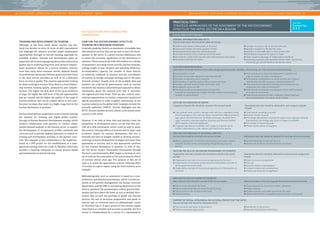
PRACTICAL TIPS 
PRACTICAL TIPS I • P. 29 
Strategic Approaches to the Assessment of the Socioeco-nomic 
Effects of the Hotel Sector on a Region 
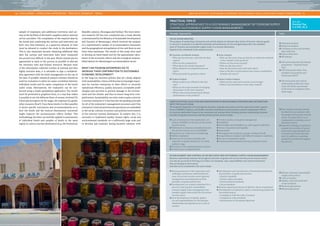
PRACTICAL TIPS II • P. 31 
Strategic Approaches to a Sustainable Management of 
Tourism Supply Chains (Sustainable Supply Chain Manage-ment) 
PRACTICAL TIPS III • P. 32 
Strategic Approaches to Stimulating Inclusive Employment 
Promotion through Tourism
8 
DRV = German Travel Association 
DTI = Department of Trade and Tourism 
EconoWin = Economic Integration of Women in the 
MENA Region 
ECPAT = End Child Prostitution, Pornography 
and Trafficking of Children for Sexual 
Purposes 
EIA = Environmental Impact Assessment 
EMAS = Eco-Management and Audit Scheme 
EU = European Union 
F & B = Food & beverage 
FACE = Federation of Associations for Hunting 
and Conservation of the EU 
FFP = Fund for Peace 
FTT = Fair Trade Tourism 
FUTUROPA = Promoting Costa Rica in Europe 
GCET = Global Code of Ethics for Tourism 
GDP = Gross domestic product 
GIS = Geographic information system 
GIZ = Deutsche Gesellschaft für Internationale 
Zusammenarbeit GmbH 
GPST = Global Partnership for Sustainable 
Tourism 
GRI = Global Reporting Initiative 
GSH = Green Star Hotel 
GSHI = Green Star Hotel Initiative 
GSTC = Global Sustainable Tourism Criteria 
GTDA = General Tourism Development Authority 
HCD = Human Capacity Development 
HDI = Human Development Index 
HRIA = Human Rights Impact Assessments 
IBLF = International Business Leaders Forum 
ILO = International Labour Organization 
ISO = International Organization for 
Standardization 
ITF-STD = International Task Force on Sustainable 
Tourism Development 
ITP = International Tourism Partnership 
KAZA = Kavango–Zambezi Nature Park 
KAZA TFCA = Kavango–Zambezi Transfrontier Conser-vation 
Area 
KfW = Kreditanstalt für Wiederaufbau 
KNP = Krüger National Park 
LAC = Limits of Acceptable Change 
LDCs = Least Developed Countries 
LCA = Life Cycle Assessment 
MDGs = Millennium Development Goals 
MENA = Middle East and North Africa 
LIST OF ABBREVIATIONS 
10YFP = 10-Year Framework of Programmes 
on Sustainable Consumption and 
Production 
AMUR = La Asociación de Municipios de Rivas 
ASM = Association de Sauvegarde de la Médina 
BMUB = Federal Ministry for the Environment, 
Nature Conservation, Building and 
Nuclear Safety 
BMZ = Federal Ministry of Economic 
Cooperation and Development of 
Germany 
BTI = Bertelsmann Transformation Index 
CAMPFIRE = Communal Areas Management Pro-gramme 
for Indigenous Resources 
CBD = Convention on Biological Diversity 
CBNRM = Community-based Natural Resource 
Management 
CBT = Community-based Tourism 
CDTOS = Chambre pour le Développement du 
Tourisme Oasien et Saharien 
CIC = International Council for Game and 
Wildlife Conservation 
CITES = Convention on International Trade in 
Endangered Species of Wild Fauna and 
Flora 
CO2 = Carbon dioxide 
CPA = Communal Property Association 
CSD = Commission on Sustainable 
Development 
CSR = Corporate Social Responsibility 
CST = Certificación para la Sostenibilidad 
Turística 
CVM = Contingent Valuation Method 
DASTA = Designated Areas for Sustainable 
Tourism Authority 
DCC = Danube Competence Centre 
DEAT = Department of Environmental Affairs 
and Tourism 
DEG = German Investment and Development 
Corporation 
DGCN = German Global Compact Network 
DMO = Destination management organization 
DoCST = Department of Culture, Sports and 
Tourism 
DOT = Department of Tourism 
DPP = Development Partnership with the 
Private Sector 
DPR = Democratic People’s Republic 
LIST OF ABBREVIATIONS | 9 
MSMEs = Micro-, small and medium enterprises 
NGO = Non-governmental organization 
ODK = Open Development Kit 
OECD = Organisation for Economic Cooperation 
and Development 
ORF = Open Regional Fund for Southeast 
Europe 
PAEI = Programme d’Appui à l’Entreprenariat et 
l’Innovation 
PAN = Protected Area Network 
PATA = Pacific Asia Travel Association 
PAVIM = Protected Area Visitor Impact 
Management 
PES = Payments for Ecosystem Services 
PIA = Exante Poverty Impact Assessment 
PNKB = Phong Nha-Kè Bàng 
PoWPA = Programme of Work on Protected Areas 
PPC = Provincial People’s Committee 
REDD = Reducing Emissions from Deforestation 
and Forest Degradation 
ROS = Recreation Opportunity Spectrum 
SADC = Southern African Development 
Community 
SANParks = South African National Parks Board 
SCP = Sustainable Consumption and 
Production 
SEDETUR = State Secretariat of Tourism of Quintana 
Roo 
SEMA = Ministry of Ecology and Environment of 
Quintana Roo 
SIDS = Small Island Developing States 
SPSS = Superior Performing Software System 
STCAA = Sustainable Tourism Certification 
Alliance Africa 
TATO = Tajik Association of Tourism 
Organizations 
TCM = Travel Cost Method 
TEEB = The Economics of Ecosystems and 
Biodiversity 
TOMM = Tourism Optimization Management 
Model 
TUI = Touristik Union International 
UMTS = Universal Mobile Telecommunications 
System 
UNCTAD = United Nations Conference on Trade 
and Development 
UNEP = United Nations Environment 
Programme 
UNESCO = United Nations Educational, Scientific 
and Cultural Organization 
UNICEF = United Nations International Children’s 
Emergency Fund 
UNWTO = United Nations World Tourism 
Organization 
US = United States 
USP = Unique Selling Proposition 
VAMP = Visitor Activity Management Process 
VCA = Value Chain Approach 
VERP = Visitor Experience and Resource 
Protection 
VIM = Visitor Impact Management 
WEF = World Economic Forum 
WSSD = World Summit on Sustainable 
Development 
WTM = World Travel Market 
WTTC = The World Travel & Tourism Council 
WWF = World Wide Fund for Nature 
YCI = Youth Career Initiative
10 | INTRODUCTION AND BACKGROUND 
Introduction 
and Background 
What Is This Handbook For? 
steadily from 11 % to 30.34 %, with an average growth rate 
of 4.84 % between 1990 and 1998, well above the global 
average of 3.98 % (Aderhold et al. 2000). Today, tourism 
accounts for 7 % of the developing countries’ total exports 
and as much as 45 % of their commercial services exports 
(UNCTAD 2010). Tourism has become the main source of 
foreign exchange for one in three developing countries. It 
has been estimated that from 2015 on, the emerging and 
developing countries will receive more tourist arrivals than 
the advanced countries, and that their market share will 
increase to 57 % by 2030 (UNWTO 2011a). 
The rapid growth of the tourism industry and the inspi-ration 
with regard to sustainable economic development 
received worldwide from the Rio Conference back in the 
early 1990s played a major role in the German develop-ment 
cooperation´s decision, over twenty years ago, to 
work towards the implementation of sustainable tourism 
in its partner countries. Tourism is not an explicit focus 
of activity, but because of its economic importance and 
its many linkages to a variety of major issues of devel-opment 
policy, it has been playing an important role in 
many partner countries and projects, such as in projects 
concerned with sustainable economic development and 
poverty reduction, rural development or environmental, 
climate and biodiversity protection. It is important to 
note, however, that the purpose of this involvement is not 
More than twenty years have passed since the second global 
UN Conference on Environment and Development in Rio 
de Janeiro in 1992 (commonly known as the Rio Confer-ence), 
which attracted a host of international attendees. 
The focus of the debate was on the term ‘sustainable devel-opment’, 
which, after the conference was over, would later 
create quite a stir worldwide, as the key idea behind a new 
perception of development. This key idea was inspired by 
the realization that economic efficiency, social justice and 
the preservation of natural resources that are vital to the 
livelihoods of people are interests which deserve equal con-sideration 
and complement one another. Thus, in keeping 
with the key idea of sustainable development, the goal is 
to find a sustainable balance between economic, ecological 
and social needs that arises in connection with economic 
development – a goal that has also been a top priority of 
German development cooperation for many years. 
If we look at the tourism industry and how it has devel-oped 
in the past two decades, we see that it has become 
one of the largest economic sectors by size and revenue in 
the world. During this period, tourism suddenly became a 
major economic factor, especially for developing countries. 
In 1978, 27.3 million arrivals were recorded in developing 
countries; by 1998, the number of arrivals had increased 
to 189.7 million. Over these twenty years the share of the 
developing countries in the world tourism market grew 
WHAT IS THIS HANDBOOK FOR? | 11 
It is the hope of the publishers that this publication will 
make a practical contribution to the operative implemen-tation 
of sustainability in the tourism industry, and that it 
will add some new ideas to the national and international 
debates about a sustainable development of tourism. 
to promote the tourism sector itself, but rather to achieve 
economic, ecological and social development effects 
through and within tourism. For this reason, the activities 
referred to here are not limited to those in niche segments 
of the market, but include all forms of tourism, even and 
especially the mass tourism market. 
Over the years, the German development cooperation has 
worked with a wide range of actors in many developing 
and emerging countries and on different spatial levels to 
implement numerous tourism-related projects on a large 
number of issues. This led to the idea of developing a hand-book 
on “Tourism Planning in Development Cooperation”. 
The purpose of this publication is to collect the last two 
decades of experience in working on issues of sustainable 
tourism development, to reflect critically on this experi-ence 
and to compile it into a practical handbook. With this 
purpose in mind, the Handbook offers strategic, technical 
and methodological recommendations to address major 
challenges and questions that arise in connection with 
tourism planning and the implementation of tourism pro-jects 
in developing and emerging countries. It is aimed at 
international and local tourism consultants, those involved 
in development cooperation tourism projects, national 
tourism organizations in the partner countries, and inter-national 
and local tourism companies and associations. 
Part 1
12 | INTRODUCTION AND BACKGROUND 
Tourism Facts and Figures 
The increase in tourist arrivals in the last two decades in 
turn led to a substantial increase in receipts from tourism. 
In 1950, international tourism generated only US$2.1 bil-lion 
in receipts. This increased to US$17.9 billion by 1970 
and to US$273 billion by 1990 (UNWTO 2009). This posi-tive 
trend continued in the last two decades, and in 2012, 
tourism receipts were US$1.075 trillion. Of these, US$458 
billion (43 %) were generated in Europe, US$324 billion 
(30 %) in Asia and the Pacific, US$212 billion (20 %) in the 
Americas, US$47 billion (4 %) in the Middle East and US$34 
billion (3 %) in Africa (UNWTO 2013a). 
Including domestic tourism, the global tourism industry 
generated US$2 trillion in 2012, contributing 2.9 % of the 
global GDP and creating jobs for 101 million people (3.4 % of 
jobs worldwide) (WTTC 2013). These are the direct effects; 
that is, the receipts generated and jobs created exclusively 
by tourism businesses (e. g. tour operators, hotels). 
To be able to assess an industry’s contribution to the econo-my 
as a whole, indirect and induced effects that influence 
other industries in the form of feedback and multiplier 
effects must be taken into consideration as well. Indirect 
economic effects occur in companies and enterprises 
which act as suppliers in product manufacturing or service 
delivery processes. In the area of tourism, these include agri-cultural 
businesses and food producers, the construction 
industry and skilled-trade businesses, or insurance com-panies. 
Induced effects are the result of a general increase 
in demand which are based on the receipts or earnings 
TOURISM DEVELOPMENT WORLDWIDE 
Tourism has grown faster in the last 60 years than most other 
industries. In 1950, only 25 million international tourist 
arrivals were recorded worldwide. This number grew to 
166 million by 1970 and to as many as 436 million by 1990 
(UNWTO 2009). The number of international tourist arrivals 
also continued to rise steadily in the last two decades, and 
in 2012, it exceeded the one-billion mark for the first time 
(1.035 billion). Europe accounted for over half of all tourist 
arrivals worldwide (534 million, or 52 %), followed by Asia 
and the Pacific (234 million, or 23 %), the Americas (163 mil-lion, 
or 16 %), and Africa and the Middle East (53 and 52 mil-lion 
respectively, or 5 %) (UNWTO 2013a). 
The UNWTO estimates that the number of international 
tourist arrivals will increase by an average of 43 million 
(3.3 %) a year in the second and third decades of this century. 
An annual increase of 3.3 % is a conservative estimate when 
compared to the period of 1980–2010, where the number 
of international tourist arrivals increased at a real annual 
growth rate of 4.2 %, and might be explained by the slow 
global economic growth and the rising cost of transporta-tion. 
However, given the large numbers on which the esti-mate 
is based, even at such a low rate, the absolute number 
of tourist arrivals would increase significantly. If this esti-mate 
is correct, the number of international tourist arrivals 
should reach 1.8 billion by the year 2030, corresponding to 
an increase of over 800 million, or 80 %, in the space of only 
two decades. Geographically speaking, Northeast Asia will 
then have overtaken the Mediterranean as the most visited 
region in the world (UNWTO 2011a). 
Fig. 1: International Tourist Arrivals and Receipts 1990–2012 (in US$ million and billion respectively) 
Source: Authors’ calculations based on 
UNWTO (2012 and 2013a) 
TOURISM FACTS AND FIGURES | 13 
Including all direct, indirect and induced effects, the tourism 
industry generated US$6.63 trillion (or 9.3 % of the global 
GDP) and provided 261 million jobs in 2012 (WTTC 2013). This 
makes tourism the fourth largest economic sector worldwide 
after the financial and telecommunications industries and 
the education sector. 
With the exception of the education sector, no other industry 
provides more direct jobs. There are six times as many people 
employed in tourism as in the automotive industry; five 
times as many as in chemical manufacturing; four times 
as many as in the mining industry; twice as many as in the 
telecommunications industry; and a third more than in the 
financial sector (WTTC 2012a, 2012b). 
The World Travel & Tourism Council (WTTC) estimates that 
by 2023, global tourism receipts and the number of jobs 
generated by tourism worldwide will increase by 4.4 % and 
2.4 % respectively per annum. If this estimate is correct, the 
tourism industry will generate US$10.51 trillion in receipts 
(or 10 % of the global GDP) and provide 338 million jobs (9.9 % 
of world employment) in 2023, meaning that it will create 
76 million new jobs over the next over the next 10 years ­( 
WTTC 2013). 
generated in the originally considered economic sector. In 
the end, this benefits the economy as a whole, even if some 
parts of it are not directly or indirectly affected by the orig-inal 
demand, such as for tourism related services. 
As a result, for every US dollar spent in the global economy, 
an average of 2.70 US dollars is generated by upstream 
suppliers (indirect effect) and through a general increase in 
demand (induced effect). In the area of tourism, this multi-plier 
effect is even more beneficial because every US dollar 
spent in the tourism sector generates 3.20 US dollars. The 
only other economic sectors which generate more are the 
chemical and automotive industries. The effects of tourism 
on the labour market are just as powerful. If direct, indirect 
and induced effects are taken into consideration, 50 jobs are 
created for every million US dollars in receipts generated in 
the tourism industry. This makes tourism twice as effective 
in terms of job creation as the automotive, telecommuni-cations 
and financial industries. The only field that is more 
efficient in terms of job creation is the education sector, 
which creates about 65 jobs for every million US dollars 
in turnover. The average number of jobs created for every 
million US dollars in receipts from the global economy as a 
whole is as low as 39 (WTTC 2012a). 
A comparative study of the annual reports issued by the five 
largest organizations from each of 13 industries between 
2004 and 2011 showed that the hotel sector created 20 jobs 
for every million euros in turnover, compared to only 2–6 
jobs in other sectors, such as the pharmaceutical, banking 
and IT industries (Lengefeld 2012). 
Fig. 2: Largest Economic Sectors in Terms of Contribution to the Global GDP and Share 
of the World Economy in 2011 (in US$ billion and per cent respectively) 
Fig. 3: Contribution of the Largest Economic Sectors in Terms of 
Employment Creation Worldwide and Share of World 
Employment in 2011 (in million and per cent respectively) 
Source: Authors’ calculations based on WTTC (2012a) Source: Authors’ calculations based on WTTC (2012a)
14 
| INTRODUCTION AND BACKGROUND TOURISM FACTS AND FIGURES | 
In many of these countries, tourism contributes up to 25 % 
of the national GDP. In about half of the least developed 
countries (LDCs), the travel industry generates even more 
than 40 % of GDP, and for one in three developing coun-tries, 
tourism is the most important source of foreign 
exchange (UNWTO 2013a; UNCTAD 2010). 
How important tourism is as a source of foreign exchange 
becomes clear from its contribution to exports. The pres-ence 
of international tourists in the host country leads to 
an increase in demand for goods and services. This demand 
in turn stimulates the production of these goods and ser-vices, 
the effect of which on the host country’s balance of 
payments is not unlike that of the export of these goods 
and services. Tourism is the world’s fourth largest sector in 
terms of income from exports after the petroleum industry, 
chemical manufacturing and the automotive industry. In 
over 150 countries, tourism is one of the five major export 
industries, and in 60 countries, it is even the most impor-tant 
industry in terms of export earning (UNCTAD 2010). 
In developing countries, tourism contributes an average 
of 7 % of total exports and 45 % of service exports. Espe-cially 
in the national economies of the LDCs, the tourism 
industry is a major contributor to exports, with 9 % of total 
exports and 65 % of service exports. In over half of the 49 
LDCs worldwide, international travel is thus one of the 
three main sources of foreign exchange, and for 7 of these 
countries, it is the single most important branch (UNCTAD 
2010). 
THE IMPORTANCE OF TOURISM FOR 
DEVELOPING AND EMERGING COUNTRIES 
The changes in the distribution of international tourist 
arrivals between the advanced countries and the developing 
and emerging countries have been extremely dynamic, 
especially since the turn of the century. In the year 2000, 
the advanced countries recorded 62 % of all international 
tourist arrivals (417 million); by 2010, this share had dropped 
to 53 % (by then, 498 million). Accordingly, the share of the 
emerging and developing countries increased by 9 % within 
just one decade from 38 % (257 million) in 2000 to 47 % (by 
then, 442 million) in 2010 – evidence of the relatively rapid 
growth of the travel markets of the countries in question. 
This trend will continue in the future. 2015 will be the first 
year that the emerging and developing countries record 
more international tourist arrivals than the advanced 
countries, and it is safe to assume that their market share 
will increase to 57 % (1.04 billion) by 2030. The major drivers 
behind this development include the emerging countries 
in Asia, Latin America, and Central and Eastern Europe, 
whose travel markets are growing twice as fast as those of 
the advanced economies in North America and Europe. In 
addition, the next 20 years will see an enormous increase in 
domestic tourism in developing and emerging countries as 
well as in travel between the countries of these two groups 
(UNWTO 2011a). 
The contribution of tourism to the national GDP of the 
diversified national economies of the developed countries 
varies between 2 % and 10 % depending on whether tourism 
is a relatively small sector or a major pillar of the coun-try’s 
economy. For the economies of developing countries, 
and especially for those of Small Island Developing States 
(SIDS), the tourism sector can be of far greater importance. 
15 
Fig. 4: Trends in International Tourism Arrivals 1980–2030: A Comparison of Advanced and Emerging/Developing 
Economies 
Source: Authors’ calculation based on UNWTO (2011a) 
Table. 1: Tourism as an Economic Factor in Selected Developing and Emerging Countries 
LATIN AMERIKA AFRICA ASIA EUROPE 
MIDDLE 
COM- CARIBBEAN EAST 
PARISON 
Selected Develop-ing 
and Emerging 
Countries 
HDI* 2012 International Tour-ist 
Arrivals in 2012 
in thousand 
Gross Foreign 
Exchange Earnings 
from International 
Tourism 2012 
in US$ billion 
Contribution of 
Direct Earnings 
from Tourism to 
GDP in 2012 
in % 
Total Internat. 
Contr. 
Contribution of 
Earnings from In-ternat. 
Tourism to 
Exports in 2012 
in % 
Turkey High: 0.722 35,698 28.1 4.1 47.9 13.7 
Bulgaria High: 0.782 (2011) 6,328 4.2 3.8 74.7 12.2 
Albania High: 0.749 (2011) 2,865 1.8 6.1 86.7 34.7 
Montenegro High: 0.791 1,264 1.0 9.9 78.5 51.8 
Serbia High: 0.769 810 1.0 1.6 55.2 6.5 
China Medium: 0.699 57,725 52.7 2.6 10.3 2.4 
Malaysia High: 0.769 25,033 20.4 7.0 54.8 7.7 
Thailand Medium: 0.690 22,354 32.9 7.3 68.0 12.1 
Indonesia Medium: 0.629 8,044 9.6 3.0 21.1 4.4 
India Medium: 0.554 6,649 18.8 2.0 19.7 4.2 
Philippines Medium: 0.654 4,273 4.4 2.0 41.7 5.8 
Sri Lanka High: 0.715 1,006 1.5 3.8 42.4 10.3 
Maldives Medium: 0.688 958 0.7 22.4 94.4 60.3 
Nepal Low: 0.463 (2011) 736 0.4 4.3 34.3 24.0 
Myanmar Low: 0.498 593 0.1 1.3 10.9 1.6 
Morocco Medium: 0.591 9,375 8.4 8.7 68.4 24.4 
South Africa Medium: 0.629 9,188 11.2 3.2 42.4 10.1 
Tunisia High: 0.712 5,950 2.7 7.3 58.3 12.8 
Zimbabwe Low: 0.397 1,794 0.4 5.2 62.4 8.9 
Kenya Low: 0.519 (2011) 1,750 2.0 5.0 54.4 19.1 
Tanzania Low: 0.476 1,043 1.7 4.8 70.6 24.8 
Namibia Medium: 0.608 (2011) 1,027 0.7 3.0 49.1 8.8 
Senegal Low: 0.470 (2011) 1,001 0.6 5.0 46.7 15.8 
Seychelles Very high: 0.806 208 0.4 24.7 91.2 40.6 
The Gambia Low: 0.439 (2011) 106 0.1 8.2 75.5 79.4 
Saudi Arabia High: 0.782 13,664 9.2 2.2 42.2 2.2 
Egypt Medium: 0.662 11,196 11.1 6.9 46.2 21.7 
Jordan Medium: 0.700 4,162 4.4 5.9 88.8 31.9 
Mexico High: 0.775 23,403 12.8 5.8 12.4 3.3 
Peru High: 0.741 2,846 3.7 3.4 28.5 7.4 
Costa Rica High: 0.773 2,343 2.5 4.8 61.1 15.3 
Colombia High: 0.719 2,175 3.2 1.7 24.6 4.9 
Guatemala Medium: 0.581 1,305 1.4 3.2 44.0 10.9 
Ecuador High: 0.724 1,272 0.9 2.0 36.0 3.6 
Nicaragua Medium: 0.599 1,180 0.4 4.8 44.9 11.5 
Bolivia Medium: 0.675 (2011) 946 0.6 2.9 39.9 4.6 
Venezuela High: 0.748 710 1.2 3.1 5.6 1.3 
Dom. Republic Medium: 0.702 4,563 4.8 4.7 73.3 33.2 
Cuba High: 0.780 (2011) 2,688 2.7 2.7 55.7 19.0 
Jamaica High: 0.730 1,986 2.3 8.4 76.4 48.9 
Bahamas High: 0.794 1,419 2.4 22.0 82.3 64.3 
Grenada High: 0.770 112 0.1 6.4 78.2 52.4 
Germany Very high: 0.920 3,408 45.1 1.6 36.6 2.5 
Worldwide 0.561 1,035,000 1.243.0 2.9 29.3 5.4 
Source: Authors’ compilation based on WTTC Country Reports (2013); UNWTO (2013a) | * HDI = Human Development Index (UNDP 2013)
Tourism in the German Development 
Cooperation 
16 
to resolve conflicts of interest and negotiating appropriate 
solutions with regard to bilateral cooperation projects and 
international processes in which BMZ is involved. The 
work of the German development cooperation is aimed 
at a wide variety of economic and political actors in the 
tourist-sending and tourist-receiving countries, including 
the tourists themselves, private tourism businesses, public-sector 
institutions on the local, regional and national 
levels, and non-governmental organizations. The German 
federal government seeks to strike a balance between 
public and private tasks and responsibilities to promote 
greater involvement of the private sector and civil society. 
BMZ is involved in various educational activities related 
to development policy, such as programmes to provide 
comprehensive information on developing countries and 
campaigns to raise awareness of socially responsible and 
ecologically fair travel among German tourists. To ensure 
that tourism is sustainable in the long run, the tourism 
enterprises must align their business objectives and strat-egies 
with international labour, social, environmental and 
human rights standards. Germany supports voluntary com-mitment 
in the tourism sector, and BMZ actively promotes 
efforts to integrate aspects of corporate social responsibility 
(CSR) into organizational structures and operational pro-cesses 
and to establish appropriate internal and external 
mechanisms to monitor their implementation. This also 
means involving the suppliers in developing countries in 
these processes. To support this, Germany offers consulting 
on the introduction of appropriate standards and certifi-cation 
programmes. In addition, BMZ supports the imple-mentation 
of the German federal government’s cross-sec-toral 
Action Plan for the Protection of Children and Young 
People from Sexual Violence and Exploitation. It also pro-vides 
assistance to organizations working in this area and 
promotes activities in the partner countries to support the 
implementation of the Action Plan, often in cooperation 
with tourism enterprises. 
THE ROLE OF TOURISM IN THE 
DEVELOPMENT POLICY 
The rapid development of tourism worldwide has led an 
increasing number of developing countries to exploit nat-ural 
and cultural assets that have tourism potential, such 
as warm climate, cultural wealth and biodiversity. Tourism 
creates significant opportunities for these countries to 
develop infrastructure, create employment, promote local 
circular flows of income, preserve natural resources and 
culture and reduce poverty. But uncontrolled tourism 
development can also pose great risks and have negative 
impacts on the society, culture and natural resources of a 
country. 
For this reason, sustainability and responsibility are the 
guiding principles of the German development cooper-ation’s 
work in the area of tourism. Sustainable develop-ment 
ensures a healthy balance between economic growth 
and ecological sustainability. Sustainable tourism is a long-term 
goal; it is ethically and socially fair and shows respect 
for cultural differences. The aim of the Federal Ministry of 
Economic Cooperation and Development (BMZ) in this 
context is to use the opportunities tourism provides while 
minimizing its negative impacts. It is also committed to the 
protection of human rights in the destinations and sup-ports 
the introduction, implementation and monitoring of 
minimum standards of social security and environmental 
protection. In doing so, BMZ contributes to the achieve-ment 
of the Millennium Development Goals, especially to 
Goal 1: To eradicate extreme poverty and hunger (through 
sustainable economic development), and Goal 7: To ensure 
environmental sustainability (through environmental and 
climate protection and biodiversity conservation). 
International tourism involves a wide variety of political 
stakeholders and actors from the private sector. Sustain-able 
development of the tourism sector in a country is pos-sible 
only if all those involved coordinate their efforts and 
work closely together. The responsibilities of the German 
development cooperation also include acting as a mediator 
TOURISM IN THE GERMAN DEVELOPMENT COOPERATION | 17 
THE BMZ STRATEGY PAPER 
The BMZ strategy paper The contribution of tourism to sus-tainable 
development and achieving the Millennium Devel-opment 
Goals, published in 2011, is the source of reference 
in which BMZ outlines its position regarding cooperation 
with international organizations such as UNWTO, the 
United Nations Commission on Sustainable Development 
(CSD) and the Biodiversity Convention (CBD). It also guides 
the policy dialogue with relevant tourism partners. The 
strategy paper was the first of its kind to emphasize the 
potential of tourism in the German development coop-eration, 
especially with regard to Germany’s contribu-tion 
to the achievement of the MDGs, the economic and 
cultural development of destinations, the promotion of 
decentralized flows of income and value chains, and the 
strengthening of local cultures. While not a major focus 
of its work, tourism is still described as an important part 
of the German development cooperation and as an area in 
which BMZ will intensify its efforts and its dialogue with 
the relevant actors. 
The policy document sets out twelve development policy 
principles that guide the German development coopera-tion’s 
efforts to promote tourism activities: 
1. Economic Viability: Contributes to ensuring the survival 
of destinations and tourism enterprises in the market 
2. Local Value Creation: Creating local value is regarded as 
an integral part of the support strategy. 
3. Employment Quality: A particular focus is on the 
quality of employment in tourism, specifically on 
working conditions, equal access to work and respect 
for human rights. 
4. Aspects of Social Equality and Distribution: Equal dis-tribution 
of the direct and indirect economic and social 
benefits of tourism among the local population. 
5. Local Participation: Active involvement and participa-tion 
of local communities in the destination planning 
and management processes. 
6. Satisfying the Wants and Needs of Tourists: Efforts to 
meet the visitors’ expectations during their stay in the 
destination, without discrimination. 
7. Promoting Welfare in the Destinations: Making a con-tribution 
to the establishment of a fair, non-exploitative 
and improved standard of living in the destinations. 
8. Cultural Wealth: Contributing to the protection and 
strengthening of the identity and unique cultural 
heritage of destinations and their populations. 
9. Integrity of the Heritage and the Environment: Avoiding 
environmental impacts and supporting the conserva-tion 
of natural and cultural heritage. 
10. Biodiversity: Conservation of biological diversity in all 
its forms and avoiding practices that are harmful to the 
environment. 
11. Resource Efficiency: Avoiding tourism activities that 
use scarce and non-renewable resources. 
12. High Environmental Standards: Meeting high stand-ards 
to minimize pollution, waste and climate-dam-aging 
emissions. 
| INTRODUCTION AND BACKGROUND
18 
| INTRODUCTION AND BACKGROUND TOURISM IN THE GERMAN DEVELOPMENT COOPERATION | 
to communicate the official position of the German devel-opment 
policy on tourism to international committees and 
economic forums (World Economic Forum – WEF, World 
Tourism Forum Lucerne, PATA, WTTC) and at major interna-tional 
tourism fairs such as ITB Berlin, and to provide critical 
input to international processes that support the develop-ment 
and dissemination of sustainability standards (Global 
Sustainable Tourism Criteria, Travelife, The Code). 
INTERNATIONAL PROCESSES AND GERMANY’S 
CONTRIBUTION 
Since the Rio Conference of 1992, sustainable tourism has 
become an increasingly important issue of the international 
environmental and development policies of governments, 
UN organizations, donor organizations, non-governmental 
organizations and the tourism industry. Over the years, 
BMZ has been playing an important role in shaping the 
processes initiated by the Rio Conference, thus contrib-uting 
to the achievement of major milestones of interna-tional 
tourism policy and the promotion of the sustainable 
development of tourism itself and of the areas affected by 
its development. 
One of these major milestones was the Marrakech Process 
(2003–2012), which responded to the call of the World 
Summit on Sustainable Development (WSSD) in Johan-nesburg 
in 2002 to increase international cooperation to 
support the development of a 10-Year Framework Pro-gramme 
on Sustainable Consumption and Production, of 
which sustainable tourism (including ecotourism) was to be 
one component. This led to the creation of the French-led 
International Task Force on Sustainable Tourism Develop-ment 
(ITF-STD) in 2006, one of seven working groups. This 
task force supported a variety of initiatives to promote 
sustainable tourism development (qualification, guidelines, 
partnerships) and was institutionalized in the form of the 
Global Partnership for Sustainable Tourism (GPST) in 2011. 
Germany, through BMZ, has been a member of GPST since 
2011, and in this capacity has been supporting the organi-zation 
in various ways, such as by hosting the 3rd Annual 
Conference of the GPST, which was held in Bonn in 2013. 
GPST is currently one of the most important international 
sustainable tourism development initiatives and is coor-dinated 
by the United Nations Environment Programme 
(UNEP) and UNWTO. Besides Germany, the members of 
GPST include a large number of other countries, as well as 
tourism organizations of international importance. 
Another major milestone of international tourism policy 
were the Rio+20 Summit of 2012 and its outcome doc-ument 
The Future We Want, the first of this kind to offi-cially 
recognize the contribution of sustainable tourism 
(including ecotourism) to a green economy. In addition, the 
above mentioned 10-Year Framework of Programmes on 
SYNTHESIS OF CURRENT ACTIVITIES AND 
PROCESSES 
AREAS OF ACTIVITY AND PROJECTS IN TOURISM 
The tourism development efforts focus on five major areas 
of activity, which are promoted through bilateral projects 
and international processes (for a detailed description, see 
Part 2 of this Handbook): 
• Sustainable Economic Development & Inclusive 
Employment Promotion 
• Community & Local Development 
• Protection & Valorization of Biodiversity 
• Resource and Energy Efficiency & Climate Protection 
in Tourism 
• Good Governance & Political Frameworks 
Every year BMZ implements a number of projects and activ-ities 
that are directly or indirectly related to the tourism 
sector. Most of these projects and activities do not focus pri-marily 
on tourism; rather, it is one of several components of 
bilateral projects which focus on such areas of development 
policy as promotion of economic development, management 
of natural resources, training and development, and regional 
development. Currently (as of 2013), GIZ is implementing 
40 regional and supraregional projects on behalf of BMZ of 
which tourism is either the primary component or one of 
several components. Expenditure on projects was €7.3 mil-lion 
in 2013. The focus of these projects is on the promotion 
of economic development and environmental protection in 
developing countries in Africa, Eastern Europe, Asia and the 
Middle East. 
In 2003 GIZ launched the sector project “Sustainable Devel-opment 
through Tourism” on behalf of BMZ to provide advice 
on every aspect of tourism and to coordinate the network 
“Tourism in the German Development Cooperation”. In 
addition, the sector project works with German and inter-national 
organizations to support various actors in partner 
countries in exploring the sustainable development potential 
of tourism and in minimizing negative ecological and social 
impacts of tourism. On the international level, the sector 
project also works closely with various development coop-eration 
organizations and development banks. Through the 
sector project and on behalf of BMZ, GIZ supports the work 
of organizations such as the Pacific Asia Travel Association 
(PATA), the Sustainable Tourism Certification Alliance Africa 
(STCAA), the Global Sustainable Tourism Council (GSTC) 
and the Global Partnership for Sustainable Tourism (GPST). 
The sector project also works with various large and small 
German and international private-sector partners, such 
as tour operators, hotel chains and trade associations, as 
well as with a number of universities (mostly in Germany) 
which offer tourism-related programmes. The aim of these 
activities is to promote knowledge sharing and research that 
supports development. Other aims of the sector project are 
19 
A third milestone is the development and implementation 
of tourism guidelines on the basis of the CBD Guidelines, 
in which the Federal Ministry of the Environment, Nature 
Conservation, Building and Nuclear Safety (BMUB) and 
other actors played an active and constructive role. In 
preparation for the 12th Conference of Parties in South 
Korea in 2014, Germany is currently developing initiatives 
to contribute to the discussion about biodiversity and sus-tainable 
tourism development. 
Sustainable Consumption and Production (10YFP) was offi-cially 
proposed for five major areas of activity, one of which 
is sustainable tourism (including ecotourism). It is currently 
being developed in an international participatory design 
process, and it is safe to say that it will provide significant 
opportunities for international development cooperation 
in the future. 
EXTRACT FROM THE FUTURE WE WANT: 
“130. We emphasize that well-designed and managed tourism can make a significant contribution to the 
three dimensions of sustainable development, has close linkages to other sectors and can create decent 
jobs and generate trade opportunities (…) 
131. We encourage the promotion of investment in sustainable tourism, including ecotourism and cul-tural 
tourism, which may include creating small and medium sized enterprises and facilitating access to 
finance, including through microcredit initiatives for the poor, indigenous peoples and local communities 
in areas with high eco-tourism potential (…)” 
Source: United Nations General Assembly 2012
20 21 
THE HUMAN CAPACITY DEVELOPMENT PROGRAMME ON “TOURISM AND SUSTAINABLE 
DEVELOPMENT” 
In response to the strong demand for training programmes on issues of sustainable tourism from the partner coun-tries 
and from internal and external experts in German development cooperation, the GIZ Sector Project “Sustainable 
Development through Tourism” and the State Office Saxony were commissioned by BMZ in 2013, to implement a 
Human Capacity Development (HCD) programme which involved, among other things, the development of a concep-tual 
framework for training programmes in this area. 
THE HCD PROGRAMME IS BASED ON THE FOLLOWING DIDACTIC PRINCIPLES: 
• Cooperative learning (learning in groups, from other people, through exchange and through dialogue) 
• Participation (teachers and learners as equal partners) 
• Diversity (methods and formats) 
• Practical relevance (practical use of what is learned) 
• Focus on participants (consideration of existing knowledge and of needs) 
• Tolerance (intercultural open-mindedness) 
• Transparency (open discussion of objectives, contents and conditions of cooperation) 
• Joined-up thinking (systemic perspective, interdisciplinary contents) 
• Self-directed learning processes 
• Coaching and transfer (activities to support practical implementation) 
• Gender equality 
THE HCD PROGRAMME IS AIMED AT THE FOLLOWING TARGET GROUPS: 
• Local actors involved in German development cooperation projects in which tourism is the main focus 
or one of the focus areas 
• Tourism-relevant actors in the partner countries (e. g. ministries, tourism service providers and NGOs) 
• Tourism specialists working in German development cooperation 
• German and international tourism experts 
THE HCD PROGRAMME CONSISTS OF FIVE TRAINING MODULES: 
1. Sustainable Economic Development & Inclusive Employment Promotion 
2. Community & Local Development 
3. Protection & Valorization of Biodiversity 
4. Resource and Energy Efficiency & Climate Change Mitigation and Adaptation 
5. Good Governance & General Political Conditions 
The modular design of the programme allows for easy reconfiguration of the individual modules and even the indivi-dual 
units or subjects as well as for great flexibility in terms of contents and time, depending on the wants and needs 
of the target groups. In addition to group training and individual coaching, the HCD programme includes a field trip 
programme on relevant issues, which is aimed specifically at international actors. 
FURTHER INFORMATION ON THE HCD PROGRAMME IS AVAILABLE FROM: 
Deutsche Gesellschaft für Internationale Zusammenarbeit (GIZ) GmbH 
Sektorvorhaben »Nachhaltige Entwicklung durch Tourismus« 
Dag-Hammarskjöld-Weg 1–5 
65760 Eschborn | Germany 
T.: +49 (0) 6196 79-3251 
Tourismus@giz.de 
www.giz.de/expertise/html/6499.html 
Part 2 Challenges – 
Consulting Approaches – 
Practical Examples – 
Tools
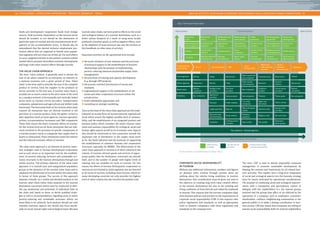
| CHALLENGES – 22 CONSULTING APPROACHES – PRACTICAL EXAMPLES – TOOLS AREA OF ACTIVITY: SUSTAINABLE ECONOMIC DEVELOPMENT & INCLUSIVE EMPLOYMENT PROMOTION | 23 
TOURISM AS A DRIVER OF ECONOMIC GROWTH AND 
EMPLOYMENT CREATION 
As outlined in Part 1, tourism has become a key sector 
for national economic development in a large number of 
developing and emerging economies and, therefore, plays 
a strategic role in the achievement of the MDGs. This is par-ticularly 
true looking at the poorest countries in the world 
(i. e. the LDCs) and peripheral underdeveloped regions 
(most notably SIDS), where tourism is often a promising 
option to stimulate economic growth and to reduce pov-erty 
effectively. But how has the tourism sector come to 
play such an important role? 
One major factor is the tourism potential of the natural 
beauty and richness and the cultural diversity found in 
many countries and regions. In many cases this potential 
is not just high but unique and different, and it provides 
major unique selling propositions (USPs) for developing 
and emerging countries which set them apart from com-peting 
tourism destinations. Moreover, unlike other tra-ditional 
export products (e. g. coffee, tobacco, cocoa and 
minerals), nature and cultural tourism products can only 
be experienced – or ‘consumed’ – at the destinations. The 
valorization of culture – in the sense of a mobilization of 
cultural resources – that goes hand in hand with the devel-opment 
of tourism potential also often contributes to the 
rediscovery and revitalization of cultural values and cus-toms, 
thus strengthening cultural identity in the tourism 
destinations. In addition, the valorization of natural her-itage 
through tourism helps to raise awareness of biodiver-sity 
conservation issues and promotes the sustainable use 
of natural resources in tourism. However, for this to work, 
the valorization of both resources – cultural and natural 
heritage – must not create inflationary pressure, nor must 
it have profit-making as its sole aim; rather, it must be pro-moted 
both by the government and by the private sector in 
a reasonable and responsible manner, and always with the 
sustainability agenda in mind. 
An important and characteristic feature of tourism is that 
it is a service-based industry with very little potential for 
labour to become automated or substituted by technology, 
which makes the tourism industry one of the most man-power- 
intensive economic sectors. With many jobs in 
tourism requiring only low or basic skills, the industry also 
has comparatively low barriers to entry, which provides 
realistic opportunities for finding employment, especially 
for people with lower levels of training or education. In 
addition to the direct economic effects (such as the creation 
of jobs in the tourism sector and the generation of income 
OVERVIEW AND CHALLENGES 
A thriving private sector is generally considered to be the 
basis for economic growth. But economic growth alone 
does not necessarily lead to a widespread diffusion of 
material and non-material wealth. For this reason, German 
development policy actors work towards sustainable eco-nomic 
development in the partner countries, which is 
based on socially responsible and ecologically sustainable 
growth that effectively contributes to employment cre-ation 
and poverty reduction. To achieve this, the German 
development cooperation follows the principles of social 
and ecological market economy, its primary objective 
being to promote the economic potentials of poor and 
marginalized population groups. A major focus of its work 
has been on micro-, small and medium enterprises (MSMEs) 
which represent the majority of private businesses in the 
partner countries. These enterprises provide employ-ment 
and income-generating opportunities, especially for 
poorer population groups. The work of German develop-ment 
cooperation in this area includes activities which 
• improve the general conditions for private investment 
and new business; 
• promote economic policies that open the way for 
development; 
• facilitate the creation of competitive economic struc-tures 
and ecologically and socially sustainable value 
chains; 
• strengthen corporate social responsibility (such as 
through the establishment of human rights, social and 
environmental standards and gender equality); and 
• improve the employability of people looking for 
employment and help them to find their way and posi-tion 
on the labour market. 
Development partnerships with the private sector (DPP) 
can also play an important role in promoting sustainable 
economic development. Examples include strategic part-nerships 
with enterprises or industry trade groups and 
activities that combine services provided by private-sector 
businesses with programmes or projects of bilateral devel-opment 
cooperation. 
SERVICES PROVIDED BY THE GIZ SECTOR PROJECT “SUSTAINABLE DEVELOPMENT THROUGH TOURISM” 
(COMMISSIONED BY BMZ) IN CONNECTION WITH THE AREA OF “SUSTAINABLE ECONOMIC DEVELOP-MENT 
destination can be marketed successfully. But tourists are 
not the only beneficiaries of an improved infrastructure; 
it also benefits the local population, provided that a good 
balance is achieved and maintained between the interests 
of those involved in the tourism development activities 
and the interests of the local community, and that the 
needs of poor and marginalized population groups are not 
ignored. An improved infrastructure also provides better 
opportunities for economic growth that extends beyond 
the tourism sector. 
All in all, tourism can be regarded as a sunrise industry for 
many partner countries, and its role as an effective tool for 
poverty reduction will grow even more as the promotion 
of sustainable economic development continues. However, 
even tourism must not be considered a panacea. Its eco-nomic 
potential must be explored in relation to other rele-vant 
economic sectors of the country concerned, to ensure 
the sustainable and effective allocation of government 
& INCLUSIVE EMPLOYMENT PROMOTION” 
for tourism businesses), the indirect and the induced effects 
(created by food production, the construction industry, 
trade businesses and the day-to-day expenditures by those 
working in tourism) play a particularly important role in 
setting the tourism industry apart from other economic 
sectors in terms of contribution to the national economy. 
For this reason, it is necessary to identify appropriate and 
targeted development policy activities to develop the 
potential for these effects, with a key focus on the crea-tion 
and establishment of a functioning staff training and 
development system. 
In many cases, especially in peripheral regions, tourism 
development can also contribute to the creation or 
improvement of the basic infrastructure (e. g. water supply, 
wastewater and waste disposal systems, transport infra-structure) 
– or make such developments possible in the 
first place – because the existence and quality of the basic 
infrastructure plays a vital role in whether or not a tourism 
Area of Activity: Sustainable Economic Develop-ment 
& Inclusive Employment Promotion 
• Support in the establishment of social standards and corpo-rate 
social responsibility strategies 
• Training and development activities and programmes in 
tourism (capacity development) 
• Training for women, young people and indigenous population 
groups to facilitate their entry into the tourism labour market 
• Analysis of socioeconomic effects in tourism 
• Analysis and establishment of poverty-reducing value chains 
(value chain management) and supply chains (supply chain 
management) in tourism 
• Consulting for micro-, small and medium enterprises in 
tourism and other sectors as well as for new business start-ups 
• Development partnerships (DPP) with the private tourism 
sector (www.developpp.de)
24 
| CHALLENGES – CONSULTING APPROACHES – PRACTICAL EXAMPLES – TOOLS AREA OF ACTIVITY: SUSTAINABLE ECONOMIC DEVELOPMENT & INCLUSIVE EMPLOYMENT PROMOTION | 25 
Fig. 5: The Tourism Value Chain 
CORPORATE SOCIAL RESPONSIBILITY 
IN TOURISM 
Without any additional information, numbers and figures 
on absolute value creation through tourism alone say 
nothing about the relative living conditions in tourism 
destinations. Due consideration must be given not only to 
the objective of creating long-term value creation effects 
in the tourism destinations but also to the working and 
living conditions of those directly and indirectly employed 
in tourism. This requires that the tourism companies align 
their business policies and activities to the requirements of 
corporate social responsibility (CSR). It also requires clear 
policy regulations and standards, as well as appropriate 
tools to monitor compliance with these regulations and 
standards on the company level. 
funds and development cooperation funds from foreign 
sources. Total economic dependence on the tourism sector 
should be avoided; so too should be the dominance of 
particular types of tourism and the monostructural devel-opment 
of the accommodation sector. It should also be 
remembered that the desired inclusive employment pro-motion 
effects that are supposed to benefit poor popula-tion 
segments will not come out of thin air. For such effects 
to occur, targeted activities in the partner countries will be 
needed which promote diversified economic development 
and large-scale value creation effects through tourism. 
THE VALUE CHAIN APPROACH 
The term ‘value creation’ is generally used to denote the 
sum of all values created by an enterprise, an industry or 
a national economy over a given period of time. ‘Value 
chain’ is the term used to describe the way of the complete 
product or service, from the supplier to the producer or 
service provider to the end user. A tourism value chain is 
actually not so much a chain in the strict sense of the word 
as a complex network of horizontally and vertically linked 
actors (such as tourism service providers, transportation 
companies, salespersons and agricultural and skilled-trade 
businesses). The horizontal links of the tourism value chain 
connect all enterprises that are directly involved in the 
provision of a tourism product, from the guests’ arrival to 
their departure (such as travel agencies, tourism operators, 
airlines, accommodation businesses and F&B companies). 
These links ensure the direct economic effects of tourism. 
On the vertical level are all those enterprises that are indi-rectly 
involved in the provision of specific components of 
a tourism product (such as companies that supply food to 
hotels or restaurants). These enterprises create the indirect 
and the induced economic effects of tourism. 
The value chain approach is an element of poverty reduc-tion 
strategies used in German development cooperation 
and as such serves as an important tool for the establish-ment 
of poverty-reducing, inclusive and sustainable eco-nomic 
structures in the tourism destinations through and 
within tourism. The primary objective of the value chain 
approach is to include poor and marginalized population 
groups in the dynamics of the tourism value chain and to 
rebalance the distribution of income within the value chain 
in favour of these groups. The success of this approach 
depends critically on a careful and detailed analysis of the 
tourism value chain (value chain analysis) in the tourism 
destination concerned, which must be conducted to iden-tify 
any weaknesses and potentials of individual links of 
the chain and, based on these, to derive qualified strate-gies 
as well as recommendations regarding areas in which 
poverty-reducing and sustainable economic effects are 
most likely to be achieved. Such analyses should not only 
consider economic aspects, but should also focus specifi-cally 
on social, human rights and ecological issues. Because 
The term ‘CSR’ is used to denote responsible corporate 
management to promote sustainable development by 
shaping the contexts and frameworks for all related busi-ness 
activities. This implies that a long-term integration 
of social and ecological aspects into the business strategy 
must be clearly motivated by operational considerations. 
The purpose of combining social and ecological improve-ments 
with a transparent and participatory culture of 
dialogue with the ‘stakeholders’ (i. e. the interest groups 
involved and the groups that affect or are affected by the 
operations of a company, such as employees, customers, 
shareholders, creditors, neighbouring communities or the 
general public), is to make a lasting contribution to busi-ness 
success. CSR thus means that companies are willing to 
assume social responsibility both for internal stakeholders 
tourism value chains can have positive effects on the social 
and ecological balance of a tourism destination, such as a 
better carbon footprint as a result of using more locally 
produced consumer goods, as well as negative effects, such 
as the depletion of local resources (see also the sections in 
this handbook on other areas of activity). 
Important activities on the operational level include: 
• the active initiation of new relations and the provision 
of technical support in the establishment of business 
relationships with the purpose of implementing 
poverty-reducing measures (sustainable supply chain 
management); 
• the provision of training and capacity development 
(e. g. through DPP projects); 
• the process-oriented introduction of norms and 
standards; 
• organizational support in the establishment of net-works 
and other cooperation structures within the 
private sector; 
• multi-stakeholder approaches; and 
• consulting on strategic marketing. 
Thus, at the heart of the value chain approach are the estab-lishment 
of circular flows of income (national, regional and 
local) which ensure the highest possible level of sustaina-bility, 
and the establishment of an integrated product and 
business policy which considers the entire tourism value 
chain and assumes responsibility for ecological, social and 
human rights aspects as well as for economic ones. Aspects 
that should be mentioned in this connection include the 
important role of distributors in the supply chain (such 
as for the hotel industry) and the necessity of supporting 
the establishment of common business and cooperation 
structures, especially for MSMEs. The effectiveness of the 
value chain approach in tourism is in direct relation to the 
volume of tourism-relevant goods and services of appro-priate 
quality that the destination concerned can provide 
itself, and to the number of people with higher levels of 
training who are available for work in tourism. For this 
reason, the efforts of German development cooperation in 
tourism are not limited to niche segments, but are directed 
at all forms of tourism, including mass tourism, which for 
many developing countries not only provides the highest 
level of value creation but also involves the greatest risks. 
Source: Authors’ compilation based on Beyer (2013)
| CHALLENGES – CONSULTING APPROACHES – PRACTICAL EXAMPLES – TOOLS AREA OF ACTIVITY: SUSTAINABLE ECONOMIC DEVELOPMENT & INCLUSIVE EMPLOYMENT PROMOTION | 
26 27 
and the general infrastructure by the government, as a 
result of which these employees have to bear higher costs, 
such as when they want to send their children to a private 
school because of the poor quality of public school edu-cation 
in the country. Accordingly special consideration 
must be given not only to the specific working conditions in 
the enterprises concerned, but also to the social living con-ditions 
in their environment, such as specifically designed 
social security systems, affordable and appropriate housing 
for the employees and their families, availability of basic 
foods, access to healthcare and educational institutions, 
and the socially responsible regulation of migration effects 
of tourism. 
German development cooperation has been actively 
working towards the establishment of human rights and 
social standards in tourism and other economic sectors, 
and has been supporting enterprises in the development 
and implementation of CSR strategies for many years. A 
key focus of its work has been on protecting children from 
sexual exploitation and forced labour. Gender aspects also 
play an important role in the development and establish-ment 
of social standards, because women in many devel-oping 
countries are socially, politically, legally and eco-nomically 
marginalized due to the prevailing notions of 
gender roles. Although the percentage of working women 
is higher in tourism than in many other economic sectors, 
they are still often denied access to higher-skilled jobs and 
leadership positions. In order to reduce existing gender 
disparities, German development cooperation supports 
a variety of projects, including activities that strengthen 
women’s economic participation in tourism (Economic 
Empowerment of Women) and contribute to the inte-gration 
of gender-specific aspects into business policies, 
legislative bills and administrative structures (see also the 
section in this handbook on “Good Governance & General 
Political Conditions”). 
Besides the establishment of industry-wide social stand-ards, 
another tool often used to promote sustainable 
forms of business is enterprise certification. There are a 
variety of certification programmes in tourism that focus 
on environmental policies, but very few such programmes 
are exclusively dedicated to social issues. However, several 
promising initiatives have been started in the last few years. 
One of these is the “Fair Trade Tourism” initiative (FTT). As 
the first fair-trade-in-tourism certification organization 
worldwide, FTT has been using fair-trade criteria to certify 
tourism service providers in South Africa since as far back 
as 2003. Another important initiative in this area is the 
“CSR TOURISM Certified” label developed by the German 
organization TourCert, the first certification programme in 
tourism to focus explicitly on CSR criteria. 
(e. g. employees) and for external stakeholders (e. g. cus-tomers), 
a responsibility that extends to the location of 
the company and its environment and internal processes, 
but also to the value chain as a whole. There are a variety 
of documents and tools available for companies to use, 
to develop and implement CSR strategies, including the 
ISO 26000 standard on Social Responsibility, the United 
Nations Guiding Principles on Business and Human Rights, 
the United Nations Global Compact, the guidelines of the 
Global Reporting Initiative (GRI), and the declarations and 
guidelines concerning multinational enterprises by the 
Organisation for Economic Cooperation and Development 
(OECD) and the International Labour Organization (ILO). 
Seasonal work, shift work and night work, overtime work 
and low wages are typical characteristics of employment in 
tourism all over the world, especially in the hotel industry. 
If we look at the situation in developing countries, we see a 
variety of other factors that affect the working conditions 
in tourism, such as inadequate social security systems, dis-crimination 
in the workplace, a lack of appropriate regu-latory 
policies and frameworks (e. g. minimum wages) and 
low rates of unionization which prevent employees from 
pursuing their own interests. Therefore, the aim must be 
to ensure appropriate basic social conditions and fun-damental 
labour rights that benefit those working in the 
tourism destinations, and not just in large tourism enter-prises, 
but also and especially in small tourism companies. 
Because these businesses are usually more likely to rely on 
precarious forms of employment due to their limited scope 
of operations. 
The ILO Core Labour Standards are generally accepted as a 
set of minimum standards that must be met regardless of 
a tourism destination’s level of development. One of the 
key points made in this regard is that the private tourism 
sector should pay its employees fair wages. But as legiti-mate 
as this claim may be, there is no clear answer as to 
what exactly constitutes fair wages and, more importantly, 
how such fair wages could be calculated objectively. Many 
of those working in tourism receive their wages in foreign 
exchange, which means that unfavourable local exchange 
rates alone can result in a significant loss of income. 
And even if employers pay statutory minimum wages or 
above minimum wage, it does not necessarily mean that 
these wages are fair. Thus, further clarification and fur-ther 
research are needed within the broader international 
debate on tourism to be able to find conclusive answers to 
questions surrounding fair wages. 
In the Dominican Republic and other countries, practical 
experience has also shown that the living conditions of 
employees in the hotel industry can continue to be diffi-cult 
even if their working conditions are appropriate. This 
is due to insufficient investment in health care, education 
A BRIEF NOTE ON: THE (SEEMINGLY) INTRACTABLE 
PROBLEM OF ‘LEAKAGE’ 
The most often-heard comment in the international debate 
about critical views of long-distance travel and the presenta-tion 
of negative impacts of tourism in developing countries 
is that ‘there is leakage’. But is there actually something to it? 
First of all, there is no single, universally accepted definition 
of the term ‘leakage’. According to general consensus, ‘leakage’ 
denotes the foreign exchange generated by tourism that does 
not remain in the tourism destination in which it was gener-ated 
– because some of it is spent on imports of tourism-rel-evant 
goods and services and some is returned to foreign 
enterprises as profits which they have generated in the des-tination. 
However, many definitions of ‘leakage’ also include 
the expenditures tourists make in their home country when 
booking a tourism product before travelling (these are called 
pre-leakages or structural leakages), because this money 
does not go to the tourism destinations but to international 
tourism companies (such as travel agencies, tour operators, 
airlines and hotel chains). ‘Leakages’ can thus be taken to 
mean different things and to reflect different views depending 
on how the term is interpreted. Additionally, there are a great 
variety of different methods to assess leakage, each of which 
uses a different set of indicators, and that such assessments 
are not necessarily based on the same spatial scope. The 
conclusion from this is that, if no additional information is 
provided, the percentages of leakage published say little about 
actual leakage and are almost impossible to compare. More 
transparency is needed with regard to the precise definition 
of ‘leakage’ and to the methodological procedure and spatial 
scope in order to make the results of leakage assessments 
reproducible and to put the international debate about this 
important issue on solid ground. 
Criticism which argues that very little of the money spent when 
booking certain products (and especially certain mass tourism 
products) actually goes to the tourism destinations is factually 
correct, but such criticism ignores that this fact simply reflects 
the structural conditions of a globalized tourism value chain, 
which involves not only the tourism destinations but also the 
source markets. Even if a portion of the money tourists spend 
on travel does not go directly to the tourism destinations, 
this does not necessarily mean that the distribution of such 
tourism products creates no or negligible economic effects in 
the destinations. In fact, quite the contrary: various studies 
have shown that mass tourism destinations in coastal regions 
of developing countries in particular greatly benefit from the 
presence of large hotel complexes and resorts if the workforce 
needed to meet the labour demand can be recruited from 
the local population and if appropriate production facilities 
for the supply of agricultural and other products exist in the 
area. The higher the quality (and thus the price) of a product 
in this segment, the more jobs are created per hotel room and 
the greater the relative and absolute contributions to poverty 
reduction. That said, there are, of course, many good reasons 
to question and criticize the mechanisms that dominate the 
global tourism industry (such as the dominance and market 
power of multinational tourism companies) and the develop-ments 
in mainstream and mass tourism (such as the emer-gence 
of tourism monostructures and ecological and social 
issues). However, on the whole, there is no evidence to suggest 
a causal relationship between mass tourism products and a 
low level of local value creation in the tourism destinations. 
Another aspect that must not be forgotten in the discussion of 
leakage is the fact that, even if there is considerable leakage 
in the form of foreign exchange going out of the country, the 
income effects tourism can create for the local population are 
still much more pronounced than those that might be created 
by alternative sources of income in the destinations. Thus, the 
real economic importance of leakage can only be properly 
assessed if the net income generated through tourism is con-sidered 
in relation to the net income generated through other 
economic sectors in the same tourism destination – which is 
usually not done. Moreover, the macroeconomic conditions in 
tourism destinations are rarely taken into consideration. For 
example, it is in the nature of things that, unlike mainland 
destinations, small island destinations such as the Maldives 
or small Caribbean islands generally depend very heavily on 
imports because they would not be able to meet the tourists’ 
food expectations and other needs if they relied solely on 
their local economic production capabilities. Facts such as 
these must be openly discussed and given due consideration 
to ensure that the resulting high leakage rates can be seen as 
they are in their proper proportion.
28 
| CHALLENGES – CONSULTING APPROACHES – PRACTICAL EXAMPLES – TOOLS AREA OF ACTIVITY: SUSTAINABLE ECONOMIC DEVELOPMENT & INCLUSIVE EMPLOYMENT PROMOTION | 29 
KEY QUESTIONS AND CONSULTING 
APPROACHES 
HOW CAN THE SOCIOECONOMIC EFFECTS OF 
TOURISM ON A REGION BE ASSESSED? 
Generally speaking, there is an abundance of available data 
and statistical surveys that can be used to trace the devel-opment 
of the sector in a given tourism destination and 
to assess the economic significance of the destination in 
question. These resources provide information on a variety 
of parameters, including tourist arrivals, tourism intensity, 
average length of stay, demand and spending behaviour, 
accommodation capacity, the number of those directly 
or indirectly employed in tourism, and the contribution 
of tourism to foreign exchange earnings and to the gross 
domestic product. Usually most of the available data and 
statistics are collected by governments (such as tourism 
ministries and statistics authorities) and analysed to obtain 
information about the national level and, if necessary, 
the regional and local levels. They are also used by inter-national 
organizations to conduct comparative analyses of 
specific parameters in order to gather information on the 
tourism industry on the global level. Examples include the 
annually published UNWTO Tourism Highlights and the 
WTTC Tourism Satellite Account, which covers almost every 
country in the world. 
However, if we look at these data and statistics from the 
perspective of development policy, we see that they pro-vide 
very little information which could be used to assess 
the poverty-reducing effects of tourism and its large-scale 
economic impact on tourism destinations. But this is 
precisely the kind of insights needed to develop poverty-reducing, 
inclusive development strategies and value chain 
approaches in tourism, and to find appropriate solutions 
for the tourism destination in question. In view of this, 
the GIZ Sector Project “Sustainable Development through 
Tourism”, commissioned by BMZ, began to develop its own 
set of tools for the assessment of the socioeconomic effects 
of tourism several years ago. The purpose of this set of 
tools is to assess the approximate poverty-reducing effect 
of tourism in a given region, using the hotel industry as an 
example. 
Methodologically, such an assessment is based on a com-prehensive 
and detailed questionnaire, which is aimed pri-marily 
at the general management, the human resources 
department, and the F&B or purchasing department of the 
hotel in question. The questionnaire collects general infor-mation 
and facts about the hotel, as well as detailed infor-mation 
data on staff, the purchase of goods and external 
services, the sale of excursion programmes and goods to 
tourists and on resources spent on philanthropic causes 
(cf. Practical Tips I). To get a picture of the tourism supply 
chain that is as complete and accurate as possible, the first 
survey is complemented by a survey of a representative 
TRAINING AND DEVELOPMENT IN TOURISM 
Although, as has been noted above, tourism has rela-tively 
low barriers to entry in terms of skill requirements 
and although the industry provides ample employment 
opportunities through on-the-job training, especially for 
unskilled workers, training and development plays an 
important role in ensuring appropriate product and service 
quality and in achieving long-term and inclusive employ-ment 
promotion effects. As a service industry, tourism, 
more than many other economic sectors, depends heavily 
on professional interaction between guests and their hosts 
or the local service providers, as well as on a dedicated 
focus on service quality. This requires appropriate training 
for those working in tourism. Thus, there is a close relation-ship 
between training quality, productivity and competi-tiveness. 
The higher the skill level of the local workforce 
at large, the higher the skill level of the job opportunities 
that are created, and the higher the quality of the range of 
tourism products that can be created, which in turn justi-fies 
price increases that result in a higher wage level in the 
tourism destination in question. 
German development cooperation works towards meeting 
the demand for training and highly-skilled workers 
through its Human Resource Development strategy, which 
involves collaboration with partners to conduct labour 
market demand analyses in the tourism sector, to support 
the development of occupational profiles, standards and 
curricula, and to provide targeted assistance in relation to 
training and development activities in the partner coun-tries. 
One example of this collaboration is the implemen-tation 
of a DPP project for the establishment of a state-approved 
training centre for cooks in Namibia, which also 
includes a teaching restaurant to ensure practice-based 
and professional vocational training. 
PRACTICAL TIPS I 
STRATEGIC APPROACHES TO THE ASSESSMENT OF THE SOCIOECONOMIC 
EFFECTS OF THE HOTEL SECTOR ON A REGION 
Primary Data to Be Collected 
See also 
Practical Tips 
II, V, X 
GENERAL INFORMATION AND FACTS 
General information that should be obtained include: 
• Address and contact information of the hotel 
• Types and number of rooms, number of beds 
• Special amenities (spa area, swimming pool) 
• Amount invested in the construction of the hotel 
• Investments made in the last few years (maintenance and repair) 
• Revenues in the last few years 
• Average occupancy rate in the last few years 
• Number of guests in the last few years 
• Number of overnight stays in the last few years 
• Distribution of guests by region of origin 
• Types of guests (package or independent travellers) 
• Operating expenses and quantities (waste, water, wastewater, 
electricity, gas, petrol/diesel) in the last few years 
DATA ON HUMAN RESOURCES 
Information on human resources (if possible, disaggregated by gender, disability, ethnic group, etc.) that should be obtained include: 
• Total number of staff 
• Number of full-time employees and seasonal staff 
• Number of staff with work contracts 
• Distribution of staff by region and/or country of origin 
• Number and skill levels of male and female staff 
• Average job tenure of staff 
• Working conditions by department and position 
(number of working hours, length of breaks, weekly working hours, 
number of paid holidays) 
• Total annual gross salaries by department, position and 
region/country of origin of employees 
• Total annual contributions to social security, incl. types of 
contributions (health insurance, pension insurance) 
• Total annual investment in training and development for 
employees, incl. types of investment 
• Total annual investment in training for future staff members, 
incl. types of investment 
• Total annual amount of other employee-related expenses 
(free transportation, free meals, work clothes) 
DATA ON THE PURCHASE OF GOODS 
Categories of goods that should be covered in the survey include: Operational data that should be obtained for each category of goods 
include: 
• Fish, seafood, meat, poultry, sausages and cold cuts, vegetables, fruits, 
dried foods (pasta, rice), dairy products, canned food, bakery products, 
eggs, spices, hot and cold non-alcoholic beverages, alcoholic beve-rages, 
cosmetics, cleaning supplies, furniture and fixtures, textiles, 
office supplies, electrical appliances 
• If appropriate data are available, each category of goods can be 
further subdivided (e. g. fish: salmon, gilt-head bream, perch). 
• Total annual spending on goods 
• Annual volume of goods 
• Percentage distribution of goods by origin: local, regional, national, 
international (including exact place of origin, if available) 
• Percentage of imported goods 
• Names and locations of suppliers 
DATA ON THE PURCHASE OF EXTERNAL SERVICES 
Services that should be covered in the survey include: Operational data that should be obtained for each type of service include: 
• Music, programmes of activities, maintenance and repair, airport 
• Annual spending on external services 
transfer, laundry service, landscaping and gardening, security 
• Names and locations of external service providers 
service 
DATA ON THE SALE OF EXCURSION PROGRAMMES TO TOURISTS 
Organization and sales channels that should be covered in the survey 
include: 
Operational data that should be obtained for each excursion programme 
include: 
• Organization and sale of excursion programmes by the hotel 
• Organization of excursion programmes by third parties and sale of 
the programmes by the hotel 
• Organization and sale of excursion programmes by third parties at 
the hotel 
• Type of excursion programme 
• Price pp 
• Annual number of participants 
• Annual revenues and commissions 
• Names and locations of organizers 
DATA ON THE SALE OF GOODS TO TOURISTS 
Sales channels that should be covered in the survey include: Operational data on the sale of goods that should be obtained include: 
• Sale in stores owned by the hotel 
• Types of goods (e. g. souvenirs, textiles, cosmetics) 
• Sale in hotel stores that are owned by third parties 
• Origin of goods 
• Sale in stores in the vicinity of the hotel 
• Annual revenues and rental income for the hotel 
• Sale by hawkers 
• Names and locations of suppliers/manufacturers of the goods 
SUPPORT OF SOCIAL, ECOLOGICAL OR CULTURAL PROJECTS BY THE HOTEL 
Operational data that should be obtained include: 
• Type, purpose and name of the projects 
• Project-executing organization 
• Beneficiary of the project 
• Annual contributions of the hotel
30 
| CHALLENGES – CONSULTING APPROACHES – PRACTICAL EXAMPLES – TOOLS AREA OF ACTIVITY: SUSTAINABLE ECONOMIC DEVELOPMENT & INCLUSIVE EMPLOYMENT PROMOTION | 31 
Republic, Jamaica, Nicaragua and Turkey). The most exten-sive 
research GIZ has ever conducted was a study directly 
commissioned by the Ministry of Sustainable Development 
and Tourism of Montenegro, which involved the analysis 
of a representative sample of accommodation businesses 
and the geographical extrapolation of the cash flows to and 
from these businesses. The results of this study were used 
to develop an Excel-based tool for the approximate calcu-lation 
of the economic effects and the ecological sustaina-bility 
balance for Montenegro’s accommodation sector. 
WHAT CAN TOURISM ENTERPRISES DO TO 
INCREASE THEIR CONTRIBUTION TO SUSTAINABLE 
ECONOMIC DEVELOPMENT? 
In the long run, business policies that are closely aligned 
with sustainability criteria will become increasingly impor-tant 
for tourism enterprises in their efforts to reconcile 
operational efficiency, quality assurance, acceptable profit 
margins and activities to prevent damage to the environ-ment 
and the climate, and thus to ensure long-term com-petitiveness. 
Sustainability can only create surplus value for 
a tourism enterprise if it has become the guiding principle 
for all of the enterprise’s management processes and if the 
enterprise’s internal and external operations are embedded 
in the social, cultural, economic and political environment 
of the relevant tourism destination. To achieve this, it is 
necessary to implement quality, human rights, social and 
environmental standards on a sufficiently large scale and 
to develop and maintain lasting business relations with 
sample of employees and additional interviews and sur-veys 
at the facilities of the hotel’s suppliers and/or external 
service providers. The compilation of the required data by 
the hotels and conducting the surveys and interviews are 
both very time-intensive, so a generous amount of time 
must be allowed to conduct the study in the destination. 
This is also important because obtaining additional data 
after the surveys and interviews have been conducted 
has proved very difficult in the past. Hotels should also be 
approached as early in the process as possible to allocate 
the necessary time and human resources. Because most 
of the information collected consists of internal and thus 
highly sensitive data, it is advisable to sign a confidenti-ality 
agreement with the hotel management on the use of 
the data. If possible, statistical analysis software should be 
used for evaluation to allow for easier correlation between 
individual results and for easier comparison of the hotels 
under study. Alternatively, the evaluation can be con-ducted 
using a simple spreadsheet application. The results 
must be presented in graphical form, in a way that makes 
it possible to see the different flows of money involved (To 
which places/regions do the wages, the expenses for goods, 
other resources flow?). From these results it is then possible 
to derive specific conclusions and recommendations as to 
how the hotels and the tourism destinations concerned 
might improve the socioeconomic effects further. This 
methodology has been successfully applied in assessments 
of individual hotels and samples of hotels in the same 
region in various tourism destinations (e. g. the Dominican 
PRACTICAL TIPS II 
STRATEGIC APPROACHES TO A SUSTAINABLE MANAGEMENT OF TOURISM SUPPLY 
CHAINS (SUSTAINABLE SUPPLY CHAIN MANAGEMENT) 
Strategic Approaches Tools 
See also 
Practical Tips 
I, V, VIII, IX, X 
VALUE CHAIN ANALYSIS 
The purpose of conducting a horizontal and vertical analysis of selected value chains of tourism-relevant goods 
or services (= products) is to identify potentials and bottlenecks for the strengthening and/or the establish-ment 
of inclusive and sustainable supply chains in a tourism destination. 
Aspects to be considered in the analysis include: 
• Statistical analysis 
• Empirical analysis 
• Company surveys and primary 
data collection 
• Expert interviews 
• Workshops 
• GIZ environmental and climate 
assessment – Tourism Sector 
Tool 
• GIZ Orientation Sheet “Sus-tainable 
Consumption and 
Production (SCP)” 
• The horizontal and vertical 
relationships within the value 
chain should be represented 
in the form of a diagram (value 
chain map) 
• Customer and Market Analysis 
• Who are the end users, and what do they 
expect? 
• Who are the competitors? 
• What about the market dynamics? 
• What obstacles to competitiveness are 
there? 
• What potential for growth is there? 
• Product Analysis 
• What products are offered to the end 
user? 
• What are the steps involved in bringing 
the product to the end costumer? 
• What is the environmental and climate 
performance of the product? 
• Actor Analysis 
• Who are the actors that are directly or indirectly involved 
in the creation of the product? 
• Where are the actors located? 
• Who are the key actors? 
• How do the actors work with each other? 
• How is the flow of information and money coordinated 
between the actors? 
• Value Creation Analysis 
• What are the costs and revenues of each stage? 
• What is the distribution of the value created? 
IDENTIFICATION, SELECTION AND PREPARATION OF NEW BUSINESS PARTNERS AND INTEGRATION 
INTO THE VALUE CHAIN 
The targeted integration of local/regional providers of goods and services into the value chain (with a special 
focus on MSMEs) supports sustainable economic development and promotes inclusive employment effects 
in a tourism destination! Issues to be considered and resolved when initiating business relationships between 
providers of goods and services and the private tourism sector include: 
• New business partners should 
be selected in accordance with 
the needs of the private tourism 
sector. To ensure this, it is re-commended 
to develop a set of 
selection criteria. 
• Intensive training is required to 
prepare the providers of goods 
and services appropriately and 
to resolve any issues that may 
exist. In addition, consulting 
should be provided throughout 
the process. 
• Lack of awareness of the production con-ditions 
of MSMEs on the part of the private 
tourism sector 
• Differences in business mentality between 
the private tourism sector and MSMEs 
• Expertise (e. g. in the area of marketing) 
• Skilled employees 
• Existence of a product portfolio that 
responds to market demand or of a wide 
product range 
• Provision of the required product volume 
• Product price competitiveness 
• Product quality and quality management 
• Flexibility 
• Punctuality and reliability (e. g. with regard to delivery) 
• Terms of payment and liquidity 
• Seasonality 
• Packaging and storage (e. g. proper cooling of food) 
• Long-distance transport and difficult transport conditions 
• Access to investment capital 
• Communication infrastructure (e. g. Internet access) 
ESTABLISHMENT AND CONTROL OF AN INCLUSIVE AND SUSTAINABLE SUPPLY CHAIN MANAGEMENT 
Business relationships between local/regional providers of goods and services and the private tourism sector 
can only be successful in the long run if there are standards, rules, responsibilities and control mechanisms 
that are binding on all involved. 
Activities to be considered in this area include: 
• Mission statement (sustainable 
supply chain policy) 
• Code of conduct 
• Quality, environmental and 
social standards 
• Business agreements 
• Monitoring system 
• Raising awareness of the importance and 
challenges of business relationships bet-ween 
the private tourism sector (general 
management and employees) and the 
providers of goods and services 
• Development of a mission statement for a 
poverty-reducing and sustainability-oriented 
supply chain management (sus-tainable 
supply chain policy) by the private 
tourism sector 
• Joint development of realistic objecti-ves 
and responsibilities for the business 
relationships and agreement of a code of 
conduct 
• Development and introduction of (minimal) standards by 
the providers of goods and services: 
• Quality standards 
• Human rights standards 
• Environmental standards 
• Social standards 
• Business agreements (terms of delivery, terms of payment) 
• Development of indicators and/or a monitoring systems for 
the monitoring of: 
• Compliance with the code of conduct 
• Compliance with standards 
• Achievement of the agreed objectives
32 
| CHALLENGES – CONSULTING APPROACHES – PRACTICAL EXAMPLES – TOOLS AREA OF ACTIVITY: SUSTAINABLE ECONOMIC DEVELOPMENT & INCLUSIVE EMPLOYMENT PROMOTION | 
PRACTICAL TIPS III 
STRATEGIC APPROACHES TO STIMULATING INCLUSIVE EMPLOYMENT PROMOTION 
THROUGH TOURISM 
The results of the analysis can then be used to design 
measures to improve the tourism value chain, although 
its organizational and technical optimization should not 
be their only intended purpose. They should also serve 
to reinforce the social relationships among actors and to 
help them to develop expertise and to achieve learning 
effects. Of crucial importance is the identification of new 
providers of goods and services that are based in the des-tination 
concerned and their purposeful integration into 
the value chain. A major focus within this element should 
be on MSMEs. The purchasing departments of hotels offer 
particularly rich potential for inclusive employment pro-motion 
effects and the strengthening of local/regional cir-cular 
flows of income. One case in point is the hotel chain 
Sandals. In Jamaica, Sandals employs its own agricultural 
consultant, who works with government organizations to 
provide consulting to five agricultural cooperatives on how 
to grow agricultural products (such as what seeds and ferti-lizer 
to use) and on how to diversify their product range. The 
cooperatives sell their goods directly to Sandals and now 
have combined annual revenues of US$3 million. However, 
there are a variety of other products that must also be taken 
external service providers and suppliers. From the per-spective 
of development policy, the contribution to pov-erty 
reduction that results from the business activities is 
also of great importance. For this reason, the aim must be 
to support tourism enterprises in the partner countries by 
directing their efforts to the establishment of inclusive and 
sustainable supply chain management systems. 
The first step in this direction is based on the value chain 
approach described earlier. It involves a horizontal and 
vertical analysis of selected value chains of tourism-rele-vant 
goods and services to identify potential and existing 
bottlenecks to the establishment of inclusive and sustain-able 
supply chains. The choice of methodological approach 
depends on the type of value chain and the scope of analysis 
and may involve ‘mapping’ the entire chain and the actors 
involved in it (value chain mapping), market research or 
conducting new quantitative surveys. Such a study should 
include customer, market and product analyses to reveal 
the relationships between the actors involved and to pro-vide 
information on the amount and the distribution of 
the value created along the chain. 
33 
into consideration besides agricultural products, such as 
furniture, decorative items, flowers, textiles, cosmetics and 
souvenirs. It is important that the providers and services 
are selected in close cooperation with the private tourism 
sector and that the providers are appropriately prepared to 
face the expectations and general conditions of the tourism 
sector – especially with regard to the supply of (fresh) food – 
by providing them additional consulting throughout the 
process. 
Establishing and controlling a long-lasting poverty-reducing 
and sustainability-oriented supply chain man-agement 
system also requires standards, rules, respon-sibilities 
and control mechanisms that are binding on all 
stakeholders involved. Recommended activities in this area 
include the participative development of a mission state-ment 
(sustainable supply chain policy) and the agreement of 
a code of conduct between the actors involved in the supply 
chain, which provides common objectives and norms to 
supplement bilateral business agreements. Among other 
things, the code of conduct should include (minimum) 
quality, human rights, social and environmental stand-ards 
that are binding on all partners and specific sanctions 
for non-compliance with these standards. Introducing 
an inclusive and sustainable supply chain management 
system is a process that requires trust, patience and taking 
one step at a time. It is therefore important that the actors 
involved evaluate the achievement of their common objec-tives 
regularly and transparently by using appropriate indi-cators 
or a dedicated monitoring system in order to build 
stable and long-lasting business relationships. 
Strategic Approaches 
See also 
Practical Tips 
I, II, V, VIII, XIII 
PROMOTION OF DIRECT EMPLOYMENT OPPORTUNITIES IN TOURISM 
The tourism sector provides a variety of opportunities for direct employment, self-employment or the establishment of new enterprises along the 
horizontal value chain. 
Direct employment opportunities in tourism that must be considered include: 
• Employment with private tourism companies 
• Full-time, part-time or seasonal employment in the hotel and 
restaurant industry, inbound agencies, ground staff of airlines 
• Employment with community-based tourism companies 
• Full-time, part-time or seasonal employment with community-based 
companies (community ownership), such as ecolodges, 
restaurants and hotels 
• General managers of the community-based company as employ-ees 
of the community of owners 
• Employment with tourism institutions of the state 
• Full-time, part-time or seasonal with tourist information centres, 
destination management organizations (DMOs), museums 
• Direct self-employment (freelancing) in tourism 
• Work as local tour guides, boat drivers, guides in protected areas, 
as demand requires 
• Operation of a private tourism company 
• Foundation/purchase and general management of a hotel, 
restaurant, transport company, etc. 
PROMOTION OF INDIRECT EMPLOYMENT OPPORTUNITIES THROUGH TOURISM 
Tourism-relevant suppliers and service providers offer additional potential for strengthening the local labour market through tourism along the vertical 
value chain. 
Indirect employment opportunities created through tourism that must be considered include: 
• Employment with tourism-relevant suppliers 
• Full-time, part-time or seasonal employment with direct sellers, 
wholesalers, traders, distributors or manufacturers of goods for the 
tourism sector (food, furniture, textiles) 
• Employment with tourism-relevant service providers 
• Full-time, part-time or seasonal employment with provides of se-curity, 
laundry or nursery and gardening services, taxi companies. 
• Operation of a tourism-relevant supply or service company 
• Foundation/purchase and general management of agri-cultural 
businesses, maintenance and repair shops, 
Internet cafés, souvenir shops 
• Indirect self-employment (freelancing) in tourism 
• Work as local musicians, singers, dancers, interpreters, as 
demand requires 
CONSIDERATION OF INFORMAL INCOME OPPORTUNITIES THROUGH TOURISM 
Informal income opportunities created through tourism must also be considered besides the direct and indirect employment opportunities, because 
they play a crucial role in the livelihoods of many people in the tourism destinations, especially for poor and marginalized groups. 
Informal income opportunities created through tourism that must be considered include: 
• Direct sale of goods to tourists by individuals or small vendors 
• Sale of souvenirs, (home-made) food, beverages, jewellery and 
other goods in self-owned stores, on the street, on beaches or in 
the vicinity of sights and attractions 
• Direct sale of services to tourists by individuals or small vendors 
• Massages, manicure, pedicure, hairstyling, guided tours and other 
services offered in self-owned stores, on the street, on beaches or in 
the vicinity of sights and attractions 
SUPPORT OF TRAINING AND DEVELOPMENT ACTIVITIES IN THE TOURISM SECTOR 
Vocational education is the key to providing prospects for highly skilled employment in the tourism sector for a large segment of the local population and 
to raise the level of service quality in a tourism destination to meet the requirements of the international market. 
The following is a selection of important activities that help to support vocational training and development in tourism: 
• Analysis of the conditions for training and development and the labour 
demand of the tourism market in the destination 
• Analysis of the skill level (compared with that of the competing 
destinations) 
• Identification and analysis of existing training and development 
opportunities and institutions 
• Labour market demand analyses 
• Promotion of skilled trades in tourism 
• Development of occupational profiles (hotel specialists, highly skilled 
restaurant staff, cooks, travel agents, tour guides) 
• Development of standards and curricula 
• Development of teaching and learning materials 
• Examination system and certification 
• Training for teachers 
• Establishment of a (dual) education system (e. g. by way of establish­ing 
hotel schools): Development of theoretical and practical skills 
• Promotion of university education in tourism-related areas 
• Development of occupational profiles (tourism manage-ment, 
destination management, hotel management) 
• Development of standards and curricula 
• Development of teaching and learning materials 
• Examination system and certification 
• Training for teachers 
• Training for company founders and MSME operators in tourism 
• Development of training modules and seminars that meet 
local needs, in-house training, mentoring programmes, 
learning groups, visits to best-practice companies, consult-ing 
programmes for MSMEs 
• Professional development for employees in the tourism sector 
• Development of formal and informal training modules 
and seminars that meet local needs, in-house training, 
train-the-trainer programmes, on-the-job training, visits 
to best-practice companies
34 | CHALLENGES – CONSULTING APPROACHES – PRACTICAL EXAMPLES – TOOLS AREA OF ACTIVITY: SUSTAINABLE ECONOMIC DEVELOPMENT & INCLUSIVE EMPLOYMENT PROMOTION | 35 
WHAT CAN BE DONE TO FACILITATE ACCESS TO 
DIRECT AND INDIRECT EMPLOYMENT OPPORTUNI-TIES 
IN TOURISM FOR THE LOCAL POPULATION? 
Depending on the size of a tourism destination and the 
stage of its tourism development, the industry generally 
provides a variety of opportunities for direct employment, 
self-employment or the establishment of new enterprises 
along the horizontal value chain. The most important 
employers in the sector that offer full-time, part-time or 
seasonal jobs for the local population are privately and 
community-owned companies, followed by state institu-tions 
and organizations such as tourist information cen-tres 
and destination management organizations (DMOs). 
Self-employment for freelancers (tour guides, boat drivers) 
and founders as well as operators of companies (hotels, 
restaurants) also play an important role. In addition, the 
tourism-relevant suppliers and service providers make a 
major indirect contribution to the strengthening of the 
local labour market along the vertical value chain, in the 
forms of employment and self-employment. 
Ensuring that the employment and income potentials 
in and of tourism benefit those looking for work in the 
best possible way requires accurate analysis of the labour 
demand of the tourism market and of the conditions for 
training and development in the destination concerned. 
Vocational education is the key to providing prospects 
for highly skilled employment in the tourism sector for 
a large segment of the local population and to raise the 
level of service quality in a tourism destination to meet 
the requirements of the international market. What many 
partner countries lack most are appropriate training and 
development opportunities for medium-skilled workers 
(hotel and restaurant professionals, cooks). In most cases, 
employees receive only minimal or on-the-job training, 
and only the larger companies have their own training and 
development systems and training schools. Appropriate 
market orientation and proper quantitative and qualita-tive 
development of training opportunities to meet the 
demand of the local tourism sector are also often lacking. 
Resolving these issues requires demand-based promotion 
of skilled trades and opportunities for university education 
in tourism-related areas, along with the development of 
standards, curricula, teaching and learning materials, the 
establishment of an examination system, and appropriate 
training and education of teachers. In addition to providing 
vocational training, suitable training and development 
programmes should be developed and systematically inte-grated 
into the work life to ensure the continuous develop-ment 
of those working in tourism (lifelong learning). 
But employees are not the only group that needs appro-priate 
training; employers and founders of companies 
depend on it as well. Customized consulting programmes 
for MSMEs, in-house training and mentoring programmes 
(i. e. knowledge transfer from established companies to 
small enterprises) are suitable means to provide technical 
and strategic support to entrepreneurs and management in 
the tourism sector. 
All training and development opportunities must be devel-oped 
in a way that promotes both the acquisition of theo-retical 
knowledge and practical skills and the development 
of technical, individual and social abilities such as commu-nication 
and decision-making skills, leadership qualities, 
critical and creative thinking, and emotion, stress and con-flict 
management skills. These ‘life skills’ are indispensable, 
especially in a service industry such as tourism, where per-sonal 
service and professional conduct in dealing with cus-tomers 
and tourists are major parts of the day-to-day work. 
Other factors that must not be overlooked are informal 
employment and income opportunities provided through 
tourism, which play a crucial role in the livelihoods of 
many people in the tourism destinations, especially for 
poor and marginalized groups. Typical informal activi-ties 
include the direct sale of goods (souvenirs, jewellery, 
food) and services (massages, manicure, hairstyling) to the 
tourists. To address this issue, it is necessary to create non-formal 
opportunities to teach these people some basic skills 
(reading, writing, doing arithmetic, foreign languages, mar-keting) 
that allow them to expand their business opportu-nities 
and, if possible, to access the regular labour market.
36 
| CHALLENGES – CONSULTING APPROACHES – PRACTICAL EXAMPLES – TOOLS AREA OF ACTIVITY: SUSTAINABLE ECONOMIC DEVELOPMENT & INCLUSIVE EMPLOYMENT PROMOTION | 
A good understanding of the economic effects of tourism, and 
especially of the cash flows it involves, is an important factor 
in the success of tourism planning in this area. The analysis of 
the tourism-induced cash flows was thus a major component 
of this programme. 
METHODOLOGICAL APPROACH AND TOOLS 
Although a number of tools for the statistical analysis of 
tourism had already been implemented when the pro-gramme 
started, no detailed information was available on 
the economic effects of tourism, and especially on the distri-bution 
of the earnings from tourism across the country. For 
this reason, the study addressed the following key questions: 
• How much revenue did each of the different forms of 
tourism generate? 
• How is this revenue distributed across the country? 
• How can this type of information be used to make 
predictions of future revenues from tourism? 
To answer these questions, several supply-side surveys of 
tourism companies and a large-scale guest survey were con-ducted. 
The supply-side surveys included 119 tourism com-panies 
of different quality categories in the accommodation, 
restaurant and tour operation industries, both in the coastal 
region and in the interior of the country. In addition, 270 
employees of the hotel sector were interviewed across the 
country to obtain information about their income situation 
and living conditions. The guest survey covered all regions of 
the country and involved 1,500 face-to-face interviews. 
Because the methods used for the survey were to be adopted 
by the institutions in Montenegro, efforts were made from 
the outset to make these methods as user-friendly as pos-sible. 
This included the development of internet-based input 
masks, which ensure that standardized data collection can 
be performed not only by technical staff, but also by the 
tourism companies themselves, and which minimize the risk 
of data input errors by means of various plausibility checks. 
37 
foreign ones. The study thus showed that the employment 
effect of accommodation businesses in the hinterland and of 
lower-category accommodation businesses was much more 
positive than expected. 
Based on these results, two major recommendations were 
given: 
• further integration of the hinterland into the food supply 
chain of the hotels in the coastal regions; 
• tourism development of the hinterland without a special 
focus on achieving a higher standard. 
In the final stage of the project, two calculation tools were 
developed which use the data obtained in the survey. The 
first of these tools is used to assess the economic effects 
and the ecological sustainability balance of different types 
of accommodation businesses based on the type of business 
(hotel or apartment complex/private accommodation), the 
quality standard (star classification) and the region. It allows 
users to compare the economic performance of different 
accommodation businesses and to assess the relative effects 
in each region of the country. The second tool uses data 
from the guest survey, which allow for the development 
of a typology of travellers. It provides information on pre-ferred 
activities, sociodemographic characteristics, and the 
tourists’ travelling and spending behaviour, and allows for 
the analysis and comparison of different types of guests and 
different forms of tourism. Both these tools have been used 
to support decision making on sustainable investment in 
Montenegro’s tourism industry. 
RESULTS AND EFFECTS 
Extrapolated to the total number of tourism companies and 
travel guests in Montenegro, revenues from tourism in 2007 
suggested by these methods were €591.5 million, with 25,300 
employment opportunities provided (including 16,000 per-manent 
jobs). With regard to geographical distribution, it 
was found that the hinterland contributed about 12 % of 
these revenues, despite the fact that only 5 % of overnight 
stays were recorded in these regions. It was also found that 
€58.8 million in wages was paid to the population, and that 
no less than €36.1 million was spent on food supply alone. 
About 81 % of all wages earned in the hotel sector in the 
coastal regions remained in the areas in which the corre-sponding 
value was created; 11 % were transferred to the 
hinterland, due to the employees’ personal situation; and 
8 % of the wages went abroad. In the hotel businesses in the 
hinterland, leakage rates were significantly lower, with 93 % 
of the wages earned remaining in the region, and only 4 % 
and 3 % being transferred abroad and to the coastal regions 
respectively. In terms of food supply, the hinterland is much 
better integrated into the tourism value chain: 27 % of the 
money the coastal hotels spent on food went to the hinter-land, 
with the rest remaining in the coastal communities. 
The hotel businesses in the hinterland, on the other hand, 
purchased hardly any food at all from the coastal region, 
with only 3 % of the money spent on food going there. This 
means that food supply offers much greater potential than 
income generation when it comes to the integration of the 
hinterland into the tourism value chain on the coast. 
Besides these findings, a few other interesting observations 
were made. The staff-to-room ratio was considerably higher 
in the hinterland than in the coastal regions, both in the 
hotel sector as well as in the apartment complexes and the 
private accommodation sector. Permanent employment was 
much more commonly found in the hinterland. With regard 
to hotel ratings, it was observed that permanent employ-ment 
was significantly more common in 2- and 3-star 
hotels than in establishments of the 4- and 5-star segments. 
Lower-category hotel businesses and hotels located in the 
hinterland also usually have more local employees than 
PRACTICAL EXAMPLES AND TOOLS 
ANALYSIS OF TOURISM-INDUCED 
CASH FLOWS IN MONTENEGRO 
COUNTRY: Montenegro 
PROJECT TITLE: “Development of Tourist Sites in the 
Montenegrin Hinterland” programme 
(2006–2013) 
PARTNER: Ministry of Sustainable Development and 
Tourism of the Republic of Montenegro 
INFORMATION: www.giz.de/en/worldwide/21182.html 
BACKGROUND AND OBJECTIVES 
Located on the western coast of the Balkans, Montenegro has 
a population of 625,000. Since its independence in 2006, the 
country has experienced an enormous increase in tourism. In 
2011, 1.37 million tourist arrivals and over 8.7 million over-night 
stays were recorded, which translate to €510 million in 
tourism revenues (15 % of GDP, including indirect and induced 
effects) and 23,000 jobs (14 % of total employment). According 
to WTTC estimates, earnings from tourism will increase at a 
rate of 12 % p. a. over the next ten years. 
Most tourism in the country has been centred on its coast. 
As of 2008, nine out of ten hotel beds were located in coastal 
communities, which recorded 95 % of all overnight hotel stays 
in the country. Consequently, the enterprises and population 
segments in the hinterland have few opportunities for eco-nomic 
participation in tourism. Such a heavy concentration 
on seaside tourism also results in very pronounced seasonality. 
As many as 90 % of all overnight stays occur in the summer 
months from June to September, which in the past has often 
led to infrastructure capacity problems with regard to elec-tricity 
and fresh water supply, waste and wastewater disposal, 
as well as traffic and transportation. 
The aim of this GIZ programme, which was implemented on 
behalf of BMZ and in cooperation with the Ministry of Sus-tainable 
Development and Tourism of Montenegro, was to 
create alternatives to seaside tourism in the hinterland of the 
country. This region offers an enormous tourism potential 
thanks to its numerous natural attractions, which include 
Lake Scadar, a very important bird reserve; Durmitor National 
Park, with peaks that reach a height of up to 2,500 metres; and 
the Tara River Canyon, the deepest river canyon in Europe. 
One strategy to use this potential is the development of new 
products in the area of nature and adventure tourism, which 
are expected to create more employment opportunities and 
generate more income. To achieve this, the project sought to 
establish sustainable management structures in the tourism 
regions, to develop marketable tourism products and to pro-mote 
the professional marketing of the regions.
| CHALLENGES – CONSULTING APPROACHES – PRACTICAL EXAMPLES – TOOLS AREA OF ACTIVITY: SUSTAINABLE ECONOMIC DEVELOPMENT & INCLUSIVE EMPLOYMENT PROMOTION | 
38 39 
METHODOLOGICAL APPROACHES AND TOOLS 
To implement specific activities to promote value creation 
through tourism on Bohol, it was first necessary to collect 
and analyse information on the general situation of tourism 
and the existing tourism value chains on the island. 
To this end, comprehensive and detailed surveys on the 
tourist attractions and the existing tourism service pro-viders 
were conducted, supplemented by interviews with 
270 tourists. 
During the research it was found that there was a fair 
amount of data and survey results already available in the 
destinations, but that these data and results were incomplete 
and had not been processed in a way that would allow for 
easy comparison. For this reason, BMZ commissioned GIZ to 
work with a local university to develop a consistent digital 
system for efficient and cost-effective data collection and 
inventory, which involves tablet computers, GPS and an 
Open Development Kit (ODK) software. This system was used 
to collect basic data needed to assess the economic effects 
of existing value chains, and to take photographs of tourism 
companies and attractions, which were then placed and dis-played 
in digital maps. 
One strategy to accelerate value creation through tourism 
was to make specific efforts to promote closer cooperation 
and integration between the hotel sector and small and 
medium local enterprises which supply the hotels with 
the goods and services needed for value creation. The dig-ital 
system described above was used for the systematic 
collection and analysis of data on the supply side to obtain 
information about the range of goods and services as well 
as about the existing value chains. An analysis was also 
conducted on the demand side (i. e. the hotel sector), which 
involved face-to-face interviews on willingness to cooperate 
and interest in local goods and services. 
PROMOTION OF SUSTAINABLE TOURISM 
VALUE CHAINS ON BOHOL ISLAND 
COUNTRY: Philippines 
PROJECT TITLE: “Promotion of the Private Sector” pro-gramme 
(2003–2012) 
PARTNERS: Department of Trade and Industry (DTI), 
Department of Tourism (DOT) 
INFORMATION: www.giz.de/en/worldwide/18299.html 
BACKGROUND AND OBJECTIVES 
Over 99 % of all businesses in the Philippines are micro-, small 
or medium enterprises (MSMEs). Taken together, these enter-prises 
play a crucial role in the economic development of the 
Philippines, and especially for that of the rural regions. The 
wide range of employment opportunities created by MSMEs 
offers a significant poverty reduction potential. However, the 
unfavourable business and investment climate in the country 
has had an adverse effect on their growth and competitiveness. 
The businesses have to comply with a host of laws and regu-lations 
and are constrained in their development, not least of 
all by the lack of coordinated, demand-oriented government 
services and funding opportunities. As part of the “Private 
Sector Promotion” programme, the German development 
cooperation worked with its national, regional and local part-ners 
to remove these obstacles through the use of previously 
untapped potential, aiming to strengthen the backbone of the 
national economy of the Philippines. 
The objective of the programme was to win the support of 
local authorities, MSMEs and industry associations for the 
implementation of value creation strategies that would make 
it easier for businesses in the prioritized economic sectors to 
access the market and to distribute the profits to the various 
elements of the value chain in a more equitable way. 
One of the prioritized economic sectors within the programme 
was tourism. On Bohol Island, various activities were imple-mented 
to make the horizontal and vertical tourism value 
chains more sustainable. One approach was to enhance the 
environmental management of tourism companies and sup-pliers, 
and another to improve the development of the local 
and regional potential in order to maximize tourism value cre-ation 
in the destinations. The following description focuses on 
the second approach. 
Based on the analysis results, a number of activities were ini-tiated 
to strengthen the tourism value chains on Bohol and 
to increase local value creation: 
• The Department of Trade and Tourism (DTI) was provided 
with a comprehensive set of basic data (including a digital 
map) on local suppliers and providers which can provide 
goods, agricultural products, food and services that are of 
interest to the hotel sector. 
• A special event was hosted, which involved a ‘speed dating’ 
session for purchasing managers of interested hotels and 
resorts and local MSMEs. Even during the event, partici-pants 
were spontaneously closing deals with a combined 
sales volume of several thousand US dollars. 
• DTI uses the annual Sandugo Festival on Bohol to estab-lish 
a trade fair to give local manufacturers the opportu-nity 
to present hand-made high-quality products that are 
suitable for sale to tourists. 
• With the support of DTI, a permanent showroom was 
opened in Cebu City, the capital city of Cebu, a neigh-bouring 
island of Bohol, which exhibits a large number of 
unique locally manufactured high-quality decorative and 
household items that are of interest to the hotel sector as 
well as to tourists. 
• It was also recommended that DTI develops a sales cata-logue 
of local goods to support the MSMEs in the sale of 
their products and to develop new sales channels. 
RESULTS AND EFFECTS 
The analysis of the supply side showed that there are a large 
number of local MSMEs on Bohol that produce high-quality 
goods (made from natural materials), such as manufac-turers 
of furniture, decorative items (lampshades, vases) and 
everyday consumer goods (handbags, wallets, towels). All 
these businesses have in common that very few of them have 
business relationships with the local hotel industry, and 
that most of their goods are exported or sold to local con-sumers. 
Given the high quality of the goods, there are plenty 
of opportunities to integrate local MSMEs more closely into 
the tourism value chain. Several businesses expressed their 
willingness to consider local manufacturers more seriously 
in the future, such as when new furniture will be needed or 
public areas of the hotels need to be redecorated. 
The mini-marts and souvenir shops that can be found in 
many hotels would also provide good sales options for local 
MSMEs. 
However, bringing the hotel sector and agricultural and food 
producers together is more difficult. In this area, the hotels 
prefer working with wholesalers, which are best equipped 
in terms of ability to deliver the requested volume of goods, 
proper storage, quality, price, flexibility, and logistics and 
transport. Direct cooperation with small-scale producers 
and manufacturers would only be a realistic option for the 
hotel sector in a small number of cases and would require 
careful and detailed preparation of the producers. 
Several businesses have already established relationships 
with local service providers, most notably in the areas of 
security, gardening, laundry, guest transportation and 
skilled-trade services. Many hotels also work with local 
tourism agencies, which offer excursion programmes for the 
hotel guests.
| CHALLENGES – CONSULTING APPROACHES – PRACTICAL EXAMPLES – TOOLS AREA OF ACTIVITY: SUSTAINABLE ECONOMIC DEVELOPMENT & INCLUSIVE EMPLOYMENT PROMOTION | 
40 41 
METHODOLOGICAL APPROACH AND TOOLS 
The research tool used in the study was a questionnaire, which 
was developed to collect the data and facts needed for the soci-oeconomic 
analysis. The questionnaire was aimed primarily 
at the general management and individual departments of 
the all-inclusive resorts under study (Human Resources, F&B, 
Accounting). It collected general information about the busi-nesses 
(number of rooms, occupancy rates), as well as detailed 
information on the employees, the purchase of goods and 
services, the range of services offered, and the resorts’ com-mitment 
to social and ecological responsibility in the destina-tion. 
The questionnaire had a modular structure to enable the 
individual departments to collect all the information relevant 
to their activities and to represent it in a standardized form. 
Data analysis was based primarily on tables and diagrams and 
on key indicators (number of jobs created per hotel room, 
ratio of wages to statutory minimum wage, average spending 
on training per employee, ratio of locally produced goods to 
imported goods). 
A second questionnaire was also developed to ask the 
employees of the resorts about their socioeconomic working 
and living conditions. This questionnaire was used for face-to- 
face interviews with a representative sample of employees 
from the lower-wage groups which were conducted during the 
course of the study. As well as collecting the desired informa-tion, 
the employee survey also served to check the results and 
analyses derived from the first questionnaire for plausibility. 
The study started with a pilot study of one of the resorts to 
test the methodology. Subsequently, additional all-inclusive 
resorts of various international hotel chains were recruited for 
the study, and in the end a total of eight businesses in three 
destinations were analysed (Dominican Republic, Jamaica, 
Nicaragua). 
ANALYSIS OF THE SOCIO-ECONOMIC EFFECTS 
OF ALL-INCLUSIVE RESORTS 
COUNTRIES: Dominican Republic, Jamaica, Nicaragua 
PROJECT TITLE: Analyses of Sustainable All Inclusive 
Tourism (2004–2008) 
PARTNERS: Various hotel chains 
INFORMATION: www.giz.de/expertise/html/6499.html 
BACKGROUND AND OBJECTIVES 
The term ‘all-inclusive’ is used to denote a package plan 
offered by hotels and restaurants where the consumption 
of all meals and (locally produced) beverages is included in 
the price. Depending on the category of accommodation and 
price level, additional services may be included in an all-in-clusive 
package, such as imported alcoholic beverages, the 
use of spa and gym facilities and participation in sports and 
leisure activities. 
All-inclusive packages are very popular with tourists and 
have shown high growth rates in the past. All-inclusive 
hotels and resorts have been a commonly offered compo-nent 
of package tours to the Mediterranean coasts of Europe 
and North Africa, to the Caribbean or to Southeast Asia espe-cially 
in the seaside and beach holiday segment. And it is not 
altogether without reason that all-inclusive package tours 
are often associated with mass tourism to agglomerations 
of large hotels and resorts that stretch endless miles along 
many coasts. 
Despite (or perhaps precisely because of) the enormous 
boom of all-inclusive travel, this segment has never played 
a prominent role for German development cooperation. On 
the contrary, it has always consciously distanced itself from 
this phenomenon of mass tourism because its effects have 
been believed to be neither poverty-reducing nor ecologi-cally 
sustainable. However, in view of the increasing growth 
of all-inclusive tourism in many countries and regions that 
have been the focus of development policy (small island 
countries in particular), the question arises as to whether 
this attitude will be compatible with the objectives of devel-opment 
policy in the long run. What is more, the negative 
economic, social and ecological effect with which all-in-clusive 
tourism is commonly associated have neither been 
extensively studied nor actually convincingly proven. Thus, 
there is still a great need for systematic case studies that 
identify and analyse the socioeconomic effects of all-inclu-sive 
resorts. 
cultivable land for agricultural production (e. g. in island 
countries in the Caribbean). 
• The resorts had service agreements with local companies 
or individuals, such as in the areas of security, nursery and 
gardening, passenger transportation and entertainment. 
Excursion programmes were organized by the tour oper-ators, 
who worked with local agencies, tour guides and 
transportation companies. 
Overall, the analyses showed that all-inclusive resorts make 
a substantial contribution to the creation of employment 
and to the direct and indirect promotion of local economic 
growth, thus proving that the achievement of poverty-re-ducing 
effects does not depend on whether a business model 
is ‘all-inclusive’ or not. Rather, the question is whether a 
country can produce a sufficient quantity of the goods and 
services that are bought by hotels/resorts and their guests 
on its own and in the necessary quality, and whether it can 
also provide manpower for highly skilled jobs. In this area 
development cooperation can give valuable support (such as 
through capacity development or the establishment of local 
value chains). 
However, a singular focus on all-inclusive tourism should 
be avoided because such a focus can have a variety of neg-ative 
effects, such as heavy dependence on international 
tour operators, the depletion of local resources and migra-tion- 
related issues.Instead, a wide range of tourism-related 
products should be provided that also creates prospects for 
market access for other local tourism providers. 
RESULTS AND EFFECTS 
The key results of the socioeconomic analysis of all-inclu-sive 
results can be summarized as follows: 
• The all-inclusive resorts under study created between 0.5 
and 1.9 jobs per hotel room. Almost all of the employees 
were domestic employees. Only a small number of man-agement 
positions were held by foreigners. With the 
exception of the Nicaraguan case study, all of the busi-nesses 
only hired permanent employees. 
• The wages consisted of a base salary and social security 
contributions, plus gratuity payments, the amount of 
which is set by the state (Dominican Republic) or a share 
of the revenues (Jamaica). In all of the all-inclusive resorts 
under study, the wages in the lowest-wage groups were 
above the statutory minimum for the tourism sector that 
was in effect when the study was conducted. 
• In addition, all employees also received non-monetary 
benefits, such as free transportation to and from work, 
free meals during working hours and free accommoda-tion 
(when needed). Including additional benefits, wages 
were between 2.1 and 4.7 times the statutory minimum. 
Employees who provide direct service to guests also ben-efit 
greatly from tips, which may exceed US$100 a month 
when occupancy is high. 
• The more luxurious and the more expensive the all-inclu-sive 
resort, the more jobs were created per room and the 
higher the wages in the lowest-wage groups. 
• Most of the employees who had worked in other economic 
sectors before working at the resorts considered the wage 
level and the working conditions in the resorts to be better 
or much better than those in their previous jobs. 
• Contrary to popular belief, between 70 % and 90 % of the 
goods purchased by the all-inclusive resorts were sourced 
from domestic suppliers. High import rates were observed 
primarily for products that were not available at all or 
could not be produced in the quality required (e. g. cheese, 
butter, brand liquors) and when there was not enough 
Analysis of the Socio-Economic Effects of All-Inclusive Resorts (Preliminary Results) 
Countries and 
Resorts under 
Study 
Employees per 
hotel room 
Percentage of 
seasonal staff 
Statutory mini-mum 
wage in the 
tourism sector 
(US$/month) 
Average wage 
in the lowest 
income group 
(US$)1 
Average wage 
in the lowest 
income group + 
benefit2 
Ratio of average 
wage (including 
benefits) to 
minimum wage 
0.5 42 88 
(2002) 
114 182 2.1 : 1 
1.1 0 110 
(2003) 
182 272 2.5 : 1 
1.9 0 139 
(2004) 
456 656 4.7 : 1 
Nicaragua 
1 four-star resort 
Dominican Republic 
5 four-star resorts 
Jamaica 
2 five-star resorts 
1) Basic wage + social security benefits + statutory gratuity payments (Dominican Republic) or a share of the revenues (Jamaica) 
2) Free transportation to and from work, free accommodation, free meals during working hours
| CHALLENGES – CONSULTING APPROACHES – PRACTICAL EXAMPLES – TOOLS AREA OF ACTIVITY: SUSTAINABLE ECONOMIC DEVELOPMENT & INCLUSIVE EMPLOYMENT PROMOTION | 
42 43 
IMPROVING EMPLOYABILITY OF 
DISADVANTAGED YOUNG PEOPLE 
COUNTRIES: Costa Rica, Egypt, Ethiopia, Kenya, 
Vietnam 
PROJECT TITLE: “Promoting poverty alleviation by estab-lishing 
a youth employability program” 
PARTNER: International Business Leaders Forum 
(IBLF) 
INFORMATION: www.youthcareerinitiative.org 
BACKGROUND AND OBJECTIVES 
Tourism and in particular the hospitality industry are one 
of the most labour-intensive sectors with enormous growth 
perspective at worldwide level. Major international hotel 
groups are key players when it comes to offering job and 
career perspectives especially for less qualified people. How-ever, 
young people from a poor background often miss these 
chances because they do not meet basic entrance qualifica-tions 
for service jobs. This challenge was first taken up by 
the Youth Career Initiative (YCI) in Thailand in 1995 (under 
the brand Youth Career Development Program), where young 
people from poor rural communities with completed sec-ondary 
school were sponsored by UNICEF Thailand to take 
part in a 20-week life and work skills training in interna-tional 
hotels (this was later expanded to a 24-week program). 
So far, more than 1,200 youngsters have been able to obtain a 
decent job after having passed the YCI training, and not just 
in tourism, but also in other service sectors such as health, 
finance, retail, etc. 
The International Tourism Partnership (ITP), an important 
collaboration platform of the world’s leading hotel com-panies 
that cooperate on common issues around envi-ronmental 
and social responsibility within the sector, has 
positioned YCI as one of their global programs. ITP sets up 
national YCI programs in developing and emerging coun-tries 
together with development and government partners, 
NGOs and local hotel properties operating in those markets. 
GIZ, on behalf of BMZ, supported the expansion of the YCI 
program in five countries with a particular focus on Africa 
(Egypt, Ethiopia, Kenya, Costa Rica and Vietnam) within the 
framework of a development partnership with the private 
sector. 
METHODOLOGICAL APPROACH AND TOOLS 
The starting point for YCI implementation is the com-mitment 
of international hotel companies and their local 
properties in a new country to operate the life and work 
skills training with their own resources, mainly with regard 
could be found mainly in the fact that external investors 
had carelessly replicated the all-inclusive business model of 
beach tourism in a region marked by desert and oases. The 
goal for the future is to create a type of tourism that is better 
integrated into its socio-economic and ecological environ-ment, 
such as boutique hotels or private guesthouses in his-toric 
buildings, as well as guided trekking and agro-tourism 
offers. So far the existing supply of such alternative offers 
remains rudimentary. They hardly receive any government 
support and many stakeholders, including tourism profes-sionals, 
lack a basic understanding of these type of offers. 
RESULTS AND EFFECTS 
• Establishment of a regional DMO, the Chamber for Devel-opment 
of Oasis and Sahara Tourism (CDTOS, Chambre 
pour le Développement du Tourisme Oasien et Saharien), 
with representatives from NGOs such as the Associa-tion 
for Preservation of Old Towns (ASM, Association de 
Sauvegarde de la Médina) as well as stakeholders from the 
tourism industry. 
• A cooperation of CDTOS, the ASM and the business asso-ciation 
Dar Tunisia have looked into possibilities for bou-tique 
hotels (hôtels de charme) and private guesthouses 
to be certified as sustainable tourism enterprises. The 
objective is to support small and innovative businesses in 
establishing a common brand. Environmental and social 
sustainability is an integral part of these new types of 
tourism in Tunisia and forms part of the mission state-ment 
of Dar Tunisia. 
to management staff time, access to training rooms and 
teaching materials, uniforms, duty meals, transportation 
allowances, etc. The other key element is the participation of 
local NGOs with access to young people from disadvantaged 
backgrounds with completed secondary school. Given these 
conditions, qualifying hotel properties are confirmed to 
operate the training program, and a qualified local YCI coor-dinating 
partner is appointed and coached on the imple-mentation 
of YCI, including how to organize, mobilize and 
encourage the cooperation between these stakeholders and 
the relevant public entities from training, education, youth 
development and tourism. 
The core element of the YCI program is the 24-week life and 
work skills training for young people under the full respon-sibility 
of the hotel’s management team. The objective of 
this training is to improve their basic work and life compe-tencies 
such as self-presentation, communication, financial 
literacy, customer service in hospitality and language skills 
in order to increase their chances to get a job especially in 
tourism and other service sectors. After the YCI training, the 
participants are further coached until they have successfully 
entered the labour market. 
RESULTS AND EFFECTS 
• Ten hotels have so far implemented the program in these 
markets, with a pipeline of at least ten more hotels to join 
the initiative in 2014–2015. 
• 105 young people have completed the program so far, with 
58 more students expected to complete YCI in 2014. Over 
85 % of the program’s graduates have been able to secure 
employment or continue their education. 
• The programme continued in Costa Rica, Ethiopia and 
Vietnam. Egypt is expected to re-launch in 2015 while 
Kenya is expected to pilot YCI in 2014. 
DIVERSIFICATION OF TOURISM OFFERS IN 
TUNISIA 
COUNTRY: Tunisia 
PROJECT TITLE: Development of sustainable concepts 
for Sahara tourism in the Tozeur region 
(since 2012) 
PARTNER: Chambre pour le Développement du 
Tourisme Oasien et Saharien (CDTOS) 
INFORMATION: www.giz.de/en/worldwide/19742.html 
BACKGROUND AND OBJECTIVES 
In the last decades tourism has become one of the most 
important sectors of the Tunisian economy. In 2010 interna-tional 
arrivals reached almost 7 million and over 35 million 
overnight stays were registered, with tourism generating 
8.5 % of gross domestic product and 17 % of foreign currency 
earnings. Then, in January 2011, the Arab Spring began with 
the expulsion of Tunisia’s authoritarian ruler Ben Ali. Today 
Tunisia is the only North African country where, despite 
several set-backs, democratisation has been moving for-ward. 
But Tunisia had to pay a high price for the political 
instability caused by these events: the economy contracted 
and tourism shrank to about two thirds of its previous size. 
The situation in the interior and in southern Tunisia was 
even more dramatic. In the Tozeur region losses amounted 
to around 70 %. Many hotels and travel agencies had to close 
down and lay off their employees. 
On behalf of BMZ, GIZ is engaged with several programs 
in Tunisia. Their main objectives are to stabilize and renew 
the economy and to create employment opportunities, also 
within the tourism sector. Since 2012, the “Program to Sup-port 
Entrepreneurship and Innovation” (PAEI, Programme 
d’Appui a l’Entreprenariat et l’Innovation) has been sup-porting 
the administrative district of Tozeur to reposition its 
tourism industry. 
METHODOLOGICAL APPROACH AND TOOLS 
The project currently consists of four components: 
• Analysis of the current situation and identification of new 
potentials 
• Carrying out a 2-day stakeholder workshop to discuss 
future development goals of the region 
• Promote the establishment of a new DMO 
• Support innovative tourism service providers with the 
development of a sustainability certification system 
The analysis revealed that tourism in Tozeur had already 
had structural problems before the ‘Jasmine Revolution’, as 
it is often called in the Western World. The cause for this
| CHALLENGES – CONSULTING APPROACHES – PRACTICAL EXAMPLES – TOOLS AREA OF ACTIVITY: COMMUNITY & MUNICIPAL DEVELOPMENT | 
44 45 
Area of Activity: Community & Municipal 
Development 
through the exploration of alternative or new sources of 
income for local populations and the creation of synergies 
with other development policy objectives in the area of 
community and local development (capacity development, 
community infrastructure improvement, sustainable 
resource management). The community-level and local-level 
tourism projects give careful consideration to the 
local conditions and tourism potentials and are focused 
primarily on niche products and markets, thereby making 
conscious efforts to differentiate themselves from the mass 
tourism market. The accomodation sector offers a variety 
of products ranging from homestay to basic and standard 
accommodation to luxury ecolodges. The overall aim of 
these projects is to use tourism to support the diversifica-tion 
of the local economies and thus to offer employment 
and development opportunities, especially for young 
people and women. 
THE COMMUNITY-BASED TOURISM APPROACH 
The community-based tourism (CBT) approach has be-come 
one of the most commonly used approaches in 
the implementation of community-level and local-level 
tourism projects by international donor organizations and 
NGOs, both in conceptual and strategic terms. While there 
is no universally accepted definition of the term, CBT is 
generally understood to mean a form of tourism in which 
a major portion of the local population has significant 
influence on and control over the development and man-agement 
of tourism, with a substantial part of the earnings 
from tourism and its other positive effects being used to 
benefit the community or local area concerned. The aim is 
therefore to provide the local population with opportuni-ties 
for large-scale political and economic participation in 
tourism development (bottom-up approach), which gives 
them an active and influential role in the process (own-ership) 
and helps them develop their competencies (em-powerment). 
The choice of strategy to facilitate such partic-ipation 
depends on the local circumstances. The planning, 
coordination and implementation of a tourism project 
may be carried out, for example, by an entire community or 
parts of a community (e. g. a number of families), or it may 
involve a joint venture between a community or individual 
members of a community and other business partners. 
CRITICAL EVALUATION 
Various of the many tourism projects that have been imple-mented 
in the past can serve as examples of how involve-ment 
of the local population in tourism development can 
OVERVIEW AND CHALLENGES 
One of the consequences of the recent decentralization 
reforms in many partner countries is that local govern-ments 
have come to play an increasingly important role in 
creating favourable conditions for economic development. 
Community and local development is therefore one of the 
key priorities of German development cooperation, the 
aim being to improve the regional infrastructure to pro-vide 
a solid foundation for the economic development of 
local communities. In practical terms, this involves facili-tating 
access to markets, vocational training and financial 
services; promoting investment in local infrastructure 
(transport, communication, energy supply, healthcare); and 
taking appropriate steps to ensure food security, sustain-able 
land use and the protection of the natural resources. 
COMMUNITY- AND LOCAL-LEVEL TOURISM 
PROMOTION 
As the last two decades have shown, international donor 
organizations are increasingly realizing that tourism is one 
of the sectors that plays an important role in promoting 
sustainable economic development on the local level. 
Many peripheral rural areas, nature reserves, as well as 
coastal and mountainous regions in the partner countries 
dispose of highly attractive and, in many cases, unique 
natural features and a rich cultural heritage, which suggest 
that tourism promotion is a promising venture that makes 
good economic sense. 
To tap into this potential, BMZ and other German and 
international donor organizations and NGOs have com-missioned 
several community-level tourism projects 
across the world. All these projects have in common that 
their aim is to use tourism as a means to reduce poverty 
region does not even meet the basic requirements of a 
tourism destination, such as in terms of connectivity and 
accessibility, tourism development potential or the neces-sary 
local infrastructure, so that it is clear that successful 
tourism development in the region will be extremely diffi-cult, 
if not downright impossible. 
Involving an entire local community, or at least a large 
portion of it, in a project or in tourism development in 
general makes sense from the perspective of development 
policy, but has often proven difficult to translate into prac-tice. 
One reason is that communities are not homogeneous 
entities, but rather are characterized by competing inter-ests, 
unequal power relations and a multi-ethnic composi-tion. 
Another reason is that most local populations have no 
experience whatsoever with tourism, with the result that 
they are unable to cope with the demands of their new role 
as individual or collective tourism entrepreneurs that also 
have to deal with international competition. 
Experience with many projects has also shown that the 
active and extensive involvement of a local community 
in decision making on future tourism development only 
leads to more ownership and empowerment for the local 
actors, if no unrealistic expectations are raised and if their 
involvement provides not only political benefits, but mate-rial 
ones as well. 
Yet another very common problem is that projects fail due 
to insufficient market research and market knowledge or 
because those responsible for the tourism marketing are 
inadequately trained. In many cases, the market poten-tial 
of a destination and its products is overestimated. In 
addition, there is a general tendency to focus primarily 
on the international source markets without regard to the 
possibility that demand on the regional and national levels 
might also open up new opportunities. Many tourism 
products are also developed with an overly narrow focus on 
local-scale issues without knowing if there is even a market 
for these products. This leads to a lack of focus on target 
groups and lowers the attractiveness and quality of many 
tourism products, which in turn affects their marketability. 
What is more is that few, if any, of these projects involve 
the establishment of professional distribution structures, 
which are of crucial importance if the efforts to market the 
destination and its tourism products are to be successful in 
the long run. 
But, despite all the difficulties and issues described in this 
section, it would be premature to conclude that local tourism 
development that is based on the bottom-up approach has 
failed or does not have the desired effects. Rather, efforts 
must be made in the future to manage all stages of com-munity- 
based tourism projects with a higher level of pro-fessionalism 
and to adopt methodological and strategic 
approaches that are more appropriate to the case at hand. 
successfully contribute to the promotion of community 
and local development. One such example is the Chalalán 
Ecolodge, a CBT project in the Madidi National Park in Bolivia 
(www.chalalan.com). 50 % of the earnings generated through 
the establishment and profitable operation of the ecolodge 
go directly to 70 families in the neighbouring community 
that are involved in the project and to village development 
projects such as the construction of a medical centre. 
However, success stories such as this should not blind us to 
the fact that, when everything is considered, many of these 
projects have been beset with considerable difficulties 
and issues and have failed to achieve the desired success, 
as documented many times, not least of all by the many 
project evaluations conducted by the international donor 
organizations. But what are the key issues and difficulties? 
Tourism development is often only one component of a 
comprehensive community and local development project, 
or is not found to be making a valuable contribution until 
the project is already under way. While there are experi-enced 
community development specialists present in the 
SERVICES PROVIDED BY THE GIZ SECTOR PROJECT 
“SUSTAINABLE DEVELOPMENT THROUGH TOURISM” 
(COMMISSIONED BY BMZ) IN CONNECTION WITH THE 
AREA OF “COMMUNITY & MUNICIPAL DEVELOPMENT” 
• Tourism feasibility studies, mission statements and 
strategic concepts for local tourism (based on the CBT 
approach) 
• Stakeholder and network analysis 
• Tourism marketing strategies, marketing consulting, estab-lishment 
of competitive distribution structures 
• Organizational consulting and development for the estab-lishment 
of effective management structures in tourism 
• Capacity development programmes in tourism for commu-nities 
and local/municipal governments 
• Establishment of strategic partnerships between commu-nities 
and actors from the private tourism sector 
• Initiation and implementation of local DPP projects 
• Development of monitoring systems 
destination, who are responsible for the implementation 
of the project in question, tourism experts are usually not 
involved. For this reason, many local tourism development 
projects and activities are prepared, planned and imple-mented 
without the level of professionalism needed for 
such undertakings. This in turn leads to unrealistic expec-tations 
and, ultimately, to wrong decisions. 
In many cases, it is obvious from the outset that a project
| CHALLENGES – CONSULTING APPROACHES – PRACTICAL EXAMPLES – TOOLS AREA OF ACTIVITY: COMMUNITY & MUNICIPAL DEVELOPMENT | 
46 47 
and/or international tourists. In addition to evaluating the 
attractiveness of existing natural and cultural resources, 
such an assessment should also determine whether the 
community or local area in question has a unique selling 
proposition (e. g. a hot spring) that would set it apart from 
other tourism destinations. The assessment must also con-sider 
the range of (existing or potential) tourism products 
of the community or municipal area in question to ascer-tain 
whether it is (or would be) able to offer tourism-related 
services and/or goods that are of sufficient quality. To assess 
the tourism infrastructure, a study must be conducted in 
the community or municipal area to determine whether 
it already has the basic infrastructure needed for tourism 
development (e. g. energy supply, drinking water supply, 
communications infrastructure, health system). Such an 
infrastructure study must give special consideration to 
connectivity and to the distance between the community 
or local area and major tourism hotspots (such as larger 
cities). The analysis of the local circumstances should focus 
specifically on whether the community or local area has a 
genuine interest in tourism development and whether the 
cultural identity and other important human rights of the 
local population would be appropriately protected if the 
area were to undergo tourism development. This is best 
done through a preliminary stakeholder analysis and per-sonal 
and face-to-face interviews with key actors from the 
area concerned, including members of poor and margin-alized 
population groups, such as indigenous peoples. In 
order to assess the competitive situation, it is necessary to 
identify potential competitor destinations, to understand 
their market position and to evaluate their potential for 
synergy and cooperation with the community or local area 
under study, with a view to engaging in joint marketing 
efforts. Finally, a number of other tourism-related factors 
must also be taken into consideration that might impede 
tourism development efforts in a community or local area, 
such as safety and security issues, environmental health 
hazards or local labour shortage. 
Together with the outcomes of studies on other economic 
sectors, the results of the assessment can then be used to 
decide whether a tourism project should be initiated in the 
community or local area, and if so, what form it should take. 
WHAT ASPECTS OF TOURISM DEVELOPMENT IN 
COMMUNITIES AND MUNICIPAL AREAS MUST BE 
GIVEN SPECIAL CONSIDERATION? 
Before the actual planning of tourism development activ-ities 
begins, a detailed analysis must first be conducted 
to understand the current situation in the community or 
municipal area concerned (status-quo analysis). This anal-ysis 
should be based primarily on the results of the rapid 
destination assessment described in the previous section, 
which should be supplemented by additional research in 
the community or municipal area (e. g. livelihood analysis, 
value chain analysis). 
KEY QUESTIONS AND CONSULTING 
APPROACHES 
HOW CAN WE DETERMINE WHETHER A COMMUNITY 
OR MUNICIPAL AREA IS SUITABLE FOR TOURISM 
DEVELOPMENT? 
The rural atmosphere in a community or local area, the 
natural beauty they see in its environment or their sub-jective 
perception of its cultural appeal lead many tourism 
actors to see potential for tourism development even when 
there is little or no objective reason to do so. Insufficient 
analysis, and the overestimation of the role of tourism as a 
means of community and municipal development and of 
poverty reduction that goes along with it, ultimately lead 
to unrealistic expectations, poor planning decisions and 
wrong investments, which must be avoided in the future. 
Before a decision is made as to whether or not tourism 
development will be supported in a community or munic-ipal 
area (and if so, in what way), an assessment should be 
made to determine whether the community or municipal 
area is suitable for tourism development (rapid destination 
assessment). Such suitability assessments require addi-tional 
time and financial resources, but the investment of 
such resources is more than justified if it supports a com-prehensive 
situation analysis and realistic decision making, 
and if it helps preventing unwanted developments. Assess-ments 
of this type should consider not only communities 
and municipal areas that may be on the cusp of possible 
tourism development, but also those that already play an 
active role in tourism. For just because a community is 
making efforts to get involved in tourism does not nec-essarily 
mean that technical and financial support in this 
area will actually have the desired results. Rather, careful 
consideration is needed whether to promote tourism 
development or to support other (existing or potential) 
economic sectors and forms of land use (foresting, agricul-ture, 
fishery) to boost and diversify the local economy in 
the best possible way. 
Thus, the purpose of a rapid destination assessment is to 
measure relevant key factors in the shortest possible time 
to determine whether promoting tourism development 
would make economic sense from the perspective of 
development policy. Such an assessment must consider 
the tourism potential, the range of tourism products, the 
tourism infrastructure, the local circumstances, the com-petitive 
situation and other factors that are relevant to 
tourism. This requires the development of appropriate 
criteria and indicators, which must then be tested and 
evaluated by means of a field study in the community or 
municipal area. 
The main purpose of conducting an assessment of the 
tourism potential of a community or local area is to deter-mine 
whether it would be attractive enough to national 
During the planning stage that follows, consideration must 
be given to the fact that a tourism and/or destination man-agement 
strategy to promote sustainable and participatory 
development requires a shared vision for tourism for the 
community or municipal area as well as professional organ-izational 
structures. To achieve this, the local actors must 
be involved in planning and decision making processes as 
early in the project as possible to enable them to pursue 
their interests and satisfy their needs independently and to 
encourage them to identify more with the tourism project. 
However, an unrestricted, absolute participatory approach 
would be neither realistic nor practical. After all, not 
everyone can – and should have to – get politically involved 
in everything just to ensure a substantial local influence 
on the development of tourism opportunities in their 
community or local area. Instead, efforts should be made 
to establish effective organizational and decision-making 
structures, with due consideration given to the specific 
local circumstances, in order to provide opportunities for 
political participation that is both fair and practicable for 
all stakeholders of a tourism project, especially for poor 
and marginalized groups and population groups that are 
particularly affected by it, such as indigenous peoples. Key 
tools to use in this process include stakeholder and net-work 
analysis as well as the participatory development of 
a strategic concept for tourism development in the com-munity 
or local area and the joint development of a code 
of conduct. It is also strongly recommended to involve not 
only civil-society representatives and elected local decision 
makers closely in the establishment and operation of a local 
destination management organization (DMO) or compa-rable 
local organizational units (such as local tourism com-mittees), 
but also actors from the private tourism industry 
(public–private dialogue), because these actors have the 
necessary technical expertise (e. g. administration, manage-ment, 
marketing). 
On the community or municipal level, the tourism sector 
generally provides direct and indirect income opportuni-ties 
for local populations in a variety of areas, including 
accommodation, F&B and catering, transportation, pro-duction 
and sale of goods (souvenirs, agricultural products),
48 | CHALLENGES – CONSULTING APPROACHES – PRACTICAL EXAMPLES – TOOLS AREA OF ACTIVITY: COMMUNITY & MUNICIPAL DEVELOPMENT | 49 
PRACTICAL TIPS IV 
STRATEGIC APPROACHES TO ASSESSING THE SUITABILITY OF COMMUNITIES/MUNICIPAL AREAS 
FOR TOURISM DEVELOPMENT (RAPID DESTINATION ASSESSMENT) 
See also 
Practical Tips 
V, VI 
Strategic Approaches Tools Strategic Approaches Tools 
TOURISM POTENTIAL 
Key question: Will the community/municipal area be attractive enough to national and/or international 
tourists? 
Key criteria include: • Checklist of criteria and 
indicators 
• Evaluation of the 
prospective destination 
(visits to institutions, 
places and highlights of 
relevance to tourism) 
• Attractiveness of natural resources (diversity of 
flora and fauna, diverse ecosystems, attractive 
natural scenery, special attractions such as 
waterfalls and rare animal species) 
• Hospitality of the local population 
• Attractiveness of cultural resources (historical 
monuments, museums, local traditions and 
festivals, typical local cuisine, local handicrafts 
and souvenirs) 
• Tourism-related unique selling propositions 
(hot springs) 
• Seasonality (rainy seasons) 
RANGE OF AVAILABLE TOURISM PRODUCTS 
Key question: Is or will the community/municipal area be able to offer tourism services and/or goods for the 
tourism sector that are of sufficient quality? 
Key criteria include: 
• Checklist of criteria and 
indicators 
• Evaluation of the prospec-tive 
destination (assessment 
of the [potential] range of 
tourism-related services 
and goods) 
• Preliminary review of sec-ondary 
sources (brochures, 
websites), if available 
• Types, quality, range and price level of (prospec-tive) 
accommodation products 
• Types, quality, range and price level of (prospec-tive) 
restaurant and catering services 
• Types, quality and range of (prospective) tourist 
information products (brochures, exhibitions, 
visitor centres) 
• Types, quality, range and price level of (pro-spective) 
bookable tourism products (guided 
tours, cultural performances) 
• Types, quality, range and price level of (pro-spective) 
tourism-related goods (souvenirs, 
supply of agricultural products to tourism 
businesses) 
TOURISM-RELATED INFRASTRUCTURE 
Key question: Does the community/municipal area have the basic infrastructure needed for tourism 
development? 
Key criteria include: • Checklist of criteria and 
indicators 
• Evaluation of the prospec-tive 
destination (assessment 
of the tourism-related 
infrastructure) 
• Transport connectivity and distance to other 
tourism hotspots in the region 
• Energy supply 
• Drinking water supply 
• Existence of a health system 
• Communication infrastructure 
(telephone, Internet, mobile phone 
networks) 
• Sanitation infrastructure 
• Possible environmental issues 
(wastewater, waste) 
LOCAL CIRCUMSTANCES 
Key question: Do the community/local area and the local population have a genuine interest in tourism 
development? 
Key criteria include: 
• Guidelines for semi-structured 
interviews 
• Preliminary stakeholder 
analysis 
• Face-to-face interviews 
with important local 
actors in the destination 
(individual and/or group 
interviews) 
• Consideration of the needs 
of poor and marginalized 
population groups 
(e. g. indigenous peoples) 
• Do-not-harm approach 
• Functioning political administration and 
organizational structures 
• Willingness of the community or parts of the 
community to get actively involved in the tour-ism 
development activities 
• Local interests and conflicts of 
interests in relation to tourism 
• Ethnic composition and the resulting 
potential for conflicts in relation to 
tourism 
COMPETITION 
Key question: Will the community/municipal area be able to survive in the tourism market on its 
own or in collaboration with other destinations? Key criteria include: 
• Checklist of criteria and indicators 
• Identification of competing 
destinations 
• Evaluation of the prospective desti-nation 
(visits to relevant competing 
destinations in the region) 
• Preliminary review of secondary 
sources (statistics, market studies), 
if available 
• Market potential and market position of 
the competing destinations in relation to 
those of the community/municipal area 
• Potential of the community/municipal 
area to set itself apart from competing 
destinations and/or their range of 
tourism products 
• General business and investment climate 
in the community/municipal area in rela-tion 
to that in competing destinations 
• Potential for synergies and cooperation 
in the community/municipal area in 
relation to joint marketing efforts with 
other destinations 
FACTORS THAT MAY IMPEDE TOURISM DEVELOPMENT 
Key question: Are there any other factors that may impede successful tourism development in a 
community/municipal area? Key criteria include: 
• Checklist of criteria and indicators 
• Evaluation of the prospective destina-tion 
(assessment of relevant factors) 
• Safety and security issues 
• Hygiene issues and/or environmental health 
hazards (malaria) 
• Tourism-related use of resources and possi-ble 
environmental impacts 
• Lack of funds (access to microloans) 
• Shortage of local labour for the tourism 
sector 
• Lack of interest in cooperating with the 
community on the part of the commu-nity’s 
environment (hotels, inbound 
agencies) 
created while the project is still in progress to enable the 
communities or municipal areas to continue their efforts 
towards independent tourism development far into the 
future. The establishment of a customized monitoring 
system to control sustainable tourism development is 
also an important part of the project work because such a 
system would allow the local actors to analyse the effects 
of tourism on their own and to take precautions against 
harmful effects. 
A final recommendation is to record all relevant analyses, 
planning activities and project steps in the form of a local 
tourism strategy, which can then serve as a set of guidelines 
for sustainable tourism development in the community or 
municipal area. 
WHAT CAN BE DONE TO FACILITATE ACCESS TO THE 
(INTERNATIONAL) MARKET FOR A COMMUNITY OR 
MUNICIPAL AREA? 
Very often in the past, the subject of marketing has not 
been given the attention needed for tourism projects in the 
partner countries to achieve long-term economic effects. 
Participatory tourism planning is important, but it is not 
enough to place a community or municipal area in a prom-ising 
position on the national and international tourism 
markets. This is one of the main reasons why many tourism 
projects have ultimately failed to achieve the desired suc-cess 
in the past. It is therefore necessary to develop appro-priate 
marketing strategies and to take effective action 
very early in the process to promote the destination and 
tour guiding and cultural performance (music, dance, 
theatre). The vertical and horizontal integration of the 
local population into tourism value chains is the most 
important key to large-scale economic and employment 
promotion through tourism in a community or municipal 
area. Whether a community, or a part of a community, 
should act as independent tourism entrepreneurs (and if 
so, to what extent) must be determined on a case-by-case 
basis. Practical experience has shown that joint ventures, 
DPPs and other forms of business partnership between a 
community (or individual members of a community) and 
tourism companies that are committed to responsible 
practices are far more likely to succeed, because in such 
cases the main responsibility for the business activities is 
with experienced professional entrepreneurs. And while it 
is true that this comes at the expense of a loss of economic 
participation for the community or municipal area, it is 
also true that it significantly reduces the business risk and 
the financial burden. 
Another important aspect that should not be ignored is 
the fact that a community or municipal area can only sur-vive 
in the tourism market if opportunities for intensive 
and targeted training and development (capacity develop-ment) 
are available. Key activities to strengthen the com-petitiveness 
of the tourism products offered include basic 
training programmes in tourism-related areas (e. g. service, 
housekeeping, cooking) and training on service quality and 
quality management. In addition, other financing options 
should be explored and investment incentives should be
50 | CHALLENGES – CONSULTING APPROACHES – PRACTICAL EXAMPLES – TOOLS AREA OF ACTIVITY: COMMUNITY & MUNICIPAL DEVELOPMENT | 51 
PRACTICAL TIPS V 
STRATEGIC APPROACHES TO TOURISM DEVELOPMENT IN COMMUNITIES/MUNICIPAL AREAS 
(STRATEGIC COMMUNITY TOURISM DEVELOPMENT) 
Strategic Approaches Tools Strategic Approaches Tools 
See also 
Practical Tips 
I, II, III, IV, VI 
STATUS-QUO ANALYSIS 
A detailed analysis of the current situation provides the basis for sustainable and successful tourism de-velopment 
in the community/municipal area. 
Aspects to be considered in the analysis include: 
• Checklist of criteria 
and resources, guide-lines 
for semi-structure 
interviews 
• Stakeholder and network 
analysis 
• Evaluation of the 
prospective destination 
and interviews with 
important local actors 
(individual and/or group 
interviews) 
• Review of secondary 
sources, if available 
• Identification of tourism actors and actors that 
are relevant to tourism development (including 
poor and particularly disadvantaged popula-tion 
groups) 
• Livelihood analysis (assessment of the direct 
and indirect income and employment 
structure) 
• Analysis of existing value chains 
• Tourism potential 
• Range of tourism products, seasonality 
• Infrastructure relevant to tourism 
• Local circumstances (interest in tourism devel-opment 
on the part of the community, political 
organizational structure) 
• Competitive situation 
• Factors that may affect tourism development 
(safety and security issues, consumption of 
resources through tourism activities) 
ORGANIZATIONAL DEVELOPMENT 
Sustainable and participatory tourism and destination management requires a shared vision for tourism as well 
as professional organizational structures. 
Aspects to be considered in relation to organizational development include: 
• Participatory development 
of a shared vision for tour-ism 
for the community/ 
municipal area 
• Development of codes of 
conduct for the DMO and 
the tourists 
• Process-based organiza-tional 
consulting (devel-opment 
of structures for 
participatory decision 
making) 
• Development of a strategic concept for tourism 
• Establishment and operation of an effective 
destination management organization (DMO) or a 
comparable local organizational unit 
• Integration of tourism actors and ac-tors 
that are relevant to tourism devel-opment 
into the local DMO structure 
• Integration of local DMO structures 
with supraregional ones 
CREATION AND ESTABLISHMENT OF TOURISM VALUE CHAINS 
Local/regional value chains are the key to ensuring successful large-scale economic and inclusive 
employment promotion through tourism in the community/municipal area. Aspects to be 
considered in relation to the promotion of economic development and employment include: 
• Vertical and horizontal integra-tion 
of the local population into 
the tourism value chain 
• Development of codes of con-duct, 
consulting on collaboration 
agreements (joint ventures, DPPs) 
• Community-managed tourism enterprises 
• Tourism enterprises managed by individual 
local actors 
• Tourism-related services provided by local 
actors (e.g. tour guides) 
• Production and supply of goods by local 
actors to tourism enterprises (e.g. vegeta-bles 
for hotels) 
• Manufacturing and sale of goods by 
local actors to tourists (e.g. souvenirs) 
• Employment of the local population 
by tourism companies or suppliers 
• Joint ventures or DPPs between the 
community and tourism enterprises 
(hotels, inbound agencies) 
• Tourism enterprises managed by third 
parties from outside the community/ 
municipal area 
TRAINING AND DEVELOPMENT (CAPACITY DEVELOPMENT) 
The community/municipal area can only survive in the tourism market if opportunities for intensive 
and targeted training and development are available. 
Areas for training and development to be considered include: 
• Development of training modules 
according to local needs 
• Training seminars 
• Train-the-trainer programmes 
• In-house training 
• On-the-job training 
• Visits to best-practice companies/ 
destinations 
• Basic training in the areas of accommodation 
and restaurant/catering service 
• Special training (tour guides) 
• Service quality/quality management 
• Tourism planning and management 
• Tourism marketing (product 
development, communication, 
pricing, distribution) 
• Sustainability management 
• Language training 
• Customer service 
FINANCING 
Other financing options must be explored and investment incentives must be created while the project 
is still in progress to enable the community/municipal areas to continue its efforts towards independent 
tourism development long into the future. 
Aspects to be considered in relation to questions of financing and investment include: 
• Use of locally relevant financing 
instruments 
• Strengthening of the local business and 
investment climate 
• Access to microloans 
• Identification of potential 
investors 
• Acquisition of third-party funds 
• Income from tourism for the com-munity/ 
municipal area 
EVALUATION OF EFFECTIVENESS (MONITORING) 
A monitoring system is required which allows the local actors to analyse the effects of tourism on their 
own and to take precautions against harmful effects. 
Aspects to be considered include: 
• Definition of economic, ecological, 
social and cultural carrying capac-ity 
limits 
• Development of a monitoring 
system for controlling tourism de-velopment 
according to local needs 
• Parameters relevant to tourism 
• Economic criteria and indicators 
• Ecological and sociocultural crite-ria 
and indicators 
• Quality criteria and indicators
| CHALLENGES – CONSULTING APPROACHES – PRACTICAL EXAMPLES – TOOLS AREA OF ACTIVITY: COMMUNITY & MUNICIPAL DEVELOPMENT | 
52 53 
often done, external communication requires careful plan-ning 
and long-term strategies, the costs of which should be 
borne in full or at least in part by the community or munic-ipal 
area concerned, the local tourism actors and any other 
tourism actors that may be involved. 
Distribution plays a prominent role in marketing. For the 
distribution of tourism products to be successful, appro-priate 
distribution channels must be established very 
early in the process. This includes direct (centralized and 
decentralized) distribution channels and indirect ones 
(both within and outside the industry). To ensure mutual 
benefits for all, it is advisable to establish strategic alliances 
with tourism companies that have extensive experience in 
the area of distribution in general and indirect distribution 
in particular (local in-bound agencies, tour operators in the 
source countries). 
Any and all external marketing activities rely on profes-sional 
interior marketing to be successful. This requires 
formal and informal network structures which contribute 
to the optimization of information exchange, the promo-tion 
of local identification with tourism, the reduction of 
competitive pressure among local actors and the develop-ment 
of the local creative potential. 
to create the structures needed for the distribution of the 
tourism products. This could take the form of a community 
or municipal marketing concept. 
A closer look at the aspect of strategic development in the 
marketing of tourism regions reveals that the sector has 
gone through a number of different stages in the last few 
decades. In the first stage, which lasted many years, the 
marketing efforts were focused on the destinations them-selves. 
In response to increasing competition between 
destinations across the world, in the last decade this pure 
destination marketing strategy was gradually replaced 
by the thematic-marketing approach, the aim of which 
is to establish a distinctive image for destinations and to 
increase their visibility and thus their competitiveness. By 
developing themed tourism activities and product lines 
(“Aktiv in der Natur” in Germany, Health & Wellness), the 
numerous tourism products of a destination can be bun-dled 
together and marketed under a common theme. If we 
take the current and expected challenges of tourism mar-keting 
into consideration as well, we already see the next 
stage in the development on the horizon which will guide 
and shape the future of local (and/or regional) tourism 
development in the partner countries. Owing to the mul-titude 
of different target groups in tourism and because 
the travellers’ wants, needs and activities are becoming 
increasingly diverse and heterogeneous, the guests are 
quickly becoming the main focus of strategic marketing 
considerations of destinations. In the future, the needs of 
the target groups will be at the very heart of new marketing 
and product development strategies, and differentiated 
target-group-specific approaches will be the main factors 
for the success of brand development activities and efforts 
to position tourism destinations in the market. Rather than 
just taking a broad and general approach to attract guests 
who are interested in a specific theme, thematic marketing 
must be combined with target group marketing to give due 
and careful consideration to the tourists’ rational and emo-tional 
needs, their different lifestyle and their sociographic 
and psychographic characteristics. Carrying out market 
research, such as by conducting a primary data survey of 
guests or a review of market studies, is an indispensable 
means to this end. In addition, product development must 
involve the consideration of minimum quality standards 
and an appropriate price–performance ratio. 
The key approaches to gaining exposure for a community 
or municipal area and its tourism products are press and 
public relations work (press releases, press trips), infor-mation 
and advertising (website, use of social networks, 
brochures) and promotional activities (trade fairs, promo-tional 
trips for tour operators, fam trips). Any such activ-ities 
must have a clear message that promotes image and 
brand awareness and helps position the destination in the 
appropriate segment of the market. Rather than relying 
on isolated and scattered activities here and there, as it is 
PRACTICAL TIPS VI 
STRATEGIC APPROACHES TO TOURISM MARKETING FOR COMMUNITIES/ 
MUNICIPAL AREAS 
Strategic Approaches Tools 
See also 
Practical Tips V 
PRODUCT DEVELOPMENT 
The tourism products must be developed with regard to specific target groups and must meet cer-tain 
minimum quality standards. 
Aspects to be considered in relation to product development include: 
• Definition of themed activities and 
product lines and categorization 
of the individual tourism products 
according to these activities and 
product lines 
• Market research (primary data 
surveys of guests, review of market 
studies) 
• Development of minimum quality 
standards 
• Development of guidelines on 
“How to develop innovative and 
market-appropriate tourism 
products” 
• Definition of appropriate target groups as a 
basis for product development 
• Identification of attractive tourism 
opportunities 
• Consideration of different programme 
areas during product development (adven-ture, 
creative activity, education/making 
discoveries/experiencing [new] things, 
physical exercise, conviviality, health/well-ness, 
relaxation/contemplation) 
• Every product should be based on a theme/ 
motto/vision 
• Creating experience (interaction with 
nature) 
• Appealing, creative product names/titles 
• Offering modular packages (modular de-sign) 
rather than fixed, inflexible ones 
• Testing products prior to market launch, if 
possible 
PRICING 
The tourism products must offer an appropriate price–performance ratio. 
Aspects to be considered in relation to pricing include: 
• Technical and methodological sup-port 
in the professional costing and 
pricing of tourism products 
• Accurate calculation of fixed and variable 
costs incurred during product development 
• Consideration of the prices of competing 
products 
• Consideration of the prospective target 
groups’ willingness to pay (price sensitivity) 
• Differential pricing to compensate for fluc-tuations 
in demand (e. g. during off-season) 
EXTERNAL COMMUNICATION 
Successful external communication requires professional planning and must convey a clear sales 
message. Areas to be considered in relation to external communication include: • Development of a communication 
strategy 
• Development of a tourism mar-keting 
plan for the community/ 
local area (definition of marketing 
objectives, marketing activities and 
responsibilities, scheduling, costing) 
• Positioning of the destination (brand devel-opment 
and brand message, communication 
of the unique selling proposition) 
• Development of a corporate design for print 
and digital media 
• Press and public relations work (creation of a 
press database, distribution of press releases, 
press trips, cooperation with the media) 
• Information and advertising (websites for 
the destination and individual contribu-tors, 
use of social networking services, bro-chures 
and flyers, placement of advertising, 
events, image films, apps) 
• Sales promotion (trade fairs, promotional 
trips for tour operators/fam trips, souvenir 
marketing) 
DISTRIBUTION 
For the distribution of tourism products to be successful, a wide network of direct and indirect distributi-on 
channels must be established very early in the process. 
Distribution channels to be considered include: 
• Establishment of strategic alliances 
to support indirect distribution • Direct, centralized distribution through the 
tourism providers 
• Direct, decentralized distribution (e.g. online 
booking platforms, trade fairs, tourist infor-mation 
centres) 
• Indirect distribution through channels 
within the tourism sector (e.g. local 
inbound agencies, tour operators in the 
source countries) 
• Indirect distribution through channels out-side 
the tourism sector (e.g. environmental 
organizations, eBay) 
INTERNAL MARKETING 
Successful external marketing requires professional internal marketing. 
Aspects to be considered in relation to internal marketing include: 
• Development and promotion of 
formal and informal network 
structures 
• Optimization of information exchange 
• Promotion of local identification with 
tourism 
• Creating and strengthening a sense of 
‘we-ness’ 
• Reduction of competitive pressure among 
local actors 
• Development of a local creative potential 
• Increase private and public actors’ willing-ness 
to invest
| CHALLENGES – CONSULTING APPROACHES – PRACTICAL EXAMPLES – TOOLS AREA OF ACTIVITY: COMMUNITY & MUNICIPAL DEVELOPMENT | 
54 55 
SUSTAINABLE TOURISM AND COMMUNITY-BASED 
RESOURCE MANAGEMENT IN SOUTH 
AFRICA 
COUNTRY: South Africa 
PROJECT TITLE: “Training and Support for Resource Man-agement 
(TRANSFORM)” programme 
(1996–2008) 
PARTNERS: Department of Environmental Affairs and 
Tourism (DEAT), South African National 
Parks Board (SANParks) 
INFORMATION: www.sanparks.org/parks/kruger 
BACKGROUND AND OBJECTIVES 
In 1969, a community of over 3,000 people in the Pafuri 
Region, which is situated in what is now the northernmost 
part of the Krüger National Park (KNP), was dispossessed of 
its land and forced at gunpoint to resettle to another area. It 
was not until the adoption of the Restitution of Land Rights 
Act in 1994 and successful negotiations with the South 
African government and the national-park management 
body SANParks that the region was given back to its former 
owners, the Makuleke people. The negotiations had four 
major results: 
• The Makuleke received full ownership and title to 24,000 
hectares (59,305 acres) of land. 
• This area has the highest diversity of wildlife fauna and 
flora and of landscape types in the KNP. The Makuleke 
agreed to use the land exclusively in accordance with the 
principles of wildlife conservation and sustainability. 
• The Makuleke were given the right to use the area within 
the park for commercial purposes and in cooperation 
with the private sector. 
• A joint committee of representatives of the adjoining 
villages and environmental organizations has been estab-lished, 
which decides what area protection activities to 
implement. 
The agreement provided that the land would be restituted 
as part of the KNP, to which the Makuleke in turn added 
5,000 hectares (12,355 acres) of their own community land. 
Because of the environmental conservation requirements of 
the agreement with the Makuleke, the development of alter-native 
forms of land use and the sustainable use of natural 
resources of the region were made obligatory. 
Between 1996 and 2008 the German development coopera-tion 
and its South African partners, the Department of Envi-ronmental 
Affairs and Tourism (DEAT) and the national park 
authority SANParks, implemented the Training and Support 
for Resource Management programme (TRANSFORM) to 
support the Makuleke in improving their living conditions 
through a sustainable and responsible use of the natural 
resources. 
METHODOLOGICAL APPROACH AND TOOLS 
The Makuleke Project involved the following steps: 
• To have their property restituted to them, the Makuleke 
established a communal property association (CPA). 
The association uses the same traditional forms of local 
self-government that had existed before the land claims. 
The CPA has the exclusive right to the area, and its execu-tive 
committee is democratically elected every two years. 
• The Makuleke established a development forum to ensure 
that the needs and views of the local population would be 
given due consideration and that the village development 
would be in accordance with the principles of transpar-ency 
and sustainability. 
• The responsibilities assumed by the joint committee 
included: combating poaching, road and fence mainte-nance 
and repair, as well as resource management. These 
responsibilities were shared by the CPA (in its capacity as 
representative of the villages) and SANParks (in its role as 
a government authority). 
• The Makuleke trained 15 park rangers, whose work 
includes anti-poaching activities and the collection of 
data on the area. 
As part of the TRANSFORM programme, the German devel-opment 
cooperation acted as mediator between the CPA 
and the public sector during and after the negotiations and 
also provided consistent financial and technical support 
concerning the joint management of the area. This included 
providing support to the CPA on issues of protected-area 
management and organizational development (such as on 
questions of good local governance and the inspection and 
design of new institutions to ensure a fair set-off of bene-fits). 
In addition, the German development cooperation 
supported DPPs between the CPA and the private sector to 
promote tourism development and to generate income in 
the Makuleke region. 
PRACTICAL EXAMPLES AND TOOLS 
Successful partnerships with the private sector have been 
playing an important role in the design of the TRANSFORM 
programme and have been a key factor in the development 
of the Makuleke region, with the following results: 
• A number of top-of-the-range safari lodges were opened 
in the Makuleke region of the KNP as a result of various 
DPPs. The lodges hire only local people, and only local 
people were hired for the construction of the lodges. The 
tourism activities now provide a secure income for about 
900 Makuleke families. 
• In addition to their regular rent, all lodges also pay a per-centage 
of their revenues to the CPA. The income from 
the regular rent payments for a six-star lounge with 36 
beds that resulted from a partnership with the private 
sector make up as much as 10 % of the CPA’s total annual 
revenues. 
• A DPP with Wilderness Safaris, a tourism company with 
operations in several southern African countries, resulted 
not only in investments in the construction of three 
lodges but also in the establishment of a cultural-heritage 
centre for tourists and of facilities for hydroponic farming 
in the Makuleke village. 
RESULTS AND EFFECTS 
The aim of the TRANSFORM programme was to establish a 
community-based natural resource management (CBNRM) 
system to enable the rural population to increase its finan-cial 
income from the management of the protected areas 
and to ensure a sustainable use of the natural resources. 
The results of the Makuleke project have made a major con-tribution 
to the general acceptance of CBNRM as a tool for 
sustainable environmental conservation in South Africa, 
with far-reaching implications for the future. Although 
reducing poverty on the local level will continue to be a 
major challenge for the Makuleke, the project is a prime 
example of a successful DPP which involved the restitution 
of a protected area to a community and the introduction of 
a community-based natural resource management system. 
Cooperation with the public sector enabled the Makuleke 
to implement an integrated environmental protection 
approach, which led to private-sector investments of up to 
US$8 million in the medium term alone. 
The project achieved the following results: 
• While SANParks is responsible for the day-to-day man-agement 
of the park, the Makuleke own the commercial 
rights to the area. They alone are entitled to the earnings 
from the tourism development activities, and they alone 
decide how funds are used. 
• The Makuleke have developed a comprehensive key skill 
development programme, which focuses on the areas of 
management training, environmental and resource pro-tection 
management, hotel and restaurant management 
in tourism, and business administration. 
• In order to contribute to employment creation, the CPA 
supports the establishment of small enterprises (in areas 
such textile crafts and handicrafts) and cultural institu-tions, 
and also promotes the establishment of such enter-prises 
and institutions in villages outside the park. 
• A replica of the former Makuleke chief’s old homestead 
now serves as a guesthouse for the CPA which, along with 
the local museum, generates additional revenues/income 
for the local population.
| CHALLENGES – CONSULTING APPROACHES – PRACTICAL EXAMPLES – TOOLS AREA OF ACTIVITY: COMMUNITY & MUNICIPAL DEVELOPMENT | 
56 57 
RESULTS AND EFFECTS 
• The transnational 192-km hiking trail (119 miles) has 
been fully signposted since 2012. A special hiking map is 
available to tourists, and information on the destination is 
provided via a dedicated website and by the visitor centres 
in the three countries. 
• An agreement on simplified border-crossing procedures 
was signed to make border crossing easier for hikers. 
TRANSNATIONAL DEVELOPMENT OF HIKING 
TOURISM – “PEAKS OF THE BALKANS” 
COUNTRY: Albania, Kosovo, Montenegro 
PROJECT TITLE: “The Peaks of the Balkans Trail”, as part 
of the “Open Regional Fund for Southeast 
Europe – Foreign Trade Consulting” 
(2010–2012) 
PARTNERS: Ministry of Tourism, Cultural Affairs, 
Youth and Sports of Albania; Ministry of 
Trade and Industry of Kosovo; Ministry 
of Sustainable Development and Tourism 
of Montenegro 
INFORMATION: www.peaksofthebalkans.com 
BACKGROUND AND OBJECTIVES 
The people living in the mountainous tri-state Prokletije 
region (meaning ‘enchanted mountains’) are among the 
poorest population groups in their respective countries. 
However, the rich biodiversity and scenic mountain ridges 
of this almost unspoilt region offer significant potential for 
tourism development. Tapping into this potential can be 
particularly successful if the tourism development efforts are 
based on a transnational strategy. One of the key objectives 
of the project was to use tourism to create new sources of 
income for the local population and thus to discourage rural-to- 
urban migration effectively. Another major objective was 
to develop a common tourism strategy for the border areas 
to market the region as one tourism destination under the 
slogan “Peaks of the Balkans”. 
METHODOLOGICAL APPROACH AND TOOLS 
At the heart of the project was the joint development of a 
transnational hiking trail as a means of establishing socially 
and environmentally responsible tourism in the destination. 
This involved working with the responsible authorities to 
introduce new regulations on mountain hiking in the border 
area, to develop a coordinated mountain safety strategy and 
to establish transnational minimum standards to ensure an 
appropriate level of quality of service for tourism products. 
To support the positioning of the region in the market, a 
target group-specific marketing strategy was developed 
and presented to national and international tour operators. 
In addition, the project involved collaboration with the 
German Alpine Club to provide mountain guide training for 
locals from the three countries. 
COMMUNITY-BASED ECOTOURISM IN LAOS – 
THE AKHA EXPERIENCE 
COUNTRY: Lao People’s Democratic Republic 
PROJECT TITLE: Community-Based Tourism in the 
Mountainous Region of Northern Laos – 
The Akha Experience (2005–2006) 
PARTNER: Exotissimo Travel Laos 
INFORMATION: www.giz.de/expertise/html/6499.html 
BACKGROUND AND OBJECTIVES 
A large proportion of the population of the rural moun-tainous 
regions in Laos lives in poverty, including the Akha 
hill tribe. Access to social services and opportunities for 
participation in the economic development of the country 
is very limited for these people due to their poverty, which 
in turn is due to poor infrastructure. The project was part of 
the larger “Integrated Rural Development of Mountainous 
Regions in the North of the PDR Lao” programme, which 
involved partnerships with provincial and district author-ities 
to improve the living conditions of the indigenous 
mountainous people with lasting results. In view of the fact 
that tourism has gradually become one of the pillars of the 
Lao economy, this sub-project aimed to use opportunities 
for cooperation with the private sector to establish commu-nity- 
based tourism initiatives and to create new sources of 
income for the local population. 
METHODOLOGICAL APPROACH AND TOOLS 
In accordance with the cooperation agreement between 
eight Akha villages and the tour operator Exotissimo, the 
parties entered a long-term DPP in which the rights and 
responsibilities of all the partners were distributed equally. 
One of the accomplishments of the partnership was the 
joint planning and marketing of an ecotourism product 
called “The Akha Experience”. The partnership also involved 
the construction of ecolodges, training for local Akha guides 
and awareness campaigns on community-based tourism. 
The National Tourism Administration was involved in the 
planning of the project and received support in the areas of 
marketing, infrastructure development and management. 
RESULTS AND EFFECTS 
• The expertise gained in the highly promising tourism 
industry of the country is leading to a lasting improve-ment 
of the Akha’s living conditions. 
• As of December 2006, “The Akha Experience” had been 
booked by no fewer than 64 groups. 
• The DPP serves as a model project and provides important 
inspiration for similar DPPs in the area of tourism.
| CHALLENGES – CONSULTING APPROACHES – PRACTICAL EXAMPLES – TOOLS AREA OF ACTIVITY: PROTECTION & VALORIZATION OF BIODIVERSITY | 
58 59 
Area of Activity: Protection & Valorization 
of Biodiversity 
besides climate change, and both the industrialized and the 
developing countries have a shared responsibility to meet 
these challenges. 
The German development cooperation contributes to bio-diversity 
conservation in many ways. Based on the TEEB 
approach (The Economics of Ecosystems and Biodiversity), 
which provides methods for the economic assessment of 
ecosystem services and biodiversity, a step-by-step strategy 
was developed on behalf of BMZ which sets out how 
ecosystem services can be integrated into development 
planning. 
THE ROLE OF BIODIVERSITY FOR TOURISM 
A closer look at the range of tourism products on offer 
reveals that experiencing natural diversity and unspoilt 
landscapes is one of the most important components of 
a tourism product. This is as true of mainstream tourism 
(which is characterized by the three S’s: Sun, Sand and 
Sea) as it is of niche products (e. g. trekking tourism) and, 
depending on the target group, almost the entire range of 
terrestrial and aquatic ecosystems in the different climate 
OVERVIEW AND CHALLENGES 
In accordance with the Convention on Biological Diversity 
(CBD), the term ‘biodiversity’ is used to cover the diversity 
of ecosystems in the world, the diversity of species and the 
genetic diversity of species. Biodiversity provides essential 
goods and ecosystem services that are essential to human 
life, such as clean water, fertile soils, medicine, food and 
raw materials, and ensures health and a stable environ-ment. 
Biodiversity is also of ethical, cultural and aesthetic 
importance for humans. Tourism is one of the industries 
that has been increasingly relying on the cultural benefits 
and aesthetic values of nature. However, the ever-growing 
demand for food, energy and water has led to an enor-mous 
and usually irreversible loss of biodiversity across 
the world. The main reasons for this loss of biodiversity are 
drainage of wetlands, irrigation in dry regions, deforesta-tion 
and eutrophication of coastal waters. Climate change 
also contributes significantly to these developments 
because changes in temperature and precipitation, and an 
increase in extreme weather events have a direct impact 
on the living conditions of many species in that they lead 
to major shifts in their geographic range and in the spe-cies 
composition and structure of entire ecosystems. The 
species-rich tropical forests, on the other hand, serve as 
particularly effective regional climate regulators which 
can store large amounts of carbon dioxide. Biodiversity 
conservation and systematic climate protection efforts are 
thus not to be regarded as mutually exclusive; they rather 
go hand in hand. 
BIODIVERSITY PROTECTION AND CONSERVATION 
IN THE PARTNER COUNTRIES 
About 80 % of the world’s biological and genetic resources 
are found in developing countries. For many of the people 
living there, they directly provide for income, food and 
healthcare. But the poverty prevalent in these countries 
often forces them to overexploit the natural resources. This 
leads to environmental problems, an accelerated loss of 
biodiversity and ecological imbalance. The rapid decline of 
biodiversity poses an immediate threat to the livelihoods 
of many people, especially to those of indigenous groups 
who have always depended on their natural environment. 
The reduced productivity of the ecosystems, the growing 
risk of uncontrollable and unpredictable changes in eco-systems 
(tipping points) and rising poverty among the pop-ulation 
will ultimately lead to increasing social and eco-nomic 
costs. The long-term conservation and sustainable 
use of biodiversity and the fair distribution of the benefits 
resulting from their use are the major global challenges 
TOURISM DEVELOPMENT IN PROTECTED AND 
NATURAL AREAS 
True to its motto “Protection through Sustainable Use”, the 
German development cooperation strives to ensure that 
the natural resources of protected and natural areas that 
may be affected by tourism development are comprehen-sively 
protected and that appropriate preventive action 
is taken to avoid potential conflicts of interest between 
nature conservation and tourism (destruction of plants, 
disturbance of animals, trampling damage, erosion). The 
focus of activities in this area is on supporting a coopera-tive 
and sustainable protected-area management (tourism 
zoning, visitor direction and information, creation of an 
appropriate infrastructure, visitor monitoring). In addition, 
tourism is used to create new sources of income which are 
intended to benefit the local or indigenous population and 
to provide more financial flexibility for sustainable pro-tected- 
area management. 
zones. Natural environments and landscapes play a major 
role for tourism products in that they serve as scenery or 
setting (sunbathing on the beach), spaces of experience 
(birding) and/or spaces of activity (hiking, horse riding, 
canoeing and other nature-based sports). While it is diffi-cult 
to determine with certainty to what degree tourism is 
dependent on biodiversity, it is obvious that in many bio-diversity 
hotspot countries (Australia, Belize, Brazil, Costa 
Rica, Mexico, Kenya, Madagascar, Tanzania, South Africa), 
a significant portion of the contribution of tourism to the 
gross domestic product is directly dependent on biodiver-sity, 
especially in countries where biodiversity is the most 
important tourist attraction. 
Few, if any, other industries thus rely as heavily on eco-system 
and species diversity as the tourism sector. More-over, 
the only way to provide for the continued survival 
of this diversity is to take steps to conserve it and to make 
sure that its components are used in a sustainable way. 
The tourism sector plays a dual role in this in that it may 
both contribute to and be affected by negative effects on 
biodiversity. In this sense, one might say that the subject 
of biodiversity deserves twice as much attention from the 
tourism sector. 
ECOLOGICAL IMPACTS OF TOURISM 
The potential ecological impacts of tourism on protected 
or natural areas are complex and sometimes even signif-icant. 
Such impacts include deactivation of biological 
areas as a result of construction and road building (soil 
surface sealing), consumption and contamination of nat-ural 
resources such as water and air, and destruction of 
flora and fauna as a result of habitat loss or through direct 
interference with animals and plants. Coastal ecosystems 
are particularly affected by such developments. There are 
more than enough examples that illustrate just how dev-astating 
the consequences of massive (and in many cases 
uncontrolled) tourism growth can be with regard to the 
preservation of biodiversity. A case in point is Cancún in 
Mexico, which as recently as the 1970s had a population of 
45,000 and was surrounded by almost unspoilt rainforest 
and beaches. Today, there are over 300,000 people living in 
the city, which attracts as many as 3 million tourists every 
year and which has about 30,000 hotel beds. Mangrove 
stands and entire forests have been cleared to make way 
for tourism development; bogs and lagoons have been sys-tematically 
drained, dunes have been relocated, and many 
animal species, among them water fowl, have disappeared 
from the region. Ultimately, tourism development will 
always involve some degree of interference with ecosys-tems. 
The question is how much interference is necessary 
or acceptable. The aim must be to minimize the potential 
ecological impacts of tourism from the start or at least to 
make (noticeable) improvements afterwards. 
SERVICES PROVIDED BY THE GIZ SECTOR PROJECT “SUS-TAINABLE 
DEVELOPMENT THROUGH TOURISM” (COM-MISSIONED 
BY BMZ) IN CONNECTION WITH THE AREA 
OF “PROTECTION & VALORIZATION OF BIODIVERSITY” 
• Establishment of (supraregional and transnational) protected 
areas and development of strategies for the sustainable use of 
natural resources and the valorization of ecosystem services 
• Zoning concepts for protected areas 
• Tourism development concepts for protected areas 
• Visitor management and monitoring in protected areas 
• Participatory strategies for the resolution of conflicts of 
interest between tourism and nature conservation 
• Activities to promote the active involvement of the local/indig-enous 
population in nature conservation efforts and to provide 
income and employment opportunities through tourism for the 
local/indigenous population
60 
| CHALLENGES – CONSULTING APPROACHES – PRACTICAL EXAMPLES – TOOLS AREA OF ACTIVITY: PROTECTION & VALORIZATION OF BIODIVERSITY | 
Foundation, the only organization in Europe to specifically 
work towards the protection of wildernesses and devel-opment 
of sustainable tourism in wilderness areas. To be 
accepted to the Protected Area Network (PAN), protected 
areas must comply with a number of strict PAN Park prin-ciples 
and criteria (e. g. minimum size of 20,000 ha/49,400 
acres, no commercial use of the core zone). 
However, the real challenge in practice is to protect natural 
areas from negative impacts while also creating opportuni-ties 
for the general public to understand the true value of 
nature directly and providing for high-quality recreational 
experiences. This can be achieved if the local population 
is actively involved in the process and if an integrated 
protected-area management exists which allows for the 
development of appropriate approaches to resolving the 
competing interests of nature conservation and land-scape- 
based forms of recreation as early as possible. Gener-ally, 
the smaller an area and the more protection it needs, 
the less these areas should be exploited for tourism purposes 
and the greater the necessity of activities to ensure profes-sional 
visitor management. Protected-area zoning, specific 
visitor direction strategies (access restrictions, targeted path 
layout), appropriate basic infrastructure and continued vis-itor 
monitoring are some of the main strategic approaches 
to the prevention of harmful impacts of tourism on the 
environment. There also are a variety of visitor manage-ment 
tools for use on the operational level, including the 
Limits of Acceptable Change (LAC), Visitor Impact Manage-ment 
(VIM) and Visitor Experience and Resource Protection 
(VERP) frameworks. 
WHAT ECONOMIC OPPORTUNITIES DOES TOURISM 
PROVIDE FOR PROTECTED AREAS? 
The beauty and variety of species and ecosystems and the 
genetic diversity found in nature are valuable in and of 
themselves. Long-term biodiversity conservation is thus an 
ethical imperative. However, just because people appreciate 
biodiversity for ethical reasons does not necessarily mean 
that they are also willing to contribute to its long-term 
conservation and to invest money in protection projects. 
Often private interests in tourism development and/or ­­claims 
regarding the use of land to reduce poverty are 
considered more important. Only if ecosystem services 
are given an economic value, the polluter-pays principle 
is fully implemented, the indirect costs of the depletion 
and destruction of natural resources are included in the 
prices and the opportunity cost to the local population (e. g. 
for reduced crop yield due the protected-area status) are 
overcompensated for by alternative ecologically sustain-able 
sources of income (payments for ecosystem services, 
or PES), is there a real incentive on the local level to get 
actively involved in biodiversity conservation. 
KEY QUESTIONS AND CONSULTING 
APPROACHES 
WHAT CAN BE DONE TO ENSURE THAT THE 
TOURISM SECTOR USES PROTECTED AREAS IN A 
SUSTAINABLE WAY? 
Nature tourism has been one of the fastest-growing seg-ments 
of the international tourism market. Developing 
countries have established themselves as particularly 
important nature tourism destinations. It is safe to assume 
that the global demand for nature-based recreational 
tourism and nature experience products will continue to 
increase in the future. Active involvement by the tourism 
sector and the tourism destinations in biodiversity con-servation 
efforts and activities to protect environmental 
health and natural areas in the long term is not only essen-tial, 
but is also in the industry’s own interest. This is most 
especially true of areas which are protected and which are 
particularly popular (such as national parks and biosphere 
reserves) because of their ecological importance. 
As early as the mid-1990s, the term ‘ecotourism’ came into 
frequent use in the international debate on sustainable 
forms of nature tourism. It is crucial to note that this term is 
not regarded as synonymous with ‘nature tourism’. Concep-tually, 
it is based on the definition of sustainable tourism, 
which means that it implies the aim of implementing sus-tainable 
forms of tourism, especially in protected areas. 
Thus, ‘ecotourism’ is not used to denote a tourism product, 
but rather a conceptual approach to responsible travel 
within natural areas. At the heart of the debate on ecot-ourism 
is the question of under what conditions and how 
tourism in natural and (large-scale) protected areas can 
be developed and managed in an ecologically and socially 
responsible way. 
A major milestone in the debate on ecotourism were the 
Guidelines on Biodiversity and Tourism Development, 
which were developed with substantial input from Ger-many 
as part of the Convention on Biological Diversity 
(CBD) and published in 2004. These international guidelines 
(‘CBD Guidelines’ for short) cover all forms and activities of 
tourism and are intended to provide specific (though non-binding) 
guidance on sustainable tourism development in 
sensitive ecosystems. Another important international tool 
for the implementation principles enshrined in the CBD 
Guidelines is the European Charter for Sustainable Tourism 
in Protected Areas, an initiative of the EUROPARC Feder-ation 
to recognize protected areas in Europe that support 
sustainable tourism. Unlike traditional certification pro-grammes, 
however, the European Charter does not focus 
on the implementation of a prescribed set of minimum 
standards; rather, it is an integrative process that involves 
all relevant actors working together to develop long-term 
strategies and programmes for tourism development in a 
protected area. Also of major importance is the PAN Park 
PRACTICAL TIPS VII 
STRATEGIC APPROACHES TO VISITOR MANAGEMENT IN PROTECTED AREAS 
Strategic Approaches Tools 
See also 
Practical Tips 
V, VI, VIII, IX 
PROTECTED AREA ZONING 
Zoning concepts can be used to divide protected areas into different zones depending on how much 
protection certain parts of the protected area need and how vulnerable they are to the impacts of 
tourism. Examples of such zones include: 
• Guidelines on Biodiversity and 
Tourism Development (CBD 
Guidelines) 
• Sustainable Tourism in Protected 
Areas: Guidelines for Planning and 
Management (IUCN) 
• European Charter for Sustaina-ble 
Tourism in Protected Areas 
certification programme of the 
EUROPARC Federation 
• Protected Area Network (PAN) of 
the PAN Park Foundation 
• Visitor management tools: 
• Limits of Acceptable Change (LAC) 
• Visitor Impact Management (VIM) 
• Visitor Experience and Resource 
Protection (VERP) 
• Visitor Activity Management 
Process (VAMP) 
• The Recreation Opportunity Spec-trum 
(ROS) 
• Tourism Optimization Manage-ment 
Model (TOMM) 
• Protected Area Visitor Impact 
Management (PAVIM) 
• Geographic information systems 
(GIS) for path and trail network 
analysis and assessment 
• Taboo areas 
Areas which can only be properly protected 
if they are excluded from use for tourism. 
• Natural recreation areas 
These areas are primarily dedicated to 
conservation, but restricted use for tourism 
is permitted (nature observation, hiking, 
cycling, swimming). 
• Scenic areas 
Areas of natural and scenic value which 
also have considerable carrying capacity. 
Conservation interests do not supersede, 
and must be carefully weighed against, 
commercial interest, which may include 
construction projects (accommodation 
facilities, mountain bike trails). 
VISITOR GUIDANCE IN THE PROTECTED AREA 
The implementation of an appropriate visitor guidance strategy is essential to the success of projects 
for the sustainable use of protected areas for tourism. 
Key visitor guidance activities include: 
• Restricted access to the protected area 
• Admission fees 
• Compulsory reservation 
• Admission by lot 
• First-come, first-served principle 
• Limited group size 
• Limited length of stay 
• Visitor guidance in the protected area 
• Targeted path layout 
• Natural barriers (tree trunks/logs, shrubs) 
• Psychological barriers (different surfacing 
materials for paths and trails, different 
gradients) 
• Systematic infrastructure develop-ment 
(location, quality and capacity of 
infrastructure) 
• Signposting 
• Patrols by staff 
• Access permitted only in the company of a 
tour guide 
• Information and Environmental Education 
• Visitor centre 
• Information resources 
• Exhibitions and information panels 
• Seminars and presentations 
• Guided tours 
• Educational trails 
• Required and prohibited conduct 
• Rules of conduct for visitors 
• Restricted/prohibited activities 
• Restricted/prohibited use of certain 
means of transportation 
• No access to certain areas, either tempo-rarily 
or during certain seasons 
• Sanctions for violation of rules 
• Requirements imposed on tourism providers 
(tour guides, tour operators, transportation 
companies) 
• Compliance with codes of conduct 
• Certification 
• Usage fee 
BASIC INFRASTRUCTURE 
The existence of basic infrastructure increases the quality of the stay and supports targeted visitor 
guidance. Basic infrastructure should include: 
• Environmental Impact Assessment 
(EIA) 
• Access roads for motorized vehicles 
• Entrance area with reception, information 
resources and parking spaces 
• Network of nature sport trails on land and 
water (loop trails, themed trails, canoe trails) 
• View points/platforms 
• Picnic areas 
• Signposting system, information panels 
• Sanitary facilities 
• Electricity and drinking water supply 
• Waste and wastewater management 
• If possible: shopping facilities, restaurant/ 
catering, accommodation (campsite, 
lodges) 
VISITOR MONITORING 
Effective visitor management requires continued analysis of the visitors and their behaviour. 
Key parameters to be measured for visitor monitoring purposes include: 
• Expert interviews 
• Qualitative questionnaire-based 
visitor surveys 
• Manual counting 
• Long-term measurement tools 
(photoelectric sensors, pressure 
mats, magnetic or heat-sensitive 
sensors) 
• Data transfer via UMTS mobile 
telephony 
• Visitor structure and visitor needs 
• Spending behaviour of the visitors 
• Visitor numbers 
• Spatial distribution of visitors (visitor 
density) 
61
62 | CHALLENGES – CONSULTING APPROACHES – PRACTICAL EXAMPLES – TOOLS AREA OF ACTIVITY: PROTECTION & VALORIZATION OF BIODIVERSITY | 63 
PRACTICAL TIPS VIII 
STRATEGIC APPROACHES TO THE SUSTAINABLE VALORIZATION OF ECOSYSTEM SERVICES 
AND PROTECTED AREAS THROUGH TOURISM 
Strategic Approaches Tools Strategic Approaches Tools 
See also 
Practical Tips 
I, II, III, V, VI 
FEES 
Fees imposed on tourists provide for continued direct income for protected areas. 
Types of fees to be considered include: 
• Tools for measuring the economic benefits of 
activities to support the sustainable valorizati-on 
of ecosystem services and protected areas 
through tourism: 
• Cost–benefit analysis 
• Input–output analysis 
• Value chain analysis 
• Tools for measuring the non-quantifiable 
immaterial effects of activities to support the 
sustainable valorization of ecosystem services 
and protected areas through tourism: 
• Travel cost method (TCM) 
• Contingent valuation method (CVM) 
• Adaptation of the IUCN Protected Area Matrix 
to the tourism sector 
• Coordination of multi-stakeholder or citizen 
participation processes in buffer zones of 
protected areas 
• Mediation between enterprises, local popula-tion 
and the public sector 
• Consulting on and support of public invita-tions 
to tender for concessions 
• Promotion of investments by responsible 
enterprises 
• Legal advice on concession agreements 
• Capacity building in relation to the financial 
administration of protected areas and conser-vation 
authorities 
• Development of participatory monitoring 
mechanisms and independent reporting 
systems 
• Admission fees 
• Fees for entering a protected area 
on foot or by car (per person and/ 
or per vehicle) 
• Usage fees 
• Fees for using infrastructure in a 
protected area (campsite, parking 
lot, visitor centre) 
• Fees for recreational activities 
(recreation fee) 
• Fees for certain recreational activ-ities 
in a protected area (hunting, 
fishing, underwater diving) 
CONCESSION/LEASE/LICENCE AGREEMENTS 
Usage agreements between a protected area and the private sector support 
the protected area management and create income through fees. 
• A concession is the granting of the 
right to use publicly owned facilities 
(e. g. accommodation facilities) to a 
third party in exchange for a fee or 
a share in the revenues. 
• A lease agreement gives a third party 
the right to use a property (land, build-ing) 
temporarily for specific purposes. 
The protected area remains the owner 
of the property, while the lessee is 
given the right of use of the property. 
• Licences are long-term permissions 
which allow a third party to engage 
in certain activities in the protected 
area that would be illegal without such 
permission (e. g. guided tours). Licenses 
cannot be used to transfer land owner-ship 
rights. 
• Aspects to be considered in relation 
to such agreements include: 
• Transparent selection of private 
partners according to market 
conditions 
• Clear responsibilities with 
regard to the award of contracts 
and the monitoring of their 
implementation 
• Exact definition of usage rights, 
including rules of usage and rules 
of conduct 
• Specific provisions to ensure in-volvement 
of the local population 
• Clearly stated fees, clear terms of 
payment 
• Transparent use of fees (e. g. 
through a foundation or a fund) 
• Quality checks at facilities of 
private partners 
• Sanctions for breach of contract 
PROMOTION AND SALE OF TOURISM-RELATED SERVICES AND GOODS 
Tourism-related services and goods developed and sold by the protected area are another 
important source of income. 
Goods and services to be considered include: 
See page 62 
• Services 
• Accommodation, restaurant/catering, 
guided tours, equipment rental 
• Goods 
• Souvenirs, merchandising products, 
food, informational material 
GOVERNMENT FUNDING 
Despite tight budgets, the state has the responsibility to continuously provide basic funding 
for management and (tourism) infrastructure maintenance in the protected areas. 
Sources of government funding and financing measures to be considered include: 
• Tourism- or conservation-related taxes 
(ecotax, earmarked airport tax) to pro-vide 
funding for protected areas 
• Government investments (e. g. in the 
tourism infrastructure) 
• Direct government payments (staff, rent 
for buildings) 
• Promotion of tourism- and conserva-tion- 
related projects (e. g. development 
of a tourism concept) 
VOLUNTARY CONTRIBUTIONS 
Voluntary contributions of cash, goods or services provide additional income 
for protected areas. 
Voluntary contributions to consider include: 
• Cash donations 
• Voluntary cash donations from tour-ists, 
NGOs or private enterprises 
• In-kind donations 
• Technical equipment, vehicles 
• Volunteering 
• Volunteers working in protected areas, 
volunteer tourism 
• Support from international donors 
• Projects funded by the German devel-opment 
cooperation
64 | CHALLENGES – CONSULTING APPROACHES – PRACTICAL EXAMPLES – TOOLS AREA OF ACTIVITY: PROTECTION & VALORIZATION OF BIODIVERSITY | 65
| CHALLENGES – CONSULTING APPROACHES – PRACTICAL EXAMPLES – TOOLS AREA OF ACTIVITY: PROTECTION & VALORIZATION OF BIODIVERSITY | 
66 67 
special care must be taken to ensure that such usage agree-ments 
are fair, reasonable and professionally sound. The 
private partners must be selected in a transparent manner 
and according to the market conditions. Just as important 
are clear responsibilities with regard to the award of con-tracts 
and the monitoring of their implementation, and 
the exact definition of the usage rights, including rules of 
usage and rules of conduct. Agreements in this area should 
also specifically provide for the involvement of the local 
population and clearly state the fees, the terms of payment 
and the intended use of the fees. It is also recommended 
that quality checks at the private partners’ facilities be per-formed 
and sanctions for breach of contract be imposed. 
Voluntary contributions are yet another tourism-related 
source of additional funding for protected areas. These may 
take the form of cash donations (e. g. from tourists), in-kind 
donations, volunteering or projects funded by interna-tional 
donors. 
HOW CAN SUSTAINABLE TOURISM BE USED TO 
CURB POACHING? 
The excessive or illegal hunting (poaching) of wild animals 
is a common problem that poses enormous challenges 
to many countries, especially in Africa and Asia. The rea-sons 
for poaching are complex, which means that there 
are no quick and simple solutions. The pressure to deal 
with this problem has been mounting because poaching 
is increasing steadily in some regions. According to the 
World Wide Fund for Nature (WWF), in South Africa alone, 
poaching has increased by at least 3,000 % in the last five 
years. A recent census conducted in the Selous-Mikumi 
area in Tanzania revealed that there were only some 13,000 
elephants left, compared to about 100,000 in the 1970s. 
One of the major reasons for poaching is that local pop-ulations 
often live in extreme poverty and thus rely on 
hunting as a source of income and food that allows them 
to survive. Another reason is that for many culture groups, 
game has always played an important role as aliment and 
that hunting is an essential element of their traditional 
subsistence economy. Yet another reason is that wild ani-mals 
are often not regarded as a resource that is worth 
protecting but as competitors for food, water and habitat. 
Tight budgets and inadequate financial resources for pro-tected- 
area authorities as a result of the difficult financial 
situation of governments are among the most serious 
challenges to biodiversity conservation in developing 
countries. The state has the responsibility to continuously 
provide basic funding for management and infrastruc-ture 
maintenance in the protected areas (such as through 
conservation- or tourism-related taxes), but in the future 
long-term and effective biodiversity conservation will also 
increasingly require private-capital investments in envi-ronmental 
protection. The tourism industry and, not least 
of all, the tourists themselves play a key role in this regard 
because they are among the primary beneficiaries of biodi-versity 
and thus have a major strategic interest in making 
an appropriate contribution to the financial viability of 
protected areas. Experience in many partner countries 
shows that the private tourism sector is gradually coming 
to accept this responsibility by increasingly putting the 
long-term valorization of natural resources as well as sus-tainable 
value creation at the centre of its activities, rather 
than short-term marketing or a business philosophy that 
focuses exclusively on operating profits. In Morocco, for 
example, the German development cooperation supported 
a tourism project in the Souss-Massa National Park that 
now generates annual revenues of €1.2 million and pro-vides 
a direct income for 400 local families. As this example 
shows, tourism offers a variety of opportunities to develop 
a broad portfolio of locally-based and strategically oriented 
funding sources which benefit both the protected-area 
management and the local population. 
Important financing tools for protected areas include 
income from fees (admission fees, usage fees, fees for lei-sure 
activities) and profits from the direct sale of tourism-related 
services (accommodation, guided tours) and goods 
(souvenirs, food). 
Usage agreements in the form of concession, lease and 
licence agreements, which are usually made between the 
public sector and private tourism companies, have also 
proven to be successful. The Madikwe Game Reserve in 
South Africa, for example, earns US$95,000 in concession 
fees a year from the private operation of lodges. However, 
conceptual frameworks are needed to ensure that tourism 
projects can be implemented in a sustainable and profes-sional 
manner, including legally binding rules for the award 
of concessions or hunting licences to tourism providers, 
the introduction of fees, and strategies for marketing game, 
hides and trophies from controlled hunting tourism. 
One of the most widely known international projects in this 
area is the Communal Areas Management Programme for 
Indigenous Resources (CAMPFIRE), which was developed in 
Zimbabwe. The programme gives the villagers the right to 
make their own decision on how the wildlife on their land 
should be used and to generate financial income through 
the controlled issuing of hunting licences to safari oper-ators 
or the sale of animal products. The German devel-opment 
cooperation is also actively involved in efforts to 
combat poaching and illegal trade in wildlife products in 
Asia and Africa, and successfully advised the Selous Game 
Reserve in Tanzania on issues of wildlife management and 
sustainable tourism for many years. 
Additionally it should not be forgotten that poaching as 
well as the trade and smuggling of hunting trophies (ivory, 
horns) is an extremely lucrative business, especially for 
international criminal organizations. It has been estimated 
that the illegal trade in wildlife species generates at least 
€8 billion annually. Most of the markets for rhino horn, 
elephant tusks and big cat bones are located in Asia; cer-tain 
segments of the rapidly growing upper class in the Far 
East use ground rhino horn and lion bones as a medicine 
or as status symbols, and the 1973 Convention on Interna-tional 
Trade in Endangered Species of Wild Fauna and Flora 
(CITES), though an important tool to control international 
trade in wildlife, has limited power to curb the well-organ-ized 
smuggling trade. 
Tourism is not a panacea for all these problems, but prac-tical 
experience has shown that in some cases, sustainable 
development that serves the needs of the local population 
can make a very effective contribution to biodiversity con-servation, 
ecosystem stabilization, local poverty reduction 
and anti-poaching efforts. This essentially requires: 
• extensive involvement of the local population in deci-sion 
making on questions of protected-area and wildlife 
management; 
• direct or indirect economic benefits of tourism for 
the local population and the fair distribution of these 
benefits; 
• a proper balance between the interests of the tourism 
sector and those of the local population; and 
• clearly defined land use rights and ownership policies. 
If tourism can create additional direct benefits for the 
people in the destination, these people are likely to show 
the necessary appreciation for wild animals, accept activ-ities 
for their protection and finally have a specific incen-tive 
to give up poaching by involving them actively in the 
tourism value chain instead. Foreign tourists are a very 
solvent clientele, and they are prepared to pay good money 
for the opportunity to directly experience wildlife species 
in protected areas or game reserves. Thus, tourism makes 
it possible to generate significant income with a relatively 
small number of tourists, which not only benefits the local 
population but which can also be invested in nature and 
wildlife protection activities. This is also true of wildlife 
management efforts in tourism which involve the con-trolled 
and sustainable hunting of elephants, rhinoceros, 
buffalo, lions, antelope, zebra, crocodile and hippopot-amus. 
Hunting is a very attractive and fascinating activity 
for tourists, not least because of the trophies from the wild 
animals. 
To prevent negative impacts on wildlife populations and 
the environmental balance of habitats, (hunting) tourism 
activities must be controlled by appropriate means, such 
as visitor guidance, rules of conduct for tourists, and 
bag limits. In addition, suitable organizational, legal and
68 | CHALLENGES – CONSULTING APPROACHES – PRACTICAL EXAMPLES – TOOLS AREA OF ACTIVITY: PROTECTION & VALORIZATION OF BIODIVERSITY | 69 
PRACTICAL EXAMPLES AND TOOLS 
in the buffer zone and the development of sustainable 
tourism activities for the national park region. 
METHODOLOGICAL APPROACH AND TOOLS 
The project promoted the development and dissemination 
of cross-sectoral strategies and methods for sustainable 
resource use and for integrating aspects of nature conser-vation 
and sustainability into socioeconomic development 
and sector plans for the Phong Nha-Ke Bàng region. To this 
end, the project focused primarily on two levels: advising the 
provincial authorities on how to optimize strategic planning 
processes and consulting actors on the mediator level on 
questions of coordination and implementation. 
Institutional structures, expertise, knowledge management 
and communication are essential to the successful man-agement 
of sustainable tourism activities in a region. To 
support the development of these resources, the German 
development cooperation implemented a variety of activi-ties, 
including: 
• institutional strengthening and training for the environ-mental 
protection, tourism and forestry authorities (with 
a special focus on planning and management); 
• establishment and support of coordination committees; 
• effective implementation of concession agreements 
between the administrative authority of the national 
park and enterprises that offer commercial tourism 
activities in the national park or the surrounding 
communities; 
• development and implementation of a sustainable 
tourism development plan. 
The continued pressure on the national park caused by 
the illegal trade in wildlife, deforestation, high poverty 
rates and the unsustainable livelihoods for the people in 
the buffer zone of the national park also made it necessary 
TOURISM AS ONE COMPONENT OF AN INTE-GRATED 
DEVELOPMENT AND NATURE CON-SERVATION 
PLAN IN PHONG NHA-KÈ BÀNG 
NATIONAL PARK 
COUNTRY: Vietnam 
PROJECT TITLE: “Integrated Nature Conservation and 
Sustainable Management of Natural 
Resources in Phong Nha-Ke Bàng 
National Park” programme (2007–2010) 
PARTNERS: Phong Nha-Ke Bàng National Park, 
Tourism Administration Office of Quang 
Bình DoCST, Provincial People’s Com-mittee 
of Quang Bình 
INFORMATION: www.giz.de/en/worldwide/18650.html 
BACKGROUND AND OBJECTIVES 
Located in the western part of Quang Bình Province on Viet-nam’s 
North Central Coast, Phong Nha-Ke Bàng National 
Park (PNKB) was designated a UNESCO World Heritage Site 
in 2003 for its unique geomorphological features and its 
karst landforms. The park also has an unusually high level 
of biodiversity, which includes numerous endemic species 
that are critically endangered due to illegal use of the nat-ural 
resources. Pressure on the park’s resources is increasing 
steadily, not least of all because the park authority’s efforts 
to patrol the area have not been very effective in the past. 
Quáng Bình Province is one of the poorest regions in 
Vietnam. The 65,000 people who live in the 13 rural commu-nities 
in the buffer zone of the national park have little or no 
opportunity to create any new sources of income in addition 
to their earnings from agriculture. There are practically no 
jobs available to the local population outside agriculture, 
and legal access to forest resources is highly limited as well. 
Rapid and previously uncontrolled tourism development is 
another factor that has had negative impacts on the fragile 
ecosystem. The number of visitors to the region has been 
growing steadily over the last ten years, and in 2012 over 
400,000 tourist arrivals were recorded. The main reason 
for the increasing popularity of Quang Bình Province as a 
tourism destination is the World Heritage Site status of the 
national park, which is also widely regarded as a major factor 
for the promotion of local economic development. 
However, until recently, no coordinated concept for the 
national park and its surrounding area existed that would 
meet both the nature conservation objectives and the local 
development needs. 
In 2007, the German development cooperation and the Pro-vincial 
People’s Committee (PPC) of Quáng Bình initiated a 
project for the protection of PKNB National Park. The pro-ject 
took an integrative approach which involved national 
park management, sustainable socioeconomic development 
PRACTICAL TIPS IX: 
STRATEGIC APPROACHES TO CURBING POACHING THROUGH SUSTAINABLE TOURISM 
Strategic Approaches Tools 
See also 
Practical Tips 
VII, VIII 
ORGANIZATIONAL, LEGAL AND CONCEPTUAL FRAMEWORKS 
Suitable organizational, legal and conceptual frameworks are needed to ensure that tourism projects can be 
used to curb poaching in a sustainable and professional manner. 
Activities to be considered include: 
• Organizational frameworks 
• Appropriate organizational structures 
for professional wildlife management 
• Appropriate organizational structures 
for tourism management in the pro­tected 
area 
• Legal frameworks 
• Clearly defined land use and ownership 
rights 
• Legally binding rules for the award 
of concessions or hunting licences to 
tourism providers 
• Introduction of fees (admission fees, 
shooting fees, hunting ground fees, 
trophy processing fees) 
• Fines for violations of rules and regula-tions, 
prosecution of offence 
• Conceptual frameworks 
• Identification of major migration routes, habitat corridors 
and crossings that animals have to use due to changing 
environmental features 
• Visitor guidance concepts 
• Tourism zoning 
• Temporal and spatial hunting strategies 
• Regional or national hunting regulations 
• Strategy for coordinating hunting with other forms of land 
use (agriculture, forestry) 
• Strategies for marketing game, hides and trophies 
• Adaptive wildlife management 
plans 
• Wildlife-ecological spatial 
planning concepts 
• Development of a monitoring 
system for tourism management 
• Integration of hunting tourism 
into rural development planning 
CONTROL OF TOURISM ACTIVITIES 
Tourism activities must be controlled appropriately to prevent negative impacts on the wildlife population and 
the environmental balance. Important tools to control tourism activities include: 
• Prohibition of introduction of non-indigenous 
species or populations 
• Rules of conduct for tourists 
• Definition of specific observation and 
hunting periods 
• Prohibition of night observation and 
night hunting 
• Continued patrolling of the area to pre-vent/ 
curb poaching 
• Consideration of already fragmented 
wildlife habitats during hunting trips 
• Prohibition of hunting at watering holes 
• Prohibition of certain types of hunting (e. g. from a car or an 
airplane) 
• Wounded animals must be pursued and killed. 
• Bag limits for each hunting ground to prevent overhunting 
and uncontrolled removal of wildlife 
• Bag limits must be based on scientific studies and data 
• Shooting plans and lists to record and monitor interfer-ence 
with wildlife populations through hunting 
• Prohibition of hunting natural enemies of trophy animals to 
prevent unnatural population increases 
• Recommendations and guidelines 
of the International Council for 
Game and Wildlife Conservation 
(CIC) and the Federation of Associ-ations 
for Hunting and Conserva-tion 
of the EU (FACE) 
• Development of a range of certi-fied 
hunting and wildlife products: 
• Development of standards regard-ing 
quality, ecological and social 
sustainability 
• Branding and labelling 
INVOLVEMENT OF LOCAL ACTORS 
The active involvement of local actors is essential to cooperative collaboration, acceptance of protection 
activities and anti-poaching efforts. 
Actors and activities to be considered include: 
• Local population 
• Education and awareness raising on 
the importance of biodiversity and 
resource conservation as well as on the 
opportunities provided by the sustain-able 
valorization of ecosystem services 
through tourism 
• Active involvement and assumption of 
responsibilities with regard to protect-ed- 
area and wildlife management and 
in tourism management 
• Training and development 
• Direct and indirect integration into the 
tourism value chain (including clear 
guidelines regarding the local commu-nities’ 
share of the tourism benefits) 
• Local tourism providers and tour operators 
• Agreements and conditions 
• Development of standards and codes of conduct 
• Support of anti-poaching activities 
• Training and qualification 
• Protected-area staff (e. g. wildlife managers) 
• Codes of conduct 
• Training and development 
• Development of local and 
regional tourism value chains 
• Training and development activ-ities 
(capacity development)
| CHALLENGES – CONSULTING APPROACHES – PRACTICAL EXAMPLES – TOOLS AREA OF ACTIVITY: PROTECTION & VALORIZATION OF BIODIVERSITY | 
70 71 
support the protection of the national park. This involved 
the development of strategies to improve the quality of the 
existing traditional products and to create new products and 
services for local communities and providers. 
The German development cooperation also supported 
efforts to improve visitor management and monitoring, to 
raise service standards and to develop and diversify existing 
tourism products. 
To support the development of new products, the local 
actors were taught the skills needed to identify potential 
tourism activities, to build partnerships with the private 
sector, to make efficient use of the potentials of the tourism 
value chain and to develop new handicrafts products and 
souvenirs using locally available materials. In addition, the 
local actors were inspired with the idea of creating their own 
product brand to make their products more widely known 
and to facilitate their distribution. 
to create new and/or alternative sources of income and 
sustainable financing mechanisms. To achieve this, GIZ 
was commissioned by BMZ to support the development of 
sustainable financing strategies for the national park, which 
involved the development of tourism products that would 
also provide financial benefits for the local population. 
RESULTS AND EFFECTS 
In late 2010, a sustainable tourism development plan was 
developed in a participatory process and subsequently 
adopted by PPC. The development stage involved several 
coordination meetings of the local stakeholders, as well 
as consulting workshops and additional meetings with 
key decision makers from the region. The development 
plan provides information on the tourism potential of the 
national park and its surrounding area, describes the vision 
for tourism development in the region during the period 
2010–2025, defines the tourism management and develop-ment 
guidelines and includes an implementation plan for 
the period 2010–2020. The development plan is intended 
to serve as the primary planning tool for local, regional and 
national authorities, as well as for potential tourism plan-ners 
and investors in the PNKB region. 
Activities promoted by the German development coop-eration 
during the first stage of practical implementation 
included the development of an ecotrail and training for 
guides who are to accompany tourists on the ecotrail. In 
addition, a number of strategies have been developed and 
implemented to get the local population actively involved in 
tourism, to help them develop skills that are needed in the 
area of service and to give them responsibilities in the devel-opment 
of sustainable tourism. GIZ was also commissioned 
by BMZ to develop a management plan for the infrastructure 
development of the Phong Nha and Tiên Son caves, two very 
popular tourist attractions in the region 
Another major focus was set on creating sustainable and 
alternative sources of income for the people in the Quang 
Bình region to improve their economic situation and to 
region and with the marketing of their tourism products on 
the international level. 
RESULTS AND EFFECTS 
• Some trophy hunting is now allowed in designated 
hunting zones. The fees for shooting individual animals 
make a major contribution to the funds needed to pre-serve 
the other animals in the reserve. On average, there 
are about 65 hunting tourists per year. 
• 30 % of the income from trophy hunting is paid to the sur-rounding 
villages to support development activities (2004: 
€34,500). The meat from trophy hunting is given to the 
village groups, who can either eat it themselves or sell it. 
• 130 full-time jobs were created for people from the sur-rounding 
areas. The income from ecotourism and hunting 
tourism has steadily increased in the last few years. 
Sadly, the partners in Benin did not pursue the implemen-tation 
of the protection-through-tourism model in Pendjari 
with enough determination after completion of the project, 
and increasing poaching pressure led to the decimation of 
the wildlife. This has become a major obstacle to tourism 
development in the region. 
HUNTING TOURISM IN THE PENDJARI BIO-SPHERE 
RESERVE 
COUNTRY: Benin 
PROJECT TITLE: “Protection and Management of the Nat-ural 
Resources: Programme Component 
‘Management of the Pendjari Biosphere 
Reserve’” (2003–2007) 
PARTNER: Federal Ministry of Education and Research 
INFORMATION: www.pendjari.net 
BACKGROUND AND OBJECTIVES 
The Pendjari National Park in northern Benin was des-ignated 
an animal reserve in 1954. This also involved the 
forced relocation of the indigenous communities, who were 
reluctant to accept the environmental protection require-ments 
for the park. This led to the depletion of the natural 
resources in the now densely populated buffer zone of the 
protected area. 
The objectives of this programme component were to pre-serve 
the protected area in perpetuity, to install an efficient 
park management and to provide opportunities for the local 
population to get actively involved in these efforts. 
METHODOLOGICAL APPROACH AND TOOLS 
GIZ was commissioned by BMZ to advise the local actors 
on the development of an effective funding structure and 
the management of the protected area and the hunting 
zones, and to support the establishment of an ecological 
monitoring system. A major focus was on the active involve-ment 
of the local population in these activities, which also 
involved efforts to promote tourism as an additional source 
of income. To support the development of the area’s tourism 
potential, the German development cooperation also helped 
the local partners with their public relations work in the
| CHALLENGES – CONSULTING APPROACHES – PRACTICAL EXAMPLES – TOOLS AREA OF ACTIVITY: RESOURCE AND ENERGY EFFICIENCY & CLIMATE PROTECTION IN TOURISM | 
72 73 
Area of Activity: Resource and Energy 
Efficiency & Climate Protection in Tourism 
OVERVIEW AND CHALLENGES 
SERVICES PROVIDED BY THE GIZ SECTOR PROJECT “SUSTAINABLE DEVEL-OPMENT 
THROUGH TOURISM” (COMMISSIONED BY BMZ) IN CONNECTION 
WITH THE AREA OF “ENERGY AND RESOURCE EFFICIENCY & CLIMATE PRO-TECTION 
IN TOURISM” 
• Feasibility studies on resource- and climate-related issues in tourism 
• Systematic advice on aspects of resource and climate protection in projects and in 
policy and investment programmes in the area of tourism 
• Consulting on environmental management for tourism enterprises 
• Development and implementation of emission reduction strategies and activities for 
the tourism sector and of climate change adaptation strategies for destinations 
• Planning and implementation of dialogue processes on resource and climate policy in 
tourism 
• Activities to raise public awareness of aspects of resource and climate protection in 
the partner countries 
The weather has always been a major factor for recrea-tional 
travellers in deciding which holiday region to go to 
or which activities to engage in. Weather reports describe 
the atmospheric conditions in a particular place within 
a short period of time and tell us to expect sunshine or 
clouds and rain or wind in the next few days. Climate 
reports, on the other hand, provide a complete description 
of the meteorological processes all over the world over an 
extended period of time and of their potential effects (e. g. 
extreme weather). So, strictly speaking, the phrase “a happy 
climate”, which is often used in the tourism industry, is not 
technically correct, nor does it reflect how the climate has 
really developed in the last ten years. Scientists have been 
observing dramatic changes in the climate for many years. 
This climate change manifests itself in a steady increase of 
carbon dioxide levels in the atmosphere, which is accom-panied 
by a gradual rise in global atmospheric tempera-tures 
(greenhouse effect). Since the beginning of industrial-ization, 
the levels of carbon dioxide and other greenhouse 
gases in the atmosphere have increased by about 35 % and 
global atmospheric temperatures have risen by about 0.8 °C 
in the last hundred years (and by 0.6 °C in the last 30 
years alone). This ongoing climate change also has natural 
causes, but it is primarily the result of human activities such 
as deforestation, intensive farming and the burning of fossil 
fuels, all of which contribute to the emission of greenhouse 
gases that affect the climate. Major impacts of climate 
change include rising sea levels due to the melting of gla-ciers, 
shifts in climate and vegetation zones, an increase in 
extreme weather events and ocean acidification. Climate 
change has thus become one of the most pressing chal-lenges 
humanity must confront. 
The research on the large-scale impacts of climate change 
clearly shows that the costs of not investing in climate pro-tection 
will be significantly higher in the long run than the 
costs of climate protection. The international community’s 
primary objective is therefore to reduce the emission of 
greenhouse gases to limit the global temperature rise to 2 °C. 
While for most people in Europe ‘climate change’ is still a 
rather abstract concept, many developing countries (and 
especially many SIDS) are already facing the real conse-quences 
of the changes in the climate, and although these 
countries contribute very little to climate change, in the 
intermediate and long run they will be the ones that suffer 
most. To achieve global climate justice and to counteract 
TOURISM PROMOTION IN THE TRANSFRON-TIER 
KAVANGO-ZAMBEZI NATURE PARK (KAZA) 
COUNTRIES: Angola, Botswana, Namibia, Zambia, 
Zimbabwe 
PROJECT TITLE: Kavango-Zambezi Transfrontier Conser-vation 
Area – KAZA TFCA (since 2010) 
PARTNER: Southern African Development 
Community (SADC) 
INFORMATION: www.kavangozambezi.org 
BACKGROUND AND OBJECTIVES 
The Kavango-Zambezi Transfrontier Conservation Area con-sists 
of 36 protected areas in five Southern African countries, 
which are to be connected to form the largest nature park 
in the world. With an area of the size of Sweden, the nature 
park features not only a rich flora and fauna (including the 
largest population of African elephants) but also high-profile 
tourist attractions such as the world-famous Victoria Falls. 
BMZ, the largest donor, contributes €35.5 million through 
the KfW banking group for investments in the development 
of park infrastructure, for habitat corridors and wildlife 
management, and for activities to get the local population 
involved in natural resource management and tourism 
development. 
METHODOLOGICAL APPROACH AND TOOLS 
A major focus in the development of the transfrontier nature 
park has been on balancing biodiversity protection with 
economic development. The purpose of creating opportuni-ties 
for economic development is to win the support of the 
local population for environmental and species protection. 
Tourism plays a key role in this process because it is an effec-tive 
strategy to promote growth, employment and to reduce 
poverty among the local population. 
EXPECTED RESULTS AND EFFECTS 
• Creation of new jobs and income opportunities for acti-vities 
in the tourism sector in the mostly underdeveloped 
regions of the countries involved. As a rule of thumb, one 
job is created in Southern Africa for every eight tourists who 
come to the region. 
• Active involvement of the local population in tourism 
development through tourism-related community initia-tives 
of village communities and private investors. 
• Conservation of biodiversity and ecosystems to ensure the 
livelihoods of present and future generations. 
• Development of park infrastructure (e. g. establishment 
of park authorities).
| CHALLENGES – CONSULTING APPROACHES – PRACTICAL EXAMPLES – TOOLS AREA OF ACTIVITY: RESOURCE AND ENERGY EFFICIENCY & CLIMATE PROTECTION IN TOURISM | 
74 75 
affected by global warming and the gradual rise of sea levels 
that will accompany it. Possible consequences include 
crop failure due to extreme weather, coastal erosion, coral 
bleaching, salty drinking water and loss of habitable land 
and developable land. These consequences will also affect 
popular holiday regions such as the Maldives and other 
island countries (especially in the South Pacific), where 
tourism, agriculture and fishery support the livelihoods of 
the local population, with the result that the effects of cli-mate 
change will have direct intermediate-term impacts on 
the lives of these people. 
It is also likely that climate change will lead to an increase in 
heat waves, snowless winters and extreme weather events, 
changes in species composition and diversity of flora and 
fauna, and a greater spread of infectious diseases, which in 
turn will have an impact on all types of tourism (culture and 
city tourism, nature tourism, seaside tourism, summer and 
winter tourism). This also means that climate change will 
have a direct or indirect influence on tourists’ subjective 
sense of security, level of satisfaction and travelling behav-iour. 
Some destinations will hardly notice any effects of cli-mate 
change at all. Others will be hit particularly hard, and 
still others may even benefit from effects of climate change 
(comfortable temperatures, reliable snow conditions). 
But tourism also contributes to the build-up of green-house 
gases in the atmosphere and thus to climate change. 
Tourism accounts for about 5 % of carbon dioxide emissions 
worldwide. The largest proportion of these emissions (75 %) 
are associated with transportation, and of this proportion, 
40 % is caused by air traffic. Other factors that contribute 
to the climate footprint of tourism besides travel to and 
from a destination include accommodation, food, mobility 
in the destination, and recreational facilities and activities. 
According to UNWTO estimates, an average tourist trip 
generates about 0.25 tonnes of carbon dioxide. Resource 
and energy consumption are thus the key factors when it 
comes to the impact of tourism on the climate, not least of 
all because energy consumption will continue to increase 
due to the consumers’ preference for energy-intensive 
modes of transportation, the ever-growing popularity of 
long-distance and short-term travel, and a general increase 
in travel. 
Energy supply infrastructure is often underdeveloped, 
especially in developing countries. Energy shortages thus 
create a situation in which the question of access to energy 
and energy distribution quickly becomes one of fairness 
and justice. Similar challenges have emerged in relation to 
tourism-related water consumption and land use. Water 
consumption in the tourism sector is relatively low com-pared 
to other economic sectors (such as agriculture and 
industrial production), but in regions where water is in 
short supply, and tourism-related water consumption is 
high, water shortage can quickly become a problem that 
the emerging impacts of climate change as much as pos-sible, 
it is imperative to support the development of appro-priate 
emission mitigation and climate change adaptation 
strategies, especially for developing countries. 
ENVIRONMENTAL POLICY AND DEVELOPMENT 
Climate change has been a major factor in the global rise 
in poverty and social conflict across the world. For this 
reason, the German development cooperation has inte-grated 
climate change into its bilateral cooperation pro-jects 
as a cross-sectoral theme and in the last few years has 
systematically expanded its efforts to contribute to climate 
protection in developing countries. Its aim is to initiate 
activities to reduce greenhouse gas emissions (promotion 
of renewable energy, increase of energy efficiency) and to 
adapt to the effects of climate change without jeopard-izing 
the social and economic development of the partner 
countries. To achieve this aim, the German development 
cooperation supports economic transformation towards 
a green economy which focuses primarily on the interac-tion 
of economic, societal and environmental factors to 
ensure a proper balance of these three dimensions based 
on the principle of sustainability. Economic growth is thus 
intended to be qualitative and inclusive by focusing on 
ecological management while also reducing poverty and 
creating additional income and employment opportuni-ties 
in the green sector (inclusive green growth). For this 
to happen, economic growth must be gradually decoupled 
from greenhouse gas emissions. This is an ambitious goal 
and a major challenge because global consumption of 
resources is more likely to increase than to decrease in the 
future, due to continued population increases and growth 
of GDP. Between 1980 and 2005 alone, global resource 
extraction increased by about 45 % (from 40 to 58 billion 
tonnes), and primary energy consumption increases by 
1.4 % a year. 
ENVIRONMENTAL MANAGEMENT AND TOURISM 
A closer look at the relationship between climate change 
and tourism reveals that for many destinations, climate 
change has had obvious impacts on the industry. Extreme 
rain showers, tropical cyclones and floods have already 
caused substantial damages to tourism infrastructure in 
many destinations (especially in developing countries), 
which has resulted in a temporary or long-term decline in 
demand and significant financial losses and remediation 
costs. In 2005, Hurricane Wilma alone caused millions of 
dollars in damages to tourism infrastructure in the Mex-ican 
state of Quintana Roo and a loss of US$8–9 million a 
day because hotels and other tourist facilities had become 
unusable. Of course, not every extreme weather event can 
be attributed to climate change, but these events have been 
shown to occur with increasing frequency, which sug-gests 
a direct link to the ongoing and expected changes in 
the climate. It is expected that small island states that are 
currently just above sea level will be among the first to be 
A BRIEF NOTE ON: (LONG-DISTANCE) AIR TRAVEL, 
THE ACHILLES HEEL OF SUSTAINABLE TOURISM 
MANAGEMENT 
Air travel contributes as much as 40 % to the tourism-related 
carbon dioxide emissions. Travel to and from developing 
countries almost always involves the use of an airplane. 
Because of the long distance between the source and desti-nation 
countries, such travel often requires long-distance 
travel and thus long-distance flights, which are particularly 
emission-intensive. Is this form of travel in any way com-patible 
with the postulated principle of sustainability in 
tourism? The honest answer is no, it is not. No other issue in 
the debate about sustainability in tourism involves as obvious 
a contradiction and as serious a conflict of objectives as this 
one. (Long-distance) air travel is thus the Achilles heel of sus-tainable 
tourism development, and not least because further 
increases in long-distance travel have been predicted for the 
next few years and decades. 
One side in this debate – the one that focuses primarily on the 
impacts of international air travel on the environment and 
the climate – argues that airfares should be raised, that spe-cial 
fees should be imposed and even that (long-distance) air 
travel should be strictly regulated. The other side emphasizes 
the socioeconomic benefits for the local population and the 
poverty-reducing effects of tourism to developing countries, 
and to the fact that these benefits and effects would not be 
possible without it. Both sides have a good point – and therein 
lies the dilemma. A one-dimensional and polarized view on 
the issue will lead nowhere. Rather than playing off positive 
and negative economic, social and ecological effects against 
one another, all actors must openly admit to the fact that 
long-distance travel to developing countries has upsides as 
well as downsides. Only then will there be a solid foundation 
to take the heat out of the debate and to build the necessary 
trust and credibility with the public. 
Ultimately, the point is not to pillory air travel, but rather to 
find a much-needed solution to a global problem – namely, 
the significant reduction of global carbon dioxide emissions. 
If the major emitters do not participate voluntarily, then a 
decision must be made on the sociopolitical level as to how 
much each of them will have to contribute to finding such a 
solution. It is theoretically conceivable to exclude air travel 
when thinking about such efforts, but this would mean that 
the other major emitters would have to reduce the carbon 
dioxide emissions caused by air travel as well as their own 
absolute share, which is a very unlikely scenario. 
In the long run, it would be counterproductive for the tourism 
sector and the airlines to refuse to take active and effective 
responsibility, especially because, unlike other emitters, they 
are excluded from the EU emissions trading system, which 
further weakens their bargaining power. Sooner or later air 
travel will have to do its share, be it in the form of fees, its inte-gration 
into the emissions trade system or some other types of 
compensation payments, with special rules for certain types 
of travel (e. g. lower fees for flights to destinations that are 
particularly dependent on tourism). The fees generated from 
the emitters could then be used for a variety of purposes, such 
as supporting developing countries in their efforts to reduce 
carbon dioxide emissions or funding necessary climate adap-tation 
projects. Other activities that should be undertaken 
to make (long-distance) air travel more climate-friendly 
include the diversification of tourism product portfolios to 
include more climate-friendly products, the establishment of 
low-emission traffic systems in the destinations and the cul-tivation 
of a quality-over-quantity attitude in tourism plan-ning 
in developing countries.
| CHALLENGES – CONSULTING APPROACHES – PRACTICAL EXAMPLES – TOOLS AREA OF ACTIVITY: RESOURCE AND ENERGY EFFICIENCY & CLIMATE PROTECTION IN TOURISM | 
76 77 
consideration in disaster prevention strategies and in quality 
and risk management policies. An increasing number of 
destinations and tourism enterprises are becoming aware 
of this and have initiated a variety of activities and projects 
to confront the challenges of climate change and the neg-ative 
impacts on the environment head-on, including the 
development and implementation of sustainable tourism 
master plans (e. g. in Morocco, Myanmar and Belize), the 
independent development of climate protection and cli-mate 
change adaptation strategies (carbon footprint assess-ments, 
efficient energy use, energy saving programmes, 
use of renewable energy sources) and the change of polit-ical 
conditions (development programmes, tax incentives, 
administrative regulations). But despite these positive sig-nals, 
the tourism sector still has a long way to go to fulfil 
its responsibility to make an effective and credible contri-bution 
to climate change mitigation efforts on a large scale. 
To aid in this process, the German development coopera-tion 
supports destinations and tourism enterprises in the 
partner countries in their efforts to introduce environ-mental 
management systems, to develop environmental 
standards and to prepare for certification. In Egypt, for 
example, a DPP project was implemented which involved 
the launch of a “Green Star Hotel Initiative”, a certification 
system that contributes to the improvement of envi-ronmental 
services in Egypt’s hotel sector and to raising 
may lead to intense competition over this valuable resource. 
Tourism infrastructure development can also have a variety 
of impacts on land and soil resources, including deteriora-tion 
of landscape features, destruction of flora and fauna 
and conflict over land use. The more resources tourism 
uses the greater its direct and indirect contribution to cli-mate 
change and the greater the potential for conflict over 
resources with the local population. This is especially true 
of mass tourism destinations, which are characterized by a 
dense agglomeration of tourism infrastructure and a large 
number of tourists in a relatively small area, which result 
in the consumption of large amounts of energy, water and 
land and the production of enormous quantities of waste 
and wastewater. 
As we have shown, tourism is affected by and contributes 
to the negative impacts on the environment and the cli-mate, 
which makes it a victim as well as a perpetrator. The 
question of how much and exactly what should be done to 
mitigate climate change and the negative impacts on the 
environment is thus of crucial importance, especially for 
the tourism sector. The responsibility to find an answer to 
this question is with politicians and consumers but also 
with the destinations and the tourism enterprises them-selves. 
Depending on the degree to which a destination 
or enterprise is affected by climate change and resource 
consumption, these two factors must be given appropriate 
KEY QUESTIONS AND CONSULTING 
APPROACHES 
WHAT CAN BE DONE TO IMPROVE THE ENVIRON-MENTAL 
BALANCE OF TOURISM ENTERPRISES? 
We have all seen the signs in hotel bathrooms that 
encourage guests to use their towels more than once to 
contribute to saving the environment. This may be one of 
the oldest environmental protection strategies in tourism, 
a strategy that the hotel sector has been using for about 
thirty years now. Perhaps the main reason why so many 
hotels joined in this initiative was that it allowed them to 
contribute to environmental protection without having to 
make any substantial investments and even to save money 
in the process because there was less dirty laundry to wash. 
But it would certainly be hasty to conclude that tourism 
enterprises and hotels in particular were pioneers of envi-ronmental 
protection. 
Just as in other industries, it was not until ten years ago 
that the tourism sector started to realize that environ-mental 
management is necessary and that it can also be 
an effective strategy for enterprises and destinations to 
create additional value in the long run. Environmental 
management reduces resource use and thus reduces oper-ational 
costs, which is becoming increasingly important to 
many enterprises and destinations, especially considering 
awareness of environmental issues among hotel guests and 
staff. Other activities in the German development cooper-ation’s 
service portfolio include systematic consulting on 
strategies to integrate climate-related aspects into projects 
and policy and investment programmes, the organization 
and implementation of tourism-related climate policy 
dialogue processes, as well as climate protection and cli-mate 
change adaptation strategies. Countries which have 
benefited from these activities include Morocco, Thailand, 
India and small island countries in the South Pacific such as 
Samoa and Vanuatu.
| CHALLENGES – CONSULTING APPROACHES – PRACTICAL EXAMPLES – TOOLS AREA OF ACTIVITY: RESOURCE AND ENERGY EFFICIENCY & CLIMATE PROTECTION IN TOURISM | 
78 79 
Successful environmental protection in tourism enter-prises 
requires a dedicated environmental manage-ment 
system that enables the enterprises to manage the 
wide range of related activities appropriately and to get 
employees and customers actively involved in this process. 
There are a variety of tools available that can be used to 
achieve this, including ISO 14000: Environmental Manage-ment 
and the Eco-Management and Audit Scheme (EMAS). 
There are also over a hundred global and regional certifica-tion 
programmes for sustainable tourism (e. g. Green Globe, 
Green Key, TourCert, Travelife) which support enterprises 
in the establishment of appropriate environmental man-agement 
systems, although the fact that there are so many 
of these programmes does not exactly help the enterprises 
to find their way through the maze of labels. To increase 
the objectivity and credibility of existing sustainability 
certification programmes, the Global Sustainable Tourism 
Council (GSTC) developed an accreditation programme, 
which is based on a set of global minimum standards for 
sustainable tourism. It is important that enterprises focus 
on making environmental protection a business objective, 
that they have a generally binding environmental mission 
statement (including objectives and standards) and that 
clear responsibilities for the management and implemen-tation 
of activities within the enterprise are defined. 
Any specific environmental management activities that 
are developed in this connection must cover all of the 
enterprise’s internal and external operations that have an 
influence on environmental quality and on the intensity of 
resource use. Important aspects in this regard include the 
selection of an appropriate location and environmentally 
friendly architecture (such as a hotel). In addition, internal 
activities must be initiated in various areas, including 
energy (renewable energy use, heat recovery ventilation), 
water (flow limiters, use of greywater and rainwater), 
waste (waste reduction, waste separation, recycling) and 
wastewater (proper disposal into communal sewage sys-tems, 
constructed wetland). Internal activities include an 
environmentally friendly purchasing policy (preference 
for regional, energy-efficient and CFC-free products) and 
strategies for the protection of animal and plant species 
(no sale of products made from endangered animal spe-cies). 
To ensure an appropriate level of transparency, an 
environmental monitoring system must be established 
which allows for regular monitoring of resource use and 
systematic data collection. This must also involve the reg-ular 
documentation and publication of the environmental 
activities that have been initiated and the results that have 
been achieved (e. g. in the form of a sustainability report). 
the ever-increasing resource prices (e. g. energy prices) or 
local shortages of resources (e. g. water). Customers are also 
becoming increasingly aware of environmental issues and 
expect the sector to make genuine efforts to get involved 
in environmental management activities – which has 
become somewhat of an image factor as a result. While at 
the beginning only a few isolated activities such as the one 
mentioned above were implemented, corporate environ-mental 
management today involves a wide range of dif-ferent 
activities, and environmental protection has become 
a central component of the quality management systems 
and day-to-day operations of many companies, especially 
of those of large tour operators. MSMEs, on the other hand, 
which represent between 80 and 90 % of all enterprises in 
the industry, will still have a lot to do in terms of awareness 
raising and implementing environmental protection strat-egies. 
Access to capital and mechanisms to stimulate sus-tainable 
investments are two of the most important chal-lenges 
in this regard, especially for developing countries. 
PRACTICAL TIPS X 
STRATEGIC APPROACHES TO IMPROVING THE ENVIRONMENTAL BALANCE 
OF TOURISM ENTERPRISES (ENVIRONMENTAL MANAGEMENT APPROACHES) 
Strategic Approaches Tools 
See also 
Practical Tips 
I, II, XI 
ESTABLISHMENT OF AN INTERNAL ENVIRONMENTAL MANAGEMENT SYSTEM 
Successful environmental protection in a tourism enterprise requires an environmental manage-ment 
system that allows for the effective and efficient management of its various activities and for 
employees and customers to get actively involved in this process. 
Aspects to be considered include: 
• ISO 14000: Environmental 
Management 
• Environmental management in 
accordance with the Eco-Manage-ment 
and Audit Scheme (EMAS) 
• Ecological balance or life cycle 
assessment (LCA) in accordance 
with ISO 14040 and14044 
• Carbon dioxide balances and 
ecological footprints 
• Global environmental certifi-cation 
programmes in tourism 
(Green Globe, Travelife, Green Key, 
TourCert, etc.) 
• Regional environmental certifica-tion 
programmes in tourism 
(EU Ecolabel, Green Star in Egypt, 
Fair Trade Tourism in Africa, CST in 
Costa Rica) 
• Global Sustainable Tourism 
Criteria of the Global Sustainable 
Tourism Council 
(GSTC; see www.gstcouncil.org) 
• Verification programme of the 
Rainforest Alliance (with a focus on 
MSMEs; see www.rainforest-alli-ance. 
org/tourism/verification) 
• GIZ environmental and climate 
assessment – Tourism Sector Tool 
• GIZ Orientation Sheet “Sustaina-ble 
Consumption and Production 
(SCP)” 
• Various publicly accessible hand-books, 
checklists and best practice 
examples for environmental 
management in tourism enterprises 
(see, e. g., www.destinet.eu) 
• Environmental policy 
• Making environmental management a 
business objective 
• Development of an environmental mis-sion 
statement, including objectives and 
standards 
• Appointment of an internal sustainability 
officer 
• Development of an action plan, including 
timeline and responsibilities 
• Involvement of employees 
• Raising awareness of environmental 
issues among employees 
• Regular employee training and creation 
of internal environmental working 
groups (if appropriate) 
• Active involvement in the implemen-tation 
of environmental management 
activities 
• Involvement of tourists 
• Instruction on and active involvement of 
tourists in the implementation of envi-ronmental 
protection activities 
• Guided tours of the enterprise; commu-nication 
with tourists (surveys, blogs) 
• Environmental monitoring system 
• Regular assessments of the consumption 
of water, electricity, gas, etc. per guest 
and overnight stay; monitoring of other 
measures 
• Systematic collection of all data 
• Monitoring of progress against objec-tives 
and initiation of corrective action if 
necessary 
• Cooperation on environmental issues 
• Establish partnerships with other tourism 
enterprises in the region to facilitate 
experience sharing and the definition of 
minimum environmental standards 
• Raising awareness of environmental 
issues among the local population and 
involvement of local communities in 
environmental projects (shared use of 
constructed wetland) 
• Support of local environmental projects 
• Environmental reporting 
• Regular documentation and publication 
of environmental activities and results 
achieved 
IMPLEMENTATION OF ENVIRONMENTAL MANAGEMENT ACTIVITIES 
Environmental protection activities must cover all of the enterprise’s internal and external operations 
that have an influence on environmental quality and on the intensity of resource use. 
Areas to be considered include: 
• Appropriate location and environmentally 
friendly architecture 
• Environmental impact assessment (EIA) 
of the location, environmentally friendly 
building materials, roof greening 
• Energy-saving measures 
• Energy-saving light bulbs, use of renewable 
energy, heat recovery ventilation 
• Water-saving measures 
• Flow reducers, dual-flush toilets, use of 
greywater and rainwater, timer-controlled 
sprinkler/irrigation systems 
• Proper waste management 
• Waste minimization, waste sorting, recy-cling, 
proper disposal of hazardous waste 
• Environmentally friendly wastewater 
treatment 
• Proper disposal into communal sewage 
systems, constructed wetland, cesspit 
• Environmentally friendly purchasing policy 
• Regional/energy-efficient/CFC-free 
products, biodegradable cleaning agents, 
biological pest control agents 
• Protection of flora and fauna 
• No sale of products made from endan-gered 
animal species, use of indigenous 
plants in gardens
| CHALLENGES – CONSULTING APPROACHES – PRACTICAL EXAMPLES – TOOLS AREA OF ACTIVITY: RESOURCE AND ENERGY EFFICIENCY & CLIMATE PROTECTION IN TOURISM | 
80 81 
On the operational level, the destinations can use a variety 
of tools to make an active contribution to climate protec-tion 
and the reduction of tourism-related carbon dioxide 
emissions, including planning and administrative tools 
(such as integrated coastal area management), regional and 
land use planning, relevant construction code provisions 
and environmental impact assessments. In addition, the 
destinations must be required to encourage environmental 
management practices in tourism conpanies; increase 
their efforts to develop climate-friendly tourism products; 
establish or strengthen local and national goods and ser-vice 
supply chains; and ensure the protection of endan-gered 
ecosystems (especially of coral reefs and mangrove 
swamps, which play an important role in coastal protec-tion). 
A monitoring system that measures parameters such 
as greenhouse gas balances and climate footprints should 
also be established to assess the progress of these activities 
at regular intervals. 
Destinations that are or will be particularly affected by 
climate change must also develop and implement appro-priate 
adaptation strategies, especially destinations in the 
Caribbean, the Mediterranean, small island countries in 
the Indian and Pacific Oceans, Australia and New Zea-land, 
where impacts of climate change are most likely to 
be felt first, according to recent forecasts. Detailed studies 
must be conducted in these destinations and regions to 
assess the potential impacts of climate change and their 
consequences for tourism (infrastructure damage, health 
risks), and risk and cost–benefit analyses will be needed to 
identify necessary climate change adaptation measures. In 
addition, appropriate risk management and disaster pre-vention 
measures must be developed and implemented 
based on local circumstances, such as flood warning sys-tems 
and flood prevention plans, evacuation plans, evacua-tion 
drills and appropriate strategies to inform tourists and 
to prepare them for such eventualities. 
WHAT CAN TOURISM DESTINATIONS DO TO CON-TRIBUTE 
TO RESOURCE PROTECTION OR TO ADAPT 
TO CLIMATE CHANGE? 
Besides poverty reduction and biodiversity conservation, 
climate change is one of the key issues for the future when 
it comes to global justice and the long-term protection 
of our natural resources. Climate change and, along with 
it, resource protection are now at the top of the political 
agenda and it is widely acknowledged that action must 
be taken to address these issues, but no specific and, more 
importantly, binding targets have been set to counteract 
climate change throughout the world. If we take a closer 
look at the tourism sector, we see that there have been 
numerous debates, studies and global conferences that 
have focused on climate protection and climate change 
adaptation strategies and instruments for destinations 
which resulted in international declarations (such as the 
Djerba Declaration on Tourism and Climate Change and 
the Davos Declaration). A number of initiatives to spe-cifically 
address the issue of climate change and tourism 
and to find appropriate solutions for the future have also 
been launched both on the regional level (Middle America, 
Pacific region) and on the national level (South Africa, 
Samoa and, with the support of the German development 
cooperation, Thailand). 
In view of the global challenge of climate change and its 
impact on the tourism sector, all destinations in the world, 
regardless of how much they might be affected by climate 
change, have the responsibility to make an active contri-bution 
to climate protection by reducing energy consump-tion, 
increasing energy efficiency and substituting emis-sion- 
intensive energy sources. This requires a systematic 
climate protection strategy for tourism at the destination 
level. This involves raising awareness of the issue among 
key government actors and private actors (in the tourism 
sector), as well as the development of an active climate 
policy that regards climate protection as a cross-sectoral 
mission and promotes its integration into all areas of policy 
making; ensures that the issue of climate change is incor-porated 
into all tourism development concepts and master 
plans; defines environmental standards for the tourism 
sector; and provides a consistent action plan for the reduc-tion 
of carbon dioxide emissions and fossil fuel use in the 
tourism sector. In addition, appropriate conditions must 
be created to ensure the successful implementation of 
the climate strategy for tourism, including the provision 
and development of financing tools (microloans, climate 
change taxes), the systematic promotion of sustainable 
investments (temporary tax reductions, low-interest loans) 
and appropriate information and education programmes 
to provide the necessary expertise (specific training on 
related issues, raising awareness of environmentally 
friendly technologies and activities, general promotion of 
knowledge management in relation to climate change). 
PRACTICAL TIPS XI 
STRATEGIC APPROACHES TO RESOURCE PROTECTION AND CLIMATE 
CHANGE ADAPTATION IN TOURISM DESTINATIONS (CLIMATE CHANGE 
MITIGATION AND ADAPTATION) 
Strategic Approaches 
See also 
Practical Tips 
I, II, V, X, XII 
SYSTEMATIC DEVELOPMENT OF CLIMATE STRATEGY FOR TOURISM 
All destinations, regardless of how much they might be affected by climate change, have the responsibility to make an active contribution to climate 
protection by reducing energy consumption, increasing energy efficiency and substituting emission-intensive energy sources. 
Activities to be considered include: 
• Awareness raising among key actors 
• Raising awareness of climate change issues among key govern-ment 
actors, private actors (in the tourism sector) and the local 
population 
• Instruction on and active involvement of tourists in the implemen-tation 
of environmental protection activities 
• Active climate policy 
• Integration of climate protection as a cross-sectoral mission into 
all areas of policy making 
• Incorporation of climate change into all tourism development 
concepts and master plans 
• Definition of environmental standards for the tourism sector (and 
other industries) 
• Development of an action plan for the reduction of carbon dioxide 
emissions and fossil fuel use, transformation into a destination that 
is (almost) completely climate-neutral 
• Government investments in climate protection activities 
• Provision of funding and development of financing tools 
• Access to funding and (micro)loans for tourism enterprises 
(especially for MSMEs) to make necessary investments in climate 
protection activities 
• Creation of new sources of income for the government for 
earmarked investments in climate protection activities (climate 
change taxes for tourists, compensation payments) 
• Promotion of sustainable investments 
• Government incentives (temporary tax reductions, subsidies) and 
low-interest loans for climate-friendly investments in tourism 
infrastructure (e. g. renewable energy) 
• Provision of expertise (knowledge transfer) 
• Specific training for key government actors and private actors (in 
the tourism sector) on effective and locally appropriate climate 
change adaptation strategies 
• Raising awareness of environmentally friendly technologies and 
activities (solar power, wind power, efficient use of biomass, geo-thermal 
energy, water power) through trade shows and conferences 
• Promotion of knowledge transfer in relation to climate change 
• Strengthen environmental management efforts in tourism enterprises 
• See Practical Tips X 
• Development and marketing of climate-friendly products and 
services 
• Elimination or substitution of particularly environmentally 
unfriendly products 
• Development of high-quality climate-friendly products 
• Promotion of new mobility concepts and low-emission modes 
of transportation 
• Targeted marketing of climate-friendly products 
• Sustainable tourism supply chain management 
• Establishment or strengthening of local/national supply chains 
for tourism goods and services to reduce carbon dioxide 
emissions and leakage effects 
• Protection of endangered ecosystems 
• Coral reefs and mangrove swamps are not only a major source 
of income from tourism, they also play a particularly impor-tant 
role in coastal protection (e. g. from tsunami waves) 
• Use of planning and administrative tools 
• Establishment of an integrated coastal area management to 
avoid land use conflicts and to contribute to the protection of 
the natural resources 
• Development of regional and land use plans to ensure 
controlled tourism development 
• Compliance with relevant construction code provisions (mini-mum 
setback from the shoreline, thermal insulation) 
• Environmental impact assessments (EIAs) 
• Establishment of a monitoring system 
• Systematic measurement and documentation of carbon 
dioxide emissions (greenhouse gas balances) 
• Carbon footprint assessments to monitor process against 
objectives, initiate corrective action if necessary 
• Regional partnerships 
• Establishment of regional partnerships for the development 
and implementation of transnational climate protection and 
climate change adaptation strategies 
Destinations that are or will be particularly affected by climate change must also develop and implement appropriate adaptation strategies. 
Activities to be considered include: 
• Vulnerability analyses 
• Detailed analysis of the potential impacts of climate change (extreme 
weather events, heat waves, rising sea levels) and their consequences 
for tourism (infrastructure damage, health risks, loss of attractiveness) 
• Risk and cost–benefit analysis to identify necessary climate change 
adaptation measures 
• Risk management and disaster prevention 
• Establishment of flood warning systems and flood 
protection infrastructure 
• Development of evacuation plans, evacuation drills 
• Avoidance of areas that are prone to natural disasters 
• Appropriate strategies to educate tourists and to 
prepare them for such eventualities
| CHALLENGES – CONSULTING APPROACHES – PRACTICAL EXAMPLES – TOOLS AREA OF ACTIVITY: RESOURCE AND ENERGY EFFICIENCY & CLIMATE PROTECTION IN TOURISM | 
82 83 
There are now plans to firmly establish the Green Star Hotel 
system, which has been implemented in several destinations 
across Egypt, on the national level, to continue its imple-mentation 
in the form of a standardized DPP and to extend 
it to other destinations in Egypt and the Middle East. 
METHODOLOGICAL APPROACH AND TOOLS 
The Green Star Hotel (GSH) certificate is awarded to hotels 
with very high environmental standards. The certifica-tion 
criteria are based on the Global Sustainable Tourism 
Criteria (GSTC) and on the guidelines of various environ-mental 
organizations. These criteria were developed with 
due consideration of the local climatic conditions, Egypt’s 
infrastructure and the experience of the hotel industry in 
the destinations, and include measurable indicators and 
benchmarks for electricity and water consumption. The pro-ject 
initiators also took into account that there is still only a 
small range of environmentally friendly products available 
for sale or further processing and that technical expertise in 
such areas as the sustainable construction and operation of 
tourism facilities is limited in most parts of the country. 
A set of 151 sustainability criteria is used in the GSH cer-tification 
process, which cover the hotel management, 
staff, guests, suppliers, and all operational areas of a hotel, 
including environmental management; training and devel-opment; 
water, energy and waste management; guest infor-mation; 
housekeeping; kitchen; restaurant; garden and 
beach areas; and the interior and exterior appearance of the 
facilities. 
To support the introduction of the GSH label, GSHI provides 
the hotels with practical guidance and a training and devel-opment 
package, which consists of guidelines, best practice 
examples, practical experiences and observations, moni-toring 
and marketing tools, and customized training for 
specific areas of the hotels. 
THE GREEN STAR HOTEL INITIATIVE IN EGYPT 
LAND: Egypt 
PROJECT TITLE: “Improvement of the environmental 
performance and competitiveness of 
the Egyptian Hotel Industry (DPP)” 
(2007–2012) 
PARTNERS: Orascom Hotels and Development, 
Ministry of Tourism of Egypt, Travco 
Group, TUI AG and others 
INFORMATION: www.greenstarhotel.org 
BACKGROUND AND OBJECTIVES 
The tourism industry is one of Egypt’s most important eco-nomic 
sectors, but its development also has serious environ-mental 
implications. In a region known for its arid desert 
landscapes such as this, tourism-related environmental 
damage caused by water pollution and inefficient waste and 
wastewater disposal have particularly negative effects. Adding 
to the problem are the absence of region-specific standards 
for hotels and the general lack of awareness of environmental 
issues among hotel management and staff. 
In view of this situation, the Green Star Hotel Initiative (GSHI) 
was launched, a DPP between various private and public part-ners 
from Egypt and Germany (Orascom Hotels and Develop-ment/ 
GIZ, on behalf of BMZ; Ministry of Tourism of Egypt) 
which was later joined by TUI AG, its subsidiary Travco Group 
and other actors from the private tourism sector. The common 
objective was to establish a Green Star Hotel eco-certification 
system and training programme for Egypt’s hotel industry to 
encourage the adoption of sustainable management practices 
throughout the sector. This involved activities to improve the 
environmental performance of the country’s hotel industry 
and to increase awareness of environmental issues among the 
guests and staff. 
To be certified as Green Star Hotels, hotels must implement 
an environmental management system and meet a variety 
of criteria, which include: 
• reduction of energy and water use by 20 to 30 %; 
• efforts to increase renewable energy use; 
• proper waste disposal/recycling and wastewater 
treatment; 
• environmentally friendly use of chemicals; 
• training for staff and activities to increase environmental 
awareness among staff and guests; 
• active protection of resources and biodiversity; and 
• targeted efforts to support the local population. 
due to unfavourable local conditions in the destinations, 
such as when waste cannot be disposed of in an environ-mentally 
friendly way because the city council does not pro-vide 
facilities for waste sorting. The firm establishment of an 
improved national framework to support Egypt’s tourism 
sector has therefore become one of the Green Star Hotel Initi-ative’s 
key objectives for the future. 
The auditing and certification system was developed on 
the basis of and in collaboration with leading environ-mental 
labels on the national level. It involves in-person 
audits that are conducted in the destination by an auditing 
committee to ensure a transparent certification process. 
GSHI also supports the institutionalization process on the 
national level and offers a capacity building programme for 
young local professionals and customized train-the-trainer 
programmes. 
RESULTS AND EFFECTS 
The mission of the Green Star Hotel Initiative is to support 
hotels throughout Egypt in the implementation of more envi-ronmentally 
friendly and more sustainable management prac-tices. 
Elements of the implementation process that have been 
completed successfully include: 
• El Gouna, a seaside resort on the Red Sea, was chosen in 
2007 as the first pilot destination for the Green Star Hotel 
Label. By 2012, there were as many as seven more pilot 
destinations in Egypt where 46 hotels of the project part-ners 
Orascom Hotels and Development and Travco Group/ 
Jaz Hotels and Resorts had been awarded the Green Star 
Hotel certificate after undergoing a training programme 
and a successful implementation and auditing process. 
• 65 hotels were actively involved in the Green Star Hotel 
Initiative as of December 2012, which by then had been 
extended to include 14 pilot destinations: El Gouna, 
Taba Heights, Madinat Coraya, Madinat Makadi, Sharm 
el-Sheikh, Hurghada, Marsa Alam, Ain Sukhna, Luxor, 
Taba, Dahab, Alexandria and Mersa Matruh. 
• The participating hotels in these destinations have been 
making various efforts towards certification, including the 
development of informational resources on biodiversity 
and environmental protection for environmental cam-paigns; 
energy- and water-saving strategies; and activities 
to promote recycling. In addition, training has been pro-vided 
for over 2,000 hotel employees. 
• The partners in the tourism sector raise awareness of 
related issues among guests and tour operators and use 
their communication media to provide information about 
the initiative and the activities of the hotels. 
• The minister of tourism of Egypt signed another coop-eration 
agreement with GIZ (on behalf of BMZ) in the 
presence of the key actors of the initiative in February 
2012 which ensures the implementation of the Green Star 
Hotel certification system on the national level. 
• The close cooperation with the Ministry of Tourism of 
Egypt has led to the creation of a department for the envi-ronment 
within the ministry and to the development of a 
policy to promote sustainable tourism. 
The hotels have been playing a leading role in these develop-ments, 
but in some cases they have also reached their limits 
PRACTICAL EXAMPLES AND TOOLS
84 | CHALLENGES – CONSULTING APPROACHES – PRACTICAL EXAMPLES – TOOLS AREA OF ACTIVITY: RESOURCE AND ENERGY EFFICIENCY & CLIMATE PROTECTION IN TOURISM | 85 
RESULTS AND EFFECTS 
• With the necessary legal framework created, the waste 
management plans were implemented at all the partici-pating 
hotels. 
• Based on a market analysis of the recycling potential 
in the region, a number of recommendations were 
developed for the government on incentives for the 
private sector to get more involved in the process. These 
recommendations were also integrated into national 
environmental policies. 
EXPECTED RESULTS AND EFFECTS 
• Development of two handbooks for hotels and trekking 
tour providers with practical tips and examples in various 
areas (water, wastewater, waste, energy) and specific 
technical recommendations on how to optimize the 
environmental management of enterprises and products. 
• Development and delivery of training seminars on sus-tainable 
destination management for political decision 
makers. 
• Initiation of a multi-stakeholder dialogue between actors 
from the public and private tourism sectors with the 
aim of developing an action plan for environmentally 
friendly and economically sustainable tourism develop-ment 
in Uttarakhand. 
SUSTAINABLE WASTE MANAGEMENT IN THE 
HOTEL SECTOR IN THE MEXICAN CARIBBEAN 
COUNTRY: Mexico 
PROJECT TITLE: “Sustainable Waste Management in the 
Private Sector in the Mexican Caribbean” 
(2008–2010) 
PARTNERS: Kuoni Travel Holding, Amigos de Sian 
Ka’an, Travel Foundation Netherlands, 
Ministry of Ecology and Environment of 
Quintana Roo (SEMA), State Secretariat 
of Tourism of Quintana Roo (SEDETUR) 
INFORMATION: www.giz.de/expertise/html/6499.html 
BACKGROUND AND OBJECTIVES 
Tourism in the Mexican Caribbean is booming. In 2007, over 
seven million tourist arrivals were recorded in Cancún and 
on Cozumel and the Riviera Maya. One third of all waste 
produced in the region (400 tonnes a day) is produced by 
tourism. Improper disposal can have significant environ-mental 
impacts on the destinations because the soil and 
the porous karst aquifer in the region facilitate the release 
of contaminants into the groundwater. Not only does this 
pose a potential threat to the drinking water, it can also 
have substantial impacts on the highly sensitive ecosystems 
of the subterranean rivers and the nearby coral reefs. The 
objective of the project was to establish a sustainable waste 
management system for the hotels and to raise awareness of 
the waste problem among the tourists. 
METHODOLOGICAL APPROACH AND TOOLS 
In 2008, a DPP agreement was signed with the partner 
organizations and institutions to promote integrated waste 
management in the region. GIZ was commissioned by BMZ 
to aid in this process and to provide consulting on the devel-opment 
and implementation of sustainable waste manage-ment 
plans. Kuoni provided financial support for workshops, 
and SEMA and SEDETUR provided for an appropriate legal 
and normative framework. The German development coop-eration 
also supported the creation of waste collection and 
recycling programmes and facilities on the local level, and 
campaigns were launched to raise awareness of waste-re-lated 
issues among hotel operators and tourists. 
IMPROVEMENT OF ENVIRONMENTAL MAN-AGEMENT 
PRACTICES OF TOURISM COMPA-NIES 
AND PRODUCTS IN UTTARAKHAND 
COUNTRY: India 
PROJECT TITLE: “Promotion of Regional Economic Devel-opment 
in Uttarakhand” (2007–) 
PARTNERS: Department of Rural Development, 
State Government of Uttarakhand 
INFORMATION: www.giz.de/expertise/html/6499.html 
BACKGROUND AND OBJECTIVES 
The German development cooperation supports the Indian 
State of Uttarakhand in its efforts to close the economic and 
social gap between urban and rural areas through inclusive 
growth and other poverty reduction activities, with a major 
focus on the tourism sector. The objectives of the project are 
to develop value chains, to facilitate market access for small 
and medium enterprises and to improve the environmental 
management of tourism companies and products in Uttara-khand, 
with particular attention to the hotel sector and to 
trekking tours. 
METHODOLOGICAL APPROACH AND TOOLS 
The first step was to work with external partners to conduct 
a status-quo analysis of the environmental management 
of a number of selected hotels and trekking tours in the 
destination, using questionnaires, checklists and interview 
guidelines that had been specifically developed for this pur-pose. 
The results of this analysis were then used to develop 
specific strategies and activities to support hotels and trek-king 
tour providers, as well as the state of Uttarakhand as a 
destination, in improving their environmental balance in a 
step-by-step process.
| CHALLENGES – CONSULTING APPROACHES – PRACTICAL EXAMPLES – TOOLS AREA OF ACTIVITY: RESOURCE AND ENERGY EFFICIENCY & CLIMATE PROTECTION IN TOURISM | 
86 87 
RESULTS AND EFFECTS 
• Carbon footprints have become an integral part of 
tourism planning. 
• Thailand’s first low–carbon footprint hotel has been built. 
• Various training and pilot projects have been imple-mented 
which have enabled enterprises to reduce their 
operational costs by reducing their greenhouse gas 
emissions and energy consumption. 
• Effective resource management strategies have been used 
to support a number of agrotourism projects. 
• Thailand has made a name for itself and has put itself 
on the map as a country that actively supports climate 
protection efforts. RESULTS AND EFFECTS 
• The approach developed for the participatory land use 
concept to combat desertification is now used for com-munity 
financing programmes. 
• The implementation of strategies for the sustainable 
management of natural resources improved the income 
situation in the national parks, and the number of visi-tors 
increased by one fifth. 
• A handbook was developed which provides consistent 
guidelines for the national-park authorities. 
• Strategies and activities implemented by newly estab-lished 
coordination committees also had positive effects 
in terms of climate change adaptation on the national 
and regional levels. 
CLIMATE PROTECTION AND TOURISM IN 
THAILAND 
COUNTRY: Thailand 
PROJECT TITLE: “Sharing Experiences in the Implemen-tation 
of Climate Protection Policies in 
Nature-Based Tourism” (2009–2011) 
PARTNERS: Designated Areas for Sustainable Tourism 
Administration (DASTA) 
INFORMATION: www.international-climate-initiative.com/en/ 
BACKGROUND AND OBJECTIVES 
The tourism sector plays a major role in Thailand’s 
economy and is also the most important source of foreign 
exchange in the country. However, in many regions the 
rapid development of the tourism industry has also led to 
increased resource and energy consumption and negative 
effects on valuable natural areas which jeopardize the sus-tainability 
of the tourism sector. Nevertheless, if properly 
managed, tourism can still make an important contribution 
to the conservation and valorization of natural areas and 
thus to climate protection. The objective of the project was 
to promote climate-friendly tourism by integrating certain 
aspects related to climate change and nature conservation 
into the tourism development plans for the Sea of Trat pilot 
region in eastern Thailand. 
METHODOLOGICAL APPROACH AND TOOLS 
A participatory multi-stakeholder approach was used to 
integrate carbon footprints that had been measured in the 
region into tourism planning and management tools; to 
support relevant authorities in developing their technical 
expertise; and to conduct workshops and training seminars 
to raise awareness of the implications of climate change 
for tourism among a variety of actors. The project also sup-ported 
the Thai partners on the national level in creating 
more favourable conditions for climate-friendly tourism. 
The Thai partners’ active involvement in climate protection 
efforts is also intended to serve as inspiration for other 
emerging countries. 
TOURISM AS A TOOL TO PROTECT NATURE AND 
COMBAT DESERTIFICATION IN MOROCCO 
COUNTRY: Marokko 
PROJECT TITLE: “Nature Conservation and Desertification 
Control” (2006–2011) 
PARTNER: High Commissariat for Water, Forestry and 
Combating Desertification of Morocco 
INFORMATION: www.giz.de/en/worldwide/20177.html 
BACKGROUND AND OBJECTIVES 
Increasing desertification has been forcing Morocco 
to make special efforts to ensure the conservation and 
sustainable use of its unique biodiversity, the richest in 
the Mediterranean. To achieve this, the country is seeking 
to manage its ten national parks in a way that the inter-ests 
of the traditional land users are balanced with the 
requirements of nature protection. The objective of the 
project was to make long-lasting improvements to existing 
protected-area management practices and to implement 
long-term strategies to combat desertification. 
METHODOLOGICAL APPROACH AND TOOLS 
The programme supported the development of decentral-ized 
voting and decision-making structures and promoted 
interaction and cooperation between the state and the civil 
society. Autonomous park authorities were established 
to support decentralized structures and to avoid land use 
conflicts. Innovative management solutions were used 
and attractive ecotourism projects implemented which 
contributed to the conservation of natural resources and 
generated sources of income that benefited the local pop-ulation 
and anti-desertification projects. Project activities 
on the national level included supporting the readjustment 
of relevant institutional and legal frameworks, promoting 
cooperation with the relevant ministries and consulting on 
interdisciplinary endeavours such as the development of 
national ecotourism strategies.
| CHALLENGES – CONSULTING APPROACHES – PRACTICAL EXAMPLES – TOOLS AREA OF ACTIVITY: GOOD GOVERNANCE & POLITICAL FRAMEWORKS | 
88 89 
Area of Activity: 
Good Governance & Political Frameworks 
PROMOTION OF GOOD GOVERNANCE IN THE 
PARTNER COUNTRIES 
One of the objectives of the German development coopera-tion 
is to promote good governance to create a stable polit-ical 
framework that supports economic, social and eco-logical 
development in the partner countries. In practical 
terms, this means supporting the partner countries in the 
development of poverty-reducing and sustainable policies 
in ways that ensure the respect, protection and fulfilment 
of human rights, uphold the principles of democracy and 
the rule of law, and promote cooperation within the inter-national 
community. These principles include the political 
participation of the population, the responsible role of the 
parliament, the lawfulness of government action and the 
separation of powers. Other elements include efficiency 
and transparency of government administration, trans-parent 
and effective public financial systems on the central 
and local levels and inclusive reporting to the public. 
Human rights are the universal basis for a life in dignity, 
equality and freedom. Everyone is entitled to these fun-damental 
rights, which are also the guiding principles of 
German development policy. In accordance with its Human 
Rights set out in the German Development Cooperation 
strategy, the German development cooperation supports 
efforts to establish a decent standard of living in the 
partner countries, which includes the rights to food, health 
care, education, water, sanitation, appropriate shelter and 
housing, social security and decent work. To achieve this 
objective, the German development cooperation supports 
reform policies that promote the implementation of inter-national 
human rights obligations, ensure the provision of 
basic social services and strengthen national human rights 
organizations and civil society organizations. 
The main focus of the German development cooperation’s 
efforts to promote democratization is to strengthen the 
power of the state and its political system. Strategic good 
governance approaches such as the institutionalized 
involvement of civil society in decision-making and imple-mentation 
process, the promotion of gender equality (e. g. 
through modifications to existing legal norms) and freedom 
of the media are just as important as administrative reform 
and the establishment of an independent judicial system. 
The German development cooperation also supports activ-ities 
which, along with targeted anti-corruption interven-tion, 
strengthen the role of the government budget as the 
key instrument of policy management and improve the 
state’s self-financing capacity (good financial governance). 
OVERVIEW AND CHALLENGES 
Starting in the 1990s, it became widely accepted that pro-gress 
in developing countries depends not only on their 
economic prosperity but also on the existence of func-tioning 
government, legal and judicial systems. There 
were a number of countries at the time – most of them 
in Africa but also in other parts of the world – that were 
in a ‘governance crisis’ due to poor governance, the arbi-trary 
court decisions, inefficient administration systems 
and corrupt structures. Not only was this crisis a major 
obstacle to economic development in these countries, it 
also made it unlikely that activities to promote economic 
development would ever be successful. Around that time, 
the German development cooperation started to use the 
term ‘good governance’ to denote frameworks that are con-ducive 
to economic development. Good governance might 
be described as a responsible form of decision making by 
governments that is based on the principles of sustainable 
development, and it has been one of the key strategies in 
economic development since the mid-1990s. 
THE IMPORTANCE OF GOOD GOVERNANCE FOR 
TOURISM 
The existence of political frameworks and institutions that 
meet the standards of good governance is very important 
both for tourism in general and for the German develop-ment 
cooperation’s involvement in tourism in particular. 
This has several reasons. Although the image of and the 
demand for a tourism destination do not depend directly 
on good governance, insufficient protection of human 
rights and democratic governance or serious security and 
health risks can have a negative effect on competitiveness. 
Unlike the products of other economic sectors, tourism 
products are consumed directly in the location in which 
they are produced or provided, which means that the 
tourism sector, more than any other industry, depends on 
a politically, economically and legally reliable environment 
which ensures that investors, tourism providers and tour-ists 
have confidence in the country. 
Appropriate constitutional and democratic governance 
structures and compliance with human rights in the des-tinations 
are also crucial to achieving the German devel-opment 
cooperation’s objective of promoting large-scale 
sustainable tourism development in the partner countries. 
In countries where these conditions are not met, tourism 
development very often has negative effects on civil 
society and the environment that are out of all proportion 
to any benefits it might have for economic development. 
Such negative effects include the skewed distribution of 
land titles in favour of tourism development projects, 
which ignores the land and usage rights of the local pop-ulation 
(such as indigenous peoples) and often results in 
To achieve these good governance objectives as effectively 
as possible, the German development cooperation uses 
a multi-level approach which involves the promotion 
and consistent implementation of activities on all spatial 
levels and the involvement of all relevant state and non-state 
actors (the government, state authorities, civil society 
actors, media). 
Generally speaking, it is difficult to measure good gov-ernance. 
Therefore, several international organizations 
have developed tools to determine the approximate level 
of governance of a country. The most important of these 
governance indices include: 
• the Worldwide Governance Indicators (WGI) of the 
World Bank, 
• the Bertelsmann Transformation Index (BTI), 
• the Corruption Perceptions Index published by Transpar-ency 
International, 
• the Failed States Index prepared by the Fund for Peace 
(FFP) and published by Foreign Policy magazine and 
• the Enabling Environment for Civil Society indicator, 
which was developed by the international CIVICUS 
network as recently as 2013 and which covers, among 
other things, aspects of the transparency, legitimacy 
and accountability of civil-society groups, of the legal 
framework within which they operate and of their 
involvement as political actors in decision-making 
processes. 
SERVICES PROVIDED BY THE GIZ SECTOR PROJECT “SUS-TAINABLE 
DEVELOPMENT THROUGH TOURISM” (COM-MISSIONED 
BY BMZ) IN CONNECTION WITH THE AREA 
OF “GOOD GOVERNANCE & POLITICAL FRAMEWORKS” 
• Ex-ante poverty impact assessments (PIA) to assess the 
poverty-reducing effect of tourism development projects in 
the early stages of implementation 
• Development of national sustainable tourism policy guidelines 
and master plans 
• Support in the development of strategies for reforms and 
programmes to promote poverty-reducing and sustainability-oriented 
tourism policy and governance 
• Development of appropriate political instruments for the 
sustainable management of tourism development 
• Consulting on the policy area and organizational develop-ment 
on the national, regional and local levels to support the 
development of effective institutional structures in tourism 
• Promotion of participatory and planning mechanisms
| CHALLENGES – CONSULTING APPROACHES – PRACTICAL EXAMPLES – TOOLS AREA OF ACTIVITY: GOOD GOVERNANCE & POLITICAL FRAMEWORKS | 
90 91 
comprehensive international study on human rights and 
tourism on behalf of BMZ to provide a systematic overview 
of this complex issue and to suggest possible strategies to 
prevent human rights violations. 
The German development cooperation has also been 
working with ECPAT Germany to familiarize actors in the 
tourism sector with issues of sex tourism, HIV/AIDS and 
child prostitution through awareness-raising and training 
activities. To support efforts in this direction, the German 
Travel Association (DRV) signed the Code of Conduct for the 
Protection of Children from Sexual Exploitation in Travel 
and Tourism (The Code) in 2001, which was jointly devel-oped 
by ECPAT, UNWTO and the private tourism sector, 
and in 2012, the UNWTO Global Code of Ethics for Tourism 
(GCET). The multi-stakeholder approach of The Code is 
a particularly powerful tool to protect children against 
sexual exploitation and to push the private tourism sector 
and the destinations to contribute to these efforts. There 
will be various projects to further expand the scope and 
to improve the effectiveness of The Code in the next few 
years, including activities to increase the number of paying 
members. 
Ultimately, good governance and sustainable tourism are 
two sides of the same coin in that they complement each 
other and both require specific locally adapted solutions in 
the tourism destinations (micro-level) as well as industry-wide 
transnational ones (macro-level). Changes and 
improvements cannot be made from outside, but there are 
many opportunities for the German development coopera-tion 
to advise tourism policy actors in the partner countries 
on matters of good governance and to expand its activities 
in this area, especially activities which promote the imple-mentation 
of effective political control mechanisms in 
tourism destinations and the establishment of appropriate 
institutional frameworks that support sustainable tourism 
development. 
dispossession and displacement. A lack of basic employ-ment 
rights for those working in the tourism sector also 
has negative effects. Several large tourism enterprises have 
been making efforts to identify and minimize or respond 
effectively to human rights violations. One such initiative 
in Germany is the Roundtable on Human Rights in Tourism, 
which developed from the German Global Compact Net-work 
(DGCN). During a symposium of the Roundtable in 
October 2013, eight German and Swiss tourism enterprises 
signed a Commitment to Human Rights in Tourism, by 
which they committed themselves to developing a human 
rights strategy and to integrating this strategy into all oper-ational 
processes and into their work with business part-ners 
and suppliers. The Commitment also provides that 
the enterprises have to systematically monitor the effects 
of their business activities on the human rights situation in 
the countries in which they operate and to develop a com-plaint 
management system to allow for any human rights 
violations to be addressed quickly and effectively. 
Another aspect to be considered in connection with good 
governance is that many of the partner countries of the 
German development cooperation that serve as major tourist 
destinations have been undergoing complex political 
and economic transformations, with examples including 
a number of tourist destinations in North Africa (most 
notably Tunisia and Egypt); Myanmar, a country on the 
verge of a lengthy socio-political transformation process; 
and the countries of the Balkans, which have been devel-oping 
into market economies. These countries will need 
particularly strong international support in the future to 
strike a proper balance between reform processes and the 
resulting changes while maintaining a stable political, eco-nomic 
and social environment, which will enable them to 
remove potential obstacles to recent and expected devel-opments 
and to pave the way towards sustainable tourism. 
LINKS BETWEEN GOOD GOVERNANCE AND 
TOURISM 
A major focus of the German development cooperation’s 
activities to promote human rights in the partner countries 
is on minimizing the negative effects of tourism on disad-vantaged 
and marginalized groups, including women (pro-motion 
of gender equality), children (protection against 
sexual and economic exploitation), migrant workers 
(legalization and assimilation), indigenous people (rights 
to self-determination) and people with disabilities. Oppor-tunities 
to integrate members of the latter group into 
the tourism labour market are the subject of a study GIZ 
is currently conducting on behalf of BMZ. Other impor-tant 
links between good governance and tourism include 
employment rights and mandatory social standards, 
opportunities for political participation for the local pop-ulation 
and land use rights. In 2014, the GIZ Sector Project 
“Sustainable Development through Tourism” will conduct a 
by concerns of other policy areas which must be given 
appropriate attention. The most notable of these include 
the areas of economic and monetary policy, agricultural 
and consumer policy, transport and regional policy, envi-ronmental 
policy, health and social policy, as well as for-eign 
policy. In this process the state simultaneously plays 
the roles of coordinator (labour market, infrastructure), 
catalyst (competition, growth), planner (tourism/regional 
planning) and producer (safety, transport system) and in 
doing so must use a combination of different instruments 
to develop and implement a sustainable tourism policy 
which has cross-sectoral implications and complies with 
the principles of good governance. Such tools include legal 
instruments (laws, regulations), intervention, enforcement 
and implementation instruments (energy supply, waste 
disposal), economic and fiscal instruments (taxes, levies), 
planning and evaluation instruments (regional and land-scape 
planning), as well as communication instruments 
(open council meetings, roundtables) and voluntary instru-ments 
(commitments, negotiated settlements). All of these 
instruments must have a firm institutional basis and must 
be used on all spatial levels to ensure that they achieve the 
desired control effects. 
Many countries use tourism master plans as guiding policy 
documents for tourism development. Such master plans 
can be effective instruments, provided that they do not 
just reflect the political and economic interests of certain 
groups – as is usually the case in practice – but are also 
based on a participatory approach. In addition, tourism 
master plans should impose limits to tourism growth 
and provide clear and specific guidelines for sustainable 
tourism development. 
KEY QUESTIONS AND CONSULTING 
APPROACHES 
WHICH CONTROL MECHANISMS DOES THE STATE 
HAVE TO SUPPORT SUSTAINABLE TOURISM 
POLICIES? 
Tourism is a complex global system of supply chains which 
involve a wide range of international actors, all of whom 
try to generate profits by distributing tourism products in 
and related to specific destination areas. The reason why 
the situation in the tourism destinations has important 
implications for the activities of the tourism providers 
is that they expect to find conditions in these areas that 
are conducive to successful distribution, including such 
aspects as a positive image, attractive destination areas, a 
good price–performance ratio and an appropriate infra-structure. 
If these conditions are not met, demand for a 
destination may suffer, which may lead to the tourism pro-viders 
losing interest in that destination, and this in turn 
may affect its market position within the tourism supply 
chain. However, given the wide range of tourism destina-tions 
worldwide and the vast number of tourism products 
in the market that can easily be substituted by others, 
tourism providers have very little interest in specific tourist 
destinations beyond responding to market demand. They 
too have a certain responsibility for the tourism activities 
in the destinations – a responsibility they fulfil with var-ying 
degrees of success – but the nature and level of their 
involvement will always depend primarily on marketing 
considerations. 
For the tourist destinations, moreover, there is far more 
to think about than just satisfying certain needs of the 
international market for a short while. They have to ensure 
that tourism will bring long-term economic benefits to 
the country, so decisions on the strategic direction of their 
tourism development efforts must be made with foresight 
and care and must consider not only economic aspects 
but also human rights, cultural, social and ecological con-cerns. 
This must also involve systematic consideration of 
the manifold needs of civil society, careful coordination 
of the different land use and development interests of the 
tourism sector and other industries, as well as the iden-tification 
of clear priorities. The state thus has the direct 
responsibility to influence and direct social and economic 
activities so as to support and enhance the positive effects 
and prevent or minimize the negative impacts of tourism. 
This requires not only a high level of professionalism and 
strategically and methodologically sound approaches, but 
also the courage to make decisions that might hurt earn-ings 
from tourism in the short term but will have positive 
long-term effects on tourism development in the country. 
Tourism policy must be regarded as a cross-sectoral policy 
because tourism is always directly or indirectly influenced
| CHALLENGES – CONSULTING APPROACHES – PRACTICAL EXAMPLES – TOOLS AREA OF ACTIVITY: GOOD GOVERNANCE & POLITICAL FRAMEWORKS | 
92 93 
Strategic Approaches Actors Strategic Approaches Actors 
Establishing democratic decision-making, planning and 
participation structures on the different spatial levels 
requires not only that each level has a say and a stake in 
the decision-making and planning processes on the next 
higher level but also that each level in turn acts in accord-ance 
with the decisions of the next higher level. It is par-ticularly 
important to note that this top-down/bottom-up 
approach is difficult or extremely time-consuming to 
implement, especially in countries with hierarchical polit-ical 
structures. To give appropriate consideration to the 
necessarily cross-sectoral nature of tourism policy, efforts 
must also be made to create vertical institutional structures 
(at local, regional and national level) as well as horizontal 
linkages with other relevant policy areas (such as between 
tourism, regional and landscape planning or between 
tourism and environmental policy). This is the only way to 
achieve a fully integrated tourism policy and a professional 
implementation of the control mechanisms it contains. 
Tourism policy initiatives are organized and funded either 
by public or private organizations, or by a combination of 
the two. They share the responsibility to provide the formal 
frameworks (polity), to define the objectives and respon-sibilities 
(policy) and to contribute to the political design 
and to the process (politics) of tourism development. Four 
major types of funding bodies and organizations can be 
distinguished: 1) the state (the political and administrative 
levels), 2) destination management organizations (DMOs), 
3) tourism industry associations and 4) NGOs. 
WHAT INSTITUTIONAL FRAMEWORKS ARE NEEDED 
FOR SUSTAINABLE TOURISM POLICY? 
The more important a role tourism plays for a country or 
the more attractive tourist destinations a country has, the 
more complex the processes involved in the implementa-tion 
of the tourism policies and the more demanding the 
institutional requirements to ensure that tourism devel-opment 
is based on considerations of effectiveness, effi-ciency, 
transparency and responsiveness to the needs of 
the citizens. Besides appropriate controlling instruments, 
a sustainable tourism policy also requires a functioning 
and effective framework, which should ideally involve 
all levels, from the national and regional to the local. In 
accordance with the subsidiarity principle, the objective 
is thus to establish decentralized tourism policy structures 
which involve administrative decentralization (transfer 
of competencies), as well as fiscal (provision of financial 
resources) and material decentralization (provision of 
public/private services). Because lack of financial resources 
is always a bottleneck, funds must not be evenly distrib-uted 
to all institutions that play an important role in the 
development of the tourism policy but must be allocated 
according to priorities and needs, which must be identified 
by means of a needs assessment. In addition, every institu-tional 
unit involved in the process should also be enabled 
to obtain funding on its own, such as through taxes, levies, 
fees or third-party programmes. 
PRACTICAL TIPS XII 
STRATEGIC APPROACHES STATE ACTORS CAN TAKE TO CONTROL THE 
DEVELOPMENT AND IMPLEMENTATION OF SUSTAINABLE TOURISM POLICIES 
See also 
Practical Tips 
V, XIII, XIV 
LEGAL INSTRUMENTS 
By imposing laws and by requiring or prohibiting certain activities, the state can intervene directly 
to restrict the discretionary powers of tourism actors and to create a legal framework that helps to 
prevent or resolve conflict. 
Instruments to be considered include: 
• National state actors 
• Government 
• Parliament 
• Political parties and committees 
• Ministries in the areas of tourism, 
economy, environmental protec-tion, 
regional planning, transport, 
health, education, agriculture, 
social policy, consumer protection, 
foreign policy 
• Subordinate authorities 
• Regional state actors (if any exist) 
• Regional government and deci-sion 
makers/decision-making 
committees 
• Regional administration 
• Local state actors (if any exist) 
• Local government and deci-sion 
makers/decision-making 
committees 
• Local administration 
• Civil society actors (NGOs and other 
local stakeholder groups) 
• ECPAT 
• Code of Conduct for the Protection 
of Children from Sexual Exploita-tion 
in Travel and Tourism (The 
Code; see www.thecode.org) etc. 
• Tourism Enterprises and Tourism 
Business Associations 
• German Travel Association (DRV) 
etc. 
• Tax law 
• Competition law 
• Environmental law 
• Nature protection law 
• Environmental Impact Assessment Acts 
(Germany/Austria) 
• Regional planning law 
• Labour law 
• Construction law 
• Transport/transportation law 
• Eco Management and Audit Scheme 
• Food/food hygiene law 
INTERVENTION, ENFORCEMENT AND IMPLEMENTATION INSTRUMENTS 
The state has a range of intervention, enforcement and implementation instruments at its disposal 
which it can use to directly or indirectly control the competitiveness and sustainability of tourism 
development. 
Intervention, enforcement and implementation instruments to be considered include: 
• Traffic control and traffic restriction 
• Construction supervision 
• Regulatory measures (e. g. in the areas of 
wastewater, waste, water) 
• Designation of protected areas 
• Road building 
• Wastewater treatment 
• Waste disposal 
• Energy supply 
• Drinking water supply 
• Telecommunication infrastructure 
• Work health and safety regulations, 
collective agreements, minimum wage 
regulations 
ECONOMIC/FISCAL INSTRUMENTS 
By imposing or reducing taxes, levies, etc., and by using financial resources for specific purposes, the state 
can influence supply and demand, support disadvantaged groups or regions and invest in sustainable 
technology. 
Economic/fiscal instruments to be considered include: 
• Taxes 
• Levies, fees 
• Subsidies, grants 
• Credits, loans, sureties 
• Investments (e. g. in public infrastructure 
that is relevant to tourism development; 
precautionary purchase of land) 
• State funding (e. g. for tourism projects, 
research projects) 
PLANNING AND EVALUATION INSTRUMENTS 
Planning and evaluation instruments enable the state to control diverging land use claims, to define 
tourism development milestones and/or to prevent negative effects of (and on) tourism. 
Planning and evaluation instruments to be considered include: 
• Regional planning (land use plans) 
• Landscape planning (landscape plans) 
• Tourism planning (national tourism master 
plans) 
• Environmental impact assessment (EIA) 
• Human Rights Impact Assessments (HRIA) 
• Eco Audits 
COMMUNICATION INSTRUMENTS 
Communication instruments allow the state to ensure political participation of local populations, to 
coordinate planning processes and/or to raise awareness of relevant issues. 
Communication instruments to be considered include: 
See page 92 
• Open council meetings 
• Roundtables with interest groups 
• Steering and working groups 
• Public information for citizens/tourists 
• Public awareness campaigns 
• Mandatory consultation procedures 
(e. g. with regard to activities that affect 
indigenous peoples 
VOLUNTARY INSTRUMENTS 
Voluntary instruments enable the state to strengthen tourism actors’ sense of commitment and 
responsibility, to inspire innovation, to identify potential trendsetters and/or to resolve conflict. 
Voluntary instruments to be considered include: 
• Commitments (codes of conduct) 
• Voluntary agreements (e. g. on minimum 
standards) 
• Negotiated settlements 
• Quality labels 
• Contests
| CHALLENGES – CONSULTING APPROACHES – PRACTICAL EXAMPLES – TOOLS AREA OF ACTIVITY: GOOD GOVERNANCE & POLITICAL FRAMEWORKS | 
94 95 
purchase and valorization of holiday homes and apartment 
buildings (para-hotel sector) which are usually located in 
attractive coastal areas and which serve as holiday resi-dences 
or as second homes for their predominantly foreign 
users, who (co-)own or rent them. These properties are 
often complemented by an infrastructure that increases 
their value, such as marinas and golf courses. Residential 
tourism is not a new phenomenon. It has experienced an 
enormous boom on Europe’s Mediterranean coast since as 
far back as the 1970s – a boom that is still going strong – but 
it is also increasingly found in coastal regions in Asia, Latin 
America, the Caribbean and Africa. There are an estimated 
600,000 residential tourism properties in Mexico alone, 
and as many as 2.6 million in Brazil. As a result of the great 
demand, many coastal areas are now largely owned by (pre-dominantly 
foreign) real estate developers and investors, 
who have bought up large tracts of land over the years and 
whose primary interest is to buy attractive coastal proper-ties 
relatively cheap and then resell them (either developed 
or undeveloped) at substantially higher prices. However, 
many local land owners who eagerly sell their property do 
so at substantially below market average because they are 
unaware of its real value, not least of all due to the wide-spread 
poverty in many coastal regions. This leads to land 
speculation, land use conflicts and the displacement of the 
local population. These negative effects are often exac-erbated 
by corrupt business practices, legal uncertainty 
about ownership (such as when cadastres are poorly main-tained) 
and insufficient regional planning efforts to control 
the situation. 
The economic and employment effects of residential 
tourism are relatively modest compared to its impacts 
because residential tourism facilities have a significantly 
lower demand for labour after the construction stage than 
other types of accommodation. Another reason is that res-idential 
facilities often go unused for several months at a 
time during which period they do not have any economic 
effects at all. The spending and travelling behaviour of res-idential 
tourists is also noticeably different from that of 
traditional tourists. Daily per capita spending is less among 
the former group, who also use significantly fewer tourism-related 
services in the region than traditional tourists 
because they frequently return to and are thus already 
familiar with the tourist destination. 
Residential tourism is also an extremely invasive and eco-logically 
harmful form of tourism, which requires large 
tracts of land for its development and involves massive 
changes to the landscape and its overall appearance. Along 
with land consumption, extreme water consumption is 
also a major issue. Most residential tourism facilities have 
swimming pools and gardens which, along with golf course 
irrigation systems, have significantly higher per capita 
water consumption than facilities for traditional tourists 
DMOs play a particularly important role in tourism and 
development policy because they are responsible for 
managing and marketing the tourist destinations on the 
national level and, ideally, on the regional and local levels 
(image and brand development, market research, coordi-nation 
and distribution of tourism products, development 
of strategic alliances). These organizations therefore need 
special attention and support from the German develop-ment 
cooperation, especially with regard to organizational 
development, strategic focus, funding and staff training 
(capacity development). In addition to their general 
tourism policy responsibilities, some state agencies in a 
number of countries also act as DMOs. However, this dual 
role has often proven inefficient in practice and should 
therefore be avoided or institutionally decoupled. 
Most tourism industry associations are organizations of 
private tourism enterprises which seek to represent their 
interests when dealing with policy makers and other actors 
in the sector. The establishment of such associations plays 
an important role in building mutual trust within the pri-vate 
sector and in overcoming the commonly observed 
resistance to working together. The German development 
cooperation has supported efforts in this direction, such as 
by contributing to the consolidation of Futuropa, a market-oriented 
association for the promotion of destination mar-keting 
in Europe and the only one of its kind in Central 
America. 
NGOs, finally, are a necessary corrective in that they draw 
attention to poor management and undesirable trends in 
tourism on the national, regional and/or local levels, and 
because they represent the interests of the population 
groups affected by policy makers and the tourism industry. 
HOW DOES RESIDENTIAL TOURISM INFLUENCE 
SUSTAINABLE TOURISM DEVELOPMENT? 
Residential tourism does not play a particularly prominent 
role in either the international debate about sustainable 
tourism or in the development policy discourse. This is 
surprising considering the worldwide spread and enor-mous 
growth of this form of tourism and its often pro-found 
ecological and socio-economic impacts. It is already 
evident that these trends will further accelerate, especially 
in developing countries. This means that much greater 
efforts must be made on the international level to address 
potential issues of residential tourism and to initiate sus-tainable 
development strategies for this form of tourism. 
These efforts must also be extended to the German devel-opment 
cooperation’s tourism-related project activities in 
the partner countries, where residential tourism and its 
impacts have not been given much consideration. 
But exactly what does ‘residential tourism’ mean? The term 
denotes a form of tourism that involves the construction, 
PRACTICAL TIPS XIII 
STRATEGIC APPROACHES TO THE INSTITUTIONAL DEVELOPMENT 
OF SUSTAINABLE TOURISM POLICY 
Actors Responsibilities 
See also 
Practical Tips 
XII, XIV 
POLITICS AND ADMINISTRATION 
The state institutions and actors on the national, regional and local levels have the responsibility to provide favourable conditions for tourism de-velopment 
and to prevent or minimize negative effects of, and on, tourism 
• State institutions and actors on the national, 
regional and local levels are: 
• Government 
• Parliament 
• Political parties and committees 
• Administration (ministries and authorities) 
• Economic diversification through tourism 
• Promotion of regional and local development through tourism (value chain 
development) and support for MSMEs 
• Increase spending by foreign tourists 
• Increase public revenue through tourism 
• Training and development in tourism 
• Employment creation and poverty reduction through tourism 
• Control tourism development to ensure sustainable growth by using appropriate 
instruments (legal instruments; intervention, enforcement and implementation 
instruments; economic/fiscal instruments; planning and evaluation instruments; 
communication instruments; voluntary instruments) 
• Coordination of activities between the different spatial levels 
DESTINATION MANAGEMENT ORGANIZATIONS (DMOS) 
The existence, the expertise and efficiency of destination management organizations are vitally important to ensure professional and effective destina-tion 
management and marketing on the national, regional and/or local levels. 
• Most DMOs are either state agencies which are 
integrated into the public administration system or 
private companies (limited companies) in which the 
state is a majority shareholder with considerable in-fluence 
on decisions. DMO structures should ideally 
exist not only on the national levels but also on the 
regional and local levels. 
• Image and brand development, positioning of the destinations (trademark 
licensing/franchising) 
• Tourism planning and marketing strategies 
• Market research 
• Public relations work and advertising (online and print advertising, trade shows) 
• Press relations 
• Coordination and distribution of tourism products (e. g. via an information and 
reservation system) 
• Quality and sustainability management (standards, certification) 
• Guest service and tourist information 
• Development of strategic alliances and partnerships (e. g. with airlines) 
• Creation of synergies through cooperation with tourism service providers and 
coordination of activities between the different spatial levels 
TOURISM INDUSTRY ASSOCIATIONS 
Associations of private tourism enterprises promote cooperative collaboration and mutual trust and also enable enterprises to represent their interests 
when dealing with policy makers and other actors in the sector. 
• Tourism industry associations are national interest 
• Interest representation, lobbying of policy makers and other actors in the sector 
groups which consist of private tourism enterprises. 
(improvement of political and economic frameworks) 
Similar structures may also exist or be established 
• Involvement in tourism planning 
on the regional and/or local levels, such as in the 
• Training and development 
form of: 
• Labour market and collective bargaining policy 
• Hotel associations 
• Quality and sustainability management (standards, certification) 
• Restaurant associations 
• Support for members on industrial policy, economic and legal matters 
• Tour operator associations 
• Special services for members (legal advice, model contracts, tax advice, insurances) 
• Associations of actors from different areas of the 
• Mediator in disputes 
private tourism sector (e. g. Futuropa in Costa Rica) 
NON-GOVERNMENTAL ORGANIZATIONS (NGOS) 
The existence and the work of civil-society interest groups are a necessary corrective in that they draw attention to poor management and undesirable 
trends in tourism on the national, regional and/or local levels, and because they represent the interests of the population groups affected to policy 
makers and the tourism industry 
• NGOs are non-governmental interest groups on 
the national, regional and/or local levels which are 
made up of representatives from the civil society. 
Examples include: 
• Environmental and nature conservation 
organizations 
• Social organizations and human rights activists 
• Local citizen initiatives (grassroots movements) 
• Interest representation, lobbying of policy makers and the tourism 
industry 
• Involvement in tourism planning 
• Drawing attention to poor management and undesirable trends in tourism 
• Public information and education campaigns
| CHALLENGES – CONSULTING APPROACHES – PRACTICAL EXAMPLES – TOOLS AREA OF ACTIVITY: GOOD GOVERNANCE & POLITICAL FRAMEWORKS | 
96 97 
primarily or exclusively on residential tourism. The main 
responsibility for this lies with the communities, which 
need appropriate support to be able to control the devel-opment 
of residential tourism in their area. 
(400 litres a day and more), and the intensive use of ground-water 
may ultimately lead to a groundwater-level decline 
and seepage of salty seawater into the aquifer. 
Given these issues, it is imperative that residential tourism 
be developed in accordance with norms and regulations 
and with due consideration of its potential long-term 
effects. This requires an approach that combines regional 
and tourism planning, and effective strategies to ensure 
that tourism development in a region does not focus 
PRACTICAL TIPS XIV 
STRATEGIC APPROACHES TO THE SUSTAINABLE MANAGEMENT 
OF RESIDENTIAL TOURISM 
Strategic Approaches Tools 
See also 
Practical Tips 
V, XII, XIII 
REGIONAL AND TOURISM PLANNING 
The sustainable management of residential tourism requires close coordination between regional 
and tourism planning. 
Aspects of regional and tourism planning to be considered include: 
• Land registry 
• Regional planning law and regional 
plans 
• Landscape planning and landscape 
plans 
• Construction law (construction 
permits) 
• Environmental law 
• Land use law 
• Environmental impact assessments 
(EIA) 
• A legally binding system of penal-ties 
for violations of construction 
and environmental laws, including 
regular (unannounced) inspections 
• Fiscal instruments (taxes, levies) 
and fees ordnances (water use, 
construction permits) 
• Other relevant laws and regulations 
• Local/regional tourism develop-ment 
plans 
• Regional Planning 
• Assessment of the ecological carrying 
capacity (esp. with regard to availability of 
water resources) 
• Development of a land use or zoning 
plan: 
- How much of 
- what may be built or developed 
- in which regions and 
- for what purpose? 
• Ensuring public access to beaches 
• Tourism Planning 
• Assessment of the potential demand for 
residential tourism 
• Analysis of the socio-economic and eco-logical 
effects of residential tourism (in 
comparison to other forms of tourism) 
• Restrictions on residential tourism 
(e. g. maximum number of beds) 
• Diversification of the tourism product in 
the region concerned 
• Coordination of the development of 
different forms of tourism in the region 
concerned 
NORMS AND REGULATIONS 
The existence or development of regulations and norms is a necessary condition for the effective and 
sustainable control of residential tourism development. 
Norms and regulations to be considered include: 
• Regulations on transport infrastructure de-velopment 
in residential tourism destinations 
• Regulations on construction methods (to save 
energy; to preserve the appearance of locali-ties 
and landscapes; to protect characteristic 
local architectural styles) 
• Regulations on the use of certain building 
materials to ensure energy efficiency 
• Water-saving regulations and solutions 
• Regulations on and technical solutions for 
environmentally responsible wastewater 
disposal 
• Regulations on and recommendations for 
the use of indigenous plant species (e. g. in 
gardens of residential facilities) 
• Regulations on construction site sign-age 
(signs which state the names of the general 
contractor and the individual businesses) 
STRENGTHENING LOCAL ADMINISTRATION STRUCTURES 
The communities and their local administrative units ensure the controlled and sustainable development 
of residential tourism and must therefore be appropriately prepared and strengthened. 
Activities to strengthen local administration structures to be considered include: 
• Awareness raising and training for adminis-trative 
staff (e. g. on the effects of residential 
tourism and on locally available instruments 
to control its development) 
• Establishment and proper maintenance of 
a cadastre to ensure legal certainty about 
ownership 
• Supporting anti-corruption activities 
• Creation of an appropriate framework for the 
consistent prosecution of third parties which 
violate laws and regulations 
• Creation of fiscal incentives to promote 
resource-efficient and sustainable residential 
tourism development 
• Promotion of inter-community cooper-ation 
on the development and control of 
residential tourism 
• Development of information resources for 
the local population on issues related to 
ownership, land rights and real property 
(property lease agreements instead of sales 
agreements) 
• Establishment of a monitoring system to 
control and monitor residential tourism 
development 
• Campaigns and initiatives to raise aware-ness 
of corporate social responsibility (CSR) 
among owners of residential tourism 
facilities
| CHALLENGES – CONSULTING APPROACHES – PRACTICAL EXAMPLES – TOOLS AREA OF ACTIVITY: GOOD GOVERNANCE & POLITICAL FRAMEWORKS | 
98 99 
BACKGROUND AND OBJECTIVES 
Although various studies published in the last ten years 
indicate that Tajikistan has significant potential for tourism 
development, few organizations in the country have been 
involved in tourism-related activities, and the tourism 
sector is still administratively and economically underdevel-oped. 
This becomes particularly evident when compared to 
its immediate neighbours (Kirgizstan, Uzbekistan) and other 
competitors in the region (Nepal, Pakistan). 
However, the Tajik government is aware of the contribution 
that tourism would make to economic development in the 
country and has started to provide active support to the 
tourism sector. The promotion of tourism has become an 
integral element of the national development strategy and 
of the current Poverty Reduction Strategy Paper. 
The German development cooperation supports these 
efforts to further strengthen the tourism development 
strategies and activities in the country, especially on the 
macro-level. This will involve a reform of the legal frame-work 
to improve the economic opportunities for state and 
private actors in Tajikistan. Other objectives of the project 
include supporting appropriate vocational training for staff 
in the sector and the development of marketing activities to 
reach specific target audiences and to promote Tajikistan as 
a tourist destination. 
The overarching objective of the project is the establishment 
of a network of actors from a wide range of areas which is 
intended to ensure a participatory process and economi-cally, 
socially and ecologically sustainable tourism develop-ment 
in the country. 
ESTABLISHMENT OF A STRATEGIC FRAME-WORK 
FOR SUSTAINABLE TOURISM 
DEVELOPMENT IN TAJIKISTAN 
COUNTRY: Tajikistan 
PROJECT TITLE: “Establishment of a Strategic Framework 
for Sustainable Tourism Development” 
(2010–2013) 
PARTNER: Committee of Youth Affairs, Sports and 
Tourism under the Government of the 
Republic of Tajikistan 
INFORMATION: www.giz.de/expertise/html/6499.html 
domestic tour operators and travel agencies, government 
authorities and international donor organizations now rec-ognize 
the tourism department as a legitimate partner in 
talks and negotiations on issues of tourism development. 
Various formal and informal networks have emerged which 
give a voice to a wide variety of representatives of actors 
with a stake in the tourism development debate, and the fact 
that the country had already held three national tourism 
conferences by 2012 should also be counted as a success. 
The conference serves as a platform for tourism actors to 
share their knowledge and experience in the area of tourism 
development in the country and has been widely recognized 
as an example of a successful DPP because it is jointly organ-ized 
by the tourism department of the Committee and the 
Tajik Association of Tour Operators (TATO). 
Tajikistan’s international marketing efforts have also 
shown some success. Though still reliant on support from 
donor organizations, the country has made several efforts 
to promote the sector at international tourism fairs, with 
increasing involvement of the private sector. 
Tajikistan has exhibited at large European tourism trade 
fairs, such as the World Travel Market (WTM) in London and 
the ITB Berlin, thus taking a major step towards entering 
new markets. For the first time, the actors involved also 
worked with the global press, developed promotional mate-rial 
that was aimed at an international audience and invited 
foreign journalists to Tajikistan and engaged with them. 
The tourism sector plays an important role for the economic 
development of the country. It can contribute to the crea-tion 
of new income opportunities in rural regions and to ini-tiatives 
to combat poverty. The situation of women and low-skilled 
workers can be improved through tourism as well. 
Various project ideas and approaches related to tourism 
development have already been proposed by other minis-tries 
and international organizations. 
METHODOLOGICAL APPROACH AND TOOLS 
To support the lobbying and networking activities, the 
German development cooperation sent a development aid 
worker to the country. During the first stage, the focus of 
the work was on improving the overall image of the tourism 
sector, boosting the local actors’ confidence in the tourism 
department of the Committee of Youth Affairs, Sports and 
Tourism and creating a central and widely accepted contact 
point. 
Besides activities to raise awareness and boost the image of 
tourism, the consulting efforts also involved working closely 
with the tourism department of the Committee to develop a 
better and more powerful strategy to establish Tajikistan in 
the international tourism market. In doing so, the partners 
were able to draw on the experience from activities that GIZ 
(on behalf of BMZ) and other organizations had previously 
implemented in Tajikistan: 
• Definition of quality standards for a smaller range of 
tourism products, 
• Development of regional ‘brands’ (Zeravshan Valley, 
Pamir), 
• Creation of a logo and a slogan for the destination, 
• Development of a website for the national tourism sector. 
ACHIEVEMENTS AND EXPECTED RESULTS 
AND EFFECTS 
The lobbying and networking efforts on the national level 
have shown some success in the last few years. Tourism has 
been playing an increasingly important role in Tajikistan’s 
economy. This is evident from the fact that more and more 
government and non-government organizations are get-ting 
involved in tourism development and that national 
and international investors are currently implementing a 
number of large-scale tourism-related projects across the 
country. 
The project has also considerably boosted confidence in the 
tourism department of the Committee, with the result that 
PRACTICAL EXAMPLES AND TOOLS
100 | CHALLENGES – CONSULTING APPROACHES – PRACTICAL EXAMPLES – TOOLS 101 
RESULTS AND EFFECTS 
• The study on residential tourism showed that it offers 
few economic benefits compared to other existing or 
potential forms of tourism and that further uncontrolled 
growth will have a number of negative environmental 
impacts (landscape modification, water shortage, loss of 
biodiversity). 
• A multi-stakeholder approach was used to develop a mis-sion 
statement for sustainable tourism development in 
the Rivas region which gives priority to other forms of 
tourism over residential tourism. 
RESULTS AND EFFECTS 
• On the political level, the DCC suggested that the national 
tourism strategies of the six countries be coordinated for 
the first time and got actively involved in the EU-Danube-strategy 
development process. The DCC was recognized 
as a mediator between public and private tourism insti-tutions 
and now coordinates activities of members from 
seven countries in the Danube region. 
• The DCC has quickly built a highly effective and dynamic 
structure which has proven very beneficial, especially for 
small and medium enterprises. Some of its members have 
already developed their own marketing and pilot projects 
and made investments to broaden the range of tourism 
products available in the region. One of the intermediate-term 
goals of the project is to develop a common brand for 
the entire Danube region. 
RESIDENTIAL TOURISM ON THE PACIFIC 
COAST OF THE RIVAS REGION 
COUNTRY: Nicaragua 
PROJECT TITLE: “Sustainable Resource Management 
and Entrepreneurial Capacity Building 
(MASRENACE)” (2006–2012) 
PARTNER: Association of Municipalities of Rivas 
(AMUR) 
INFORMATION: www.masrenace.wikispaces.com 
BACKGROUND AND OBJECTIVES 
The objective of the MASRENACE project was to support the 
local population of selected regions in Nicaragua in the sus-tainable 
management of natural resources. One component 
of the project was to strengthen and improve the planning 
expertise of regional and local decision makers and institu-tions 
to aid in the successful development of regional and 
development plans. The rapid development of residential 
tourism on the Pacific coast of the Rivas region quickly 
proved to be a major obstacle to regional planning efforts. 
This required direct intervention by the planning authori-ties 
because an ever-increasing number of family homes and 
apartment buildings for tourism and other purposes had 
been built in ecologically sensitive coastal areas in previous 
years, in most cases without involving the regional building 
control and planning authorities. 
METHODOLOGICAL APPROACH AND TOOLS 
In the first stage, the project commissioned a study of the 
potential economic, ecological and social effects of the rapid 
development of residential tourism, which also drew on 
experience from other destinations (e. g. Spain). The second 
step was to discuss the results of the study with the regional 
actors and to develop alternative development scenarios 
for tourism in the region to support the planning efforts of 
political decision makers in the future. 
ESTABLISHMENT OF A DANUBE COMPETENCE 
CENTRE TO STRENGTHEN TOURISM IN THE 
MIDDLE AND LOWER DANUBE REGIONS 
COUNTRIES: Serbia, Croatia, Romania, Bulgaria, 
Moldova, Ukraine 
PROJECT TITLE: “Regional Project to Strengthen Bor-der- 
Crossing Tourism in the Middle and 
Lower Danube Regions by the Danube 
Competence Centre” (since 2009) 
PARTNERS: Ministries of Economy and of Regional 
Development of the Republic of Serbia 
INFORMATION: www.danubecc.org 
BACKGROUND AND OBJECTIVES 
The countries of the Middle and Lower Danube regions 
are currently undergoing a profound transformation into 
market economies. But even now, after the end of the con-flicts 
in the region, international cooperation efforts do not 
meet the needs of these countries. This has serious impacts 
on many economic sectors, especially on industries with 
significant growth potential such as tourism. To address this 
problem, the countries of the Middle and Lower Danube 
regions developed a new Danube strategy, which promotes 
the region’s tourism potential with a strong focus on the 
EU. The main objective of this strategy is to further develop 
the framework needed to promote regional cross-border 
tourism in the Middle and Lower Danube regions. 
METHODOLOGICAL APPROACH AND TOOLS 
The central – highly innovative – element of the project 
approach is to establish and develop a Danube Competence 
Centre (DCC) which is to serve as a regional institution for 
the promotion of tourism development. One of the main 
functions of the DCC is to support the promotion of small 
and medium enterprises in a way that generates wider eco-nomic 
benefits and to strengthen the transnational coopera-tion 
of public and private tourism institutions in the Middle 
and Lower Danube regions. 
AREA OF ACTIVITY: GOOD GOVERNANCE & POLITICAL FRAMEWORKS |
| BIBLIOGRAPHY LITERATURE AND ARTICLES | 
102 103 
Part 3 Bibliography Beyer, Matthias / Häusler, Nicole / Strasdas, Wolfgang (2007): Tourism as a Field of Activity in German Development Cooperation: 
LITERATURE AND ARTICLES 
Aderhold, Peter / Kösterke, Astrid / Laßberg, Dietlind v. / Steck, Birgit / Vielhaber, Armin (2013): Tourismus in Entwicklungs- und 
Schwellenländer: Eine Untersuchung über Dimensionen, Strukturen, Wirkungen und Qualifizierungsansätze im Entwicklungsländer- 
Tourismus – unter besonderer Berücksichtigung des deutschen Urlaubsreisemarktes. Studienkreis für Tourismus und Entwicklung e. V. 
Seefeld. 
Amend, Thora / Ruth, Petra / Eißing, Stefanie / Amend, Stephan (2007): Bodenrecht ist Menschenrecht: Win–Win Strategien für einen 
langfristigen Naturerhalt – Anregungen aus Südafrika. In: Nachhaltigkeit hat viele Gesichter. Nr. 4. GTZ (ed.). Eschborn. 
Download: http://www.conservation-development.net/Projekte/Nachhaltigkeit/CD1/Suedafrika/Broschuere/Suedafrika.pdf 
Anderson, Dorothy H. / Lime, David W. / Wang, Theresa L. (1998): Maintaining the Quality of Park Resources and Visitor Experiences: A 
Handbook for Managers. Cooperative Park Studies Unit. University of Minnesota. Saint Paul, Minnesota. 
Download: http://planning.nps.gov/document/Maintaining_Quality%20of%20Park_Resources.pdf 
Arbeitsgruppe Ökotourismus (1995): Ökotourismus als Instrument des Naturschutzes? Möglichkeiten zur Erhöhung der Attraktivität von 
Naturschutzvorhaben. Forschungsbericht des BMZ. Band 116. Weltforum Verlag. Cologne. 
Arbeitskreis Tourismus und Entwicklung/ Brot für die Welt – Tourism Watch/ kate – Umwelt und Entwicklung/ Naturfreunde Interna-tionale 
(ed.) (2013): Human Rights in Tourism – An Implementation Guideline for Tour Operators. 
Download: http://www.menschenrechte-im-tourismus.net/fileadmin/user_upload/Menschenrechte/ 
RT_Human_Right_in_Tourism_ENG_02.pdf 
Arnegger, Julius / Woltering, Manuel / Job, Hubert (2010): Toward a product-based typology for nature-based tourism: A conceptual 
framework, Journal of Sustainable Tourism, 18: 7, 915–928. Institute of Geography, University of Würzburg. Würzburg. 
Ashley, Caroline (2006): How can governments boost the local economic impacts of tourism? Options and tools. SNV und Overseas 
Development Institute. The Hague, London. 
Backhouse, Maria / Boldemann, Hanka / Große-Rüschkamp, Alois / Hausotter, Kristin / Lutsyk, Tetyana / Pfeiffer, Antje / Ramesh, 
Kirthi / Rischewski, Dorothea / Schmidt, Julia / Schüttler, Kirsten / Simke, Katja / Weidnitzer, Eva (2010): Produktive Vollbeschäftigung 
und menschenwürdige Arbeit für alle: Handbuch “Beschäftigungsförderung in der Entwicklungszusammenarbeit” zur Umsetzung der 
Millenniumszielvorgabe. GTZ (ed.). Eschborn. 
Becker, Christoph / Job, Hubert / Witzel, Anke (1996): Tourismus und nachhaltige Entwicklung: Grundlagen und praktische Ansätze für 
den mitteleuropäischen Raum. Wissenschaftliche Buchgesellschaft. Darmstadt. 
Bertucci, Guido (2002): Strengthening Local Governance in Tourism-Driven Economies: Statement pre-pared for the International 
Colloquium on Regional Governance and Sustainable Development in Tourism-driven Economies. Cancun, Mexico. 
Download: http://unpan1.un.org/intradoc/groups/public/documents/un/unpan002859.pdf 
Beyer, Matthias (2003a): Partizipation als Herausforderung für Tourismusprojekte in der Entwicklungszusammenarbeit: Handlungs-empfehlungen 
für eine partizipative Projektarbeit. Studienkreis für Tourismus und Entwicklung e. V. Ammerland, Starnberger See. 
Beyer, Matthias (2003b): Tourismus und Entwicklungszusammenarbeit – wi(e)der besseren Wissens?! In: Trialog. Issue 79, pp. 4–9. 
Zeitschrift für das Planen und Bauen in der Dritten Welt. Vereinigung zur wissenschaftlichen Erforschung des Planens und Bauens in 
Entwicklungsländern e. V. (ed.). Frankfurt am Main. 
A Basic Overview, Priority Areas for Action and Strategic Recommendations. GTZ (ed.). Eschborn. 
Download: http://www.giz.de/fachexpertise/downloads/giz2012-en-tourism-field-of-activity.pdf 
Beyer, Matthias / Häusler, Nicole (2004): Der Ferntourismus in Entwicklungsländer wächst – auch der Nutzen für die lokale Bevölkerung? 
Fachpressebeitrag für die Internationale Tourismusbörse Berlin 2004. 
Biosphärenreservat Vessertal-Thüringer Wald (ed.) (2007): Besuchermonitoring und ökonomische Effekte in Nationalen 
Naturlandschaften. Tagungsband 2006. Schmiedefeld am Rennsteig. 
Download: http://www.biosphaerenreservat-vessertal.de/dateien/6service/10ftagung/2006/taband06-screen.pdf 
Caribbean Tourism Organization (2007): Caribbean Regional Sustainable Tourism Development Programme: Draft Regional Policy 
Framework for a More Sustainable Tourism Development in the Caribbean. Saint Michael, Barbados. 
Download: http://www.onecaribbean.org/content/files/draftregionalpolicyframework.pdf 
Ceballos-Lascurain, Hector (2001): Integrating Biodiversity into the Tourism Sector: Best Practice Guidelines. Study for UNEP/ UNDP/ 
GEF/ BPSP. Mexico City, Mexico. 
Download: http://www.cbd.int/doc/case-studies/tour/cs-tour-unep.pdf 
DED - Deutscher Entwicklungsdienst gGmbH (2010): Nachhaltiger Tourismus: Schutz der Naturressourcen, Schaffung von Arbeit-splätzen, 
Wahrung kultureller Identität. Bonn. 
DED – Deutscher Entwicklungsdienst gGmbH (2006): Ökotourismus. DED Forum. Bonn. 
Demtschück, Elke (2005): Strategische Allianzen zwischen Wirtschaft und Entwicklungszusammenarbeit. Studies 5. Deutsches Institut 
für Entwicklungspolitik. Bonn. 
Download: http://edoc.vifapol.de/opus/volltexte/2012/3793/pdf/Studies_5.pdf 
Dittrich, Monika / Eißing Stefanie (2007): Use it or Lose it: Jagdtourismus und Wildtierzucht für Naturschutz und Entwicklung – 
Anregungen aus Benin. In: Nachhaltigkeit hat viele Gesichter. GTZ (ed). Eschborn. 
Download: http://www.conservation-development.net/Projekte/Nachhaltigkeit/CD1/Benin/Broschuere/Benin.pdf 
D’Mello, Caesar / McKeown, Jonathan / Minninger, Sabine (2009): Disaster Prevention in Tourism: Perspectives on Climate Justice. ECOT 
and EED, Tourism Watch. Chiang Mai, Thailand. 
Eagles, Paul F.J. / Baycetich, Cynthia M. / Chen, Xiaoye / Dong, Lina / Halpenny, Elizabeth / Kwan, Pia B. / Lenuzzi, Jasminka J. / Wang, 
Xiye / Xiao, Honggen / Zhang, Yubing (2009): Guidelines for Planning and Management of Concessions, Licenses and Permits for Tourism 
in Protected Areas. University of Waterloo. Ontario, Canada. 
Download: http://www.areasprotegidas.net/sites/default/files/documentos/Park %20Tourism %20Concession %20Guidelines.pdf 
Emerton, Lucy / Bishop, Joshua / Thomas, Lee (2006): Sustainable Financing of Protected Areas: A Global Review of Challenges and 
Options. IUCN. Gland, Switzerland, and Cambridge, UK. 
Download: http://app.iucn.org/dbtw-wpd/edocs/PAG-013.pdf 
Eagles, Paul F.J. / Legault, Maria K. (2012): Guidelines for the Planning and Management of Concessions, Leases, Licenses, and Permits 
in Parks and Protected Areas. University of Waterloo, Ontario, Canada. 
Eagles, Paul F.J. / McCool, Stephen F. / Haynes, Christopher D.A. (2002): Sustainable Tourism in Protected Areas: Guidelines for Planning 
and Management. IUCN. Gland, Switzerland, and Cambridge, UK. 
EQUATIONS (2008): Sustainability In Tourism: A Rural Tourism Model: A Review Report. Ministry of Tourism, Government of India/ 
UNDP India. Bangalore. 
Download: http://www.indiaenvironmentportal.org.in/files/sustainability %20in %20tourism.pdf 
Evangelischer Entwicklungsdienst (EED), Tourism Watch (ed.) (2011): Alles was Recht ist – Menschenrechte und Tourismus: Impulse für 
eine menschenrechtlich orientierte Tourismusentwicklung. Bonn. 
Download: http://www.tourism-watch.de/files/Alles_was_Recht_ist.pdf 
Finkel, Thomas (2011): Greening the Tourism Value Chain in Bohol: Strategy Paper. GIZ Private Sector Promotion (SMEDSEP) Program 
(ed.). Makati City, Philippines. 
Download: http://www.enterprise-development.org/download.ashx?id=2041. 
Font, Xavier / Cochrane, Janet / Tapper, Richard (2004): Tourism for Protected Area Financing: Understanding Tourism Revenues for 
Effective Management Plans. Leeds Metropolitan University. Leeds, UK. 
Download: http://assets.wnf.nl/downloads/pay_per_nature_view.pdf 
Forstner, Martin / Reimoser, Friedrich / Lexer, Wolfgang / Heckl, Felix / Hackl, Josef (2006): Nachhaltige Jagd: Prinzipien, Kriterien und 
Indikatoren. Umweltbundesamt GmbH (ed.). Wien. 
Download: http://www.umweltbundesamt.at/fileadmin/site/umweltthemen/nachhaltigkeit/Nachhaltige_Jagd.pdf
| BIBLIOGRAPHY LITERATURE AND ARTICLES | 
104 105 
GIZ (2012a): Ressourceneffizienz als Zukunftsstrategie. develoPPP Report – Das Magazin für Entwicklungspartnerschaften, Nr. 32. 
Eschborn. 
GIZ (2012b): eDossier: Nachhaltiger Tourismus/Sustainable Tourism. Stand: Juli 2012. Informations- und Didaktikzentrum. Bonn. 
GIZ (2011): Wirtschaft stärken – Armut reduzieren: Erfahrungen mit dem Wertschöpfungsketten-Ansatz im Entwicklungsdienst der GIZ. 
Bonn. 
Download: http://www.giz.de/de/downloads/giz2011-0461de-wertschoepfung-wirtschaft.pdf 
GIZ (2009–2012): Various factsheets on GIZ tourism projects. Eschborn. 
Gössling, Stefan (2011): Carbon Management in Tourism: Mitigating the Impacts on Climate Change. Routledge. Oxon, New York. 
Golder Associates Afrika (Pty) Ltd. (2012): Baseline Assessment: Vulnerability and Impact of Climate Change on Major Tourism 
Attractions and Activities. GIZ (ed). Hatfield, South Africa. 
Download: http://www.sustainabletourismnetwork.co.za/wp-content/uploads/2009/11/Annexure-10_Climate-Change-and-Tourism- 
Baseline-Assessment-Report.pdf 
Große, Christine / Boye, Peter / Grimm, Ute / Haupt, Heiko / Martens, Harald / Weinfurter, Monika (2001): Trophäenjagd auf gefährdete 
Arten im Ausland. BfN-Skript 40. Bundesamt für Naturschutz (ed.). Bonn. 
Download: http://www.bfn.de/fileadmin/MDB/documents/troph1.pdf 
GTZ (2006): Rural Development in Mountainous Areas of Northern Lao PDR. Lao–German Cooperation. 
Download: http://www.microfinancegateway.org/gm/document-1.9.31194/14.pdf 
Günther, Wolfgang / Grimm, Bente / Havers, Kirsten (2013): Gute Aussichten! Machbarkeitsstudie zum klimafreundlichen Tourismus in 
der Wattenmeer-Region: Erstellt im Auftrag des WWF Deutschland (ed.). Berlin. 
Download: http://www.wwf.de/fileadmin/fm-wwf/Publikationen-PDF/Machbarkeitsstudie_klimafreundlicher_Tourismus_Wattenmeer- 
Region.pdf 
Gutierrez, Eileen / Lamoureux, Kristin / Matus, Seleni / Sebunya, Kaddu (2005): Linking Communities, Tourism & Conservation: A 
Tourism Assessment Process. Conservation International and The George Washington University (eds.). Washington, D.C. 
Download:www.gwu.edu/~iits/Sustainable_Tourism_Online_Learning/Gutierrez/Tourism_Assessment_Process_Manual.pdf 
Hartmann, Jörg / Lunkenheimer, Bernd / Villar, Andreas / Weikert, Jochen (2010): Corporate Social Responsibility und Entwick-lungszusammenarbeit: 
Der Beitrag der GTZ. GTZ (ed.). Eschborn. 
Download: http://www2.gtz.de/dokumente/bib-2010/gtz2010-3054de-csr-entwicklungszusammenarbeit-beitrag.pdf 
Hagen, Markéta von/ Willems, Johanna (2012): Women’s Participation in Green Growth – A Potential Fully Realised? A Scoping Study for 
the Green Growth Working Group (GGWG) of the Donor Committee for Enterprise Development (DCED). GIZ (ed.). Eschborn. 
Häusler, Nicole (2004): Auf Reisen gegen Armut. In: E+Z – Entwicklung und Zusammenarbeit 8/9, pp. 340-341. 
Download: http://www.mascontour.info/Media/Veroeffentlichungen/Armut.pdf 
Häusler, Nicole / Munz, Achim / Daw Kyi Kyi Aye / U Phyo Wai / Yar Zar / Kasüske, Dörte / Goodwin, Harold (2012): 
Myanmar Responsible Tourism Policy. Hanns Seidel Foundation. Yangon. 
Download: http://www.hss.de/fileadmin/media/downloads/Berichte/121015_Myanmar_Tourism_English.pdf 
Häusler, Nicole / Strasdas, Wolfgang (2003): Training Manual for Community-Based Tourism. InWEnt – Internationale Weiterbildung 
und Entwicklung gGmbH. Zschortau. 
Hübner, A. Phong / L.T., Chau / T.S.H. (2014): Good governance and tourism development in protected areas: The case of Phong Nha-Ke 
Bang National Park, Central Vietnam. Koedoe 56 (2). 
Junck, Manuel (2010): Securing Long-Term Tenure Agreements over Designated Tourism Sites: International NVAS Conference “Africa for 
Sale: Analysing and Theorizing Foreign Land Claims and Acquisitions”. Groningen, The Netherlands. 
Junck, Manuel (2011): Pro-poor tourism needs sustainable land use. In: Rural 21, Vol. 4, pp. 26-27. Frankfurt am Main. 
Download: http://www.rural21.com/uploads/media/rural_2011_4_26-27_01.pdf 
Kahlenborn, Walter / Kraack, Michael / Carius, Alexander (1999): Tourismus- und Umweltpolitik: Ein politisches Spannungsfeld. 
Springer. Berlin, Heidelberg, New York. 
Kasparek, Max / Mack, Rolf / Mayer, Claudia / Riha, Klemens (2010): Biodiversity in German Development Cooperation. GTZ (ed.). 
Eschborn. 
Download: http://www2.gtz.de/dokumente/bib-2010/gtz2010-0421en-biodiversity-german-dc.pdf 
Keller, Peter / Bieger, Thomas (2008): Real Estate and Destination Development in Tourism: Successful Strategies and Instruments. Inter-national 
Tourism Research and Concepts 3. International Association of Scientific Experts in Tourism (AIEST). Berlin. 
Klaijumlang, Churaipon C. (2011): Climate-friendly tourism in Thailand: The example of Trat. In: Rural 21, Vol. 4, p. 31. Frankfurt am 
Main. 
Download: http://www.rural21.com/uploads/media/rural_2011_4_02.pdf 
Korn, Horst / Epple, Cordula (2006): Biologische Vielfalt und Klimawandel – Gefahren, Chancen, Handlungsoptionen. BfN-Skript 148. 
Bundesamt für Naturschutz (ed.). Bonn. 
Download: http://www.bfn.de/fileadmin/MDB/documents/service/skript148.pdf 
Kosmus, Marina / Renner, Isabel / Ullrich, Silvia (2012): Integrating Ecosystem Services into Development Planning: A Stepwise 
Approach for Practitioners Based on the TEEB Approach. GIZ (ed.). Eschborn. 
Kreutzmann, Hermann / Beg, Ghulam Amin / Zhaohui, Lu / Richter, Jürgen (2009): Proceedings of the Regional Workshop: Integrated 
Tourism Concepts to Contribute to Sustainable Development in Mountain Regions. Gilgit/ Paktistan-Kashgar/ P. R. China, Oct 8–14, 2008. 
InWEnt (ed.). Bonn. 
Lange, Lea (2011): Exploring the leakage effect in tourism in developing countries: Issues and implications. Diploma thesis at the Interna-tional 
University of Applied Sciences of Bad Honnef. 
Latif, Mojib (ed.) (2007): Bringen wir das Klima aus dem Takt? Hintergründe und Prognosen. Fischer TB. Frankfurt am Main. 
Lengefeld, Klaus (2011): Benfits for rural areas. In: Rural 21, Vol. 4, pp. 12–15. Frankfurt am Main. 
Download: http://www.rural21.com/uploads/media/rural_2011_4_12-15_01.pdf 
Linkenbach, Renate (Ed.) (2003): Innenmarketing im Tourismus: Ein Leitfaden für die Praxis. Gmeiner. Meßkirch. 
Luger, Kurt / Baumgartner, Christian / Wöhler, Karlheinz (2004): Ferntourismus wohin? Der globale Tourismus erobert den Horizont. 
Studienverlag. “tourismus – transkulturell & transdisziplinär” series. Innsbruck. 
Matteucci, Xavier / Lund-Durlacher, Dagmar / Beyer, Matthias (2008): The Socio-economic and Environmental Impacts of Second Home 
Tourism: The South Pacific Coast of Nicaragua Example. In: Keller, Peter / Bieger, Thomas (eds.): Real Estate and Destination Develop-ment 
in Tourism: Successful Strategies and Instruments. International Tourism Research and Concepts No. 3. pp. 149–161. Erich Schmidt. 
Berlin. 
Mazón, Tomás / Aledo, Antonio (eds.) (2005): Turismo residencial y cambio social: Nuevas perspectivas teóricas y empíricas. Alicante. 
Mazón, Tomás / Huete, Raquel / Mantecón, Alejandro (eds.) (2009): Turismo, urbanización y estilos de vida: Las nuevas formas de movil-idad 
residencial. Barcelona. 
Mazón, Tomás / Huete, Raquel / Mantecón, Alejandro (eds.) (2011): Construir una nueva vida: Los espacios del turismo y la migración 
residencial. Barcelona. 
Mitchell, Jonathan / Ashley, Caroline (2010): Tourism and Poverty Reduction: Pathways to Prosperity. Overseas Development Institute 
and Earthscan. London. 
Nováková, Eva (2003): Tourismuspolitik in Transformation am Beispiel der Tschechischen Republik. Dissertation at the University of 
St. Gallen. 
Download: http://www1.unisg.ch/www/edis.nsf/SysLkpByIdentifier/2824/$FILE/dis2824.pdf 
Nuscheler, Franz (ed.) (2004): Lern- und Arbeitsbuch Entwicklungspolitik. J.H.W. Dietz. Bonn. 
OECD/ UNEP (no year): Climate Change and Tourism Policy in OECD Countries. 
http://www.oecd.org/cfe/tourism/48681944.pdf 
Pannicke, Adina (no year): Glücksbringer All-inclusive-Tourismus? Angebot und Nachfrage auf dem deutschen Quellmarkt und ökono-mische 
Wirkungen in den Zielregionen: Im Auftrag von Evangelischer Entwicklungsdienst. Arbeitsstelle Tourism Watch. Bonn. 
Download: http://tourism-watch.de/files/ai-studie_adina_pannicke_web.pdf 
People’s Committee of Quang Binh Province (2010): Sustainable Tourism Development Plan 2010 to 2020. Phong Nha–Ke Bang National 
Park Region. Tourism Resource Consultants and GTZ. 
Petermann, Thomas / Wennrich, Christine (1999): Folgen des Tourismus: Tourismuspolitik im Zeitalter der Globalisierung. Vol. 2. 
Studien des Büros für Technikfolgen-Abschätzung beim Deutschen Bundestag. Vol. 7. Berlin. 
Peters, Anna (2011): Partners in Development: How Donors Can Better Engage the Private Sector for Development in LDCs. 
UN Global Compact/UNDP/Bertelsmann Foundation. New York, Gütersloh. 
Download: http://www.unglobalcompact.org/docs/issues_doc/development/Partners_in_Development.pdf 
Plüss, Christine / Zotz, Andreas / Hamele, Herbert (2012): Nachhaltigkeit im Tourismus: Wegweiser durch den Labeldschungel. NFI, akte, 
ECOTRANS, EED (eds.). 
Download: http://tourism-watch.de/files/nfi_tourismus_labelguide_web.pdf 
PricewaterhouseCoopers Professional Services (2006): Sustainable Investments for Conservation: Neue Potenziale für die internationale 
Naturschutzfinanzierung: Eine Studie im Auftrag des WWF Deutschland: Executive Summary. Frankfurt am Main. 
Download: http://www.globalnature.org/bausteine.net/file/showfile.aspx?downdaid=6647&domid=1011&fd=2 
Rauschelbach, Burghard / Schäfer, Annette / Steck, Birgit (eds.) (2002): Cooperating for Sustainable Tourism: Proceedings of the Forum 
International at the Reisepavillion 2002. Heidelberg.
| BIBLIOGRAPHY LITERATURE AND ARTICLES | 
106 107 
Reichholf, Josef H. (2009): The Demise of Diversity: Loss and Extinction. Haus Publishing. London. 
Rural 21 (2011): Sustainable tourism Vol. 45, Nr. 4/2011. Frankfurt a. M. 
Secretariat of the Convention on Biological Diversity (2004): Guidelines on Biodiversity and Tourism Development: International 
guidelines for activities related to sustainable tourism development in vulnerable terrestrial, marine and coastal ecosystems and habitats 
of major importance for biological diversity and protected areas, including fragile riparian and mountain ecosystems. Montreal, Canada. 
Download: http://www.cbd.int/doc/publications/tou-gdl-en.pdf 
Spenceley, Anna (2008): Responsible Tourism: Critical Issues for Conservation and Development. Earthscan. London. 
Statistical Office of Montenegro - MONSTAT (2012): Statistical Yearbook 2012. Podgorica. 
Steck, Birgit / Strasdas, Wolfgang / Gustedt, Evelyn (1999): Tourismus in der Technischen Zusammenarbeit: Ein Leitfaden zur Konzep-tion, 
Planung und Durchführung von projektbegleitenden Maßnahmen in der ländlichen Entwicklung und im Naturschutz. GTZ (ed.). 
Eschborn, Roßdorf. 
Strasdas, Wolfgang (2002): The Ecotourism Training Manual for Protected Area Managers. Deutsche Stiftung für Internationale Entwick-lung 
(DSE). Fachzentrum für Ernährung, Ländliche Entwicklung und Umwelt (ZEL). Zschortau. 
Strasdas, Wolfgang (2001): Ökotourismus in der Praxis: Zur Umsetzung der sozioökonomischen und naturschutzpolitischen Ziele eines 
anspruchsvollen Tourismuskonzeptes in Entwicklungsländern. Studienkreis für Tourismus und Entwicklung e. V. Ammerland. 
Snyman, Susan (2012a): The impact of land management systems on community attitudes towards tourism and conservation in six 
southern African countries. PARKS Vol. 18.2. 
Snyman, Susan (2012b): The role of tourism employment in poverty reduction and community perceptions of conservation and tourism 
in southern Africa. Journal of Sustainable Tourism, 20:3, 395-416. 
Snyman, Susan / Spenceley, Anna (2012): Key sustainable tourism mechanisms for poverty reduction and local socioeconomic develop-ment 
in Africa. AFRICA INSIGHT Vol. 42 (2). 
Tapper, Richard (2007): Managing Tourism & Biodiversity. User’s Manual on the CBD Guidelines on Biodiversity and Tourism Develop-ment. 
CBD and UNEP. Montreal, Canada. 
Download: http://www.cbd.int/doc/programmes/tourism/tourism-manual-en.pdf 
Tapper, Richard / Font, Xavier (2004): Tourism Supply Chains: Report of a Desk Research Project for The Travel Foundation: Final Report. 
Leeds Metropolitan University and Environment Business & Development Group. Leeds, UK. 
Download: http://icrtourism.com.au/wp-content/uploads/2012/09/TourismSupplyChains.pdf 
Tourism Department. Republic of South Africa(2012): Final National Tourism and Climate Change Response Programme and Action 
Plan. 
UNCTAD (2012): Dominican Republic: Sector-Specific Investment Strategy and Action Plan: G20 Indicators for Measuring and Maxi-mizing 
Economic Value Added and Job Creation from Private Investment in Specific Value Chains: Pilot Study Results. 
Download: http://unctad.org/Sections/diae_dir/docs/diae_G20_DominicanRep_en.pdf 
UNCTAD (2010): The Contribution of Tourism to Trade and Development: Second Session: Item 5 of the Provisional Agenda. Geneva, 
Switzerland. 
Download: http://t20.unwto.org/sites/all/files/docpdf/tourism-note-trade-commission-05-2010.pdf 
UNDP (2013): Human Development Report 2013: The Rise of the South: Human Progress in a Diverse World. New York. 
Download: http://www.undp.org/content/dam/undp/library/corporate/HDR/2013GlobalHDR/English/HDR2013 %20Report %20English.pdf 
UNEP (2012a): Global Outlook on Sustainable Consumption and Production Policies: Taking Action To-gether. Paris. 
Download: http://www.unep.fr/shared/publications/pdf/DTIx1498xPA-GlobalOutlookonSCPPolicies.pdf 
UNEP (2012b): Increasing Access to and Demand for Energy Efficiency in a Perspective of Sustainable Energy for All. Paris 
Download: http://www.unep.org/gc/gcss-xii/docs/EE_SCPreport_160212_FF.pdf 
UNEP (2012c): Sustainable Consumption and Production for Poverty Alleviation. Paris. 
Download: http://www.unep.org/pdf/SCP_Poverty_full_final.pdf 
UNEP (2012d): The Business Case for the Green Economy: Sustainable Return on Investment. Paris. 
Download: http://www.unep.org/greeneconomy/Portals/88/documents/partnerships/UNEP %20BCGE %20A4.pdf 
UNEP/ CBD/ COP/11/35 (2012): Report of the Eleventh Meeting of the Conference of the Parties to the Convention on Biological 
Diversity. Hyderabad, India. 
Download: http://www.cbd.int/doc/meetings/cop/cop-11/official/cop-11-35-en.pdf 
UNEP (2011): Towards a Green Economy: Pathways to Sustainable Development and Poverty Eradication. Paris. 
Download: http://www.unep.org/greeneconomy/Portals/88/documents/ger/ger_final_dec_2011/Green %20EconomyReport_Final_Dec2011. 
pdf 
UNEP (2005): Making Tourism More Sustainable: A Guide for Policy Makers. Paris. 
Download: http://www.unep.fr/shared/publications/pdf/DTIx0592xPA-TourismPolicyEN.pdf 
UNWTO (2013a): Tourism Highlights: 2013 Edition. Madrid. 
Download: http://dtxtq4w60xqpw.cloudfront.net/sites/all/files/pdf/unwto_highlights13_en_lr_0.pdf 
UNWTO (2013b): Sustainable Tourism for Development Guidebook. Madrid. 
Download: http://dtxtq4w60xqpw.cloudfront.net/sites/all/files/docpdf/devcoengfinal.pdf 
UNWTO (2012): Tourism Highlights, 2012 Edition. Madrid. 
Download: http://mkt.unwto.org/sites/all/files/docpdf/unwtohighlights12enhr.pdf 
UNWTO (2011a): Tourism Towards 2030: Global Overview. Madrid. 
UNWTO (2011b): Global Report on Women in Tourism 2010. Preliminary Findings. Madrid 
Download: http://www2.unwto.org/sites/all/files/pdf/folleto_global_report_on_women_in_tourism-corregido.pdf 
UNWTO (2011c): Global Report on Women in Tourism 2010. Madrid. 
Download: http://www2.unwto.org/sites/all/files/pdf/folleto_globarl_report.pdf 
UNWTO (2010): Joining Forces: Collaborative Processes for Sustainable and Competitive Tourism. Madrid. 
UNWTO (2009): Tourism Highlights: 2009 Edition. Madrid. 
UNWTO (2005): Report of the World Tourism Organization to the United Nations Secretary-General in Preparation for the High Level 
Meeting on the Mid-Term Comprehensive Global Review of the Programme of Action for the Least Developed Countries for the Decade 
2001–2010. Madrid. 
Download: http://www.unohrlls.org/UserFiles/File/MTR/Agency_inputs/worldtourisminput.pdf 
UNWTO Algarve Forum (2011): Tourism and Science: Bridging Theory and Practice: Governance for Sustainable Tourism Development. 
Vilamoura, Portugal. 
Download: http://dtxtq4w60xqpw.cloudfront.net/sites/all/files/pdf/governance_executive_conclusions.pdf 
Vorlaufer, Karl (1996): Tourismus in Entwicklungsländern: Möglichkeiten und Grenzen einer nachhaltigen Entwicklung durch 
Fremdenverkehr. Wissenschaftliche Buchgemeinschaft. Darmstadt. 
Wagner, Hermann-Josef (2008): Energy: The World’s Race for Resources in the 21st Century. Haus Publishing. London. 
Waibel, Michael / Thimm, Tanja / Kreisel, Werner (2005): Fragile Inselwelten: Tourismus, Umwelt und indigene Kulturen. Schriftenreihe 
PAZIFIK FORUM der Arbeitsgemeinschaft für Pazifische Studien e. V. Vol. 9. Horlemann. Bad Honnef. 
Walder, Bibiana / Weiermair, Klaus / Sancho Pérez, Amparo (eds.) (2006): Innovation and Product Development in Tourism: Creating 
Sustainable Competitive Advantage. Erich Schmidt. Berlin. 
World Ecotourism Summit (2002): Québec Declaration on Ecotourism. Québec City. Canada. 
Download: http://www.gdrc.org/uem/eco-tour/quebec-declaration.pdf 
WTTC (2013): Travel & Tourism Economic Impact 2013: World. London. 
Download: http://www.wttc.org/site_media/uploads/downloads/world2013_1.pdf 
WTTC (2012a): Benchmarking Travel & Tourism’s Economic Impact against Other Sectors: Executive Summary. London. 
Download: http://www.wttc.org/site_media/uploads/downloads/WTTC_Sector_Summary_v6_1.pdf 
WTTC (2012b): Benchmarking Travel & Tourism: How Does Travel & Tourism Compare to Other Sectors? Global Summary. London. 
Download: http://www.wttc.org/site_media/uploads/downloads/WTTC_Sectors_Summary_Global.pdf 
WTTC (2012c): Travel & Tourism Economic Impact 2012: Montenegro. London. 
Download: http://www.montenegroadriaticproject.com/media/95155/world%20travel%20and%20tourism%20economic%20impact%202012. 
pdf 
Wuppertal Institut für Klima, Umwelt Energie GmbH / Stiftung Forum für Verantwortung, ASKO EUROPA-STIFTUNG, Europäische 
Akademie Otzenhausen gGmbH (eds.) (2007): Mut zur Nachhaltigkeit! Zwölf Bücher zur Zukunft der Erde: Vom Wissen zum Handeln. 
Merziger Druckerei und Verlag. Merzig, Germany. 
Wyman, Miriam / Barborak, James R. / Inamdar, Neel / Stein, Taylor (2011): Best Practices for Tourism Concessions in Protected Areas: A 
Review of the Field. In: Forests, Vol. 2 (4), pp. 913–928. 
Download: http://www.mdpi.com/1999-4907/2/4/913/pdf
| BIBLIOGRAPHY BMZ STRATEGY PAPERS + FACTSHEETS ON GIZ SERVICES + UNPUBLISHED SOURCES | 
108 109 
BMZ STRATEGY PAPERS 
BMZ (2012): Zehn Ziele für mehr Bildung: BMZ-Bildungsstrategie 2010–2013: Informationsbroschüre 1. Bonn. 
Download: http://www.bmz.de/de/publikationen/reihen/strategiepapiere/Strategiepapier315_1_2012.pdf 
BMZ (2011a): Der Beitrag des Tourismus zur nachhaltigen Entwicklung und zur Erreichung der Millenniumsentwicklungsziele: 
Ein Positionspapier des BMZ: Strategiepapier 2. Bonn. 
Download: http://www.bmz.de/de/publikationen/reihen/strategiepapiere/Strategiepapier301_02_2011.pdf 
BMZ (2011b): Gleichberechtigung konkret: Fact Sheets zur Gleichberechtigung in der entwicklungspolitischen Zusammenarbeit: Infor-mationsbroschüre 
3. Bonn. 
Download: http://www.bmz.de/de/publikationen/themen/menschenrechte/Materialie210_Informationsbroschuere_03_2011.pdf 
BMZ (2011c): Klimawandel und Entwicklung: Informationsbroschüre 1. Bonn. 
Download: http://www.bmz.de/de/publikationen/themen/klimaschutz/BMZ_Informationsbroschuere_01_2011.pdf 
BMZ (2011d): Märkte entwickeln, Wohlstand schaffen, Armut reduzieren, Verantwortung übernehmen: Die Wirtschaft als Partner der 
Entwicklungspolitik: Politisches Eckpunkte-Papier zur Kooperation mit der Wirtschaft: Strategiepapier 3. Bonn. 
Download: http://www.bmz.de/de/publikationen/reihen/strategiepapiere/Strategiepapier302_03_2011.pdf 
BMZ (2011e): Ökologisches Wirtschaften: Green Economy: Informationsbroschüre 2. Bonn. 
Download: http://www.bmz.de/de/publikationen/themen/wirtschaft/BMZ_Informationsbroschuere_02_2011.pdf 
BMZ (2011f): Menschenrechte in der deutschen Entwicklungspolitik. Strategiepapier 4. Bonn 
Download: http://www.bmz.de/de/publikationen/reihen/strategiepapiere/Strategiepapier303_04_2011.pdf 
BMZ (2010a): Biodiversität. Schützen, nachhaltig nutzen, Gewinne gerecht verteilen. Bilanz des deutschen entwicklungspolitischen 
Engagements für biologische Vielfalt. Berlin. 
Download: http://www.bmz.de/de/zentrales_downloadarchiv/themen_und_schwerpunkte/biodiversitaet/bilanz_biodiversitaet.pdf 
BMZ (2010b): Entwicklung ländlicher Räume und ihr Beitrag zur Ernährungssicherung: Infor-mationsbroschüre 6. Bonn. 
Download: http://www.bmz.de/de/publikationen/themen/laendliche_entwicklung/BMZ_Informationsbroschuere_06_2010.pdf 
BMZ (2009): Förderung von Good Governance in der deutschen Entwicklungspolitik: Konzept 172. Bonn. 
Download: http://www.bmz.de/de/publikationen/reihen/strategiepapiere/konzept172.pdf 
BMZ (2008): Biologische Vielfalt: Konzept 164. Bonn. 
Download: http://www.bmz.de/de/publikationen/reihen/strategiepapiere/konzept164.pdf 
BMZ (2007a): Grundsätze der sozialen und ökologischen Marktwirtschaft in der deutschen Entwicklungspolitik. Konzepte 157. Bonn. 
Download: http://www.bmz.de/de/publikationen/themen/wirtschaft/konzept157.pdf 
BMZ (2007b): Sektorkonzept Nachhaltige Energie für Entwicklung: Strategiepapier des BMZ: Konzept 145. Bonn. 
Download: http://www.bmz.de/de/publikationen/reihen/strategiepapiere/konzept145.pdf 
BMZ (2006): “Pro Poor Growth”: Das entwicklungspolitische Thema Breitenwirksames Wachstum: Spezial 142. Bonn. 
Download: http://www.bmz.de/de/publikationen/reihen/strategiepapiere/spezial142pdf.pdf 
FACTSHEETS ON GIZ SERVICES 
Methoden und Instrumente. Entwicklungspartnerschaften mit der Wirtschaft. 
Download: http://www.giz.de/de/downloads/giz2011-de-entwicklungspartnerschaften-wirtschaftpdf.pdf 
Staat und Demokratie: Armutsorientierte Regierungsführung. 
Download: http://www.giz.de/en/downloads/giz2011-de-armutsorientierte-regierungsfuehrung.pdf 
Staat und Demokratie: Demokratieförderung. 
Download: http://www.giz.de/en/downloads/giz2011-de-demokratiefoerderung.pdf 
Staat und Demokratie: Förderung politischer Teilhabe. 
Download: http://www.giz.de/en/downloads/giz2011-de-foerderung-politischer-teilhabe.pdf 
Staat und Demokratie: Gender. 
Download: http://www.giz.de/de/downloads/giz2011-de-gender.pdf 
Staat und Demokratie: Korruptionsprävention. 
Download: http://www.giz.de/de/downloads/giz2011-de-korruptionspraevention.pdf 
Staat und Demokratie: Menschenrechte. 
Download: http://www.giz.de/de/downloads/giz2011-de-menschenrechte.pdf 
Staat und Demokratie: Recht und Justiz. 
Download: http://www.giz.de/en/downloads/giz2011-de-recht-justiz.pdf 
Wirtschaft und Beschäftigung: Arbeitsmarktorientierte Berufsbildungssysteme. 
Download: http://www.giz.de/de/downloads/giz2011-de-arbeitsmarktorientierte-berufsbildungssysteme.pdf 
Wirtschaft und Beschäftigung: KMU-Förderung. 
Download: http://www.giz.de/de/downloads/giz2011-de-kmu-foerderung.pdf 
Wirtschaft und Beschäftigung: Lokale und regionale Wirtschaftsentwicklung. 
Download: http://www.giz.de/en/downloads/gtz2009-de-lokale-regionale-wirtschaftsentwicklung.pdf 
Wirtschaft und Beschäftigung: Migration gestalten für eine nachhaltige Wirtschaftsentwicklung. 
Download: http://www.giz.de/en/downloads/gtz2009-de-migration-gestalten.pdf 
Wirtschaft und Beschäftigung: Produktive und menschenwürdige Beschäftigung. 
Download: http://www.giz.de/de/downloads/giz2011-de-produktive-menschenwuerdige-beschaeftigung.pdf 
Wirtschaft und Beschäftigung: Qualifizierung für existenzsichernde Beschäftigung. 
Download: http://www.giz.de/de/downloads/giz2011-de-qualifizierung-existenzsichernde-beschaeftigung.pdf 
Wirtschaft und Beschäftigung: Wirtschaftspolitische Reformberatung. 
Download: http://www.giz.de/de/downloads/giz2011-de-wirtschaftspolitische-reformberatung.pdf 
UNPUBLISHED SOURCES 
Baldus, Dr. Rolf D. (no year): Wildschutz und Nationalparks in Tansania: Der deutsche Beitrag (in preparation). 
GIZ (2012): Orientation Sheet “Sustainable Consumption and Production (SCP)”. Eschborn. 
GIZ (2011): GIZ Umwelt- und Klimaprüfung – Sektorarbeitshilfe Tourismus: Stand: 11.02.2011. Eschborn. 
Hartmann, Ann-Marie (2010): Tourismus und Biodiversität: Analyse der Inwertsetzung touristisch genutzter Flagship Species als Beitrag 
zum Erhalt der Biodiversität anhand des jagdtouristisch genutzten Afrikanischen Elefanten (Loxodonta africana) im Selous Game 
Reservat in Tansania, Afrika: Master’s Dissertation at the Hochschule für nachhaltige Entwicklung Eberswalde. 
Lengefeld, Klaus (2012): Revenues, investments and employment in the tourism industry compared to other sectors for the years 
2004-2011. 
Mann, Daniel (2012): Infrastrukturausbau und Naturschutz – Eine Konfliktanalyse am Beispiel des Serengeti Highway Projekts in 
Tansania: Diploma dissertation at the Institute of Geography and Geology at the University of Würzburg. 
Springer-Heinze, Andreas & Finkel, Thomas (2012): GIZ – Concepte-Note: Greening value chains: A conceptual and methodological 
framework for integrating climate change and other environmental concerns into value chain development strategies. 
Sturmann, Uwe (2012): Tourism value chain promotion & destination development in Bohol, the Philippines: A conceptual approach 
developed and implemented by the GIZ Private Sector Promotion Program in the Philippines (draft version October 2012). 
Wolf, Alexandra (2012): “Continuing the sustainability debate”: An account of environmental and social initiatives in the tourism sector: 
Project Report within the Master Course “Sustainable Tourism Management” at the Hochschule für nachhaltige Entwicklung Eberswalde.
110 | BIBLIOGRAPHY INTERNET SOURCES AND LINKS | 111 
Arbeitskreis Tourismus und Entwicklung (AKTE) 
http://www.akte.ch/ 
Bundesministerium für wirtschaftliche Zusammenarbeit 
und Entwicklung (BMZ) 
http://www.bmz.de/ 
Danube Competence Centre (DCC) 
http://www.danubecc.org/ 
Department for International Development, UK (DFID) 
http://www.dfid.gov.uk/ 
Deutsche Gesellschaft für 
Internationale Zusammenarbeit (GIZ) GmbH 
http://www.giz.de/ 
Gender Responsible Tourism 
http://www.genderresponsibletourism.org/ 
Global Environment Facility (GEF) 
http://www.thegef.org/ 
Global Partnership for Sustainable Tourism 
http://www.globalsustainabletourism.com/ 
Green Star Hotel Initiative 
http://www.greenstarhotel.org/ 
Global Sustainable Tourism Council (GSTC) 
www.gstcouncil.org 
International Tourism Partnership (ITP) 
http://www.tourismpartnership.org/ 
Kavango Zambezi Transfrontier Conservation Area 
http://www.kavangozambezi.org/ 
Kreditanstalt für Wiederaufbau (KfW) 
http://www.kfw.de/ 
mascontour GmbH – 
Sustainable Tourism Consulting & Communication 
http://www.mascontour.info/ 
Overseas Development Institute (ODI) 
http://www.odi.org.uk/ 
Parc National de la Pendjari 
http://www.pendjari.net/ 
Peaks of the Balkans 
http://www.peaksofthebalkans.com 
Pro-Poor Tourism (PPT) 
http://www.propoortourism.info/ 
Roundtable Human Rights in Tourism 
www.menschenrechte-im-tourismus.net/en/startseite.html 
South African National Parks Board – Kruger National Park 
http://www.sanparks.org/parks/kruger/ 
Studienkreis für Tourismus und Entwicklung e.V. 
http://www.studienkreis.org/ 
Tourism Concern 
http://www.tourismconcern.org.uk/ 
United Nations Development Programme (UNDP) 
http://www.undp.org/ 
United Nations Development Programme (UNDP) / 
Human Development Index (HDI) 2013 
http://hdr.undp.org/en/statistics/ 
United Nations World Tourism Organization (UNWTO) 
http://www2.unwto.org/ 
United Nations World Tourism Organization (UNWTO) / 
Sustainable Tourism Eliminating Poverty Initiative (ST-EP) 
http://step.unwto.org/ 
Wenchi Eco Tourism Association (WETA) 
http://www.wenchi-crater-lake.com 
World Travel & Tourism Council (WTTC) 
http://www.wttc.org/ 
World Travel & Tourism Council (WTTC) / Data Search Tool 
http://www.wttc.org/research/economic-data-search-tool/ 
World Travel & Tourism Council (WTTC) / 
Research – Country Reports 2013 
http://www.wttc.org/research/economic-impact-research/ 
country-reports/ 
INTERNET SOURCES AND LINKS 
(SEPTEMBER 2012 – FEBRUARY 2014)
Imprint 
Published by 
Deutsche Gesellschaft für 
Internationale Zusammenarbeit (GIZ) 
Main offices 
Bonn and Eschborn 
Sector Project “Sustainable Development through Tourism” 
Klaus Lengefeld & Manuel Bollmann 
Dag-Hammarskjöld-Weg 1–5 
65760 Eschborn 
Tel. +49 (0) 6196 79-3251 
Tourismus@giz.de 
www.giz.de / tourismus 
Author 
Matthias Beyer / mascontour GmbH – Sustainable Tourism Consulting & Communication 
Design 
die basis | Wiesbaden 
Photo credits 
Matthias Beyer: P. 16 center and right, P. 21, P. 23 left and right, P. 30 right, P. 34 top and bottom left, P. 39 left and right, P. 50, 
P. 73, P. 76, P. 79 top, P. 84 top and bottom, P. 85, P. 100; Miodrag Bogdanovic: P. 101; Manuel Bollmann: P. 2 top, P. 16 left, P. 19, 
P. 30 left, P. 34 bottom right, P. 44, P. 47, P. 55 left and right, P. 57, P. 63, P. 66 top right, P. 77, P. 79 bottom, P. 87, P. 96, P. 111; 
Alberto Canovas: P. 43; Heike Dickhut: P. 20 right; Patrick Essex: P. 17; Sebastian Falck: P. 98 top and bottom, P. 99; Barbara Fritz: 
P. 83 top and bottom; Thomas Frommhold: P. 20 left top and bottom, P. 37; Guenay/Ulutunçok/Laif: P. 59, P. 64–65, P. 66 left top, 
P. 89; Nicole Häusler: P. 11; Niklas Jedowski: Front page; Li Migura: P. 70 top left; Wolfgang Strasdas: P. 42; Bui Quang Thinh: P. 70 
top right; Jonas Van de Voorde: P. 71 right; Wegmann: P. 71 left; Zerafshan Tourism Board: P. 2 bottom. 
Last revision 
March 2014 
GIZ is responsible for the contents of this publication. 
Prepared on behalf of the 
Federal Ministry of Economic Cooperation and Development (BMZ) 
Department 112: Economic Policy and the Financial Sector 
Postal addresses of the BMZ offices 
BMZ Bonn BMZ Berlin | im Europahaus 
Dahlmannstraße 4 Stresemannstraße 94 
53113 Bonn 10963 Berlin 
Tel. +49 (0) 228 99 535-0 Tel. +49 (0) 30 18 535-0 
Fax +49 (0) 228 99 535-3500 Fax +49 (0) 30 18 535-2501 
poststelle@bmz.bund.de 
www.bmz.de

Tourism Handbook by GIZ

  • 1.
    Tourism Planning in Development Cooperation: A Handbook Challenges – Consulting Approaches – Practical Examples – Tools Published by:
  • 2.
    2 Tourism isone of the largest revenue-generating industries worldwide and has many linkages to key elements of German development cooperation. The high employment intensity in tourism offers considerable potential for poverty alleviation, especially for women. In addition, the tourism industry is closely linked to other sectors, such as the manufacturing industry, agriculture and the service sector. These linkages create broad multiplier effects which stimulate local economies and also provide many new sources of income for the local population. Besides stimulating economic growth, tourism can also contribute to the conservation of biodiversity, as without the large number of visitors many national parks and protected areas would no longer be able to survive financially. Sustainable tourism in developing countries also offers the opportunity to educate travellers about the objectives of development cooperation policies and the challenges at the destinations, and thus to raise general awareness of the necessity of global, sustainable and human rights–based development. However, an industry of this size also has inherent risks: in recent years tourism activ-ities have been criticized – and not without reason – for their negative impact on local populations and their natural environment. To be able to realize the tourism indus-try’s potential for sustainable development, governments, the private sector and civil society must work together constructively. Efforts must be made to bring the cultural and economic benefits of international tourism to the people in developing countries, and to reduce the negative impacts of tourism on the people, the environment and the climate. To achieve this objective, the Federal Ministry for Economic Cooperation and Devel-opment (BMZ) promotes the development of sustainable forms of tourism that are socially, culturally, ecologically and ethically responsible as well as economically suc-cessful. The BMZ strategy paper on the contribution of tourism to sustainable devel-opment and to the achievement of the Millennium Development Goals reflects the importance of tourism with regard to the issues of development policy. The GIZ Sector Project “Sustainable Development through Tourism”, commissioned by BMZ, develops methods, tools and approaches to achieve our common objectives. This handbook, which is a collection of these tools that also provides various examples from practice, is intended as a contribution to the operationalization of the strategies and objectives set out in the strategy paper. My thanks to all those involved in the development of this Handbook. Susanne Dorasil Head of the Economic Policy and Financial Sector Division at the German Federal Ministry of Economic Cooperation and Development FOREWORD | Foreword 3
  • 3.
    4 Table ofContents List of Figures and Illustrations 7 List of Tables 7 Practical Tips 7 List of Abbreviations 8 Part 1: Introduction and Background 10 WHAT IS THIS HANDBOOK FOR? 10 TOURISM FACTS AND FIGURES 12 TOURISM DEVELOPMENT WORLDWIDE 12 THE IMPORTANCE OF TOURISM FOR DEVELOPING AND EMERGING COUNTRIES 14 TOURISM IN THE GERMAN DEVELOPMENT COOPERATION 16 THE ROLE OF TOURISM IN THE DEVELOPMENT POLICY 16 The BMZ Strategy Paper 17 SYNTHESIS OF CURRENT ACTIVITIES AND PROCESSES 18 Areas of Activity and Projects in Tourism 18 International Processes and Germany´s Contribution 18 Part 2: Challenges – Consulting Approaches – Practical Examples – Tools 21 AREA OF ACTIVITY: SUSTAINABLE ECONOMIC DEVELOPMENT & INCLUSIVE EMPLOYMENT PROMOTION 22 OVERVIEW AND CHALLENGES 22 Tourism as a Driver of Economic Growth and Employment Creation 22 The Value Chain Approach 24 Corporate Social Responsibility in Tourism 25 Training and Development in Tourism 28 KEY QUESTIONS AND CONSULTING APPROACHES 28 How Can the Socioeconomic Effects of Tourism on a Region Be Assessed? 28 What Can Tourism Enterprises Do to Increase Their Contribution to Sustainable Economic Development? 30 What Can Be Done to Facilitate Access to Direct and Indirect Employment Opportunities in Tourism for the Local Population? 35 PRACTICAL EXAMPLES AND TOOLS 36 5 TABLE OF CONTENTS AREA OF ACTIVITY: COMMUNITY & LOCAL DEVELOPMENT 44 OVERVIEW AND CHALLENGES 44 Community- and Local-Level Tourism Promotion 44 The Community-based Tourism Approach 44 Critical Evaluation 44 KEY QUESTIONS AND CONSULTING APPROACHES 46 How Can We Determine Whether a Community or Municipal Area Is Suitable for Tourism Development? 46 What Aspects of Tourism Development in Communities and Municipal Areas Must Be Given Special Consideration? 47 What Can Be Done to Facilitate Access to the (International) Market for a Community or Municipal Area? 49 PRACTICAL EXAMPLES AND TOOLS 54 AREA OF ACTIVITY: PROTECTION & VALORIZATION OF BIODIVERSITY 58 OVERVIEW AND CHALLENGES 58 Biodiversity Protection and Conservation in the Partner Countries 58 The Role of Biodiversity for Tourism 58 Ecological Impacts of Tourism 59 Tourism Development in Protected and Natural Areas 59 KEY QUESTIONS AND CONSULTING APPROACHES 60 What Can Be Done to Ensure That the Tourism Sector Uses Protected Areas in a Sustainable Way? 60 What Economic Opportunities Does Tourism Provide for Protected Areas? 60 How Can Sustainable Tourism Be Used to Curb Poaching? 66 PRACTICAL EXAMPLES AND TOOLS 69 AREA OF ACTIVITY: RESOURCE AND ENERGY EFFICIENCY & CLIMATE PROTECTION IN TOURISM 73 OVERVIEW AND CHALLENGES 73 Environmental Policy and Development 74 Environmental Management and Tourism 74 KEY QUESTIONS AND CONSULTING APPROACHES 77 What Can Be Done to Improve the Environmental Balance of Tourism Enterprises? 77 What Can Tourism Destinations Do to Contribute to Resource Protection or to Adapt to Climate Change? 80 PRACTICAL EXAMPLES AND TOOLS 82
  • 4.
    6 AREA OFACTIVITY: GOOD GOVERNANCE & POLITICAL FRAMEWORKS 88 OVERVIEW AND CHALLENGES 88 Promotion of Good Governance in the Partner Countries 88 The Importance of Good Governance for Tourism 89 Links between Good Governance and Tourism 90 KEY QUESTIONS AND CONSULTING APPROACHES 91 What Control Mechanisms Does the State Have to Support Sustainable Tourism Policies? 91 What Institutional Frameworks Are Needed for Sustainable Tourism Policy? 93 How Does Residential Tourism Influence Sustainable Tourism Development? 94 PRACTICAL EXAMPLES AND TOOLS 98 Part 3: Bibliography 102 Literature and Articles 102 BMZ Strategy Papers 108 Factsheets on GIZ Services 108 Unpublished Sources 109 Internet Sources and Links 110 Editorial Information 112 LIST OF FIGURES AND ILLUSTRATIONS + LIST OF TABLES + PRACTICAL TIPS | 7 PRACTICAL TIPS IV • P. 48 Strategic Approaches to Assessing the Suitability of Com-munities/ Municipal Areas for Tourism Development (Rapid Destination Assessment) PRACTICAL TIPS V • P. 50 Strategic Approaches to Tourism Development in Com-munities/ Municipal Areas (Strategic Community Tourism Development) PRACTICAL TIPS VI • P. 52 Strategic Approaches to Tourism Marketing for Communi-ties/ Municipal Areas PRACTICAL TIPS VII • P. 61 Strategic Approaches to Visitor Management in Protected Areas PRACTICAL TIPS VIII • P. 62 Strategic Approaches to the Sustainable Valorization of Ecosystem Services and Protected Areas through Tourism PRACTICAL TIPS IX • P. 68 Strategic Approaches to Curbing Poaching through Sustainable Tourism PRACTICAL TIPS X • P. 78 Strategic Approaches to Improving the Environmental Balance of Tourism Enterprises (Environmental Manage-ment Approaches) PRACTICAL TIPS XI • P. 81 Strategic Approaches to Resource Protection and Climate Change Adaptation in Tourism Destinations (Climate Change Mitigation and Adaptation) PRACTICAL TIPS XII • P. 92 Strategic Approaches State Actors Can Take to Control the Development and Implementation of Sustainable Tourism Policies PRACTICAL TIPS XIII • P. 95 Strategic Approaches to the Institutional Development of Sustainable Tourism Policy PRACTICAL TIPS XIV • P. 97 Strategic Approaches to the Sustainable Management of Residential Tourism LIST OF FIGURES AND ILLUSTRATIONS FIGURE 1 • P. 12 International Tourist Arrivals and Receipts 1990–2012 FIGURE 2 • P. 13 Largest Economic Sectors in Terms of Contribution to the Global GDP and Share of the World Economy in 2011 FIGURE 3 • P. 13 Contribution of the Largest Economic Sectors in Terms of Employment Creation Worldwide and Share of World Employment in 2011 FIGURE 4 • P. 14 Trends in International Tourism Arrivals 1980–2030: A Comparison of Advanced and Emerging/Developing Economies FIGURE 5 • P. 25 The Tourism Value Chain LIST OF TABLES TABLE 1 • P. 15 Tourism as an Economic Factor in Selected Developing and Emerging Countries PRACTICAL TIPS PRACTICAL TIPS I • P. 29 Strategic Approaches to the Assessment of the Socioeco-nomic Effects of the Hotel Sector on a Region PRACTICAL TIPS II • P. 31 Strategic Approaches to a Sustainable Management of Tourism Supply Chains (Sustainable Supply Chain Manage-ment) PRACTICAL TIPS III • P. 32 Strategic Approaches to Stimulating Inclusive Employment Promotion through Tourism
  • 5.
    8 DRV =German Travel Association DTI = Department of Trade and Tourism EconoWin = Economic Integration of Women in the MENA Region ECPAT = End Child Prostitution, Pornography and Trafficking of Children for Sexual Purposes EIA = Environmental Impact Assessment EMAS = Eco-Management and Audit Scheme EU = European Union F & B = Food & beverage FACE = Federation of Associations for Hunting and Conservation of the EU FFP = Fund for Peace FTT = Fair Trade Tourism FUTUROPA = Promoting Costa Rica in Europe GCET = Global Code of Ethics for Tourism GDP = Gross domestic product GIS = Geographic information system GIZ = Deutsche Gesellschaft für Internationale Zusammenarbeit GmbH GPST = Global Partnership for Sustainable Tourism GRI = Global Reporting Initiative GSH = Green Star Hotel GSHI = Green Star Hotel Initiative GSTC = Global Sustainable Tourism Criteria GTDA = General Tourism Development Authority HCD = Human Capacity Development HDI = Human Development Index HRIA = Human Rights Impact Assessments IBLF = International Business Leaders Forum ILO = International Labour Organization ISO = International Organization for Standardization ITF-STD = International Task Force on Sustainable Tourism Development ITP = International Tourism Partnership KAZA = Kavango–Zambezi Nature Park KAZA TFCA = Kavango–Zambezi Transfrontier Conser-vation Area KfW = Kreditanstalt für Wiederaufbau KNP = Krüger National Park LAC = Limits of Acceptable Change LDCs = Least Developed Countries LCA = Life Cycle Assessment MDGs = Millennium Development Goals MENA = Middle East and North Africa LIST OF ABBREVIATIONS 10YFP = 10-Year Framework of Programmes on Sustainable Consumption and Production AMUR = La Asociación de Municipios de Rivas ASM = Association de Sauvegarde de la Médina BMUB = Federal Ministry for the Environment, Nature Conservation, Building and Nuclear Safety BMZ = Federal Ministry of Economic Cooperation and Development of Germany BTI = Bertelsmann Transformation Index CAMPFIRE = Communal Areas Management Pro-gramme for Indigenous Resources CBD = Convention on Biological Diversity CBNRM = Community-based Natural Resource Management CBT = Community-based Tourism CDTOS = Chambre pour le Développement du Tourisme Oasien et Saharien CIC = International Council for Game and Wildlife Conservation CITES = Convention on International Trade in Endangered Species of Wild Fauna and Flora CO2 = Carbon dioxide CPA = Communal Property Association CSD = Commission on Sustainable Development CSR = Corporate Social Responsibility CST = Certificación para la Sostenibilidad Turística CVM = Contingent Valuation Method DASTA = Designated Areas for Sustainable Tourism Authority DCC = Danube Competence Centre DEAT = Department of Environmental Affairs and Tourism DEG = German Investment and Development Corporation DGCN = German Global Compact Network DMO = Destination management organization DoCST = Department of Culture, Sports and Tourism DOT = Department of Tourism DPP = Development Partnership with the Private Sector DPR = Democratic People’s Republic LIST OF ABBREVIATIONS | 9 MSMEs = Micro-, small and medium enterprises NGO = Non-governmental organization ODK = Open Development Kit OECD = Organisation for Economic Cooperation and Development ORF = Open Regional Fund for Southeast Europe PAEI = Programme d’Appui à l’Entreprenariat et l’Innovation PAN = Protected Area Network PATA = Pacific Asia Travel Association PAVIM = Protected Area Visitor Impact Management PES = Payments for Ecosystem Services PIA = Exante Poverty Impact Assessment PNKB = Phong Nha-Kè Bàng PoWPA = Programme of Work on Protected Areas PPC = Provincial People’s Committee REDD = Reducing Emissions from Deforestation and Forest Degradation ROS = Recreation Opportunity Spectrum SADC = Southern African Development Community SANParks = South African National Parks Board SCP = Sustainable Consumption and Production SEDETUR = State Secretariat of Tourism of Quintana Roo SEMA = Ministry of Ecology and Environment of Quintana Roo SIDS = Small Island Developing States SPSS = Superior Performing Software System STCAA = Sustainable Tourism Certification Alliance Africa TATO = Tajik Association of Tourism Organizations TCM = Travel Cost Method TEEB = The Economics of Ecosystems and Biodiversity TOMM = Tourism Optimization Management Model TUI = Touristik Union International UMTS = Universal Mobile Telecommunications System UNCTAD = United Nations Conference on Trade and Development UNEP = United Nations Environment Programme UNESCO = United Nations Educational, Scientific and Cultural Organization UNICEF = United Nations International Children’s Emergency Fund UNWTO = United Nations World Tourism Organization US = United States USP = Unique Selling Proposition VAMP = Visitor Activity Management Process VCA = Value Chain Approach VERP = Visitor Experience and Resource Protection VIM = Visitor Impact Management WEF = World Economic Forum WSSD = World Summit on Sustainable Development WTM = World Travel Market WTTC = The World Travel & Tourism Council WWF = World Wide Fund for Nature YCI = Youth Career Initiative
  • 6.
    10 | INTRODUCTIONAND BACKGROUND Introduction and Background What Is This Handbook For? steadily from 11 % to 30.34 %, with an average growth rate of 4.84 % between 1990 and 1998, well above the global average of 3.98 % (Aderhold et al. 2000). Today, tourism accounts for 7 % of the developing countries’ total exports and as much as 45 % of their commercial services exports (UNCTAD 2010). Tourism has become the main source of foreign exchange for one in three developing countries. It has been estimated that from 2015 on, the emerging and developing countries will receive more tourist arrivals than the advanced countries, and that their market share will increase to 57 % by 2030 (UNWTO 2011a). The rapid growth of the tourism industry and the inspi-ration with regard to sustainable economic development received worldwide from the Rio Conference back in the early 1990s played a major role in the German develop-ment cooperation´s decision, over twenty years ago, to work towards the implementation of sustainable tourism in its partner countries. Tourism is not an explicit focus of activity, but because of its economic importance and its many linkages to a variety of major issues of devel-opment policy, it has been playing an important role in many partner countries and projects, such as in projects concerned with sustainable economic development and poverty reduction, rural development or environmental, climate and biodiversity protection. It is important to note, however, that the purpose of this involvement is not More than twenty years have passed since the second global UN Conference on Environment and Development in Rio de Janeiro in 1992 (commonly known as the Rio Confer-ence), which attracted a host of international attendees. The focus of the debate was on the term ‘sustainable devel-opment’, which, after the conference was over, would later create quite a stir worldwide, as the key idea behind a new perception of development. This key idea was inspired by the realization that economic efficiency, social justice and the preservation of natural resources that are vital to the livelihoods of people are interests which deserve equal con-sideration and complement one another. Thus, in keeping with the key idea of sustainable development, the goal is to find a sustainable balance between economic, ecological and social needs that arises in connection with economic development – a goal that has also been a top priority of German development cooperation for many years. If we look at the tourism industry and how it has devel-oped in the past two decades, we see that it has become one of the largest economic sectors by size and revenue in the world. During this period, tourism suddenly became a major economic factor, especially for developing countries. In 1978, 27.3 million arrivals were recorded in developing countries; by 1998, the number of arrivals had increased to 189.7 million. Over these twenty years the share of the developing countries in the world tourism market grew WHAT IS THIS HANDBOOK FOR? | 11 It is the hope of the publishers that this publication will make a practical contribution to the operative implemen-tation of sustainability in the tourism industry, and that it will add some new ideas to the national and international debates about a sustainable development of tourism. to promote the tourism sector itself, but rather to achieve economic, ecological and social development effects through and within tourism. For this reason, the activities referred to here are not limited to those in niche segments of the market, but include all forms of tourism, even and especially the mass tourism market. Over the years, the German development cooperation has worked with a wide range of actors in many developing and emerging countries and on different spatial levels to implement numerous tourism-related projects on a large number of issues. This led to the idea of developing a hand-book on “Tourism Planning in Development Cooperation”. The purpose of this publication is to collect the last two decades of experience in working on issues of sustainable tourism development, to reflect critically on this experi-ence and to compile it into a practical handbook. With this purpose in mind, the Handbook offers strategic, technical and methodological recommendations to address major challenges and questions that arise in connection with tourism planning and the implementation of tourism pro-jects in developing and emerging countries. It is aimed at international and local tourism consultants, those involved in development cooperation tourism projects, national tourism organizations in the partner countries, and inter-national and local tourism companies and associations. Part 1
  • 7.
    12 | INTRODUCTIONAND BACKGROUND Tourism Facts and Figures The increase in tourist arrivals in the last two decades in turn led to a substantial increase in receipts from tourism. In 1950, international tourism generated only US$2.1 bil-lion in receipts. This increased to US$17.9 billion by 1970 and to US$273 billion by 1990 (UNWTO 2009). This posi-tive trend continued in the last two decades, and in 2012, tourism receipts were US$1.075 trillion. Of these, US$458 billion (43 %) were generated in Europe, US$324 billion (30 %) in Asia and the Pacific, US$212 billion (20 %) in the Americas, US$47 billion (4 %) in the Middle East and US$34 billion (3 %) in Africa (UNWTO 2013a). Including domestic tourism, the global tourism industry generated US$2 trillion in 2012, contributing 2.9 % of the global GDP and creating jobs for 101 million people (3.4 % of jobs worldwide) (WTTC 2013). These are the direct effects; that is, the receipts generated and jobs created exclusively by tourism businesses (e. g. tour operators, hotels). To be able to assess an industry’s contribution to the econo-my as a whole, indirect and induced effects that influence other industries in the form of feedback and multiplier effects must be taken into consideration as well. Indirect economic effects occur in companies and enterprises which act as suppliers in product manufacturing or service delivery processes. In the area of tourism, these include agri-cultural businesses and food producers, the construction industry and skilled-trade businesses, or insurance com-panies. Induced effects are the result of a general increase in demand which are based on the receipts or earnings TOURISM DEVELOPMENT WORLDWIDE Tourism has grown faster in the last 60 years than most other industries. In 1950, only 25 million international tourist arrivals were recorded worldwide. This number grew to 166 million by 1970 and to as many as 436 million by 1990 (UNWTO 2009). The number of international tourist arrivals also continued to rise steadily in the last two decades, and in 2012, it exceeded the one-billion mark for the first time (1.035 billion). Europe accounted for over half of all tourist arrivals worldwide (534 million, or 52 %), followed by Asia and the Pacific (234 million, or 23 %), the Americas (163 mil-lion, or 16 %), and Africa and the Middle East (53 and 52 mil-lion respectively, or 5 %) (UNWTO 2013a). The UNWTO estimates that the number of international tourist arrivals will increase by an average of 43 million (3.3 %) a year in the second and third decades of this century. An annual increase of 3.3 % is a conservative estimate when compared to the period of 1980–2010, where the number of international tourist arrivals increased at a real annual growth rate of 4.2 %, and might be explained by the slow global economic growth and the rising cost of transporta-tion. However, given the large numbers on which the esti-mate is based, even at such a low rate, the absolute number of tourist arrivals would increase significantly. If this esti-mate is correct, the number of international tourist arrivals should reach 1.8 billion by the year 2030, corresponding to an increase of over 800 million, or 80 %, in the space of only two decades. Geographically speaking, Northeast Asia will then have overtaken the Mediterranean as the most visited region in the world (UNWTO 2011a). Fig. 1: International Tourist Arrivals and Receipts 1990–2012 (in US$ million and billion respectively) Source: Authors’ calculations based on UNWTO (2012 and 2013a) TOURISM FACTS AND FIGURES | 13 Including all direct, indirect and induced effects, the tourism industry generated US$6.63 trillion (or 9.3 % of the global GDP) and provided 261 million jobs in 2012 (WTTC 2013). This makes tourism the fourth largest economic sector worldwide after the financial and telecommunications industries and the education sector. With the exception of the education sector, no other industry provides more direct jobs. There are six times as many people employed in tourism as in the automotive industry; five times as many as in chemical manufacturing; four times as many as in the mining industry; twice as many as in the telecommunications industry; and a third more than in the financial sector (WTTC 2012a, 2012b). The World Travel & Tourism Council (WTTC) estimates that by 2023, global tourism receipts and the number of jobs generated by tourism worldwide will increase by 4.4 % and 2.4 % respectively per annum. If this estimate is correct, the tourism industry will generate US$10.51 trillion in receipts (or 10 % of the global GDP) and provide 338 million jobs (9.9 % of world employment) in 2023, meaning that it will create 76 million new jobs over the next over the next 10 years ­( WTTC 2013). generated in the originally considered economic sector. In the end, this benefits the economy as a whole, even if some parts of it are not directly or indirectly affected by the orig-inal demand, such as for tourism related services. As a result, for every US dollar spent in the global economy, an average of 2.70 US dollars is generated by upstream suppliers (indirect effect) and through a general increase in demand (induced effect). In the area of tourism, this multi-plier effect is even more beneficial because every US dollar spent in the tourism sector generates 3.20 US dollars. The only other economic sectors which generate more are the chemical and automotive industries. The effects of tourism on the labour market are just as powerful. If direct, indirect and induced effects are taken into consideration, 50 jobs are created for every million US dollars in receipts generated in the tourism industry. This makes tourism twice as effective in terms of job creation as the automotive, telecommuni-cations and financial industries. The only field that is more efficient in terms of job creation is the education sector, which creates about 65 jobs for every million US dollars in turnover. The average number of jobs created for every million US dollars in receipts from the global economy as a whole is as low as 39 (WTTC 2012a). A comparative study of the annual reports issued by the five largest organizations from each of 13 industries between 2004 and 2011 showed that the hotel sector created 20 jobs for every million euros in turnover, compared to only 2–6 jobs in other sectors, such as the pharmaceutical, banking and IT industries (Lengefeld 2012). Fig. 2: Largest Economic Sectors in Terms of Contribution to the Global GDP and Share of the World Economy in 2011 (in US$ billion and per cent respectively) Fig. 3: Contribution of the Largest Economic Sectors in Terms of Employment Creation Worldwide and Share of World Employment in 2011 (in million and per cent respectively) Source: Authors’ calculations based on WTTC (2012a) Source: Authors’ calculations based on WTTC (2012a)
  • 8.
    14 | INTRODUCTIONAND BACKGROUND TOURISM FACTS AND FIGURES | In many of these countries, tourism contributes up to 25 % of the national GDP. In about half of the least developed countries (LDCs), the travel industry generates even more than 40 % of GDP, and for one in three developing coun-tries, tourism is the most important source of foreign exchange (UNWTO 2013a; UNCTAD 2010). How important tourism is as a source of foreign exchange becomes clear from its contribution to exports. The pres-ence of international tourists in the host country leads to an increase in demand for goods and services. This demand in turn stimulates the production of these goods and ser-vices, the effect of which on the host country’s balance of payments is not unlike that of the export of these goods and services. Tourism is the world’s fourth largest sector in terms of income from exports after the petroleum industry, chemical manufacturing and the automotive industry. In over 150 countries, tourism is one of the five major export industries, and in 60 countries, it is even the most impor-tant industry in terms of export earning (UNCTAD 2010). In developing countries, tourism contributes an average of 7 % of total exports and 45 % of service exports. Espe-cially in the national economies of the LDCs, the tourism industry is a major contributor to exports, with 9 % of total exports and 65 % of service exports. In over half of the 49 LDCs worldwide, international travel is thus one of the three main sources of foreign exchange, and for 7 of these countries, it is the single most important branch (UNCTAD 2010). THE IMPORTANCE OF TOURISM FOR DEVELOPING AND EMERGING COUNTRIES The changes in the distribution of international tourist arrivals between the advanced countries and the developing and emerging countries have been extremely dynamic, especially since the turn of the century. In the year 2000, the advanced countries recorded 62 % of all international tourist arrivals (417 million); by 2010, this share had dropped to 53 % (by then, 498 million). Accordingly, the share of the emerging and developing countries increased by 9 % within just one decade from 38 % (257 million) in 2000 to 47 % (by then, 442 million) in 2010 – evidence of the relatively rapid growth of the travel markets of the countries in question. This trend will continue in the future. 2015 will be the first year that the emerging and developing countries record more international tourist arrivals than the advanced countries, and it is safe to assume that their market share will increase to 57 % (1.04 billion) by 2030. The major drivers behind this development include the emerging countries in Asia, Latin America, and Central and Eastern Europe, whose travel markets are growing twice as fast as those of the advanced economies in North America and Europe. In addition, the next 20 years will see an enormous increase in domestic tourism in developing and emerging countries as well as in travel between the countries of these two groups (UNWTO 2011a). The contribution of tourism to the national GDP of the diversified national economies of the developed countries varies between 2 % and 10 % depending on whether tourism is a relatively small sector or a major pillar of the coun-try’s economy. For the economies of developing countries, and especially for those of Small Island Developing States (SIDS), the tourism sector can be of far greater importance. 15 Fig. 4: Trends in International Tourism Arrivals 1980–2030: A Comparison of Advanced and Emerging/Developing Economies Source: Authors’ calculation based on UNWTO (2011a) Table. 1: Tourism as an Economic Factor in Selected Developing and Emerging Countries LATIN AMERIKA AFRICA ASIA EUROPE MIDDLE COM- CARIBBEAN EAST PARISON Selected Develop-ing and Emerging Countries HDI* 2012 International Tour-ist Arrivals in 2012 in thousand Gross Foreign Exchange Earnings from International Tourism 2012 in US$ billion Contribution of Direct Earnings from Tourism to GDP in 2012 in % Total Internat. Contr. Contribution of Earnings from In-ternat. Tourism to Exports in 2012 in % Turkey High: 0.722 35,698 28.1 4.1 47.9 13.7 Bulgaria High: 0.782 (2011) 6,328 4.2 3.8 74.7 12.2 Albania High: 0.749 (2011) 2,865 1.8 6.1 86.7 34.7 Montenegro High: 0.791 1,264 1.0 9.9 78.5 51.8 Serbia High: 0.769 810 1.0 1.6 55.2 6.5 China Medium: 0.699 57,725 52.7 2.6 10.3 2.4 Malaysia High: 0.769 25,033 20.4 7.0 54.8 7.7 Thailand Medium: 0.690 22,354 32.9 7.3 68.0 12.1 Indonesia Medium: 0.629 8,044 9.6 3.0 21.1 4.4 India Medium: 0.554 6,649 18.8 2.0 19.7 4.2 Philippines Medium: 0.654 4,273 4.4 2.0 41.7 5.8 Sri Lanka High: 0.715 1,006 1.5 3.8 42.4 10.3 Maldives Medium: 0.688 958 0.7 22.4 94.4 60.3 Nepal Low: 0.463 (2011) 736 0.4 4.3 34.3 24.0 Myanmar Low: 0.498 593 0.1 1.3 10.9 1.6 Morocco Medium: 0.591 9,375 8.4 8.7 68.4 24.4 South Africa Medium: 0.629 9,188 11.2 3.2 42.4 10.1 Tunisia High: 0.712 5,950 2.7 7.3 58.3 12.8 Zimbabwe Low: 0.397 1,794 0.4 5.2 62.4 8.9 Kenya Low: 0.519 (2011) 1,750 2.0 5.0 54.4 19.1 Tanzania Low: 0.476 1,043 1.7 4.8 70.6 24.8 Namibia Medium: 0.608 (2011) 1,027 0.7 3.0 49.1 8.8 Senegal Low: 0.470 (2011) 1,001 0.6 5.0 46.7 15.8 Seychelles Very high: 0.806 208 0.4 24.7 91.2 40.6 The Gambia Low: 0.439 (2011) 106 0.1 8.2 75.5 79.4 Saudi Arabia High: 0.782 13,664 9.2 2.2 42.2 2.2 Egypt Medium: 0.662 11,196 11.1 6.9 46.2 21.7 Jordan Medium: 0.700 4,162 4.4 5.9 88.8 31.9 Mexico High: 0.775 23,403 12.8 5.8 12.4 3.3 Peru High: 0.741 2,846 3.7 3.4 28.5 7.4 Costa Rica High: 0.773 2,343 2.5 4.8 61.1 15.3 Colombia High: 0.719 2,175 3.2 1.7 24.6 4.9 Guatemala Medium: 0.581 1,305 1.4 3.2 44.0 10.9 Ecuador High: 0.724 1,272 0.9 2.0 36.0 3.6 Nicaragua Medium: 0.599 1,180 0.4 4.8 44.9 11.5 Bolivia Medium: 0.675 (2011) 946 0.6 2.9 39.9 4.6 Venezuela High: 0.748 710 1.2 3.1 5.6 1.3 Dom. Republic Medium: 0.702 4,563 4.8 4.7 73.3 33.2 Cuba High: 0.780 (2011) 2,688 2.7 2.7 55.7 19.0 Jamaica High: 0.730 1,986 2.3 8.4 76.4 48.9 Bahamas High: 0.794 1,419 2.4 22.0 82.3 64.3 Grenada High: 0.770 112 0.1 6.4 78.2 52.4 Germany Very high: 0.920 3,408 45.1 1.6 36.6 2.5 Worldwide 0.561 1,035,000 1.243.0 2.9 29.3 5.4 Source: Authors’ compilation based on WTTC Country Reports (2013); UNWTO (2013a) | * HDI = Human Development Index (UNDP 2013)
  • 9.
    Tourism in theGerman Development Cooperation 16 to resolve conflicts of interest and negotiating appropriate solutions with regard to bilateral cooperation projects and international processes in which BMZ is involved. The work of the German development cooperation is aimed at a wide variety of economic and political actors in the tourist-sending and tourist-receiving countries, including the tourists themselves, private tourism businesses, public-sector institutions on the local, regional and national levels, and non-governmental organizations. The German federal government seeks to strike a balance between public and private tasks and responsibilities to promote greater involvement of the private sector and civil society. BMZ is involved in various educational activities related to development policy, such as programmes to provide comprehensive information on developing countries and campaigns to raise awareness of socially responsible and ecologically fair travel among German tourists. To ensure that tourism is sustainable in the long run, the tourism enterprises must align their business objectives and strat-egies with international labour, social, environmental and human rights standards. Germany supports voluntary com-mitment in the tourism sector, and BMZ actively promotes efforts to integrate aspects of corporate social responsibility (CSR) into organizational structures and operational pro-cesses and to establish appropriate internal and external mechanisms to monitor their implementation. This also means involving the suppliers in developing countries in these processes. To support this, Germany offers consulting on the introduction of appropriate standards and certifi-cation programmes. In addition, BMZ supports the imple-mentation of the German federal government’s cross-sec-toral Action Plan for the Protection of Children and Young People from Sexual Violence and Exploitation. It also pro-vides assistance to organizations working in this area and promotes activities in the partner countries to support the implementation of the Action Plan, often in cooperation with tourism enterprises. THE ROLE OF TOURISM IN THE DEVELOPMENT POLICY The rapid development of tourism worldwide has led an increasing number of developing countries to exploit nat-ural and cultural assets that have tourism potential, such as warm climate, cultural wealth and biodiversity. Tourism creates significant opportunities for these countries to develop infrastructure, create employment, promote local circular flows of income, preserve natural resources and culture and reduce poverty. But uncontrolled tourism development can also pose great risks and have negative impacts on the society, culture and natural resources of a country. For this reason, sustainability and responsibility are the guiding principles of the German development cooper-ation’s work in the area of tourism. Sustainable develop-ment ensures a healthy balance between economic growth and ecological sustainability. Sustainable tourism is a long-term goal; it is ethically and socially fair and shows respect for cultural differences. The aim of the Federal Ministry of Economic Cooperation and Development (BMZ) in this context is to use the opportunities tourism provides while minimizing its negative impacts. It is also committed to the protection of human rights in the destinations and sup-ports the introduction, implementation and monitoring of minimum standards of social security and environmental protection. In doing so, BMZ contributes to the achieve-ment of the Millennium Development Goals, especially to Goal 1: To eradicate extreme poverty and hunger (through sustainable economic development), and Goal 7: To ensure environmental sustainability (through environmental and climate protection and biodiversity conservation). International tourism involves a wide variety of political stakeholders and actors from the private sector. Sustain-able development of the tourism sector in a country is pos-sible only if all those involved coordinate their efforts and work closely together. The responsibilities of the German development cooperation also include acting as a mediator TOURISM IN THE GERMAN DEVELOPMENT COOPERATION | 17 THE BMZ STRATEGY PAPER The BMZ strategy paper The contribution of tourism to sus-tainable development and achieving the Millennium Devel-opment Goals, published in 2011, is the source of reference in which BMZ outlines its position regarding cooperation with international organizations such as UNWTO, the United Nations Commission on Sustainable Development (CSD) and the Biodiversity Convention (CBD). It also guides the policy dialogue with relevant tourism partners. The strategy paper was the first of its kind to emphasize the potential of tourism in the German development coop-eration, especially with regard to Germany’s contribu-tion to the achievement of the MDGs, the economic and cultural development of destinations, the promotion of decentralized flows of income and value chains, and the strengthening of local cultures. While not a major focus of its work, tourism is still described as an important part of the German development cooperation and as an area in which BMZ will intensify its efforts and its dialogue with the relevant actors. The policy document sets out twelve development policy principles that guide the German development coopera-tion’s efforts to promote tourism activities: 1. Economic Viability: Contributes to ensuring the survival of destinations and tourism enterprises in the market 2. Local Value Creation: Creating local value is regarded as an integral part of the support strategy. 3. Employment Quality: A particular focus is on the quality of employment in tourism, specifically on working conditions, equal access to work and respect for human rights. 4. Aspects of Social Equality and Distribution: Equal dis-tribution of the direct and indirect economic and social benefits of tourism among the local population. 5. Local Participation: Active involvement and participa-tion of local communities in the destination planning and management processes. 6. Satisfying the Wants and Needs of Tourists: Efforts to meet the visitors’ expectations during their stay in the destination, without discrimination. 7. Promoting Welfare in the Destinations: Making a con-tribution to the establishment of a fair, non-exploitative and improved standard of living in the destinations. 8. Cultural Wealth: Contributing to the protection and strengthening of the identity and unique cultural heritage of destinations and their populations. 9. Integrity of the Heritage and the Environment: Avoiding environmental impacts and supporting the conserva-tion of natural and cultural heritage. 10. Biodiversity: Conservation of biological diversity in all its forms and avoiding practices that are harmful to the environment. 11. Resource Efficiency: Avoiding tourism activities that use scarce and non-renewable resources. 12. High Environmental Standards: Meeting high stand-ards to minimize pollution, waste and climate-dam-aging emissions. | INTRODUCTION AND BACKGROUND
  • 10.
    18 | INTRODUCTIONAND BACKGROUND TOURISM IN THE GERMAN DEVELOPMENT COOPERATION | to communicate the official position of the German devel-opment policy on tourism to international committees and economic forums (World Economic Forum – WEF, World Tourism Forum Lucerne, PATA, WTTC) and at major interna-tional tourism fairs such as ITB Berlin, and to provide critical input to international processes that support the develop-ment and dissemination of sustainability standards (Global Sustainable Tourism Criteria, Travelife, The Code). INTERNATIONAL PROCESSES AND GERMANY’S CONTRIBUTION Since the Rio Conference of 1992, sustainable tourism has become an increasingly important issue of the international environmental and development policies of governments, UN organizations, donor organizations, non-governmental organizations and the tourism industry. Over the years, BMZ has been playing an important role in shaping the processes initiated by the Rio Conference, thus contrib-uting to the achievement of major milestones of interna-tional tourism policy and the promotion of the sustainable development of tourism itself and of the areas affected by its development. One of these major milestones was the Marrakech Process (2003–2012), which responded to the call of the World Summit on Sustainable Development (WSSD) in Johan-nesburg in 2002 to increase international cooperation to support the development of a 10-Year Framework Pro-gramme on Sustainable Consumption and Production, of which sustainable tourism (including ecotourism) was to be one component. This led to the creation of the French-led International Task Force on Sustainable Tourism Develop-ment (ITF-STD) in 2006, one of seven working groups. This task force supported a variety of initiatives to promote sustainable tourism development (qualification, guidelines, partnerships) and was institutionalized in the form of the Global Partnership for Sustainable Tourism (GPST) in 2011. Germany, through BMZ, has been a member of GPST since 2011, and in this capacity has been supporting the organi-zation in various ways, such as by hosting the 3rd Annual Conference of the GPST, which was held in Bonn in 2013. GPST is currently one of the most important international sustainable tourism development initiatives and is coor-dinated by the United Nations Environment Programme (UNEP) and UNWTO. Besides Germany, the members of GPST include a large number of other countries, as well as tourism organizations of international importance. Another major milestone of international tourism policy were the Rio+20 Summit of 2012 and its outcome doc-ument The Future We Want, the first of this kind to offi-cially recognize the contribution of sustainable tourism (including ecotourism) to a green economy. In addition, the above mentioned 10-Year Framework of Programmes on SYNTHESIS OF CURRENT ACTIVITIES AND PROCESSES AREAS OF ACTIVITY AND PROJECTS IN TOURISM The tourism development efforts focus on five major areas of activity, which are promoted through bilateral projects and international processes (for a detailed description, see Part 2 of this Handbook): • Sustainable Economic Development & Inclusive Employment Promotion • Community & Local Development • Protection & Valorization of Biodiversity • Resource and Energy Efficiency & Climate Protection in Tourism • Good Governance & Political Frameworks Every year BMZ implements a number of projects and activ-ities that are directly or indirectly related to the tourism sector. Most of these projects and activities do not focus pri-marily on tourism; rather, it is one of several components of bilateral projects which focus on such areas of development policy as promotion of economic development, management of natural resources, training and development, and regional development. Currently (as of 2013), GIZ is implementing 40 regional and supraregional projects on behalf of BMZ of which tourism is either the primary component or one of several components. Expenditure on projects was €7.3 mil-lion in 2013. The focus of these projects is on the promotion of economic development and environmental protection in developing countries in Africa, Eastern Europe, Asia and the Middle East. In 2003 GIZ launched the sector project “Sustainable Devel-opment through Tourism” on behalf of BMZ to provide advice on every aspect of tourism and to coordinate the network “Tourism in the German Development Cooperation”. In addition, the sector project works with German and inter-national organizations to support various actors in partner countries in exploring the sustainable development potential of tourism and in minimizing negative ecological and social impacts of tourism. On the international level, the sector project also works closely with various development coop-eration organizations and development banks. Through the sector project and on behalf of BMZ, GIZ supports the work of organizations such as the Pacific Asia Travel Association (PATA), the Sustainable Tourism Certification Alliance Africa (STCAA), the Global Sustainable Tourism Council (GSTC) and the Global Partnership for Sustainable Tourism (GPST). The sector project also works with various large and small German and international private-sector partners, such as tour operators, hotel chains and trade associations, as well as with a number of universities (mostly in Germany) which offer tourism-related programmes. The aim of these activities is to promote knowledge sharing and research that supports development. Other aims of the sector project are 19 A third milestone is the development and implementation of tourism guidelines on the basis of the CBD Guidelines, in which the Federal Ministry of the Environment, Nature Conservation, Building and Nuclear Safety (BMUB) and other actors played an active and constructive role. In preparation for the 12th Conference of Parties in South Korea in 2014, Germany is currently developing initiatives to contribute to the discussion about biodiversity and sus-tainable tourism development. Sustainable Consumption and Production (10YFP) was offi-cially proposed for five major areas of activity, one of which is sustainable tourism (including ecotourism). It is currently being developed in an international participatory design process, and it is safe to say that it will provide significant opportunities for international development cooperation in the future. EXTRACT FROM THE FUTURE WE WANT: “130. We emphasize that well-designed and managed tourism can make a significant contribution to the three dimensions of sustainable development, has close linkages to other sectors and can create decent jobs and generate trade opportunities (…) 131. We encourage the promotion of investment in sustainable tourism, including ecotourism and cul-tural tourism, which may include creating small and medium sized enterprises and facilitating access to finance, including through microcredit initiatives for the poor, indigenous peoples and local communities in areas with high eco-tourism potential (…)” Source: United Nations General Assembly 2012
  • 11.
    20 21 THEHUMAN CAPACITY DEVELOPMENT PROGRAMME ON “TOURISM AND SUSTAINABLE DEVELOPMENT” In response to the strong demand for training programmes on issues of sustainable tourism from the partner coun-tries and from internal and external experts in German development cooperation, the GIZ Sector Project “Sustainable Development through Tourism” and the State Office Saxony were commissioned by BMZ in 2013, to implement a Human Capacity Development (HCD) programme which involved, among other things, the development of a concep-tual framework for training programmes in this area. THE HCD PROGRAMME IS BASED ON THE FOLLOWING DIDACTIC PRINCIPLES: • Cooperative learning (learning in groups, from other people, through exchange and through dialogue) • Participation (teachers and learners as equal partners) • Diversity (methods and formats) • Practical relevance (practical use of what is learned) • Focus on participants (consideration of existing knowledge and of needs) • Tolerance (intercultural open-mindedness) • Transparency (open discussion of objectives, contents and conditions of cooperation) • Joined-up thinking (systemic perspective, interdisciplinary contents) • Self-directed learning processes • Coaching and transfer (activities to support practical implementation) • Gender equality THE HCD PROGRAMME IS AIMED AT THE FOLLOWING TARGET GROUPS: • Local actors involved in German development cooperation projects in which tourism is the main focus or one of the focus areas • Tourism-relevant actors in the partner countries (e. g. ministries, tourism service providers and NGOs) • Tourism specialists working in German development cooperation • German and international tourism experts THE HCD PROGRAMME CONSISTS OF FIVE TRAINING MODULES: 1. Sustainable Economic Development & Inclusive Employment Promotion 2. Community & Local Development 3. Protection & Valorization of Biodiversity 4. Resource and Energy Efficiency & Climate Change Mitigation and Adaptation 5. Good Governance & General Political Conditions The modular design of the programme allows for easy reconfiguration of the individual modules and even the indivi-dual units or subjects as well as for great flexibility in terms of contents and time, depending on the wants and needs of the target groups. In addition to group training and individual coaching, the HCD programme includes a field trip programme on relevant issues, which is aimed specifically at international actors. FURTHER INFORMATION ON THE HCD PROGRAMME IS AVAILABLE FROM: Deutsche Gesellschaft für Internationale Zusammenarbeit (GIZ) GmbH Sektorvorhaben »Nachhaltige Entwicklung durch Tourismus« Dag-Hammarskjöld-Weg 1–5 65760 Eschborn | Germany T.: +49 (0) 6196 79-3251 Tourismus@giz.de www.giz.de/expertise/html/6499.html Part 2 Challenges – Consulting Approaches – Practical Examples – Tools
  • 12.
    | CHALLENGES –22 CONSULTING APPROACHES – PRACTICAL EXAMPLES – TOOLS AREA OF ACTIVITY: SUSTAINABLE ECONOMIC DEVELOPMENT & INCLUSIVE EMPLOYMENT PROMOTION | 23 TOURISM AS A DRIVER OF ECONOMIC GROWTH AND EMPLOYMENT CREATION As outlined in Part 1, tourism has become a key sector for national economic development in a large number of developing and emerging economies and, therefore, plays a strategic role in the achievement of the MDGs. This is par-ticularly true looking at the poorest countries in the world (i. e. the LDCs) and peripheral underdeveloped regions (most notably SIDS), where tourism is often a promising option to stimulate economic growth and to reduce pov-erty effectively. But how has the tourism sector come to play such an important role? One major factor is the tourism potential of the natural beauty and richness and the cultural diversity found in many countries and regions. In many cases this potential is not just high but unique and different, and it provides major unique selling propositions (USPs) for developing and emerging countries which set them apart from com-peting tourism destinations. Moreover, unlike other tra-ditional export products (e. g. coffee, tobacco, cocoa and minerals), nature and cultural tourism products can only be experienced – or ‘consumed’ – at the destinations. The valorization of culture – in the sense of a mobilization of cultural resources – that goes hand in hand with the devel-opment of tourism potential also often contributes to the rediscovery and revitalization of cultural values and cus-toms, thus strengthening cultural identity in the tourism destinations. In addition, the valorization of natural her-itage through tourism helps to raise awareness of biodiver-sity conservation issues and promotes the sustainable use of natural resources in tourism. However, for this to work, the valorization of both resources – cultural and natural heritage – must not create inflationary pressure, nor must it have profit-making as its sole aim; rather, it must be pro-moted both by the government and by the private sector in a reasonable and responsible manner, and always with the sustainability agenda in mind. An important and characteristic feature of tourism is that it is a service-based industry with very little potential for labour to become automated or substituted by technology, which makes the tourism industry one of the most man-power- intensive economic sectors. With many jobs in tourism requiring only low or basic skills, the industry also has comparatively low barriers to entry, which provides realistic opportunities for finding employment, especially for people with lower levels of training or education. In addition to the direct economic effects (such as the creation of jobs in the tourism sector and the generation of income OVERVIEW AND CHALLENGES A thriving private sector is generally considered to be the basis for economic growth. But economic growth alone does not necessarily lead to a widespread diffusion of material and non-material wealth. For this reason, German development policy actors work towards sustainable eco-nomic development in the partner countries, which is based on socially responsible and ecologically sustainable growth that effectively contributes to employment cre-ation and poverty reduction. To achieve this, the German development cooperation follows the principles of social and ecological market economy, its primary objective being to promote the economic potentials of poor and marginalized population groups. A major focus of its work has been on micro-, small and medium enterprises (MSMEs) which represent the majority of private businesses in the partner countries. These enterprises provide employ-ment and income-generating opportunities, especially for poorer population groups. The work of German develop-ment cooperation in this area includes activities which • improve the general conditions for private investment and new business; • promote economic policies that open the way for development; • facilitate the creation of competitive economic struc-tures and ecologically and socially sustainable value chains; • strengthen corporate social responsibility (such as through the establishment of human rights, social and environmental standards and gender equality); and • improve the employability of people looking for employment and help them to find their way and posi-tion on the labour market. Development partnerships with the private sector (DPP) can also play an important role in promoting sustainable economic development. Examples include strategic part-nerships with enterprises or industry trade groups and activities that combine services provided by private-sector businesses with programmes or projects of bilateral devel-opment cooperation. SERVICES PROVIDED BY THE GIZ SECTOR PROJECT “SUSTAINABLE DEVELOPMENT THROUGH TOURISM” (COMMISSIONED BY BMZ) IN CONNECTION WITH THE AREA OF “SUSTAINABLE ECONOMIC DEVELOP-MENT destination can be marketed successfully. But tourists are not the only beneficiaries of an improved infrastructure; it also benefits the local population, provided that a good balance is achieved and maintained between the interests of those involved in the tourism development activities and the interests of the local community, and that the needs of poor and marginalized population groups are not ignored. An improved infrastructure also provides better opportunities for economic growth that extends beyond the tourism sector. All in all, tourism can be regarded as a sunrise industry for many partner countries, and its role as an effective tool for poverty reduction will grow even more as the promotion of sustainable economic development continues. However, even tourism must not be considered a panacea. Its eco-nomic potential must be explored in relation to other rele-vant economic sectors of the country concerned, to ensure the sustainable and effective allocation of government & INCLUSIVE EMPLOYMENT PROMOTION” for tourism businesses), the indirect and the induced effects (created by food production, the construction industry, trade businesses and the day-to-day expenditures by those working in tourism) play a particularly important role in setting the tourism industry apart from other economic sectors in terms of contribution to the national economy. For this reason, it is necessary to identify appropriate and targeted development policy activities to develop the potential for these effects, with a key focus on the crea-tion and establishment of a functioning staff training and development system. In many cases, especially in peripheral regions, tourism development can also contribute to the creation or improvement of the basic infrastructure (e. g. water supply, wastewater and waste disposal systems, transport infra-structure) – or make such developments possible in the first place – because the existence and quality of the basic infrastructure plays a vital role in whether or not a tourism Area of Activity: Sustainable Economic Develop-ment & Inclusive Employment Promotion • Support in the establishment of social standards and corpo-rate social responsibility strategies • Training and development activities and programmes in tourism (capacity development) • Training for women, young people and indigenous population groups to facilitate their entry into the tourism labour market • Analysis of socioeconomic effects in tourism • Analysis and establishment of poverty-reducing value chains (value chain management) and supply chains (supply chain management) in tourism • Consulting for micro-, small and medium enterprises in tourism and other sectors as well as for new business start-ups • Development partnerships (DPP) with the private tourism sector (www.developpp.de)
  • 13.
    24 | CHALLENGES– CONSULTING APPROACHES – PRACTICAL EXAMPLES – TOOLS AREA OF ACTIVITY: SUSTAINABLE ECONOMIC DEVELOPMENT & INCLUSIVE EMPLOYMENT PROMOTION | 25 Fig. 5: The Tourism Value Chain CORPORATE SOCIAL RESPONSIBILITY IN TOURISM Without any additional information, numbers and figures on absolute value creation through tourism alone say nothing about the relative living conditions in tourism destinations. Due consideration must be given not only to the objective of creating long-term value creation effects in the tourism destinations but also to the working and living conditions of those directly and indirectly employed in tourism. This requires that the tourism companies align their business policies and activities to the requirements of corporate social responsibility (CSR). It also requires clear policy regulations and standards, as well as appropriate tools to monitor compliance with these regulations and standards on the company level. funds and development cooperation funds from foreign sources. Total economic dependence on the tourism sector should be avoided; so too should be the dominance of particular types of tourism and the monostructural devel-opment of the accommodation sector. It should also be remembered that the desired inclusive employment pro-motion effects that are supposed to benefit poor popula-tion segments will not come out of thin air. For such effects to occur, targeted activities in the partner countries will be needed which promote diversified economic development and large-scale value creation effects through tourism. THE VALUE CHAIN APPROACH The term ‘value creation’ is generally used to denote the sum of all values created by an enterprise, an industry or a national economy over a given period of time. ‘Value chain’ is the term used to describe the way of the complete product or service, from the supplier to the producer or service provider to the end user. A tourism value chain is actually not so much a chain in the strict sense of the word as a complex network of horizontally and vertically linked actors (such as tourism service providers, transportation companies, salespersons and agricultural and skilled-trade businesses). The horizontal links of the tourism value chain connect all enterprises that are directly involved in the provision of a tourism product, from the guests’ arrival to their departure (such as travel agencies, tourism operators, airlines, accommodation businesses and F&B companies). These links ensure the direct economic effects of tourism. On the vertical level are all those enterprises that are indi-rectly involved in the provision of specific components of a tourism product (such as companies that supply food to hotels or restaurants). These enterprises create the indirect and the induced economic effects of tourism. The value chain approach is an element of poverty reduc-tion strategies used in German development cooperation and as such serves as an important tool for the establish-ment of poverty-reducing, inclusive and sustainable eco-nomic structures in the tourism destinations through and within tourism. The primary objective of the value chain approach is to include poor and marginalized population groups in the dynamics of the tourism value chain and to rebalance the distribution of income within the value chain in favour of these groups. The success of this approach depends critically on a careful and detailed analysis of the tourism value chain (value chain analysis) in the tourism destination concerned, which must be conducted to iden-tify any weaknesses and potentials of individual links of the chain and, based on these, to derive qualified strate-gies as well as recommendations regarding areas in which poverty-reducing and sustainable economic effects are most likely to be achieved. Such analyses should not only consider economic aspects, but should also focus specifi-cally on social, human rights and ecological issues. Because The term ‘CSR’ is used to denote responsible corporate management to promote sustainable development by shaping the contexts and frameworks for all related busi-ness activities. This implies that a long-term integration of social and ecological aspects into the business strategy must be clearly motivated by operational considerations. The purpose of combining social and ecological improve-ments with a transparent and participatory culture of dialogue with the ‘stakeholders’ (i. e. the interest groups involved and the groups that affect or are affected by the operations of a company, such as employees, customers, shareholders, creditors, neighbouring communities or the general public), is to make a lasting contribution to busi-ness success. CSR thus means that companies are willing to assume social responsibility both for internal stakeholders tourism value chains can have positive effects on the social and ecological balance of a tourism destination, such as a better carbon footprint as a result of using more locally produced consumer goods, as well as negative effects, such as the depletion of local resources (see also the sections in this handbook on other areas of activity). Important activities on the operational level include: • the active initiation of new relations and the provision of technical support in the establishment of business relationships with the purpose of implementing poverty-reducing measures (sustainable supply chain management); • the provision of training and capacity development (e. g. through DPP projects); • the process-oriented introduction of norms and standards; • organizational support in the establishment of net-works and other cooperation structures within the private sector; • multi-stakeholder approaches; and • consulting on strategic marketing. Thus, at the heart of the value chain approach are the estab-lishment of circular flows of income (national, regional and local) which ensure the highest possible level of sustaina-bility, and the establishment of an integrated product and business policy which considers the entire tourism value chain and assumes responsibility for ecological, social and human rights aspects as well as for economic ones. Aspects that should be mentioned in this connection include the important role of distributors in the supply chain (such as for the hotel industry) and the necessity of supporting the establishment of common business and cooperation structures, especially for MSMEs. The effectiveness of the value chain approach in tourism is in direct relation to the volume of tourism-relevant goods and services of appro-priate quality that the destination concerned can provide itself, and to the number of people with higher levels of training who are available for work in tourism. For this reason, the efforts of German development cooperation in tourism are not limited to niche segments, but are directed at all forms of tourism, including mass tourism, which for many developing countries not only provides the highest level of value creation but also involves the greatest risks. Source: Authors’ compilation based on Beyer (2013)
  • 14.
    | CHALLENGES –CONSULTING APPROACHES – PRACTICAL EXAMPLES – TOOLS AREA OF ACTIVITY: SUSTAINABLE ECONOMIC DEVELOPMENT & INCLUSIVE EMPLOYMENT PROMOTION | 26 27 and the general infrastructure by the government, as a result of which these employees have to bear higher costs, such as when they want to send their children to a private school because of the poor quality of public school edu-cation in the country. Accordingly special consideration must be given not only to the specific working conditions in the enterprises concerned, but also to the social living con-ditions in their environment, such as specifically designed social security systems, affordable and appropriate housing for the employees and their families, availability of basic foods, access to healthcare and educational institutions, and the socially responsible regulation of migration effects of tourism. German development cooperation has been actively working towards the establishment of human rights and social standards in tourism and other economic sectors, and has been supporting enterprises in the development and implementation of CSR strategies for many years. A key focus of its work has been on protecting children from sexual exploitation and forced labour. Gender aspects also play an important role in the development and establish-ment of social standards, because women in many devel-oping countries are socially, politically, legally and eco-nomically marginalized due to the prevailing notions of gender roles. Although the percentage of working women is higher in tourism than in many other economic sectors, they are still often denied access to higher-skilled jobs and leadership positions. In order to reduce existing gender disparities, German development cooperation supports a variety of projects, including activities that strengthen women’s economic participation in tourism (Economic Empowerment of Women) and contribute to the inte-gration of gender-specific aspects into business policies, legislative bills and administrative structures (see also the section in this handbook on “Good Governance & General Political Conditions”). Besides the establishment of industry-wide social stand-ards, another tool often used to promote sustainable forms of business is enterprise certification. There are a variety of certification programmes in tourism that focus on environmental policies, but very few such programmes are exclusively dedicated to social issues. However, several promising initiatives have been started in the last few years. One of these is the “Fair Trade Tourism” initiative (FTT). As the first fair-trade-in-tourism certification organization worldwide, FTT has been using fair-trade criteria to certify tourism service providers in South Africa since as far back as 2003. Another important initiative in this area is the “CSR TOURISM Certified” label developed by the German organization TourCert, the first certification programme in tourism to focus explicitly on CSR criteria. (e. g. employees) and for external stakeholders (e. g. cus-tomers), a responsibility that extends to the location of the company and its environment and internal processes, but also to the value chain as a whole. There are a variety of documents and tools available for companies to use, to develop and implement CSR strategies, including the ISO 26000 standard on Social Responsibility, the United Nations Guiding Principles on Business and Human Rights, the United Nations Global Compact, the guidelines of the Global Reporting Initiative (GRI), and the declarations and guidelines concerning multinational enterprises by the Organisation for Economic Cooperation and Development (OECD) and the International Labour Organization (ILO). Seasonal work, shift work and night work, overtime work and low wages are typical characteristics of employment in tourism all over the world, especially in the hotel industry. If we look at the situation in developing countries, we see a variety of other factors that affect the working conditions in tourism, such as inadequate social security systems, dis-crimination in the workplace, a lack of appropriate regu-latory policies and frameworks (e. g. minimum wages) and low rates of unionization which prevent employees from pursuing their own interests. Therefore, the aim must be to ensure appropriate basic social conditions and fun-damental labour rights that benefit those working in the tourism destinations, and not just in large tourism enter-prises, but also and especially in small tourism companies. Because these businesses are usually more likely to rely on precarious forms of employment due to their limited scope of operations. The ILO Core Labour Standards are generally accepted as a set of minimum standards that must be met regardless of a tourism destination’s level of development. One of the key points made in this regard is that the private tourism sector should pay its employees fair wages. But as legiti-mate as this claim may be, there is no clear answer as to what exactly constitutes fair wages and, more importantly, how such fair wages could be calculated objectively. Many of those working in tourism receive their wages in foreign exchange, which means that unfavourable local exchange rates alone can result in a significant loss of income. And even if employers pay statutory minimum wages or above minimum wage, it does not necessarily mean that these wages are fair. Thus, further clarification and fur-ther research are needed within the broader international debate on tourism to be able to find conclusive answers to questions surrounding fair wages. In the Dominican Republic and other countries, practical experience has also shown that the living conditions of employees in the hotel industry can continue to be diffi-cult even if their working conditions are appropriate. This is due to insufficient investment in health care, education A BRIEF NOTE ON: THE (SEEMINGLY) INTRACTABLE PROBLEM OF ‘LEAKAGE’ The most often-heard comment in the international debate about critical views of long-distance travel and the presenta-tion of negative impacts of tourism in developing countries is that ‘there is leakage’. But is there actually something to it? First of all, there is no single, universally accepted definition of the term ‘leakage’. According to general consensus, ‘leakage’ denotes the foreign exchange generated by tourism that does not remain in the tourism destination in which it was gener-ated – because some of it is spent on imports of tourism-rel-evant goods and services and some is returned to foreign enterprises as profits which they have generated in the des-tination. However, many definitions of ‘leakage’ also include the expenditures tourists make in their home country when booking a tourism product before travelling (these are called pre-leakages or structural leakages), because this money does not go to the tourism destinations but to international tourism companies (such as travel agencies, tour operators, airlines and hotel chains). ‘Leakages’ can thus be taken to mean different things and to reflect different views depending on how the term is interpreted. Additionally, there are a great variety of different methods to assess leakage, each of which uses a different set of indicators, and that such assessments are not necessarily based on the same spatial scope. The conclusion from this is that, if no additional information is provided, the percentages of leakage published say little about actual leakage and are almost impossible to compare. More transparency is needed with regard to the precise definition of ‘leakage’ and to the methodological procedure and spatial scope in order to make the results of leakage assessments reproducible and to put the international debate about this important issue on solid ground. Criticism which argues that very little of the money spent when booking certain products (and especially certain mass tourism products) actually goes to the tourism destinations is factually correct, but such criticism ignores that this fact simply reflects the structural conditions of a globalized tourism value chain, which involves not only the tourism destinations but also the source markets. Even if a portion of the money tourists spend on travel does not go directly to the tourism destinations, this does not necessarily mean that the distribution of such tourism products creates no or negligible economic effects in the destinations. In fact, quite the contrary: various studies have shown that mass tourism destinations in coastal regions of developing countries in particular greatly benefit from the presence of large hotel complexes and resorts if the workforce needed to meet the labour demand can be recruited from the local population and if appropriate production facilities for the supply of agricultural and other products exist in the area. The higher the quality (and thus the price) of a product in this segment, the more jobs are created per hotel room and the greater the relative and absolute contributions to poverty reduction. That said, there are, of course, many good reasons to question and criticize the mechanisms that dominate the global tourism industry (such as the dominance and market power of multinational tourism companies) and the develop-ments in mainstream and mass tourism (such as the emer-gence of tourism monostructures and ecological and social issues). However, on the whole, there is no evidence to suggest a causal relationship between mass tourism products and a low level of local value creation in the tourism destinations. Another aspect that must not be forgotten in the discussion of leakage is the fact that, even if there is considerable leakage in the form of foreign exchange going out of the country, the income effects tourism can create for the local population are still much more pronounced than those that might be created by alternative sources of income in the destinations. Thus, the real economic importance of leakage can only be properly assessed if the net income generated through tourism is con-sidered in relation to the net income generated through other economic sectors in the same tourism destination – which is usually not done. Moreover, the macroeconomic conditions in tourism destinations are rarely taken into consideration. For example, it is in the nature of things that, unlike mainland destinations, small island destinations such as the Maldives or small Caribbean islands generally depend very heavily on imports because they would not be able to meet the tourists’ food expectations and other needs if they relied solely on their local economic production capabilities. Facts such as these must be openly discussed and given due consideration to ensure that the resulting high leakage rates can be seen as they are in their proper proportion.
  • 15.
    28 | CHALLENGES– CONSULTING APPROACHES – PRACTICAL EXAMPLES – TOOLS AREA OF ACTIVITY: SUSTAINABLE ECONOMIC DEVELOPMENT & INCLUSIVE EMPLOYMENT PROMOTION | 29 KEY QUESTIONS AND CONSULTING APPROACHES HOW CAN THE SOCIOECONOMIC EFFECTS OF TOURISM ON A REGION BE ASSESSED? Generally speaking, there is an abundance of available data and statistical surveys that can be used to trace the devel-opment of the sector in a given tourism destination and to assess the economic significance of the destination in question. These resources provide information on a variety of parameters, including tourist arrivals, tourism intensity, average length of stay, demand and spending behaviour, accommodation capacity, the number of those directly or indirectly employed in tourism, and the contribution of tourism to foreign exchange earnings and to the gross domestic product. Usually most of the available data and statistics are collected by governments (such as tourism ministries and statistics authorities) and analysed to obtain information about the national level and, if necessary, the regional and local levels. They are also used by inter-national organizations to conduct comparative analyses of specific parameters in order to gather information on the tourism industry on the global level. Examples include the annually published UNWTO Tourism Highlights and the WTTC Tourism Satellite Account, which covers almost every country in the world. However, if we look at these data and statistics from the perspective of development policy, we see that they pro-vide very little information which could be used to assess the poverty-reducing effects of tourism and its large-scale economic impact on tourism destinations. But this is precisely the kind of insights needed to develop poverty-reducing, inclusive development strategies and value chain approaches in tourism, and to find appropriate solutions for the tourism destination in question. In view of this, the GIZ Sector Project “Sustainable Development through Tourism”, commissioned by BMZ, began to develop its own set of tools for the assessment of the socioeconomic effects of tourism several years ago. The purpose of this set of tools is to assess the approximate poverty-reducing effect of tourism in a given region, using the hotel industry as an example. Methodologically, such an assessment is based on a com-prehensive and detailed questionnaire, which is aimed pri-marily at the general management, the human resources department, and the F&B or purchasing department of the hotel in question. The questionnaire collects general infor-mation and facts about the hotel, as well as detailed infor-mation data on staff, the purchase of goods and external services, the sale of excursion programmes and goods to tourists and on resources spent on philanthropic causes (cf. Practical Tips I). To get a picture of the tourism supply chain that is as complete and accurate as possible, the first survey is complemented by a survey of a representative TRAINING AND DEVELOPMENT IN TOURISM Although, as has been noted above, tourism has rela-tively low barriers to entry in terms of skill requirements and although the industry provides ample employment opportunities through on-the-job training, especially for unskilled workers, training and development plays an important role in ensuring appropriate product and service quality and in achieving long-term and inclusive employ-ment promotion effects. As a service industry, tourism, more than many other economic sectors, depends heavily on professional interaction between guests and their hosts or the local service providers, as well as on a dedicated focus on service quality. This requires appropriate training for those working in tourism. Thus, there is a close relation-ship between training quality, productivity and competi-tiveness. The higher the skill level of the local workforce at large, the higher the skill level of the job opportunities that are created, and the higher the quality of the range of tourism products that can be created, which in turn justi-fies price increases that result in a higher wage level in the tourism destination in question. German development cooperation works towards meeting the demand for training and highly-skilled workers through its Human Resource Development strategy, which involves collaboration with partners to conduct labour market demand analyses in the tourism sector, to support the development of occupational profiles, standards and curricula, and to provide targeted assistance in relation to training and development activities in the partner coun-tries. One example of this collaboration is the implemen-tation of a DPP project for the establishment of a state-approved training centre for cooks in Namibia, which also includes a teaching restaurant to ensure practice-based and professional vocational training. PRACTICAL TIPS I STRATEGIC APPROACHES TO THE ASSESSMENT OF THE SOCIOECONOMIC EFFECTS OF THE HOTEL SECTOR ON A REGION Primary Data to Be Collected See also Practical Tips II, V, X GENERAL INFORMATION AND FACTS General information that should be obtained include: • Address and contact information of the hotel • Types and number of rooms, number of beds • Special amenities (spa area, swimming pool) • Amount invested in the construction of the hotel • Investments made in the last few years (maintenance and repair) • Revenues in the last few years • Average occupancy rate in the last few years • Number of guests in the last few years • Number of overnight stays in the last few years • Distribution of guests by region of origin • Types of guests (package or independent travellers) • Operating expenses and quantities (waste, water, wastewater, electricity, gas, petrol/diesel) in the last few years DATA ON HUMAN RESOURCES Information on human resources (if possible, disaggregated by gender, disability, ethnic group, etc.) that should be obtained include: • Total number of staff • Number of full-time employees and seasonal staff • Number of staff with work contracts • Distribution of staff by region and/or country of origin • Number and skill levels of male and female staff • Average job tenure of staff • Working conditions by department and position (number of working hours, length of breaks, weekly working hours, number of paid holidays) • Total annual gross salaries by department, position and region/country of origin of employees • Total annual contributions to social security, incl. types of contributions (health insurance, pension insurance) • Total annual investment in training and development for employees, incl. types of investment • Total annual investment in training for future staff members, incl. types of investment • Total annual amount of other employee-related expenses (free transportation, free meals, work clothes) DATA ON THE PURCHASE OF GOODS Categories of goods that should be covered in the survey include: Operational data that should be obtained for each category of goods include: • Fish, seafood, meat, poultry, sausages and cold cuts, vegetables, fruits, dried foods (pasta, rice), dairy products, canned food, bakery products, eggs, spices, hot and cold non-alcoholic beverages, alcoholic beve-rages, cosmetics, cleaning supplies, furniture and fixtures, textiles, office supplies, electrical appliances • If appropriate data are available, each category of goods can be further subdivided (e. g. fish: salmon, gilt-head bream, perch). • Total annual spending on goods • Annual volume of goods • Percentage distribution of goods by origin: local, regional, national, international (including exact place of origin, if available) • Percentage of imported goods • Names and locations of suppliers DATA ON THE PURCHASE OF EXTERNAL SERVICES Services that should be covered in the survey include: Operational data that should be obtained for each type of service include: • Music, programmes of activities, maintenance and repair, airport • Annual spending on external services transfer, laundry service, landscaping and gardening, security • Names and locations of external service providers service DATA ON THE SALE OF EXCURSION PROGRAMMES TO TOURISTS Organization and sales channels that should be covered in the survey include: Operational data that should be obtained for each excursion programme include: • Organization and sale of excursion programmes by the hotel • Organization of excursion programmes by third parties and sale of the programmes by the hotel • Organization and sale of excursion programmes by third parties at the hotel • Type of excursion programme • Price pp • Annual number of participants • Annual revenues and commissions • Names and locations of organizers DATA ON THE SALE OF GOODS TO TOURISTS Sales channels that should be covered in the survey include: Operational data on the sale of goods that should be obtained include: • Sale in stores owned by the hotel • Types of goods (e. g. souvenirs, textiles, cosmetics) • Sale in hotel stores that are owned by third parties • Origin of goods • Sale in stores in the vicinity of the hotel • Annual revenues and rental income for the hotel • Sale by hawkers • Names and locations of suppliers/manufacturers of the goods SUPPORT OF SOCIAL, ECOLOGICAL OR CULTURAL PROJECTS BY THE HOTEL Operational data that should be obtained include: • Type, purpose and name of the projects • Project-executing organization • Beneficiary of the project • Annual contributions of the hotel
  • 16.
    30 | CHALLENGES– CONSULTING APPROACHES – PRACTICAL EXAMPLES – TOOLS AREA OF ACTIVITY: SUSTAINABLE ECONOMIC DEVELOPMENT & INCLUSIVE EMPLOYMENT PROMOTION | 31 Republic, Jamaica, Nicaragua and Turkey). The most exten-sive research GIZ has ever conducted was a study directly commissioned by the Ministry of Sustainable Development and Tourism of Montenegro, which involved the analysis of a representative sample of accommodation businesses and the geographical extrapolation of the cash flows to and from these businesses. The results of this study were used to develop an Excel-based tool for the approximate calcu-lation of the economic effects and the ecological sustaina-bility balance for Montenegro’s accommodation sector. WHAT CAN TOURISM ENTERPRISES DO TO INCREASE THEIR CONTRIBUTION TO SUSTAINABLE ECONOMIC DEVELOPMENT? In the long run, business policies that are closely aligned with sustainability criteria will become increasingly impor-tant for tourism enterprises in their efforts to reconcile operational efficiency, quality assurance, acceptable profit margins and activities to prevent damage to the environ-ment and the climate, and thus to ensure long-term com-petitiveness. Sustainability can only create surplus value for a tourism enterprise if it has become the guiding principle for all of the enterprise’s management processes and if the enterprise’s internal and external operations are embedded in the social, cultural, economic and political environment of the relevant tourism destination. To achieve this, it is necessary to implement quality, human rights, social and environmental standards on a sufficiently large scale and to develop and maintain lasting business relations with sample of employees and additional interviews and sur-veys at the facilities of the hotel’s suppliers and/or external service providers. The compilation of the required data by the hotels and conducting the surveys and interviews are both very time-intensive, so a generous amount of time must be allowed to conduct the study in the destination. This is also important because obtaining additional data after the surveys and interviews have been conducted has proved very difficult in the past. Hotels should also be approached as early in the process as possible to allocate the necessary time and human resources. Because most of the information collected consists of internal and thus highly sensitive data, it is advisable to sign a confidenti-ality agreement with the hotel management on the use of the data. If possible, statistical analysis software should be used for evaluation to allow for easier correlation between individual results and for easier comparison of the hotels under study. Alternatively, the evaluation can be con-ducted using a simple spreadsheet application. The results must be presented in graphical form, in a way that makes it possible to see the different flows of money involved (To which places/regions do the wages, the expenses for goods, other resources flow?). From these results it is then possible to derive specific conclusions and recommendations as to how the hotels and the tourism destinations concerned might improve the socioeconomic effects further. This methodology has been successfully applied in assessments of individual hotels and samples of hotels in the same region in various tourism destinations (e. g. the Dominican PRACTICAL TIPS II STRATEGIC APPROACHES TO A SUSTAINABLE MANAGEMENT OF TOURISM SUPPLY CHAINS (SUSTAINABLE SUPPLY CHAIN MANAGEMENT) Strategic Approaches Tools See also Practical Tips I, V, VIII, IX, X VALUE CHAIN ANALYSIS The purpose of conducting a horizontal and vertical analysis of selected value chains of tourism-relevant goods or services (= products) is to identify potentials and bottlenecks for the strengthening and/or the establish-ment of inclusive and sustainable supply chains in a tourism destination. Aspects to be considered in the analysis include: • Statistical analysis • Empirical analysis • Company surveys and primary data collection • Expert interviews • Workshops • GIZ environmental and climate assessment – Tourism Sector Tool • GIZ Orientation Sheet “Sus-tainable Consumption and Production (SCP)” • The horizontal and vertical relationships within the value chain should be represented in the form of a diagram (value chain map) • Customer and Market Analysis • Who are the end users, and what do they expect? • Who are the competitors? • What about the market dynamics? • What obstacles to competitiveness are there? • What potential for growth is there? • Product Analysis • What products are offered to the end user? • What are the steps involved in bringing the product to the end costumer? • What is the environmental and climate performance of the product? • Actor Analysis • Who are the actors that are directly or indirectly involved in the creation of the product? • Where are the actors located? • Who are the key actors? • How do the actors work with each other? • How is the flow of information and money coordinated between the actors? • Value Creation Analysis • What are the costs and revenues of each stage? • What is the distribution of the value created? IDENTIFICATION, SELECTION AND PREPARATION OF NEW BUSINESS PARTNERS AND INTEGRATION INTO THE VALUE CHAIN The targeted integration of local/regional providers of goods and services into the value chain (with a special focus on MSMEs) supports sustainable economic development and promotes inclusive employment effects in a tourism destination! Issues to be considered and resolved when initiating business relationships between providers of goods and services and the private tourism sector include: • New business partners should be selected in accordance with the needs of the private tourism sector. To ensure this, it is re-commended to develop a set of selection criteria. • Intensive training is required to prepare the providers of goods and services appropriately and to resolve any issues that may exist. In addition, consulting should be provided throughout the process. • Lack of awareness of the production con-ditions of MSMEs on the part of the private tourism sector • Differences in business mentality between the private tourism sector and MSMEs • Expertise (e. g. in the area of marketing) • Skilled employees • Existence of a product portfolio that responds to market demand or of a wide product range • Provision of the required product volume • Product price competitiveness • Product quality and quality management • Flexibility • Punctuality and reliability (e. g. with regard to delivery) • Terms of payment and liquidity • Seasonality • Packaging and storage (e. g. proper cooling of food) • Long-distance transport and difficult transport conditions • Access to investment capital • Communication infrastructure (e. g. Internet access) ESTABLISHMENT AND CONTROL OF AN INCLUSIVE AND SUSTAINABLE SUPPLY CHAIN MANAGEMENT Business relationships between local/regional providers of goods and services and the private tourism sector can only be successful in the long run if there are standards, rules, responsibilities and control mechanisms that are binding on all involved. Activities to be considered in this area include: • Mission statement (sustainable supply chain policy) • Code of conduct • Quality, environmental and social standards • Business agreements • Monitoring system • Raising awareness of the importance and challenges of business relationships bet-ween the private tourism sector (general management and employees) and the providers of goods and services • Development of a mission statement for a poverty-reducing and sustainability-oriented supply chain management (sus-tainable supply chain policy) by the private tourism sector • Joint development of realistic objecti-ves and responsibilities for the business relationships and agreement of a code of conduct • Development and introduction of (minimal) standards by the providers of goods and services: • Quality standards • Human rights standards • Environmental standards • Social standards • Business agreements (terms of delivery, terms of payment) • Development of indicators and/or a monitoring systems for the monitoring of: • Compliance with the code of conduct • Compliance with standards • Achievement of the agreed objectives
  • 17.
    32 | CHALLENGES– CONSULTING APPROACHES – PRACTICAL EXAMPLES – TOOLS AREA OF ACTIVITY: SUSTAINABLE ECONOMIC DEVELOPMENT & INCLUSIVE EMPLOYMENT PROMOTION | PRACTICAL TIPS III STRATEGIC APPROACHES TO STIMULATING INCLUSIVE EMPLOYMENT PROMOTION THROUGH TOURISM The results of the analysis can then be used to design measures to improve the tourism value chain, although its organizational and technical optimization should not be their only intended purpose. They should also serve to reinforce the social relationships among actors and to help them to develop expertise and to achieve learning effects. Of crucial importance is the identification of new providers of goods and services that are based in the des-tination concerned and their purposeful integration into the value chain. A major focus within this element should be on MSMEs. The purchasing departments of hotels offer particularly rich potential for inclusive employment pro-motion effects and the strengthening of local/regional cir-cular flows of income. One case in point is the hotel chain Sandals. In Jamaica, Sandals employs its own agricultural consultant, who works with government organizations to provide consulting to five agricultural cooperatives on how to grow agricultural products (such as what seeds and ferti-lizer to use) and on how to diversify their product range. The cooperatives sell their goods directly to Sandals and now have combined annual revenues of US$3 million. However, there are a variety of other products that must also be taken external service providers and suppliers. From the per-spective of development policy, the contribution to pov-erty reduction that results from the business activities is also of great importance. For this reason, the aim must be to support tourism enterprises in the partner countries by directing their efforts to the establishment of inclusive and sustainable supply chain management systems. The first step in this direction is based on the value chain approach described earlier. It involves a horizontal and vertical analysis of selected value chains of tourism-rele-vant goods and services to identify potential and existing bottlenecks to the establishment of inclusive and sustain-able supply chains. The choice of methodological approach depends on the type of value chain and the scope of analysis and may involve ‘mapping’ the entire chain and the actors involved in it (value chain mapping), market research or conducting new quantitative surveys. Such a study should include customer, market and product analyses to reveal the relationships between the actors involved and to pro-vide information on the amount and the distribution of the value created along the chain. 33 into consideration besides agricultural products, such as furniture, decorative items, flowers, textiles, cosmetics and souvenirs. It is important that the providers and services are selected in close cooperation with the private tourism sector and that the providers are appropriately prepared to face the expectations and general conditions of the tourism sector – especially with regard to the supply of (fresh) food – by providing them additional consulting throughout the process. Establishing and controlling a long-lasting poverty-reducing and sustainability-oriented supply chain man-agement system also requires standards, rules, respon-sibilities and control mechanisms that are binding on all stakeholders involved. Recommended activities in this area include the participative development of a mission state-ment (sustainable supply chain policy) and the agreement of a code of conduct between the actors involved in the supply chain, which provides common objectives and norms to supplement bilateral business agreements. Among other things, the code of conduct should include (minimum) quality, human rights, social and environmental stand-ards that are binding on all partners and specific sanctions for non-compliance with these standards. Introducing an inclusive and sustainable supply chain management system is a process that requires trust, patience and taking one step at a time. It is therefore important that the actors involved evaluate the achievement of their common objec-tives regularly and transparently by using appropriate indi-cators or a dedicated monitoring system in order to build stable and long-lasting business relationships. Strategic Approaches See also Practical Tips I, II, V, VIII, XIII PROMOTION OF DIRECT EMPLOYMENT OPPORTUNITIES IN TOURISM The tourism sector provides a variety of opportunities for direct employment, self-employment or the establishment of new enterprises along the horizontal value chain. Direct employment opportunities in tourism that must be considered include: • Employment with private tourism companies • Full-time, part-time or seasonal employment in the hotel and restaurant industry, inbound agencies, ground staff of airlines • Employment with community-based tourism companies • Full-time, part-time or seasonal employment with community-based companies (community ownership), such as ecolodges, restaurants and hotels • General managers of the community-based company as employ-ees of the community of owners • Employment with tourism institutions of the state • Full-time, part-time or seasonal with tourist information centres, destination management organizations (DMOs), museums • Direct self-employment (freelancing) in tourism • Work as local tour guides, boat drivers, guides in protected areas, as demand requires • Operation of a private tourism company • Foundation/purchase and general management of a hotel, restaurant, transport company, etc. PROMOTION OF INDIRECT EMPLOYMENT OPPORTUNITIES THROUGH TOURISM Tourism-relevant suppliers and service providers offer additional potential for strengthening the local labour market through tourism along the vertical value chain. Indirect employment opportunities created through tourism that must be considered include: • Employment with tourism-relevant suppliers • Full-time, part-time or seasonal employment with direct sellers, wholesalers, traders, distributors or manufacturers of goods for the tourism sector (food, furniture, textiles) • Employment with tourism-relevant service providers • Full-time, part-time or seasonal employment with provides of se-curity, laundry or nursery and gardening services, taxi companies. • Operation of a tourism-relevant supply or service company • Foundation/purchase and general management of agri-cultural businesses, maintenance and repair shops, Internet cafés, souvenir shops • Indirect self-employment (freelancing) in tourism • Work as local musicians, singers, dancers, interpreters, as demand requires CONSIDERATION OF INFORMAL INCOME OPPORTUNITIES THROUGH TOURISM Informal income opportunities created through tourism must also be considered besides the direct and indirect employment opportunities, because they play a crucial role in the livelihoods of many people in the tourism destinations, especially for poor and marginalized groups. Informal income opportunities created through tourism that must be considered include: • Direct sale of goods to tourists by individuals or small vendors • Sale of souvenirs, (home-made) food, beverages, jewellery and other goods in self-owned stores, on the street, on beaches or in the vicinity of sights and attractions • Direct sale of services to tourists by individuals or small vendors • Massages, manicure, pedicure, hairstyling, guided tours and other services offered in self-owned stores, on the street, on beaches or in the vicinity of sights and attractions SUPPORT OF TRAINING AND DEVELOPMENT ACTIVITIES IN THE TOURISM SECTOR Vocational education is the key to providing prospects for highly skilled employment in the tourism sector for a large segment of the local population and to raise the level of service quality in a tourism destination to meet the requirements of the international market. The following is a selection of important activities that help to support vocational training and development in tourism: • Analysis of the conditions for training and development and the labour demand of the tourism market in the destination • Analysis of the skill level (compared with that of the competing destinations) • Identification and analysis of existing training and development opportunities and institutions • Labour market demand analyses • Promotion of skilled trades in tourism • Development of occupational profiles (hotel specialists, highly skilled restaurant staff, cooks, travel agents, tour guides) • Development of standards and curricula • Development of teaching and learning materials • Examination system and certification • Training for teachers • Establishment of a (dual) education system (e. g. by way of establish­ing hotel schools): Development of theoretical and practical skills • Promotion of university education in tourism-related areas • Development of occupational profiles (tourism manage-ment, destination management, hotel management) • Development of standards and curricula • Development of teaching and learning materials • Examination system and certification • Training for teachers • Training for company founders and MSME operators in tourism • Development of training modules and seminars that meet local needs, in-house training, mentoring programmes, learning groups, visits to best-practice companies, consult-ing programmes for MSMEs • Professional development for employees in the tourism sector • Development of formal and informal training modules and seminars that meet local needs, in-house training, train-the-trainer programmes, on-the-job training, visits to best-practice companies
  • 18.
    34 | CHALLENGES– CONSULTING APPROACHES – PRACTICAL EXAMPLES – TOOLS AREA OF ACTIVITY: SUSTAINABLE ECONOMIC DEVELOPMENT & INCLUSIVE EMPLOYMENT PROMOTION | 35 WHAT CAN BE DONE TO FACILITATE ACCESS TO DIRECT AND INDIRECT EMPLOYMENT OPPORTUNI-TIES IN TOURISM FOR THE LOCAL POPULATION? Depending on the size of a tourism destination and the stage of its tourism development, the industry generally provides a variety of opportunities for direct employment, self-employment or the establishment of new enterprises along the horizontal value chain. The most important employers in the sector that offer full-time, part-time or seasonal jobs for the local population are privately and community-owned companies, followed by state institu-tions and organizations such as tourist information cen-tres and destination management organizations (DMOs). Self-employment for freelancers (tour guides, boat drivers) and founders as well as operators of companies (hotels, restaurants) also play an important role. In addition, the tourism-relevant suppliers and service providers make a major indirect contribution to the strengthening of the local labour market along the vertical value chain, in the forms of employment and self-employment. Ensuring that the employment and income potentials in and of tourism benefit those looking for work in the best possible way requires accurate analysis of the labour demand of the tourism market and of the conditions for training and development in the destination concerned. Vocational education is the key to providing prospects for highly skilled employment in the tourism sector for a large segment of the local population and to raise the level of service quality in a tourism destination to meet the requirements of the international market. What many partner countries lack most are appropriate training and development opportunities for medium-skilled workers (hotel and restaurant professionals, cooks). In most cases, employees receive only minimal or on-the-job training, and only the larger companies have their own training and development systems and training schools. Appropriate market orientation and proper quantitative and qualita-tive development of training opportunities to meet the demand of the local tourism sector are also often lacking. Resolving these issues requires demand-based promotion of skilled trades and opportunities for university education in tourism-related areas, along with the development of standards, curricula, teaching and learning materials, the establishment of an examination system, and appropriate training and education of teachers. In addition to providing vocational training, suitable training and development programmes should be developed and systematically inte-grated into the work life to ensure the continuous develop-ment of those working in tourism (lifelong learning). But employees are not the only group that needs appro-priate training; employers and founders of companies depend on it as well. Customized consulting programmes for MSMEs, in-house training and mentoring programmes (i. e. knowledge transfer from established companies to small enterprises) are suitable means to provide technical and strategic support to entrepreneurs and management in the tourism sector. All training and development opportunities must be devel-oped in a way that promotes both the acquisition of theo-retical knowledge and practical skills and the development of technical, individual and social abilities such as commu-nication and decision-making skills, leadership qualities, critical and creative thinking, and emotion, stress and con-flict management skills. These ‘life skills’ are indispensable, especially in a service industry such as tourism, where per-sonal service and professional conduct in dealing with cus-tomers and tourists are major parts of the day-to-day work. Other factors that must not be overlooked are informal employment and income opportunities provided through tourism, which play a crucial role in the livelihoods of many people in the tourism destinations, especially for poor and marginalized groups. Typical informal activi-ties include the direct sale of goods (souvenirs, jewellery, food) and services (massages, manicure, hairstyling) to the tourists. To address this issue, it is necessary to create non-formal opportunities to teach these people some basic skills (reading, writing, doing arithmetic, foreign languages, mar-keting) that allow them to expand their business opportu-nities and, if possible, to access the regular labour market.
  • 19.
    36 | CHALLENGES– CONSULTING APPROACHES – PRACTICAL EXAMPLES – TOOLS AREA OF ACTIVITY: SUSTAINABLE ECONOMIC DEVELOPMENT & INCLUSIVE EMPLOYMENT PROMOTION | A good understanding of the economic effects of tourism, and especially of the cash flows it involves, is an important factor in the success of tourism planning in this area. The analysis of the tourism-induced cash flows was thus a major component of this programme. METHODOLOGICAL APPROACH AND TOOLS Although a number of tools for the statistical analysis of tourism had already been implemented when the pro-gramme started, no detailed information was available on the economic effects of tourism, and especially on the distri-bution of the earnings from tourism across the country. For this reason, the study addressed the following key questions: • How much revenue did each of the different forms of tourism generate? • How is this revenue distributed across the country? • How can this type of information be used to make predictions of future revenues from tourism? To answer these questions, several supply-side surveys of tourism companies and a large-scale guest survey were con-ducted. The supply-side surveys included 119 tourism com-panies of different quality categories in the accommodation, restaurant and tour operation industries, both in the coastal region and in the interior of the country. In addition, 270 employees of the hotel sector were interviewed across the country to obtain information about their income situation and living conditions. The guest survey covered all regions of the country and involved 1,500 face-to-face interviews. Because the methods used for the survey were to be adopted by the institutions in Montenegro, efforts were made from the outset to make these methods as user-friendly as pos-sible. This included the development of internet-based input masks, which ensure that standardized data collection can be performed not only by technical staff, but also by the tourism companies themselves, and which minimize the risk of data input errors by means of various plausibility checks. 37 foreign ones. The study thus showed that the employment effect of accommodation businesses in the hinterland and of lower-category accommodation businesses was much more positive than expected. Based on these results, two major recommendations were given: • further integration of the hinterland into the food supply chain of the hotels in the coastal regions; • tourism development of the hinterland without a special focus on achieving a higher standard. In the final stage of the project, two calculation tools were developed which use the data obtained in the survey. The first of these tools is used to assess the economic effects and the ecological sustainability balance of different types of accommodation businesses based on the type of business (hotel or apartment complex/private accommodation), the quality standard (star classification) and the region. It allows users to compare the economic performance of different accommodation businesses and to assess the relative effects in each region of the country. The second tool uses data from the guest survey, which allow for the development of a typology of travellers. It provides information on pre-ferred activities, sociodemographic characteristics, and the tourists’ travelling and spending behaviour, and allows for the analysis and comparison of different types of guests and different forms of tourism. Both these tools have been used to support decision making on sustainable investment in Montenegro’s tourism industry. RESULTS AND EFFECTS Extrapolated to the total number of tourism companies and travel guests in Montenegro, revenues from tourism in 2007 suggested by these methods were €591.5 million, with 25,300 employment opportunities provided (including 16,000 per-manent jobs). With regard to geographical distribution, it was found that the hinterland contributed about 12 % of these revenues, despite the fact that only 5 % of overnight stays were recorded in these regions. It was also found that €58.8 million in wages was paid to the population, and that no less than €36.1 million was spent on food supply alone. About 81 % of all wages earned in the hotel sector in the coastal regions remained in the areas in which the corre-sponding value was created; 11 % were transferred to the hinterland, due to the employees’ personal situation; and 8 % of the wages went abroad. In the hotel businesses in the hinterland, leakage rates were significantly lower, with 93 % of the wages earned remaining in the region, and only 4 % and 3 % being transferred abroad and to the coastal regions respectively. In terms of food supply, the hinterland is much better integrated into the tourism value chain: 27 % of the money the coastal hotels spent on food went to the hinter-land, with the rest remaining in the coastal communities. The hotel businesses in the hinterland, on the other hand, purchased hardly any food at all from the coastal region, with only 3 % of the money spent on food going there. This means that food supply offers much greater potential than income generation when it comes to the integration of the hinterland into the tourism value chain on the coast. Besides these findings, a few other interesting observations were made. The staff-to-room ratio was considerably higher in the hinterland than in the coastal regions, both in the hotel sector as well as in the apartment complexes and the private accommodation sector. Permanent employment was much more commonly found in the hinterland. With regard to hotel ratings, it was observed that permanent employ-ment was significantly more common in 2- and 3-star hotels than in establishments of the 4- and 5-star segments. Lower-category hotel businesses and hotels located in the hinterland also usually have more local employees than PRACTICAL EXAMPLES AND TOOLS ANALYSIS OF TOURISM-INDUCED CASH FLOWS IN MONTENEGRO COUNTRY: Montenegro PROJECT TITLE: “Development of Tourist Sites in the Montenegrin Hinterland” programme (2006–2013) PARTNER: Ministry of Sustainable Development and Tourism of the Republic of Montenegro INFORMATION: www.giz.de/en/worldwide/21182.html BACKGROUND AND OBJECTIVES Located on the western coast of the Balkans, Montenegro has a population of 625,000. Since its independence in 2006, the country has experienced an enormous increase in tourism. In 2011, 1.37 million tourist arrivals and over 8.7 million over-night stays were recorded, which translate to €510 million in tourism revenues (15 % of GDP, including indirect and induced effects) and 23,000 jobs (14 % of total employment). According to WTTC estimates, earnings from tourism will increase at a rate of 12 % p. a. over the next ten years. Most tourism in the country has been centred on its coast. As of 2008, nine out of ten hotel beds were located in coastal communities, which recorded 95 % of all overnight hotel stays in the country. Consequently, the enterprises and population segments in the hinterland have few opportunities for eco-nomic participation in tourism. Such a heavy concentration on seaside tourism also results in very pronounced seasonality. As many as 90 % of all overnight stays occur in the summer months from June to September, which in the past has often led to infrastructure capacity problems with regard to elec-tricity and fresh water supply, waste and wastewater disposal, as well as traffic and transportation. The aim of this GIZ programme, which was implemented on behalf of BMZ and in cooperation with the Ministry of Sus-tainable Development and Tourism of Montenegro, was to create alternatives to seaside tourism in the hinterland of the country. This region offers an enormous tourism potential thanks to its numerous natural attractions, which include Lake Scadar, a very important bird reserve; Durmitor National Park, with peaks that reach a height of up to 2,500 metres; and the Tara River Canyon, the deepest river canyon in Europe. One strategy to use this potential is the development of new products in the area of nature and adventure tourism, which are expected to create more employment opportunities and generate more income. To achieve this, the project sought to establish sustainable management structures in the tourism regions, to develop marketable tourism products and to pro-mote the professional marketing of the regions.
  • 20.
    | CHALLENGES –CONSULTING APPROACHES – PRACTICAL EXAMPLES – TOOLS AREA OF ACTIVITY: SUSTAINABLE ECONOMIC DEVELOPMENT & INCLUSIVE EMPLOYMENT PROMOTION | 38 39 METHODOLOGICAL APPROACHES AND TOOLS To implement specific activities to promote value creation through tourism on Bohol, it was first necessary to collect and analyse information on the general situation of tourism and the existing tourism value chains on the island. To this end, comprehensive and detailed surveys on the tourist attractions and the existing tourism service pro-viders were conducted, supplemented by interviews with 270 tourists. During the research it was found that there was a fair amount of data and survey results already available in the destinations, but that these data and results were incomplete and had not been processed in a way that would allow for easy comparison. For this reason, BMZ commissioned GIZ to work with a local university to develop a consistent digital system for efficient and cost-effective data collection and inventory, which involves tablet computers, GPS and an Open Development Kit (ODK) software. This system was used to collect basic data needed to assess the economic effects of existing value chains, and to take photographs of tourism companies and attractions, which were then placed and dis-played in digital maps. One strategy to accelerate value creation through tourism was to make specific efforts to promote closer cooperation and integration between the hotel sector and small and medium local enterprises which supply the hotels with the goods and services needed for value creation. The dig-ital system described above was used for the systematic collection and analysis of data on the supply side to obtain information about the range of goods and services as well as about the existing value chains. An analysis was also conducted on the demand side (i. e. the hotel sector), which involved face-to-face interviews on willingness to cooperate and interest in local goods and services. PROMOTION OF SUSTAINABLE TOURISM VALUE CHAINS ON BOHOL ISLAND COUNTRY: Philippines PROJECT TITLE: “Promotion of the Private Sector” pro-gramme (2003–2012) PARTNERS: Department of Trade and Industry (DTI), Department of Tourism (DOT) INFORMATION: www.giz.de/en/worldwide/18299.html BACKGROUND AND OBJECTIVES Over 99 % of all businesses in the Philippines are micro-, small or medium enterprises (MSMEs). Taken together, these enter-prises play a crucial role in the economic development of the Philippines, and especially for that of the rural regions. The wide range of employment opportunities created by MSMEs offers a significant poverty reduction potential. However, the unfavourable business and investment climate in the country has had an adverse effect on their growth and competitiveness. The businesses have to comply with a host of laws and regu-lations and are constrained in their development, not least of all by the lack of coordinated, demand-oriented government services and funding opportunities. As part of the “Private Sector Promotion” programme, the German development cooperation worked with its national, regional and local part-ners to remove these obstacles through the use of previously untapped potential, aiming to strengthen the backbone of the national economy of the Philippines. The objective of the programme was to win the support of local authorities, MSMEs and industry associations for the implementation of value creation strategies that would make it easier for businesses in the prioritized economic sectors to access the market and to distribute the profits to the various elements of the value chain in a more equitable way. One of the prioritized economic sectors within the programme was tourism. On Bohol Island, various activities were imple-mented to make the horizontal and vertical tourism value chains more sustainable. One approach was to enhance the environmental management of tourism companies and sup-pliers, and another to improve the development of the local and regional potential in order to maximize tourism value cre-ation in the destinations. The following description focuses on the second approach. Based on the analysis results, a number of activities were ini-tiated to strengthen the tourism value chains on Bohol and to increase local value creation: • The Department of Trade and Tourism (DTI) was provided with a comprehensive set of basic data (including a digital map) on local suppliers and providers which can provide goods, agricultural products, food and services that are of interest to the hotel sector. • A special event was hosted, which involved a ‘speed dating’ session for purchasing managers of interested hotels and resorts and local MSMEs. Even during the event, partici-pants were spontaneously closing deals with a combined sales volume of several thousand US dollars. • DTI uses the annual Sandugo Festival on Bohol to estab-lish a trade fair to give local manufacturers the opportu-nity to present hand-made high-quality products that are suitable for sale to tourists. • With the support of DTI, a permanent showroom was opened in Cebu City, the capital city of Cebu, a neigh-bouring island of Bohol, which exhibits a large number of unique locally manufactured high-quality decorative and household items that are of interest to the hotel sector as well as to tourists. • It was also recommended that DTI develops a sales cata-logue of local goods to support the MSMEs in the sale of their products and to develop new sales channels. RESULTS AND EFFECTS The analysis of the supply side showed that there are a large number of local MSMEs on Bohol that produce high-quality goods (made from natural materials), such as manufac-turers of furniture, decorative items (lampshades, vases) and everyday consumer goods (handbags, wallets, towels). All these businesses have in common that very few of them have business relationships with the local hotel industry, and that most of their goods are exported or sold to local con-sumers. Given the high quality of the goods, there are plenty of opportunities to integrate local MSMEs more closely into the tourism value chain. Several businesses expressed their willingness to consider local manufacturers more seriously in the future, such as when new furniture will be needed or public areas of the hotels need to be redecorated. The mini-marts and souvenir shops that can be found in many hotels would also provide good sales options for local MSMEs. However, bringing the hotel sector and agricultural and food producers together is more difficult. In this area, the hotels prefer working with wholesalers, which are best equipped in terms of ability to deliver the requested volume of goods, proper storage, quality, price, flexibility, and logistics and transport. Direct cooperation with small-scale producers and manufacturers would only be a realistic option for the hotel sector in a small number of cases and would require careful and detailed preparation of the producers. Several businesses have already established relationships with local service providers, most notably in the areas of security, gardening, laundry, guest transportation and skilled-trade services. Many hotels also work with local tourism agencies, which offer excursion programmes for the hotel guests.
  • 21.
    | CHALLENGES –CONSULTING APPROACHES – PRACTICAL EXAMPLES – TOOLS AREA OF ACTIVITY: SUSTAINABLE ECONOMIC DEVELOPMENT & INCLUSIVE EMPLOYMENT PROMOTION | 40 41 METHODOLOGICAL APPROACH AND TOOLS The research tool used in the study was a questionnaire, which was developed to collect the data and facts needed for the soci-oeconomic analysis. The questionnaire was aimed primarily at the general management and individual departments of the all-inclusive resorts under study (Human Resources, F&B, Accounting). It collected general information about the busi-nesses (number of rooms, occupancy rates), as well as detailed information on the employees, the purchase of goods and services, the range of services offered, and the resorts’ com-mitment to social and ecological responsibility in the destina-tion. The questionnaire had a modular structure to enable the individual departments to collect all the information relevant to their activities and to represent it in a standardized form. Data analysis was based primarily on tables and diagrams and on key indicators (number of jobs created per hotel room, ratio of wages to statutory minimum wage, average spending on training per employee, ratio of locally produced goods to imported goods). A second questionnaire was also developed to ask the employees of the resorts about their socioeconomic working and living conditions. This questionnaire was used for face-to- face interviews with a representative sample of employees from the lower-wage groups which were conducted during the course of the study. As well as collecting the desired informa-tion, the employee survey also served to check the results and analyses derived from the first questionnaire for plausibility. The study started with a pilot study of one of the resorts to test the methodology. Subsequently, additional all-inclusive resorts of various international hotel chains were recruited for the study, and in the end a total of eight businesses in three destinations were analysed (Dominican Republic, Jamaica, Nicaragua). ANALYSIS OF THE SOCIO-ECONOMIC EFFECTS OF ALL-INCLUSIVE RESORTS COUNTRIES: Dominican Republic, Jamaica, Nicaragua PROJECT TITLE: Analyses of Sustainable All Inclusive Tourism (2004–2008) PARTNERS: Various hotel chains INFORMATION: www.giz.de/expertise/html/6499.html BACKGROUND AND OBJECTIVES The term ‘all-inclusive’ is used to denote a package plan offered by hotels and restaurants where the consumption of all meals and (locally produced) beverages is included in the price. Depending on the category of accommodation and price level, additional services may be included in an all-in-clusive package, such as imported alcoholic beverages, the use of spa and gym facilities and participation in sports and leisure activities. All-inclusive packages are very popular with tourists and have shown high growth rates in the past. All-inclusive hotels and resorts have been a commonly offered compo-nent of package tours to the Mediterranean coasts of Europe and North Africa, to the Caribbean or to Southeast Asia espe-cially in the seaside and beach holiday segment. And it is not altogether without reason that all-inclusive package tours are often associated with mass tourism to agglomerations of large hotels and resorts that stretch endless miles along many coasts. Despite (or perhaps precisely because of) the enormous boom of all-inclusive travel, this segment has never played a prominent role for German development cooperation. On the contrary, it has always consciously distanced itself from this phenomenon of mass tourism because its effects have been believed to be neither poverty-reducing nor ecologi-cally sustainable. However, in view of the increasing growth of all-inclusive tourism in many countries and regions that have been the focus of development policy (small island countries in particular), the question arises as to whether this attitude will be compatible with the objectives of devel-opment policy in the long run. What is more, the negative economic, social and ecological effect with which all-in-clusive tourism is commonly associated have neither been extensively studied nor actually convincingly proven. Thus, there is still a great need for systematic case studies that identify and analyse the socioeconomic effects of all-inclu-sive resorts. cultivable land for agricultural production (e. g. in island countries in the Caribbean). • The resorts had service agreements with local companies or individuals, such as in the areas of security, nursery and gardening, passenger transportation and entertainment. Excursion programmes were organized by the tour oper-ators, who worked with local agencies, tour guides and transportation companies. Overall, the analyses showed that all-inclusive resorts make a substantial contribution to the creation of employment and to the direct and indirect promotion of local economic growth, thus proving that the achievement of poverty-re-ducing effects does not depend on whether a business model is ‘all-inclusive’ or not. Rather, the question is whether a country can produce a sufficient quantity of the goods and services that are bought by hotels/resorts and their guests on its own and in the necessary quality, and whether it can also provide manpower for highly skilled jobs. In this area development cooperation can give valuable support (such as through capacity development or the establishment of local value chains). However, a singular focus on all-inclusive tourism should be avoided because such a focus can have a variety of neg-ative effects, such as heavy dependence on international tour operators, the depletion of local resources and migra-tion- related issues.Instead, a wide range of tourism-related products should be provided that also creates prospects for market access for other local tourism providers. RESULTS AND EFFECTS The key results of the socioeconomic analysis of all-inclu-sive results can be summarized as follows: • The all-inclusive resorts under study created between 0.5 and 1.9 jobs per hotel room. Almost all of the employees were domestic employees. Only a small number of man-agement positions were held by foreigners. With the exception of the Nicaraguan case study, all of the busi-nesses only hired permanent employees. • The wages consisted of a base salary and social security contributions, plus gratuity payments, the amount of which is set by the state (Dominican Republic) or a share of the revenues (Jamaica). In all of the all-inclusive resorts under study, the wages in the lowest-wage groups were above the statutory minimum for the tourism sector that was in effect when the study was conducted. • In addition, all employees also received non-monetary benefits, such as free transportation to and from work, free meals during working hours and free accommoda-tion (when needed). Including additional benefits, wages were between 2.1 and 4.7 times the statutory minimum. Employees who provide direct service to guests also ben-efit greatly from tips, which may exceed US$100 a month when occupancy is high. • The more luxurious and the more expensive the all-inclu-sive resort, the more jobs were created per room and the higher the wages in the lowest-wage groups. • Most of the employees who had worked in other economic sectors before working at the resorts considered the wage level and the working conditions in the resorts to be better or much better than those in their previous jobs. • Contrary to popular belief, between 70 % and 90 % of the goods purchased by the all-inclusive resorts were sourced from domestic suppliers. High import rates were observed primarily for products that were not available at all or could not be produced in the quality required (e. g. cheese, butter, brand liquors) and when there was not enough Analysis of the Socio-Economic Effects of All-Inclusive Resorts (Preliminary Results) Countries and Resorts under Study Employees per hotel room Percentage of seasonal staff Statutory mini-mum wage in the tourism sector (US$/month) Average wage in the lowest income group (US$)1 Average wage in the lowest income group + benefit2 Ratio of average wage (including benefits) to minimum wage 0.5 42 88 (2002) 114 182 2.1 : 1 1.1 0 110 (2003) 182 272 2.5 : 1 1.9 0 139 (2004) 456 656 4.7 : 1 Nicaragua 1 four-star resort Dominican Republic 5 four-star resorts Jamaica 2 five-star resorts 1) Basic wage + social security benefits + statutory gratuity payments (Dominican Republic) or a share of the revenues (Jamaica) 2) Free transportation to and from work, free accommodation, free meals during working hours
  • 22.
    | CHALLENGES –CONSULTING APPROACHES – PRACTICAL EXAMPLES – TOOLS AREA OF ACTIVITY: SUSTAINABLE ECONOMIC DEVELOPMENT & INCLUSIVE EMPLOYMENT PROMOTION | 42 43 IMPROVING EMPLOYABILITY OF DISADVANTAGED YOUNG PEOPLE COUNTRIES: Costa Rica, Egypt, Ethiopia, Kenya, Vietnam PROJECT TITLE: “Promoting poverty alleviation by estab-lishing a youth employability program” PARTNER: International Business Leaders Forum (IBLF) INFORMATION: www.youthcareerinitiative.org BACKGROUND AND OBJECTIVES Tourism and in particular the hospitality industry are one of the most labour-intensive sectors with enormous growth perspective at worldwide level. Major international hotel groups are key players when it comes to offering job and career perspectives especially for less qualified people. How-ever, young people from a poor background often miss these chances because they do not meet basic entrance qualifica-tions for service jobs. This challenge was first taken up by the Youth Career Initiative (YCI) in Thailand in 1995 (under the brand Youth Career Development Program), where young people from poor rural communities with completed sec-ondary school were sponsored by UNICEF Thailand to take part in a 20-week life and work skills training in interna-tional hotels (this was later expanded to a 24-week program). So far, more than 1,200 youngsters have been able to obtain a decent job after having passed the YCI training, and not just in tourism, but also in other service sectors such as health, finance, retail, etc. The International Tourism Partnership (ITP), an important collaboration platform of the world’s leading hotel com-panies that cooperate on common issues around envi-ronmental and social responsibility within the sector, has positioned YCI as one of their global programs. ITP sets up national YCI programs in developing and emerging coun-tries together with development and government partners, NGOs and local hotel properties operating in those markets. GIZ, on behalf of BMZ, supported the expansion of the YCI program in five countries with a particular focus on Africa (Egypt, Ethiopia, Kenya, Costa Rica and Vietnam) within the framework of a development partnership with the private sector. METHODOLOGICAL APPROACH AND TOOLS The starting point for YCI implementation is the com-mitment of international hotel companies and their local properties in a new country to operate the life and work skills training with their own resources, mainly with regard could be found mainly in the fact that external investors had carelessly replicated the all-inclusive business model of beach tourism in a region marked by desert and oases. The goal for the future is to create a type of tourism that is better integrated into its socio-economic and ecological environ-ment, such as boutique hotels or private guesthouses in his-toric buildings, as well as guided trekking and agro-tourism offers. So far the existing supply of such alternative offers remains rudimentary. They hardly receive any government support and many stakeholders, including tourism profes-sionals, lack a basic understanding of these type of offers. RESULTS AND EFFECTS • Establishment of a regional DMO, the Chamber for Devel-opment of Oasis and Sahara Tourism (CDTOS, Chambre pour le Développement du Tourisme Oasien et Saharien), with representatives from NGOs such as the Associa-tion for Preservation of Old Towns (ASM, Association de Sauvegarde de la Médina) as well as stakeholders from the tourism industry. • A cooperation of CDTOS, the ASM and the business asso-ciation Dar Tunisia have looked into possibilities for bou-tique hotels (hôtels de charme) and private guesthouses to be certified as sustainable tourism enterprises. The objective is to support small and innovative businesses in establishing a common brand. Environmental and social sustainability is an integral part of these new types of tourism in Tunisia and forms part of the mission state-ment of Dar Tunisia. to management staff time, access to training rooms and teaching materials, uniforms, duty meals, transportation allowances, etc. The other key element is the participation of local NGOs with access to young people from disadvantaged backgrounds with completed secondary school. Given these conditions, qualifying hotel properties are confirmed to operate the training program, and a qualified local YCI coor-dinating partner is appointed and coached on the imple-mentation of YCI, including how to organize, mobilize and encourage the cooperation between these stakeholders and the relevant public entities from training, education, youth development and tourism. The core element of the YCI program is the 24-week life and work skills training for young people under the full respon-sibility of the hotel’s management team. The objective of this training is to improve their basic work and life compe-tencies such as self-presentation, communication, financial literacy, customer service in hospitality and language skills in order to increase their chances to get a job especially in tourism and other service sectors. After the YCI training, the participants are further coached until they have successfully entered the labour market. RESULTS AND EFFECTS • Ten hotels have so far implemented the program in these markets, with a pipeline of at least ten more hotels to join the initiative in 2014–2015. • 105 young people have completed the program so far, with 58 more students expected to complete YCI in 2014. Over 85 % of the program’s graduates have been able to secure employment or continue their education. • The programme continued in Costa Rica, Ethiopia and Vietnam. Egypt is expected to re-launch in 2015 while Kenya is expected to pilot YCI in 2014. DIVERSIFICATION OF TOURISM OFFERS IN TUNISIA COUNTRY: Tunisia PROJECT TITLE: Development of sustainable concepts for Sahara tourism in the Tozeur region (since 2012) PARTNER: Chambre pour le Développement du Tourisme Oasien et Saharien (CDTOS) INFORMATION: www.giz.de/en/worldwide/19742.html BACKGROUND AND OBJECTIVES In the last decades tourism has become one of the most important sectors of the Tunisian economy. In 2010 interna-tional arrivals reached almost 7 million and over 35 million overnight stays were registered, with tourism generating 8.5 % of gross domestic product and 17 % of foreign currency earnings. Then, in January 2011, the Arab Spring began with the expulsion of Tunisia’s authoritarian ruler Ben Ali. Today Tunisia is the only North African country where, despite several set-backs, democratisation has been moving for-ward. But Tunisia had to pay a high price for the political instability caused by these events: the economy contracted and tourism shrank to about two thirds of its previous size. The situation in the interior and in southern Tunisia was even more dramatic. In the Tozeur region losses amounted to around 70 %. Many hotels and travel agencies had to close down and lay off their employees. On behalf of BMZ, GIZ is engaged with several programs in Tunisia. Their main objectives are to stabilize and renew the economy and to create employment opportunities, also within the tourism sector. Since 2012, the “Program to Sup-port Entrepreneurship and Innovation” (PAEI, Programme d’Appui a l’Entreprenariat et l’Innovation) has been sup-porting the administrative district of Tozeur to reposition its tourism industry. METHODOLOGICAL APPROACH AND TOOLS The project currently consists of four components: • Analysis of the current situation and identification of new potentials • Carrying out a 2-day stakeholder workshop to discuss future development goals of the region • Promote the establishment of a new DMO • Support innovative tourism service providers with the development of a sustainability certification system The analysis revealed that tourism in Tozeur had already had structural problems before the ‘Jasmine Revolution’, as it is often called in the Western World. The cause for this
  • 23.
    | CHALLENGES –CONSULTING APPROACHES – PRACTICAL EXAMPLES – TOOLS AREA OF ACTIVITY: COMMUNITY & MUNICIPAL DEVELOPMENT | 44 45 Area of Activity: Community & Municipal Development through the exploration of alternative or new sources of income for local populations and the creation of synergies with other development policy objectives in the area of community and local development (capacity development, community infrastructure improvement, sustainable resource management). The community-level and local-level tourism projects give careful consideration to the local conditions and tourism potentials and are focused primarily on niche products and markets, thereby making conscious efforts to differentiate themselves from the mass tourism market. The accomodation sector offers a variety of products ranging from homestay to basic and standard accommodation to luxury ecolodges. The overall aim of these projects is to use tourism to support the diversifica-tion of the local economies and thus to offer employment and development opportunities, especially for young people and women. THE COMMUNITY-BASED TOURISM APPROACH The community-based tourism (CBT) approach has be-come one of the most commonly used approaches in the implementation of community-level and local-level tourism projects by international donor organizations and NGOs, both in conceptual and strategic terms. While there is no universally accepted definition of the term, CBT is generally understood to mean a form of tourism in which a major portion of the local population has significant influence on and control over the development and man-agement of tourism, with a substantial part of the earnings from tourism and its other positive effects being used to benefit the community or local area concerned. The aim is therefore to provide the local population with opportuni-ties for large-scale political and economic participation in tourism development (bottom-up approach), which gives them an active and influential role in the process (own-ership) and helps them develop their competencies (em-powerment). The choice of strategy to facilitate such partic-ipation depends on the local circumstances. The planning, coordination and implementation of a tourism project may be carried out, for example, by an entire community or parts of a community (e. g. a number of families), or it may involve a joint venture between a community or individual members of a community and other business partners. CRITICAL EVALUATION Various of the many tourism projects that have been imple-mented in the past can serve as examples of how involve-ment of the local population in tourism development can OVERVIEW AND CHALLENGES One of the consequences of the recent decentralization reforms in many partner countries is that local govern-ments have come to play an increasingly important role in creating favourable conditions for economic development. Community and local development is therefore one of the key priorities of German development cooperation, the aim being to improve the regional infrastructure to pro-vide a solid foundation for the economic development of local communities. In practical terms, this involves facili-tating access to markets, vocational training and financial services; promoting investment in local infrastructure (transport, communication, energy supply, healthcare); and taking appropriate steps to ensure food security, sustain-able land use and the protection of the natural resources. COMMUNITY- AND LOCAL-LEVEL TOURISM PROMOTION As the last two decades have shown, international donor organizations are increasingly realizing that tourism is one of the sectors that plays an important role in promoting sustainable economic development on the local level. Many peripheral rural areas, nature reserves, as well as coastal and mountainous regions in the partner countries dispose of highly attractive and, in many cases, unique natural features and a rich cultural heritage, which suggest that tourism promotion is a promising venture that makes good economic sense. To tap into this potential, BMZ and other German and international donor organizations and NGOs have com-missioned several community-level tourism projects across the world. All these projects have in common that their aim is to use tourism as a means to reduce poverty region does not even meet the basic requirements of a tourism destination, such as in terms of connectivity and accessibility, tourism development potential or the neces-sary local infrastructure, so that it is clear that successful tourism development in the region will be extremely diffi-cult, if not downright impossible. Involving an entire local community, or at least a large portion of it, in a project or in tourism development in general makes sense from the perspective of development policy, but has often proven difficult to translate into prac-tice. One reason is that communities are not homogeneous entities, but rather are characterized by competing inter-ests, unequal power relations and a multi-ethnic composi-tion. Another reason is that most local populations have no experience whatsoever with tourism, with the result that they are unable to cope with the demands of their new role as individual or collective tourism entrepreneurs that also have to deal with international competition. Experience with many projects has also shown that the active and extensive involvement of a local community in decision making on future tourism development only leads to more ownership and empowerment for the local actors, if no unrealistic expectations are raised and if their involvement provides not only political benefits, but mate-rial ones as well. Yet another very common problem is that projects fail due to insufficient market research and market knowledge or because those responsible for the tourism marketing are inadequately trained. In many cases, the market poten-tial of a destination and its products is overestimated. In addition, there is a general tendency to focus primarily on the international source markets without regard to the possibility that demand on the regional and national levels might also open up new opportunities. Many tourism products are also developed with an overly narrow focus on local-scale issues without knowing if there is even a market for these products. This leads to a lack of focus on target groups and lowers the attractiveness and quality of many tourism products, which in turn affects their marketability. What is more is that few, if any, of these projects involve the establishment of professional distribution structures, which are of crucial importance if the efforts to market the destination and its tourism products are to be successful in the long run. But, despite all the difficulties and issues described in this section, it would be premature to conclude that local tourism development that is based on the bottom-up approach has failed or does not have the desired effects. Rather, efforts must be made in the future to manage all stages of com-munity- based tourism projects with a higher level of pro-fessionalism and to adopt methodological and strategic approaches that are more appropriate to the case at hand. successfully contribute to the promotion of community and local development. One such example is the Chalalán Ecolodge, a CBT project in the Madidi National Park in Bolivia (www.chalalan.com). 50 % of the earnings generated through the establishment and profitable operation of the ecolodge go directly to 70 families in the neighbouring community that are involved in the project and to village development projects such as the construction of a medical centre. However, success stories such as this should not blind us to the fact that, when everything is considered, many of these projects have been beset with considerable difficulties and issues and have failed to achieve the desired success, as documented many times, not least of all by the many project evaluations conducted by the international donor organizations. But what are the key issues and difficulties? Tourism development is often only one component of a comprehensive community and local development project, or is not found to be making a valuable contribution until the project is already under way. While there are experi-enced community development specialists present in the SERVICES PROVIDED BY THE GIZ SECTOR PROJECT “SUSTAINABLE DEVELOPMENT THROUGH TOURISM” (COMMISSIONED BY BMZ) IN CONNECTION WITH THE AREA OF “COMMUNITY & MUNICIPAL DEVELOPMENT” • Tourism feasibility studies, mission statements and strategic concepts for local tourism (based on the CBT approach) • Stakeholder and network analysis • Tourism marketing strategies, marketing consulting, estab-lishment of competitive distribution structures • Organizational consulting and development for the estab-lishment of effective management structures in tourism • Capacity development programmes in tourism for commu-nities and local/municipal governments • Establishment of strategic partnerships between commu-nities and actors from the private tourism sector • Initiation and implementation of local DPP projects • Development of monitoring systems destination, who are responsible for the implementation of the project in question, tourism experts are usually not involved. For this reason, many local tourism development projects and activities are prepared, planned and imple-mented without the level of professionalism needed for such undertakings. This in turn leads to unrealistic expec-tations and, ultimately, to wrong decisions. In many cases, it is obvious from the outset that a project
  • 24.
    | CHALLENGES –CONSULTING APPROACHES – PRACTICAL EXAMPLES – TOOLS AREA OF ACTIVITY: COMMUNITY & MUNICIPAL DEVELOPMENT | 46 47 and/or international tourists. In addition to evaluating the attractiveness of existing natural and cultural resources, such an assessment should also determine whether the community or local area in question has a unique selling proposition (e. g. a hot spring) that would set it apart from other tourism destinations. The assessment must also con-sider the range of (existing or potential) tourism products of the community or municipal area in question to ascer-tain whether it is (or would be) able to offer tourism-related services and/or goods that are of sufficient quality. To assess the tourism infrastructure, a study must be conducted in the community or municipal area to determine whether it already has the basic infrastructure needed for tourism development (e. g. energy supply, drinking water supply, communications infrastructure, health system). Such an infrastructure study must give special consideration to connectivity and to the distance between the community or local area and major tourism hotspots (such as larger cities). The analysis of the local circumstances should focus specifically on whether the community or local area has a genuine interest in tourism development and whether the cultural identity and other important human rights of the local population would be appropriately protected if the area were to undergo tourism development. This is best done through a preliminary stakeholder analysis and per-sonal and face-to-face interviews with key actors from the area concerned, including members of poor and margin-alized population groups, such as indigenous peoples. In order to assess the competitive situation, it is necessary to identify potential competitor destinations, to understand their market position and to evaluate their potential for synergy and cooperation with the community or local area under study, with a view to engaging in joint marketing efforts. Finally, a number of other tourism-related factors must also be taken into consideration that might impede tourism development efforts in a community or local area, such as safety and security issues, environmental health hazards or local labour shortage. Together with the outcomes of studies on other economic sectors, the results of the assessment can then be used to decide whether a tourism project should be initiated in the community or local area, and if so, what form it should take. WHAT ASPECTS OF TOURISM DEVELOPMENT IN COMMUNITIES AND MUNICIPAL AREAS MUST BE GIVEN SPECIAL CONSIDERATION? Before the actual planning of tourism development activ-ities begins, a detailed analysis must first be conducted to understand the current situation in the community or municipal area concerned (status-quo analysis). This anal-ysis should be based primarily on the results of the rapid destination assessment described in the previous section, which should be supplemented by additional research in the community or municipal area (e. g. livelihood analysis, value chain analysis). KEY QUESTIONS AND CONSULTING APPROACHES HOW CAN WE DETERMINE WHETHER A COMMUNITY OR MUNICIPAL AREA IS SUITABLE FOR TOURISM DEVELOPMENT? The rural atmosphere in a community or local area, the natural beauty they see in its environment or their sub-jective perception of its cultural appeal lead many tourism actors to see potential for tourism development even when there is little or no objective reason to do so. Insufficient analysis, and the overestimation of the role of tourism as a means of community and municipal development and of poverty reduction that goes along with it, ultimately lead to unrealistic expectations, poor planning decisions and wrong investments, which must be avoided in the future. Before a decision is made as to whether or not tourism development will be supported in a community or munic-ipal area (and if so, in what way), an assessment should be made to determine whether the community or municipal area is suitable for tourism development (rapid destination assessment). Such suitability assessments require addi-tional time and financial resources, but the investment of such resources is more than justified if it supports a com-prehensive situation analysis and realistic decision making, and if it helps preventing unwanted developments. Assess-ments of this type should consider not only communities and municipal areas that may be on the cusp of possible tourism development, but also those that already play an active role in tourism. For just because a community is making efforts to get involved in tourism does not nec-essarily mean that technical and financial support in this area will actually have the desired results. Rather, careful consideration is needed whether to promote tourism development or to support other (existing or potential) economic sectors and forms of land use (foresting, agricul-ture, fishery) to boost and diversify the local economy in the best possible way. Thus, the purpose of a rapid destination assessment is to measure relevant key factors in the shortest possible time to determine whether promoting tourism development would make economic sense from the perspective of development policy. Such an assessment must consider the tourism potential, the range of tourism products, the tourism infrastructure, the local circumstances, the com-petitive situation and other factors that are relevant to tourism. This requires the development of appropriate criteria and indicators, which must then be tested and evaluated by means of a field study in the community or municipal area. The main purpose of conducting an assessment of the tourism potential of a community or local area is to deter-mine whether it would be attractive enough to national During the planning stage that follows, consideration must be given to the fact that a tourism and/or destination man-agement strategy to promote sustainable and participatory development requires a shared vision for tourism for the community or municipal area as well as professional organ-izational structures. To achieve this, the local actors must be involved in planning and decision making processes as early in the project as possible to enable them to pursue their interests and satisfy their needs independently and to encourage them to identify more with the tourism project. However, an unrestricted, absolute participatory approach would be neither realistic nor practical. After all, not everyone can – and should have to – get politically involved in everything just to ensure a substantial local influence on the development of tourism opportunities in their community or local area. Instead, efforts should be made to establish effective organizational and decision-making structures, with due consideration given to the specific local circumstances, in order to provide opportunities for political participation that is both fair and practicable for all stakeholders of a tourism project, especially for poor and marginalized groups and population groups that are particularly affected by it, such as indigenous peoples. Key tools to use in this process include stakeholder and net-work analysis as well as the participatory development of a strategic concept for tourism development in the com-munity or local area and the joint development of a code of conduct. It is also strongly recommended to involve not only civil-society representatives and elected local decision makers closely in the establishment and operation of a local destination management organization (DMO) or compa-rable local organizational units (such as local tourism com-mittees), but also actors from the private tourism industry (public–private dialogue), because these actors have the necessary technical expertise (e. g. administration, manage-ment, marketing). On the community or municipal level, the tourism sector generally provides direct and indirect income opportuni-ties for local populations in a variety of areas, including accommodation, F&B and catering, transportation, pro-duction and sale of goods (souvenirs, agricultural products),
  • 25.
    48 | CHALLENGES– CONSULTING APPROACHES – PRACTICAL EXAMPLES – TOOLS AREA OF ACTIVITY: COMMUNITY & MUNICIPAL DEVELOPMENT | 49 PRACTICAL TIPS IV STRATEGIC APPROACHES TO ASSESSING THE SUITABILITY OF COMMUNITIES/MUNICIPAL AREAS FOR TOURISM DEVELOPMENT (RAPID DESTINATION ASSESSMENT) See also Practical Tips V, VI Strategic Approaches Tools Strategic Approaches Tools TOURISM POTENTIAL Key question: Will the community/municipal area be attractive enough to national and/or international tourists? Key criteria include: • Checklist of criteria and indicators • Evaluation of the prospective destination (visits to institutions, places and highlights of relevance to tourism) • Attractiveness of natural resources (diversity of flora and fauna, diverse ecosystems, attractive natural scenery, special attractions such as waterfalls and rare animal species) • Hospitality of the local population • Attractiveness of cultural resources (historical monuments, museums, local traditions and festivals, typical local cuisine, local handicrafts and souvenirs) • Tourism-related unique selling propositions (hot springs) • Seasonality (rainy seasons) RANGE OF AVAILABLE TOURISM PRODUCTS Key question: Is or will the community/municipal area be able to offer tourism services and/or goods for the tourism sector that are of sufficient quality? Key criteria include: • Checklist of criteria and indicators • Evaluation of the prospec-tive destination (assessment of the [potential] range of tourism-related services and goods) • Preliminary review of sec-ondary sources (brochures, websites), if available • Types, quality, range and price level of (prospec-tive) accommodation products • Types, quality, range and price level of (prospec-tive) restaurant and catering services • Types, quality and range of (prospective) tourist information products (brochures, exhibitions, visitor centres) • Types, quality, range and price level of (pro-spective) bookable tourism products (guided tours, cultural performances) • Types, quality, range and price level of (pro-spective) tourism-related goods (souvenirs, supply of agricultural products to tourism businesses) TOURISM-RELATED INFRASTRUCTURE Key question: Does the community/municipal area have the basic infrastructure needed for tourism development? Key criteria include: • Checklist of criteria and indicators • Evaluation of the prospec-tive destination (assessment of the tourism-related infrastructure) • Transport connectivity and distance to other tourism hotspots in the region • Energy supply • Drinking water supply • Existence of a health system • Communication infrastructure (telephone, Internet, mobile phone networks) • Sanitation infrastructure • Possible environmental issues (wastewater, waste) LOCAL CIRCUMSTANCES Key question: Do the community/local area and the local population have a genuine interest in tourism development? Key criteria include: • Guidelines for semi-structured interviews • Preliminary stakeholder analysis • Face-to-face interviews with important local actors in the destination (individual and/or group interviews) • Consideration of the needs of poor and marginalized population groups (e. g. indigenous peoples) • Do-not-harm approach • Functioning political administration and organizational structures • Willingness of the community or parts of the community to get actively involved in the tour-ism development activities • Local interests and conflicts of interests in relation to tourism • Ethnic composition and the resulting potential for conflicts in relation to tourism COMPETITION Key question: Will the community/municipal area be able to survive in the tourism market on its own or in collaboration with other destinations? Key criteria include: • Checklist of criteria and indicators • Identification of competing destinations • Evaluation of the prospective desti-nation (visits to relevant competing destinations in the region) • Preliminary review of secondary sources (statistics, market studies), if available • Market potential and market position of the competing destinations in relation to those of the community/municipal area • Potential of the community/municipal area to set itself apart from competing destinations and/or their range of tourism products • General business and investment climate in the community/municipal area in rela-tion to that in competing destinations • Potential for synergies and cooperation in the community/municipal area in relation to joint marketing efforts with other destinations FACTORS THAT MAY IMPEDE TOURISM DEVELOPMENT Key question: Are there any other factors that may impede successful tourism development in a community/municipal area? Key criteria include: • Checklist of criteria and indicators • Evaluation of the prospective destina-tion (assessment of relevant factors) • Safety and security issues • Hygiene issues and/or environmental health hazards (malaria) • Tourism-related use of resources and possi-ble environmental impacts • Lack of funds (access to microloans) • Shortage of local labour for the tourism sector • Lack of interest in cooperating with the community on the part of the commu-nity’s environment (hotels, inbound agencies) created while the project is still in progress to enable the communities or municipal areas to continue their efforts towards independent tourism development far into the future. The establishment of a customized monitoring system to control sustainable tourism development is also an important part of the project work because such a system would allow the local actors to analyse the effects of tourism on their own and to take precautions against harmful effects. A final recommendation is to record all relevant analyses, planning activities and project steps in the form of a local tourism strategy, which can then serve as a set of guidelines for sustainable tourism development in the community or municipal area. WHAT CAN BE DONE TO FACILITATE ACCESS TO THE (INTERNATIONAL) MARKET FOR A COMMUNITY OR MUNICIPAL AREA? Very often in the past, the subject of marketing has not been given the attention needed for tourism projects in the partner countries to achieve long-term economic effects. Participatory tourism planning is important, but it is not enough to place a community or municipal area in a prom-ising position on the national and international tourism markets. This is one of the main reasons why many tourism projects have ultimately failed to achieve the desired suc-cess in the past. It is therefore necessary to develop appro-priate marketing strategies and to take effective action very early in the process to promote the destination and tour guiding and cultural performance (music, dance, theatre). The vertical and horizontal integration of the local population into tourism value chains is the most important key to large-scale economic and employment promotion through tourism in a community or municipal area. Whether a community, or a part of a community, should act as independent tourism entrepreneurs (and if so, to what extent) must be determined on a case-by-case basis. Practical experience has shown that joint ventures, DPPs and other forms of business partnership between a community (or individual members of a community) and tourism companies that are committed to responsible practices are far more likely to succeed, because in such cases the main responsibility for the business activities is with experienced professional entrepreneurs. And while it is true that this comes at the expense of a loss of economic participation for the community or municipal area, it is also true that it significantly reduces the business risk and the financial burden. Another important aspect that should not be ignored is the fact that a community or municipal area can only sur-vive in the tourism market if opportunities for intensive and targeted training and development (capacity develop-ment) are available. Key activities to strengthen the com-petitiveness of the tourism products offered include basic training programmes in tourism-related areas (e. g. service, housekeeping, cooking) and training on service quality and quality management. In addition, other financing options should be explored and investment incentives should be
  • 26.
    50 | CHALLENGES– CONSULTING APPROACHES – PRACTICAL EXAMPLES – TOOLS AREA OF ACTIVITY: COMMUNITY & MUNICIPAL DEVELOPMENT | 51 PRACTICAL TIPS V STRATEGIC APPROACHES TO TOURISM DEVELOPMENT IN COMMUNITIES/MUNICIPAL AREAS (STRATEGIC COMMUNITY TOURISM DEVELOPMENT) Strategic Approaches Tools Strategic Approaches Tools See also Practical Tips I, II, III, IV, VI STATUS-QUO ANALYSIS A detailed analysis of the current situation provides the basis for sustainable and successful tourism de-velopment in the community/municipal area. Aspects to be considered in the analysis include: • Checklist of criteria and resources, guide-lines for semi-structure interviews • Stakeholder and network analysis • Evaluation of the prospective destination and interviews with important local actors (individual and/or group interviews) • Review of secondary sources, if available • Identification of tourism actors and actors that are relevant to tourism development (including poor and particularly disadvantaged popula-tion groups) • Livelihood analysis (assessment of the direct and indirect income and employment structure) • Analysis of existing value chains • Tourism potential • Range of tourism products, seasonality • Infrastructure relevant to tourism • Local circumstances (interest in tourism devel-opment on the part of the community, political organizational structure) • Competitive situation • Factors that may affect tourism development (safety and security issues, consumption of resources through tourism activities) ORGANIZATIONAL DEVELOPMENT Sustainable and participatory tourism and destination management requires a shared vision for tourism as well as professional organizational structures. Aspects to be considered in relation to organizational development include: • Participatory development of a shared vision for tour-ism for the community/ municipal area • Development of codes of conduct for the DMO and the tourists • Process-based organiza-tional consulting (devel-opment of structures for participatory decision making) • Development of a strategic concept for tourism • Establishment and operation of an effective destination management organization (DMO) or a comparable local organizational unit • Integration of tourism actors and ac-tors that are relevant to tourism devel-opment into the local DMO structure • Integration of local DMO structures with supraregional ones CREATION AND ESTABLISHMENT OF TOURISM VALUE CHAINS Local/regional value chains are the key to ensuring successful large-scale economic and inclusive employment promotion through tourism in the community/municipal area. Aspects to be considered in relation to the promotion of economic development and employment include: • Vertical and horizontal integra-tion of the local population into the tourism value chain • Development of codes of con-duct, consulting on collaboration agreements (joint ventures, DPPs) • Community-managed tourism enterprises • Tourism enterprises managed by individual local actors • Tourism-related services provided by local actors (e.g. tour guides) • Production and supply of goods by local actors to tourism enterprises (e.g. vegeta-bles for hotels) • Manufacturing and sale of goods by local actors to tourists (e.g. souvenirs) • Employment of the local population by tourism companies or suppliers • Joint ventures or DPPs between the community and tourism enterprises (hotels, inbound agencies) • Tourism enterprises managed by third parties from outside the community/ municipal area TRAINING AND DEVELOPMENT (CAPACITY DEVELOPMENT) The community/municipal area can only survive in the tourism market if opportunities for intensive and targeted training and development are available. Areas for training and development to be considered include: • Development of training modules according to local needs • Training seminars • Train-the-trainer programmes • In-house training • On-the-job training • Visits to best-practice companies/ destinations • Basic training in the areas of accommodation and restaurant/catering service • Special training (tour guides) • Service quality/quality management • Tourism planning and management • Tourism marketing (product development, communication, pricing, distribution) • Sustainability management • Language training • Customer service FINANCING Other financing options must be explored and investment incentives must be created while the project is still in progress to enable the community/municipal areas to continue its efforts towards independent tourism development long into the future. Aspects to be considered in relation to questions of financing and investment include: • Use of locally relevant financing instruments • Strengthening of the local business and investment climate • Access to microloans • Identification of potential investors • Acquisition of third-party funds • Income from tourism for the com-munity/ municipal area EVALUATION OF EFFECTIVENESS (MONITORING) A monitoring system is required which allows the local actors to analyse the effects of tourism on their own and to take precautions against harmful effects. Aspects to be considered include: • Definition of economic, ecological, social and cultural carrying capac-ity limits • Development of a monitoring system for controlling tourism de-velopment according to local needs • Parameters relevant to tourism • Economic criteria and indicators • Ecological and sociocultural crite-ria and indicators • Quality criteria and indicators
  • 27.
    | CHALLENGES –CONSULTING APPROACHES – PRACTICAL EXAMPLES – TOOLS AREA OF ACTIVITY: COMMUNITY & MUNICIPAL DEVELOPMENT | 52 53 often done, external communication requires careful plan-ning and long-term strategies, the costs of which should be borne in full or at least in part by the community or munic-ipal area concerned, the local tourism actors and any other tourism actors that may be involved. Distribution plays a prominent role in marketing. For the distribution of tourism products to be successful, appro-priate distribution channels must be established very early in the process. This includes direct (centralized and decentralized) distribution channels and indirect ones (both within and outside the industry). To ensure mutual benefits for all, it is advisable to establish strategic alliances with tourism companies that have extensive experience in the area of distribution in general and indirect distribution in particular (local in-bound agencies, tour operators in the source countries). Any and all external marketing activities rely on profes-sional interior marketing to be successful. This requires formal and informal network structures which contribute to the optimization of information exchange, the promo-tion of local identification with tourism, the reduction of competitive pressure among local actors and the develop-ment of the local creative potential. to create the structures needed for the distribution of the tourism products. This could take the form of a community or municipal marketing concept. A closer look at the aspect of strategic development in the marketing of tourism regions reveals that the sector has gone through a number of different stages in the last few decades. In the first stage, which lasted many years, the marketing efforts were focused on the destinations them-selves. In response to increasing competition between destinations across the world, in the last decade this pure destination marketing strategy was gradually replaced by the thematic-marketing approach, the aim of which is to establish a distinctive image for destinations and to increase their visibility and thus their competitiveness. By developing themed tourism activities and product lines (“Aktiv in der Natur” in Germany, Health & Wellness), the numerous tourism products of a destination can be bun-dled together and marketed under a common theme. If we take the current and expected challenges of tourism mar-keting into consideration as well, we already see the next stage in the development on the horizon which will guide and shape the future of local (and/or regional) tourism development in the partner countries. Owing to the mul-titude of different target groups in tourism and because the travellers’ wants, needs and activities are becoming increasingly diverse and heterogeneous, the guests are quickly becoming the main focus of strategic marketing considerations of destinations. In the future, the needs of the target groups will be at the very heart of new marketing and product development strategies, and differentiated target-group-specific approaches will be the main factors for the success of brand development activities and efforts to position tourism destinations in the market. Rather than just taking a broad and general approach to attract guests who are interested in a specific theme, thematic marketing must be combined with target group marketing to give due and careful consideration to the tourists’ rational and emo-tional needs, their different lifestyle and their sociographic and psychographic characteristics. Carrying out market research, such as by conducting a primary data survey of guests or a review of market studies, is an indispensable means to this end. In addition, product development must involve the consideration of minimum quality standards and an appropriate price–performance ratio. The key approaches to gaining exposure for a community or municipal area and its tourism products are press and public relations work (press releases, press trips), infor-mation and advertising (website, use of social networks, brochures) and promotional activities (trade fairs, promo-tional trips for tour operators, fam trips). Any such activ-ities must have a clear message that promotes image and brand awareness and helps position the destination in the appropriate segment of the market. Rather than relying on isolated and scattered activities here and there, as it is PRACTICAL TIPS VI STRATEGIC APPROACHES TO TOURISM MARKETING FOR COMMUNITIES/ MUNICIPAL AREAS Strategic Approaches Tools See also Practical Tips V PRODUCT DEVELOPMENT The tourism products must be developed with regard to specific target groups and must meet cer-tain minimum quality standards. Aspects to be considered in relation to product development include: • Definition of themed activities and product lines and categorization of the individual tourism products according to these activities and product lines • Market research (primary data surveys of guests, review of market studies) • Development of minimum quality standards • Development of guidelines on “How to develop innovative and market-appropriate tourism products” • Definition of appropriate target groups as a basis for product development • Identification of attractive tourism opportunities • Consideration of different programme areas during product development (adven-ture, creative activity, education/making discoveries/experiencing [new] things, physical exercise, conviviality, health/well-ness, relaxation/contemplation) • Every product should be based on a theme/ motto/vision • Creating experience (interaction with nature) • Appealing, creative product names/titles • Offering modular packages (modular de-sign) rather than fixed, inflexible ones • Testing products prior to market launch, if possible PRICING The tourism products must offer an appropriate price–performance ratio. Aspects to be considered in relation to pricing include: • Technical and methodological sup-port in the professional costing and pricing of tourism products • Accurate calculation of fixed and variable costs incurred during product development • Consideration of the prices of competing products • Consideration of the prospective target groups’ willingness to pay (price sensitivity) • Differential pricing to compensate for fluc-tuations in demand (e. g. during off-season) EXTERNAL COMMUNICATION Successful external communication requires professional planning and must convey a clear sales message. Areas to be considered in relation to external communication include: • Development of a communication strategy • Development of a tourism mar-keting plan for the community/ local area (definition of marketing objectives, marketing activities and responsibilities, scheduling, costing) • Positioning of the destination (brand devel-opment and brand message, communication of the unique selling proposition) • Development of a corporate design for print and digital media • Press and public relations work (creation of a press database, distribution of press releases, press trips, cooperation with the media) • Information and advertising (websites for the destination and individual contribu-tors, use of social networking services, bro-chures and flyers, placement of advertising, events, image films, apps) • Sales promotion (trade fairs, promotional trips for tour operators/fam trips, souvenir marketing) DISTRIBUTION For the distribution of tourism products to be successful, a wide network of direct and indirect distributi-on channels must be established very early in the process. Distribution channels to be considered include: • Establishment of strategic alliances to support indirect distribution • Direct, centralized distribution through the tourism providers • Direct, decentralized distribution (e.g. online booking platforms, trade fairs, tourist infor-mation centres) • Indirect distribution through channels within the tourism sector (e.g. local inbound agencies, tour operators in the source countries) • Indirect distribution through channels out-side the tourism sector (e.g. environmental organizations, eBay) INTERNAL MARKETING Successful external marketing requires professional internal marketing. Aspects to be considered in relation to internal marketing include: • Development and promotion of formal and informal network structures • Optimization of information exchange • Promotion of local identification with tourism • Creating and strengthening a sense of ‘we-ness’ • Reduction of competitive pressure among local actors • Development of a local creative potential • Increase private and public actors’ willing-ness to invest
  • 28.
    | CHALLENGES –CONSULTING APPROACHES – PRACTICAL EXAMPLES – TOOLS AREA OF ACTIVITY: COMMUNITY & MUNICIPAL DEVELOPMENT | 54 55 SUSTAINABLE TOURISM AND COMMUNITY-BASED RESOURCE MANAGEMENT IN SOUTH AFRICA COUNTRY: South Africa PROJECT TITLE: “Training and Support for Resource Man-agement (TRANSFORM)” programme (1996–2008) PARTNERS: Department of Environmental Affairs and Tourism (DEAT), South African National Parks Board (SANParks) INFORMATION: www.sanparks.org/parks/kruger BACKGROUND AND OBJECTIVES In 1969, a community of over 3,000 people in the Pafuri Region, which is situated in what is now the northernmost part of the Krüger National Park (KNP), was dispossessed of its land and forced at gunpoint to resettle to another area. It was not until the adoption of the Restitution of Land Rights Act in 1994 and successful negotiations with the South African government and the national-park management body SANParks that the region was given back to its former owners, the Makuleke people. The negotiations had four major results: • The Makuleke received full ownership and title to 24,000 hectares (59,305 acres) of land. • This area has the highest diversity of wildlife fauna and flora and of landscape types in the KNP. The Makuleke agreed to use the land exclusively in accordance with the principles of wildlife conservation and sustainability. • The Makuleke were given the right to use the area within the park for commercial purposes and in cooperation with the private sector. • A joint committee of representatives of the adjoining villages and environmental organizations has been estab-lished, which decides what area protection activities to implement. The agreement provided that the land would be restituted as part of the KNP, to which the Makuleke in turn added 5,000 hectares (12,355 acres) of their own community land. Because of the environmental conservation requirements of the agreement with the Makuleke, the development of alter-native forms of land use and the sustainable use of natural resources of the region were made obligatory. Between 1996 and 2008 the German development coopera-tion and its South African partners, the Department of Envi-ronmental Affairs and Tourism (DEAT) and the national park authority SANParks, implemented the Training and Support for Resource Management programme (TRANSFORM) to support the Makuleke in improving their living conditions through a sustainable and responsible use of the natural resources. METHODOLOGICAL APPROACH AND TOOLS The Makuleke Project involved the following steps: • To have their property restituted to them, the Makuleke established a communal property association (CPA). The association uses the same traditional forms of local self-government that had existed before the land claims. The CPA has the exclusive right to the area, and its execu-tive committee is democratically elected every two years. • The Makuleke established a development forum to ensure that the needs and views of the local population would be given due consideration and that the village development would be in accordance with the principles of transpar-ency and sustainability. • The responsibilities assumed by the joint committee included: combating poaching, road and fence mainte-nance and repair, as well as resource management. These responsibilities were shared by the CPA (in its capacity as representative of the villages) and SANParks (in its role as a government authority). • The Makuleke trained 15 park rangers, whose work includes anti-poaching activities and the collection of data on the area. As part of the TRANSFORM programme, the German devel-opment cooperation acted as mediator between the CPA and the public sector during and after the negotiations and also provided consistent financial and technical support concerning the joint management of the area. This included providing support to the CPA on issues of protected-area management and organizational development (such as on questions of good local governance and the inspection and design of new institutions to ensure a fair set-off of bene-fits). In addition, the German development cooperation supported DPPs between the CPA and the private sector to promote tourism development and to generate income in the Makuleke region. PRACTICAL EXAMPLES AND TOOLS Successful partnerships with the private sector have been playing an important role in the design of the TRANSFORM programme and have been a key factor in the development of the Makuleke region, with the following results: • A number of top-of-the-range safari lodges were opened in the Makuleke region of the KNP as a result of various DPPs. The lodges hire only local people, and only local people were hired for the construction of the lodges. The tourism activities now provide a secure income for about 900 Makuleke families. • In addition to their regular rent, all lodges also pay a per-centage of their revenues to the CPA. The income from the regular rent payments for a six-star lounge with 36 beds that resulted from a partnership with the private sector make up as much as 10 % of the CPA’s total annual revenues. • A DPP with Wilderness Safaris, a tourism company with operations in several southern African countries, resulted not only in investments in the construction of three lodges but also in the establishment of a cultural-heritage centre for tourists and of facilities for hydroponic farming in the Makuleke village. RESULTS AND EFFECTS The aim of the TRANSFORM programme was to establish a community-based natural resource management (CBNRM) system to enable the rural population to increase its finan-cial income from the management of the protected areas and to ensure a sustainable use of the natural resources. The results of the Makuleke project have made a major con-tribution to the general acceptance of CBNRM as a tool for sustainable environmental conservation in South Africa, with far-reaching implications for the future. Although reducing poverty on the local level will continue to be a major challenge for the Makuleke, the project is a prime example of a successful DPP which involved the restitution of a protected area to a community and the introduction of a community-based natural resource management system. Cooperation with the public sector enabled the Makuleke to implement an integrated environmental protection approach, which led to private-sector investments of up to US$8 million in the medium term alone. The project achieved the following results: • While SANParks is responsible for the day-to-day man-agement of the park, the Makuleke own the commercial rights to the area. They alone are entitled to the earnings from the tourism development activities, and they alone decide how funds are used. • The Makuleke have developed a comprehensive key skill development programme, which focuses on the areas of management training, environmental and resource pro-tection management, hotel and restaurant management in tourism, and business administration. • In order to contribute to employment creation, the CPA supports the establishment of small enterprises (in areas such textile crafts and handicrafts) and cultural institu-tions, and also promotes the establishment of such enter-prises and institutions in villages outside the park. • A replica of the former Makuleke chief’s old homestead now serves as a guesthouse for the CPA which, along with the local museum, generates additional revenues/income for the local population.
  • 29.
    | CHALLENGES –CONSULTING APPROACHES – PRACTICAL EXAMPLES – TOOLS AREA OF ACTIVITY: COMMUNITY & MUNICIPAL DEVELOPMENT | 56 57 RESULTS AND EFFECTS • The transnational 192-km hiking trail (119 miles) has been fully signposted since 2012. A special hiking map is available to tourists, and information on the destination is provided via a dedicated website and by the visitor centres in the three countries. • An agreement on simplified border-crossing procedures was signed to make border crossing easier for hikers. TRANSNATIONAL DEVELOPMENT OF HIKING TOURISM – “PEAKS OF THE BALKANS” COUNTRY: Albania, Kosovo, Montenegro PROJECT TITLE: “The Peaks of the Balkans Trail”, as part of the “Open Regional Fund for Southeast Europe – Foreign Trade Consulting” (2010–2012) PARTNERS: Ministry of Tourism, Cultural Affairs, Youth and Sports of Albania; Ministry of Trade and Industry of Kosovo; Ministry of Sustainable Development and Tourism of Montenegro INFORMATION: www.peaksofthebalkans.com BACKGROUND AND OBJECTIVES The people living in the mountainous tri-state Prokletije region (meaning ‘enchanted mountains’) are among the poorest population groups in their respective countries. However, the rich biodiversity and scenic mountain ridges of this almost unspoilt region offer significant potential for tourism development. Tapping into this potential can be particularly successful if the tourism development efforts are based on a transnational strategy. One of the key objectives of the project was to use tourism to create new sources of income for the local population and thus to discourage rural-to- urban migration effectively. Another major objective was to develop a common tourism strategy for the border areas to market the region as one tourism destination under the slogan “Peaks of the Balkans”. METHODOLOGICAL APPROACH AND TOOLS At the heart of the project was the joint development of a transnational hiking trail as a means of establishing socially and environmentally responsible tourism in the destination. This involved working with the responsible authorities to introduce new regulations on mountain hiking in the border area, to develop a coordinated mountain safety strategy and to establish transnational minimum standards to ensure an appropriate level of quality of service for tourism products. To support the positioning of the region in the market, a target group-specific marketing strategy was developed and presented to national and international tour operators. In addition, the project involved collaboration with the German Alpine Club to provide mountain guide training for locals from the three countries. COMMUNITY-BASED ECOTOURISM IN LAOS – THE AKHA EXPERIENCE COUNTRY: Lao People’s Democratic Republic PROJECT TITLE: Community-Based Tourism in the Mountainous Region of Northern Laos – The Akha Experience (2005–2006) PARTNER: Exotissimo Travel Laos INFORMATION: www.giz.de/expertise/html/6499.html BACKGROUND AND OBJECTIVES A large proportion of the population of the rural moun-tainous regions in Laos lives in poverty, including the Akha hill tribe. Access to social services and opportunities for participation in the economic development of the country is very limited for these people due to their poverty, which in turn is due to poor infrastructure. The project was part of the larger “Integrated Rural Development of Mountainous Regions in the North of the PDR Lao” programme, which involved partnerships with provincial and district author-ities to improve the living conditions of the indigenous mountainous people with lasting results. In view of the fact that tourism has gradually become one of the pillars of the Lao economy, this sub-project aimed to use opportunities for cooperation with the private sector to establish commu-nity- based tourism initiatives and to create new sources of income for the local population. METHODOLOGICAL APPROACH AND TOOLS In accordance with the cooperation agreement between eight Akha villages and the tour operator Exotissimo, the parties entered a long-term DPP in which the rights and responsibilities of all the partners were distributed equally. One of the accomplishments of the partnership was the joint planning and marketing of an ecotourism product called “The Akha Experience”. The partnership also involved the construction of ecolodges, training for local Akha guides and awareness campaigns on community-based tourism. The National Tourism Administration was involved in the planning of the project and received support in the areas of marketing, infrastructure development and management. RESULTS AND EFFECTS • The expertise gained in the highly promising tourism industry of the country is leading to a lasting improve-ment of the Akha’s living conditions. • As of December 2006, “The Akha Experience” had been booked by no fewer than 64 groups. • The DPP serves as a model project and provides important inspiration for similar DPPs in the area of tourism.
  • 30.
    | CHALLENGES –CONSULTING APPROACHES – PRACTICAL EXAMPLES – TOOLS AREA OF ACTIVITY: PROTECTION & VALORIZATION OF BIODIVERSITY | 58 59 Area of Activity: Protection & Valorization of Biodiversity besides climate change, and both the industrialized and the developing countries have a shared responsibility to meet these challenges. The German development cooperation contributes to bio-diversity conservation in many ways. Based on the TEEB approach (The Economics of Ecosystems and Biodiversity), which provides methods for the economic assessment of ecosystem services and biodiversity, a step-by-step strategy was developed on behalf of BMZ which sets out how ecosystem services can be integrated into development planning. THE ROLE OF BIODIVERSITY FOR TOURISM A closer look at the range of tourism products on offer reveals that experiencing natural diversity and unspoilt landscapes is one of the most important components of a tourism product. This is as true of mainstream tourism (which is characterized by the three S’s: Sun, Sand and Sea) as it is of niche products (e. g. trekking tourism) and, depending on the target group, almost the entire range of terrestrial and aquatic ecosystems in the different climate OVERVIEW AND CHALLENGES In accordance with the Convention on Biological Diversity (CBD), the term ‘biodiversity’ is used to cover the diversity of ecosystems in the world, the diversity of species and the genetic diversity of species. Biodiversity provides essential goods and ecosystem services that are essential to human life, such as clean water, fertile soils, medicine, food and raw materials, and ensures health and a stable environ-ment. Biodiversity is also of ethical, cultural and aesthetic importance for humans. Tourism is one of the industries that has been increasingly relying on the cultural benefits and aesthetic values of nature. However, the ever-growing demand for food, energy and water has led to an enor-mous and usually irreversible loss of biodiversity across the world. The main reasons for this loss of biodiversity are drainage of wetlands, irrigation in dry regions, deforesta-tion and eutrophication of coastal waters. Climate change also contributes significantly to these developments because changes in temperature and precipitation, and an increase in extreme weather events have a direct impact on the living conditions of many species in that they lead to major shifts in their geographic range and in the spe-cies composition and structure of entire ecosystems. The species-rich tropical forests, on the other hand, serve as particularly effective regional climate regulators which can store large amounts of carbon dioxide. Biodiversity conservation and systematic climate protection efforts are thus not to be regarded as mutually exclusive; they rather go hand in hand. BIODIVERSITY PROTECTION AND CONSERVATION IN THE PARTNER COUNTRIES About 80 % of the world’s biological and genetic resources are found in developing countries. For many of the people living there, they directly provide for income, food and healthcare. But the poverty prevalent in these countries often forces them to overexploit the natural resources. This leads to environmental problems, an accelerated loss of biodiversity and ecological imbalance. The rapid decline of biodiversity poses an immediate threat to the livelihoods of many people, especially to those of indigenous groups who have always depended on their natural environment. The reduced productivity of the ecosystems, the growing risk of uncontrollable and unpredictable changes in eco-systems (tipping points) and rising poverty among the pop-ulation will ultimately lead to increasing social and eco-nomic costs. The long-term conservation and sustainable use of biodiversity and the fair distribution of the benefits resulting from their use are the major global challenges TOURISM DEVELOPMENT IN PROTECTED AND NATURAL AREAS True to its motto “Protection through Sustainable Use”, the German development cooperation strives to ensure that the natural resources of protected and natural areas that may be affected by tourism development are comprehen-sively protected and that appropriate preventive action is taken to avoid potential conflicts of interest between nature conservation and tourism (destruction of plants, disturbance of animals, trampling damage, erosion). The focus of activities in this area is on supporting a coopera-tive and sustainable protected-area management (tourism zoning, visitor direction and information, creation of an appropriate infrastructure, visitor monitoring). In addition, tourism is used to create new sources of income which are intended to benefit the local or indigenous population and to provide more financial flexibility for sustainable pro-tected- area management. zones. Natural environments and landscapes play a major role for tourism products in that they serve as scenery or setting (sunbathing on the beach), spaces of experience (birding) and/or spaces of activity (hiking, horse riding, canoeing and other nature-based sports). While it is diffi-cult to determine with certainty to what degree tourism is dependent on biodiversity, it is obvious that in many bio-diversity hotspot countries (Australia, Belize, Brazil, Costa Rica, Mexico, Kenya, Madagascar, Tanzania, South Africa), a significant portion of the contribution of tourism to the gross domestic product is directly dependent on biodiver-sity, especially in countries where biodiversity is the most important tourist attraction. Few, if any, other industries thus rely as heavily on eco-system and species diversity as the tourism sector. More-over, the only way to provide for the continued survival of this diversity is to take steps to conserve it and to make sure that its components are used in a sustainable way. The tourism sector plays a dual role in this in that it may both contribute to and be affected by negative effects on biodiversity. In this sense, one might say that the subject of biodiversity deserves twice as much attention from the tourism sector. ECOLOGICAL IMPACTS OF TOURISM The potential ecological impacts of tourism on protected or natural areas are complex and sometimes even signif-icant. Such impacts include deactivation of biological areas as a result of construction and road building (soil surface sealing), consumption and contamination of nat-ural resources such as water and air, and destruction of flora and fauna as a result of habitat loss or through direct interference with animals and plants. Coastal ecosystems are particularly affected by such developments. There are more than enough examples that illustrate just how dev-astating the consequences of massive (and in many cases uncontrolled) tourism growth can be with regard to the preservation of biodiversity. A case in point is Cancún in Mexico, which as recently as the 1970s had a population of 45,000 and was surrounded by almost unspoilt rainforest and beaches. Today, there are over 300,000 people living in the city, which attracts as many as 3 million tourists every year and which has about 30,000 hotel beds. Mangrove stands and entire forests have been cleared to make way for tourism development; bogs and lagoons have been sys-tematically drained, dunes have been relocated, and many animal species, among them water fowl, have disappeared from the region. Ultimately, tourism development will always involve some degree of interference with ecosys-tems. The question is how much interference is necessary or acceptable. The aim must be to minimize the potential ecological impacts of tourism from the start or at least to make (noticeable) improvements afterwards. SERVICES PROVIDED BY THE GIZ SECTOR PROJECT “SUS-TAINABLE DEVELOPMENT THROUGH TOURISM” (COM-MISSIONED BY BMZ) IN CONNECTION WITH THE AREA OF “PROTECTION & VALORIZATION OF BIODIVERSITY” • Establishment of (supraregional and transnational) protected areas and development of strategies for the sustainable use of natural resources and the valorization of ecosystem services • Zoning concepts for protected areas • Tourism development concepts for protected areas • Visitor management and monitoring in protected areas • Participatory strategies for the resolution of conflicts of interest between tourism and nature conservation • Activities to promote the active involvement of the local/indig-enous population in nature conservation efforts and to provide income and employment opportunities through tourism for the local/indigenous population
  • 31.
    60 | CHALLENGES– CONSULTING APPROACHES – PRACTICAL EXAMPLES – TOOLS AREA OF ACTIVITY: PROTECTION & VALORIZATION OF BIODIVERSITY | Foundation, the only organization in Europe to specifically work towards the protection of wildernesses and devel-opment of sustainable tourism in wilderness areas. To be accepted to the Protected Area Network (PAN), protected areas must comply with a number of strict PAN Park prin-ciples and criteria (e. g. minimum size of 20,000 ha/49,400 acres, no commercial use of the core zone). However, the real challenge in practice is to protect natural areas from negative impacts while also creating opportuni-ties for the general public to understand the true value of nature directly and providing for high-quality recreational experiences. This can be achieved if the local population is actively involved in the process and if an integrated protected-area management exists which allows for the development of appropriate approaches to resolving the competing interests of nature conservation and land-scape- based forms of recreation as early as possible. Gener-ally, the smaller an area and the more protection it needs, the less these areas should be exploited for tourism purposes and the greater the necessity of activities to ensure profes-sional visitor management. Protected-area zoning, specific visitor direction strategies (access restrictions, targeted path layout), appropriate basic infrastructure and continued vis-itor monitoring are some of the main strategic approaches to the prevention of harmful impacts of tourism on the environment. There also are a variety of visitor manage-ment tools for use on the operational level, including the Limits of Acceptable Change (LAC), Visitor Impact Manage-ment (VIM) and Visitor Experience and Resource Protection (VERP) frameworks. WHAT ECONOMIC OPPORTUNITIES DOES TOURISM PROVIDE FOR PROTECTED AREAS? The beauty and variety of species and ecosystems and the genetic diversity found in nature are valuable in and of themselves. Long-term biodiversity conservation is thus an ethical imperative. However, just because people appreciate biodiversity for ethical reasons does not necessarily mean that they are also willing to contribute to its long-term conservation and to invest money in protection projects. Often private interests in tourism development and/or ­­claims regarding the use of land to reduce poverty are considered more important. Only if ecosystem services are given an economic value, the polluter-pays principle is fully implemented, the indirect costs of the depletion and destruction of natural resources are included in the prices and the opportunity cost to the local population (e. g. for reduced crop yield due the protected-area status) are overcompensated for by alternative ecologically sustain-able sources of income (payments for ecosystem services, or PES), is there a real incentive on the local level to get actively involved in biodiversity conservation. KEY QUESTIONS AND CONSULTING APPROACHES WHAT CAN BE DONE TO ENSURE THAT THE TOURISM SECTOR USES PROTECTED AREAS IN A SUSTAINABLE WAY? Nature tourism has been one of the fastest-growing seg-ments of the international tourism market. Developing countries have established themselves as particularly important nature tourism destinations. It is safe to assume that the global demand for nature-based recreational tourism and nature experience products will continue to increase in the future. Active involvement by the tourism sector and the tourism destinations in biodiversity con-servation efforts and activities to protect environmental health and natural areas in the long term is not only essen-tial, but is also in the industry’s own interest. This is most especially true of areas which are protected and which are particularly popular (such as national parks and biosphere reserves) because of their ecological importance. As early as the mid-1990s, the term ‘ecotourism’ came into frequent use in the international debate on sustainable forms of nature tourism. It is crucial to note that this term is not regarded as synonymous with ‘nature tourism’. Concep-tually, it is based on the definition of sustainable tourism, which means that it implies the aim of implementing sus-tainable forms of tourism, especially in protected areas. Thus, ‘ecotourism’ is not used to denote a tourism product, but rather a conceptual approach to responsible travel within natural areas. At the heart of the debate on ecot-ourism is the question of under what conditions and how tourism in natural and (large-scale) protected areas can be developed and managed in an ecologically and socially responsible way. A major milestone in the debate on ecotourism were the Guidelines on Biodiversity and Tourism Development, which were developed with substantial input from Ger-many as part of the Convention on Biological Diversity (CBD) and published in 2004. These international guidelines (‘CBD Guidelines’ for short) cover all forms and activities of tourism and are intended to provide specific (though non-binding) guidance on sustainable tourism development in sensitive ecosystems. Another important international tool for the implementation principles enshrined in the CBD Guidelines is the European Charter for Sustainable Tourism in Protected Areas, an initiative of the EUROPARC Feder-ation to recognize protected areas in Europe that support sustainable tourism. Unlike traditional certification pro-grammes, however, the European Charter does not focus on the implementation of a prescribed set of minimum standards; rather, it is an integrative process that involves all relevant actors working together to develop long-term strategies and programmes for tourism development in a protected area. Also of major importance is the PAN Park PRACTICAL TIPS VII STRATEGIC APPROACHES TO VISITOR MANAGEMENT IN PROTECTED AREAS Strategic Approaches Tools See also Practical Tips V, VI, VIII, IX PROTECTED AREA ZONING Zoning concepts can be used to divide protected areas into different zones depending on how much protection certain parts of the protected area need and how vulnerable they are to the impacts of tourism. Examples of such zones include: • Guidelines on Biodiversity and Tourism Development (CBD Guidelines) • Sustainable Tourism in Protected Areas: Guidelines for Planning and Management (IUCN) • European Charter for Sustaina-ble Tourism in Protected Areas certification programme of the EUROPARC Federation • Protected Area Network (PAN) of the PAN Park Foundation • Visitor management tools: • Limits of Acceptable Change (LAC) • Visitor Impact Management (VIM) • Visitor Experience and Resource Protection (VERP) • Visitor Activity Management Process (VAMP) • The Recreation Opportunity Spec-trum (ROS) • Tourism Optimization Manage-ment Model (TOMM) • Protected Area Visitor Impact Management (PAVIM) • Geographic information systems (GIS) for path and trail network analysis and assessment • Taboo areas Areas which can only be properly protected if they are excluded from use for tourism. • Natural recreation areas These areas are primarily dedicated to conservation, but restricted use for tourism is permitted (nature observation, hiking, cycling, swimming). • Scenic areas Areas of natural and scenic value which also have considerable carrying capacity. Conservation interests do not supersede, and must be carefully weighed against, commercial interest, which may include construction projects (accommodation facilities, mountain bike trails). VISITOR GUIDANCE IN THE PROTECTED AREA The implementation of an appropriate visitor guidance strategy is essential to the success of projects for the sustainable use of protected areas for tourism. Key visitor guidance activities include: • Restricted access to the protected area • Admission fees • Compulsory reservation • Admission by lot • First-come, first-served principle • Limited group size • Limited length of stay • Visitor guidance in the protected area • Targeted path layout • Natural barriers (tree trunks/logs, shrubs) • Psychological barriers (different surfacing materials for paths and trails, different gradients) • Systematic infrastructure develop-ment (location, quality and capacity of infrastructure) • Signposting • Patrols by staff • Access permitted only in the company of a tour guide • Information and Environmental Education • Visitor centre • Information resources • Exhibitions and information panels • Seminars and presentations • Guided tours • Educational trails • Required and prohibited conduct • Rules of conduct for visitors • Restricted/prohibited activities • Restricted/prohibited use of certain means of transportation • No access to certain areas, either tempo-rarily or during certain seasons • Sanctions for violation of rules • Requirements imposed on tourism providers (tour guides, tour operators, transportation companies) • Compliance with codes of conduct • Certification • Usage fee BASIC INFRASTRUCTURE The existence of basic infrastructure increases the quality of the stay and supports targeted visitor guidance. Basic infrastructure should include: • Environmental Impact Assessment (EIA) • Access roads for motorized vehicles • Entrance area with reception, information resources and parking spaces • Network of nature sport trails on land and water (loop trails, themed trails, canoe trails) • View points/platforms • Picnic areas • Signposting system, information panels • Sanitary facilities • Electricity and drinking water supply • Waste and wastewater management • If possible: shopping facilities, restaurant/ catering, accommodation (campsite, lodges) VISITOR MONITORING Effective visitor management requires continued analysis of the visitors and their behaviour. Key parameters to be measured for visitor monitoring purposes include: • Expert interviews • Qualitative questionnaire-based visitor surveys • Manual counting • Long-term measurement tools (photoelectric sensors, pressure mats, magnetic or heat-sensitive sensors) • Data transfer via UMTS mobile telephony • Visitor structure and visitor needs • Spending behaviour of the visitors • Visitor numbers • Spatial distribution of visitors (visitor density) 61
  • 32.
    62 | CHALLENGES– CONSULTING APPROACHES – PRACTICAL EXAMPLES – TOOLS AREA OF ACTIVITY: PROTECTION & VALORIZATION OF BIODIVERSITY | 63 PRACTICAL TIPS VIII STRATEGIC APPROACHES TO THE SUSTAINABLE VALORIZATION OF ECOSYSTEM SERVICES AND PROTECTED AREAS THROUGH TOURISM Strategic Approaches Tools Strategic Approaches Tools See also Practical Tips I, II, III, V, VI FEES Fees imposed on tourists provide for continued direct income for protected areas. Types of fees to be considered include: • Tools for measuring the economic benefits of activities to support the sustainable valorizati-on of ecosystem services and protected areas through tourism: • Cost–benefit analysis • Input–output analysis • Value chain analysis • Tools for measuring the non-quantifiable immaterial effects of activities to support the sustainable valorization of ecosystem services and protected areas through tourism: • Travel cost method (TCM) • Contingent valuation method (CVM) • Adaptation of the IUCN Protected Area Matrix to the tourism sector • Coordination of multi-stakeholder or citizen participation processes in buffer zones of protected areas • Mediation between enterprises, local popula-tion and the public sector • Consulting on and support of public invita-tions to tender for concessions • Promotion of investments by responsible enterprises • Legal advice on concession agreements • Capacity building in relation to the financial administration of protected areas and conser-vation authorities • Development of participatory monitoring mechanisms and independent reporting systems • Admission fees • Fees for entering a protected area on foot or by car (per person and/ or per vehicle) • Usage fees • Fees for using infrastructure in a protected area (campsite, parking lot, visitor centre) • Fees for recreational activities (recreation fee) • Fees for certain recreational activ-ities in a protected area (hunting, fishing, underwater diving) CONCESSION/LEASE/LICENCE AGREEMENTS Usage agreements between a protected area and the private sector support the protected area management and create income through fees. • A concession is the granting of the right to use publicly owned facilities (e. g. accommodation facilities) to a third party in exchange for a fee or a share in the revenues. • A lease agreement gives a third party the right to use a property (land, build-ing) temporarily for specific purposes. The protected area remains the owner of the property, while the lessee is given the right of use of the property. • Licences are long-term permissions which allow a third party to engage in certain activities in the protected area that would be illegal without such permission (e. g. guided tours). Licenses cannot be used to transfer land owner-ship rights. • Aspects to be considered in relation to such agreements include: • Transparent selection of private partners according to market conditions • Clear responsibilities with regard to the award of contracts and the monitoring of their implementation • Exact definition of usage rights, including rules of usage and rules of conduct • Specific provisions to ensure in-volvement of the local population • Clearly stated fees, clear terms of payment • Transparent use of fees (e. g. through a foundation or a fund) • Quality checks at facilities of private partners • Sanctions for breach of contract PROMOTION AND SALE OF TOURISM-RELATED SERVICES AND GOODS Tourism-related services and goods developed and sold by the protected area are another important source of income. Goods and services to be considered include: See page 62 • Services • Accommodation, restaurant/catering, guided tours, equipment rental • Goods • Souvenirs, merchandising products, food, informational material GOVERNMENT FUNDING Despite tight budgets, the state has the responsibility to continuously provide basic funding for management and (tourism) infrastructure maintenance in the protected areas. Sources of government funding and financing measures to be considered include: • Tourism- or conservation-related taxes (ecotax, earmarked airport tax) to pro-vide funding for protected areas • Government investments (e. g. in the tourism infrastructure) • Direct government payments (staff, rent for buildings) • Promotion of tourism- and conserva-tion- related projects (e. g. development of a tourism concept) VOLUNTARY CONTRIBUTIONS Voluntary contributions of cash, goods or services provide additional income for protected areas. Voluntary contributions to consider include: • Cash donations • Voluntary cash donations from tour-ists, NGOs or private enterprises • In-kind donations • Technical equipment, vehicles • Volunteering • Volunteers working in protected areas, volunteer tourism • Support from international donors • Projects funded by the German devel-opment cooperation
  • 33.
    64 | CHALLENGES– CONSULTING APPROACHES – PRACTICAL EXAMPLES – TOOLS AREA OF ACTIVITY: PROTECTION & VALORIZATION OF BIODIVERSITY | 65
  • 34.
    | CHALLENGES –CONSULTING APPROACHES – PRACTICAL EXAMPLES – TOOLS AREA OF ACTIVITY: PROTECTION & VALORIZATION OF BIODIVERSITY | 66 67 special care must be taken to ensure that such usage agree-ments are fair, reasonable and professionally sound. The private partners must be selected in a transparent manner and according to the market conditions. Just as important are clear responsibilities with regard to the award of con-tracts and the monitoring of their implementation, and the exact definition of the usage rights, including rules of usage and rules of conduct. Agreements in this area should also specifically provide for the involvement of the local population and clearly state the fees, the terms of payment and the intended use of the fees. It is also recommended that quality checks at the private partners’ facilities be per-formed and sanctions for breach of contract be imposed. Voluntary contributions are yet another tourism-related source of additional funding for protected areas. These may take the form of cash donations (e. g. from tourists), in-kind donations, volunteering or projects funded by interna-tional donors. HOW CAN SUSTAINABLE TOURISM BE USED TO CURB POACHING? The excessive or illegal hunting (poaching) of wild animals is a common problem that poses enormous challenges to many countries, especially in Africa and Asia. The rea-sons for poaching are complex, which means that there are no quick and simple solutions. The pressure to deal with this problem has been mounting because poaching is increasing steadily in some regions. According to the World Wide Fund for Nature (WWF), in South Africa alone, poaching has increased by at least 3,000 % in the last five years. A recent census conducted in the Selous-Mikumi area in Tanzania revealed that there were only some 13,000 elephants left, compared to about 100,000 in the 1970s. One of the major reasons for poaching is that local pop-ulations often live in extreme poverty and thus rely on hunting as a source of income and food that allows them to survive. Another reason is that for many culture groups, game has always played an important role as aliment and that hunting is an essential element of their traditional subsistence economy. Yet another reason is that wild ani-mals are often not regarded as a resource that is worth protecting but as competitors for food, water and habitat. Tight budgets and inadequate financial resources for pro-tected- area authorities as a result of the difficult financial situation of governments are among the most serious challenges to biodiversity conservation in developing countries. The state has the responsibility to continuously provide basic funding for management and infrastruc-ture maintenance in the protected areas (such as through conservation- or tourism-related taxes), but in the future long-term and effective biodiversity conservation will also increasingly require private-capital investments in envi-ronmental protection. The tourism industry and, not least of all, the tourists themselves play a key role in this regard because they are among the primary beneficiaries of biodi-versity and thus have a major strategic interest in making an appropriate contribution to the financial viability of protected areas. Experience in many partner countries shows that the private tourism sector is gradually coming to accept this responsibility by increasingly putting the long-term valorization of natural resources as well as sus-tainable value creation at the centre of its activities, rather than short-term marketing or a business philosophy that focuses exclusively on operating profits. In Morocco, for example, the German development cooperation supported a tourism project in the Souss-Massa National Park that now generates annual revenues of €1.2 million and pro-vides a direct income for 400 local families. As this example shows, tourism offers a variety of opportunities to develop a broad portfolio of locally-based and strategically oriented funding sources which benefit both the protected-area management and the local population. Important financing tools for protected areas include income from fees (admission fees, usage fees, fees for lei-sure activities) and profits from the direct sale of tourism-related services (accommodation, guided tours) and goods (souvenirs, food). Usage agreements in the form of concession, lease and licence agreements, which are usually made between the public sector and private tourism companies, have also proven to be successful. The Madikwe Game Reserve in South Africa, for example, earns US$95,000 in concession fees a year from the private operation of lodges. However, conceptual frameworks are needed to ensure that tourism projects can be implemented in a sustainable and profes-sional manner, including legally binding rules for the award of concessions or hunting licences to tourism providers, the introduction of fees, and strategies for marketing game, hides and trophies from controlled hunting tourism. One of the most widely known international projects in this area is the Communal Areas Management Programme for Indigenous Resources (CAMPFIRE), which was developed in Zimbabwe. The programme gives the villagers the right to make their own decision on how the wildlife on their land should be used and to generate financial income through the controlled issuing of hunting licences to safari oper-ators or the sale of animal products. The German devel-opment cooperation is also actively involved in efforts to combat poaching and illegal trade in wildlife products in Asia and Africa, and successfully advised the Selous Game Reserve in Tanzania on issues of wildlife management and sustainable tourism for many years. Additionally it should not be forgotten that poaching as well as the trade and smuggling of hunting trophies (ivory, horns) is an extremely lucrative business, especially for international criminal organizations. It has been estimated that the illegal trade in wildlife species generates at least €8 billion annually. Most of the markets for rhino horn, elephant tusks and big cat bones are located in Asia; cer-tain segments of the rapidly growing upper class in the Far East use ground rhino horn and lion bones as a medicine or as status symbols, and the 1973 Convention on Interna-tional Trade in Endangered Species of Wild Fauna and Flora (CITES), though an important tool to control international trade in wildlife, has limited power to curb the well-organ-ized smuggling trade. Tourism is not a panacea for all these problems, but prac-tical experience has shown that in some cases, sustainable development that serves the needs of the local population can make a very effective contribution to biodiversity con-servation, ecosystem stabilization, local poverty reduction and anti-poaching efforts. This essentially requires: • extensive involvement of the local population in deci-sion making on questions of protected-area and wildlife management; • direct or indirect economic benefits of tourism for the local population and the fair distribution of these benefits; • a proper balance between the interests of the tourism sector and those of the local population; and • clearly defined land use rights and ownership policies. If tourism can create additional direct benefits for the people in the destination, these people are likely to show the necessary appreciation for wild animals, accept activ-ities for their protection and finally have a specific incen-tive to give up poaching by involving them actively in the tourism value chain instead. Foreign tourists are a very solvent clientele, and they are prepared to pay good money for the opportunity to directly experience wildlife species in protected areas or game reserves. Thus, tourism makes it possible to generate significant income with a relatively small number of tourists, which not only benefits the local population but which can also be invested in nature and wildlife protection activities. This is also true of wildlife management efforts in tourism which involve the con-trolled and sustainable hunting of elephants, rhinoceros, buffalo, lions, antelope, zebra, crocodile and hippopot-amus. Hunting is a very attractive and fascinating activity for tourists, not least because of the trophies from the wild animals. To prevent negative impacts on wildlife populations and the environmental balance of habitats, (hunting) tourism activities must be controlled by appropriate means, such as visitor guidance, rules of conduct for tourists, and bag limits. In addition, suitable organizational, legal and
  • 35.
    68 | CHALLENGES– CONSULTING APPROACHES – PRACTICAL EXAMPLES – TOOLS AREA OF ACTIVITY: PROTECTION & VALORIZATION OF BIODIVERSITY | 69 PRACTICAL EXAMPLES AND TOOLS in the buffer zone and the development of sustainable tourism activities for the national park region. METHODOLOGICAL APPROACH AND TOOLS The project promoted the development and dissemination of cross-sectoral strategies and methods for sustainable resource use and for integrating aspects of nature conser-vation and sustainability into socioeconomic development and sector plans for the Phong Nha-Ke Bàng region. To this end, the project focused primarily on two levels: advising the provincial authorities on how to optimize strategic planning processes and consulting actors on the mediator level on questions of coordination and implementation. Institutional structures, expertise, knowledge management and communication are essential to the successful man-agement of sustainable tourism activities in a region. To support the development of these resources, the German development cooperation implemented a variety of activi-ties, including: • institutional strengthening and training for the environ-mental protection, tourism and forestry authorities (with a special focus on planning and management); • establishment and support of coordination committees; • effective implementation of concession agreements between the administrative authority of the national park and enterprises that offer commercial tourism activities in the national park or the surrounding communities; • development and implementation of a sustainable tourism development plan. The continued pressure on the national park caused by the illegal trade in wildlife, deforestation, high poverty rates and the unsustainable livelihoods for the people in the buffer zone of the national park also made it necessary TOURISM AS ONE COMPONENT OF AN INTE-GRATED DEVELOPMENT AND NATURE CON-SERVATION PLAN IN PHONG NHA-KÈ BÀNG NATIONAL PARK COUNTRY: Vietnam PROJECT TITLE: “Integrated Nature Conservation and Sustainable Management of Natural Resources in Phong Nha-Ke Bàng National Park” programme (2007–2010) PARTNERS: Phong Nha-Ke Bàng National Park, Tourism Administration Office of Quang Bình DoCST, Provincial People’s Com-mittee of Quang Bình INFORMATION: www.giz.de/en/worldwide/18650.html BACKGROUND AND OBJECTIVES Located in the western part of Quang Bình Province on Viet-nam’s North Central Coast, Phong Nha-Ke Bàng National Park (PNKB) was designated a UNESCO World Heritage Site in 2003 for its unique geomorphological features and its karst landforms. The park also has an unusually high level of biodiversity, which includes numerous endemic species that are critically endangered due to illegal use of the nat-ural resources. Pressure on the park’s resources is increasing steadily, not least of all because the park authority’s efforts to patrol the area have not been very effective in the past. Quáng Bình Province is one of the poorest regions in Vietnam. The 65,000 people who live in the 13 rural commu-nities in the buffer zone of the national park have little or no opportunity to create any new sources of income in addition to their earnings from agriculture. There are practically no jobs available to the local population outside agriculture, and legal access to forest resources is highly limited as well. Rapid and previously uncontrolled tourism development is another factor that has had negative impacts on the fragile ecosystem. The number of visitors to the region has been growing steadily over the last ten years, and in 2012 over 400,000 tourist arrivals were recorded. The main reason for the increasing popularity of Quang Bình Province as a tourism destination is the World Heritage Site status of the national park, which is also widely regarded as a major factor for the promotion of local economic development. However, until recently, no coordinated concept for the national park and its surrounding area existed that would meet both the nature conservation objectives and the local development needs. In 2007, the German development cooperation and the Pro-vincial People’s Committee (PPC) of Quáng Bình initiated a project for the protection of PKNB National Park. The pro-ject took an integrative approach which involved national park management, sustainable socioeconomic development PRACTICAL TIPS IX: STRATEGIC APPROACHES TO CURBING POACHING THROUGH SUSTAINABLE TOURISM Strategic Approaches Tools See also Practical Tips VII, VIII ORGANIZATIONAL, LEGAL AND CONCEPTUAL FRAMEWORKS Suitable organizational, legal and conceptual frameworks are needed to ensure that tourism projects can be used to curb poaching in a sustainable and professional manner. Activities to be considered include: • Organizational frameworks • Appropriate organizational structures for professional wildlife management • Appropriate organizational structures for tourism management in the pro­tected area • Legal frameworks • Clearly defined land use and ownership rights • Legally binding rules for the award of concessions or hunting licences to tourism providers • Introduction of fees (admission fees, shooting fees, hunting ground fees, trophy processing fees) • Fines for violations of rules and regula-tions, prosecution of offence • Conceptual frameworks • Identification of major migration routes, habitat corridors and crossings that animals have to use due to changing environmental features • Visitor guidance concepts • Tourism zoning • Temporal and spatial hunting strategies • Regional or national hunting regulations • Strategy for coordinating hunting with other forms of land use (agriculture, forestry) • Strategies for marketing game, hides and trophies • Adaptive wildlife management plans • Wildlife-ecological spatial planning concepts • Development of a monitoring system for tourism management • Integration of hunting tourism into rural development planning CONTROL OF TOURISM ACTIVITIES Tourism activities must be controlled appropriately to prevent negative impacts on the wildlife population and the environmental balance. Important tools to control tourism activities include: • Prohibition of introduction of non-indigenous species or populations • Rules of conduct for tourists • Definition of specific observation and hunting periods • Prohibition of night observation and night hunting • Continued patrolling of the area to pre-vent/ curb poaching • Consideration of already fragmented wildlife habitats during hunting trips • Prohibition of hunting at watering holes • Prohibition of certain types of hunting (e. g. from a car or an airplane) • Wounded animals must be pursued and killed. • Bag limits for each hunting ground to prevent overhunting and uncontrolled removal of wildlife • Bag limits must be based on scientific studies and data • Shooting plans and lists to record and monitor interfer-ence with wildlife populations through hunting • Prohibition of hunting natural enemies of trophy animals to prevent unnatural population increases • Recommendations and guidelines of the International Council for Game and Wildlife Conservation (CIC) and the Federation of Associ-ations for Hunting and Conserva-tion of the EU (FACE) • Development of a range of certi-fied hunting and wildlife products: • Development of standards regard-ing quality, ecological and social sustainability • Branding and labelling INVOLVEMENT OF LOCAL ACTORS The active involvement of local actors is essential to cooperative collaboration, acceptance of protection activities and anti-poaching efforts. Actors and activities to be considered include: • Local population • Education and awareness raising on the importance of biodiversity and resource conservation as well as on the opportunities provided by the sustain-able valorization of ecosystem services through tourism • Active involvement and assumption of responsibilities with regard to protect-ed- area and wildlife management and in tourism management • Training and development • Direct and indirect integration into the tourism value chain (including clear guidelines regarding the local commu-nities’ share of the tourism benefits) • Local tourism providers and tour operators • Agreements and conditions • Development of standards and codes of conduct • Support of anti-poaching activities • Training and qualification • Protected-area staff (e. g. wildlife managers) • Codes of conduct • Training and development • Development of local and regional tourism value chains • Training and development activ-ities (capacity development)
  • 36.
    | CHALLENGES –CONSULTING APPROACHES – PRACTICAL EXAMPLES – TOOLS AREA OF ACTIVITY: PROTECTION & VALORIZATION OF BIODIVERSITY | 70 71 support the protection of the national park. This involved the development of strategies to improve the quality of the existing traditional products and to create new products and services for local communities and providers. The German development cooperation also supported efforts to improve visitor management and monitoring, to raise service standards and to develop and diversify existing tourism products. To support the development of new products, the local actors were taught the skills needed to identify potential tourism activities, to build partnerships with the private sector, to make efficient use of the potentials of the tourism value chain and to develop new handicrafts products and souvenirs using locally available materials. In addition, the local actors were inspired with the idea of creating their own product brand to make their products more widely known and to facilitate their distribution. to create new and/or alternative sources of income and sustainable financing mechanisms. To achieve this, GIZ was commissioned by BMZ to support the development of sustainable financing strategies for the national park, which involved the development of tourism products that would also provide financial benefits for the local population. RESULTS AND EFFECTS In late 2010, a sustainable tourism development plan was developed in a participatory process and subsequently adopted by PPC. The development stage involved several coordination meetings of the local stakeholders, as well as consulting workshops and additional meetings with key decision makers from the region. The development plan provides information on the tourism potential of the national park and its surrounding area, describes the vision for tourism development in the region during the period 2010–2025, defines the tourism management and develop-ment guidelines and includes an implementation plan for the period 2010–2020. The development plan is intended to serve as the primary planning tool for local, regional and national authorities, as well as for potential tourism plan-ners and investors in the PNKB region. Activities promoted by the German development coop-eration during the first stage of practical implementation included the development of an ecotrail and training for guides who are to accompany tourists on the ecotrail. In addition, a number of strategies have been developed and implemented to get the local population actively involved in tourism, to help them develop skills that are needed in the area of service and to give them responsibilities in the devel-opment of sustainable tourism. GIZ was also commissioned by BMZ to develop a management plan for the infrastructure development of the Phong Nha and Tiên Son caves, two very popular tourist attractions in the region Another major focus was set on creating sustainable and alternative sources of income for the people in the Quang Bình region to improve their economic situation and to region and with the marketing of their tourism products on the international level. RESULTS AND EFFECTS • Some trophy hunting is now allowed in designated hunting zones. The fees for shooting individual animals make a major contribution to the funds needed to pre-serve the other animals in the reserve. On average, there are about 65 hunting tourists per year. • 30 % of the income from trophy hunting is paid to the sur-rounding villages to support development activities (2004: €34,500). The meat from trophy hunting is given to the village groups, who can either eat it themselves or sell it. • 130 full-time jobs were created for people from the sur-rounding areas. The income from ecotourism and hunting tourism has steadily increased in the last few years. Sadly, the partners in Benin did not pursue the implemen-tation of the protection-through-tourism model in Pendjari with enough determination after completion of the project, and increasing poaching pressure led to the decimation of the wildlife. This has become a major obstacle to tourism development in the region. HUNTING TOURISM IN THE PENDJARI BIO-SPHERE RESERVE COUNTRY: Benin PROJECT TITLE: “Protection and Management of the Nat-ural Resources: Programme Component ‘Management of the Pendjari Biosphere Reserve’” (2003–2007) PARTNER: Federal Ministry of Education and Research INFORMATION: www.pendjari.net BACKGROUND AND OBJECTIVES The Pendjari National Park in northern Benin was des-ignated an animal reserve in 1954. This also involved the forced relocation of the indigenous communities, who were reluctant to accept the environmental protection require-ments for the park. This led to the depletion of the natural resources in the now densely populated buffer zone of the protected area. The objectives of this programme component were to pre-serve the protected area in perpetuity, to install an efficient park management and to provide opportunities for the local population to get actively involved in these efforts. METHODOLOGICAL APPROACH AND TOOLS GIZ was commissioned by BMZ to advise the local actors on the development of an effective funding structure and the management of the protected area and the hunting zones, and to support the establishment of an ecological monitoring system. A major focus was on the active involve-ment of the local population in these activities, which also involved efforts to promote tourism as an additional source of income. To support the development of the area’s tourism potential, the German development cooperation also helped the local partners with their public relations work in the
  • 37.
    | CHALLENGES –CONSULTING APPROACHES – PRACTICAL EXAMPLES – TOOLS AREA OF ACTIVITY: RESOURCE AND ENERGY EFFICIENCY & CLIMATE PROTECTION IN TOURISM | 72 73 Area of Activity: Resource and Energy Efficiency & Climate Protection in Tourism OVERVIEW AND CHALLENGES SERVICES PROVIDED BY THE GIZ SECTOR PROJECT “SUSTAINABLE DEVEL-OPMENT THROUGH TOURISM” (COMMISSIONED BY BMZ) IN CONNECTION WITH THE AREA OF “ENERGY AND RESOURCE EFFICIENCY & CLIMATE PRO-TECTION IN TOURISM” • Feasibility studies on resource- and climate-related issues in tourism • Systematic advice on aspects of resource and climate protection in projects and in policy and investment programmes in the area of tourism • Consulting on environmental management for tourism enterprises • Development and implementation of emission reduction strategies and activities for the tourism sector and of climate change adaptation strategies for destinations • Planning and implementation of dialogue processes on resource and climate policy in tourism • Activities to raise public awareness of aspects of resource and climate protection in the partner countries The weather has always been a major factor for recrea-tional travellers in deciding which holiday region to go to or which activities to engage in. Weather reports describe the atmospheric conditions in a particular place within a short period of time and tell us to expect sunshine or clouds and rain or wind in the next few days. Climate reports, on the other hand, provide a complete description of the meteorological processes all over the world over an extended period of time and of their potential effects (e. g. extreme weather). So, strictly speaking, the phrase “a happy climate”, which is often used in the tourism industry, is not technically correct, nor does it reflect how the climate has really developed in the last ten years. Scientists have been observing dramatic changes in the climate for many years. This climate change manifests itself in a steady increase of carbon dioxide levels in the atmosphere, which is accom-panied by a gradual rise in global atmospheric tempera-tures (greenhouse effect). Since the beginning of industrial-ization, the levels of carbon dioxide and other greenhouse gases in the atmosphere have increased by about 35 % and global atmospheric temperatures have risen by about 0.8 °C in the last hundred years (and by 0.6 °C in the last 30 years alone). This ongoing climate change also has natural causes, but it is primarily the result of human activities such as deforestation, intensive farming and the burning of fossil fuels, all of which contribute to the emission of greenhouse gases that affect the climate. Major impacts of climate change include rising sea levels due to the melting of gla-ciers, shifts in climate and vegetation zones, an increase in extreme weather events and ocean acidification. Climate change has thus become one of the most pressing chal-lenges humanity must confront. The research on the large-scale impacts of climate change clearly shows that the costs of not investing in climate pro-tection will be significantly higher in the long run than the costs of climate protection. The international community’s primary objective is therefore to reduce the emission of greenhouse gases to limit the global temperature rise to 2 °C. While for most people in Europe ‘climate change’ is still a rather abstract concept, many developing countries (and especially many SIDS) are already facing the real conse-quences of the changes in the climate, and although these countries contribute very little to climate change, in the intermediate and long run they will be the ones that suffer most. To achieve global climate justice and to counteract TOURISM PROMOTION IN THE TRANSFRON-TIER KAVANGO-ZAMBEZI NATURE PARK (KAZA) COUNTRIES: Angola, Botswana, Namibia, Zambia, Zimbabwe PROJECT TITLE: Kavango-Zambezi Transfrontier Conser-vation Area – KAZA TFCA (since 2010) PARTNER: Southern African Development Community (SADC) INFORMATION: www.kavangozambezi.org BACKGROUND AND OBJECTIVES The Kavango-Zambezi Transfrontier Conservation Area con-sists of 36 protected areas in five Southern African countries, which are to be connected to form the largest nature park in the world. With an area of the size of Sweden, the nature park features not only a rich flora and fauna (including the largest population of African elephants) but also high-profile tourist attractions such as the world-famous Victoria Falls. BMZ, the largest donor, contributes €35.5 million through the KfW banking group for investments in the development of park infrastructure, for habitat corridors and wildlife management, and for activities to get the local population involved in natural resource management and tourism development. METHODOLOGICAL APPROACH AND TOOLS A major focus in the development of the transfrontier nature park has been on balancing biodiversity protection with economic development. The purpose of creating opportuni-ties for economic development is to win the support of the local population for environmental and species protection. Tourism plays a key role in this process because it is an effec-tive strategy to promote growth, employment and to reduce poverty among the local population. EXPECTED RESULTS AND EFFECTS • Creation of new jobs and income opportunities for acti-vities in the tourism sector in the mostly underdeveloped regions of the countries involved. As a rule of thumb, one job is created in Southern Africa for every eight tourists who come to the region. • Active involvement of the local population in tourism development through tourism-related community initia-tives of village communities and private investors. • Conservation of biodiversity and ecosystems to ensure the livelihoods of present and future generations. • Development of park infrastructure (e. g. establishment of park authorities).
  • 38.
    | CHALLENGES –CONSULTING APPROACHES – PRACTICAL EXAMPLES – TOOLS AREA OF ACTIVITY: RESOURCE AND ENERGY EFFICIENCY & CLIMATE PROTECTION IN TOURISM | 74 75 affected by global warming and the gradual rise of sea levels that will accompany it. Possible consequences include crop failure due to extreme weather, coastal erosion, coral bleaching, salty drinking water and loss of habitable land and developable land. These consequences will also affect popular holiday regions such as the Maldives and other island countries (especially in the South Pacific), where tourism, agriculture and fishery support the livelihoods of the local population, with the result that the effects of cli-mate change will have direct intermediate-term impacts on the lives of these people. It is also likely that climate change will lead to an increase in heat waves, snowless winters and extreme weather events, changes in species composition and diversity of flora and fauna, and a greater spread of infectious diseases, which in turn will have an impact on all types of tourism (culture and city tourism, nature tourism, seaside tourism, summer and winter tourism). This also means that climate change will have a direct or indirect influence on tourists’ subjective sense of security, level of satisfaction and travelling behav-iour. Some destinations will hardly notice any effects of cli-mate change at all. Others will be hit particularly hard, and still others may even benefit from effects of climate change (comfortable temperatures, reliable snow conditions). But tourism also contributes to the build-up of green-house gases in the atmosphere and thus to climate change. Tourism accounts for about 5 % of carbon dioxide emissions worldwide. The largest proportion of these emissions (75 %) are associated with transportation, and of this proportion, 40 % is caused by air traffic. Other factors that contribute to the climate footprint of tourism besides travel to and from a destination include accommodation, food, mobility in the destination, and recreational facilities and activities. According to UNWTO estimates, an average tourist trip generates about 0.25 tonnes of carbon dioxide. Resource and energy consumption are thus the key factors when it comes to the impact of tourism on the climate, not least of all because energy consumption will continue to increase due to the consumers’ preference for energy-intensive modes of transportation, the ever-growing popularity of long-distance and short-term travel, and a general increase in travel. Energy supply infrastructure is often underdeveloped, especially in developing countries. Energy shortages thus create a situation in which the question of access to energy and energy distribution quickly becomes one of fairness and justice. Similar challenges have emerged in relation to tourism-related water consumption and land use. Water consumption in the tourism sector is relatively low com-pared to other economic sectors (such as agriculture and industrial production), but in regions where water is in short supply, and tourism-related water consumption is high, water shortage can quickly become a problem that the emerging impacts of climate change as much as pos-sible, it is imperative to support the development of appro-priate emission mitigation and climate change adaptation strategies, especially for developing countries. ENVIRONMENTAL POLICY AND DEVELOPMENT Climate change has been a major factor in the global rise in poverty and social conflict across the world. For this reason, the German development cooperation has inte-grated climate change into its bilateral cooperation pro-jects as a cross-sectoral theme and in the last few years has systematically expanded its efforts to contribute to climate protection in developing countries. Its aim is to initiate activities to reduce greenhouse gas emissions (promotion of renewable energy, increase of energy efficiency) and to adapt to the effects of climate change without jeopard-izing the social and economic development of the partner countries. To achieve this aim, the German development cooperation supports economic transformation towards a green economy which focuses primarily on the interac-tion of economic, societal and environmental factors to ensure a proper balance of these three dimensions based on the principle of sustainability. Economic growth is thus intended to be qualitative and inclusive by focusing on ecological management while also reducing poverty and creating additional income and employment opportuni-ties in the green sector (inclusive green growth). For this to happen, economic growth must be gradually decoupled from greenhouse gas emissions. This is an ambitious goal and a major challenge because global consumption of resources is more likely to increase than to decrease in the future, due to continued population increases and growth of GDP. Between 1980 and 2005 alone, global resource extraction increased by about 45 % (from 40 to 58 billion tonnes), and primary energy consumption increases by 1.4 % a year. ENVIRONMENTAL MANAGEMENT AND TOURISM A closer look at the relationship between climate change and tourism reveals that for many destinations, climate change has had obvious impacts on the industry. Extreme rain showers, tropical cyclones and floods have already caused substantial damages to tourism infrastructure in many destinations (especially in developing countries), which has resulted in a temporary or long-term decline in demand and significant financial losses and remediation costs. In 2005, Hurricane Wilma alone caused millions of dollars in damages to tourism infrastructure in the Mex-ican state of Quintana Roo and a loss of US$8–9 million a day because hotels and other tourist facilities had become unusable. Of course, not every extreme weather event can be attributed to climate change, but these events have been shown to occur with increasing frequency, which sug-gests a direct link to the ongoing and expected changes in the climate. It is expected that small island states that are currently just above sea level will be among the first to be A BRIEF NOTE ON: (LONG-DISTANCE) AIR TRAVEL, THE ACHILLES HEEL OF SUSTAINABLE TOURISM MANAGEMENT Air travel contributes as much as 40 % to the tourism-related carbon dioxide emissions. Travel to and from developing countries almost always involves the use of an airplane. Because of the long distance between the source and desti-nation countries, such travel often requires long-distance travel and thus long-distance flights, which are particularly emission-intensive. Is this form of travel in any way com-patible with the postulated principle of sustainability in tourism? The honest answer is no, it is not. No other issue in the debate about sustainability in tourism involves as obvious a contradiction and as serious a conflict of objectives as this one. (Long-distance) air travel is thus the Achilles heel of sus-tainable tourism development, and not least because further increases in long-distance travel have been predicted for the next few years and decades. One side in this debate – the one that focuses primarily on the impacts of international air travel on the environment and the climate – argues that airfares should be raised, that spe-cial fees should be imposed and even that (long-distance) air travel should be strictly regulated. The other side emphasizes the socioeconomic benefits for the local population and the poverty-reducing effects of tourism to developing countries, and to the fact that these benefits and effects would not be possible without it. Both sides have a good point – and therein lies the dilemma. A one-dimensional and polarized view on the issue will lead nowhere. Rather than playing off positive and negative economic, social and ecological effects against one another, all actors must openly admit to the fact that long-distance travel to developing countries has upsides as well as downsides. Only then will there be a solid foundation to take the heat out of the debate and to build the necessary trust and credibility with the public. Ultimately, the point is not to pillory air travel, but rather to find a much-needed solution to a global problem – namely, the significant reduction of global carbon dioxide emissions. If the major emitters do not participate voluntarily, then a decision must be made on the sociopolitical level as to how much each of them will have to contribute to finding such a solution. It is theoretically conceivable to exclude air travel when thinking about such efforts, but this would mean that the other major emitters would have to reduce the carbon dioxide emissions caused by air travel as well as their own absolute share, which is a very unlikely scenario. In the long run, it would be counterproductive for the tourism sector and the airlines to refuse to take active and effective responsibility, especially because, unlike other emitters, they are excluded from the EU emissions trading system, which further weakens their bargaining power. Sooner or later air travel will have to do its share, be it in the form of fees, its inte-gration into the emissions trade system or some other types of compensation payments, with special rules for certain types of travel (e. g. lower fees for flights to destinations that are particularly dependent on tourism). The fees generated from the emitters could then be used for a variety of purposes, such as supporting developing countries in their efforts to reduce carbon dioxide emissions or funding necessary climate adap-tation projects. Other activities that should be undertaken to make (long-distance) air travel more climate-friendly include the diversification of tourism product portfolios to include more climate-friendly products, the establishment of low-emission traffic systems in the destinations and the cul-tivation of a quality-over-quantity attitude in tourism plan-ning in developing countries.
  • 39.
    | CHALLENGES –CONSULTING APPROACHES – PRACTICAL EXAMPLES – TOOLS AREA OF ACTIVITY: RESOURCE AND ENERGY EFFICIENCY & CLIMATE PROTECTION IN TOURISM | 76 77 consideration in disaster prevention strategies and in quality and risk management policies. An increasing number of destinations and tourism enterprises are becoming aware of this and have initiated a variety of activities and projects to confront the challenges of climate change and the neg-ative impacts on the environment head-on, including the development and implementation of sustainable tourism master plans (e. g. in Morocco, Myanmar and Belize), the independent development of climate protection and cli-mate change adaptation strategies (carbon footprint assess-ments, efficient energy use, energy saving programmes, use of renewable energy sources) and the change of polit-ical conditions (development programmes, tax incentives, administrative regulations). But despite these positive sig-nals, the tourism sector still has a long way to go to fulfil its responsibility to make an effective and credible contri-bution to climate change mitigation efforts on a large scale. To aid in this process, the German development coopera-tion supports destinations and tourism enterprises in the partner countries in their efforts to introduce environ-mental management systems, to develop environmental standards and to prepare for certification. In Egypt, for example, a DPP project was implemented which involved the launch of a “Green Star Hotel Initiative”, a certification system that contributes to the improvement of envi-ronmental services in Egypt’s hotel sector and to raising may lead to intense competition over this valuable resource. Tourism infrastructure development can also have a variety of impacts on land and soil resources, including deteriora-tion of landscape features, destruction of flora and fauna and conflict over land use. The more resources tourism uses the greater its direct and indirect contribution to cli-mate change and the greater the potential for conflict over resources with the local population. This is especially true of mass tourism destinations, which are characterized by a dense agglomeration of tourism infrastructure and a large number of tourists in a relatively small area, which result in the consumption of large amounts of energy, water and land and the production of enormous quantities of waste and wastewater. As we have shown, tourism is affected by and contributes to the negative impacts on the environment and the cli-mate, which makes it a victim as well as a perpetrator. The question of how much and exactly what should be done to mitigate climate change and the negative impacts on the environment is thus of crucial importance, especially for the tourism sector. The responsibility to find an answer to this question is with politicians and consumers but also with the destinations and the tourism enterprises them-selves. Depending on the degree to which a destination or enterprise is affected by climate change and resource consumption, these two factors must be given appropriate KEY QUESTIONS AND CONSULTING APPROACHES WHAT CAN BE DONE TO IMPROVE THE ENVIRON-MENTAL BALANCE OF TOURISM ENTERPRISES? We have all seen the signs in hotel bathrooms that encourage guests to use their towels more than once to contribute to saving the environment. This may be one of the oldest environmental protection strategies in tourism, a strategy that the hotel sector has been using for about thirty years now. Perhaps the main reason why so many hotels joined in this initiative was that it allowed them to contribute to environmental protection without having to make any substantial investments and even to save money in the process because there was less dirty laundry to wash. But it would certainly be hasty to conclude that tourism enterprises and hotels in particular were pioneers of envi-ronmental protection. Just as in other industries, it was not until ten years ago that the tourism sector started to realize that environ-mental management is necessary and that it can also be an effective strategy for enterprises and destinations to create additional value in the long run. Environmental management reduces resource use and thus reduces oper-ational costs, which is becoming increasingly important to many enterprises and destinations, especially considering awareness of environmental issues among hotel guests and staff. Other activities in the German development cooper-ation’s service portfolio include systematic consulting on strategies to integrate climate-related aspects into projects and policy and investment programmes, the organization and implementation of tourism-related climate policy dialogue processes, as well as climate protection and cli-mate change adaptation strategies. Countries which have benefited from these activities include Morocco, Thailand, India and small island countries in the South Pacific such as Samoa and Vanuatu.
  • 40.
    | CHALLENGES –CONSULTING APPROACHES – PRACTICAL EXAMPLES – TOOLS AREA OF ACTIVITY: RESOURCE AND ENERGY EFFICIENCY & CLIMATE PROTECTION IN TOURISM | 78 79 Successful environmental protection in tourism enter-prises requires a dedicated environmental manage-ment system that enables the enterprises to manage the wide range of related activities appropriately and to get employees and customers actively involved in this process. There are a variety of tools available that can be used to achieve this, including ISO 14000: Environmental Manage-ment and the Eco-Management and Audit Scheme (EMAS). There are also over a hundred global and regional certifica-tion programmes for sustainable tourism (e. g. Green Globe, Green Key, TourCert, Travelife) which support enterprises in the establishment of appropriate environmental man-agement systems, although the fact that there are so many of these programmes does not exactly help the enterprises to find their way through the maze of labels. To increase the objectivity and credibility of existing sustainability certification programmes, the Global Sustainable Tourism Council (GSTC) developed an accreditation programme, which is based on a set of global minimum standards for sustainable tourism. It is important that enterprises focus on making environmental protection a business objective, that they have a generally binding environmental mission statement (including objectives and standards) and that clear responsibilities for the management and implemen-tation of activities within the enterprise are defined. Any specific environmental management activities that are developed in this connection must cover all of the enterprise’s internal and external operations that have an influence on environmental quality and on the intensity of resource use. Important aspects in this regard include the selection of an appropriate location and environmentally friendly architecture (such as a hotel). In addition, internal activities must be initiated in various areas, including energy (renewable energy use, heat recovery ventilation), water (flow limiters, use of greywater and rainwater), waste (waste reduction, waste separation, recycling) and wastewater (proper disposal into communal sewage sys-tems, constructed wetland). Internal activities include an environmentally friendly purchasing policy (preference for regional, energy-efficient and CFC-free products) and strategies for the protection of animal and plant species (no sale of products made from endangered animal spe-cies). To ensure an appropriate level of transparency, an environmental monitoring system must be established which allows for regular monitoring of resource use and systematic data collection. This must also involve the reg-ular documentation and publication of the environmental activities that have been initiated and the results that have been achieved (e. g. in the form of a sustainability report). the ever-increasing resource prices (e. g. energy prices) or local shortages of resources (e. g. water). Customers are also becoming increasingly aware of environmental issues and expect the sector to make genuine efforts to get involved in environmental management activities – which has become somewhat of an image factor as a result. While at the beginning only a few isolated activities such as the one mentioned above were implemented, corporate environ-mental management today involves a wide range of dif-ferent activities, and environmental protection has become a central component of the quality management systems and day-to-day operations of many companies, especially of those of large tour operators. MSMEs, on the other hand, which represent between 80 and 90 % of all enterprises in the industry, will still have a lot to do in terms of awareness raising and implementing environmental protection strat-egies. Access to capital and mechanisms to stimulate sus-tainable investments are two of the most important chal-lenges in this regard, especially for developing countries. PRACTICAL TIPS X STRATEGIC APPROACHES TO IMPROVING THE ENVIRONMENTAL BALANCE OF TOURISM ENTERPRISES (ENVIRONMENTAL MANAGEMENT APPROACHES) Strategic Approaches Tools See also Practical Tips I, II, XI ESTABLISHMENT OF AN INTERNAL ENVIRONMENTAL MANAGEMENT SYSTEM Successful environmental protection in a tourism enterprise requires an environmental manage-ment system that allows for the effective and efficient management of its various activities and for employees and customers to get actively involved in this process. Aspects to be considered include: • ISO 14000: Environmental Management • Environmental management in accordance with the Eco-Manage-ment and Audit Scheme (EMAS) • Ecological balance or life cycle assessment (LCA) in accordance with ISO 14040 and14044 • Carbon dioxide balances and ecological footprints • Global environmental certifi-cation programmes in tourism (Green Globe, Travelife, Green Key, TourCert, etc.) • Regional environmental certifica-tion programmes in tourism (EU Ecolabel, Green Star in Egypt, Fair Trade Tourism in Africa, CST in Costa Rica) • Global Sustainable Tourism Criteria of the Global Sustainable Tourism Council (GSTC; see www.gstcouncil.org) • Verification programme of the Rainforest Alliance (with a focus on MSMEs; see www.rainforest-alli-ance. org/tourism/verification) • GIZ environmental and climate assessment – Tourism Sector Tool • GIZ Orientation Sheet “Sustaina-ble Consumption and Production (SCP)” • Various publicly accessible hand-books, checklists and best practice examples for environmental management in tourism enterprises (see, e. g., www.destinet.eu) • Environmental policy • Making environmental management a business objective • Development of an environmental mis-sion statement, including objectives and standards • Appointment of an internal sustainability officer • Development of an action plan, including timeline and responsibilities • Involvement of employees • Raising awareness of environmental issues among employees • Regular employee training and creation of internal environmental working groups (if appropriate) • Active involvement in the implemen-tation of environmental management activities • Involvement of tourists • Instruction on and active involvement of tourists in the implementation of envi-ronmental protection activities • Guided tours of the enterprise; commu-nication with tourists (surveys, blogs) • Environmental monitoring system • Regular assessments of the consumption of water, electricity, gas, etc. per guest and overnight stay; monitoring of other measures • Systematic collection of all data • Monitoring of progress against objec-tives and initiation of corrective action if necessary • Cooperation on environmental issues • Establish partnerships with other tourism enterprises in the region to facilitate experience sharing and the definition of minimum environmental standards • Raising awareness of environmental issues among the local population and involvement of local communities in environmental projects (shared use of constructed wetland) • Support of local environmental projects • Environmental reporting • Regular documentation and publication of environmental activities and results achieved IMPLEMENTATION OF ENVIRONMENTAL MANAGEMENT ACTIVITIES Environmental protection activities must cover all of the enterprise’s internal and external operations that have an influence on environmental quality and on the intensity of resource use. Areas to be considered include: • Appropriate location and environmentally friendly architecture • Environmental impact assessment (EIA) of the location, environmentally friendly building materials, roof greening • Energy-saving measures • Energy-saving light bulbs, use of renewable energy, heat recovery ventilation • Water-saving measures • Flow reducers, dual-flush toilets, use of greywater and rainwater, timer-controlled sprinkler/irrigation systems • Proper waste management • Waste minimization, waste sorting, recy-cling, proper disposal of hazardous waste • Environmentally friendly wastewater treatment • Proper disposal into communal sewage systems, constructed wetland, cesspit • Environmentally friendly purchasing policy • Regional/energy-efficient/CFC-free products, biodegradable cleaning agents, biological pest control agents • Protection of flora and fauna • No sale of products made from endan-gered animal species, use of indigenous plants in gardens
  • 41.
    | CHALLENGES –CONSULTING APPROACHES – PRACTICAL EXAMPLES – TOOLS AREA OF ACTIVITY: RESOURCE AND ENERGY EFFICIENCY & CLIMATE PROTECTION IN TOURISM | 80 81 On the operational level, the destinations can use a variety of tools to make an active contribution to climate protec-tion and the reduction of tourism-related carbon dioxide emissions, including planning and administrative tools (such as integrated coastal area management), regional and land use planning, relevant construction code provisions and environmental impact assessments. In addition, the destinations must be required to encourage environmental management practices in tourism conpanies; increase their efforts to develop climate-friendly tourism products; establish or strengthen local and national goods and ser-vice supply chains; and ensure the protection of endan-gered ecosystems (especially of coral reefs and mangrove swamps, which play an important role in coastal protec-tion). A monitoring system that measures parameters such as greenhouse gas balances and climate footprints should also be established to assess the progress of these activities at regular intervals. Destinations that are or will be particularly affected by climate change must also develop and implement appro-priate adaptation strategies, especially destinations in the Caribbean, the Mediterranean, small island countries in the Indian and Pacific Oceans, Australia and New Zea-land, where impacts of climate change are most likely to be felt first, according to recent forecasts. Detailed studies must be conducted in these destinations and regions to assess the potential impacts of climate change and their consequences for tourism (infrastructure damage, health risks), and risk and cost–benefit analyses will be needed to identify necessary climate change adaptation measures. In addition, appropriate risk management and disaster pre-vention measures must be developed and implemented based on local circumstances, such as flood warning sys-tems and flood prevention plans, evacuation plans, evacua-tion drills and appropriate strategies to inform tourists and to prepare them for such eventualities. WHAT CAN TOURISM DESTINATIONS DO TO CON-TRIBUTE TO RESOURCE PROTECTION OR TO ADAPT TO CLIMATE CHANGE? Besides poverty reduction and biodiversity conservation, climate change is one of the key issues for the future when it comes to global justice and the long-term protection of our natural resources. Climate change and, along with it, resource protection are now at the top of the political agenda and it is widely acknowledged that action must be taken to address these issues, but no specific and, more importantly, binding targets have been set to counteract climate change throughout the world. If we take a closer look at the tourism sector, we see that there have been numerous debates, studies and global conferences that have focused on climate protection and climate change adaptation strategies and instruments for destinations which resulted in international declarations (such as the Djerba Declaration on Tourism and Climate Change and the Davos Declaration). A number of initiatives to spe-cifically address the issue of climate change and tourism and to find appropriate solutions for the future have also been launched both on the regional level (Middle America, Pacific region) and on the national level (South Africa, Samoa and, with the support of the German development cooperation, Thailand). In view of the global challenge of climate change and its impact on the tourism sector, all destinations in the world, regardless of how much they might be affected by climate change, have the responsibility to make an active contri-bution to climate protection by reducing energy consump-tion, increasing energy efficiency and substituting emis-sion- intensive energy sources. This requires a systematic climate protection strategy for tourism at the destination level. This involves raising awareness of the issue among key government actors and private actors (in the tourism sector), as well as the development of an active climate policy that regards climate protection as a cross-sectoral mission and promotes its integration into all areas of policy making; ensures that the issue of climate change is incor-porated into all tourism development concepts and master plans; defines environmental standards for the tourism sector; and provides a consistent action plan for the reduc-tion of carbon dioxide emissions and fossil fuel use in the tourism sector. In addition, appropriate conditions must be created to ensure the successful implementation of the climate strategy for tourism, including the provision and development of financing tools (microloans, climate change taxes), the systematic promotion of sustainable investments (temporary tax reductions, low-interest loans) and appropriate information and education programmes to provide the necessary expertise (specific training on related issues, raising awareness of environmentally friendly technologies and activities, general promotion of knowledge management in relation to climate change). PRACTICAL TIPS XI STRATEGIC APPROACHES TO RESOURCE PROTECTION AND CLIMATE CHANGE ADAPTATION IN TOURISM DESTINATIONS (CLIMATE CHANGE MITIGATION AND ADAPTATION) Strategic Approaches See also Practical Tips I, II, V, X, XII SYSTEMATIC DEVELOPMENT OF CLIMATE STRATEGY FOR TOURISM All destinations, regardless of how much they might be affected by climate change, have the responsibility to make an active contribution to climate protection by reducing energy consumption, increasing energy efficiency and substituting emission-intensive energy sources. Activities to be considered include: • Awareness raising among key actors • Raising awareness of climate change issues among key govern-ment actors, private actors (in the tourism sector) and the local population • Instruction on and active involvement of tourists in the implemen-tation of environmental protection activities • Active climate policy • Integration of climate protection as a cross-sectoral mission into all areas of policy making • Incorporation of climate change into all tourism development concepts and master plans • Definition of environmental standards for the tourism sector (and other industries) • Development of an action plan for the reduction of carbon dioxide emissions and fossil fuel use, transformation into a destination that is (almost) completely climate-neutral • Government investments in climate protection activities • Provision of funding and development of financing tools • Access to funding and (micro)loans for tourism enterprises (especially for MSMEs) to make necessary investments in climate protection activities • Creation of new sources of income for the government for earmarked investments in climate protection activities (climate change taxes for tourists, compensation payments) • Promotion of sustainable investments • Government incentives (temporary tax reductions, subsidies) and low-interest loans for climate-friendly investments in tourism infrastructure (e. g. renewable energy) • Provision of expertise (knowledge transfer) • Specific training for key government actors and private actors (in the tourism sector) on effective and locally appropriate climate change adaptation strategies • Raising awareness of environmentally friendly technologies and activities (solar power, wind power, efficient use of biomass, geo-thermal energy, water power) through trade shows and conferences • Promotion of knowledge transfer in relation to climate change • Strengthen environmental management efforts in tourism enterprises • See Practical Tips X • Development and marketing of climate-friendly products and services • Elimination or substitution of particularly environmentally unfriendly products • Development of high-quality climate-friendly products • Promotion of new mobility concepts and low-emission modes of transportation • Targeted marketing of climate-friendly products • Sustainable tourism supply chain management • Establishment or strengthening of local/national supply chains for tourism goods and services to reduce carbon dioxide emissions and leakage effects • Protection of endangered ecosystems • Coral reefs and mangrove swamps are not only a major source of income from tourism, they also play a particularly impor-tant role in coastal protection (e. g. from tsunami waves) • Use of planning and administrative tools • Establishment of an integrated coastal area management to avoid land use conflicts and to contribute to the protection of the natural resources • Development of regional and land use plans to ensure controlled tourism development • Compliance with relevant construction code provisions (mini-mum setback from the shoreline, thermal insulation) • Environmental impact assessments (EIAs) • Establishment of a monitoring system • Systematic measurement and documentation of carbon dioxide emissions (greenhouse gas balances) • Carbon footprint assessments to monitor process against objectives, initiate corrective action if necessary • Regional partnerships • Establishment of regional partnerships for the development and implementation of transnational climate protection and climate change adaptation strategies Destinations that are or will be particularly affected by climate change must also develop and implement appropriate adaptation strategies. Activities to be considered include: • Vulnerability analyses • Detailed analysis of the potential impacts of climate change (extreme weather events, heat waves, rising sea levels) and their consequences for tourism (infrastructure damage, health risks, loss of attractiveness) • Risk and cost–benefit analysis to identify necessary climate change adaptation measures • Risk management and disaster prevention • Establishment of flood warning systems and flood protection infrastructure • Development of evacuation plans, evacuation drills • Avoidance of areas that are prone to natural disasters • Appropriate strategies to educate tourists and to prepare them for such eventualities
  • 42.
    | CHALLENGES –CONSULTING APPROACHES – PRACTICAL EXAMPLES – TOOLS AREA OF ACTIVITY: RESOURCE AND ENERGY EFFICIENCY & CLIMATE PROTECTION IN TOURISM | 82 83 There are now plans to firmly establish the Green Star Hotel system, which has been implemented in several destinations across Egypt, on the national level, to continue its imple-mentation in the form of a standardized DPP and to extend it to other destinations in Egypt and the Middle East. METHODOLOGICAL APPROACH AND TOOLS The Green Star Hotel (GSH) certificate is awarded to hotels with very high environmental standards. The certifica-tion criteria are based on the Global Sustainable Tourism Criteria (GSTC) and on the guidelines of various environ-mental organizations. These criteria were developed with due consideration of the local climatic conditions, Egypt’s infrastructure and the experience of the hotel industry in the destinations, and include measurable indicators and benchmarks for electricity and water consumption. The pro-ject initiators also took into account that there is still only a small range of environmentally friendly products available for sale or further processing and that technical expertise in such areas as the sustainable construction and operation of tourism facilities is limited in most parts of the country. A set of 151 sustainability criteria is used in the GSH cer-tification process, which cover the hotel management, staff, guests, suppliers, and all operational areas of a hotel, including environmental management; training and devel-opment; water, energy and waste management; guest infor-mation; housekeeping; kitchen; restaurant; garden and beach areas; and the interior and exterior appearance of the facilities. To support the introduction of the GSH label, GSHI provides the hotels with practical guidance and a training and devel-opment package, which consists of guidelines, best practice examples, practical experiences and observations, moni-toring and marketing tools, and customized training for specific areas of the hotels. THE GREEN STAR HOTEL INITIATIVE IN EGYPT LAND: Egypt PROJECT TITLE: “Improvement of the environmental performance and competitiveness of the Egyptian Hotel Industry (DPP)” (2007–2012) PARTNERS: Orascom Hotels and Development, Ministry of Tourism of Egypt, Travco Group, TUI AG and others INFORMATION: www.greenstarhotel.org BACKGROUND AND OBJECTIVES The tourism industry is one of Egypt’s most important eco-nomic sectors, but its development also has serious environ-mental implications. In a region known for its arid desert landscapes such as this, tourism-related environmental damage caused by water pollution and inefficient waste and wastewater disposal have particularly negative effects. Adding to the problem are the absence of region-specific standards for hotels and the general lack of awareness of environmental issues among hotel management and staff. In view of this situation, the Green Star Hotel Initiative (GSHI) was launched, a DPP between various private and public part-ners from Egypt and Germany (Orascom Hotels and Develop-ment/ GIZ, on behalf of BMZ; Ministry of Tourism of Egypt) which was later joined by TUI AG, its subsidiary Travco Group and other actors from the private tourism sector. The common objective was to establish a Green Star Hotel eco-certification system and training programme for Egypt’s hotel industry to encourage the adoption of sustainable management practices throughout the sector. This involved activities to improve the environmental performance of the country’s hotel industry and to increase awareness of environmental issues among the guests and staff. To be certified as Green Star Hotels, hotels must implement an environmental management system and meet a variety of criteria, which include: • reduction of energy and water use by 20 to 30 %; • efforts to increase renewable energy use; • proper waste disposal/recycling and wastewater treatment; • environmentally friendly use of chemicals; • training for staff and activities to increase environmental awareness among staff and guests; • active protection of resources and biodiversity; and • targeted efforts to support the local population. due to unfavourable local conditions in the destinations, such as when waste cannot be disposed of in an environ-mentally friendly way because the city council does not pro-vide facilities for waste sorting. The firm establishment of an improved national framework to support Egypt’s tourism sector has therefore become one of the Green Star Hotel Initi-ative’s key objectives for the future. The auditing and certification system was developed on the basis of and in collaboration with leading environ-mental labels on the national level. It involves in-person audits that are conducted in the destination by an auditing committee to ensure a transparent certification process. GSHI also supports the institutionalization process on the national level and offers a capacity building programme for young local professionals and customized train-the-trainer programmes. RESULTS AND EFFECTS The mission of the Green Star Hotel Initiative is to support hotels throughout Egypt in the implementation of more envi-ronmentally friendly and more sustainable management prac-tices. Elements of the implementation process that have been completed successfully include: • El Gouna, a seaside resort on the Red Sea, was chosen in 2007 as the first pilot destination for the Green Star Hotel Label. By 2012, there were as many as seven more pilot destinations in Egypt where 46 hotels of the project part-ners Orascom Hotels and Development and Travco Group/ Jaz Hotels and Resorts had been awarded the Green Star Hotel certificate after undergoing a training programme and a successful implementation and auditing process. • 65 hotels were actively involved in the Green Star Hotel Initiative as of December 2012, which by then had been extended to include 14 pilot destinations: El Gouna, Taba Heights, Madinat Coraya, Madinat Makadi, Sharm el-Sheikh, Hurghada, Marsa Alam, Ain Sukhna, Luxor, Taba, Dahab, Alexandria and Mersa Matruh. • The participating hotels in these destinations have been making various efforts towards certification, including the development of informational resources on biodiversity and environmental protection for environmental cam-paigns; energy- and water-saving strategies; and activities to promote recycling. In addition, training has been pro-vided for over 2,000 hotel employees. • The partners in the tourism sector raise awareness of related issues among guests and tour operators and use their communication media to provide information about the initiative and the activities of the hotels. • The minister of tourism of Egypt signed another coop-eration agreement with GIZ (on behalf of BMZ) in the presence of the key actors of the initiative in February 2012 which ensures the implementation of the Green Star Hotel certification system on the national level. • The close cooperation with the Ministry of Tourism of Egypt has led to the creation of a department for the envi-ronment within the ministry and to the development of a policy to promote sustainable tourism. The hotels have been playing a leading role in these develop-ments, but in some cases they have also reached their limits PRACTICAL EXAMPLES AND TOOLS
  • 43.
    84 | CHALLENGES– CONSULTING APPROACHES – PRACTICAL EXAMPLES – TOOLS AREA OF ACTIVITY: RESOURCE AND ENERGY EFFICIENCY & CLIMATE PROTECTION IN TOURISM | 85 RESULTS AND EFFECTS • With the necessary legal framework created, the waste management plans were implemented at all the partici-pating hotels. • Based on a market analysis of the recycling potential in the region, a number of recommendations were developed for the government on incentives for the private sector to get more involved in the process. These recommendations were also integrated into national environmental policies. EXPECTED RESULTS AND EFFECTS • Development of two handbooks for hotels and trekking tour providers with practical tips and examples in various areas (water, wastewater, waste, energy) and specific technical recommendations on how to optimize the environmental management of enterprises and products. • Development and delivery of training seminars on sus-tainable destination management for political decision makers. • Initiation of a multi-stakeholder dialogue between actors from the public and private tourism sectors with the aim of developing an action plan for environmentally friendly and economically sustainable tourism develop-ment in Uttarakhand. SUSTAINABLE WASTE MANAGEMENT IN THE HOTEL SECTOR IN THE MEXICAN CARIBBEAN COUNTRY: Mexico PROJECT TITLE: “Sustainable Waste Management in the Private Sector in the Mexican Caribbean” (2008–2010) PARTNERS: Kuoni Travel Holding, Amigos de Sian Ka’an, Travel Foundation Netherlands, Ministry of Ecology and Environment of Quintana Roo (SEMA), State Secretariat of Tourism of Quintana Roo (SEDETUR) INFORMATION: www.giz.de/expertise/html/6499.html BACKGROUND AND OBJECTIVES Tourism in the Mexican Caribbean is booming. In 2007, over seven million tourist arrivals were recorded in Cancún and on Cozumel and the Riviera Maya. One third of all waste produced in the region (400 tonnes a day) is produced by tourism. Improper disposal can have significant environ-mental impacts on the destinations because the soil and the porous karst aquifer in the region facilitate the release of contaminants into the groundwater. Not only does this pose a potential threat to the drinking water, it can also have substantial impacts on the highly sensitive ecosystems of the subterranean rivers and the nearby coral reefs. The objective of the project was to establish a sustainable waste management system for the hotels and to raise awareness of the waste problem among the tourists. METHODOLOGICAL APPROACH AND TOOLS In 2008, a DPP agreement was signed with the partner organizations and institutions to promote integrated waste management in the region. GIZ was commissioned by BMZ to aid in this process and to provide consulting on the devel-opment and implementation of sustainable waste manage-ment plans. Kuoni provided financial support for workshops, and SEMA and SEDETUR provided for an appropriate legal and normative framework. The German development coop-eration also supported the creation of waste collection and recycling programmes and facilities on the local level, and campaigns were launched to raise awareness of waste-re-lated issues among hotel operators and tourists. IMPROVEMENT OF ENVIRONMENTAL MAN-AGEMENT PRACTICES OF TOURISM COMPA-NIES AND PRODUCTS IN UTTARAKHAND COUNTRY: India PROJECT TITLE: “Promotion of Regional Economic Devel-opment in Uttarakhand” (2007–) PARTNERS: Department of Rural Development, State Government of Uttarakhand INFORMATION: www.giz.de/expertise/html/6499.html BACKGROUND AND OBJECTIVES The German development cooperation supports the Indian State of Uttarakhand in its efforts to close the economic and social gap between urban and rural areas through inclusive growth and other poverty reduction activities, with a major focus on the tourism sector. The objectives of the project are to develop value chains, to facilitate market access for small and medium enterprises and to improve the environmental management of tourism companies and products in Uttara-khand, with particular attention to the hotel sector and to trekking tours. METHODOLOGICAL APPROACH AND TOOLS The first step was to work with external partners to conduct a status-quo analysis of the environmental management of a number of selected hotels and trekking tours in the destination, using questionnaires, checklists and interview guidelines that had been specifically developed for this pur-pose. The results of this analysis were then used to develop specific strategies and activities to support hotels and trek-king tour providers, as well as the state of Uttarakhand as a destination, in improving their environmental balance in a step-by-step process.
  • 44.
    | CHALLENGES –CONSULTING APPROACHES – PRACTICAL EXAMPLES – TOOLS AREA OF ACTIVITY: RESOURCE AND ENERGY EFFICIENCY & CLIMATE PROTECTION IN TOURISM | 86 87 RESULTS AND EFFECTS • Carbon footprints have become an integral part of tourism planning. • Thailand’s first low–carbon footprint hotel has been built. • Various training and pilot projects have been imple-mented which have enabled enterprises to reduce their operational costs by reducing their greenhouse gas emissions and energy consumption. • Effective resource management strategies have been used to support a number of agrotourism projects. • Thailand has made a name for itself and has put itself on the map as a country that actively supports climate protection efforts. RESULTS AND EFFECTS • The approach developed for the participatory land use concept to combat desertification is now used for com-munity financing programmes. • The implementation of strategies for the sustainable management of natural resources improved the income situation in the national parks, and the number of visi-tors increased by one fifth. • A handbook was developed which provides consistent guidelines for the national-park authorities. • Strategies and activities implemented by newly estab-lished coordination committees also had positive effects in terms of climate change adaptation on the national and regional levels. CLIMATE PROTECTION AND TOURISM IN THAILAND COUNTRY: Thailand PROJECT TITLE: “Sharing Experiences in the Implemen-tation of Climate Protection Policies in Nature-Based Tourism” (2009–2011) PARTNERS: Designated Areas for Sustainable Tourism Administration (DASTA) INFORMATION: www.international-climate-initiative.com/en/ BACKGROUND AND OBJECTIVES The tourism sector plays a major role in Thailand’s economy and is also the most important source of foreign exchange in the country. However, in many regions the rapid development of the tourism industry has also led to increased resource and energy consumption and negative effects on valuable natural areas which jeopardize the sus-tainability of the tourism sector. Nevertheless, if properly managed, tourism can still make an important contribution to the conservation and valorization of natural areas and thus to climate protection. The objective of the project was to promote climate-friendly tourism by integrating certain aspects related to climate change and nature conservation into the tourism development plans for the Sea of Trat pilot region in eastern Thailand. METHODOLOGICAL APPROACH AND TOOLS A participatory multi-stakeholder approach was used to integrate carbon footprints that had been measured in the region into tourism planning and management tools; to support relevant authorities in developing their technical expertise; and to conduct workshops and training seminars to raise awareness of the implications of climate change for tourism among a variety of actors. The project also sup-ported the Thai partners on the national level in creating more favourable conditions for climate-friendly tourism. The Thai partners’ active involvement in climate protection efforts is also intended to serve as inspiration for other emerging countries. TOURISM AS A TOOL TO PROTECT NATURE AND COMBAT DESERTIFICATION IN MOROCCO COUNTRY: Marokko PROJECT TITLE: “Nature Conservation and Desertification Control” (2006–2011) PARTNER: High Commissariat for Water, Forestry and Combating Desertification of Morocco INFORMATION: www.giz.de/en/worldwide/20177.html BACKGROUND AND OBJECTIVES Increasing desertification has been forcing Morocco to make special efforts to ensure the conservation and sustainable use of its unique biodiversity, the richest in the Mediterranean. To achieve this, the country is seeking to manage its ten national parks in a way that the inter-ests of the traditional land users are balanced with the requirements of nature protection. The objective of the project was to make long-lasting improvements to existing protected-area management practices and to implement long-term strategies to combat desertification. METHODOLOGICAL APPROACH AND TOOLS The programme supported the development of decentral-ized voting and decision-making structures and promoted interaction and cooperation between the state and the civil society. Autonomous park authorities were established to support decentralized structures and to avoid land use conflicts. Innovative management solutions were used and attractive ecotourism projects implemented which contributed to the conservation of natural resources and generated sources of income that benefited the local pop-ulation and anti-desertification projects. Project activities on the national level included supporting the readjustment of relevant institutional and legal frameworks, promoting cooperation with the relevant ministries and consulting on interdisciplinary endeavours such as the development of national ecotourism strategies.
  • 45.
    | CHALLENGES –CONSULTING APPROACHES – PRACTICAL EXAMPLES – TOOLS AREA OF ACTIVITY: GOOD GOVERNANCE & POLITICAL FRAMEWORKS | 88 89 Area of Activity: Good Governance & Political Frameworks PROMOTION OF GOOD GOVERNANCE IN THE PARTNER COUNTRIES One of the objectives of the German development coopera-tion is to promote good governance to create a stable polit-ical framework that supports economic, social and eco-logical development in the partner countries. In practical terms, this means supporting the partner countries in the development of poverty-reducing and sustainable policies in ways that ensure the respect, protection and fulfilment of human rights, uphold the principles of democracy and the rule of law, and promote cooperation within the inter-national community. These principles include the political participation of the population, the responsible role of the parliament, the lawfulness of government action and the separation of powers. Other elements include efficiency and transparency of government administration, trans-parent and effective public financial systems on the central and local levels and inclusive reporting to the public. Human rights are the universal basis for a life in dignity, equality and freedom. Everyone is entitled to these fun-damental rights, which are also the guiding principles of German development policy. In accordance with its Human Rights set out in the German Development Cooperation strategy, the German development cooperation supports efforts to establish a decent standard of living in the partner countries, which includes the rights to food, health care, education, water, sanitation, appropriate shelter and housing, social security and decent work. To achieve this objective, the German development cooperation supports reform policies that promote the implementation of inter-national human rights obligations, ensure the provision of basic social services and strengthen national human rights organizations and civil society organizations. The main focus of the German development cooperation’s efforts to promote democratization is to strengthen the power of the state and its political system. Strategic good governance approaches such as the institutionalized involvement of civil society in decision-making and imple-mentation process, the promotion of gender equality (e. g. through modifications to existing legal norms) and freedom of the media are just as important as administrative reform and the establishment of an independent judicial system. The German development cooperation also supports activ-ities which, along with targeted anti-corruption interven-tion, strengthen the role of the government budget as the key instrument of policy management and improve the state’s self-financing capacity (good financial governance). OVERVIEW AND CHALLENGES Starting in the 1990s, it became widely accepted that pro-gress in developing countries depends not only on their economic prosperity but also on the existence of func-tioning government, legal and judicial systems. There were a number of countries at the time – most of them in Africa but also in other parts of the world – that were in a ‘governance crisis’ due to poor governance, the arbi-trary court decisions, inefficient administration systems and corrupt structures. Not only was this crisis a major obstacle to economic development in these countries, it also made it unlikely that activities to promote economic development would ever be successful. Around that time, the German development cooperation started to use the term ‘good governance’ to denote frameworks that are con-ducive to economic development. Good governance might be described as a responsible form of decision making by governments that is based on the principles of sustainable development, and it has been one of the key strategies in economic development since the mid-1990s. THE IMPORTANCE OF GOOD GOVERNANCE FOR TOURISM The existence of political frameworks and institutions that meet the standards of good governance is very important both for tourism in general and for the German develop-ment cooperation’s involvement in tourism in particular. This has several reasons. Although the image of and the demand for a tourism destination do not depend directly on good governance, insufficient protection of human rights and democratic governance or serious security and health risks can have a negative effect on competitiveness. Unlike the products of other economic sectors, tourism products are consumed directly in the location in which they are produced or provided, which means that the tourism sector, more than any other industry, depends on a politically, economically and legally reliable environment which ensures that investors, tourism providers and tour-ists have confidence in the country. Appropriate constitutional and democratic governance structures and compliance with human rights in the des-tinations are also crucial to achieving the German devel-opment cooperation’s objective of promoting large-scale sustainable tourism development in the partner countries. In countries where these conditions are not met, tourism development very often has negative effects on civil society and the environment that are out of all proportion to any benefits it might have for economic development. Such negative effects include the skewed distribution of land titles in favour of tourism development projects, which ignores the land and usage rights of the local pop-ulation (such as indigenous peoples) and often results in To achieve these good governance objectives as effectively as possible, the German development cooperation uses a multi-level approach which involves the promotion and consistent implementation of activities on all spatial levels and the involvement of all relevant state and non-state actors (the government, state authorities, civil society actors, media). Generally speaking, it is difficult to measure good gov-ernance. Therefore, several international organizations have developed tools to determine the approximate level of governance of a country. The most important of these governance indices include: • the Worldwide Governance Indicators (WGI) of the World Bank, • the Bertelsmann Transformation Index (BTI), • the Corruption Perceptions Index published by Transpar-ency International, • the Failed States Index prepared by the Fund for Peace (FFP) and published by Foreign Policy magazine and • the Enabling Environment for Civil Society indicator, which was developed by the international CIVICUS network as recently as 2013 and which covers, among other things, aspects of the transparency, legitimacy and accountability of civil-society groups, of the legal framework within which they operate and of their involvement as political actors in decision-making processes. SERVICES PROVIDED BY THE GIZ SECTOR PROJECT “SUS-TAINABLE DEVELOPMENT THROUGH TOURISM” (COM-MISSIONED BY BMZ) IN CONNECTION WITH THE AREA OF “GOOD GOVERNANCE & POLITICAL FRAMEWORKS” • Ex-ante poverty impact assessments (PIA) to assess the poverty-reducing effect of tourism development projects in the early stages of implementation • Development of national sustainable tourism policy guidelines and master plans • Support in the development of strategies for reforms and programmes to promote poverty-reducing and sustainability-oriented tourism policy and governance • Development of appropriate political instruments for the sustainable management of tourism development • Consulting on the policy area and organizational develop-ment on the national, regional and local levels to support the development of effective institutional structures in tourism • Promotion of participatory and planning mechanisms
  • 46.
    | CHALLENGES –CONSULTING APPROACHES – PRACTICAL EXAMPLES – TOOLS AREA OF ACTIVITY: GOOD GOVERNANCE & POLITICAL FRAMEWORKS | 90 91 comprehensive international study on human rights and tourism on behalf of BMZ to provide a systematic overview of this complex issue and to suggest possible strategies to prevent human rights violations. The German development cooperation has also been working with ECPAT Germany to familiarize actors in the tourism sector with issues of sex tourism, HIV/AIDS and child prostitution through awareness-raising and training activities. To support efforts in this direction, the German Travel Association (DRV) signed the Code of Conduct for the Protection of Children from Sexual Exploitation in Travel and Tourism (The Code) in 2001, which was jointly devel-oped by ECPAT, UNWTO and the private tourism sector, and in 2012, the UNWTO Global Code of Ethics for Tourism (GCET). The multi-stakeholder approach of The Code is a particularly powerful tool to protect children against sexual exploitation and to push the private tourism sector and the destinations to contribute to these efforts. There will be various projects to further expand the scope and to improve the effectiveness of The Code in the next few years, including activities to increase the number of paying members. Ultimately, good governance and sustainable tourism are two sides of the same coin in that they complement each other and both require specific locally adapted solutions in the tourism destinations (micro-level) as well as industry-wide transnational ones (macro-level). Changes and improvements cannot be made from outside, but there are many opportunities for the German development coopera-tion to advise tourism policy actors in the partner countries on matters of good governance and to expand its activities in this area, especially activities which promote the imple-mentation of effective political control mechanisms in tourism destinations and the establishment of appropriate institutional frameworks that support sustainable tourism development. dispossession and displacement. A lack of basic employ-ment rights for those working in the tourism sector also has negative effects. Several large tourism enterprises have been making efforts to identify and minimize or respond effectively to human rights violations. One such initiative in Germany is the Roundtable on Human Rights in Tourism, which developed from the German Global Compact Net-work (DGCN). During a symposium of the Roundtable in October 2013, eight German and Swiss tourism enterprises signed a Commitment to Human Rights in Tourism, by which they committed themselves to developing a human rights strategy and to integrating this strategy into all oper-ational processes and into their work with business part-ners and suppliers. The Commitment also provides that the enterprises have to systematically monitor the effects of their business activities on the human rights situation in the countries in which they operate and to develop a com-plaint management system to allow for any human rights violations to be addressed quickly and effectively. Another aspect to be considered in connection with good governance is that many of the partner countries of the German development cooperation that serve as major tourist destinations have been undergoing complex political and economic transformations, with examples including a number of tourist destinations in North Africa (most notably Tunisia and Egypt); Myanmar, a country on the verge of a lengthy socio-political transformation process; and the countries of the Balkans, which have been devel-oping into market economies. These countries will need particularly strong international support in the future to strike a proper balance between reform processes and the resulting changes while maintaining a stable political, eco-nomic and social environment, which will enable them to remove potential obstacles to recent and expected devel-opments and to pave the way towards sustainable tourism. LINKS BETWEEN GOOD GOVERNANCE AND TOURISM A major focus of the German development cooperation’s activities to promote human rights in the partner countries is on minimizing the negative effects of tourism on disad-vantaged and marginalized groups, including women (pro-motion of gender equality), children (protection against sexual and economic exploitation), migrant workers (legalization and assimilation), indigenous people (rights to self-determination) and people with disabilities. Oppor-tunities to integrate members of the latter group into the tourism labour market are the subject of a study GIZ is currently conducting on behalf of BMZ. Other impor-tant links between good governance and tourism include employment rights and mandatory social standards, opportunities for political participation for the local pop-ulation and land use rights. In 2014, the GIZ Sector Project “Sustainable Development through Tourism” will conduct a by concerns of other policy areas which must be given appropriate attention. The most notable of these include the areas of economic and monetary policy, agricultural and consumer policy, transport and regional policy, envi-ronmental policy, health and social policy, as well as for-eign policy. In this process the state simultaneously plays the roles of coordinator (labour market, infrastructure), catalyst (competition, growth), planner (tourism/regional planning) and producer (safety, transport system) and in doing so must use a combination of different instruments to develop and implement a sustainable tourism policy which has cross-sectoral implications and complies with the principles of good governance. Such tools include legal instruments (laws, regulations), intervention, enforcement and implementation instruments (energy supply, waste disposal), economic and fiscal instruments (taxes, levies), planning and evaluation instruments (regional and land-scape planning), as well as communication instruments (open council meetings, roundtables) and voluntary instru-ments (commitments, negotiated settlements). All of these instruments must have a firm institutional basis and must be used on all spatial levels to ensure that they achieve the desired control effects. Many countries use tourism master plans as guiding policy documents for tourism development. Such master plans can be effective instruments, provided that they do not just reflect the political and economic interests of certain groups – as is usually the case in practice – but are also based on a participatory approach. In addition, tourism master plans should impose limits to tourism growth and provide clear and specific guidelines for sustainable tourism development. KEY QUESTIONS AND CONSULTING APPROACHES WHICH CONTROL MECHANISMS DOES THE STATE HAVE TO SUPPORT SUSTAINABLE TOURISM POLICIES? Tourism is a complex global system of supply chains which involve a wide range of international actors, all of whom try to generate profits by distributing tourism products in and related to specific destination areas. The reason why the situation in the tourism destinations has important implications for the activities of the tourism providers is that they expect to find conditions in these areas that are conducive to successful distribution, including such aspects as a positive image, attractive destination areas, a good price–performance ratio and an appropriate infra-structure. If these conditions are not met, demand for a destination may suffer, which may lead to the tourism pro-viders losing interest in that destination, and this in turn may affect its market position within the tourism supply chain. However, given the wide range of tourism destina-tions worldwide and the vast number of tourism products in the market that can easily be substituted by others, tourism providers have very little interest in specific tourist destinations beyond responding to market demand. They too have a certain responsibility for the tourism activities in the destinations – a responsibility they fulfil with var-ying degrees of success – but the nature and level of their involvement will always depend primarily on marketing considerations. For the tourist destinations, moreover, there is far more to think about than just satisfying certain needs of the international market for a short while. They have to ensure that tourism will bring long-term economic benefits to the country, so decisions on the strategic direction of their tourism development efforts must be made with foresight and care and must consider not only economic aspects but also human rights, cultural, social and ecological con-cerns. This must also involve systematic consideration of the manifold needs of civil society, careful coordination of the different land use and development interests of the tourism sector and other industries, as well as the iden-tification of clear priorities. The state thus has the direct responsibility to influence and direct social and economic activities so as to support and enhance the positive effects and prevent or minimize the negative impacts of tourism. This requires not only a high level of professionalism and strategically and methodologically sound approaches, but also the courage to make decisions that might hurt earn-ings from tourism in the short term but will have positive long-term effects on tourism development in the country. Tourism policy must be regarded as a cross-sectoral policy because tourism is always directly or indirectly influenced
  • 47.
    | CHALLENGES –CONSULTING APPROACHES – PRACTICAL EXAMPLES – TOOLS AREA OF ACTIVITY: GOOD GOVERNANCE & POLITICAL FRAMEWORKS | 92 93 Strategic Approaches Actors Strategic Approaches Actors Establishing democratic decision-making, planning and participation structures on the different spatial levels requires not only that each level has a say and a stake in the decision-making and planning processes on the next higher level but also that each level in turn acts in accord-ance with the decisions of the next higher level. It is par-ticularly important to note that this top-down/bottom-up approach is difficult or extremely time-consuming to implement, especially in countries with hierarchical polit-ical structures. To give appropriate consideration to the necessarily cross-sectoral nature of tourism policy, efforts must also be made to create vertical institutional structures (at local, regional and national level) as well as horizontal linkages with other relevant policy areas (such as between tourism, regional and landscape planning or between tourism and environmental policy). This is the only way to achieve a fully integrated tourism policy and a professional implementation of the control mechanisms it contains. Tourism policy initiatives are organized and funded either by public or private organizations, or by a combination of the two. They share the responsibility to provide the formal frameworks (polity), to define the objectives and respon-sibilities (policy) and to contribute to the political design and to the process (politics) of tourism development. Four major types of funding bodies and organizations can be distinguished: 1) the state (the political and administrative levels), 2) destination management organizations (DMOs), 3) tourism industry associations and 4) NGOs. WHAT INSTITUTIONAL FRAMEWORKS ARE NEEDED FOR SUSTAINABLE TOURISM POLICY? The more important a role tourism plays for a country or the more attractive tourist destinations a country has, the more complex the processes involved in the implementa-tion of the tourism policies and the more demanding the institutional requirements to ensure that tourism devel-opment is based on considerations of effectiveness, effi-ciency, transparency and responsiveness to the needs of the citizens. Besides appropriate controlling instruments, a sustainable tourism policy also requires a functioning and effective framework, which should ideally involve all levels, from the national and regional to the local. In accordance with the subsidiarity principle, the objective is thus to establish decentralized tourism policy structures which involve administrative decentralization (transfer of competencies), as well as fiscal (provision of financial resources) and material decentralization (provision of public/private services). Because lack of financial resources is always a bottleneck, funds must not be evenly distrib-uted to all institutions that play an important role in the development of the tourism policy but must be allocated according to priorities and needs, which must be identified by means of a needs assessment. In addition, every institu-tional unit involved in the process should also be enabled to obtain funding on its own, such as through taxes, levies, fees or third-party programmes. PRACTICAL TIPS XII STRATEGIC APPROACHES STATE ACTORS CAN TAKE TO CONTROL THE DEVELOPMENT AND IMPLEMENTATION OF SUSTAINABLE TOURISM POLICIES See also Practical Tips V, XIII, XIV LEGAL INSTRUMENTS By imposing laws and by requiring or prohibiting certain activities, the state can intervene directly to restrict the discretionary powers of tourism actors and to create a legal framework that helps to prevent or resolve conflict. Instruments to be considered include: • National state actors • Government • Parliament • Political parties and committees • Ministries in the areas of tourism, economy, environmental protec-tion, regional planning, transport, health, education, agriculture, social policy, consumer protection, foreign policy • Subordinate authorities • Regional state actors (if any exist) • Regional government and deci-sion makers/decision-making committees • Regional administration • Local state actors (if any exist) • Local government and deci-sion makers/decision-making committees • Local administration • Civil society actors (NGOs and other local stakeholder groups) • ECPAT • Code of Conduct for the Protection of Children from Sexual Exploita-tion in Travel and Tourism (The Code; see www.thecode.org) etc. • Tourism Enterprises and Tourism Business Associations • German Travel Association (DRV) etc. • Tax law • Competition law • Environmental law • Nature protection law • Environmental Impact Assessment Acts (Germany/Austria) • Regional planning law • Labour law • Construction law • Transport/transportation law • Eco Management and Audit Scheme • Food/food hygiene law INTERVENTION, ENFORCEMENT AND IMPLEMENTATION INSTRUMENTS The state has a range of intervention, enforcement and implementation instruments at its disposal which it can use to directly or indirectly control the competitiveness and sustainability of tourism development. Intervention, enforcement and implementation instruments to be considered include: • Traffic control and traffic restriction • Construction supervision • Regulatory measures (e. g. in the areas of wastewater, waste, water) • Designation of protected areas • Road building • Wastewater treatment • Waste disposal • Energy supply • Drinking water supply • Telecommunication infrastructure • Work health and safety regulations, collective agreements, minimum wage regulations ECONOMIC/FISCAL INSTRUMENTS By imposing or reducing taxes, levies, etc., and by using financial resources for specific purposes, the state can influence supply and demand, support disadvantaged groups or regions and invest in sustainable technology. Economic/fiscal instruments to be considered include: • Taxes • Levies, fees • Subsidies, grants • Credits, loans, sureties • Investments (e. g. in public infrastructure that is relevant to tourism development; precautionary purchase of land) • State funding (e. g. for tourism projects, research projects) PLANNING AND EVALUATION INSTRUMENTS Planning and evaluation instruments enable the state to control diverging land use claims, to define tourism development milestones and/or to prevent negative effects of (and on) tourism. Planning and evaluation instruments to be considered include: • Regional planning (land use plans) • Landscape planning (landscape plans) • Tourism planning (national tourism master plans) • Environmental impact assessment (EIA) • Human Rights Impact Assessments (HRIA) • Eco Audits COMMUNICATION INSTRUMENTS Communication instruments allow the state to ensure political participation of local populations, to coordinate planning processes and/or to raise awareness of relevant issues. Communication instruments to be considered include: See page 92 • Open council meetings • Roundtables with interest groups • Steering and working groups • Public information for citizens/tourists • Public awareness campaigns • Mandatory consultation procedures (e. g. with regard to activities that affect indigenous peoples VOLUNTARY INSTRUMENTS Voluntary instruments enable the state to strengthen tourism actors’ sense of commitment and responsibility, to inspire innovation, to identify potential trendsetters and/or to resolve conflict. Voluntary instruments to be considered include: • Commitments (codes of conduct) • Voluntary agreements (e. g. on minimum standards) • Negotiated settlements • Quality labels • Contests
  • 48.
    | CHALLENGES –CONSULTING APPROACHES – PRACTICAL EXAMPLES – TOOLS AREA OF ACTIVITY: GOOD GOVERNANCE & POLITICAL FRAMEWORKS | 94 95 purchase and valorization of holiday homes and apartment buildings (para-hotel sector) which are usually located in attractive coastal areas and which serve as holiday resi-dences or as second homes for their predominantly foreign users, who (co-)own or rent them. These properties are often complemented by an infrastructure that increases their value, such as marinas and golf courses. Residential tourism is not a new phenomenon. It has experienced an enormous boom on Europe’s Mediterranean coast since as far back as the 1970s – a boom that is still going strong – but it is also increasingly found in coastal regions in Asia, Latin America, the Caribbean and Africa. There are an estimated 600,000 residential tourism properties in Mexico alone, and as many as 2.6 million in Brazil. As a result of the great demand, many coastal areas are now largely owned by (pre-dominantly foreign) real estate developers and investors, who have bought up large tracts of land over the years and whose primary interest is to buy attractive coastal proper-ties relatively cheap and then resell them (either developed or undeveloped) at substantially higher prices. However, many local land owners who eagerly sell their property do so at substantially below market average because they are unaware of its real value, not least of all due to the wide-spread poverty in many coastal regions. This leads to land speculation, land use conflicts and the displacement of the local population. These negative effects are often exac-erbated by corrupt business practices, legal uncertainty about ownership (such as when cadastres are poorly main-tained) and insufficient regional planning efforts to control the situation. The economic and employment effects of residential tourism are relatively modest compared to its impacts because residential tourism facilities have a significantly lower demand for labour after the construction stage than other types of accommodation. Another reason is that res-idential facilities often go unused for several months at a time during which period they do not have any economic effects at all. The spending and travelling behaviour of res-idential tourists is also noticeably different from that of traditional tourists. Daily per capita spending is less among the former group, who also use significantly fewer tourism-related services in the region than traditional tourists because they frequently return to and are thus already familiar with the tourist destination. Residential tourism is also an extremely invasive and eco-logically harmful form of tourism, which requires large tracts of land for its development and involves massive changes to the landscape and its overall appearance. Along with land consumption, extreme water consumption is also a major issue. Most residential tourism facilities have swimming pools and gardens which, along with golf course irrigation systems, have significantly higher per capita water consumption than facilities for traditional tourists DMOs play a particularly important role in tourism and development policy because they are responsible for managing and marketing the tourist destinations on the national level and, ideally, on the regional and local levels (image and brand development, market research, coordi-nation and distribution of tourism products, development of strategic alliances). These organizations therefore need special attention and support from the German develop-ment cooperation, especially with regard to organizational development, strategic focus, funding and staff training (capacity development). In addition to their general tourism policy responsibilities, some state agencies in a number of countries also act as DMOs. However, this dual role has often proven inefficient in practice and should therefore be avoided or institutionally decoupled. Most tourism industry associations are organizations of private tourism enterprises which seek to represent their interests when dealing with policy makers and other actors in the sector. The establishment of such associations plays an important role in building mutual trust within the pri-vate sector and in overcoming the commonly observed resistance to working together. The German development cooperation has supported efforts in this direction, such as by contributing to the consolidation of Futuropa, a market-oriented association for the promotion of destination mar-keting in Europe and the only one of its kind in Central America. NGOs, finally, are a necessary corrective in that they draw attention to poor management and undesirable trends in tourism on the national, regional and/or local levels, and because they represent the interests of the population groups affected by policy makers and the tourism industry. HOW DOES RESIDENTIAL TOURISM INFLUENCE SUSTAINABLE TOURISM DEVELOPMENT? Residential tourism does not play a particularly prominent role in either the international debate about sustainable tourism or in the development policy discourse. This is surprising considering the worldwide spread and enor-mous growth of this form of tourism and its often pro-found ecological and socio-economic impacts. It is already evident that these trends will further accelerate, especially in developing countries. This means that much greater efforts must be made on the international level to address potential issues of residential tourism and to initiate sus-tainable development strategies for this form of tourism. These efforts must also be extended to the German devel-opment cooperation’s tourism-related project activities in the partner countries, where residential tourism and its impacts have not been given much consideration. But exactly what does ‘residential tourism’ mean? The term denotes a form of tourism that involves the construction, PRACTICAL TIPS XIII STRATEGIC APPROACHES TO THE INSTITUTIONAL DEVELOPMENT OF SUSTAINABLE TOURISM POLICY Actors Responsibilities See also Practical Tips XII, XIV POLITICS AND ADMINISTRATION The state institutions and actors on the national, regional and local levels have the responsibility to provide favourable conditions for tourism de-velopment and to prevent or minimize negative effects of, and on, tourism • State institutions and actors on the national, regional and local levels are: • Government • Parliament • Political parties and committees • Administration (ministries and authorities) • Economic diversification through tourism • Promotion of regional and local development through tourism (value chain development) and support for MSMEs • Increase spending by foreign tourists • Increase public revenue through tourism • Training and development in tourism • Employment creation and poverty reduction through tourism • Control tourism development to ensure sustainable growth by using appropriate instruments (legal instruments; intervention, enforcement and implementation instruments; economic/fiscal instruments; planning and evaluation instruments; communication instruments; voluntary instruments) • Coordination of activities between the different spatial levels DESTINATION MANAGEMENT ORGANIZATIONS (DMOS) The existence, the expertise and efficiency of destination management organizations are vitally important to ensure professional and effective destina-tion management and marketing on the national, regional and/or local levels. • Most DMOs are either state agencies which are integrated into the public administration system or private companies (limited companies) in which the state is a majority shareholder with considerable in-fluence on decisions. DMO structures should ideally exist not only on the national levels but also on the regional and local levels. • Image and brand development, positioning of the destinations (trademark licensing/franchising) • Tourism planning and marketing strategies • Market research • Public relations work and advertising (online and print advertising, trade shows) • Press relations • Coordination and distribution of tourism products (e. g. via an information and reservation system) • Quality and sustainability management (standards, certification) • Guest service and tourist information • Development of strategic alliances and partnerships (e. g. with airlines) • Creation of synergies through cooperation with tourism service providers and coordination of activities between the different spatial levels TOURISM INDUSTRY ASSOCIATIONS Associations of private tourism enterprises promote cooperative collaboration and mutual trust and also enable enterprises to represent their interests when dealing with policy makers and other actors in the sector. • Tourism industry associations are national interest • Interest representation, lobbying of policy makers and other actors in the sector groups which consist of private tourism enterprises. (improvement of political and economic frameworks) Similar structures may also exist or be established • Involvement in tourism planning on the regional and/or local levels, such as in the • Training and development form of: • Labour market and collective bargaining policy • Hotel associations • Quality and sustainability management (standards, certification) • Restaurant associations • Support for members on industrial policy, economic and legal matters • Tour operator associations • Special services for members (legal advice, model contracts, tax advice, insurances) • Associations of actors from different areas of the • Mediator in disputes private tourism sector (e. g. Futuropa in Costa Rica) NON-GOVERNMENTAL ORGANIZATIONS (NGOS) The existence and the work of civil-society interest groups are a necessary corrective in that they draw attention to poor management and undesirable trends in tourism on the national, regional and/or local levels, and because they represent the interests of the population groups affected to policy makers and the tourism industry • NGOs are non-governmental interest groups on the national, regional and/or local levels which are made up of representatives from the civil society. Examples include: • Environmental and nature conservation organizations • Social organizations and human rights activists • Local citizen initiatives (grassroots movements) • Interest representation, lobbying of policy makers and the tourism industry • Involvement in tourism planning • Drawing attention to poor management and undesirable trends in tourism • Public information and education campaigns
  • 49.
    | CHALLENGES –CONSULTING APPROACHES – PRACTICAL EXAMPLES – TOOLS AREA OF ACTIVITY: GOOD GOVERNANCE & POLITICAL FRAMEWORKS | 96 97 primarily or exclusively on residential tourism. The main responsibility for this lies with the communities, which need appropriate support to be able to control the devel-opment of residential tourism in their area. (400 litres a day and more), and the intensive use of ground-water may ultimately lead to a groundwater-level decline and seepage of salty seawater into the aquifer. Given these issues, it is imperative that residential tourism be developed in accordance with norms and regulations and with due consideration of its potential long-term effects. This requires an approach that combines regional and tourism planning, and effective strategies to ensure that tourism development in a region does not focus PRACTICAL TIPS XIV STRATEGIC APPROACHES TO THE SUSTAINABLE MANAGEMENT OF RESIDENTIAL TOURISM Strategic Approaches Tools See also Practical Tips V, XII, XIII REGIONAL AND TOURISM PLANNING The sustainable management of residential tourism requires close coordination between regional and tourism planning. Aspects of regional and tourism planning to be considered include: • Land registry • Regional planning law and regional plans • Landscape planning and landscape plans • Construction law (construction permits) • Environmental law • Land use law • Environmental impact assessments (EIA) • A legally binding system of penal-ties for violations of construction and environmental laws, including regular (unannounced) inspections • Fiscal instruments (taxes, levies) and fees ordnances (water use, construction permits) • Other relevant laws and regulations • Local/regional tourism develop-ment plans • Regional Planning • Assessment of the ecological carrying capacity (esp. with regard to availability of water resources) • Development of a land use or zoning plan: - How much of - what may be built or developed - in which regions and - for what purpose? • Ensuring public access to beaches • Tourism Planning • Assessment of the potential demand for residential tourism • Analysis of the socio-economic and eco-logical effects of residential tourism (in comparison to other forms of tourism) • Restrictions on residential tourism (e. g. maximum number of beds) • Diversification of the tourism product in the region concerned • Coordination of the development of different forms of tourism in the region concerned NORMS AND REGULATIONS The existence or development of regulations and norms is a necessary condition for the effective and sustainable control of residential tourism development. Norms and regulations to be considered include: • Regulations on transport infrastructure de-velopment in residential tourism destinations • Regulations on construction methods (to save energy; to preserve the appearance of locali-ties and landscapes; to protect characteristic local architectural styles) • Regulations on the use of certain building materials to ensure energy efficiency • Water-saving regulations and solutions • Regulations on and technical solutions for environmentally responsible wastewater disposal • Regulations on and recommendations for the use of indigenous plant species (e. g. in gardens of residential facilities) • Regulations on construction site sign-age (signs which state the names of the general contractor and the individual businesses) STRENGTHENING LOCAL ADMINISTRATION STRUCTURES The communities and their local administrative units ensure the controlled and sustainable development of residential tourism and must therefore be appropriately prepared and strengthened. Activities to strengthen local administration structures to be considered include: • Awareness raising and training for adminis-trative staff (e. g. on the effects of residential tourism and on locally available instruments to control its development) • Establishment and proper maintenance of a cadastre to ensure legal certainty about ownership • Supporting anti-corruption activities • Creation of an appropriate framework for the consistent prosecution of third parties which violate laws and regulations • Creation of fiscal incentives to promote resource-efficient and sustainable residential tourism development • Promotion of inter-community cooper-ation on the development and control of residential tourism • Development of information resources for the local population on issues related to ownership, land rights and real property (property lease agreements instead of sales agreements) • Establishment of a monitoring system to control and monitor residential tourism development • Campaigns and initiatives to raise aware-ness of corporate social responsibility (CSR) among owners of residential tourism facilities
  • 50.
    | CHALLENGES –CONSULTING APPROACHES – PRACTICAL EXAMPLES – TOOLS AREA OF ACTIVITY: GOOD GOVERNANCE & POLITICAL FRAMEWORKS | 98 99 BACKGROUND AND OBJECTIVES Although various studies published in the last ten years indicate that Tajikistan has significant potential for tourism development, few organizations in the country have been involved in tourism-related activities, and the tourism sector is still administratively and economically underdevel-oped. This becomes particularly evident when compared to its immediate neighbours (Kirgizstan, Uzbekistan) and other competitors in the region (Nepal, Pakistan). However, the Tajik government is aware of the contribution that tourism would make to economic development in the country and has started to provide active support to the tourism sector. The promotion of tourism has become an integral element of the national development strategy and of the current Poverty Reduction Strategy Paper. The German development cooperation supports these efforts to further strengthen the tourism development strategies and activities in the country, especially on the macro-level. This will involve a reform of the legal frame-work to improve the economic opportunities for state and private actors in Tajikistan. Other objectives of the project include supporting appropriate vocational training for staff in the sector and the development of marketing activities to reach specific target audiences and to promote Tajikistan as a tourist destination. The overarching objective of the project is the establishment of a network of actors from a wide range of areas which is intended to ensure a participatory process and economi-cally, socially and ecologically sustainable tourism develop-ment in the country. ESTABLISHMENT OF A STRATEGIC FRAME-WORK FOR SUSTAINABLE TOURISM DEVELOPMENT IN TAJIKISTAN COUNTRY: Tajikistan PROJECT TITLE: “Establishment of a Strategic Framework for Sustainable Tourism Development” (2010–2013) PARTNER: Committee of Youth Affairs, Sports and Tourism under the Government of the Republic of Tajikistan INFORMATION: www.giz.de/expertise/html/6499.html domestic tour operators and travel agencies, government authorities and international donor organizations now rec-ognize the tourism department as a legitimate partner in talks and negotiations on issues of tourism development. Various formal and informal networks have emerged which give a voice to a wide variety of representatives of actors with a stake in the tourism development debate, and the fact that the country had already held three national tourism conferences by 2012 should also be counted as a success. The conference serves as a platform for tourism actors to share their knowledge and experience in the area of tourism development in the country and has been widely recognized as an example of a successful DPP because it is jointly organ-ized by the tourism department of the Committee and the Tajik Association of Tour Operators (TATO). Tajikistan’s international marketing efforts have also shown some success. Though still reliant on support from donor organizations, the country has made several efforts to promote the sector at international tourism fairs, with increasing involvement of the private sector. Tajikistan has exhibited at large European tourism trade fairs, such as the World Travel Market (WTM) in London and the ITB Berlin, thus taking a major step towards entering new markets. For the first time, the actors involved also worked with the global press, developed promotional mate-rial that was aimed at an international audience and invited foreign journalists to Tajikistan and engaged with them. The tourism sector plays an important role for the economic development of the country. It can contribute to the crea-tion of new income opportunities in rural regions and to ini-tiatives to combat poverty. The situation of women and low-skilled workers can be improved through tourism as well. Various project ideas and approaches related to tourism development have already been proposed by other minis-tries and international organizations. METHODOLOGICAL APPROACH AND TOOLS To support the lobbying and networking activities, the German development cooperation sent a development aid worker to the country. During the first stage, the focus of the work was on improving the overall image of the tourism sector, boosting the local actors’ confidence in the tourism department of the Committee of Youth Affairs, Sports and Tourism and creating a central and widely accepted contact point. Besides activities to raise awareness and boost the image of tourism, the consulting efforts also involved working closely with the tourism department of the Committee to develop a better and more powerful strategy to establish Tajikistan in the international tourism market. In doing so, the partners were able to draw on the experience from activities that GIZ (on behalf of BMZ) and other organizations had previously implemented in Tajikistan: • Definition of quality standards for a smaller range of tourism products, • Development of regional ‘brands’ (Zeravshan Valley, Pamir), • Creation of a logo and a slogan for the destination, • Development of a website for the national tourism sector. ACHIEVEMENTS AND EXPECTED RESULTS AND EFFECTS The lobbying and networking efforts on the national level have shown some success in the last few years. Tourism has been playing an increasingly important role in Tajikistan’s economy. This is evident from the fact that more and more government and non-government organizations are get-ting involved in tourism development and that national and international investors are currently implementing a number of large-scale tourism-related projects across the country. The project has also considerably boosted confidence in the tourism department of the Committee, with the result that PRACTICAL EXAMPLES AND TOOLS
  • 51.
    100 | CHALLENGES– CONSULTING APPROACHES – PRACTICAL EXAMPLES – TOOLS 101 RESULTS AND EFFECTS • The study on residential tourism showed that it offers few economic benefits compared to other existing or potential forms of tourism and that further uncontrolled growth will have a number of negative environmental impacts (landscape modification, water shortage, loss of biodiversity). • A multi-stakeholder approach was used to develop a mis-sion statement for sustainable tourism development in the Rivas region which gives priority to other forms of tourism over residential tourism. RESULTS AND EFFECTS • On the political level, the DCC suggested that the national tourism strategies of the six countries be coordinated for the first time and got actively involved in the EU-Danube-strategy development process. The DCC was recognized as a mediator between public and private tourism insti-tutions and now coordinates activities of members from seven countries in the Danube region. • The DCC has quickly built a highly effective and dynamic structure which has proven very beneficial, especially for small and medium enterprises. Some of its members have already developed their own marketing and pilot projects and made investments to broaden the range of tourism products available in the region. One of the intermediate-term goals of the project is to develop a common brand for the entire Danube region. RESIDENTIAL TOURISM ON THE PACIFIC COAST OF THE RIVAS REGION COUNTRY: Nicaragua PROJECT TITLE: “Sustainable Resource Management and Entrepreneurial Capacity Building (MASRENACE)” (2006–2012) PARTNER: Association of Municipalities of Rivas (AMUR) INFORMATION: www.masrenace.wikispaces.com BACKGROUND AND OBJECTIVES The objective of the MASRENACE project was to support the local population of selected regions in Nicaragua in the sus-tainable management of natural resources. One component of the project was to strengthen and improve the planning expertise of regional and local decision makers and institu-tions to aid in the successful development of regional and development plans. The rapid development of residential tourism on the Pacific coast of the Rivas region quickly proved to be a major obstacle to regional planning efforts. This required direct intervention by the planning authori-ties because an ever-increasing number of family homes and apartment buildings for tourism and other purposes had been built in ecologically sensitive coastal areas in previous years, in most cases without involving the regional building control and planning authorities. METHODOLOGICAL APPROACH AND TOOLS In the first stage, the project commissioned a study of the potential economic, ecological and social effects of the rapid development of residential tourism, which also drew on experience from other destinations (e. g. Spain). The second step was to discuss the results of the study with the regional actors and to develop alternative development scenarios for tourism in the region to support the planning efforts of political decision makers in the future. ESTABLISHMENT OF A DANUBE COMPETENCE CENTRE TO STRENGTHEN TOURISM IN THE MIDDLE AND LOWER DANUBE REGIONS COUNTRIES: Serbia, Croatia, Romania, Bulgaria, Moldova, Ukraine PROJECT TITLE: “Regional Project to Strengthen Bor-der- Crossing Tourism in the Middle and Lower Danube Regions by the Danube Competence Centre” (since 2009) PARTNERS: Ministries of Economy and of Regional Development of the Republic of Serbia INFORMATION: www.danubecc.org BACKGROUND AND OBJECTIVES The countries of the Middle and Lower Danube regions are currently undergoing a profound transformation into market economies. But even now, after the end of the con-flicts in the region, international cooperation efforts do not meet the needs of these countries. This has serious impacts on many economic sectors, especially on industries with significant growth potential such as tourism. To address this problem, the countries of the Middle and Lower Danube regions developed a new Danube strategy, which promotes the region’s tourism potential with a strong focus on the EU. The main objective of this strategy is to further develop the framework needed to promote regional cross-border tourism in the Middle and Lower Danube regions. METHODOLOGICAL APPROACH AND TOOLS The central – highly innovative – element of the project approach is to establish and develop a Danube Competence Centre (DCC) which is to serve as a regional institution for the promotion of tourism development. One of the main functions of the DCC is to support the promotion of small and medium enterprises in a way that generates wider eco-nomic benefits and to strengthen the transnational coopera-tion of public and private tourism institutions in the Middle and Lower Danube regions. AREA OF ACTIVITY: GOOD GOVERNANCE & POLITICAL FRAMEWORKS |
  • 52.
    | BIBLIOGRAPHY LITERATUREAND ARTICLES | 102 103 Part 3 Bibliography Beyer, Matthias / Häusler, Nicole / Strasdas, Wolfgang (2007): Tourism as a Field of Activity in German Development Cooperation: LITERATURE AND ARTICLES Aderhold, Peter / Kösterke, Astrid / Laßberg, Dietlind v. / Steck, Birgit / Vielhaber, Armin (2013): Tourismus in Entwicklungs- und Schwellenländer: Eine Untersuchung über Dimensionen, Strukturen, Wirkungen und Qualifizierungsansätze im Entwicklungsländer- Tourismus – unter besonderer Berücksichtigung des deutschen Urlaubsreisemarktes. Studienkreis für Tourismus und Entwicklung e. V. Seefeld. Amend, Thora / Ruth, Petra / Eißing, Stefanie / Amend, Stephan (2007): Bodenrecht ist Menschenrecht: Win–Win Strategien für einen langfristigen Naturerhalt – Anregungen aus Südafrika. In: Nachhaltigkeit hat viele Gesichter. Nr. 4. GTZ (ed.). Eschborn. Download: http://www.conservation-development.net/Projekte/Nachhaltigkeit/CD1/Suedafrika/Broschuere/Suedafrika.pdf Anderson, Dorothy H. / Lime, David W. / Wang, Theresa L. (1998): Maintaining the Quality of Park Resources and Visitor Experiences: A Handbook for Managers. Cooperative Park Studies Unit. University of Minnesota. Saint Paul, Minnesota. Download: http://planning.nps.gov/document/Maintaining_Quality%20of%20Park_Resources.pdf Arbeitsgruppe Ökotourismus (1995): Ökotourismus als Instrument des Naturschutzes? Möglichkeiten zur Erhöhung der Attraktivität von Naturschutzvorhaben. Forschungsbericht des BMZ. Band 116. Weltforum Verlag. Cologne. Arbeitskreis Tourismus und Entwicklung/ Brot für die Welt – Tourism Watch/ kate – Umwelt und Entwicklung/ Naturfreunde Interna-tionale (ed.) (2013): Human Rights in Tourism – An Implementation Guideline for Tour Operators. Download: http://www.menschenrechte-im-tourismus.net/fileadmin/user_upload/Menschenrechte/ RT_Human_Right_in_Tourism_ENG_02.pdf Arnegger, Julius / Woltering, Manuel / Job, Hubert (2010): Toward a product-based typology for nature-based tourism: A conceptual framework, Journal of Sustainable Tourism, 18: 7, 915–928. Institute of Geography, University of Würzburg. Würzburg. Ashley, Caroline (2006): How can governments boost the local economic impacts of tourism? Options and tools. SNV und Overseas Development Institute. The Hague, London. Backhouse, Maria / Boldemann, Hanka / Große-Rüschkamp, Alois / Hausotter, Kristin / Lutsyk, Tetyana / Pfeiffer, Antje / Ramesh, Kirthi / Rischewski, Dorothea / Schmidt, Julia / Schüttler, Kirsten / Simke, Katja / Weidnitzer, Eva (2010): Produktive Vollbeschäftigung und menschenwürdige Arbeit für alle: Handbuch “Beschäftigungsförderung in der Entwicklungszusammenarbeit” zur Umsetzung der Millenniumszielvorgabe. GTZ (ed.). Eschborn. Becker, Christoph / Job, Hubert / Witzel, Anke (1996): Tourismus und nachhaltige Entwicklung: Grundlagen und praktische Ansätze für den mitteleuropäischen Raum. Wissenschaftliche Buchgesellschaft. Darmstadt. Bertucci, Guido (2002): Strengthening Local Governance in Tourism-Driven Economies: Statement pre-pared for the International Colloquium on Regional Governance and Sustainable Development in Tourism-driven Economies. Cancun, Mexico. Download: http://unpan1.un.org/intradoc/groups/public/documents/un/unpan002859.pdf Beyer, Matthias (2003a): Partizipation als Herausforderung für Tourismusprojekte in der Entwicklungszusammenarbeit: Handlungs-empfehlungen für eine partizipative Projektarbeit. Studienkreis für Tourismus und Entwicklung e. V. Ammerland, Starnberger See. Beyer, Matthias (2003b): Tourismus und Entwicklungszusammenarbeit – wi(e)der besseren Wissens?! In: Trialog. Issue 79, pp. 4–9. Zeitschrift für das Planen und Bauen in der Dritten Welt. Vereinigung zur wissenschaftlichen Erforschung des Planens und Bauens in Entwicklungsländern e. V. (ed.). Frankfurt am Main. A Basic Overview, Priority Areas for Action and Strategic Recommendations. GTZ (ed.). Eschborn. Download: http://www.giz.de/fachexpertise/downloads/giz2012-en-tourism-field-of-activity.pdf Beyer, Matthias / Häusler, Nicole (2004): Der Ferntourismus in Entwicklungsländer wächst – auch der Nutzen für die lokale Bevölkerung? Fachpressebeitrag für die Internationale Tourismusbörse Berlin 2004. Biosphärenreservat Vessertal-Thüringer Wald (ed.) (2007): Besuchermonitoring und ökonomische Effekte in Nationalen Naturlandschaften. Tagungsband 2006. Schmiedefeld am Rennsteig. Download: http://www.biosphaerenreservat-vessertal.de/dateien/6service/10ftagung/2006/taband06-screen.pdf Caribbean Tourism Organization (2007): Caribbean Regional Sustainable Tourism Development Programme: Draft Regional Policy Framework for a More Sustainable Tourism Development in the Caribbean. Saint Michael, Barbados. Download: http://www.onecaribbean.org/content/files/draftregionalpolicyframework.pdf Ceballos-Lascurain, Hector (2001): Integrating Biodiversity into the Tourism Sector: Best Practice Guidelines. Study for UNEP/ UNDP/ GEF/ BPSP. Mexico City, Mexico. Download: http://www.cbd.int/doc/case-studies/tour/cs-tour-unep.pdf DED - Deutscher Entwicklungsdienst gGmbH (2010): Nachhaltiger Tourismus: Schutz der Naturressourcen, Schaffung von Arbeit-splätzen, Wahrung kultureller Identität. Bonn. DED – Deutscher Entwicklungsdienst gGmbH (2006): Ökotourismus. DED Forum. Bonn. Demtschück, Elke (2005): Strategische Allianzen zwischen Wirtschaft und Entwicklungszusammenarbeit. Studies 5. Deutsches Institut für Entwicklungspolitik. Bonn. Download: http://edoc.vifapol.de/opus/volltexte/2012/3793/pdf/Studies_5.pdf Dittrich, Monika / Eißing Stefanie (2007): Use it or Lose it: Jagdtourismus und Wildtierzucht für Naturschutz und Entwicklung – Anregungen aus Benin. In: Nachhaltigkeit hat viele Gesichter. GTZ (ed). Eschborn. Download: http://www.conservation-development.net/Projekte/Nachhaltigkeit/CD1/Benin/Broschuere/Benin.pdf D’Mello, Caesar / McKeown, Jonathan / Minninger, Sabine (2009): Disaster Prevention in Tourism: Perspectives on Climate Justice. ECOT and EED, Tourism Watch. Chiang Mai, Thailand. Eagles, Paul F.J. / Baycetich, Cynthia M. / Chen, Xiaoye / Dong, Lina / Halpenny, Elizabeth / Kwan, Pia B. / Lenuzzi, Jasminka J. / Wang, Xiye / Xiao, Honggen / Zhang, Yubing (2009): Guidelines for Planning and Management of Concessions, Licenses and Permits for Tourism in Protected Areas. University of Waterloo. Ontario, Canada. Download: http://www.areasprotegidas.net/sites/default/files/documentos/Park %20Tourism %20Concession %20Guidelines.pdf Emerton, Lucy / Bishop, Joshua / Thomas, Lee (2006): Sustainable Financing of Protected Areas: A Global Review of Challenges and Options. IUCN. Gland, Switzerland, and Cambridge, UK. Download: http://app.iucn.org/dbtw-wpd/edocs/PAG-013.pdf Eagles, Paul F.J. / Legault, Maria K. (2012): Guidelines for the Planning and Management of Concessions, Leases, Licenses, and Permits in Parks and Protected Areas. University of Waterloo, Ontario, Canada. Eagles, Paul F.J. / McCool, Stephen F. / Haynes, Christopher D.A. (2002): Sustainable Tourism in Protected Areas: Guidelines for Planning and Management. IUCN. Gland, Switzerland, and Cambridge, UK. EQUATIONS (2008): Sustainability In Tourism: A Rural Tourism Model: A Review Report. Ministry of Tourism, Government of India/ UNDP India. Bangalore. Download: http://www.indiaenvironmentportal.org.in/files/sustainability %20in %20tourism.pdf Evangelischer Entwicklungsdienst (EED), Tourism Watch (ed.) (2011): Alles was Recht ist – Menschenrechte und Tourismus: Impulse für eine menschenrechtlich orientierte Tourismusentwicklung. Bonn. Download: http://www.tourism-watch.de/files/Alles_was_Recht_ist.pdf Finkel, Thomas (2011): Greening the Tourism Value Chain in Bohol: Strategy Paper. GIZ Private Sector Promotion (SMEDSEP) Program (ed.). Makati City, Philippines. Download: http://www.enterprise-development.org/download.ashx?id=2041. Font, Xavier / Cochrane, Janet / Tapper, Richard (2004): Tourism for Protected Area Financing: Understanding Tourism Revenues for Effective Management Plans. Leeds Metropolitan University. Leeds, UK. Download: http://assets.wnf.nl/downloads/pay_per_nature_view.pdf Forstner, Martin / Reimoser, Friedrich / Lexer, Wolfgang / Heckl, Felix / Hackl, Josef (2006): Nachhaltige Jagd: Prinzipien, Kriterien und Indikatoren. Umweltbundesamt GmbH (ed.). Wien. Download: http://www.umweltbundesamt.at/fileadmin/site/umweltthemen/nachhaltigkeit/Nachhaltige_Jagd.pdf
  • 53.
    | BIBLIOGRAPHY LITERATUREAND ARTICLES | 104 105 GIZ (2012a): Ressourceneffizienz als Zukunftsstrategie. develoPPP Report – Das Magazin für Entwicklungspartnerschaften, Nr. 32. Eschborn. GIZ (2012b): eDossier: Nachhaltiger Tourismus/Sustainable Tourism. Stand: Juli 2012. Informations- und Didaktikzentrum. Bonn. GIZ (2011): Wirtschaft stärken – Armut reduzieren: Erfahrungen mit dem Wertschöpfungsketten-Ansatz im Entwicklungsdienst der GIZ. Bonn. Download: http://www.giz.de/de/downloads/giz2011-0461de-wertschoepfung-wirtschaft.pdf GIZ (2009–2012): Various factsheets on GIZ tourism projects. Eschborn. Gössling, Stefan (2011): Carbon Management in Tourism: Mitigating the Impacts on Climate Change. Routledge. Oxon, New York. Golder Associates Afrika (Pty) Ltd. (2012): Baseline Assessment: Vulnerability and Impact of Climate Change on Major Tourism Attractions and Activities. GIZ (ed). Hatfield, South Africa. Download: http://www.sustainabletourismnetwork.co.za/wp-content/uploads/2009/11/Annexure-10_Climate-Change-and-Tourism- Baseline-Assessment-Report.pdf Große, Christine / Boye, Peter / Grimm, Ute / Haupt, Heiko / Martens, Harald / Weinfurter, Monika (2001): Trophäenjagd auf gefährdete Arten im Ausland. BfN-Skript 40. Bundesamt für Naturschutz (ed.). Bonn. Download: http://www.bfn.de/fileadmin/MDB/documents/troph1.pdf GTZ (2006): Rural Development in Mountainous Areas of Northern Lao PDR. Lao–German Cooperation. Download: http://www.microfinancegateway.org/gm/document-1.9.31194/14.pdf Günther, Wolfgang / Grimm, Bente / Havers, Kirsten (2013): Gute Aussichten! Machbarkeitsstudie zum klimafreundlichen Tourismus in der Wattenmeer-Region: Erstellt im Auftrag des WWF Deutschland (ed.). Berlin. Download: http://www.wwf.de/fileadmin/fm-wwf/Publikationen-PDF/Machbarkeitsstudie_klimafreundlicher_Tourismus_Wattenmeer- Region.pdf Gutierrez, Eileen / Lamoureux, Kristin / Matus, Seleni / Sebunya, Kaddu (2005): Linking Communities, Tourism & Conservation: A Tourism Assessment Process. Conservation International and The George Washington University (eds.). Washington, D.C. Download:www.gwu.edu/~iits/Sustainable_Tourism_Online_Learning/Gutierrez/Tourism_Assessment_Process_Manual.pdf Hartmann, Jörg / Lunkenheimer, Bernd / Villar, Andreas / Weikert, Jochen (2010): Corporate Social Responsibility und Entwick-lungszusammenarbeit: Der Beitrag der GTZ. GTZ (ed.). Eschborn. Download: http://www2.gtz.de/dokumente/bib-2010/gtz2010-3054de-csr-entwicklungszusammenarbeit-beitrag.pdf Hagen, Markéta von/ Willems, Johanna (2012): Women’s Participation in Green Growth – A Potential Fully Realised? A Scoping Study for the Green Growth Working Group (GGWG) of the Donor Committee for Enterprise Development (DCED). GIZ (ed.). Eschborn. Häusler, Nicole (2004): Auf Reisen gegen Armut. In: E+Z – Entwicklung und Zusammenarbeit 8/9, pp. 340-341. Download: http://www.mascontour.info/Media/Veroeffentlichungen/Armut.pdf Häusler, Nicole / Munz, Achim / Daw Kyi Kyi Aye / U Phyo Wai / Yar Zar / Kasüske, Dörte / Goodwin, Harold (2012): Myanmar Responsible Tourism Policy. Hanns Seidel Foundation. Yangon. Download: http://www.hss.de/fileadmin/media/downloads/Berichte/121015_Myanmar_Tourism_English.pdf Häusler, Nicole / Strasdas, Wolfgang (2003): Training Manual for Community-Based Tourism. InWEnt – Internationale Weiterbildung und Entwicklung gGmbH. Zschortau. Hübner, A. Phong / L.T., Chau / T.S.H. (2014): Good governance and tourism development in protected areas: The case of Phong Nha-Ke Bang National Park, Central Vietnam. Koedoe 56 (2). Junck, Manuel (2010): Securing Long-Term Tenure Agreements over Designated Tourism Sites: International NVAS Conference “Africa for Sale: Analysing and Theorizing Foreign Land Claims and Acquisitions”. Groningen, The Netherlands. Junck, Manuel (2011): Pro-poor tourism needs sustainable land use. In: Rural 21, Vol. 4, pp. 26-27. Frankfurt am Main. Download: http://www.rural21.com/uploads/media/rural_2011_4_26-27_01.pdf Kahlenborn, Walter / Kraack, Michael / Carius, Alexander (1999): Tourismus- und Umweltpolitik: Ein politisches Spannungsfeld. Springer. Berlin, Heidelberg, New York. Kasparek, Max / Mack, Rolf / Mayer, Claudia / Riha, Klemens (2010): Biodiversity in German Development Cooperation. GTZ (ed.). Eschborn. Download: http://www2.gtz.de/dokumente/bib-2010/gtz2010-0421en-biodiversity-german-dc.pdf Keller, Peter / Bieger, Thomas (2008): Real Estate and Destination Development in Tourism: Successful Strategies and Instruments. Inter-national Tourism Research and Concepts 3. International Association of Scientific Experts in Tourism (AIEST). Berlin. Klaijumlang, Churaipon C. (2011): Climate-friendly tourism in Thailand: The example of Trat. In: Rural 21, Vol. 4, p. 31. Frankfurt am Main. Download: http://www.rural21.com/uploads/media/rural_2011_4_02.pdf Korn, Horst / Epple, Cordula (2006): Biologische Vielfalt und Klimawandel – Gefahren, Chancen, Handlungsoptionen. BfN-Skript 148. Bundesamt für Naturschutz (ed.). Bonn. Download: http://www.bfn.de/fileadmin/MDB/documents/service/skript148.pdf Kosmus, Marina / Renner, Isabel / Ullrich, Silvia (2012): Integrating Ecosystem Services into Development Planning: A Stepwise Approach for Practitioners Based on the TEEB Approach. GIZ (ed.). Eschborn. Kreutzmann, Hermann / Beg, Ghulam Amin / Zhaohui, Lu / Richter, Jürgen (2009): Proceedings of the Regional Workshop: Integrated Tourism Concepts to Contribute to Sustainable Development in Mountain Regions. Gilgit/ Paktistan-Kashgar/ P. R. China, Oct 8–14, 2008. InWEnt (ed.). Bonn. Lange, Lea (2011): Exploring the leakage effect in tourism in developing countries: Issues and implications. Diploma thesis at the Interna-tional University of Applied Sciences of Bad Honnef. Latif, Mojib (ed.) (2007): Bringen wir das Klima aus dem Takt? Hintergründe und Prognosen. Fischer TB. Frankfurt am Main. Lengefeld, Klaus (2011): Benfits for rural areas. In: Rural 21, Vol. 4, pp. 12–15. Frankfurt am Main. Download: http://www.rural21.com/uploads/media/rural_2011_4_12-15_01.pdf Linkenbach, Renate (Ed.) (2003): Innenmarketing im Tourismus: Ein Leitfaden für die Praxis. Gmeiner. Meßkirch. Luger, Kurt / Baumgartner, Christian / Wöhler, Karlheinz (2004): Ferntourismus wohin? Der globale Tourismus erobert den Horizont. Studienverlag. “tourismus – transkulturell & transdisziplinär” series. Innsbruck. Matteucci, Xavier / Lund-Durlacher, Dagmar / Beyer, Matthias (2008): The Socio-economic and Environmental Impacts of Second Home Tourism: The South Pacific Coast of Nicaragua Example. In: Keller, Peter / Bieger, Thomas (eds.): Real Estate and Destination Develop-ment in Tourism: Successful Strategies and Instruments. International Tourism Research and Concepts No. 3. pp. 149–161. Erich Schmidt. Berlin. Mazón, Tomás / Aledo, Antonio (eds.) (2005): Turismo residencial y cambio social: Nuevas perspectivas teóricas y empíricas. Alicante. Mazón, Tomás / Huete, Raquel / Mantecón, Alejandro (eds.) (2009): Turismo, urbanización y estilos de vida: Las nuevas formas de movil-idad residencial. Barcelona. Mazón, Tomás / Huete, Raquel / Mantecón, Alejandro (eds.) (2011): Construir una nueva vida: Los espacios del turismo y la migración residencial. Barcelona. Mitchell, Jonathan / Ashley, Caroline (2010): Tourism and Poverty Reduction: Pathways to Prosperity. Overseas Development Institute and Earthscan. London. Nováková, Eva (2003): Tourismuspolitik in Transformation am Beispiel der Tschechischen Republik. Dissertation at the University of St. Gallen. Download: http://www1.unisg.ch/www/edis.nsf/SysLkpByIdentifier/2824/$FILE/dis2824.pdf Nuscheler, Franz (ed.) (2004): Lern- und Arbeitsbuch Entwicklungspolitik. J.H.W. Dietz. Bonn. OECD/ UNEP (no year): Climate Change and Tourism Policy in OECD Countries. http://www.oecd.org/cfe/tourism/48681944.pdf Pannicke, Adina (no year): Glücksbringer All-inclusive-Tourismus? Angebot und Nachfrage auf dem deutschen Quellmarkt und ökono-mische Wirkungen in den Zielregionen: Im Auftrag von Evangelischer Entwicklungsdienst. Arbeitsstelle Tourism Watch. Bonn. Download: http://tourism-watch.de/files/ai-studie_adina_pannicke_web.pdf People’s Committee of Quang Binh Province (2010): Sustainable Tourism Development Plan 2010 to 2020. Phong Nha–Ke Bang National Park Region. Tourism Resource Consultants and GTZ. Petermann, Thomas / Wennrich, Christine (1999): Folgen des Tourismus: Tourismuspolitik im Zeitalter der Globalisierung. Vol. 2. Studien des Büros für Technikfolgen-Abschätzung beim Deutschen Bundestag. Vol. 7. Berlin. Peters, Anna (2011): Partners in Development: How Donors Can Better Engage the Private Sector for Development in LDCs. UN Global Compact/UNDP/Bertelsmann Foundation. New York, Gütersloh. Download: http://www.unglobalcompact.org/docs/issues_doc/development/Partners_in_Development.pdf Plüss, Christine / Zotz, Andreas / Hamele, Herbert (2012): Nachhaltigkeit im Tourismus: Wegweiser durch den Labeldschungel. NFI, akte, ECOTRANS, EED (eds.). Download: http://tourism-watch.de/files/nfi_tourismus_labelguide_web.pdf PricewaterhouseCoopers Professional Services (2006): Sustainable Investments for Conservation: Neue Potenziale für die internationale Naturschutzfinanzierung: Eine Studie im Auftrag des WWF Deutschland: Executive Summary. Frankfurt am Main. Download: http://www.globalnature.org/bausteine.net/file/showfile.aspx?downdaid=6647&domid=1011&fd=2 Rauschelbach, Burghard / Schäfer, Annette / Steck, Birgit (eds.) (2002): Cooperating for Sustainable Tourism: Proceedings of the Forum International at the Reisepavillion 2002. Heidelberg.
  • 54.
    | BIBLIOGRAPHY LITERATUREAND ARTICLES | 106 107 Reichholf, Josef H. (2009): The Demise of Diversity: Loss and Extinction. Haus Publishing. London. Rural 21 (2011): Sustainable tourism Vol. 45, Nr. 4/2011. Frankfurt a. M. Secretariat of the Convention on Biological Diversity (2004): Guidelines on Biodiversity and Tourism Development: International guidelines for activities related to sustainable tourism development in vulnerable terrestrial, marine and coastal ecosystems and habitats of major importance for biological diversity and protected areas, including fragile riparian and mountain ecosystems. Montreal, Canada. Download: http://www.cbd.int/doc/publications/tou-gdl-en.pdf Spenceley, Anna (2008): Responsible Tourism: Critical Issues for Conservation and Development. Earthscan. London. Statistical Office of Montenegro - MONSTAT (2012): Statistical Yearbook 2012. Podgorica. Steck, Birgit / Strasdas, Wolfgang / Gustedt, Evelyn (1999): Tourismus in der Technischen Zusammenarbeit: Ein Leitfaden zur Konzep-tion, Planung und Durchführung von projektbegleitenden Maßnahmen in der ländlichen Entwicklung und im Naturschutz. GTZ (ed.). Eschborn, Roßdorf. Strasdas, Wolfgang (2002): The Ecotourism Training Manual for Protected Area Managers. Deutsche Stiftung für Internationale Entwick-lung (DSE). Fachzentrum für Ernährung, Ländliche Entwicklung und Umwelt (ZEL). Zschortau. Strasdas, Wolfgang (2001): Ökotourismus in der Praxis: Zur Umsetzung der sozioökonomischen und naturschutzpolitischen Ziele eines anspruchsvollen Tourismuskonzeptes in Entwicklungsländern. Studienkreis für Tourismus und Entwicklung e. V. Ammerland. Snyman, Susan (2012a): The impact of land management systems on community attitudes towards tourism and conservation in six southern African countries. PARKS Vol. 18.2. Snyman, Susan (2012b): The role of tourism employment in poverty reduction and community perceptions of conservation and tourism in southern Africa. Journal of Sustainable Tourism, 20:3, 395-416. Snyman, Susan / Spenceley, Anna (2012): Key sustainable tourism mechanisms for poverty reduction and local socioeconomic develop-ment in Africa. AFRICA INSIGHT Vol. 42 (2). Tapper, Richard (2007): Managing Tourism & Biodiversity. User’s Manual on the CBD Guidelines on Biodiversity and Tourism Develop-ment. CBD and UNEP. Montreal, Canada. Download: http://www.cbd.int/doc/programmes/tourism/tourism-manual-en.pdf Tapper, Richard / Font, Xavier (2004): Tourism Supply Chains: Report of a Desk Research Project for The Travel Foundation: Final Report. Leeds Metropolitan University and Environment Business & Development Group. Leeds, UK. Download: http://icrtourism.com.au/wp-content/uploads/2012/09/TourismSupplyChains.pdf Tourism Department. Republic of South Africa(2012): Final National Tourism and Climate Change Response Programme and Action Plan. UNCTAD (2012): Dominican Republic: Sector-Specific Investment Strategy and Action Plan: G20 Indicators for Measuring and Maxi-mizing Economic Value Added and Job Creation from Private Investment in Specific Value Chains: Pilot Study Results. Download: http://unctad.org/Sections/diae_dir/docs/diae_G20_DominicanRep_en.pdf UNCTAD (2010): The Contribution of Tourism to Trade and Development: Second Session: Item 5 of the Provisional Agenda. Geneva, Switzerland. Download: http://t20.unwto.org/sites/all/files/docpdf/tourism-note-trade-commission-05-2010.pdf UNDP (2013): Human Development Report 2013: The Rise of the South: Human Progress in a Diverse World. New York. Download: http://www.undp.org/content/dam/undp/library/corporate/HDR/2013GlobalHDR/English/HDR2013 %20Report %20English.pdf UNEP (2012a): Global Outlook on Sustainable Consumption and Production Policies: Taking Action To-gether. Paris. Download: http://www.unep.fr/shared/publications/pdf/DTIx1498xPA-GlobalOutlookonSCPPolicies.pdf UNEP (2012b): Increasing Access to and Demand for Energy Efficiency in a Perspective of Sustainable Energy for All. Paris Download: http://www.unep.org/gc/gcss-xii/docs/EE_SCPreport_160212_FF.pdf UNEP (2012c): Sustainable Consumption and Production for Poverty Alleviation. Paris. Download: http://www.unep.org/pdf/SCP_Poverty_full_final.pdf UNEP (2012d): The Business Case for the Green Economy: Sustainable Return on Investment. Paris. Download: http://www.unep.org/greeneconomy/Portals/88/documents/partnerships/UNEP %20BCGE %20A4.pdf UNEP/ CBD/ COP/11/35 (2012): Report of the Eleventh Meeting of the Conference of the Parties to the Convention on Biological Diversity. Hyderabad, India. Download: http://www.cbd.int/doc/meetings/cop/cop-11/official/cop-11-35-en.pdf UNEP (2011): Towards a Green Economy: Pathways to Sustainable Development and Poverty Eradication. Paris. Download: http://www.unep.org/greeneconomy/Portals/88/documents/ger/ger_final_dec_2011/Green %20EconomyReport_Final_Dec2011. pdf UNEP (2005): Making Tourism More Sustainable: A Guide for Policy Makers. Paris. Download: http://www.unep.fr/shared/publications/pdf/DTIx0592xPA-TourismPolicyEN.pdf UNWTO (2013a): Tourism Highlights: 2013 Edition. Madrid. Download: http://dtxtq4w60xqpw.cloudfront.net/sites/all/files/pdf/unwto_highlights13_en_lr_0.pdf UNWTO (2013b): Sustainable Tourism for Development Guidebook. Madrid. Download: http://dtxtq4w60xqpw.cloudfront.net/sites/all/files/docpdf/devcoengfinal.pdf UNWTO (2012): Tourism Highlights, 2012 Edition. Madrid. Download: http://mkt.unwto.org/sites/all/files/docpdf/unwtohighlights12enhr.pdf UNWTO (2011a): Tourism Towards 2030: Global Overview. Madrid. UNWTO (2011b): Global Report on Women in Tourism 2010. Preliminary Findings. Madrid Download: http://www2.unwto.org/sites/all/files/pdf/folleto_global_report_on_women_in_tourism-corregido.pdf UNWTO (2011c): Global Report on Women in Tourism 2010. Madrid. Download: http://www2.unwto.org/sites/all/files/pdf/folleto_globarl_report.pdf UNWTO (2010): Joining Forces: Collaborative Processes for Sustainable and Competitive Tourism. Madrid. UNWTO (2009): Tourism Highlights: 2009 Edition. Madrid. UNWTO (2005): Report of the World Tourism Organization to the United Nations Secretary-General in Preparation for the High Level Meeting on the Mid-Term Comprehensive Global Review of the Programme of Action for the Least Developed Countries for the Decade 2001–2010. Madrid. Download: http://www.unohrlls.org/UserFiles/File/MTR/Agency_inputs/worldtourisminput.pdf UNWTO Algarve Forum (2011): Tourism and Science: Bridging Theory and Practice: Governance for Sustainable Tourism Development. Vilamoura, Portugal. Download: http://dtxtq4w60xqpw.cloudfront.net/sites/all/files/pdf/governance_executive_conclusions.pdf Vorlaufer, Karl (1996): Tourismus in Entwicklungsländern: Möglichkeiten und Grenzen einer nachhaltigen Entwicklung durch Fremdenverkehr. Wissenschaftliche Buchgemeinschaft. Darmstadt. Wagner, Hermann-Josef (2008): Energy: The World’s Race for Resources in the 21st Century. Haus Publishing. London. Waibel, Michael / Thimm, Tanja / Kreisel, Werner (2005): Fragile Inselwelten: Tourismus, Umwelt und indigene Kulturen. Schriftenreihe PAZIFIK FORUM der Arbeitsgemeinschaft für Pazifische Studien e. V. Vol. 9. Horlemann. Bad Honnef. Walder, Bibiana / Weiermair, Klaus / Sancho Pérez, Amparo (eds.) (2006): Innovation and Product Development in Tourism: Creating Sustainable Competitive Advantage. Erich Schmidt. Berlin. World Ecotourism Summit (2002): Québec Declaration on Ecotourism. Québec City. Canada. Download: http://www.gdrc.org/uem/eco-tour/quebec-declaration.pdf WTTC (2013): Travel & Tourism Economic Impact 2013: World. London. Download: http://www.wttc.org/site_media/uploads/downloads/world2013_1.pdf WTTC (2012a): Benchmarking Travel & Tourism’s Economic Impact against Other Sectors: Executive Summary. London. Download: http://www.wttc.org/site_media/uploads/downloads/WTTC_Sector_Summary_v6_1.pdf WTTC (2012b): Benchmarking Travel & Tourism: How Does Travel & Tourism Compare to Other Sectors? Global Summary. London. Download: http://www.wttc.org/site_media/uploads/downloads/WTTC_Sectors_Summary_Global.pdf WTTC (2012c): Travel & Tourism Economic Impact 2012: Montenegro. London. Download: http://www.montenegroadriaticproject.com/media/95155/world%20travel%20and%20tourism%20economic%20impact%202012. pdf Wuppertal Institut für Klima, Umwelt Energie GmbH / Stiftung Forum für Verantwortung, ASKO EUROPA-STIFTUNG, Europäische Akademie Otzenhausen gGmbH (eds.) (2007): Mut zur Nachhaltigkeit! Zwölf Bücher zur Zukunft der Erde: Vom Wissen zum Handeln. Merziger Druckerei und Verlag. Merzig, Germany. Wyman, Miriam / Barborak, James R. / Inamdar, Neel / Stein, Taylor (2011): Best Practices for Tourism Concessions in Protected Areas: A Review of the Field. In: Forests, Vol. 2 (4), pp. 913–928. Download: http://www.mdpi.com/1999-4907/2/4/913/pdf
  • 55.
    | BIBLIOGRAPHY BMZSTRATEGY PAPERS + FACTSHEETS ON GIZ SERVICES + UNPUBLISHED SOURCES | 108 109 BMZ STRATEGY PAPERS BMZ (2012): Zehn Ziele für mehr Bildung: BMZ-Bildungsstrategie 2010–2013: Informationsbroschüre 1. Bonn. Download: http://www.bmz.de/de/publikationen/reihen/strategiepapiere/Strategiepapier315_1_2012.pdf BMZ (2011a): Der Beitrag des Tourismus zur nachhaltigen Entwicklung und zur Erreichung der Millenniumsentwicklungsziele: Ein Positionspapier des BMZ: Strategiepapier 2. Bonn. Download: http://www.bmz.de/de/publikationen/reihen/strategiepapiere/Strategiepapier301_02_2011.pdf BMZ (2011b): Gleichberechtigung konkret: Fact Sheets zur Gleichberechtigung in der entwicklungspolitischen Zusammenarbeit: Infor-mationsbroschüre 3. Bonn. Download: http://www.bmz.de/de/publikationen/themen/menschenrechte/Materialie210_Informationsbroschuere_03_2011.pdf BMZ (2011c): Klimawandel und Entwicklung: Informationsbroschüre 1. Bonn. Download: http://www.bmz.de/de/publikationen/themen/klimaschutz/BMZ_Informationsbroschuere_01_2011.pdf BMZ (2011d): Märkte entwickeln, Wohlstand schaffen, Armut reduzieren, Verantwortung übernehmen: Die Wirtschaft als Partner der Entwicklungspolitik: Politisches Eckpunkte-Papier zur Kooperation mit der Wirtschaft: Strategiepapier 3. Bonn. Download: http://www.bmz.de/de/publikationen/reihen/strategiepapiere/Strategiepapier302_03_2011.pdf BMZ (2011e): Ökologisches Wirtschaften: Green Economy: Informationsbroschüre 2. Bonn. Download: http://www.bmz.de/de/publikationen/themen/wirtschaft/BMZ_Informationsbroschuere_02_2011.pdf BMZ (2011f): Menschenrechte in der deutschen Entwicklungspolitik. Strategiepapier 4. Bonn Download: http://www.bmz.de/de/publikationen/reihen/strategiepapiere/Strategiepapier303_04_2011.pdf BMZ (2010a): Biodiversität. Schützen, nachhaltig nutzen, Gewinne gerecht verteilen. Bilanz des deutschen entwicklungspolitischen Engagements für biologische Vielfalt. Berlin. Download: http://www.bmz.de/de/zentrales_downloadarchiv/themen_und_schwerpunkte/biodiversitaet/bilanz_biodiversitaet.pdf BMZ (2010b): Entwicklung ländlicher Räume und ihr Beitrag zur Ernährungssicherung: Infor-mationsbroschüre 6. Bonn. Download: http://www.bmz.de/de/publikationen/themen/laendliche_entwicklung/BMZ_Informationsbroschuere_06_2010.pdf BMZ (2009): Förderung von Good Governance in der deutschen Entwicklungspolitik: Konzept 172. Bonn. Download: http://www.bmz.de/de/publikationen/reihen/strategiepapiere/konzept172.pdf BMZ (2008): Biologische Vielfalt: Konzept 164. Bonn. Download: http://www.bmz.de/de/publikationen/reihen/strategiepapiere/konzept164.pdf BMZ (2007a): Grundsätze der sozialen und ökologischen Marktwirtschaft in der deutschen Entwicklungspolitik. Konzepte 157. Bonn. Download: http://www.bmz.de/de/publikationen/themen/wirtschaft/konzept157.pdf BMZ (2007b): Sektorkonzept Nachhaltige Energie für Entwicklung: Strategiepapier des BMZ: Konzept 145. Bonn. Download: http://www.bmz.de/de/publikationen/reihen/strategiepapiere/konzept145.pdf BMZ (2006): “Pro Poor Growth”: Das entwicklungspolitische Thema Breitenwirksames Wachstum: Spezial 142. Bonn. Download: http://www.bmz.de/de/publikationen/reihen/strategiepapiere/spezial142pdf.pdf FACTSHEETS ON GIZ SERVICES Methoden und Instrumente. Entwicklungspartnerschaften mit der Wirtschaft. Download: http://www.giz.de/de/downloads/giz2011-de-entwicklungspartnerschaften-wirtschaftpdf.pdf Staat und Demokratie: Armutsorientierte Regierungsführung. Download: http://www.giz.de/en/downloads/giz2011-de-armutsorientierte-regierungsfuehrung.pdf Staat und Demokratie: Demokratieförderung. Download: http://www.giz.de/en/downloads/giz2011-de-demokratiefoerderung.pdf Staat und Demokratie: Förderung politischer Teilhabe. Download: http://www.giz.de/en/downloads/giz2011-de-foerderung-politischer-teilhabe.pdf Staat und Demokratie: Gender. Download: http://www.giz.de/de/downloads/giz2011-de-gender.pdf Staat und Demokratie: Korruptionsprävention. Download: http://www.giz.de/de/downloads/giz2011-de-korruptionspraevention.pdf Staat und Demokratie: Menschenrechte. Download: http://www.giz.de/de/downloads/giz2011-de-menschenrechte.pdf Staat und Demokratie: Recht und Justiz. Download: http://www.giz.de/en/downloads/giz2011-de-recht-justiz.pdf Wirtschaft und Beschäftigung: Arbeitsmarktorientierte Berufsbildungssysteme. Download: http://www.giz.de/de/downloads/giz2011-de-arbeitsmarktorientierte-berufsbildungssysteme.pdf Wirtschaft und Beschäftigung: KMU-Förderung. Download: http://www.giz.de/de/downloads/giz2011-de-kmu-foerderung.pdf Wirtschaft und Beschäftigung: Lokale und regionale Wirtschaftsentwicklung. Download: http://www.giz.de/en/downloads/gtz2009-de-lokale-regionale-wirtschaftsentwicklung.pdf Wirtschaft und Beschäftigung: Migration gestalten für eine nachhaltige Wirtschaftsentwicklung. Download: http://www.giz.de/en/downloads/gtz2009-de-migration-gestalten.pdf Wirtschaft und Beschäftigung: Produktive und menschenwürdige Beschäftigung. Download: http://www.giz.de/de/downloads/giz2011-de-produktive-menschenwuerdige-beschaeftigung.pdf Wirtschaft und Beschäftigung: Qualifizierung für existenzsichernde Beschäftigung. Download: http://www.giz.de/de/downloads/giz2011-de-qualifizierung-existenzsichernde-beschaeftigung.pdf Wirtschaft und Beschäftigung: Wirtschaftspolitische Reformberatung. Download: http://www.giz.de/de/downloads/giz2011-de-wirtschaftspolitische-reformberatung.pdf UNPUBLISHED SOURCES Baldus, Dr. Rolf D. (no year): Wildschutz und Nationalparks in Tansania: Der deutsche Beitrag (in preparation). GIZ (2012): Orientation Sheet “Sustainable Consumption and Production (SCP)”. Eschborn. GIZ (2011): GIZ Umwelt- und Klimaprüfung – Sektorarbeitshilfe Tourismus: Stand: 11.02.2011. Eschborn. Hartmann, Ann-Marie (2010): Tourismus und Biodiversität: Analyse der Inwertsetzung touristisch genutzter Flagship Species als Beitrag zum Erhalt der Biodiversität anhand des jagdtouristisch genutzten Afrikanischen Elefanten (Loxodonta africana) im Selous Game Reservat in Tansania, Afrika: Master’s Dissertation at the Hochschule für nachhaltige Entwicklung Eberswalde. Lengefeld, Klaus (2012): Revenues, investments and employment in the tourism industry compared to other sectors for the years 2004-2011. Mann, Daniel (2012): Infrastrukturausbau und Naturschutz – Eine Konfliktanalyse am Beispiel des Serengeti Highway Projekts in Tansania: Diploma dissertation at the Institute of Geography and Geology at the University of Würzburg. Springer-Heinze, Andreas & Finkel, Thomas (2012): GIZ – Concepte-Note: Greening value chains: A conceptual and methodological framework for integrating climate change and other environmental concerns into value chain development strategies. Sturmann, Uwe (2012): Tourism value chain promotion & destination development in Bohol, the Philippines: A conceptual approach developed and implemented by the GIZ Private Sector Promotion Program in the Philippines (draft version October 2012). Wolf, Alexandra (2012): “Continuing the sustainability debate”: An account of environmental and social initiatives in the tourism sector: Project Report within the Master Course “Sustainable Tourism Management” at the Hochschule für nachhaltige Entwicklung Eberswalde.
  • 56.
    110 | BIBLIOGRAPHYINTERNET SOURCES AND LINKS | 111 Arbeitskreis Tourismus und Entwicklung (AKTE) http://www.akte.ch/ Bundesministerium für wirtschaftliche Zusammenarbeit und Entwicklung (BMZ) http://www.bmz.de/ Danube Competence Centre (DCC) http://www.danubecc.org/ Department for International Development, UK (DFID) http://www.dfid.gov.uk/ Deutsche Gesellschaft für Internationale Zusammenarbeit (GIZ) GmbH http://www.giz.de/ Gender Responsible Tourism http://www.genderresponsibletourism.org/ Global Environment Facility (GEF) http://www.thegef.org/ Global Partnership for Sustainable Tourism http://www.globalsustainabletourism.com/ Green Star Hotel Initiative http://www.greenstarhotel.org/ Global Sustainable Tourism Council (GSTC) www.gstcouncil.org International Tourism Partnership (ITP) http://www.tourismpartnership.org/ Kavango Zambezi Transfrontier Conservation Area http://www.kavangozambezi.org/ Kreditanstalt für Wiederaufbau (KfW) http://www.kfw.de/ mascontour GmbH – Sustainable Tourism Consulting & Communication http://www.mascontour.info/ Overseas Development Institute (ODI) http://www.odi.org.uk/ Parc National de la Pendjari http://www.pendjari.net/ Peaks of the Balkans http://www.peaksofthebalkans.com Pro-Poor Tourism (PPT) http://www.propoortourism.info/ Roundtable Human Rights in Tourism www.menschenrechte-im-tourismus.net/en/startseite.html South African National Parks Board – Kruger National Park http://www.sanparks.org/parks/kruger/ Studienkreis für Tourismus und Entwicklung e.V. http://www.studienkreis.org/ Tourism Concern http://www.tourismconcern.org.uk/ United Nations Development Programme (UNDP) http://www.undp.org/ United Nations Development Programme (UNDP) / Human Development Index (HDI) 2013 http://hdr.undp.org/en/statistics/ United Nations World Tourism Organization (UNWTO) http://www2.unwto.org/ United Nations World Tourism Organization (UNWTO) / Sustainable Tourism Eliminating Poverty Initiative (ST-EP) http://step.unwto.org/ Wenchi Eco Tourism Association (WETA) http://www.wenchi-crater-lake.com World Travel & Tourism Council (WTTC) http://www.wttc.org/ World Travel & Tourism Council (WTTC) / Data Search Tool http://www.wttc.org/research/economic-data-search-tool/ World Travel & Tourism Council (WTTC) / Research – Country Reports 2013 http://www.wttc.org/research/economic-impact-research/ country-reports/ INTERNET SOURCES AND LINKS (SEPTEMBER 2012 – FEBRUARY 2014)
  • 57.
    Imprint Published by Deutsche Gesellschaft für Internationale Zusammenarbeit (GIZ) Main offices Bonn and Eschborn Sector Project “Sustainable Development through Tourism” Klaus Lengefeld & Manuel Bollmann Dag-Hammarskjöld-Weg 1–5 65760 Eschborn Tel. +49 (0) 6196 79-3251 Tourismus@giz.de www.giz.de / tourismus Author Matthias Beyer / mascontour GmbH – Sustainable Tourism Consulting & Communication Design die basis | Wiesbaden Photo credits Matthias Beyer: P. 16 center and right, P. 21, P. 23 left and right, P. 30 right, P. 34 top and bottom left, P. 39 left and right, P. 50, P. 73, P. 76, P. 79 top, P. 84 top and bottom, P. 85, P. 100; Miodrag Bogdanovic: P. 101; Manuel Bollmann: P. 2 top, P. 16 left, P. 19, P. 30 left, P. 34 bottom right, P. 44, P. 47, P. 55 left and right, P. 57, P. 63, P. 66 top right, P. 77, P. 79 bottom, P. 87, P. 96, P. 111; Alberto Canovas: P. 43; Heike Dickhut: P. 20 right; Patrick Essex: P. 17; Sebastian Falck: P. 98 top and bottom, P. 99; Barbara Fritz: P. 83 top and bottom; Thomas Frommhold: P. 20 left top and bottom, P. 37; Guenay/Ulutunçok/Laif: P. 59, P. 64–65, P. 66 left top, P. 89; Nicole Häusler: P. 11; Niklas Jedowski: Front page; Li Migura: P. 70 top left; Wolfgang Strasdas: P. 42; Bui Quang Thinh: P. 70 top right; Jonas Van de Voorde: P. 71 right; Wegmann: P. 71 left; Zerafshan Tourism Board: P. 2 bottom. Last revision March 2014 GIZ is responsible for the contents of this publication. Prepared on behalf of the Federal Ministry of Economic Cooperation and Development (BMZ) Department 112: Economic Policy and the Financial Sector Postal addresses of the BMZ offices BMZ Bonn BMZ Berlin | im Europahaus Dahlmannstraße 4 Stresemannstraße 94 53113 Bonn 10963 Berlin Tel. +49 (0) 228 99 535-0 Tel. +49 (0) 30 18 535-0 Fax +49 (0) 228 99 535-3500 Fax +49 (0) 30 18 535-2501 poststelle@bmz.bund.de www.bmz.de