Together / Apart
• partnerships / groups / links /
connections/ collections/ joined /
stacked / linked / grouped / bound /
layered / enclosed / relative/ related /
similar /
• fractured / broken / torn / particles /
pieces / scattered / opposites / drifting /
floating / deconstruct / undone / open /
sliced / unraveled / opened / divided
Sub Headings &
ideas
• People - family / teams / groups
• Places - travel / spaces / opposites
• Imagination - pattern / surrealism /
abstract
• Activities - music / sport / hobbies
• Natural World - multiples /
• Objects - groups / themes / tools /
Spider Diagram
• Create a spider diagram on the exam
theme :- add words, doodles and notes.
• Start with the theme and then the sub-
headings.
• Think about all the possibilities and key
words that link to any aspects of the
exam theme and sub headings.
Artists references
• Select an artists reference from the
images on the tables.
• Stick this into your book and then write
a short description of the piece.
• Describe -
materials/processes/imagery/ theme
Responding to the
artist
• Create a visual response to your artist
using materials of your choice.
• Fill one page of your book with your
version of the artists work.
• You could use the whole image or just a
small part for your starting point.
First hand Recording
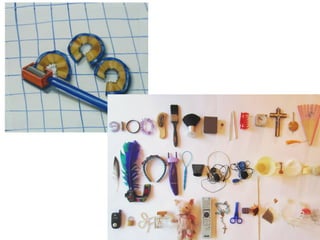
• Select some objects from your pencil
case, bag or pocket. You can add to
these from objects provided in the
room.
• Arrange the objects in front of your in a
composition of your choice - think about
the idea of “Together and Apart”
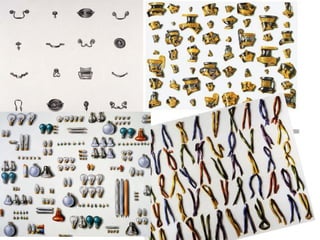
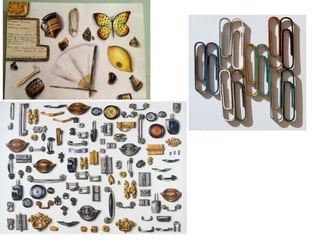
• Look at the work of Lisa Milroy for
inspiration.
Observational
drawing
• Create an observational study of your
objects using the following techniques:-
• Pencil tone
• Oil pastel
• Water colours
• Black Biro
What to consider
• Scale / Proportion / Detail / Shading /
Texture / Tone / Shades of colour /
Light / Composition
Collage Development
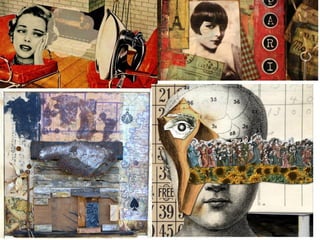
• To develop your studies create a
collage using found materials and
photocopies of your drawings.
• Explore paper techniques - folding /
layering / cutting / bending /
• Include a range of images thinking
about composition.
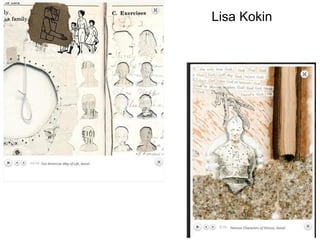
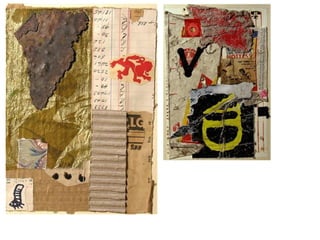
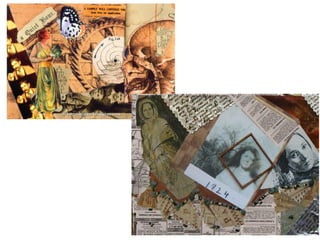
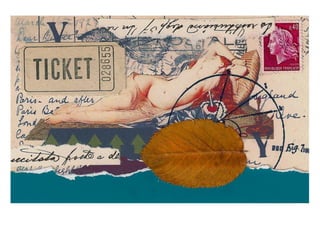
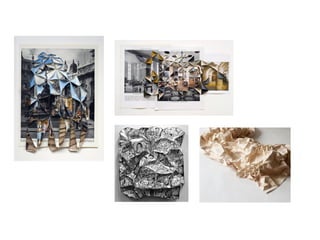
Lisa Kokin
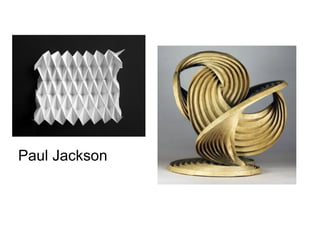
Paul Jackson
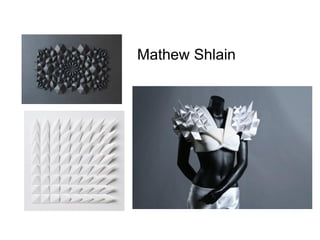
Mathew Shlain
Together and Apart - OVERVIEW

Together and Apart - OVERVIEW

  • 1.
    Together / Apart •partnerships / groups / links / connections/ collections/ joined / stacked / linked / grouped / bound / layered / enclosed / relative/ related / similar / • fractured / broken / torn / particles / pieces / scattered / opposites / drifting / floating / deconstruct / undone / open / sliced / unraveled / opened / divided
  • 2.
    Sub Headings & ideas •People - family / teams / groups • Places - travel / spaces / opposites • Imagination - pattern / surrealism / abstract • Activities - music / sport / hobbies • Natural World - multiples / • Objects - groups / themes / tools /
  • 3.
    Spider Diagram • Createa spider diagram on the exam theme :- add words, doodles and notes. • Start with the theme and then the sub- headings. • Think about all the possibilities and key words that link to any aspects of the exam theme and sub headings.
  • 4.
    Artists references • Selectan artists reference from the images on the tables. • Stick this into your book and then write a short description of the piece. • Describe - materials/processes/imagery/ theme
  • 5.
    Responding to the artist •Create a visual response to your artist using materials of your choice. • Fill one page of your book with your version of the artists work. • You could use the whole image or just a small part for your starting point.
  • 6.
    First hand Recording •Select some objects from your pencil case, bag or pocket. You can add to these from objects provided in the room. • Arrange the objects in front of your in a composition of your choice - think about the idea of “Together and Apart” • Look at the work of Lisa Milroy for inspiration.
  • 7.
    Observational drawing • Create anobservational study of your objects using the following techniques:- • Pencil tone • Oil pastel • Water colours • Black Biro
  • 8.
    What to consider •Scale / Proportion / Detail / Shading / Texture / Tone / Shades of colour / Light / Composition
  • 12.
    Collage Development • Todevelop your studies create a collage using found materials and photocopies of your drawings. • Explore paper techniques - folding / layering / cutting / bending / • Include a range of images thinking about composition.
  • 13.
  • 18.
  • 19.