from December 1979 to February 1989
The soviet-Afghan
War
Nor Mohammad
Taraki,Hafizullah Amin,
Babrak karmal, Dr. Najib
(1987–92) Democratic
republic of Afghanistan
Created by Khalili Sayed Modassir
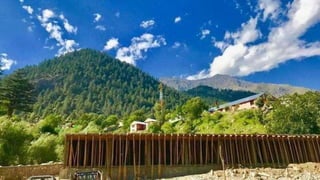
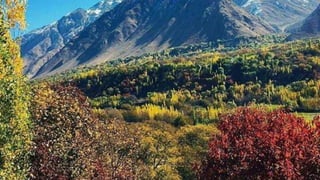
Afghanistan
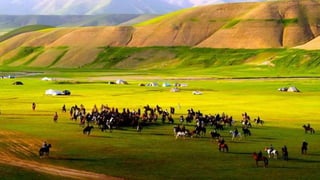
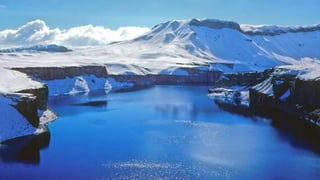
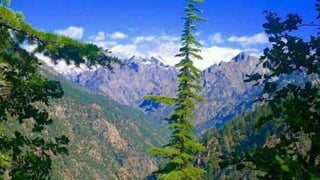
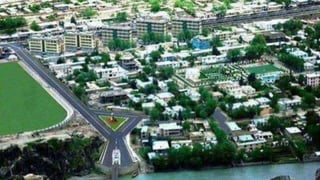
landlocked multiethnic country located in the heart of
south-central Asia. Lying along important trade routes
connecting southern and eastern Asia to Europe and the
Middle East, Afghanistan has long been a prize sought by
empire builders, and for millennia great armies have
attempted to subdue it, leaving traces of their efforts in
great monuments now fallen to ruin. The country’s
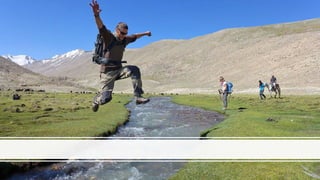
forbidding landscape of deserts and mountains has laid
many imperial ambitions to rest, as has the tireless
resistance of its fiercely independent peoples—so
independent that the country has failed to coalesce into
a nation but has instead long endured as a patchwork of
contending ethnic factions and ever-shifting alliances.
Soviet-Afghan war
The Soviet War in Afghanistan was a nine-year period involving the Soviet
forces and the Afghanistan freedom fighters that were fighting to
overthrow Afghanistan’s Marxist People's Democratic Party of
Afghanistan (PDPA) government.
the Soviet Union pulled its last troops out of Afghanistan, ending
more than nine years of direct involvement and occupation. The
USSR entered neighboring Afghanistan in 1979, attempting to shore
up the newly-established pro-Soviet regime in Kabul. In short order,
nearly 100,000 Soviet soldiers took control of major cities and
highways.
.
The near seventy-year history of the Soviet Union is one
dominated by its tradition of foreign military interventions that
spanned most of its existence and stretched geographically from
Krakow to the Kuril Islands. Within this trajectory, the Soviet
invasion and subsequent war with Afghanistan (1979-1989)
stands out in particular, as a lasting legacy of the Cold War.
Globally, its outcome continues to plague international society in
the current struggle between the Western liberal democratic
order and Islamic extremism.
The Soviet Union supported the government while the freedom
fighters found support from a variety of sources including the US
(in the context of the Cold war) . The conflict was a proxy war
between the two super-powers, who never actually met in direct
confrontation
In this late April 1988 photo, Soviet soldiers observe
the highlands, while fighting Freedom fighters at an
undisclosed location in Afghanistan.
Afghanistan Freedom fighters
atop a downed Soviet Mi-8
transport helicopter, near the
Salang Highway, a vital supply
route north from Kabul to the
Soviet border, January 12, 1981.
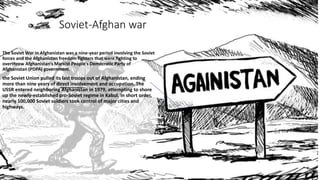
1st picture. Afghanistan's president Dr. Najib meets
Red Army soldiers on October 19, 1986, in
downtown Kabul during a parade. Najibullah who
became president in 1986, was later hanged in a
street near the UN compound in Kabul on
September 27, 1996.
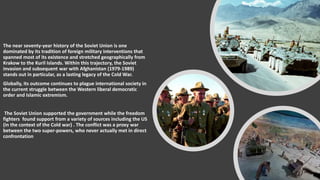
2nd picture. Aftermath in a village located along the
Salang Highway, shelled and destroyed by soviet
army's bombardment
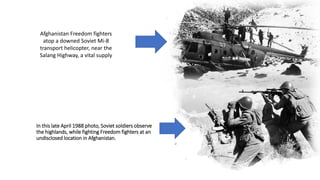
3rd picture. An Afghan freedom fighter handles a
U.S.-made Stinger anti-aircraft missile in this photo
made between November 1987 and January 1988.
The shoulder-fired, heat-seeking missile supplied to
the Afghan resistance by the CIA during the Soviet
invasion of Afghanistan, is capable of bringing down
low-flying planes and helicopters. At one point, late
in the war, rebels were reportedly downing nearly
one Soviet aircraft every day with Stinger missiles.
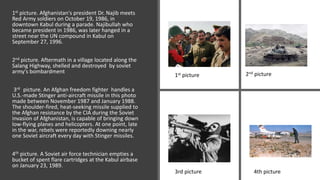
4th picture. A Soviet air force technician empties a
bucket of spent flare cartridges at the Kabul airbase
on January 23, 1989.
1st picture 2nd picture
3rd picture 4th picture
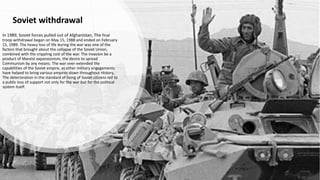
In 1989, Soviet forces pulled out of Afghanistan, The final
troop withdrawal began on May 15, 1988 and ended on February
15, 1989. The heavy loss of life during the war was one of the
factors that brought about the collapse of the Soviet Union,
combined with the crippling cost of the war. The invasion be a
product of Marxist expansionism, the desire to spread
Communism by any means. The war over-extended the
capabilities of the Soviet empire, as other military engagements
have helped to bring various empires down throughout History.
The deterioration in the standard of living of Soviet citizens led to
a public loss of support not only for the war but for the political
system itself.
Soviet withdrawal
The Soviet Afghan
wars outcome
Fifteen thousand Soviet soldiers and countless
Afghans had been killed in the decade-long war.
Billions of dollars had been spent each year to
support troops in Afghanistan. Unable to defeat the
mujahidin and pressed by world opinion to leave
Afghanistan, Soviet leader Gorbachev decided that
the USSR had to get out. In part, the tide of the war
had been turned by the introduction of US-made
shoulder-launched antiaircraft missiles in 1987. With
these missiles, the mujahidin shot down Soviet
planes and helicopters every day, increasing the
monetary and human cost of the war, and making
Soviet strike tactics ineffective. Demoralized and
with no victory in sight, the USSR's forces left
Afghanistan.
This Photo by Unknown Author is licensed under CC BY-S
• The war had far-reaching effects on Afghanistan, the
Soviets, and the US. Several million Afghans had either
fled to neighboring Pakistan for refuge or had become
internal refugees. In addition, millions more had died
from starvation or from the Soviet bombings and raids.
Among the survivors were a generation that had known
only war, hatred, and fear. Homes, animals, and precious
irrigation systems were destroyed, leaving the country
barren and in ruin. Also, thousands of miniature land
mines dropped by the Soviet planes continued to pose a
hazard to the Afghan people long after the war with the
USSR ended.
Wars effect on the soviet union
The USSR was also affected greatly by its failure. It lost fifteen thousand troops, but the true
damage done was in the degradation of its image, and the billions of dollars it spent during
the war. This fall from invincibility and vast expenditure of money to finance the invasion in
part caused the USSR to fall apart in the early 1990s.
One long-term effect of the Soviet invasion and pull-out was the establishment of a weak state full
of religious hatred and hatred of richer nations: a breeding ground for terrorism. Though supplying
the Afghan resistance with American guns and anti-aircraft missiles seemed like a good idea for the
US in the 1980s, and was the reason for the Soviets’ defeat, now as the US invades, they are met
with their own guns. The significance of the sophisticated guns has yet to be determined. In light of
the US involvement today in Afghanistan after the September 11th terrorist attacks, it is especially
important to understand the history of the Soviet's involvement there, so we can avoid making the
same mistakes.
References
 Search Engine. Soviet-Afghan War. http://www.afghana.com/Directories/SovietWar.htm (9 Nov.
2001).
 Search Engine. Soviet-Afghan-War. http://www.afghana.com/Directories/SovietWar.htm (9 Nov.
2001).
 Search Engine. Soviet-Afghan-War. http://www.afghana.com/Directories/SovietWar.htm (9 Nov.
2001).
 Search Engine. Soviet-Afghan War
https://www.britannica.com/place/Afghanistan
 Search Engine.
 www.newworldencyclopedia.org/entry/Soviet-Afghan_War
The Soviet-Afghan war

The Soviet-Afghan war

  • 1.
    from December 1979to February 1989 The soviet-Afghan War Nor Mohammad Taraki,Hafizullah Amin, Babrak karmal, Dr. Najib (1987–92) Democratic republic of Afghanistan Created by Khalili Sayed Modassir
  • 2.
    Afghanistan landlocked multiethnic countrylocated in the heart of south-central Asia. Lying along important trade routes connecting southern and eastern Asia to Europe and the Middle East, Afghanistan has long been a prize sought by empire builders, and for millennia great armies have attempted to subdue it, leaving traces of their efforts in great monuments now fallen to ruin. The country’s forbidding landscape of deserts and mountains has laid many imperial ambitions to rest, as has the tireless resistance of its fiercely independent peoples—so independent that the country has failed to coalesce into a nation but has instead long endured as a patchwork of contending ethnic factions and ever-shifting alliances.
  • 3.
    Soviet-Afghan war The SovietWar in Afghanistan was a nine-year period involving the Soviet forces and the Afghanistan freedom fighters that were fighting to overthrow Afghanistan’s Marxist People's Democratic Party of Afghanistan (PDPA) government. the Soviet Union pulled its last troops out of Afghanistan, ending more than nine years of direct involvement and occupation. The USSR entered neighboring Afghanistan in 1979, attempting to shore up the newly-established pro-Soviet regime in Kabul. In short order, nearly 100,000 Soviet soldiers took control of major cities and highways. .
  • 4.
    The near seventy-yearhistory of the Soviet Union is one dominated by its tradition of foreign military interventions that spanned most of its existence and stretched geographically from Krakow to the Kuril Islands. Within this trajectory, the Soviet invasion and subsequent war with Afghanistan (1979-1989) stands out in particular, as a lasting legacy of the Cold War. Globally, its outcome continues to plague international society in the current struggle between the Western liberal democratic order and Islamic extremism. The Soviet Union supported the government while the freedom fighters found support from a variety of sources including the US (in the context of the Cold war) . The conflict was a proxy war between the two super-powers, who never actually met in direct confrontation
  • 5.
    In this lateApril 1988 photo, Soviet soldiers observe the highlands, while fighting Freedom fighters at an undisclosed location in Afghanistan. Afghanistan Freedom fighters atop a downed Soviet Mi-8 transport helicopter, near the Salang Highway, a vital supply route north from Kabul to the Soviet border, January 12, 1981.
  • 6.
    1st picture. Afghanistan'spresident Dr. Najib meets Red Army soldiers on October 19, 1986, in downtown Kabul during a parade. Najibullah who became president in 1986, was later hanged in a street near the UN compound in Kabul on September 27, 1996. 2nd picture. Aftermath in a village located along the Salang Highway, shelled and destroyed by soviet army's bombardment 3rd picture. An Afghan freedom fighter handles a U.S.-made Stinger anti-aircraft missile in this photo made between November 1987 and January 1988. The shoulder-fired, heat-seeking missile supplied to the Afghan resistance by the CIA during the Soviet invasion of Afghanistan, is capable of bringing down low-flying planes and helicopters. At one point, late in the war, rebels were reportedly downing nearly one Soviet aircraft every day with Stinger missiles. 4th picture. A Soviet air force technician empties a bucket of spent flare cartridges at the Kabul airbase on January 23, 1989. 1st picture 2nd picture 3rd picture 4th picture
  • 7.
    In 1989, Sovietforces pulled out of Afghanistan, The final troop withdrawal began on May 15, 1988 and ended on February 15, 1989. The heavy loss of life during the war was one of the factors that brought about the collapse of the Soviet Union, combined with the crippling cost of the war. The invasion be a product of Marxist expansionism, the desire to spread Communism by any means. The war over-extended the capabilities of the Soviet empire, as other military engagements have helped to bring various empires down throughout History. The deterioration in the standard of living of Soviet citizens led to a public loss of support not only for the war but for the political system itself. Soviet withdrawal
  • 8.
    The Soviet Afghan warsoutcome Fifteen thousand Soviet soldiers and countless Afghans had been killed in the decade-long war. Billions of dollars had been spent each year to support troops in Afghanistan. Unable to defeat the mujahidin and pressed by world opinion to leave Afghanistan, Soviet leader Gorbachev decided that the USSR had to get out. In part, the tide of the war had been turned by the introduction of US-made shoulder-launched antiaircraft missiles in 1987. With these missiles, the mujahidin shot down Soviet planes and helicopters every day, increasing the monetary and human cost of the war, and making Soviet strike tactics ineffective. Demoralized and with no victory in sight, the USSR's forces left Afghanistan. This Photo by Unknown Author is licensed under CC BY-S This Photo by Unknown Author is licensed under CC BY-S
  • 9.
    • The warhad far-reaching effects on Afghanistan, the Soviets, and the US. Several million Afghans had either fled to neighboring Pakistan for refuge or had become internal refugees. In addition, millions more had died from starvation or from the Soviet bombings and raids. Among the survivors were a generation that had known only war, hatred, and fear. Homes, animals, and precious irrigation systems were destroyed, leaving the country barren and in ruin. Also, thousands of miniature land mines dropped by the Soviet planes continued to pose a hazard to the Afghan people long after the war with the USSR ended.
  • 10.
    Wars effect onthe soviet union The USSR was also affected greatly by its failure. It lost fifteen thousand troops, but the true damage done was in the degradation of its image, and the billions of dollars it spent during the war. This fall from invincibility and vast expenditure of money to finance the invasion in part caused the USSR to fall apart in the early 1990s.
  • 11.
    One long-term effectof the Soviet invasion and pull-out was the establishment of a weak state full of religious hatred and hatred of richer nations: a breeding ground for terrorism. Though supplying the Afghan resistance with American guns and anti-aircraft missiles seemed like a good idea for the US in the 1980s, and was the reason for the Soviets’ defeat, now as the US invades, they are met with their own guns. The significance of the sophisticated guns has yet to be determined. In light of the US involvement today in Afghanistan after the September 11th terrorist attacks, it is especially important to understand the history of the Soviet's involvement there, so we can avoid making the same mistakes.
  • 12.
    References  Search Engine.Soviet-Afghan War. http://www.afghana.com/Directories/SovietWar.htm (9 Nov. 2001).  Search Engine. Soviet-Afghan-War. http://www.afghana.com/Directories/SovietWar.htm (9 Nov. 2001).  Search Engine. Soviet-Afghan-War. http://www.afghana.com/Directories/SovietWar.htm (9 Nov. 2001).  Search Engine. Soviet-Afghan War https://www.britannica.com/place/Afghanistan  Search Engine.  www.newworldencyclopedia.org/entry/Soviet-Afghan_War