THE ABC’S OF AUTISM: 
A MULTIDISCIPLINARY TEAM 
APPROACH TO 
UNDERSTANDING AUTISM 
SPECTRUM DISORDERS 
Semel Institute for Neuroscience and Human Behavior 
University of California, Los Angeles
Who we are: 
• UCLA Center for Autism Research and Treatment (CART) 
• Our research goals: 
• To understand the origins of the social, communicative, and language 
deficits demonstrated by individuals with autism 
• To develop new and more effective treatment for autism spectrum 
disorders 
• UCLA Child and Adult Neurodevelopmental (CAN) Clinic 
• Our clinical service goals: 
• To provide comprehensive diagnostic evaluations and treatment 
recommendations utilizing a multidisciplinary team approach 
• To expand treatment service options across the lifespan from infancy to 
adulthood
Our Team Tonight (in order of appearance): 
• Amanda Gulsrud, PhD: Clinical psychologist 
• Shafali Jeste, MD: Neurologist 
• Sunil Mehta, MD: Psychiatrist 
• Connie Kasari, PhD: Educational psychologist 
• Enjey Lin, PhD: Clinical psychologist
Contact information: 
• For more information about CART and to participate in 
research: 
▫Website: http://www.semel.ucla.edu/autism 
▫Phone: 310-825-9041 
▫Email: info@autism.ucla.edu 
▫ For more information about CAN and our menu of service 
options: 
▫Website: http://www.semel.ucla.edu/autism/clinic 
▫Phone: 310-794-4008 
▫Email: mlazar@mednet.ucla.edu
THE ABC’S OF AUTISM: 
EARLY RISK AND 
DIAGNOSIS 
Amanda Gulsrud, PhD 
Semel Institute for Neuroscience and Human Behavior 
University of California, Los Angeles
Neurodevelopmental disorders 
•Autism spectrum disorder 
(ASD) 
•Intellectual disability (ID) 
•Global developmental delay 
(GDD) 
•Attention Deficit 
Hyperactivity Disorder 
(ADHD) 
•Social Communication 
Disorder 
• Heterogeneous conditions 
characterized by a delay or 
disturbance in the acquisition of 
skills in a variety of developmental 
domains: motor, social, language, 
cognition (APA, 2013) 
• Highly comorbid 
• Severity quantified by level of 
adaptive/functional impairment
Diagnoses based on “Best clinical estimate” 
(1)clinical evaluation combined with 
(2)standardized testing as needed 
--combination of caregiver report and child evaluation 
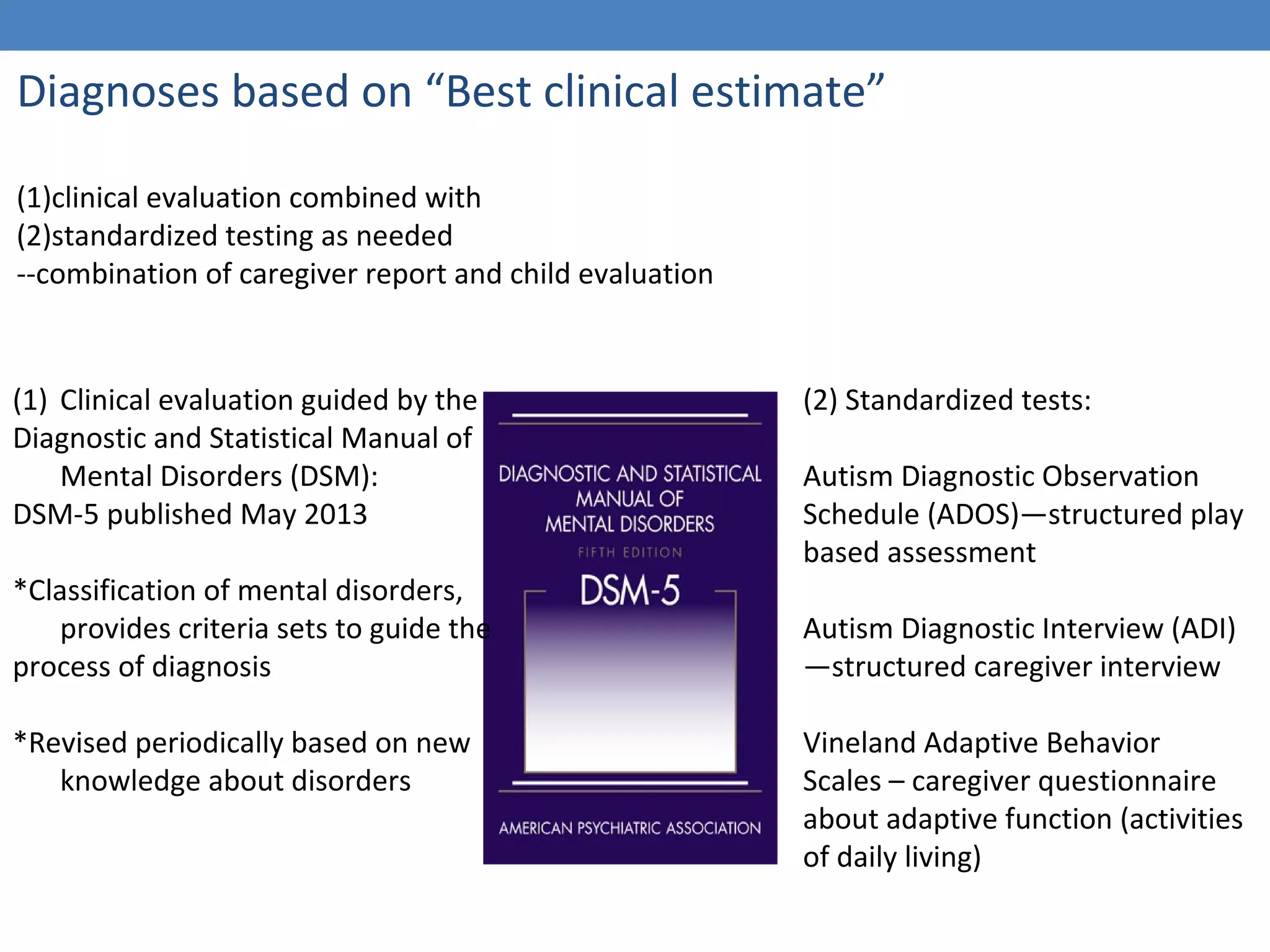
(1) Clinical evaluation guided by the 
Diagnostic and Statistical Manual of 
Mental Disorders (DSM): 
DSM-5 published May 2013 
*Classification of mental disorders, 
provides criteria sets to guide the 
process of diagnosis 
*Revised periodically based on new 
knowledge about disorders 
(2) Standardized tests: 
Autism Diagnostic Observation 
Schedule (ADOS)—structured play 
based assessment 
Autism Diagnostic Interview (ADI) 
—structured caregiver interview 
Vineland Adaptive Behavior 
Scales – caregiver questionnaire 
about adaptive function (activities 
of daily living)
Impaired 
Communication 
Repetitive 
behaviors and 
restricted 
interests 
Impaired 
Social 
Communicati 
Impaired social 
interaction 
on 
DSM-5: Autism Spectrum Disorder 
A. Persistent deficits in social communication and 
social interaction across contexts 
A. Restricted, repetitive patterns of behavior, 
interests, or activities 
A. Symptoms present in early developmental 
period 
A. Symptoms limit/impair everyday functioning 
B. Symptoms not better explained by ID or GDD. 
Changes from DSM-IV: 
1. ASD replaces categorical diagnoses of autistic disorder, PDD-NOS, 
Asperger 
2. Social and communication combined into one domain 
3. RRB category includes sensory aversions and atypicalities 
4. No strict age minimum for symptom presentation
Early identification of 
risk/screening 
 Studies report some behavioral differences as early as 12 months of 
age (less initiating and responding to joint attention, less requesting, 
more object focused) 
 AAP recommends developmental surveillance and use of screening 
measures at the child’s 12, 18 and 24 month office visits 
 Screening tools validated at age 18 months 
 M-CHAT 
 PDDST-II 
 Autism Screening Questionnaire 
Early identification  Early intervention  Improved outcomes
Red Flags 
• No big smiles by six months 
• No back-and-forth sharing of sounds, smiles or other 
facial expressions by nine months 
• No babbling or communicative gestures by 12 months 
• No words by 16 months 
• No meaningful, two-word phrases (not including 
imitating or repeating) by 24 months 
• Any loss of speech, babbling or social skills at any age
Referrals 
• Contact your family doctor or pediatrician for 
further evaluation and referral 
• Contact your local regional center 
• http://www.dds.ca.gov/RC/ 
• Autism Speaks website for further resources 
• www.autismspeaks.org
Behavioral Interventions can begin 
early! 
• Community-based programs are seeing children as young 
as 18 months of age 
• UCLA Clinical Services and Research: 
• The Early Childhood Partial Hospitalizations Program (ECPHP) 
• Early Intervention Study for children 12-22 months of age at-risk for 
ASD
THE ABC’s of Autism: 
Medical Workup and 
Neurological 
Comorbidities of Autism 
Spectrum Disorders 
Shafali Spurling Jeste, MD 
Semel Institute for Neuroscience and Human Behavior 
University of California, Los Angeles
Recommended medical workup for ASD 
• Genetics: karyotype, fragile X, MECP2 mutation testing, 
chromosomal microarray analysis (soon: whole exome 
sequencing!) 
• MRI only if abnormal neurological exam or global developmental 
delay 
• EEG only if concern for seizures or language regression
Why Genetics? 
(1) Several single gene disorders 
show high rates of autism: 
-Fragile X syndrome: 1-2% 
-Tuberous Sclerosis: <1% 
(30-50% have autism) 
-Rett syndrome: <1% 
(2) Now finding more copy 
number variants (CNVs) 
-small duplications or deletions 
in the chromosomes 
-at least 20% of ASD associated 
with a CNV
Epilepsy 
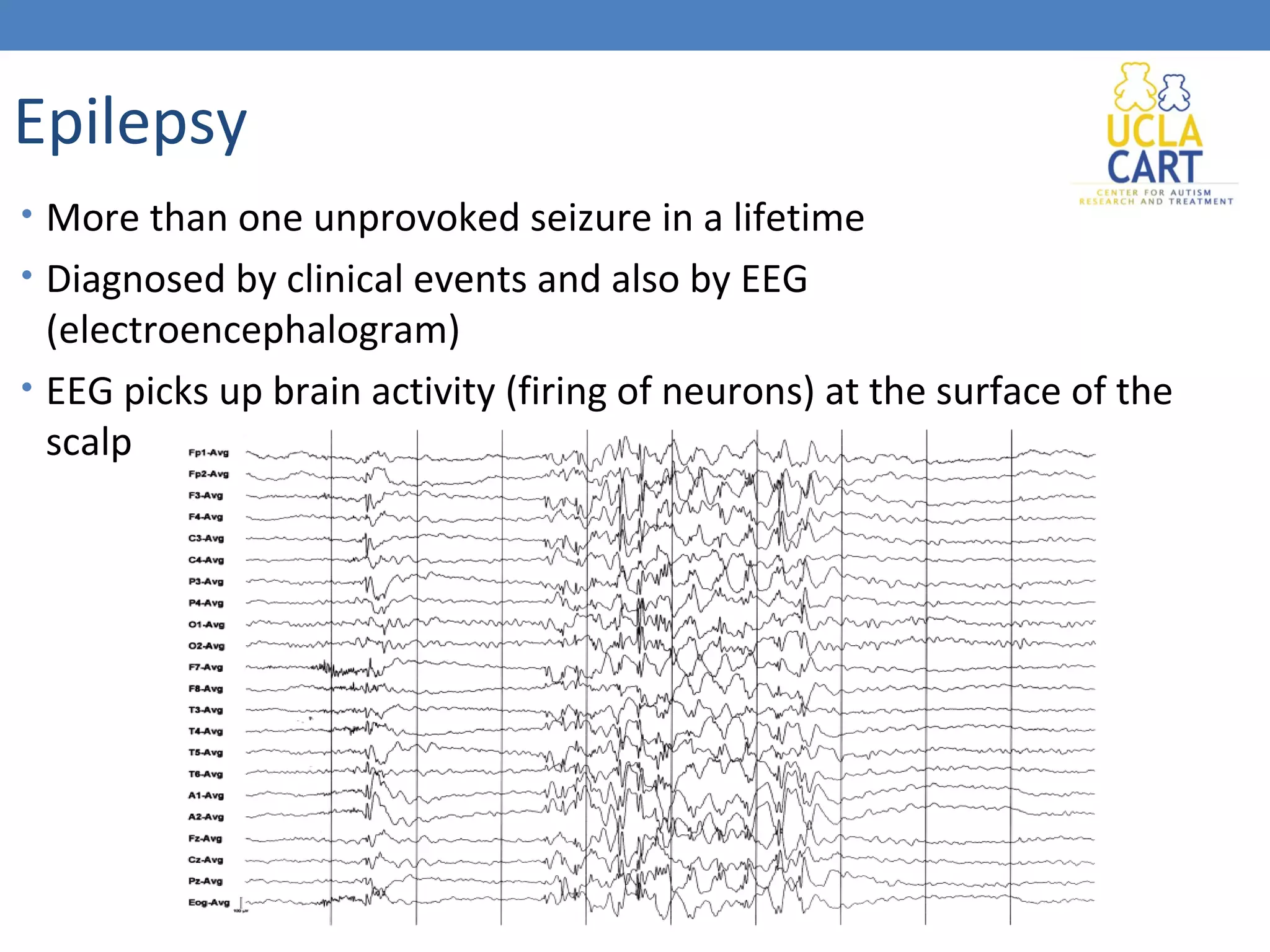
• More than one unprovoked seizure in a lifetime 
• Diagnosed by clinical events and also by EEG 
(electroencephalogram) 
• EEG picks up brain activity (firing of neurons) at the surface of the 
scalp
Epilepsy in ASD 
• Known since the first reported case of autism 
• Abnormal EEG’s reported in up to 50% 
• Epilepsy reported in around 30% 
• No primary seizure type 
• Two peaks: early childhood and adolescence 
• Many genetic disorders associated with both ASD and 
epilepsy 
• More common in girls with ASD
Epilepsy in ASD: Workup & Treatment 
• If any concern obtain 24 hour EEG: 
• Abnormal spells (staring, involuntary movements) 
• Developmental regression (especially language regression) 
• Major change in behavior or sleep patterns 
• Medications depend upon type of seizure 
• There are no medications that are specifically better for 
children with ASD 
• However, side effects do exist that need to be considered 
for each child
Sleep impairment in ASD is COMMON 
Most common complaint is insomnia (=not enough sleep) 
>80% of children with ASD 
Diagnosed with parent questionnaires and sleep studies 
Delayed sleep onset 
Nighttime awakenings 
Early morning awakenings 
Reduced “need” for sleep 
“Good sleepers” show less: affective problems, inattention/hyperactivity, 
restricted/repetitive behaviors and better social interaction than “bad sleepers.”
Diagnosis of sleep 
impairment 
• Gold standard for identifying sleep problems is overnight 
sleep study (actigraphy) 
• Polysomnogram (PSG): records EEG, eye movements, heart 
rate, blood pressure, blood oxygenation, respirations 
• Can be challenging to obtain in children with ASD 
• Thus, studies often rely on questionnaires and reports
Treatment for insomnia 
• Behavioral intervention is the first line treatment: 
• Establish a regular sleep routine 
• Set realistic goals and make gradual changes 
• Medications: 
• Melatonin is most well studied 
• Clonidine 
• Mirtazapine 
• Anti-epileptics can be sedating 
• Lavender, chamomile, valerian root
Melatonin 
• produced exclusively by pineal gland 
• Effective for some patients 
• Mechanisms of action are unclear 
• NOT regulated by the FDA
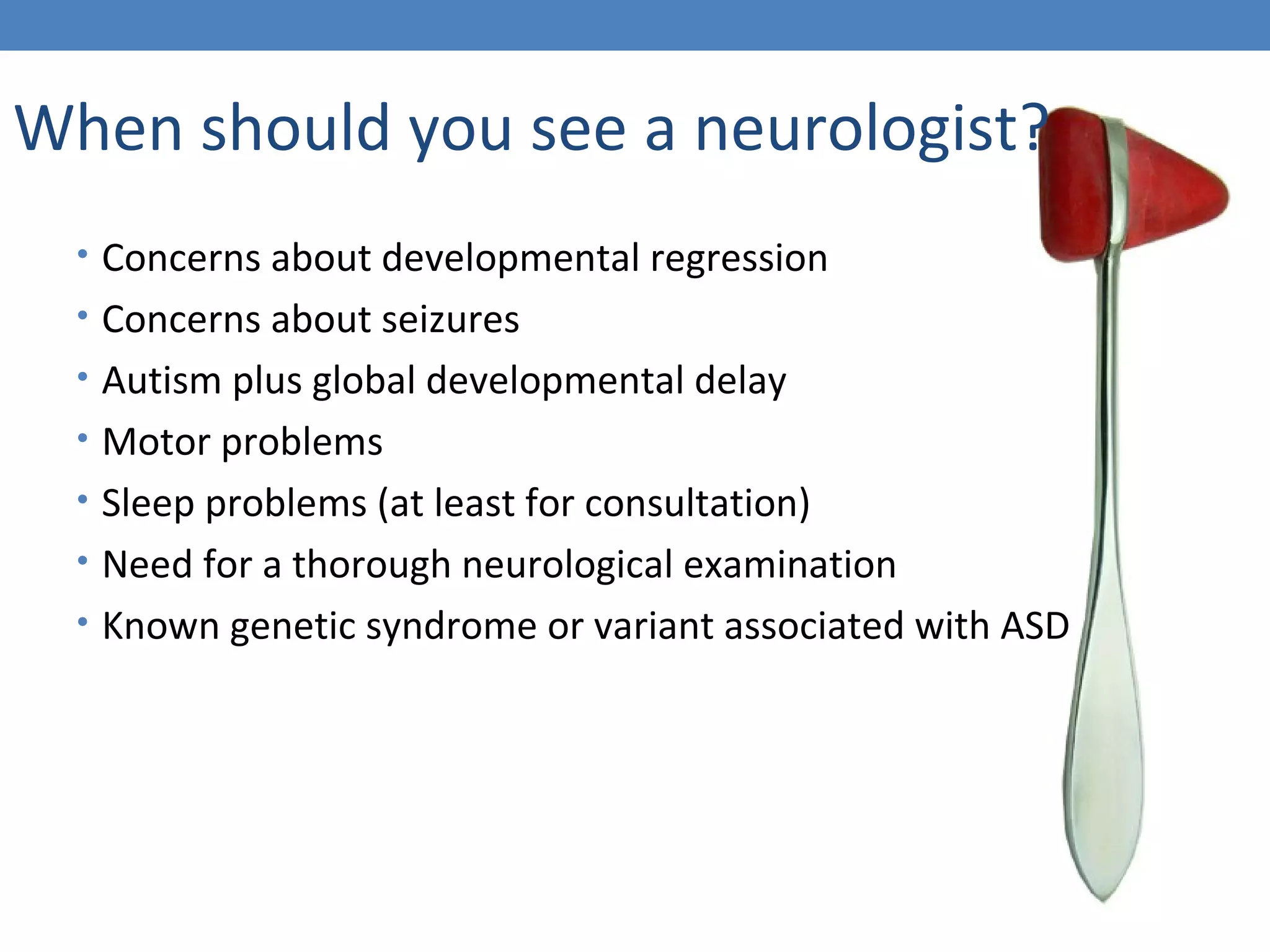
When should you see a neurologist? 
• Concerns about developmental regression 
• Concerns about seizures 
• Autism plus global developmental delay 
• Motor problems 
• Sleep problems (at least for consultation) 
• Need for a thorough neurological examination 
• Known genetic syndrome or variant associated with ASD
THE ABC’S OF 
AUTISM: 
PSYCHIATRIC CO-MORBIDITIES 
AND 
THE ROLE OF 
MEDICATION IN ASD 
Sunil Mehta, MD 
Semel Institute for Neuroscience and Human 
Behavior 
University of California, Los Angeles
Financial Disclosures 
• None
As if Autism wasn’t enough….. 
• Psychiatric diagnoses are collections of symptoms 
• Intellectual Disability 
• Attention Deficit/Hyperactivity Disorder; Learning 
Disorders 
• Depression/Bipolar Disorder 
• OCD/Anxiety disorder
What medication can and can’t do 
• No medication, so far, has been able to change the core 
symptoms of ASD 
• The FDA has approved 2 medications for use in ASD, 
Risperidone and Aripiprazole. 
• The one behavioral symptom that these medications 
improve is self-injurious behavior/violence or aggression 
towards others. 
• Commonly used psychiatric medications can be effective 
in treating co-morbidities, but…..
Be prepared for a bumpy ride 
• People with ASD are more likely to have side effects from 
commonly used psychiatric medications and these side 
effects happen at lower doses than in neurotypical 
children. 
• For mood symptoms/anxiety, people with ASD are less 
likely to respond to the first medication they try, so they 
will probably need to try multiple medications.
Supplements and Herbal 
medications 
• Vitamin E, Omega-3 fatty acids, fish oil have been 
studied, data is inconclusive. Hyperbaric oxygen, heavy 
metal chelation, gluten-free diets have been studied and 
were found to have no effect. 
• Mega-doses (>5 times USDA recommended daily 
allowance) of vitamins has never been proven to help in 
any disease. 
• PLEASE tell your doctor about supplements and herbals, 
even if you think he/she won’t agree with you.
THE ABC’S OF AUTISM: 
Interventions for Children with 
ASD 
Connie Kasari, PhD 
Semel Institute for Neuroscience and Human Behavior 
University of California, Los Angeles
Going to school with ASD 
▫ Most children spend 5-6 hours per day in school 
▫ Treatments for ASD are often incorporated in school 
▫ Disconnect between ‘therapy’ and ‘school’ 
▫ Goal is that all therapies can be under one umbrella (e.g., 
school) but this may not always be possible
Early Intervention Models 
• There are multiple evidence-based models of early 
intervention for autism 
• Most programs are based on behavioral principles 
• Therapists work on behaviors that are important to 
individual’s functioning, such as: 
• Reducing behaviors such as tantrums, aggression, self-stimulation, 
perseverative behaviors 
• Increasing language, social skills, play skills, joint 
attention and emotional recognition
Preschool
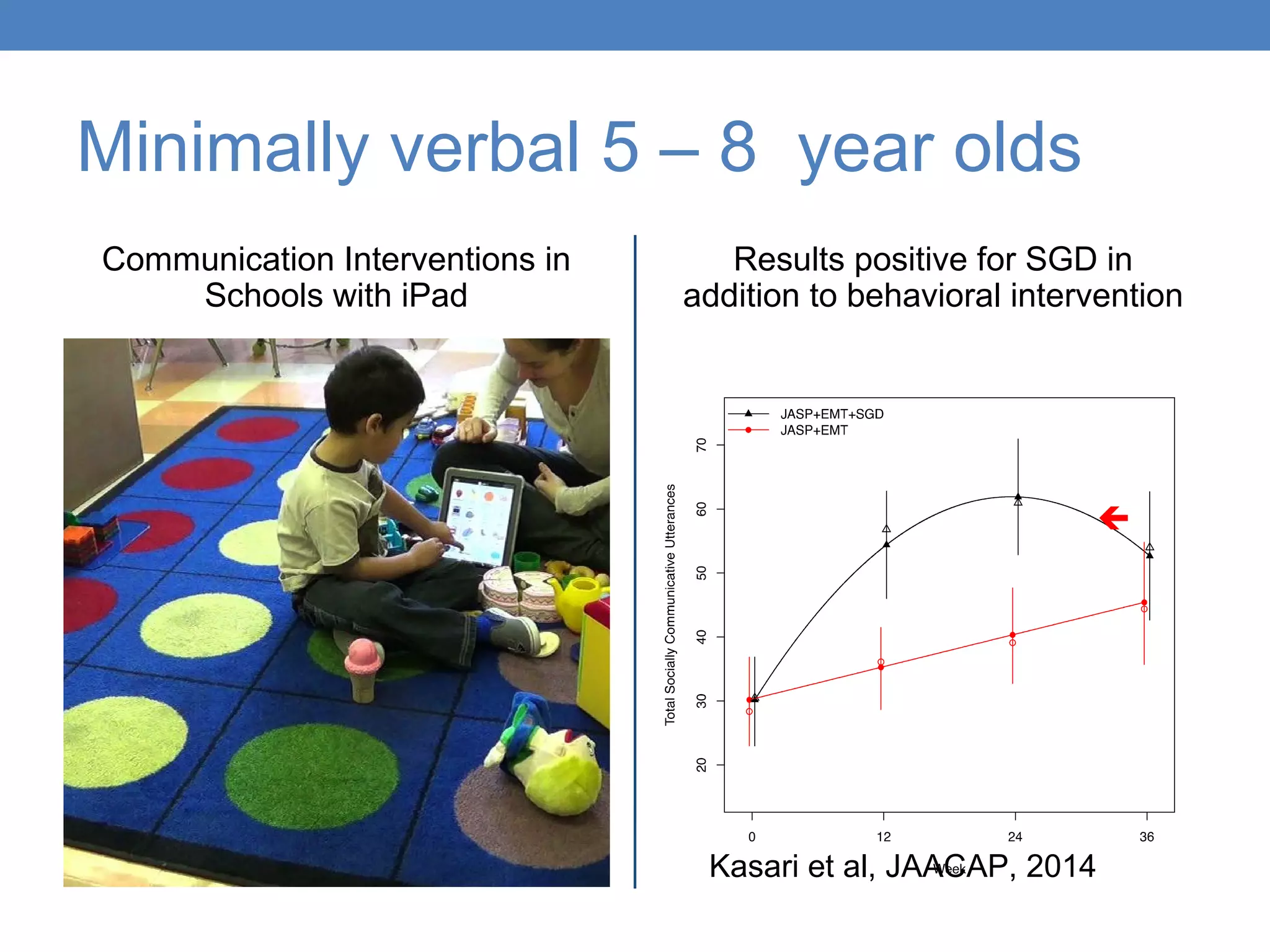
Minimally verbal 5 – 8 year olds 
Communication Interventions in 
Schools with iPad 
Results positive for SGD in 
addition to behavioral intervention 
 
Kasari et al, JAACAP, 2014
Older children need social skills 
Develop friendships at school Working on peer relationships
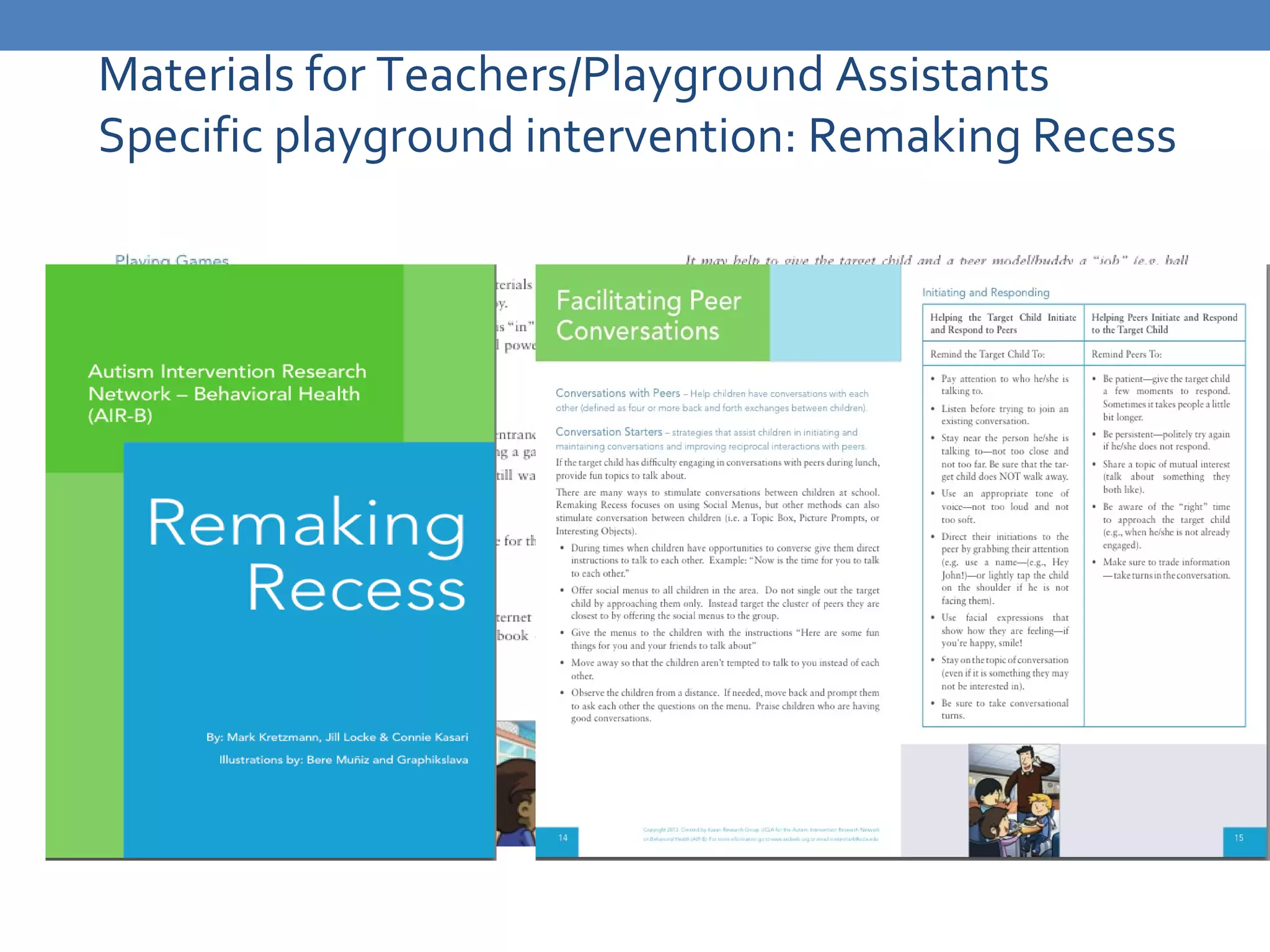
Materials for Teachers/Playground Assistants 
Specific playground intervention: Remaking Recess
Social menus to encourage 
chatting at lunch time
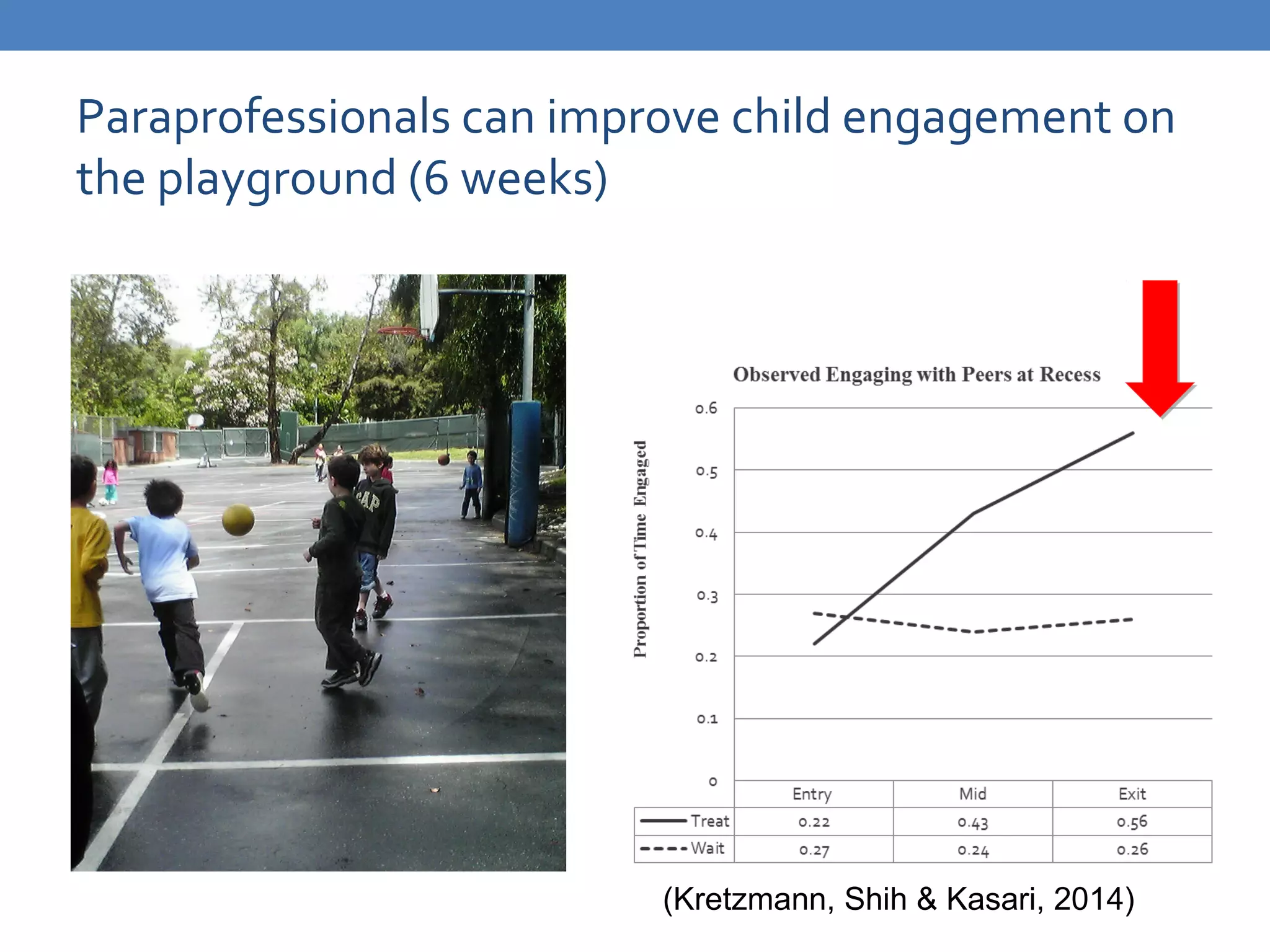
Paraprofessionals can improve child engagement on 
the playground (6 weeks) 
(Kretzmann, Shih & Kasari, 2014)
THE ABC’S OF AUTISM: 
INTERVENTIONS FOR 
ADOLESCENTS AND ADULTS 
WITH ASD 
C. Enjey Lin, PhD, BCBA-D 
Semel Institute for Neuroscience and Human Behavior 
University of California, Los Angeles
Unique and Ongoing Needs 
• Transition between adolescence to young adulthood is recognized as a crucial period 
• Slowing of improvement post-high school (particularly those without ID) 
• Change in educational structure and resources after high school 
• +50% low rates of engagement in vocational or educational activities 
• Co-occurring psychiatric conditions are common in ASD (e.g., anxiety or depressive 
disorders) 
• Complicates outcomes (e.g., quality of life, engagement in daily activities, 
employment) 
• Greater cognitive and verbal abilities can be risk-factor 
• Across all ability levels, teens and adults with ASD struggle 
• Under- or un-involved in education or work = 30% attended college and only up to 
50% had regular employment-- lower rates compared to other disabilities (e.g., 
language delays) 
(Hallett et al., 2013; Taylor et al., 2012; Shattuck et al., 2014; Smith et al., 2012; White et al., 2014)
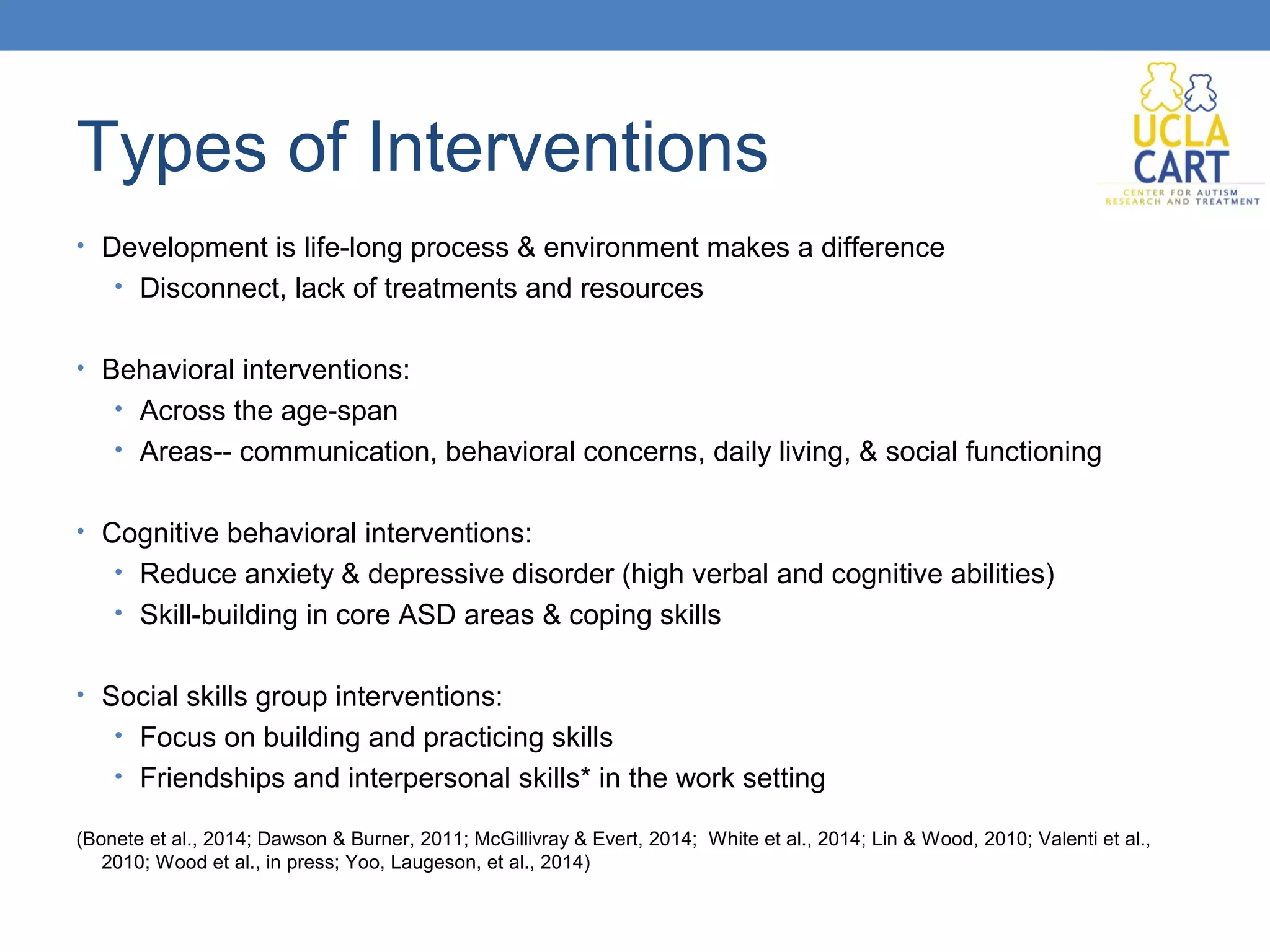
Types of Interventions 
• Development is life-long process & environment makes a difference 
• Disconnect, lack of treatments and resources 
• Behavioral interventions: 
• Across the age-span 
• Areas-- communication, behavioral concerns, daily living, & social functioning 
• Cognitive behavioral interventions: 
• Reduce anxiety & depressive disorder (high verbal and cognitive abilities) 
• Skill-building in core ASD areas & coping skills 
• Social skills group interventions: 
• Focus on building and practicing skills 
• Friendships and interpersonal skills* in the work setting 
(Bonete et al., 2014; Dawson & Burner, 2011; McGillivray & Evert, 2014; White et al., 2014; Lin & Wood, 2010; Valenti et al., 
2010; Wood et al., in press; Yoo, Laugeson, et al., 2014)
Interventions (continued) 
• Independent/adaptive living skills treatment: 
•Housekeeping, personal care, community living & social skills 
•Poorer skills = Poorer outcomes 
• Vocational training: 
•Vocational engagement & independence = reduced ASD symptoms & 
challenging behaviors, and increased adaptive functioning 
•Supported work/integrated programs (job coach) vs sheltered work 
setting programs = quality of life and cognitive functioning 
•Room for improvement 
(Garcia-Villamisar et al., 2002 & 2007; Shattuck et al., 2014; Taylor et al., 2013)
Some Available Resources 
• Behavior agencies in the community 
• Autism Spectrum Therapies 
• STAR of California 
• Vocational Training/Independent Living Programs 
• Department of Rehabilitation Services & Regional Centers 
• Supported employment services vs work activity program services 
• Advance LA 
• FACT in Los Angeles 
• Child and Adult Neurodevelopmental Clinic 
• Individual treatment, group treatment for enhancing independence and treating 
anxiety/mood, medication treatment 
• Social Skills Intervention 
• UCLA PEERS Social Skills Program for Adolescents and Young Adults 
• Educational Programs 
• UCLA Pathways Program
Thank you

The ABC’s of Autism

  • 1.
    THE ABC’S OFAUTISM: A MULTIDISCIPLINARY TEAM APPROACH TO UNDERSTANDING AUTISM SPECTRUM DISORDERS Semel Institute for Neuroscience and Human Behavior University of California, Los Angeles
  • 2.
    Who we are: • UCLA Center for Autism Research and Treatment (CART) • Our research goals: • To understand the origins of the social, communicative, and language deficits demonstrated by individuals with autism • To develop new and more effective treatment for autism spectrum disorders • UCLA Child and Adult Neurodevelopmental (CAN) Clinic • Our clinical service goals: • To provide comprehensive diagnostic evaluations and treatment recommendations utilizing a multidisciplinary team approach • To expand treatment service options across the lifespan from infancy to adulthood
  • 3.
    Our Team Tonight(in order of appearance): • Amanda Gulsrud, PhD: Clinical psychologist • Shafali Jeste, MD: Neurologist • Sunil Mehta, MD: Psychiatrist • Connie Kasari, PhD: Educational psychologist • Enjey Lin, PhD: Clinical psychologist
  • 4.
    Contact information: •For more information about CART and to participate in research: ▫Website: http://www.semel.ucla.edu/autism ▫Phone: 310-825-9041 ▫Email: info@autism.ucla.edu ▫ For more information about CAN and our menu of service options: ▫Website: http://www.semel.ucla.edu/autism/clinic ▫Phone: 310-794-4008 ▫Email: mlazar@mednet.ucla.edu
  • 5.
    THE ABC’S OFAUTISM: EARLY RISK AND DIAGNOSIS Amanda Gulsrud, PhD Semel Institute for Neuroscience and Human Behavior University of California, Los Angeles
  • 6.
    Neurodevelopmental disorders •Autismspectrum disorder (ASD) •Intellectual disability (ID) •Global developmental delay (GDD) •Attention Deficit Hyperactivity Disorder (ADHD) •Social Communication Disorder • Heterogeneous conditions characterized by a delay or disturbance in the acquisition of skills in a variety of developmental domains: motor, social, language, cognition (APA, 2013) • Highly comorbid • Severity quantified by level of adaptive/functional impairment
  • 7.
    Diagnoses based on“Best clinical estimate” (1)clinical evaluation combined with (2)standardized testing as needed --combination of caregiver report and child evaluation (1) Clinical evaluation guided by the Diagnostic and Statistical Manual of Mental Disorders (DSM): DSM-5 published May 2013 *Classification of mental disorders, provides criteria sets to guide the process of diagnosis *Revised periodically based on new knowledge about disorders (2) Standardized tests: Autism Diagnostic Observation Schedule (ADOS)—structured play based assessment Autism Diagnostic Interview (ADI) —structured caregiver interview Vineland Adaptive Behavior Scales – caregiver questionnaire about adaptive function (activities of daily living)
  • 8.
    Impaired Communication Repetitive behaviors and restricted interests Impaired Social Communicati Impaired social interaction on DSM-5: Autism Spectrum Disorder A. Persistent deficits in social communication and social interaction across contexts A. Restricted, repetitive patterns of behavior, interests, or activities A. Symptoms present in early developmental period A. Symptoms limit/impair everyday functioning B. Symptoms not better explained by ID or GDD. Changes from DSM-IV: 1. ASD replaces categorical diagnoses of autistic disorder, PDD-NOS, Asperger 2. Social and communication combined into one domain 3. RRB category includes sensory aversions and atypicalities 4. No strict age minimum for symptom presentation
  • 9.
    Early identification of risk/screening  Studies report some behavioral differences as early as 12 months of age (less initiating and responding to joint attention, less requesting, more object focused)  AAP recommends developmental surveillance and use of screening measures at the child’s 12, 18 and 24 month office visits  Screening tools validated at age 18 months  M-CHAT  PDDST-II  Autism Screening Questionnaire Early identification  Early intervention  Improved outcomes
  • 10.
    Red Flags •No big smiles by six months • No back-and-forth sharing of sounds, smiles or other facial expressions by nine months • No babbling or communicative gestures by 12 months • No words by 16 months • No meaningful, two-word phrases (not including imitating or repeating) by 24 months • Any loss of speech, babbling or social skills at any age
  • 11.
    Referrals • Contactyour family doctor or pediatrician for further evaluation and referral • Contact your local regional center • http://www.dds.ca.gov/RC/ • Autism Speaks website for further resources • www.autismspeaks.org
  • 12.
    Behavioral Interventions canbegin early! • Community-based programs are seeing children as young as 18 months of age • UCLA Clinical Services and Research: • The Early Childhood Partial Hospitalizations Program (ECPHP) • Early Intervention Study for children 12-22 months of age at-risk for ASD
  • 13.
    THE ABC’s ofAutism: Medical Workup and Neurological Comorbidities of Autism Spectrum Disorders Shafali Spurling Jeste, MD Semel Institute for Neuroscience and Human Behavior University of California, Los Angeles
  • 14.
    Recommended medical workupfor ASD • Genetics: karyotype, fragile X, MECP2 mutation testing, chromosomal microarray analysis (soon: whole exome sequencing!) • MRI only if abnormal neurological exam or global developmental delay • EEG only if concern for seizures or language regression
  • 15.
    Why Genetics? (1)Several single gene disorders show high rates of autism: -Fragile X syndrome: 1-2% -Tuberous Sclerosis: <1% (30-50% have autism) -Rett syndrome: <1% (2) Now finding more copy number variants (CNVs) -small duplications or deletions in the chromosomes -at least 20% of ASD associated with a CNV
  • 16.
    Epilepsy • Morethan one unprovoked seizure in a lifetime • Diagnosed by clinical events and also by EEG (electroencephalogram) • EEG picks up brain activity (firing of neurons) at the surface of the scalp
  • 17.
    Epilepsy in ASD • Known since the first reported case of autism • Abnormal EEG’s reported in up to 50% • Epilepsy reported in around 30% • No primary seizure type • Two peaks: early childhood and adolescence • Many genetic disorders associated with both ASD and epilepsy • More common in girls with ASD
  • 18.
    Epilepsy in ASD:Workup & Treatment • If any concern obtain 24 hour EEG: • Abnormal spells (staring, involuntary movements) • Developmental regression (especially language regression) • Major change in behavior or sleep patterns • Medications depend upon type of seizure • There are no medications that are specifically better for children with ASD • However, side effects do exist that need to be considered for each child
  • 19.
    Sleep impairment inASD is COMMON Most common complaint is insomnia (=not enough sleep) >80% of children with ASD Diagnosed with parent questionnaires and sleep studies Delayed sleep onset Nighttime awakenings Early morning awakenings Reduced “need” for sleep “Good sleepers” show less: affective problems, inattention/hyperactivity, restricted/repetitive behaviors and better social interaction than “bad sleepers.”
  • 20.
    Diagnosis of sleep impairment • Gold standard for identifying sleep problems is overnight sleep study (actigraphy) • Polysomnogram (PSG): records EEG, eye movements, heart rate, blood pressure, blood oxygenation, respirations • Can be challenging to obtain in children with ASD • Thus, studies often rely on questionnaires and reports
  • 21.
    Treatment for insomnia • Behavioral intervention is the first line treatment: • Establish a regular sleep routine • Set realistic goals and make gradual changes • Medications: • Melatonin is most well studied • Clonidine • Mirtazapine • Anti-epileptics can be sedating • Lavender, chamomile, valerian root
  • 22.
    Melatonin • producedexclusively by pineal gland • Effective for some patients • Mechanisms of action are unclear • NOT regulated by the FDA
  • 23.
    When should yousee a neurologist? • Concerns about developmental regression • Concerns about seizures • Autism plus global developmental delay • Motor problems • Sleep problems (at least for consultation) • Need for a thorough neurological examination • Known genetic syndrome or variant associated with ASD
  • 24.
    THE ABC’S OF AUTISM: PSYCHIATRIC CO-MORBIDITIES AND THE ROLE OF MEDICATION IN ASD Sunil Mehta, MD Semel Institute for Neuroscience and Human Behavior University of California, Los Angeles
  • 25.
  • 26.
    As if Autismwasn’t enough….. • Psychiatric diagnoses are collections of symptoms • Intellectual Disability • Attention Deficit/Hyperactivity Disorder; Learning Disorders • Depression/Bipolar Disorder • OCD/Anxiety disorder
  • 27.
    What medication canand can’t do • No medication, so far, has been able to change the core symptoms of ASD • The FDA has approved 2 medications for use in ASD, Risperidone and Aripiprazole. • The one behavioral symptom that these medications improve is self-injurious behavior/violence or aggression towards others. • Commonly used psychiatric medications can be effective in treating co-morbidities, but…..
  • 28.
    Be prepared fora bumpy ride • People with ASD are more likely to have side effects from commonly used psychiatric medications and these side effects happen at lower doses than in neurotypical children. • For mood symptoms/anxiety, people with ASD are less likely to respond to the first medication they try, so they will probably need to try multiple medications.
  • 29.
    Supplements and Herbal medications • Vitamin E, Omega-3 fatty acids, fish oil have been studied, data is inconclusive. Hyperbaric oxygen, heavy metal chelation, gluten-free diets have been studied and were found to have no effect. • Mega-doses (>5 times USDA recommended daily allowance) of vitamins has never been proven to help in any disease. • PLEASE tell your doctor about supplements and herbals, even if you think he/she won’t agree with you.
  • 30.
    THE ABC’S OFAUTISM: Interventions for Children with ASD Connie Kasari, PhD Semel Institute for Neuroscience and Human Behavior University of California, Los Angeles
  • 31.
    Going to schoolwith ASD ▫ Most children spend 5-6 hours per day in school ▫ Treatments for ASD are often incorporated in school ▫ Disconnect between ‘therapy’ and ‘school’ ▫ Goal is that all therapies can be under one umbrella (e.g., school) but this may not always be possible
  • 32.
    Early Intervention Models • There are multiple evidence-based models of early intervention for autism • Most programs are based on behavioral principles • Therapists work on behaviors that are important to individual’s functioning, such as: • Reducing behaviors such as tantrums, aggression, self-stimulation, perseverative behaviors • Increasing language, social skills, play skills, joint attention and emotional recognition
  • 33.
  • 34.
    Minimally verbal 5– 8 year olds Communication Interventions in Schools with iPad Results positive for SGD in addition to behavioral intervention  Kasari et al, JAACAP, 2014
  • 35.
    Older children needsocial skills Develop friendships at school Working on peer relationships
  • 36.
    Materials for Teachers/PlaygroundAssistants Specific playground intervention: Remaking Recess
  • 37.
    Social menus toencourage chatting at lunch time
  • 38.
    Paraprofessionals can improvechild engagement on the playground (6 weeks) (Kretzmann, Shih & Kasari, 2014)
  • 39.
    THE ABC’S OFAUTISM: INTERVENTIONS FOR ADOLESCENTS AND ADULTS WITH ASD C. Enjey Lin, PhD, BCBA-D Semel Institute for Neuroscience and Human Behavior University of California, Los Angeles
  • 40.
    Unique and OngoingNeeds • Transition between adolescence to young adulthood is recognized as a crucial period • Slowing of improvement post-high school (particularly those without ID) • Change in educational structure and resources after high school • +50% low rates of engagement in vocational or educational activities • Co-occurring psychiatric conditions are common in ASD (e.g., anxiety or depressive disorders) • Complicates outcomes (e.g., quality of life, engagement in daily activities, employment) • Greater cognitive and verbal abilities can be risk-factor • Across all ability levels, teens and adults with ASD struggle • Under- or un-involved in education or work = 30% attended college and only up to 50% had regular employment-- lower rates compared to other disabilities (e.g., language delays) (Hallett et al., 2013; Taylor et al., 2012; Shattuck et al., 2014; Smith et al., 2012; White et al., 2014)
  • 41.
    Types of Interventions • Development is life-long process & environment makes a difference • Disconnect, lack of treatments and resources • Behavioral interventions: • Across the age-span • Areas-- communication, behavioral concerns, daily living, & social functioning • Cognitive behavioral interventions: • Reduce anxiety & depressive disorder (high verbal and cognitive abilities) • Skill-building in core ASD areas & coping skills • Social skills group interventions: • Focus on building and practicing skills • Friendships and interpersonal skills* in the work setting (Bonete et al., 2014; Dawson & Burner, 2011; McGillivray & Evert, 2014; White et al., 2014; Lin & Wood, 2010; Valenti et al., 2010; Wood et al., in press; Yoo, Laugeson, et al., 2014)
  • 42.
    Interventions (continued) •Independent/adaptive living skills treatment: •Housekeeping, personal care, community living & social skills •Poorer skills = Poorer outcomes • Vocational training: •Vocational engagement & independence = reduced ASD symptoms & challenging behaviors, and increased adaptive functioning •Supported work/integrated programs (job coach) vs sheltered work setting programs = quality of life and cognitive functioning •Room for improvement (Garcia-Villamisar et al., 2002 & 2007; Shattuck et al., 2014; Taylor et al., 2013)
  • 43.
    Some Available Resources • Behavior agencies in the community • Autism Spectrum Therapies • STAR of California • Vocational Training/Independent Living Programs • Department of Rehabilitation Services & Regional Centers • Supported employment services vs work activity program services • Advance LA • FACT in Los Angeles • Child and Adult Neurodevelopmental Clinic • Individual treatment, group treatment for enhancing independence and treating anxiety/mood, medication treatment • Social Skills Intervention • UCLA PEERS Social Skills Program for Adolescents and Young Adults • Educational Programs • UCLA Pathways Program
  • 44.

Editor's Notes

  • #3 Research, Education, Assessment, and Treatment for Autism Spectrum Disorders (ASD) Interdisciplinary approach in genetics, neurobiology, psychology, brain imaging, and psychiarty
  • #7 List of symptoms that do not
  • #8 (2)
  • #9 Move towards more dimensional approach, severity based on adaptive impairment
  • #10 As with GDD&amp;lt; early dx is critical. CHAT for younger children PDDST--pervasive developmental disorders screening test MAJOR TAKE HOME POINT. Very little training on normal child development in pediatrics… so it’s our responsibility.
  • #15 Ask Dan about genetics workup.
  • #21 Challenging to obtain in this population Thus…studies often rely on parent report Discrepancy between parent report and actigraphy
  • #41 Research, Education, Assessment, and Treatment for Autism Spectrum Disorders (ASD) Interdisciplinary approach in genetics, neurobiology, psychology, brain imaging, and psychiarty