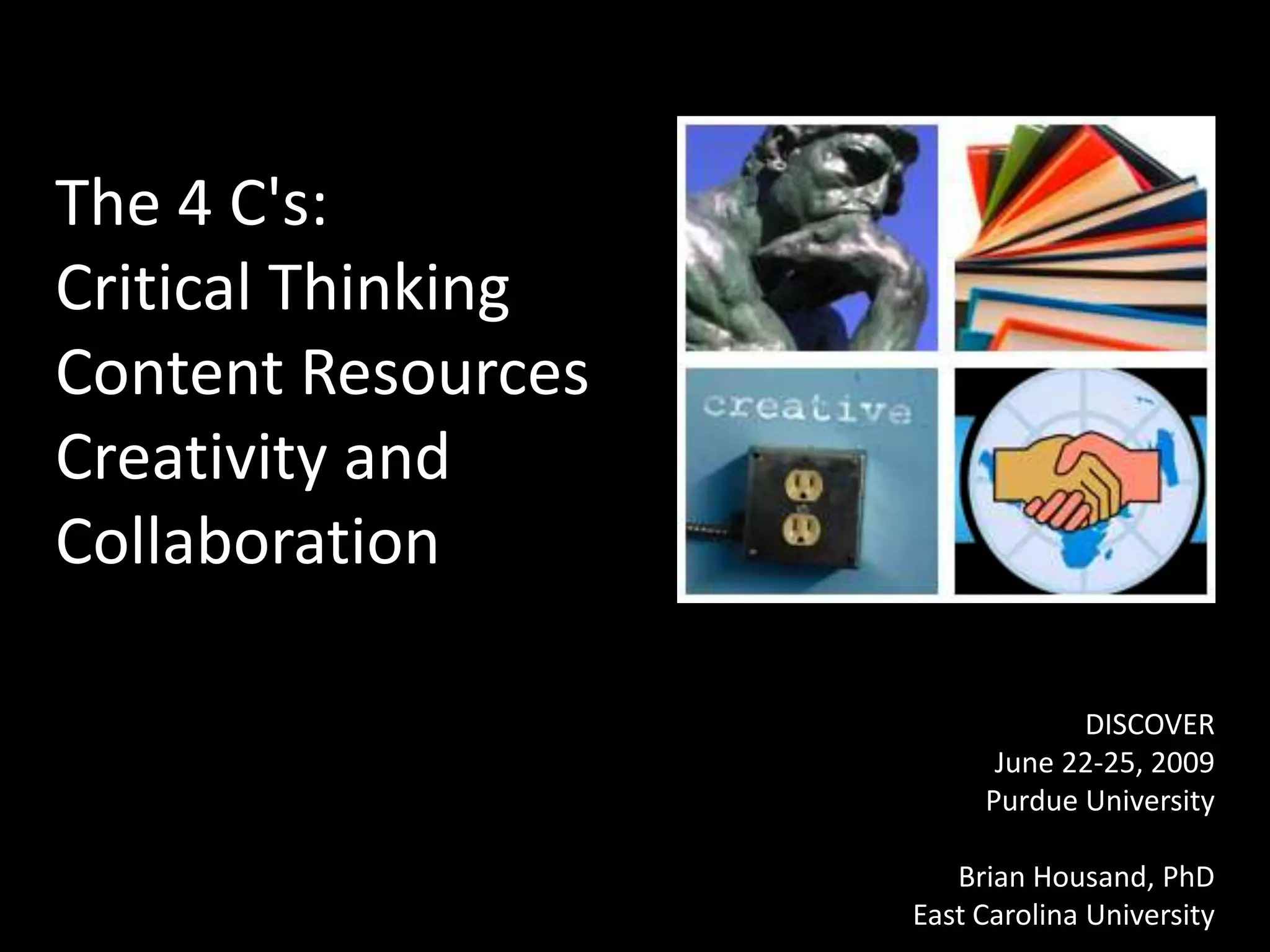









The 4 C's:Critical ThinkingContent ResourcesCreativity and CollaborationDISCOVER June 22-25, 2009 Purdue UniversityBrian Housand, PhDEast Carolina University
http://tinyurl.com/brianhousand
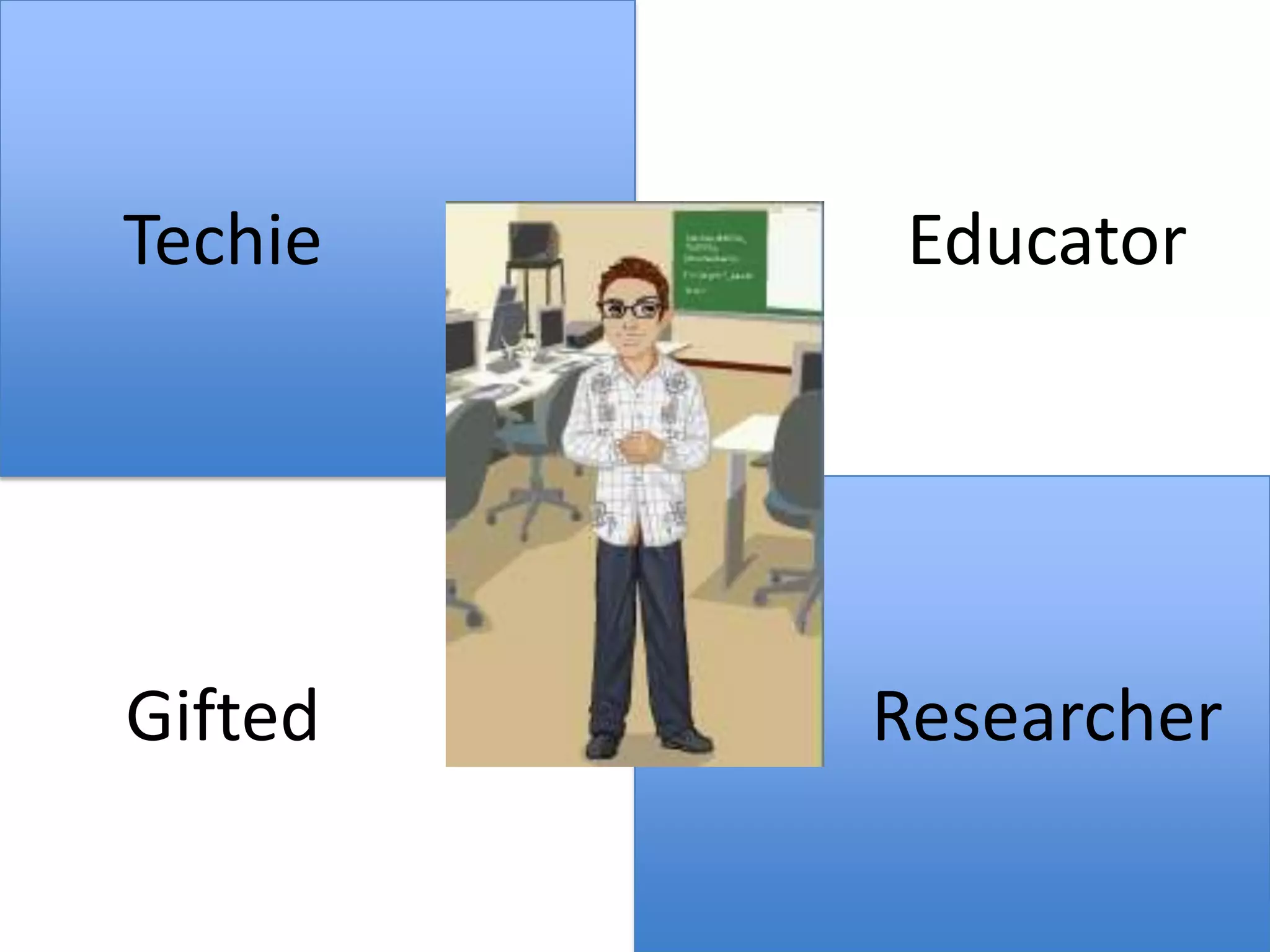
TechieEducatorResearcherGifted
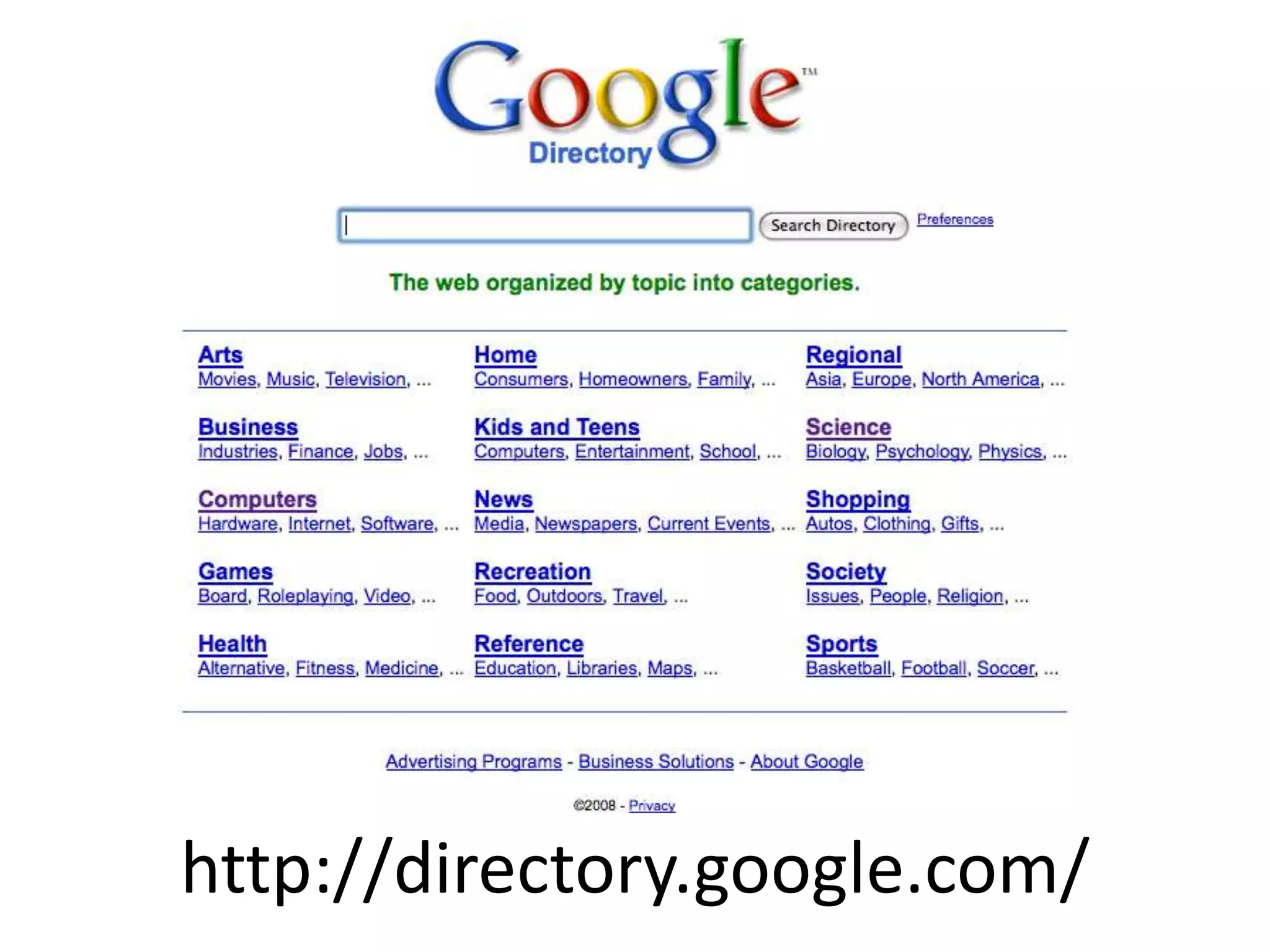
http://directory.google.com/
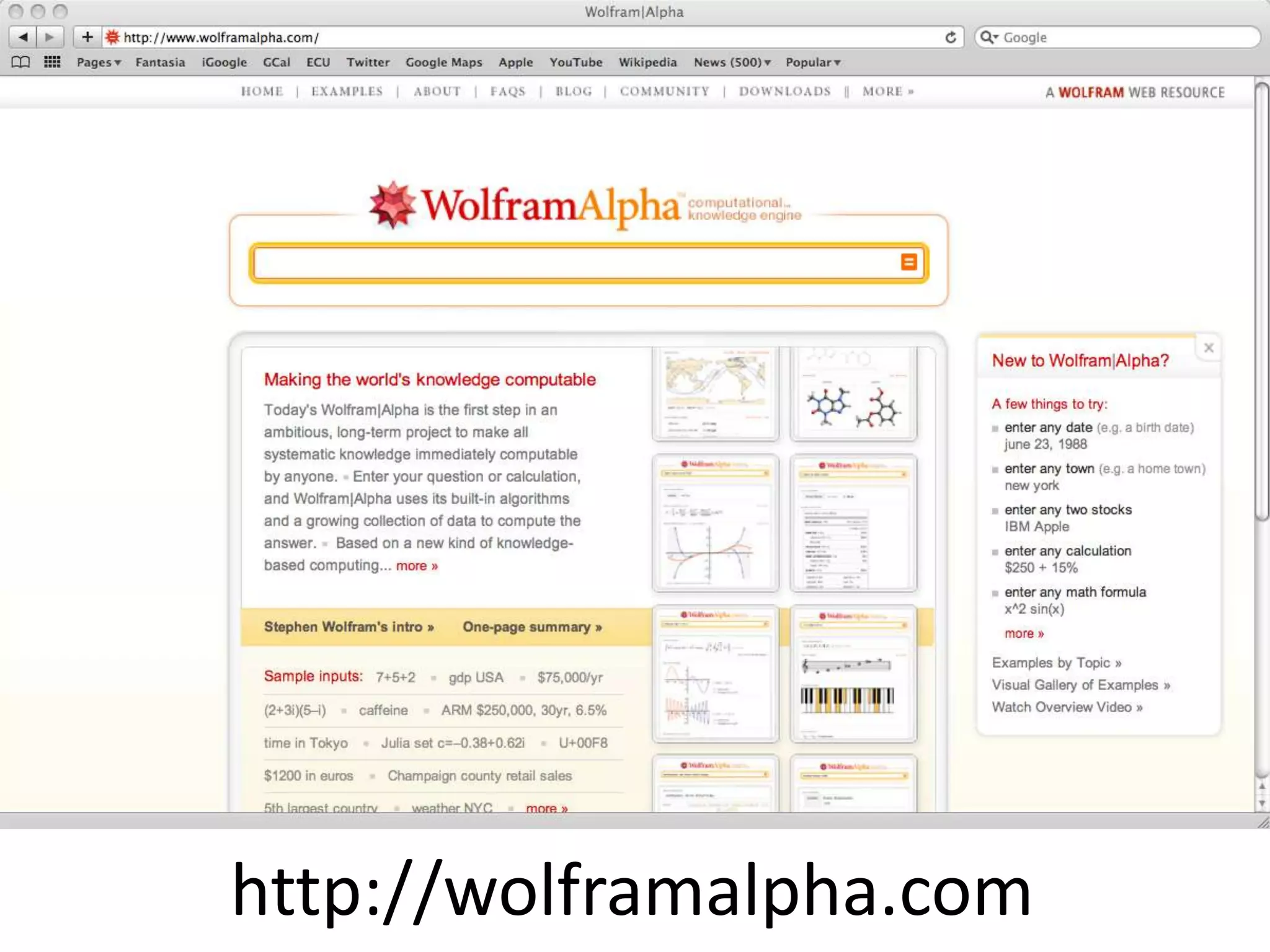
http://wolframalpha.com
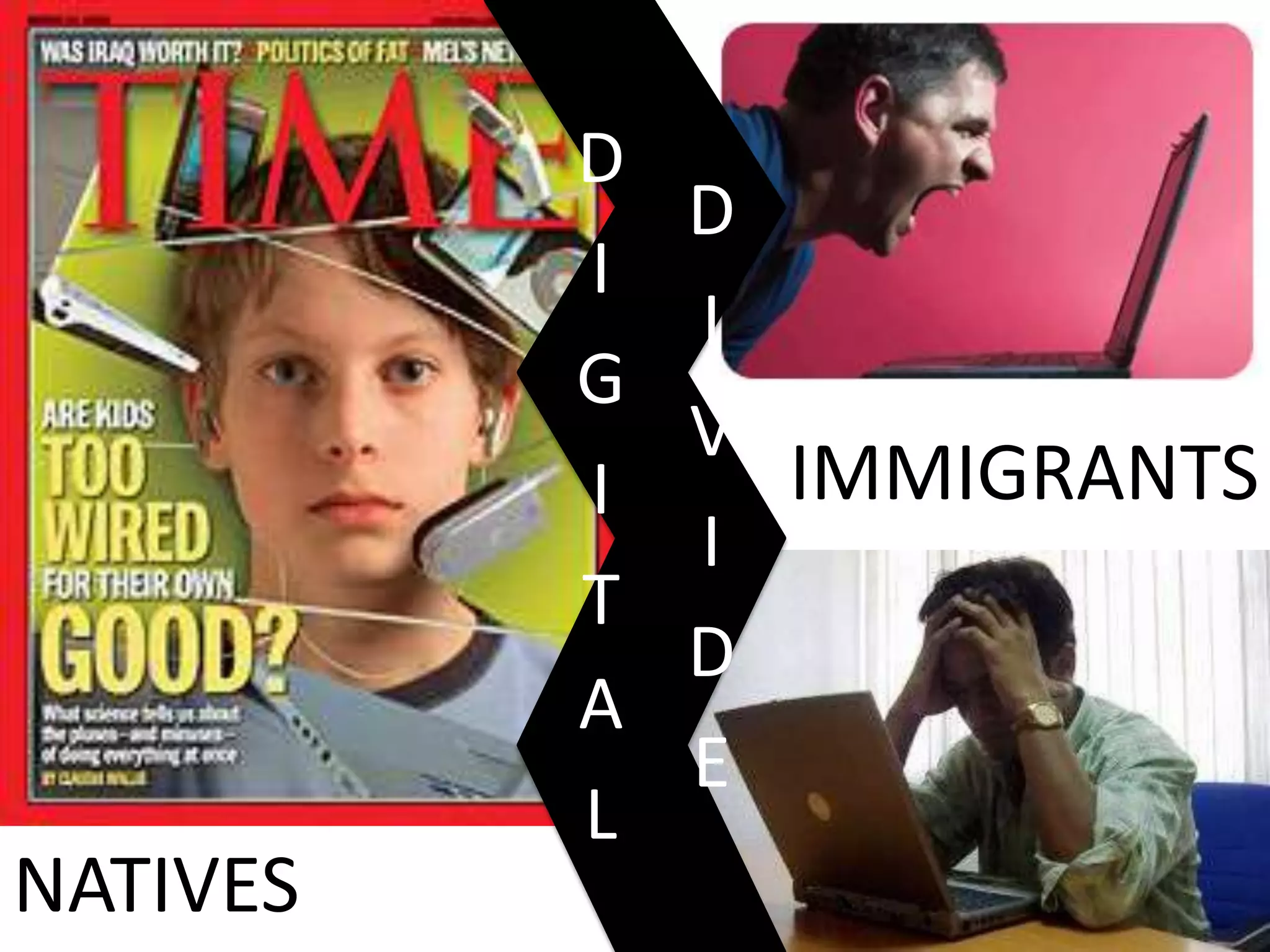
DIGITAL DIVIDEIMMIGRANTSNATIVES
“ The kids these days are not digital kids. The digital kids were in the ’90s. The kids today are mobile, and there’s a difference. Digital is the old way of thinking, mobile is the new way.”Elliott Solloway
Learning beyond the classroom.
Why Do We Ask Kids To UNPLUG At School?
If technology is an event in your school,you are doing it wrong.Josh Allen
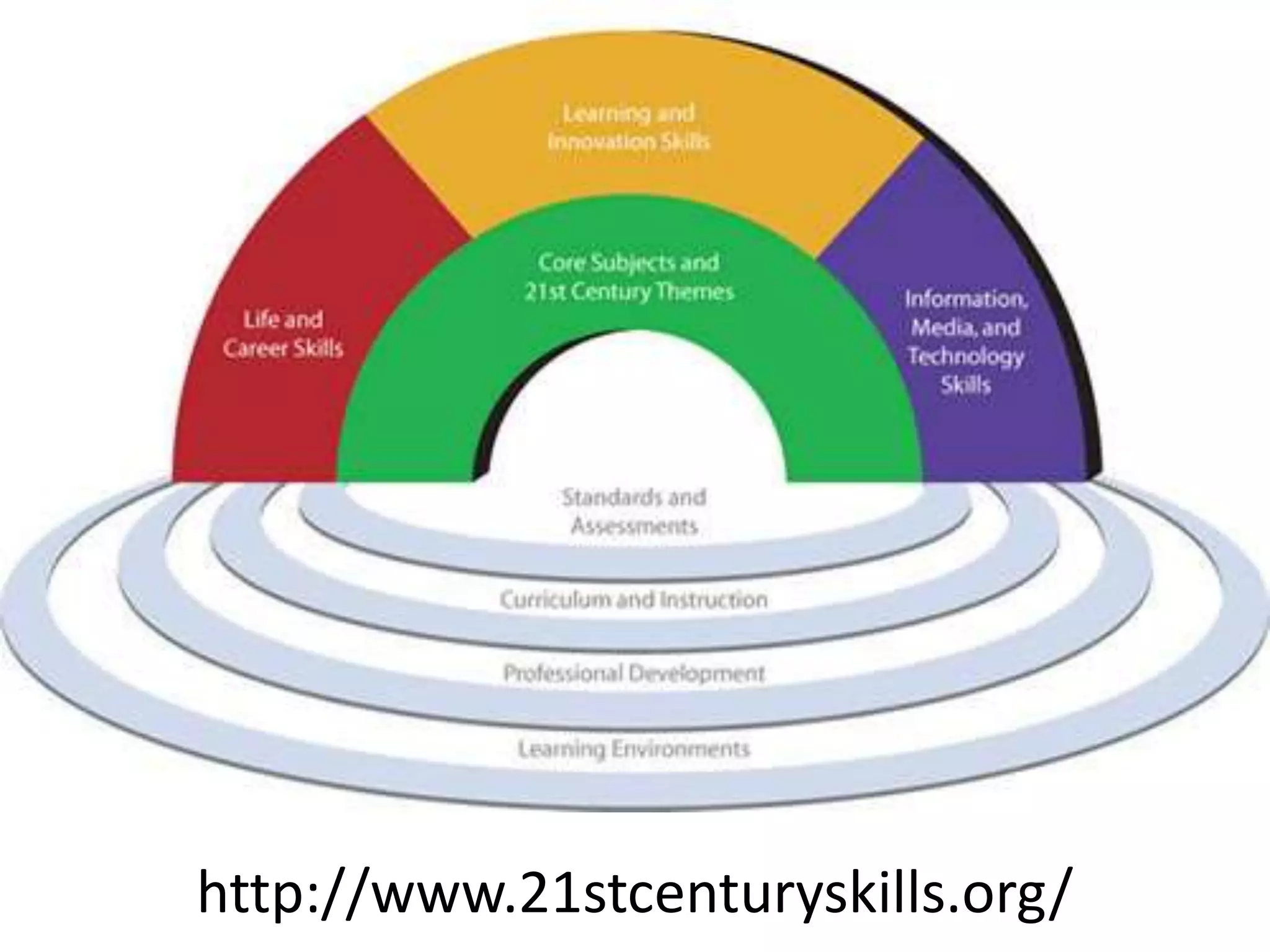
http://www.21stcenturyskills.org/
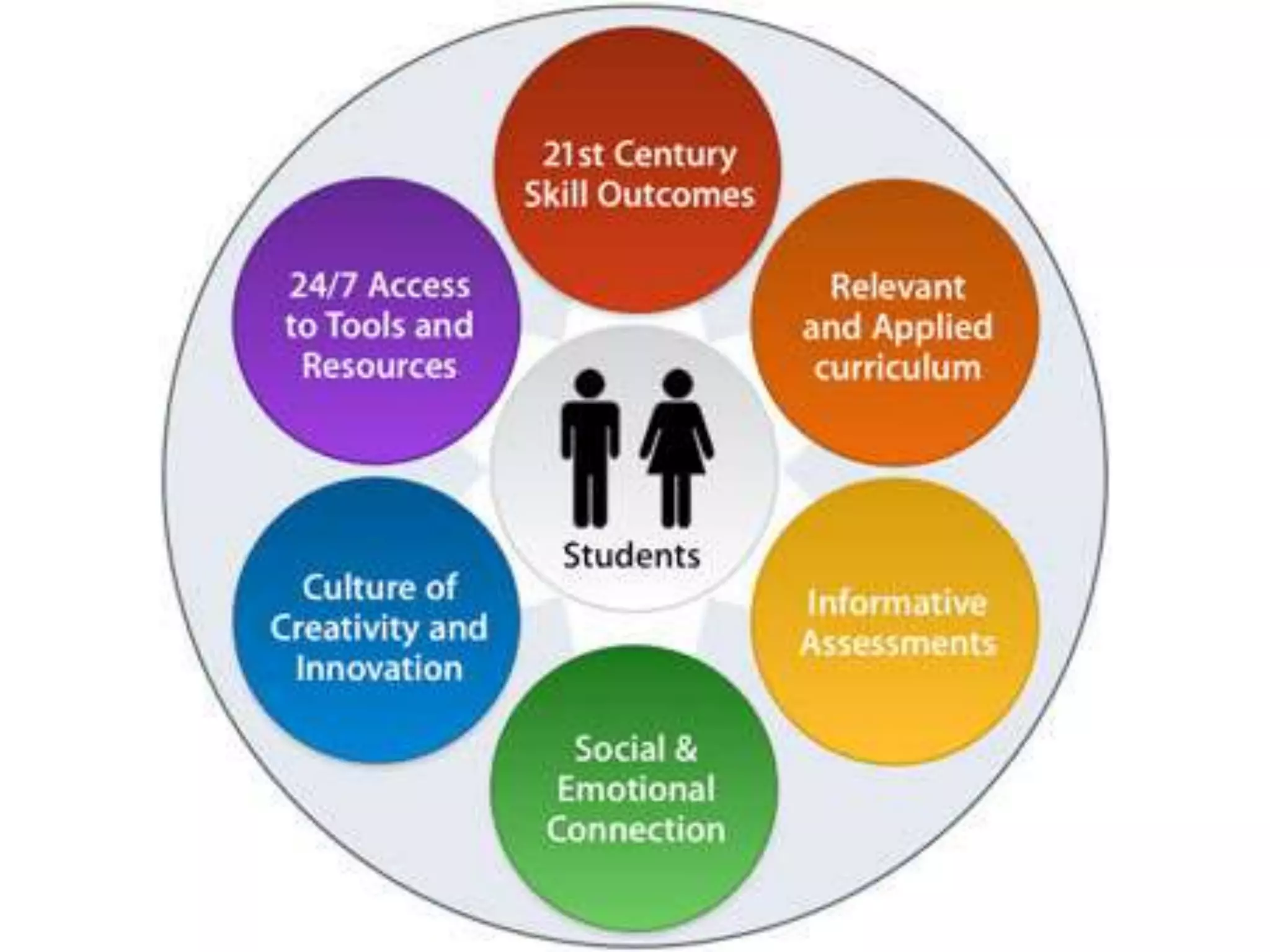
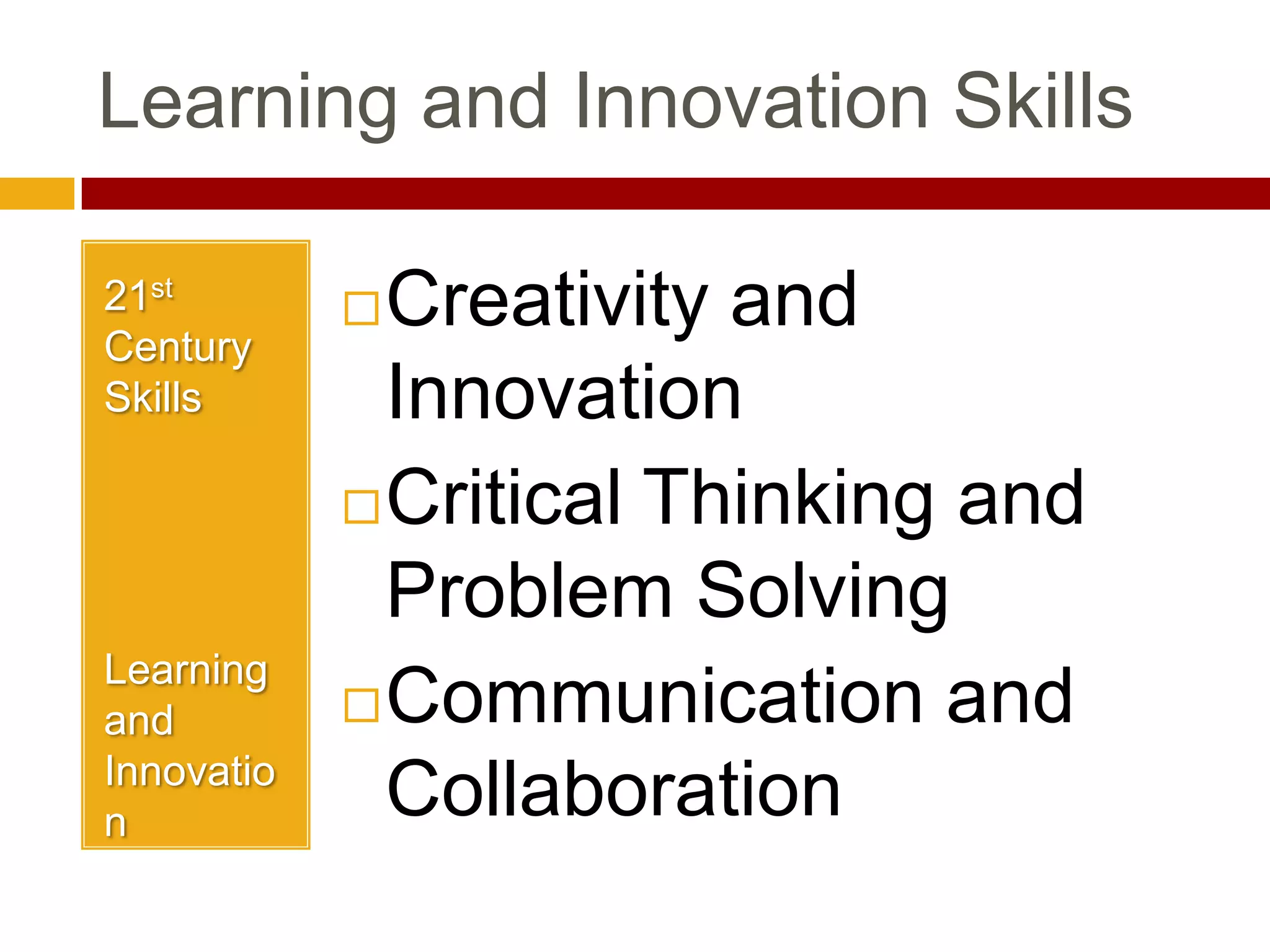
Learning and Innovation SkillsCreativity and InnovationCritical Thinking and Problem SolvingCommunication and Collaboration21st Century SkillsLearning and Innovation
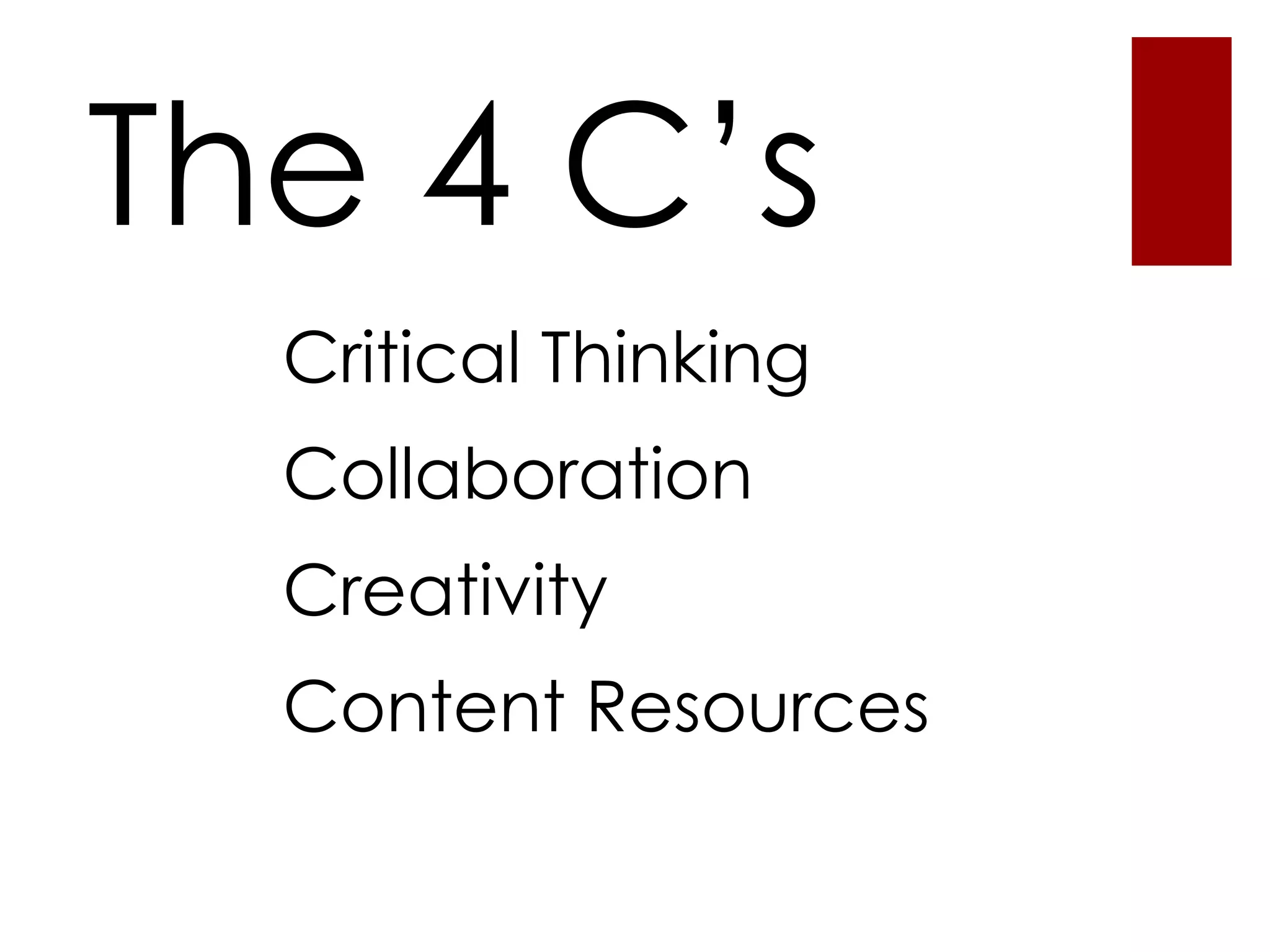
The 4 C’sCritical ThinkingCollaborationCreativityContent Resources
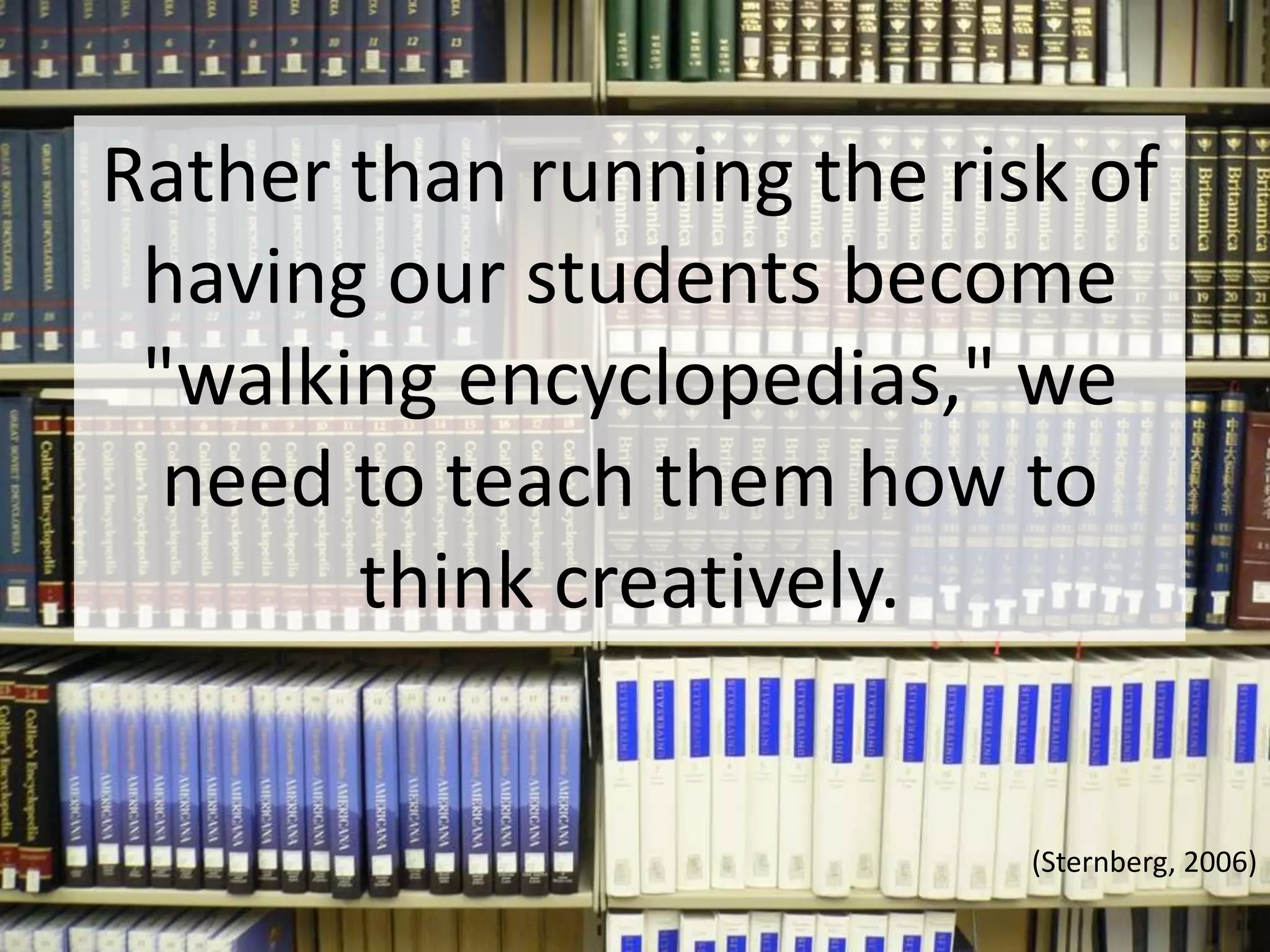
Rather than running the risk of having our students become "walking encyclopedias," we need to teach them how to think creatively. (Sternberg, 2006)
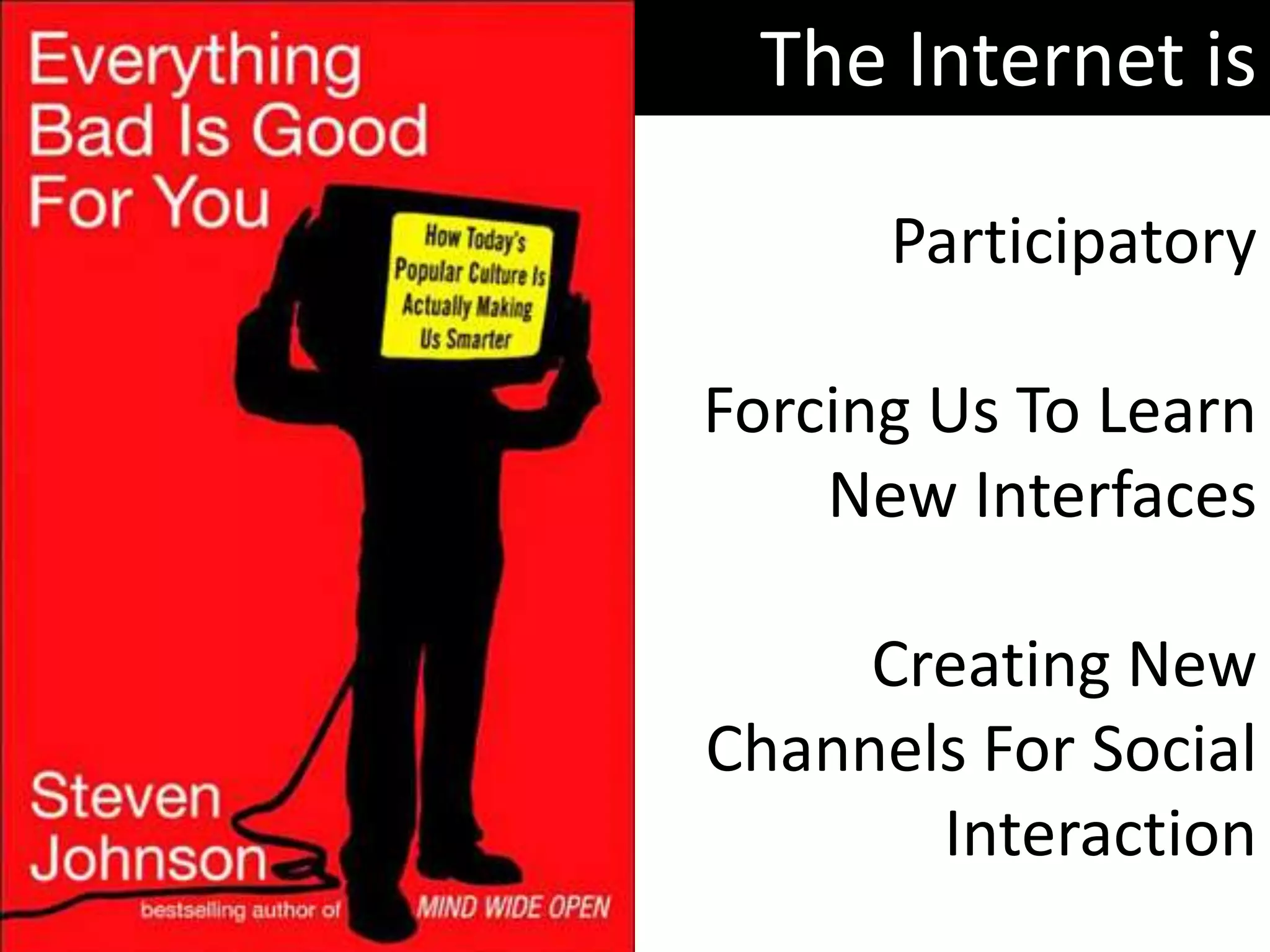
The Internet isParticipatoryForcing Us To Learn New InterfacesCreating New Channels For Social Interaction
The Less You Share, The Less Power You Have.
 Computer Technology“is not a tool;it is a new material for expression.” (Maeda, 2001)
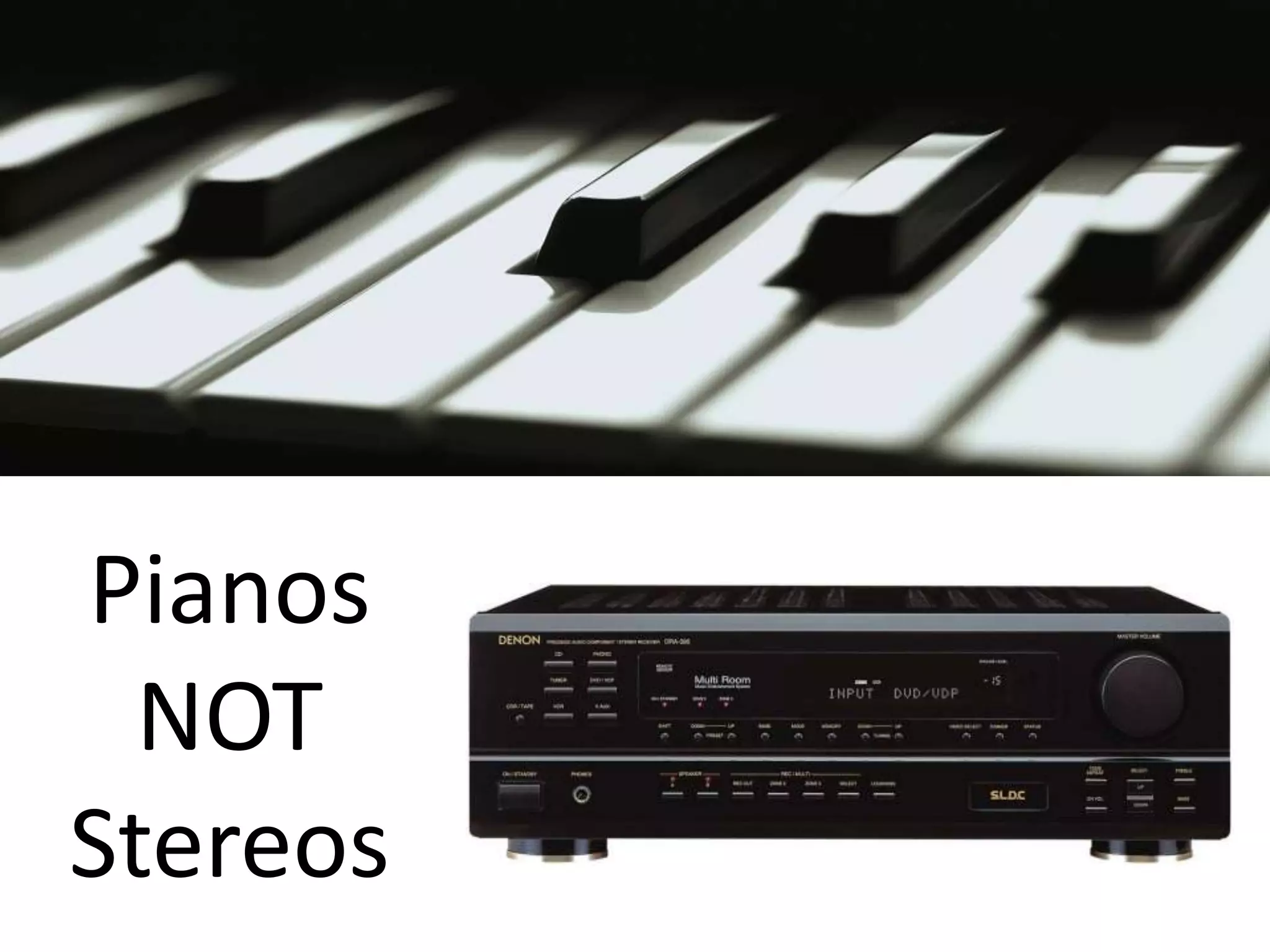
PianosNOTStereos
In a global digital economy, the focus is no longer on using, it is creating and producing.(Steinkuehler, Black, & Clinton, 2005)
Knowledge alone is NOT enough.
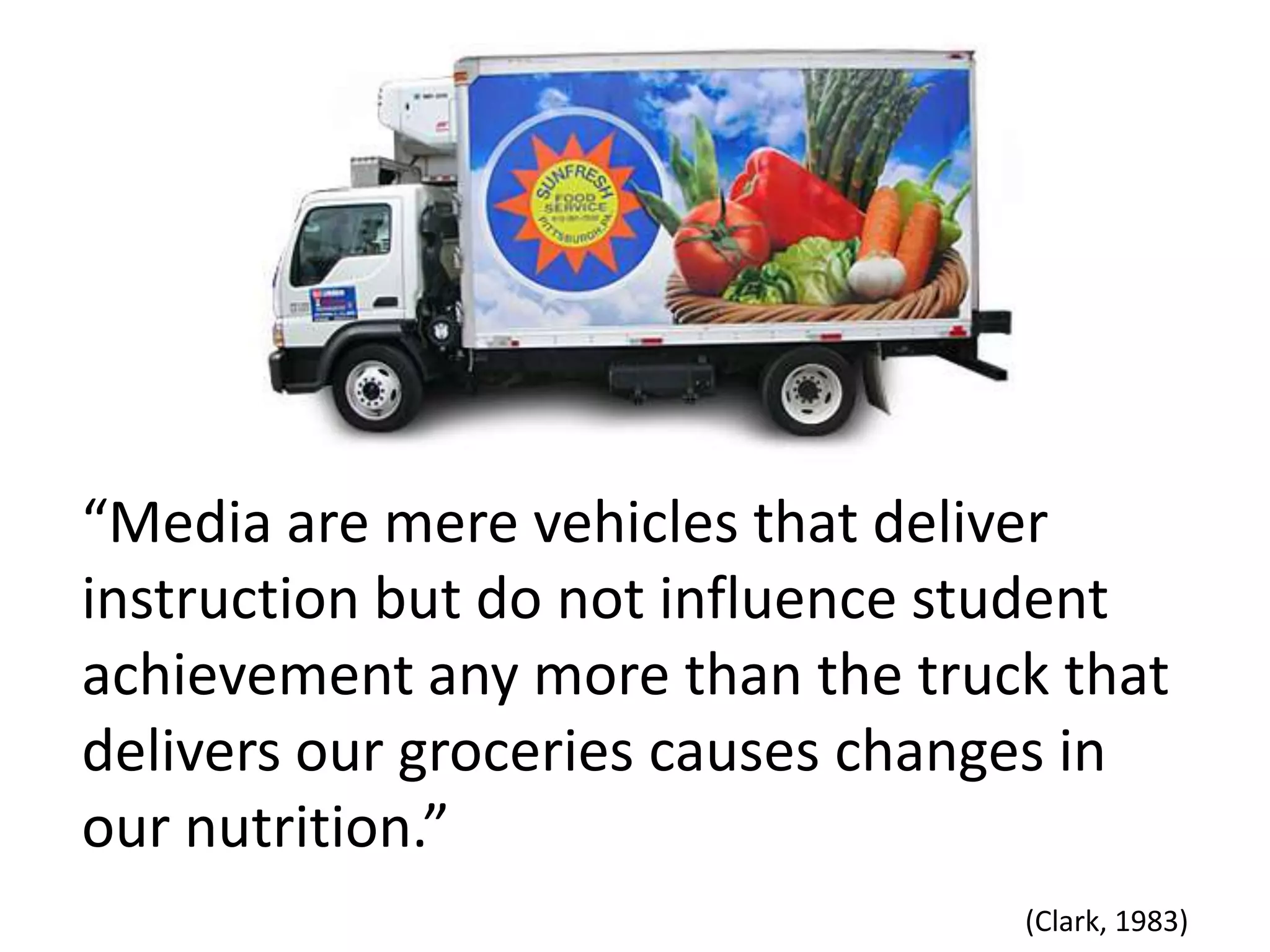
“Media are mere vehicles that deliver instruction but do not influence student achievement any more than the truck that delivers our groceries causes changes in our nutrition.”(Clark, 1983)
Critical ConsumersResponsibleProducers
The Future Is NOW!
http://tinyurl.com/brianhousand

The 4 C's Intro

Editor's Notes

  • #17 the focus should be on allowing students to use computers more than getting teachers to use them
  • #36 b. “Knowledge alone is not enough. Success in the future – for individuals, for communities, for companies, for nations as a whole – will be based not on what we know or how much we know, but on our ability to think and act creatively. In the 21st century, we are moving toward the Creative Society.”