Behavior Analysis Training System (BATS)
Here’s the problem…
In order for BATS to achieve high quality training, there are many complex things that need to happen
As BATS has evolved…We have found several problems and opportunitiesSo we have added	subsystems to fix or 	exploit those problems
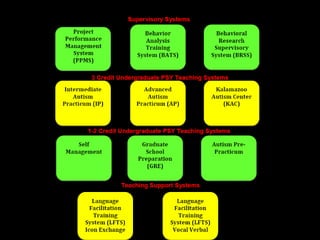
Program StructureThere are 11 subsystems in the Behavior Analysis Training SystemEach subsystem fulfills a different function within the programSubsystems are broken into 4 categoriesSupervisory Systems3 Credit PSY Course Teaching Systems1 – 2 Credit PSY Course Teaching SystemsTeaching Support Systems
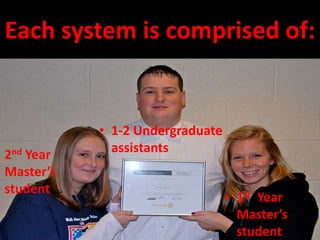
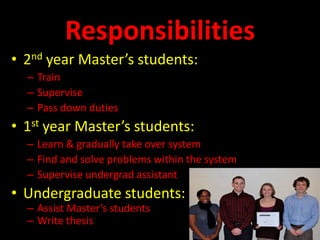
Each system is comprised of:1-2 Undergraduate assistants2nd Year Master’s student1st  Year Master’s studentResponsibilities2nd year Master’s students:Train        SupervisePass down duties1st year Master’s students:Learn & gradually take over systemFind and solve problems within the systemSupervise undergrad assistantUndergraduate students:Assist Master’s students Write thesis
What kind of work is required?At least 4 hours per week of system workFinding problemsResolving problemsFulfilling system dutiesSupervision of undergraduate studentsRevisions of undergraduate theses*Monthly Research & Development meetings with Dr. Malott
Choosing your system!While you’re listening, remember….You will be a part of the same system for both years in BATSYou’ll run the system with a 2nd years and an undergraduate 4 hours of work per weekKeeping the system running smoothlyWorking on a research & development project that improves some aspect of the systemAfter the presentation rank the systems on a scale from 1-111 = The system you’d MOST like to be a part of; #1 choice11 = The system you’d LEAST like to be a part of; your last choiceInterrupt us if you have questions!
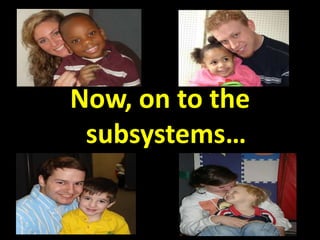
Now, on to the subsystems…
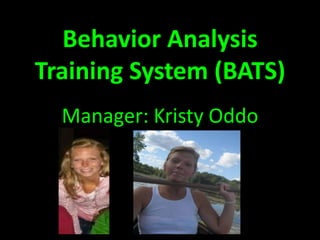
Behavior Analysis Training System (BATS)Manager: Kristy Oddo
Here’s the problemThere are several things that need to happen in order for our program to run smoothly.. So, as a BATS 1st year, your responsibilities include…. (but are not limited to)
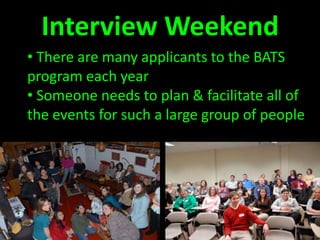
Interview Weekend There are many applicants to the BATS program each year
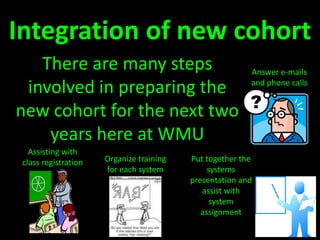
 Someone needs to plan & facilitate all of the events for such a large group of peopleIntegration of new cohortThere are many steps involved in preparing the new cohort for the next two years here at WMUAnswer e-mails and phone calls Assisting with class registrationPut together the systems presentation and assist with system assignmentOrganize training for each system
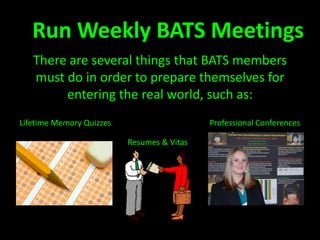
Run Weekly BATS MeetingsThere are several things that BATS members must do in order to prepare themselves for entering the real world, such as: Lifetime Memory QuizzesProfessional ConferencesResumes & Vitas
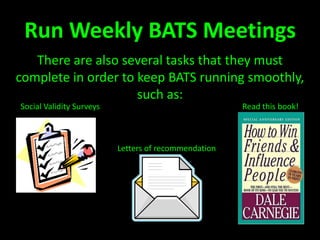
Run Weekly BATS MeetingsThere are also several tasks that they must complete in order to keep BATS running smoothly, such as:Read this book!Social Validity SurveysLetters of recommendation
Alumni & Job DatabasesWe also keeps updated databases of our alumni and job opportunities in ABA.
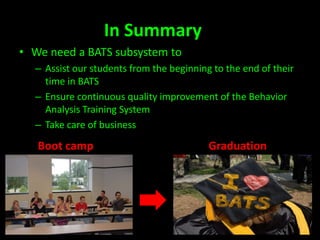
In SummaryWe need a BATS subsystem toAssist our students from the beginning to the end of their time in BATSEnsure continuous quality improvement of the Behavior Analysis Training SystemTake care of businessBoot campGraduation
In SummaryWhat you’ll get out of being the BATS 1st yearORGANIZATIONGet to know the 1st yearsSocial skills and professionalism trainingA sense of responsibilityAssist in bettering the state of BATS as a whole
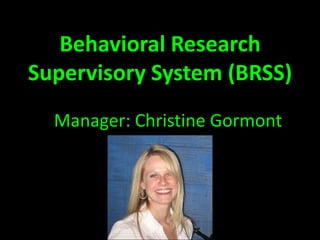
Behavioral Research Supervisory System (BRSS)Manager: Christine Gormont
Here’s the problemMasters students and undergraduate assistants need performance management contingencies to achieve continuous quality improvement…
Task CompletionBRSS system managers verify task completion of graduate and undergraduate students at the weekly meetings
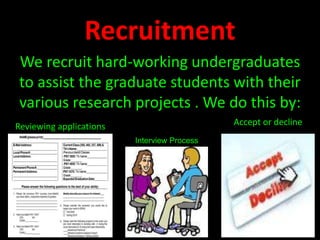
RecruitmentWe recruit hard-working undergraduates to assist the graduate students with their various research projects . We do this by: Accept or declineReviewing applications   Interview Process
Project/Thesis PresentationsWe verify completion of undergraduate and graduate writing assignments each week and organize the presentation of completed projects/thesesMaster StudentsUndergraduates
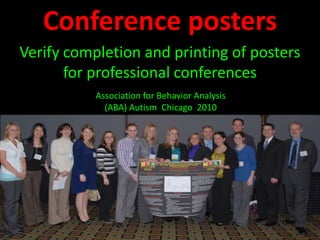
Conference postersVerify completion and printing of posters for professional conferencesAssociation for Behavior Analysis (ABA) Autism  Chicago  2010
Human SubjectsInvestigative Research BoardBRSS is also responsible for training of the HSIRB policies and guidelines. We ensure that each system and its members are in compliance with HSIRB policy.We also ensure that all protocols are updated when necessary, completed, and submitted to the HSIRB for approval.
ConclusionIn this system you will be able to develop your organizational skills, system development skills, management skills, supervision skills, training skills, and much more.BRSS is a well developed system with many established benefits, but we have recently made some major changes and updates.If you join this system you can apply your creativity to the system in order to further its growth.
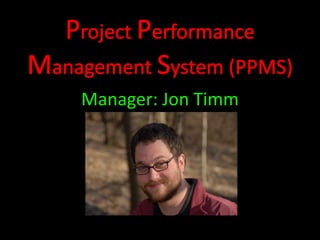
Project Performance Management System (PPMS)Manager: Jon Timm
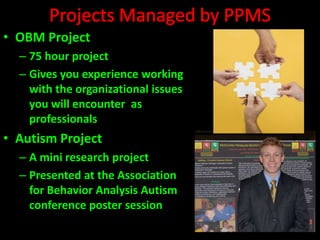
As 2nd years all BATS students are required to:Complete an Organizational Behavior   Management (OBM) projectand…Complete an autism research projectProjects Managed by PPMSOBM Project75 hour projectGives you experience working with the organizational issues you will encounter  as professionals Autism ProjectA mini research projectPresented at the Association for Behavior Analysis Autism conference poster session
The Need for SupervisionAs degenerate MA students, we all need a little extra incentive to:Complete our long term projects on time
Improve the quality of our long term projectsPPMS provides the tools and supervision to make this possible!
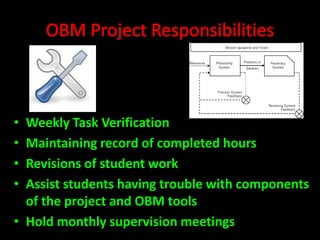
OBM Project ResponsibilitiesWeekly Task VerificationMaintaining record of completed hoursRevisions of student workAssist students having trouble with components of the project and OBM toolsHold monthly supervision meetings
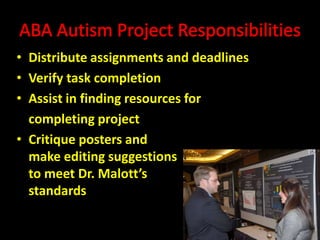
ABA Autism Project ResponsibilitiesDistribute assignments and deadlines Verify task completion Assist in finding resources for 	completing project Critique posters and make editing suggestions to meet Dr. Malott’sstandards
If you become the 1st year PPMS manager you will:Help contribute improvements to a  growing systemGain experience in OBM
Get a good idea on what will be  expected for your projects in your 2nd year
Pre-Practicum SystemManager: Julie Sanchez
Here’s the problemStudents needed some training before they entered the practicum setting, so the Pre-Practicum system was developed to…
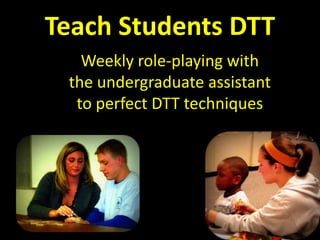
Teach Students DTT	Weekly role-playing with the undergraduate assistant to perfect DTT techniques
Provide BackgroundA weekly seminar with readings and information about the Croyden Avenue School and KAC and the practicum classroom procedures
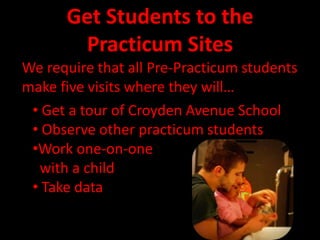
Get Students to the Practicum SitesWe require that all Pre-Practicum students make five visits where they will… Get a tour of Croyden Avenue School
 Observe other practicum students
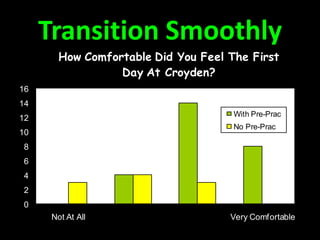
Work one-on-one   with a child Take dataTransition Smoothly
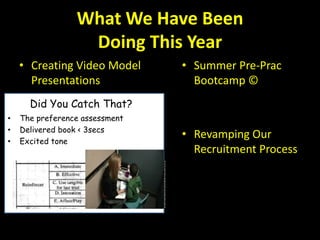
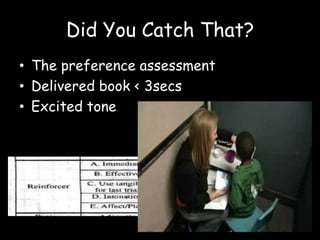
What We Have Been Doing This YearCreating Video Model PresentationsSummer Pre-Prac Bootcamp © Revamping Our Recruitment ProcessDid You Catch That?The preference assessment
Delivered book < 3secs
Excited toneDid You Catch That?The preference assessment Delivered book < 3secsExcited tone
What Will We Be Doing?Teaching SeminarOne and a Half Hours, Twice a Week Beginning Half Way Through the SemesterGive QuizzesLectureRole Playc
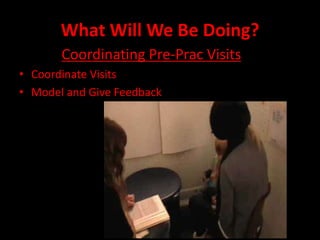
What Will We Be Doing?Coordinating Pre-Prac VisitsCoordinate VisitsModel and Give Feedback
What Can We Work On This Year?Continuous Quality Improvement!Update Current MaterialsUpdate System ProtocolsMaybe Push Harder For The Autism Preliminary Practicum BootCamp ©???
Intermediate Practicum SystemManager: Taylor Barker
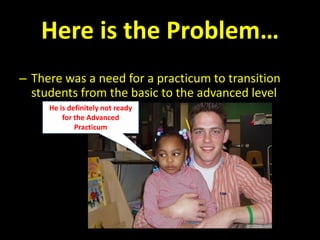
Here is the Problem…There was a need for a practicum to transition students from the basic to the advanced levelHe is definitely not ready for the Advanced Practicum
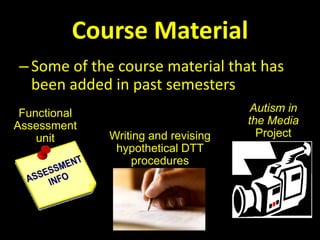
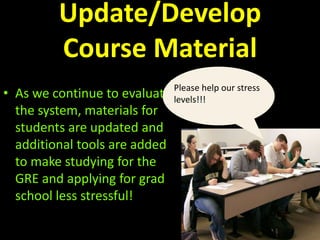
Course MaterialOur course material must be continuously updated to:Keep students up to date with current research and Teach best practice standards We are continuously updating the curriculum, but the students are always asking for more Course MaterialSome of the course material that has been added in past semesters Autism in the Media ProjectFunctional Assessment unitWriting and revising hypothetical DTT procedures
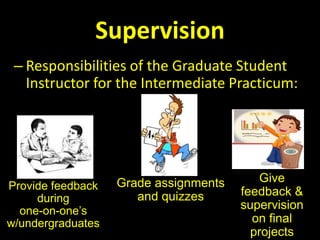
SupervisionResponsibilities of the Graduate Student Instructor for the Intermediate Practicum:Give feedback & supervision on final projectsGrade assignments and quizzesProvide feedback during one-on-one’s w/undergraduates
Advanced Practicum SystemManager: Amanda Smith
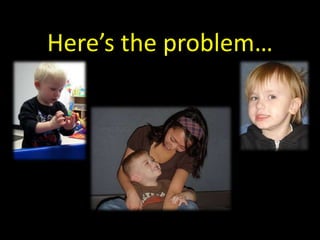
Here’s the problem…
So on the 54,984,323,188,752nd day, God created the Advanced PracticumWe provide our students with…
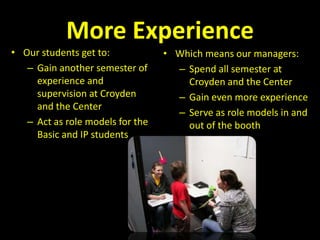
More ExperienceOur students get to:Gain another semester of experience and supervision at Croyden and the CenterAct as role models for the Basic and IP studentsWhich means our managers:Spend all semester at Croyden and the CenterGain even more experienceServe as role models in and out of the booth
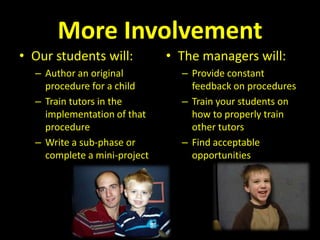
More InvolvementOur students will:Author an original procedure for a childTrain tutors in the implementation of that procedureWrite a sub-phase or complete a mini-projectThe managers will:Provide constant feedback on proceduresTrain your students on how to properly train other tutorsFind acceptable opportunities
Opportunities to Spread KnowledgeAt the end of the semester each student will:Have completed a final paperPresent a PowerPoint to everyone in the practicaSo as the semester progresses you will have to:Give frequent feedback on each paperCritique and rehearse each presentation several times
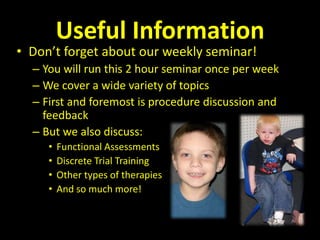
Useful InformationDon’t forget about our weekly seminar!You will run this 2 hour seminar once per weekWe cover a wide variety of topicsFirst and foremost is procedure discussion and feedbackBut we also discuss:Functional AssessmentsDiscrete Trial TrainingOther types of therapiesAnd so much more!
The Kalamazoo Autism Center (KAC) SystemManager: Kristin Loeffler
How it all beganIn the Fall of 2008, Dr. Malott and his graduate students opened the KAC serving two children with autism.  Since then, we have expanded to eight children!        So…
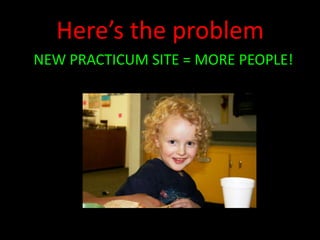
Here’s the problem    NEW PRACTICUM SITE = MORE PEOPLE!
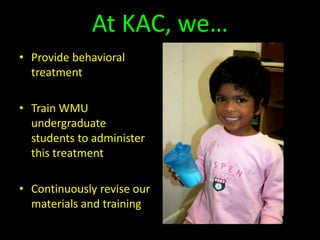
At KAC, we…Provide behavioral treatmentTrain WMU undergraduate students to administer this treatmentContinuously revise our materials and training
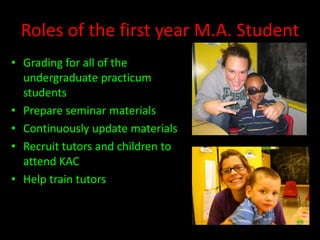
Roles of the first year M.A. StudentGrading for all of the undergraduate practicum studentsPrepare seminar materialsContinuously update materialsRecruit tutors and children to attend KACHelp train tutors
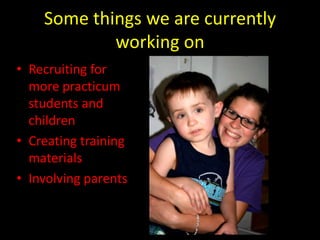
Some things we are currently working onRecruiting for more practicum students and childrenCreating training materialsInvolving parents
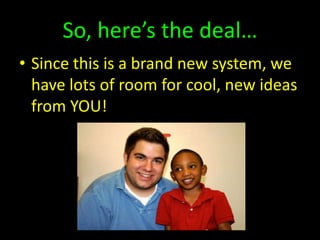
So, here’s the deal…Since this is a brand new system, we have lots of room for cool, new ideas from YOU!
Language Facilitation Training System (LFTS):Icon Exchange Communication SystemManager: Jennie Shooltz
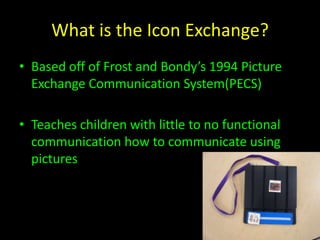
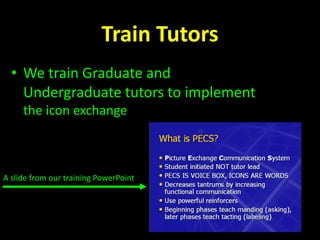
What is the Icon Exchange?Based off of Frost and Bondy’s 1994 Picture Exchange Communication System(PECS)Teaches children with little to no functional communication how to communicate using pictures
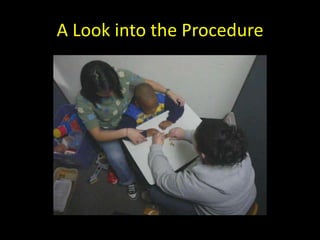
A Look into the Procedure
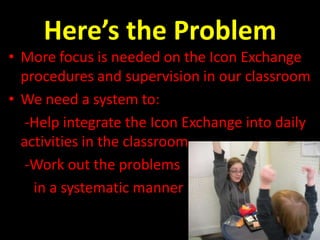
Here’s the ProblemMore focus is needed on the Icon Exchange procedures and supervision in our classroom
We need a system to:		-Help integrate the Icon Exchange into daily     activities in the classroom		-Work out the problems        in a systematic manner
Train TutorsWe train Graduate and Undergraduate tutors to implement the icon exchangeA slide from our training PowerPoint
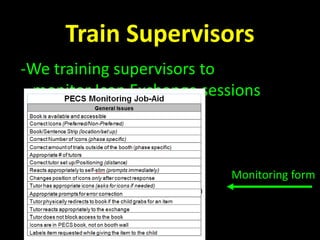
Tutor: ______________  Child: ______________ Start Date: ____________ End:______________ General Items  - (take off ½ a point for every time the tutor does not do this)Tutor: ______________  Child: ______________ Start Date: ____________ End:______________ General Items  - (take off ½ a point for every time the tutor does not do this)Train Supervisors-We training supervisors to monitor Icon Exchange sessions and answer questionsMonitoring form
Answer QuestionsTraining tutors cannot cover all problems that could occur during the Icon ExchangeSupervisors who monitor sessions are frequently asked difficult questions and relay them back to our system for a final answerWe then integrate this information into our training to help solve the problems
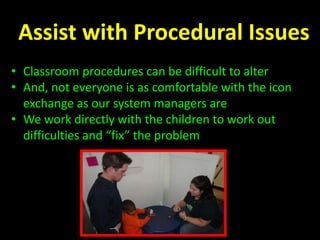
Assist with Procedural IssuesClassroom procedures can be difficult to alterAnd, not everyone is as comfortable with the icon exchange as our system managers areWe work directly with the children to work out difficulties and “fix” the problem
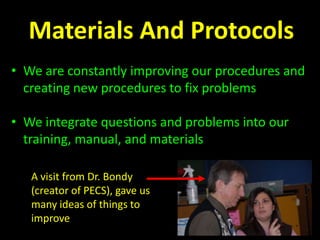
Materials And ProtocolsWe are constantly improving our procedures and creating new procedures to fix problemsWe integrate questions and problems into our training, manual, and materials	A visit from Dr. Bondy (creator of PECS), gave us many ideas of things to improve
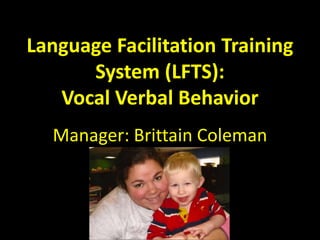
Language Facilitation Training System (LFTS):Vocal Verbal BehaviorManager: Brittain Coleman
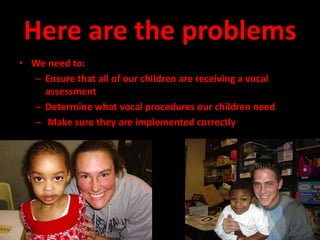
Here are the problemsWe need to:Ensure that all of our children are receiving a vocal assessmentDetermine what vocal procedures our children need Make sure they are implemented correctly
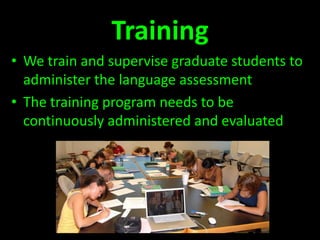
TrainingWe train and supervise graduate students to administer the language assessment The training program needs to be continuously administered and evaluated
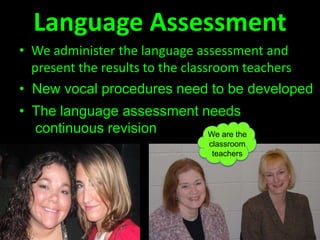
Language Assessment We administer the language assessment and present the results to the classroom teachers  New vocal procedures need to be developed
  The language assessment needs       	continuous revision We are the classroom teachers
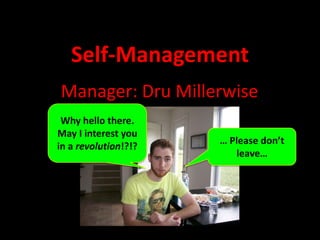
Self-ManagementManager: Dru MillerwiseWhy hello there. May I interest you in a revolution!?!?… Please don’t leave…
Myth or Truth?Students who do not study for their exams are lazy and incompetent. Students don’t hand in their homework because they do not care about their future. “C” students will always be “C” students.
HERE'S THE PROBLEMMyth or Truth?Liberal education often fails to consider effective performance management strategies.
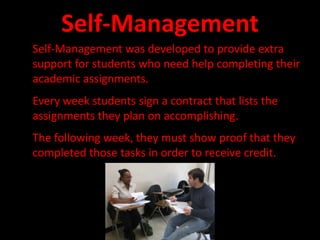
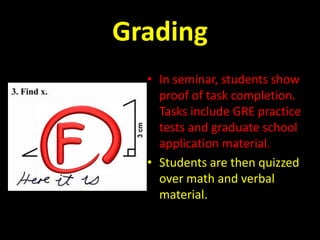
Self-ManagementSelf-Management was developed to provide extra support for students who need help completing their academic assignments. Every week students sign a contract that lists the assignments they plan on accomplishing. The following week, they must show proof that they completed those tasks in order to receive credit.
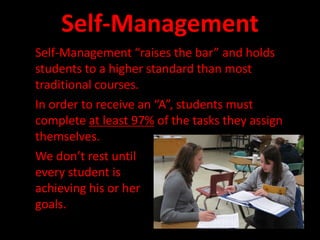
Self-ManagementSelf-Management “raises the bar” and holds students to a higher standard than most traditional courses. In order to receive an “A”, students must complete at least 97% of the tasks they assign themselves. We don’t rest until every student is achieving his or her  goals.
Roles of the MA StudentTeach the Self-Management Course Run classroom discussion
 Provide one-on-one supervision to students
 Grade homework assignments
 Handle student issues
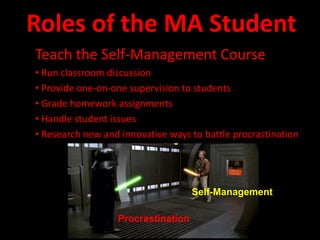
 Research new and innovative ways to battle procrastinationSelf-ManagementProcrastination
Roles of the MA StudentCreate and revise course material Develop programmed instruction
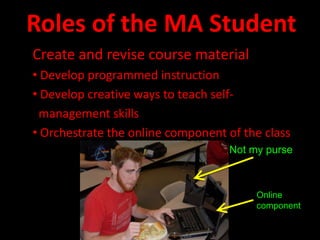
 Develop creative ways to teach self-  management skills Orchestrate the online component of the classNot my purseOnline component
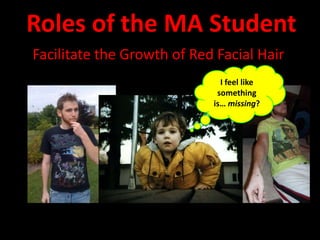
Roles of the MA StudentFacilitate the Growth of Red Facial HairI feel like something is… missing?
Roles of the MA StudentFacilitate the Growth of Red Facial HairYARGH, that be much better!!!
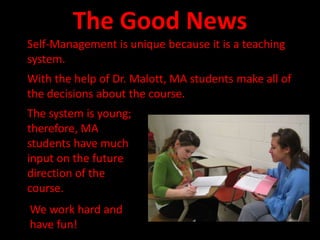
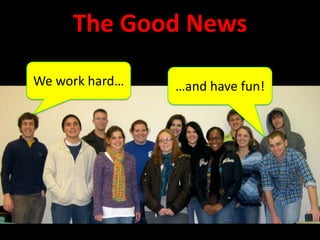
The Good NewsSelf-Management is unique because it is a teaching system. With the help of Dr. Malott, MA students make all of the decisions about the course. The system is young; therefore, MA students have much input on the future direction of the course. We work hard and have fun!

Systems presentation 2010

  • 1.
  • 2.
  • 3.
    In order forBATS to achieve high quality training, there are many complex things that need to happen
  • 4.
    As BATS hasevolved…We have found several problems and opportunitiesSo we have added subsystems to fix or exploit those problems
  • 5.
    Program StructureThere are11 subsystems in the Behavior Analysis Training SystemEach subsystem fulfills a different function within the programSubsystems are broken into 4 categoriesSupervisory Systems3 Credit PSY Course Teaching Systems1 – 2 Credit PSY Course Teaching SystemsTeaching Support Systems
  • 7.
    Each system iscomprised of:1-2 Undergraduate assistants2nd Year Master’s student1st Year Master’s studentResponsibilities2nd year Master’s students:Train SupervisePass down duties1st year Master’s students:Learn & gradually take over systemFind and solve problems within the systemSupervise undergrad assistantUndergraduate students:Assist Master’s students Write thesis
  • 8.
    What kind ofwork is required?At least 4 hours per week of system workFinding problemsResolving problemsFulfilling system dutiesSupervision of undergraduate studentsRevisions of undergraduate theses*Monthly Research & Development meetings with Dr. Malott
  • 9.
    Choosing your system!Whileyou’re listening, remember….You will be a part of the same system for both years in BATSYou’ll run the system with a 2nd years and an undergraduate 4 hours of work per weekKeeping the system running smoothlyWorking on a research & development project that improves some aspect of the systemAfter the presentation rank the systems on a scale from 1-111 = The system you’d MOST like to be a part of; #1 choice11 = The system you’d LEAST like to be a part of; your last choiceInterrupt us if you have questions!
  • 10.
    Now, on tothe subsystems…
  • 11.
    Behavior Analysis TrainingSystem (BATS)Manager: Kristy Oddo
  • 12.
    Here’s the problemThereare several things that need to happen in order for our program to run smoothly.. So, as a BATS 1st year, your responsibilities include…. (but are not limited to)
  • 13.
    Interview Weekend Thereare many applicants to the BATS program each year
  • 14.
    Someone needsto plan & facilitate all of the events for such a large group of peopleIntegration of new cohortThere are many steps involved in preparing the new cohort for the next two years here at WMUAnswer e-mails and phone calls Assisting with class registrationPut together the systems presentation and assist with system assignmentOrganize training for each system
  • 15.
    Run Weekly BATSMeetingsThere are several things that BATS members must do in order to prepare themselves for entering the real world, such as: Lifetime Memory QuizzesProfessional ConferencesResumes & Vitas
  • 16.
    Run Weekly BATSMeetingsThere are also several tasks that they must complete in order to keep BATS running smoothly, such as:Read this book!Social Validity SurveysLetters of recommendation
  • 17.
    Alumni & JobDatabasesWe also keeps updated databases of our alumni and job opportunities in ABA.
  • 18.
    In SummaryWe needa BATS subsystem toAssist our students from the beginning to the end of their time in BATSEnsure continuous quality improvement of the Behavior Analysis Training SystemTake care of businessBoot campGraduation
  • 19.
    In SummaryWhat you’llget out of being the BATS 1st yearORGANIZATIONGet to know the 1st yearsSocial skills and professionalism trainingA sense of responsibilityAssist in bettering the state of BATS as a whole
  • 20.
    Behavioral Research SupervisorySystem (BRSS)Manager: Christine Gormont
  • 21.
    Here’s the problemMastersstudents and undergraduate assistants need performance management contingencies to achieve continuous quality improvement…
  • 22.
    Task CompletionBRSS systemmanagers verify task completion of graduate and undergraduate students at the weekly meetings
  • 23.
    RecruitmentWe recruit hard-workingundergraduates to assist the graduate students with their various research projects . We do this by: Accept or declineReviewing applications Interview Process
  • 24.
    Project/Thesis PresentationsWe verifycompletion of undergraduate and graduate writing assignments each week and organize the presentation of completed projects/thesesMaster StudentsUndergraduates
  • 25.
    Conference postersVerify completionand printing of posters for professional conferencesAssociation for Behavior Analysis (ABA) Autism Chicago 2010
  • 26.
    Human SubjectsInvestigative ResearchBoardBRSS is also responsible for training of the HSIRB policies and guidelines. We ensure that each system and its members are in compliance with HSIRB policy.We also ensure that all protocols are updated when necessary, completed, and submitted to the HSIRB for approval.
  • 27.
    ConclusionIn this systemyou will be able to develop your organizational skills, system development skills, management skills, supervision skills, training skills, and much more.BRSS is a well developed system with many established benefits, but we have recently made some major changes and updates.If you join this system you can apply your creativity to the system in order to further its growth.
  • 28.
    Project Performance ManagementSystem (PPMS)Manager: Jon Timm
  • 29.
    As 2nd yearsall BATS students are required to:Complete an Organizational Behavior Management (OBM) projectand…Complete an autism research projectProjects Managed by PPMSOBM Project75 hour projectGives you experience working with the organizational issues you will encounter as professionals Autism ProjectA mini research projectPresented at the Association for Behavior Analysis Autism conference poster session
  • 30.
    The Need forSupervisionAs degenerate MA students, we all need a little extra incentive to:Complete our long term projects on time
  • 31.
    Improve the qualityof our long term projectsPPMS provides the tools and supervision to make this possible!
  • 32.
    OBM Project ResponsibilitiesWeeklyTask VerificationMaintaining record of completed hoursRevisions of student workAssist students having trouble with components of the project and OBM toolsHold monthly supervision meetings
  • 33.
    ABA Autism ProjectResponsibilitiesDistribute assignments and deadlines Verify task completion Assist in finding resources for completing project Critique posters and make editing suggestions to meet Dr. Malott’sstandards
  • 34.
    If you becomethe 1st year PPMS manager you will:Help contribute improvements to a growing systemGain experience in OBM
  • 35.
    Get a goodidea on what will be expected for your projects in your 2nd year
  • 36.
  • 37.
    Here’s the problemStudentsneeded some training before they entered the practicum setting, so the Pre-Practicum system was developed to…
  • 38.
    Teach Students DTT Weeklyrole-playing with the undergraduate assistant to perfect DTT techniques
  • 39.
    Provide BackgroundA weeklyseminar with readings and information about the Croyden Avenue School and KAC and the practicum classroom procedures
  • 40.
    Get Students tothe Practicum SitesWe require that all Pre-Practicum students make five visits where they will… Get a tour of Croyden Avenue School
  • 41.
    Observe otherpracticum students
  • 42.
    Work one-on-one with a child Take dataTransition Smoothly
  • 43.
    What We HaveBeen Doing This YearCreating Video Model PresentationsSummer Pre-Prac Bootcamp © Revamping Our Recruitment ProcessDid You Catch That?The preference assessment
  • 44.
  • 45.
    Excited toneDid YouCatch That?The preference assessment Delivered book < 3secsExcited tone
  • 46.
    What Will WeBe Doing?Teaching SeminarOne and a Half Hours, Twice a Week Beginning Half Way Through the SemesterGive QuizzesLectureRole Playc
  • 47.
    What Will WeBe Doing?Coordinating Pre-Prac VisitsCoordinate VisitsModel and Give Feedback
  • 48.
    What Can WeWork On This Year?Continuous Quality Improvement!Update Current MaterialsUpdate System ProtocolsMaybe Push Harder For The Autism Preliminary Practicum BootCamp ©???
  • 49.
  • 50.
    Here is theProblem…There was a need for a practicum to transition students from the basic to the advanced levelHe is definitely not ready for the Advanced Practicum
  • 51.
    Course MaterialOur coursematerial must be continuously updated to:Keep students up to date with current research and Teach best practice standards We are continuously updating the curriculum, but the students are always asking for more Course MaterialSome of the course material that has been added in past semesters Autism in the Media ProjectFunctional Assessment unitWriting and revising hypothetical DTT procedures
  • 52.
    SupervisionResponsibilities of theGraduate Student Instructor for the Intermediate Practicum:Give feedback & supervision on final projectsGrade assignments and quizzesProvide feedback during one-on-one’s w/undergraduates
  • 53.
  • 54.
  • 55.
    So on the54,984,323,188,752nd day, God created the Advanced PracticumWe provide our students with…
  • 56.
    More ExperienceOur studentsget to:Gain another semester of experience and supervision at Croyden and the CenterAct as role models for the Basic and IP studentsWhich means our managers:Spend all semester at Croyden and the CenterGain even more experienceServe as role models in and out of the booth
  • 57.
    More InvolvementOur studentswill:Author an original procedure for a childTrain tutors in the implementation of that procedureWrite a sub-phase or complete a mini-projectThe managers will:Provide constant feedback on proceduresTrain your students on how to properly train other tutorsFind acceptable opportunities
  • 58.
    Opportunities to SpreadKnowledgeAt the end of the semester each student will:Have completed a final paperPresent a PowerPoint to everyone in the practicaSo as the semester progresses you will have to:Give frequent feedback on each paperCritique and rehearse each presentation several times
  • 59.
    Useful InformationDon’t forgetabout our weekly seminar!You will run this 2 hour seminar once per weekWe cover a wide variety of topicsFirst and foremost is procedure discussion and feedbackBut we also discuss:Functional AssessmentsDiscrete Trial TrainingOther types of therapiesAnd so much more!
  • 60.
    The Kalamazoo AutismCenter (KAC) SystemManager: Kristin Loeffler
  • 61.
    How it allbeganIn the Fall of 2008, Dr. Malott and his graduate students opened the KAC serving two children with autism. Since then, we have expanded to eight children! So…
  • 62.
    Here’s the problem NEW PRACTICUM SITE = MORE PEOPLE!
  • 63.
    At KAC, we…Providebehavioral treatmentTrain WMU undergraduate students to administer this treatmentContinuously revise our materials and training
  • 64.
    Roles of thefirst year M.A. StudentGrading for all of the undergraduate practicum studentsPrepare seminar materialsContinuously update materialsRecruit tutors and children to attend KACHelp train tutors
  • 65.
    Some things weare currently working onRecruiting for more practicum students and childrenCreating training materialsInvolving parents
  • 66.
    So, here’s thedeal…Since this is a brand new system, we have lots of room for cool, new ideas from YOU!
  • 67.
    Language Facilitation TrainingSystem (LFTS):Icon Exchange Communication SystemManager: Jennie Shooltz
  • 68.
    What is theIcon Exchange?Based off of Frost and Bondy’s 1994 Picture Exchange Communication System(PECS)Teaches children with little to no functional communication how to communicate using pictures
  • 69.
    A Look intothe Procedure
  • 70.
    Here’s the ProblemMorefocus is needed on the Icon Exchange procedures and supervision in our classroom
  • 71.
    We need asystem to: -Help integrate the Icon Exchange into daily activities in the classroom -Work out the problems in a systematic manner
  • 72.
    Train TutorsWe trainGraduate and Undergraduate tutors to implement the icon exchangeA slide from our training PowerPoint
  • 73.
    Tutor: ______________ Child: ______________ Start Date: ____________ End:______________ General Items - (take off ½ a point for every time the tutor does not do this)Tutor: ______________ Child: ______________ Start Date: ____________ End:______________ General Items - (take off ½ a point for every time the tutor does not do this)Train Supervisors-We training supervisors to monitor Icon Exchange sessions and answer questionsMonitoring form
  • 74.
    Answer QuestionsTraining tutorscannot cover all problems that could occur during the Icon ExchangeSupervisors who monitor sessions are frequently asked difficult questions and relay them back to our system for a final answerWe then integrate this information into our training to help solve the problems
  • 75.
    Assist with ProceduralIssuesClassroom procedures can be difficult to alterAnd, not everyone is as comfortable with the icon exchange as our system managers areWe work directly with the children to work out difficulties and “fix” the problem
  • 76.
    Materials And ProtocolsWeare constantly improving our procedures and creating new procedures to fix problemsWe integrate questions and problems into our training, manual, and materials A visit from Dr. Bondy (creator of PECS), gave us many ideas of things to improve
  • 77.
    Language Facilitation TrainingSystem (LFTS):Vocal Verbal BehaviorManager: Brittain Coleman
  • 78.
    Here are theproblemsWe need to:Ensure that all of our children are receiving a vocal assessmentDetermine what vocal procedures our children need Make sure they are implemented correctly
  • 79.
    TrainingWe train andsupervise graduate students to administer the language assessment The training program needs to be continuously administered and evaluated
  • 80.
    Language Assessment Weadminister the language assessment and present the results to the classroom teachers New vocal procedures need to be developed
  • 81.
    Thelanguage assessment needs continuous revision We are the classroom teachers
  • 82.
    Self-ManagementManager: Dru MillerwiseWhyhello there. May I interest you in a revolution!?!?… Please don’t leave…
  • 83.
    Myth or Truth?Studentswho do not study for their exams are lazy and incompetent. Students don’t hand in their homework because they do not care about their future. “C” students will always be “C” students.
  • 84.
    HERE'S THE PROBLEMMythor Truth?Liberal education often fails to consider effective performance management strategies.
  • 85.
    Self-ManagementSelf-Management was developedto provide extra support for students who need help completing their academic assignments. Every week students sign a contract that lists the assignments they plan on accomplishing. The following week, they must show proof that they completed those tasks in order to receive credit.
  • 86.
    Self-ManagementSelf-Management “raises thebar” and holds students to a higher standard than most traditional courses. In order to receive an “A”, students must complete at least 97% of the tasks they assign themselves. We don’t rest until every student is achieving his or her goals.
  • 87.
    Roles of theMA StudentTeach the Self-Management Course Run classroom discussion
  • 88.
    Provide one-on-onesupervision to students
  • 89.
    Grade homeworkassignments
  • 90.
  • 91.
    Research newand innovative ways to battle procrastinationSelf-ManagementProcrastination
  • 92.
    Roles of theMA StudentCreate and revise course material Develop programmed instruction
  • 93.
    Develop creativeways to teach self- management skills Orchestrate the online component of the classNot my purseOnline component
  • 94.
    Roles of theMA StudentFacilitate the Growth of Red Facial HairI feel like something is… missing?
  • 95.
    Roles of theMA StudentFacilitate the Growth of Red Facial HairYARGH, that be much better!!!
  • 96.
    The Good NewsSelf-Managementis unique because it is a teaching system. With the help of Dr. Malott, MA students make all of the decisions about the course. The system is young; therefore, MA students have much input on the future direction of the course. We work hard and have fun!

Editor's Notes

  • #23 Our program is practitioner based and therefore you will be completing a masters project as opposed to a thesis , our system is in charge of overseeing that project and ensuring its completion
  • #27 During the conferences you will be presenting a systems poster and an autism poster, this is an example of the ABA Autism conference and one of the poster presented at this years conference in Chicago
  • #62 The creation of KAC meant a new practicum site for WMU undergraduate students...and the more clients/students that are involved, the more help we need from master’s students to run the practicum and continuously improve the quality of the center