





SUPERVISORY
RESPONSIBILITIES
Presented
By
MOHANDAS P
Asst. Professor (Personnel
Management)
National Academy of Indian
COURSE OBJECTIVES
 Identify supervisory responsibilities
 Indicate HOW to comply
 Show HOW to document
SUPERVISORY
RESPONSIBILITIES INCLUDE:
 Conducting safety meetings
 Conducting Incident/Accident investigations
 Assisting in the development/implementation of
JSAs
 Maintaining both equipment and the workplace
 Establishing work methods & providing training
 Supervising employees in the
performance of tasks
SAFETY MEETINGS
Purpose of Safety Meetings
 Establish Communication
 Promote safety awareness
 Motivate employees
 Sharing ideas
 Discuss safety standards
 Demonstrate management’s concern
SAFETY MEETING OBJECTIVES
 Change unsafe acts and/or unsafe
conditions
 Provide information
 Introduce new materials, equipment, or
processes
 Report of past injury experience
 To conduct policy orientation
FREQUENCY
 Class “A” agencies
must conduct Safety
Meetings at least monthly
 Class “B” agencies
must conduct Safety
Meetings at least quarterly
SELECTING A TOPIC
The first question to ask before holding a
safety meeting is:
“ What’s the Subject
going to be? “
SAFETY MEETING TOPICS
 Recent accidents (or high frequency)
 High risk jobs
 New equipment or processes
 Observed unsafe acts by employees
 Motivational subjects
 Emergency preparedness
SAFETY MEETING TOPICS (cont)
 Bloodborne Pathogens
 Fire Safety
 Ergonomics
 Safety Rules (required annually)
 Safe Lifting
MEETING OR TRAINING?
 Safety Meeting
 Excludes NO employee or group
 Applies to all attendees
 Educates on the “What” & “Why”
 Safety Training
 Educates on the “what, why AND HOW”
 Produces job-related skills/abilities
 Usually “performance” based; task-specific;
and observable/measurable
SAFETY MEETING REFERENCES
 ORM Video Library
Public Libraries
 Internet
 Newsletters
 Outside speakers
PLANNING THE MEETING
 Type of meeting
 Visual aids
 Location
 Date and Time
CONDUCTING THE MEETING
Maintain order & control
Promote discussion/suggestions
Encourage participation
QUESTIONING
 Types of Questions
 Direct
 Reflective
 Open
SUGGESTIONS FOR
QUESTIONING
 Challenge the group
 Questions should be clear and concise
 Concentrate on one idea/main topic
 Avoid repetition
 Allow only one response at a time
 Commend good answers
DOCUMENTING THE MEETING
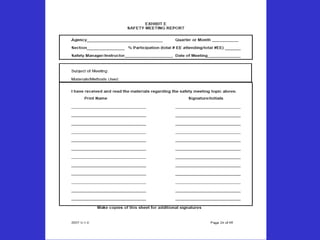
 Date  Topic
 Instructor  Aids used
 Employee’s signatures
 Attendance
Percentage
ATTENDANCE
 Minimum 75% per meeting
Strive for 100%
 Mandate attendance from all employees
 100% attendance required from
Dept/Agency head
ATTENDANCE
 For Absent Employees:
 Forward the relevant information
 Discuss the topic
 Provide opportunity to ask questions
 Document
COMMUNICATION
IS PART OF
IMPLEMENTATION
INCIDENT/ACCIDENT
INVESTIGATIONS
WHEN TO CONDUCT AN
INVESTIGATION?
An investigation must be conducted for any
incident/accident.
Includes employees, non-employees, and
property
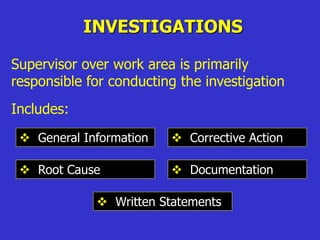
INVESTIGATIONS
Supervisor over work area is primarily
responsible for conducting the investigation
Includes:
 General Information
 Root Cause
 Corrective Action
 Documentation
 Written Statements
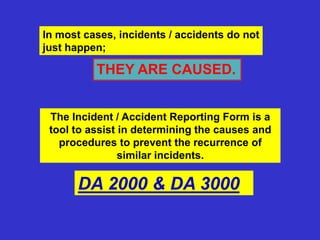
In most cases, incidents / accidents do not
just happen;
THEY ARE CAUSED.
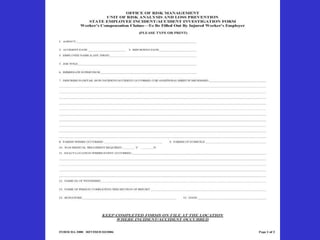
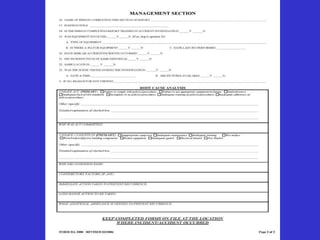
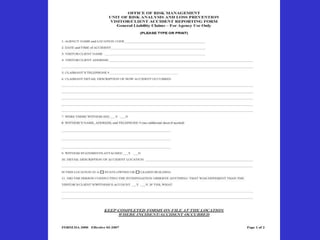
The Incident / Accident Reporting Form is a
tool to assist in determining the causes and
procedures to prevent the recurrence of
similar incidents.
DA 2000 & DA 3000
JOB
SAFETY
ANALYSIS
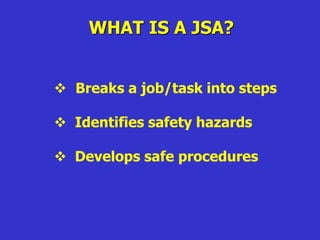
WHAT IS A JSA?
 Breaks a job/task into steps
 Identifies safety hazards
 Develops safe procedures
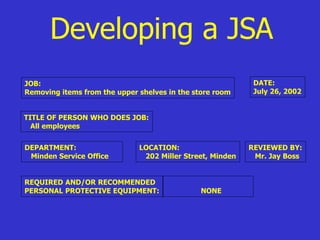
Developing a JSA
JOB:
Removing items from the upper shelves in the store room
DATE:
July 26, 2002
TITLE OF PERSON WHO DOES JOB:
All employees
DEPARTMENT:
Minden Service Office
REQUIRED AND/OR RECOMMENDED
PERSONAL PROTECTIVE EQUIPMENT:
LOCATION:
202 Miller Street, Minden
REVIEWED BY:
Mr. Jay Boss
NONE
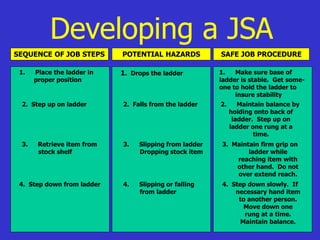
Developing a JSA
SEQUENCE OF JOB STEPS POTENTIAL HAZARDS SAFE JOB PROCEDURE
1. Place the ladder in
proper position
1. Drops the ladder 1. Make sure base of
ladder is stable. Get some-
one to hold the ladder to
insure stability
2. Step up on ladder 2. Falls from the ladder 2. Maintain balance by
holding onto back of
ladder. Step up on
ladder one rung at a
time.
3. Retrieve item from
stock shelf
3. Slipping from ladder
Dropping stock item
3. Maintain firm grip on
ladder while
reaching item with
other hand. Do not
over extend reach.
4. Step down from ladder 4. Slipping or falling
from ladder
4. Step down slowly. If
necessary hand item
to another person.
Move down one
rung at a time.
Maintain balance.
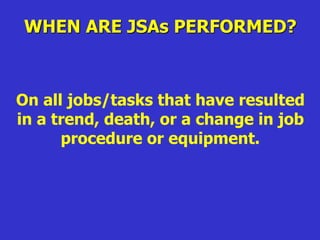
WHEN ARE JSAs PERFORMED?
On all jobs/tasks that have resulted
in a trend, death, or a change in job
procedure or equipment.
SUPERVISORS & JSAs
 Ensure JSAs are developed or revised
 Use as a training aid
 Follow-up analysis
 Incident/accident investigation tool
RECORDING KEEPING
 Maintain in work area
 Document their use
Inspections
 Maintain a safe work
environment & correct
unsafe actions
 Maintain operational
efficiency
Inspections
Written Component
• Included in operational safety
plan/manual
• Procedures to:
– Identify & Correct Hazards
• Good housekeeping safety
rules
Frequency
• Class “ A ”
– At least monthly
• Class “ B ”
– At least quarterly
The “Inspection Effect”
• Measures employee’s safety
performance
• Reinforces importance of safety &
management’s commitment
• Encourages employees
Documentation
• Written inspection report
• Should include:
– Person & Date
– Concerns identified
– Corrective action
– Building/Area inspected
Documentation cont’d
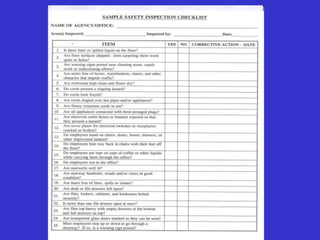
• Checklist recommended
– Systematic
–Site-specific
• Revise as needed to fit your
location
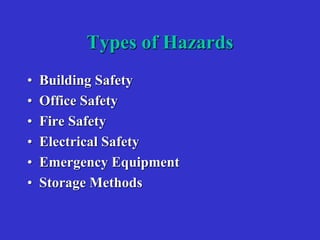
Types of Hazards
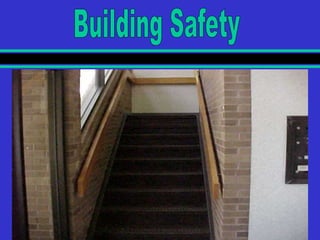
• Building Safety
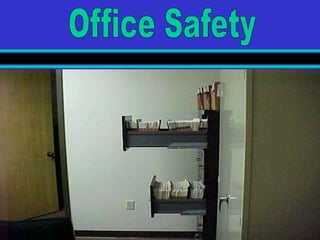
• Office Safety
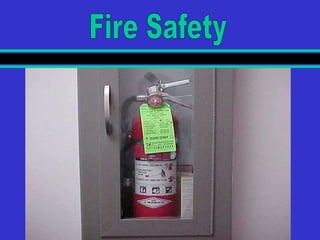
• Fire Safety
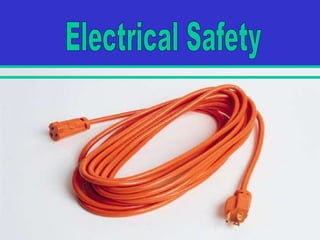
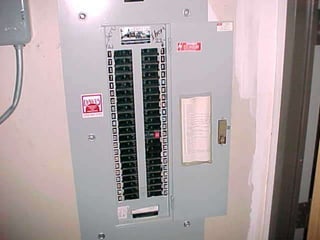
• Electrical Safety
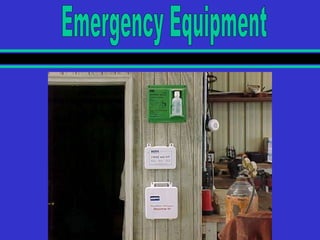
• Emergency Equipment
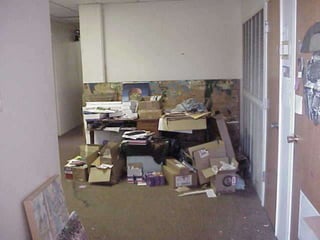
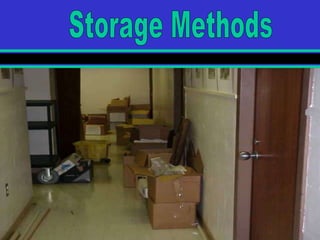
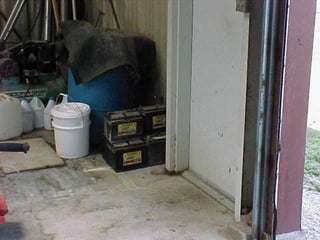
• Storage Methods
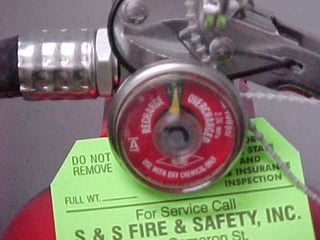
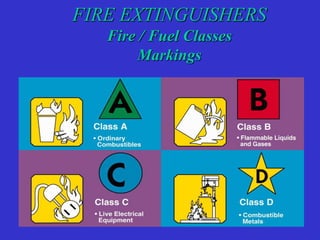
FIRE EXTINGUISHERS
Fire / Fuel Classes
Markings
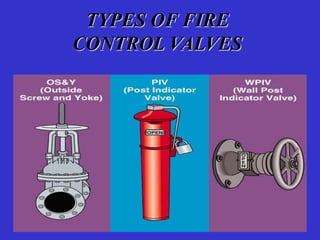
TYPES OF FIRE
CONTROL VALVES
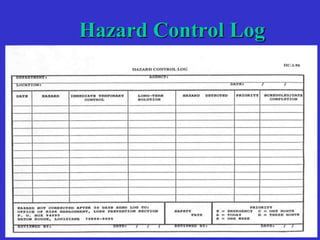
Hazard Control Logs or
other acceptable method
• Location:
– Posted in the workplace
– Provide all employees access
• Purpose:
– Employees can report unsafe
conditions
Hazard Control Log
Hazard Control Logs
Cont’d
• Implementation:
– Train employees
– Review routinely
– Maintain on file (at least three years)
Hazard Control Log
Responsibilities
• All employees utilize HCL
• Supervisor or Safety Officer:
– Checks HCL
– Takes temporary control
– Report to next level, if uncontrolled
Corrective Action
• Appropriate
• Expeditious
• Effective
– Accident/Incident Frequency Reduction
– Accident/Incident Severity Reduction
Corrective Action Cont’d
• Immediate (if possible)
– If longer than 30 days:
• Forward Hazard Control Log to:
– Department Head
– Agency Head
– ORM Loss Prevention Unit-BR
Record-keeping
• Inspection Reports
• State Fire Marshal
Reports
• Hazard Control Logs
– At least three years or,
– Until all hazards are
corrected, whichever is
longer
• Do you have a procedure?
Self-Check
• Are hazard control logs posted
and used?
• Do you have documentation of
implementation?
• Is it site-specific?
• Is corrective action taken,
documented, and effective?
TRAINING
SAFETY AND TASK
TRAINING
WHY CONDUCT TRAINING?
To provide a systematic method of
teaching employees to perform the
required tasks in a safe and efficient
manner.
OBJECTIVES
 To teach employees hazard recognition
and methods of corrective action
 To teach accident causes, occupational
health hazards, and accident prevention
 To involve employees in accident
prevention methods
 To motivate employees to accept their
safety responsibilities
RECOMMENDED TOPICS
 Safety Program Objectives
 Hazard Recognition and Control
 Emergency First Aid Procedures
 Emergency Response Procedures
 Personal Protective Equipment
 Material Handling
RECOMMENDED TOPICS
 Slips, Trips, and Falls
 Unsafe Environmental Conditions
 Good Housekeeping Practices
 Work from Elevations/Use of Ladders
 Safe Vehicle Operation
 Specific Job Tasks
TRAINING INCLUDES
 Instruction on correct procedures
 Use of safety equipment
 Availability of assistance
 Follow-up
LESSON PLANNING
 Topic / Title
 Objectives
 Estimated Time of Instruction
 Materials
 What the Instructor Will Do
LESSON PLANNING
 What the Employee Will Do
 Evaluation
 Assignment
 Documentation
WHEN SHOULD WE PROVIDE
REFRESHER TRAINING?
 When accidents occur
WHEN SHOULD WE PROVIDE
REFRESHER TRAINING?
 When accidents occur
 When task/equipment changes
WHEN SHOULD WE PROVIDE
REFRESHER TRAINING?
 When accidents occur
 When task/equipment changes
 Improved method of performing
WHEN SHOULD WE PROVIDE
REFRESHER TRAINING?
 When accidents occur
 When task/equipment changes
 Improved method of performing
 Observe employees not performing
correctly
ARE THE SUPERVISOR’S
RESPONSIBLITIES COMPLETE
WHEN THE TRAINING IS OVER?
SUPERVISOR’S SUPERVISING
Supervisors should, as part of their
responsibilities observe employees performing
their tasks.
 Are they performing the tasks properly
 Are they performing in accordance with
safety procedures
 Are they using the proper PPE
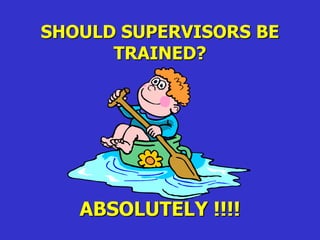
SHOULD SUPERVISORS BE
TRAINED?
ABSOLUTELY !!!!
SAFETY TRAINING FOR
SUPERVISORS
The immediate job of
preventing accidents and
controlling work hazards falls
upon the supervisors because
safety and production are
part of the supervisory
function.
SUPERVISOR TRAINING
OBJECTIVES
 To involve supervisors in the agency’s
accident prevention program.
 To establish the supervisor as the key
safety person in each unit.
 To help supervisors understand their
safety responsibilities.
 To provide supervisors with information
on causes of accidents and occupational
health hazards and methods of
prevention.
 To help supervisors gain skill in accident
prevention activities.
SUPERVISOR TRAINING
OBJECTIVES
SUGGESTED SAFETY TOPICS
FOR SUPERVISORS
 Safety and the Supervisor
 Know Your Accident Problems
 Human Relations
 Maintaining Interest in Safety
 Instructing for Safety
 Industrial Hygiene
 Personal Protective Equipment
 Industrial Housekeeping
 Material Handling and Storage
 Guarding Machines and Mechanisms
 Hand and Portable Power Tools
 Emergency Preparedness
Continued
CONDUCTING SUPERVISORY
TRAINING
 Select the training topic based on
priority
 Develop the lesson plan
TRAINING
TRAINING
TRAINING
FOR
EVERYONE
QUESTIONS?
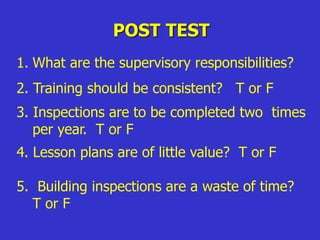
POST TEST
1. What are the supervisory responsibilities?
2. Training should be consistent? T or F
3. Inspections are to be completed two times
per year. T or F
4. Lesson plans are of little value? T or F
5. Building inspections are a waste of time?
T or F
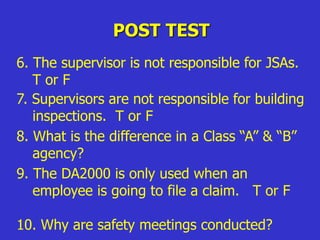
POST TEST
6. The supervisor is not responsible for JSAs.
T or F
7. Supervisors are not responsible for building
inspections. T or F
6. The supervisor is not responsible for JSAs.
T or F
8. What is the difference in a Class “A” & “B”
agency?
9. The DA2000 is only used when an
employee is going to file a claim. T or F
10. Why are safety meetings conducted?
POST TEST
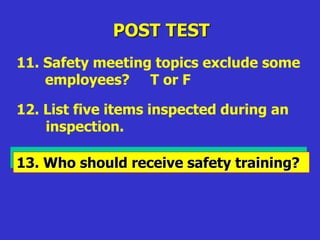
11. Safety meeting topics exclude some
employees? T or F
13. Who should receive safety training?
12. List five items inspected during an
inspection.
Supervisory responsibility

Supervisory responsibility

  • 1.
    SUPERVISORY RESPONSIBILITIES Presented By MOHANDAS P Asst. Professor(Personnel Management) National Academy of Indian
  • 2.
    COURSE OBJECTIVES  Identifysupervisory responsibilities  Indicate HOW to comply  Show HOW to document
  • 3.
    SUPERVISORY RESPONSIBILITIES INCLUDE:  Conductingsafety meetings  Conducting Incident/Accident investigations  Assisting in the development/implementation of JSAs  Maintaining both equipment and the workplace  Establishing work methods & providing training  Supervising employees in the performance of tasks
  • 4.
    SAFETY MEETINGS Purpose ofSafety Meetings  Establish Communication  Promote safety awareness  Motivate employees  Sharing ideas  Discuss safety standards  Demonstrate management’s concern
  • 5.
    SAFETY MEETING OBJECTIVES Change unsafe acts and/or unsafe conditions  Provide information  Introduce new materials, equipment, or processes  Report of past injury experience  To conduct policy orientation
  • 6.
    FREQUENCY  Class “A”agencies must conduct Safety Meetings at least monthly  Class “B” agencies must conduct Safety Meetings at least quarterly
  • 7.
    SELECTING A TOPIC Thefirst question to ask before holding a safety meeting is: “ What’s the Subject going to be? “
  • 8.
    SAFETY MEETING TOPICS Recent accidents (or high frequency)  High risk jobs  New equipment or processes  Observed unsafe acts by employees  Motivational subjects  Emergency preparedness
  • 9.
    SAFETY MEETING TOPICS(cont)  Bloodborne Pathogens  Fire Safety  Ergonomics  Safety Rules (required annually)  Safe Lifting
  • 10.
    MEETING OR TRAINING? Safety Meeting  Excludes NO employee or group  Applies to all attendees  Educates on the “What” & “Why”  Safety Training  Educates on the “what, why AND HOW”  Produces job-related skills/abilities  Usually “performance” based; task-specific; and observable/measurable
  • 11.
    SAFETY MEETING REFERENCES ORM Video Library Public Libraries  Internet  Newsletters  Outside speakers
  • 12.
    PLANNING THE MEETING Type of meeting  Visual aids  Location  Date and Time
  • 13.
    CONDUCTING THE MEETING Maintainorder & control Promote discussion/suggestions Encourage participation
  • 14.
    QUESTIONING  Types ofQuestions  Direct  Reflective  Open
  • 15.
    SUGGESTIONS FOR QUESTIONING  Challengethe group  Questions should be clear and concise  Concentrate on one idea/main topic  Avoid repetition  Allow only one response at a time  Commend good answers
  • 16.
    DOCUMENTING THE MEETING Date  Topic  Instructor  Aids used  Employee’s signatures  Attendance Percentage
  • 18.
    ATTENDANCE  Minimum 75%per meeting Strive for 100%  Mandate attendance from all employees  100% attendance required from Dept/Agency head
  • 19.
    ATTENDANCE  For AbsentEmployees:  Forward the relevant information  Discuss the topic  Provide opportunity to ask questions  Document
  • 20.
  • 21.
  • 22.
    WHEN TO CONDUCTAN INVESTIGATION? An investigation must be conducted for any incident/accident. Includes employees, non-employees, and property
  • 23.
    INVESTIGATIONS Supervisor over workarea is primarily responsible for conducting the investigation Includes:  General Information  Root Cause  Corrective Action  Documentation  Written Statements
  • 24.
    In most cases,incidents / accidents do not just happen; THEY ARE CAUSED. The Incident / Accident Reporting Form is a tool to assist in determining the causes and procedures to prevent the recurrence of similar incidents. DA 2000 & DA 3000
  • 29.
  • 30.
    WHAT IS AJSA?  Breaks a job/task into steps  Identifies safety hazards  Develops safe procedures
  • 31.
    Developing a JSA JOB: Removingitems from the upper shelves in the store room DATE: July 26, 2002 TITLE OF PERSON WHO DOES JOB: All employees DEPARTMENT: Minden Service Office REQUIRED AND/OR RECOMMENDED PERSONAL PROTECTIVE EQUIPMENT: LOCATION: 202 Miller Street, Minden REVIEWED BY: Mr. Jay Boss NONE
  • 32.
    Developing a JSA SEQUENCEOF JOB STEPS POTENTIAL HAZARDS SAFE JOB PROCEDURE 1. Place the ladder in proper position 1. Drops the ladder 1. Make sure base of ladder is stable. Get some- one to hold the ladder to insure stability 2. Step up on ladder 2. Falls from the ladder 2. Maintain balance by holding onto back of ladder. Step up on ladder one rung at a time. 3. Retrieve item from stock shelf 3. Slipping from ladder Dropping stock item 3. Maintain firm grip on ladder while reaching item with other hand. Do not over extend reach. 4. Step down from ladder 4. Slipping or falling from ladder 4. Step down slowly. If necessary hand item to another person. Move down one rung at a time. Maintain balance.
  • 33.
    WHEN ARE JSAsPERFORMED? On all jobs/tasks that have resulted in a trend, death, or a change in job procedure or equipment.
  • 34.
    SUPERVISORS & JSAs Ensure JSAs are developed or revised  Use as a training aid  Follow-up analysis  Incident/accident investigation tool
  • 35.
    RECORDING KEEPING  Maintainin work area  Document their use
  • 36.
  • 37.
     Maintain asafe work environment & correct unsafe actions  Maintain operational efficiency Inspections
  • 38.
    Written Component • Includedin operational safety plan/manual • Procedures to: – Identify & Correct Hazards • Good housekeeping safety rules
  • 39.
    Frequency • Class “A ” – At least monthly • Class “ B ” – At least quarterly
  • 40.
    The “Inspection Effect” •Measures employee’s safety performance • Reinforces importance of safety & management’s commitment • Encourages employees
  • 41.
    Documentation • Written inspectionreport • Should include: – Person & Date – Concerns identified – Corrective action – Building/Area inspected
  • 42.
    Documentation cont’d • Checklistrecommended – Systematic –Site-specific • Revise as needed to fit your location
  • 43.
    Types of Hazards •Building Safety • Office Safety • Fire Safety • Electrical Safety • Emergency Equipment • Storage Methods
  • 52.
    FIRE EXTINGUISHERS Fire /Fuel Classes Markings
  • 53.
  • 64.
    Hazard Control Logsor other acceptable method • Location: – Posted in the workplace – Provide all employees access • Purpose: – Employees can report unsafe conditions
  • 65.
  • 66.
    Hazard Control Logs Cont’d •Implementation: – Train employees – Review routinely – Maintain on file (at least three years)
  • 67.
    Hazard Control Log Responsibilities •All employees utilize HCL • Supervisor or Safety Officer: – Checks HCL – Takes temporary control – Report to next level, if uncontrolled
  • 68.
    Corrective Action • Appropriate •Expeditious • Effective – Accident/Incident Frequency Reduction – Accident/Incident Severity Reduction
  • 69.
    Corrective Action Cont’d •Immediate (if possible) – If longer than 30 days: • Forward Hazard Control Log to: – Department Head – Agency Head – ORM Loss Prevention Unit-BR
  • 70.
    Record-keeping • Inspection Reports •State Fire Marshal Reports • Hazard Control Logs – At least three years or, – Until all hazards are corrected, whichever is longer
  • 71.
    • Do youhave a procedure? Self-Check • Are hazard control logs posted and used? • Do you have documentation of implementation? • Is it site-specific? • Is corrective action taken, documented, and effective?
  • 73.
  • 74.
    WHY CONDUCT TRAINING? Toprovide a systematic method of teaching employees to perform the required tasks in a safe and efficient manner.
  • 75.
    OBJECTIVES  To teachemployees hazard recognition and methods of corrective action  To teach accident causes, occupational health hazards, and accident prevention  To involve employees in accident prevention methods  To motivate employees to accept their safety responsibilities
  • 76.
    RECOMMENDED TOPICS  SafetyProgram Objectives  Hazard Recognition and Control  Emergency First Aid Procedures  Emergency Response Procedures  Personal Protective Equipment  Material Handling
  • 77.
    RECOMMENDED TOPICS  Slips,Trips, and Falls  Unsafe Environmental Conditions  Good Housekeeping Practices  Work from Elevations/Use of Ladders  Safe Vehicle Operation  Specific Job Tasks
  • 78.
    TRAINING INCLUDES  Instructionon correct procedures  Use of safety equipment  Availability of assistance  Follow-up
  • 79.
    LESSON PLANNING  Topic/ Title  Objectives  Estimated Time of Instruction  Materials  What the Instructor Will Do
  • 80.
    LESSON PLANNING  Whatthe Employee Will Do  Evaluation  Assignment  Documentation
  • 81.
    WHEN SHOULD WEPROVIDE REFRESHER TRAINING?  When accidents occur
  • 82.
    WHEN SHOULD WEPROVIDE REFRESHER TRAINING?  When accidents occur  When task/equipment changes
  • 83.
    WHEN SHOULD WEPROVIDE REFRESHER TRAINING?  When accidents occur  When task/equipment changes  Improved method of performing
  • 84.
    WHEN SHOULD WEPROVIDE REFRESHER TRAINING?  When accidents occur  When task/equipment changes  Improved method of performing  Observe employees not performing correctly
  • 85.
    ARE THE SUPERVISOR’S RESPONSIBLITIESCOMPLETE WHEN THE TRAINING IS OVER?
  • 86.
    SUPERVISOR’S SUPERVISING Supervisors should,as part of their responsibilities observe employees performing their tasks.  Are they performing the tasks properly  Are they performing in accordance with safety procedures  Are they using the proper PPE
  • 87.
  • 88.
    SAFETY TRAINING FOR SUPERVISORS Theimmediate job of preventing accidents and controlling work hazards falls upon the supervisors because safety and production are part of the supervisory function.
  • 89.
    SUPERVISOR TRAINING OBJECTIVES  Toinvolve supervisors in the agency’s accident prevention program.  To establish the supervisor as the key safety person in each unit.  To help supervisors understand their safety responsibilities.
  • 90.
     To providesupervisors with information on causes of accidents and occupational health hazards and methods of prevention.  To help supervisors gain skill in accident prevention activities. SUPERVISOR TRAINING OBJECTIVES
  • 91.
    SUGGESTED SAFETY TOPICS FORSUPERVISORS  Safety and the Supervisor  Know Your Accident Problems  Human Relations  Maintaining Interest in Safety  Instructing for Safety  Industrial Hygiene
  • 92.
     Personal ProtectiveEquipment  Industrial Housekeeping  Material Handling and Storage  Guarding Machines and Mechanisms  Hand and Portable Power Tools  Emergency Preparedness Continued
  • 93.
    CONDUCTING SUPERVISORY TRAINING  Selectthe training topic based on priority  Develop the lesson plan
  • 94.
  • 95.
  • 96.
    POST TEST 1. Whatare the supervisory responsibilities? 2. Training should be consistent? T or F 3. Inspections are to be completed two times per year. T or F 4. Lesson plans are of little value? T or F 5. Building inspections are a waste of time? T or F
  • 97.
    POST TEST 6. Thesupervisor is not responsible for JSAs. T or F 7. Supervisors are not responsible for building inspections. T or F 6. The supervisor is not responsible for JSAs. T or F 8. What is the difference in a Class “A” & “B” agency? 9. The DA2000 is only used when an employee is going to file a claim. T or F 10. Why are safety meetings conducted?
  • 98.
    POST TEST 11. Safetymeeting topics exclude some employees? T or F 13. Who should receive safety training? 12. List five items inspected during an inspection.